Tag Archives: spanish american war

Save the USS Olympia!

I am a historian and for that matter to be more specific a military historian.  I have had a very busy week in “real life” but I saw a couple of articles last week about the cruiser USS Olympia.  It seems that this warship, a symbol of American industry and power at the end of the 19th and turn of the 20th Century is in danger of being scrapped or disposed of as an artificial reef of Cape May New Jersey if a benefactor is not found to help pay the more than 5 million dollars needed to keep this national and international maritime treasure afloat.  The 5 million is just the immediate cost, it is estimated that it may take up to 19.5 million dollars to dry-dock her and make the extensive repairs to her hull.  Olympia is not the first historic US Navy ship to be threatened by the ravages of time, the Frigate USS Constitution,

http://sundaygazettemail.com/Life/Travel/201005270677
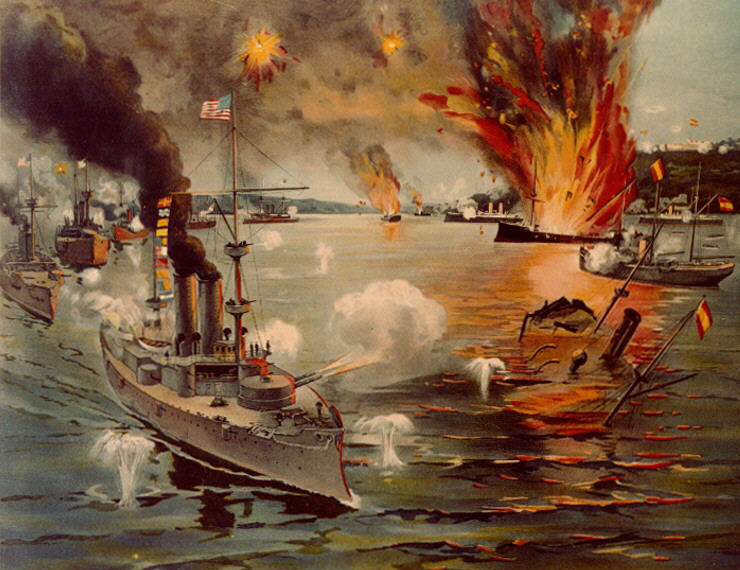
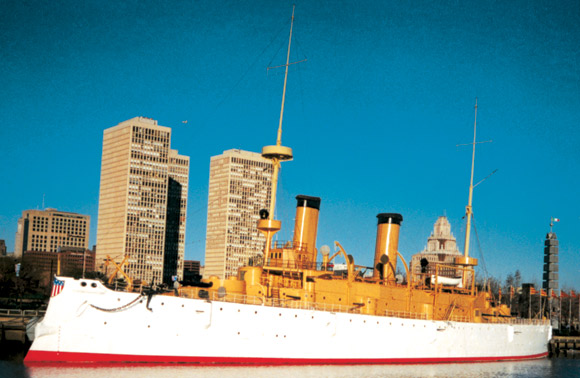
The Olympia was one of the first steel and steam warships of the United States Navy and is the oldest steel warship in the United States Navy still afloat.  She was a transitional ship as the Navy entered the modern age and her design was revolutionary for her time.  Displacing 5870 tons and with a length of 344 feet she was She was powered by reciprocating steam engines and capable of 20 knots. She had twin revolving turrets which housed her main battery of four 8 inch guns and mounted a secondary battery of ten 5 inch guns which protruded from her superstructure on the main deck.  She also retained sails as part of her design and was the first US Navy ship with a refrigeration plant and ice making machines.

She was the Flagship of Admiral Dewey at the Battle of Manila Bay during the Spanish American War and her last mission was to bring the body of the “Unknown Soldier” back from France following the First World War.  The launched on November 5th 1892 and commissioned on 5 February 1895 Olympia was decommissioned for the final time in on December 9th 1922.  She would continue her US Navy career in an inactive status after being reclassified as a miscellaneous auxiliary.  She remained as a Navy asset until she was acquired by the Cruiser Olympia Association on 11 SEP 1957 and was classified as a National Historic Landmark on 29 January 1964 and transferred to the Independence Seaport Museum in January 1995.
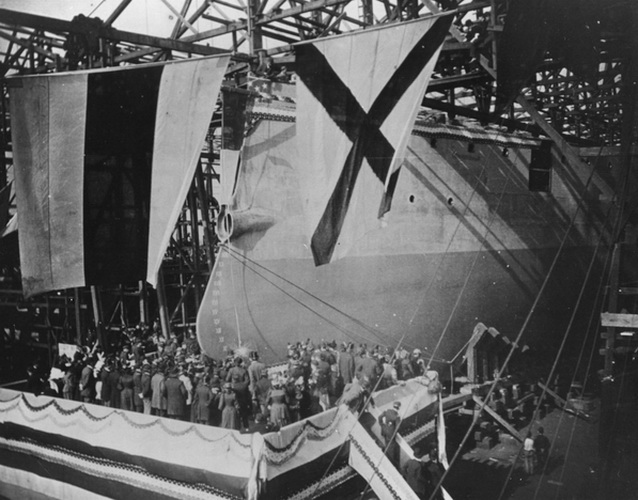
The ex-Olympia is a national and maritime history treasure. There are but a handful of ships for that era that still remain.  The Imperial Japanese Battleship Mikasa, Admiral Togo’s flagship at the Battle of Tsushima in 1905 is outside the Naval Base of Yokosuka Japan http://www.japan-i.jp/explorejapan/kanto/kanagawa/miurapeninsula/d8jk7l000002rn1h.html. The Russian Cruiser Aurora is moored in Petersburg http://www.aurora.org.ru/eng/ and the Greek Armored Cruiser Georgios Averof http://www.hnsa.org/ships/averof.htm are the only ships of that era remaining.
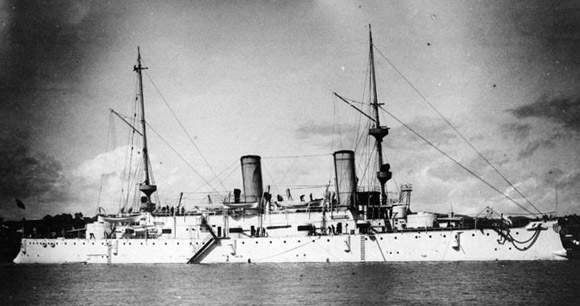
Olympia is in dire need of dry-docking and major repairs to her hull. Despite Federal Government regulations and sound maritime practices which stipulate that museum ships should be dry-docked and repaired at the minimum of every 20 years the Olympia has not been dry-docked or repaired since 1957.  She has numerous patches and her caretakers keep constant watch on her to ensure that no leak develops that could sink her. Additionally water now leaks through her decks into her hull causing further problems with rust and hull deterioration.
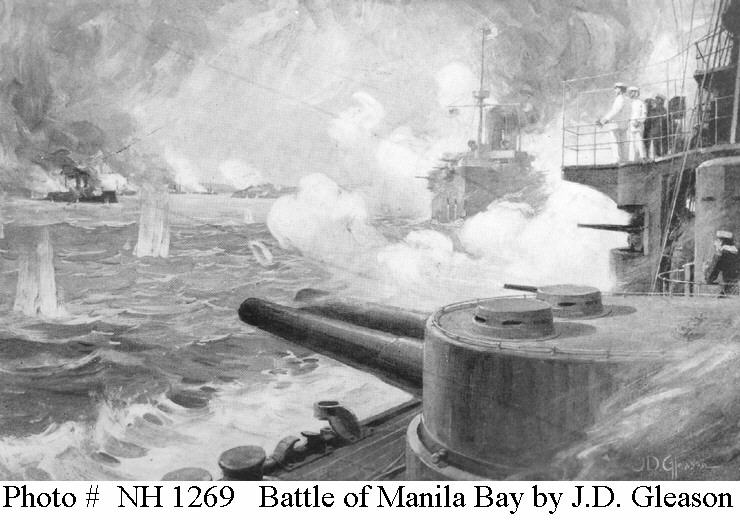
The Olympia is a National Historic Landmark listed on the National Register of Historic Places (1964), a National Historic Engineering Landmark (1977), and National Historic Maritime Landmark (1988) and was awarded “Official Project” status of Save America’s Treasures program (1999).

She will be closed as an attraction on the Philadelphia waterfront on November 22nd as the caretakers and the Navy determines her fate. Ultimately the Navy will have the final say in Olympia’s fate; even so efforts need to be made to enlist private and corporate sponsors to help save this treasure. As of the present time these efforts have been unsuccessful.

Naval Historian and author of a book on Olympia Lawrence Burr commented: “It’s an absolute national disgrace. It’s an appalling situation. She is a national symbol, and she marks critical points in time both in America’s development as a country and the Navy’s emergence as a global power.”

The “Friends of the Cruiser Olympia” http://www.cruiserolympia.org/ as well as former Secretary of the Navy John Lehman and former US Representative Curt Weldon  are leading the charge to see Olympia restored and reopened.

Olympia is not the first US Navy historic ship to be in such dire need. The first was the USS Constitution which was going to be broken up in 1830 until the public inspired by Oliver Wendell Homes’ poem elicited the money needed to repair that ship which was again threatened in the 1920s and was saved by a private-public endeavor urged by the Secretary of the Navy Curtis D. Wilbur which included a drive where children contributed thousands of dollars of pennies to the restoration effort and where prints of “Old Ironsides” were sold for .50 each.  Certainly it will take a creative effort to save Olympia and preserve her for history and those Americans that come after us.

I go to Baltimore to see an Orioles game on October 1st and may take a short trip to Philadelphia to visit the Olympia and if I do I will do an update with my own photos.

Peace,

Padre Steve+
6 Comments

Filed under History, Military, Navy Ships, US Navy

Adjusting Strategy to Reality: The Pacific War- Why the Japanese Lost

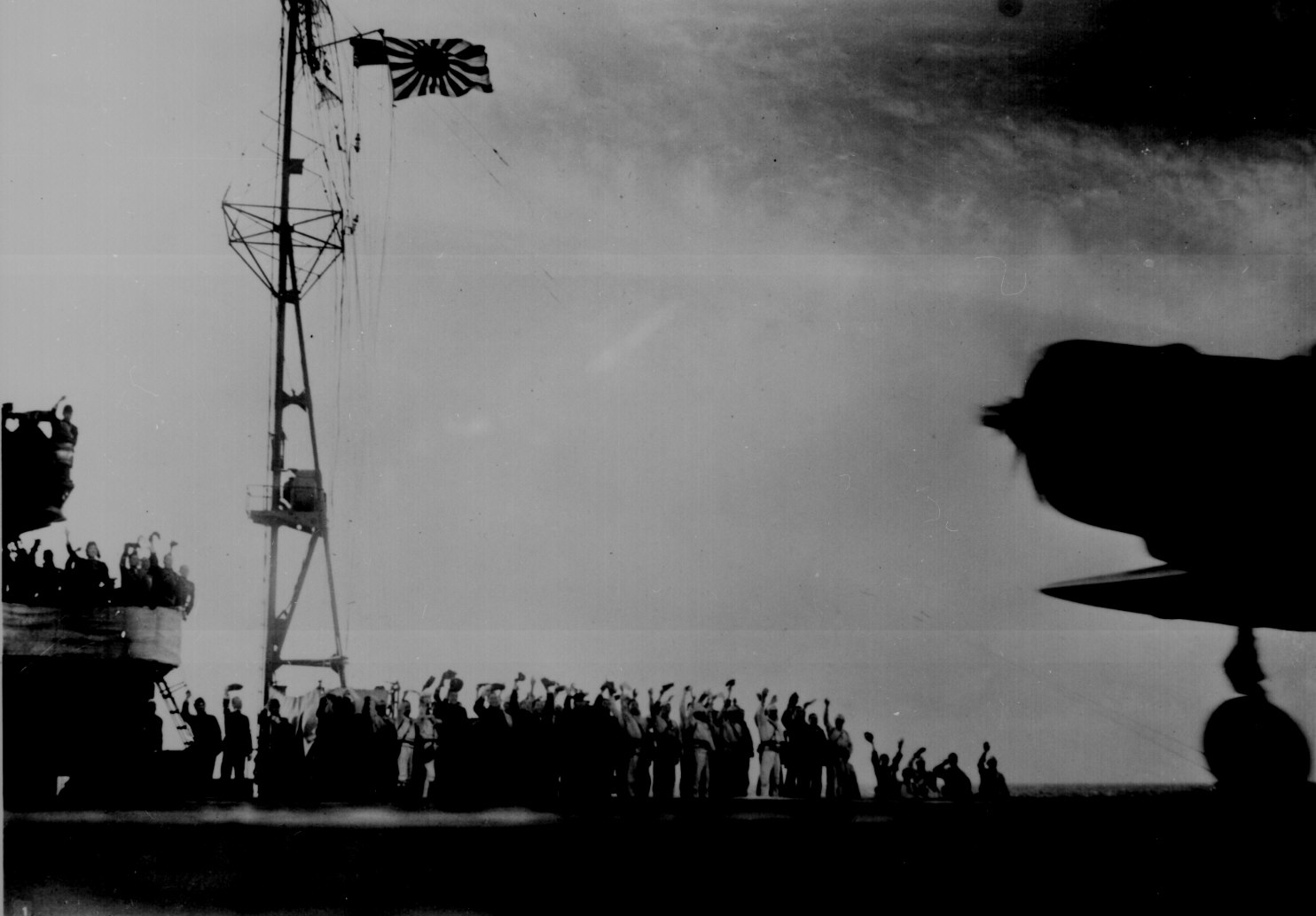
Lead aircraft ready to take off of IJN Carrier Akagi to attack Pearl Harbor beginning a 6 month chain of Japanese victories in the Pacific

The outcome of the Pacific war was directly related to the ability of the Americans to adjust strategy to the realities of the Pacific war, a unity of effort directed by the National Command Authority and superior industrial, technological and logistical capabilities. The Japanese after initial success did little to adapt and were hamstrung by inter-service rivalries and inadequate industrial capacity and limited natural resources.

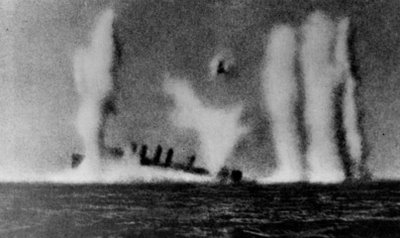
US Destroyer USS Pope being blasted out of the water by Japanese Cruisers at the Battle of Java Sea

The Japanese and the Americans each had war plans in place for the Pacific campaign.  The American plans, Plan Orange had been developed since the early part of the 20th Century after the Spanish-American War and Russo-Japanese War.  Predicated on holding the Philippines until relief could arrive Orange assumed that the US Pacific Fleet would sail across the Pacific and fight the Japanese Navy in a manner written about by Alfred Thayer Mahan; see Weigley in The American Way of War and Ronald Spector in “Eagle Against the Sun: The American War Against Japan.”

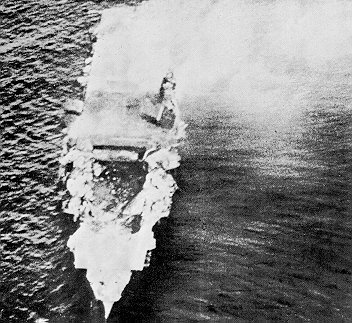
IJN Carrier Hiryu heavily damaged and abandoned at Midway. Hiryu, Akagi, Kaga and Soryu the creme of the Japanese carrier fleet were lost at Midway, the Japanese found it hard to replace them or their decimated air crews

The Japanese were conflicted.  The Navy desired a campaign that would destroy the American Navy and expand the Empire to the East and to Southeast Asia and the Indian Ocean. The Army was fixated on the China strategy having been embroiled on the Asian continent since the early 1930s. John Toland discusses this in good detail in his book “Rising Sun: The Decline and Fall of the Japanese Empire 1936-1945” In addition other Japanese Army leaders had designs on Siberia and fought a brief campaign against the Soviets which ended in a defeat.

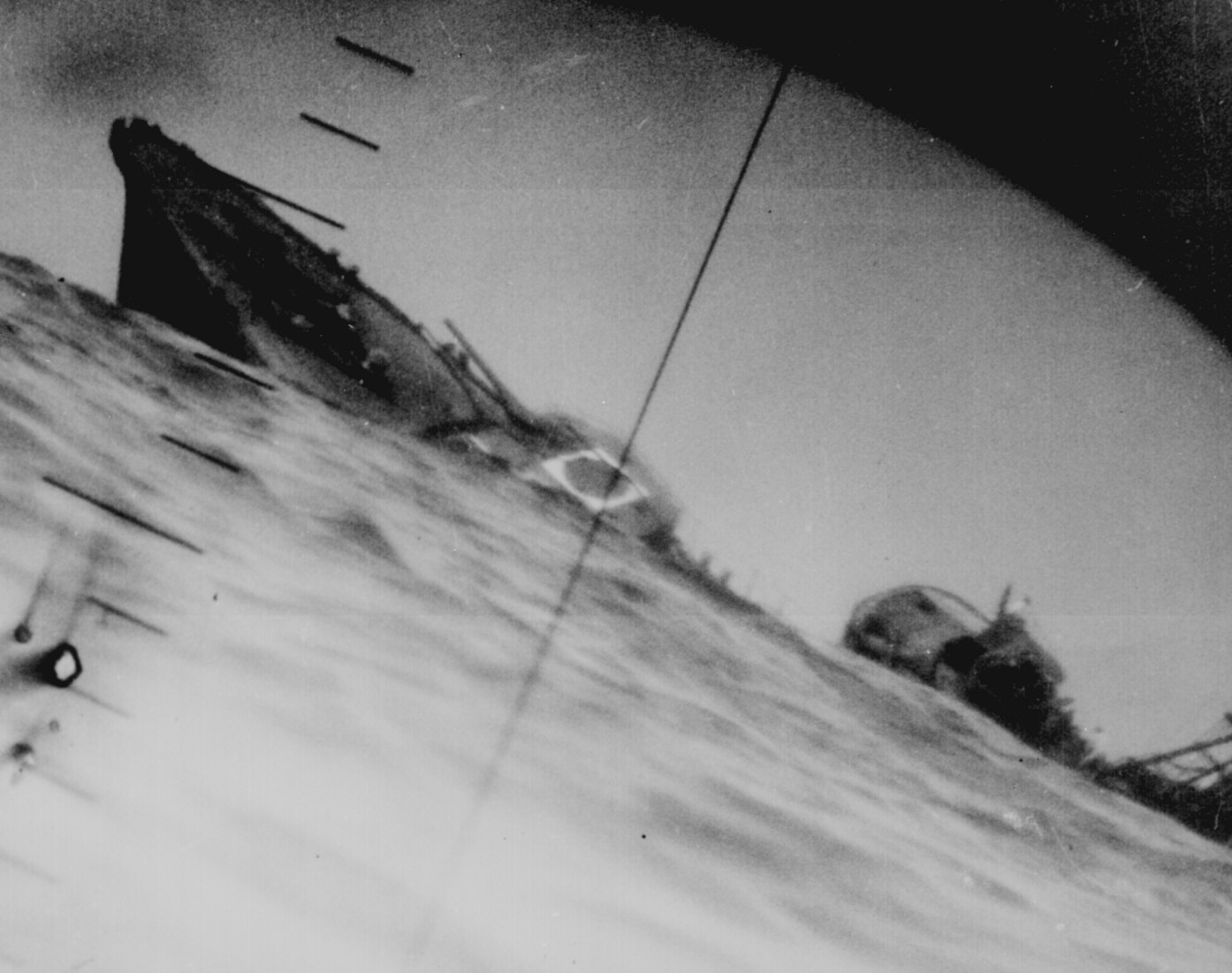
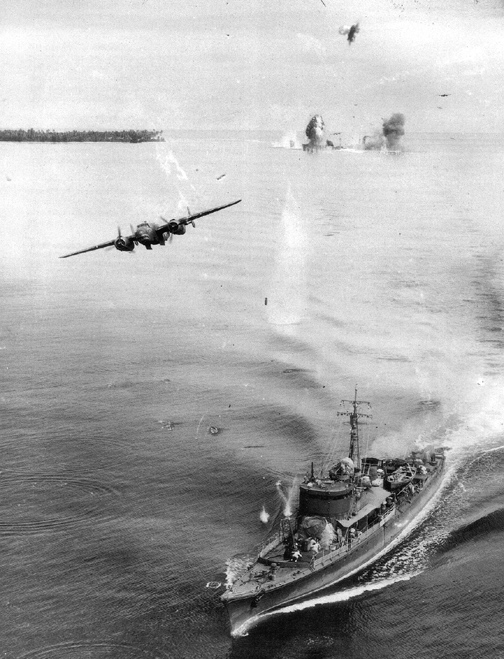
Japanese destroyer shown sinking after being torpedoed by a US submarine

When the Japanese attacked Pearl Harbor as well as the Philippines and Southeast Asia defeating American and Allied forces in detail, crippling the American Navy and dooming the Philippines the Americans were able to adjust strategy to first a defensive one supplemented by raids against the Japanese perimeter by carrier forces and the beginnings of a nascent submarine campaign against Japanese merchant shipping.  The Americans were able to parry the Japanese thrust at the Coral Sea and inflict a major defeat on the Japanese Carrier Forces at Midway prior to launching the first limited offensive by the Navy and the Marines at Guadalcanal.

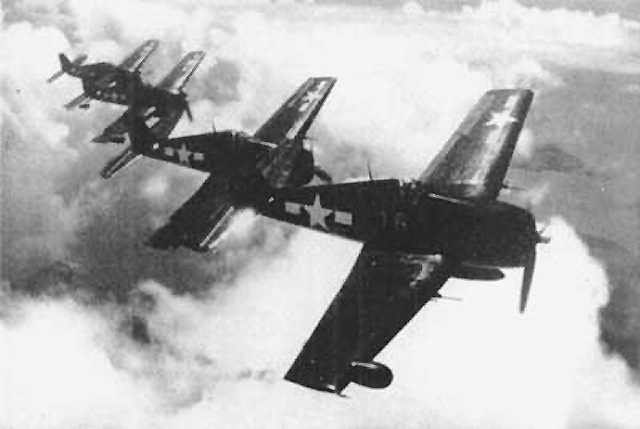
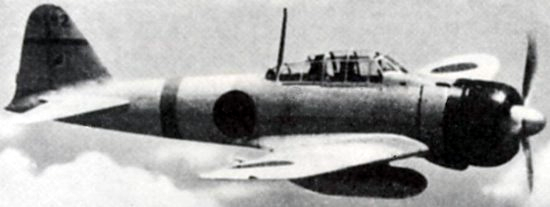
Aircraft like the F6F Hellcat drove Japanese aircraft such as the A6M2 Zero from the skies in the Pacific


The Japanese remained mired in their conflicting strategies with the Navy primarily fighting the Pacific campaign aided by limited Army and Army Air Forces on the islands Japan had occupied or fortified while the bulk of the Army was engaged in China, Southeast Asia or sitting on the Manchurian-Soviet border.

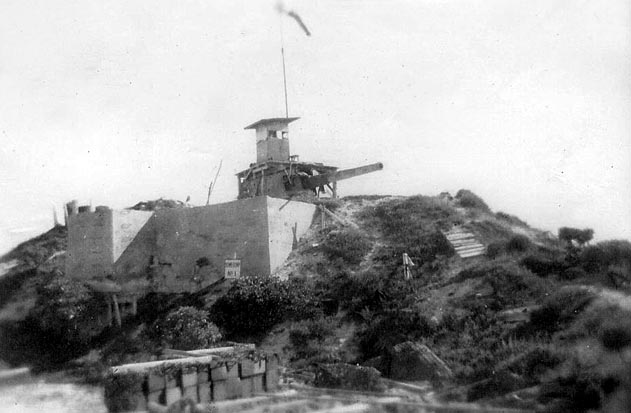
Heavily fortified Japanese islands were either bypassed or taken in bloody assaults, here a 8″ gun on Tarawa

Once the Americans shifted to the offensive a campaign of island hopping coordinated between the Southwest Pacific Area under General MacArthur and the Central Pacific Area under Admiral Nimitz focused on gaining control of islands which contained airbases and anchorages capable of sustaining the American advance while bypassing islands not necessary for this along with their Army garrisons. Both American advances in the South Pacific and Central Pacific focused on retaking the Philippines and cutting the Japanese lines of communication and supply with Southeast Asia. From late 1942 on the Japanese strategy was focused on individual areas of danger versus a overall coordinated defensive effort.

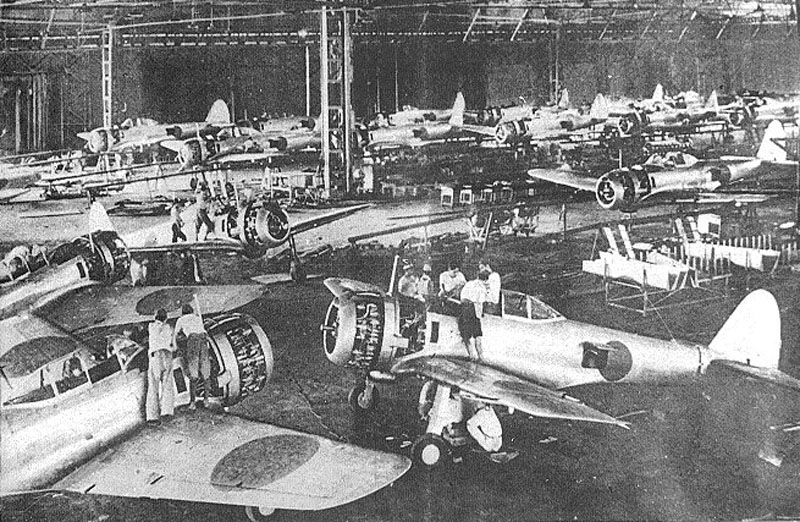
Japanese war industries were woefully ill equipped to match US war production. Here a factory producing Oscar fighter planes

The Japanese were hamstrung from the beginning of the war by limited natural resources, especially oil and oil refining capacities, limited industrial capacity, especially in the realm of the manufacture of steel and machining tools.  All of these were supplied in large part by their opponents and were cut off once the war began.

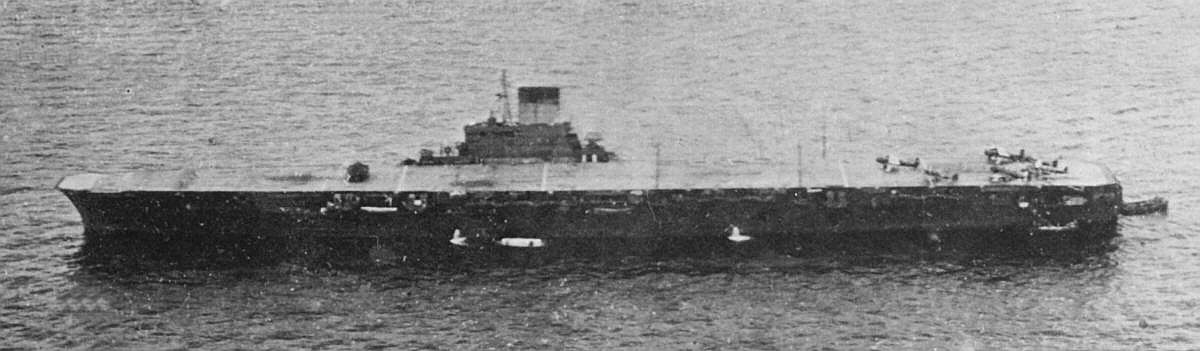
The Carrier Taiho was the equivalent of the Essex Class but the Japanese could only produce one unit

Michael Barnhart in his book Japan Prepares for Total War” has an excellent account of the limitations of Japanese economic, industrial and natural resource capacities, as well as the continual struggle by the Army and the Navy for priority in access to them and the inability of Japanese planners, both civilian and military to resolve this conflict. The Americans had a different situation; although American industrial capacity was enormous it had to be split between to Theaters of Operations and support the needs of American Allies, Britain, the Soviet Union, Canada and China.

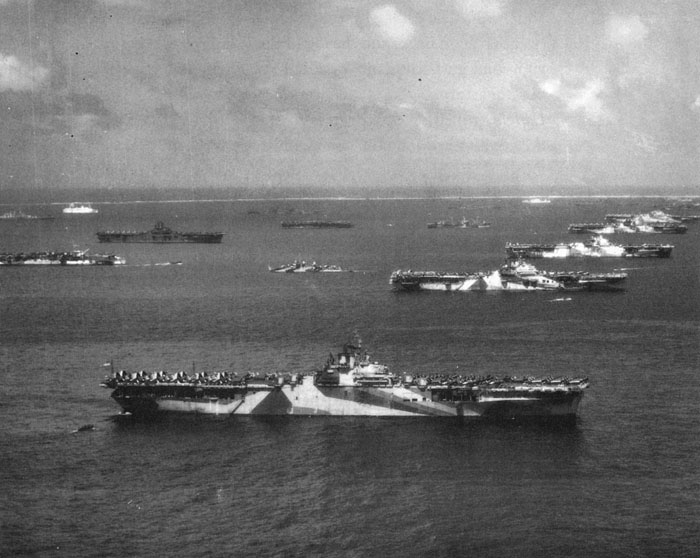
An Armada of US Essex Class Carriers in 1944 the Japanese could not keep pace with US Naval production

Despite this the Americans in a relatively short time were able to amass forces equal to or great than the Japanese who were unable to replace losses in ships, aircraft or the highly trained personnel needed to man them.  At the beginning of the war Japanese Air and Naval forces in the Pacific outmatched everything the Allies could offer, however once they began to experience significant losses at Midway and during the Guadalcanal Campaign their air and naval capabilities diminished to the point that they had to conserve ships and aircraft hoping to be able to gain local advantage in critical defensive areas.

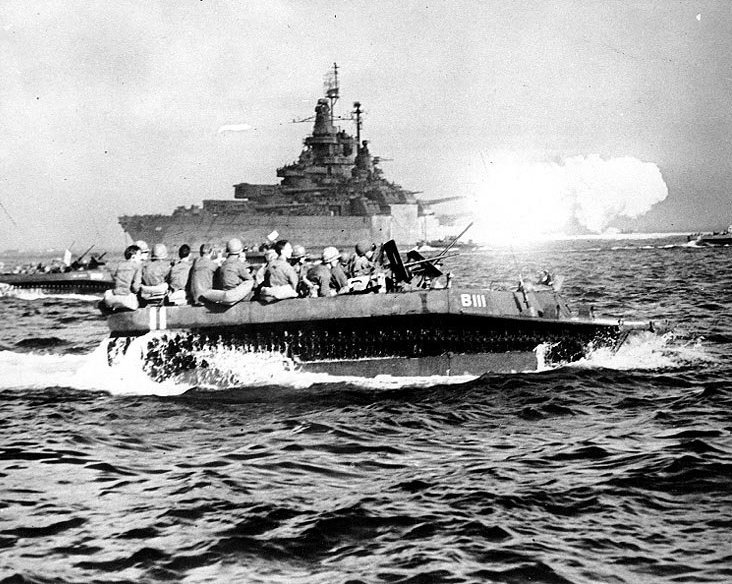
The US Amphibious warfare capacity was a key factor in the ability of the United States to take the war to Japan

New American ships and aircraft introduced during the war were superior to Japanese designs, many of which had reached their apex by 1942.  American advantages in radar, communications equipment added to American advantages throughout the war.  Japanese ground forces in the Pacific were dependant on the Navy and merchant marine for supply and reinforcements. As the American submarine campaign became better organized this became more difficult as the American submarines copying German Wolf pack tactics decimated the Japanese merchant Marine. I particularly like Samuel Elliott Morrison’s account of this in “The Two Ocean War” and “The History of US Navy Operations in World War II” which has a volume devoted to this subject.

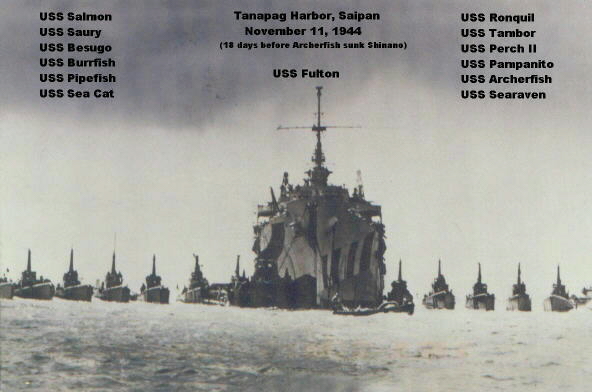
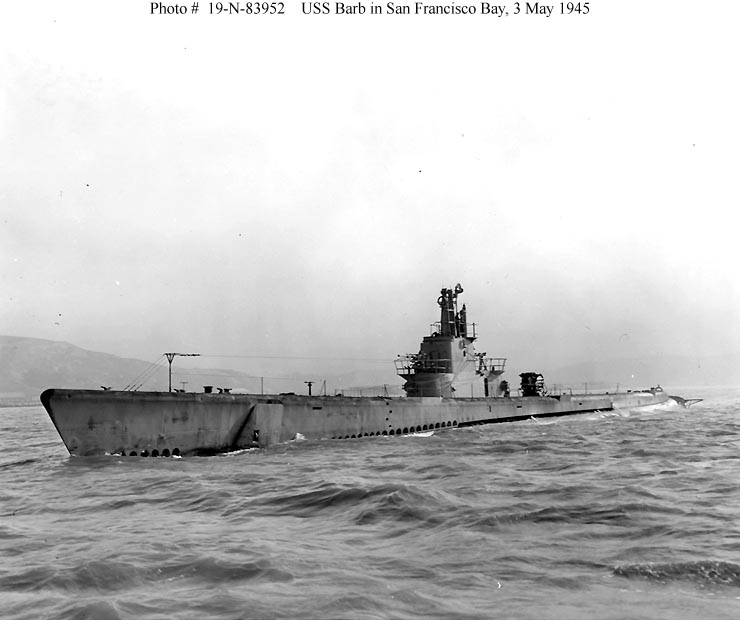
US Navy Submarines cut off Japan from its vital natural resources in Southeast Asia. A Sub Squadron above and USS Barb below

Japanese forces would always fight determined battles but they often expended great amounts of manpower in senseless Banzai charges rather than make the Americans force them out of well prepared positions.  Where the Japanese maintained excellent defense such as at Tarawa and Iwo Jima they made the Americans pay greatly for their gains.  American Marines were apart from the 82nd and 101st Airborne Divisions were the best infantry in the US Military and their skill at amphibious operations and integrated air-ground and naval warfare increased as the war went on.  The Americans were well equipped with modern weapons while the Japanese operated antiquated tanks and often substandard artillery.

Japanese leadership at the strategic and political level was inept throughout the war. They failed to coordinate any strategy with the Germans and failed to enunciate any sort of Grand Strategy.  On the operational and tactical levels the Japanese forces, especially the surface navy performed well, however as the American numeric and technologic advantage increased the Navy became less effective.  After the death of Admiral Yamamoto in 1943 Japanese Naval Leadership became far less effective. The Americans as mentioned before were able to devise a Grand Strategy which not only dealt with Japan but also Germany and coordinated the efforts of forces, war production, planning and logistics to advance their war aims.  At the operational and tactical level American forces, especially the Navy and Marines and later the Army Air Forces and Army became more skilled and than their Japanese counterparts with the possible exception of General Simon Bolívar Buckner at Okinawa. See Spector and Thomas Costello “The Pacific War.” In the air the Americans continued to increase their combat capabilities at the tactical and strategic level and used massed fire bombing raids to devastate the Japanese homeland.  The Japanese in contrast due to inexperienced pilots and fewer competitive aircraft were forced into suicide or Kamikaze missions as the war neared Japan.

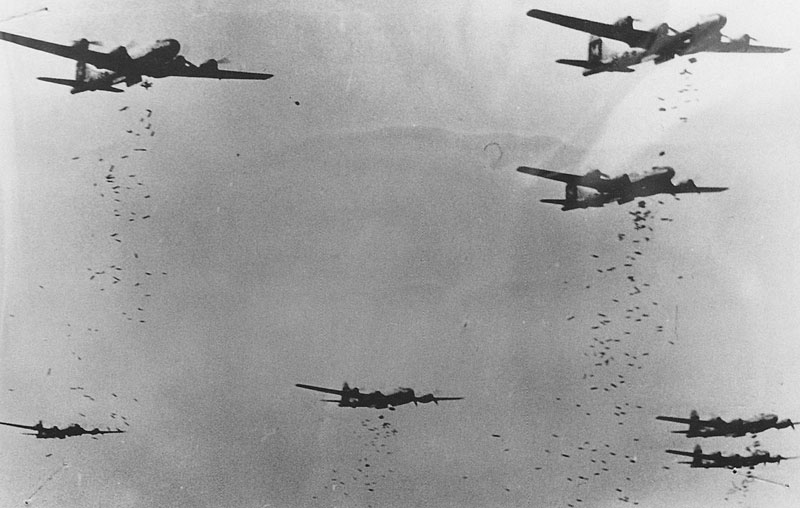
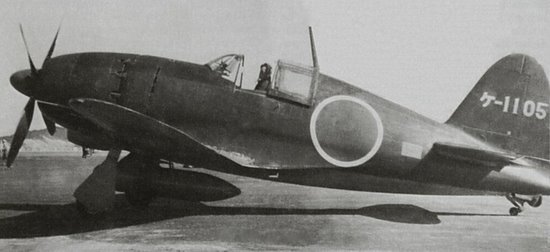
B-29 Super-fortresses leveled Japanese cities and even excellent fighters like the Mitsubishi J2M Raiden could not stop them


The outcome of the Pacific war was directly related to the ability of the Americans to adjust strategy to the realities of the Pacific war as well as the unity of effort which enabled the American superiority in industrial, technological and logistical capabilities to overwhelm the Japanese. The Japanese after initial success did little to adapt and were hamstrung by inter-service rivalries and inadequate industrial capacity and limited natural resources, fell behind in technology and were unable to replace losses among the ships, men and aircraft that they needed to fight an effective war.  Japanese leaders at many levels failed to adapt strategy, tactics or methods to match the reality of the war and the places that they did do so were done by local commanders and never instituted throughout the Japanese military.

2 Comments

Filed under History, Military, world war two in the pacific