Tag Archives: tbi

Moral Injury: Betrayal, Isolation, Suicidality, & Meaninglessness; the War after the War

IMG_1915.JPG

“Great Odysseus woke from sleep on native ground at last- he’d been away for years- but failed to know the land.” Homer, The Odyssey 

War changes the men and women that fight them. This is a truth that dates to antiquity. It does not matter the age or era, where the war was fought or what weapons were used, the pathology is similar, the scars of war, physical, The trauma of war, as Jonathan Shay notes in his book Odysseus in America, “shows ugly deformities of character that trauma can cause, but these deformities are fully human such as might happen to ourselves….” The fact is that the does happen is normal, but how we deal with it is not.

One of the most difficult things that many returning combat veterans face is being re traumatized upon returning home. As the Odyssey shows, for many returning combat veterans it is as if they are returning to an alien planet, which looks familiar, but feels like an alternate universe. It looks the same, but it is profoundly different. Erich Maria Remarque in his classic All Quite on the Western Front wrote:

“I imagined leave would be different from this. Indeed, it was different a year ago. It is I of course that have changed in the interval. There lies a gulf between that time and today. At that time I still knew nothing about the war, we had been only in quiet sectors. But now I see that I have been crushed without knowing it. I find I do not belong here any more, it is a foreign world.”

Shortly before his death in a motorcycle crash T.E. Lawrence, the great Lawrence of Arabia wrote a friend. Lawrence certainly suffered from PTSD and other afflictions that lingered long after the war. The words are haunting and they so describe how many veterans feel, even long after they left the combat zone. For Lawrence and so many others the war after the war never ended.

Lawrence wrote:

“You wonder what I am doing? Well, so do I, in truth. Days seem to dawn, suns to shine, evenings to follow, and then I sleep. What I have done, what I am doing, what I am going to do, puzzle and bewilder me. Have you ever been a leaf and fallen from your tree in autumn and been really puzzled about it? That’s the feeling.”

This has been a facet of life for American military personnel ever since the Vietnam War. Much of the trauma comes from the unnatural and ahistorical manner of how we send men and women to war and bring them home. Now generally we prepare people for war fairly well. However, we send many to war as individual augments, away from their units and people they know, place them in units or organizations where they are relatively isolated and sometimes face great danger, then we bring them back alone, with barely any time to decompress, tell their story and face the consequences of war with those that they know.

Guy Sager, writer of the classic The Forgotten Soldier wrote of his return from war:

“In the train, rolling through the sunny French countryside, my head knocked against the wooden back of the seat. Other people, who seemed to belong to a different world, were laughing. I couldn’t laugh and couldn’t forget.”

The result is that most don’t get the help that they need to make the adjustment. The fact is that the best help is usually found among our comrades who have shared our experience. Before trans-ocean air travel, soldiers came home on troopships, with those that they served and the voyage home lasted anywhere from two weeks to a month. That gave these soldiers the opportunity to process what they had been through, and while they might not have had much in the way of “professional” mental health care, they did have each other. Likewise, they returned to a country where many if not most of the citizenry had shared at least some of the sacrifice of war, and many of whom had family members who had served at war, or who had lost people they knew.

A survivor of World War I’s “Lost Battalion” wrote after the war:

“We just do not have the control we should have. I went through without a visible wound, but have spent many months in hospitals and dollars for medical treatment as a result of those terrible experiences.”

Today soldiers are sent from the United States or United States military bases in Europe or Asia into harms way, and when their tour of duty is done, are sent home in a process that seldom takes more than a week, usually less. Apart from a few airport greeters and their family, if they have a family, their return goes almost unnoticed. They return to a world where there has been no shared experience and people go about their business untouched by war. The return is often overwhelming, and many times disorienting and frightening to the combat veteran who no longer feels connected to the country or people that sent him or her to war. The normal issues faced by redeploying soldiers, especially with their families are often even more pronounced, they and their families struggle.

The general feeling of social isolation is often made worse when they return to their home bases, stations or units and discover that instead of being welcomed home, that they are treated as if they made the life of those who did not deploy harder. “Welcome back, now you can get back to real work, now you can be back on the duty roster.” Within weeks they are submerged in routine, often mind numbing tasks among people who have not shared their experience. Alone they try to cope, quite often not very successfully. For those suffering from combat trauma, especially the unseen injuries of PTSD and Traumatic Brain Injury the experience is magnified. There is a sense of isolation and meaninglessness as they attempt to put their lives back together. For those that seek help, on the active duty side of the house there is a stigma to getting mental health care, which is so pronounced that many either avoid treatment or stop shortly after starting, instead self-medicating with alcohol or drugs. The same is often true for those who seek help in the Veterans Administration system, except they, having finished their active service do not have to endure the shame of being called or considered “broken” by their superiors or their peers. For those that have not served, to be labeled as “broken” is one of the worst things that can happen to you in the military, it is to say that you have no intrinsic value, no matter what you have accomplished to that point or what you have suffered in the line of duty.

Those that do decide to take the risk in going to get mental health care are often then traumatized by the very system that supposedly is there to help them. While there are many gifted, caring and skillful psychiatrists, psychologists and therapists working for the military and the VA, the process of getting care can be brutal and dehumanizing. The intake process is often impersonal and quite often the ordeal dissolutions those going through it. As a personal note, when I transferred back to the area that I previously had been treated it was like I had never been in the system. It was starting from scratch, and while I had gone back to the system seeking basic follow up care, the process broke me and made me worse. Due to the intervention of so very caring people including a former commanding officer who is being promoted to Admiral, I am getting some help and may even be able to contribute to a solution. But it should not be so hard, the system in overwhelmed, undermanned, underfunded and broken, despite the best efforts of some in leadership. The result is that combat veterans are further traumatized and marginalized.

The combination of new trauma, that of no longer feeling a part of society, that of being disconnected from friends and family; that of being isolated at work and treated as a number by those in the medical and mental health system. All of those things add further injury and contributes to the sense of betrayal, the sense of betrayal that goes to the heart of Moral Injury.

Moral Injury involves the breaking of trust, confidence and core beliefs. That can encompass everything from what a person believes about God, the idealism about one’s country, the military that one serves and even the society and family. Moral Injury is an abiding sense of loss of faith and confidence in the things, the beliefs and ideals that one held dear. It is a layer of trauma that adds to what one has experienced in combat, it is another layer of trauma on top of PTSD, TBI and other Combat Stress related issues. It increases the severity of other psychological conditions including depression, anxiety and the risk of suicidal, or other risk taking behaviors.

But it doesn’t seem to me that anyone gets this, and those that do are not in a position to influence policy. Neither are they in a position to ensure that mental health providers are trained to recognize, care for and not increase the chance of further traumatizing those in their care. Instead those coming home from war seem to be condemned to a sort of hell where they do not feel they matter, are treated as numbers or even worse, feel that they no longer can contribute, because they are “broken.”

My experience is that it takes far too much effort to get the basic care that one requires, and most people after being beaten down simply give up. A person should not be reduced to tears and seriously consider suicide to get attention. A person should not have to know a doctor who is going to be an Admiral to get someone to listen to them. Honestly most people will neither endure the ignominy or pain of seeking help in such an environment, much less skyline themselves but writing and speaking about I like I do. For most any of that is far too dangerous or risky.

Some, including people that I know and love and respect have lost their families, careers and lives simply because they did not want to have the stigma of being considered “broken” or deal with the impersonal and machine like bureaucracy that is our mental health system. The sad thing is that this encompasses not only the military and VA systems, but the civilian system as well. I have known far too many people who have ended their lives after being further traumatized by the system. These people include senior officers and even chaplains, most who risked their lives in combat multiple times only to return home broken. I know too many of them, men who were real heroes, who died at their own hand, or others who lost their families and careers.

I know PTSD, I live with that reality daily, the depression, anxiety, hyper vigilance, paranoia, nightmares, night terrors, insomnia and fear of of crowds, traffic, and normal relationships. That is life and I do my best to deal with it, sometimes more successfully than others. My marriage has suffered because of my madness, and I have experienced the rejection of many of my peers in the Chaplain Corps. Likewise my former church and bishop, after two knowing that for two years I was for all practical purposes an agnostic and knowing my life was a wreck, kicked me out when my faith, though very fragile and mixed with doubt, returned. I asked hard questions, and when I asked them publicly I was tossed for being “too liberal.” That rejection, the rejection of a faith community also contributes to Moral Injury. Sadly I know too many others who have returned from war to be rejected by faith communities that advertise how the “love, pray for and support the troops.”

In spite of that I continued to seek help, and at Camp LeJeune my commanders and others ensured that I got what I needed. It helped and when I returned to Hampton Roads a year ago I really thought that I was doing better. That changed last month. I went back, seeking follow-up care, which I assumed was just to download my issues with once in a while and manage my medication. Instead that attempt to re-enter the military mental health care system did me considerable harm, hell I considered suicide just last week after this. I no longer think that what I need is simple occasional follow up care, instead my experience shattered me. I had no idea just how fragile that I was, it was as if the floor had been kicked out from under me.

That my friends is what Moral Injury does to someone. Those are the kind of experiences that break a person’s faith and trust in the things, ideals, institutions and people that they grew up trusting and believing in. That loss of faith and trust, combined with the other layers of Combat Stress Injury can be devastating, and it doesn’t seem to matter because most people are neither aware, nor do they care. Not because they are bad people, but because there is such a gulf between the military and society at large that such issues are distant and incomprehensible to most people not in the military.

Yes, my trust in the system and my country is broken and I don’t know if I will ever regain the faith that I have lost. I honestly want to, I want to believe. God I want to believe. Now it does look like I will be getting help, and maybe even a chance to help being a part of the solution, and that will be a good thing.  Today I got a call from the Admiral at the Medical Center, unfortunately it went directly to voice mail, but he did sound like he cared and wanted to listen. For that I am grateful.

Pray for me as I get a chance to speak with leaders who have some influence to make things better, not just for me, but for all of us.

Peace

Padre Steve+
6 Comments

Filed under mental health, PTSD, suicide

“You Broke it, You Bought It” The Responsibility of a Nation at War

The past couple of days have been very trying as I have been dealing with trying to get simple basic follow up care for the PTSD that I have been dealing with since 2008. Over the past couple of days I have experienced the push back of a system that is attempting to save money at the expense of patients, and inexperienced treatment by mental health providers who are insolent, disrespectful and disdainful of the professional colleagues that they are treating.

Since I dealt with this at length last night I am not going to bore you with those details.  Today was actually worse than yesterday as the provider made the situation worse. In fact the HIPPA violations and disrespectful treatment that would get a lawsuit in the civilian world, but active duty military can’t do that because of the Feres Doctrine.   There are a couple of people seeing what they can do to get me help, and I am glad. However, if they are unsuccessful this will go to the highest ranks of the Navy Medicine system, to Congress and the media.

As I noted last night, our former Secretary of State and retired Chairman of the Joint Chiefs of Staff, Colin Powell said, referring to the country of Iraq: “You break it, you buy it.” this is certainly something that that certainly should apply to those who have served their country in combat and come back broken, just as much as it does to the nations that we occupy and destroy during war.

Last night I wrote and published the article about the terrible treatment I have received since trying to get back into therapy for my PTSD issues. This morning I received an e-mail from my mental health provider that displayed a tremendous, almost stupefying disregard of my experience, as well as the facts that are recorded in my medical records. That e-mail has settled the issue and hardened my resolve to see this through.

My provider basically told me that the choice was not mine to make. She offered me options that neither work for me as a patient, nor were clinically indicated based on my medical record. The sad thing is that as a professional I have probably have more clinical experience and training dealing with PTSD than most providers including her. The fact that she didn’t even graduate from medical school until the war in Iraq was almost over, and has not deployed herself and then treated me with such disregard and disdain.

As I said yesterday this is bullshit. First from the perspective of a senior officer I can totally understand why senior officers and enlisted personnel avoid the military mental health system. First there is the stigma, which whether we like it or not is still very real. I decided to ignore the stigma in order to get help. However, the stigma  keeps many senior leaders from getting help as does the way they are treated when they do try to get help. The system  refuses to deal with people as individuals and instead treat all patients regardless of their rank or experience as if they were 19 year-old recruits with no maturity or understanding.

As I mentioned last night I fear for senior leaders that do not get help because they are afraid of the stigma and the treatment by providers that treat them with disrespect; as well as the junior enlisted personnel that whether they seek treatment on their own, or are told to go by their command enter into a system that on the whole treats them with disrespect as if they were cattle.

The fact is that no matter if they are old veterans, or young men and women, they deserve better. Especially those suffering from PTSD, TBI or other combat stress injuries. They deserve the best the nation can offer, not sloppy seconds. As an old salt that I will fight for all of them, while I am in the military and after I retire.

Have a nice nice night,

Peace

Padre Steve+

3 Comments

Filed under PTSD

Not the Cover of the Rolling Stone but the Front Page: Padre Steve Featured in Washington Times article on PTSD

400236_10151328400862059_541742014_n-2

“We were all at once terribly alone; and alone we must see it through.” Erich Maria Remarque in All Quiet on the Western Front

Well my friends it has been an interesting week. Last week I was contacted by a Public Affairs Officer at the Pentagon who had been a student in our Winter Class because he had been asked by a reporter if he knew someone who could talk about PTSD. I was then contacted by the reporter, Maggie Ybarra of the Washington Times. I was interviewed and the paper sent a wonderful photographer Eva Russo to take pictures of me at Norfolk’s Harbor Park.

Now the Times is not my paper of choice. However the chance to talk about PTSD and the effect on veterans including senior officers in such a high profile forum is important. One does not have to agree with the political slant of news organization if they present the particular topic with sensitivity and balance. The reporter, editor and photographer involved all treated me and those who suffer with respect. I cannot ask for more. Since I was interviewed and quoted by David Wood of the Huffington Post last month for an article on “Moral Injury” shows a sense of balance, I will talk to anyone willing to fairly present the struggles faced by currently serving military members and veterans suffering from PTSD. My brothers and sisters mean more to me than my political leanings. This week I have been contacted by a producer from the BBC about a documentary on that subject but that is waiting on PAO to do something with it.

What matters to me is that veterans suffering from PTSD, TBI and Moral Injury are not forgotten. That happens far too often often after every war. The public forgets, the military forgets and the government forgets. Major General Smedley Butler wrote in his classic War is a Racket:

“I have visited eighteen government hospitals for veterans. In them are about 50,000 destroyed men- men who were the pick of the nation eighteen years ago. The very able chief surgeon at the government hospital in Milwaukee, where there are 3,800 of the living dead, told me that mortality among veterans is three times as great as among those who stayed home.”

Likewise I understand the stigma of PTSD. Many senior personnel both officers and enlisted, the career men and women effected by it PTSD, TBI or Moral Injury don’t want to identify themselves or seek help. I can’t blame them in some ways even though it is killing them. My choice back in 2009 was to decide try tell my story as honestly and transparently. When my shrink asked me what I was going to do with this I thought about it hard. I am very much an introvert and it was scary to “come out.” It was even harder then because though a chaplain I was for all practical purposes an agnostic hoping that there was a God and I was afraid of everything. But I knew that I had to start speaking out because very few senior leaders affected by this scourge had the freedom to do so. That is one of the reasons that I started this website.

It was risky to speak out. Despite efforts by some senior leaders to change the military culture the fact is that there still is a great stigma attached to “coming out” and seeking help for PTSD and other mental illnesses. In fact I know of numerous senior leaders, officer and enlisted whose careers have cratered due to the effects of PTSD and even some who have lost their families or even taken their lives. So for me this is very personal and serious.

The first time I spoke out being interviewed in the Jacksonville (North Carolina) Daily News back in April 2011 there were trolls who made some incredibly hateful and vicious comments about me in the comments of the online edition. Some were even threatening. The paper took the abusive comments down but the wounds remain, some people are simply assholes and I pity them. No wonder people don’t want to talk about the subject and would rather resort to silence, substance abuse and suicide than talk about it.

The fact is that despite the fact that some senior leaders are doing what they can to try to change the culture of the military from one that penalizes, marginalizes and trivializes the suffering of those that serve the stigma remains, and many feel it. One senior enlisted leader in an elite branch of the Navy told me that “leaders could seek help that they would never get any more career enhancing or important assignments.” That was only a few months ago after the suicide of a retired Navy Captain who suffered from PTSD and TBI, a man who meant much to both of us.

The fact is that as a Chaplain I feel pretty much “radioactive” to other chaplains, at senior chaplains. I can count on one hand the number of senior chaplains who have bothered to contact me or ask how I was doing. But that being said I have been contacted by others, chaplains line officers and enlisted personnel who tell me that I am one of the few people who “gets it” and that they feel safe confiding in. Personally I would rather have that be my legacy than anything else.

The fact is it will take a generation of leaders to change the military culture to give the men and women who put it all on the line and suffer for their efforts to get help.

But enough of that for now, I’m getting upset and I already have a terrible time sleeping, I don’t need to spin myself up any more than I am. If you want to read the Times article the link is here: http://www.washingtontimes.com/news/2014/apr/22/less-silent-suffering-veterans-post-traumatic-stre/

On a different note, I did something today that in more than 32 years in the military I have never done. I received a maximum score on my physical fitness test. The past few years I have come close but never maxed it. The sad thing is what I need to do now to get a maximum score is more than I needed to do as a young Army officer in the 1980s.

Anyway, until tomorrow when I will have another Gettysburg article for you, have a great night and remember to care for the veterans and families who suffer the effects of PTSD, TBI and Moral Injury.

Peace

Padre Steve+

3 Comments

Filed under Military, PTSD

A Note of Thanks to My Readers

1622612_10152232336042059_727365308_n

I want to take a few minutes and thank all of you that follow Padre Steve’s World. I cannot tell you just how much it means to me that you take a measure of time to visit my little cyber world. If you are a regular reader or subscriber I thank you from the absolute bottom of the dark place that is my heart.

Some of you have been following me for a long time. This means that you must be pretty incredible people. After all it takes a lot of patience and forbearance to put up with me, just ask my wife.

In the past five years since the site launched I have have something like over four million visitors from I think close to 150 countries. That is pretty cool. So I ask you my friends and readers to keep the hits coming. After all I will need something to make sure that I can afford good beer after I retire from the Navy, whenever that might be.

Others of you may not have been following me for very long, In that case you may be either encouraged or disappointed. In a sense Padre Steve’s World is a lot like a variety show. I write about a lot of topics and I definitely am not a single subject or agenda kid of writer.

For those that have subscribed expecting an agenda of any kind, so what can I say? The website and what I write it is very much part of me, and part of who I am. Since some people like me, some people don’t and other people couldn’t give a shit what happens to me I figure that sentiments will be reflected in my readers and subscribers. At times I may appear to obsess on certain topics. Usually when that happens it reflects what is going on in my life.

Back in late January and early February many posts reflected thoughts on my return from Iraq six not very long years ago. Other times they may reflect issues about social justice, faith, history, baseball and even somewhat humorous and offbeat articles. Lately I have been writing a lot about the Gettysburg campaign.

Please know if you are not a Civil War history buff or student of military history and theory I do understand your plight. Such articles may bore you to tears, much like a lot of what I see online. So I respect and appreciate what you are going through. If you wonder why in the hell I am writing about Gettysburg right now, well it is because I am having to put a lot of study and work into it as part of my job teaching at a military staff college for senior officers. That being said, please know I will intersperse other topics in between these. Come about March 10th Gettysburg will fade away for a while. Until then the military history and Civil War types will love it, others I admit might be bored to shit.

Wow, that rhymed. Maybe I should take up poetry too, but I digress…

You can expect that I will continue to write on the subjects that I have created tabs for at the top of this page. As baseball season really heats up expect a lot more baseball posts, as well as commentary about my local AAA Minor League team the Norfolk Tides. Likewise you can expect a decent amount of social and political commentary from a center left progressive Christian perspective as well as writings on current events, movies, music, history, ethics, Star Trek, relationships, life, foreign policy, current world events and my dogs.

Of course I will continue to write about PTSD, TBI, Moral Injury and other issues that affect veterans. as well as my personal struggles with those issues as they intersect with faith and life.

I do hope that if you appreciate what I write that you will recommend the site to those you know. This might sound kind of pathetic but I would like to have at least 500 subscribers on the site and 1000 Twitter followers by 2015. Right now I am about halfway to both goals.

So anyway, have a great night. Please sent your friends and even your enemies my way. You can also follow me on Facebook, or if you want to be exposed to the titter-patter of musings that can be expressed in under 140 characters follow me on Twitter at @padresteve

Again have a great night. Thank you from the bottom of my sometimes cold and dark heart.

Peace

Padre Steve+


4 Comments

Filed under Loose thoughts and musings

The Long Strange Trip: Six Years After Returning from Iraq

295_26912117058_5652_n

It is hard to believe because it seems like it was yesterday, but six Years ago tonight I got off a plane, home from Iraq. The final flight on a commercial aircraft going from Philadelphia to Norfolk was crowded, but the people on board were polite to us, both the flight crew and the passengers, but it was like I had returned to a different world. What I entered was the same as it always had been, but I was different.

Guy Sager, an Alsatian who served in the German Army in World War Two wrote at the end of his book The Forgotten Soldier:  

“In the train, rolling through the sunny French countryside, my head knocked against the wooden back of the seat. Other people, who seemed to belong to a different world, were laughing. I couldn’t laugh and couldn’t forget.” 

About a year after my return, actually on February 16th 2009 I began writing on this site. I began it in large part to express my inner angst and as a means to my own healing as well as to help others. The beginnings came out of my initial therapy with Dr Elmer Maggard, who I sometimes refer as “Elmer the Shrink.” Elmer asked me if I was willing to open up and share my story even though I was still very broken and vulnerable, feeling abandoned by God, the church and most clergy.

At the time I was a practical agnostic. My collapse from PTSD and the moral injuries that I had sustained in Iraq were severe, it was if God had abandoned me, and try as I might nothing worked. In the months before I began writing I had hit bottom. That was then.

The last five years of writing my journey home has been illuminating. As I look back at things that I wrote, surveyed my moods, emotions, intellectual and spiritual development since the beginning of Padre Steve’s World I am reminded of the words to the Grateful Dead song Truckin’ because my life, especially since Iraq has been “a long strange trip.” 

That may seem kind of flippant, but it is true. My journey has been strange and I could not have predicted it back when I got my orders to go to Iraq in May of 2007. I was a volunteer for the mission and what I experienced changed me forever.

I don’t know what the future holds. I was shaken when my Captain Tom Sitsch, my former Commodore at EOD Group Two committed suicide a month ago. I know far too many men and women who have died by their own hand due to the after effects of the trauma they sustained in Iraq Afghanistan, or even Vietnam. What I experience is not unique to me, and that comforts me.

I have been busy this week, between storm recovery, home restoration and catch up at work I have had little time to muse about what the years have been like. I still feel a sense of melancholy as I do every time this year. My difficulty sleeping, nightmares and night terrors still plague me, some nights are better than others but the insomnia that has plagued me since my time in country is still all too real. My anxiety and panic attacks, though diminished still remain.

Faith, which had disappeared has returned, but even that has changed. What I knew to be sure in 2007 is often at best doubt plagued in 2014. For me faith is still often a struggle. Thus I have great empathy for those who do not believe, those who have lost their faith or struggle with doubt, and I cannot condemn them. Sometimes this puts me at odds with other Christians who strongly believe, but who have no tolerance for differences of opinion regarding things which cannot be proven without reference to faith in things that we cannot see. I am okay with that. What I believe about God is more open and less doctrinaire than it was before I left for Iraq. I agree with the late Father Andrew Greeley who wrote:

“I don’t think Jesus was an exclusivist. He said, and we believe, that He is the unique representation of God in the world. But that doesn’t mean this is the only way God can work.”

I am thankful that I have had the chance in a number of venues to share my story. That is a gift that has been given to me and I am thankful for those who at various times have reached out to me, encouraged me and shared their stories of service, faith, struggle, doubt and loss.

In the past five years I walked with and have heard the stories of many people, veterans and their families, both in person and comments made on this site who like me still struggle, with PTSD and moral injury, as well as others who suffer from TBI and other physical injuries. They are comrades. Erich Maria Remarque wrote in his book  All Quiet on the Western Front:

“I am no longer a shuddering speck of existence, alone in the darkness;–I belong to them and they to me; we all share the same fear and the same life…I could bury my face in them, in these voices, these words that have saved me and will stand by me.”

In the next week or so I will share some more including my first article, written for my former church while I was still in Iraq around Christmas of 2007.

295_26912012058_78_n

Faith, doubt. War, peace. Madness, sanity. Isolation, community, loss and gain. So much still to learn, explore and experience despite everything that has happened. It has been a long strange trip and I expect that the long strange trip will continue. T. E. Lawrence wrote to a friend years after his war in the desert:

“You wonder what I am doing? Well, so do I, in truth. Days seem to dawn, suns to shine, evenings to follow, and then I sleep. What I have done, what I am doing, what I am going to do, puzzle and bewilder me. Have you ever been a leaf and fallen from your tree in autumn and been really puzzled about it? That’s the feeling.”

That is all for tonight as I have much to ponder as I sit with Judy. Our dogs Molly and Minnie passed out beside us, and I hope that tonight I will sleep.

Peace

Padre Steve+

6 Comments

Filed under christian life, faith, iraq,afghanistan, Military, PTSD

Learning to Live with PTSD and Moral Injury through the Lens of Star Trek

CBS_STAR_TREK_TNG_178_thumb_640x360

“So – my brother is a human being after all. This is going to be with you a long time, Jean-Luc. A long time. You have to learn to live with it. You have a simple choice now: live with it below the sea with Louis – or above the clouds with the Enterprise.” Robert Picard to Jean Luc Picard 

http://www.youtube.com/watch?v=SFnxJYLOcus

I am a big fan of the various Star Trek television series for many reasons. Perhaps the biggest reason is how I see the series speak to real issues, including things like PTSD and Moral Injury. That is a wonderful thing about the genre of science fiction, good writers can make a fictionalized future relatable to those that read or watch their creation.  I think this especially valuable because the presentations are realistic, but at the same time because they are science fiction are less threatening.

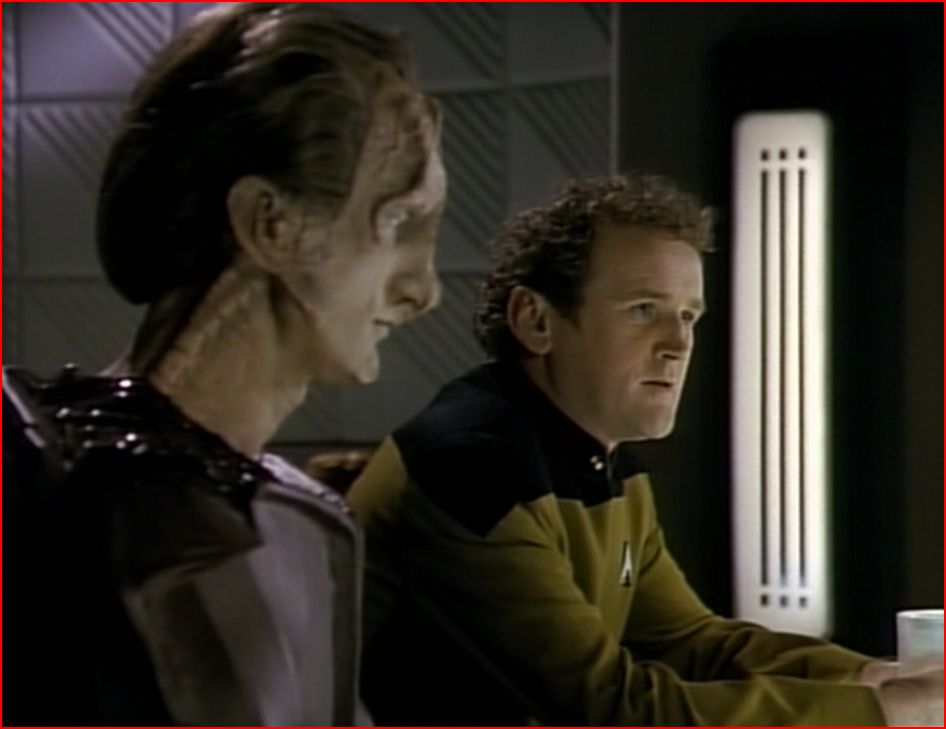
In Star Trek the Next Generation and Star Trek Deep Space Nine there are a number of episodes that deal with the effects of PTSD, moral injury and combat stress injury.  They include some that deal with Captain Jean Luc Picard, Chief Miles O’Brien, Captain Benjamin Sisko and Ensign Nog. The ones dealing with Picard and Sisko deal with senior leaders, which makes them interesting to me.

The one about O’Brien deals with moral injury in a senior enlisted leader, and the episode about Ensign Nog, the effect of physical and emotional trauma on an idealistic junior officer. Today I am focusing on the senior leader aspect, looking at the experience of Picard after his abduction by the Borg and that of Chief O’Brien when he meets former Cardassian enemies that he fought in a desperate battle at an isolated outpost.

The Wounded

In the episode called The Wounded Chief O’Brien expressed what so many of us know about war, and voices what PTSD and Moral Injury does to us when he says to a Cardassian officer: “It’s not you I hate, Cardassian. I hate what I became, because of you.” It is a sentiment that I have encountered in other veterans, including some that I knew who served in World War II, Korea and Vietnam.

http://www.youtube.com/watch?v=Owyj_5TuHQw 

Senior leaders afflicted with PTSD are among those least likely to seek help for it, even when the effects on them are evident to most.  It is our culture, it is our personality, it is how we do life. Most of us are overachievers who for most of our lives been able to compartmentalize even the worst experiences in order to move ahead in our career and vocation as military leaders.

When we, that is senior leaders experience things that are troubling we seldom have the luxury of dwelling on them. We frequently have to keep things running, take care of our people and move along. So because we are not able to deal with these experiences and the emotions that they engender, we box them up, put them on a shelf and move on. This is important because the mission has to be fulfilled, even if there is a terrible price to be paid later.

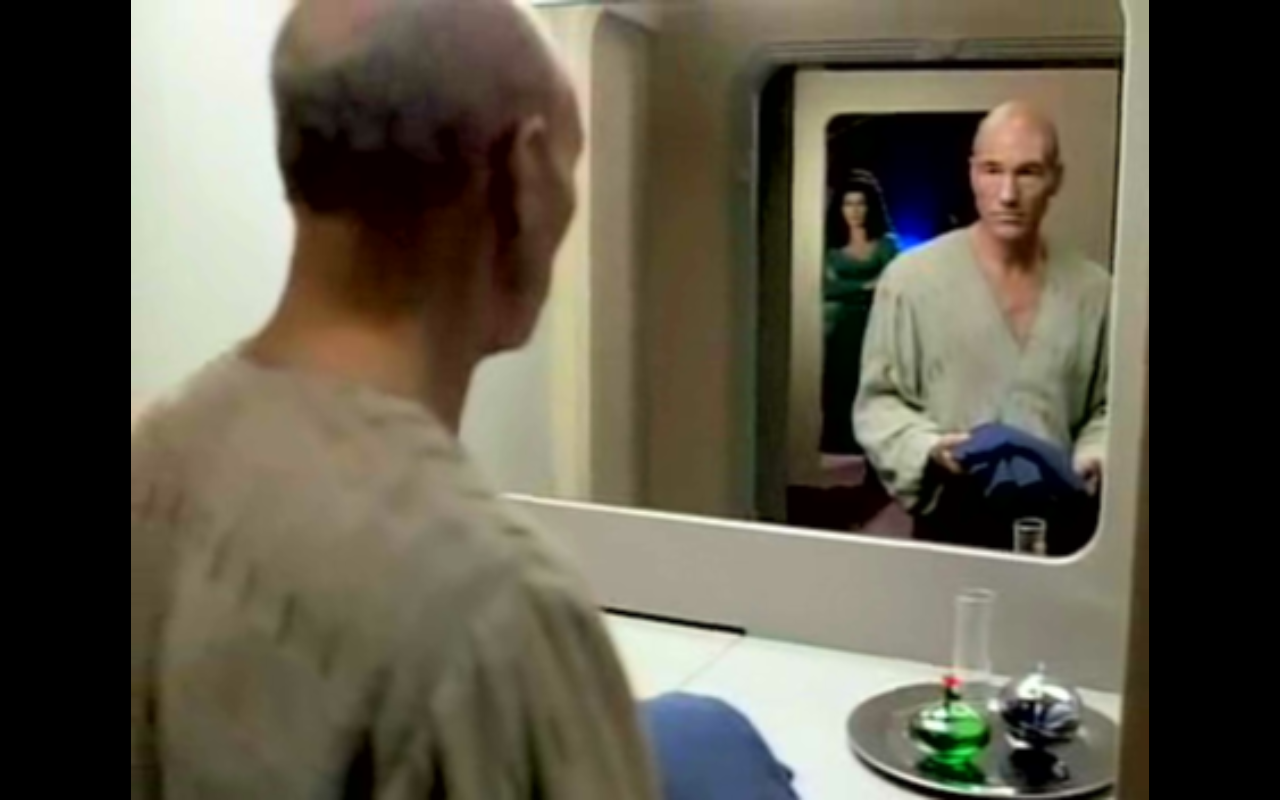
Picard tells counselor Troi before going on leave: “Your help has been invaluable during my recovery, but… look, I’m, uh… I’m better! The injuries are healing.” Of course he is not better, he is simply in denial.

Unfortunately the traumatic experiences that we package and put into storage are often quite toxic. I like to use the term radioactive, it just sounds more sinister. They are corrosive, and like radioactive or other toxic waste quite often breach the containment vessels that we construct in our minds to store them.

Likewise since senior leaders have often spent years, or even decades dealing with trauma the effects are cumulative, it may not be a single incident of trauma, but multiple instances or trauma, and experiences that leave scars on our soul, things that cause us to wonder, and doubt the things that we believe in the most.

I have seen this happen all too often. I know, have known or am personally aware of numerous cases where senior leaders afflicted with PTSD, TBI or Moral Injury continue on, even get promoted to high command and then crash and burn. Sometimes it means the end of their upward mobility, for others the end of their career and for some a condition that eventually destroys them. Unfortunately, most don’t get help because of the stigma associated with it and the fear of what it will do to their career aspirations.

The truth of the matter is that these traumatic injuries remain with us. If we deny them, or try to contain them without dealing with them they are like highly toxic waste that eventually escapes containment. When they do breach containment they create devastation in our lives, careers and of the lives that we care about, our families, and those that we lead.

That help begins with us, we have to admit that we need help and seek it out. We also need colleagues, seniors and subordinates to be honest with us.  But even while getting help we have to decide to go on with life, that is a choice that we must make.

We have to know that even as we get help and even get some relief from the symptoms of PTSD, TBI, Combat Stress Injury or Moral Injury that the memories will remain. Feelings and images of trauma that we think we have gotten through are still lodged deep in our psyche, and sometimes it doesn’t take much for them to return, bigger than life. The memories can be triggered by sights or images, smells, music, or something someone says or does. They can be relived when we experience a new trauma that reminds of us of the past.  That is why trauma experienced even decades before can still be as vivid to soldiers as the day that they were first experienced.

f001

Counselor Deanna Troi told Picard after his encounter with the Borg: “Captain, you do need time. You cannot achieve complete recovery so quickly. And it’s perfectly normal, after what you’ve been through, to spend a great deal of time trying to find yourself again.”

I write in the hopes that all of us who have seen or experienced things in war are able to get the help that we need. But in the words of Robert Picard to his heroic yet traumatized brother; This is going to be with you a long time, Jean-Luc. A long time. You have to learn to live with it. You have a simple choice now: live with it below the sea with Louis – or above the clouds with the Enterprise.” 

Yes, we do have to learn to live with it, but we can. Maybe not easily, but we can, and in doing so still do great things.

Peace

Padre Steve+

2 Comments

Filed under Military, PTSD, star trek

Gratitude, Relationships and Hope; Even in Death

n671902058_1219154_8844

“Gratitude changes the pangs of memory into a tranquil joy.” Dietrich Bonhoeffer

Today I was able to attend the Celebration of Life for Captain Tom Sitsch. It was good to be able to attend. I was able to meet his brother Mike and Sister Karen as well as many others who knew and loved Tom. These included men that I know from my time with EOD Group Two, some of whom have since retired from the military.

I was touched by the words that Mike and Karen spoke about Tom, as well as the remembrances of others. There were times during the service that I felt tears coming down my cheeks, and when I needed to wipe them from my eyes.

The pastor who spoke mentioned something that resonated with me. He noted that when he talked with Tom about God and faith, that Tom commented to him that “after all he had seen and experienced he didn’t know if he could believe in God.” That I can understand, there is something about the moral injury of war, not just the the physical injuries sustained or the clinical diagnosis of PTSD, or Traumatic Brain Injury that does terrible damage to the soul. A good number of people noted that they thought that he saw something, or experienced a loss in his last tour in Iraq that shook him beyond anything he had ever anticipated. That too I can understand.

It was good to be able to be invited to attend and for me it was a good chance to remember the life of a man who was there for me when I needed it. There was a slide show that depicted Tom’s life, his love for is family, his military career and the life that he attempted to life after his retirement. Between the stories, the shared memories and the pictures I gained an even greater appreciation for Tom Sitsch.

On a personal side it was just good to be there with people who knew and loved Tom. It was really good for me because for once I didn’t have any official role. I cannot remember the last time when I went to a memorial service where I was not involved in the planning, execution or participation in it, quite often as the primary speaker. For once I was able to grieve, remember and celebrate the man that I knew with others whose lives he touched.

It was just good to be with such good people, all of who loved and cared for Tom. There is something healing when people are able to grieve the loss of someone they love together. It is healing, even when tears are shed. Unfortunately, there is nothing any of us can do to bring Tom back. We all, his family, friends, and those that he served alongside all grieve, each in our own way, but we share a common grief, that of the loss of a man who touched our lives.

Dietrich Bonhoeffer noted about loss:

“There is nothing that can replace the absence of someone dear to us, and one should not even attempt to do so. One must simply hold out and endure it. At first that sounds very hard, but at the same time it is also a great comfort. For to the extent the emptiness truly remains unfilled one remains connected to the other person through it. It is wrong to say that God fills the emptiness. God in no way fills it but much more leaves it precisely unfilled and thus helps us preserve — even in pain — the authentic relationship. Further more, the more beautiful and full the remembrances, the more difficult the separation. But gratitude transforms the torment of memory into silent joy. One bears what was lovely in the past not as a thorn but as a precious gift deep within, a hidden treasure of which one can always be certain.” 

The loss of Tom Sitsch left all of us with many beautiful remembrances, which as Bonhoeffer so correctly noted that his separation from us s “more difficult.”

But in the midst of the deep feelings of loss that all of us felt, there were questions. Many wondered what they could have done to change the tragic outcome. The question of “what if?” bothers all of us. Likewise, there was the realization that there are others, who like Tom who need help and are probably not getting it.

My prayers go put to all those who feel the loss of Tom Sitsch, especially his family, friends and those that served with him.

Tonight I heard from a Navy Chaplain that I had not talked to in a long time. It was really good to spend time on the phone with him. I had the honor of baptizing his children back in 2000 when he was my Religious Program specialist. He went on to become a chaplain and do well, serving in the thick of the fighting in Al Anbar Province with a Marine Corps infantry battalion, just missing getting blown up in a large IED blast after completing a service for Marines at a Combat Outpost. He will be retiring later this year, and I hope that he can get on with the Veterans Administration to continue to care for our veterans.

I do hope that in some little way that I can be of help to those who grieve, and those whose lives have been torn apart by the trauma of war. Hopefully, in my own small way, even though I am often filled with doubt, unbelief, and usually have more questions than I have answers, I can at least be there for people who struggle.

I go to bed tonight grateful for what Tom Sitsch did for me; for being invited to attend the service today, to be with others who grieve, and to reunite with an old friend. Those are some of the remarkable things about military life that I am thankful.

Well, that is all for tonight, except for a prayer:

Keep watch, dear Lord, with those who work, or watch, or
weep this night, and give your angels charge over those who
sleep. Tend the sick, Lord Christ; give rest to the weary, bless
the dying, soothe the suffering, pity the afflicted, shield the
joyous; and all for your love’s sake. Amen. (From the Book of Common Prayer) 

Peace

Padre Steve+

Leave a comment

Filed under Loose thoughts and musings

Ending the Stigma: PTSD, TBI and Moral Injury in Senior Leaders

295_26911892058_4301_n

Yesterday I wrote about the death of my former Commodore at EOD Group Two, Captain Thomas Sitsch who committed suicide on Monday outside a New Hampshire Hospital. Captain Sitsch was another casualty of the longest wars this nation has engaged.

Many senior leaders in the military, officers and senior enlisted of every service have frequently deployed to Iraq, Afghanistan as well as other locations in the war on terror. Since the war has been going over 12 years many have spent over half of their careers preparing for, engaging in, or recovering from wartime deployments. Many have suffered physical injuries as well as the unseen injuries of war, PTSD, Traumatic Brain Injury and Moral Injury. Unfortunately they are often the last people to seek help.

In the past few years I have personally known or know of a number of senior officers and senior enlisted personnel who have committed or attempted suicide or had their careers destroyed because of their actions. Some like Captain Sitsch were diagnosed with PTSD, others displayed some or all of the indicators but either refused help or put getting help aside in order to “stay in the fight.”

In the past couple of years the Commanding Officer of a deployed SEAL Team committed suicide in Afghanistan, two Marine Expeditionary Unit commanding officers were relieved after incidents that probably have their genus in PTSD, or Moral Injury. I would almost bet that some of the issues that some of our senior leaders have been relieved of their duties for are also the result of untreated PTSD, TBI, Combat Stress Injury or Moral Injury.

dallaire-rwanda

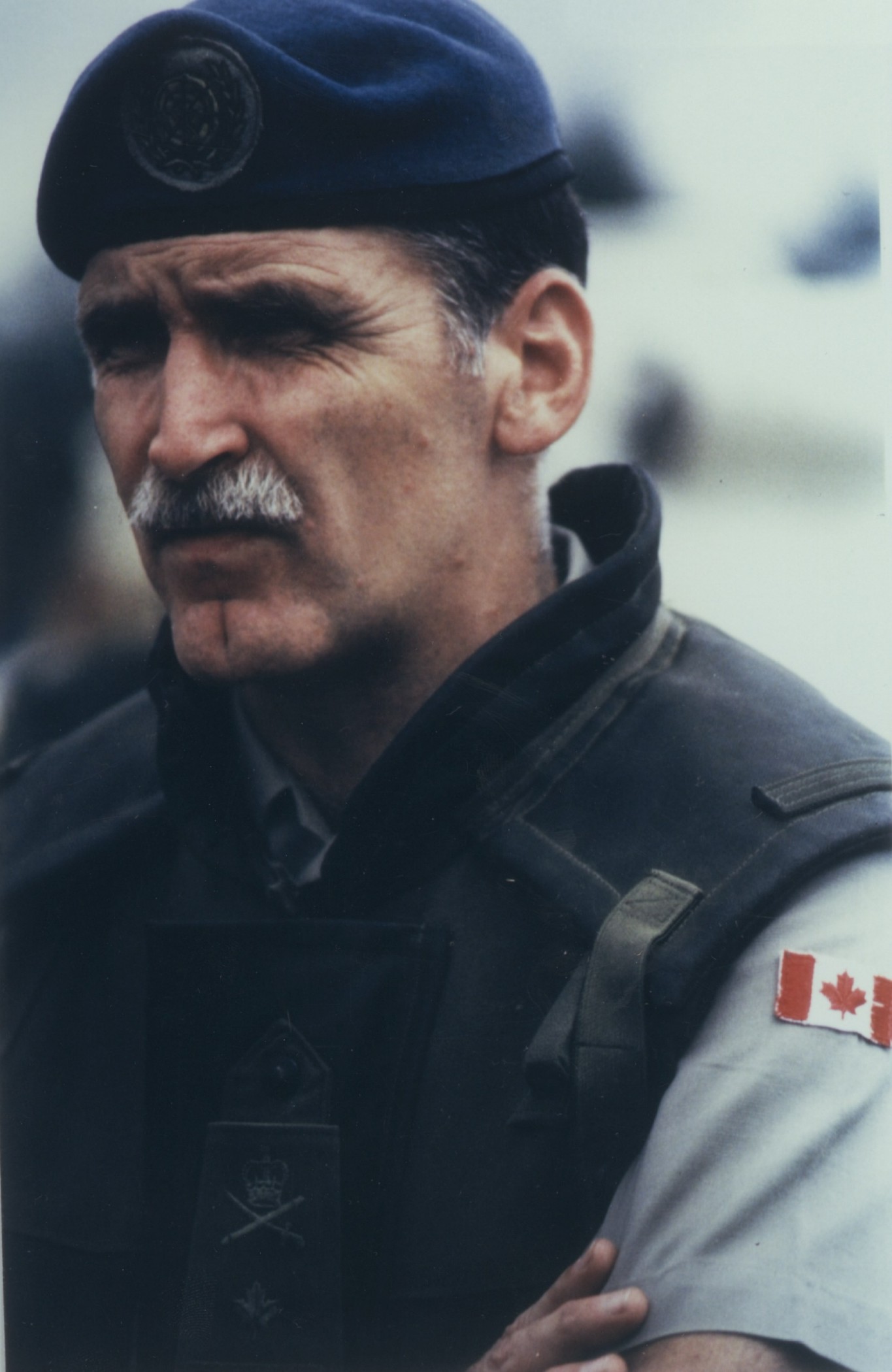
Retired Canadian General Romeo Dallaire still suffers from PTSD following his command of the UN Rwanda force in the middle of that country’s genocide. He attempted suicide in 2000 and still suffers. Last month he was involved in a car accident on his way to work in the Canadian Senate when he fell asleep at the wheel of his car. He had not slept the previous night due to reliving the horrors of that experience. As someone who still suffers chronic insomnia related to my PTSD I understand how this can happen.

The PTSD of T. E. Lawrence’s experience of war in the Middle East in the First World War shows in the pages of his classic Seven Pillars of Wisdom and various letters. Lawrence, who could have risen to high rank in the military or the foreign service basically went underground under an assumed name to serve in the ranks of the Royal Air Force in the 1920s. He wrote to Eric Kennington in 1935 not long before his death in a motorcycle accident:

“You wonder what I am doing? Well, so do I, in truth. Days seem to dawn, suns to shine, evenings to follow, and then I sleep. What I have done, what I am doing, what I am going to do, puzzle and bewilder me. Have you ever been a leaf and fallen from your tree in autumn and been really puzzled about it? That’s the feeling.”  

That is a part of our military culture. Leaders are under a great deal of pressure to accomplish often impossible missions and to take care of their troops. Many have been exposed to repeated combat trauma and had to bury more than one of their troops, often after the person commits suicide. Many anguish over the deaths, blame themselves and heap guilt on top of grief on top of traumatic or moral injury.

As I said many do not seek help due to an overwhelming cultural stigma against getting help, or “going to the wizard.” Likewise they know that that the reality is that if they seek help them may never command or be assigned to sensitive career enhancing billets again. As one senior leader told me “its hard when they say if you have issues and they are known that you can still have a successful career, but you will never be promoted or selected to a critical position, again.” 

1517080376

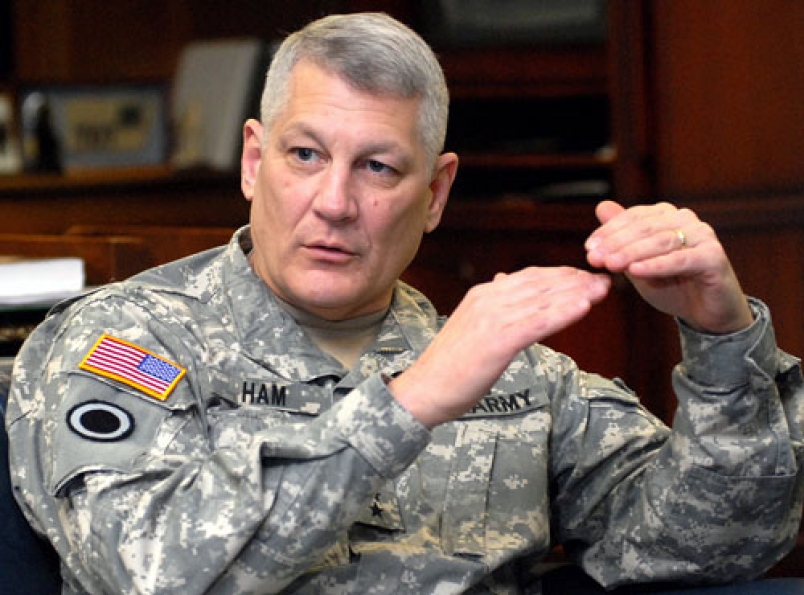
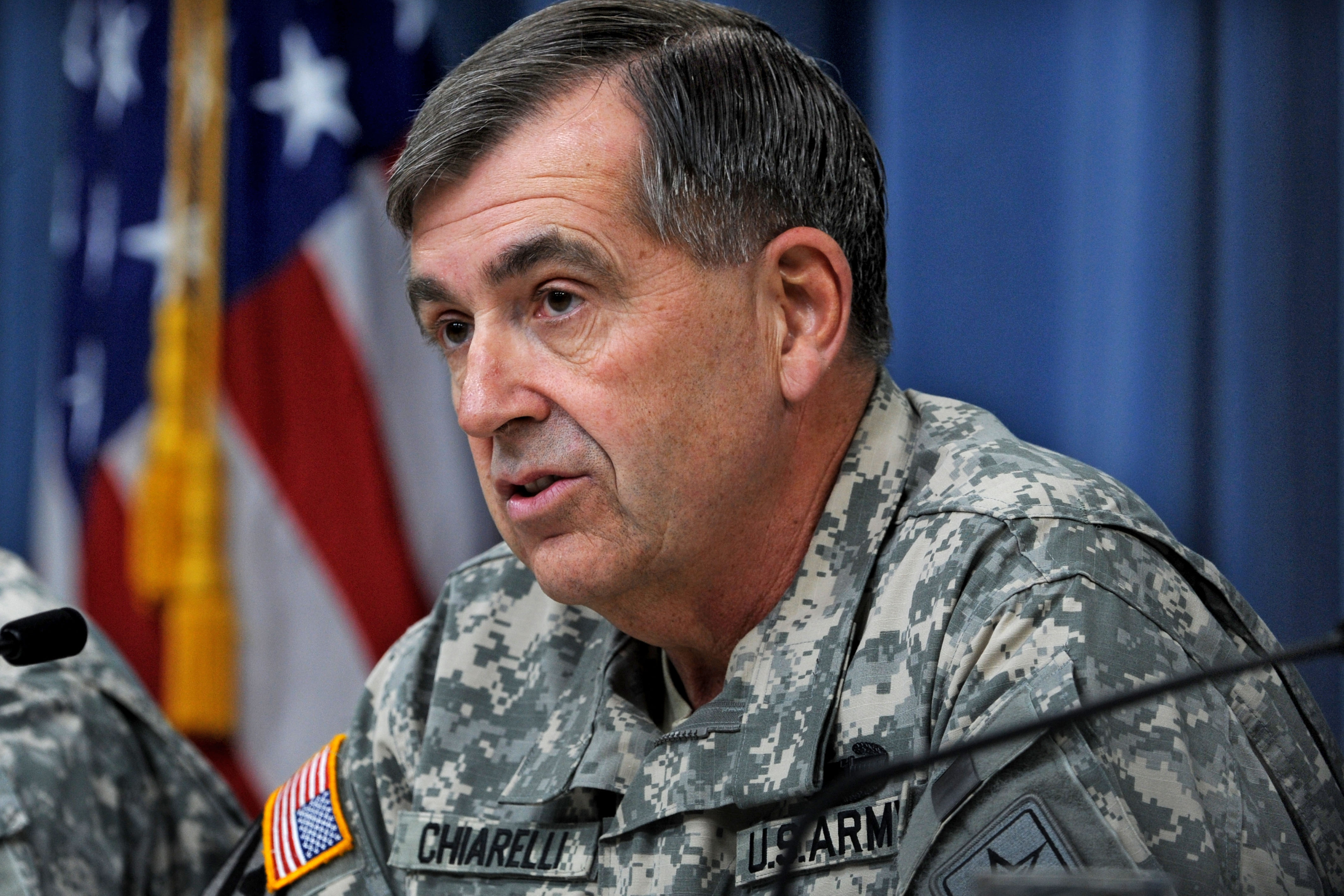
A few senior leaders have admitted to suffering from the symptoms of Combat Stress Injury and sought treatment. The most senior was General Carter Ham who began to suffer symptoms following his deployment to Mosul Iraq in 2004. Major General Gary Patton has also sought help for PTSD. Lieutenant General Peter Chiarelli, now retired has taken up the cause to reduce the stigma seeking to have PTSD renamed Post Traumatic Stress Injury instead of “disorder” because it is an injury.

110119-D-9880W-005.JPG

I wish I had an answer. For me it took a complete crash to get help as well as the assistance of two fine EOD officers, Admiral Frank Morneau and Captain Sitsch. Even with that initial assistance I still feel a certain stigma. My experience is that senior leaders who admit to this and seek treatment often become radioactive. I feel this most often around other chaplains. I am sure that senior leaders probably feel the same way when they are around others who either do not have the experience or who are trying to bury theirs.

One thing that I do think would be helpful is that instead of promoting stigma would be to stand alongside each other. Relationships are key to this and while professional help is good the only thing that can take away the stigma is to get back to standing beside each other in crisis rather than abandoning those who struggle. We are the willing participants in a zero defect culture which sees struggle as weakness and a mark of failure. The sad thing is that under our current system many of the greatest military leaders in history would not be promoted. It is no wonder the leaders who we have invested so much in developing and have sacrificed so much of themselves do not seek help.

grant-and-sherman-122304

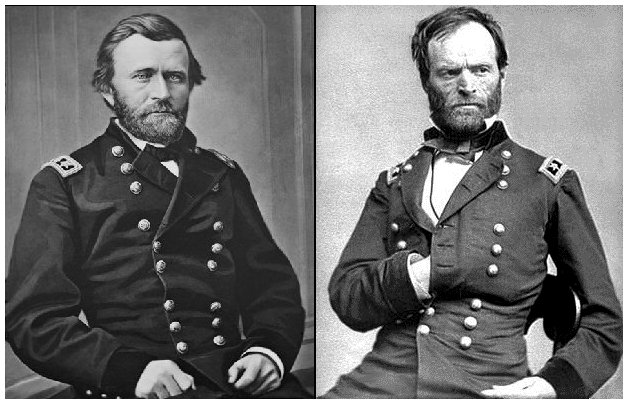
I like the example of Ulysses Grant and William Tecumseh Sherman. Both had significant problems after they left the Army after the Mexican War and in the early days of the Civil War. Grant struggled with drinking and Sherman suffered terrible depression. Sherman said of their relationship: “Grant stood by me when I was crazy, and I stood by him when he was drunk, and now we stand by each other.”

The reality is that in today’s more corporate military culture that neither of these men would have ever been promoted to high command. They would have been shunted aside.

Something has to change if we are to end this terrible scourge. I hope that General Ham and General Chiarelli are working with mental health professionals are able to help change the culture, but then by themselves they cannot. That has to start as we say in the Navy “at the deck plates.” It is up to us to change our culture, to be warriors who look after our fellow warriors in their time of need and who by our actions take away the stigma that keeps our brothers and sisters from getting help.

Peace

Padre Steve+

2 Comments

Filed under iraq,afghanistan, Military, News and current events, PTSD

Rest In Peace Captain Tom Sitsch USN

481801_10151367001287059_1003164983_n-2

Captain Tom Sitsch died by his own hand on January 6th outside a hospital Emergency Room in Littleton New Hampshire. Captain Sitsch was loved and respected by his sailors. As an Explosive Ordnance Demolition officer and expert he was deployed into harms way many times. As the commanding officer of Task Force Troy, a Joint Task Force in Iraq his expertise and leadership helped save countless lives from Improvised Explosive Devices or as they are more familiarly known “IEDs.”

He was my last Commodore at EOD Group Two in Norfolk. He took command from Captain, now Admiral Frank Morneau. Both men mean a lot to me. They were leaders of men and care for those who they commanded. When I collapsed from the effects of PTSD in June 2008 then Commodore Morneau made sure that I got the help I needed and worked with our Medical Officer to make it happen. Commodore Sitsch was one of the first men, maybe the first to ask me the hard question: “where does a chaplain go for help?”

Both were men of compassion, and Captain Sitsch’s suicide has stunned me. I learned of his death tonight on Facebook as I had lost track of him after he was retired from the Navy in 2009.

Evidently his demons were too much for him. He suffered from PTSD, which considering his vocation is not surprising. In 2009 he was relieved of his command and forced to retire after he was caught shoplifting a pair of shoes from a local Navy Exchange. Following his retirement he struggled and was in and out of trouble. He was estranged from his wife, and he was forbidden to enter the state she lived by a court order. Four weeks before he took his life he was arrested for shoplifting at a Fredericksburg Virginia Wal-Mart. When arrested he told the police that he was a kleptomaniac.

Some who do not understand will condemn him even as he lies in his grave. I cannot. I didn’t know Captain Sitsch well, but no matter what his flaws may have been, he showed me compassion when I needed it most. For that I am grateful. Many of his EOD officers and sailors, as well as the Army, Marine Corps and Air Force EOD technicians Who served alongside him will say the same thing.

The one question all of us are probably asking is “what could any of us done to prevent this?”

Truthfully I don’t know. Captain Sitsch is not the first and will not be the last legitimate American hero to fall victim to his own demons, or end his life by his own hand. The physical wounds of war, PTSD, traumatic Brian Injury as well as what is called “moral injury” not to mention the months and years away from hearth and home take a tremendous toll on our veterans and their families.

From my perspective it seems that rank, age and experience are not necessarily safeguards against any of these conditions. It is my opinion after over 30 years of service that our military bureaucracy and promotion systems contribute to tragedies like that of Captain Sitsch. As they are set up they ensure that those who admit to struggles are shunted aside even as equally damaged individuals who “suck it up” and say nothing move up.

I was able to chat with some EOD friends this evening. That was helpful. I pray for the soul of Captain Sitsch, as well as his family, friends, and shipmates during this time of inexpressible loss.

I pray that the soul of Captain Tom Sitsch and all the departed will rest in peace.

Peace

Padre Steve+

40 Comments

Filed under PTSD, shipmates and veterans, US Navy

Letter to a New Military Chaplain Part IV: The Minefields of the Flesh, Sex, Alcohol and Money

1905_50393027058_1870_n

This is fourth part of a response to a question I had from a new Navy Chaplain. I have decided to post it here without any identification of the chaplain because I know that many men and women who are new to the military chaplaincy or who are exploring the possibilities of becoming a chaplain have the same questions. I was fortunate to have had a number of chaplains who at various points in my decision process and formation as a minister, Priest and Chaplain in both the Army and the Navy help me with many of these questions. Likewise I learned far too much the hard way and blew myself up on some of the “land mines” that almost all who serve as chaplains experience in their careers. This is the third of several parts to the letter and is my attempt to systematically explain my understanding of what it is to be a Chaplain serving in the military and in particularly the Navy. The first three parts are linked here:

Letter to a New Military Chaplain: Part One

Letter to a New Military Chaplain: Part Two The Minefields of the Heart 

Letter to a New Military Chaplain Part Three: The Minefields of the Soul: Power and Arrogance

Dear Chaplain

It has been about a week since my last letter concerning the minefields that so easily ensnare those in the various Military Chaplain ministries. This section of my letter to you will be of the more practical type of advice and less philosophical and theological than the first several installments even though at the heart these observations are both theological and philosophical.

I chose the title of this section carefully because I do think that the way a number of New Testament writers deal with the subject of sin, calling it “the flesh” as opposed to “the spirit” is appropriate to the topic.

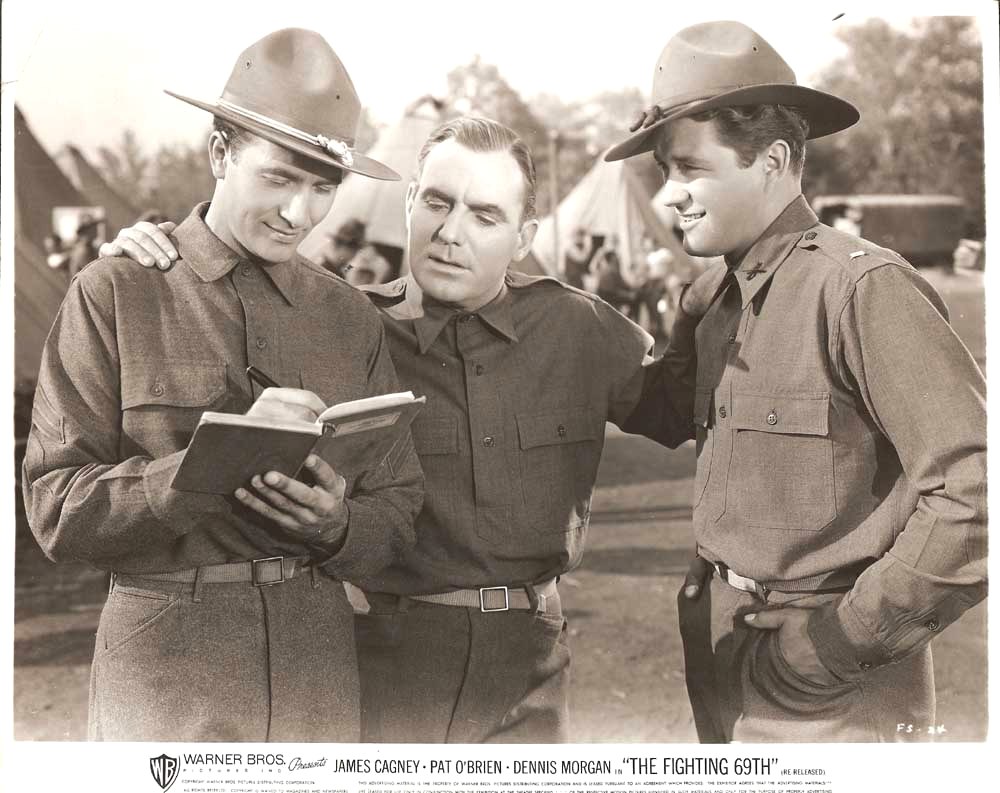
I think that people of my generation and earlier had a very high view of clergy. We didn’t think that they could do much wrong. Of course we all knew that they did but we didn’t like to talk about it, even productions such as Elmer Gantry did little to dissuade us from our beliefs that Ministers, Priests and Rabbis were somehow morally and certainly spiritually better than us. Even Hollywood maintained the myth, movies like The Bells of St Mary’s showed the essential goodness of the parish priest, while The Fighting 69th in which Pat O’Brien played the legendary Father Duffy, a man both streetwise and holy became the quintessential Chaplain of his generation.

18722 - The Fighting 69th

In fact the prayer that he prays in the movie is one that I have echoed in my career as a Chaplain and I am sure that many others have as well.

“Almighty God, in Thine infinite mercy grant me, thy servant, the wisdom to guide my young flock through the trials of war. Oh, Father, they’re so young. So young and they know so little of life and nothing at all of that terrible and bloody altar towards which they move, carrying so eagerly the bright sacrifice of their youth. Their need will be great, O Lord, and I am weak. Therefore, I beseech thee through Thy Son, Christ, our Lord, grant me the strength to keep them steadfast in the faith, in decency and courage to the glory of God, their country, and their regiment in the bad times to come. And if in battle you see fit to gather them to your protecting arms, thy will be done, but let them die like men, valiant and unafraid.”

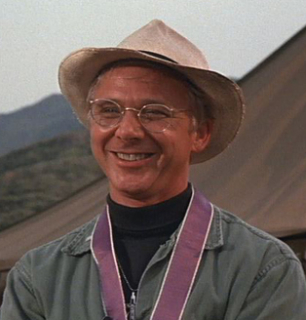
Of course there is Father Mulcahy of the movie and television series M*A*S*H. I actually liked the portrayal of him by William Christopher in the series better than the movie, perhaps because he became more than a bit player, but like many real life chaplains of every denomination an integral part of the life of his unit. His struggles are the same that many of us who serve as chaplains. In one episode he says to Hawkeye “For some time now, I’ve been comparing the disparity of our callings – Doctor versus priest. You fellows are always able to see the end result of your work. I mean, you know immediately if you’ve been successful. For me, the results are far less tangible. Sometimes… most of the time… I honestly don’t know whether I’m doing any good or not.” 

father

The film and television portrayals of chaplains such as Father Duffy and Father Mulcahy are inspiring, as are the examples of so many good men and women who have served as military chaplains. Some of these even gave their lives in combat so others might live, or placed themselves in harms way to be the the visible representation of God’s presence in places that God himself seems to have abandoned.

That being said there are minefields that exist which even the most noble, caring  and committed Chaplains can fall victim. They primarily lie in the real of Sex, Alcohol and Money, what we referred to as “SAM” when I was an Army Chaplain. Those are general categories to which unfortunately we need to discuss, illicit drugs, disobeying lawful orders and simple rudeness. I will save the issues of disobeying lawful orders and simple rudeness for part five, or Part V as they say in Roman numerals.

At any given time there are between a half a dozen and dozen military chaplains serving time at either Leavenworth or one of the regional Brigs. Others end up in trouble, are disciplined and then discharged from the the service often after devastating the lives of those that they served with. Those numbers are not included in the numbers incarcerated.

You wouldn’t think that sex would be a big issue being that we are supposed to be better at keeping our zippers up than others, but this is not always the case. I can cite from personal knowledge case after case where chaplains that I have known from across the denominational spectrum conservatives and liberals alike. Those actions have included heterosexual and homosexual relationships, inside and outside their units and sometimes involved the spouses of their unit members or parishioners.

For some this is due to the isolation that many Chaplains experience, be they married or single. Some are sexual predators, loathsome and evil animals masquerading as good, while others in moments of weakness succumb to temptation. I have had to go into a number of billets where the chaplain just before me had been relieved of their duties for sexual misconduct. Regardless of the reason the real fact of the matter is that when a chaplain is relieved and disciplined for their sexual misconduct their actions radiate out and damage the ministry and reputations of Chaplains who are completely innocent of wrong doing. This is much like how the actions of disgraced televangelists, pastors of large churches and Bishops or Priests implicated in pedophile or other sexual crimes cause problems for others in similar positions who again are without reproach. In every case where I have had to go into such a situation the onus has been on me to help heal the wounds and rebuild the credibility of the Chaplain Corps. This is true for every Chaplain who has to take a job where his or her predecessor was a criminal.

bilde-2

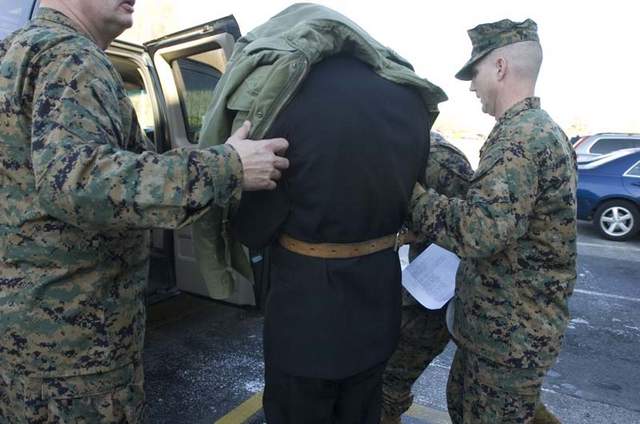
A Navy Chaplain being taken to the Brig after being convicted at Court Martial for sexual crimes (Marine Corps Times Photo)

Sexuality can be one of the greatest minefields that a military chaplain has to navigate, but there are others less visible that also trip men and women up.

The second major area is alcohol. I know a number of chaplains who have become alcoholics. I like to drink good craft beer, but I do know my limits now and am very careful about my consumption of alcohol. When I first came back from Iraq that was not the case. I did drink too much, mainly because I was in the process of coming apart with severe and chronic PTSD. I almost ended up in a bar fight one night and I am thankful that I never ended up in an accident or involved in any other alcohol related incident. There were times at various conferences that I would sit around and drink late into the night at the hotel with other chaplains going through similar problems as I was going through. For us it was safer than going to our superiors either in our churches or the chaplain corps.

That being said I have seen other Chaplains succumb to alcoholism and know one who in dealing with his own demons from service in Vietnam committed suicide while on active duty. Alcohol is also related to many of the incidents regarding sex, so even if it was not the primary issue it was a factor. I also know a number of chaplains who are involved with Alcoholics Anonymous and fight the battle of sobriety on a daily basis.

Related to alcohol are drugs. This is a relatively new phenomena and in most cases is related to prescription medicines, especially pain killers and anti-psychotics prescribed to treat the wounds of war, injuries and things like PTSD and TBI. Once again these are easy to become addicted to and chaplains are much like others when dealing with chronic pain, PTSD or TBI. Recently I saw something that I never thought I would see and that was a chaplain who tested positive for THC, the active ingredient in Marijuana. I figure that if there is one there probably are more that are using, many who battled addictions before their faith conversions and call to the ministry but when placed under the stress of this ministry go back to old friends.

The last component of SAM is money. I think this is a more difficult area in the Army than the Navy because in the Navy chaplains are not allowed to deal with the Religious Offering Fund, where in the Army a Chaplain at every installation is the Religious Offering Fund Manager. It is said by some that “money is the root of all evil” but I am not sure if that is exactly true in this case. I think that money and the power it brings sometimes reveals the inner character of a man more than anything. The great televangelist scandals of the late 1980s and early 1990s, the continuing saga of corruption at the Vatican Bank and the all too frequent revelations of ministers of all faiths misusing church finances are legend. When I had to manage a relative small installation chapel fund I lived in terror of making an innocent mistake, and thankfully I had an outstanding Chaplain Assistant and Parish Council to work with and maintained close contact with the fund manager at our higher headquarters.

Another issue dealing with money is what we are paid when in a travel status. I know that there are Chaplains who play fast and loose with this and I know people in the travel and disbursing offices who tell me about the actions of chaplains that they have to deal with who are not playing straight with the system. In my case I don’t make claims that I cannot substantiate even if it costs me money. I would rather be absolutely honest on a travel claim and lose money that claim something that I may or may not be entitled to that might cause scandal and bring disrepute to God, my church or the Chaplain Corps.

Money is a great temptation and more than one military Chaplain has fallen to it.

The sad thing about all of this is that most of our religious traditions deal explicitly with all of these matters as do our various Service Regulations and Defense Department Instructions. They are not rocket surgery but they are the downfall of far too many chaplains, many of whom actually came into the ministry and chaplaincy with good motives. Once again I lay a lot of this at the feet of our churches and theological schools which for decades have stressed how to run a church program over any real pastoral or theological formation process.

I am lucky. I have made mistakes but I have had numerous chaplains in both the Army and the Navy help me to see the blind spots and teach me about these things. They span the denominational, theological and even political spectrum. Conservatives, liberals, men and women, Protestants, Catholics, Later Day Saints, Jews and even a Moslem.

I could easily have gone into detail about the specific incidents where I knew the people involved or had to deal with them or follow in their footsteps. Some have made the national media, but somehow to do so would be unseemly, after all I do not work for the National Enquirer or for that matter the Navy or Army Times. That being said the Chaplain Corps of the various services all have by percentage among the highest incidences of misconduct of any officer branch or community and this has been a constant since I began my military career in 1981.

That should be a warning. If you know something is wrong don’t do it. If you are unsure about something ask someone. If you need help get it before your actions destroy the lives of those you serve and bring disrepute to your office, your religious body, the Chaplain Corps of your military service and yes even God. After all God does tend to get the blame for all of the actions of those in his service so be careful, guard your heart and mind and for God sakes keep your zipper up and all appearances thereof.

Until the next installment,

Peace

Padre Steve+

1 Comment

Filed under christian life, faith, leadership, Military, ministry, Pastoral Care