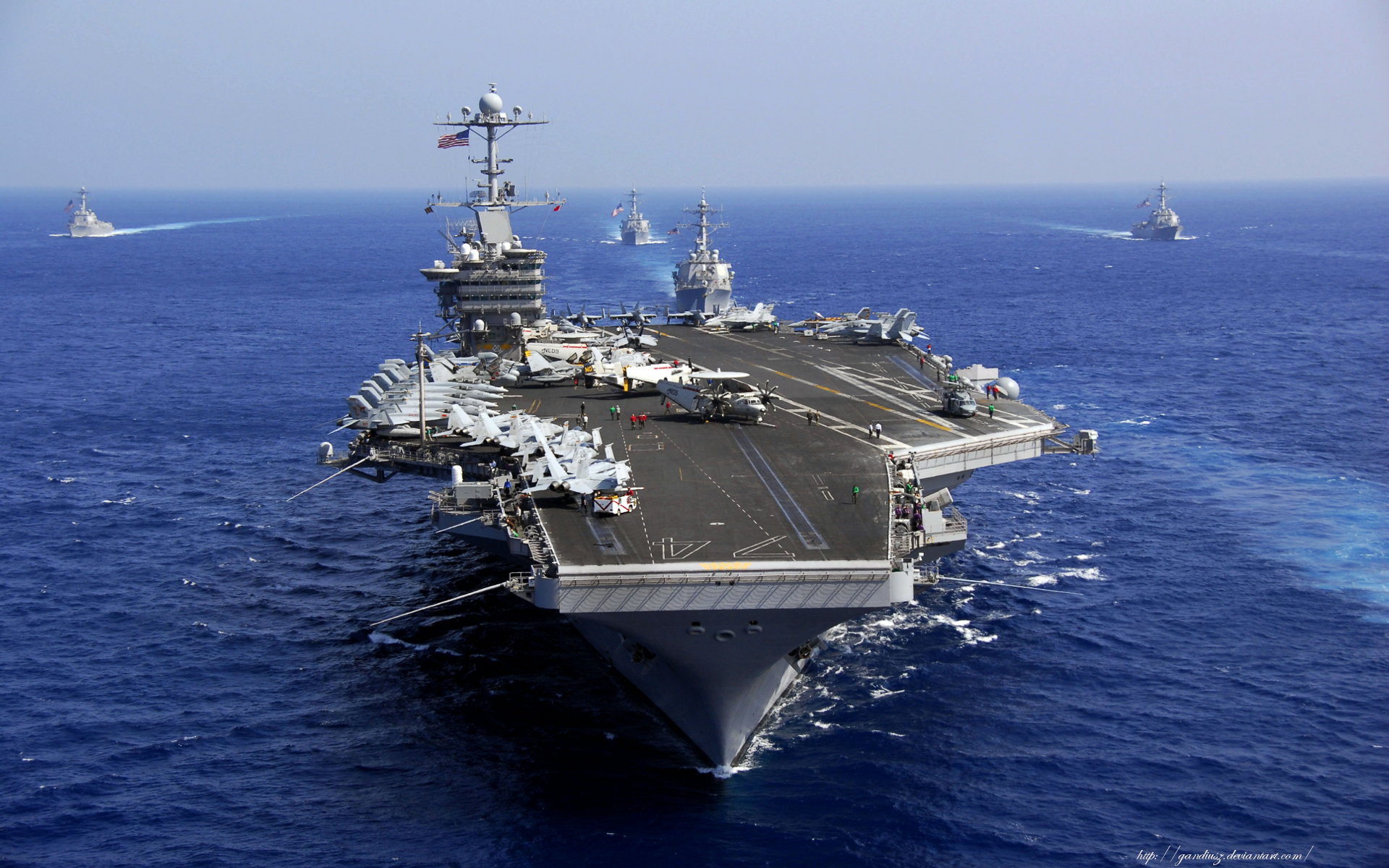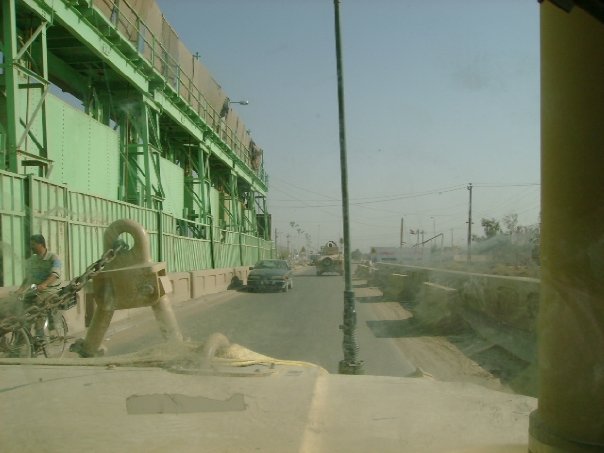
Category Archives: middle east

I Left My Heart in Al Anbar…Visions of Iraq 5 Years Later

I left Iraq in early 2008. My experience of Iraq was with various teams of advisors in Al Anbar Province. I travelled thousands of miles hot cramped HUMMVs and in tightly packed aircraft to get to these far flung teams of 12-30 Americans in places from the Syrian border at Al Waleed, Al Qaim and various COPs on the border, back to Fallujah and almost everywhere in between, occasionally taking fire and most of the time isolated, and sometimes alone and unarmed except for the presence of my Religious Programs Specialist and Bodyguard, RP1 Nelson Lebron.

For those unaware of geography Anbar Province is about the same size in area as the State of North Carolina. The Euphrates River runs through it, a shimmering blue swath bordered by a narrow green valley that cuts through an endless sea of yellow brown sand speckled with small towns and a few larger sized cities. The Provincial Capital, Ar Ramadi is in the east central part of the province about 65 miles west of Baghdad. It is a city of about 440,000 people at the time of the US invasion.

In 2007 Ramadi and Al Anbar Province was the turning point for the United States in the Iraq War. The Sunni tribes of the province decided that their interests were better served by cooperating with the United States Forces rather than continue to endure the terrorism of foreign Al Qaida members.

It was to Al Anbar Province that I deployed in 2007. I was assigned to the Iraq Assistance Group with duties to serve the advisor teams assigned to the Iraqi Army, Border Forces, Police, Highway Patrol and Port of Entry Police. While there I also served members of Provincial Reconstruction Teams.

I have been thinking a lot about Iraq lately as I have been having to recount my experiences as I get ready for EMDR and Biofeedback therapy to treat my PTSD. I have been surprised by how strong the memories are of my time there.
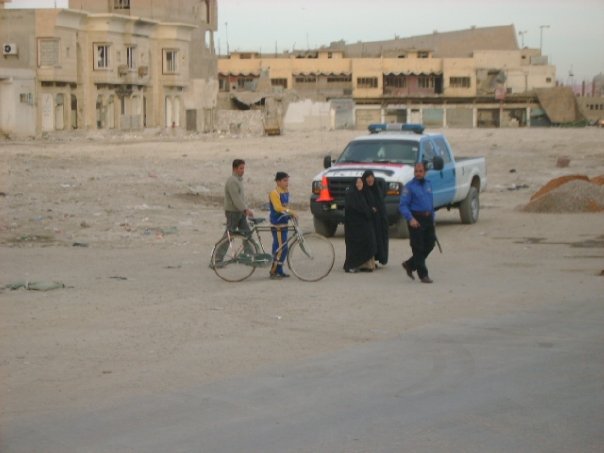
Today I was talking with my therapist and the discussion came to one of my experiences at a base on the banks of the Euphrates in Ramadi. At least part of it was known as COP Snake Pit. It is a base included a Joint Security Operations Center run by the US Army, a Police training facility an Iraqi Military and Police forces, an Advisor of Marines woking with the Iraqi Army 7th Division and an Iraqi Detention Facility. Surrounded by Hesco Barriers and walls not far from a number of high speed avenues of approach an easy target for any attacker. In fact since the United States left Iraq the detention facility and Operations center have been attacked by Al Qaida linked insurgents.

When we visited there Iraqi forces were in charge of the perimeter security while a small number of Americans worked at three isolated areas within the base. For me the memories of walking through the prison as well as getting to address the first class of female Iraqi Police cadets in Anbar.

The memories of that visit are still etched deep in my mind. When I close my eyes I can see the inside of that prison as well as the faces of those brave Iraqi women who risked their lives and those of their families to become Police officers in war torn Ramadi. As I talked with my therapist those memories were so strong. I talked about things today that I have not shared with anyone and which are still hard to write about. Eventually I will, but not tonight, it will be hard enough to sleep as it is.

For most people the Iraq war is not even a memory. Most Americans are untouched by war and cannot imagine what either our troops or the Iraqi people went through and it is hard to explain.

Since I am all verklempt right now I think I will stop for the night. But as I told my therapist today to paraphrase Tony Bennett’s immortal song I Left my Heart in San Francisco I left my at least part of my heart in Al Anbar.

Peace

Padre Steve+
1 Comment

Filed under iraq,afghanistan, middle east, Military, PTSD, Tour in Iraq

Senate Joint Resolution 41: The Blank Cheque of 2012

“The Emperor Francis Joseph may, however, rest assured that His Majesty will faithfully stand by Austria-Hungary, as is required by the obligations of his alliance and of his ancient friendship.” Telegram from German Imperial Chancellor Bethmann-Hollweg to Austrian Government 

It seems like it is a rare occasion when either the House or Senate combine to pass any sort of bi-partisan measure. One wishes that when they did that it would be something actually that would benefit the people of the United States. However in recent times it seems that the only time that the Senate or House can agree on anything is when they vote to raise their pay or give their blessing to a new war, of course without actually going on record as declaring war.

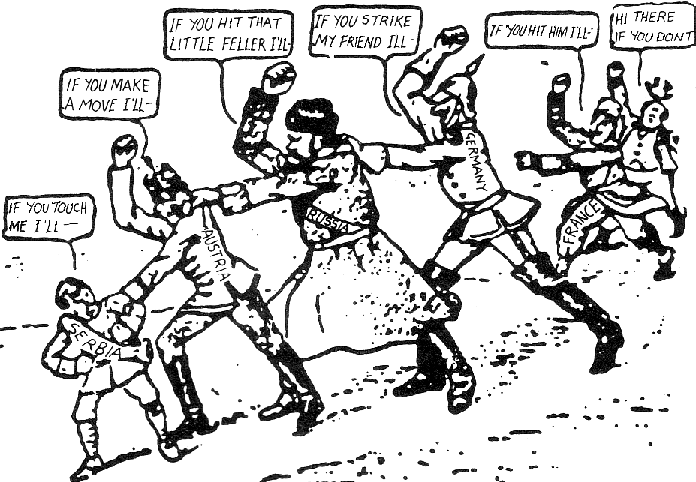
In July of 1914 the Austro-Hungarian Empire sought German backing to go to war against Serbia for the assassination of Archduke Franz Ferdinand. The Balkans were boiling over. The Austrians felt that the chaos in the Balkans was an existential threat to their already fragile empire and aimed to shore up their position by crushing Serbia. However, since the Russian Empire supported the Serbs and was a direct threat to exposed areas of the Austrian empire in what is now Poland the Austrians sought a guarantee of German support for their action.

The Germans made the decision to support Austria knowing that if they did that it was likely that war with Russia, and probably France and Britain would ensue. Austria despite its limitations was Germany’s only real ally in Europe. By a series of diplomatic blunders Kaiser Wilhelm II managed to undo all of Otto Von Bismarck’s diplomacy following the German unification. He scuttled the treaty of friendship that the Bismarck and Kaiser Wilhelm I had with Russia and built a Navy that threatened Britain’s interests both against the protests of Bismarck. As Wilhelm’s Germany became more isolated the more it prepared for war and many of its military and political leaders felt that war was not only inevitable but desirable before Germany’s enemies, especially Russia became more powerful.

Now with war threatening Germany was isolated and decided to support the Austrians believing that even if war came that they would emerge victorious. It was a decision that would be fatal for the German Empire as well as the Austro-Hungarian Empire.

This week as the situation between Israel and Iran has continued to deteriorate with most experts believing that it is only a matter of time before Israel will launch a pre-emptive strike on Iran’s emerging nuclear weapons capability. Leaders of Iran and Israel have continued to escalate rhetoric as well as conduct clandestine operations against each other. Iran has been isolated by the west and by much of the Sunni Moslem world, particularly Saudi Arabia and the Gulf States. It believes that the west and the heretical Sunni’s desire the overthrow of its theocratic regime. Israel sees Iran’s possession of nuclear weapons as an existential threat and also faces local border conflicts with Hamas and Hezbollah. Israel now has to deal with the threat posed by Egypt which is now led by the Muslim Brotherhood.

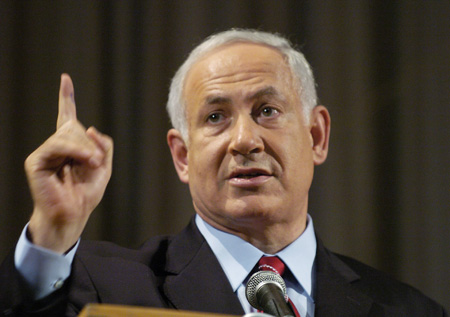
Israel’s leaders, especially Prime Minister Benjamin Netanyahu feel that time is very short before Iran reaches the stage where it can produce nuclear weapons. The United States, the European Union and the United Nations have also opposed the development of such weapons by Iran and instituted ever tougher economic sanctions but those nations and entities feel that more time is needed for sanctions to take effect.

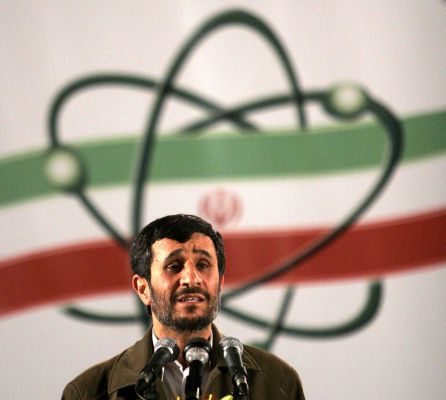
Likewise the leaders of Iran including President Mahmoud Ahmadinejad, Supreme Leader Ali Khamenei and leaders of Iran’s Revolutionary Guards frequently talk of war with Israel which would lead to the destruction of the Jewish State. In light of Iran’s support for Hizbollah and involvement in the Syrian civil war Israel takes Iran’s threats seriously.

The tensions continue to increase and many believe that Israel could strike in the very near future the United States Senate in a rare moment of bi-partisanship the Senate passed what amounts to a “Blank Cheque” to Israel or the President to take action against Iran. In a vote Friday it passed Senate Joint Resolution 41 by a vote of 90-1. Amid all the domestic political jockeying, economic problems and yes the football season most people didn’t even know the vote occurred. The Senate voted it on the Friday that they recessed until after the November elections. The resolution stated that the Senate:

“strongly supports United States policy to prevent the Government of the Islamic Republic of Iran from acquiring a nuclear weapons capability;

rejects any United States policy that would rely on efforts to contain a nuclear weapons-capable Iran; and

joins the President in ruling out any policy that would rely on containment as an option in response to the Iranian nuclear threat.”  http://thomas.loc.gov/cgi-bin/query/D?c112:2:./temp/~c1126dTHw8::

The lone vote of dissent was cast by Kentucky Republican Senator Rand Paul who said: “A vote for this resolution is a vote for the concept of preemptive war.”

The resolution in effect rules out and shackles any President using any form of diplomacy to deter Iran. Should Iran gain a nuclear capacity it effectively negates any form of deterrence, diplomacy or containment options other than war to stop Iran. In effect it gives the blessing of the Senate to either Israeli or American preventive war against Iran. The resolution is similar in this instance to the guarantee of Germany to Austria in 1914.

At this point I doubt that there is anything that will stop a war from happening. Too much has been invested by too many governments in ensuring that it will happen to stop it. Regardless of who is President of the United States Iran will continue its course until Israel strikes. When that happens all bets are off.

It will be a war designed to prevent a war but it will trigger events that will go well beyond a conflict between Iran and Israel. Others will be pulled in, the United States, NATO, the Gulf States, possibly Syria, Iraq, Pakistan and even Egypt. American and NATO forces in Afghanistan will be in great danger.

One would hope that we would learn from the mistakes of others. The great Otto Von Bismarck commented said “preventive war is like committing suicide out of fear of death.” Obviously we haven’t learned anything.

Pray for Peace

Padre Steve+


2 Comments

Filed under Foreign Policy, middle east, national security, News and current events

The Gathering Storm: Shades of 1914 as War Threatens in the Middle East

Israeli Navy Dolphin Class Submarine

“The world tells Israel ‘Wait, there’s still time.’ And I say, ‘Wait for what? Wait until when?’” Benjamin Netanyahu 

The question is not if but when. The tensions between Iran and Israel continue to boil over even as the rest of the Middle East begins to melt down.

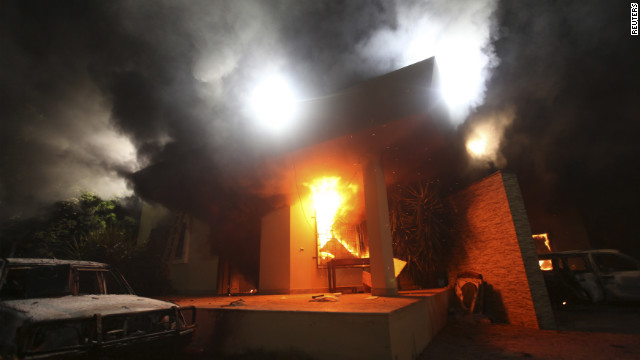
Last week on the 11th anniversary of the September 11th attacks Al Qaeda backed forces attack the US Consulate in Benghazi Libya killing Ambassador Christopher Stevens and three others. Militants in Egypt laid siege to the US Embassy while newly elected Egyptian President and Moslem Brotherhood leader Mohammed Morsi dithered torn between his party ideology and the pragmatic reality of the dependency of Egypt on the United States for military and economic assistance. Throughout the region from Tunisia to Indonesia protests, some marked by violence broke out at United States and other Western nations diplomatic outposts.

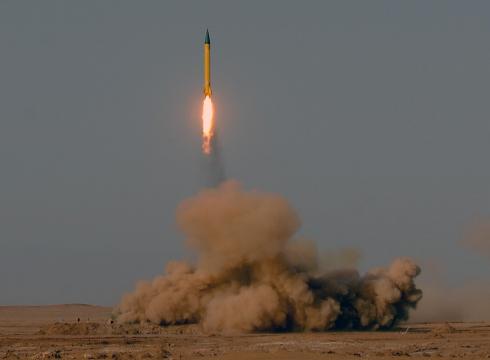
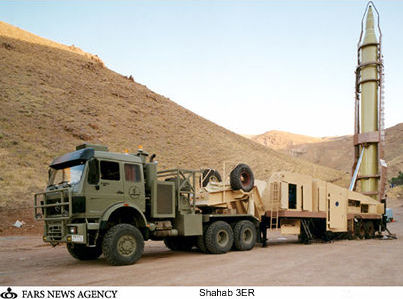
Shahab III Missile Ranges

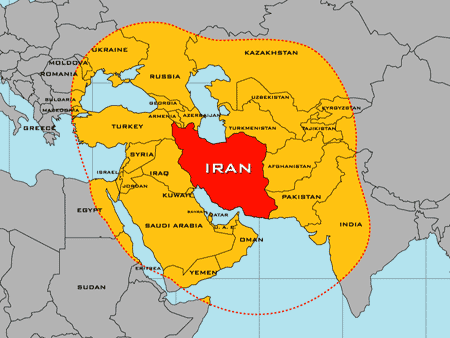
The Iranians and their Hezbollah allies have repeatedly threatened Israel with destruction and have improved their missile forces significantly ever the past number of years even without nuclear weapons. Prime Minister Benjamin Netanyahu is demanding the United States and the west set “Red Lines” regarding the Iranian nuclear program that would trigger an automatic attack on Iran by the United States.

Like the First World War the tensions, provocations and rhetoric increase even as military forces mobilize and gather in the region. Iran is preparing for massive military exercises involving land, air defense and ballistic missile units from the Iranian military and Revolutionary Guards to begin in October.  Iran admitted this weekend that forces from their Revolutionary Guards are currently operating in Syria placing them in position to directly engage Israeli forces in the event of conflict.

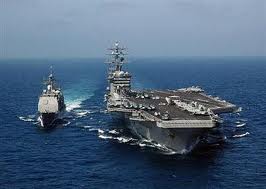
By October the United States will have three Carrier Strike Groups, the USS Enterprise, USS Dwight D. Eisenhower and USS John C Stennis and an Expeditionary Strike Group with an embarked Marine Expeditionary Unit in the region. Additionally warships from more than 25 countries are gathering for exercises designed to counter any blockade of the strategic Straits of Hormuz by Iran. Other ships, including the French Aircraft Carrier Charles DeGaulle battle group and the British HMS Illustrious  “Response Task Forces Group” are in the Eastern Mediterranean and could be in the region within a week. US Navy submarines, both attack and ballistic missile are never far from a threatened area. US Air Force  Fighter Squadrons have been reinforced and it is certain that strategic air force units of B-2, B-52 and B-1 bombers are certainly deployed where they can respond as needed. The build up by all sides is unprecedented.

The countries of the region are on hair trigger alert. Any act, intentional or unintentional by any party could trigger a war that would most certainly bring great destruction to the region but would likely sink the global economy and spread around the world through acts of terror and revolutionary violence.

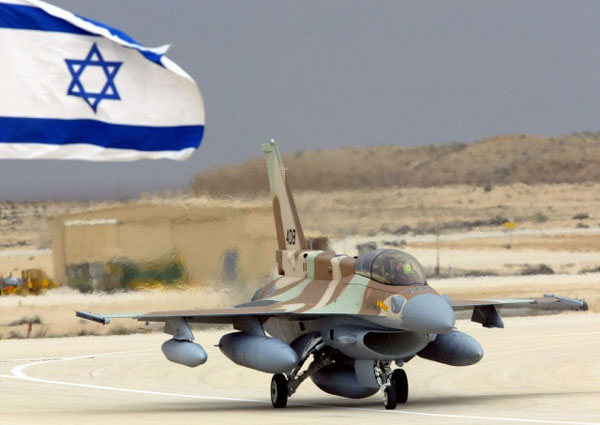
Numerous reports and Israel government official statements indicate that Israel is ready, to strike Iran, if need be alone to prevent what they believe is an existential threat to Israel. While some believe that any Israeli attack on Iran would be precision strikes aimed at Iran’s nuclear program and ballistic missiles sites. However, most experts believe that an Israeli strike would at best set back the Iranian nuclear weapons program a couple of years and trigger a regional war with very unpredictable outcomes. If the Israeli strike is conventional in nature the Iranians will strike back against Israel, as well as US targets in the region. The US would certainly respond but any war would affect the region and the world economy as oil prices would rise exponentially.

With that in mind it is possible that the Israelis fearing the existential threat of Iranian nukes might use their nuclear forces in a first strike role.

Most experts believe that the Israelis would only use nuclear weapons in a retaliatory “second strike” capacity. The reasoning is that the first use of nuclear weapons by Israel would be against their national interests. That is logical but history is replete with times that nations have acted in ways contrary to logic because the action is deemed “necessary.” It is the same logic that said that the Germans would not violate Belgian neutrality in 1914 knowing that such an action would trigger British intervention on the side of France and Russia. It was believed by most that “the Germans are dangerous but they are not maniacs….” The Germans faced war on more than one front and felt that they had to deliver a swift blow to knock France out of the war in order to defeat Russia. It was a risk that they were willing to take and one which helped lose them the war and set about a series of events that made the 20th Century the bloodiest in human history.

In the current situation many in Israeli leadership may view the use of nuclear weapons to stop an existential threat as a legitimate use of the weapons. Israel does face real threats and those threats are increasing as Iran increases in strength and no longer has traditional rival Iraq to worry about. Likewise the instability of Egypt and the anti-Israeli animus of the Moslem Brotherhood which now leads Egypt has increased the real and perceived threat from that country. An Egypt openly hostile to Israel armed to the teeth with advanced American weapons is a dagger pointed at the heart of Israel. Israel’s leaders may be willing to suffer international condemnation in order eliminate what they consider an existential Iranian threat to ensure their survival and ability to defend against Egypt as well as conventional and unconventional Hizbollah forces operating out of Lebanon and those of Hamas in Gaza.

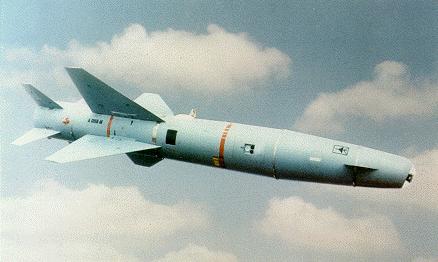
If they were to use nuclear weapons the primary delivery system in such a strike would most likely be Dolphin Class submarines armed with nuclear capable Popeye cruise missiles. These missiles have a 1500 km range and while the missiles could be used in a conventional strike their utility would be limited to precision strikes against unfortified headquarters buildings housing Iranian leadership, or command and control facilities. The numbers of Popeye missiles the Dolphins carry is limited since the majority of Iranian nuclear sites are hardened facilities or deep underground their use against them in a conventional manner would be a waste.

The threat to United States and NATO forces in Afghanistan is great if a broader war erupts. US and NATO forces, already fighting an increasing Taliban insurgency are for all practical purposes surrounded if a war spreads and Pakistan shuts down the southern supply route. Even this week Taliban insurgents scored a victory successfully attacking the strongly fortified joint US Marine and British base Camp Leatherneck-Camp Bastion destroying 6 AV-8B Harrier jets on the ground, damaging more aircraft, valuable hangers and support facilities while killing 2 Marines. A war with Iran would threaten to turn Afghanistan into a trap for nearly 100,000 US and NATO coalition troops.

It could as Barbara Tuchman said of the the Germans of 1914 that the Israelis have “staked everything on decisive battle in the image of Hannibal….” but that the ghost of Hannibal might have reminded the Germans and the Israelis that though Hannibal and “Carthage won at Cannae, Rome won the war.” In mid May and early June of 1914 even before the assassination of Franz Ferdinand Field Marshal Von Molkte and others felt that the scales were tipping against them. He told his Austrian counterpart Field Marshal Conrad Von Hotzendorf that “from now on ‘any adjournment will have the effect of diminishing our chances of success.’” On June 1st Von Molkte said to Baron Eckhardstein,“We are ready, and the sooner the better for us.”

The storm clouds of war are thickening and darkness hovers as the storm gathers. In 1914 the politicians, diplomats and soldiers that realized war would be disastrous were a minority in their respective governments and their warnings went unheeded. In 1914 “war pressed against every frontier. Suddenly dismayed, governments struggled and twisted to fend it off. It was no use….” As the sun set and the lamps of London were lit on August 4th 1914 Sir Edward Grey said to a friend “The lamps are going out all over Europe; we shall not see them lit again in our lifetime.” It is as if we are watching the same drama play out in the Middle East now.

Peace

Padre Steve+


3 Comments

Filed under Foreign Policy, middle east, Military, national security, News and current events

Pouring Gasoline on the Fire: The True Believers and Unending War

The Consulate in Benghazi Burns

“Passionate hatred can give meaning and purpose to an empty life. Thus people haunted by the purposelessness of their lives try to find a new content not only by dedicating themselves to a holy cause but also by nursing a fanatical grievance.” Eric Hoffer, The True Believer

September 11th 2012 was a day that initially was marked by somber reflection on the attacks that killed nearly 3000 people 11 years before. However as the night settled over the Continental United States Americans were again attacked. This time two events, one in Egypt and one in Libya brought about the loss of American lives including Ambassador Chris Stevens and ignited a political firestorm.

It is no secret that extremist Moslems, Christians and Jews, each for their own particular theological and political reasons have been trying with all their might to bring about a global conflagration between the the Islamic world and the West, especially the United States and Israel.  Hatred of the other, power and the desire for vengeance against crimes real and imagined motivate all of them. The desire for the ultimate judgement of God being poured out on their enemies is a motivating force because their enemies are by necessity the enemies of their God.

The latest violence appears to have its genus in the release of a a film produced by someone named Sam Bacile who claims to be real estate broker and Israeli citizen. The Israelis say there is no such Israeli and some wonder if the name is actually a pseudonym and the AP reported that the cell phone led to a man named Nakoula Basseley Nakoula a man convicted of financial crimes who admitted a role in the film today.  Nakoula is neither an Israeli or a Jew and has used the the name as a pseudonym.

Koran Burning Pastor Terry Jones

The film, called alternately “The Innocence of Moslems” or “Mohammed: Prophet of Moslems” is being promoted extensively by Egyptian Coptic Christian expatriate and anti-Moslem zealot Morris Sadek and Koran burning “pastor” Terry Jones. In an interview with the Wall Street Journal the man who calls himself Sam Bacile claimed that the film was “a political movie” and that “Islam is a cancer, period.” One of his collaborators an Evangelical Christian named Steve Klein told Fox News that “we went into this knowing that this was probably going to happen.”

Bacile or Nakoula, whoever he happens to be released a 13 minute long trailer for the film on You-Tube in English and it was translated into Egyptian Arabic. It has gone viral in the Islamic world. The Islamic preachers of hate and the cottage industry that thrives on finding reasons to hate Americans used the film to launch demonstrations at the US Embassy in Cairo and the Consulate in Libya.

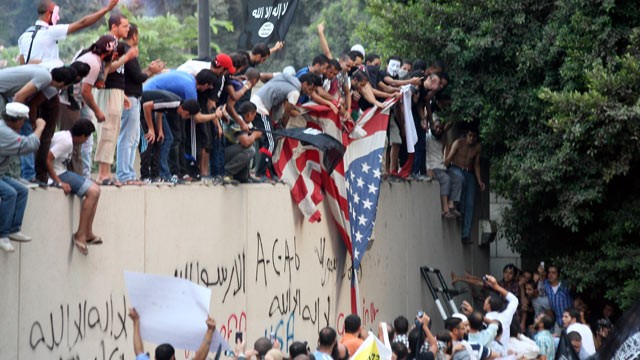
Egyptian Protestors desecrate the American flag after breaching the Embassy Wall

Warned of upcoming demonstrations the Press Officer of the US Embassy in Cairo published the following statement six hours before the protest. Please note it is not an apology, it is diplomats in danger trying to calm the situation:

“The Embassy of the United States in Cairo condemns the continuing efforts by misguided individuals to hurt the religious feelings of Muslims — as we condemn efforts to offend believers of all religions. Today, the 11th anniversary of the September 11, 2001 terrorist attacks on the United States, Americans are honoring our patriots and those who serve our nation as the fitting response to the enemies of democracy. Respect for religious beliefs is a cornerstone of American democracy. We firmly reject the actions by those who abuse the universal right of free speech to hurt the religious beliefs of others.”

In Egypt the new government headed by Moslem Brotherhood President Mohammed Morsi did little to break up the demonstration yesterday and the crowds entered the compound, pulled down and desecrated the American flag and raised the black Islamic banner. However, they did no more. Today more demonstrations have occurred but Egyptian security forces interposed themselves between the demonstrators but the Egyptian government did nothing to condemn the demonstrators.

However during the initial phases of the crisis Republican Presidential Candidate condemned the Obama administration and the Embassy for “apologizing” for the “right of freedom of speech” in response to the attack on the Cairo embassy. Romney was criticized for the statement by many Republicans for appearing to use the attacks for partisan political gain. After doubling down on the comments this morning many analysts believe that Romney has come out of the day worse off on how he is viewed than before.

Romney’s remarks were contrasted with those of Ronald Reagan and George H.W. Bush in 1980 when the military operation ordered by President Jimmy Carter to free the US hostages during the Iranian hostage crisis. Reagan made this statement: “This is the time for us as a nation and a people to stand united and to pray” while Bush said “I unequivocally support the president of the United States — no ifs, ands or buts — and it certainly is not a time to try to go one-up politically. He made a difficult, courageous decision.” Both Reagan and Bush would campaign using the “weakness” of Jimmy Carter as one of their key points of attack but on the day of the disaster both had the decency not to use it for their political gain.

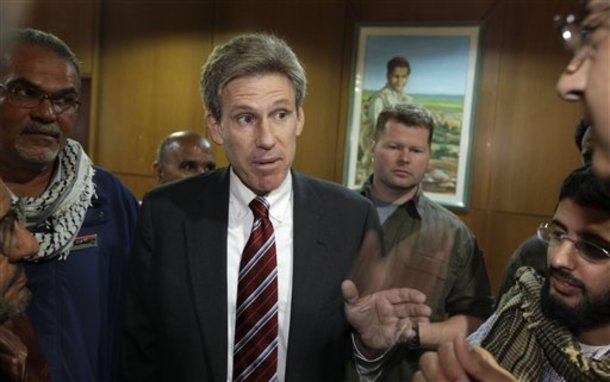
Ambassador Chris Stevens

In Libya there was a small demonstration at the consulate. However that demonstration appears to have been pushed aside by an armed group of 20-30 men wielding RPGs, machine guns and other automatic weapons. The assault by the group lasted between 4-5 hours and during it Ambassador Stevens and three other Americans including two Marines were killed.

The Libya attack appears to be a planned and premeditated attack, possibly to avenge of Al-Qaeda’s Libyan born second in command Abu Yahya al-Libi on June 4th, which Libyan Al Qaeda allies have promised to retribution. The fact that the attack occurred when a Ambassador Stevens was on a visit to promote the opening of a new cultural center. Stevens was respected by many Libyans for his role during the Libyan revolution and the Libyan government has apologized and Libyans have marched to apologize for his death.

Libyans protest in Sympathy with the US

President Obama has order a Marine Fleet Anti-Terrorism Security Team (FAST) platoon  to Tripoli to bolster the embassy defenses and ordered two Guided Missile Destroyers to Libya. He has promised that “justice” will be served on Ambassador Stevens’ killers. Osama Bin Laden and many other Al Qaeda leaders have faced that justice during Obama’s term and I expect that these brutal killers will not live long. He also made a telling comment about how he and the administration now view the situation in Egypt:

“I don’t think that we would consider them an ally, but we don’t consider them an enemy…I think it’s still a work in progress, but certainly in this situation, what we’re going to expect is that they are responsive to our insistence that our embassy is protected, our personnel is protected.”

The operative words in his remarks about Egypt are that “I don’t think that we would consider them an ally.” It appears that the President fully recognizes that despite hopes that pro-western modernists would gain power after the revolution that the newly elected government of Moslem Brotherhood President Mohammed Morsi is not our friend.

Tonight the demonstrations in Cairo continue, others are breaking out in other countries and many Arab leaders recognize the danger and are trying to defuse the situations.

The problem is that no matter who is President that the instigators of the attacks on the embassy and the consulate as well as those that egg them on and those that intentionally try to provoke them will not stop. They will continue to do all that the can to bring about the war that they think will bring the fulfillment of their apocalyptic visions, be they Islamic, Christian or Jewish.  The fire is burning and these fools are doing all that they can to spread the flames around the world.

I wish I could say that it was going to get better but it looks like we are being pulled even deeper into this war without end.

Pray for peace but know that those that want war do more than pray for it, they are willing to do anything for it, even kill.

Peace

Padre Steve+

1 Comment

Filed under faith, middle east, national security, News and current events

Fear and Loathing in Damascus

Free Syrian Army Fighter

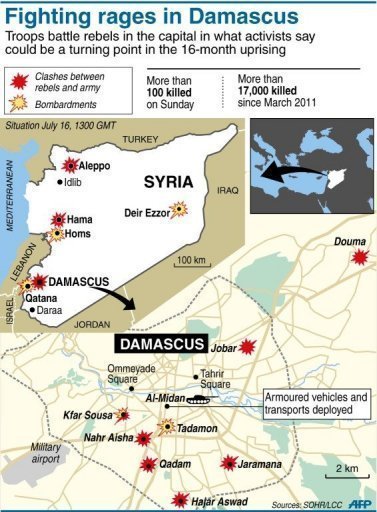
The situation in Syria continues to worsen as the battle for Damascus heats up. Syrian Dictator Bashar Assad reportedly has moved his headquarters to the Alawite Mountains as fighting rages in the Syrian capitol.   The International Red Cross has declared what most of us already believed that the conflict is a civil war and call for the United Nations to intervene under Chapter 7 of the UN Charter grow ever stronger despite the opposition of Russia and China to those calls.

In the 16 months that this fighting has been going on an estimated 10,000-15,000 Syrians have been killed. Thousands more have been wounded, many are missing and the number of refugees in Turkey has risen to roughly 120,000.  Despite the harsh repression of the Syria government, military, security and police against the opposition the opposition continues to grow in strength and is being joined by increasing numbers of senior military officers and soldiers.

Syrian Army Troops fighting in Damascus

On Wednesday the 18th after four days of sustained combat in Damascus the Free Syrian Army struck a blow at the heart of the Syrian dictatorship of Bashar Al Assad. It was a blow that no-one saw coming except the plotters. From a strategic point of view it was a brilliantly executed strike that will inspire fear among Assad’s loyalists and increase the opposition to him.

Bashar Assad and Senior Generals including Defense Minister Dawood Rajiha

Both the FSA and the Liwa al-Islam group claimed credit for a strike using a remotely detonated explosive inside the national security headquarters building in to decapitate the military and intelligence leadership of the Assad regime. Killed were Defense Minister Dawood Rajiha; and his “deputy” Asef Shawkat. Shawkat is Assad’s brother-in law and one of the regime’s most feared strongmen.

Defense Minister Dawood Rajiha; and his “deputy” Asef Shawkat (below)

Also killed was Assistant Vice President Hassan Turkmani, a former Defense Minister who served as the head of Assad’s Crisis Management Office. Syrian State TV reported that Hisham Ikhtiar, director of the National Security Bureau, and Interior Minister Mohammad Ibrahim al-Shaar, were among those hurt in the attack.  Al Arabia reported that another key official, Hafez Makhlouf, head of the investigations at the Syrian Intelligence Agency was killed in the attack.

The dead were key members of Assad’s attempt to crush the rebels and maintain his control over Syria. Rajiha was the most senior Christian in the Syrian government. Shawkat who was the husband of Assad’s sister Bushra had been Assed’s enforcer who wielded great power in Syria and with Syrian dealings in Lebanon.  AFP reports that the “Syrian Observatory for Human Rights called Shawkat’s death “a severe blow to the Syrian regime since he played the main role in operations by regular forces to crush the revolution.”

Syrian Army Tanks fire on Opposition Fighters

With the successful attack the revolution has reached a turning point. It has show the ability to strike at the heart of the Assad regime. Assad is counter-attacking but with the loss of such trusted key players his efforts, which have been a failure to date will be dealt a fatal blow. Even before the attack a number of Generals and other senior officers as well as thousands of troops have defected to the revolution. Rebels find arms and ammunition easy to come by in the corrupt Syrian government. Last week the Syrian Ambassador to Iraq Nawaf Fares defected to the rebels and claimed that he believed that Assad would use his chemical weapons against the opposition if he felt the need to do so.

Syrian Refugees in Turkey

The probable end of this is that the Assad regime will fall and a long term sectarian civil war like that that has plagued Lebanon since the 1970s will ensue. Hezbollah having lost its ally will attempt to retain power in Lebanon and influence events in Syria to their advantage, possibly attempting to gain control of Syria’s chemical weapon stockpile.

The collapse of Syria which to all before 2010 appeared to be stable by Arab standards despite fomenting problems for its neighbors will bring more instability, uncertainty and violence to the region. Expect that Assad’s loyalists among the Shite Alawite sect will be targeted for revenge by the persecuted Sunni majority. Also expect that Christianity will lose its last place of refuge in the broader Middle East as Syrian Arab Orthodox and Catholic Christians are targeted by all sides as were Iraqi Christians during the Iraq civil war and insurgency.

Peace

Padre Steve+

1 Comment

Filed under Foreign Policy, middle east, Military, national security, News and current events

The Naval Balance in the Arabian Gulf

USS Eisenhower and a Ticonderoga Class Cruiser

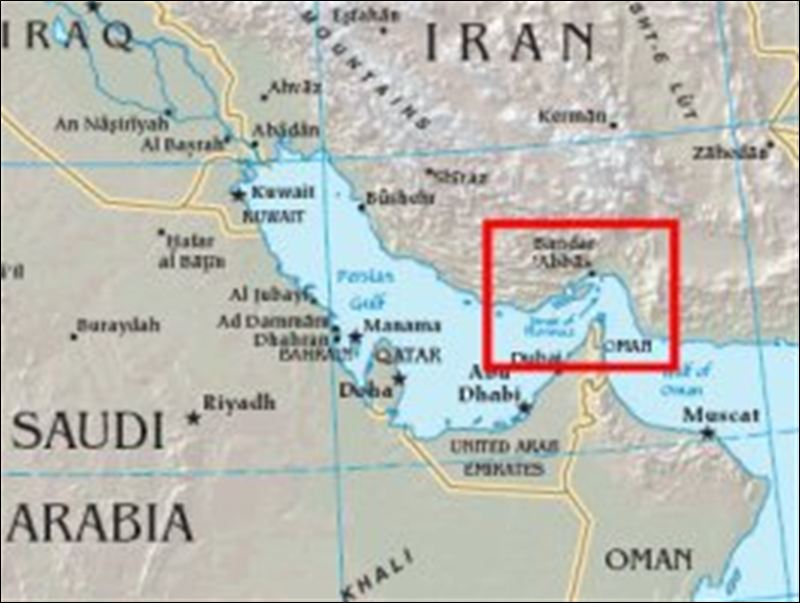
The tension in the Arabian Gulf and the Strait of Hormuz continues to build with every passing week. With the imposition of additional sanctions on Iran and its oil industry, tensions over Iran’s Nuclear program and threats by Iran to close the Straits it is important to know what naval forces are in the area to counter any Iranian action.

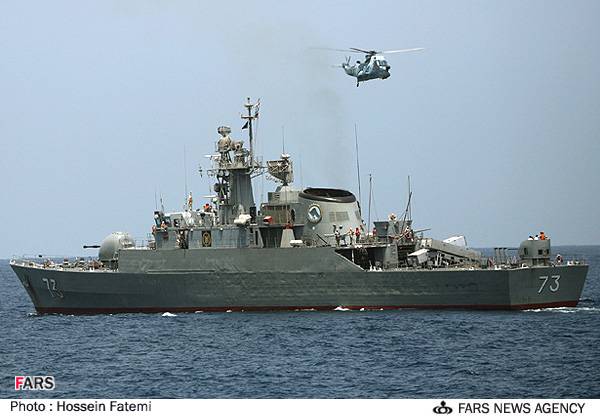
Iranian Alvand Class Frigate

The Iranian propaganda machine continues to promote the idea that its Navy is a major threat, not only in the region but around the world. However despite a number of high publicly deployments to the Mediterranean it is small coastal defense force. It has the capability to disrupt traffic in the Straits of Hormuz and is supported by land based Surface to Surface Missile batteries. However should a real shooting war break out it would be destroyed in short order, although it could inflict some damage on allied shipping if it was able to mount a surprise attack against an isolated ship.

The Islamic Republic of Iran Navy

Iranian Kilo Class Sub

3 Kilo Class Attack Submarines (Built in Mid 1990s in Russia)

Ghadar Class Submarine

19 Ghadar Class Coastal Submarines (120-150 ton built in Iran)

4 Yugo Class Coastal Submarines (90 ton built in North Korea)

3 Alvand Class (Vosper Type 5) Frigates (All are 40 years old and lightly armed)

1 Jamaran Class (Modified Iranian Built Vosper Mark V)

2 Bayador Class Patrol Frigates (US PF 103 Class) built in 1964

10 Houdong Type Missile Attack Boats (Operated By Revolutionary Guards Corps)

14 Kaman/Sina Class Missile Attack Boats

5 Coastal Patrol Boats

Numerous inshore patrol craft and auxiliary ships many capable of laying mines. The patrol craft could be used in “swarm” attacks against larger surface targets which Allied navies practice to defend against.  The larger Iranian ships are armed with C802 Surface to Surface Missiles.

US and Allied Navies in the Region are Commanded by Combined Task Force 150. 

Arab and Gulf State Navies

Omani Khareef Class Corevette

Oman (Royal Navy of Oman)  Oman has 5 very modern Corvettes. 2 Qahir Class which are British built Vosper Mark 9 and three new ships of the BAE Systems Khareef Class are entering service. These ships displace 2660 tons and are more modern, stealthy and heavily armed than most ships their size in the Gulf. The Omanis also have 8 modern patrol ships or craft and several amphibious ships and a number of smaller craft and auxiliaries.

Saudi Arabian Frigate Al Riyadh 

Saudi Arabia (Royal Saudi Navy) The Saudis boast a modern Navy built around three French Built Al Riyadh Class (La Fayette Class) Frigates, 4 Al Madina Class Frigates and 4 US Built Badr Class Corvettes, 9 Patrol Boats and 3 British Built Sandown Class Mine Hunters and numerous support vessels.

UAE The UAE Navy is small with only 2 small Swedish Built Corvettes and 14 Fast Attack or Patrol Craft, 2 Mine Hunters and numerous small patrol craft and amphibious craft.

Bahrain Bahrain has a former U.S. Navy Oliver Hazard Perry Class Guided Missile Frigate the Al Sabha and a number of patrol and fast attack craft.

Kuwait 10 Guided Missile Fast Attack Craft

US Allies in Gulf (current) 

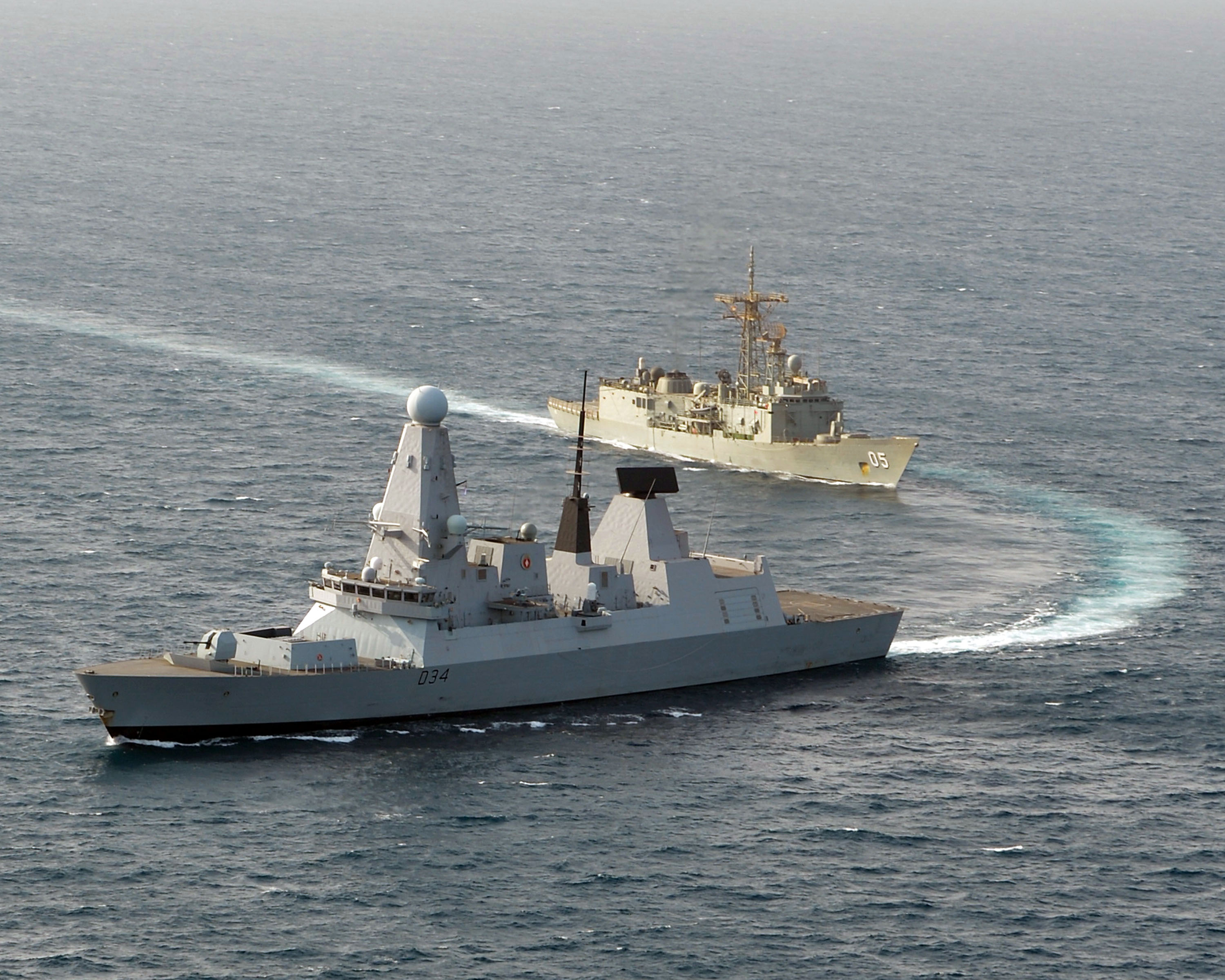
HMS Daring and HMAS Stuart

Britain: HMS Daring Type 45 DDG

Canada: Frigate HMCS Regina which is relieving the HMCS Charlottetown

France: Frigate La Motte Picquet


South Korean Destroyer Wang Geon

South Korea: Destroyer Wang Geon

Australia: Guide Missile Frigate HMAS Stuart

The United States Navy

USS Enterprise

2 Carrier Strike Groups (USS Eisenhower and USS Enterprise) with supporting Guided Missile Cruisers, Guided Missile Destroyers and Attack Submarines. The Navy now has 8 Mine Countermeasure Ships in the region and deployed the USS Ponce as a Floating Base for Special Operations Forces and Mine hunting helicopters. An Amphibious Ready Group with an Embarked Marine Expeditionary Unit (MEU) is also usually deployed in the region.

USS Ponce

Note that Allied ship movements and deployments change frequently and other nations not listed here frequently contribute ships to this mission.  Other US and Allied ships are deployed near the Horn of Africa. It is believed that the Israel Navy maintains a Dolphin Class submarine capable of launching nuclear cruise missiles within range of Iran.

Carrier based and land based US and Saudi Aircraft vastly outnumber and outclass the Iranian Air Force.

Conclusion

I do not believe that the Iranians are foolish enough to actually try to close the Strait of Hormuz, but would attempt to make enough threats to force oil prices up and get nations to attempt to skirt the trade and oil sanctions levied against it. That being said there is no accounting for an unforeseen or accidental incident or series of incidents that escalate the situation into a war. The Revolutionary Guards naval forces are particularly aggressive. There is also the possibility of an Israeli strike against Iran’s nuclear facilities that could trigger a regional war and naval battle over the Strait of Hormuz. If war comes it will probably be because a miscalculation that spins out of control.

Tanker Burning and Sinking during 1988 Tanker War

Should a war begin for whatever reason it would still be disastrous. Hundreds of thousands of people could be killed or wounded and countries in the region devastated. Iranian Allies in the region especially the Iranian proxy Hezbollah could cause major problems. I don’t believe that Syria is in any shape to assist Iran due to its ongoing civil war but instability in it could give Hezbollah additional room to maneuver in Lebanon and against Israel.

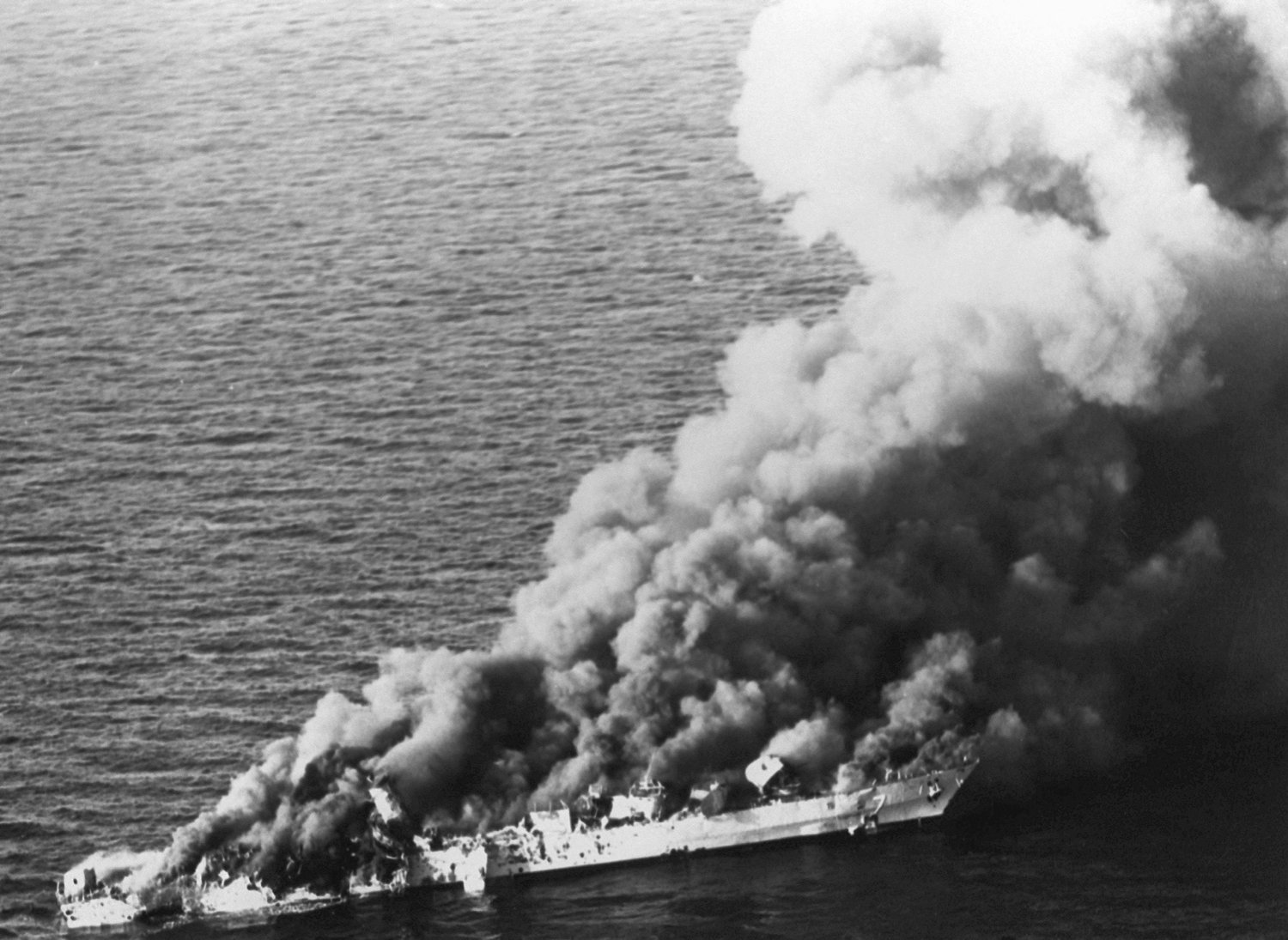
Iranian Frigate Sahand Burning and Sinking following US Attack in 1988

If war was to break out it would be costly and the Iranians would cause damage to the world economy by attacking the oil infrastructure of its neighbors and attempting to close the Strait of Hormuz. However when all is said and done the Navy of the Islamic Republic and its air forces would be devastated in relatively short order.  That does not mean that such a war would be contained or limited. It could become a regional war where Iran launches missile strikes against Israel as well as the U.S. and its Gulf Allies. Terrorist and commando raids could also be part of any Iranian response to an Israeli strike or as part of any offensive operations that they decide to undertake. The fragile world economy could take a big hit with unknown political, social and economic effects.

In spite of how bad it would be I am of the opinion that someone will miscalculate and that war will ensue. Exactly how it will happen I am not sure. But it will not take much to ignite the powder keg that is the Middle East.

Peace

Padre Steve+

Leave a comment

Filed under Foreign Policy, History, middle east, Military, national security, Navy Ships

The Miscalculations of July

The Assassination of Archduke Franz Ferdinand 

“War is the unfolding of miscalculations.” Barbara Tuchman

Sometimes I miss the Cold War and the ever constant threat of Nuclear annihilation.  Not that I looked forward to getting nuked and having the world blown out from under us, but back in those days it was pretty much for sure that the United States and Soviets would keep their missiles in their silos no matter how much they jibber-jabbered. Things did get awfully sporting during the Cuban Missile Crisis and during the 1973 Yom Kippur War but cooler heads prevailed. Yes there were incidents but we survived. We fought proxy wars and helped despots that we liked while the Soviets did the same. There was an air of predicability as both sides restrained their client states. Those were the days, we only really had to worry about two sides keeping things under control. Yes, those were the days… not really but compared to now I wonder.

Now, it seems that the shit is really starting to hit the fan all over the world, especially in the Middle East, Southwestern and Central Asia and even Europe. As day does into day it is hard to keep track of all the boiling cauldrons of hatred and misery and the vast numbers of political, religious, military, economic and ideological “leaders” that pour gasoline on the fires that stoke them. While I cannot definitively predict exactly where the disaster of war will begin or what the reasons that men will justify it; I do know that whenever, wherever and for whatever reasons it will be because of a failure of political, religious, military and economic leaders to prevent it. Abba Eban said “History teaches us that men and nations behave wisely once they have exhausted all other alternatives.”

*Iran continues to threaten to close the Straits of Hormuz and unleash missiles on neighboring countries and Israel. 

*Israel is making plans for pre-emptive wars in Iran and Lebanon.

*The EU Oil Embargo on Iran has gone into effect.

*In Lebanon Hezbollah, the proxy army of Iran has made major strides in its ability to strike Israel and border skirmishes are now occurring between Israeli forces, Hezbollah fighters and even the Lebanese Army. 

*Syria’s Assad dictatorship is killing vast numbers of its own people and violence from its civil war is spreading to Lebanon. 

*Turkey has reinforced its borders with Syria after one of its aircraft was shot down by Syrian forces. 

*The United States sends additional naval and air forces to the Persian Gulf while maintaining a strong ground force in Kuwait. 

*Iraq, still beset by sectarian violence and undermined by Iranian agents is unable to maintain its traditional role as a balance to the Persians. 

*In Egypt a government led by the Muslim Brotherhood has taken power and threatens to end the peace with Israel even as they contend with the still powerful Egyptian military, and more secularist Egyptians for control of the country. 

*The United States and NATO are bogged down in a war in Afghanistan that cannot be won and works with a government that cannot be trusted and a military whose members are killing more NATO troops than actual “enemy” forces.

*Pakistan teeters on the brink and supports Taliban and Al Qaida forces even as the United States wages a clandestine war against those forces ensconced in their Pakistan bases. 

*The United States fights a drone war in Yemen as that country’s military fights Al Qaida Yemen forces, forces that are now more capable of harming the United States and its interests than those based in either Afghanistan or Pakistan. 

*Violence in the Horn of Africa spread by the Al Shabaab terrorist network threatens to spill over into neighboring countries. 

*In Nigeria Moslem extremists burn Christian churches and threaten that country’s oil production and economy. 

*European nations stand on the brink of disorder and anarchy should nations begin to default on their debts and abandon the Euro. 

*Simmering long term disputes in the Balkans continue to cause worry about more war and instability.

*Fascist political parties and movements are gaining momentum throughout Europe, especially in Eastern Europe.

*Leaders of all of nations make bellicose statements meant to stoke the passions of their most zealous political supporters often invoking apocalyptic visions of the future.

*Other leaders attempt to maintain a precarious balance in order to ride out the wave of change, hatred and discontent sweeping the Middle East and Europe.

*Religious and political leaders do their best to demonize anyone that does not agree with them or their version of “the truth.” 

*The war profiteers sell arms in abundance to every side to maximize their profits by legal and illegal sales and transfers.

I could keep going but the point is that eventually someone is going to miscalculate in one or more of these conflicts or situations and events will take on a life of their own. Leaders will commit themselves to wars that they think that they will be able to manage and like 1914 things will go horribly wrong. The hatreds of peoples, many which go back hundreds of years will spill out against their neighbors.  Martin Luther said “War is the greatest plague that can affect humanity; it destroys religion, it destroys states, it destroys families. Any scourge is preferable to it.”  Unfortunately it seems that we are heading down a path that will bring great suffering and misfortune all because of all types of leaders who are willing to take a chance on war rather than to do the hard work of peace. Confederate General Robert E Lee wrote about the American Civil War “The war…was an unnecessary condition of affairs, and might have been avoided if forbearance and wisdom had been practiced on both sides.” 

I wonder if any of the leaders now waging war or preparing for war will say the same when the coming wars are over, or if they will find words to justify the suffering that they have inflicted on millions of people. I imagine that it will be the latter.

Peace

Padre Steve+

1 Comment

Filed under History, middle east, national security, Political Commentary

The War that Cannot Be Won: Afghanistan 2012

“There is no single piece of land in Afghanistan that has not been occupied by a Soviet soldier . . . no single military problem that has arisen and not been solved, and yet there is still no result.”  Sergei Akhromeyev, Soviet General Staff Chief 1986

Sometimes one wonders if anyone actually reads history and if they do whether they actually want to learn from it. Back in 1979 the Soviet Union had advisors in Afghanistan. A lot of them. A local and indigenous Communist Party had some measure of political power and this was before the Soviets invaded.

However in March 1979 a major unit of the Afghan National Army in the city of Herat mutinied against the Soviets and the Afghan government. Before the mutiny was put down 50 Soviet advisors as well as 300 of their dependents were brutally murdered by Afghan Army personnel. A further 5000 Afghans died in the revolt.

Since 2009 the trend of Blue on Green killings, that is Afghan Soldiers or Security Force members killing US or NATO personnel has been increasing at a troubling rate. We should not be surprised, the one thing that the Afghan loathes above all is the foreign soldier on Afghan soil.  While some Afghans may desire a more modern society and something more akin to the Western democratic political model to include women’s suffrage they are in a distinct minority.  The fact is that as General Barry McCafferty recently noted regarding the murder of two US military advisors in the supposedly secure Afghan Interior Ministry “we may be seeing a watershed event after billions of dollars and 16,000 u.s. casualties. we see how shallow the impact we have on this primitive society is.” 

Approximately 130,000 US and NATO troops including a number of my friends are deployed in penny-packets across Afghanistan and are increasingly isolated and in danger.  The “inadvertent” burning of copies of the Koran in a garbage dump by US personnel has resulted in the deaths of at least 4 US military personnel and the wounding of 8 more and put our bases on lockdown as thousands of Afghans protest and attack them.  More than two dozen Afghans have died in the recent violence.

As deployed they are able to achieve local success but unable to secure the country. Dependent on supplies delivered by air or along tenuous supply lines hundreds of miles long these forces though numerous are dispersed and deployed in areas where their inherent technological and operational superiority is negated by weather, terrain and restrictive rules of engagement as well as a counterinsurgency strategy in which these advantages matter little and that they do not have enough troops to accomplish.

US and NATO forces are embedded with the Afghan Army, Police and Border forces, many of whom are either incompetent, corrupt or allied with Taliban or Al Qaeda. Most Afghans feel that any foreign occupier is a mortal enemy and mistakes such as the recent Koran burning only add fuel to the fire of hatred no matter how many times our leaders apologize. Formerly unclassified but now classified reports easily available on the internet including at US Government websites paint a picture of mutual distrust and animosity that can only be described as toxic between the Afghans and NATO personnel, especially Americans.

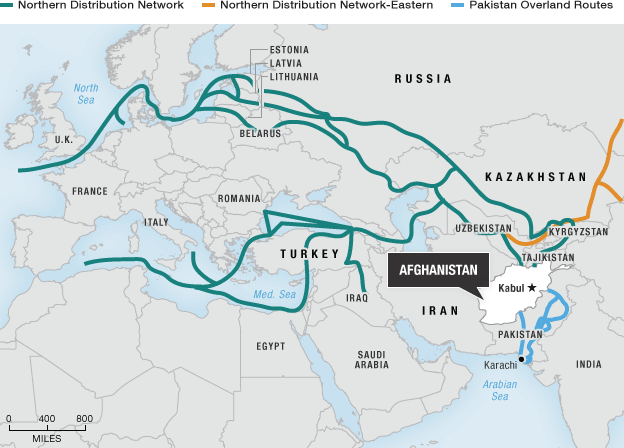
To make matters worse the US and NATO forces in Afghanistan are surrounded to the west by an ever more bellicose Iran, to the south and east by an unstable and often adversarial “ally” Pakistan through which 30-40 percent of their supplies transit.  To the north the United States and NATO are dependent on agreements with the former Soviet Central Asian Republics Uzbekistan, Kazakhstan, Kyrgyzstan and Tajikistan with most having had to transit Russia.  In the 1980s the Soviets only had make a withdraw across the border into their own country.

Another potentially disastrous situation would be for a war to break out between Iran and Israel or with the United States and our allies. The way our troops are deployed means that they cannot be easily concentrated to parry any threats and their isolation prevents them from being used as an offensive asset should a war break out against Iran.

The fact is that US and NATO forces are now in a very similar position to the Soviets in the mid to late 1980s.  We are engaged in a war where military success is not going to win the war. No matter what any politician says there is nothing that can change that unless they would be willing to commit to greatly increasing the number of ground forces in Afghanistan with the costs and logistical problems that would entail.

President Obama is in a “damned if he does and damned if he doesn’t” position.  If he keeps the status quo the danger persists and maybe increases. If he were to begin a more precipitous withdraw there would be the same dangers and possibly more during the withdraw. But mitigating against a faster withdraw is the 2012 election in which his Republican challengers would accuse him of “losing the war and betraying our troops.” However the chance to end the Afghan War from a position of strength was lost in 2003 when we diverted our efforts to the invasion of Iraq. That action gave Al Qaeda and the Taliban the breathing space that they needed to make a comeback and that was not on President Obama’s watch.

Geopolitically the presence of 130,000 US and NATO forces does nothing for regional or US national security and prevents those forces and the attendant resources needed to support them unavailable for any other dangers in the region. The goal of “creating a stabile and secure Afghanistan” is a myth. Afghanistan is not Iraq and will for generations remain a backward, tribal and religiously intolerant society that will never embrace western ideals that conflict with their culture.

The question now is how do we get out of this place, seal it off to keep terrorist threats from emanating from it and endangering US, NATO and Allied interests in the region.  The reality is also that no matter what we do that any defeat or withdraw will be grist for Al Qaeda, Iran and other Islamist propaganda.  The inability of the Soviets to “win” in Afghanistan was of the factors that brought down the Soviet Empire and ended the myth that Soviet Communism was invincible. The same could happen to the United States.

When presented with a cataclysmic strategic situation on the Western Front in 1944 Field Marshall Gerd Von Rundstedt was asked what should be done. His simple response was “End the war you fools.” http://www.youtube.com/watch?v=ch56NAL1C-I

We are not yet in a cataclysmic situation but the time to make decisions is now not later because there is nothing that can change the strategic or operational conditions in or outside of Afghanistan. Facts are facts and politicians from both the Republican and Democrat parties should stop trying to turn this into short term political advantage and look at the actual strategic interests of our country as well as our broader security and economic interests in the region.

Peace

Padre Steve+
3 Comments

Filed under iraq,afghanistan, middle east, Military, national security, Political Commentary

The Question is When, Where and How?…not If…. The Inevitability of War with Iran

“War is the unfolding of miscalculations.”  Barbara W. Tuchman

I do not think that there is a sane person in the world that sees any benefit of a war between the United States, Israel and the West and Iran.  But then sane people seem to be in the minority of all those involved in the current escalation of tension regarding Iran,  Israel, the United States, the West and the Arab World.

That being said I don’t think that anyone really wants to go to war even as all of countries involved move military units around the region, stockpile more weapons and issue ever more strident threats against one another.

When the war between Iran and those that oppose it occurs it will be because one of parties involved makes a fatal miscalculation that leads to a regional war with unimaginable consequences.

The immediate parties involved, the Iranians, the Israelis and the Americans have all hardened their military, political and economic stances in the past few months. The Iranians in particular have escalated military tensions by threatening to close the Straits of Hormuz, moving naval units to Syria even as that country devolves into civil war and making attempts or threats on the lives of Israeli diplomats in various countries including the United States.

Israel is reacting in kind to what many Israelis view as an existential threat from Iran in regard to the possibility of Iran producing nuclear weapons and delivery systems that could threaten Israel.  Reports seem to indicate that the Israelis could conduct a pre-emptive strike against Iran any time between the spring and the November elections in the United States.

The United States and much of Europe have imposed an increasing number of economic sanctions on Iran that are taking a toll on Iran’s economy.  Iran is increasing pressure on its own citizens who want more freedom. The Iranian military and the Revolutionary Guards are conducting exercises which are becoming increasingly bellicose including sending warships into the Mediterranean Sea to Syria.  Whether they want war or do not their actions could accidentally trigger a war with terrible consequences to the region as well as the global economy.

At this point I do not see any easy way out of a war which everyone knows is coming but cannot or will not avert.  The question is no longer if? It is when, how and where? Will it be a naval action at the Straits of Hormuz? Will it be the assassination of an Israeli, Iranian or perhaps a Saudi diplomat or leader? Will it be a terrorist attack against Israel by an Iranian ally such as Hezbollah which triggers an Israeli response?  Who really knows? There are so many possibilities that could trigger a regional war that it it boggles the mind.

The media with its 24 hour news cycle which demands fresh news raises the tenor of emotions and passions of the people and nations involved with each passing day.  The fear of war is driving people to the brink of it.  Back in the late 1890s it was called “Yellow Journalism.”

Adlai Stevenson said that “In matters of national security emotion is no substitute for intelligence, nor rigidity for prudence. To act coolly, intelligently and prudently in perilous circumstances is the test of a man, and also a nation.”  But this is not always the case. It is very possible that Israel, Iran or the United States may conduct a “preventative” strike against its opponents.  Otto von Bismarck commented that “Preventive war is like committing suicide out of fear of death.”

One can only hope that leaders and nations will see the truth of Stevenson and Bismarck’s words before the someone makes that one fatal miscalculation.

Peace

Padre Steve+

1 Comment

Filed under Foreign Policy, History, middle east, national security, News and current events

Tension in the Gulf: Don’t Miscalculate; Speak Softly and Carry a Big Stick

“War is the unfolding of miscalculations.” Barbara Tuchman

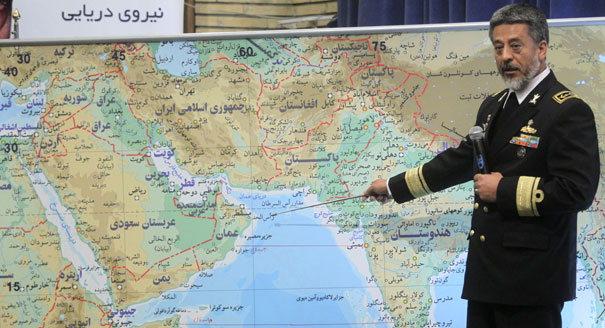
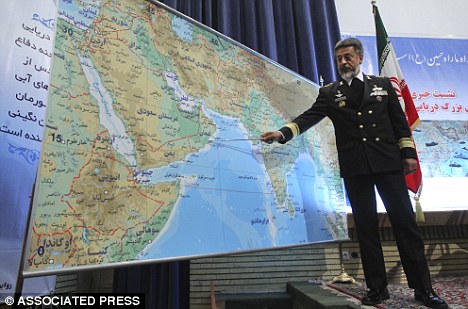
Iran’s navy chief Habibollah Sayyari briefs media on the naval exercise 

The greatest danger in the current war of words between Iran and the United States is the danger that the Iranians one side or the other will miscalculate the will, resolve and strength of the other.  Teddy Roosevelt made the comment “speak softly and carry a big stick.” The Iranians have been shouting loudly and brandishing a small stick and if they are not careful they will bluster their way into a naval war that they cannot win and that will cause significant economic and physical disruption in the region.

The Iranian Navy and Revolutionary Guards Naval Forces are about halfway into a 10 day series of exercises in the Gulf of Oman, the Strait of Hormuz and the Northern Arabian Gulf, or what they call the Persian Gulf. Iranian leaders have increased their rhetoric in regard to closing the Strait of Hormuz if more sanctions are leveled against them for their nuclear program.

The bellicosity of the Iranians comes at a time when they are feeling internal political pressure from Iranian young people, as well as external diplomatic and most likely espionage campaigns.  The latter are designed to slow down or halt their nuclear program which most analysts now believe to be designed to produce nuclear weapons.

For what it is the Iranian Navy can threaten the strait and maybe even close it for a limited time. It is possible if they ever launched a surprise attack on an isolated US or Western warship using their “swarm” tactics close inshore to Iran in the constricted waters of the strait or in a narrow part of the NAG that they could sink or cause severe damage to it.  They would probably mine the straits if they could do so before hostilities began or before sufficient forces could be deployed to stop them. Likewise their missile forces and special operations forces could cause some damage and chaos in the Gulf but the repercussions would isolate and devastate Iran.  However closing the strait or attacking a US or Western warship would be the end of Iran’s naval forces and cause more damage to the country than its leaders are willing to accept at least right now. The Iranians would find that they were fighting far more than the United States Navy should this happen and their Russian and Chinese supporters would more than likely do everything possible to dissuade them from trying this.  Since China imports the bulk of its oil from the Gulf it is unlikely that they would support the Iranians.

While such a direct attack is unlikely the possibility of an accidental war caused by miscalculation on the part of one side or the other is always real and should the Israelis strike Iran’s nuclear facilities Iran would certainly retaliate against Israel but also US Forces and installations in the Gulf and probably against the Gulf States and even Iraq.

USS John C Stennis (US Navy Photo)

Regarding how such a campaign would be fought the United States would stand off a safe distance and pound Iranian naval, air and coastal defenses and not allow Iranian surface ships to get close enough to make a swarm attack.  This is a big reason that the USS John C. Stennis transited the straits and entered the Gulf of Oman (GOO).  Operating in the open seas gives the blue water US Navy the edge. The Iranian navy’s ships lack the range and endurance for sustained operations at sea and could not sustain a blockade. US attack submarines would hunt down the Iranian Kilo class subs before they could become a threat and US Naval Aviation assets would sweep the surface assets of the Iranian Navy and Revolutionary Guard Naval Forces from the sea while destroying Iranian coastal defenses on the islands in and the Iranian side of the strait.  Once the strait was cleared tanker traffic would resume and Iran would be the biggest loser.  History shows time and time again that light coastal naval forces are no match for a professional seagoing navy even if they score an occasional victory.

Much has been made about Iranian claims to have tracked the USS John C Stennis as she transited the straits.  That is nothing new, the Iranians have air, sea and land surveillance of the narrow straits. The fact is that US ships transit the strait and its approaches on high alert and have done so since the Tanker Wars of the 1980s.  Every Iranian move is watched by the US Navy.  Likewise while transiting the strait the ships of both sides communicate with each other regarding navigation.  It is standard practice.

Since I believe that the Iranians despite their rhetoric are far more prudent than some believe and that they will not launch an unprovoked attack. Even if they succeeded in temporarily closing the straits and even scoring some kind of naval victory by sinking a US ship the victory would be extremely short lived. US and other forces would stream to the region and devastate all that is Iran. The costs for the Iranians and their long term goal of regional hegemony would be too great for them to intentionally start a naval confrontation in the Gulf.  However the chances of either side miscalculating and stumbling into war should not be underestimated.

The biggest danger now is the potential for miscalculation but Iran’s long term goal of dominating the Gulf and acquiring nuclear weapons will probably keep them from attempting anything of this sort. That said there are factions in Iran that could try to use the threat of new sanctions to force a confrontation in the straits and for that we must be ready to meet the threat.  Iranian threats should not be disparaged nor their political and military will underestimated. To underestimate an Iran’s capabilities and will are extremely dangerous. At the same time we should not overestimate their capabilities and yield to their threats when they threaten to cut off the flow of oil from the Gulf.

The United States needs to follow Theodore Roosevelt’s advice and remember history as we follow the situation and ensure that whatever Iran does that we will not be surprised or unprepared.

Peace

Padre Steve+
Leave a comment

Filed under Foreign Policy, History, middle east, national security, US Navy