Yesterday I posted an essay about a German physician and pastor who drew the picture The Madonna of Stalingrad, and the day before one about the Christmas Truce of 1914 and the movie Joyeux Noël (Merry Christmas). As I have mention before, I get very reflective around Christmas, in large part due to my experiences in Iraq. While I am certainly happy this year, I am, as I still tend to be a bit melancholy. My time in Iraq changed me, T.E. Lawrence; the immortal Lawrence of Arabia wrote to a friend, “You wonder what I am doing? Well, so do I, in truth. Days seem to dawn, suns to shine, evenings to follow, and then I sleep. What I have done, what I am doing, what I am going to do, puzzle and bewilder me. Have you ever been a leaf and fallen from your tree in autumn and been really puzzled about it? That’s the feeling.” I often feel that way.
As I said, when I returned from Iraq I was a changed man and while proud of my service I am haunted by my experiences. One cannot go to war, see its devastation, see the wounded and dead, as well as the innocents traumatized by it. One cannot get shot at, or be in enclosed rooms, meeting with people that might be friends, or might be enemies, and while everyone else is armed, you are not.
Likewise my homecoming was more difficult than I could have imagined. I never felt so cut off from my country, my society, my church, or even other chaplains. My experience is not uncommon among those who have served in Iraq or Afghanistan, or for that matter those who have served in almost any modern war. Erich Maria Remarque in his classic All Quite on the Western Front wrote:
“I imagined leave would be different from this. Indeed, it was different a year ago. It is I of course that have changed in the interval. There lies a gulf between that time and today. At that time I still knew nothing about the war, we had been only in quiet sectors. But now I see that I have been crushed without knowing it. I find I do not belong here any more, it is a foreign world.”
My first Christmas at home was so difficult that at a Christmas Eve mass I handed my wife the car keys and walked home in the dark and cold. Had there been a bar on the way home I would have walked in and poured myself into a bottle.
That being said I would not trade my experience for anything. The experience of PTSD and other war related afflictions has been a blessing as well as a curse. They have changed my world view and made me much more emphatic to the suffering and afflictions of others, as well when they are abused, mistreated, terrorized and discriminated against. These experiences along with my training as a historian, theologian, and hospital chaplain clinician before and after my tour have given me a lot bigger perspective than I had before, especially at Christmas.
But I live with all of the memories. Guy Sajer wrote in his book The Forgotten Soldier, “Only happy people have nightmares, from overeating. For those who live a nightmare reality, sleep is a black hole, lost in time, like death.” General Gouverneur Warren, a hero of many Civil War battles including Gettysburg wrote to his wife after the war “I wish I did not dream so much. They make me sometimes to dread to go to sleep. Scenes from the war, are so constantly recalled, with bitter feelings I wish never to experience again. Lies, vanity, treachery, and carnage.”
As difficult as things have been and as much as I wonder what will happen next, at Christmas I pray for peace, but too many people, some even in this country seem to live for the bloodlust of war.
But amid such unholy thoughts one can hope and pray for peace at Christmas, I guess that is a reason I love the song Happy Christmas, I have put Melissa Etheridge’s version here.
As my Iraqi friends are prone to say, Inshallah, (إنشاءالله) God willing…
As a veteran who served in the badlands of Al Anbar Province during Christmas of 2007 I can relate to Father Palmer, the British priest and chaplain in the film Joyeux Noel (Merry Christmas) when he makes the comment “I belong with those who are in pain, and who have lost their faith, I belong here.”
I again watched that film last night. The film is the story of the amazing and exceptional Christmas Truce of 1914. It is a film that each time I see it that I discover something new, more powerful than the last time I viewed it. It reminds me of serving in Iraq, at Christmas from my perspective as a Chaplain, and thereby giving voice to those who serve now, as well as those who served God’s people in hellish places before me. It reminds me of how much I hate war, and how much I often hate the clergy who are all too often, bloodthirsty cheerleaders for war.
As a Chaplain I am drawn to the actions of the British Padre in the film, who during the truce conducts a Mass for all the soldiers, British, French and German in no-man’s land, who goes about caring for the soldiers both the living and the dead. His actions are contrasted with his Bishop who comes to relieve him of his duties and to urge on the replacement soldiers to better kill the Germans.
As the Chaplain begins to provide the last Rites to a dying soldier the Bishop walks in, in full purple cassock frock coat and hat and the chaplain looks up and kisses his ring.
As the chaplain looks at his clerical superior there is a silence and the Bishop looks sternly at the priest and addresses him:
“You’re being sent back to your parish in Scotland. I’ve brought you your marching orders.”
Stunned the Priest replies: “I belong with those who are in pain, and who have lost their faith, I belong here.”
The Bishop then sternly lectures the Priest: “I am very disappointed you know. When you requested permission to accompany the recruits from your parish I personally vouched for you. But then when I heard what happened I prayed for you.”
The Priest humbly and respectfully yet with conviction responds to his superior: “I sincerely believe that our Lord Jesus Christ guided me in what was the most important Mass of my life. I tried to be true to his trust and carry his message to all, whoever they may be.”
The Bishop seems a bit taken aback but then blames the Chaplain for what will next happen to the Soldiers that he has served with in the trenches: “Those men who listened to you on Christmas Eve will very soon bitterly regret it; because in a few days time their regiment is to be disbanded by the order of His Majesty the King. Where will those poor boys end up on the front line now? And what will their families think?”
They are interrupted when a soldier walks in to let the Bishop know that the new soldiers are ready for his sermon. After acknowledging the messenger the Bishop continues: “They’re waiting for me to preach a sermon to those who are replacing those who went astray with you.” He gets ready to depart and continues: “May our Lord Jesus Christ guide your steps back to the straight and narrow path.”
The Priest looks at him and asks: “Is that truly the path of our Lord?”
The Bishop looks at the Priest and asks what I think is the most troubling question: “You’re not asking the right question. Think on this: are you really suitable to remain with us in the house of Our Lord?”
With that the Bishop leaves and goes on to preach. The words of the sermon are from a 1915 sermon preached by an Anglican Bishop in Westminster Abbey. They reflect the poisonous aspects of many religious leaders on all sides of the Great War, but also many religious leaders of various faiths even today, sadly I have to say Christian leaders are among the worst when it comes to inciting violence against those that they perceive as enemies of the Church, their nation or in some cases their political faction within a country.
“Christ our Lord said, “Think not that I come to bring peace on earth. I come not to bring peace, but a sword.” The Gospel according to St. Matthew. Well, my brethren, the sword of the Lord is in your hands. You are the very defenders of civilization itself. The forces of good against the forces of evil. For this war is indeed a crusade! A holy war to save the freedom of the world. In truth I tell you: the Germans do not act like us, neither do they think like us, for they are not, like us, children of God. Are those who shell cities populated only by civilians the children of God? Are those who advanced armed hiding behind women and children the children of God? With God’s help, you must kill the Germans, good or bad, young or old. Kill every one of them so that it won’t have to be done again.”
The sermon is chilling and had it not been edited by the director would have contained the remark actually said by the real Bishop that the Germans “crucified babies on Christmas.” Of course that was typical of the propaganda of the time and similar to things that religious leaders of all faiths use to demonize their opponents and stir up violence in the name of their God.
When the Bishop leaves the Priest finishes his ministration to the wounded while listening to the words of the Bishop who is preaching not far away in the trenches. He meditates upon his simple cross, takes it off, kisses it hand hangs it upon a tripod where a container of water hangs.
The scene is chilling for a number of reasons. First is the obvious, the actions of a religious leader to denigrate the efforts of some to bring the Gospel of Peace into the abyss of Hell of earth and then to incite others to violence dehumanizing the enemy forces. The second and possibly even more troubling is to suggest that those who do not support dehumanizing and exterminating the enemy are not suitable to remain in the house of the Lord. Since I have had people, some in person and others on social media say similar things to what the Bishop asks Palmer the scene hits close to home.
When I left Iraq in February 2008 I felt that I was abandoning those committed to my spiritual care, but my time was up. Because of it I missed going with some of my advisors to Basra with the 1st Iraqi Division to retake that city from insurgents. It was only a bit over a month after I had celebrated what I consider to be my most important Masses of my life at COP South and COP North on December 23rd as well as Christmas Eve and Christmas Day. In fact they were really the last masses that I felt the mystery and awe of the love of God that I used to so much feel.
When I left the new incoming senior Chaplain refused to take my replacement leaving our advisers without dedicated support. He then slandered me behind my back because what I was doing was not how he would do things and because I and my relief were under someone else’s operational control. It is funny how word gets back to you when people talk behind your back. Thankfully he is now retired from the Navy and I feel for any ministers of his denomination under his “spiritual” care. So I cannot forget those days and every time I think about them, especially around Christmas I am somewhat melancholy and why I can relate so much to Father Palmer in the movie.
It has been eight years since those Christmas Masses and they still feel like yesterday. In the intervening years my life has been different. Just a year later I was walking home from church where my wife was to sing in the choir during the Christmas vigil mass. I couldn’t handle the crowds, the noise, and I felt so far away from God. That night I walked home in the dark looking up into the sky asking God if he still was there. If there had been a bar on the way home I would have stopped by and poured myself in.
Since Iraq I have dealt with severe and chronic PTSD, depression, anxiety and insomnia were coupled with a two year period where due to my struggles I lost faith, was for all practical purposes an agnostic. I felt abandoned by God, but even more so and maybe more importantly by my former church and most other Chaplains. It was like being radioactive, there was and is a stigma for Chaplains that admits to PTSD and go through a faith crisis, especially from other Chaplains and Clergy. It was just before Christmas in late 2009 that faith began to return in what I call my Christmas Miracle. But be sure, let no one tell you differently, no Soldier, Sailor, Marine or Airman who has suffered the trauma of war and admitted to PTSD does not feel the stigma that goes with it, and sadly, despite the best efforts of many there is a stigma.
Now that faith is different and I have become much more skeptical of the motivations of religious leaders, especially those that demonize and dehumanize those that do not believe like them or fully support their cause or agenda. Unfortunately there are far too many men and women who will use religion to do that, far too many.
As for me, I thought that I was in a better place a year ago. I had the floor kicked from out from under me in the summer of 2014 and it has been a hard fight and while I am beginning to get back to some sense of normal it is a day to day thing. I still suffer the effects of the PTSD, especially the insomnia, nightmares and the nightmares which came back with a vengeance last summer. I also still have the anxiety in crowded places and bad traffic, but working with my new therapist I am coming up with some effective coping mechanisms. As for faith, I do believe again, though at the same time I doubt. I would have to consider myself a Christian Agnostic who echoes the cry of the man who cried out to Jesus, “Lord I believe, help my unbelief!” I believe and yet, I don’t.
Like the Priest in Joyeux Noel I know that my place is with those who are “in pain, and who have lost their faith.” For me this may no longer be on the battlefield as I will retire from the Navy in a few years. However, that being said I will strive to be there for those that struggle with faith and believe, especially those who struggle because of what they saw and experienced during war and when they returned home.
Likewise I expect that I will do my best to speak truth to those in power and those whose faithfulness is more a product of their comfort with the God that they create in their own mind rather than the Crucified God wise death on the Cross s a scandal. For many Christians the scandal of the cross is too easy to avoid by surrounding ourselves with pet theologies that appeal to our pride, prejudice and power. The kind of malevolent power represented by the bishop in Joyeux Noel. Thus I take a measure of comfort in the words of Simone Weil who said “He who has not God in himself cannot feel His absence.”
Thus, like Paul Tillich I have come to believe that “Sometimes I think it is my mission to bring faith to the faithless, and doubt to the faithful.”In other words to become a complete pain in the ass until the day that I die.
The German theologian Jürgen Moltmann wrote, “God weeps with us so that we may one day laugh with him.” Since coming home from Iraq in 2008 my faith has undergone a profound change. This is a part of my story that I share with you.
Christmas is a special time for me, it always has been but in spite of that there were times that I took the faith element for granted. I believed and my faith in God, for me the Christian God, Father, Son and Holy Spirit was unquestioned. I knew the Scriptures, the Creeds and the Councils and I felt that my faith in a sense was untouchable. I was sure of it, in fact almost cocksure or arrogant about it. That came out in published writings in a very conservative Catholic monthly, the New Oxford Review back in 2000-2001.
For me the elements of my faith were very much intellectual. I could see other points of view but if I disagreed with them enough I would engage them with the purpose of defeating them. Of course this usually went to theological methods, history and hermeneutics. As far as those that lost their faith it was something that I had difficulty comprehending. Not that I was unsympathetic or uncaring of them or their plight, but I didn’t see how it could happen to me.
But that was before Iraq. That was before PTSD, moral injury and my own crisis of faith when I returned from the Iraq War in 2008. That changed me as war has changed so many others before. Guy Sager wrote of his return from war in his classic The Forgotten Soldier:
“In the train, rolling through the sunny French countryside, my head knocked against the wooden back of the seat. Other people, who seemed to belong to a different world, were laughing. I couldn’t laugh and couldn’t forget.”
My return instigated a crisis of faith, I felt like I still belonged in Iraq and home seemed like a foreign land. In the crisis I was for all practical purposes I was an agnostic trying to believe and feeling abandoned by God and many of his people, especially clergy. Commodore Tom Sitsch at EOD Group Two, a veteran of much combat asked me “where does a Chaplain go for help?” I told him “not to other Chaplains or clergy.”
That crisis etched a permanent scar in my soul which led to some fairly major changes in my life. It forced me to enter what Saint John of the Cross called the “Dark Night of the Soul.”
I will not tell of how my great spiritual disciplines and intellect helped me get through the crisis, as they did not. I found it hard to pray or believe in anything for nearly two years as I struggled with abandonment. I felt that God, the Church and the Navy had abandoned me. The only thing that kept me going was my profound sense of vocation as a Priest and Chaplain and commitment to others who were suffering.
I was losing my battle with PTSD during that time, depressed, anxious and despairing I threw myself into my work among the critically ill ICU patients and those that cared for them. Christmas Eve of 2008 was spent in despair as I wandered through the darkness on a cold night after leaving Mass because I could not get through it.
Though I found a community and camaraderie among those that I worked with and tried to provide spiritual care, my own condition grew worse. I was so bad enough that my clinical duties had to be curtailed over my objections in September of 2009.
I still stood the overnight duty and filled in for others as needed, but for a number of months I had no clinical assignments. That meant that others in our minimally staffed department had to fill in for me. I am sure that they resented that, especially because before this I often worked 80-90 hours a week mostly in our ICUs and the staff of the ICUs now expected that kind of intensive ministry and support.
But in my desperation I was greeted with a surprise. On one of the on call nights not long before Christmas I received a call to the ER to provide the last rites to an elderly retired Navy Medical Doctor. The man was a saint, faithful to God, his Church and the community. For years he dedicated much of his practice to the poorest members of the community, delivering babies for women with no insurance and caring for prisoners in the Portsmouth City Jail. He breathed his last as I prayed this prayed the prayer of commendation following the anointing and something strange happened. I felt the presence of God for the first time since Christmas of 2007 in Iraq. It is too this day hard to explain.
Something miraculous happened that night and by Christmas Eve I realized that something was happening to me. As I wrote in Padre Steve’s Christmas Miracleon Christmas Eve of 2009:
“Mid afternoon I was walking down the hall and I experienced a wave of emotion flood over me, and unlike the majority of emotions that I have felt in the past couple of years this was different. It was a feeling of grace and I guess the presence of God. I went up and talked with Elmer the shrink about what I was feeling and the experience was awesome, I was in tears as I shared, not the tears of sadness, but of grace. I am beginning to re-experience the grace of God, something that has been so long absent that I did not expect it, at least right now. I didn’t do anything differently; I certainly was not working extra hard to pray more, get more spiritual or pack my brain full of Bible verses. I was too far gone to do those things. It was all I could do many mornings just to get out of bed and come to work.”
Since that time I have continued to recover faith and belief. I cannot say that it is the same kind of faith that I had before Iraq. This was a different kind of faith. It was faith born of the terrible emptiness and pain of abandonment and despair, a faith that is not content with easy answers and not afraid to ask questions. It is a faith in Jesus Christ, the crucified one who’s image we see hanging from the crucifix and adorning icons of the Crucifixion. It is as Moltmann wrote in The Crucified God:
“The Symbol of the Crucifix in church points to the God who was crucified not between two candles on an altar, but between two thieves in the place of the skull, where the outcasts belong, outside the gates of the city. It is a symbol which therefore leads out of the church and out of religious longing in to the fellowship of the oppressed and abandoned. On the other hand, it is a symbol which calls the oppressed and godless into the church and through the church into the fellowship of the crucified God”
My Philosophy of Religion Professor, Dr. Yandall Woodfin at Southwestern Baptist Theological Seminary told us in class that until we had “dealt with the reality of suffering and death we were not doing Christian theology.” At the time the words were offensive to me, but by the time I had graduated and also done a year of Clinical Pastoral Education they became a part of my experience. However that did not prepare me for the darkness that I lived in from February of 2008 until that Christmas Eve of 2009. I would say that in addition to Dr Woodfin’s understanding of grappling with suffering and death that one has to add the abandonment of the outcast to the equation.
The “I Believe in God” of the Creed is no longer for me simply a theological proposition to defend, but rather an experience of God born out of pain, despair, anxiety, doubt, unbelief and abandonment. During my crisis I found almost no Christians willing to walk through the darkness with me, including clergy. The only clergy willing to were those who were walking the same path of the outcast with me, suffering from PTSD, TBI and other unseen wounds of war. It was if I was radioactive. Many people had “answers” for me, but none sought to understood my questions until my first therapist Dr. Elmer Maggard asked me “how I was with the big guy?”
When I finally collapsed in the summer of 2008 and met with Dr. Maggard I made a conscious decision that I would not hide what I was going through. I felt that if someone didn’t speak out that others like me wouldn’t seek help. In the nearly six years since I returned from Iraq I have encountered many people, men and women, current and former military personnel and families of veterans who came to me either in person or through this website. It led to me being interviewed in a newspaper and being featured on the Real Warriors website http://www.realwarriors.net , a program run by the Department of Defense to help reduce the stigma of getting help for PTSD which features the stories of military personnel suffering from it. My story can be found here:
I have had a number of military chaplains come to me also experiencing a faith crisis. Most said that I was the first Chaplain or minister that they had met or who admitted that he struggled with faith and the existence of God. For a minister to be open about such struggles is dangerous. When my faith returned and was different I was asked to leave my former denomination because I was now “too liberal.”
In each of those encounters with those suffering there was a glimmer of hope for me and I think for them. It was as if for the first time we had people that we could be open with. Co-workers and others said that I was “real.” I certainly do not boast of that because it was painful to be transparent with people while in the depths of doubt and despair while hoping that somehow God would touch them with some measure of grace when I found it hard to believe. I guess it was the fact that I was willing to walk with them in their crisis and let them be honest even if it meant facing my own pain and doubt. I learned something about being what Henri Nouwen called a wounded healer. Nouwen wrote:
“Nobody escapes being wounded. We all are wounded people, whether physically, emotionally, mentally, or spiritually. The main question is not “How can we hide our wounds?” so we don’t have to be embarrassed, but “How can we put our woundedness in the service of others?” When our wounds cease to be a source of shame, and become a source of healing, we have become wounded healers.”
I do still struggle with the continued effects of War and PTSD, but I am in a much better place. I also struggle with faith at times when I look at the actions of those who profess to believe but treat others with contempt. I can understand the quote from the Gospel “I believe, help my unbelief.”
So today this wounded healer will celebrate a special Christmas at home. My wife and I will celebrate a Mass, enjoy a Christmas dinner with our dogs, Molly and Minnie. Depending on how she feels we will either go out to a movie or watch one at home.
I want to thank all of my readers, especially those who like or comment on these posts. You are appreciated, some are lengthy and you choose to take your time to read them and often share them. If you are walking the path of the outcast feel free to drop me a line here or on my Facebook page. My wish for you and for all is a Christmas of peace, reconciliation and love.
I mentioned on Sunday that I would be writing about faith and doubt during the season of Advent and Christmas. Gospel according to Saint Mark records the story of a man that brought his son to Jesus the Christ to be cured of a deadly disease. In desperation the man cries out to Jesus, “Lord I believe, help me in my unbelief.”
I understand that impassioned cry.
That being said, for a lot of people, including me, the season of Advent and Christmas are incredibly difficult and times where faith, already difficult becomes nearly impossible. For many the season is not a time of joy but depression, sadness and despair. I know feeling well, for it has been the reality that I have lived with since returning from Iraq.
Before Iraq, Advent and Christmas were times of wonder and mystery and I really found it difficult to understand how anyone could be depressed during the season, but that was before I came home from Iraq. After Iraq, the seasons of Advent and Christmas became almost unbearable as I struggled to believe in anything, including God.
I have faith again, but I still struggle to find the same wonder and mystery of the season that I once experienced. I think that the last time I was truly joyful at Christmas and during Advent was in Iraq, celebrating the message of hope among our advisors up and down the Iraqi-Syrian border. I think the most special moment was serving Eucharist to an Iraqi Christian interpreter who had not received the Eucharist in years that Christmas Eve of 2007 at COP South. Somehow in that God forsaken land God seemed closer than any place I have been since.
Since I returned from Iraq my life has been a series of ups and major downs. In dealing with PTSD, anxiety, depression and chronic insomnia as well as my dad’s painfully slow death from Alzheimer’s disease, I have struggled with faith. Prayer became difficult at best and as I dealt with different things in life I knew that I didn’t have any easy answers. Going to church was painful. Chaplain conferences even more so, except being with others who struggled like me. About the only place that I could find solace was at a baseball park. For some reason the lush green diamond is one of the few places that comfort me.
I find that the issue of doubt is not uncommon for a lot of people, including ministers of most Christian denominations. I am sure that this can be the case with non-Christian clerics as well, but I cannot say that with any deal of authority.
For some Christian ministers and priests the seasons of Advent and Christmas can be difficult. For those of us who are ordained and view ministry or Priesthood as a sacred vocation this can difficult to deal with. Ministers and others who suffer a crisis in faith, depression or despair endure a special kind of hell this time of year because we are not supposed to suffer a crisis in faith, for any reason.
I believe that for many people, a religious leader who has doubts and struggles with faith is disconcerting. I know many ministers who for a myriad of reasons experienced a crisis in faith. Sometimes this involved great personal losses such as the loss of a child, a failed marriage or being let go or fired by a church, or experiencing any number of other major traumatic events. All of these men and women are good people. But when they experienced a crisis, instead of being enfolded by a caring community of faith they were treated as faithless failures, and and abandoned or excluded from their faith community as if they were criminals.
When I was younger I used to look askance at pastors who had given up, lost their faith, or abandoned the ministry for whatever reason. As a young seminary student and later young chaplain I had a hard time with such situations. They made no sense to me and I was somewhat judgmental until I started to get to know a decent number of “broken” ministers from various faith traditions that a lot more went into their decision than simply not being tough enough to hang in there until things got better.
While I saw this happen to others I never thought it would happen to me. I thought I was “bulletproof” and when it occurred I was stunned. I didn’t expect what happened nor its effect on me.
When I came back from Iraq I came home to find that my office had been packed up and many mementos lost, it took months to find most and there are still important documents that have never been recovered. My wartime accomplishments went unrecognized by most of my peers in the Chaplain Corps on my return home and I found no place of comfort.
As I crashed no one asked about my faith until I met my first shrink. It was after the initial crash that my commanding officers, Captain, now Admiral, Frank Morneau and Tom Sitsch both asked me about my faith. I told them that I was struggling and both were more understanding than the vast majority of chaplain, ministers, or Christian lay people that I knew. Commodore Sitsch asked me “Where does a Chaplain go for help?” I could only say, “not to other chaplains.” Sadly I had no idea how much Commodore Sitsch was going through as he ended his life on January 6th 2014, suffering the effects of untreated PTSD and TBI.
On the professional side I felt tremendously isolated from much of the clergy of my former church, and many chaplains. This is something that I still feel to some extent today, although there are some chaplains who I can be completely honest with, sadly, like me, they have also experienced major faith crisis and have struggled with the same kind of abandonment and betrayal that I have felt. I was angry then because I felt that I deserved better, because I had done all that was asked of me for both my former church and chaplain corps.
In the midst of the crisis I appreciated simple questions like “How are you doing with the Big Guy?” or “Where does a Chaplain go to for help?” Those questions showed me that the people who asked them cared.
There were many times between 2008 and 2010 that I knew that I had no faith. People would ask me to pray and it was all that I could do to do to pray and hoped that God would hear me. Even the things that I found comforting, the Mass, the Liturgy and the Daily Office were painful, and while faith has returned, some of the of them still are.
That being said, I am still a Christian, or maybe as I noted last week a Follower of Jesus, since the Christian “brand” is so badly tarnished by the politically minded, hateful, power seeking, media whores that populate the airwaves and cyber-space. This makes Advent and Christmas difficult.
Why I remain a Christian is sometimes hard to figure. I am certainly not a Christian because of the church, what is called Christendom, or the actions of supposed Christians who want to use the police power of government to subjugate others. At the same time like the German priest and theologian Hans Kung “I can feel fundamentally positive about a tradition that is significant for me; a tradition in which I live side by side with so many others, past and present.” Nor am I a Christian because I think that the Christian faith has all of the answers to all of lives issues. After coming home from Iraq I know that it is not so. I have to be painfully honest and say that neither the Church nor Christians have all the answers. That may sound like heresy to some, but I can live with it.
I don’t presume to know God’s will and I can’t be satisfied with pat answers like I see given in so many allegedly Christian publications, sermons and media outlets. Praying doesn’t always make things better. I remain a Christian in spite of these things and in spite of my own doubts. I still believe that God cares in spite of everything else, and in spite of my own doubts, fears and failures.
One of the verses of the Advent hymn O’ Come O’ Come Emmanuel is a prayer for me this year.
O come, Thou Day-Spring, come and cheer
Our spirits by Thine advent here
Disperse the gloomy clouds of night
And death’s dark shadows put to flight.
So now, for those that like me struggle with faith, those who feel abandoned by God, or by family and friends, I pray that all of us will experience joy this season. So I do pray that the Day Spring will come and cheer, all of us with his advent here.
Today is Veteran’s Day. I wrote a reflective piece on it two days ago and I want to follow up on it in a more personal manner in this post.
I am one of those unusual people for our day whose entire life has been somehow connected to life in the military. Thus I always become a bit more thoughtful and quite often emotional around Veterans Day and Memorial Day. I’ve been in the military for over 34 years now. I enlisted in the National Guard while in college and entered Army ROTC back on August 25th 1981. Since then it has been to quote Jerry Garcia “a long strange trip.” During that trip I learned a lot from the veterans who I am blessed to have encountered on the way, men and women who have touched my life in truly special ways.
My Dad, Chief Petty Officer Carl Dundas aboard the USS Hancock in 1972
I come from a Navy family and was born in in a Navy hospital. Growing up in a Navy family in the 1960s and 1970s was a big adventure for me that never got old. I still remember looking forward to each new duty assignment with only the wonder that a child can have and to each new adventure that the next move would bring. We lived up and down the West Coast, Oakland, San Diego, Long Beach, Oak Harbor Washington, and finally Stockton California. My earliest memories of life come from our tour at Cubi Point Naval Air Station in Philippines, the sharply dressed Marine gate guards, the Navy officers in their resplendent white uniforms, the jungle that came up to our back yard, and the wild boars that would show up and tear up our garden, trees and lawn. I remember the Blue Angles flying directly over our house in Oak Harbor, those huge F4F Phantom jets roaring over me so low that every detail could be seen. I remember going on my dad’s last ship, the aircraft carrier USS Hancock and being amazed at how big and impressive everything on it was, the sights, sounds, and smells of the ship evoked a wonder that to this day I feel whenever I set foot about a ship. Of course compared to our modern carriers Hancock was old, and small but she was my dad’s ship and I was proud of him.
My dad retired from the Navy in 1974 as a Chief Petty Officer. While he was assigned to the Hancock was sent to manage aviation supplies at an emergency airstrip which was in the South Vietnamese city of An Loc when it was surrounded by the North Vietnamese for 80 days in 1972. He didn’t talk about it much when he came back; in fact he came back different from the war. He probably suffered from PTSD. All the markers were there but we had no idea about it back then, after all he was in the Navy not the Army. I had friends whose dad’s did not return from Vietnam and saw how Vietnam veterans were treated by the country as a whole including some members of the Greatest Generation. They were not welcomed home and were treated often with scorn, even by veterans who had fought in the “real wars” of World War II and Korea. Instead of being depicted an Americans doing their best in a war that few supported they were demonized in the media and in the entertainment industry for many years afterwards.
My dad never made a big deal out of his service but he inspired me to pursue a career in the military by being a man of honor and integrity.
Growing up then, we had a Navy family that surrounded us then remained part of my family’s life long after. My mom and dad remained in contact with friends that they served with or were stationed with, and now many of them are elderly and a good number have passed away. Even so my mom, now a widow stays in regular contact with a number of her Navy wife “sisters.” There are not many of them left anymore, but mom tries to stay in touch with them. It was the early Navy family experience that shaped much of how I see the world and is a big reason as to why I place such great value on the contributions of veterans to our country and to me.
But there was another part of growing up in a military family in the 1960s, and that was the Vietnam War. I knew kids whose dads never came home from that war, and of course every night the evening news broadcast a “body count” segment which looked like a scoreboard showing how many Americans, South Vietnamese, Viet Cong and North Vietnamese were killed, wounded or captured; but to me, at a very young age, those numbers on that “scoreboard” were flesh and blood human beings. This was my first experience of war.
LCDR Breedlove and Senior Chief Ness
My second view of war came from the veterans of Vietnam who were my teachers in Navy Junior ROTC and the men that I served with in the National Guard and the Army. Some of these men served as teachers and mentors. LCDR Jim Breedlove and Senior Chief John Ness at the Edison High School Naval Junior ROTC program were the first who helped me along. Both have passed away but I will never forget them. Commander Breedlove was someone that I would see every time that I went home as an adult. His sudden death the week before I returned from Iraq shook me. I have a post dedicated to them at this link. (In Memorium: Chief John Ness and LCDR Jim Breedlove USN)
When I joined the California Army National Guard in 1981 Colonel Edgar Morrison was my first battalion commander. He was the most highly decorated member of the California National Guard at that time and had served multiple tours in Vietnam. He encouraged me as a young specialist and officer cadet and showed a tremendous amount of care for his soldiers. Staff Sergeants Buff Rambo and Mickey Yarro taught me the ropes as a forward observer and shared many of their Vietnam experiences as we sat on lonely hillsides at Camp Roberts California calling in artillery fire on so many weekends and during annual training. Buff had been a Marine dog handler on the DMZ, and Mickey a Forward Observer and they were fascinating men, with so many stories and such great experience which they imparted to me.
The Senior NCOs that trained me while in the Army ROTC program at UCLA and Fort Lewis had a big impact. All were combat veterans that had served in Vietnam. Sergeant First Class Harry Zilkan was my training NCO at the UCLA Army ROTC program. He was a Special Forces medic with 7th Group in Vietnam. In Vietnam he was wounded three times, and was awarded two Silver Star Medals. He still had part of a VC bayonet embedded in his foot at UCLA, a reminder of his time serving in Southeast Asia. He received my first salute as a newly commissioned Second Lieutenant as well as a Silver Dollar. I understand that after the Army he became a fire fighter. He had a massive heart attack on the scene of a fire and died a few years later from it. Sergeant Major John Butler was our senior enlisted adviser at UCLA, he served as a paratrooper and infantryman with the 173rd Airborne brigade in Vietnam.
Another fascinating character was Sergeant First Class Harry Ball was my drill sergeant at the ROTC pre-commissioning camp at Fort Lewis Washington in 1982. I kid you not, that was really his name, but this was probably one of the most important experiences of my life, which was incredibly difficult but most necessary. Sergeant First Class Ball was a veteran of the Special Forces and Rangers and served multiple tours in Vietnam and when he walked across the drill field his Smokey Bear hat reminded me of a shark fin cutting across the water, the man was scary as shit, but he had a heart of gold. Though he only had me for a summer he was quite influential in my life, tearing me apart and then building me back up. He was my version of Drill Sergeant Foley in the classic movie An Officer and a Gentleman. Like Zack Mayo played by Richard Gere at the end of that movie I can only say: Drill Sergeant “I will never forget you.” Every time I see that movie
As I progressed through my Army career I encountered others of this generation who also impacted my life. First among them was First Sergeant Jim Koenig who had been a Ranger in the Mekong Delta. I was the First Sergeant that I would measure all others by. Once during an ARTEP we were aggressed and all of a sudden he was back in the Delta. This man cared so much for his young soldiers in the 557th Medical Company. He did so much for them and I’m sure that those who served with him can attest to this as well as me. Jim had a brick on his desk so that when he got pissed he could chew on it. He retired after he was selected to be a Command Sergeant Major because he valued his wife and family more than the promotion. It hurt him to do this, but he put his family first.
1985 with 2nd Platoon of 557th Medical Company (Ambulance) in Germany
Colonel Donald Johnson was the commander of the 68th Medical Group when I got to Germany in January 1984. Colonel “J” as well all called him was one of the best leaders I have seen or served under in 34 years in the military. He knew everything about everything and his knowledge forced us all to learn and be better officers and NCOs. On an inspection visit you could always find him dressed in coveralls and underneath a truck verifying the maintenance done on it. He served a number of Vietnam tours. He died of Multiple Myeloma and is buried at Arlington.
Chaplain (LTC) Rich Whaley who had served as a company commander in Vietnam on more than one occasion saved my young ass at the Army Chaplain School. No really he saved my career at least twice, and kept me out of big trouble on both occasions. Personally I don’t know too many senior chaplains who would put themselves on the line for a junior chaplain the way that Rich did for me. He remains a friend and is the Endorsing Agent for the Church of Jesus Christ of Latter Day Saints. As a Mormon he is one of the most “Christian” men that I have ever met. I know some Christians who might have a hard time with that, but Rich demonstrated every trait of a Christian who loved God and his neighbor.
When I was the Installation Chaplain at Fort Indiantown Gap PA I was blessed to have some great veterans in my Chapel Parish. Major General Frank Smoker flew 25 missions as a B-17 pilot over Germany during the height of the air war in Europe. He brought his wonderful wife Kate back from England with him and long after his active service was over he remained a vital part of the military community until his death in 2010. Sergeant Henry Boyd was one of the 101st Airborne soldiers epitomized in Band of Brothers. He had a piece of shrapnel lodged next to his heart from the Battle of the Bulge until the day he died and was honored to conduct his funeral while stationed at Indiantown Gap. Colonel Walt Swank also served in Normandy. Major Scotty Jenkes was an Air Force pilot in Vietnam flying close air support while Colonel Ray Hawthorne served several tours both in artillery units and as an adviser in 1972 and was with General Smoker a wonderful help to me as I applied to enter the Navy while CWO4 Charlie Kosko flew helicopters in Vietnam. All these men made a deep impact on me and several contributed to my career in very tangible ways. Another man who I knew at Indiantown Gap was Sergeant Billy Ward who just passed away last week of a major heart attack. Billy was a bear of a man, but one of the kindest and gentlest men who I have ever known. Billy never knew a stranger and loved people no matter what their station in life, no matter what their beliefs, no matter what their lifestyle. I can honestly say that Billy didn’t have an enemy and though he was a lay preacher and was later ordained to the ministry, he just loved people and never judged anyone. He exemplified what it is to be a Christian.
Al Waleed Iraq 2007
In 1999 I resigned my commission as an Army reserve Major to enter active duty in the Navy, with a reduction in rank. Since joining the Navy my life has continued to be impacted and influenced by other veterans. A good amount of my Navy career has been spent serving with Marine Corps. I served with some great Marines and Sailors in those units, including Lieutenant Colonel T D Anderson, and then Major, but now Brigadier General Dave Ottignon of the 2nd Combat Engineer Battalion, Lieutenant Colonel Desroches of 1st Battalion 8th Marines, Colonel Lou Rachal of 3rd Battalion 8th Marines, and Colonel, now Major General Richard Lake of Headquarters Battalion 2nd Marine Division. My friends at Marine Security Forces Colonel Mike Paulovich and Sergeant Major Kim Davis mean more than almost any people in the world. We traveled the globe together visiting our Marines. Both of these men are heroes to me as well as friends, Colonel Paulovich was able to administer the oath of office to me when I was promoted to Commander.
I was blessed to become friends with many of the Marine Corps veterans of the Battle of Hue City including General Peter Pace, Barney Barnes, Tony “Limey” Cartilage, Sergeant Major Thomas. They and so many others have become close over the years, especially after I did my time in Iraq. They and all the Vietnam vets, including the guys from the Vietnam Veterans of America like Ray and John who manned the beer stand behind the plate at Harbor Park all mean a lot to me.
Boarding Team of USS Hue City 2002
Finally there are my friends and brothers that I have served with at sea on USS HUE CITY during Operation Enduring Freedom and the advisers on the ground in Al Anbar mean more than anything to me. Perhaps the most important is my bodyguard, RP1 Nelson Lebron, who helped keep me safe and accompanied me all over the battlefield. Nelson who has done Iraq three times, Afghanistan, Lebanon and the Balkans is a hero. Two others who matter a great deal to me from Iraq were Army Colonel David Abramowitz, Navy Captain (Chaplain) Mike Langston, and Father Jose Bautista-Rojas, a Navy Chaplain and Roman Catholic priest. Then there are the men and women of Navy EOD who I served with from 2006-2008 have paid dearly in combating IEDs and other explosive devices used against us in Iraq and Afghanistan are heroes too. There is no routine mission for EOD technicians. Then there are the friends that I serve with in Navy Medicine, medical professionals who care for our Sailors, Marines, Soldiers and Airmen, family members and veterans at home and in the thick of the fighting in Afghanistan.
There are many from my time in Navy Medicine who have meant so much to me. Chaplain Jeff Seiler, an Episcopal Priest at Naval Medical Center Portsmouth and Father Fred Elkin, a retired Navy Chaplain who served there helped keep me together during the darkest time of my life after Iraq, as did many of the physicians and nurses that I worked with there, and many of them were not Christians, but they helped and cared for me. That continued at Naval Hospital Camp LeJeune, where I served as Director of Pastoral Care. At Lejeune I was fortunate to serve with Duke Quarles, a civilian pastoral counselor and retired Navy Chaplain. Duke was a rock for me there, as was Command Master Chief Ed Marino, one of the most spiritual and kind people that I know.
I now serve in a wonderful place, the Joint Forces Staff College. I am surrounded by great people here, from all the services of our armed forces, active duty and retired. I get to do wonderful things, and despite having gone through absolute hell dealing with the military mental health system this year, these folks have stood by me, especially Commander Lisa Rose, our former staff nurse who retired last year. Lisa is a highly skilled nurse and a courageous woman. For eighteen years of her career she served always wondering if someone was going to try to persecute, prosecute or try to run her out the Navy because she is a lesbian. For years she could not take her spouse to official functions, she could not even take a chance on being seen in public by someone with her spouse, even under “don’t ask don’t tell.” She was finally able to do that, but truthfully I cannot imagine what it would be like to want to serve your country, your shipmates and your God, while always knowing that anyone could end that simply because they didn’t approve of who you loved. I am glad that Lisa and my other gay and lesbian friends in the military are now able to openly serve.
Me with RP1 Nelson Lebron just prior to leaving Iraq
There are others who I have served alongside who have died while in the service of the country, or after their service had ended. Some, like Staff Sergeant Ergin Osman, who I served with at 3rd Battalion 8th Marines, were killed in Afghanistan, others like Commander Marsha Hanley, a nurse I served with in the ICU at Portsmouth, who was one of the people who helped hold me together when I was so fragile; she died of complications of chemotherapy treatment at far too young age. Damage Control Specialist 2nd Class Ray Krolikowski, who I served with aboard USS Hue City died just over a year ago, eleven years after suffering an injury that left him a quadriplegic in 2003. Then there those who died by their own hand, having never recovered from war. Captain Tom Sitsch who was my last Commodore at EOD Group Two, and Father Dennis Rocheford committed suicide after being tormented by the demons of PTSD and TBI. Both men were real heroes. I could mention so many more, but will end there because I am getting a bit emotional.
There is a closing thought from the television mini-series Band of Brothers which kind of sums up how I feel. The American troops who have fought so long and hard are watching a German general address his troops after the German surrender. An American soldier of German-Jewish descent translates for his comrades the words spoken by the German commander, and it as if the German is speaking for each of them as well.
Men, it’s been a long war, it’s been a tough war. You’ve fought bravely, proudly for your country. You’re a special group. You’ve found in one another a bond that exists only in combat, among brothers. You’ve shared foxholes, held each other in dire moments. You’ve seen death and suffered together. I’m proud to have served with each and every one of you. You all deserve long and happy lives in peace.
So for me Veteran’s Day is intensely personal because of the veterans, living and dead, who made an impact on my life. I have a bond, a special bond with so many of my brothers and sisters who volunteer to serve. Today we number less than one percent of the nation, a tiny number of people in comparison to the size of our nation and the commitments that our leaders have engaged us.
The military is a young persons game, and I am now older than almost everyone on active duty. I have been in the military longer than almost everyone that I know, including many people senior in rank to me. I am a dinosaur, and sometimes a cranky one at that when it comes to dealing with the bureaucracy of the military, but my long strange trip continues. That being said, though I served over half of my career in the Army, at heart I have always been a navy man. I think that President John F. Kennedy expressed how I feel about serving the best. He said, “I can imagine no more rewarding a career. And any man who may be asked in this century what he did to make his life worthwhile, I think can respond with a good deal of pride and satisfaction: ‘I served in the United States Navy.’”
So today I give thanks for all them men that I mention in this post, especially my dad. For the countless others that are not mentioned by name please know that I thank God for all of you too. Someone once said “A ‘Special Day’ once a year creates an excuse for neglect on the other 365 days for mothers, fathers & veterans” Please do not let that continue to happen, please do not just look at this as time off, or if you are a corporation or retailer use this day to boost your sales by acting like you care.
I do hope that people will remember the Veterans that impacted their lives this and every day. Some may have been the men and women that we served with, perhaps a parent, sibling or other relative, maybe a childhood friend, a teacher, coach or neighbor. As we pause for a moment this Friday let us honor those who gave their lives in the defense of liberty in all of the wars of our nation. They have earned it and please thank any veteran that you know in some small way today.
As a career military officer and veteran of the Iraq campaign as well as Operation Enduring Freedom I get very reflective around Veteran’s Day. For me it is a melancholy time. I remember those who have gone to war, those who did not come home, and those who came home, especially those who came home wounded in body, mind, or spirit; those who were forever changed by their experience of war.
One of my heroes is T.E. Lawrence, the immortal Lawrence of Arabia. After World War One ended and the politicians, diplomats, and business leaders betrayed those who served, as well as the people of many nations with a terrible peace, Lawrence wrote, “We were fond together because of the sweep of open places, the taste of wide winds, the sunlight, and the hopes in which we worked. The morning freshness of the world-to-be intoxicated us. We were wrought up with ideas inexpressible and vaporous, but to be fought for. We lived many lives in those whirling campaigns, never sparing ourselves: yet when we achieved and the new world dawned, the old men came out again and took our victory to remake in the likeness of the former world they knew. Youth could win, but had not learned to keep, and was pitiably weak against age. We stammered that we had worked for a new heaven and a new earth, and they thanked us kindly and made their peace.”
One hundred and one years ago, in November 1914, millions of soldiers were fighting in horrible conditions throughout Europe. From the English Channel to Serbia, Poland and Galicia; French, British, German, Austro-Hungarian, Serbian and Russian troops engaged each other in bloody and often pointless battles. Often commanded by old men who did not understand how the character of war had changed, millions were killed, wounded, maimed or died of disease.
After four years, with the Empires that were at the heart of the war’s outbreak collapsing one after the other there was an armistice. On the eleventh hour, of the eleventh day, of the eleventh month the shooting stopped and the front lines quieted. By then over 20 million people, soldiers and civilians alike had died. Millions more had been wounded, captured, seen their homes and lands devastated or been driven from there ancestral homelands, never to return.
The human cost of that war was horrific. Over 65 million soldiers were called up on all sides of the conflict, of which nearly 37.5 million became casualties, some 57.5% of all soldiers involved. Some countries saw the flower of their manhood, a generation decimated. Russia sustained over 9 million casualties of the 12 million men they committed to the war, a casualty rate of over 76%. The other Allied powers suffered as well. France lost 6.4 million of 8.5 million, or 73%, Great Britain 3.1 million of nearly 9 million, 35%; Italy 2.2 million of 5.6 million, 39%. Their opponents, Germany, Austria-Hungary and the Ottoman Empire suffered greatly. Germany sustained 7.1 million casualties of 11 million men called up, or nearly 65%, Austria 7 million of 7.8 million, 90% and the Ottoman Empire 975,000 of 2.8 million or 34% of the soldiers that they sent to war.
It was supposed to be the War to end all War…but it wasn’t, it was the mother of countless wars.
It has been a century since that bleak November of 1914, and ninety-six years since the time where for a brief moment, people around the world, but especially in Europe dared to hope for a lasting and just peace. But that would not be the case…
The victors imposed humiliating peace terms on the vanquished, be it the Germans on the Russians, or the Allies on Germany and her partners. The victors divided up nations, drew up borders without regard to historic, ethnic, tribal or religious sensibilities. But then, it was about the victors imposing themselves and their quest for domination, expanding colonial empires and controlling natural resources rather than seeking a just and lasting peace. The current war against the Islamic State is one of the wars spawned by the Sykes-Picot agreement which divided the Middle East between the French and the British at the end of the war. It was a war that keeps on giving.
Of course we have known the disastrous results of their hubris, a hubris still carried on by those who love and profit by war…war without end which continues seemingly with no end in sight.
I am a veteran of Iraq and Operation Enduring Freedom, as well as the Bosnia mission and the Cold War. My dad was a Vietnam veteran who enlisted during the Korean War. I serve because it is the right thing to do, not because I find war romantic or desirable. It is as General William Tecumseh Sherman said “Hell.” If called to go back to Iraq, where I left so much of my soul, I would go in a heartbeat.
This week as we do every year we will pay our homage to honor our veterans, especially in the United States, Great Britain, Canada and France. But sometimes it seems so hollow, for in all of our countries those that serve are a tiny minority of those eligible to serve, who are much of the time ignored or even scorned by those that feel that providing for them after they have served is too much of a burden on the wealthy who make their profits on the backs of these soldiers, sailors, marines and airmen.
I have walked about since returning from Iraq often in a fog, trying to comprehend how a country can be at war for so long, and there is such a gap between the few who serve and the vast majority for whom war is an abstract concept happening to someone else, in places far away, and whose experience of war is its glorification in video games. Personally I find that obscene, and feel that I live in a foreign world. Erich Maria Remarque wrote in All Quiet on the Western Front:
“I imagined leave would be different from this. Indeed, it was different a year ago. It is I of course that have changed in the interval. There lies a gulf between that time and today. At that time I still knew nothing about the war, we had been only in quiet sectors. But now I see that I have been crushed without knowing it. I find I do not belong here any more, it is a foreign world.”
Similarly Guy Sajer wrote in his classic The Forgotten Soldier:
“In the train, rolling through the sunny French countryside, my head knocked against the wooden back of the seat. Other people, who seemed to belong to a different world, were laughing. I couldn’t laugh and couldn’t forget.”
Major General Gouverneur Warren wrote to his wife two years after the American Civil War:
“I wish I did not dream that much. They make me sometimes dread to go to sleep. Scenes from the war, are so constantly recalled, with bitter feelings I wish to never experience again. Lies, vanity, treachery, and carnage.”
Sometimes I find it obscene that retailers and other corporations have turned this solemnity into another opportunity to profit. But then why should I expect different? Such profiteers have been around from the beginning of time, but then maybe I still am foolish enough to hope for something different. Please don’t get me wrong, I do appreciate the fact that some businesses attempt in at least some small way to thank veterans. I also know there are many businesses and business owners who do more than offer up tokens once a year, by putting their money where their mouth is to support returning veterans with decent jobs and career opportunities; but for too many others the day is just another day to increase profits while appearing to “support the troops.”
As Marine Corps legend and two-time Medal of Honor winner Major General Smedley Butler Wrote:
“What is the cost of war? what is the bill? “This bill renders a horrible accounting. Newly placed gravestones. Mangled bodies. Shattered minds. Broken hearts and homes. Economic instability. Depression and all of its attendant miseries. Back -breaking taxation for generations and generations. For a great many years as a soldier I had a suspicion that war was a racket; not only until I retired to civilian life did I fully realize it….”
But the marketers of war do not mind, almost Orwellian language is used to lessen its barbarity. Dave Grossman wrote in his book On Killing:
“Even the language of men at war is the full denial of the enormity of what they have done. Most solders do not “kill,” instead the enemy was knocked over, wasted, greased, taken out, and mopped up. The enemy is hosed, zapped, probed, and fired on. The enemy’s humanity is denied, and he becomes a strange beast called a Jap, Reb, Yank, dink, slant, or slope. Even the weapons of war receive benign names- Puff the Magic Dragon, Walleye, TOW, Fat Boy, Thin Man- and the killing weapon of the individual soldier becomes a piece or a hog, and a bullet becomes a round.”
There is even a cottage industry of war buffs, some of who are veterans seeking some kind of camaraderie after their service, but most of whom have little or know skin in the real game, and at no inconvenience to themselves. As far as the veterans I understand, but as for the others I can fully understand the words of Guy Sajer, who wrote:
“Too many people learn about war with no inconvenience to themselves. They read about Verdun or Stalingrad without comprehension, sitting in a comfortable armchair, with their feet beside the fire, preparing to go about their business the next day, as usual…One should read about war standing up, late at night, when one is tired, as I am writing about it now, at dawn, while my asthma attack wears off. And even now, in my sleepless exhaustion, how gentle and easy peace seems!”
It was to be the War to end all war” but I would venture that it was the war that birthed countless wars, worse tyrannies and genocides; That war, which we mark the end of today, is in a very real and tragic sense, the mother of the wars that have followed. Today, war threatens in so many places; the Middle East, Ukraine, Asia, and Africa. Terrorism has apparently returned with a vengeance. War without end, amen.
As so to my friends, my comrades and all that served I honor you, especially those that I served alongside. We are a band of brothers; no matter what the war profiteers do, no matter how minuscule our number as compared to those who do not know what we do, and those who never will. We share a timeless bond and no one can take that away.
I close with the words of a German General from the television mini-series Band of Brothers which kind of sums up how I feel today. The American troops who have fought so long and hard are watching the general address his troops after their surrender. An American soldier of German-Jewish descent translates for his comrades the words spoken by the German commander, and it as if the German is speaking for each of them as well.
Men, it’s been a long war, it’s been a tough war. You’ve fought bravely, proudly for your country. You’re a special group. You’ve found in one another a bond that exists only in combat, among brothers. You’ve shared foxholes, held each other in dire moments. You’ve seen death and suffered together. I’m proud to have served with each and every one of you. You all deserve long and happy lives in peace.
I was taken back to Iraq this weekend when the author of a book that will be published next year sent me next year sent me the excerpt of a section that he included on me. It was very well done, something that even Judy agreed. That being said it was so well done that I was immersed in thinking about my time in Iraq in 2007 and 2008, and my sleep was interrupted by dreams of those times. In fact it felt like I was back there, in a place that I knew so well…
I think that my thoughts and memories were also jogged by re-reading Michael Korda’s biography of T.E. Lawrence, (Hero: The Life and Legend of Lawrence of Arabia) and the current battles occurring in Iraq and Syria.
It seems that no matter how far I get from Iraq that a part of me will always be there, and I think that a fair amount of me will be in that land. If I was 20 or 30 years younger and not married I might even go back, because of how connected I still feel to Al Anbar Province and the tribes who live there.
My experience in Iraq was different than many, if not most Americans who have served there or in Afghanistan. I knew something of the history and culture of that land before I went there, and had a respect for the Arabs that most Americans do not have. I was greeted with hospitality, and had the opportunity to spend time with Sunni and Shia Moslem, as well as Christian Iraqi Arabs. I will never forget those times, meetings that occurred during missions where at times the troops that I was with took fire from insurgents.
I left Iraq in 2008 with hopes, hopes fueled by my visits with Iraqis who believed that the country had reached a point where things would continue to get better. However, that was not to be, the corruption of the Shia led Iraqi government and its disenfranchisement of the Sunni and Kurdish minorities opened the door to the so-called Islamic State, something that is neither Islamic, nor a state.
I grieve for my Iraqi friends, and pray that those who I know have survived the chaos in the region. Like Lawrence, who left the Middle East disappointed and dejected by the outcome of the war and by the actions of governments, I have felt the same way about successive American administrations and those of the Iraqi government. That disappointment often leaves me bewildered and discouraged, and I sometimes feel like Lawrence when he penned this note to one of his friends in 1935:
“You wonder what I am doing? Well, so do I, in truth. Days seem to dawn, suns to shine, evenings to follow, and then I sleep. What I have done, what I am doing, what I am going to do, puzzle and bewilder me. Have you ever been a leaf and fallen from your tree in autumn and been really puzzled about it? That’s the feeling.”
Anyway, I do hope that somehow that things will get better, for my Arab friends as well as those of us who served there.
Peace
Padre Steve+
P.S. When the book that includes some of my story comes out I will let folks know.
There is a poignant scene in the film The Longest Day in which Richard Burton, playing the wounded British Royal Air Force Flying Officer David Campbell looks at the body of a dead German soldier and says to an American paratrooper who is lost from his unit:
“It’s funny isn’t it. He’s dead, I’m crippled, you’re lost. Suppose it’s always like that. I mean war.”
Back when the movie was filmed in the early 1960s there were still many World War II veterans around and the United States and most Western European nations still had some form of draft or conscription which ensured that most people still had some connection with the military. It’s not like that now. In the United States far these than 1% of the population is serving in the military, and this includes the National Guard and reserves. The numbers are similar throughout Western Europe. Those who have served in combat or even deployed to combat theaters are far fewer. As a result the people of the United States and Western Europe as a whole are so disconnected from military service, not to mention the terrible human cost that is war. As William Tecumseh Sherman said: War is Hell.
I came back a different man from Iraq. It seems that for me with every passing year Memorial Day becomes more of a melancholy observance. It is a weekend and observance that I feel deeply having lost friends in war and served in Iraq as well as Operation Enduring Freedom. It is also a day in which I feel more and more disconnected from the vast majority of my fellow Americans. I don’t know, but just from my observation it seems that for most Americans the weekend serves as not much more than the end of the school year and the beginning of the summer holiday and vacation season.
Now I could be wrong, but it seems to me that for most Americans, the vast majority who have themselves never served a day in uniform and who have no more than a passing relationship with anyone who is either serving in our current wars or has served in any war, that war is at best a spectator sport.
This is an attitude that has been nurtured by our politicians of all parties, political pundits and preachers for decades. As a result there is a grave disconnect between the society at large and the men and women who serve in the military and in our wars.
To be fair I don’t think it is a matter of ordinary people not caring, not that at all. Many do and I am thankful to them. That being said there are many who though they say they support the troops find war to be some sort of sporting event where we send our heroes out to do battle against the enemies of freedom, while making no sacrifices themselves and even call military health care, retirement benefits and disability pensions “entitlement programs”which need to be reigned in. Yes, that is right. Send the volunteers to war and then abandon them. Sadly, with the exception of the end of World War Two, this is always how this nation has treated its veterans and their families.
The real fact of the matter is that the wars that we have fought since World War II have not been national affairs. If they were we would not be continually fighting wars that most people neither understand and which in many if not most cases we would be better off staying out of completely. That being said I am appreciative of those who do things to care for and honor our veterans, honor our fallen and do practical things for the survivors. There are some really wonderful people, many who have never served who do what they can for those who fight and die in or come back forever changed from these misbegotten and unpopular wars.
At the same time there are a lot of what I call War Porn addicts, especially the pundits, politicians and preachers who cannot get enough of war. As a Christian I hate to say that many of the worst of the war porn addicts are the supposedly Christian pundits, politicians and preachers who cannot seem to find enough new wars to get us involved in even as we struggle to deal with what is on our plate already. If you ask me these sons-of-bitches are traitors who do not love the troops, do not love this country and should be forced into the front line so they can see, smell and taste death.
What I find the most offensive are the war mongers and profiteers who have never served. I feel this way about those who did all that they could to avoid serving in the military and those who did the very minimum to satisfy outward appearances of service while avoiding anything difficult, especially deployment to combat zones. Of the latter I can think of five to six currently serving and very outspoken conservative members of the House of Representatives and the Senate that fit the description. I shan’t mention the members of the previous Presidential administration who through their outright lies caused the deaths of nearly 4500 American military personnel in Iraq. I speak about men who in their writings, their appearances on news networks and their think tanks and corporations that do nothing but profit off of war. Some are current or former politicians, others supposedly “academics” and others men who smell a profit in war.
I find such people to be loathsome and wonder how on Memorial Day weekend they can show their faces. But then they are rather shameless. Sometimes their actions make me wonder if the sacrifices made by those who serve are in vain. However, I strive to resist that and pray that our sacrifices will not be in vain. While they profit from war others pay the bill and it has always been this way. Marine Corps Major General Smedley Butler, a two time winner of the Congressional Medal of Honor wrote after World War One in his book War is a Racket:
“This bill renders a horrible accounting. Newly placed gravestones. Mangled bodies. Shattered minds. Broken hearts and homes. Economic instability. Depression and all of its attendant miseries. Back -breaking taxation for generations and generations. For a great many years as a soldier I had a suspicion that war was a racket; not only until I retired to civilian life did I fully realize it….”
Maybe I feel this way because I grew up in a military family where my dad was frequently deployed and served in Vietnam, a place where some of my friends fathers died, and because I have been in the military 32 years between the Army and the Navy. Maybe it is partly because I am a military historian, theologian, priest and chaplain who has seen the horrors of war and the wounds that remain for life in the bodies, minds and spirits of those that fight in them. I cannot speak of how my heart feels when I see young men and women, wounded in war, their lives forever changed bravely struggling to go on even as the war mongers, war profiteers and chicken-hawks profit off of their suffering. As I said before, these people are traitors and if I had my way we would drive them at bayonet point into the arms of the Islamic State so they can taste what war is all about. Maybe then these sons-of-bitches would think twice before sending another young American to die so they might make a profit.
So for me this is a rather melancholy time. A time where I struggle a time when I get so angry. That being said I also echo the words of Civil War Veteran and Supreme Court Justice Oliver Wendell Holmes who spoke these words in 1895:
“even if those who come after us are to forget all that we hold dear, and the future is to teach and kindle its children in ways as yet unrevealed, it is enough for us that this day is dear and sacred…. nevertheless, the generation that carried on the war has been set apart by its experience. Through our great good fortune, in our youth our hearts were touched with fire. It was given to us to learn at the outset that life is a profound and passionate thing. While we are permitted to scorn nothing but indifference, and do not pretend to undervalue the worldly rewards of ambition, we have seen with our own eyes, beyond and above the gold fields, the snowy heights of honor, and it is for us to bear the report to those who come after us.”
I honor the fallen, my brothers and sisters who have given the last full measure of devotion in serving this country, those that I know personally or have served with and those who did so before I was every born. Why you might ask?
The reason is simple and I think that Abraham Lincoln said it best as he closed his Gettysburg Address:
“It is for us the living, rather, to be dedicated here to the unfinished work which they who fought here have thus far so nobly advanced. It is rather for us to be here dedicated to the great task remaining before us — that from these honored dead we take increased devotion to that cause for which they gave the last full measure of devotion — that we here highly resolve that these dead shall not have died in vain — that this nation, under God, shall have a new birth of freedom — and that government of the people, by the people, for the people, shall not perish from the earth.”
Seven years ago yesterday I arrived home from Iraq. It was the beginning of a new phase in my life. I wrote an article shortly after my return for the church that I belonged to at the time and I have republished it around this time of year a number of times.
When I wrote it I really had no idea how much I had changed and what had happened to me. When I wrote it I was well on my way to a complete emotional and spiritual collapse due to PTSD. In some ways things are better, now but it was a very dark time for several years and I still have a lot of bad days.
French Wounded awaiting Evacuation from Dien Bien Phu
These wars in Iraq and Afghanistan have been terribly costly in lives, treasure and they have lost almost all sense of public support. I have been in the military almost all of my adult life, over 32 years. I am also a historian and the son of a Vietnam Veteran. Thus, I feel special kinship with those that have fought in unpopular wars before me. French Indochina, Algeria and Vietnam, even the Soviet troops in Afghanistan before we ever went there.
I am honored to have served with or known veterans of Vietnam, particularly the Marines that served at the Battle of Hue City, who are remembering the 44th anniversary of the beginning of that battle. My dad also served in Vietnam at a place called An Loc. He didn’t talk about it much and I can understand having seen war myself.
Border Fort Five “West Virginia” on Syrian Border
When I look up at the moonlit sky I think about seeing all of those stars and the brilliance of the moon over the western desert of Iraq near Syria. Somehow, when I see that brilliant sight it comforts me instead of frightens me.
Tonight our Soldiers, Marines, Sailors and Airmen serve in harm’s way nearly 10,000 Americans in Afghanistan alone. We are sort back Iraq but Lord knows how things will turn out in the long run, and it appears that the fight with the Islamic State will be long and costly.
Bedouin Camp
Tonight I am thinking about them, as well as those men who fought in other unpopular wars which their nation’s government’s sent them.
When I left Iraq I was traumatized. All that I had read about our Vietnam veterans, the French veterans of Indochina and Algeria and the Soviet veterans of Afghanistan resonated in my heart. The words of T. E. Lawrence, Smedley Butler, Erich Maria Remarque and Guy Sager also penetrated the shields I had put around my heart.
So I wrote, and I wrote, and I still write. But tonight here is God in the empty Places.
God in the Empty Places.
I have been doing a lot of reflecting on ministry and history over the past few months. While both have been part of my life for many years, they have taken on a new dimension after serving in Iraq. I can’t really explain it; I guess I am trying to integrate my theological and academic disciplines with my military, life and faith experience since my return.
British Tombstone: Habbinyah Iraq
The Chaplain ministry is unlike civilian ministry in many ways. As Chaplains we never lose the calling of being priests, and as priests in uniform, we are also professional officers and go where our nations send us to serve our Soldiers, Sailors, Marines and Airmen. There is always a tension, especially when the wars that we are sent to are unpopular at home and seem to drag on without the benefit of a nice clear victory such as VE or VJ Day in World War II or the homecoming after Desert Shield and Desert Storm.
French Chaplain and Soldiers Indochina
It is my belief that when things go well and we have easy victories that it is easy for us to give the credit to the Lord and equally easy for others to give the credit to superior strategy, weaponry or tactics to the point of denying the possibility that God might have been involved. Such is the case in almost every war and Americans since World War Two have loved the technology of war seeing it as a way to easy and “bloodless” victory. In such an environment ministry can take on an almost “cheer-leading” dimension. It is hard to get around it, because it is a heady experience to be on a winning Army in a popular cause. The challenge here is to keep our ministry of reconciliation in focus, by caring for the least, the lost and the lonely, and in our case, to never forget the victims of war, especially the innocent among the vanquished, as well as our own wounded, killed and their families.
Mass at COP South and Blessing a Convoy at Ramadi
But there are other wars, many like the current conflict less popular and not easily finished. The task of chaplains in the current war, and similar wars fought by other nations is different. In these wars, sometimes called counter-insurgency operations, guerrilla wars or peace keeping operations, there is no easily discernible victory. These types of wars can drag on and on, sometimes with no end in sight. Since they are fought by volunteers and professionals, much of the population acts as if there is no war since it does often not affect them, while others oppose the war.
Likewise, there are supporters of war who seem more interested in political points of victory for their particular political party than for the welfare of those that are sent to fight the wars. This has been the case in about every war fought by the US since World War II. It is not a new phenomenon. Only the cast members have changed.
French Foreign Legion Paratroops Algeria
Ready for Convoy: Ramadi to Al Asad
This is not only the case with the United States. I think that we can find parallels in other militaries. I think particularly of the French professional soldiers, the paratroops and Foreign Legion who bore the brunt of the fighting in Indochina, placed in a difficult situation by their government and alienated from their own people. In particular I think of the Chaplains, all Catholic priests save one Protestant, at the Battle of Dien Bien Phu, the epic defeat of the French forces that sealed the end of their rule in Vietnam. The Chaplains there went in with the Legion and Paras. They endured all that their soldiers went through while ministering the Sacraments and helping to alleviate the suffering of the wounded and dying. Their service is mentioned in nearly every account of the battle. During the campaign which lasted 6 months from November 1953 to May 1954 these men observed most of the major feasts from Advent through the first few weeks of Easter with their soldiers in what one author called “Hell in a Very Small Place.”
French Foreign Legion in Indochina
Convoy: Route Uranium west of Ramadi
Another author describes Easter 1954: “In all Christendom, in Hanoi Cathedral as in the churches of Europe the first hallelujahs were being sung. At Dienbeinphu, where the men went to confession and communion in little groups, Chaplain Trinquant, who was celebrating Mass in a shelter near the hospital, uttered that cry of liturgical joy with a heart steeped in sadness; it was not victory that was approaching but death.” A battalion commander went to another priest and told him “we are heading toward disaster.” (The Battle of Dien Bien Phu, Jules Roy, Carroll and Graf Publishers, New York, 1984 p.239)
Of course one can find examples in American military history such as Bataan, Corregidor, and certain battles of the Korean War to understand that our ministry can bear fruit even in tragic defeat. At Khe Sanh in our Vietnam War we almost experienced a defeat on the order of Dien Bien Phu. It was the tenacity of the Marines and tremendous air-support that kept our forces from being overrun.
You probably wonder where I am going with this. I wonder a little bit too. But here is where I think I am going. It is the most difficult of times; especially when units we are with take casualties and our troops’ sacrifice is not fully appreciated by a nation absorbed with its own issues.
French Convoy Under Attack Indochina
Al Waleed
For the French the events and sacrifices of their soldiers during Easter 1954 was page five news in a nation that was more focused on the coming summer. This is very similar to our circumstances today because it often seems that own people are more concerned about economic considerations and the latest in entertainment news than what is going on in Iraq or Afghanistan.
Commanders of a Doomed Force: French Commanders at Dien Bien Phu
With Brigadier General Sabah, Interpreter and my Assistant Nelson Lebron: Ramadi
The French soldiers in Indochina were professionals and volunteers, much like our own troops today. Their institutional culture and experience of war was not truly appreciated by their own people, or by their government which sent them into a war against an opponent that would sacrifice anything and take as many years as needed to secure their aim, while their own countrymen were unwilling to make the sacrifice and in fact had already given up their cause as lost. Their sacrifice would be lost on their own people and their experience ignored by the United States when we sent major combat formations to Vietnam in the 1960s.
In a way the French professional soldiers of that era, as well as British colonial troops before them have more in common with our current all volunteer force than the citizen soldier heroes of the “Greatest Generation.” Most of them were citizen soldiers who did their service in an epic war and then went home to build a better country as civilians. We are now a professional military and that makes our service a bit different than those who went before us.
Advisers at COP South
Yet it is in this very world that we minister, a world of volunteers who serve with the highest ideals. We go where we are sent, even when it is unpopular. It is here that we make our mark; it is here that we serve our Soldiers, Sailors, Marines and Airmen. Our duty is to bring God’s grace, mercy and reconciliation to men and women, and their families who may not see it anywhere else. Likewise we are always to be a prophetic voice within the ranks.
When my dad was serving in Vietnam in 1972 I had a Sunday school teacher tell me that he was a “Baby Killer.” It was a Catholic Priest and Navy Chaplain who showed me and my family the love of God when others didn’t. In the current election year anticipate that people from all parts of the political spectrum will offer criticism or support to our troops. Our duty is to be there as priests, not be discouraged in caring for our men and women and their families because most churches, even those supportive of our people really don’t understand the nature of our service or the culture that we represent. We live in a culture where the military professional is in a distinct minority group upholding values of honor, courage, sacrifice and duty which are foreign to most Americans. We are called to that ministry in victory and if it happens someday, defeat. In such circumstances we must always remain faithful.
For those interested in the French campaign in Indochina it has much to teach us. Good books on the subject include The Last Valley by Martin Windrow, Hell in a Very Small Place by Bernard Fall; The Battle of Dien Bien Phu by Jules Roy; and The Battle of Dien Bien Phu- The Battle America Forgot by Howard Simpson. For a history of the whole campaign, read Street Without Joy by Bernard Fall. I always find Fall’s work poignant, he served as a member of the French Resistance in the Second World War and soldier later and then became a journalist covering the Nuremberg Trials and both the French and American wars in Vietnam and was killed by what was then known as a “booby-trap” while covering a platoon of U.S. Marines.
There is a picture that has become quite meaningful to me called the Madonna of Stalingrad. It was drawn by a German chaplain-physician named Kurt Reuber at Stalingrad at Christmas 1942 during that siege. He drew it for the wounded in his field aid station, for most of whom it would be their last Christmas. The priest would die in Soviet captivity and the picture was given to one of the last officers to be evacuated from the doomed garrison. It was drawn on the back of a Soviet map and now hangs in the Kaiser Wilhelm Memorial Church in Berlin where it is displayed with the Cross of Nails from Coventry Cathedral as a symbol of reconciliation. I have had it with me since before I went to Iraq. The words around it say: “Christmas in the Cauldron 1942, Fortress Stalingrad, Light, Life, Love.” I am always touched by it, and it is symbolic of God’s care even in the midst of the worst of war’s suffering and tragedy. I have kept a a copy hanging over my desk in my office since late 2008. It still hangs in my new office.
You’re sick of hangin’ around and you’d like to travel, Get tired of travelin’ and you want to settle down. I guess they can’t revoke your soul for tryin’, Get out of the door and light out and look all around.
Sometimes the light’s all shinin’ on me, Other times I can barely see. Lately it occurs to me what a long, strange trip it’s been.
Truckin’, I’m a goin’ home. Whoa whoa baby, back where I belong, Back home, sit down and patch my bones, and get back truckin’ on.
From Truckin’ by the Grateful Dead
It has been seven full years since I descended into the hell of the abyss that is PTSD. Back in the late spring and early summer of 2008 just a few months after my return from what I still consider my best tour of duty in over 30 years of military service with US advisors and Iraq Army and Security forces in Al Anbar Province in 2007-2008 I was in a state of emotional and spiritual collapse.
I really couldn’t believe then what was happening to me or they way that it would end up shaping my life to the present day. In retrospect my return from Iraq marked a beginning of a personal hell that for a number of years seemed like that it would never end. It was painful, it was isolating and it marked a profound change in the way that I saw God, faith, politics and social justice. It changed me in ways that I never could have imagined when I got on a bus heading for Fort Jackson South Carolina following the July 4th holiday of 2007.
Those brave souls that have followed me on this website as well as those that are still my friends despite occasional disagreements and misunderstandings, those that may not understand me but still are my friends have seen this.
So seven years later what is it like? I kind of feel like T.E. Lawrence when he penned this thought in a letter to a friend:
“You wonder what I am doing? Well, so do I, in truth. Days seem to dawn, suns to shine, evenings to follow, and then I sleep. What I have done, what I am doing, what I am going to do, puzzle and bewilder me. Have you ever been a leaf and fallen from your tree in autumn and been really puzzled about it? That’s the feeling.” T. E. Lawrence, Letter 1935
I still have terrible trouble sleeping. It got worse last summer when I had a complete relapse and major crash. I don’t take heavy doses of sleep meds anymore, my new doctors are working to see what will work. I now take a mild dosage of an anti-anxiety medication and an anti-depressant, I also have a new medication to help reduce the severity and violence of my nightmares. This is far better of a combination than the heavy doses of medications that made me feel like I was hung over without that benefit of sharing too many drinks with friends at the local watering hole.
As opposed to the years immediately following my time in Iraq I have to say that I am no longer self medicating with alcohol. I remember in 2009 going out for dinner, having a few beers, then going to a ball game and drinking a few more and coming home with Krispy Kreme donuts and drinking more beer on a regular basis and usually taking a couple of shots or Jaegermeister or glasses of a nice Spanish Brandy just to get to sleep so I could go back to facing life and death situations the next day in the ICUs that I then worked in. I don’t need that anymore, even though sleep can be problematic and dreams and nightmares rivaling anything I can watch on my HD TV. I can understand the words of Union General Gouverneur Warren after the Civil War:
“I wish I did not dream so much. They make me sometimes to dread to go to sleep. Scenes from the war, are so constantly recalled, with bitter feelings I wish never to experience again. Lies, vanity, treachery, and carnage.”
I still love to pony up to the bar and share a couple of steins with friends but I don’t need it to numb myself into feeling no pain. Talking with many other vets who have served in Iraq, Afghanistan or even Vietnam I know that I wasn’t alone in those dark days.
I have become a bit less hyper-vigilant than I was just in May of 2008. However, that being said I do notice that I am more on guard on the roads and that little things, sirens, emergency vehicles. Loud noises and traffic still set me off more than when I lived in rural North Carolina while stationed at Camp LeJeune from 2010 until August of 2013.
I absolutely hate air travel. I don’t like the crowds, the stress of security or the constant delays, changes and overcrowding. Truthfully I felt more comfortable flying the skies of Iraq on Marine, Army and Air Force fixed and rotor wing aircraft and on occasion being shot at in Iraq’s Al Anbar Province than I do on any airline today in this country.
I have become exceptionally sensitive to tragedy, death and suffering. The loss of friends or major incidents where military personnel are killed in combat, training missions or just doing their job hits me hard. The worst times are when friends, or others that I know die by their own hand. When they are veterans who suffer from PTSD, TBI or Moral Injury it is like a dagger plunging into me.
Whereas in 2008 through 2010 and even until 2011 I was exceptionally sensitive to criticism to the changes that were occurring in my life including my move to the “left” both theologically and politically I have gotten to the point that I realize that it is more important to be honest and authentic as to who I am and what I believe.
I have found that those that really matter to me don’t care so much about those things and that relationships maintained with people who don’t always agree with each other where all remain their personal integrity are far more rewarding than relationships that are first and foremost decided by allegiance to political or religious orthodoxy no matter what side of the spectrum it is from. I hate group think. Thus though I have to now consider me to be on the “liberal” side of the political and theological divide I still have to be considered a moderate simply because I refuse to make people my enemy simply because I disagree with them or they with me.
When I began this site in the spring of 2009 I named it Padre Steve’s World…Musings of a Passionate Moderate. I think I did that because it actually described me then, and now, even though I am pretty passionately liberal about some things and that doesn’t bother me in any way because it comes from my wrestling with God and faith and realizing that integrity matters more than about anything else. I changed the title of the site to Musings of a Passionately Progressive Moderate last year. I did this because I am a passionately progressive moderate; a liberal committed to a Christian faith that speaks up for the oppressed. I am willing to confront those that would use faith, political or economic power to oppress the weak or those different from us.
Since I returned from Iraq in 2008 I discovered what it was to really question faith and God. To become for a couple of years a man who was for all practical purposes an agnostic praying that God still existed and cared. I discovered that in doing so that faith returned, different but more real than I had ever experienced in a life spent in the Christian faith and ministry.
My agnostic period gave me an immense empathy and appreciation for those who have lost faith, struggle with faith or reject any concept of God. I value reason as much, maybe if not more than faith now, not that reason is infallible or perfect. However, reason does allow me to evaluate my faith, and appreciate the amazing mysteries of the universe that our science and technology continue to reveal in ever more complex detail.
That brought change because my rediscovered faith brought me into conflict with people in the church denomination and faith community where I had been ordained as a priest. I was asked to leave and found a new home church and denomination that fit my life, faith experience and where I could live and minister in complete integrity. In the church that took me in during the fall of 2010 I can be faithful to the Gospel and care for the lost, the least and the lonely. This is especially the case for those who have been abused by churches and ministries, who often contact me.
I am now in the process of more medical evaluation and testing to discover the extent of the Traumatic Brian Injury and how it is interacting with the PTSD.
It has been a long strange trip and it will probably continue to go on.
Friends of Padre Steve's World
I welcome comments, even those which disagree with my positions and articles. I have done this for years, but recently I have been worn out by some people.
I have just a couple of rules for comments. First, be respectful of me and other commentators. If you are polite and respectful' even if I disagree with you your comment will be posted and I will respond accordingly.
That being said I will not allow people to hijack the comment section to push their religious or ideological views. Unless the comment deals with the meat of the article, don't expect me to allow you to preach, especially if you are a racist, anti-Semetic, or are a homophobe.
Nor will I allow spam comments. Most of those are automatically blocked by Wordpress but some do get through, and deal with them accordingly.
Peace
Padre Steve+

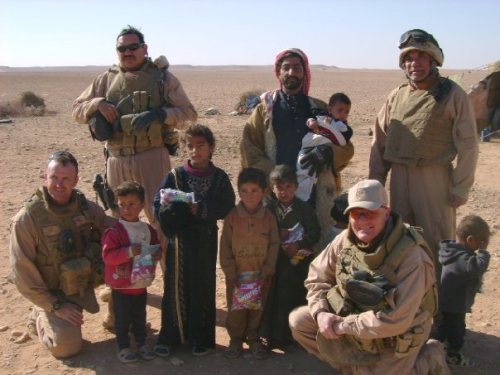

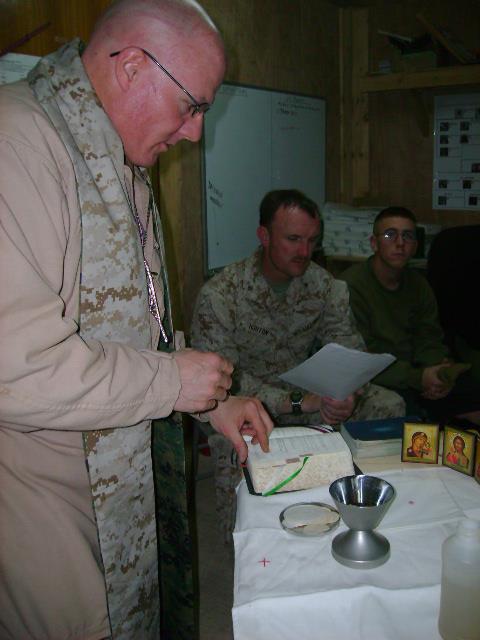

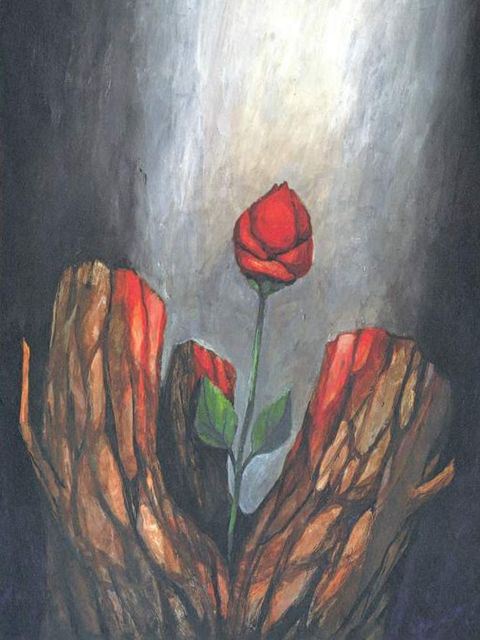

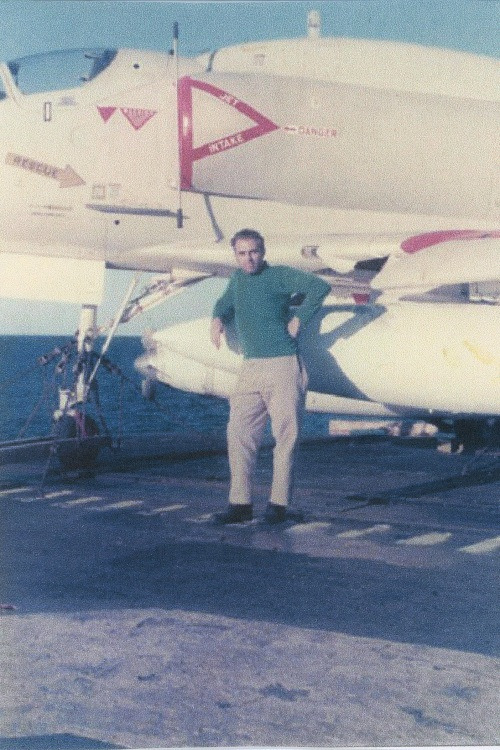


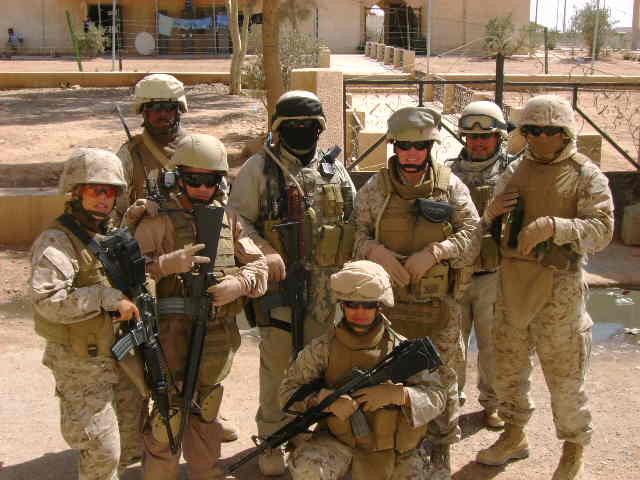

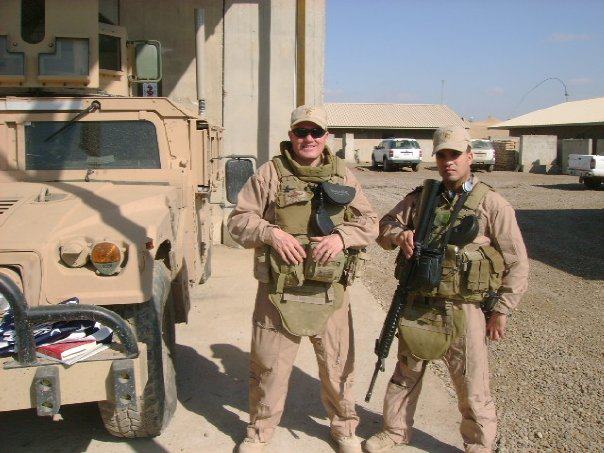
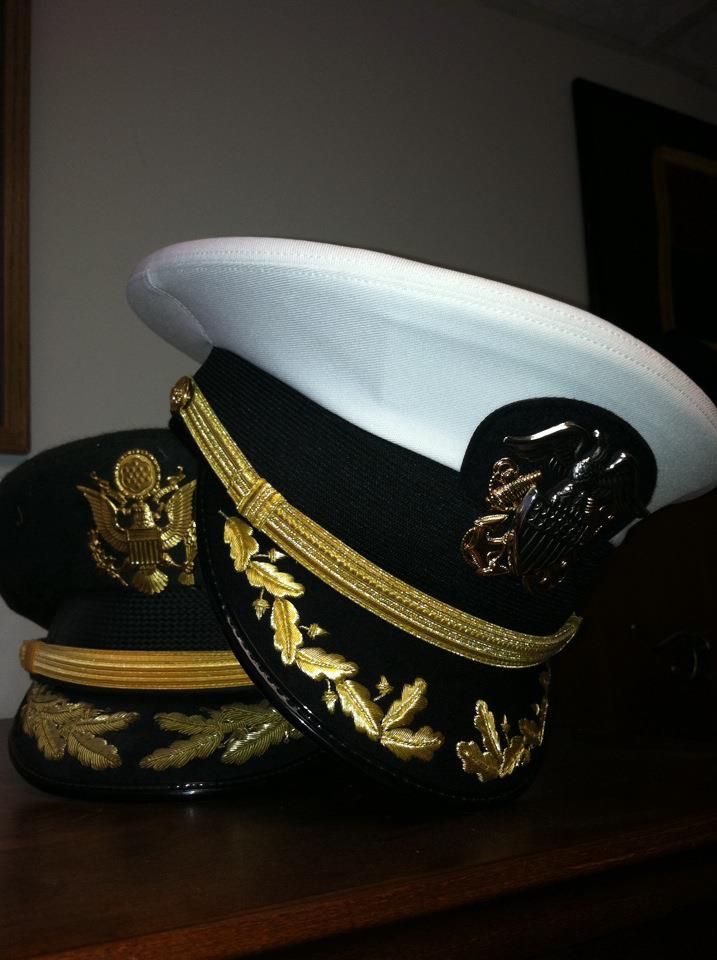


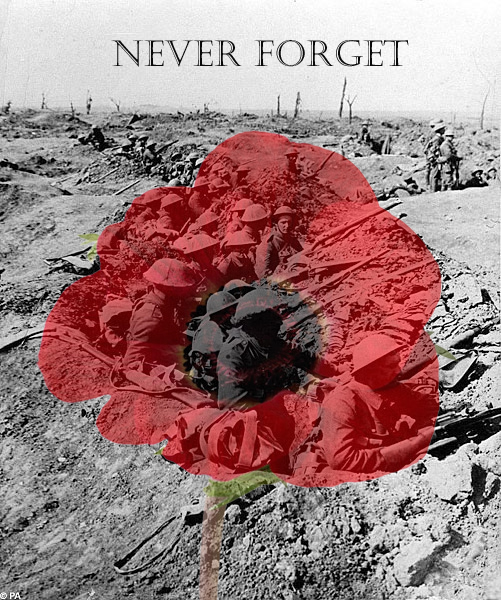
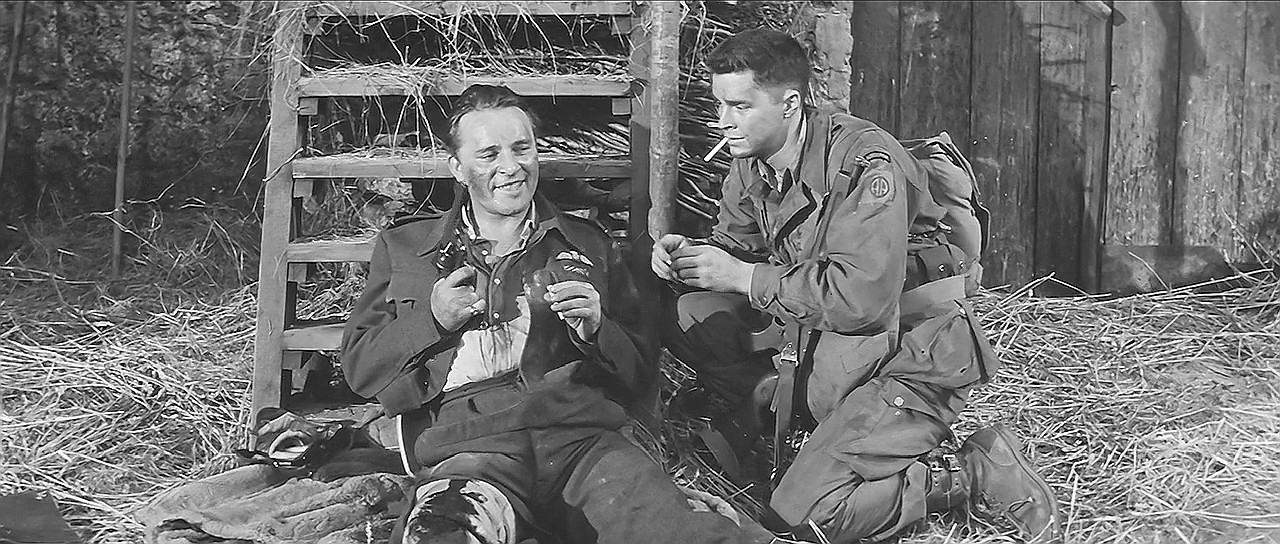
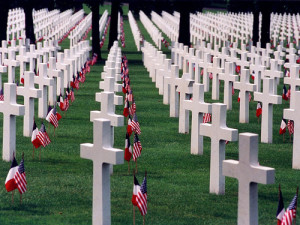
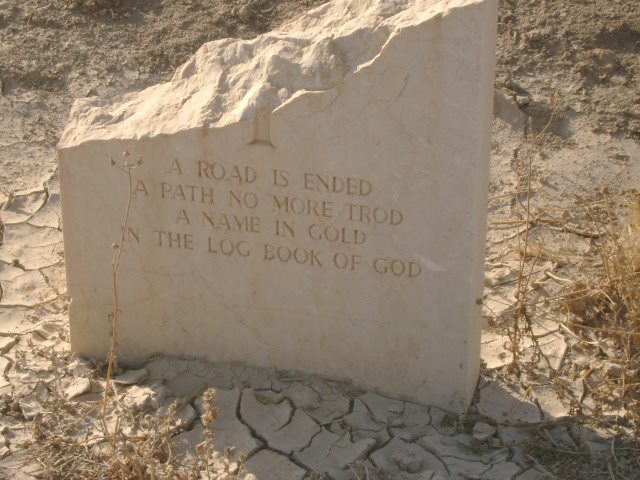
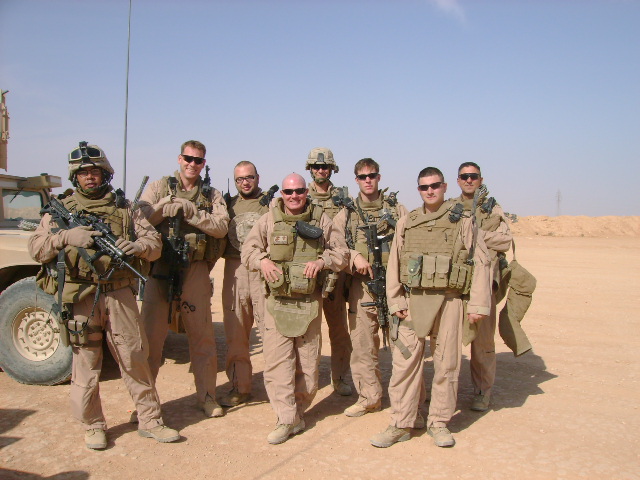
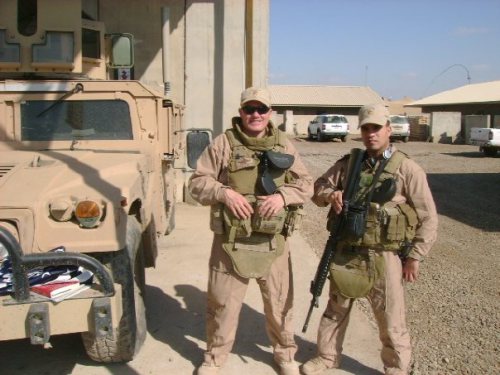
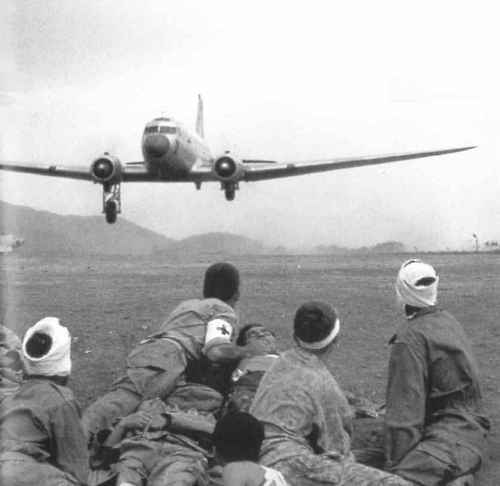

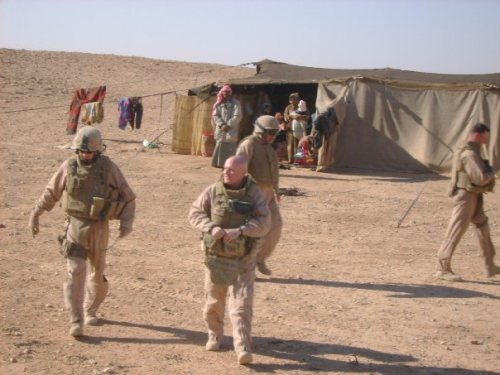

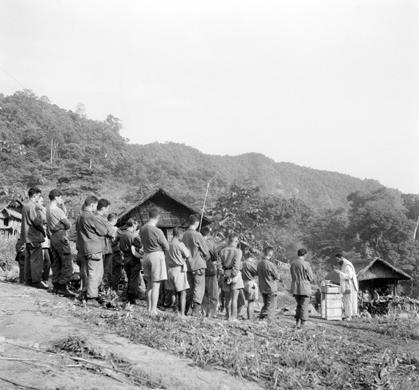
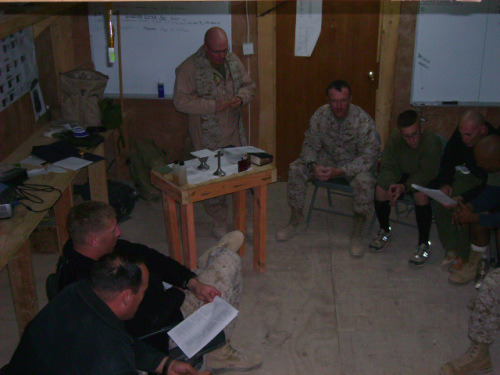
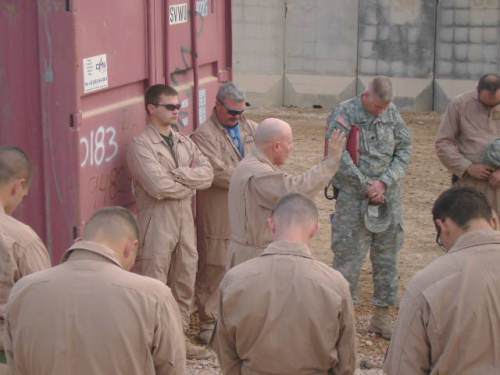
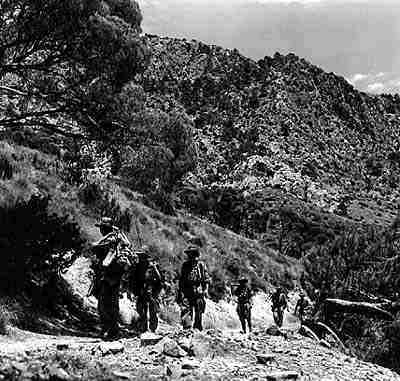

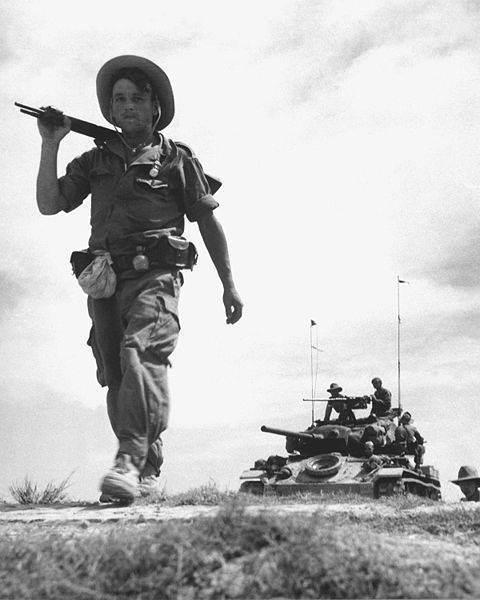

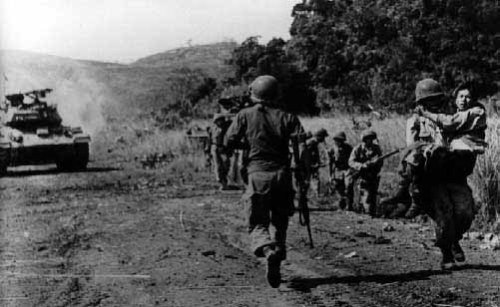


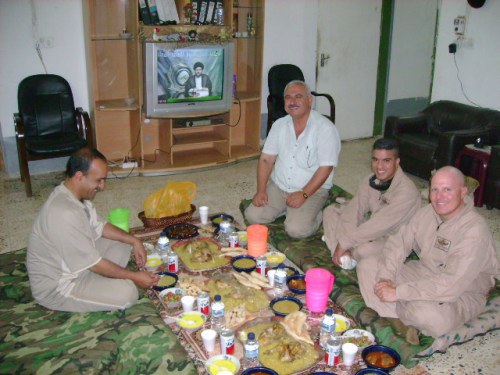


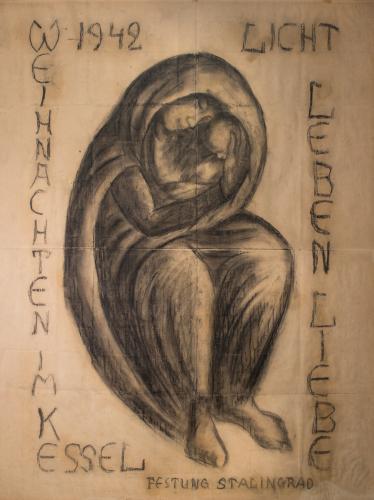
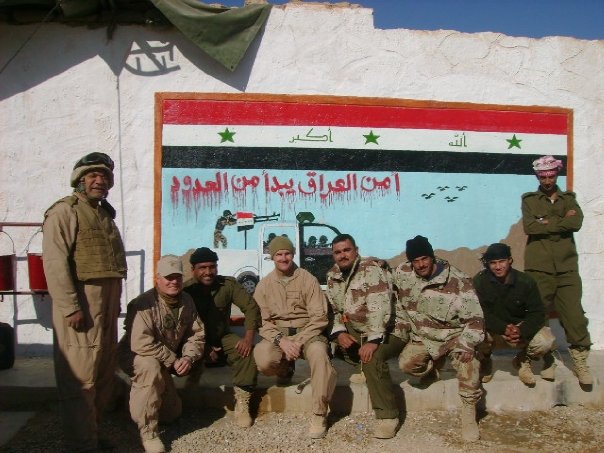

 The Inglorius Padre Steve's World