Tag Archives: ijn chikuma

Departure to Infamy: The Kido Butai Sails for Pearl Harbor

Early in the morning on November 26th 1941 the ships of the Japanese Carrier Strike Force, the Kido Butai under the command of Vice Admiral Chuichi Nagumo weighed anchor from Tankan Bay in the northern Kurile Islands of Japan. The plan was top secret and very few Japanese officers knew of the target. Many officers presumed that war was immanent but most assumed the target would be the Philippines or other targets in Southeast Asia.

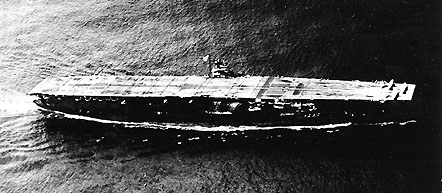
IJN Akagi

It was an attack that was designed to be pre-emptive in nature. The plan was to deal the United States Navy such a crushing blow that the Japanese could complete their Asian conquests before it could recover. It was a plan of great risk that doomed Japan to horror never before imagined when the United States dropped Atomic bombs on Hiroshima and Nagasaki less than four years later. By then the bulk of the Imperial Navy   would lay at the bottom of the Pacific and millions of people killed.

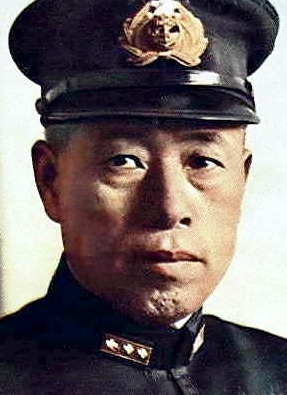
Admiral Isoruku Yamamoto 

The Japanese, even Admiral Yamamoto, the man behind the plan assumed that it entailed great risks. A simulation of the plan conducted in early September by the senior officers of the Combined Fleet and the Kido Butai calculated that two of Japan’s precious aircraft carriers could be lost in the operation. But despite the opposition and reservations of key officers, including the Kido Butai commander, Admiral Nagumo Yamamoto pressed forward.

Vice Admiral Chuichi Nagumo

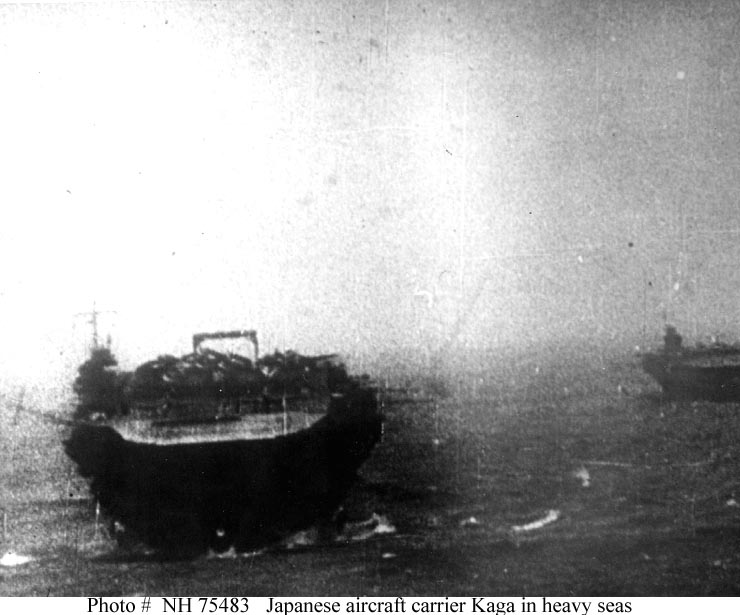
The Kido Butai was the most powerful carrier strike group assembled up to that time. Comprised of six aircraft carriers, the massive flagship Akagi, and the Kaga, the fast 18,000 ton Soryu and Hiryu and the most modern Shokaku and Zuikaku. The carrier embarked over 400 aircraft, of which over 350 were to be used in the two aerial assault waves. Most of the pilots and aircrew were experienced, many with combat experience in China. The carriers were escorted by the old but fast and modernized battleships Kirishima and Hiei, the new heavy cruisers Tone and Chikuma, the light cruiser Abukuma, the new Kagero Class destroyers, Urakaze, Isokaze, Tanikaze, Hamakaze, Kagero and Shiranuhi,the Asashio classdestroyers Arare and Kasumi.Two additional destroyers the Fubuki class Sazanami and Ushiowere assigned to neutralize the American base on Midway Island. The submarines I-19, I-21and I-23 and 8 oilers were assigned to the force. Five additional submarines the I-16, I-18, I-20, I-22 and I-24 each embarked a Type-A midget submarine.

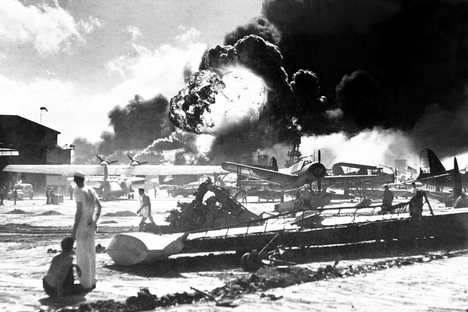
Pearl Harbor during the Attack

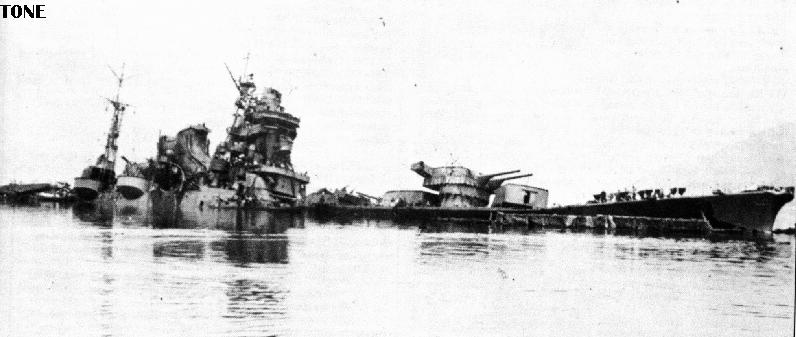
On December 7th the force delivered a devastating blow to the American Pacific Fleet at Pearl Harbor, however no American aircraft carriers were present. It would go on for the next several months on a rampage across the Pacific and Indian Oceans. However their success would be short lived. Within a year Akagi, Kaga, Soryu and Hiryu had been sunk at Midway by the carriers not present. Hiei and Kirishima were lost at the Naval Battle of Guadalcanal and over the course of the war every ship of the attack force was lost. Shokaku was torpedoed and sunk at the Battle of the Philippine Sea and Zuikaku, Chikuma and Abukuma were lost at Leyte Gulf, most of the destroyers and submarines were lost in various engagements. However three destroyers, Isokaze, Hamakaze and Kasumi accompanied the great Battleship Yamato on her suicide mission at Okinawa and were sunk on April 7th 1945. The heavy cruiser Tone was sunk at her moorings at Kure during air strikes by the US 3rd Fleet on July 24th 1945. All of the submarines were lost during the war, however I-19 sank the USS Wasp CV-7 and USS O’Brien DD-415 while damaging the USS North Carolina BB-55 on September 15th 1942 off Guadalcanal. Only the destroyer Ushio survived the war and was broken up for scrap in 1948.

IJN Zuikaku sinking at the Battle of Cape Engano (Leyte Gulf)

Among the leaders of the Japanese strike force, Admiral Yamamoto was killed on April 18th 1943 when his aircraft was shot down at Buin. Nagumo died at Saipan on July 6th 1944.  Most of the sailors who took part in the attack would be dead by the end of the war.

Few present at Tankan Bay on that fateful November morning could have expected the triumph and tragedy ahead. However Yamamoto was probably more of a realist than many in the Japanese government and military leadership when he told Prime Minister Fumimaro Konoe “In the first six to twelve months of a war with the United States and Great Britain I will run wild and win victory upon victory. But then, if the war continues after that, I have no expectation of success.” Yamamoto was eerily prophetic and those that counsel pre-emptive war need to never forget his words or the results of his decisions.

Peace

Padre Steve+

3 Comments

Filed under Loose thoughts and musings

An Invincible Fleet and a Flawed Plan: The Japanese at Midway

Note: This is the first of a series of articles coming over the next few days about the Battle of Midway, a major turning point of the Second World War.
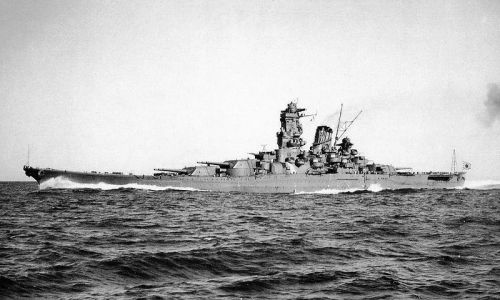
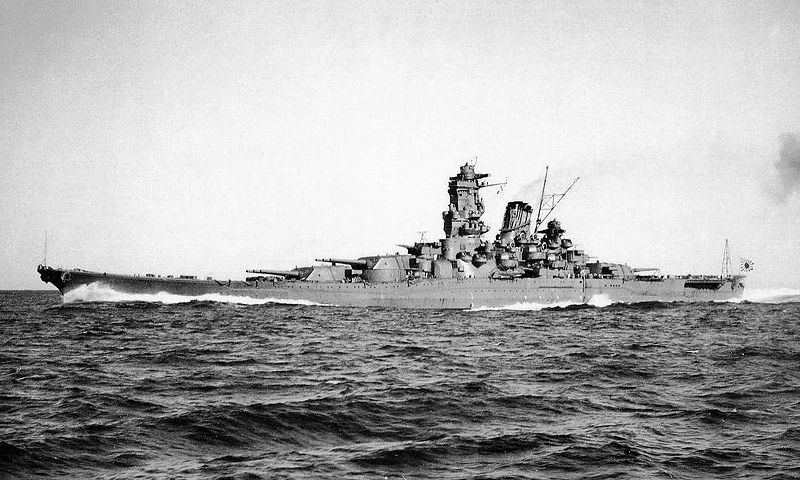
The Battleship Yamato, Flagship of the Combined Fleet and symbol of Japanese Naval Power

The Imperial Japanese Navy under the command of Admiral Isoruku Yamamoto had been humiliated. On April 18th 1942 16 B-25 bombers under the command of Colonel Jimmy Doolittle were launched from the deck of the USS Hornet and bombed Tokyo.  Though the physical damage was insignificant the psychological impact was massive on the Japanese military establishment. Yamamoto and his deputy Rear Admiral Matome Ugaki had explored the possibility of attacking Midway in the early months of 1942 as the Japanese armed forces competed with each other to determine an overall strategy for the war effort. The Army was insistent on a China strategy while the Navy preferred expansion in the Western, South and Central Pacific.  Yamamoto’s idea envisioned seizing Midway and using it as a forward base from which an invasion of Hawaii could be mounted as well as the bait to draw the carrier task forces of the U.S. Navy into battle and destroy them.
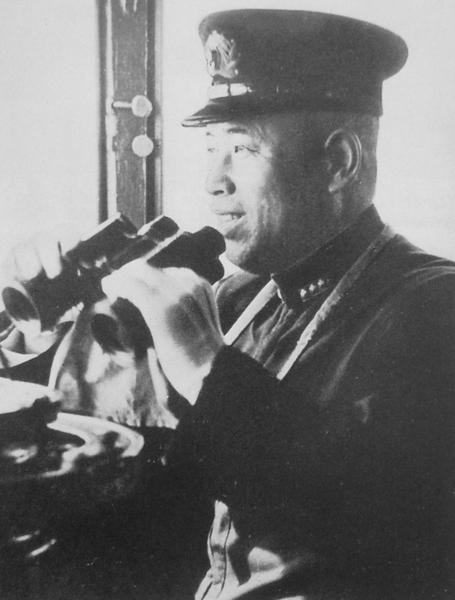
Admiral Isoruku Yamamoto, CinC Combined Fleet

The Japanese certainly had the forces to accomplish the mission outnumbering the U.S. Navy which had taken heavy losses at Pearl Harbor and in the Far East.  Following the Doolittle raid Yamamoto went ahead with the plan to invade Midway. The operation, named MI was coupled with an invasion of the islands of Attu and Kiska in the Aleutians which would form a picket line to prevent future attacks on the Japanese mainland. Fuchida
Yamamoto’s plan was not without its critics, the majority of the Staf of the First Air Fleet embarked on the First Carrier Striking Force was not in favor including the leader of the Pearl Harbor attack Commander Mitsuo Fuchida who considered it “grammar school strategy.”   Despite objections from them as well as his Fleet Operations Officer Yamamoto directed that the plan be implemented.  The plan was to have the First Carrier Striking Force attack Midway and reduce its defenses so that the Invasion Force could undertake the task of invading and occupying Midway.  Supporting these forces was the Main Body built around Battleship Division One included Yamamoto’s flagship the 72,000 ton behemoth Yamato.  Another strong force was assigned to the Aleutian operation. The task forces were spread out across the North Pacific and would not able to provide mutual support to each other in a timely manner.

Japanese Forces were organized in the following manner.

Main Body, Admiral Yamamoto

BatDiv 1, Admiral Yamamoto

BB Yamato (flagship, Yamato), Captain

BB Nagato (Nagato), Captain Hideo Yano

BB Mutsu (Nagato), Captain Teijiro Yamazumi

Carrier Group, Captain Kaoru Umetani

CVL Hosho (Hosho), Captain Umetani

Air Unit (8 bombers), Lieutenant Yoshiaki Irikiin

DD Yukaze (Minekaze), Lieutenant Commander Shizuka Kajimoto

Special Force, Captain Kaku Harada

Chiyoda (seaplane carrier, Chitose), Captain Harada

Nisshin (seaplane carrier, Nisshin), Captain Katsumi Komazawa

Screen (DesRon 3), RADM Shintaro Hashimoto

CL Sendai (flagship, Jintsu), Captain Nobue Morishita

DesDiv 11, Captain Kiichiro Shoji

DD Fubuki (Fubuki), Captain Shizuo Yamashita

DD Shirayuki (Fubuki), Captain Taro Sugahara

DD Hatsuyuki (Fubuki), Captain Lieutenant Commander Junnari Kamiura

DD Murakumo (Fubuki), Captain Commander Hideo Higashi

DesDiv 19, Captain Ranji Oe

DD Isonami (Fubuki), Commander Ryokichi Sugama

DD Uranami (Fubuki), Commander Tsutomu Hagio

DD Shikinami (Fubuki), Commander Akifumi Kawahashi

DD Ayanami (Fubuki), Commander Eiji Sakuma

1st Supply Unit, Captain Shigeyasu Nishioka

Naruto (Oiler), Captain Nishioka

Toei Maru (Oiler)

It was Yamamoto’s plan to use this force to polish off U.S. Forces that would only enter the fight after he had taken Midway. Despite the success of his carrier task forces at his heart Yamamoto was still a Battleship Sailor and believed that his battleships would be the deciding factor in the final destruction of the U.S. Navy forces in the Pacific.  This force could be augmented by the Aleutian Guard Force, detached from the Main Body under the command of Vice Admiral Shiru Takasu and was composed of the following fleet units:

GUARD (Aleutians Screening) FORCE, VADM Shiro Takasu in Hyuga

Chief of Staff, Rear Admiral Kengo Kobayashi

BatDiv 2

BB Hyuga (flagship, Hyuga), Captain Chiaki Matsuda

BB Ise (Hyuga), Captain Isamu Takeda

BB Fuso (Fuso), Captain Mitsuo Kinoshita

BB Yamashiro (Fuso), Captain Gunji Kogure

Screen, RADM Fukuji Kishi

CruDiv 9, Rear Admiral Kishi

CL Kitakami ( flagship, Kuma), Captain Saiji Norimitsu

CL Oi (Kuma), Captain Shigeru Narita

DesDiv 20, Captain Yuji Yamada

DD Asagiri (Fubuki), Commander Nisaburo Maekawa

DD Yugiri (Fubuki), Captain Masayoshi Motokura

DD Shirakumo (Fubuki), Commander Toyoji Hitomi

DD Amagiri (Fubuki), Captain Buichi Ashida

DesDiv 24, Captain Yasuji Hirai

DD Umikaze (Shiratsuyu), Commander Nagahide Sugitani

DD Yamakaze (Shiratsuyu), Commander Shuichi Hamanaka

DD Kawakaze (Shiratsuyu), Commander Kazuo Wakabayashi

DD Suzukaze (Shiratsuyu), Commander Kazuo Shibayama

DesDiv 27, Captain Matake Yoshimura

DD Ariake (Hatsuharu), Commander Shoichi Yoshida

DD Yugure (Hatsuharu), Commander Kiyoshi Kamo

DD Shigure (Shiratsuyu), Commander Noboru Seo

DD Shiratsuyu (Shiratsuyu), Lieutenant Commander Kimmatsu Hashimoto

2nd Supply Unit, Captain Matsuo Eguchi

San Clemente Maru (oiler), Captain Eguchi

Toa Maru (oiler)
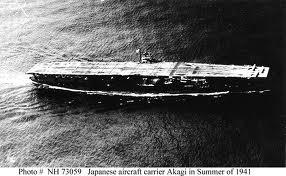
The force that was the true heart of the Japanese Navy in early 1942 was the First Carrier Striking Force which at Pearl Harbor and in the months following had run roughshod over all Allied opposition.  Initially composed of 6 flattops the force was reduced to four when the Shokaku was heavily damaged and Zuikaku’s air group decimated at the Battle of the Coral Sea on 8 May 1942.  Nevertheless it was still a formidable and experienced force in its own right.  Commanded by Vice Admiral Chuichi Nagumo it was composed of the following units:

FIRST CARRIER STRIKING FORCE (1st Air Fleet), VADM Chuichi Nagumo

Carrier Group, VADM Nagumo

CarDiv 1

CV Akagi  (flagship, Akagi) 21 Zero fighters, 21 dive bombers, 21 torpedo bombers

CV Kaga (Kaga) 21 Zero fighters, 21 dive bombers, 30 torpedo bombers

CarDiv 2 — RADM Tamon Yamaguchi

CV Hiryu (flagship, Hiryu) 21 Zero fighters, 21 dive bombers, 21 torpedo bombers

CV Soryu (Hiryu) 21 Zero fighters, 21 dive bombers, 21 torpedo bombers

Support Group — RADM Hiroaki Abe CruDiv 8

CA Tone (flagship, Tone)

CA Chikuma (Tone)

2nd Section, BatDiv 3 —

BB Haruna (Kongo)

BB Kirishima (Kongo)

Screen (DesRon 10) — RADM Susumu Kimura

CL Nagara (flagship, Nagara)

DesDiv 4 — 4 DDs

DesDiv 10 — 3 DDs

DesDiv 17 — 4 DDs

Supply Group — 5 oilers, 1 DD

The Invasion Force under the command of Vice Admiral Nobutake Kondo was a formidable surface strike group in its own right and was built around 2 Fast Battleships, 9 Heavy Cruisers and a light carrier.

MIDWAY INVASION FORCE, (2nd Fleet), VADM Nobutake Kondo

Invasion Force Main Body

CruDiv 4 (less 2nd section)

CA Atago (flagship, Takao),

CA Chokai (Takao)

CruDiv 5 (less 2nd section)

CA Myoko (Myoko)

CA Haguro (Myoko)

BatDiv 3 (less 2nd section) —

BB Kongo (Kongo)

BB Hiei (Kongo)

Screen (DesRon 4) — RADM Shoji Nishimura

CL Yura (flagship, Nagara)

DesDiv 2 — 4 DDs

DesDiv 9 — 3 DDs

Carrier Group Zuiho (CVL) — 12 Zero fighters, 12 torpedo bombers; 1 DD

Supply Group — 4 oilers, 1 repair ship

Close Support Group — VADM Takeo Kurita

CruDiv 7

CA Kumano (flagship, Mogami)

CA Suzuya (Mogami)

CA Mikuma (Mogami)

CA Mogami (Mogami)

DesDiv 8 — 2 DDs 1 oiler

Transport Group — RADM Raizo Tanaka

12 transports carrying troops

3 patrol boats carrying troops

1 oiler

Escort (DesRon 2) — RADM Tanaka

CL Jintsu (flagship, Jintsu)

DesDiv 15 — 2 DDs

DesDiv 16 — 4 DDs

DesDiv 18 — 4 DDs

Seaplane Tender Group — RADM Riutaro Fujita

Seaplane Tender Div 11

Chitose (CVS) — 16 fighter seaplanes, 4 scout planes

Kamikawa Maru (AV) — 8 fighter seaplanes, 4 scout planes

1 DD;

1 patrol boat carrying troops

Minesweeper Group

4 minesweepers

3 submarine chasers

1 supply ship

2 cargo ships

The Northern Force which was assigned to the invasion and occupation of Attu and Kiska was commanded by Vice Admiral Moshiru Hosogaya included the carriers Ryujo and Junyo which had they accompanied the First Carrier Striking Force might have given the Japanese the edge that they would have needed to recover when that force was destroyed on June 4th.  This force was composed of the following units:

NORTHERN (Aleutians) FORCE (5th Fleet) — VADM Moshiro Hosogaya

Northern Force Main Body

CA Nachi (flagship, Myoko)

Screen —

2 DDs

Supply Group —

2 oilers, 3 cargo ships

Second Carrier Striking Force — RADM Kakuji Kakuta

Carrier Group (CarDiv 4)

CVL Ryujo (flagship, Ryujo) — 16 Zero fighters, 21 torpedo bombers

CV Junyo (Junyo) — 24 Zero fighters, 21 torpedo bombers

Support Group (2nd section, CruDiv 4) —

CA Maya (Takao)

CA Takao (Takao)

Screen (DesDiv 7) —

3 DDs

1 oiler

Attu Invasion Force — RADM Sentaro Omori

CL Abukuma (flagship, Nagara)

DesDiv 21 —

4 DDs

1 minelayer

1 transport carrying troops

Kiska Invasion Force — Capt. Takeji Ono

CruDiv 21 —

CL Kiso

CL Tama 

AMC Asaka Maru (auxiliary cruiser)

Screen (DesDiv 6) —

3 DDs

2 transports carrying troops

Minesweeper Div. 13 —

3 minesweepers

Submarine Detachment — RADM Shigeaki Yamazaki

SubRon 1 — I-9 (flagship)

SubDiv 2 — 3 submarines

SubDiv 4 — 2 submarines

Note all Japanese Fleet information obtained online at http://www.microworks.net/pacific/orders_of_battle/midway_japan.htm

These forces were augmented by a submarine screening force and land based naval air forces stationed at Wake and Kwajalein.
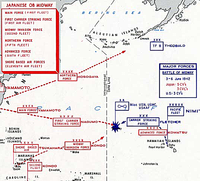
The plan was complicated and depended on the Americans reacting exactly as the plan anticipated them doing.  Yamamoto never expected that the Americans would be waiting for his forces and had knowledge of his plans due to the efforts of U.S. Navy code breakers under the direction of Commander Joseph Rochefort and the Fleet Intelligence Officer Captain Edwin Layton had broken the top secret Japanese Navy JN-25 Code.  Thus despite the massive amount of forces involved the plan was seriously flawed and left the advanced forces vulnerable to unexpected American moves.

Next: Calculated Risk: The American Forces and Strategy at Midway

6 Comments

Filed under History, Navy Ships, US Navy, world war two in the pacific

Iconic and Heroic: The Fletcher Class Destroyers

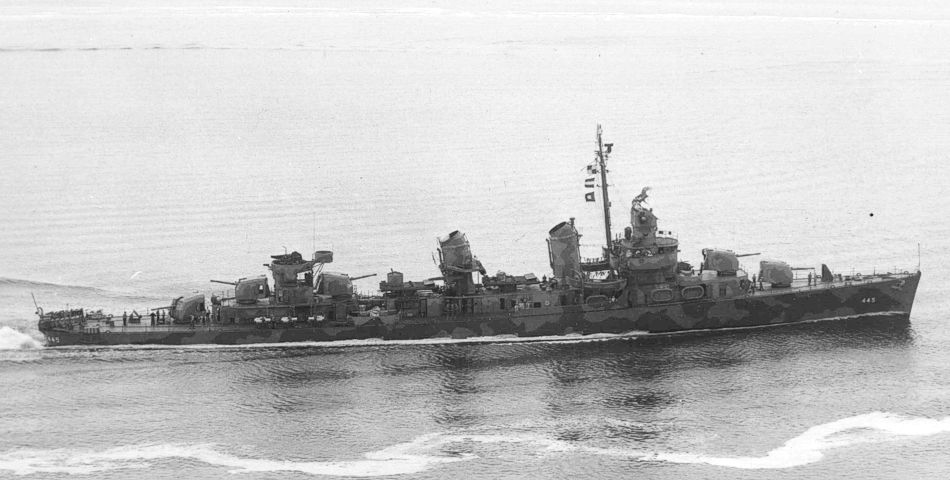
The USS Fletcher DD-445

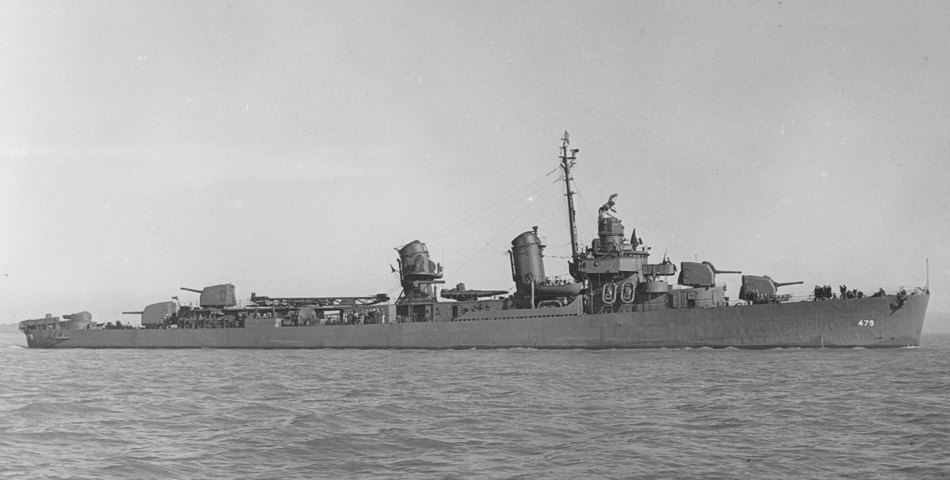
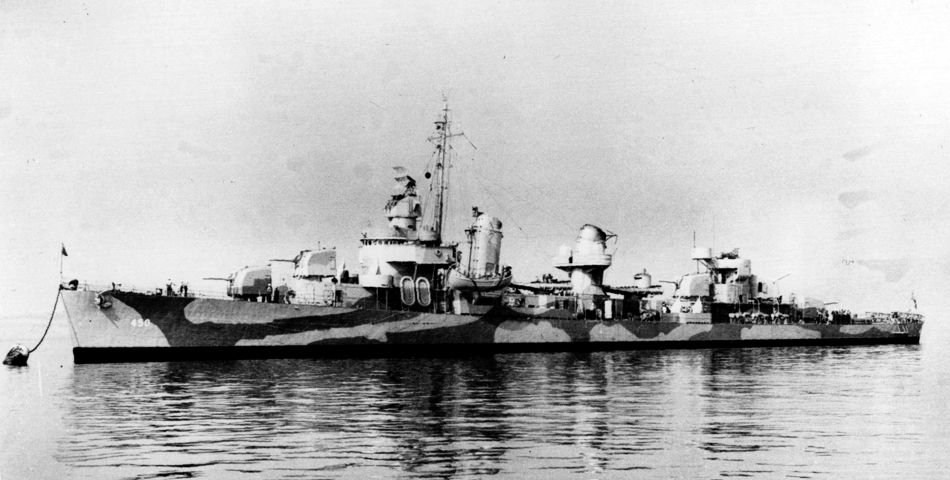
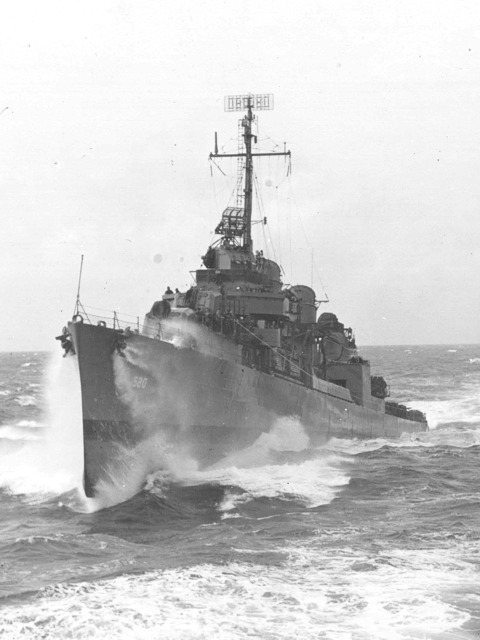
If ever a class of warships can define a ship type the destroyers of the Fletcher Class were that. The most numerous of all United States Navy destroyer classes the Navy commissioned 175 of these ships between June 1942 and February 1945.  There were two groupings of ships the 58 round or “high bridge” ships and the 117 square or “low bridged” ships. It was a sound design that would be modified for use in the later Allen M. Sumner and Gearing Class destroyers.  Eleven shipyards produced the ships fast, heavily armed and tough the ships would serve in every theater of the war at sea but would find their greatest fame in the Pacific where many became synonymous with the courage and devotion of their officers and crews.

USS Stevens one of the 6 Fletchers equipped with an aircraft catapult

The ships were a major improvement on previous classes of destroyers and were equal or superior to the destroyers of our allies and our enemies in the war.  At 2050 tons displacement and 2900 tons full load the ships were significantly larger than preceding classes and were designed to mount a superior anti-aircraft armament to compliment their main battery of five 5” 38 caliber dual purpose guns and ten 21” torpedo tubes. 376 feet long and flush decked they were an exceptionally tough class of ships which was demonstrated often in the brutal surface battles in the South Pacific, Leyte Gulf and in the battles with Kamikazes off the Philippines, Iwo Jima, Okinawa and the Japanese mainland.  They were the first destroyers of the US Navy which were built with radar as part of the initial design.

USS O’Bannon DD-450 in 1961

The anti aircraft armament was increased throughout the war. Initially this was composed of: 4 x 40mm Bofors in two twin-mounts and 6 to 13 x 20mm Oerlikon in single-mounts. By June of 1943 new ships of the class mounted 10 x 40mm Bofors in five twin-mounts 7 x 20mm Oerlikon in single-mounts. As the Kamikaze threat became dire ships returning to the United States for refit lost one of their torpedo tube mounts and had their AA armament increased to 14 x 40mm Bofors in three twin and two quad mounts and 12 x 20mm Oerlikon in six twin mounts.  One of the more unusual experiments was to equip six ships with a catapult for a float plane. This eliminated some of their AA guns and one torpedo tube mounting. It was not successful and the mounts were removed before the end of the war.

USS Nicholas in action at Kula Gulf

The first ships of the class saw action in the Solomons during the Guadalcanal campaign.  Fletcher and O’Bannon took part in the Naval Battle of Guadalcanal where O’Bannon was one of several destroyers that ganged up on the Japanese Battleship Hiei at ranges as low as 500 yards causing heavy damage to the Battleship which was sunk by naval aircraft the following day.  The O’Bannon would be awarded the Presidential Unit Citation for her actions around Guadalcanal which read:

O’Bannon

“For outstanding performance in combat against enemy Japanese forces in the South Pacific from October 7, 1942, to October 7, 1943. An aggressive veteran after a year of continuous and intensive operations in this area, the U.S.S. O’BANNON has taken a tremendous toll of vital Japanese warships, surface vessels and aircraft. Launching a close range attack on hostile combatant ships off Guadalcanal on the night of November 13, 1942, the O’BANNON scored three torpedo hits on a Japanese battleship, boldly engaged two other men o’ war with gunfire and retired safely in spite of damage sustained. During three days of incessant hostilities in July 1943, she gallantly stood down Kula Gulf to bombard enemy shore positions in coverage of our assault groups, later taking a valiant part in the rescue of survivors from the torpedoed U.S.S STRONG while under fierce coastal battery fire and aerial bombing attack and adding her fire power toward the destruction of a large Japanese naval force. In company with two destroyers, the O’BANNON boldly intercepted and repulsed nine hostile warships off Vella Lavella on October 7, 1943, destroying two enemy ships and damaging others. Although severely damaged, she stood by to take aboard and care for survivors of a friendly torpedoed destroyer and retired to base under her own power. The O’BANNON’s splendid acheivements and the gallant fighting spirit of her officers and men reflect great credit upon the United States Naval Service.

DESRON 23

Fletcher’s composed DESON 23 the Little Beavers” commanded by Commodore Arleigh “31 knot” Burke. The squadron which covered the initial landings at Bougainville in November 1943 fought in 22 separate engagements during the next four months. During this time the squadron was credited with destroying one Japanese cruiser, nine destroyers, one submarine, several smaller ships, and approximately 30 aircraft.  Under Burke the squadron was composed of USS Foote (DD-511), USS Charles Ausburne (DD-570), USS Spence (DD-512), USS Claxton (DD-571), USS Dyson (DD-572), USS Converse (DD-509) and USS Thatcher (DD-514).  At the Battle of Cape St. George the squadron intercepted a Japanese force of 5 destroyers sinking 3.  At the Battle of Empress Augusta Bay the ships were in action as part of Task Force 39 based around Cruiser Division 12 comprised of the Cleveland Class Light Cruisers Montpelier, Cleveland, Columbia and Denver the took part in the sinking of the Japanese Light Cruiser Sendai and a destroyer.  For their efforts DESRON 23 would be awarded the Presidential Unit Citation which stated:

“For extrordinary heroism in action against enemy Japanese forces during the Solomon Islands Campaign, from November 1, 1943, to February 23, 1944. Boldly penetrating submarine-infested waters during a period when Japanese naval and air power was at its height, Destroyer Squadron TWENTY THREE operated in daring defiance of repeated attacks by hostile air groups, closing the enemy’s strongly fortified shores to carry out sustained bombardments against Japanese coastal defenses and render effective cover and fire support for the major invasion operations in this area. Commanded by forceful leaders and manned by aggressive, fearless crews the ships of Squadron TWENTY THREE coordinated as a superb fighting team; they countered the enemy’s fierce aerial bombing attacks and destroyed or routed his planes; they intercepted his surface task forces, sank or damaged his warships by torpedo fire and prevented interference with our transports. The brilliant and heroic record achieved by Destroyer Squadron TWENTY THREE is a distinctive tribute to the valiant fighting spirit of the individual units in this indomitable combat group and of each skilled and courageous ship’s company.”

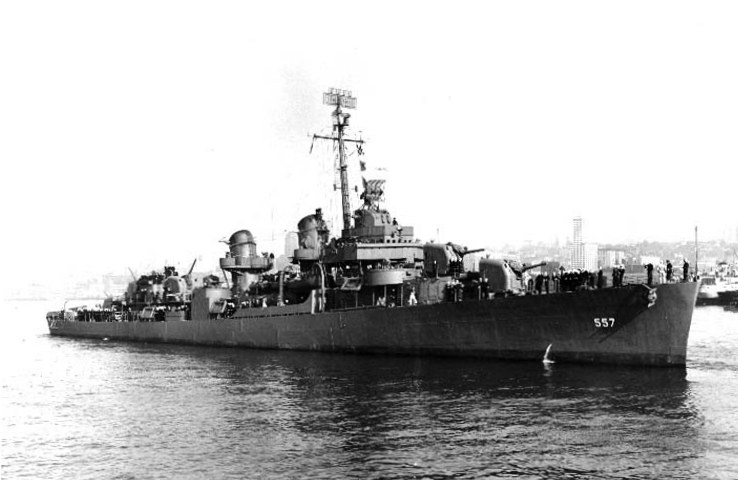
USS Johnston DD-557

Fletcher’s served heroically with “Taffy-3” in the Battle of Samar at the Battle of Leyte Gulf.  Taffy-3 which was composed of 6 escort carriers, the Fletcher Class destroyers Hoel, Johnston and Heermann and 4 destroyer escorts was assigned the task of providing close air support for troops ashore and anti-submarine protection for transports.  On the morning of October 25th Admiral Halsey took Third Fleet north to engage a Japanese carrier force believing a Japanese surface force of battleships and cruisers to have withdrawn after being heavily hurt by submarine and air attacks.  The carrier force had few aircraft and was considered a decoy by the Japanese. This left the San Bernardino Strait unguarded and the Japanese surface force which by now was comprised of 4 battleships including the Yamato as well as 6 heavy and 2 light cruisers and 11 destroyers doubled back going through the strait during the early morning hours of the 25th.  Just before dawn a patrol aircraft spotted the Japanese force and at 0659 Yamato opened fire on the task group.

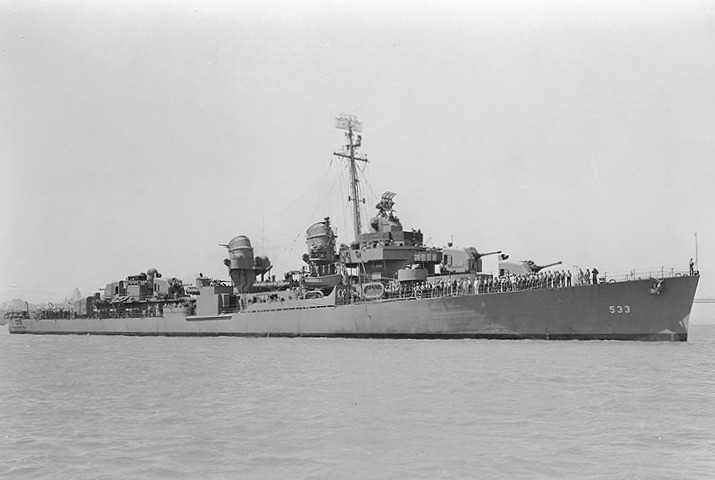
USS Hoel DD-533

The three Fletcher’s and the Destroyer escort Samuel B Roberts were launched into a suicidal counter-attack against the Japanese force. Led by Johnston under the command of Ernest E. Evans the little ships engaged their vastly superior foe as the escort carriers edged away as they launched and recovered their aircraft to keep a continuous air assault on the Japanese force.  Johnston scored numerous hits with her 5” guns on the Heavy Cruiser Kumano and when she reached torpedo range launched her 10 “fish” one of which blew off Kumano’s bow and another of which crippled Kumano’s sister Suzuya before she was hit in quick succession by a 14” shell from the Battleship Kongo which hit her engine room and three 6” shells from Yamato which struck her bridge.  Evans kept the crippled ship in the fight drawing fire away from other attacking destroyers and fending off a Japanese destroyer squadron that was trying to flank the carriers. Johnston continued to be hit and was abandon at 0945 sinking 25 minutes later with 186 of her crew.  Evans did not survive and was awarded the Medal of Honor.

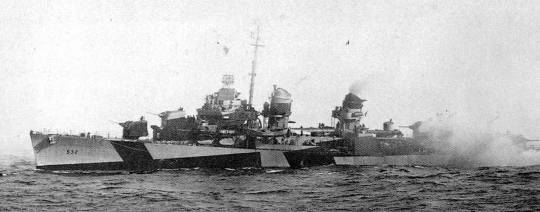
USS Heermann DD-532 in action at Samar

Hoel under the command of Commander Leon S. Kintberger took on the Battleship Kongo and a column of cruisers lead by the Heavy Cruiser HaguroHoel’s torpedo attack on Kongo forced that ship to turn away and torpedo hits were claimed on the Haguro, although that ship remained in action and the Japanese denied any torpedo damage from the attack. The Japanese concentrated on Hoel sinking her at 0855 taking all but 86 of her crew to a watery grave.

Heermann under Commander Amos Hathaway threw herself into the fight engaging Japanese battleships and cruisers. Heermann engaged Heavy Cruiser Chikuma with her guns while mounting a torpedo attack on Haguro. She then attacked the Japanese battleships directly engaging Haruna and forcing Yamato to head away from the action for 10 minutes as she was bracketed by two of Heermann’s torpedoes running on a parallel course.  She engaged the other battleships at such close range that they could not hit her and broke off to intercept a column of cruisers.  Once again she engaged Chikuma in a bloody duel with both ships taking heavy damage. Crippled by a series of 8” shell hits from the heavy cruisers Heermann was down heavily at the bow, so much so that her anchors dragged the water. Carrier aircraft joined the battle and Chikuma withdrew from the fight and sank during her withdraw. Heermann then engaged Heavy Cruiser Tone before that ship, also damaged by air attack withdrew from the fight.  Though she was heavily damaged the Heermann was the only destroyer to survive the action.  Despite their terrible losses the ships and aircraft of Taffy-3 sank 3 heavy cruisers and a destroyer and heavily damaged 3 battleships and 3 heavy cruisers.

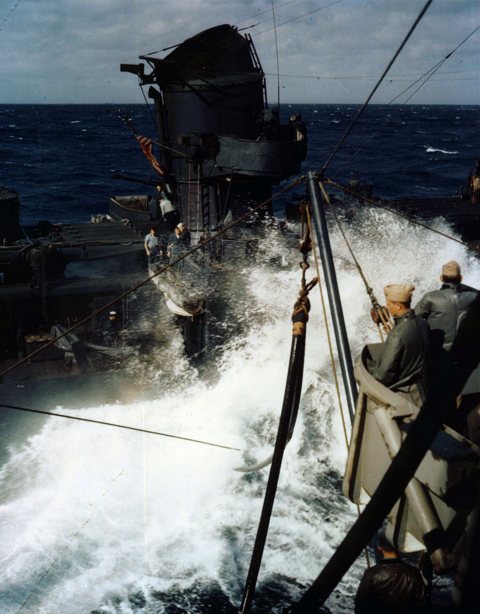
Just a bit wet, USS Halsey Powell unrep with USS Wisconsin

For their heroic actions which kept the Japanese from getting to the vulnerable transports Taffy-3 including the valiant destroyers Johnston, Hoel, Heerman and Destroyer Escort Samuel B Roberts was awarded the Presidential Unit Citation which read:

“For extraordinary heroism in action against powerful units of the Japanese Fleet during the Battle off Samar, Philippines, October 25, 1944. Silhouetted against the dawn as the Central Japanese Force steamed through San Bernardino Strait towards Leyte Gulf, Task Unit 77.4.3 was suddenly taken under attack by hostile cruisers on its port hand, destroyers on the starboard and battleships from the rear. Quickly laying down a heavy smoke screen, the gallant ships of the Task Unit waged battle fiercely against the superior speed and fire power of the advancing enemy, swiftly launching and rearming aircraft and violently zigzagging in protection of vessels stricken by hostile armor-piercing shells, anti-personnel projectiles and suicide bombers. With one carrier of the group sunk, others badly damaged and squadron aircraft courageously coordinating in the attacks by making dry runs over the enemy Fleet as the Japanese relentlessly closed in for the kill, two of the Unit’s valiant destroyers and one destroyer escort charged the battleships point-blank and, expending their last torpedoes in desperate defense of the entire group, went down under the enemy’s heavy shells as a climax to two and one half hours of sustained and furious combat. The courageous determination and the superb teamwork of the officers and men who fought the embarked planes and who manned the ships of Task Unit 77.4.3 were instrumental in effecting the retirement of a hostile force threatening our Leyte invasion operations and were in keeping with the highest traditions of the United States Naval Service.”

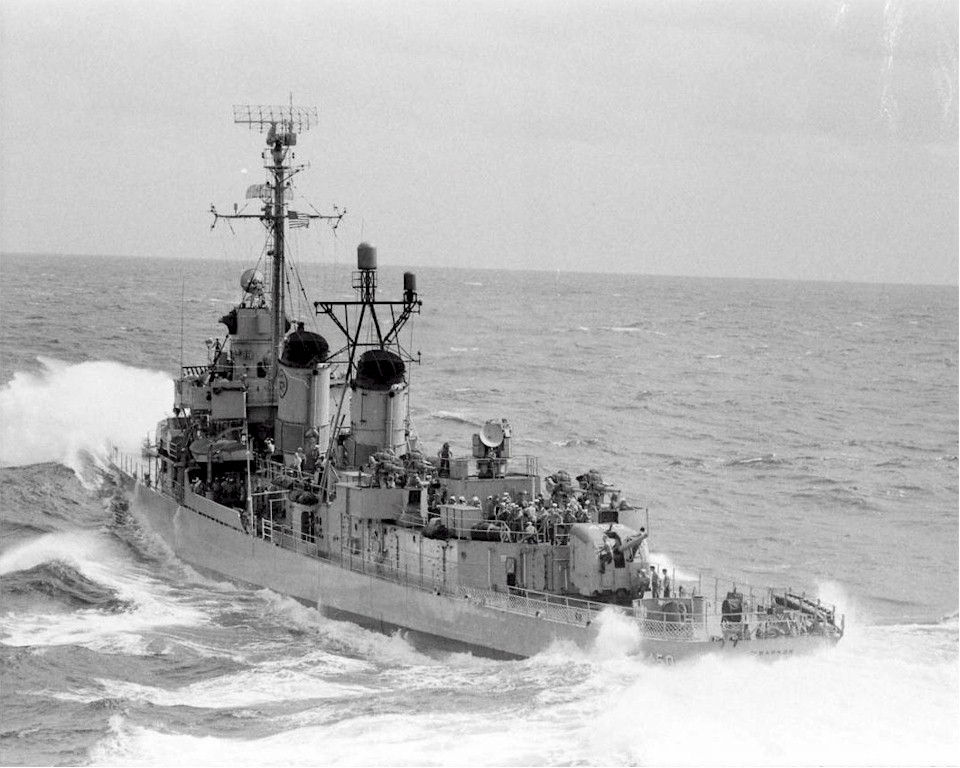
USS Isherwood (DD-520) underway in heavy weather as she comes alongside the heavy cruiser USS Tuscaloosa (CA-37) in August 1943. National Archives and Records Administration. Photo # 80-G-79429. [Navsource]

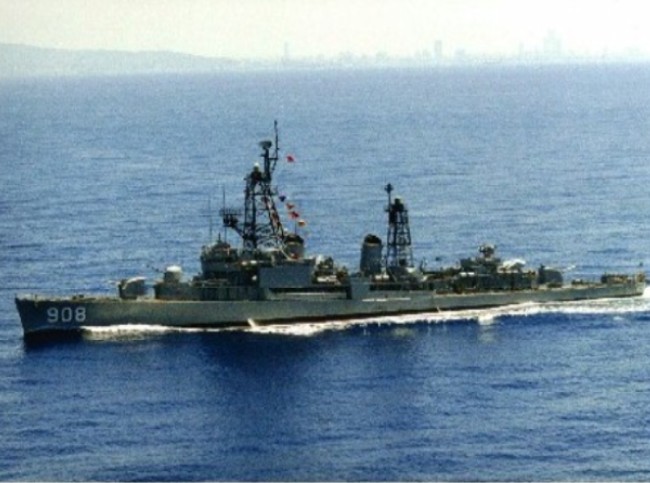
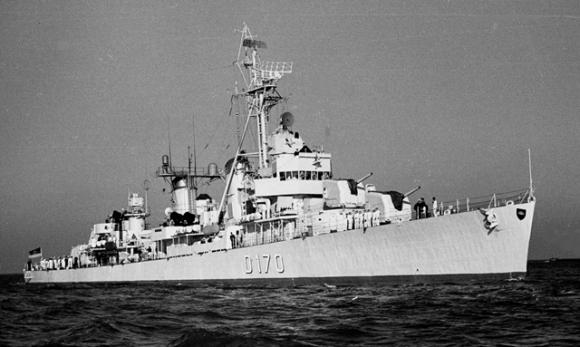
During the war 19 of the class were lost and 6 damaged so badly that they were not repaired. 44 of the ships were awarded 10 battle stars or more while 19 were awarded Naval Unit Commendations and 16 Presidential Unit Citations.  Following the war all were decommissioned and placed in reserve. Many were re-commissioned during the Korean War and served through Vietnam. Some of these ships were modernized with newer ASW weapons and re-designated Escort Destroyers (DDE) while others had their air search radar modernized and were re-classified as Radar Picket Destroyers or (DDR). The last Fletcher in US Service decommissioned in 1971.  52 were sold or transferred under military assistance programs to other navies in the 1950s.  The ships served well and the last one in active service the Mexican Navy Destroyer Cuitlahuac the former USS John C Rodgers DD-874 was decommissioned in 2001.

Ex USS Twinning in Republic of China Navy Service, note weapon modifcations

Zerstörer Z-1 Rommel

USS Kidd as Museum and Memorial

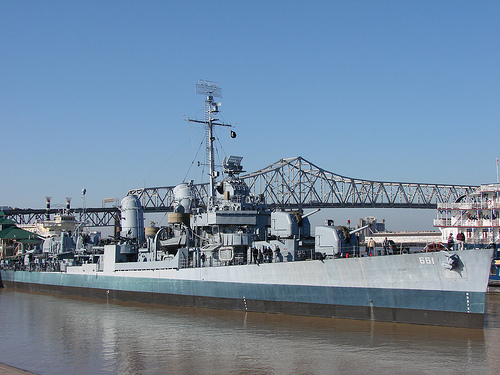
Four are currently open as memorial ships the USS Cassin Young DD-793 at Buffalo NY, the USS The Sullivans DD-537 at Boston MA and USS Kidd DD-661 at Baton Rouge LA can be seen in the United States. The Cassin Young is berthed at the old Charlestown Naval Yard in Boston across the pier from the Frigate USS Constitution.  The former the Greek destroyer Velos the ex-USS Charette DD-581 is located in Athens.  The John Rodgers has been purchased by a group in the US but is currently laid up in Mexico and her fate is undecided. I hope that she too will be saved for future generations.

The Fletcher Class really symbolizes more than any class of destroyer the classic look of what a destroyer should be. Their clean lines and classic design are iconic not just in this country but in the 15 other countries that they would serve in during the following years.  Their amazing record and service in World War Two and in the following years in both the US Navy and the navies of our Allies is one that will probably never be surpassed.

I have visited the Cassin Young in Boston; it is well worth the time to see. I hope that I might see The Sullivans and Kidd in the coming years.

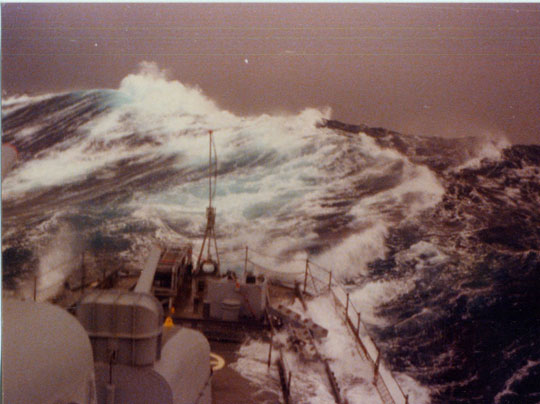
The Zerstörer Z-4 ex USS Dyson in heavy seas

I salute the ships of the class and the officers and sailors that served on them in peace and war.

Peace

Padre Steve+

5 Comments

Filed under History, Navy Ships, US Navy, world war two in the pacific