Tag Archives: military suicides

Ending the Stigma: PTSD, TBI and Moral Injury in Senior Leaders

295_26911892058_4301_n

Yesterday I wrote about the death of my former Commodore at EOD Group Two, Captain Thomas Sitsch who committed suicide on Monday outside a New Hampshire Hospital. Captain Sitsch was another casualty of the longest wars this nation has engaged.

Many senior leaders in the military, officers and senior enlisted of every service have frequently deployed to Iraq, Afghanistan as well as other locations in the war on terror. Since the war has been going over 12 years many have spent over half of their careers preparing for, engaging in, or recovering from wartime deployments. Many have suffered physical injuries as well as the unseen injuries of war, PTSD, Traumatic Brain Injury and Moral Injury. Unfortunately they are often the last people to seek help.

In the past few years I have personally known or know of a number of senior officers and senior enlisted personnel who have committed or attempted suicide or had their careers destroyed because of their actions. Some like Captain Sitsch were diagnosed with PTSD, others displayed some or all of the indicators but either refused help or put getting help aside in order to “stay in the fight.”

In the past couple of years the Commanding Officer of a deployed SEAL Team committed suicide in Afghanistan, two Marine Expeditionary Unit commanding officers were relieved after incidents that probably have their genus in PTSD, or Moral Injury. I would almost bet that some of the issues that some of our senior leaders have been relieved of their duties for are also the result of untreated PTSD, TBI, Combat Stress Injury or Moral Injury.
dallaire-rwanda

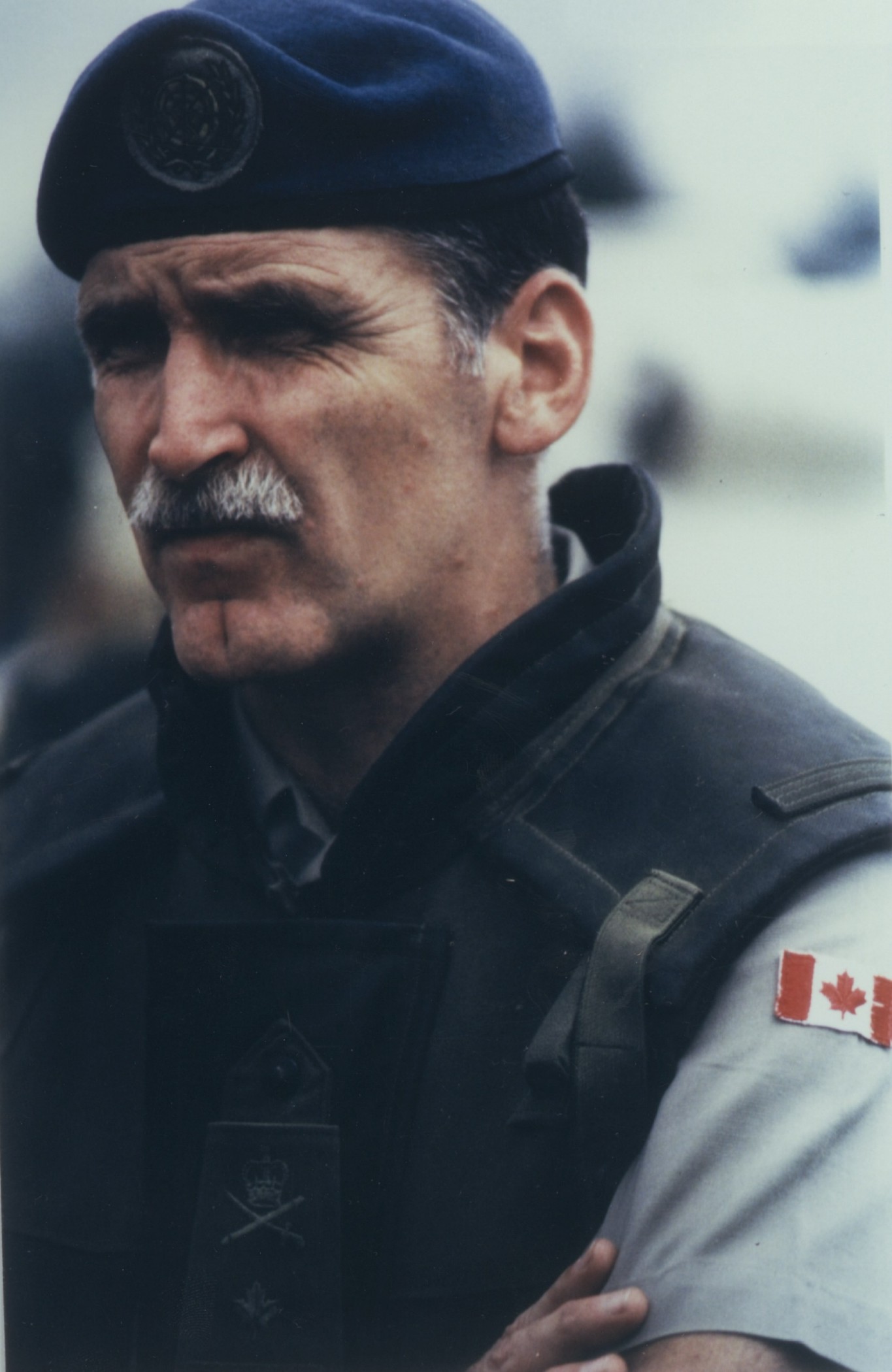
Retired Canadian General Romeo Dallaire still suffers from PTSD following his command of the UN Rwanda force in the middle of that country’s genocide. He attempted suicide in 2000 and still suffers. Last month he was involved in a car accident on his way to work in the Canadian Senate when he fell asleep at the wheel of his car. He had not slept the previous night due to reliving the horrors of that experience. As someone who still suffers chronic insomnia related to my PTSD I understand how this can happen.

The PTSD of T. E. Lawrence’s experience of war in the Middle East in the First World War shows in the pages of his classic Seven Pillars of Wisdom and various letters. Lawrence, who could have risen to high rank in the military or the foreign service basically went underground under an assumed name to serve in the ranks of the Royal Air Force in the 1920s. He wrote to Eric Kennington in 1935 not long before his death in a motorcycle accident:

“You wonder what I am doing? Well, so do I, in truth. Days seem to dawn, suns to shine, evenings to follow, and then I sleep. What I have done, what I am doing, what I am going to do, puzzle and bewilder me. Have you ever been a leaf and fallen from your tree in autumn and been really puzzled about it? That’s the feeling.”  

That is a part of our military culture. Leaders are under a great deal of pressure to accomplish often impossible missions and to take care of their troops. Many have been exposed to repeated combat trauma and had to bury more than one of their troops, often after the person commits suicide. Many anguish over the deaths, blame themselves and heap guilt on top of grief on top of traumatic or moral injury.

As I said many do not seek help due to an overwhelming cultural stigma against getting help, or “going to the wizard.” Likewise they know that that the reality is that if they seek help them may never command or be assigned to sensitive career enhancing billets again. As one senior leader told me “its hard when they say if you have issues and they are known that you can still have a successful career, but you will never be promoted or selected to a critical position, again.” 
1517080376

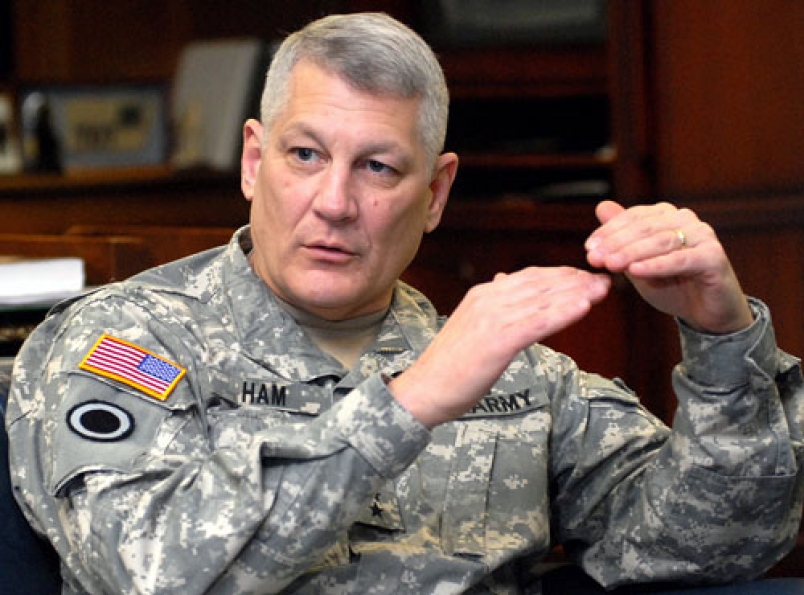
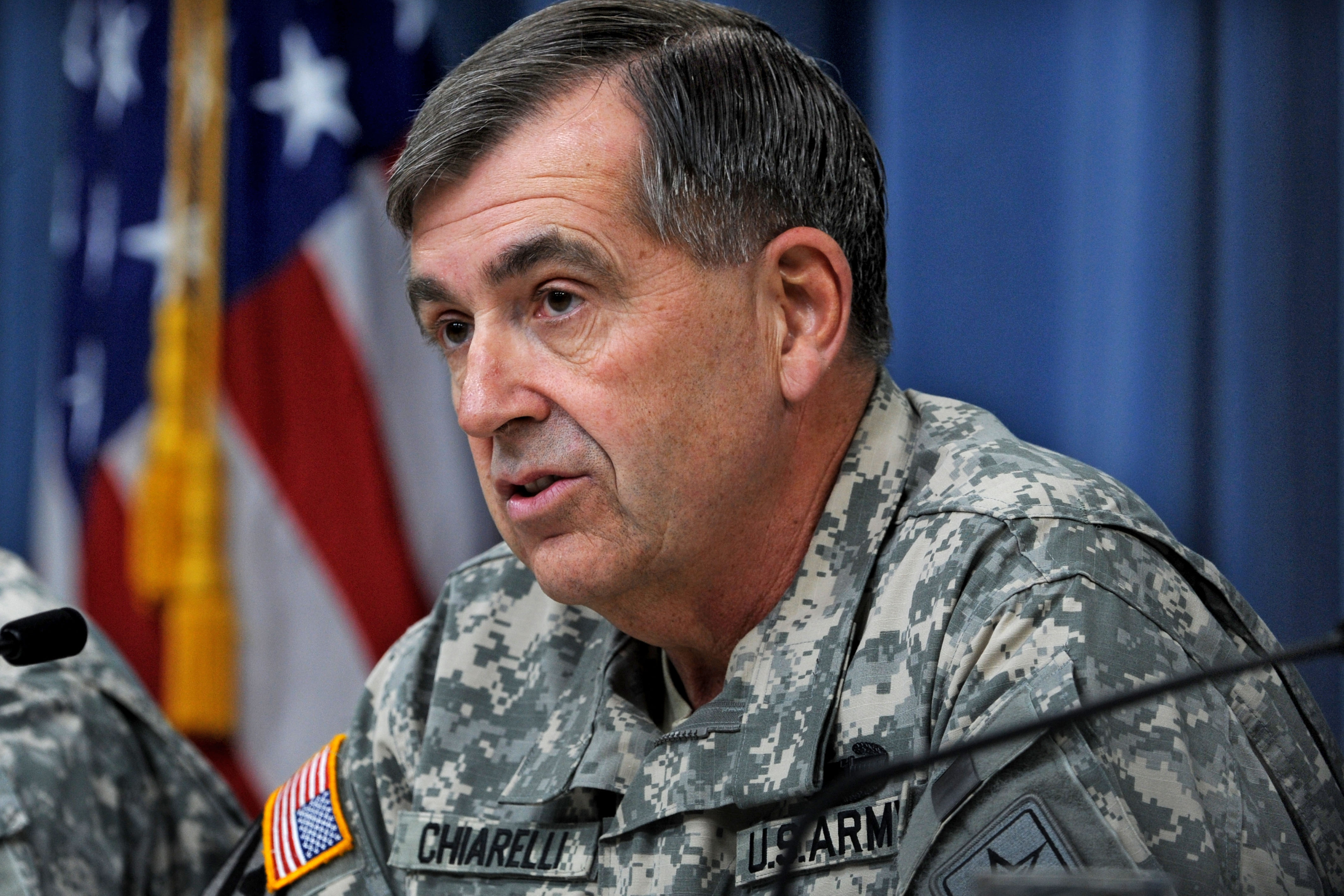
A few senior leaders have admitted to suffering from the symptoms of Combat Stress Injury and sought treatment. The most senior was General Carter Ham who began to suffer symptoms following his deployment to Mosul Iraq in 2004. Major General Gary Patton has also sought help for PTSD. Lieutenant General Peter Chiarelli, now retired has taken up the cause to reduce the stigma seeking to have PTSD renamed Post Traumatic Stress Injury instead of “disorder” because it is an injury.
110119-D-9880W-005.JPG

I wish I had an answer. For me it took a complete crash to get help as well as the assistance of two fine EOD officers, Admiral Frank Morneau and Captain Sitsch. Even with that initial assistance I still feel a certain stigma. My experience is that senior leaders who admit to this and seek treatment often become radioactive. I feel this most often around other chaplains. I am sure that senior leaders probably feel the same way when they are around others who either do not have the experience or who are trying to bury theirs.

One thing that I do think would be helpful is that instead of promoting stigma would be to stand alongside each other. Relationships are key to this and while professional help is good the only thing that can take away the stigma is to get back to standing beside each other in crisis rather than abandoning those who struggle. We are the willing participants in a zero defect culture which sees struggle as weakness and a mark of failure. The sad thing is that under our current system many of the greatest military leaders in history would not be promoted. It is no wonder the leaders who we have invested so much in developing and have sacrificed so much of themselves do not seek help.
grant-and-sherman-122304

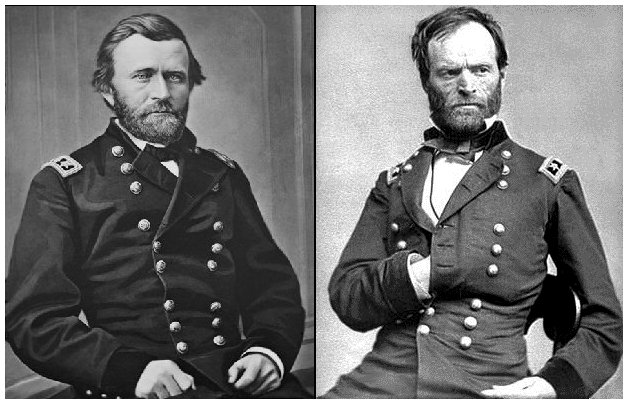
I like the example of Ulysses Grant and William Tecumseh Sherman. Both had significant problems after they left the Army after the Mexican War and in the early days of the Civil War. Grant struggled with drinking and Sherman suffered terrible depression. Sherman said of their relationship: “Grant stood by me when I was crazy, and I stood by him when he was drunk, and now we stand by each other.”

The reality is that in today’s more corporate military culture that neither of these men would have ever been promoted to high command. They would have been shunted aside.

Something has to change if we are to end this terrible scourge. I hope that General Ham and General Chiarelli are working with mental health professionals are able to help change the culture, but then by themselves they cannot. That has to start as we say in the Navy “at the deck plates.” It is up to us to change our culture, to be warriors who look after our fellow warriors in their time of need and who by our actions take away the stigma that keeps our brothers and sisters from getting help.

Peace

Padre Steve+

2 Comments

Filed under iraq,afghanistan, Military, News and current events, PTSD

Rest In Peace Captain Tom Sitsch USN

481801_10151367001287059_1003164983_n-2

Captain Tom Sitsch died by his own hand on January 6th outside a hospital Emergency Room in Littleton New Hampshire. Captain Sitsch was loved and respected by his sailors. As an Explosive Ordnance Demolition officer and expert he was deployed into harms way many times. As the commanding officer of Task Force Troy, a Joint Task Force in Iraq his expertise and leadership helped save countless lives from Improvised Explosive Devices or as they are more familiarly known “IEDs.”

He was my last Commodore at EOD Group Two in Norfolk. He took command from Captain, now Admiral Frank Morneau. Both men mean a lot to me. They were leaders of men and care for those who they commanded. When I collapsed from the effects of PTSD in June 2008 then Commodore Morneau made sure that I got the help I needed and worked with our Medical Officer to make it happen. Commodore Sitsch was one of the first men, maybe the first to ask me the hard question: “where does a chaplain go for help?”

Both were men of compassion, and Captain Sitsch’s suicide has stunned me. I learned of his death tonight on Facebook as I had lost track of him after he was retired from the Navy in 2009.

Evidently his demons were too much for him. He suffered from PTSD, which considering his vocation is not surprising. In 2009 he was relieved of his command and forced to retire after he was caught shoplifting a pair of shoes from a local Navy Exchange. Following his retirement he struggled and was in and out of trouble. He was estranged from his wife, and he was forbidden to enter the state she lived by a court order. Four weeks before he took his life he was arrested for shoplifting at a Fredericksburg Virginia Wal-Mart. When arrested he told the police that he was a kleptomaniac.

Some who do not understand will condemn him even as he lies in his grave. I cannot. I didn’t know Captain Sitsch well, but no matter what his flaws may have been, he showed me compassion when I needed it most. For that I am grateful. Many of his EOD officers and sailors, as well as the Army, Marine Corps and Air Force EOD technicians Who served alongside him will say the same thing.

The one question all of us are probably asking is “what could any of us done to prevent this?”

Truthfully I don’t know. Captain Sitsch is not the first and will not be the last legitimate American hero to fall victim to his own demons, or end his life by his own hand. The physical wounds of war, PTSD, traumatic Brian Injury as well as what is called “moral injury” not to mention the months and years away from hearth and home take a tremendous toll on our veterans and their families.

From my perspective it seems that rank, age and experience are not necessarily safeguards against any of these conditions. It is my opinion after over 30 years of service that our military bureaucracy and promotion systems contribute to tragedies like that of Captain Sitsch. As they are set up they ensure that those who admit to struggles are shunted aside even as equally damaged individuals who “suck it up” and say nothing move up.

I was able to chat with some EOD friends this evening. That was helpful. I pray for the soul of Captain Sitsch, as well as his family, friends, and shipmates during this time of inexpressible loss.

I pray that the soul of Captain Tom Sitsch and all the departed will rest in peace.

Peace

Padre Steve+
40 Comments

Filed under PTSD, shipmates and veterans, US Navy

Living the Nightmares: PTSD and Iraq Six Years Later

481801_10151367001287059_1003164983_n-1.jpg

“Only happy people have nightmares, from overeating. For those who live a nightmare reality, sleep is a black hole, lost in time, like death.”  Guy Sajer, The Forgotten Soldier

Last week I woke up screaming thanks to some nightmare brought to me in high definition by PTSD. It woke Judy and both of the dogs up and well, it wasn’t exactly pleasant. Unfortunately this happens more often than I would like it to. When I was stationed away from home in North Carolina it was only Molly my faithfully dog who was disturbed by this, now I wake up Judy and our younger Papillon Minnie, or Minnie Scule as is her full name.

This afternoon I read a story of a Marine veteran who lost his battle with PTSD, taking his own life. I see a lot of these stories and each one makes me wonder what s going on and gives me pause when I think just how bad I was doing not too long ago.

It is hard for me to believe that nearly six years after I returned from Iraq that I still have a lot of trouble sleeping, though less trouble than a couple of years ago and that my nightmares associated with war still return with more regularity than I would like. Likewise it is hard for me to believe how much my life is impacted by this. I still experience a fair amount of hyper-vigilance, crowds of people are difficult and the craziness of traffic on the local freeways causes me a fair amount of distress.

n671902058_1153829_4642

Despite that I am doing a lot better than I was even a year or so ago when I was still struggling a lot more than I am now and let’s say 4 years ago when there were times I wondered why I was still alive. Of course the time from 2008-2010 was probably the worst time of my life when it seemed that everything that I had believed in had melted away. I didn’t know if God existed, I felt abandoned by my former Church and even by many peers. The only thing that kept me going was a deep sense of call and vocation as a Priest and Chaplain, even though I was for all practical purposes an agnostic who was praying that maybe God still might exist.

Those who have been with me on this blog over the years know how central that struggle has been. I have written about it many times.

Though I am doing much better than I was I still have my times of doubt, times of fear and times of absolute panic. I do what I can to manage but once in a while something will trigger a response. The biggest problem still is sleep and vivid dreams and nightmares. Once I finish the course I am in I am going to get back into therapy a couple of times a month. Thankfully my new job after I complete the school will be more academic with a small chapel where I serve the Students of the Joint Forces Staff College.

Physically I am doing much better, in terms of overall health and physical fitness. I am playing softball again and my PT regimen is much better. Spiritually I can say that being active in having a Chapel where I celebrate Eucharist in a small setting has been good for me. Having to preach again from the lectionary readings is a good thing. Likewise getting a break from five years of hospital ministry, dealing with death, suffering and psychological issues is good. After Iraq I threw myself into the most difficult areas of hospital ministry, the critical care Intensive Care Units hoping that such work would help bring me out of my own issues. Unfortunately, it made it more difficult.

Being at home again is good. I just wish that my nightmares would not cause distress to the rest of my little family. However, it is nice when after they look at me like I am nuts one or both dogs come to me and help calm me down.

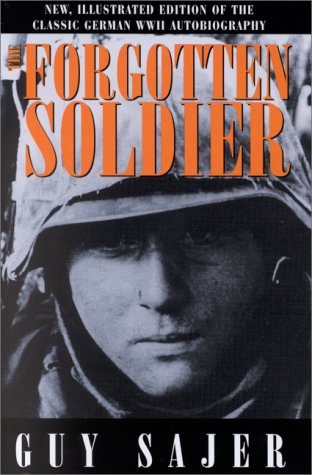
I quoted Guy Sajer, the author of the classic book The Forgotten Soldier. If anyone wants to understand something about what war does to a person and see PTSD in non-clinical terms I think it is possibly the best book to read.

Forgotten_Soldier

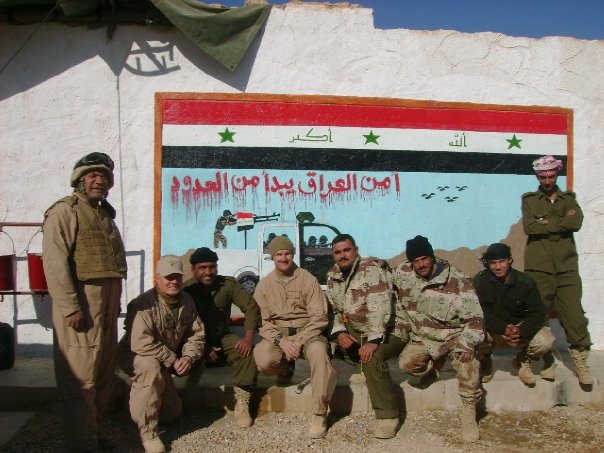
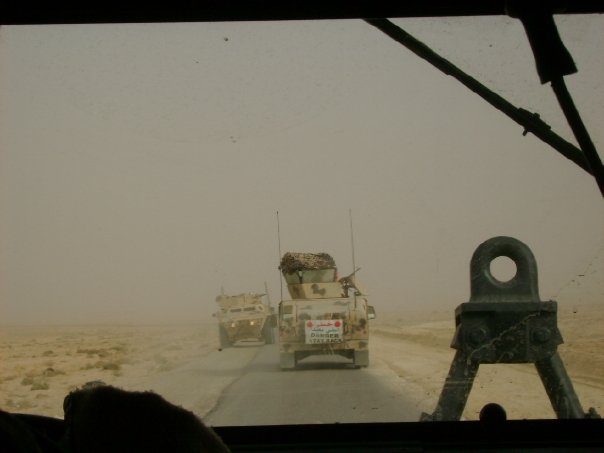
Since I have gone to war and experienced fear on a daily basis out in the hinterlands of Al Anbar Province with small groups of American Marines and Soldiers and Iraqi troops I understand a bit of what Sajer writes. My war was different, out with advisors on small Iraqi basis, traveling in dangerous areas far from any big American units, occasionally being shot at and seeing the devastation of war in that unfortunate country,  though my experience of war pales in comparison with what Sager describes.

That being said I do understand in ways that I never did before. Sajer makes a comment which I think is incredibly appropriate for those that read of war without having ever experienced it. too often is the case in the United States and Western Europe where very few ever put on a uniform and even fewer experience war. Sager wrote:

“Too many people learn about war with no inconvenience to themselves. They read about Verdun or Stalingrad without comprehension, sitting in a comfortable armchair, with their feet beside the fire, preparing to go about their business the next day, as usual.

One should really read such accounts under compulsion, in discomfort, considering oneself fortunate not to be describing the events in a letter home, writing from a hole in the mud. One should read about war in the worst circumstances, when everything is going badly, remembering that the torments of peace are trivial, and not worth any white hairs. Nothing is really serious in the tranquility of peace; only an idiot could be really disturbed by a question of salary. 

One should read about war standing up, late at night, when one is tired, as I am writing about it now, at dawn, while my asthma attack wears off. And even now, in my sleepless exhaustion, how gentle and easy peace seems!”

This weekend I will visit the Gettysburg Battlefield as part of a staff ride. I have been there a good number of times but not since I returned from Iraq. Thus in a sense it will take on new meaning, especially when I walk those hallowed fields of battle where so many died and so many more were maimed in our own terrible Civil War.

295_26911892058_4301_n

That being said I wonder if the solution to my nightmares is to go back to Iraq someday like so many WWII, Korea and Vietnam veterans have done to the places that they served. That has to remain in the future, but hopefully I will get the chance and maybe by then Iraq will at last be at peace.

Tonight I will attempt to sleep and hopefully what dreams I have, though they be high definition will at least not be nightmares that disturb Judy or the dogs.

Peace

Padre Steve+
2 Comments

Filed under civil war, faith, Military, ministry, Pastoral Care, PTSD

Switch Hitting and Life as a Lefty forced to the Right

1929_55558957058_1558_n

“He hits from both sides of the plate. He’s amphibious.” Yogi Berra

Back in 1966 my late father made one of the few mistakes that he made in raising me. He turned me around in the batter’s box and turned me into a right handed hitter.

For years I wondered about this because my first grade teacher Mrs Brandenburg took the pencil out of my left hand and put it in my right hand. A few short years later my 4th grade teacher Mrs Gates whacked my hand with a ruler because of my poor penmanship. That didn’t help my penmanship and truthfully if forced to take notes on paper I  cannot read half of what I wrote.

During my first tour in Germany in the 1980s I started using my left hand to eat, and occasionally would just for shits and giggles write left handed. The sad thing is that I now eat left and that my writing when done with my left hand is nearly as legible as when I write with my right hand. But I digress…

Now ever since dad switched me at the plate I have not been a good hitter. We talked about this before he died, not that he turned me around at the plate but the fact that I was a crappy hitter. My life has been spent on the edge of the Mendoza line. (For those that don’t know what this is just google Mendoza Line or Mario Mendoza.) I haven’t hit for power but my dream is to start hitting balls over the fence, that way I can trot around the bases versus having to dig hard to get on base.

In the years since I have wondered what it would feel like to bat left-handed. However I was always too afraid to try it in a practice or game with real people. However today since for the first time in a long time I am playing somewhat organized ball I went to a batting cage after I did my circuit training around the lake in my neighborhood.

My first 40 swings were from the right side. But then I decided to go to the left side. It was amazing. My swing felt natural and not only did I make contact but it felt natural. I realized then that everything that I thought was right was really left.

Come to think of it for years of my life  tried for whatever reason to stay to the political and religious right side of the house. Of course that was before Iraq, PTSD and a major faith crisis. After that I ended up somewhat on the left. I moderate but somehow more to the left than the right. Maybe that makes me a switch hitter too.

That reminds me of an exchange in the TV series 30 Rock. 

Jack: When I was at Princeton I played baseball AND football. And back then football players went both ways.

Dotcom: Really? So you went both ways?

Jack: Yeah! We all did. It was the 70s.

In between as well as later tonight and tomorrow I will be doing some more studying and reading for my class and getting ready for my second exam at the Joint and Combined Warfighting School. Tomorrow after I celebrate Eucharist at my chapel I will do my PT, I think I  might run and then head over to the batting cage again. In the afternoon I will be meeting Pulitzer Prize winning author David Wood to talk about PTSD and suicide in the military. David is a war correspondent and Military Editor for the Huffington Post.

Tuesday, Lord willing and the shutdown not sending half of my team home I will be playing in my first game. By the way I do intend on hitting from the left side. I’ll let you know how it goes.

Pray for me a sinner and have a great night.

Peace

Padre Steve+

4 Comments

Filed under Baseball, Loose thoughts and musings, philosophy

Letter to a New Military Chaplain Part IV: The Minefields of the Flesh, Sex, Alcohol and Money

1905_50393027058_1870_n

This is fourth part of a response to a question I had from a new Navy Chaplain. I have decided to post it here without any identification of the chaplain because I know that many men and women who are new to the military chaplaincy or who are exploring the possibilities of becoming a chaplain have the same questions. I was fortunate to have had a number of chaplains who at various points in my decision process and formation as a minister, Priest and Chaplain in both the Army and the Navy help me with many of these questions. Likewise I learned far too much the hard way and blew myself up on some of the “land mines” that almost all who serve as chaplains experience in their careers. This is the third of several parts to the letter and is my attempt to systematically explain my understanding of what it is to be a Chaplain serving in the military and in particularly the Navy. The first three parts are linked here:

Letter to a New Military Chaplain: Part One

Letter to a New Military Chaplain: Part Two The Minefields of the Heart 

Letter to a New Military Chaplain Part Three: The Minefields of the Soul: Power and Arrogance

Dear Chaplain

It has been about a week since my last letter concerning the minefields that so easily ensnare those in the various Military Chaplain ministries. This section of my letter to you will be of the more practical type of advice and less philosophical and theological than the first several installments even though at the heart these observations are both theological and philosophical.

I chose the title of this section carefully because I do think that the way a number of New Testament writers deal with the subject of sin, calling it “the flesh” as opposed to “the spirit” is appropriate to the topic.

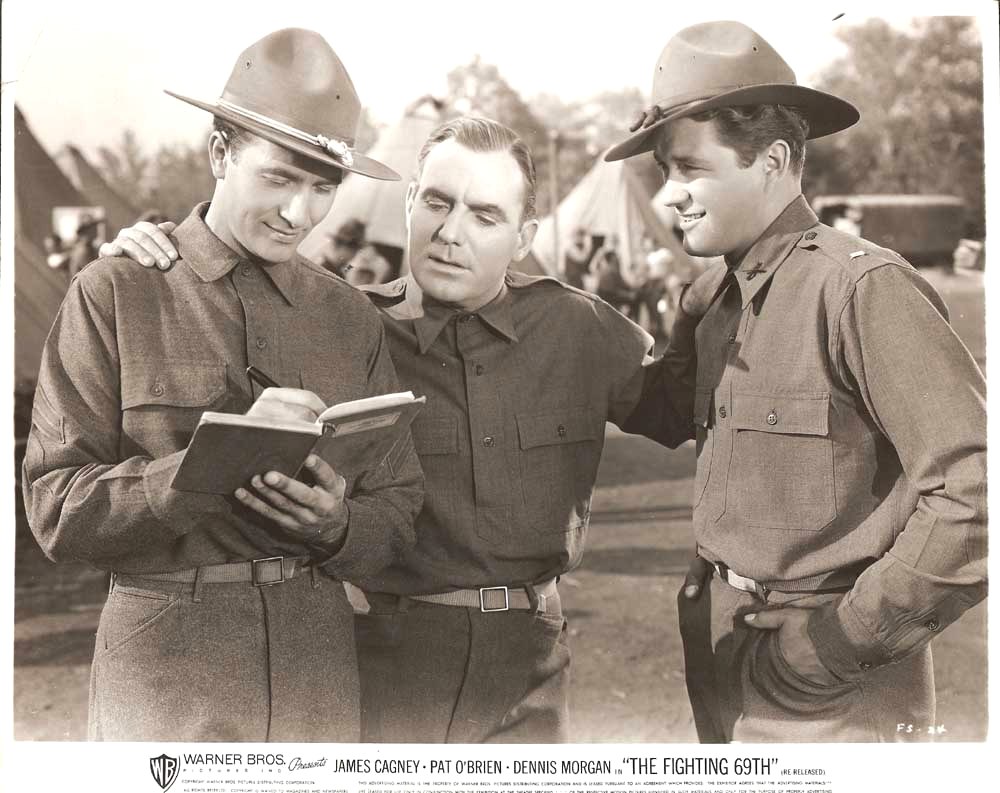
I think that people of my generation and earlier had a very high view of clergy. We didn’t think that they could do much wrong. Of course we all knew that they did but we didn’t like to talk about it, even productions such as Elmer Gantry did little to dissuade us from our beliefs that Ministers, Priests and Rabbis were somehow morally and certainly spiritually better than us. Even Hollywood maintained the myth, movies like The Bells of St Mary’s showed the essential goodness of the parish priest, while The Fighting 69th in which Pat O’Brien played the legendary Father Duffy, a man both streetwise and holy became the quintessential Chaplain of his generation.

18722 - The Fighting 69th

In fact the prayer that he prays in the movie is one that I have echoed in my career as a Chaplain and I am sure that many others have as well.

“Almighty God, in Thine infinite mercy grant me, thy servant, the wisdom to guide my young flock through the trials of war. Oh, Father, they’re so young. So young and they know so little of life and nothing at all of that terrible and bloody altar towards which they move, carrying so eagerly the bright sacrifice of their youth. Their need will be great, O Lord, and I am weak. Therefore, I beseech thee through Thy Son, Christ, our Lord, grant me the strength to keep them steadfast in the faith, in decency and courage to the glory of God, their country, and their regiment in the bad times to come. And if in battle you see fit to gather them to your protecting arms, thy will be done, but let them die like men, valiant and unafraid.”

Of course there is Father Mulcahy of the movie and television series M*A*S*H. I actually liked the portrayal of him by William Christopher in the series better than the movie, perhaps because he became more than a bit player, but like many real life chaplains of every denomination an integral part of the life of his unit. His struggles are the same that many of us who serve as chaplains. In one episode he says to Hawkeye “For some time now, I’ve been comparing the disparity of our callings – Doctor versus priest. You fellows are always able to see the end result of your work. I mean, you know immediately if you’ve been successful. For me, the results are far less tangible. Sometimes… most of the time… I honestly don’t know whether I’m doing any good or not.” 

father

The film and television portrayals of chaplains such as Father Duffy and Father Mulcahy are inspiring, as are the examples of so many good men and women who have served as military chaplains. Some of these even gave their lives in combat so others might live, or placed themselves in harms way to be the the visible representation of God’s presence in places that God himself seems to have abandoned.

That being said there are minefields that exist which even the most noble, caring  and committed Chaplains can fall victim. They primarily lie in the real of Sex, Alcohol and Money, what we referred to as “SAM” when I was an Army Chaplain. Those are general categories to which unfortunately we need to discuss, illicit drugs, disobeying lawful orders and simple rudeness. I will save the issues of disobeying lawful orders and simple rudeness for part five, or Part V as they say in Roman numerals.

At any given time there are between a half a dozen and dozen military chaplains serving time at either Leavenworth or one of the regional Brigs. Others end up in trouble, are disciplined and then discharged from the the service often after devastating the lives of those that they served with. Those numbers are not included in the numbers incarcerated.

You wouldn’t think that sex would be a big issue being that we are supposed to be better at keeping our zippers up than others, but this is not always the case. I can cite from personal knowledge case after case where chaplains that I have known from across the denominational spectrum conservatives and liberals alike. Those actions have included heterosexual and homosexual relationships, inside and outside their units and sometimes involved the spouses of their unit members or parishioners.

For some this is due to the isolation that many Chaplains experience, be they married or single. Some are sexual predators, loathsome and evil animals masquerading as good, while others in moments of weakness succumb to temptation. I have had to go into a number of billets where the chaplain just before me had been relieved of their duties for sexual misconduct. Regardless of the reason the real fact of the matter is that when a chaplain is relieved and disciplined for their sexual misconduct their actions radiate out and damage the ministry and reputations of Chaplains who are completely innocent of wrong doing. This is much like how the actions of disgraced televangelists, pastors of large churches and Bishops or Priests implicated in pedophile or other sexual crimes cause problems for others in similar positions who again are without reproach. In every case where I have had to go into such a situation the onus has been on me to help heal the wounds and rebuild the credibility of the Chaplain Corps. This is true for every Chaplain who has to take a job where his or her predecessor was a criminal.

bilde-2

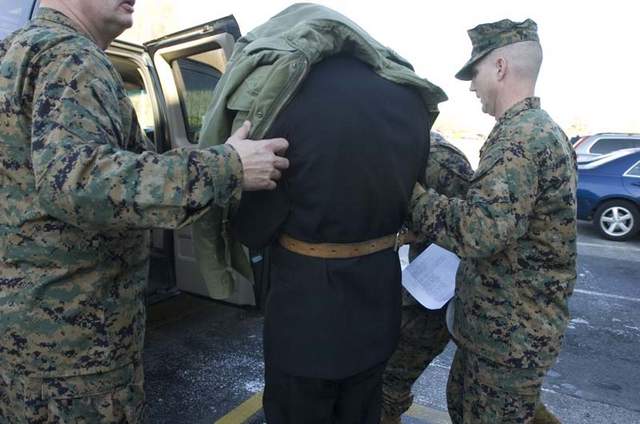
A Navy Chaplain being taken to the Brig after being convicted at Court Martial for sexual crimes (Marine Corps Times Photo)

Sexuality can be one of the greatest minefields that a military chaplain has to navigate, but there are others less visible that also trip men and women up.

The second major area is alcohol. I know a number of chaplains who have become alcoholics. I like to drink good craft beer, but I do know my limits now and am very careful about my consumption of alcohol. When I first came back from Iraq that was not the case. I did drink too much, mainly because I was in the process of coming apart with severe and chronic PTSD. I almost ended up in a bar fight one night and I am thankful that I never ended up in an accident or involved in any other alcohol related incident. There were times at various conferences that I would sit around and drink late into the night at the hotel with other chaplains going through similar problems as I was going through. For us it was safer than going to our superiors either in our churches or the chaplain corps.

That being said I have seen other Chaplains succumb to alcoholism and know one who in dealing with his own demons from service in Vietnam committed suicide while on active duty. Alcohol is also related to many of the incidents regarding sex, so even if it was not the primary issue it was a factor. I also know a number of chaplains who are involved with Alcoholics Anonymous and fight the battle of sobriety on a daily basis.

Related to alcohol are drugs. This is a relatively new phenomena and in most cases is related to prescription medicines, especially pain killers and anti-psychotics prescribed to treat the wounds of war, injuries and things like PTSD and TBI. Once again these are easy to become addicted to and chaplains are much like others when dealing with chronic pain, PTSD or TBI. Recently I saw something that I never thought I would see and that was a chaplain who tested positive for THC, the active ingredient in Marijuana. I figure that if there is one there probably are more that are using, many who battled addictions before their faith conversions and call to the ministry but when placed under the stress of this ministry go back to old friends.

The last component of SAM is money. I think this is a more difficult area in the Army than the Navy because in the Navy chaplains are not allowed to deal with the Religious Offering Fund, where in the Army a Chaplain at every installation is the Religious Offering Fund Manager. It is said by some that “money is the root of all evil” but I am not sure if that is exactly true in this case. I think that money and the power it brings sometimes reveals the inner character of a man more than anything. The great televangelist scandals of the late 1980s and early 1990s, the continuing saga of corruption at the Vatican Bank and the all too frequent revelations of ministers of all faiths misusing church finances are legend. When I had to manage a relative small installation chapel fund I lived in terror of making an innocent mistake, and thankfully I had an outstanding Chaplain Assistant and Parish Council to work with and maintained close contact with the fund manager at our higher headquarters.

Another issue dealing with money is what we are paid when in a travel status. I know that there are Chaplains who play fast and loose with this and I know people in the travel and disbursing offices who tell me about the actions of chaplains that they have to deal with who are not playing straight with the system. In my case I don’t make claims that I cannot substantiate even if it costs me money. I would rather be absolutely honest on a travel claim and lose money that claim something that I may or may not be entitled to that might cause scandal and bring disrepute to God, my church or the Chaplain Corps.

Money is a great temptation and more than one military Chaplain has fallen to it.

The sad thing about all of this is that most of our religious traditions deal explicitly with all of these matters as do our various Service Regulations and Defense Department Instructions. They are not rocket surgery but they are the downfall of far too many chaplains, many of whom actually came into the ministry and chaplaincy with good motives. Once again I lay a lot of this at the feet of our churches and theological schools which for decades have stressed how to run a church program over any real pastoral or theological formation process.

I am lucky. I have made mistakes but I have had numerous chaplains in both the Army and the Navy help me to see the blind spots and teach me about these things. They span the denominational, theological and even political spectrum. Conservatives, liberals, men and women, Protestants, Catholics, Later Day Saints, Jews and even a Moslem.

I could easily have gone into detail about the specific incidents where I knew the people involved or had to deal with them or follow in their footsteps. Some have made the national media, but somehow to do so would be unseemly, after all I do not work for the National Enquirer or for that matter the Navy or Army Times. That being said the Chaplain Corps of the various services all have by percentage among the highest incidences of misconduct of any officer branch or community and this has been a constant since I began my military career in 1981.

That should be a warning. If you know something is wrong don’t do it. If you are unsure about something ask someone. If you need help get it before your actions destroy the lives of those you serve and bring disrepute to your office, your religious body, the Chaplain Corps of your military service and yes even God. After all God does tend to get the blame for all of the actions of those in his service so be careful, guard your heart and mind and for God sakes keep your zipper up and all appearances thereof.

Until the next installment,

Peace

Padre Steve+
1 Comment

Filed under christian life, faith, leadership, Military, ministry, Pastoral Care

A Memorial Service as Tragedy Strikes Camp Lejeune on the 10th Anniversary of the Beginning of the Iraq War

9-11b

“God didn’t put us here for that pat on the back. He created us so he could be here himself. So he could exist in the lives of those he created, in his image.” Chaplain (Captain) Fr Francis Mulcahy M*A*S*H 

The past week has been difficult at Camp LeJeune. We lost a sailor, a hospital corpsman who died by his own hand last Monday. He was a veteran of Afghanistan and his death came as a surprise to his friends, family and shipmates. Today we conducted his memorial service. It was a full house. His family travelled to be here and his friends, those that served with him while he was assigned to the Marines as well as his current shipmates were there in abundance.

It was a time to grieve. The young man was beloved by his friends, respected and cared for. However something that none of us will ever know or understand overwhelmed him. It may have been the trauma of war, maybe something else, but he maintained a facade that kept his friends, family and shipmates away from whatever despair drove him to take his life.

It was a time for all of us to grieve. It was as William Shakespeare wrote in McBeth a time to “Give sorrow words; the grief that does not speak knits up the o’er wrought heart and bids it break.”

But even as we grieved the news filtered to the base that 7 Marines assigned to the Second Marine Division were killed, and a number of others injured when a mishap occurred where they were training in Nevada. Evidently either a mortar round either exploded in the tube or as it was being handled during a live fire exercise. They join the thousands of men and women who have died or been wounded in preparation for, the conduct of or the aftermath of their service in Iraq or Afghanistan. The death of each one leaves a void in the heart of a loved one, friend or shipmate.

Ergin-Osman1

Staff Sergeant Ergin Osman KIA Afghanistan

I have lost friends and shipmates in all phases of both wars and their aftermath. Some have died in combat, others while supporting combat operations of natural causes or accidents, some have committed suicide, including a Priest and Chaplain who served in both Vietnam and Iraq. Still countless others endure injuries or illnesses that will eventually kill them.

Likewise there are far too many more who have sustained terrible injuries to their minds, bodies and spirits that time will never heal. The young men and women that I see every day, those with the physical wounds of war and those with the unseen but sometimes even more disabling injuries such as PTSD, Traumatic Brain Injury or Moral Injury remain in the fight, sometimes with the sole mission of recover or remaining alive.

saddam0978

Ten years after the war in Iraq began and twelve and a half years after 9-11 and the invasion of Afghanistan the costs continue to build in lives and treasure. In Iraq almost 4500 American and over 300 other coalition casualties, more than 500 contractors and nearly 10,000 Iraqi Soldiers and Police and countless thousands of Iraqi civilians have died. US wounded alone number almost 35,000 in Iraq. In Afghanistan there are over 2100 US dead and about 1100 NATO and Coalition dead, hundreds of contractors, and thousands of Afghans with over 17,000 more American military wounded. Every day nearly 20 veterans take their lives while thousands of others struggle with physical, psychological and spiritual wounds of war, wounds that don’t heal even as they find that they no longer fit in the country that went shopping when they went to war. The costs of both wars now are building into trillions of dollars, costs that will continue to grow even after the wars wind down.

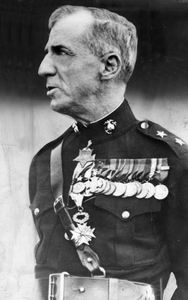
Butler-medals

Two time Congressional Medal of Honor Winner Major General Smedley Butler, US Marine Corps wrote:

“What is the cost of war? what is the bill? Major General Smedley Butler wrote: “This bill renders a horrible accounting. Newly placed gravestones. Mangled bodies. Shattered minds. Broken hearts and homes. Economic instability. Depression and all of its attendant miseries. Back -breaking taxation for generations and generations. For a great many years as a soldier I had a suspicion that war was a racket; not only until I retired to civilian life did I fully realize it….” (See War is a Racket: Remembering Major General Smedley Butler USMC and Why He Matters

23_QU_18_d_HM_012ps

Likewise Lieutenant General (US Army Retired) Hal Moore, who is immortalized in the film We Were Soldiers and book We Were Soldiers Once…and Young told West Point Cadets in 2005:

The war in Iraq, I said, is not worth the life of even one American soldier. As for Secretary Rumsfeld, I told them, I never thought I would live long enough to see someone chosen to preside over the Pentagon who made Vietnam-era Defense Secretary Robert McNamara look good by comparison. The cadets sat in stunned silence; their professors were astonished. Some of these cadets would be leading young soldiers in combat in a matter of a few months. They deserved a straight answer.

The expensive lessons learned in Vietnam have been forgotten and a new generation of young American soldiers and Marines are paying the price today, following the orders of civilian political leaders as they are sworn to do. The soldiers and those who lead them will never fail to do their duty. They never have in our history. This is their burden. But there is another duty, another burden, that rests squarely on the shoulders of the American people. They should, by their vote, always choose a commander in chief who is wise, well read in history, thoughtful, and slow-exceedingly slow-to draw the sword and send young men and women out to fight and die for their country. We should not choose for so powerful an office someone who merely looks good on a television screen, speaks and thinks in sixty-second sound bites, and is adept at raising money for a campaign.

If we can’t get that part right then there will never be an end to the insanity that is war and the unending suffering that follows in war’s wake-and we must get it right if we are to survive and prosper as free Americans in this land a million Americans gave their lives to protect and defend.”

Needless to say, Moore, a West Point graduate has not been asked back.

n671902058_1153828_4309

Thousands of young Americans, as well as NATO or other Allied nation soldiers, including Iraqi soldiers that I knew and Afghans that I have not worked with have died or been mangled by these wars. Yet too many Americans, Europeans and others that have sent young men and women to these wars have no stake in the game.  Most people continue with the mundane aspects of peacetime life while their political, religious and business leaders plot even more war. Syria, Mali, North Korea, Iran…where will it end?

Today we mourned a shipmate and friend at Camp LeJeune even as we wait to see who else that we know have been killed or injured in this latest training accident. I was honored to be a part of the memorial and happy to be of help to the families and friends of my sailor. At the same time I too grieve and wonder just how many more will have to die before the madness ends.

I left the base after the ceremony, and saw the massed trucks of the local and national news networks parked outside the gate like vultures. When I got home I hugged my dog Molly, I love that little dog, she has helped save my life after my time in Iraq. I then went for a four mile run on the beach and then had a couple of beers with my dinner while at the bar with my friends at my local watering hole.

father

The old regulars there have nicknamed me “Father Mulcahy” a name that some people at the hospital have also given me. Maybe it is that I ear round steel rimmed glasses. Maybe it is because I will join in the occasional poker game , football, basketball or NASCAR pool, which by the way I won the NASCAR pool this week. Or maybe it is just because they didn’t know I was a Chaplain or Priest until a mutual friend and co-worker told one of them. Until then I was just Steve, the guy that wore the Orioles and Giants baseball gear. Now I have become their Priest and Chaplain, funny how that works. Regardless, it is a nickname that I cherish, because when I was growing up Fr Mulcahy symbolized so much of what I thought was good in a Priest and Chaplain. The writers of M*A*S*H made him very human. But I digress…

As we mourned today I was reminded of something that Helen Keller said, something that I think no matter what any of us grieve is true. “We bereaved are not alone. We belong to the largest company in all the world–the company of those who have known suffering.”

Pray for me a sinner.

Peace

Padre Steve+
Leave a comment

Filed under faith, iraq,afghanistan, Military, Pastoral Care, philosophy, PTSD

St Patrick’s Sunday Night Musing: So Many Topics So Little Time

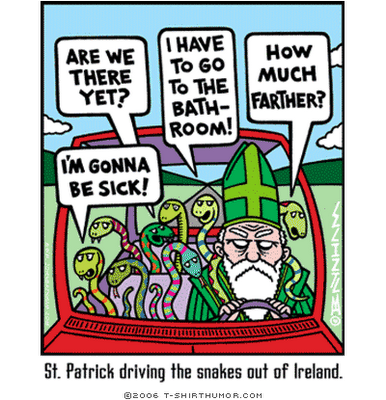
st-pat-driving-snakes

Well, here we are the end of St Patrick’s Day and I have to say that I have basically took the weekend off. I slept more than I was awake and did as little as possible. I read a book, a baseball novel called Chin Music by Lee Edelstein which I will review tomorrow Monday night for TLC Book Tours. I also spent a good amount of time with my dog Molly, giving her walks and enjoying her joyfulness.

I did go over to the Emerald Isle St Patrick’s Festival, braving the crowds, which some say might have been 20,000 or more to take my place at Rucker John’s. What amazed me was the manner of how many people celebrate St Patrick’s Day. I am not a tea-totaler by any means and do enjoy my time at the bar with friends. By I go for the fellowship, the friendship and the relationships. I enjoy good beer, wine or the occasional whiskey, brandy or Jaegermeister, but cannot understand why people would come out with the sole purpose of getting drunk and acting like fools. There were very few of us that were regulars there last night as the festivities commenced and I was embarrassed to watch Marines from our local bases act completely foolish, being vulgar, rude and causing the management of have to cut them off.

military-suicides

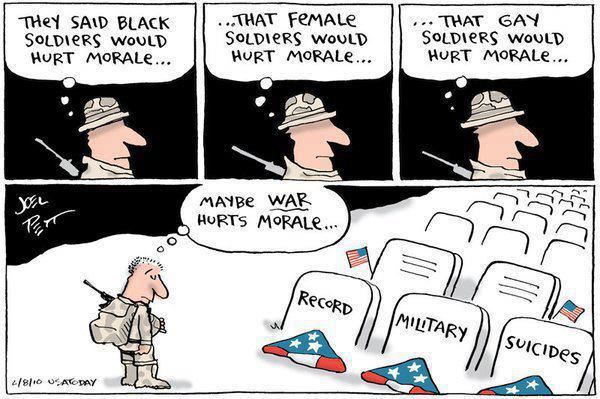
Last week was difficult, very busy and dealing with the effects of yet another suicide of a young sailor. I will be working in the early part of the week to conduct the memorial service for the young man, a veteran of Afghanistan whose demons were evidently more than he could bear, and to care for his shipmates. That suicide angered me. Not that I am angry with that young man and his choice to kill himself, but it angered me that so many young men and women, active duty, reserve, national guard as well as retirees and veterans who have left the service die every day.

The fact is that I don’t think that we as individuals, the military, the veterans administration or society are doing enough. I am tired of it and have resolved to do whatever I can to do what I can do to as an individual, a Chaplain and military officer to stem this tide. I may be pissing into the wind, but having been to the brink and stared into the abyss of hopelessness after I returned from Iraq I cannot just stand by and lament the situation anymore.

262_29132382058_5961_n

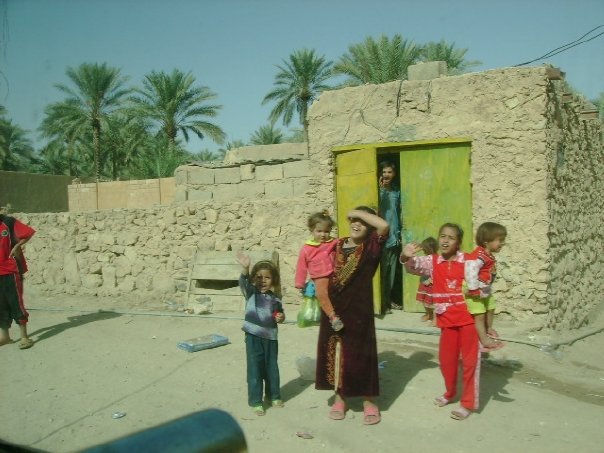
I have also been thinking about Iraq and all of the lives lost or destroyed, American, Iraqi and others, the treasure spent and the promises broken. As a veteran of that war I hope and pray that all the lives lost and treasure wasted will not be a complete waste. I pray that some good will still come from our misbegotten invasion of Iraq. Iraq remains a part of my thoughts and my dreams, and rarely a night goes by that my mid does not go back to Iraq, the men that I served with and the Iraqis that I got to know.

tumblr_mgszpffQIu1s1483mo1_500

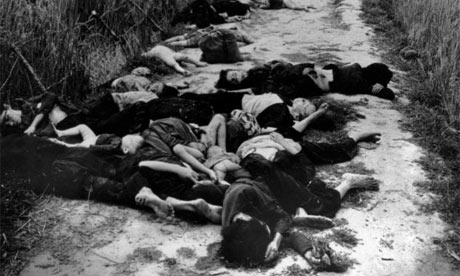
In the midst of Iraq I was reminded that yesterday was the anniversary of the My Lai Massacre and my distant connection to it. Of course that massacre was one of the most disgraceful episodes in the history of the US Army. I remember when the news broke about it and then remember what my first class advisor in Army ROTC at UCLA had to say about it. He was there after the massacre, his unit providing protection for those investigating it. His words about it and how bad it was remained with me.

In 1997 I was serving as the Chaplain at Fort Indiantown Gap Pennsylvania when I was requested to conduct the funeral for Colonel Oran Henderson, the man who commanded the brigade to which the men that conducted the massacre belonged. Henderson was tried and acquitted of a cover up at the longest running court-martial in US history. However, his career, which before My Lai appeared that he was destined to be a general. That destiny died at My Lai.

$T2eC16FHJHYE9nzpcDiuBQWg3T)P0g~~60_35

The tragic thing is, a that Henderson, who was a hero in many ways, a man who in World War II, Korea and Vietnam was wounded and conducted himself honor, failed in this crisis. At the time a thorough  investigation conducted by him that sought justice rather than a whitewash may have helped the county and changed his legacy. When I think of him I know that what we do matters, especially as military officers. Ethics is and has to be a central part of our life and faith. When we forget that, when we allow the utilitarian necessities of careerism and defend the institution even when it is wrong we like Henderson fail. That may be one of the lessons that we did not learn in Vietnam, Iraq or Afghanistan which will continue to haunt us. I’ll probably write something about My Lai and its relation to current conflicts and the necessity of military professionals to always seek the higher level of ethics in how they approach war.

Like I said, there is so much to write about and to discuss. I want to write some on the upcoming NCAA Basketball Tournament, a bit about baseball as well as some of the things happening in regard to North Korea, Iran, Syria and Afghanistan and the first days of the new Papacy of Pope Francis, which may turn out to be as surprising papacy as we have seen in decades, at least since Pope John XXIII.

Well, that is enough for tonight. Tomorrow I will post the review of Chin Music and we’ll see what the rest of the week portends.

Peace and blessings

Padre Steve+

Leave a comment

Filed under Loose thoughts and musings, Military

349: Active Duty Military Suicides Hit New High in 2012

220px-Tom_Lea_-_2000_Yard_Stare

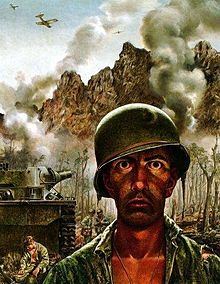
The 2000 Yard Stare by Thomas Lea

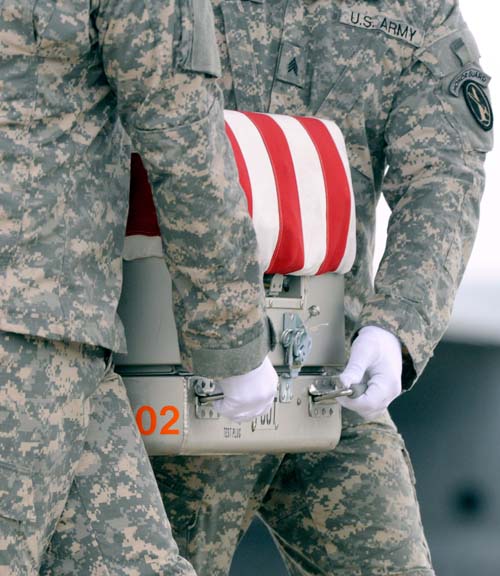
The Defense Department released the numbers for what Secretary of Defense Leon Panetta has described as “epidemic” of military suicides. The total of 349 active duty personnel includes 182 Soldiers, 48 Marines, 59 Airmen and 60 Sailors. It does not include Coast Guard personnel. The last statistics for that service showed 5 active duty suicides for 2012 as of mid-August, the service had only seen 6 in 2011.

As of November there were 124 Army Reserve and National Guard suicides not on active duty, 6 Naval Reservists. I have not been able to find the data for Air Force Reserve and National Guard or the Marine Corps Reserve.  The reserve figures are of drilling reservists not of those in the Individual Ready Reserve (inactive reserve) who do not attend drill but have served their obligated active time and can be recalled to active duty until the end of their service obligation.

The Veterans Administration estimates that nearly 6,500 veterans take their lives yearly. The numbers include veterans of all wars not just those of Iraq and Afghanistan nor are they complete because sometimes death certificates do not record a veteran’s service.

It is growing problem that unfortunately will not get any better anytime soon. Part of the issue is that despite service attempts to change the culture there is still a stigma attached to those that seek mental health care. There are other reasons that factor into the equation, deployments, high operational tempo, lack of enough mental health care providers to meet the demands as well as the effects of combat stress injuries, PTSD,

Traumatic Brain Injury as well as what is now called “moral injury. One definition of Moral Injury “the lasting psychological, biological, spiritual, behavioral, and social impact of perpetrating, failing to prevent, or bearing witness to acts that transgress deeply held moral beliefs and expectations.” 

Marine Corps Major General Smedley Butler who was awarded the Congressional Medal of Honor twice wrote a moving of those afflicted with what we now call Moral Injury after World War One:  “Boys with a normal viewpoint were taken out of the fields and offices and factories and classrooms and put into the ranks. They were remolded; they were made over; they were made to “about face”; to regard murder as the order of the day. They were put shoulder to shoulder and through mass psychology, they were entirely changed. We used them for a couple of years and trained them to think of nothing but killing and being killed.

The effects are as chilling now as they were in Butler’s day when he wrote:

“These have already been mentally destroyed. These boys don’t even look like human beings. Oh, the looks on their faces! Physically they are in good shape but mentally they are gone….There are thousands and thousands of these cases and more and more are coming in all the time…”

I know. I see it every day but I see it in a number of ways. I see it in the faces of the Marines and Sailors going back and forth between Afghanistan, Iraq and now North Africa and also among those in the medical, mental health and chaplain services that care for these men and women.

Provider burnout, including suicide is a problem. Just recently a former Army Psychologist who had served in Iraq during the surge and had been treating veterans in the VA committed suicide. Less than two years ago, this man was the lead author of a article that dealt with burnout and suicide of caregivers. Peter Linnerooth who was awarded the Bronze Star in Iraq committed suicide on January 2nd 2013. His widow, also a mental health professional commented:

“He was really, really suffering…And it didn’t matter that he was a mental health professional, and it didn’t matter that I was a mental health professional. I couldn’t help him, and he couldn’t help himself.”

Linnerooth’s faculty advisor commented: “When he went in and when he came out, it was shockingly different…”

That was a problem then and it is a problem now. The thing is that these active duty 349 men and women, as well as the others I have mentioned where the numbers are not well defined are not just numbers. They are people. Real men and women, sons and daughters, husbands and wives, fathers and mothers. Their deaths at their own hand are more than the combat deaths in Afghanistan this year.

Dr Larry Shellito the Commissioner for Veterans Affairs in Minnesota said something that is dead on:

“Oftentimes, you have to look at the people that surround the people with (PTSD) to make sure they are also OK, because it’s got a multiple impact…It’s not just the individual who suffers, it’s the people who care for him.”

I see it all the time. Butler’s description of the men who served in the trenches that were in veterans hospitals and facilities nearly 20 years after the war ended are as true today as they were then. Ask any caregiver in the service or in the VA system and they will tell you how overwhelming this epidemic is.

It cannot be wished away and assuaged by people simply doing the bumper sticker “I support the troops” thing without looking deeply at what is causing this and investing in the lives of these men and women before their lives are completely destroyed. It also means that politicians and their think tank and media advisors who constantly beat the drums of war, without fully funding it and without caring for those that are sent to fight them must be held accountable by voters.

I know how this is on a real live up close personal basis as a chaplain. I went to Iraq and came back changed. The PTSD, depression, anxiety and hopelessness that I felt were overwhelming. Thankfully I am doing a lot better and I did get the therapy and assistance needed, but it took a while to get it and thankfully at my present command I had people that I worked with help me get the help that I needed. But I have been back almost five years. A lot of that time was spent in the wilderness wondering if there was hope, if I would ever get better and sometimes wondering if God even existed and if he did, did he care. During the whole time I continued to work with and care for others like me. Their injury also impacted me in ways that I could not imagine before I was afflicted.

I care about this issue, because it affects those that I serve as well as their families, communities and those that serve with them. 349 active duty suicides. Think about it. One is too many. 349 is inexcusable and that does not count all those that we cannot count because we don’t know the numbers or the full story.

349: Keep that number in your mind and do something about it.

Peace

Padre Steve+
4 Comments

Filed under healthcare, Military, Pastoral Care, PTSD

Why Aren’t Any Politicians Talking About the War and Why don’t Voters Care?

“The military is at war and the country is not.” Former US Representative Patrick Murphy

Seven more American Soldiers were killed in Afghanistan when their UH-60 Blackhawk was either shot down or crashed due to other reasons yesterday. 41 were killed in July and 10 last week. But who cares? The news of each incident went across the ticker on the bottom of the cable TV news feed and the obligatory 15 second spot on the headlines of the hour before it is subsumed by the latest political lie-fest or celebrity scandal. Have we no shame?

It seems that nobody really gives a damn about the war in Afghanistan or for that matter anywhere else that the United States and its allies are fighting. I mean really. Think about it.  The war constantly ranks among the lowest of issues that American voters rank as important and it certainly doesn’t seem to register as important among most political candidates unless hey can be photographic hugging a tank so they can show that they support the troops.

From what I see it looks like the only person in the Washington DC political sewer who even thinks about the war is Secretary of Defense Leon Panetta. Panetta in frustration said Tuesday:

“I realize that there are a lot of other things going on around this country that can draw our attention, from the Olympics, to political campaigns to droughts, to some of the tragedies we’ve seen in communities around the country…. I thought it was important to remind the American people that there is a war going on.”

84,000 U.S. Military personnel are currently serving in Afghanistan. Tens of thousands of DOD civilians, contractors as well as FBI, CIA, NSA, DHS, and State Department employees are also in harms way. Likewise another 30,000 or so troops from NATO or other coalition allies are risking their lives serving alongside of our personnel.

In July the Army recorded a record number of suicides. We don’t hear about the numbers of wounded because frankly aside from those directly affected and their friends or families most people would just prefer to ignore the war.

But then they can. Liberals have been accused of being anti-military and some are. But even the supposedly conservative God-fearing , military loving and Islam-Facist, Commie bombing Republican Presidential team of Romney-Ryan refuses to acknowledge the war when speaking in front of the World War II era battleship USS Wisconsin in Norfolk. No one of either party seems to have a plan for actually successfully ending the war and all seem to be content to let the war fester. I found that reprehensible. Whatever happened to Ronald Reagan, John Kennedy, Dwight Eisenhower, Franklin Roosevelt or Harry Truman? Oh wait they’re dead.

But there is no real shared sacrifice in this country when it comes to national defense. There is no draft, no taxes have been levied to support the wars and many Defense contractors responsible for producing the weapons of war needed to fight the current war and prepare for future wars seem only to care about their bottom line. Future weapons systems are over-budget, long-delayed and fail to meet the expectations of either the services or the nation. Name the system. The F-22 Raptor, the F-35 Lightening, the Littoral Combat Ship, the Army Future Combat System and the Marine Corps Expeditionary Fighting Vehicle. All either truncated, delayed or cancelled. Billions of dollars spent and little to show for the expenditure of the nation’s treasure.

I think that national leaders of both parties need to be held responsible. I think that American citizens and political leaders who lamely put bumper stickers on their cars saying “I support the troops” should put up or shut up.

If we are going to keep fighting wars without end let’s at least do it together. Let’s re-start the draft and levee special taxes. Let’s sell war bonds, let’s plant Victory Gardens and donate our scrap metal, plastics and electronics to be recycled to build weapons like we did in World War II. Let’s find new energy sources to better power our weapons systems since no one cares about renewable energy for anything else.

But then let’s not inconvenience anyone, after all the troops all volunteered for this.

I hate to sound cynical but when the military has been at war for going on 11 years and it the lowest priority of voters and politicians then something is terrible askew.

Don’t you think? Or am I just pissing in the wind?

Peace

Padre Steve+

8 Comments

Filed under iraq,afghanistan, Military, national security, Political Commentary

The Uncomfortable Truth about the Rise in Military Suicides

The truth can be uncomfortable and truthfully most people don’t like to deal with uncomfortable things.  Suicide is one of those things that tend to make us uncomfortable.  Occasionally someone will demand the truth and when they finally get, the truth becomes a very uncomfortable thing and frankly many people cannot handle the truth. It reminds me of the exchange in the movie A Few Good Men where Colonel Jessup played by Jack Nicholson tells Lieutenant Dan Caffey played by the Tom Cruise: “You want the truth, you can’t handle the truth!”

The United States Military has been struggling with an upsurge of suicides and suicide attempts among its personnel since 2005.  Before that point military suicide rates were comparable or lower than comparable civilian populations. That is no longer the case, the military suicide rate is now higher than the civilian rate by a statistically significant percent.

The Associated Press reported a Defense Department report noting that in the first 155 days of 2012 that 154 active duty service members had killed themselves. That number is going up, I know of at least two at my base that have occurred since this report was released including a murder suicide committed by a Staff Sergeant who had recently returned from Afghanistan.

The military has tried to stem the tide. It has bolstered its mental health services and suicide prevention programs but the numbers despite leveling out in 2010 and 2011 have been rising. These numbers are reaching staggering proportions in the active duty, reserve and discharged veteran ranks.

A Veteran’s Administration Crisis line reported that in in 2011 it had received over 164,000 calls last year. It reported 6760 rescues and noted that 2300 self reported Active Duty personnel had called their hotline as well as over 12000 calls from family members or friends of veterans regarding their loved ones.

The rise in suicides particularly as the mission in Iraq has ended and Afghanistan is beginning to draw down has surprised many both inside and outside the military. While many of the men and women who committed or   attempted suicide even more have done so who have not deployed. People are speculating about the reasons for this and we know a lot of the answers and underlying causes.

First and foremost is the stress put on the force by 10 years of non-stop deployments to combat zones and fighting two major insurgencies at the same time and the resultant effects: Soldiers, Sailors, Marines and Airmen killed and wounded, combat stress injuries, PTSD, TBI, moral injury, family issues, divorce, infidelity, financial problems, domestic violence, sexual assault, alcoholism and drug abuse. As a Chaplain I know many young men and women who grew up in Christian homes and had what they described as a deep faith who after war have lost their faith. I see an increasing number of these young men and women.

An additional factor is the fact that we are entering a period of time where Soldiers and Marines and to a lesser degree Sailors and Airmen are being threatened with a massive drawdown in numbers.  This will force many to leave the military in the midst of a long term economic downturn that could get worse based on the precarious economy of the Eurozone which threatens the US economy.

There is the perception on the part of many in the military that they fight the war alone. There is a real lack of understanding in the civilian population as a whole about what is involved in going to war. Since only about one half of one percent of the American population is in the military at any given time this should not be a surprise. Finally there is a widely held belief among those that fight the war, no matter what sacrifices they make in Afghanistan that it will not matter in the end, that the war cannot be won. No one wants to admit this but the fact of the matter is that it is true because neither political reads history.

However as important as all of those factors are they are now joined by another factor that was not a factor in the early part of the war. The bond of unit cohesion which was a positive factor is eroding. Prior to the war and during the first few years of it unit cohesion was strengthened by seasoned and mature Staff NCOs, Petty Officers. These men and women had risen through the ranks and were seasoned by years of training, well rounded careers, combat experience and deployments. Many had some amount of college education. They dealt with their own stress well and were excellent leaders and mentors to junior personnel and the young officers that they helped to train.

I was at a training conference in March attended by a couple of hundred Chaplains and Mental Health Professionals. One of the seminars dealt with a program to train the young NCOs and Petty Officers to be first responders who could care for their Marines and Sailors. During the question and answer portion I decided to bring this up. I said that “the program would be great if we had the same force that we started the war with and that the men and women that we were depending on to do this job were themselves among the injured.” I said that the force was “hardened but brittle.” A number of people including the Subject Matter Expert agreed with me, others, mostly those who were relatively new to the military looked at me like I had gone off the reservation. I brought this up at another conference this month with a similar response.

That seasoned core is gone. In their place are younger, combat hardened veterans. Unfortunately many of these young men and women, charged with leading and training the new Soldiers, Marines, Sailors and Airmen are damaged goods themselves. They have been back and forth to war so many times that they bear unspeakable burdens. Many suffer from unreported PTSD, struggle with alcoholism and have pressing personal or family problems. Some of them take out these issues on the new troops, something that I think is directly related to the suicide epidemic and other problems. The attitudes of some have become poisonous to good order and discipline and actually compromise the trust of of service members to the chain of command. That trust was essential and helped get the military through the first part of this war but I see it being eroded on a daily basis.

A glaring example of this comes not from a NCO but a Army General, the Commander of the 1st Armored Division at Fort Bliss Texas, Major General Dana Pittard at Fort Bliss Texas. General Pittard wrote on his blog: “I am personally fed up with soldiers who are choosing to take their own lives so that others can clean up their mess. Be an adult, act like an adult, and deal with your real-life problems like the rest of us.”  His attitude serves as a reminder that for many that some leaders see those suffering from PTSD, TBI or other psychological conditions as ‘broken.” Ask any Marine, Soldier, Sailor or Airmen what what it is to be labeled as “broken.” There is still a stigma attached to mental illness, depression, PTSD, suicide and being “broken” that is not helped by statements of leaders like General Pittard.

As a result the resiliency of the force is at stake. Anyone who served in the years following the Vietnam War and the beginning of the all volunteer military can see similarities then and now.  We have not reached the point where the force is broken but the situation will not show much improvement until some point of stability is reached.

I cannot state with certainty the actual proportions of this factor, just my own observations that come from counseling and listening to Marines and Sailors every day. I’m sure that the same is true in the Army where judging by what I read it seems to be worse. The Army suicide rates are the highest in the military.

What has to be done is bigger than the military itself can do. There has to be a national commitment to both finding a way to lessen the stress on the force and to do more than offer platitudes about “supporting the troops.” The truth is that as a nation we refused to pay the cost of these wars and tried to fight them on the cheap. Political leaders after September 11th 2001 told people to “go back to normal” or “go shopping” and did not call the nation to war. The nation was untouched, no one paid a dime in extra taxes and no one was forced to join the military. The burden was placed squarely on those who volunteered. That burden has not been removed and unless the American people and Congress do more than telling the military to “do more with less” while lining the pockets of defense contractors who cannot seem to produce weapons systems without major production problems, cost overruns that are never produced in the promised numbers as well as the war profiteers of the military industrial complex, the lobbyists and Wall Street.

Of course that is just my opinion. It is an opinion formed by serving over 30 years in the military and having gone to war myself. It is an opinion of someone that has been involved with suicide prevention in the military for close to 20 years. It is an opinion based on conversations that I have every day with the young Marines and Sailors that I encounter. It is quietly shared by many leaders.

I have seen what has happened first hand and if anyone actually wants to do something to change the suicide epidemic they need to look at the whole problem. It is a national problem that needs a national solution. As a nation we have burdened a comparatively small part of or population with fighting our wars without a true national commitment to either winning the wars or supporting them.

Military Medicine, Mental Health Services and Chaplains are performing heroic work to care for our troops. Many leaders “get it” and are trying to build a culture where those suffering can get help without suffering the stigma and pain of alienation that comes from being “broken.” Yet despite increases in funding, numbers and emphasis the problem continues to escalate. That is the truth and it will not significantly change until the causes that I have listed are addressed, not simply by the military but the nation.

God help us.

Peace

Padre Steve+

2 Comments

Filed under History, iraq,afghanistan, Military, national security, News and current events, Pastoral Care