I mentioned on Sunday that I would be writing about faith and doubt during the season of Advent and Christmas. Gospel according to Saint Mark records the story of a man that brought his son to Jesus the Christ to be cured of a deadly disease. In desperation the man cries out to Jesus, “Lord I believe, help me in my unbelief.”
I understand that impassioned cry.
That being said, for a lot of people, including me, the season of Advent and Christmas are incredibly difficult and times where faith, already difficult becomes nearly impossible. For many the season is not a time of joy but depression, sadness and despair. I know feeling well, for it has been the reality that I have lived with since returning from Iraq.
Before Iraq, Advent and Christmas were times of wonder and mystery and I really found it difficult to understand how anyone could be depressed during the season, but that was before I came home from Iraq. After Iraq, the seasons of Advent and Christmas became almost unbearable as I struggled to believe in anything, including God.
I have faith again, but I still struggle to find the same wonder and mystery of the season that I once experienced. I think that the last time I was truly joyful at Christmas and during Advent was in Iraq, celebrating the message of hope among our advisors up and down the Iraqi-Syrian border. I think the most special moment was serving Eucharist to an Iraqi Christian interpreter who had not received the Eucharist in years that Christmas Eve of 2007 at COP South. Somehow in that God forsaken land God seemed closer than any place I have been since.
Since I returned from Iraq my life has been a series of ups and major downs. In dealing with PTSD, anxiety, depression and chronic insomnia as well as my dad’s painfully slow death from Alzheimer’s disease, I have struggled with faith. Prayer became difficult at best and as I dealt with different things in life I knew that I didn’t have any easy answers. Going to church was painful. Chaplain conferences even more so, except being with others who struggled like me. About the only place that I could find solace was at a baseball park. For some reason the lush green diamond is one of the few places that comfort me.
I find that the issue of doubt is not uncommon for a lot of people, including ministers of most Christian denominations. I am sure that this can be the case with non-Christian clerics as well, but I cannot say that with any deal of authority.
For some Christian ministers and priests the seasons of Advent and Christmas can be difficult. For those of us who are ordained and view ministry or Priesthood as a sacred vocation this can difficult to deal with. Ministers and others who suffer a crisis in faith, depression or despair endure a special kind of hell this time of year because we are not supposed to suffer a crisis in faith, for any reason.
I believe that for many people, a religious leader who has doubts and struggles with faith is disconcerting. I know many ministers who for a myriad of reasons experienced a crisis in faith. Sometimes this involved great personal losses such as the loss of a child, a failed marriage or being let go or fired by a church, or experiencing any number of other major traumatic events. All of these men and women are good people. But when they experienced a crisis, instead of being enfolded by a caring community of faith they were treated as faithless failures, and and abandoned or excluded from their faith community as if they were criminals.
When I was younger I used to look askance at pastors who had given up, lost their faith, or abandoned the ministry for whatever reason. As a young seminary student and later young chaplain I had a hard time with such situations. They made no sense to me and I was somewhat judgmental until I started to get to know a decent number of “broken” ministers from various faith traditions that a lot more went into their decision than simply not being tough enough to hang in there until things got better.
While I saw this happen to others I never thought it would happen to me. I thought I was “bulletproof” and when it occurred I was stunned. I didn’t expect what happened nor its effect on me.
When I came back from Iraq I came home to find that my office had been packed up and many mementos lost, it took months to find most and there are still important documents that have never been recovered. My wartime accomplishments went unrecognized by most of my peers in the Chaplain Corps on my return home and I found no place of comfort.
As I crashed no one asked about my faith until I met my first shrink. It was after the initial crash that my commanding officers, Captain, now Admiral, Frank Morneau and Tom Sitsch both asked me about my faith. I told them that I was struggling and both were more understanding than the vast majority of chaplain, ministers, or Christian lay people that I knew. Commodore Sitsch asked me “Where does a Chaplain go for help?” I could only say, “not to other chaplains.” Sadly I had no idea how much Commodore Sitsch was going through as he ended his life on January 6th 2014, suffering the effects of untreated PTSD and TBI.
On the professional side I felt tremendously isolated from much of the clergy of my former church, and many chaplains. This is something that I still feel to some extent today, although there are some chaplains who I can be completely honest with, sadly, like me, they have also experienced major faith crisis and have struggled with the same kind of abandonment and betrayal that I have felt. I was angry then because I felt that I deserved better, because I had done all that was asked of me for both my former church and chaplain corps.
In the midst of the crisis I appreciated simple questions like “How are you doing with the Big Guy?” or “Where does a Chaplain go to for help?” Those questions showed me that the people who asked them cared.
There were many times between 2008 and 2010 that I knew that I had no faith. People would ask me to pray and it was all that I could do to do to pray and hoped that God would hear me. Even the things that I found comforting, the Mass, the Liturgy and the Daily Office were painful, and while faith has returned, some of the of them still are.
That being said, I am still a Christian, or maybe as I noted last week a Follower of Jesus, since the Christian “brand” is so badly tarnished by the politically minded, hateful, power seeking, media whores that populate the airwaves and cyber-space. This makes Advent and Christmas difficult.
Why I remain a Christian is sometimes hard to figure. I am certainly not a Christian because of the church, what is called Christendom, or the actions of supposed Christians who want to use the police power of government to subjugate others. At the same time like the German priest and theologian Hans Kung “I can feel fundamentally positive about a tradition that is significant for me; a tradition in which I live side by side with so many others, past and present.” Nor am I a Christian because I think that the Christian faith has all of the answers to all of lives issues. After coming home from Iraq I know that it is not so. I have to be painfully honest and say that neither the Church nor Christians have all the answers. That may sound like heresy to some, but I can live with it.
I don’t presume to know God’s will and I can’t be satisfied with pat answers like I see given in so many allegedly Christian publications, sermons and media outlets. Praying doesn’t always make things better. I remain a Christian in spite of these things and in spite of my own doubts. I still believe that God cares in spite of everything else, and in spite of my own doubts, fears and failures.
One of the verses of the Advent hymn O’ Come O’ Come Emmanuel is a prayer for me this year.
O come, Thou Day-Spring, come and cheer
Our spirits by Thine advent here
Disperse the gloomy clouds of night
And death’s dark shadows put to flight.
So now, for those that like me struggle with faith, those who feel abandoned by God, or by family and friends, I pray that all of us will experience joy this season. So I do pray that the Day Spring will come and cheer, all of us with his advent here.
Today is Veteran’s Day. I wrote a reflective piece on it two days ago and I want to follow up on it in a more personal manner in this post.
I am one of those unusual people for our day whose entire life has been somehow connected to life in the military. Thus I always become a bit more thoughtful and quite often emotional around Veterans Day and Memorial Day. I’ve been in the military for over 34 years now. I enlisted in the National Guard while in college and entered Army ROTC back on August 25th 1981. Since then it has been to quote Jerry Garcia “a long strange trip.” During that trip I learned a lot from the veterans who I am blessed to have encountered on the way, men and women who have touched my life in truly special ways.
My Dad, Chief Petty Officer Carl Dundas aboard the USS Hancock in 1972
I come from a Navy family and was born in in a Navy hospital. Growing up in a Navy family in the 1960s and 1970s was a big adventure for me that never got old. I still remember looking forward to each new duty assignment with only the wonder that a child can have and to each new adventure that the next move would bring. We lived up and down the West Coast, Oakland, San Diego, Long Beach, Oak Harbor Washington, and finally Stockton California. My earliest memories of life come from our tour at Cubi Point Naval Air Station in Philippines, the sharply dressed Marine gate guards, the Navy officers in their resplendent white uniforms, the jungle that came up to our back yard, and the wild boars that would show up and tear up our garden, trees and lawn. I remember the Blue Angles flying directly over our house in Oak Harbor, those huge F4F Phantom jets roaring over me so low that every detail could be seen. I remember going on my dad’s last ship, the aircraft carrier USS Hancock and being amazed at how big and impressive everything on it was, the sights, sounds, and smells of the ship evoked a wonder that to this day I feel whenever I set foot about a ship. Of course compared to our modern carriers Hancock was old, and small but she was my dad’s ship and I was proud of him.
My dad retired from the Navy in 1974 as a Chief Petty Officer. While he was assigned to the Hancock was sent to manage aviation supplies at an emergency airstrip which was in the South Vietnamese city of An Loc when it was surrounded by the North Vietnamese for 80 days in 1972. He didn’t talk about it much when he came back; in fact he came back different from the war. He probably suffered from PTSD. All the markers were there but we had no idea about it back then, after all he was in the Navy not the Army. I had friends whose dad’s did not return from Vietnam and saw how Vietnam veterans were treated by the country as a whole including some members of the Greatest Generation. They were not welcomed home and were treated often with scorn, even by veterans who had fought in the “real wars” of World War II and Korea. Instead of being depicted an Americans doing their best in a war that few supported they were demonized in the media and in the entertainment industry for many years afterwards.
My dad never made a big deal out of his service but he inspired me to pursue a career in the military by being a man of honor and integrity.
Growing up then, we had a Navy family that surrounded us then remained part of my family’s life long after. My mom and dad remained in contact with friends that they served with or were stationed with, and now many of them are elderly and a good number have passed away. Even so my mom, now a widow stays in regular contact with a number of her Navy wife “sisters.” There are not many of them left anymore, but mom tries to stay in touch with them. It was the early Navy family experience that shaped much of how I see the world and is a big reason as to why I place such great value on the contributions of veterans to our country and to me.
But there was another part of growing up in a military family in the 1960s, and that was the Vietnam War. I knew kids whose dads never came home from that war, and of course every night the evening news broadcast a “body count” segment which looked like a scoreboard showing how many Americans, South Vietnamese, Viet Cong and North Vietnamese were killed, wounded or captured; but to me, at a very young age, those numbers on that “scoreboard” were flesh and blood human beings. This was my first experience of war.
LCDR Breedlove and Senior Chief Ness
My second view of war came from the veterans of Vietnam who were my teachers in Navy Junior ROTC and the men that I served with in the National Guard and the Army. Some of these men served as teachers and mentors. LCDR Jim Breedlove and Senior Chief John Ness at the Edison High School Naval Junior ROTC program were the first who helped me along. Both have passed away but I will never forget them. Commander Breedlove was someone that I would see every time that I went home as an adult. His sudden death the week before I returned from Iraq shook me. I have a post dedicated to them at this link. (In Memorium: Chief John Ness and LCDR Jim Breedlove USN)
When I joined the California Army National Guard in 1981 Colonel Edgar Morrison was my first battalion commander. He was the most highly decorated member of the California National Guard at that time and had served multiple tours in Vietnam. He encouraged me as a young specialist and officer cadet and showed a tremendous amount of care for his soldiers. Staff Sergeants Buff Rambo and Mickey Yarro taught me the ropes as a forward observer and shared many of their Vietnam experiences as we sat on lonely hillsides at Camp Roberts California calling in artillery fire on so many weekends and during annual training. Buff had been a Marine dog handler on the DMZ, and Mickey a Forward Observer and they were fascinating men, with so many stories and such great experience which they imparted to me.
The Senior NCOs that trained me while in the Army ROTC program at UCLA and Fort Lewis had a big impact. All were combat veterans that had served in Vietnam. Sergeant First Class Harry Zilkan was my training NCO at the UCLA Army ROTC program. He was a Special Forces medic with 7th Group in Vietnam. In Vietnam he was wounded three times, and was awarded two Silver Star Medals. He still had part of a VC bayonet embedded in his foot at UCLA, a reminder of his time serving in Southeast Asia. He received my first salute as a newly commissioned Second Lieutenant as well as a Silver Dollar. I understand that after the Army he became a fire fighter. He had a massive heart attack on the scene of a fire and died a few years later from it. Sergeant Major John Butler was our senior enlisted adviser at UCLA, he served as a paratrooper and infantryman with the 173rd Airborne brigade in Vietnam.
Another fascinating character was Sergeant First Class Harry Ball was my drill sergeant at the ROTC pre-commissioning camp at Fort Lewis Washington in 1982. I kid you not, that was really his name, but this was probably one of the most important experiences of my life, which was incredibly difficult but most necessary. Sergeant First Class Ball was a veteran of the Special Forces and Rangers and served multiple tours in Vietnam and when he walked across the drill field his Smokey Bear hat reminded me of a shark fin cutting across the water, the man was scary as shit, but he had a heart of gold. Though he only had me for a summer he was quite influential in my life, tearing me apart and then building me back up. He was my version of Drill Sergeant Foley in the classic movie An Officer and a Gentleman. Like Zack Mayo played by Richard Gere at the end of that movie I can only say: Drill Sergeant “I will never forget you.” Every time I see that movie
As I progressed through my Army career I encountered others of this generation who also impacted my life. First among them was First Sergeant Jim Koenig who had been a Ranger in the Mekong Delta. I was the First Sergeant that I would measure all others by. Once during an ARTEP we were aggressed and all of a sudden he was back in the Delta. This man cared so much for his young soldiers in the 557th Medical Company. He did so much for them and I’m sure that those who served with him can attest to this as well as me. Jim had a brick on his desk so that when he got pissed he could chew on it. He retired after he was selected to be a Command Sergeant Major because he valued his wife and family more than the promotion. It hurt him to do this, but he put his family first.
1985 with 2nd Platoon of 557th Medical Company (Ambulance) in Germany
Colonel Donald Johnson was the commander of the 68th Medical Group when I got to Germany in January 1984. Colonel “J” as well all called him was one of the best leaders I have seen or served under in 34 years in the military. He knew everything about everything and his knowledge forced us all to learn and be better officers and NCOs. On an inspection visit you could always find him dressed in coveralls and underneath a truck verifying the maintenance done on it. He served a number of Vietnam tours. He died of Multiple Myeloma and is buried at Arlington.
Chaplain (LTC) Rich Whaley who had served as a company commander in Vietnam on more than one occasion saved my young ass at the Army Chaplain School. No really he saved my career at least twice, and kept me out of big trouble on both occasions. Personally I don’t know too many senior chaplains who would put themselves on the line for a junior chaplain the way that Rich did for me. He remains a friend and is the Endorsing Agent for the Church of Jesus Christ of Latter Day Saints. As a Mormon he is one of the most “Christian” men that I have ever met. I know some Christians who might have a hard time with that, but Rich demonstrated every trait of a Christian who loved God and his neighbor.
When I was the Installation Chaplain at Fort Indiantown Gap PA I was blessed to have some great veterans in my Chapel Parish. Major General Frank Smoker flew 25 missions as a B-17 pilot over Germany during the height of the air war in Europe. He brought his wonderful wife Kate back from England with him and long after his active service was over he remained a vital part of the military community until his death in 2010. Sergeant Henry Boyd was one of the 101st Airborne soldiers epitomized in Band of Brothers. He had a piece of shrapnel lodged next to his heart from the Battle of the Bulge until the day he died and was honored to conduct his funeral while stationed at Indiantown Gap. Colonel Walt Swank also served in Normandy. Major Scotty Jenkes was an Air Force pilot in Vietnam flying close air support while Colonel Ray Hawthorne served several tours both in artillery units and as an adviser in 1972 and was with General Smoker a wonderful help to me as I applied to enter the Navy while CWO4 Charlie Kosko flew helicopters in Vietnam. All these men made a deep impact on me and several contributed to my career in very tangible ways. Another man who I knew at Indiantown Gap was Sergeant Billy Ward who just passed away last week of a major heart attack. Billy was a bear of a man, but one of the kindest and gentlest men who I have ever known. Billy never knew a stranger and loved people no matter what their station in life, no matter what their beliefs, no matter what their lifestyle. I can honestly say that Billy didn’t have an enemy and though he was a lay preacher and was later ordained to the ministry, he just loved people and never judged anyone. He exemplified what it is to be a Christian.
Al Waleed Iraq 2007
In 1999 I resigned my commission as an Army reserve Major to enter active duty in the Navy, with a reduction in rank. Since joining the Navy my life has continued to be impacted and influenced by other veterans. A good amount of my Navy career has been spent serving with Marine Corps. I served with some great Marines and Sailors in those units, including Lieutenant Colonel T D Anderson, and then Major, but now Brigadier General Dave Ottignon of the 2nd Combat Engineer Battalion, Lieutenant Colonel Desroches of 1st Battalion 8th Marines, Colonel Lou Rachal of 3rd Battalion 8th Marines, and Colonel, now Major General Richard Lake of Headquarters Battalion 2nd Marine Division. My friends at Marine Security Forces Colonel Mike Paulovich and Sergeant Major Kim Davis mean more than almost any people in the world. We traveled the globe together visiting our Marines. Both of these men are heroes to me as well as friends, Colonel Paulovich was able to administer the oath of office to me when I was promoted to Commander.
I was blessed to become friends with many of the Marine Corps veterans of the Battle of Hue City including General Peter Pace, Barney Barnes, Tony “Limey” Cartilage, Sergeant Major Thomas. They and so many others have become close over the years, especially after I did my time in Iraq. They and all the Vietnam vets, including the guys from the Vietnam Veterans of America like Ray and John who manned the beer stand behind the plate at Harbor Park all mean a lot to me.
Boarding Team of USS Hue City 2002
Finally there are my friends and brothers that I have served with at sea on USS HUE CITY during Operation Enduring Freedom and the advisers on the ground in Al Anbar mean more than anything to me. Perhaps the most important is my bodyguard, RP1 Nelson Lebron, who helped keep me safe and accompanied me all over the battlefield. Nelson who has done Iraq three times, Afghanistan, Lebanon and the Balkans is a hero. Two others who matter a great deal to me from Iraq were Army Colonel David Abramowitz, Navy Captain (Chaplain) Mike Langston, and Father Jose Bautista-Rojas, a Navy Chaplain and Roman Catholic priest. Then there are the men and women of Navy EOD who I served with from 2006-2008 have paid dearly in combating IEDs and other explosive devices used against us in Iraq and Afghanistan are heroes too. There is no routine mission for EOD technicians. Then there are the friends that I serve with in Navy Medicine, medical professionals who care for our Sailors, Marines, Soldiers and Airmen, family members and veterans at home and in the thick of the fighting in Afghanistan.
There are many from my time in Navy Medicine who have meant so much to me. Chaplain Jeff Seiler, an Episcopal Priest at Naval Medical Center Portsmouth and Father Fred Elkin, a retired Navy Chaplain who served there helped keep me together during the darkest time of my life after Iraq, as did many of the physicians and nurses that I worked with there, and many of them were not Christians, but they helped and cared for me. That continued at Naval Hospital Camp LeJeune, where I served as Director of Pastoral Care. At Lejeune I was fortunate to serve with Duke Quarles, a civilian pastoral counselor and retired Navy Chaplain. Duke was a rock for me there, as was Command Master Chief Ed Marino, one of the most spiritual and kind people that I know.
I now serve in a wonderful place, the Joint Forces Staff College. I am surrounded by great people here, from all the services of our armed forces, active duty and retired. I get to do wonderful things, and despite having gone through absolute hell dealing with the military mental health system this year, these folks have stood by me, especially Commander Lisa Rose, our former staff nurse who retired last year. Lisa is a highly skilled nurse and a courageous woman. For eighteen years of her career she served always wondering if someone was going to try to persecute, prosecute or try to run her out the Navy because she is a lesbian. For years she could not take her spouse to official functions, she could not even take a chance on being seen in public by someone with her spouse, even under “don’t ask don’t tell.” She was finally able to do that, but truthfully I cannot imagine what it would be like to want to serve your country, your shipmates and your God, while always knowing that anyone could end that simply because they didn’t approve of who you loved. I am glad that Lisa and my other gay and lesbian friends in the military are now able to openly serve.
Me with RP1 Nelson Lebron just prior to leaving Iraq
There are others who I have served alongside who have died while in the service of the country, or after their service had ended. Some, like Staff Sergeant Ergin Osman, who I served with at 3rd Battalion 8th Marines, were killed in Afghanistan, others like Commander Marsha Hanley, a nurse I served with in the ICU at Portsmouth, who was one of the people who helped hold me together when I was so fragile; she died of complications of chemotherapy treatment at far too young age. Damage Control Specialist 2nd Class Ray Krolikowski, who I served with aboard USS Hue City died just over a year ago, eleven years after suffering an injury that left him a quadriplegic in 2003. Then there those who died by their own hand, having never recovered from war. Captain Tom Sitsch who was my last Commodore at EOD Group Two, and Father Dennis Rocheford committed suicide after being tormented by the demons of PTSD and TBI. Both men were real heroes. I could mention so many more, but will end there because I am getting a bit emotional.
There is a closing thought from the television mini-series Band of Brothers which kind of sums up how I feel. The American troops who have fought so long and hard are watching a German general address his troops after the German surrender. An American soldier of German-Jewish descent translates for his comrades the words spoken by the German commander, and it as if the German is speaking for each of them as well.
Men, it’s been a long war, it’s been a tough war. You’ve fought bravely, proudly for your country. You’re a special group. You’ve found in one another a bond that exists only in combat, among brothers. You’ve shared foxholes, held each other in dire moments. You’ve seen death and suffered together. I’m proud to have served with each and every one of you. You all deserve long and happy lives in peace.
So for me Veteran’s Day is intensely personal because of the veterans, living and dead, who made an impact on my life. I have a bond, a special bond with so many of my brothers and sisters who volunteer to serve. Today we number less than one percent of the nation, a tiny number of people in comparison to the size of our nation and the commitments that our leaders have engaged us.
The military is a young persons game, and I am now older than almost everyone on active duty. I have been in the military longer than almost everyone that I know, including many people senior in rank to me. I am a dinosaur, and sometimes a cranky one at that when it comes to dealing with the bureaucracy of the military, but my long strange trip continues. That being said, though I served over half of my career in the Army, at heart I have always been a navy man. I think that President John F. Kennedy expressed how I feel about serving the best. He said, “I can imagine no more rewarding a career. And any man who may be asked in this century what he did to make his life worthwhile, I think can respond with a good deal of pride and satisfaction: ‘I served in the United States Navy.’”
So today I give thanks for all them men that I mention in this post, especially my dad. For the countless others that are not mentioned by name please know that I thank God for all of you too. Someone once said “A ‘Special Day’ once a year creates an excuse for neglect on the other 365 days for mothers, fathers & veterans” Please do not let that continue to happen, please do not just look at this as time off, or if you are a corporation or retailer use this day to boost your sales by acting like you care.
I do hope that people will remember the Veterans that impacted their lives this and every day. Some may have been the men and women that we served with, perhaps a parent, sibling or other relative, maybe a childhood friend, a teacher, coach or neighbor. As we pause for a moment this Friday let us honor those who gave their lives in the defense of liberty in all of the wars of our nation. They have earned it and please thank any veteran that you know in some small way today.
The great American Civil War general William Tecumseh Sherman once said of his relationship with Ulysses S. Grant, “Grant stood by me when I was crazy, and I stood by him when he was drunk. Now we stand together.” Having been both crazy, and at times drunk, I can relate to both men, both of whom also often suffered from severe and often disabling depression at different points in their lives.
Yesterday I wrote an article about depression and I decided to follow it up with another on the same subject. Yesterday I mentioned the late Iris Chang and her comments about how depression is not rational, and C.S. Lewis who talked about how mental pain is harder to deal with than physical pain. During my worst phases of depression in the years after I came back from Iraq, I fought every day to find something to hold onto, something to keep me from ending my life. If you have never experienced real depression, the kind that slowly eats away the very fabric of your being, you might not understand. In fact it was something that I really didn’t understand until I went through years of it.
Depression is far different than being sad. It is like the difference between having a cold, which you know should pass, and having an insidious cancer which even if it goes into remission lurks for another chance to strike again.
I think that Elizabeth Wurtzel, the author of the book Prozac Nation, hit what I am describing on the head, “That’s the thing about depression: A human being can survive almost anything, as long as he sees the end in sight. But depression is so insidious, and in compounds daily, that it’s impossible to ever see the end.”
In a similar manner, J.K. Rowling, the author of the Harry Potter books noted, “Depression is the most unpleasant thing I have ever experienced. . . . It is that absence of being able to envisage that you will ever be cheerful again. The absence of hope. That very deadened feeling, which is so very different from feeling sad. Sad hurts but it’s a healthy feeling. It is a necessary thing to feel. Depression is very different.”
I have to agree with both of these writers, depression is the worst. I can live with insomnia, and night terrors, even with anxiety, but depression is the worst, it never seems like it will end. I was fortunate that I got through my most difficult times, including a period just over a year ago where I was nearly suicidal after very bad treatment in the Mental Health Department at the local naval medical center. It took the intervention of my former commanding officer, a doctor named David Lane, who had just been selected for promotion to admiral to get me the help that I needed, but not everyone has that kind of ace in the hole. I wouldn’t have thought of asking him, but his Command Master Chief, and my friend Ed Moreno, intervened, told him of how bad I was doing and that made all the difference. Ed didn’t try to fix me, he just stood beside me and when I needed help, he came through as a friend, and he is still a friend. That is what friends do.
I still struggle, sometimes with depression, but more often the nightmares and night terrors associated with my PTSD. Last night my wife woke me up when in one of my high definition nightmares I was thrashing around trying to defend myself from an enemy insurgent in Iraq. Now mind you, I was never in a close combat situation, but I took part in a number of missions where we didn’t know who the good guys or bad guys were and I was unarmed. But I can live with that, depression without end is far different.
In my worst times I had a lot of people tell me what I needed to do to get out of being depressed. Most were well meaning but didn’t have a clue as to what I really needed. I didn’t need someone to fix me. I didn’t need a checklist of things to make me well. I didn’t need to pray more, or read my Bible more. I didn’t need to work ungodly numbers of hours in ICUs where lives of people were hanging in the balance… all I needed was people who would say I love you, I care for you, and I value you for who you are, not what I want you to be, and will be there for you no matter what, or maybe, let me buy you a beer. Thankfully, there were a few people who did all of those things, and they have been there for me since I emerged from that darkness.
As for the others, who seemed more like “Job’s helpers” it is sometime embarrassing to come across them. Of course I am polite and I do not avoid them. That being said, once you have gone through this, you can see just how uncomfortable that they are to be around you. So those encounters tend to be brief and uncomfortable, as Job’s helpers quickly move along to avoid the awkwardness of the situation. The interesting thing is now I am perfectly fine with their discomfort.
I think that some of the best advice for those who live with, work with, or are friends with a person struggling with depression was written by English comedian Stephen Fry, who said, “Try to understand the blackness, lethargy, hopelessness, and loneliness they’re going through. Be there for them when they come through the other side. It’s hard to be a friend to someone who’s depressed, but it is one of the kindest, noblest, and best things you will ever do.” That is empathy in action.
I have a number of friends; classmates, and other people I have served with in the military who this very day just hope to stay alive, to find something to live for. The depression that they feel is often overwhelming. They are wonderful, talented and gifted people, people who have a strong amount of empathy for others, but they are enveloped by a darkness and fog which makes it hard for them to see any sign that the depression will ever lift. I have been there, and now I try to be there for them. For me it comes back to what Sherman said about Grant, If I don’t stand with those who suffer from depression after what I have been through, what good would I be?
I just finished reading a biography of the late Iris Chang, who wrote the book The Rape of Nanking and A History of the Chinese in America. She was a brilliant, caring, and passionate women who had a major depressive crash and ended up committing suicide. She wrote her mother about her feelings when Charles Schulz, the creator of Peanuts died, the night before the final Sunday comic came out. She wrote her mom:
Dear Mom,
I think it was Charles Schulz’s pessimism – as well as his ability to understand human failure, insecurity, heartbreak – that made millions love Peanuts.
You’re absolutely right, Schulz had no reason whatsoever to be depressed, after achieving wealth and fame at such an early age. But depression is not rational. Perhaps he did have a mental problem, or some chemically induced condition. But whatever it was, it prevented him from losing touch with the underdogs of the world.
It’s strange, but I still feel a void in my heart after Schulz’s death – even though I never knew him and didn’t particularly like him after meeting him in person, It made me wonder, what is the secret to Schulz’s magical appeal?
The answer, I believe, is simple. Schulz understands the heart of a loser. He captures those moments in life when we fell utterly unloved, unwanted, and alone. And all of us – no matter how successful- have felt like losers at some point in life.
Love, Iris
(From The Woman Who Could Not Forget: Iris Chang Before and After The Rape of Nanking, a memoir by Ying-Ying Chang, Pegasus Books, New York, 2013)
The book intrigued me and I was drawn to Iris’s story, and was so impressed with her as a person, and having suffered major depression myself, felt a certain kinship with her as I read the book, especially the chapters dealing with her success, and her collapse.
Those of you who have followed me for a while know that I have struggled a lot with major depression, anxiety, and even have occasionally been suicidal since returning from Iraq in 2008 with one hell of a case of PTSD. Thankfully over the past couple of months I have been doing pretty well. While I still suffer chronic insomnia, really weird dreams, nightmares, and night terrors, as well as anxiety in crowed places and flashbacks; but I have not been chronically depressed. I have had a few down days, but nothing like the past number of years. So all in all I think that is a good thing, I am starting to get back in better physical shape, eating better, and losing weight, so all in all I count that in the win column.
That being said, since Iraq I have developed a tremendous amount of empathy for those that suffer from depression, because it is not a rational disease. It affects millions of people in our country, and I am not referring to people who once in a while get the blues or feel a bit down, but people who live their lives in a state of clinical depression. I have known a lot of people who suffer from depression. Most are tremendously talented, witty, charming, intelligent, and caring. I have known very successful people who suffer from such depression that they cannot appreciate their own achievements and feel like failures. I have known some who have committed suicide because they saw no hope for themselves and believed that the world would be better off without them. I have friends who walk this path today, people who are battling to stay alive.
Likewise, many of my heroes, my role models, have suffered from depression, even lifelong depression. These include Joshua Lawrence Chamberlain, the hero of Little Round Top at Gettysburg, Abraham Lincoln, and T.E. Lawrence, better known as Lawrence of Arabia.
Sadly, most people, especially religious people have little long term tolerance for depressed people. If the depressed person does not get better, they abandon them, sometimes in very cruel ways.
In a Peanuts strip Charlie Brown goes to Lucy and says, “I have deep feelings of depression… What can I do about this?” Lucy does what is so common in our culture and says “Snap out of it! Five cents, please.” The fact is that if you are chronically depressed or suffer from clinical depression, you don’t simply snap out of it and I think that depression and mental pain is harder to bear than physical pain. C.S. Lewis wrote in his book The Problem of Pain:
“Mental pain is less dramatic than physical pain, but it is more common and also more hard to bear. The frequent attempt to conceal mental pain increases the burden: it is easier to say “My tooth is aching” than to say “My heart is broken.”
The reality is that depression is not rational, nor is it logical, and thus it defies the attempts of well-meaning people to help those who suffer from it. You can tell a depressed person to get involved in activities, to stay busy, work harder, to read their Bible or pray more, but most of the time this only makes things worse. The depressed person tries them and does not get better which makes the depression and feeling of failure even worse. I know this because I lived it, I did all those things. I worked harder, prayed more, and the rest of that, and I only got worse. Then I began to lose hope. It was terribly frightening and very few people understood, and even fewer stood by me. Those who did were mainly my drinking buddies and friends from the Norfolk Tides and Kinston Indians ballparks, not clergy, or chaplains.
This makes it terribly frustrating for all concerned. The depressed person ends up feeling alone, lost, isolated, and rejected when the friends, family, and caregivers give up.
I think to me the hardest thing is that for those of us who serve in caring professions, the clergy, mental health care, medicine, and nursing; is that when we struggle there is often no-one to go to. When I was absolutely falling apart after Iraq, my new commanding officer asked me “where does a chaplain go to get help?” and I said “I don’t know, but not to other chaplains.” I know that I said that in the abyss of total despair, and that there are a couple of chaplains that I can go to and pour out my heart without fear of rejection, but they are the minority. The fact is that many caregivers, especially clergy, have no empathy for those most like them. I know this because I have known and seen so many clergy, across the denominational and theological spectrum who have been broken by the cares of life, and been abandoned by their churches and their peers.
But like, Iris Chang, I do think that some, people like Charles Schulz, the depression they live enables them not to lose touch with those who suffer, that in a sense that their suffering engenders a great empathy for others that many lack. I have been told by some that I have that kind of empathy and if I do it is not because I am such a great person, but rather because I have suffered and still suffer from the pain, and despite my own accomplishments, and achievements, that I still occasionally feel like a loser or failure. But as far as my condition goes, I am oddly comforted by the words of Raymond “Red Reddington (James Spader) in The Blacklist:
“There is nothing that can take the pain away. But eventually, you will find a way to live with it. There will be nightmares. And everyday when you wake up, it will be the first thing you think about. Until one day, it’s the second.”
I know my ongoing battle will continue, but I have determined to try to be there for others that struggle with pain that does not want to go away, and nightmares that never seem to end. As the late Henri Nouwen wrote: “Ministry means the ongoing attempt to put one’s own search for God, with all the moments of pain and joy, despair and hope, at the disposal of those who want to join this search but do not know how.”
The late commissioner of baseball and literary giant A. Bartlett Giamatti once wrote:
It breaks your heart. It is designed to break your heart. The game begins in spring, when everything else begins again, and it blossoms in the summer, filling the afternoons and evenings, and then as soon as the chill rains come, it stops and leaves you to face the fall alone.” (A. Bartlett Giamatti, “The Green Fields of the Mind,” Yale Alumni Magazine, November 1977)
Last night when the Kansas City Royals came back to defeat the New York Mets in extra innings, the won their first World Series in thirty years and ended the 2015 baseball season and with it a lot of hearts broke, as they do every year at this time. It is not just that somewhere along the way our favorite team loses, but it is the how for many people, like me, that baseball is more than a game, but has an incredible spiritual component.
This year none of my teams made the playoffs, except for our local Triple-A International League affiliate of the Baltimore Orioles, the Norfolk Tides. That being said the post-season was interesting and had a lot of great stories within the story of the post-season playoff series and the World Series. The Royals picked up where they did last year after they lost a heartbreaker to the San Francisco Giants and continued to win even when it looked like the opposition, whether it was the Astros, Blue Jays or the Mets was poised to win. I am not a Royals fan but as a lover of baseball I have to say that they are an amazing team.
However, the season is now over, and for me winter is now officially here, and yesterday was dreary with a lot of rain. The official beginning of winter for me starts with the end of the Fall Classic.
With the end of the season one of my places of solace from the cares of the world. Really, when I came home from Iraq, baseball was one of the few things that helped to calm my soul from the demons of PTSD, TBI, major depression, anxiety, and often-suicidal thoughts. I can agree with Sharon Olds who wrote back in the early 1970s “Baseball is reassuring. It makes me feel as if the world is not going to blow up.”
In a world where so many things are unsettling baseball is reassuring. In the run-up to the 2016 general election where the politicians, pundits, and preachers, the “Trinity of Evil” use every means available to raise the levels of fear and anxiety of people, it is even more so. In such a world baseball is a safe-harbor for me, as Mark Kramer wrote, “Baseball is a harbor, a seclusion from failure that really matters, a playful utopia in which virtuosity can be savored to the third decimal place of a batting average.”
Now I wait for Spring Training 2016 begins and the pitchers and catchers, including a number of friends start reporting, and with that my spring will begin.
Judy and I are now on our last full day in Germany and the Oktoberfest in Munich. Tomorrow evening we should be back in the good old USA. Since I am posting in advance as I do not plan on writing anything in Germany unless something really important happens, I am re-posting a modified version of an article that I first posted over a year ago.
For me it began in February 2008 when on the way back from Iraq the military charter aircraft bringing us home stopped in Ramstein Germany. After a few hour layover we re-boarded the aircraft but we were no longer alone, the rest of the aircraft had been filled with the families of soldiers and airmen stationed in Germany. Just days before most of us had been in Iraq or Afghanistan. The cries of children and the intrusion of these people, not bad people by any means on our return flight was shocking, it was like returning to a world that I no longer knew.
I think that coming home from war, especially for those damaged in some way, in mind, body or spirit is harder than being at war.
In that thought I am not alone. Erich Maria Remarque in his classic novel All Quiet on the Western Front wrote:
“I imagined leave would be different from this. Indeed, it was different a year ago. It is I of course that have changed in the interval. There lies a gulf between that time and today. At that time I still knew nothing about the war, we had been only in quiet sectors. But now I see that I have been crushed without knowing it. I find I do not belong here any more, it is a foreign world.”
Likewise, Guy Sajer a French-German from the Alsace and veteran of the Grossdeutschland Division on the Eastern Front in World War II noted at the end of his book The Forgotten Soldier:
“In the train, rolling through the sunny French countryside, my head knocked against the wooden back of the seat. Other people, who seemed to belong to a different world, were laughing. I couldn’t laugh and couldn’t forget.”
I have been reminded of this several times in the past week. It began walking through a crowded Navy commissary on Saturday, in the few minutes in the store my anxiety level went up significantly. On Tuesday I learned of the death of Captain Tom Sitsch my last Commodore at EOD Group Two, who died by his own hand. His life had come apart. After a number of deployments to Iraq as the Commander EOD Mobile Unit 3 and of Task Force Troy he was afflicted with PTSD. Between June of 2008 and the end of 2009 he went from commanding an EOD Group to being forced to retire. Today I had a long talk with a fairly young friend agonizing over continued medical treatments for terminal conditions he contracted in two tours in Iraq where he was awarded the Bronze Star twice.
I have a terrible insomnia, nightmares and night terrors due to PTSD. My memories of Iraq are still strong, and this week these conditions have been much worse. Sager wrote:
“Only happy people have nightmares, from overeating. For those who live a nightmare reality, sleep is a black hole, lost in time, like death.”
Nearly 20 years after returning from war, a survivor of the 1st Battalion 308th Infantry, the “Lost Battalion” of World War One, summed up the experience of so many men who come back from war:
“We just do not have the control we should have. I went through without a visible wound, but have spent many months in hospitals and dollars for medical treatment as a result of those terrible experiences.”
Two time Medal of Honor winner Major General Smedley Butler toured Veterans hospitals following his retirement from the Marine Corps. He observed the soldiers who had been locked away. In his book War is a Racket:
“But the soldier pays the biggest part of this bill. If you don’t believe this, visit the American cemeteries on the battlefields abroad. Or visit any of the veterans’ hospitals in the United States….I have visited eighteen government hospitals for veterans. In them are about 50,000 destroyed men- men who were the pick of the nation eighteen years ago. The very able chief surgeon at the government hospital in Milwaukee, where there are 3,800 of the living dead, told me that mortality among veterans is three times as great as among those who stayed home.”
Similarly Remarque wrote in All Quiet on the Western Front:
“A man cannot realize that above such shattered bodies there are still human faces in which life goes its daily round. And this is only one hospital, a single station; there are hundreds of thousands in Germany, hundreds of thousands in France, hundreds of thousands in Russia. How senseless is everything that can ever be written, done, or thought, when such things are possible. It must be all lies and of no account when the culture of a thousand years could not prevent this stream of blood being poured out, these torture chambers in their hundreds of thousands. A hospital alone shows what war is.”
Lieutenant Colonel Charles Whittlesey
Sometimes even those who have been awarded our Nation’s highest award for valor succumb to the demons of war that they cannot shake, and never completely adjust to life at “home” which is no longer home. For them it is a different, a foreign world to use the words of Sager and Remarque. Lieutenant Colonel Charles Whittlesey won the Medal Medal of Honor as Commander of 1st Battalion 308th Infantry, the “Lost Battalion” in France. After the war he was different. He gave up his civilian law practice and served as head of the Red Cross in New York. In that role, and as the Colonel for his reserve unit, he spent his time visiting the wounded who were still suffering in hospitals. He also made the effort to attend the funerals of veterans who had died. The continued reminders of the war that he could not come home from left him a different man. He committed suicide on November 21st 1921not long after serving as a pallbearer for the Unknown Soldier when that man was interred at Arlington National Cemetery.
In his eulogy, Judge Charles L. Hibbard noted:
“He is sitting on the piazza of a cottage by the sea on a glorious late September day but a few weeks ago. . . He is looking straight out to sea, with naught but sea between him and that land where lie so many of his boys. The beating surf is but an echo, the warm, bright sunshine, the blue sky, the dancing waves, all combine to charm. But a single look at his face and one knows he is unconscious of this glory of Nature. Somewhere far down in the depths of his being or in imagination far off across the waters he lives again the days that are past. That unconscious look has all the marks of deep sorrow, brooding tragedy, unbearable memories. Weeks pass. The mainspring of life is wound tighter and tighter and then comes the burial of the Unknown Soldier. This draws the last measure of reserve and with it the realization that life had little now to offer. This quiet, reserved personality drew away as it were from its habitation of flesh, thought out the future, measured the coming years and came to a mature decision. You say, ‘He had so much to live for – family, friends, and all that makes life sweet.’ No, my friends, life’s span for him was measured those days in that distant forest. He had plumbed the depth of tragic suffering; he had heard the world’s applause; he had seen and touched the great realities of life; and what remained was of little consequence. He craved rest, peace and sweet forgetfulness. He thought it out quietly, serenely, confidently, minutely. He came to a decision not lightly or unadvisedly, and in the end did what he thought was best, and in the comfort of that thought we too must rest. ‘Wounded in action,’ aye, sorely wounded in heart and soul and now most truly ‘missing in action.’”
Psychologist and professor Dr. Ari Solomon analyzed the case of Colonel Whittlesey and noted:
“If I could interview Whittlesey as a psychologist today, I’d especially have in mind … the sharp discrepancy between the public role he was playing and his hidden agony, his constant re-exposure to reminders of the battle, his possible lack of intimate relations, and his felt need to hide his pain even from family and dearest friends.”
I wish I had the answer. I have some ideas that date back to antiquity in the ways that tribes, clans and city states brought their warriors home. The warriors were recognized, there were public rituals, sometimes religious but other times not. But the difference is that the warriors were welcomed home by a community and re-integrated into it. They were allowed to share their stories, many of which were preserved through oral traditions so long that they eventually were written down, even in a mythologized state.
But we do not do that. Our society is disconnected, distant and often cold. Likewise it is polarized in ways that it has not been since the years before our terrible Civil War. Our warriors return from war, often alone, coming home to families, friends and communities that they no longer know. They are misunderstood because the population at large does not share their experience. The picture painted of them in the media, even when it is sympathetic is often a caricature; distance and the frenetic pace of our society break the camaraderie with the friends that they served alongside. Remarque wrote, “We were all at once terribly alone; and alone we must see it through.”
If we wonder about the suicide epidemic among veterans we have to ask hard questions. Questions like why do so many combat veterans have substance abuse problems and why is it that approximately one in ten prisoners serving time are veterans? It cannot be simply that they are all bad eggs. Many were and are smart, talented, compassionate and brave, tested and tried in ways that our civilian society has no understanding for or clue about. In fact to get in the military most had to be a cut above their peers. We have to ask if we are bringing our veterans home from war in a way that works. Maybe even more importantly we have to ask ourselves if as a culture if we have forgotten how to care about each other. How do we care for the men and women who bear the burden of war, even while the vast majority of the population basks in the freedom and security provided by the soldier without the ability to empathize because they have never shared that experience.
For every Tom Sitsch, Charles Whittlesey or people like my friend, there are countless others suffering in silence as a result of war. We really have to ask hard questions and then decide to do something as individuals, communities and government to do something about it. If we don’t a generation will suffer in silence.
Marine Corps Major General Smedley Butler probably discussed the true cost of war better than anyone. Butler, a two time Medal of Honor winner wrote in his book War is a Racket:
“What is the cost of war? what is the bill? “This bill renders a horrible accounting. Newly placed gravestones. Mangled bodies. Shattered minds. Broken hearts and homes. Economic instability. Depression and all of its attendant miseries. Back -breaking taxation for generations and generations. For a great many years as a soldier I had a suspicion that war was a racket; not only until I retired to civilian life did I fully realize it….”
Mangled bodies, shattered minds. The bodies get counted, the minds do not, and when a Marine, Sailor, Soldier, Airman or former serviceman or women ends their life due to suicide their name is not included on the casualty reports.
In January 2014 the Veterans Administration released a disturbing report that male veterans under 30 years old saw a 44% increase in the rate of suicide. The rate for women veterans increased by 11%. About 22 veterans a day committed suicide in 2013. That did not count those still on active duty numbers which are still high but have dropped somewhat since 2012 and previous years.
The VA National Mental Health Director for Suicide Prevention, Jan Kemp said “Their rates are astronomically high and climbing…” Kemp postulated that reasons for the spike might include “the pressures of leaving military careers, readjusting to civilian life and combat injuries like post-traumatic stress disorder…”
I believe that the stigma that many felt about getting psychological help while they were in the military continues on when they enter civilian life. Unlike the military where there is still some sense of camaraderie and a chance that the chain of command might force a service member to get help, no corresponding structure or community exists in the civilian world. Young veterans are often isolated and face new stresses while they are already on edge. Many find that the military occupation specialties that they trained for have no direct civilian counterpart, leaving them struggling in the civilian job market. Combat injuries as well as injuries sustained in training often continue on, limiting what they can do and the unseen injuries of PTSD, Traumatic Brain Injury and Moral Injury, often undiagnosed and untreated lurk in the background.
This is a national tragedy and crisis. Many of these young men and women are among the best and brightest. They volunteered to serve in time of war and now as the military, especially the Army and Marine Corps begin to shed large numbers of troops, many more will be thrust into a world that they may be ill equipped to survive.
They will attempt to go to work or attend school, quite often alone. There they will be surrounded by people who have no idea of the issues that they face or understanding of the military world that they left, or the places that they served. I think this social isolation will be a killer for many.
My recommendation is that people who work or go to school with these young veterans, or for that matter any veteran get to know them. Help them adjust to the world and keep an eye on them. Ask them how they are doing and just show that you care. You do not have to be a veteran to do that. Likewise get to know about the resources that are available for veterans and help direct them to them. Have the courage to care.
Resources include the Veterans Crisis Hotline which is staffed 24 hours a day, 7 days a week. They can be reached at (800)-273-8255, press 1, or here to chat online. They also allow veterans to send a text message to 838255 to receive confidential support 24 hours a day.
Another resource is the Real Warriors Live Chat. The a trained health resource consultant is ready to talk, listen and provide guidance and resources. They can be reached by calling 866-966-1020 or going to their live chat service here http://www.realwarriors.net/livechat.
To me this is personal. I still suffer from the effects of PTSD, TBI, Moral Injury and have been to the brink of suicide. I am doing a lot better, and I love life, and I can’t imagine living it without me.
However, I have known far too many veterans who have taken their own lives, or struggle with mental health issues, physical injuries and illness, or social isolation. Last January, about the time the VA report came out a brilliant and heroic senior officer I knew, Captain Tom Sitsch who helped me when I was collapsing due to the effects of PTSD took his own life. This is something that all of us have a stake in. Please help look out for our veterans.
Another week, another therapist… At least that is what it seems like to me. Those who have been following my writings for any length of time know of my struggles with PTSD and its associated maladies, as well as my struggles dealing with the military mental health system. This week is no different.
Last week I got a new “bungee-therapist” who I would have had less than three months before his rotation at the clinic is done. He is a nice young man, only 32 years old, I have been in the military longer than he he has been alive. He still in his residency; well trained, but not very experienced and it shows. Truthfully, though I don’t have as much specific education in psychology as the provider, I do have more clinical experience working with trauma and PTSD than the young man.
So on the second appointment I fired him. I think the biggest issue was what I saw as a lack of continuity in care and the mismatch in age and experience.
I was really anxious about the visit. This was based on an experience with another young provider last year. That experience caused me to crash and have some troubling thoughts about offing myself. Since I love life and am not a fan of taking the eternal celestial dirt nap; which some readers assure me will have me taking the eternal vacation on the Lake of Fire, but I digress….
Like I said I was anxious due to the previous experience. But, the two of us handled it very well and it was an amicable parting, a clean breakup if you will. I even used the George Costanza tested “it’s not you it’s me” breakup line. But hey, Ces’t l’apres-guerre… (such is life after war)
My plan now is to get with a senior shrink that I know and have worked with to help get me someone more compatible for what I need at this point in life. I just hope that by “breaking-up” with my therapist that I won’t get shafted by the institution.
But I have learned to live with this; I realize that the military mental health system is not in the business of trying to get you better, it is in the business of trying to return young men and women to be able to go back to war. If you actually get better in the process that is kind of a twofer. Honestly I could have gone back to war with a year of coming home. Going to war is easy, coming home intact is not.
Do not get me wrong, it is not that there are not providers willing to help; there are plenty of them. But the system , crowded with people who need more help than it can provide and without with ever shrinking budgets; almost makes it impossible to get help. If you can be patched up and sent back out, they have done their job, if you crash after you leave the service not their problem. Sadly, I have lost too many friends, some to suicide after they left the military, including men whose credentials as real American heroes were unmatched. This is not a new issue, ask any vet who has dealt with getting post-service care at the VA or anywhere.
Likewise, if you remain in service and have a chronic-long-term condition, of any kind, physical or mental the attitude seems to be “fuck you.” If you get the label as a “broke” Marine, Sailor, Soldier, or Airman your career is pretty much over, unless you are one of the lucky few like me who had some superiors who looked beyond that and protected you. I know that because it is not just my experience but the experience of hundreds of combat vets that I have dealt with.
I can live with this as long as I am on my meds, and have friends and beer, but then I am an old guy looking at retirement at the end of this tour. If I were a young guy, with my whole career ahead of me I would be fucked. So when I retire I will be a pain in the ass to the system to ensure that the young guys who will be fighting our wars in the future as well as those who are out of the military gets the care that they need.
But as far as my condition goes, I am oddly comforted by the words of Raymond “Red Reddington (James Spader) in The Blacklist:
“There is nothing that can take the pain away. But eventually, you will find a way to live with it. There will be nightmares. And everyday when you wake up, it will be the first thing you think about. Until one day, it’s the second.”
Many things haunt me; but unlike many people who have little self-awareness I might have just a bit too much. I have talked about the nightmares, night terrors and insomnia that I have many times following my return from Iraq. I used to believe, at least back in the first year or so after I returned that I thought that eventually I would get over it. I don’t believe that anymore, now I just believe that I will find a way to live with them.
I guess that is the secret to life. Instead of wishing that something would miraculously take way the pain, I guess that it is better to find a way to live with it because one day something else will replace it.
Is that an ideal way to deal with life? Probably not, but I know that I am an idealist anymore. I used to be, but that was a while back. It took time, but war and the lies of men that I voted for, men who I trusted because they professed my faith, my love of country, and some who even shared my vocation as a priest and chaplain took that from me.
Some experts call this “moral injury.” For me it is connected with my tour in Iraq, PTSD and what I experience when I came home from colleagues, and people in my former church. Betrayal and abandonment is a terrible thing, but I am learning to live with it. It is not pretty but I am learning with every passing night and morning. Alexander Dumas wrote in The Count of Monte Cristo:
“Moral wounds have this peculiarity – they may be hidden, but they never close; always painful, always ready to bleed when touched, they remain fresh and open in the heart.”
My life is full again, there is meaning and purpose, but it is tempered by realism and the expectation that every day I will wake up and still think about those painful memories until finally something else takes their place.
I guess that the secret to living with darkness and pain is simply to live with it because the saying that “time heals all wounds” is a lie, it is the fabrication of people that don’t want to deal with the real world. God might heal, but then God may not. I have learned to be okay with that. I know that there are some Christians who might disagree and even say that I do not have enough “faith,” whatever that means, but I can live with this.
So I will live with it and in doing so I will continue on and in the process hopefully be there for others that also struggle with pain that does not want to go away and nightmares that never seem to end. As the late Henri Nouwen wrote: “Ministry means the ongoing attempt to put one’s own search for God, with all the moments of pain and joy, despair and hope, at the disposal of those who want to join this search but do not know how.” Not exactly perfection, but it will work.
This now is my goal and my prayer: God grant me the courage to change the things I cannot accept; Serenity to accept the things I have changed; And the wisdom to know I’m different. Amen.
September 11th is a day that always makes me more introspective. It brings back so many memories, some that I wish I could forget; but I cannot get the images of that day out of my mind. The burning towers, the people jumping to their deaths to escape the flames, and the scenes of devastation. I knew one of the victims in the attack on the Pentagon, an Army Lieutenant Colonel, Karen Wagner who commanded a Medical training company at Fort Sam Houston where I was serving as the Brigade Adjutant in 1987 and 1988. She was a very nice person, very gracious and decent, admired by everyone who knew her; I was shocked to see her name on the casualty list after the attack.
The emotions that I feel on the anniversary of these terrorist attacks which claimed the lives of so many innocent people, and which devastated so many families, still haunts me, and my subsequent service, especially in Iraq has changed me. Years after he returned from his time in the Middle East, T.E. Lawrence; the immortal Lawrence of Arabia wrote to a friend, “You wonder what I am doing? Well, so do I, in truth. Days seem to dawn, suns to shine, evenings to follow, and then I sleep. What I have done, what I am doing, what I am going to do, puzzle and bewilder me. Have you ever been a leaf and fallen from your tree in autumn and been really puzzled about it? That’s the feeling.” I often feel that way.
Fourteen years ago I was getting ready to go to the French Creek Gym at Camp Le Jeune North Carolina where I was serving as the Chaplain of Headquarters Battalion 2nd Marine Division. I had been back from a deployment to Okinawa, Mainland Japan and Korea just two months before and was preparing to transfer to the USS Hue City, a guided missile cruiser stationed in Mayport, Florida.
At the time of the attack I had already been in the military for over 20 years and I had actually taken a reduction in rank to transfer from the Army, where I was a Major in the reserves, to the Navy to serve on active duty. In those previous 20 years I had served overseas during the Cold War along the Fulda Gap. I had been mobilized to support the Bosnia mission in 1996, and I had just missed being mobilized for Operation Desert Storm as my unit was awaiting its mobilization orders when the war ended. I had done other missions as well as the deployment to the Far East that returned from in July 2001; but nothing prepared me for that day. Like other career military officers I expected that we would be at war again and thought it might be back in the Middle East, and probably a result of some fool’s miscalculations; but like the American officers who were serving at the time of the Pearl Harbor attack, I never expected what happened that morning.
Tuesday, September 11th 2001 had started like so many days in my career. Routine office work, a couple of counseling cases and what I thought would be a good PT session. I was about to close out my computer browser when I saw a little headline on Yahoo News that a plane had crashed into the World Trade Center. I paid little attention and figured that a private plane, something like a Cessna piloted by an incompetent had inadvertently flown into the building.
That delusion lasted about two minutes. I got in my car and the radio, tuned to an AM talk station had a host calling the play by play. He started screaming “oh my God another airliner flew into the other tower.” Seeking to see what was happening I went to the gym where there were many televisions. I got there and saw the towers burning, with stunned Marines and Sailors watching silently, some in tears. I went back out, drove to my office and got into uniform. After checking in with my colonel a made a quick trip to my house for my sea bags and some extra underwear, and personal hygiene items. When I got back the headquarters we went into a meeting, and the base went on lock down mode. The gates were closed and additional checkpoints, and roadblocks established on base. Marines in full battle-rattle patrolled the perimeter and along the waterfront. I did not leave the base until the night of the 15th when things began to settle down and we all went into contingency planning mode for any military response to the attacks.
My wife, who as waiting for a doctor’s appointment with a friend saw the attacks on live television and knew when the first plane struck she told her friend that it was terrorism. Her friend responded “that damned Saddam Hussein.” Like so many of us who initially thought this, my wife’s friend was wrong.
Those were tumultuous days, so much fear; so much paranoia; and so much bad information as to who committed the attacks and what was going to happen next.
A few months later I deployed aboard Hue City to the Middle East where we supported the air operations in Afghanistan, anti-terrorist operations off the Horn of Africa and in Operation Southern Watch and the U.N. Oil Embargo against Iraq. I then did three years with Marine Security Forces, traveling around the world to support Marine Fleet Anti-Terrorism Security Team companies. For three years I was on the road one to three weeks a month traveling to the Middle East, Europe, the Pacific and many parts of the United States. Then I was promoted and transferred to Explosive Ordnance Disposal Group Two, from which I was deployed with my assistant to Iraq, where we served as members of the Iraq Assistance Group in all Al Anbar Province supporting small teams of Marine Corps, Army and Joint Force adviser teams to the Iraqi Army, Border troops, Port of Entry police, police and highway patrol.
When I returned from Iraq I was a changed man and while proud of my service I am haunted by my experiences. One cannot go to war, see its devastation, see the wounded and dead, as well as the innocents traumatized by it. One cannot get shot at, or be in enclosed rooms, meeting with people that might be friends, or might be enemies, and while everyone else is armed, you are not.
War changed me, and my homecoming was more difficult than I could have imagined. I never felt so cut off from my country, my society, my church, or even other chaplains. My experience is not uncommon among those who have served in Iraq or Afghanistan, or for that matter those who have served in almost any modern war. Erich Maria Remarque in his classic All Quite on the Western Front wrote:
“I imagined leave would be different from this. Indeed, it was different a year ago. It is I of course that have changed in the interval. There lies a gulf between that time and today. At that time I still knew nothing about the war, we had been only in quiet sectors. But now I see that I have been crushed without knowing it. I find I do not belong here any more, it is a foreign world.”
That being said I would not trade my experience for anything. The experience of PTSD and other war related afflictions has been a blessing as well as a curse. They have changed my world view and made me much more emphatic to the suffering and afflictions of others, as well when they are abused, mistreated, terrorized and discriminated against. These experiences along with my training as a historian, theologian, and hospital chaplain clinician before and after my tour have given me a lot bigger perspective than I had before.
But I have to live with all of the memories. Guy Sajer wrote in his book The Forgotten Soldier, “Only happy people have nightmares, from overeating. For those who live a nightmare reality, sleep is a black hole, lost in time, like death.” General Gouverneur Warren, a hero of many Civil War battles including Gettysburg wrote to his wife after the war “I wish I did not dream so much. They make me sometimes to dread to go to sleep. Scenes from the war, are so constantly recalled, with bitter feelings I wish never to experience again. Lies, vanity, treachery, and carnage.”
As hard as this has been these are good things, and as I go on I wonder what will happen next. I do not think that the wars and conflicts which have followed in the wake of the 9-11 attacks will be over for years, maybe even decades. I pray for peace, but too many people, some even in this country seem to live for the bloodlust of war. One can only hope and as my Iraqi friends say, Inshallah, (إنشاءالله) God willing…
I wonder too, if the words of T.E. Lawrence reflecting on his service in the Arab Revolt are not as applicable to me and others who came back from Iraq, “We had been hopelessly labouring to plough waste lands; to make nationality grow in a place full of the certainty of God… Among the tribes our creed could be only like the desert grass – a beautiful swift seeming of spring; which, after a day’s heat, fell dusty.” I have lost too many friends in these wars, including men who could not readjust to home, many like me. I have seen the men and women, broken in body, mind and spirit and I wonder if any of it was worth it, and if in some of our response, especially the invasion of Iraq has not made a bad situation even worse, and turned the war into a generational conflict.
As for me, I am now an old guy by military standards. In a couple of years I hope to retire with 36 years of service, knowing that those who I have worked with will be continuing to fight a war which seems to be without end.
Today there will be many ceremonies and services to remember the victims of the attacks. I think that is fitting. President Obama has declared a day of prayer and remembrance which is also good. I will not attend the ceremonies because I still get too emotional, but I will be there in spirit, even though much of me is still in Iraq.
I will quietly reflect at the office today as I get ready for our incoming class at the Staff College. Afterward I will go get a beer and dinner with Judy and our friends at Gordon Biersch after catching to remainder of the Norfolk Tides vs. Columbus Clippers International League playoff game which was postponed due to rain last night. I guess that is fitting to as it was baseball that helped begin the healing in Nee York in the days after the attack.
Have a good day, and do not forget those whose lives were forever changed by those dastardly attacks and all that has transpired in the years since. Maybe things will get better… Inshallah, (إنشاءالله) God willing…
I’m really very tired today so another short post. I haven’t slept well in several weeks, part of this of course was the worry I had regarding my wife Judy and her cancer diagnosis, surgery and recovery. As she has gotten better I have been dealing with stuff from my own closet of anxieties. Those who have been reading my articles here know that I deal with PTSD, Traumatic Brain Injury and moral injury from my time in Iraq, and my return home.
Last year I went through a very difficult time dealing with the military mental health system that I never want to repeat again. I hope I don’t have to, but I may. My therapist who I have had since last summer took a new job thousands of miles away and now I am going to have to find another therapist. I am hoping the man I see for my medication management can get me referred to someone good, because I do not want to be thrust back into the system and take the luck of the draw. That scares me to death, and since I found out my therapist was leaving and that I will not see her again I have been trying to keep my anxiety under control and not to panic. Awake I do pretty well with this, but when I try to sleep, all my Iraq stuff, plus all the very real and bad experiences that I had with the military mental health system last year flood my psyche. The night terrors are back, the terrible dreams and fears. It is not fun waking up in the middle of the night in a state of terror. Last year, after dealing with a number of providers and administrators I was nearly suicidal. It took the intervention of a former commanding officer who had been recently selected for promotion to Admiral in the Medical Corps to get me listened to and to get me the help that I sought.
But I know that I am not alone, I will get the professional help that I still need and I do have some friends I can talk to about these issues. Likewise I know many combat who veterans deal with similar issues related to their service, as well what happened to them when they returned home from Iraq or Afghanistan. The return from war is often worse than actually being over there, few people really understand, unless they too have been there.
Guy Sajer wrote in his book The Forgotten Soldier, “Only happy people have nightmares, from overeating. For those who live a nightmare reality, sleep is a black hole, lost in time, like death.” General Gouverneur Warren, a hero of many Civil War battles including Gettysburg wrote to his wife after the war “I wish I did not dream so much. They make me sometimes to dread to go to sleep. Scenes from the war, are so constantly recalled, with bitter feelings I wish never to experience again. Lies, vanity, treachery, and carnage.”
I am a realist about this. I know that there is no magic wand which will make it all go away and I don’t expect any therapist, or even God to cure me. I can understand why Alexander Dumas in the Count of Monte Cristo wrote, “Moral wounds have this peculiarity – they may be hidden, but they never close; always painful, always ready to bleed when touched, they remain fresh and open in the heart.”
That is true and I know to some people that may sound like I have given up, especially because it runs counter to the snake oil salesmen who write self-help books which promise to heal you in whatever number of steps or exercises; especially the ones written by preachers. But that is not the case, despite everything I still have a love of life and lust for learning. Except that now I just have moved to a new level of understanding concerning my own dark places, and that pain that manifests at night as I try to sleep. Since nothing will take it away I need to live with it and realize that it won’t always be the first thing that I think about when I wake up in the morning. That my friends is the essence of hope.
One of my favorite actors, James Spader, plays a character named Raymond Reddington on the television show The Blacklist. During one episode he told another character something quite profound, something that if we actually embrace it can be somewhat comforting. “There is nothing that can take the pain away. But eventually, you will find a way to live with it. There will be nightmares. And every day when you wake up, it will be the first thing you think about. Until one day, it’s the second.”
I think that is why I can continue and at the same time seek to be available to those who suffer similar afflictions, and thankfully, I do still have those opportunities and as the late Henri Nouwen wrote, “Ministry means the ongoing attempt to put one’s own search for God, with all the moments of pain and joy, despair and hope, at the disposal of those who want to join this search but do not know how.”
Friends of Padre Steve's World
I welcome comments, even those which disagree with my positions and articles. I have done this for years, but recently I have been worn out by some people.
I have just a couple of rules for comments. First, be respectful of me and other commentators. If you are polite and respectful' even if I disagree with you your comment will be posted and I will respond accordingly.
That being said I will not allow people to hijack the comment section to push their religious or ideological views. Unless the comment deals with the meat of the article, don't expect me to allow you to preach, especially if you are a racist, anti-Semetic, or are a homophobe.
Nor will I allow spam comments. Most of those are automatically blocked by Wordpress but some do get through, and deal with them accordingly.
Peace
Padre Steve+



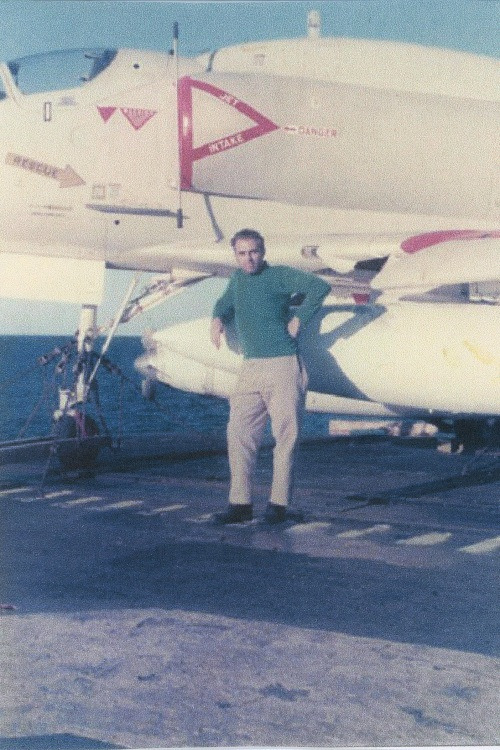


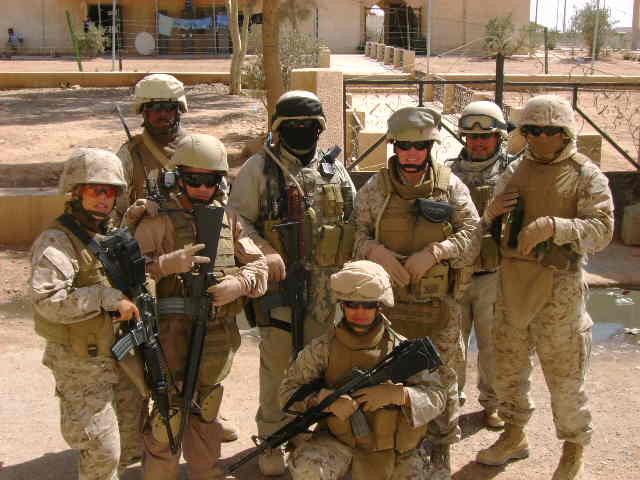

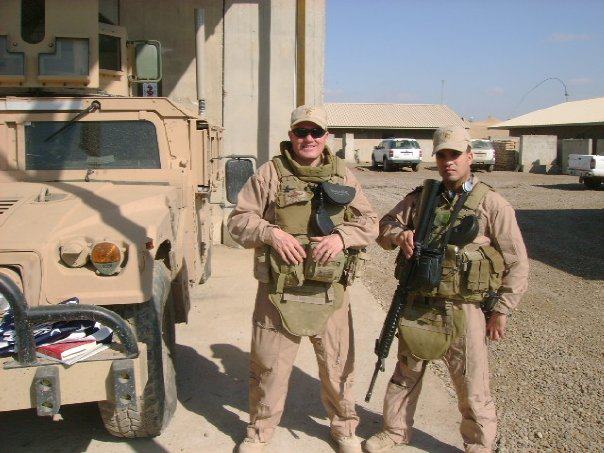
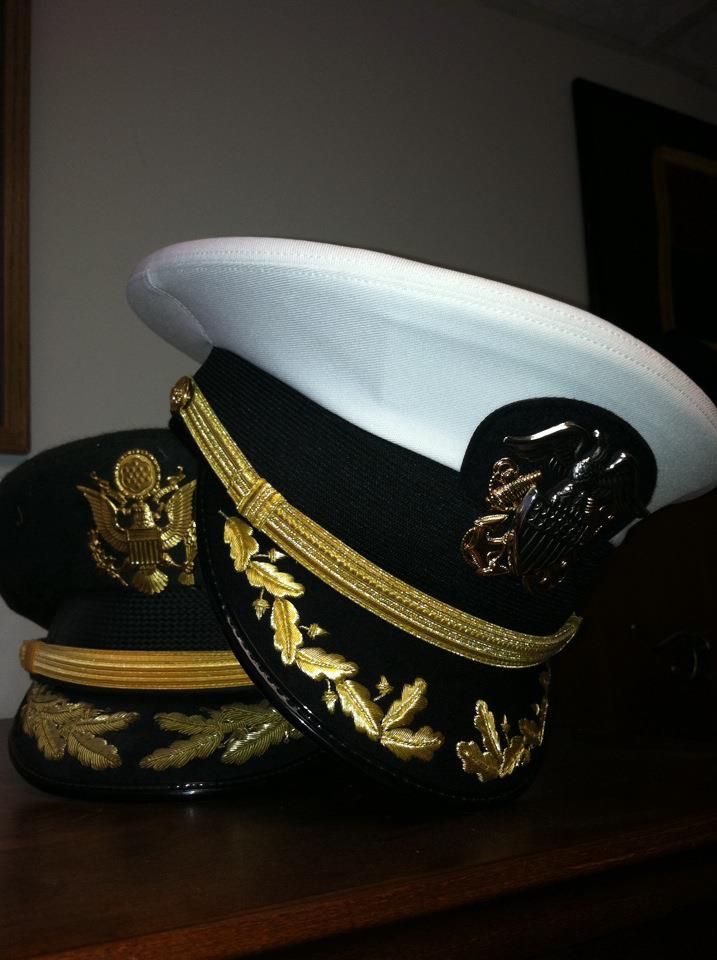
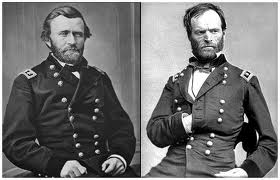


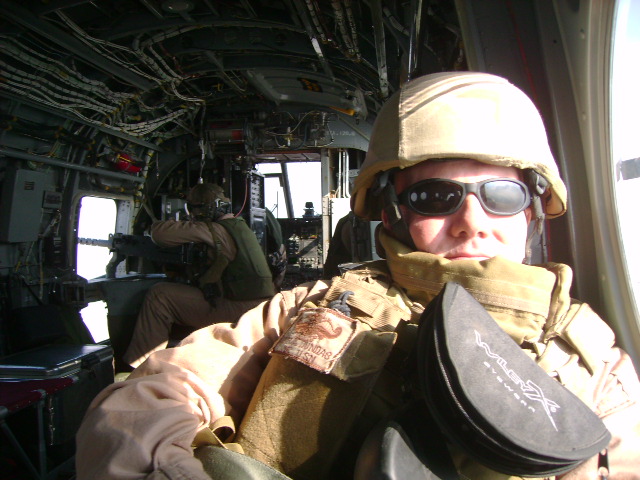
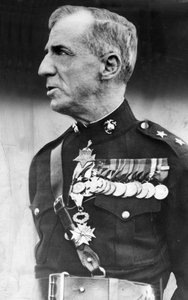
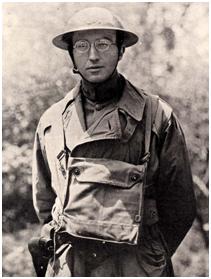
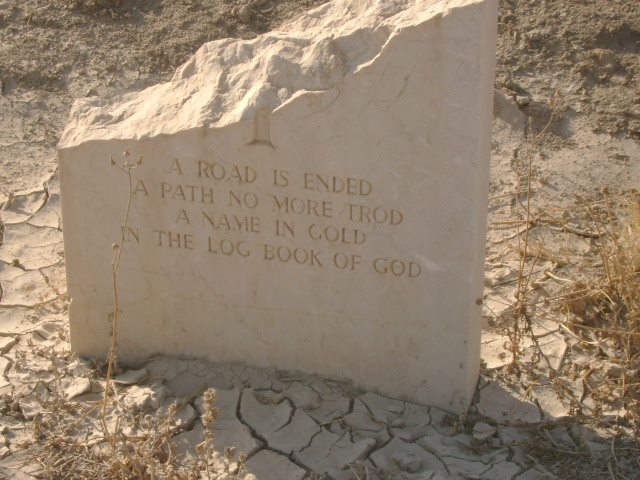


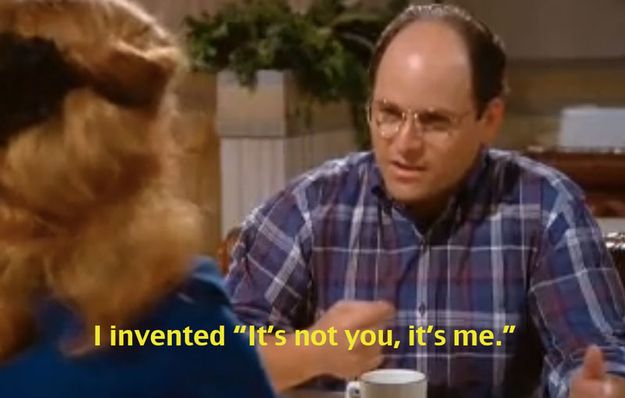
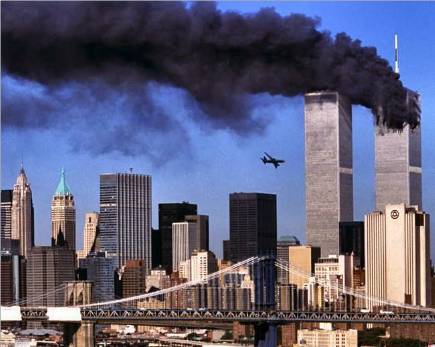



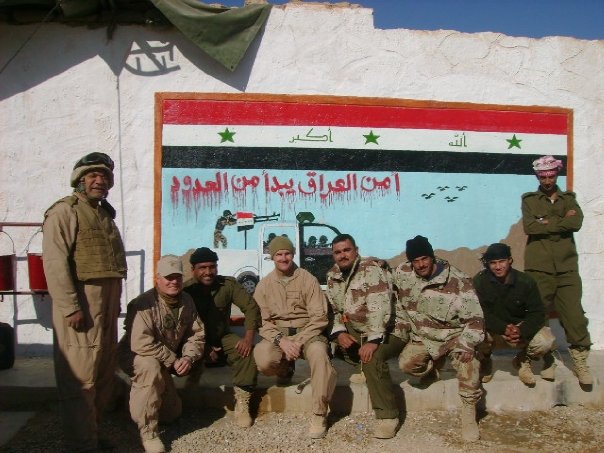
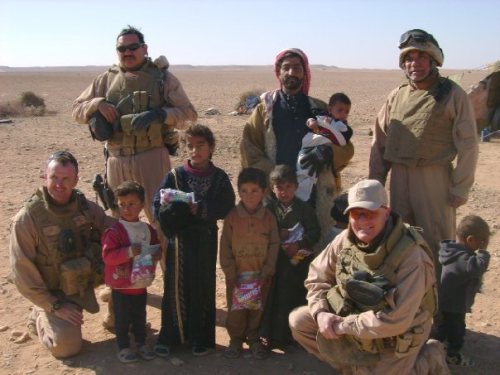

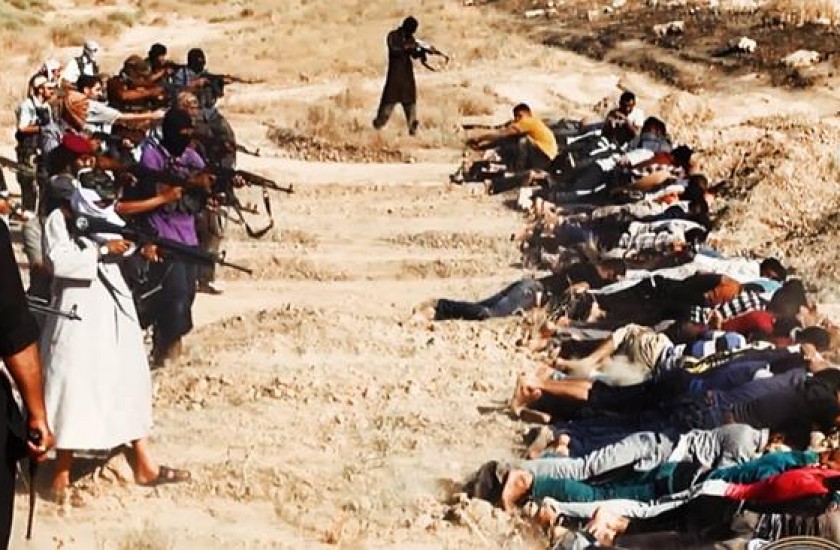

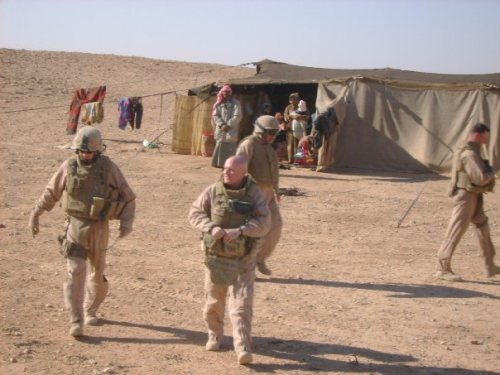

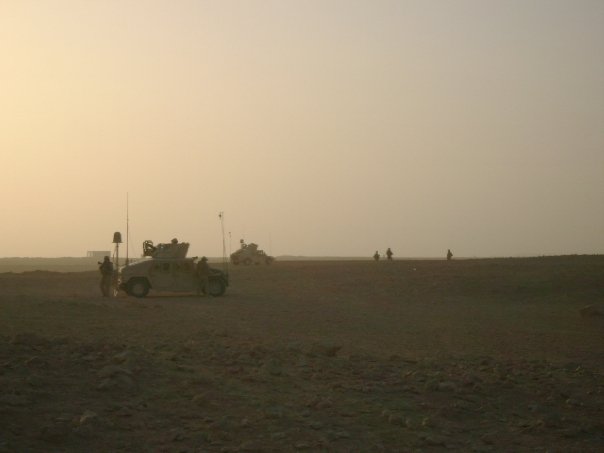

 The Inglorius Padre Steve's World