Category Archives: Foreign Policy

The Myth of Decisive Victory in Gaza

“Cure yourself of two commonly fatal delusions: the idea of victory and the idea that war can be limited.” B. H. Liddell Hart

“There is no middle path here – either the Gazans and their infrastructure are made to pay the price, or we reoccupy the entire Gaza Strip. Otherwise there will be no decisive victory.” Gilad Sharon

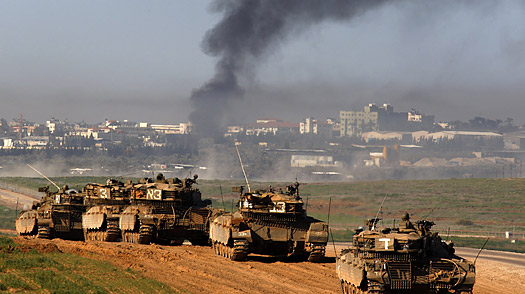
As one who supports Israel it is hard to watch its leaders falling into the trap of invading Gaza, something that they have done before without success. In the past 5 days the Israelis have blunted the attacks of Hamas militants and others operating in the Gaza Strip, killed some important Hamas military leaders and decimated much of the Hamas missile capability through air, naval and artillery strikes. It is clear that the new Iron Dome missile system has shielded the Israeli population from appreciable harm and that Hamas cannot protect the people of Gaza from Israeli attack. However, the protection of the people of Gaza is not the goal of the leaders of Hamas, their goal is to draw Israel into a war that will sap its strength by drawing its forces into Gaza.

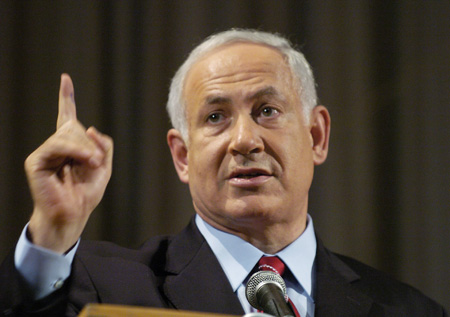
It appears that at least some leaders of Israel may oblige them. The Knesset has authorized the call up of 75,000 reservists for duty and Prime Minister Benjamin Netanyahu has stated that the Israelis are to expand the operation. This mobilization is massive by Israeli standards. It is a force that certainly will have the capability of occupying Gaza, and for a time preventing a renewed build up of Hamas’ missile forces, but it will be a force that will be unable to secure a decisive victory as Gilad Sharon believes possible.

Sun Tzu wrote: “Confront them with annihilation, and they will then survive; plunge them into a deadly situation, and they will then live. When people fall into danger, they are then able to strive for victory.”

If some kind of cease fire is not arranged soon the possibility that the conflict could expand is very real. It is also likely that an expansion of the conflict beyond Gaza could be tremendously harmful to Israel and the region. The real possibility that the emotions of war could draw Egypt into the conflict, regardless of that nation’s need for stability is something that cannot be discounted, especially with the Moslem Brotherhood now in control of the government. The even greater threat is that Iran could use other surrogates in Lebanon and Syria to attack Israel and draw the Israelis into a direct attack on Iran.

The emotions of war and those people who have been humiliated by military defeat after defeat are not rational. Peoples who endure defeat after defeat at the hands of any nation only to want to exact revenge on those that they believe are their oppressors. We in the “Christian” West should understand this, it is the history of Europe.

Israel’s operations in Gaza may be successful in the short term, but should they decide to invade Gaza they will invite even more desire for revenge throughout the region. A ground invasion will also cede Israel’s position as the victim of Hamas attacks in much of the world, especially since any invasion will be accompanied by many civilian deaths in a built up area that is already poverty stricken and war torn.

It is not a good situation. One hopes that the conflict can be curtailed before it spreads and becomes a regional war of incalculable costs in terms of lives and treasure.

Peace

Padre Steve+

4 Comments

Filed under Foreign Policy, History, middle east, Military, national security

Remember those that Came in Peace: BLT 1/8 and the Bombing of the Beirut Barracks

In the early hours of October 23rd 1983 I was awake. I could not sleep. I was a new Army 2nd Lieutenant attending the Junior Officer Maintenance Course at Ft Knox Kentucky following the completion of the Medical Service Corps Officer Basic Course enroute to my first assignment in Germany.


I had gone out with friends earlier in the evening. Since Ft Knox was located in a dry county we made a trip up to a restaurant in Louisville followed by a trip to a bar and dance club for drinks. All of us that went were either newly married or engaged and none of our wives or soon to be wives were there we were on good behavior. After a dinner and a few drinks we went back to Knox, each to our own quarters.


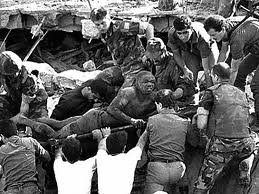
It was late and since I couldn’t get to sleep I turned on CNN, which at the time was a rather new thing in news. I think that it was about 2AM that CNN broke in with the news that the Marine Barracks had been bombed. As the day developed the extent of the catastrophe became apparent, the barracks was destroyed and 241 Marines, Sailors and Soldiers were dead, with another 60 wounded. It was the worst single day loss suffered by the Marines since the Battle of Iwo Jima.

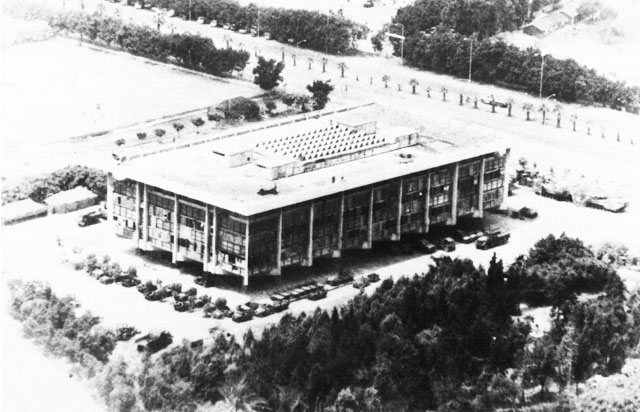
Battalion Landing Team 1/8, built around the 1st Battalion 8th Marines had been assigned as part of the UN Peacekeeping Force following the Israeli invasion of Lebanon. The BLT was billeted at the Beirut International Airport and at 0620 a truck driven by a suicide bomber containing explosives equivalent of over 12,000 lbs of explosives blew it up in the lobby of the building. Rules of Engagement prevented the few sentries on duty from engaging the vehicle until it had already crashed through the barbed wire and was lodged in the building.  The explosion blew out the support structure of the building and caused it to pancake upon itself trapping those inside. About 2 minutes after the attack French Paratroopers of the 1st Parachute Chasseur Regiment were hit by a truck bomb at their barracks about 6 km away. 58 French Paras were killed and many more wounded in an attack that caused more casualties in a single day since the French campaign in Algeria.

In the days and weeks following the attack a series of minor American and French airstrikes and Naval gunfire attacks were launched with little effect. President Reagan withdrew the Marines and the UN and French also withdrew their force. The attacks and the limited response gave the Iranian backed Hezbollah militia new swagger and respect. Hezbollah is now one of the most deadly opponents of the United States, Israel and the West.

Fast forward. In January 2000 I am a relatively new Navy Chaplain and get no notice orders transferring me from the Second Combat Engineer Battalion of 2nd Marine Division at Camp LeJeune NC to the 1st Battalion 8th Marine Regiment as a “relief pitcher” when their chaplain was removed from his duties. On a wall of the HQ building at Camp LeJeune was a mural drawn by Marines which honored their predecessors who died in the bombing. In the 5 months that I was with the battalion before going on to  another battalion as a “relief pitcher” I got to appreciate the sacrifice of the Marines, Navy Hospital Corpsmen and 6 attached Army Soldiers. Today I serve at the Naval Hospital Camp LeJeune. The Marines of the Fleet Marine Force are part of who I am. I am proud to have served with both the 1st Battalion and 3rd Battalion of the 8th Marine Regiment.

At Camp LeJeune there is a memorial every year at the Beirut Memorial. Many veterans , survivors of the attacks and relatives of the fallen attend. I was not able to attend this year but remember attending it in 2001, nit long after the 9-11 attacks. There are 241 trees , one for each of the fallen planted along Carolina Highway 24 outside of Camp LeJeune.

The Beirut expedition showed the limitations of military power as well as the wisdom of President Reagan and Secretary of Defense Casper Weinburger not to get even more involved in another country’s civil war. The decision to withdraw was prudent, especially since the Cold War was reaching its apex and the Soviets were deeply involved in Afghanistan and the Iran of Ayatollah Khomeini was becoming more bellicose. The sad thing is that we did not realize those limits before the bombing nor had given the commanders on the ground rules of engagement that might have prevented the bombing. Instead the military chain of command was blamed for the loss and the politicians that orchestrated the intervention got off scott free.

Let us not forget the sacrifice of those 241 American Marines, Sailors and Soldiers and the 58 French troops who died in those attacks 29 years ago.

Peace

Padre Steve+

4 Comments

Filed under Foreign Policy, History, middle east, Military, national security

Senate Joint Resolution 41: The Blank Cheque of 2012

“The Emperor Francis Joseph may, however, rest assured that His Majesty will faithfully stand by Austria-Hungary, as is required by the obligations of his alliance and of his ancient friendship.” Telegram from German Imperial Chancellor Bethmann-Hollweg to Austrian Government 

It seems like it is a rare occasion when either the House or Senate combine to pass any sort of bi-partisan measure. One wishes that when they did that it would be something actually that would benefit the people of the United States. However in recent times it seems that the only time that the Senate or House can agree on anything is when they vote to raise their pay or give their blessing to a new war, of course without actually going on record as declaring war.

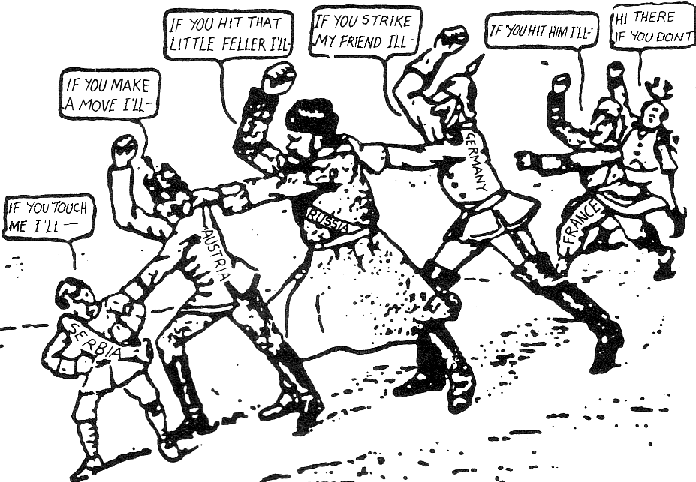
In July of 1914 the Austro-Hungarian Empire sought German backing to go to war against Serbia for the assassination of Archduke Franz Ferdinand. The Balkans were boiling over. The Austrians felt that the chaos in the Balkans was an existential threat to their already fragile empire and aimed to shore up their position by crushing Serbia. However, since the Russian Empire supported the Serbs and was a direct threat to exposed areas of the Austrian empire in what is now Poland the Austrians sought a guarantee of German support for their action.

The Germans made the decision to support Austria knowing that if they did that it was likely that war with Russia, and probably France and Britain would ensue. Austria despite its limitations was Germany’s only real ally in Europe. By a series of diplomatic blunders Kaiser Wilhelm II managed to undo all of Otto Von Bismarck’s diplomacy following the German unification. He scuttled the treaty of friendship that the Bismarck and Kaiser Wilhelm I had with Russia and built a Navy that threatened Britain’s interests both against the protests of Bismarck. As Wilhelm’s Germany became more isolated the more it prepared for war and many of its military and political leaders felt that war was not only inevitable but desirable before Germany’s enemies, especially Russia became more powerful.

Now with war threatening Germany was isolated and decided to support the Austrians believing that even if war came that they would emerge victorious. It was a decision that would be fatal for the German Empire as well as the Austro-Hungarian Empire.

This week as the situation between Israel and Iran has continued to deteriorate with most experts believing that it is only a matter of time before Israel will launch a pre-emptive strike on Iran’s emerging nuclear weapons capability. Leaders of Iran and Israel have continued to escalate rhetoric as well as conduct clandestine operations against each other. Iran has been isolated by the west and by much of the Sunni Moslem world, particularly Saudi Arabia and the Gulf States. It believes that the west and the heretical Sunni’s desire the overthrow of its theocratic regime. Israel sees Iran’s possession of nuclear weapons as an existential threat and also faces local border conflicts with Hamas and Hezbollah. Israel now has to deal with the threat posed by Egypt which is now led by the Muslim Brotherhood.

Israel’s leaders, especially Prime Minister Benjamin Netanyahu feel that time is very short before Iran reaches the stage where it can produce nuclear weapons. The United States, the European Union and the United Nations have also opposed the development of such weapons by Iran and instituted ever tougher economic sanctions but those nations and entities feel that more time is needed for sanctions to take effect.

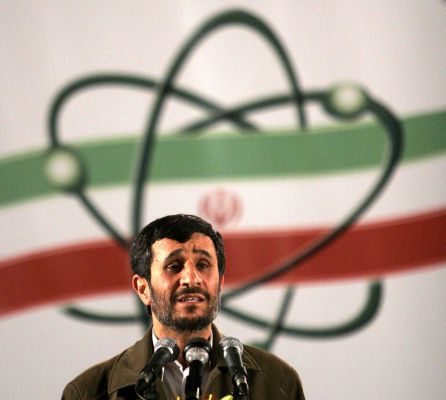
Likewise the leaders of Iran including President Mahmoud Ahmadinejad, Supreme Leader Ali Khamenei and leaders of Iran’s Revolutionary Guards frequently talk of war with Israel which would lead to the destruction of the Jewish State. In light of Iran’s support for Hizbollah and involvement in the Syrian civil war Israel takes Iran’s threats seriously.

The tensions continue to increase and many believe that Israel could strike in the very near future the United States Senate in a rare moment of bi-partisanship the Senate passed what amounts to a “Blank Cheque” to Israel or the President to take action against Iran. In a vote Friday it passed Senate Joint Resolution 41 by a vote of 90-1. Amid all the domestic political jockeying, economic problems and yes the football season most people didn’t even know the vote occurred. The Senate voted it on the Friday that they recessed until after the November elections. The resolution stated that the Senate:

“strongly supports United States policy to prevent the Government of the Islamic Republic of Iran from acquiring a nuclear weapons capability;

rejects any United States policy that would rely on efforts to contain a nuclear weapons-capable Iran; and

joins the President in ruling out any policy that would rely on containment as an option in response to the Iranian nuclear threat.”  http://thomas.loc.gov/cgi-bin/query/D?c112:2:./temp/~c1126dTHw8::

The lone vote of dissent was cast by Kentucky Republican Senator Rand Paul who said: “A vote for this resolution is a vote for the concept of preemptive war.”

The resolution in effect rules out and shackles any President using any form of diplomacy to deter Iran. Should Iran gain a nuclear capacity it effectively negates any form of deterrence, diplomacy or containment options other than war to stop Iran. In effect it gives the blessing of the Senate to either Israeli or American preventive war against Iran. The resolution is similar in this instance to the guarantee of Germany to Austria in 1914.

At this point I doubt that there is anything that will stop a war from happening. Too much has been invested by too many governments in ensuring that it will happen to stop it. Regardless of who is President of the United States Iran will continue its course until Israel strikes. When that happens all bets are off.

It will be a war designed to prevent a war but it will trigger events that will go well beyond a conflict between Iran and Israel. Others will be pulled in, the United States, NATO, the Gulf States, possibly Syria, Iraq, Pakistan and even Egypt. American and NATO forces in Afghanistan will be in great danger.

One would hope that we would learn from the mistakes of others. The great Otto Von Bismarck commented said “preventive war is like committing suicide out of fear of death.” Obviously we haven’t learned anything.

Pray for Peace

Padre Steve+


2 Comments

Filed under Foreign Policy, middle east, national security, News and current events

The Gathering Storm: Shades of 1914 as War Threatens in the Middle East

Israeli Navy Dolphin Class Submarine

“The world tells Israel ‘Wait, there’s still time.’ And I say, ‘Wait for what? Wait until when?’” Benjamin Netanyahu 

The question is not if but when. The tensions between Iran and Israel continue to boil over even as the rest of the Middle East begins to melt down.

Last week on the 11th anniversary of the September 11th attacks Al Qaeda backed forces attack the US Consulate in Benghazi Libya killing Ambassador Christopher Stevens and three others. Militants in Egypt laid siege to the US Embassy while newly elected Egyptian President and Moslem Brotherhood leader Mohammed Morsi dithered torn between his party ideology and the pragmatic reality of the dependency of Egypt on the United States for military and economic assistance. Throughout the region from Tunisia to Indonesia protests, some marked by violence broke out at United States and other Western nations diplomatic outposts.

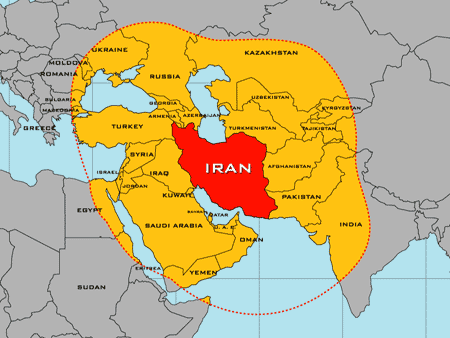
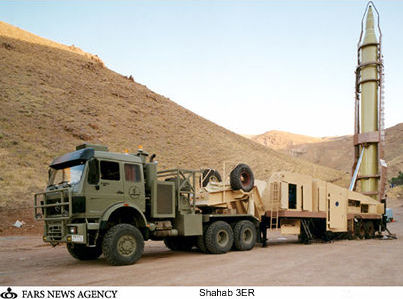
Shahab III Missile Ranges

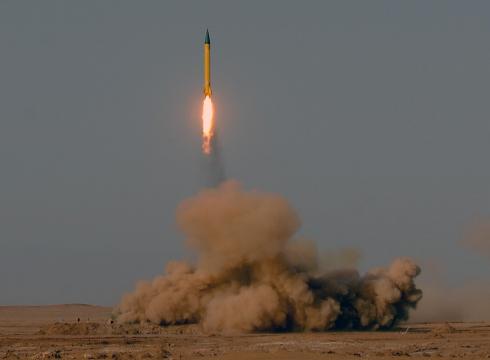
The Iranians and their Hezbollah allies have repeatedly threatened Israel with destruction and have improved their missile forces significantly ever the past number of years even without nuclear weapons. Prime Minister Benjamin Netanyahu is demanding the United States and the west set “Red Lines” regarding the Iranian nuclear program that would trigger an automatic attack on Iran by the United States.

Like the First World War the tensions, provocations and rhetoric increase even as military forces mobilize and gather in the region. Iran is preparing for massive military exercises involving land, air defense and ballistic missile units from the Iranian military and Revolutionary Guards to begin in October.  Iran admitted this weekend that forces from their Revolutionary Guards are currently operating in Syria placing them in position to directly engage Israeli forces in the event of conflict.

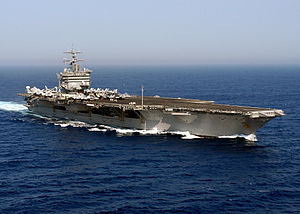
By October the United States will have three Carrier Strike Groups, the USS Enterprise, USS Dwight D. Eisenhower and USS John C Stennis and an Expeditionary Strike Group with an embarked Marine Expeditionary Unit in the region. Additionally warships from more than 25 countries are gathering for exercises designed to counter any blockade of the strategic Straits of Hormuz by Iran. Other ships, including the French Aircraft Carrier Charles DeGaulle battle group and the British HMS Illustrious  “Response Task Forces Group” are in the Eastern Mediterranean and could be in the region within a week. US Navy submarines, both attack and ballistic missile are never far from a threatened area. US Air Force  Fighter Squadrons have been reinforced and it is certain that strategic air force units of B-2, B-52 and B-1 bombers are certainly deployed where they can respond as needed. The build up by all sides is unprecedented.

The countries of the region are on hair trigger alert. Any act, intentional or unintentional by any party could trigger a war that would most certainly bring great destruction to the region but would likely sink the global economy and spread around the world through acts of terror and revolutionary violence.

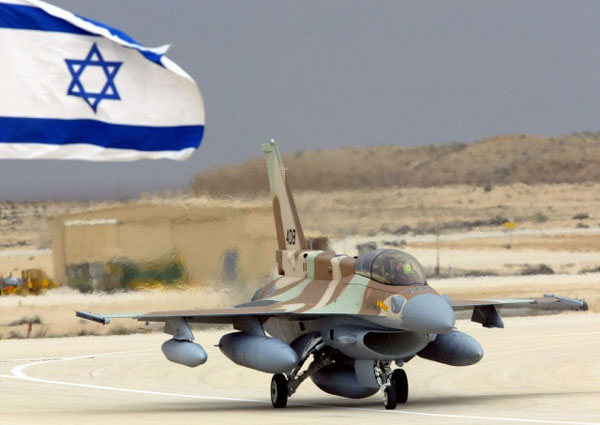
Numerous reports and Israel government official statements indicate that Israel is ready, to strike Iran, if need be alone to prevent what they believe is an existential threat to Israel. While some believe that any Israeli attack on Iran would be precision strikes aimed at Iran’s nuclear program and ballistic missiles sites. However, most experts believe that an Israeli strike would at best set back the Iranian nuclear weapons program a couple of years and trigger a regional war with very unpredictable outcomes. If the Israeli strike is conventional in nature the Iranians will strike back against Israel, as well as US targets in the region. The US would certainly respond but any war would affect the region and the world economy as oil prices would rise exponentially.

With that in mind it is possible that the Israelis fearing the existential threat of Iranian nukes might use their nuclear forces in a first strike role.

Most experts believe that the Israelis would only use nuclear weapons in a retaliatory “second strike” capacity. The reasoning is that the first use of nuclear weapons by Israel would be against their national interests. That is logical but history is replete with times that nations have acted in ways contrary to logic because the action is deemed “necessary.” It is the same logic that said that the Germans would not violate Belgian neutrality in 1914 knowing that such an action would trigger British intervention on the side of France and Russia. It was believed by most that “the Germans are dangerous but they are not maniacs….” The Germans faced war on more than one front and felt that they had to deliver a swift blow to knock France out of the war in order to defeat Russia. It was a risk that they were willing to take and one which helped lose them the war and set about a series of events that made the 20th Century the bloodiest in human history.

In the current situation many in Israeli leadership may view the use of nuclear weapons to stop an existential threat as a legitimate use of the weapons. Israel does face real threats and those threats are increasing as Iran increases in strength and no longer has traditional rival Iraq to worry about. Likewise the instability of Egypt and the anti-Israeli animus of the Moslem Brotherhood which now leads Egypt has increased the real and perceived threat from that country. An Egypt openly hostile to Israel armed to the teeth with advanced American weapons is a dagger pointed at the heart of Israel. Israel’s leaders may be willing to suffer international condemnation in order eliminate what they consider an existential Iranian threat to ensure their survival and ability to defend against Egypt as well as conventional and unconventional Hizbollah forces operating out of Lebanon and those of Hamas in Gaza.

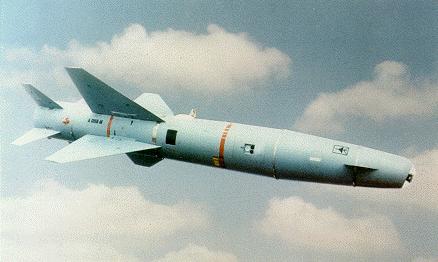
If they were to use nuclear weapons the primary delivery system in such a strike would most likely be Dolphin Class submarines armed with nuclear capable Popeye cruise missiles. These missiles have a 1500 km range and while the missiles could be used in a conventional strike their utility would be limited to precision strikes against unfortified headquarters buildings housing Iranian leadership, or command and control facilities. The numbers of Popeye missiles the Dolphins carry is limited since the majority of Iranian nuclear sites are hardened facilities or deep underground their use against them in a conventional manner would be a waste.

The threat to United States and NATO forces in Afghanistan is great if a broader war erupts. US and NATO forces, already fighting an increasing Taliban insurgency are for all practical purposes surrounded if a war spreads and Pakistan shuts down the southern supply route. Even this week Taliban insurgents scored a victory successfully attacking the strongly fortified joint US Marine and British base Camp Leatherneck-Camp Bastion destroying 6 AV-8B Harrier jets on the ground, damaging more aircraft, valuable hangers and support facilities while killing 2 Marines. A war with Iran would threaten to turn Afghanistan into a trap for nearly 100,000 US and NATO coalition troops.

It could as Barbara Tuchman said of the the Germans of 1914 that the Israelis have “staked everything on decisive battle in the image of Hannibal….” but that the ghost of Hannibal might have reminded the Germans and the Israelis that though Hannibal and “Carthage won at Cannae, Rome won the war.” In mid May and early June of 1914 even before the assassination of Franz Ferdinand Field Marshal Von Molkte and others felt that the scales were tipping against them. He told his Austrian counterpart Field Marshal Conrad Von Hotzendorf that “from now on ‘any adjournment will have the effect of diminishing our chances of success.’” On June 1st Von Molkte said to Baron Eckhardstein,“We are ready, and the sooner the better for us.”

The storm clouds of war are thickening and darkness hovers as the storm gathers. In 1914 the politicians, diplomats and soldiers that realized war would be disastrous were a minority in their respective governments and their warnings went unheeded. In 1914 “war pressed against every frontier. Suddenly dismayed, governments struggled and twisted to fend it off. It was no use….” As the sun set and the lamps of London were lit on August 4th 1914 Sir Edward Grey said to a friend “The lamps are going out all over Europe; we shall not see them lit again in our lifetime.” It is as if we are watching the same drama play out in the Middle East now.

Peace

Padre Steve+


3 Comments

Filed under Foreign Policy, middle east, Military, national security, News and current events

Padre Steve Remembers 9-11 and the Forgotten War

It has been nearly eleven years since that fateful Tuesday when the world changed.

I can still remember it like it was yesterday despite the intervening years.

I was in my office at Camp LeJeune where I was serving as Chaplain for Headquarters Battalion 2nd Marine Division. I had just finished an early morning counseling case and had delayed my early morning PT in order to handle the case and after I checked e-mail I was about to close my internet browser when I saw a small headline on the Yahoo News headline section.

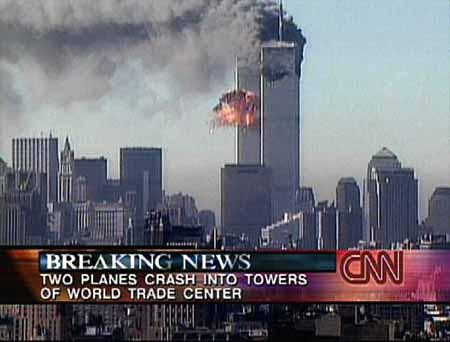
The headline simply read “Plane crashes into World Trade Center Building.” My immediate thought was “some dumb ass flew his Cessna into the building.” I simply thought that some inexperienced pilot had gotten lost and crashed his plane into a tower. Thinking nothing more I closed out the page and left the office. It was 0900.

I got in my car and the radio was tuned in to a local right-wing talk radio station, yes I used to listen to it all the time. The talk show host was former Congressman Bob Dornan. He was talking with someone about what kind of aircraft had struck the building when he shouted “oh my God another plane has crashed into the other tower!”
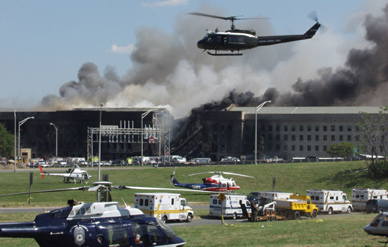
I was stunned. I knew that it had to be terrorism. I drove to the gym since they had multiple televisions and I figured that I could find out more there. I walked in and saw Marines, Sailors and civilians gathered around the sets. Every TV was tuned in to different news programs, CNN, Fox News, MSNBC as well as shows such as the Today Show and Good Morning America. Some whispered to each other but the silence of most was deafening. I remained a few minutes, transfixed by the images on the set. I then left the gym, got in my car and went back to the office where I showered, got into uniform, made a check of the news which was now reporting a strike on the Pentagon and the collapse of the South Tower of the WTC.

I drove to our battalion command post where I met with our Commanding Officer, Colonel Lake and Executive Officer Major Foster. We all knew that this was the beginning of a war and all of us had been through countless instances where we had been notified to get ready to deploy, most recently during the Kosovo action where Marines were to take a lead roll had the Serbians not backed down. While we talked the North Tower of the WTC collapsed. The emotions on everyone’s face showed, it was hard to believe that so much had happened and the great towers were smoldering heaps of rubble with possibly tens of thousands of victims crushed or incinerated in the ruins. I was instructed to get my gear and be back for a staff meeting as Colonel Lake was heading to division to meet with the Staff of 2nd Marine Division.

I made a quick run to my town home, hugged the dogs since Judy was out and grabbed my gear and some extra uniforms and underwear and headed back into the base through the back gate. I deposited my gear in my office and went around the building so see our Marines and Sailors assigned to our Truck Company, MP Company, Medical Company and Headquarters Company and all were waiting for more word, most gathered around televisions and watching breaking news. Some came to me and asked what it meant and expressed concern for families and friends in the affected locations. Then I went back to our headquarters where we heard from Colonel Lake what was known and what our actions would be. We were placed on high alert, patrols by full combat ready Marines were to patrol vulnerable areas of the base while roadblocks and checkpoints were established near every major headquarters aboard the base. The base was also locked down and only Marines, Sailors or Civilian workers returning to work were allowed aboard.

Later in the day I met with the chaplains who served our independent battalions, 2nd Combat Engineer Battalion, 2nd Light Armored Reconnaissance Battalion, 2nd Recon Battalion and 2nd Tank Battalion. I explained what I knew from my meetings with the Division Chaplain and Battalion Commander. We concluded our meeting with prayer for the victims of the attacks, the responders and for our Marines and Sailors.
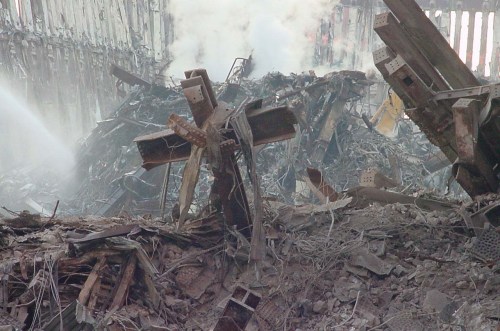
It was both grim and surreal as the day passed and night fell. We remained in that condition four days. Meals were served at the Chow Hall, MRE’s issued and we went everywhere in full combat gear. I visited Marines at their guard posts during the night and worked counseling those who were concerned about family members or friends. They did so for good reason as nearly 3000 people were killed in the WTC, Pentagon and aboard the four hijacked aircraft.

Within a month U.S. Forces were engaged in combat in Afghanistan, driving the Taliban from power and sending Osama Bin Laden and Al Qaeda into hiding. Various units of the division were deployed to Afghanistan and the Horn of Africa over the coming weeks and months and even as we did so rumors circulated about Iraq.

I knew that the war would not be the short war that everyone hoped for and within 6 months I would be deployed with the USS Hue City and the USS John F Kennedy Carrier Strike Group to the Arabian Gulf, Horn of Africa and Gulf of Oman.  We would take part in maritime interception operations off the Horn of Africa and in the Arabian Gulf where we took part in the UN Oil Embargo on Iraqi smugglers.
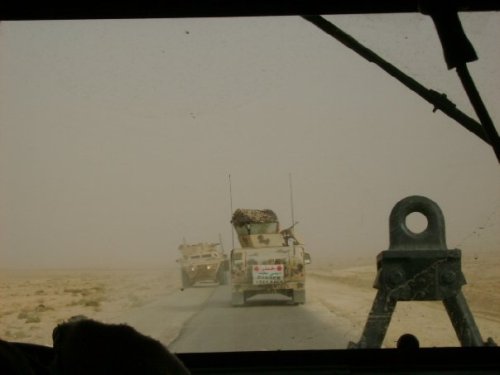
I would travel to the Middle East frequently over the coming years supporting Marines from the Marine Security Force Battalion and later deploy to Iraq from EOD Group Two. I have lost friends and see the effects of the war every day at Camp LeJeune.

Osama Bin Laden is now dead, and it has been 11 long years of war. However it has been a war that for the most part has not been a national effort. After 9-11 the nation was not called to sacrifice, it was told by political leaders to “go shopping.” The brave men and women of our military and their families have made incredible sacrifices over the past 11 years. 2024 have died in Afghanistan while 4486 died in Iraq before the withdraw of US forces in December 2011. Another 32,223 were wounded in Iraq while 15,332 have been wounded in Afghanistan. These numbers do not count American contractors, State Department, CIA, FBI or other law enforcement agencies.
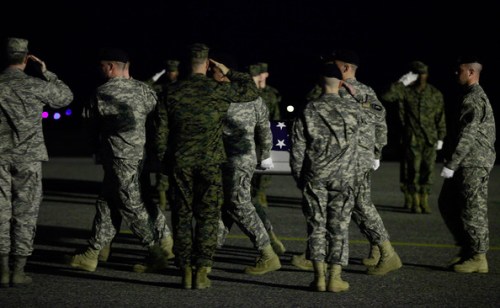
They also do not count the thousands afflicted by PTSD or other illnesses contracted in the combat zone, nor does it count the large number of Iraq and Afghanistan veterans who have taken their lives on active duty or following their discharge or retirement. Then there are the lives of over 1500 coalition soldiers, mostly British, Canadians and Australians who have given their lives in these wars. Finally there are the hundreds of thousands of Iraqis and Afghan civilians who have died or suffered injury or have been dislocated or exiled as a result of the wars.

Then there is the economic cost which amounts to trillions of dollars for both wars which have been funded by borrowing against our economic future.

Despite this for most Americans the war in Afghanistan is unpopular, little understood and distant, far from daily life. This is backed by polling data and by words of some politicians of both major political parties, in every major poll over 60% of Americans say that the war in Afghanistan is not worth the cost and needs to end.

One of the most glaring examples of how political leaders think about Afghanistan, but certainly not the only one is Republican Presidential nominee Mitt Romney. Romney did not mention either Iraq or Afghanistan in his acceptance speech at the Republican National Convention, although he did mention “strengthening the military.” He explained it later in an interview by saying to Fox News anchor Brett Baier “When you give a speech you don’t go through a laundry list, you talk about the things that you think are important….”

The sad fact is that no matter why Romney left out any mention of an ongoing war out of his speech that his words “you talk about the things that you think are important” are indicative not only of him but the majority of Americans. The reality is that Romney and most Americans have no personal connection with the war or the military. The war has been fought by a relatively small professional military that represents less than one percent of the population. Marine Lieutenant General John Kelly who lost his son, a Marine Lieutenant in Afghanistan noted at the 2012 American Legion national convention:

“America as a whole today is certainly not at war, not as a country, not as a people… Only a tiny fraction of American families fear all day and every day a knock at the door that will shatter their lives….” 
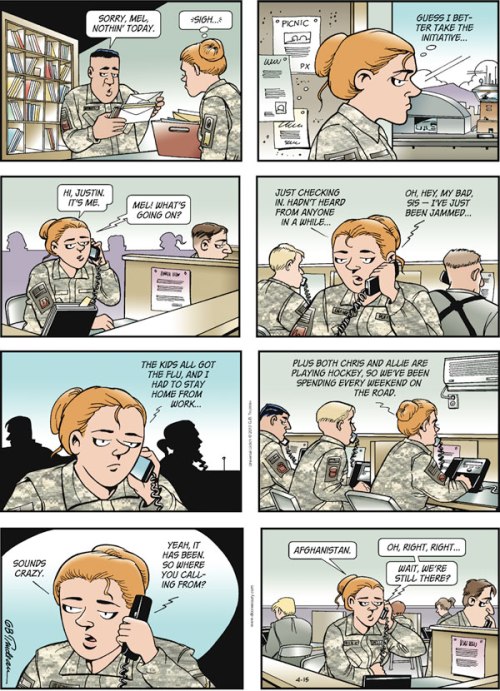
This Tuesday we will reflect on something called Patriot’s Day and pause to remember the events of that bloody Tuesday of September 11th 2001. I hope, probably in vain that the American people and their leaders will do more than mouth a few words, talk about how terrible the day was and go back to business as usual. I hope, probably again in vain that Americans will wake up to the fact that tens of thousands of Americans are in harm’s way and that even more and probably more terrible wars loom just over the horizon.

I have no idea what it will take to actually engage the vast bulk of the American population that what happens in Afghanistan is still important. Nor do I think that most people have any idea that a war with Iran could be disastrous for US and coalition forces fighting in Afghanistan.

It is odd to think that we can think about 9-11 and then ignore the subsequent wars the way that we have done. I really don’t.

Peace

Padre Steve+


4 Comments

Filed under Foreign Policy, History, iraq,afghanistan, News and current events

The Afghanistan Quagmire and the Escalation of “Green on Blue” Attacks

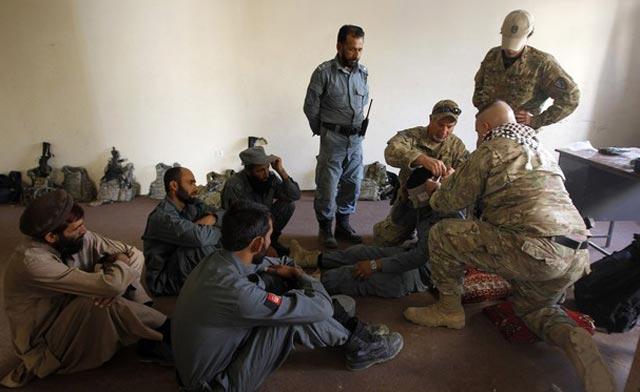
US Army Advisors training Afghan Police

We have forgotten what it is to be wise when it comes to foreign policy and have over the past ten years failed to learn from history when it comes to fighting in Afghanistan. A survivor of the horrific disaster that befell the British in the First Anglo-Afghan War, Chaplain G.R. Gleig wrote after that war:

“a war begun for no wise purpose, carried on with a strange mixture of rashness and timidity, brought to a close after suffering and disaster, without much glory attached either to the government which directed, or the great body of troops which waged it. Not one benefit, political or military, was acquired with this war. Our eventual evacuation of the country resembled the retreat of an army defeated.” 

This week has been another particularly horrific week for American troops in Afghanistan with our Afghan “partners” killing more Americans and NATO troops than our Taliban enemies. This week the command element of a combat brigade was attacked by a suicide bomber while going to a meeting with tribal leaders in Kunar province killing the Brigade Command Sergeant Major and two Majors from the Brigade staff. In a separate incident in Helmand Province three Marines were killed by a man described by an unnamed source to Reuters News as a Afghan National Police commander in charge of local police in Sangin district. They were at dinner with the Afghan when attacked. In a third attack a Afghan worker on an American base in Helmand killed three more Marines.

So far this year there have been at least 22 attacks by Afghan soldiers or police on US or NATO troops killing 33. In 2011 there were just 11 such attacks and 20 deaths. Any student of history should know that a foreign occupation force will never be accepted by most Afghans, especially tribal chieftains or elders. For them alliances with occupiers are only temporary measures to advance their own standing and power in Afghanistan. The British and Soviets both learned this the hard way and we seem to have forgotten the maxim that it is better to learn from the mistakes of others than make them yourself.

If there ever was a purpose to the Afghanistan campaign we seem to have forgotten it. We are in the process of withdraw. There is a danger inherent in any withdraw, especially in a geographically isolated place like Afghanistan. As we decrease in number and have fewer forces available to conduct operations our “partners” will make new alliances and turn against the forces that remain.

However we do not have the strategic or operational flexibility to send the number of troops needed to succeed in completely pacifying the country so we are in a double bind. The war saps our military strength, degrades our ground forces and pours money into an operation that we neither have, but need in order to modernize and strengthen forces for the wars that will certainly follow Afghanistan.

Soviet Advisors and Afghan Officers

The British met with debacle in the First Anglo-Afghan War and the Soviets were saved from disaster by a smartly executed withdraw that did not leave many forces exposed to Afghan treachery. British leaders were especially deceived by their Afghan partners. Shortly before his murder at the hands of Afghan tribal elders who had supposedly agreed to protect withdrawing British forces and their camp followers, British envoy Sir William MacNaghten wrote: “We shall part with the Afghans as friends, and I feel satisfied that any government which may be established hereafter will always be disposed to cultivate a good understanding with us.” 

The Soviets had no such illusions after their advisers in Herat were attacked with great loss before the 1979 invasion. They had their “green on blue” incidents but exacted painful and brutal retaliation. They also kept Afghan security forces at arms distance neither trusting them or allowing them much access to their bases. Unlike Iraq where green on blue incidents were isolated the situation in Afghanistan is little changed from when the Soviets or the British occupied the country.

“The latter [Soviet military advisors] served in particularly daunting conditions. They faced difference of language and tradition as well as mujahadeen infiltration in the ranks of supposedly loyal Afghan troops….” (Kalinovsky, Artemy: The Blind Leading the Blind: Soviet Advisors, Counter-Insurgency and Nation-Building in Afghanistan, p.6)

American and NATO political leaders are deceiving themselves if they believe that whatever Afghan government that comes after we withdraw will be friendly. It will not be and when we leave the unfortunate thing is that the Afghans will return to doing what they always do best, fight with one another. Nothing good can now come from our involvement in Afghanistan. The often heroic and noble sacrifices of so many brave men and women will be wasted and for what gain?

Otto Von Bismarck warned to “Beware of sentimental alliances where the consciousness of good deeds is the only compensation for noble sacrifices.” The situation in Afghanistan grows more precarious with each passing day. Our “alliance” with Pakistan is problematic and all supplies going into the Afghanistan must pass through either it or Russia. Our Afghan “partners” do not deserve the title of “Allies” we have made a Faustian bargain with the notorious Karzai government that has not helped our interests or those of the Afghan people an iota.

The situation in Afghanistan grows more precarious with each passing day.With the situation in Syria deteriorating and threatening to spill over into neighboring countries, with Iran and Israel blustering as we build up forces in the Arabian Gulf we do not have the luxury of simply keeping the status quo. We have to seriously ask why we are in Afghanistan and what we hope to accomplish for the great amount of blood and treasure that we are spending there.

That question must be asked of an answered by current political leaders in this country as well as those seeking to lead the country.

Peace

Padre Steve+

5 Comments

Filed under Foreign Policy, History, iraq,afghanistan, Military, national security

Fear and Loathing in Damascus

Free Syrian Army Fighter

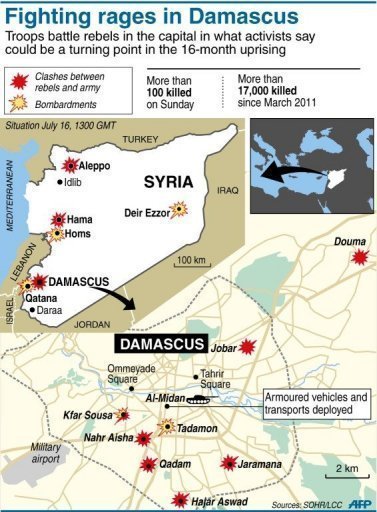
The situation in Syria continues to worsen as the battle for Damascus heats up. Syrian Dictator Bashar Assad reportedly has moved his headquarters to the Alawite Mountains as fighting rages in the Syrian capitol.   The International Red Cross has declared what most of us already believed that the conflict is a civil war and call for the United Nations to intervene under Chapter 7 of the UN Charter grow ever stronger despite the opposition of Russia and China to those calls.

In the 16 months that this fighting has been going on an estimated 10,000-15,000 Syrians have been killed. Thousands more have been wounded, many are missing and the number of refugees in Turkey has risen to roughly 120,000.  Despite the harsh repression of the Syria government, military, security and police against the opposition the opposition continues to grow in strength and is being joined by increasing numbers of senior military officers and soldiers.

Syrian Army Troops fighting in Damascus

On Wednesday the 18th after four days of sustained combat in Damascus the Free Syrian Army struck a blow at the heart of the Syrian dictatorship of Bashar Al Assad. It was a blow that no-one saw coming except the plotters. From a strategic point of view it was a brilliantly executed strike that will inspire fear among Assad’s loyalists and increase the opposition to him.

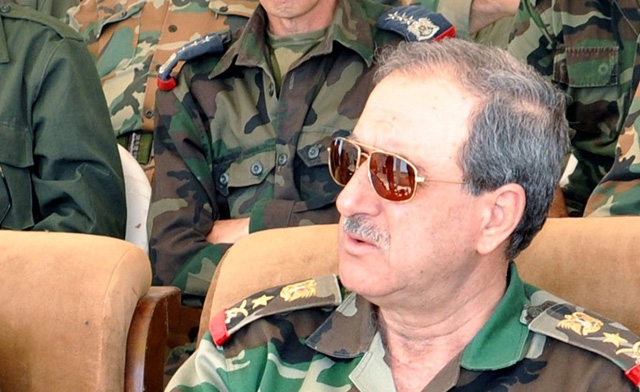
Bashar Assad and Senior Generals including Defense Minister Dawood Rajiha

Both the FSA and the Liwa al-Islam group claimed credit for a strike using a remotely detonated explosive inside the national security headquarters building in to decapitate the military and intelligence leadership of the Assad regime. Killed were Defense Minister Dawood Rajiha; and his “deputy” Asef Shawkat. Shawkat is Assad’s brother-in law and one of the regime’s most feared strongmen.

Defense Minister Dawood Rajiha; and his “deputy” Asef Shawkat (below)

Also killed was Assistant Vice President Hassan Turkmani, a former Defense Minister who served as the head of Assad’s Crisis Management Office. Syrian State TV reported that Hisham Ikhtiar, director of the National Security Bureau, and Interior Minister Mohammad Ibrahim al-Shaar, were among those hurt in the attack.  Al Arabia reported that another key official, Hafez Makhlouf, head of the investigations at the Syrian Intelligence Agency was killed in the attack.

The dead were key members of Assad’s attempt to crush the rebels and maintain his control over Syria. Rajiha was the most senior Christian in the Syrian government. Shawkat who was the husband of Assad’s sister Bushra had been Assed’s enforcer who wielded great power in Syria and with Syrian dealings in Lebanon.  AFP reports that the “Syrian Observatory for Human Rights called Shawkat’s death “a severe blow to the Syrian regime since he played the main role in operations by regular forces to crush the revolution.”

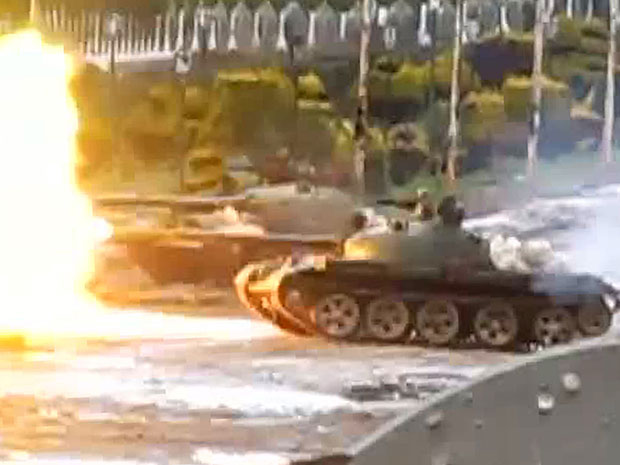
Syrian Army Tanks fire on Opposition Fighters

With the successful attack the revolution has reached a turning point. It has show the ability to strike at the heart of the Assad regime. Assad is counter-attacking but with the loss of such trusted key players his efforts, which have been a failure to date will be dealt a fatal blow. Even before the attack a number of Generals and other senior officers as well as thousands of troops have defected to the revolution. Rebels find arms and ammunition easy to come by in the corrupt Syrian government. Last week the Syrian Ambassador to Iraq Nawaf Fares defected to the rebels and claimed that he believed that Assad would use his chemical weapons against the opposition if he felt the need to do so.

Syrian Refugees in Turkey

The probable end of this is that the Assad regime will fall and a long term sectarian civil war like that that has plagued Lebanon since the 1970s will ensue. Hezbollah having lost its ally will attempt to retain power in Lebanon and influence events in Syria to their advantage, possibly attempting to gain control of Syria’s chemical weapon stockpile.

The collapse of Syria which to all before 2010 appeared to be stable by Arab standards despite fomenting problems for its neighbors will bring more instability, uncertainty and violence to the region. Expect that Assad’s loyalists among the Shite Alawite sect will be targeted for revenge by the persecuted Sunni majority. Also expect that Christianity will lose its last place of refuge in the broader Middle East as Syrian Arab Orthodox and Catholic Christians are targeted by all sides as were Iraqi Christians during the Iraq civil war and insurgency.

Peace

Padre Steve+

1 Comment

Filed under Foreign Policy, middle east, Military, national security, News and current events

The Naval Balance in the Arabian Gulf

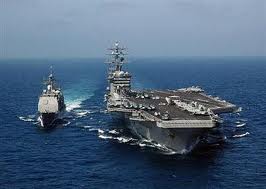
USS Eisenhower and a Ticonderoga Class Cruiser

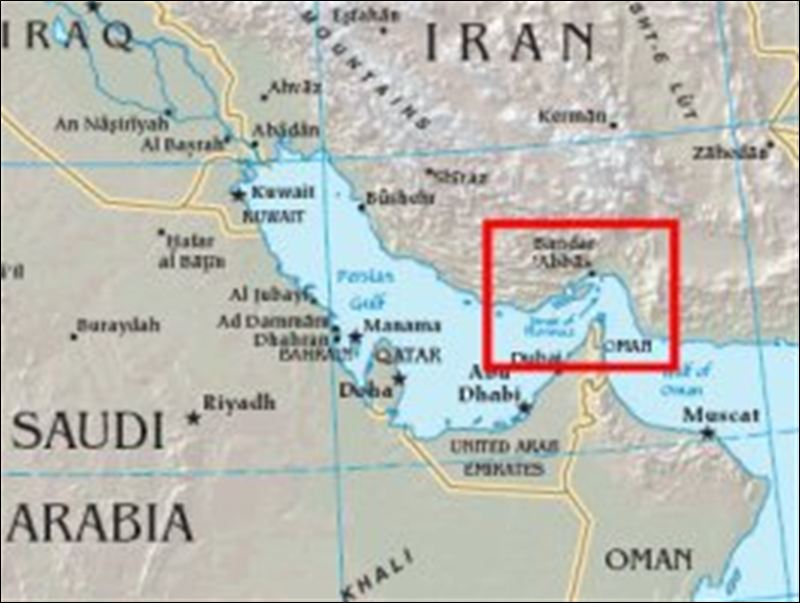
The tension in the Arabian Gulf and the Strait of Hormuz continues to build with every passing week. With the imposition of additional sanctions on Iran and its oil industry, tensions over Iran’s Nuclear program and threats by Iran to close the Straits it is important to know what naval forces are in the area to counter any Iranian action.

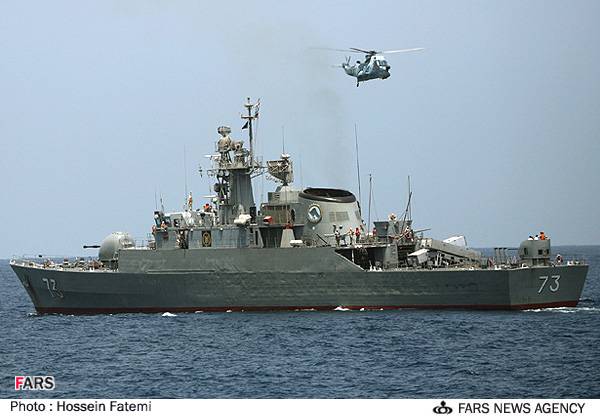
Iranian Alvand Class Frigate

The Iranian propaganda machine continues to promote the idea that its Navy is a major threat, not only in the region but around the world. However despite a number of high publicly deployments to the Mediterranean it is small coastal defense force. It has the capability to disrupt traffic in the Straits of Hormuz and is supported by land based Surface to Surface Missile batteries. However should a real shooting war break out it would be destroyed in short order, although it could inflict some damage on allied shipping if it was able to mount a surprise attack against an isolated ship.

The Islamic Republic of Iran Navy

Iranian Kilo Class Sub

3 Kilo Class Attack Submarines (Built in Mid 1990s in Russia)

Ghadar Class Submarine

19 Ghadar Class Coastal Submarines (120-150 ton built in Iran)

4 Yugo Class Coastal Submarines (90 ton built in North Korea)

3 Alvand Class (Vosper Type 5) Frigates (All are 40 years old and lightly armed)

1 Jamaran Class (Modified Iranian Built Vosper Mark V)

2 Bayador Class Patrol Frigates (US PF 103 Class) built in 1964

10 Houdong Type Missile Attack Boats (Operated By Revolutionary Guards Corps)

14 Kaman/Sina Class Missile Attack Boats

5 Coastal Patrol Boats

Numerous inshore patrol craft and auxiliary ships many capable of laying mines. The patrol craft could be used in “swarm” attacks against larger surface targets which Allied navies practice to defend against.  The larger Iranian ships are armed with C802 Surface to Surface Missiles.

US and Allied Navies in the Region are Commanded by Combined Task Force 150. 

Arab and Gulf State Navies

Omani Khareef Class Corevette

Oman (Royal Navy of Oman)  Oman has 5 very modern Corvettes. 2 Qahir Class which are British built Vosper Mark 9 and three new ships of the BAE Systems Khareef Class are entering service. These ships displace 2660 tons and are more modern, stealthy and heavily armed than most ships their size in the Gulf. The Omanis also have 8 modern patrol ships or craft and several amphibious ships and a number of smaller craft and auxiliaries.

Saudi Arabian Frigate Al Riyadh 

Saudi Arabia (Royal Saudi Navy) The Saudis boast a modern Navy built around three French Built Al Riyadh Class (La Fayette Class) Frigates, 4 Al Madina Class Frigates and 4 US Built Badr Class Corvettes, 9 Patrol Boats and 3 British Built Sandown Class Mine Hunters and numerous support vessels.

UAE The UAE Navy is small with only 2 small Swedish Built Corvettes and 14 Fast Attack or Patrol Craft, 2 Mine Hunters and numerous small patrol craft and amphibious craft.

Bahrain Bahrain has a former U.S. Navy Oliver Hazard Perry Class Guided Missile Frigate the Al Sabha and a number of patrol and fast attack craft.

Kuwait 10 Guided Missile Fast Attack Craft

US Allies in Gulf (current) 

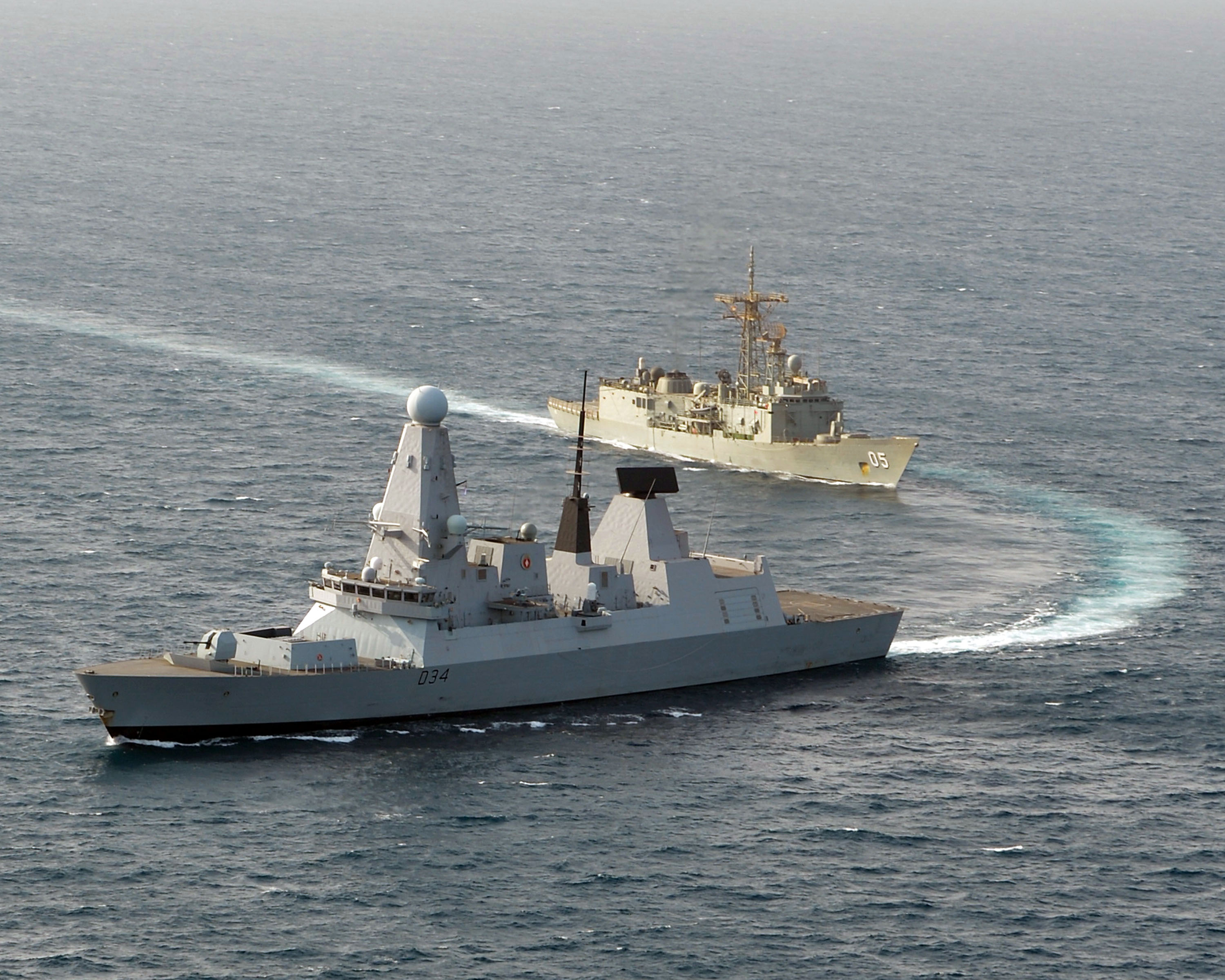
HMS Daring and HMAS Stuart

Britain: HMS Daring Type 45 DDG

Canada: Frigate HMCS Regina which is relieving the HMCS Charlottetown

France: Frigate La Motte Picquet


South Korean Destroyer Wang Geon

South Korea: Destroyer Wang Geon

Australia: Guide Missile Frigate HMAS Stuart

The United States Navy

USS Enterprise

2 Carrier Strike Groups (USS Eisenhower and USS Enterprise) with supporting Guided Missile Cruisers, Guided Missile Destroyers and Attack Submarines. The Navy now has 8 Mine Countermeasure Ships in the region and deployed the USS Ponce as a Floating Base for Special Operations Forces and Mine hunting helicopters. An Amphibious Ready Group with an Embarked Marine Expeditionary Unit (MEU) is also usually deployed in the region.

USS Ponce

Note that Allied ship movements and deployments change frequently and other nations not listed here frequently contribute ships to this mission.  Other US and Allied ships are deployed near the Horn of Africa. It is believed that the Israel Navy maintains a Dolphin Class submarine capable of launching nuclear cruise missiles within range of Iran.

Carrier based and land based US and Saudi Aircraft vastly outnumber and outclass the Iranian Air Force.

Conclusion

I do not believe that the Iranians are foolish enough to actually try to close the Strait of Hormuz, but would attempt to make enough threats to force oil prices up and get nations to attempt to skirt the trade and oil sanctions levied against it. That being said there is no accounting for an unforeseen or accidental incident or series of incidents that escalate the situation into a war. The Revolutionary Guards naval forces are particularly aggressive. There is also the possibility of an Israeli strike against Iran’s nuclear facilities that could trigger a regional war and naval battle over the Strait of Hormuz. If war comes it will probably be because a miscalculation that spins out of control.

Tanker Burning and Sinking during 1988 Tanker War

Should a war begin for whatever reason it would still be disastrous. Hundreds of thousands of people could be killed or wounded and countries in the region devastated. Iranian Allies in the region especially the Iranian proxy Hezbollah could cause major problems. I don’t believe that Syria is in any shape to assist Iran due to its ongoing civil war but instability in it could give Hezbollah additional room to maneuver in Lebanon and against Israel.

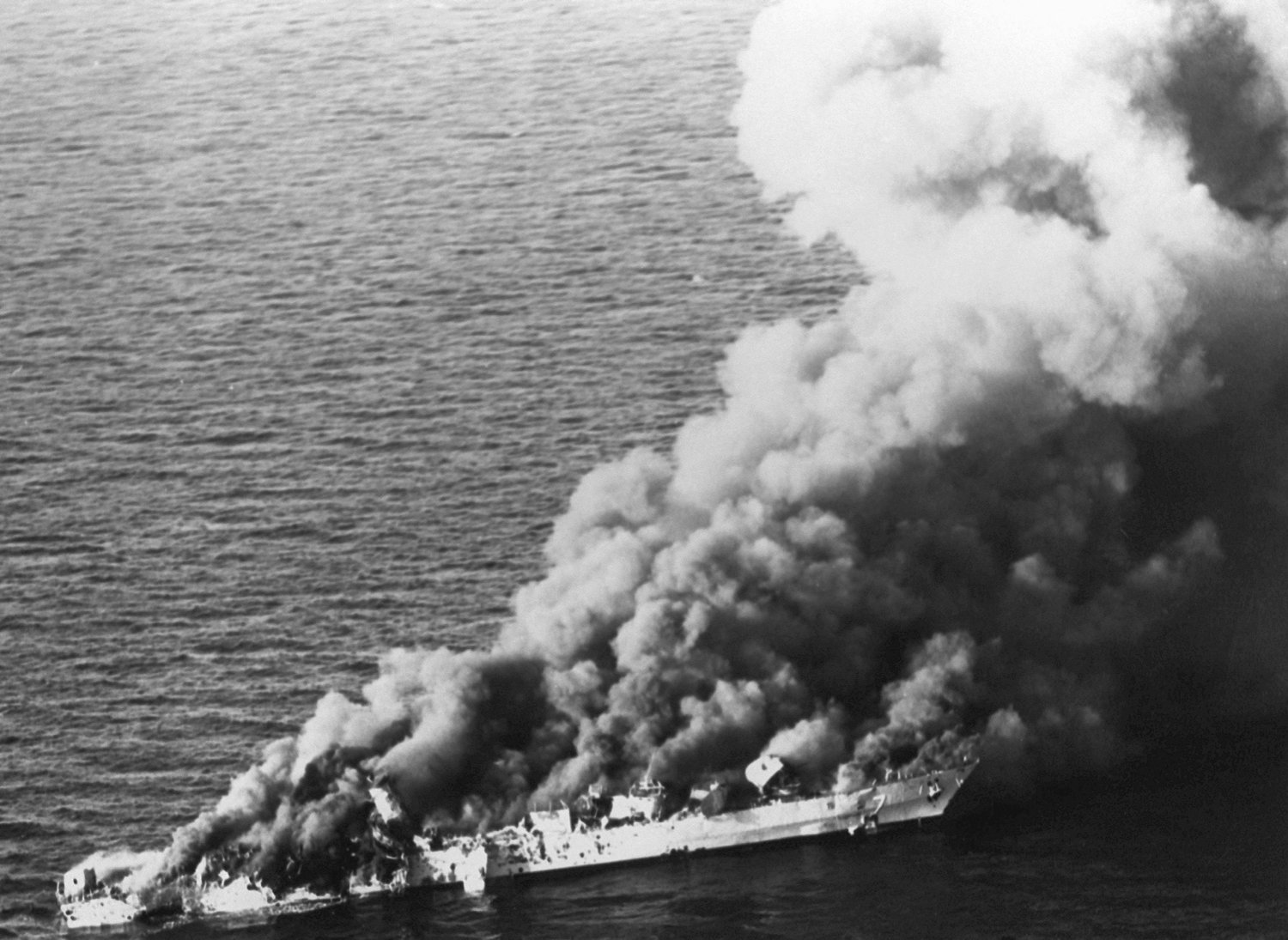
Iranian Frigate Sahand Burning and Sinking following US Attack in 1988

If war was to break out it would be costly and the Iranians would cause damage to the world economy by attacking the oil infrastructure of its neighbors and attempting to close the Strait of Hormuz. However when all is said and done the Navy of the Islamic Republic and its air forces would be devastated in relatively short order.  That does not mean that such a war would be contained or limited. It could become a regional war where Iran launches missile strikes against Israel as well as the U.S. and its Gulf Allies. Terrorist and commando raids could also be part of any Iranian response to an Israeli strike or as part of any offensive operations that they decide to undertake. The fragile world economy could take a big hit with unknown political, social and economic effects.

In spite of how bad it would be I am of the opinion that someone will miscalculate and that war will ensue. Exactly how it will happen I am not sure. But it will not take much to ignite the powder keg that is the Middle East.

Peace

Padre Steve+
Leave a comment

Filed under Foreign Policy, History, middle east, Military, national security, Navy Ships

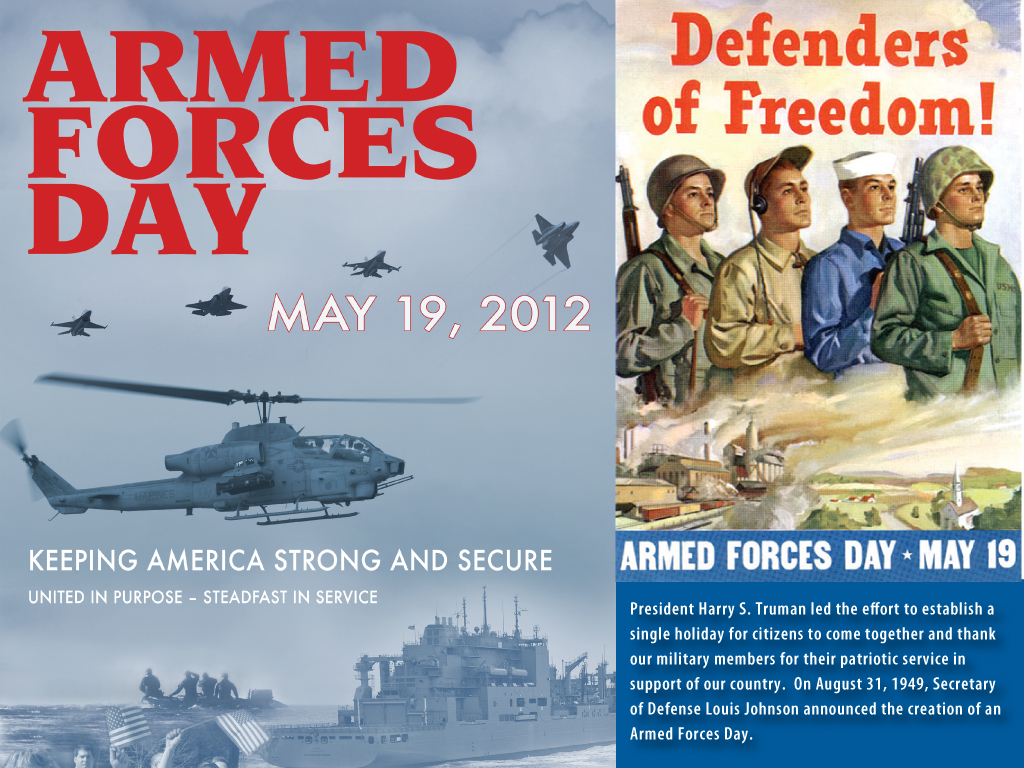
Armed Forces Day 2012: The Disconnection of the Military and Society and the Terrible Result

Armed Forces Day was celebrated in some locales Saturday but I would dare say that the vast majority of Americans didn’t notice it. Meanwhile under 50 “Iraq and Afghanistan Veterans” from Iraq and Afghanistan Veterans Against the War got lots of air time for throwing their “Global War on Terrorism Service Medals” away at the big anti-NATO Summit protest in Chicago. This is the Medal that those that served after September 11th 2001 received for being on active duty in the United States, not actually deployed.

Now there were a fair number of local celebrations to honor members of the Armed Forces across the country. As a member of the military I appreciate those events and the people that put them together, especially those that have taken the time to honor Iraq and Afghanistan veterans.  There are others that honor the Armed Forces every day, I think especially about the Maine Troop Greeters of Bangor Maine and the Pease Troop Greeters of New Hampshire. These men and women, many veterans themselves or related to veterans are amazing. They have been welcoming veterans back since early in the war and provide many services to the men and women of the Armed Forces that pass through Bangor Maine International Airport and the Portsmouth International Airport, the former Pease Air Force Base in Pease New Hampshire.  I have had the honor of passing through both locations, Bangor on more than one occasion. While I know that there are many others that do this they are in the minority in this country.

At any given time less than 1% of Americans are serving in all components of the military. For over 10 years we have been at war in Afghanistan and Iraq as well as other locations that we don’t like to talk about too much like Pakistan. However this has not been the effort of a nation at war. It has been the effort of a tiny percentage of the population.  As a nation we are disconnected from the military and the wars that have been going on for so long. The fact is that most Americans do not feel that they have a personal or vested interest in these wars because they have been insulated by political leaders of both parties from them. There is no draft, and no taxes were raised to fund the wars. Every single Soldier, Sailor, Marine and Airman volunteered for duty or reenlisted during this time period. Motives may have varied from individual to individual, but unlike the World Wars, Korea and Vietnam all were or are volunteers.

Many of these volunteers served in Iraq and Afghanistan. Neither war was popular, except in the very beginning when casualties were low and victory appeared to be easy and quick. We like short wars. We left Iraq last year and Afghanistan is still going to be with us for a while. In Afghanistan we followed the same path trod by the British and Soviets in trying to topple regimes and plant our respective versions of civilization in that land of brutal Pashtun, Tajik, Hazara and Uzbek warlords who war on each other as much as any foreign infidel.  It is a path that leads to heartbreak which ties down vast amounts of manpower without any significant strategic gain for the United States or NATO.  This even as war drums beat across the Middle East and nuclear armed Pakistan slips into political and social chaos and keeps a major supply route for the US and NATO to Afghanistan shut down.

The fact is that American and for that matter other NATO and coalition military personnel who have served in Iraq, Afghanistan, the Horn of Africa or at sea are in the minority in all of our countries. Thus when a few of the few of these veterans choose to make a public spectacle of themselves by tossing a medal away they get cheered and lots of media attention. Liberals applaud the medal throwers and conservatives vilify them without getting what is really going on. Both miss the tragic disconnection between the military and civilian society that is the result of public policy since the end of the Vietnam War. A relatively small professional military in comparison to the population is sent to fight wars while the bulk of the population is uninvolved.

I heard one of the organizers of the medal throwing exhibition apologize for his service. If he wants to apologize to people that generally haven’t been touched by war and haven’t had to make a single sacrifice then fine. If he wants to apologize for acts that he may have committed against Iraqis or Afghani people that is another matter, that can’t be mitigated by tossing medals over a fence. However I think that the manner of by which he and his compatriots demonstrated at the NATO Summit did nothing for those that serve. Tossing a medal away, a medal not earned for combat service is cheap. The medal that they threw away symbolically shows that they served in the homeland on active duty after the 9-11 attacks. Some did serve overseas, some in combat but to throw this particular medal away seemed an odd choice.

The right to protest and disagree with policy and the politics of war is important. It is a right which I will defend. However I think that what these veterans did was more disrespectful to their former comrades and those currently serving than it was to those that make policy. The army of lobbyists and think tank wonks that promote the politics of war regardless of who is President don’t care about this because no matter who is in office or who controls Congress they will promote policies that keep them employed and businesses enriched. Marine Major General and Medal of Honor winner Smedley Butler was quite right when he said:

War is a racket. It always has been. It is possibly the oldest, easily the most, surely the most vicious. It is the only one international in scope. It is the only one in which the profits are reckoned in dollars and the losses in lives. A racket is best described, I believe, as something that is not what it seems to the majority of the people. Only a small ‘inside’ group knows what it is about. It is conducted for the benefit of the very few, at the expense of the very many. Out of war a few people make huge fortunes.”

I may disagree with the manner of how and when these veterans protested. However, I am not going to question their motive or honor even if I disagree with their manner of protest because I came back different from war.

But then when a society sends off its sons and daughters to fight in wars that no one understands, and the vast majority of people no longer support it is no wonder that some veterans make such displays. Likewise it is understandable why other veterans have major issues with such protestors, just as many Vietnam veterans still feel the hurt of how a nation turned its back on them.

For the protestors the display may make them feel better, but it misses the bigger point of why wars like these go on for so long.  That they do is because misguided policies have brought about a chronic disconnection in our society between those that serve in the military and those that do not. But how can there not be when in the weeks after 9-11 people like President Bush and others either directly or in a manner of speaking told people to “go shopping”* as we went to war in Afghanistan? When I returned from Iraq I returned to a nation that was not at war whose leaders used the war to buttress their respective political bases.

I think that Armed Forces Day should be better celebrated but I am grateful to those people that do things every day to thank and support military personnel in thought, word and deed like the Maine Greeters and Pease Greeters. The interesting thing about these groups is that they are made up of citizens from across the political spectrum, veterans and non-veterans who simply care for and appreciate the men and women that serve in and fight the wars that no-one else can be bothered to fight.

I just hope and pray that the end in Afghanistan does not turn into an even worse historic debacle than suffered by the British or the Soviets during their ill fated campaigns. Of course the politicians, pundits, preachers and the defense contractors, banks and lobbyists will find a way to profit from this no matter how many more troops are killed, wounded or injured and how badly it affects military personnel or their families. After all, to quote Smedley Butler, “war is a racket.”

Peace

Padre Steve+
1 Comment

Filed under Foreign Policy, iraq,afghanistan, News and current events, Political Commentary

Missile Impotence: Kim Jong Un’s Rocket Launch goes Splat

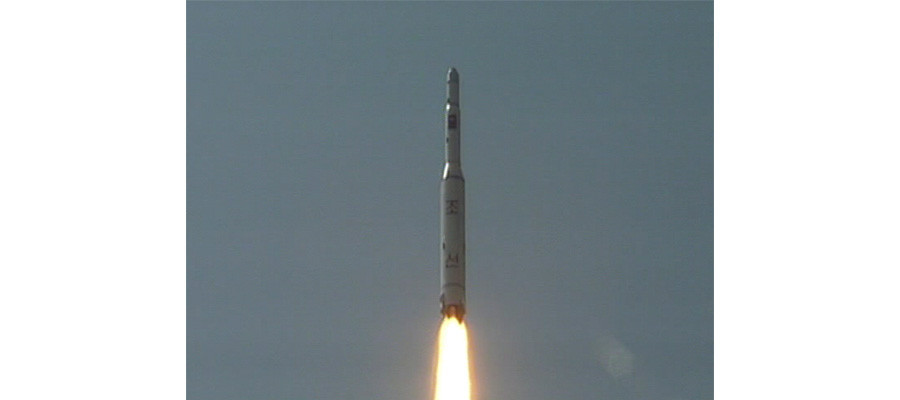
Don’t call it a failure to launch but a failure to fly. Tonight the rocket shot to commemorate the 100th anniversary of the birth of the Most Beloved High Great Celestial Leader Kim Il Sung broke apart and crashed about 90 seconds into its flight. Debris crashed into the Yellow Sea about 165 km west of South Korea. Reports from South Korea say that South Korean Naval vessels are searching for debris which would help it to further understand how well developed North Korean missile technology really is.  Be assured that North Korean ships will likely speed to the scene which could trigger naval clashes between the two states.

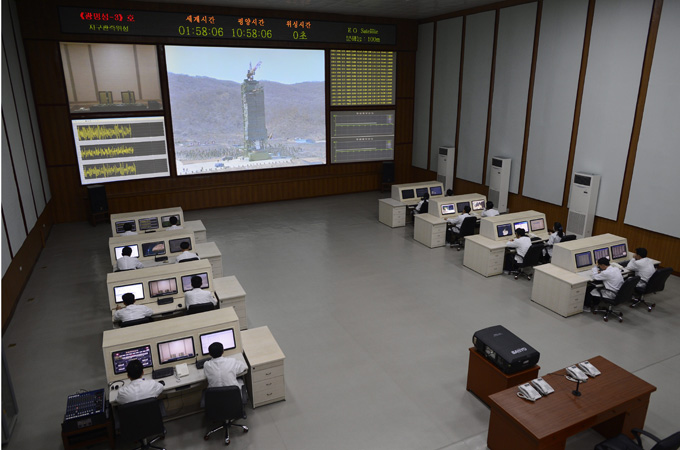
The rocket called the Unha-3 was launched at 0739 local time from the missile facility at Tongchang-Ri.  Based on the Taepodong ballistic missile the three stage Unha-3 was to launch the Kwangmyongsong-3 weather satellite into a Polar orbit. Or that was the story  told by the North Koreans who had allowed numerous western reporters to visit the site and see the satellite. Most Western, South Korean and Japanese analysts believed that the launch was more of a cover to test a longer range ballistic missile which could provide North Korea with the capability to strike the United States.

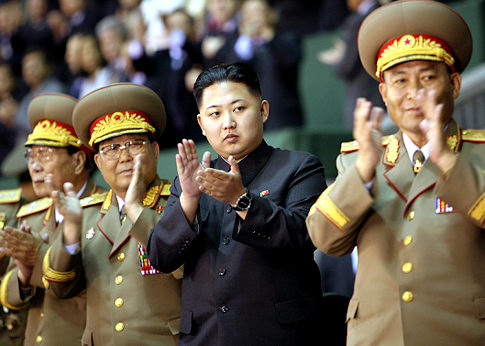
Kim Jong Un and his Generals give each other the Clap

North Korea defied warnings from the United States, Japan, South Korea and the United Nations in launching the rocket.  Speculation runs rife as to the motives of the North Koreans for launching. With the recent ascent of the young and inexperienced Kim Jong Un the grandson of Kim Il Sung and son of Kim Jong Il to the leadership of the nation it is possible that Kim Jong Un went ahead with the launch in order to show his strength in defying international sanctions and condemnation. South Korea described the launch as a “grave provocation” while Secretary of State Hillary Clinton said “This launch will give credence to the view that North Korean leaders see improved relations with the outside world as a threat to the existence of their system” and warned “And recent history strongly suggests that additional provocations may follow.”

The North Koreans had invited in over 100 journalists from around the world to report on the launch, a clear departure from previous very secretive launches.  Reports indicate that instead of getting briefings about the launch that North Korean minders when asked about the failure shrugged and ran away and that a scheduled press conference was cancelled.

Pyongyang we have a problem…

Since the North publicized the launch the regime will have to determine how it will advertise the failure to the world and its people.  It would have a hard time admitting any technical mistakes so look for the regime to either blame the South Koreans or Americans for shooting it down.  Another option is to declare this an act of sabotage carried out by traitors or western agents.

The implications of this failure could be dangerous. There could be internal political ramifications in North Korea which could destabilize the regime or trigger conflict with South Korea and its allies. It could speed up a suspected nuclear weapons test and bring about even great tensions. Consequences for the designers, builders and managers of the Unha-3 program will probably be severe. If I were a North Korean rocket scientist involved with the project I would make sure that I paid my life insurance premium in full and make a run to the Chinese border.

Since little is known about the internal political struggles except that the North Korean Military is the most powerful institution in the impoverished country it is hard to determine what will happen next. One thing that can be said is that the launch and its failure will serve to ratchet up tensions and add to the uncertainty on the Korean Peninsula and in the region.

Maybe it is fitting that the anniversary of Kim Jong Il’s birth happens to be the same as the sinking of the Titanic. Obviously there will be much more to come…

Peace

Padre Steve+
2 Comments

Filed under Foreign Policy, Korean Conflicts, Military, national security, News and current events