Tag Archives: dr martin luther king jr

Feet of Clay: The Common Flaw of the Best and Brightest

Charlene and Michel de Carvalho

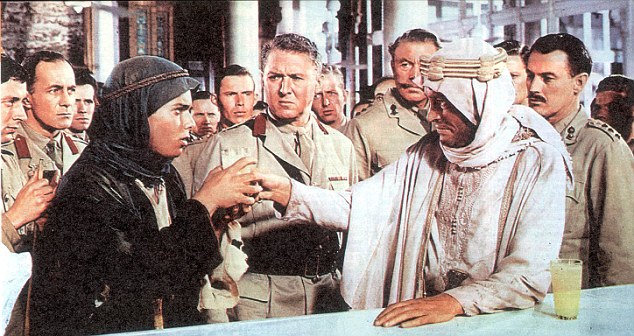
General Allenby: [leafing through Lawrence’s dossier] “Undisciplined… unpunctual… untidy. Knowledge of music… knowledge of literature… knowledge of… knowledge of… you’re an interesting man there’s no doubt about it.” 

Character is a terrible thing to judge. Mostly because those doing the judging also suffer from flaws in their own character.  Yet somehow the temptation is for us to stand as judge, jury and character executioner on those that we find wanting. As a culture we like tearing down those that we at one time built up. It is a rather perverse proclivity that we have as human beings, especially if we can find some kind of religious justification for it.

I think that is part of the complexity of the human condition. As a historian I find that the most exalted heroes, men and women of often great courage both moral and physical, intellect, creativity, humanity and even compassion have feet of clay.

I find that I am attracted to those characters who find themselves off the beaten track. Visionaries often at odds with their superiors, institutions, and sometimes their faith and traditions. Men and women who discovered in themselves visions for what might be and pursued those visions, sometimes at the costs of their families, friends, and in quite a few cases their lives.

Throughout my studies I have been attracted to men as diverse as Peter the Apostle, Martin Luther, T.E. Lawrence, Dietrich Bonhoeffer, Erwin Rommel, Admiral Horatio Nelson, Abraham Lincoln, John F Kennedy, Dwight D Eisenhower, Franklin Roosevelt, Dr Martin Luther King Jr, Jackie Robinson, Teresa of Avila, Nelson Mandela, Vaclav Havel and Emir Feisal Hussein of the Arab Revolt. All had flaws. Some involved fits of temper and violence, others sexual escapades, mistresses, affairs, greed avarice, and maybe some that stretched law and morality in their quest to achieve their goals. But all are considered great men and women.

Feet of clay. Who doesn’t have them? But them I think that I would rather have feet of clay than a heart of stone, an an unchallenged mind, or a lack of courage to do the right thing even if it does not directly benefit me.

Tonight I watched for the first time straight through the cinema classic Lawrence of Arabia. Peter O’Toole plays Lawrence in a most remarkable manner, showing his brilliance, courage, diplomatic ability and understanding of the Arabs with whom he served.

There are many people, leaders and others that we encounter in life or that we study. Even the best of the best are flawed and there is no such thing as a Saint who never sinned. But we love destroying them and their memory when to our “surprise” when we find that their hagiographers built them into an idol.

I am a great believer in redemption and the weight of the whole of a person’s life. Thus I try to put the flaws as they are called in perspective and their impact both positive and negative in history. Studying in this way gives me a greater perspective on what it is to be human and to place my own clay feet in appropriate perspective.

It was an interesting film to watch.

However, speaking of feet of clay I will probably be writing about the Baseball Writers who vote for the inductees for the Hall of Fame. Today for the first time in nearly 4 decades no players were selected for induction, mostly due to the steroid era. But that is a subject for another night.

Peace

Padre Steve+

1 Comment

Filed under faith, film, History

52 Years: Musing on Life and Civil Rights in 2012

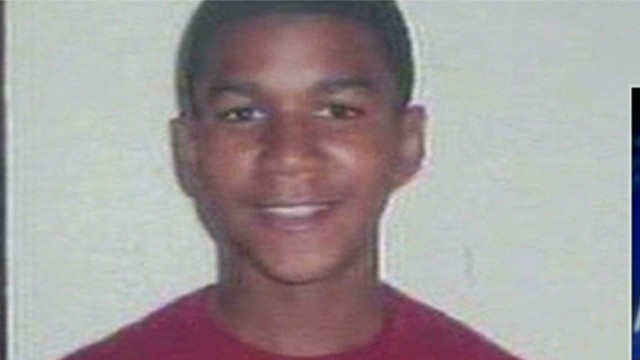
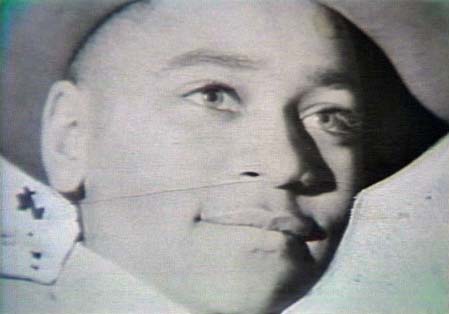
Trayvon Martin and Emmit Till

Well about this time of night some 52 years ago my mom was deep into a very long day of labor at Oak Knoll Naval Hospital in Oakland California. 52 years and it doesn’t really seem that long but it is. When I was born Dwight Eisenhower was President and his Vice President Richard Nixon and Senator John F. Kennedy were preparing to run against each other for the Office of President.

Dr. Martin Luther King Jr. and other civil rights activists like Medgar Evers were campaigning for the rights of Black Americans and others and would lose their lives in doing it within a few years. In that time Blacks were violently attacked even in church, the 15 September 1963 Street Baptist Church bombing. Just 6 years before I was born a 14 year old boy named Emmit Till was murdered for allegedly flirting with a white woman. His killers backed by a surge of popular support were acquitted of the murder and a few months later confessed to the murder unable to be prosecuted under double jeopardy. Blacks did not gain legal protections enjoyed by whites until the Civil Rights Act of 1964 and Voting Rights Act of 1965.

When I was a teenager my home town of Stockton California desegregated its schools. I am proud to be part of the first class at Edison High School that completed all of its high school years in that environment.  I remember those times fondly and my friends there are all my “Soul Vike” brothers and sisters.

I know this is a weird start to a birthday article but I never believed that I would see racism become fashionable again.  But then I should have seen it coming because it has always been there maybe just under the surface but still there.  Back in 2009 I was attacked and threatened by a White Supremacist in response to articles about world War II and a baseball game on this site.

So when I started reading responses of certain media and political figures to the killing of Trayvon Martin by George Zimmerman it struck a chord. I have been following the case online and have read a good number of posts by people “defending” Zimmerman by making the most racist and hateful comments maligning the dead kid and those that have the nerve to make this killing an issue.

No one is perfect and I am not calling for a mob approach to justice that would condemn Zimmerman without a full and impartial investigation and if need be a trial. However that being said if no one bothered to raise Trayvon Martin’s death the story would be buried deeper that Trayvon.  Without the actions of some nationally known activists and media personalities Zimmerman would never be forced to account for his actions that night in which he killed Trayvon. Zimmerman is said to have allegedly killed in self defense despite defying police who told him not to pursue or confront the teenager and the police at the minimum did a terribly inept investigation and at worst were complicit in a cover up that now may involve leaking material to a local reporter that they believe is helpful to painting the dead kid in a negative manner.

That bothers me. It reminds me of what I have read of reaction to and defense of the murderers that killed Emmit Till.  If Zimmerman did nothing wrong and if Trayvon Martin actually attacked him first a thorough investigation would have left no doubt. Zimmerman is innocent until proven guilty but he may never even face trial based on the Florida “Stand Your Ground” law.  I just don’t get the convoluted arguments that self defense trumps even a fair and thorough investigation of of a man that used a gun to kill another. But now all we have is the trigger puller’s account to rely on and the stultifying spin of his defenders who seem more intent on killing the victim once again than they are on finding out what really happened. The Sanford Police have probably ensured that will never happen by not doing the ballistics, gunpowder residue and other normal procedures that would show what happened. That is not justice.

I was perusing a Christian blog which the matter was being discussed and I think that what I read there was the most discouraging as people professing to be Christians were in the lead trashing the life of a dead kid and making comments on race, African Americans and civil rights that if they were said about White Christians that would be decried in the right wing press and blogosphere.

I wonder at times how far we have come.

Peace

Padre Steve+

Leave a comment

Filed under News and current events

Remembering the Men of the Negro Leagues: Carl Long Appreciation Day

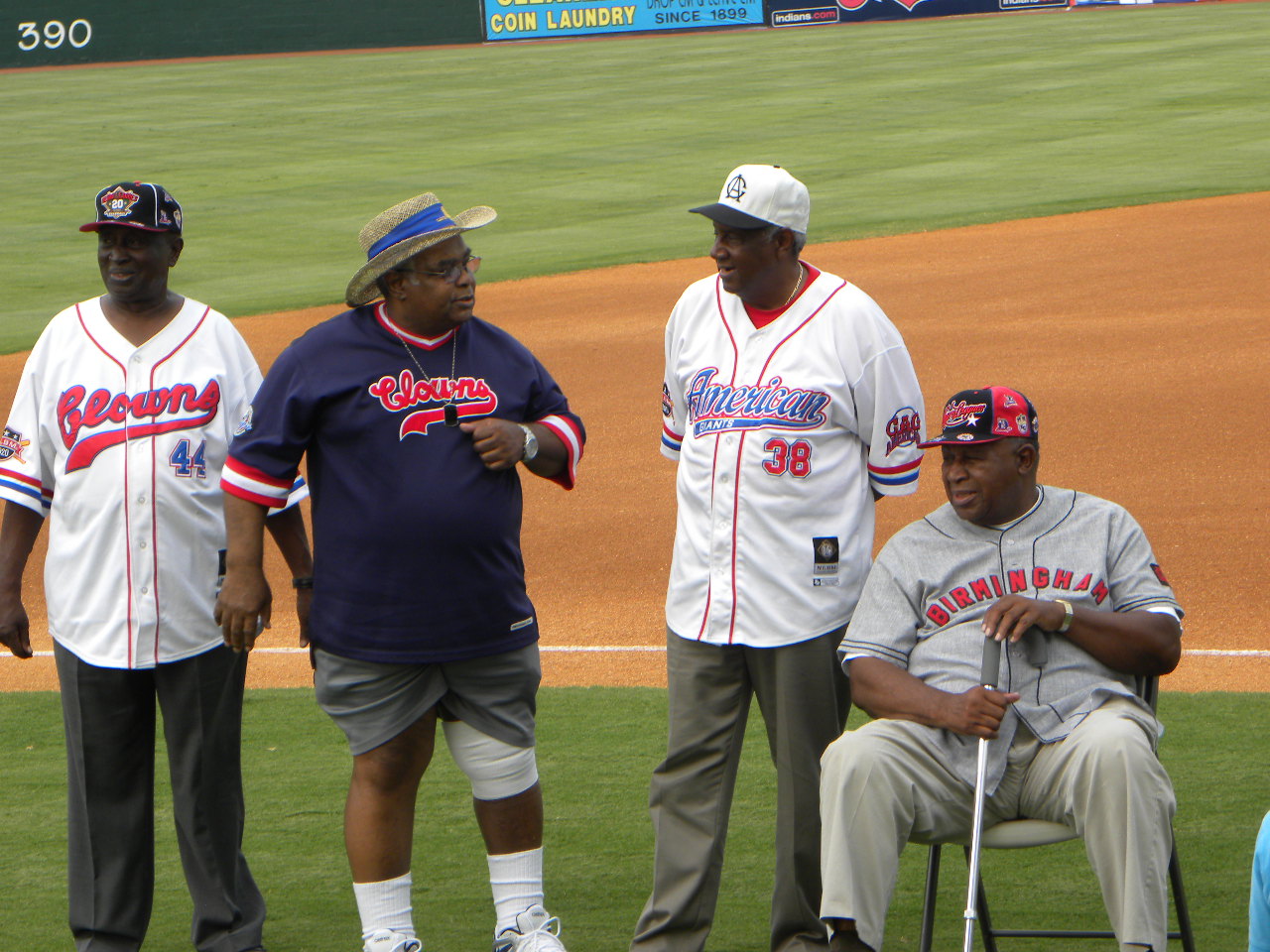
Carl Long Night: L-R  James “Spot”King, Hubert “Big Daddy”Wooten, Dennis “Bose”Biddle and Carl Long  at Historical Grainger Stadium

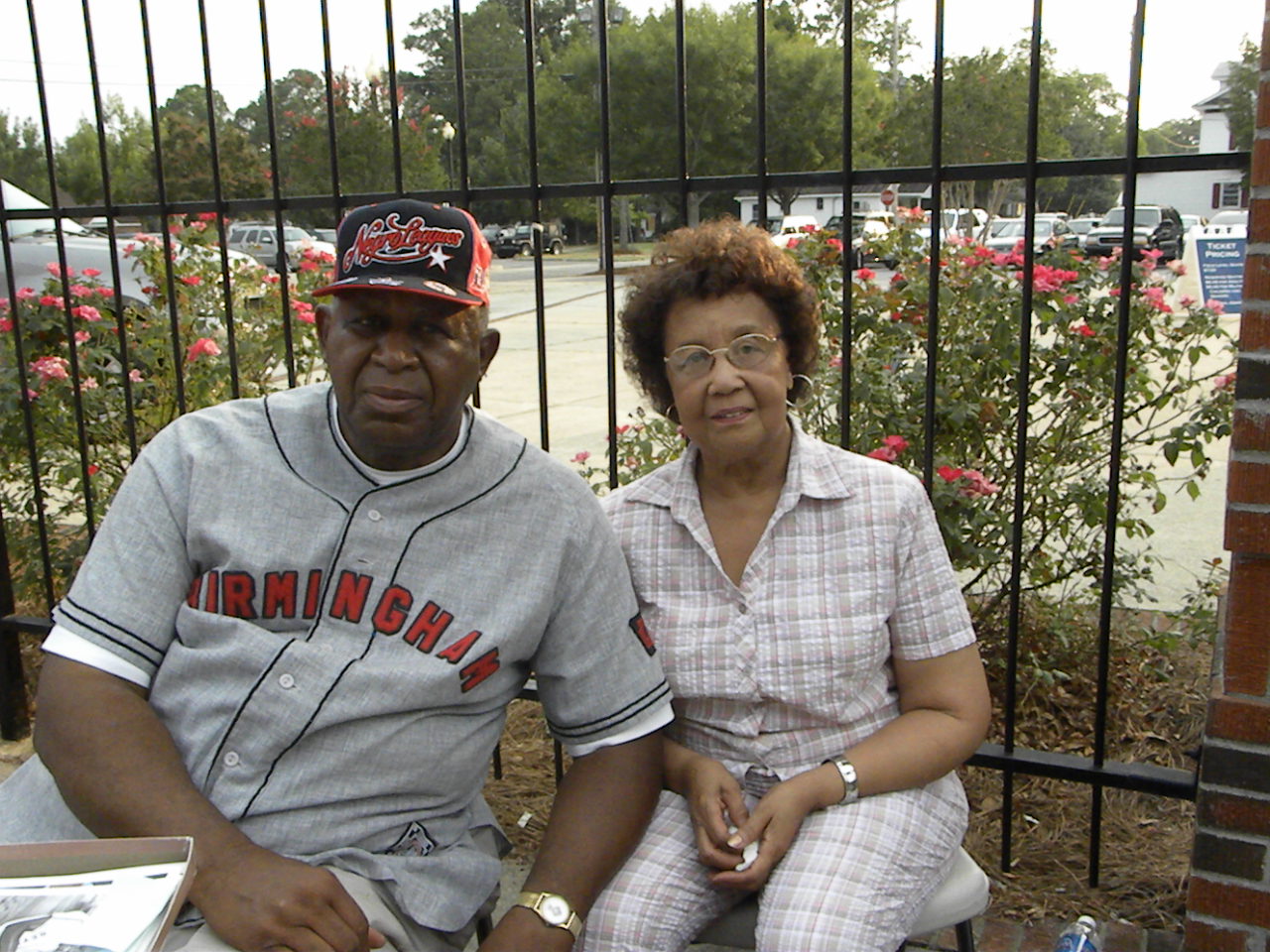
Friday I had the privilege of being invited to spend a portion of the day a number of former Negro League players, Minor League players and a couple of former Major Leaguers including one veteran of the 2004 Boston Red Sox World Series Championship team, Trot Nixon.  In addition to the ballplayers I met Carl’s lovely wife Ella as well city officials from the City of Kinston and regular folks, baseball fans and parents with their children.

Carl and Ella

It was a day to honor one of the few remaining veterans of the Negro Leagues.  Carl Long played with the Birmingham Black Barons alongside Willie Mays and Country and Western singer Charlie Pride. He played against Hank Aaron and spent time in the minors with Willie McCovey and Roberto Clemente.  He was the first black to play in the Carolina League and still holds the record for the most RBIs in a season inKinstonwhich has also seen such sluggers as Jim Thome, Alex White and Manny Ramirez play at Historic Grainger Stadium.  Carl did not have a long baseball career, he injured his shoulder and his wife of over 50 years Ella, a local Kinston girl stole his heart.  In Kinston he became the first black commercial bus driver in the state, the first black Deputy Sheriff in North Carolina, and first black Detective on the Kinston Police Department. Carl was presented with a certificate from the Mayor of Kinston during the

That evening the Kinston Indians hosted Carl Long Appreciation night.  Carl as well as Dennis, James “Spot” King and Hubert “Big Daddy” Wooten and a number of local Negro League era players took the field near along the third base line as their names were announced.  A local television station filmed the event and Carl made sure the members of the “Field of Dreams” Little League team each got a copy of his signed baseball card. It was a night of emotion, appreciation and history.

Carl broke barriers wherever he went and credits his father with ensuring that he got his education, a mantra that he repeats to every young person that he meets.  I met Carl earlier in the season and knew that I was in the presence of a pioneer and a great American.  When I am in Kinston there is nothing that I enjoy more that listening to Carl’s stories of life in the Negro Leagues and breaking the baseball’s color barrier in the Deep South.

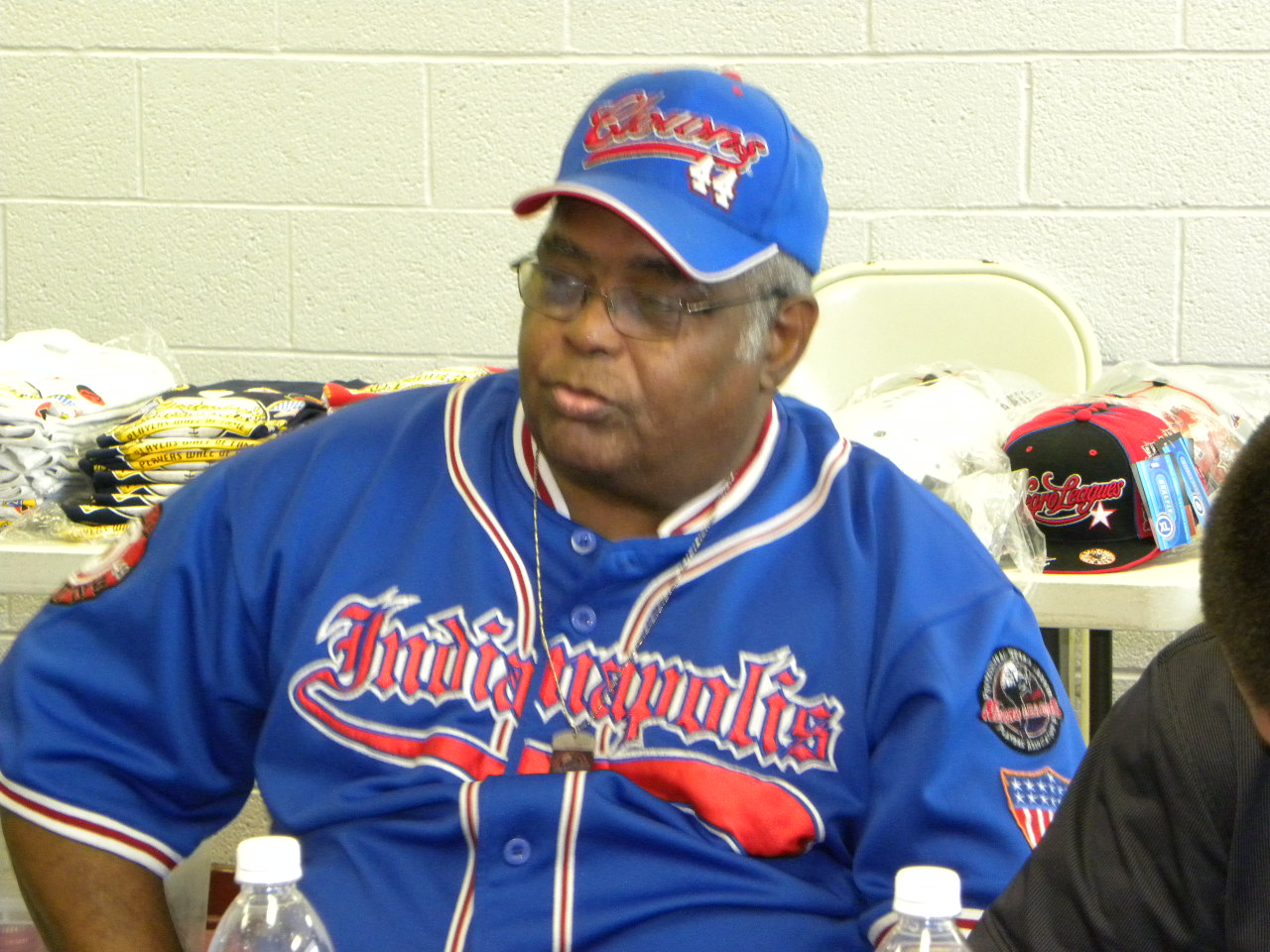
Hubert “Big Daddy”Wooten” 

It is hard to imagine now just how deep the poisonous river of racism ran in 1940’s, 50’s and 60’s America.  Then it was a fact that segregation was not only acceptable but widely practiced in much of this country.  Institutionalized racism was normal and violence against blacks and whites that befriended them was commonplace.  We like to think that we have overcome racism in this country but unfortunately there is a segment of the population that still practices and promotes this evil.  Even this week there was a Ku Klux Klan attack on the home of a black pastor in the South.  His offense….supporting a white candidate for county sheriff.  While we have overcome much there is still much work to be done.  I think this is why I believe it is so important to remember the men and women of the Negro Leagues.

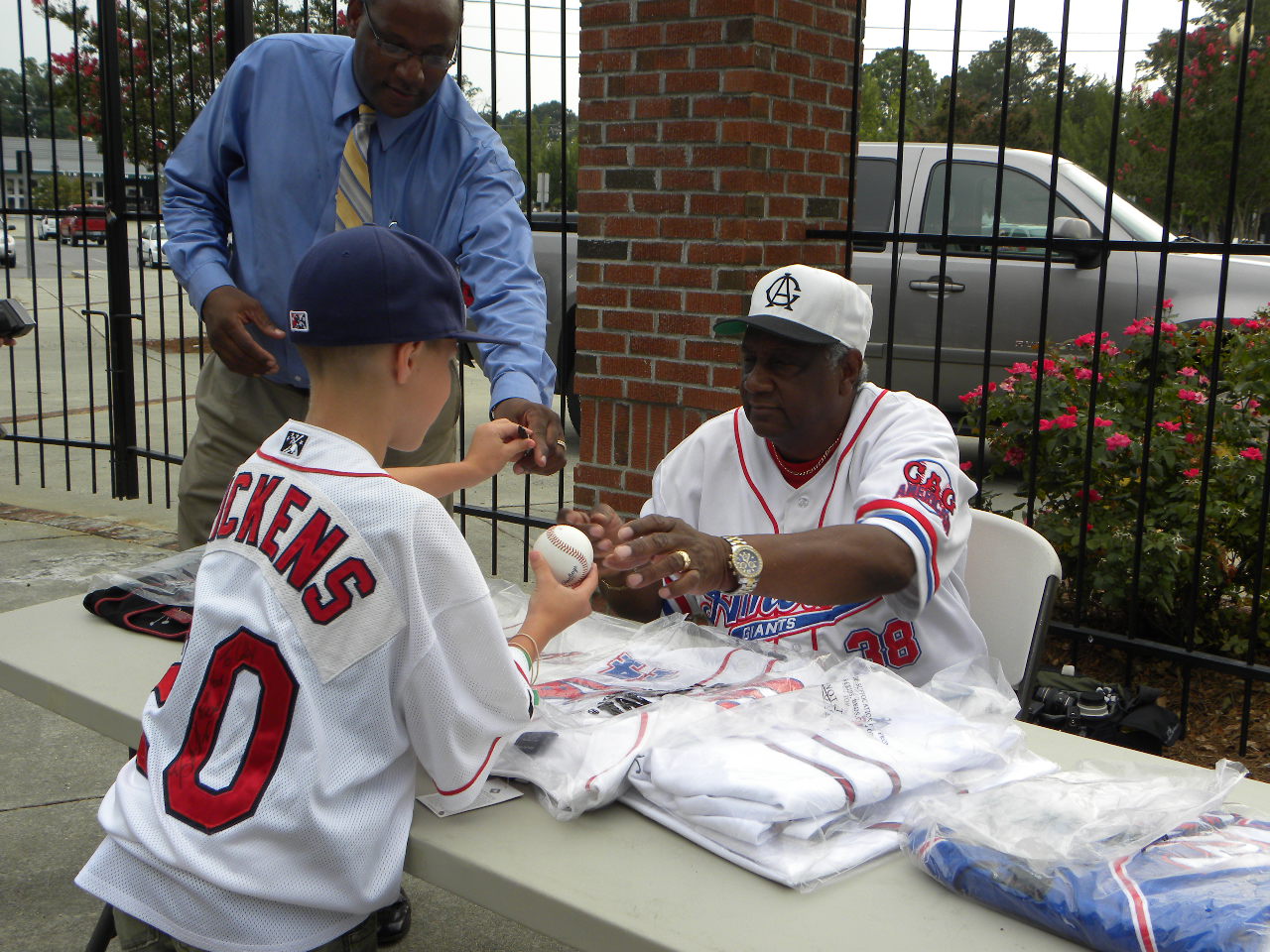
One of the men at today’s events was Dennis “Bose” Biddle who played for the Chicago American Giants in 1953 and 1954.  He was in the process of having his contract purchased by the Chicago Cubs when he suffered a devastating injury to his leg and ankle going hard into Second Base.  When he couldn’t play in the Majors he went to college and became a Social Worker.  Dennis said to me “you know that “take out” sign at restaurants? We started it” referring to how black players would have to get their food at the back of a restaurant or eat in the kitchen out of sight of white customers.

Dennis “Bose”Biddle autographing a baseball 

The truth of the matter is that the players of the Negro Leagues were torch bearers in our society.  The men and women of the Negro Leagues barnstormed and played against white teams when baseball was still segregated.  When Branch Rickey signed Jackie Robinson it was a seismic event with great social connotations.  A barrier had been broken and I dare say that without the men of the Negro Leagues that the work of other Civil Rights leaders including Dr. Martin Luther King Jr. would have had a less fertile audience in White America and probably a even less friendly reception than they had as they worked to fulfill the vision of a better America where men and women of every race, color and creed could aspire to great things.

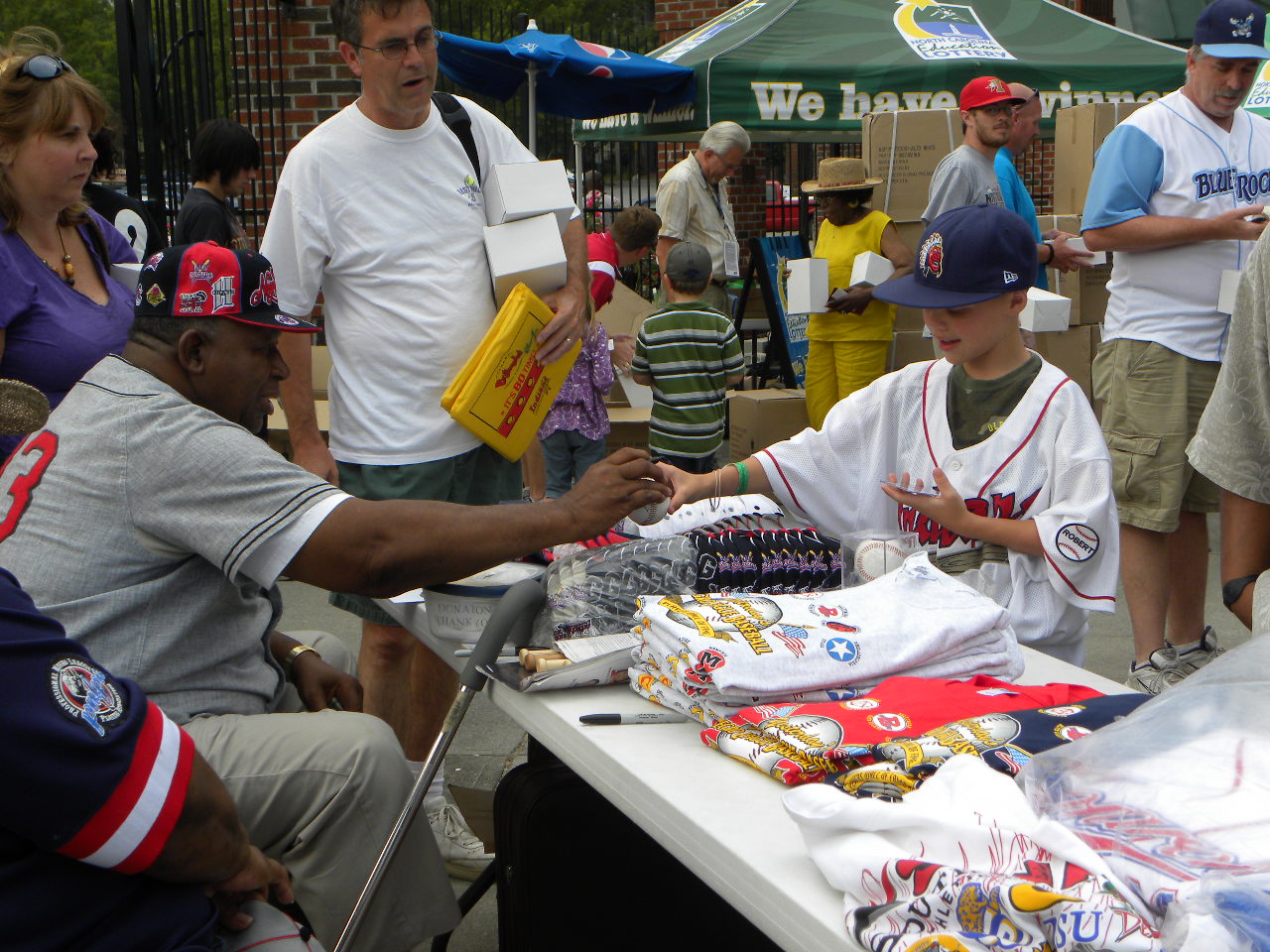
Carl Long giving a baseball and good advice to a young fan

Men like Carl Long are responsible for this.  Some made their impact at a national level while others like Carl and Dennis on a local and regional level.  Like the men and women of the “Greatest Generation” this fellowship grows smaller with each passing year. Hubert “Daddy” Wooten was one of the last Negro League players; he played for and later managed the Indianapolis Clowns in the years where they barnstormed.  During that time he managed the legendary Satchel Paige. “Big Daddy” Wooten  is the youngest of the he surviving Negro League players a mere 65 years old.  Most are in their mid-70s or in their 80s.  It is important that their friends and neighbors write down their stories so they are not forgotten.

Baseball in particular the Negro League Hall of Fame and Museum has done a credible job of trying to preserve the contributions of these men to baseball and the American experience. Yet many more stories are still to be told.  I hope that as I continue to visit with Carl, Sam Allen in Norfolk and other players that I will be able to help them tell more of those stories.

Peace

Padre Steve+

3 Comments

Filed under Baseball, History, philosophy, Political Commentary

The Content of their Character: Brigadier General Benjamin O. Davis Sr. US Army and General Benjamin O. Davis Jr. US Air Force

Brigadier General Benjamin O Davis in France 1944

“I have a dream that my four little children will one day live in a nation where they will not be judged by the color of their skin, but by the content of their character.” Dr. Martin Luther King, Jr.

American History would not be the same without the life, work and prophetic ministry of Dr. Martin Luther King Jr. Dr. King was born in a time when most of the country was segregated when “separate by equal” was simply façade to cover the lie that in no way did African Americans have equal rights or privileges in the United States. Dr King was born less than 60 years after the secession of the Southern states from the Union and the beginning of the American Civil War. Though that blood conflict had freed the slaves it had not freed African Americans from prejudice, violence and discrimination.  When Dr. King began his ministry and was thrust upon the national stage as the strongest voice for equal rights and protections for blacks the discrimination and violence directed towards blacks was a very real and present reality in much of the United States.

However there were cracks beginning to appear in the great wall of segregation in the years preceding Dr. King’s ascent to leadership as the moral voice of the country in the matter of racial equality. In baseball Jackie Robinson became the first African American player in Major League Baseball opening a door for others who would become legends of the game as well as help white America begin its slow acceptance of blacks in sports and the workplace.

Likewise the contributions of a father and son Brigadier General Benjamin O. Davis Sr. and General Benjamin O. Davis Jr. were advancing the cause of blacks in the military which eventually led to the desegregation of the military in 1948.  The impact of these two men cannot be underestimated for they were trailblazers who by their lives, professionalism and character blazed a trail for African Americans in the military as well as society.

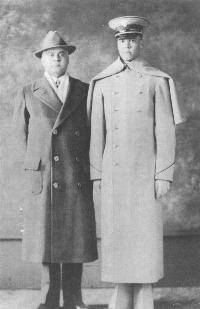
Benjamin O. Davis Sr. was a student at Howard University when the USS Maine exploded and sank in Havana Harbor.  He volunteered for service and was commissioned as a temporary 1st Lieutenant in the 8th United States Volunteer Infantry. He was mustered out of service in 1899 but enlisted as a private in the 9th United States Cavalry one of the original Buffalo Soldiers regiments.  He enlisted as the unit clerk of I troop of 3rd Squadron and was promoted to be the squadron Sergeant Major. He was commissioned while the unit was deployed to the Philippines and assigned to the 10th Cavalry.  He was assigned in various positions throughout his career including command, staff and instruction duties including as Professor of Military Science and Tactics in various ROTC programs.  He reached the rank of rank of temporary Lieutenant Colonel and Squadron Commander of 3rd and later 1st Squadron 9th Cavalry from 1917-1920 in the Philippines before reverting to the rank of Captain on his return as part of the post World War I reduction in force.  He continued to serve during the inter-war years and assumed command of the 369th Infantry Regiment New York National Guard in 1938. He was promoted to Brigadier General on 25 October 1940 becoming the first African American elevated to that rank in the United States Army and was assigned as Commander 4th Brigade 2nd Cavalry Division. He later served in various staff positions at the War Department and in France and was instrumental in the integration of the U.S. Military. He retired after 50 years service in 1948 in a public ceremony with President Harry S. Truman presiding. He was a member of the American Battle Monuments Commission from 1953-1961 and died in 1970.

Colonel Davis with his son Cadet Benjamin O Davis Jr.

His son Benjamin O. Davis Jr. was appointed to West Point in 1932.  He graduated and was commissioned in 1936 graduating 35 out of 278, the fourth African American graduate of West Point. During his time at the Academy most of his classmates shunned him and he never had a roommate.  Despite this he maintained a dogged determination to succeed.  The Academy yearbook made this comment about him:

“The courage, tenacity, and intelligence with which he conquered a problem incomparably more difficult than plebe year won for him the sincere admiration of his classmates, and his single-minded determination to continue in his chosen career cannot fail to inspire respect wherever fortune may lead him.”

He was denied entrance to the Army Air Corps because of his race and assigned to the Infantry first to the all lack 24th Infantry Regiment at Ft Benning where he was not allowed in the Officers Club due to his race. Upon his commissioning the Regular Army had just 2 African American Line Officers, 2nd Lieutenant Davis and his father Colonel Davis. After completion of Infantry School he was assigned as an instructor of Military Science and Tactics and the Tuskegee Institute.  In 1941 the Roosevelt Administration moved to create a black flying unit and Captain Davis was assigned to the first black class at the Tuskegee Army Air Field and in March 1942 one his wings as one of the first 5 African Americans to complete flight training.  In July 1942 he was assigned as Commanding Officer of the 99th Pursuit Squadron which served in North Africa and Sicily flying Curtiss P-40 Warhawks. He was recalled to the United States in September 1943 to command the 332nd Fighter Group. However some senior officers attempted to prevent other black squadrons from serving in combat alleging that the 99th had performed poorly in combat. Davis defended his squadron and General George Marshall ordered an inquiry which showed that the 99th was comparable to white squadrons in combat and during a 2 day period over the Anzio beachhead the pilots of the 99th shot down 12 German aircraft.

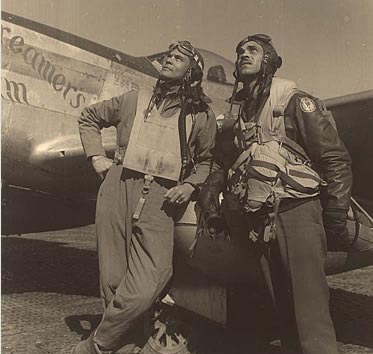
Colonel Benjamin O Davis Jr (left) with one of his Tuskegee Airmen

Davis took the 332nd to Italy where they transitioned to P-47 Thunderbolts and in July 1944 to the P-51 Mustang which were marked with a signature red tail. During the war, the units commanded by Davis flew more than 15,000 sorties, shot down 111 enemy planes, and destroyed or damaged 273 on the ground at a cost of 66 of their own planes. Their record against the Luftwaffe was outstanding and their protection of the bombers that they escorted was superb with very few bombers lost while escorted by them men that the Luftwaffe nicknamed the Schwarze Vogelmenschen and the Allies the Red-Tailed Angels or simply the Redtails. Davis led his Tuskegee Airmen to glory in the war and their performance in combat helped break the color barrier in the U.S. Military which was ended in 1948 when President Truman signed an executive order to end the segregation of the military. Colonel Davis helped draft the Air Force plan and the Air Force was the first of the services to fully desegregate.

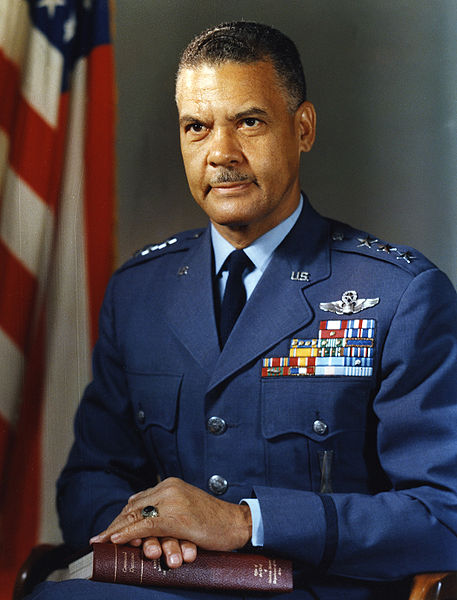
Lieutenant General Benjamin O Davis Jr

Colonel Davis transitioned to jets and let the 51st Fighter Interceptor Wing against Chinese Communist MIGs in the Korean War.  He was promoted to Brigadier General in 1954 and served in numerous command and staff positions. He retired in 1970 with the rank of Lieutenant General and was advanced to General while retired by President Clinton in 1998.  He died in 2002 at the age of 89.

The legacy of Benjamin O. Davis Senior and Benjamin O. Davis Junior is a testament to their character, courage and devotion to the United States of America. They helped pioneer the way for officers such as General Colin Powell and helped change this country for the better.  During times when discrimination was legal they overcame obstacles that would have challenged lesser men.  Benjamin O. Davis Junior remarked “My own opinion was that blacks could best overcome racist attitudes through achievements, even though those achievements had to take place within the hateful environment of segregation.”

Such men epitomize the selfless service of so many other African Americans who served the country faithfully and “by the content of their character” triumphed over the evil of racism and helped make the United States a more perfect union.

Peace

Padre Steve+


4 Comments

Filed under History, leadership, Political Commentary, world war two in europe

Jackie Robinson and Dr. Martin Luther King they Changed America

“He led America by example. He reminded our people of what was right and he reminded them of what was wrong. I think it can be safely said today that Jackie Robinson made the United States a better nation.” – American League President Gene Budig

“He knew he had to do well. He knew that the future of blacks in baseball depended on it. The pressure was enormous, overwhelming, and unbearable at times. I don’t know how he held up. I know I never could have.”Duke Snider

“Life is not a spectator sport. If you’re going to spend your whole life in the grandstand just watching what goes on, in my opinion you’re wasting your life.”  Jackie Robinson

“There’s not an American in this country free until every one of us is free.” Jackie Robinson

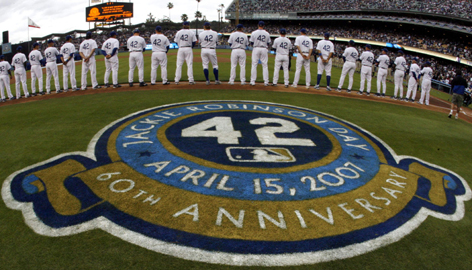
Today is a day that we rightfully remembered the life, message, martyrdom and legacy of Dr. Martin Luther King Jr. However as much as Dr. King matters, there were a long line of African American heroes who in their own way helped bring about racial equality in this country.  While many toiled in obscurity one, a baseball player named Jackie Robinson would forever alter the playing field of racial relations and how African Americans were perceived and received in the United States.  April 15th 2010 will be the 63rd anniversary of Jackie Robinson’s first game in the Major Leagues with the Brooklyn.  Robinson is not remembered with a National holiday but then again that takes noting away from this giant of American history. When Robinson stepped onto Ebbett’s Field in April 15th 1947 it was a watershed moment and while racial discrimination and prejudice remained they would be fighting a losing battle from that time on. Dr King in life and in death would be the one who drove the stake into the heart of the evil of racism and discrimination it was Jackie Robinson who helped place that stake above the heart of this evil.
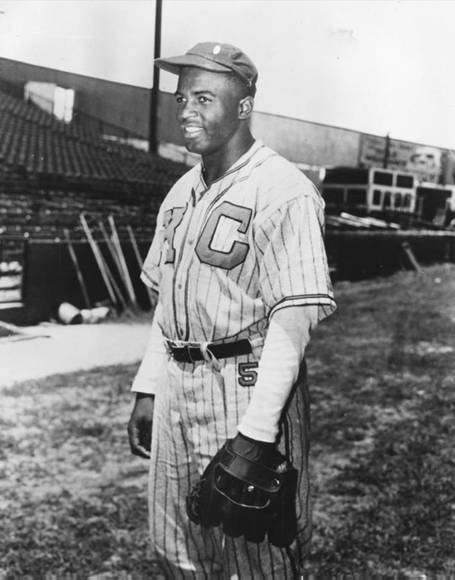
The Negro Leagues: Jackie in his Kansas City Monarch Uniform

We celebrate Dr King’s legacy today. However, without Jackie Robinson and the other African American baseball players who broke into the big leagues in the late 1940s and early 1950s it is conceivable that Dr, King would never have had the opportunity not only to be heard by African Americans, but to have his message heard and taken to heart by white America.

By the time Dr. King arrived on the scene much had already been done, and much due to Robinson and the owner of the Brooklyn Dodgers, Branch Rickey. Robinson’s first game with the Dodgers came a full year before President Truman integrated the military and a full seven years before the Supreme Court ruled school segregation unconstitutional.  It was not until 1964 that the Voters Rights act passed in Congress.  Jackie Robinson paved the way for a change in American society that has continued for 62 years since his debut at Ebbett’s Field on April 15th 1947.

Even before he stepped onto the field Jackie Robinson was a pioneer in equal rights where at UCLA he was the first student to letter in four varsity sports and in the Second World War where in an action that was a precursor to later civil rights battles the young Lieutenant Jackie Robinson was arrested and tried for not moving to the back of a bus at Fort Hood Texas.  He would be acquitted and given an honorable discharge before beginning his professional baseball career with the Kansas City Monarchs of the Negro League prior to Rickey signing him to a minor league contract with the Montreal Royals of the International League. Although he was met with scorn my many white baseball fans and some players and had to endure the ignominy of hostility from white fans and media, having to live in separate hotels and eat at separate restaurants Robinson developed a loyal fan base in Montreal and over a million people saw him play in his year in the International League.
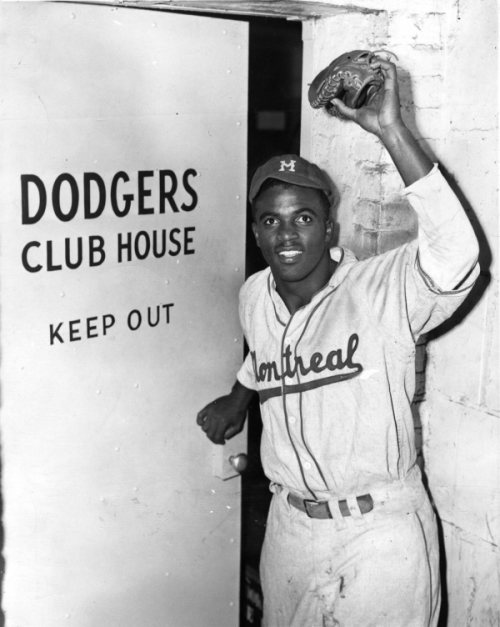
Jackie in his Montreal Royals Uniform outside the Dodger’s Clubhouse

When Branch Rickey talked with Robinson before the season he said: “Jackie (Robinson), we’ve got no army. There’s virtually nobody on our side. No owners, no umpires, very few newspapermen. And I’m afraid that many fans will be hostile. We’ll be in a tough position. We can win only if we can convince the world that I’m doing this because you’re a great ballplayer, a fine gentleman.”
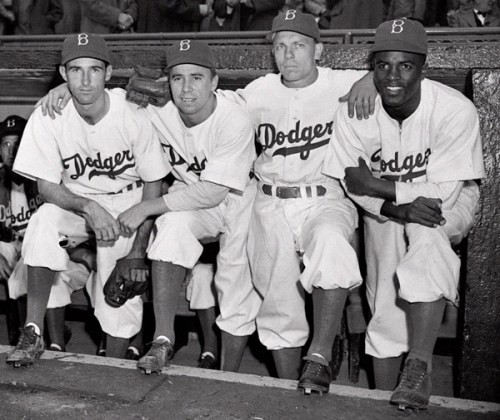
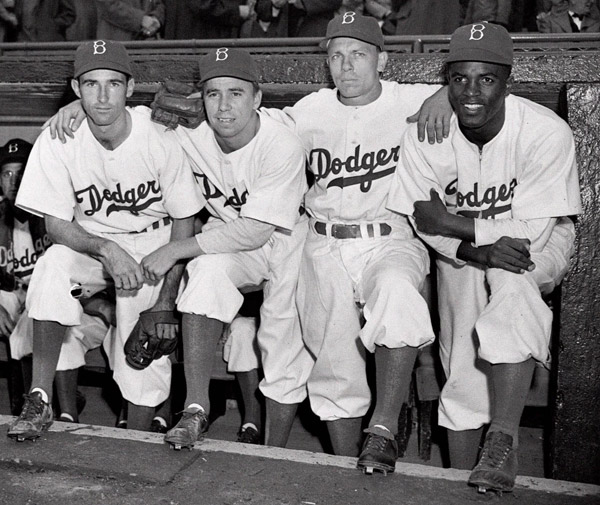
John Jorgensen, Pee Wee Reese, Ed Stanky and Jackie Robinson on opening day 1947

Jackie’s feat was a watershed moment in the history of our country.  Blacks had struggled for years against Jim Crow laws, discrimination in voting rights, and even simple human decencies such as where they could use a rest room, what hotels they could stay in or what part of the bus that they could sit.  In baseball many white fans were upset that blacks would be coming to see Robinson in stadiums that they would not have been allowed in before.  Players from other teams heckled Robinson, he received hate mail, people sent made death threats, and he was spiked and spit on.  But Jackie Robinson kept his pledge to Dodgers owner Branch Rickey not to lash out at his tormentors, as Rickey told him that he needed a man “with enough guts not to strike back.” In doing so his on field performance and poise under pressure won him the National League Rookie of the Year honor in 1947.
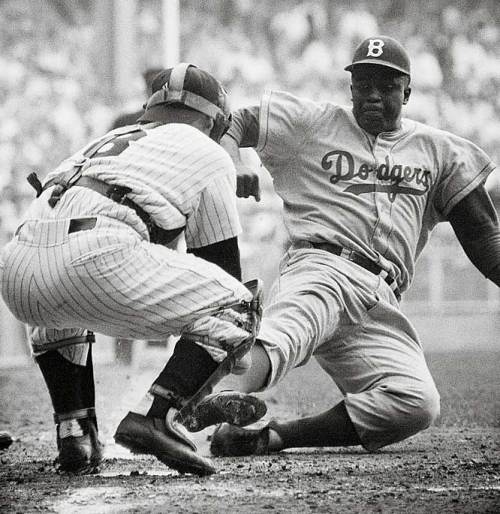
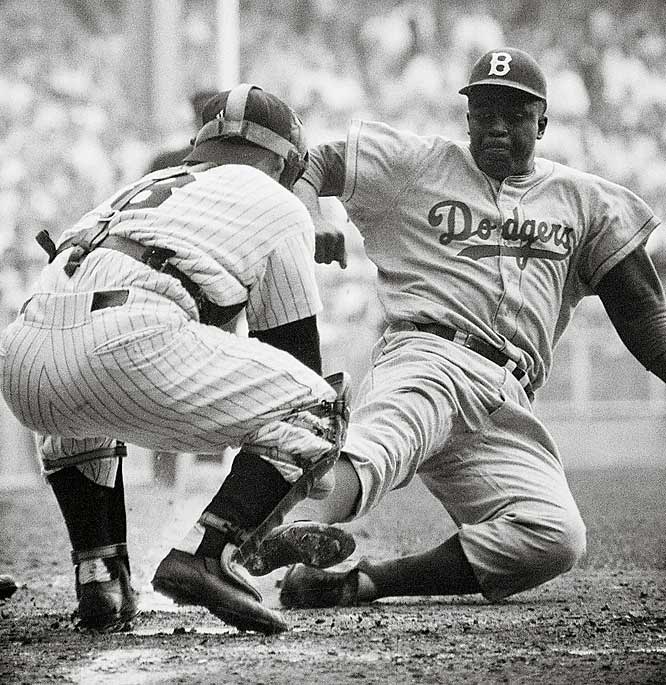
Jackie Stealing Home against the Yankees, the catcher is Yogi Berra

Jackie Robinson played the game with passion and even anger.  He took the advice of Hank Greenberg who as a Jew suffered continual racial epithets throughout his career “the best ways to combat slurs from the opposing dugout is to beat them on the field.” He would be honored as Rookie of the Year, was MVP, played in six World Series and six All Star Games.  He had a career .311 batting average, .409 on base percentage and a .474 Slugging percentage. He was elected to Baseball’s Hall of Fame in 1962. His teammate Pee Wee Reese would say: “Thinking about the things that happened, I don’t know any other ball player who could have done what he did. To be able to hit with everybody yelling at him. He had to block all that out, block out everything but this ball that is coming in at a hundred miles an hour. To do what he did has got to be the most tremendous thing I’ve ever seen in sports.”

Today Jackie Robinson’s feat is history, but it should not be forgotten.  He was a pioneer who made it possible for others to move forward.  He would be followed by players like Roy Campinella, Satchel Paige, Don Larson, Larry Dobie and Willie Mays.  His breakthrough had an effect not just on baseball but on society and helped make possible the later civil rights movement.  Dr. King would say of Jackie that he was “a legend and a symbol in his own time”, and that he “challenged the dark skies of intolerance and frustration.”  Historian Doris Kearns Godwin noted that Jackie’s “efforts were a monumental step in the civil-rights revolution in America” and that his “accomplishments allowed black and white Americans to be more respectful and open to one another and more appreciative of everyone’s abilities.” Time Magazine named him as one of the 100 most influential people of the 20th Century.
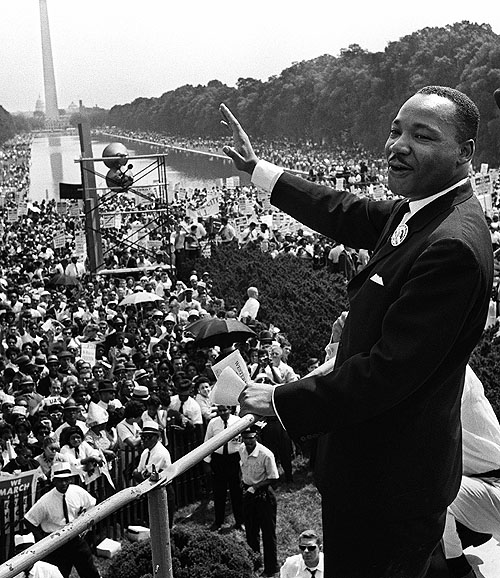
Dr Martin Luther King Jr “I have a dream”

We honor Dr King today and rightly so, but one can never forget those who paved the way so that we could all have the blessing of seeing Dr King’s dream come one step closer to fruition the dream that:

“one day this nation will rise up and live out the true meaning of its creed: ‘We hold these truths to be self-evident, that all men are created equal, that “children will one day live in a nation where they will not be judged by the color of their skin, but by the content of their character,” and that “one day on the red hills of Georgia the sons of former slaves and the sons of former slave owners will be able to sit down together at a table of brotherhood.”

Dr King would die by an assassin’s bullet in Memphis on the night of April 4th 1968 the day after finishing his final speech with these immortal remarks:

“And then I got to Memphis. And some began to say the threats, or talk about the threats that were out. What would happen to me from some of our sick white brothers? Well, I don’t know what will happen now. We’ve got some difficult days ahead. But it doesn’t matter with me now. Because I’ve been to the mountaintop. And I don’t mind. Like anybody, I would like to live a long life. Longevity has its place. But I’m not concerned about that now. I just want to do God’s will. And He’s allowed me to go up to the mountain. And I’ve looked over. And I’ve seen the Promised Land. I may not get there with you. But I want you to know tonight, that we, as a people, will get to the Promised Land. And I’m happy, tonight. I’m not worried about anything. I’m not fearing any man. Mine eyes have seen the glory of the coming of the Lord.”

Let us never forget Dr King nor those like Jackie Robinson who helped pave the way for Dr King.

Peace,

Padre Steve+

6 Comments

Filed under Baseball, History, Political Commentary