Tag Archives: uss hue city

D-Day at 70 Years and Forever: Courage, Sacrifice and Reconciliation…

d-day-opener1Omaha Beach

“We are on this Earth for only a moment in time.  And fewer of us have parents and grandparents to tell us about what the veterans of D-Day did here 70 years ago.  As I was landing on Marine One, I told my staff, I don’t think there’s a time where I miss my grandfather more, where I’d be more happy to have him here, than this day.  So we have to tell their stories for them.  We have to do our best to uphold in our own lives the values that they were prepared to die for.  We have to honor those who carry forward that legacy, recognizing that people cannot live in freedom unless free people are prepared to die for it.” President Barack Obama at the 70th Anniversary of the D-Day Landings, June 6th 2014

Seventy years ago the liberation of France began on the beaches of Normandy.  Soldiers from 6 Allied Infantry and 3 Airborne Divisions supported by an Armada of over 5000 ships and landing craft and several thousand aircraft braved weather, heavy seas and in places fierce German resistance to gain the foothold on beaches named Omaha, Utah, Gold, Sword and Juno.  Over the next seven weeks the Allied soldiers advanced yard by yard through the hedgerows and villages of Normandy against ferocious German resistance before they were able to break out of the lodgement area and begin the drive across France.
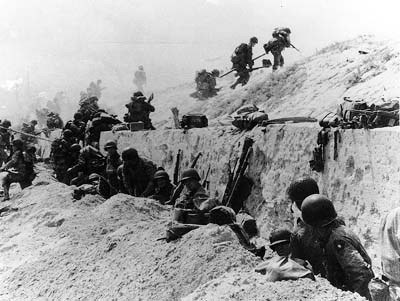
dday371

The fighting was bloody, most American, British and Canadian infantry battalions and regiments suffered nearly 100% casualty rates in Normandy.  Replacements were fed in at a cyclic rate to make up the losses even as fresh divisions flowed ashore, but the losses were terrible.  By the time the landings took place, the British having been at war for nearly five years were bled out.  They had little left to replace their losses.  From Normandy on the British were losing combat power at a rate that they could not make up.

For the Americans there was another problem.  The US High command decided to limit the Army to 90 Divisions.  Many of these were committed to the Pacific and Mediterranean theaters.   Likewise, American Infantry units were generally made up of the lowest caliber of recruits, led often by the poorest officers, the best went to either the Air Corps or technical branches of the Army.

Now this is not to criticize veterans, but it is a factor in the campaign.  Most US Infantry Divisions with the exceptions of those previously blooded in North Africa and Sicily often performed badly in action.  Some, after being manhandled by the Germans had their leadership replaced and became excellent combat units.  However, every new division that arrived in France after D-Day always got the worst of their initial engagement against German forces.

While performance suffered there was another problem for the Americans.  With the limitation in number of divisions, they stopped building infantry divisions, upon whom the bulk of the campaign depended. Thus they had little in the way of trained infantry replacements to make up heavy losses in Normandy.  By late 1944 during the Battle of the Bulge the American infantry crisis was so bad that 30,000 Air Corps candidates were trained as infantry and soldiers support units such as Ant-Aircraft battalions were used to bolster infantry units.
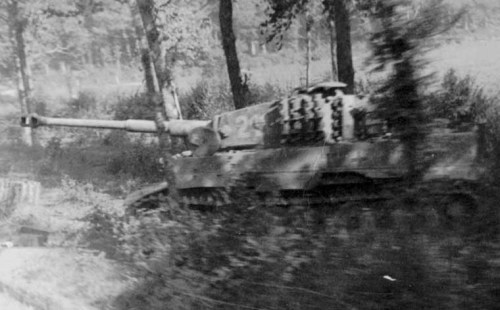
tiger2falaise16hh1

Had the Germans been able to hold out and had they not been bled white by the Red Army on the Easter Front, had they not lost the nearly their entire Army Group Center in the Red Army offensive of 1944 it is conceivable that the British and American offensive in the West would have ground to a halt for lank of infantry in 1945.  In spite of this there was no lack of individual courage among the troops engaged; the courage and sacrifice of all who fought there should not be forgotten.

caen_ruins1The Ruins of Caen

The human toll among the combatants both Allied and German, as well as the local populace was especially traumatic.  While the American, Canadian and British people are keen to remember the sacrifices made by our soldiers we often forget the toll among the French civilian population of Normandy as well as the German soldiers, mostly conscripts, sacrificed by the Nazi regime.  Normandy suffered more than any part of France during the liberation.  In the months leading up to D-Day Allied Air Forces unleashed hell on Normandy to attempt to lessen potential German resistance.  The Allied Naval bombardment added to the carnage ashore and once the campaign began the combined fires of both Allied and German forces devastated the region.  Whole cites such as Caen were destroyed by Allied Air forces and an estimated 30,000 French civilians were killed during the Normandy campaign, 3000 on D-Day alone.  I think it can be said that the blood of the civilians of Normandy was shed for the freedom of all of France.
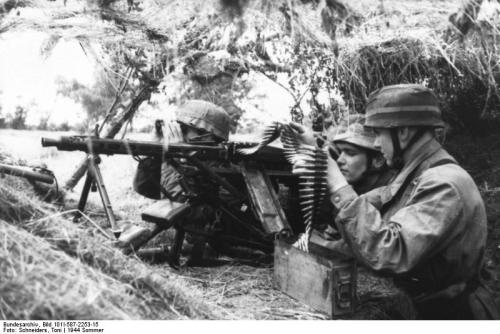
Normandie, Fallschirmjäger mit MG 42

The campaign in Normandy was one of the most viciously contested in western military history.  German forces, especially Paratroops of the 2nd, 3rd, 5th and 6th Fallschirmjager Divisions, German Army Panzer Divisions such as the 2nd, 21st, 116th and Panzer Lehr and those of the Waffen-SS, especially the 1st, 2nd and 12th SS Panzer Divisions held the line against ever increasing Allied forces.  As they sacrificed themselves Hitler refused to commit more forces to Normandy and insisted that his Army contest every meter of ground.  He forbade his commanders to withdraw to more defensible positions along the Seine.

Hitler’s decisions actually shortened the campaign.  Whatever the crimes of the Hitler Regime and Nazism, which were among the most heinous in history, one can never question the valor, courage and sacrifice of ordinary German soldiers.  For those Americans who lump all Germans who fought in World War II with the evil of the Nazi regime, please do not forget this fact:  There are those today, even in this country that make the same charge against Americans who have fought in Iraq and those at home and abroad who have labeled the US as an aggressor nation.  When you judge others, know that the same standard will be applied to you someday. It is as Justice Robert Jackson who served as the Chief Prosecutor at the Nuremberg War Crimes Tribunal wrote:

“If certain acts of violation of treaties are crimes, they are crimes whether the United States does them or whether Germany does them, and we are not prepared to lay down a rule of criminal conduct against others which we would not be willing to have invoked against us.”

Normandy was a near run thing for the Allies.  First the weather almost delayed it by 2 to 4 weeks.  Had that happened the Germans might have been even better prepared to meet the invasion.  Likewise, the Red Army’s devastating offensive which annihilated Army Group Center in June kept the Germans from transferring additional forces from the Russian Front to Normandy.  On D-Day itself there were a number of times where Lady Luck, or maybe the Deity Herself, saved the Allies from disaster.

Any person who has seen Saving Private Ryan, The Longest Day or Band of Brothers knows a little bit about how close Overlord came to failure.  Allied Airborne units were dispersed throughout the region after they drooped.  Many units were not fully operational for more than a day as they sought to organize themselves and gather their troops.  At Omaha Beach the Americans had not counted on the presence of the first rate German 352nd Infantry Division.  This division, despite being pounded by naval and air forces almost cause General Bradley to withdraw from Omaha.  At Utah the soldiers of the 4th Infantry division escaped a similar mauling by landing on the wrong beach.  Had they landed at the planned beaches they would have ran into the same kind of resistance from well dug in German forces.  At Gold Juno and Sword British forces benefited from confusion in the German command which kept the 21st Panzer Division from descending on the British forces and quite possibly splitting the British zones.

The Allies benefited from the absence of Field Marshall Erwin Rommel, Commander of Army Group B who because of the ad weather assumed no invasion was possible and traveled to German to celebrate his wife’s birthday.  Finally, and perhaps most important they benefited by Hitler’s refusal to immediately commit forces, including his Panzer reserve to defeat the invasion at the beachhead.

For those who fought in Normandy and those civilians who lived through it the memories are still vivid. Many suffer the effects of PTSD, grief and other wounds, physical, emotional and spiritual.  When one is exposed to the danger and destruction of war, the smell of death, the sight of burned out cities, vehicles and the suffering of the wounded and dying, it makes for a lifetime of often painful memories.

For some of the German, British and American veterans, the struggle in Normandy has given way to long lasting friendships.  Many of those who fought against the Allied onslaught became fast friends after the war. Those who fought against each other were soon allies as part of NATO and soldiers of nations which were once bitter enemies serve together in harm’s way in Afghanistan.  The generation that fought at Normandy is rapidly passing away, their numbers ever dwindling they remain a witness to courage, sacrifice and reconciliation.

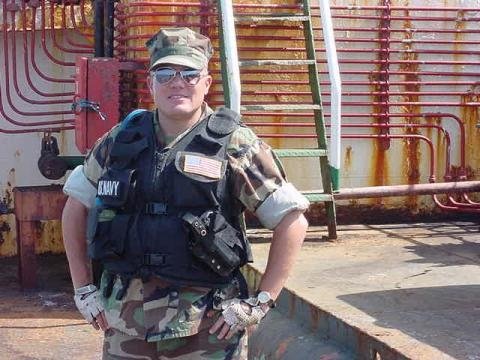
In the end it is reconciliation and healing that matters. Some scars of war never pass away; some memories are far too painful to release.  Yet we strive to reconcile.  In 2002 while deployed at sea for Operation Enduring Freedom I was an advisor to a boarding team from my ship.  It was our job to make sure that impounded ships which were breaking the UN embargo on Iraq were not in danger of sinking, and that their crews had food, water and medical care.  Since many of these ships remained at anchor for 2-4 weeks in the heat of the Arabian Gulf, this was important.

The delays imposed by UN rules sometimes meant that the sailors of these ships grew resentful.  It was my job to spend time with the Master’s of these ships to keep things calm and work out any issues that arose.  On one of these ships I met an Iraqi merchant skipper.  The man was well traveled, educated in the U.K. in the 1960s and in his career a frequent visitor to the US. In 1990 he was the senior captain of the Kuwaiti shipping line.  Then Saddam Hussein invaded Kuwait.  As a result of this when Kuwait was liberated he lost his job.  His nation was an international pariah.  Since his life was the sea he took up the only job possible to support his family, what he knew best, captaining ships.  He was most apologetic for the trouble that he and others like him caused us.  We shared much during those visits.   One of his daughters was in medical school and other children in university.  He longed for the day when Iraq would be free.  On our last talk before his ship was released he remarked to me “I hope one day we will meet again.  Maybe someday like the American, British and German soldiers after the war, we can meet in a pub, share a drink and be friends.” 
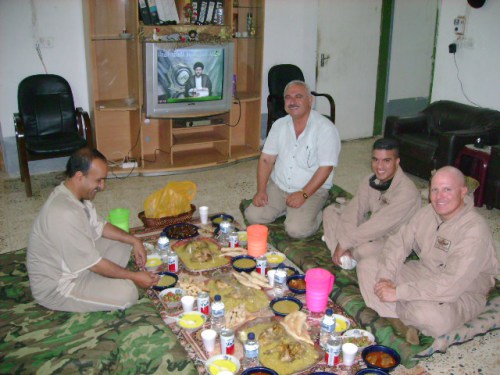
dinner-w-bg-sabah1Me with Iraqi General Sabah in his Quarters in Ramadi 2007

I too pray for that, especially after my tour in Al Anbar five years after I encountered that Iraqi Merchant Captain.  Maybe someday we will. I thought of him almost every day that I was in Iraq. I only hope that he and his family have survived the war, the continuing violence in Iraq and are doing well. There is hardly a day that goes by that I do not think of this man or the Iraqis that I had the honor of serving alongside in Al Anbar in 2007 and 2008.

President Obama remarked in Normandy last week about the veterans of the 9-11 Generation of service members, of which I and so many others like me are part:

“And this generation — this 9/11 Generation of service members — they, too, felt something.  They answered some call; they said “I will go.”  They, too, chose to serve a cause that’s greater than self — many even after they knew they’d be sent into harm’s way.  And for more than a decade, they have endured tour after tour.”

God bless all those who fought at Normandy and give your peace to all who have served since then. Be with our troops as they serve in Afghanistan. Heal the wounds of war and bring your peace to the nations. Amen

Peace, Steve+
1 Comment

Filed under History, iraq,afghanistan, Military, News and current events, world war two in europe

To Iraq and Back: A Last Night Together and a Kiss Goodbye

295_27076787058_8676_nJudy and I on the German Sail Training Ship Gorch Fock at the Norfolk Harbor Fest a couple of weeks before deployment

This is another of my “To Iraq and Back” articles about my deployment to Iraq in 2007 and 2008 with RP1 Nelson Lebron. 

Now the time has come to leave you
One more time Let me kiss you
And close your eyes and I’ll be on my way
Dream about the days to come, When I won’t have to leave alone
About the times, That I won’t have to say

Oh, kiss me and smile for me
Tell me that you’ll wait for me
Hold me like you’ll never let me go
Cause Im leavin’ on a jet plane
Don’t know when I’ll be back again
Oh babe, I hate to go

From “I’m Leaving on a Jet Plane” by John Denver

http://www.youtube.com/watch?v=vLBKOcUbHR0

The night before leaving on deployment and the actual day of departure are some of the hardest that any military couples or families experience. In time of war it is even more difficult. Judy and I have done this too many times in peace and war.

As I went through all of my preparations to go to Iraq in some was it was a replay of past pre-deployment situations. However, this time I was not merely deploying on a peacetime assignment or supporting a peace making operation, or even deploying on a ship and being part of a boarding team after the 9-11-2001 attacks. In that last instance  Judy did not know that I was part of the boarding team until about halfway through the deployment.

But this time going boots on ground into the most bitterly of Iraq’s contested provinces, Al Anbar. That lent at certain dark pallor to the occasion.

Our last night together was rather somber to put it mildly. Judy and I went out to dinner on Friday night. Since I knew that I would not be having a good beer for quite some time we went to the Gordon Biersch Brewery Restaurant in Virginia Beach. For us Gordon Biersch is generally a good time kind of place, it has become over the years our version of Cheers a place where everyone knows our name.

That last Friday before the deployment to Iraq it was not a festive occasion, it was almost a wake. Judy and I were both quite subdued. In between the silence Judy talked about her fears about the deployment while I tried to reassure her that everything would be fine. I am a man who is somewhat Vulcan in my use of logic. I figured that even though things were bad in Iraq that my chances of returning were quite high, even of something happened to me. I tried to be calm and reassuring and no matter what I tried it didn’t work, human emotions are quite intense at times.

I also reasoned that since I had taken out the extra life insurance that I would be okay.  For me such logic makes sense. I kind of believe that if I don’t get it I will need it and if I do get it I won’t. It’s kind of like Yogi Berra’s logic when he said “You should always go to other people’s funerals; otherwise, they won’t come to yours.”

After dinner and several half liter glasses of Gordon Biersch Märzen amber lager we went back home. Judy watched quietly while I finalized my packing. I ensured that all my field gear, uniforms and clothing were packed and rechecked my EOD issue protective gear.

I then packed my Mass kit, Bible, Prayer Book and my Marine Pattern camouflage reversible desert/woodland stole. The stole was special as Judy had made me a few years back from woodland and desert pattern shirts which were way too big for me. They are one of a kind items. I have seen similar, but what Judy made were far better than any others that I have seen. I still use that stole even when I am not deployed. It is simple but quite exquisite, adorned with an embroidered Maltese Cross in tan on the desert side and black on the woodland side it is unique and I treasure it.

The last items I packed were my books on counterinsurgency, a few DVD movies, music CDs and my hygiene items. It is funny to think that now all of this would be stored on my iPad which if I ever make such a deployment again will significantly simplify my life.

I wrestled the big bags down the stairs and put them in the back of my Honda CR-V so I wouldn’t have to fight them in the morning. That accomplished Judy and I just sat together, she was feeling pretty low, the look one of despair.

On the other hand I was a mix of conflicting emotions. I was excited by knowing that I was going to get to do what I had trained all of my life to do. However I was very cognizant of the reality that it would be tough on Judy and that it was a dangerous deployment.

My last couple of deployments had been very tough on her. When I deployed to support the Bosnia mission as a mobilized Army Reservist and newly ordained Priest three of my relatives in Huntington West Virginia where we were living died. One was my maternal grandmother “Ma Maw” who Judy had become very close to over the past couple of years. They had become buddies and Ma Maw had taken Judy in not as my wife, but as “her” granddaughter.

Ma Maw’s death hit Judy very hard and my mom and uncle in the midst of their grief over the loss of their mom they did not understood the depth of the relationship between Judy and Ma Maw. As a result, I was absent and there was much tension, misunderstanding and hurt feelings between them. In the week before Ma Maw’s death Judy tried repeatedly to get her to go to the doctor only to be ignored. The morning Ma Maw died Judy called me in Germany. She was frantic that I call Ma Maw and insist that she go to the doctor. I made the call and insisted that she go to the Emergency Room but she refused and said she would call her doctor. That night she died. I had lost my grandmother and could not go back to help and Judy had lost a woman who had become closer to her than her own grandmothers ever had been.

In 2001 during my deployment with 3rd Battalion 8th Marines to Okinawa, Japan and Korea we lost our 16 ½ year old Wire Haired Dachshund Frieda. Judy did her nest to keep Frieda alive for me, but there was nothing that could be done and finally with Judy being worn down to nothing herself, she was persuaded to have Frieda put down. The interesting thing is that after Frieda died she visited me in Okinawa and Judy about the same time in dreams. Frieda was always a weird animal and even in death has continued to find ways to remind us of her presence.

My 2002 deployment on USS HUE CITY to the Middle East and Horn of Africa came less than six months after my return from my deployment with 3/8. That deployment, coming on the heels of the 9-11-2001 attacks was also very difficult on her. In the space of 6 years we had been apart almost 4 1/2 years. Much of the time following that last deployment was spent on the road as I travelled to visit Marine Security Force and Navy EOD Mobile Units in the Middle East, Europe, the Far East and the Continental United States. In a four year period I averaged 1-3 weeks a month away from home.

With all of this in the background we spent our last night together. That night neither of us slept very well. When we got up I had a light breakfast and then accompanied by a friend from Judy’s Church choir we drove to the base.

Saturday morning traffic is generally not too bad so our trip was uneventful, but tense.  You could cut the tension between us by now with a knife.  It was about the time that we were nearing the base Judy said something about our relationship that I took really wrong. I sarcastically snapped back “Well I’ll just get blown up by an IED then.”

That sarcastic comment really hit her hard and I knew immediately that I had blown myself up with it. The words were harsh and devastating. I should have known better and should have kept my moth shut. After all I’d deployed a lot and taught pre-deployment classes talking about the emotional cycle of deployments. I was supposed to be an expert at this sort of thing, but instead my comment was very cruel.

To be sure the stress on both of us the preceding weeks had taken its toll and both of us were on edge.  For two months we had each in our own way imagined the deployment, me as a great adventure and her as a threat to our mutual existence. I wondered just what I would face when I got to Iraq and those were unanswerable questions. Judy’s great fear that something might happen to me and that she would be alone, not just for the time of the deployment but for the rest of her life.

That is one of the tensions in a military marriage that many people who have not lived it fail to understand. It is not just the wartime deployments it is the cumulative effects of multiple short and long term separations on the health of a relationship.

We got to the base pretty quick, maybe 15-20 minutes but the tension made me feel that the trip was three times as long. As we pulled up in a parking spot near the baggage drop off area we sat there for a few minutes. I got out of the car as did Judy.  I asked if she wanted to wait a while with me and with tears in her eyes said that she couldn’t handle the wait.

I unloaded my gear with the help of Nelson. He looked at Judy and said, “Don’t you worry ma’am we’ll do good and I’ll keep him safe.” Judy gave a soft “thanks” and gave him a hug.

With my gear unloaded I went back to Judy.  We looked at each other, embraced and kissed each other, each of us wondering if it was possibly the last time. We parted our embrace, and she the turned and walked back to the car, handed her friend the keys and they drove off.  It was a moment that I will not forget as long as I live. As she left I said a prayer under my breath and asked God to keep her safe while I was gone.  Then I turned to Nelson and said, “Okay partner, let’s get this done.”

Peace

Padre Steve+

2 Comments

Filed under iraq,afghanistan, marriage and relationships, Military, to iraq and back, Tour in Iraq

To Iraq and Back: Days at the Deployment Processing Center

295_27076832058_495_n

Me Aboard an Iraqi Oil Smuggler in 2002

This is another installment of my account of my account of mine and RP1 Nelson Lebron’s deployment to Iraq in 2007.

By the time the first day had ended there were nearly 120 of us being processed to serve in individual augment positions in Iraq, Afghanistan, Kuwait and Djibouti. Most of us were going to Iraq at this time since the “surge” was at its peak.

NMPS was just the first stop on the way to Iraq, for us it was the initial administrative processing that we would receive on the to Iraq. Most of our compatriots, save a few Seabees or Medical types who had served with the Marines had neither been on a deployment like this, been trained for land warfare of had served in a combat zone except aboard ship. After Norfolk we would receive more specific training and equipment at Fort Jackson South Carolina and then Kuwait.

603036_10200446098660478_1730640134_n

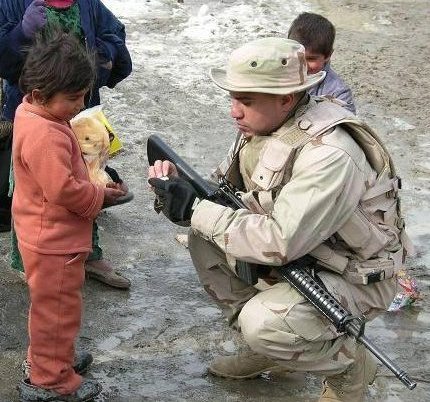
Nelson with an Afghani child in 2005

When compared to many of our fellow sailors Nelson and I had a lot of experience. I had served in the Army and both of us had served in infantry units of the Fleet Marine Force. Additionally Nelson had served with Naval Special Warfare Group Two, and the Marine 3rd Recon Battalion. He had previously served in Iraq, Afghanistan and Lebanon. I had much field experience with the Army and Marines and had been a part of a boarding team from the USS HUE CITY which conducted boarding operations supporting the UN Oil Embargo on Iraq in 2002. Likewise, Nelson is an accomplished martial artist, boxer, kick boxer and MMA fighter who has competed at many levels, while I am a military historian and theoretician  with much advanced education in both on top of my theological and pastoral care training and experience.

Our mobilization processing proceeded the next couple of days as we received our immunizations, were issued DCUs and other clothing needed for the deployment.  Nelson and I of course were already well outfitted by our unit, EOD Group Two, much more so than our counterparts reporting from other fleet units or the reserves.

In spite of this we drew additional DCU uniforms, brown t-shirts, socks and a host of miscellaneous gear. Thankfully as I have mentioned, EOD had outfitted us well including boots of our choosing, not the standard uncomfortable Army issue desert boots being provided to the rest of the sailors. I had a pair of Blackhawks and a pair of Magnum 5.11’s, both much more comfortable than those being issued. As far as other gear we already had much of it, and because it was EOD issue it was superior quality to  much of what was being issued.

Wills and powers of attorneys were drawn up by JAG officers. We updated our “page 2s” the record of who we wanted notified in the event of our demise were verified. Additionally new dog tags ordered and a myriad of forms were filled out, in typical military fashion often for the second or third time.

Of course even before we reported to NMPS we had we had completed numerous online pre-deployment courses on Navy Knowledge Online or NKO to orient us to operations, health and safety issues and for Nelson classes on the M-16A2 and M9 Pistol. Some were good but many were of dubious value especially in the online format.I could have taught many of them. Obviously some contractor got rich selling them to the Navy, but such is war and the activities of war profiteers who make their living inferior products to the military.

Both of us had the additional advantage of living in the Norfolk area so we could spend times with friends or family.

At the end of each day we were able to go home while our companions who had come from other locations were staying in transient quarters on base.

Since we had the 4th of July off we would both take advantage of it.

Peace

Padre Steve+
4 Comments

Filed under iraq,afghanistan, middle east, Military, to iraq and back, Tour in Iraq, US Navy

To Iraq and Back: Prelude: I was Born for This

295_27076757058_7361_n-1

Me in 1982 

This is the first actual chapter in my series “To Iraq and Back: Padre Steve’s War and Return.” I wrote last night that I was going to be doing this and I figure that there is no time like the present to start. Just about 6 years ago I was preparing to deploy to Iraq as an individual augment supporting the US Marine and Army advisors to Iraqi Army and Security Forces in Al Anbar Province. After 6 years I think I can finally complete my literary account of my experiences in Iraq, my return and subsequent struggle with Post Traumatic Stress Syndrome (PTSD). 

Though I am not certain, I do think that many of us were born for what we feel called to do. As bit of a theologian I can honestly say that I am not a Calvinist or strict Augustinian who believes that we are simply playing out some predetermined role or fate on earth. Neither am I a fatalist but I really do feel, that whether it was something God ordained, something genetic or a product of my environment growing up, that I was born to do what I do.

As one who has some training as well in psychology and pastoral care I also understand that the human mind is a very complicated lump of gray matter. I know that we as human being as products of our genetic make up, our upbringing and environment, education, spiritual formation, relationships ad infinitum, ad nauseum.

So I know what I believe about my calling to serve in the military and the priestly vocation cannot be scientifically proven. That being said, I believe and that belief in my calling survived even in my times of unbelief.  A paradox for sure, belief and unbelief coexisting at the same time in the same person, but Father Andrew Greeley said it well in his novel The Bishop and the Beggar Girl of St Germain: “Most priests, if they have any sense or any imagination, wonder if they truly believe all the things they preach. Like Jean-Claude they both believe and not believe at the same time.”

My tour in Iraq in a sense was the culmination of my calling, a call that I felt at a very early age, to serve in the military and later to be called to serve as a Priest in the military. I have long figured that to have served a full career in the military in time of war and not to have gone forward into danger to do what I have trained all my life to do.

I have a hard time not remembering when I wanted to serve in the military and serve in combat. That may sound strange but for some reason, even though I was not encouraged to follow this path it was something that growing up as the son of a Navy Chief Petty Officer who served at the Battle of An Loc in the Vietnam War that I felt was my destiny. Maybe it is faith, maybe it is some sort of mysticism or even fatalism, but I do believe that for good or for bad that I am doing what I was born to do.

George Patton commented: “A man must know his destiny. if he does not recognize it, then he is lost. By this I mean, once, twice, or at the very most, three times, fate will reach out and tap a man on the shoulder. if he has the imagination, he will turn around and fate will point out to him what fork in the road he should take, if he has the guts, he will take it.”

I am sure that my family and my earliest friends can testify to my love of all things military and the nearly romantic calling that soldiering had on my life. At nearly every turn in life I have responded to the military calling by volunteering for assignments that would place me closest to the action. There were times that my wishes were thwarted and my desires placed on hold, but they never died.

I served on the Fulda Gap in the Cold War and missed serving in ht First Iraq War because I had left active duty to attend seminary and my National Guard unit just missed being mobilized. I did support the Bosnia operation as a mobilized Army Reserve Major and during that mobilized period of service was told that I was not a place for me in the Regular Army. However, a few months after my last active reserve posting I was given the chance to apply for active duty as a Navy Chaplain. Less than 7 weeks after the first talk with the Navy I resigned my Army Reserve commission as a Major and accepted a lower rank, that of a Navy Lieutenant to enter active duty in February 1999.

The Marine unit that I was serving with in 1999 came very close to being sent to the Kosovo crisis and had Slobodan Milosevic not made a last minute peace deal after a 70 day air campaign I am sure I would have ended up there.

555306_316970661755579_1118848704_n

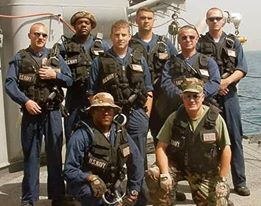
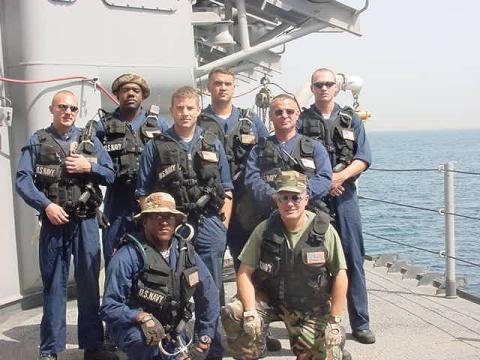
With my Boarding Team, April 2002 aboard USS Hue City

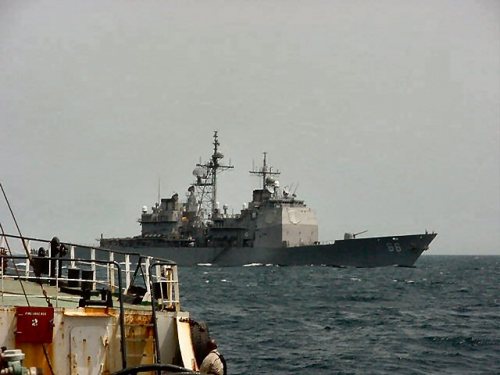
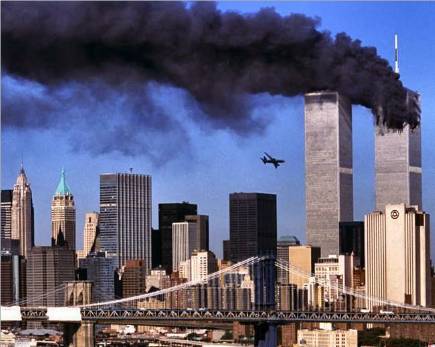
However it was 9-11-2001 that changed everything. I was in Camp LeJeune North Carolina with the 2nd Marine Division when the hijacked aircraft hit the Twin Towers and the Pentagon. Shortly after those attacks I was transferred to the USS Hue City, a Aegis Guided Missile Cruiser. My first wartime deployment was in 2002 aboard Hue City supporting Operation Enduring Freedom and Southern Watch. On that deployment I served as an advisor to one of our boarding teams and took part in over 70 boarding party operations against Iraqi and other oil smugglers who were breaking the United Nations oil sanctions against Iraq.

We were in the yards when Operation Iraqi Freedom began and in the fall of 2003 I was assigned to the Marine Security Force Battalion. In my time at Security Forces I travelled around the world and often to the Middle East and Europe, but not to Iraq or Afghanistan. Because the elements that we sent to Iraq were too small to rate an organic chaplain I did not deploy with them, though I heard about the experiences of many of those Marines and Navy Corpsmen as they came to me for counsel when they came home.

Despite having spent time of the boarding teams and having deployed numerous other places in my career there were times that I felt like William Tecumseh Sherman, who missed the war with Mexico having been sent to California who wrote: “I have felt tempted to send my resignation to Washington and I really feel ashamed to wear epaulettes after having passed through a war without smelling gun-powder.”

In October 2006 I was assigned to Navy EOD Group Two and shortly thereafter my life which had been very active with more time spent away from home than with my wife since my call up in 1996 to support the Bosnia operation became much more complicated. While at EOD I was supporting very skilled sailors most of whom had deployed multiple times in the always dangerous work of defusing and defending against Improvised Explosive Devices, or IEDs, the signature weapon of the wars in Iraq and Afghanistan. I also was called to support sailors either preparing to go to Iraq or Afghanistan as Individual Augments or those that were returning home.  As I heard their stories, especially those serving as advisors with Iraqis or Afghani soldiers I knew that was what I needed to be doing.

In early 2007 a call went out seeking chaplains to serve in Iraq and Afghanistan in various roles that were not supported by unit chaplains. With the permission of my supervisory Chaplain, Captain Deborah McGuire who was at the Navy Expeditionary Combat Command I put my name in the hat and was notified that I would be sent overseas. I explained to Judy that despite her misgivings that I felt that Nelson and I were the most ready, qualified and prepared team to take on the mission. Needless to say that did not assuage her fears and concerns and an emotional distance began to grow between us.

Initially we thought it would be sent to Iraq, then it was Afghanistan, and finally the first week of June 2007 the orders came down for Iraq. My faithful assistant, Religious Program Specialist Nelson Lebron would go with me. It was the first time that an existing Religious Ministry Team had been tagged to take on an independent mission of this nature.

Our orders were to support Marine Corps and Army advisors in Al Anbar Province, a mission that was new because when the advisory teams were first formed no one thought about organic religious or spiritual support. It was assumed that chaplains from nearby units would suffice but the Army and Marines learned that the assumption was wrong and that the advisors needed their own chaplain support.

The next few weeks would be a whirlwind as we prepared to go. They would be weeks that were trying both individually and for our families and neither of us would realize how much we would be impacted by our time in Iraq, but in June of 2007 that was still a part of our yet uncharted future.

Peace

Padre Steve+
Next: The Preparations


Leave a comment

Filed under PTSD, to iraq and back, Tour in Iraq

Looking Back at 30 Years of Commissioned Service

320578_10150433535627059_671902058_10348652_2128805973_n

I was going to write about the situation in Syria tonight but that will wait until tomorrow because June 19th is the 30th anniversary of my commissioning as a 2nd Lieutenant in the US Army. That was a long time ago. I had enlisted in the California Army National Guard in August of 1981 at the same time that I entered the Army ROTC program at UCLA.

295_27076757058_7361_n-1

California Army National Guard 1982

Like most of my life I can admit that my military career, 17 1/2 years in the Army and another 14 1/2 in the Navy has been to quote Jerry Garcia “a long strange trip.” It has been eventful and it is not over. One interesting thing is because I spent about 10 years of my career in the Army National Guard and Army Reserve in a drill status I still am able to serve, probably until I reach age 58 or maybe even 60. If so my career will span early 40 years. Judy tells me that she doesn’t think I will retire until I am 60 which would be just under another 7 years.  That being said I can still crush the Navy Physical Fitness Test. I am still in the game.

295_27076742058_6685_n-1

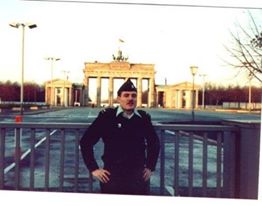
Berlin Wall (East Berlin) 1986

It is interesting what I have seen and where I have served. My career began back during the early days of the Reagan build up during the Cold War, not long after the Iranian Hostage Crisis, which was the catalyst for me volunteering even though the truth of the matter was that I wanted to serve in the military since I was a child. I was a Navy brat, my dad was a Chief Petty Officer and I loved that life.

603858_10151664883067059_2000407407_n

Germany 1984

I wanted to join the Navy out of high school but my parents convinced me to try college first, which I did, meeting my wife Judy my freshman year at San Joaquin Delta College in Stockton California. After that it was California State University at Northridge where I began the serious exploration of commissioning programs. I was actually accepted into the Air Force Program but turned it down, Judy told me that she wouldn’t marry me if I joined the Navy and the Navy ROTC program informed me that I would have to change my major to hard science, math or engineering to enter the ROTC program. So I asked who I could work with and they pointed me down the hall to the Army.

1006172_10151735951292059_1275042886_n-1

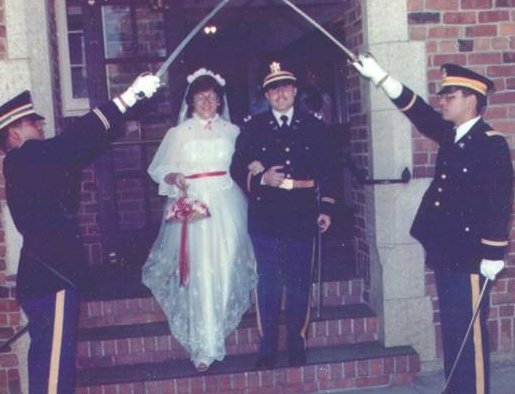
Marriage to Judy 25 June 1983

That was the beginning. A long time ago in a galaxy far far away. When I was commissioned in 1983 this college history major was commissioned into the Medical Service Corps, the administrative and operational side of the Army Medical Department. That made a lot of sense, or maybe it didn’t but it did save me from a career as an Ordinance Corps Maintenance Officer or Adjutant General’s Officer Corps paper pusher, both tasks that the Army trained and assigned me to do as a Medical Service Corps officer.

652_55115567058_8786_n

Company Commander 557th Medical Company (Ambulance) 1985

As a Medical Service Corps officer I attended my Medical Officer Basic Course, the Junior Officer Maintenance Corps, the NBC Defense Officer Corps, the Air Force Air Load Planner Course and the Military Personnel Officer course.

1929_55558982058_3465_n

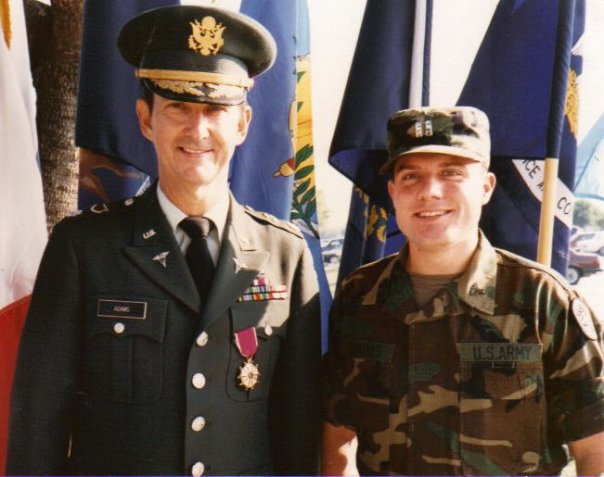
Academy of Health Sciences 1987 with LTC Ike Adams who was largely responsible for redirecting my career and calling to be a Chaplain

I served as a platoon leader, company XO, company commander and Group level staff officer in Cold Wr Germany. I then served as the Brigade Adjutant for the Academy Brigade of the Academy of Health Sciences, where I also helped draft the personnel instruction regarding personnel infected with the HIV virus.

652_55560577058_1525_n

Army Chaplain School August 1990 with LTC Rich Whaley and CPT Bill Blacky

I left active duty to attend seminary in 1988 and joined the texas Army National Guard, initially as an Armor Corps officer serving as the Adjutant for an Armored battalion, until the State Chaplain found out and demanded that I be transferred to the Chaplain Candidate Program which I entered in 1990. I was at the Chaplain Officer Basic Course in August 1999 when Saddam Hussein invaded Kuwait and the war ended just before our unit was to be mobilized for service. Technically Chaplain candidates can’t be mobilized, but one of the full time Guard personnel technician Warrant Officers in Austin kept me on the rolls for mobilization purposes as a Medical Service officer. But like I said the war ended, I graduated from seminary and was ordained and became a chaplain in 1992. I completed the Chaplain Officer Advanced Course and after completing my Pastoral Care Residency at Parkland Memorial Hospital in 1994 took a chaplain job in Huntington West Virginia where I transferred to the Virginia Army National Guard and once promoted to Major transferred to a local Army Reserve unit.

652_55560597058_3348_n

Exchange Officer with German Army at Panzer School 

That was a turn of events that got me mobilized to support the Bosnia mission in 1996 and allowed me to serve supporting a number of units and military communities in Germany. Upon my return to the states and no civilian employment I served as the final Federal Chaplain at fort Indiantown Gap Pennsylvania. When that assignment ended I went back to West Virginia.

652_55560592058_2987_n

295_27076797058_9175_n

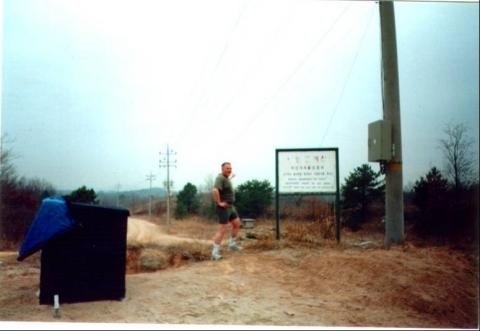
Mt Fuji Japan and Panmunjom Korea 2001

Just before Christmas 1998 I got a call from my bishop telling me that the Navy was willing to consider me for active duty. Remembering Judy’s admonition that she would not marry me if I joined the Navy I did it without asking her. Not a smart thing, she was quite pissed because had I bothered to consult her she probably would have said yes, but the way I did it devalued her. Likewise she was sort of looking forward to the time I hit 20 years in the reserves so she wouldn’t have to lose me all the time to the military.

295_27076837058_752_n

Korea DMZ PT Session

Long story short. The Navy took me and I took a reduction in rank to come on active duty. One day I was a Major in the Army Reserve and the next a Navy Lieutenant. I was given a choice of assignments. I wanted to serve on a ship. I was given the choice of Marines or Marines. So I chose Marines and after completing the Navy Chaplain Office Basic course I reported to the Second Marine Division where I served as the “relief pitcher” for the division Chaplain, whenever someone got in trouble or was transferred without a relief in place I went in like a baseball relief pitcher. I deployed with 3rd Battalion 8th Marines to Okinawa, Japan and Korea. I was at Camp LeJeune on 9-11-2001 and in December 2001 reported to the USS Hue City CG-66 in Mayport Florida deploying shortly thereafter to support Operation Enduring Freedom.

11787_4053256768208_1427277720_n

295_27076892058_2637_n-1

555306_316970661755579_1118848704_n

295_27076832058_495_n

USS Hue City Operation Enduring Freedom

In October 2003 I reported to the Marine Security Force Battalion (now Regiment) and travelled the world in support of those Marines, spending between 1-3 weeks a month on the road. That was an amazing assignment because it gave me a global perspective of the Navy Marine Corps mission traveling frequently to the Middle East, Europe, Asia, Guantanamo Bay Cuba and various locations in the United States. While in that billet I completed the Marine Corps Command and Staff College and my Fleet Marine Force Officer qualification and was promoted to Lieutenant Commander. After that I went to EOD Group 2 and from there was sent to Iraq as an Individual Augment to support advisors to the Iraqi 1st and 7th Divisions, 2nd Border Brigade, Highway Patrol and Police in Al Anbar Province working under the authority of the Iraq Assistance Group and II Marine Expeditionary Force Forward.

943043_10151694525692059_632653331_n

185615_1857288397412_3950321_n

25508_360207007058_7846512_n

Iraq 2007-2008

I came back from Iraq in pretty bad shape but consider it the pinnacle of my operational ministry as a Chaplain that I would not trade for anything. Since I have written much about it I will not say more about it in this article. From EOD I was transferred to Naval Medical Center Portsmouth and after being selected for Commander in 2010 was transferred to Naval Hospital Camp LeJeune as the command chaplain. This tour was as a geographic bachelor and every couple of weeks I drove back to Virginia.

Now in a couple of months I will be reporting to be the Ethics Faculty and Chaplain at the Joint Forces Staff College in Norfolk.

652_55115572058_9345_n

1905_50393137058_7454_n

2097_58015302058_3658_n

295_26911967058_7489_n

652_55115587058_50_n

295_27076772058_8004_n

1905_50393107058_5924_n

295_27076822058_54_n

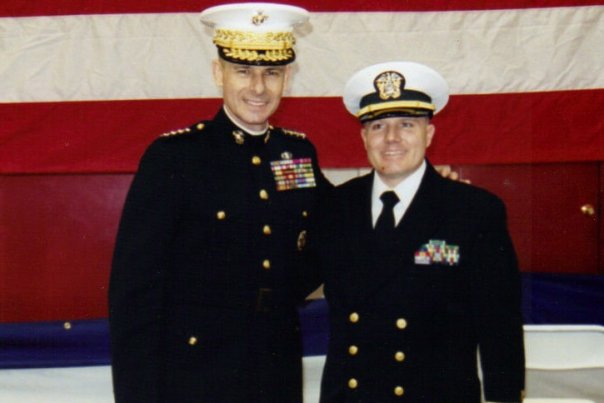
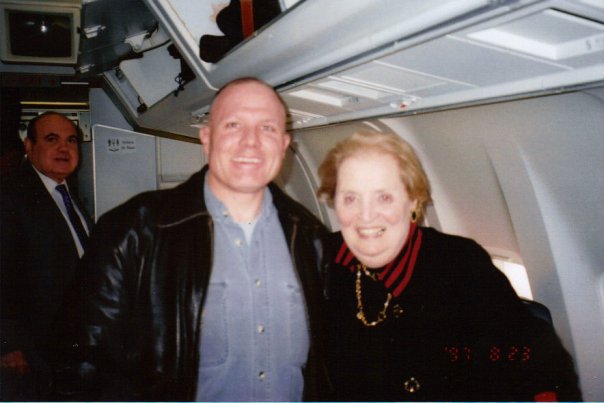
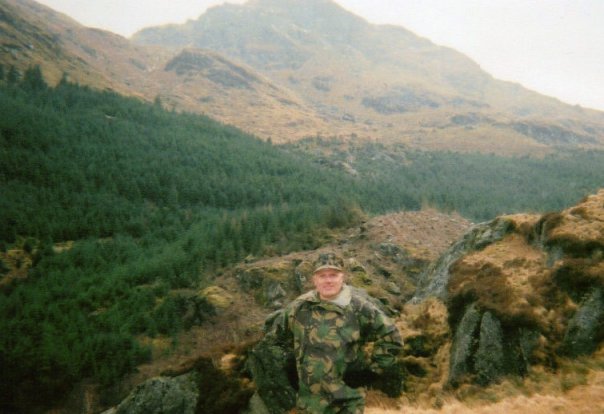
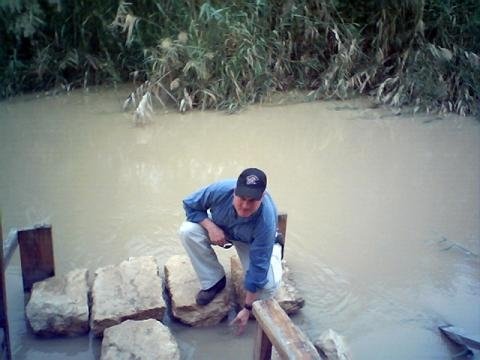
Various scenes top to bottom with General Peter Pace, teaching Marines at Normandy, with Secretary of State Madeline Albright 2005 Spain, with German office in Jordan 2007, Scottish Highlands with US Marines and Royal Marine Commandos 2005, Jordan River 2007, Belleau Wood France 2004, Guantanamo Bay Cuba 2003 or 2004

There have been highs and lows in my career and a few times that I thought that I wasn’t going to survive. But of all the things that I value in serving this country are the people that I have served with, Army, Navy, Marines and others including allied officers. I have met a lot of wonderful people, quite a few of whom I still stay in contact with despite the distance and years.

1905_50393027058_1870_n

295_27076762058_7573_n-1

295_27076892058_2637_n-1

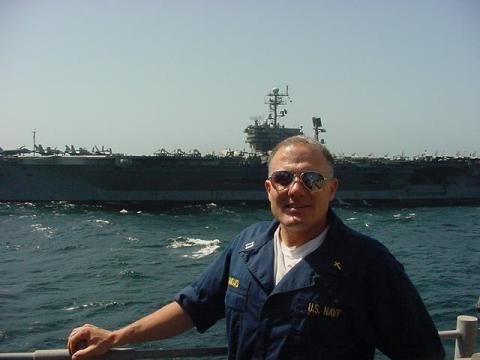
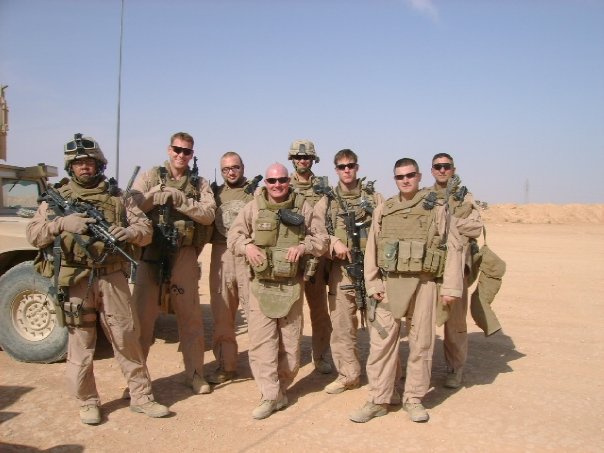
With FAST Marines in Bahrain 2004 or 2005, Easter Sunday 2002 aboard USS Hue City and aboard USS Hue City with USS John F Kennedy CV-67 in background.

While I value my service in the Army, because it is a big part of my life I echo President John F Kennedy who said “I can imagine no more rewarding a career. And any man who may be asked in this century what he did to make his life worthwhile, I think can respond with a good deal of pride and satisfaction: ‘I served in the United States Navy.'”

Until tomorrow,

Peace

Padre Steve+

2 Comments

Filed under Military

Challenger: 27 Years Later

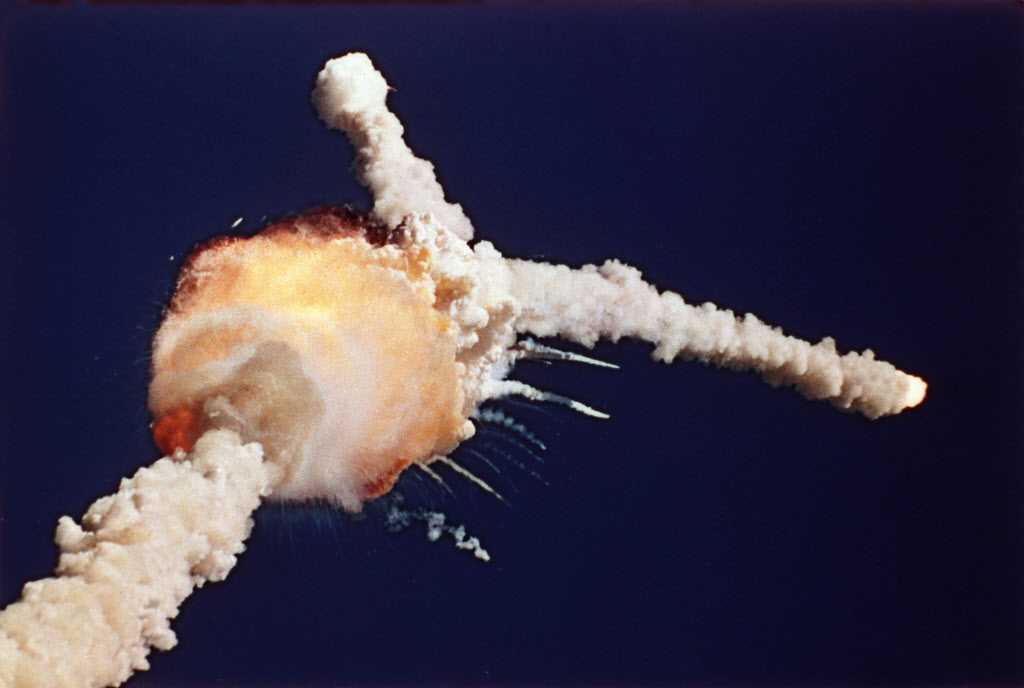
space-shuttle-challengerjpg-ff9375e2f0d3b75c

“We risk great peril if we kill off this spirit of adventure, for we cannot predict how and in what seemingly unrelated fields it will manifest itself. A nation that loses its forward thrust is in danger, and one of the most effective ways to retain that thrust is to keep exploring possibilities. The sense of exploration is intimately bound up with human resolve, and for a nation to believe that it is still committed to a forward motion is to ensure its continuance.” James A. Michener 1979

It is still hard to believe. But then Space Shuttles don’t blow up every day, but the Space Shuttle Challenger just beginning mission STS-51L on that cold and sunny Florida morning.

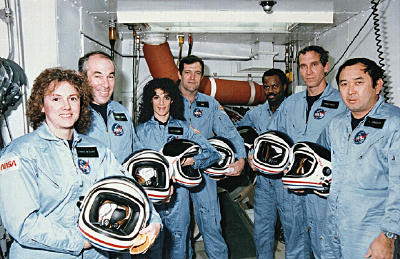
space-suit-challenger-crewa

Challenger’s crew

I guess that events like the explosion of Challenger remain with those that viewed them because they were unusual, historic and most of all, tragic. Yes we remember events of triumph as well, and they too make an imprint on our memories, but tragedies that impact a nation and the world touch us in a different and often more powerful way. I think this is because they expose to us our own mortality and vulnerability to things that we cannot control.

I know that I, like many others of my generation had grown up with the triumphs of the NASA manned space program. We had seen the incredible success of the Mercury, Gemini and Apollo programs.  Success and triumph were associated with the program. Even the tragic fire which consumed the command module of the Apollo I mission on January 27th 1967 during a launch pad test killing Astronauts Gus Grissom, Edward White and Roger Chaffee did little to quench our belief in the program.

In 1972 as the Apollo program wound down a new program was developed to be a more affordable means to continue space travel and scientific study. The program became the Space Shuttle program built around reusable orbiters of which Challenger was the third built for the program.

By the time Challenger was being prepared for STS-51-L we had become to Shuttle missions being routine. NASA was launching a mission every two to three months.  Challenger was the second of two missions in January 1986, her sister Columbia having returned from a 6 day mission just 10 days before her launch.

This familiarity with the routine of the Shuttle program and expectation of success made many of us forget that space travel is inherently dangerous and that complex vehicles like the Shuttle were not indestructible.

The STS-51-L mission was to be the 10th for the Challenger in under three years of service. The mission had been delayed due to weather on the 22nd and rescheduled several times due to weather or in one case due to problems with an exterior access hatch.

ksc-86pc-0081

Challenger takes off on January 28th 1986

The morning of the launch the weather was predicted to be at or below the 31 degree minimum safe launch threshold. Engineers from the builder of the Challenger’s Solid Rocket Boosters (SRBs) Morton Thiokol contacted NASA with their concerns that the O-Rings which sealed the joints on the SRBs which they believed might not seal properly.  NASA engineers argued that even if the primary O-Ring failed that the secondary O-Ring would be sufficient even though this was an unproven theory. Eventually Thiokol management overruled their engineers influenced by NASA management which demanded that Thiokol prove that it was not safe to launch rather than prove that it was safe to launch. Considering it was a “Criticality 1” component meaning that there was no backup in case of a failure of both joints. It was a clear violation of protocol but the later Rogers Commission would show that NASA managers frequently ignored or evaded safety regulations to meet their very ambitious mission schedule. This decision doomed Challenger and her crew of seven.

On the 28th of January 1986 I was a young commander of the 557th Medical Company (Ambulance) in Wiesbaden Germany. I had heard about the scheduled launch of the Shuttle but paid it little regard, despite the presence if Christa McAuliffe, the first “teacher in space.” That evening was hoping to close out the day by 7PM which was early for me as well as most officers in the 68th Medical Group and 3rd Support Command of what we commonly called the Imperial Army on the Rhine, the US Army Europe.

I had a stack of work in my inbox, NCO evaluations, criminal investigations, maintenance reports and upcoming missions, not to mention trying to get a head start on my Unit Status Report. Most of my soldiers except those on duty had finished for the day.

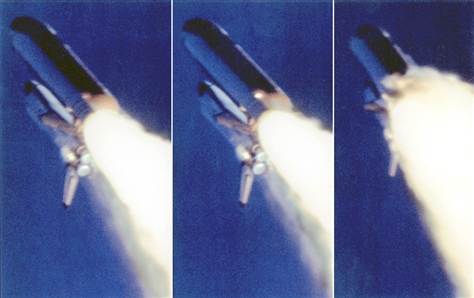
060125_challenger_3shot_hmed.grid-6x2

Challenger’s last moments

About 20 minutes to Six my senior duty person at the company, the Charge of Quarters or CQ in Army parlance came to my door which was at the far end of the hallway from where the CQ was stationed. Specialist Lisa Daley was a solid medic and outstanding soldier who had a great personality that caused her to be well liked in the company.  She came to my door and blurted out “Lieutenant Dundas! The Space Shuttle just blew up!”

I looked up from my desk and I remember my words to this day. “Specialist Daley, Space Shuttles don’t blow up.” She then said, “No sir they do, it’s on TV right now!”

I was stunned by her pronouncement. I got up and followed her as she told me what had happened. While I reached the CQ desk I saw the small television which she and her assistant CQ were watching. There was a live feed from CNN replaying the disaster, the twin plumes of smoke careening across the screen marking the spot where 73 seconds into the flight Challenger exploded. I stood there in shock, the images of the divergent plumes of smoke being etched into my mind.

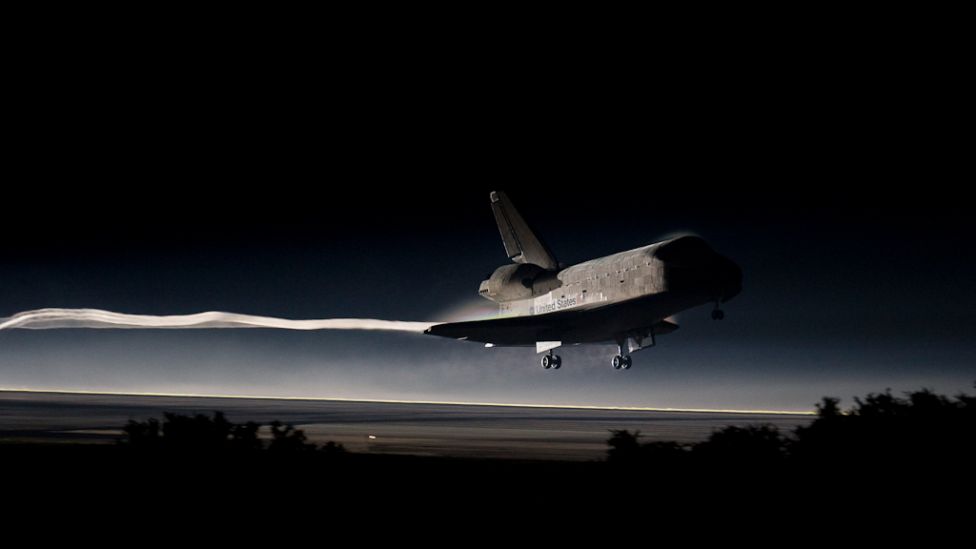
atlantis-final-flight-landing-shuttle-launch-17-20110721

Atlantis landing on her final mission

It is hard to forget. 17 years later I was waiting for the arrival of General Peter Pace, then the Vice Chairman of the Joint Chiefs of Staff to arrive at Naval Station Mayport Florida for the Battle of Hue City Memorial weekend hosted by the USS HUE CITY. I got to the ship early and while drinking coffee in the Wardroom saw the news of the breakup of the Space Shuttle Columbia. It brought back the images of the Challenger disaster. General Pace was delayed as the Joint Chiefs and National Security Council held an emergency meeting and arrived several hours late and when he arrived he spoke of the Challenger disaster along with the Columbia.

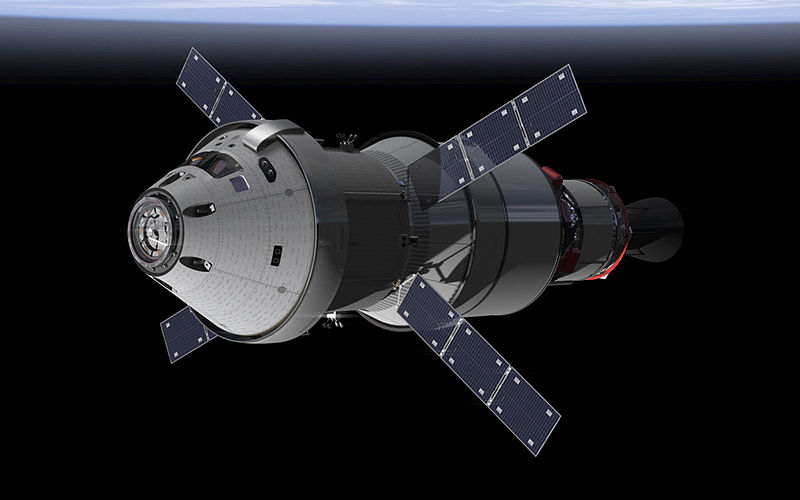
800px-Orion_Service_Module

The Shuttle program ended with the final mission of the Shuttle Atlantis in July 2011. As one that still dreams of the stars and manned space exploration I do hope that NASA is able to return to manned space missions and go beyond what we have done before. I hope that future programs including the Orion program and maybe manned missions to Mars and beyond can fulfill that ever hopeful opening dialogue of Star Trek: “to explore strange new worlds, to seek out new life and new civilizations, to boldly go where no man has gone before.” 

Peace

Padre Steve+
 

Leave a comment

Filed under History, News and current events, star trek, traumatic national events

Veterans Day 2012: Remembering those Who Served and Those that Helped Me

I always become a bit more thoughtful around Veterans Day and Memorial Day.  I’ve been in the military for over 30 years now.  I enlisted in the National Guard while in college and entered Army ROTC back on August 25th 1981.  Since then it has been to quote Jerry Garcia “a long strange trip.”  During that trip I learned a lot from the veterans who I am blessed to have encountered on the way.

My Dad: Chief Petty Officer Carl Dundas aboard the USS Hancock CVA 19 circa 1971-72

I come from a Navy family. My dad served twenty years in the Navy.  Growing up in a Navy family in the 1960s and 1970s was an adventure for me and that Navy family that surrounded us then remained part of my family’s life long after.  My mom and dad remained in contact with friends that they served with or were stationed with, and now many of them are elderly and a good number have passed away.  Even so my mom, now a widow stays in regular contact with a number of her Navy wife “sisters.”

My dad retired in 1974 as a Chief Petty Officer and did time surrounded in the South Vietnamese city of An Loc when it was surrounded by the North Vietnamese for 80 days in 1972.  He didn’t talk about it much when he came back; in fact he came back different from the war.  He probably suffered from PTSD.  All the markers were there but we had no idea about it back then, after all he was in the Navy not the Army.  I had friends whose dad’s did not return fromVietnamand saw howVietnamveterans were treated by the country as a whole including some members of the Greatest Generation.  They were not welcomed home and were treated with scorn.  Instead of being depicted a Americans doing their best in a war that few supported they were demonized in the media and in the entertainment industry for many years afterwards.

My dad never made a big deal out of his service but he inspired me to pursue a career in the military by being a man of honor and integrity.

It was the early Navy family experience that shaped much of how I see the world and is why I place such great value on the contributions of veterans to our country and to me.  That was also my introduction to war; the numbers shown in the nightly news “body count” segment were flesh and blood human beings.

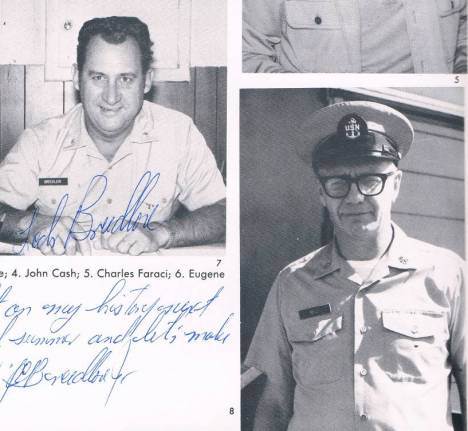
My second view of war came from the Veterans of Vietnam that I served with in the National Guard and the Army.  Some of these men served as teachers and mentors.  LCDR Jim Breedlove and Senior Chief John Ness at the Edison High School Naval Junior ROTC program were the first who helped me along.  Both have passed away but I will never forget them.  Commander Breedlove was someone that I would see every time that I went home as an adult. His sudden death the week before I returned from Iraqshook me.  I have a post dedicated to them at this link.  (In Memorium: Chief John Ness and LCDR Jim Breedlove USN )

Colonel Edgar Morrison was my first battalion commander.  He was the most highly decorated member of the California National Guard at that time and had served multiple tours inVietnam.  He encouraged me as a young specialist and officer cadet and showed a tremendous amount of care for his soldiers.  Staff Sergeant’s Buff Rambo and Mickey Yarro taught me the ropes as a forward observer and shared many of their Vietnam experiences. Buff had been a Marine dog handler on the DMZ and Mickey a Forward Observer.

The Senior NCOs that trained me while in the Army ROTC program at UCLA and Fort Lewis had a big impact. All were combat veterans that had served inVietnam.  Sergeant First Class Harry Zilkan was my training NCO at the UCLA Army ROTC program.  He was a Special Forces Medic with 7th Group inVietnam.  He still had part of a VC bayonet embedded in his foot.  He received my first salute as a newly commissioned Second Lieutenant as well as a Silver Dollar.  I understand that after the Army he became a fire fighter.  He had a massive heart attack on the scene of a fire and died a few years later from it.  Sergeant Major John Butler was our senior enlisted advisor at UCLA.  An infantryman he served with the 173rd Airborne inVietnam.  Sergeant First Class Harry Ball was my drill sergeant at the ROTC pre-commissioning camp at Fort Lewis Washington in 1982.  He was a veteran of the Special Forces and Rangers and served multiple tours inVietnam.  Though he only had me for a summer he was quite influential in my life, tearing me apart and then building me back up.  He was my version of Drill Sergeant Foley in An Officer and a Gentleman. Like Zack Mayo played by Richard Gere in the movie I can only say: Drill Sergeant “I will never forget you.”

As I progressed through my Army career I encountered others of this generation who also impacted my life. First among them was First Sergeant Jim Koenig who had been a Ranger in the Mekong Delta.  I was the First Sergeant that I would measure all others by.  Once during an ARTEP we were aggressed and all of a sudden he was back in the Delta. This man cared so much for his young soldiers in the 557th Medical Company.   He did so much for them and I’m sure that those who served with him can attest to this as well as me. Jim had a brick on his desk so that when he got pissed he could chew on it.   He was great.  He played guitar for the troops and had a song called “Jane Fonda, Jane Fonda You Communist Slut.” It was a classic.  He retired after he was selected to be a Command Sergeant Major because he valued his wife and family more than the promotion.  It hurt him to do this, but he put them first. Colonel Donald Johnson was the commander of the 68th Medical Group when I got to Germany in January 1984.  Colonel “J” as well all called him was one of the best leaders I have seen in 28 years in the military.  He knew everything about everything and his knowledge forced us all to learn and be better officers and NCOs.  On an inspection visit you could always find him dressed in coveralls and underneath a truck verifying the maintenance done on it.  He served a number ofVietnamtours.  He died of Multiple Myeloma and is buried at Arlington.  Chaplain (LTC) Rich Whaley who had served as a company commander in Vietnam on more than one occasion saved my young ass at the Army Chaplain School.  He remains a friend and is the Endorsing Agent for the Church of Jesus Christ of Latter Day Saints. As a Mormon he was one of the most “Christian” men that I have ever met.  I know some Christians who might have a hard time with that, but Rich demonstrated every trait of a Christian who loved God and his neighbor.

Me with Col Tom Almon and MG Frank Smoker USAF Ret

When I was the Installation Chaplain at Fort Indiantown Gap PA I was blessed to have some great veterans in my Chapel Parish.  Major General Frank Smoker flew 25 missions as a B-17 pilot over Germany during the height of the air war in Europe. He brought his wonderful wife Kate back from England with him and long after his active service was over he remained a vital part of the military community until his death in 2010.  Sergeant Henry Boyd was one of the 101st Airborne soldiers epitomized in Band of Brothers. He had a piece of shrapnel lodged next to his heart from the Battle of the Bulge until the day he died and was honored to conduct his funeral while stationed at Indiantown Gap. Colonel Walt Swank also served in Normandy.  Major Scotty Jenkes was an Air Force pilot in Vietnam flying close air support while Colonel Ray Hawthorne served several tours both in artillery units and as an adviser in 1972 and was with General Smoker a wonderful help to me as I applied to enter the Navy while CWO4 Charlie Kosko flew helicopters in Vietnam.  All these men made a deep impact on me and several contributed to my career in very tangible ways.

My life more recently has been impacted by others. Since coming into the Navy I have been blessed to serve with the Marines and Sailors of the 2nd Combat Engineer Battalion and Lieutenant Colonel T D Anderson, 1st Battalion 8thMarines and Lieutenant Colonel Desroches, 3rd Battalion 8th Marines and Colonel Lou Rachal and Headquarters Battalion 2nd Marine Division and Colonel, now Major General Richard Lake.   My friends of the veterans of the Battle of Hue City including General Peter Pace, Barney Barnes, Tony “Limey” Cartilage, Sergeant Major Thomas and so many others have become close over the years, especially after I did my time inIraq. They and all theVietnam vets, including the guys from the Vietnam Veterans of America like Ray and John who manned the beer stand behind the plate at HarborPark all mean a lot to me.  My friends at Marine Security Forces Colonel Mike Paulovich and Sergeant Major Kim Davis mean more than almost any people in the world.  We traveled the globe together visiting our Marines.  Both of these men are heroes to me as well as friends, Colonel Paulovich was able to administer the oath of office to me when I was promoted to Commander.

Finally there are my friends and brothers that I have served with at sea on USS HUE CITY during Operation Enduring Freedom and the advisers on the ground in Al Anbar mean more than anything to me. Perhaps the most important is my RP, RP2 Nelson Lebron who helped keep me safe and accompanied me all over the battlefield.  Nelson who has doneIraq three times,Afghanistan,Lebanon and the Balkans is a hero.  The men and women of Navy EOD who I served with from 2006-2008 have paid dearly in combating IEDs and other explosive devices used against us in Iraq and Afghanistan are heroes too.  There is no routine mission for EOD technicians.  Then there are the friends that I serve with in Navy Medicine, medical professionals who care for our Sailors, Marines, Soldiers and Airmen, family members and veterans at home and in the thick of the fighting in Afghanistan.

I give thanks for all them men that I mention in this post, especially my dad. For the countless others that are not mentioned by name please know that I thank God for all of you too.

I do hope that people will remember the Veterans that impacted their lives this and every day.  Some may have been the men and women that we served with, perhaps a parent, sibling or other relative, maybe a childhood friend, a teacher, coach or neighbor. As we pause for a moment this Friday let us honor those who gave their lives in the defense of liberty in all of the wars of our nation. They have earned it.

Peace

Padre Steve+
 

1 Comment

Filed under faith, History, iraq,afghanistan, Military, News and current events

237 Years of Service: Happy Birthday US Navy!

Raising the Flag Aboard the USS Alfred 

“It follows than as certain as that night succeeds the day, that without a decisive naval force we can do nothing definitive, and with it, everything honorable and glorious.” George Washington 15 November 1781 to the Marquis de Lafayette

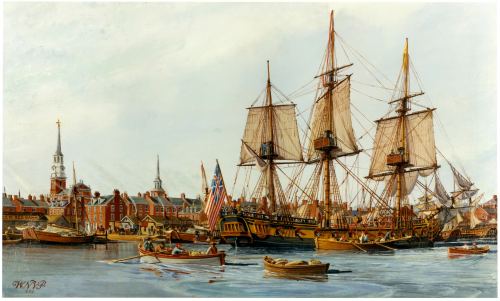
On October 13th 1775 the Continental Congress passed legislation to establish a Navy for a country that did not yet exist.  It was the first was the first in a long line of legislative actions taken by it and subsequent Congresses that helped define the future of American sea power.

The Battle of Flamborough Head

The legislation was the beginning of a proud service that the intrepid founders of our nation could have ever imagined.  Less than two months after it was signed on December 3rd 1775 Lieutenant John Paul Jones raised the Grand Union Flag over the new fleet flagship the Alfred. The fleet set sail and raided the British colony at Nassau in the Bahamas capturing valuable cannon and other military stores.  It was the first amphibious operation ever conducted by the Navy and Marines.

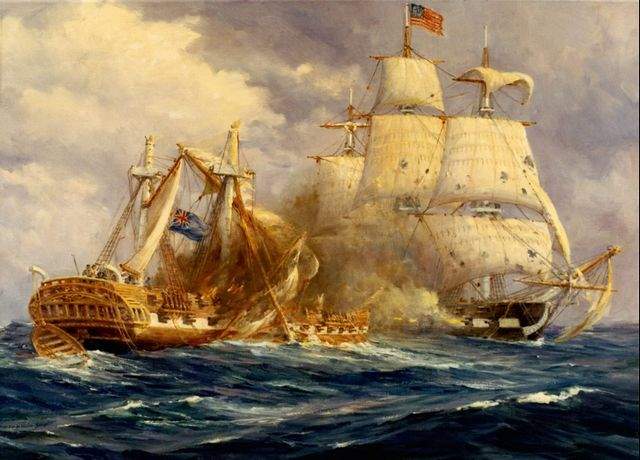
USS Constitution and HMS Guerriere

Jones received the first recognition of the American flag shortly after France recognized the new United States.  In command of the Sloop of War Ranger his ship received a nine-gun salute from the French flagship at Quiberon Bay.

Oliver Hazard Perry at the Battle of Lake Erie

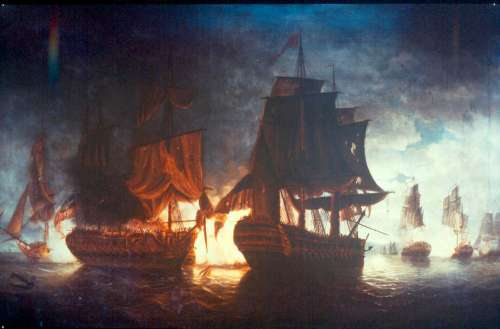
Jones would go on to to greater glory when he in command of the Bonhomme Richard defeated the HMS Serapis at the Battle of Flamborough Head. During the battle when all seemed lost and the colors had been shot away he replied to a British question if he had surrendered replied “I have not yet begun to fight!”

Admiral David Farragut at the Battle of Mobile Bay

When the war ended very few of these ships remained most having been destroyed or captured during the war. But these few ships and the brave Sailors and Marines who manned them blazed a trail which generations of future sailors would build on.  The Navy has served the nation and the world as a “Global Force for Good” for 237 years.

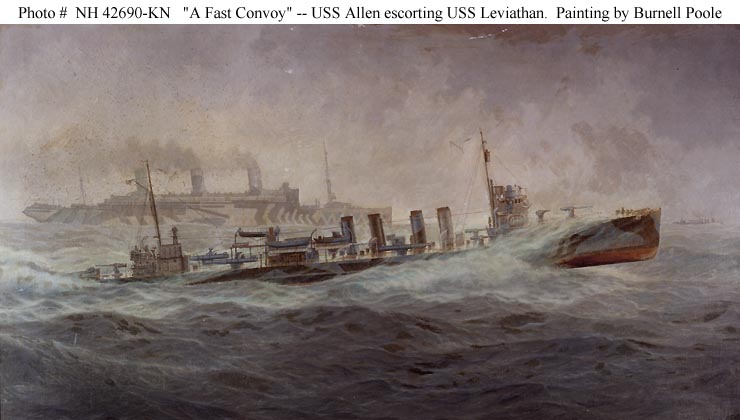
World War One: Convoy Escort USS Allen

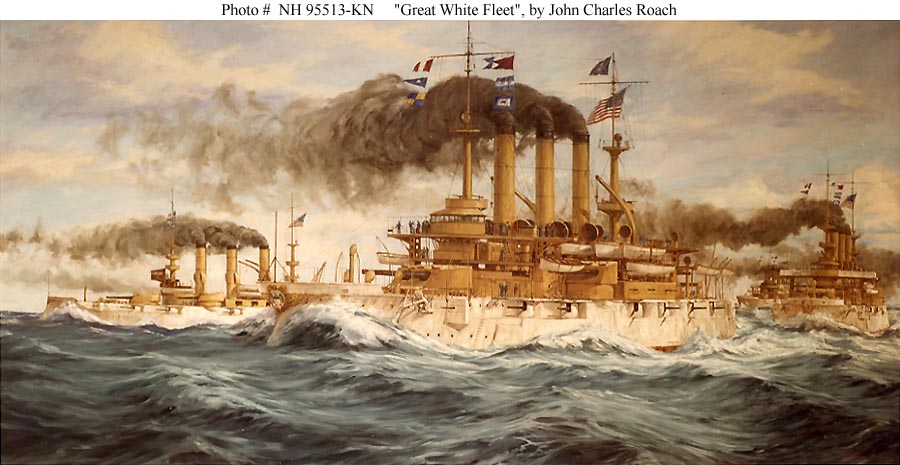
The Great White Fleet

This force for good is on duty today and those that have served over the past 237 years are part of a tradition that is more than honorable. President John F. Kennedy who served as a PT Boat Commander in World War Two remarked:

“I can imagine no more rewarding a career. And any man who may be asked in this century what he did to make his life worthwhile, I think can respond with a good deal of pride and satisfaction: ‘I served in the United States Navy.'”

The Battle of Midway

USS Growler

Tonight as you go to bed and sleep soundly after eating well and spending time with family, friends or enjoying some form of entertainment remember those of our Navy who serve at sea at the ready in the Straits of Hormuz, in the mountains and deserts of Afghanistan, the desolation of the Horn of Africa and around the world defending our interests, caring for our military personnel and their families and deploying to serve in harm’s way and in areas of devastation.  They are America’s “Global Force for Good.”  They are my shipmates they are your fellow citizens.  They are the United States Navy.

USS Hue City CG-66

Happy Birthday Shipmates.

Peace

Padre Steve+
1 Comment

Filed under History, Military, Navy Ships, US Navy

Where Were You on 9-11-2001? Share Your Memories

I was reminded today about how the terrible events of September 11th 2001 are part of our national fabric and how those that remember that day have in some way been affected by it. Most of us I am sure remember where they were when they found out and what they were doing. I have written about my experience at Camp LeJeune but I know that others have just as vivid memories.

I was asking one of my sailors where he was on 9-11. He is young, just a year in the Navy and he replied that he was in 3rd grade. He explained that he remembers his teachers and other adults in states of shock and disbelief. He said that as a kid the significance was not understandable, that the pictures looked like a movie.

One of my friends who I served with in Germany early in my Army career was a hospital administrator at a large medical center on the New Jersey side of the Hudson across from Manhattan when the towers were hit and how he watched from his office as the towers burned and fell.

I have many friends from the USS Hue City which I reported aboard in December 2001 who were at sea and after the attack patrolled the East Coast. Another one of my friends who works with me on our pastoral care staff was in the gym at 29 Palms following a combined arms exercise with the 2nd Marine Regiment when the news showed the second aircraft hitting the South Tower of the WTC. He informed his disbelieving commanding officer of the attack.

My wife Judy was in a doctor’s office waiting room when the news came on the television. She said to a friend who was with her that “it was terrorism” and the friend said “that damned Saddam Hussein.”

I had friends that served as first responders or provided support to first responders at the site. Many were clergy, both Navy Chaplains serving with the US Coast Guard and civilian clergy.

Quite a few of the young Sailors, Marines, Soldiers and Airmen that I have served alongside joined following in the days, months and years after 9-11-2001 because of that terrible event. Others who had done their time on active duty volunteered as Reservists or National Guardsmen to return to active duty .  They are part of the 9-11 Generation, a new Greatest Generation, who have served in the longest and most far flung war in our nation’s history.

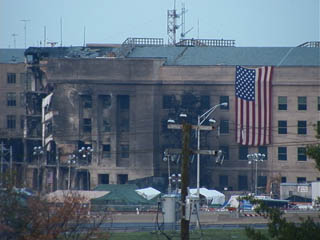
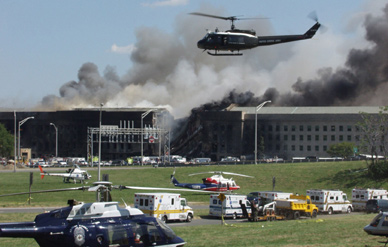
I believe that we should never forget that day and the lives of those that were killed or injured during the attack, the families who lost husbands, wives, children or parents and those that laid down their lives going up to save lives even as the buildings came down. Some of us knew people killed in the attacks. One of my Army Officer Basic Course Classmates, Lieutenant Colonel Karen Wagner died in the Pentagon. Other friends and comrades have died in the wars in Afghanistan and Iraq. For their sake we should remember and never forget 9-11-2001.

Many of us have gone to war, deploying more than once to Iraq, Afghanistan or the Arabian Gulf, the Horn of Africa and other less known theaters of the Global War on Terrorism. Over 6,000 of us, twice the number killed on 9-11-2001 have died in those wars, tens of thousands of others wounded and forever changed. The name Operation Enduring Freedom is no misnomer, it has gone on far longer than anyone of us imagined that it would.

However on 9-11-2001and in the days following that day Americans stood as one. Liberals and conservatives, Republicans and Democrats, straight and gay, religious people and non-religious people, secularists and humanists, Christians of all denominations, Jews, Hindus, Sikhs, Buddhists, followers of Wicca and earth based religions and American Moslems who often took the brunt of others anger for the actions of the terrorists all stood together. We were Americans again.

We have lost unity that over the past eleven years and all of us, especially those  probably share some of the blame for the division. I do hope that as we remember the events of 9-11-2001 that we somehow recover a sense that we are all in this together and come together as Americans no matter which political party is in power.

Tomorrow at the Naval Hospital that I serve we will mark the events of 9-11-2001 with a small ceremony at morning Colors and have moment of silence at the time of the first attack. Others around the country, especially at the World Trade Center where the Freedom Tower is rising, the Pentagon and in Somerset County Pennsylvania will have more elaborate ceremonies. Regardless of where we are we will be one in spirit.

I invite anyone reading this to share in the comments your memories of the day, perhaps your experiences of it.

Peace

Padre Steve+


1 Comment

Filed under History, News and current events

Padre Steve Remembers 9-11 and the Forgotten War

It has been nearly eleven years since that fateful Tuesday when the world changed.

I can still remember it like it was yesterday despite the intervening years.

I was in my office at Camp LeJeune where I was serving as Chaplain for Headquarters Battalion 2nd Marine Division. I had just finished an early morning counseling case and had delayed my early morning PT in order to handle the case and after I checked e-mail I was about to close my internet browser when I saw a small headline on the Yahoo News headline section.

The headline simply read “Plane crashes into World Trade Center Building.” My immediate thought was “some dumb ass flew his Cessna into the building.” I simply thought that some inexperienced pilot had gotten lost and crashed his plane into a tower. Thinking nothing more I closed out the page and left the office. It was 0900.

I got in my car and the radio was tuned in to a local right-wing talk radio station, yes I used to listen to it all the time. The talk show host was former Congressman Bob Dornan. He was talking with someone about what kind of aircraft had struck the building when he shouted “oh my God another plane has crashed into the other tower!”

I was stunned. I knew that it had to be terrorism. I drove to the gym since they had multiple televisions and I figured that I could find out more there. I walked in and saw Marines, Sailors and civilians gathered around the sets. Every TV was tuned in to different news programs, CNN, Fox News, MSNBC as well as shows such as the Today Show and Good Morning America. Some whispered to each other but the silence of most was deafening. I remained a few minutes, transfixed by the images on the set. I then left the gym, got in my car and went back to the office where I showered, got into uniform, made a check of the news which was now reporting a strike on the Pentagon and the collapse of the South Tower of the WTC.

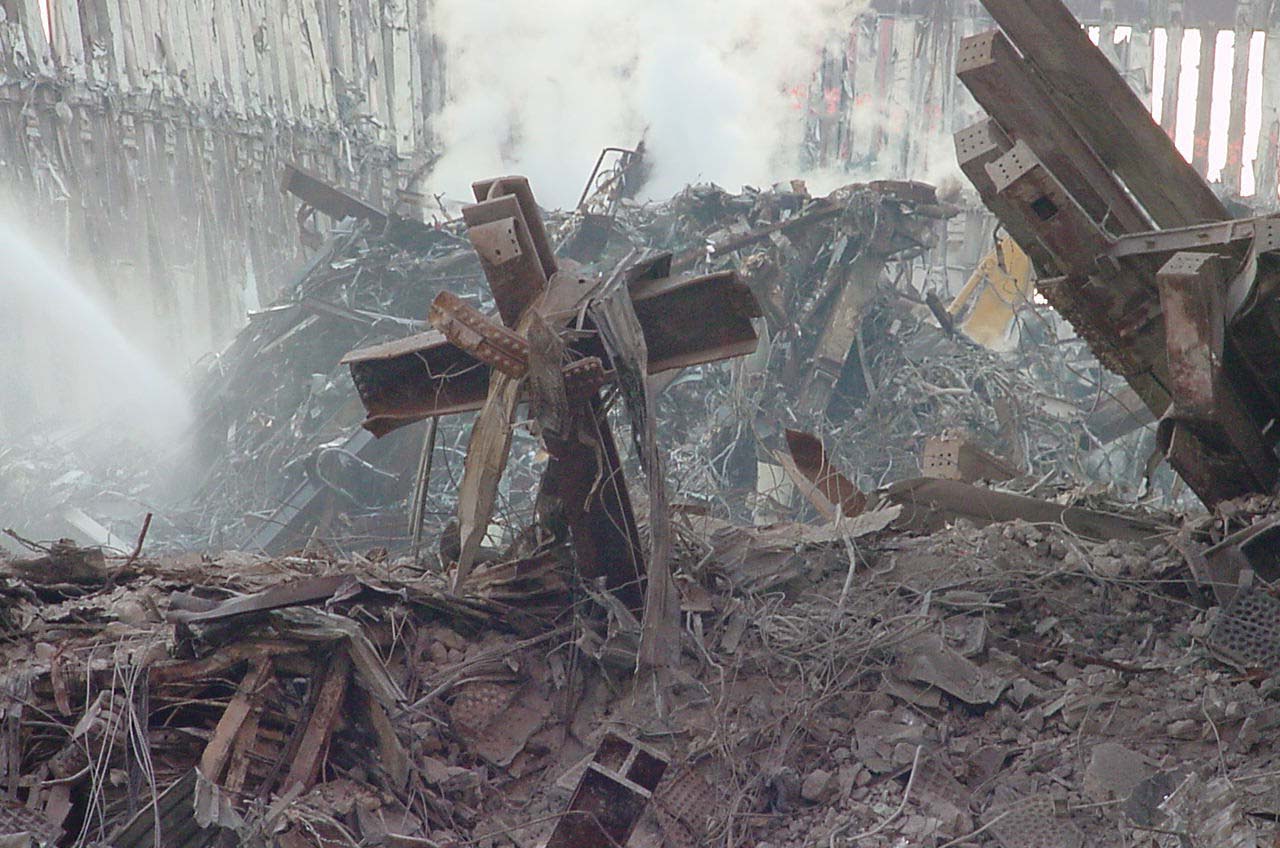
I drove to our battalion command post where I met with our Commanding Officer, Colonel Lake and Executive Officer Major Foster. We all knew that this was the beginning of a war and all of us had been through countless instances where we had been notified to get ready to deploy, most recently during the Kosovo action where Marines were to take a lead roll had the Serbians not backed down. While we talked the North Tower of the WTC collapsed. The emotions on everyone’s face showed, it was hard to believe that so much had happened and the great towers were smoldering heaps of rubble with possibly tens of thousands of victims crushed or incinerated in the ruins. I was instructed to get my gear and be back for a staff meeting as Colonel Lake was heading to division to meet with the Staff of 2nd Marine Division.

I made a quick run to my town home, hugged the dogs since Judy was out and grabbed my gear and some extra uniforms and underwear and headed back into the base through the back gate. I deposited my gear in my office and went around the building so see our Marines and Sailors assigned to our Truck Company, MP Company, Medical Company and Headquarters Company and all were waiting for more word, most gathered around televisions and watching breaking news. Some came to me and asked what it meant and expressed concern for families and friends in the affected locations. Then I went back to our headquarters where we heard from Colonel Lake what was known and what our actions would be. We were placed on high alert, patrols by full combat ready Marines were to patrol vulnerable areas of the base while roadblocks and checkpoints were established near every major headquarters aboard the base. The base was also locked down and only Marines, Sailors or Civilian workers returning to work were allowed aboard.

Later in the day I met with the chaplains who served our independent battalions, 2nd Combat Engineer Battalion, 2nd Light Armored Reconnaissance Battalion, 2nd Recon Battalion and 2nd Tank Battalion. I explained what I knew from my meetings with the Division Chaplain and Battalion Commander. We concluded our meeting with prayer for the victims of the attacks, the responders and for our Marines and Sailors.

It was both grim and surreal as the day passed and night fell. We remained in that condition four days. Meals were served at the Chow Hall, MRE’s issued and we went everywhere in full combat gear. I visited Marines at their guard posts during the night and worked counseling those who were concerned about family members or friends. They did so for good reason as nearly 3000 people were killed in the WTC, Pentagon and aboard the four hijacked aircraft.

Within a month U.S. Forces were engaged in combat in Afghanistan, driving the Taliban from power and sending Osama Bin Laden and Al Qaeda into hiding. Various units of the division were deployed to Afghanistan and the Horn of Africa over the coming weeks and months and even as we did so rumors circulated about Iraq.

I knew that the war would not be the short war that everyone hoped for and within 6 months I would be deployed with the USS Hue City and the USS John F Kennedy Carrier Strike Group to the Arabian Gulf, Horn of Africa and Gulf of Oman.  We would take part in maritime interception operations off the Horn of Africa and in the Arabian Gulf where we took part in the UN Oil Embargo on Iraqi smugglers.

I would travel to the Middle East frequently over the coming years supporting Marines from the Marine Security Force Battalion and later deploy to Iraq from EOD Group Two. I have lost friends and see the effects of the war every day at Camp LeJeune.

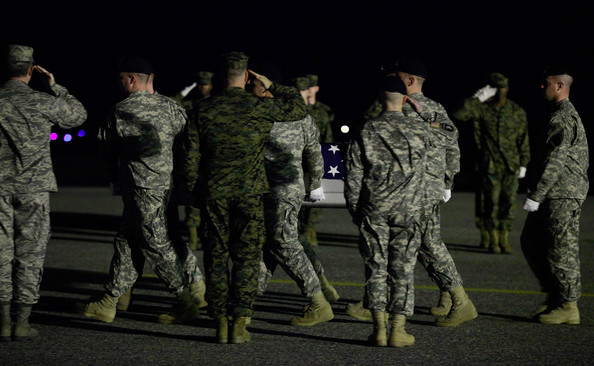
Osama Bin Laden is now dead, and it has been 11 long years of war. However it has been a war that for the most part has not been a national effort. After 9-11 the nation was not called to sacrifice, it was told by political leaders to “go shopping.” The brave men and women of our military and their families have made incredible sacrifices over the past 11 years. 2024 have died in Afghanistan while 4486 died in Iraq before the withdraw of US forces in December 2011. Another 32,223 were wounded in Iraq while 15,332 have been wounded in Afghanistan. These numbers do not count American contractors, State Department, CIA, FBI or other law enforcement agencies.

They also do not count the thousands afflicted by PTSD or other illnesses contracted in the combat zone, nor does it count the large number of Iraq and Afghanistan veterans who have taken their lives on active duty or following their discharge or retirement. Then there are the lives of over 1500 coalition soldiers, mostly British, Canadians and Australians who have given their lives in these wars. Finally there are the hundreds of thousands of Iraqis and Afghan civilians who have died or suffered injury or have been dislocated or exiled as a result of the wars.

Then there is the economic cost which amounts to trillions of dollars for both wars which have been funded by borrowing against our economic future.

Despite this for most Americans the war in Afghanistan is unpopular, little understood and distant, far from daily life. This is backed by polling data and by words of some politicians of both major political parties, in every major poll over 60% of Americans say that the war in Afghanistan is not worth the cost and needs to end.

One of the most glaring examples of how political leaders think about Afghanistan, but certainly not the only one is Republican Presidential nominee Mitt Romney. Romney did not mention either Iraq or Afghanistan in his acceptance speech at the Republican National Convention, although he did mention “strengthening the military.” He explained it later in an interview by saying to Fox News anchor Brett Baier “When you give a speech you don’t go through a laundry list, you talk about the things that you think are important….”

The sad fact is that no matter why Romney left out any mention of an ongoing war out of his speech that his words “you talk about the things that you think are important” are indicative not only of him but the majority of Americans. The reality is that Romney and most Americans have no personal connection with the war or the military. The war has been fought by a relatively small professional military that represents less than one percent of the population. Marine Lieutenant General John Kelly who lost his son, a Marine Lieutenant in Afghanistan noted at the 2012 American Legion national convention:

“America as a whole today is certainly not at war, not as a country, not as a people… Only a tiny fraction of American families fear all day and every day a knock at the door that will shatter their lives….” 

This Tuesday we will reflect on something called Patriot’s Day and pause to remember the events of that bloody Tuesday of September 11th 2001. I hope, probably in vain that the American people and their leaders will do more than mouth a few words, talk about how terrible the day was and go back to business as usual. I hope, probably again in vain that Americans will wake up to the fact that tens of thousands of Americans are in harm’s way and that even more and probably more terrible wars loom just over the horizon.

I have no idea what it will take to actually engage the vast bulk of the American population that what happens in Afghanistan is still important. Nor do I think that most people have any idea that a war with Iran could be disastrous for US and coalition forces fighting in Afghanistan.

It is odd to think that we can think about 9-11 and then ignore the subsequent wars the way that we have done. I really don’t.

Peace

Padre Steve+


4 Comments

Filed under Foreign Policy, History, iraq,afghanistan, News and current events