Tag Archives: uss west virginia

Back in Commission: Padre Steve’s Long Journey Back

Padre Steve is Back in Commission

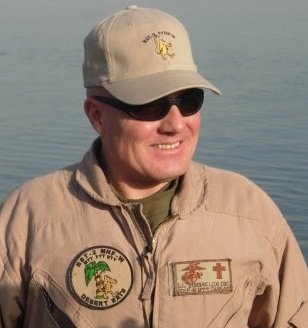
Today I know that I am back fully in commission.  I have been feeling this for a while and have seen some extraordinary progress since my “Christmas Miracle” and even since Lent began.  Like an old battleship worn out by service and damaged in battle was for the better part of two years doing my best to stay afloat and survive after my return from Iraq.  During that time if something could go wrong with me it seemed like it did, physical, psychological and spiritual…such is PTSD and all the other stuff that one can return home from war with.  For those that are new to this website or just happened to stumble by I have a lot of stuff on that ordeal posted here.

I have felt good since Christmas and with the exception of being knocked down by a kidney stone for almost a month have been doing pretty good for the most part.  I have been very careful to make sure that I am not just entering a manic period but have been really to be careful so I don’t build myself up to crash later.  Since I have crashed hard a number of times at points during the aforementioned ordeal when I thought that I was doing better I am really conservative about such comments.
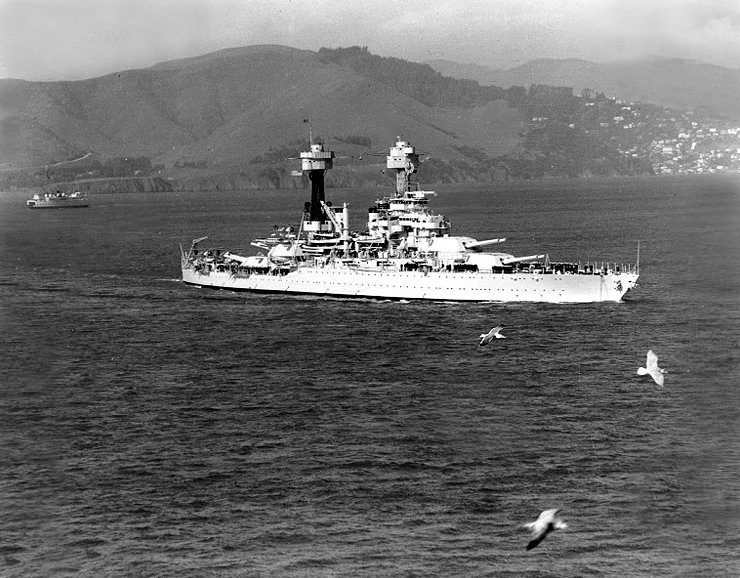
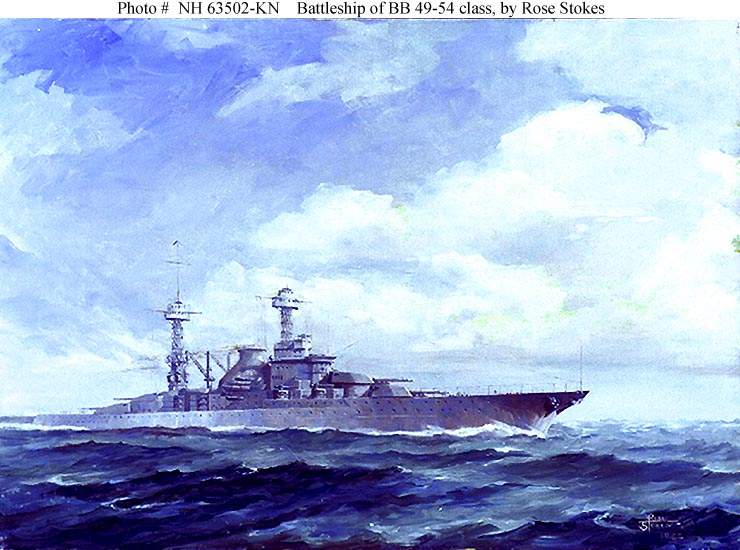
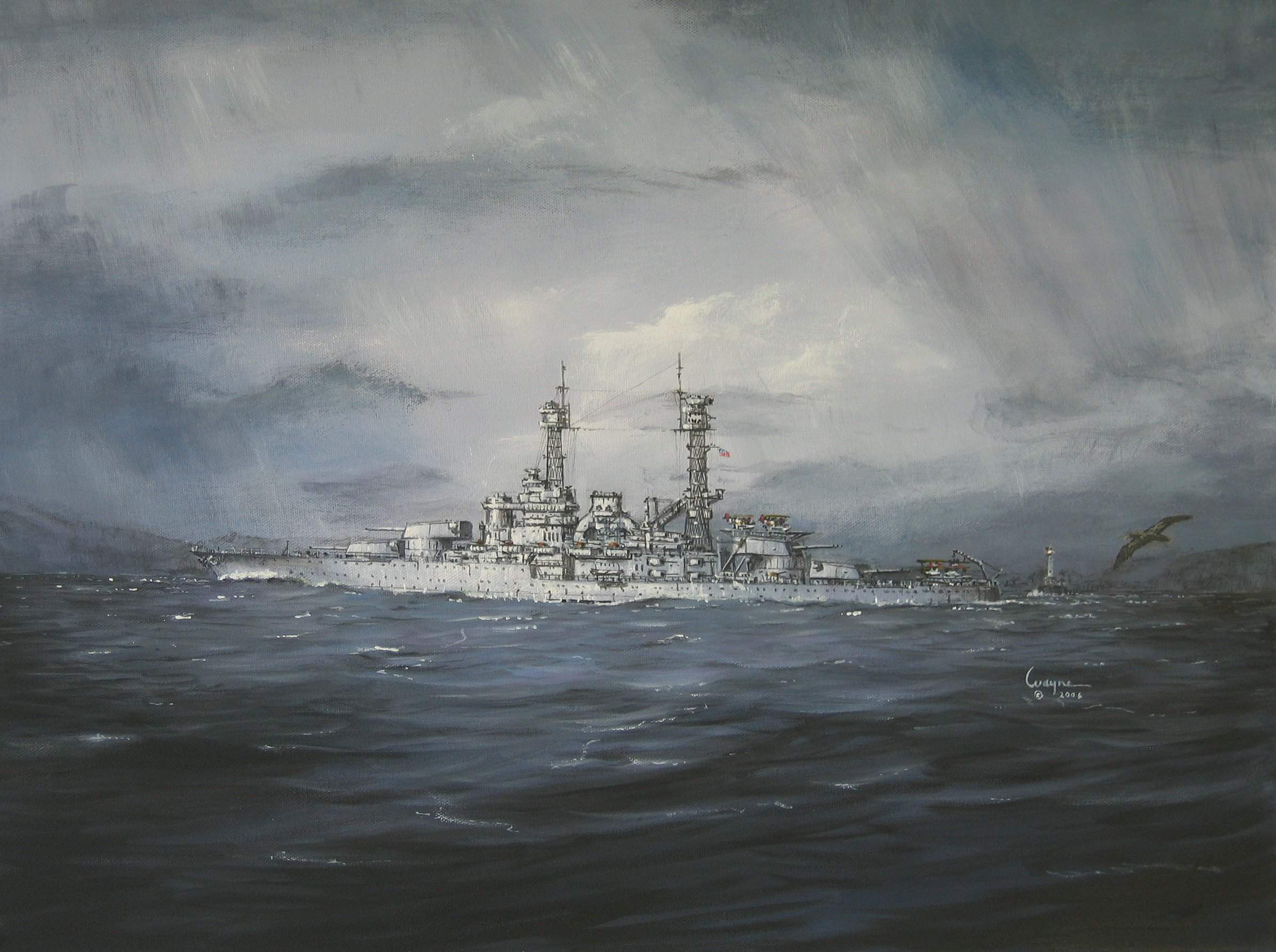
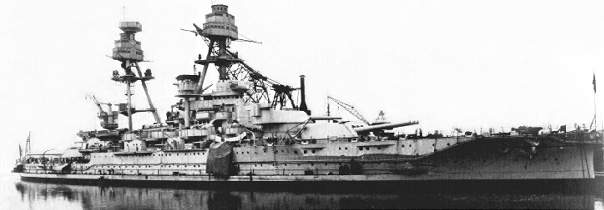
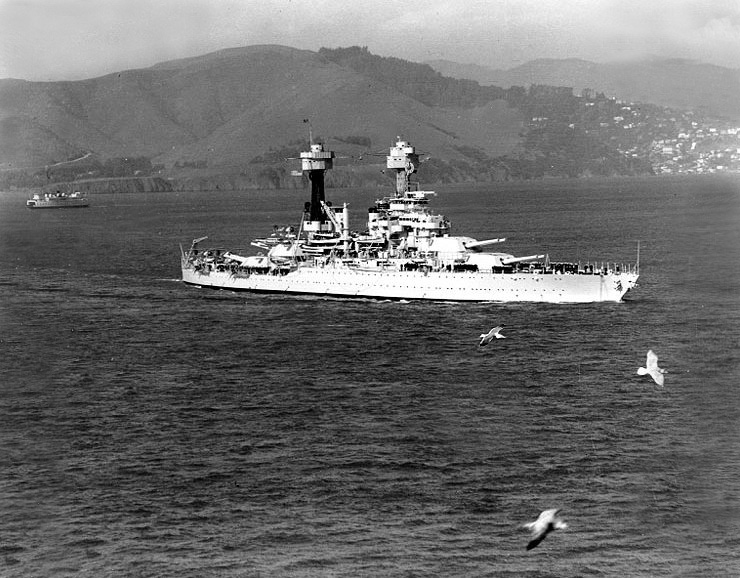
USS West Virginia in the 1930s

Personally I am lucky and blessed that I have good people at work who have kind of protected me from myself over the past year as it when apparent to them that I was going down.  In a sense I was like a damaged ship pulled out of action in order not only to be patched up but fully overhauled.  I was damaged and not a lot of my systems were working right.

Now of course even a ship that has been fully overhauled and even modernized to make it equal to new ships is immune from problems, after all there is only so much you can do with an older platform.  I am living proof of that fact; there are things that while better than they were are not up to the original design specs.  At the same time despite everything I am in remarkable health and my physical, emotional and spiritual life is coming back together faster than I thought it would even after the Kidney stone ordeal.
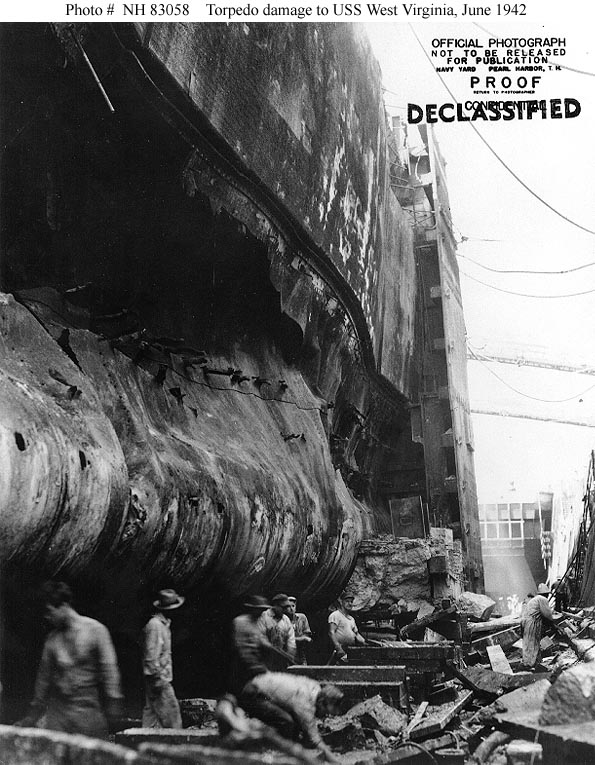
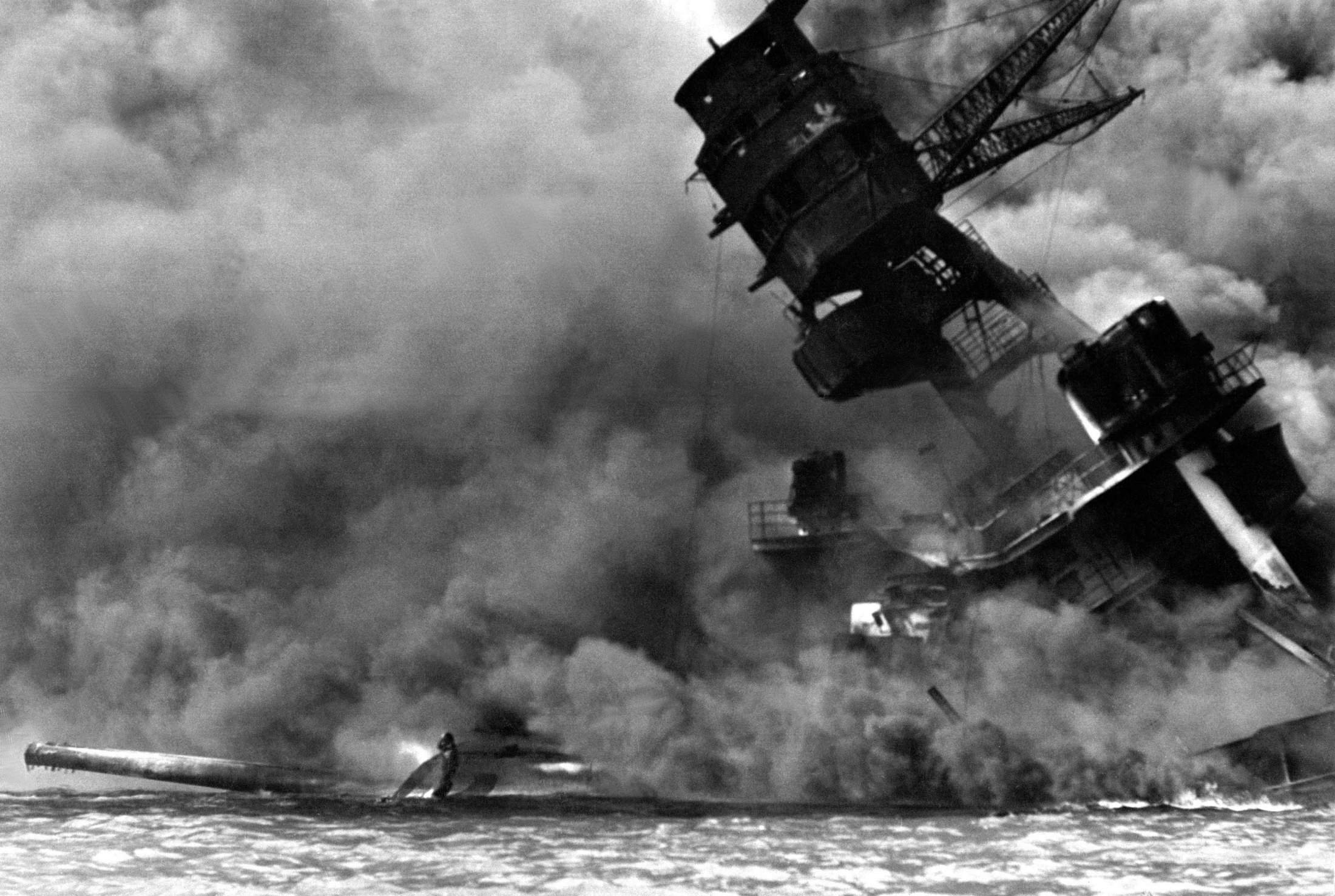
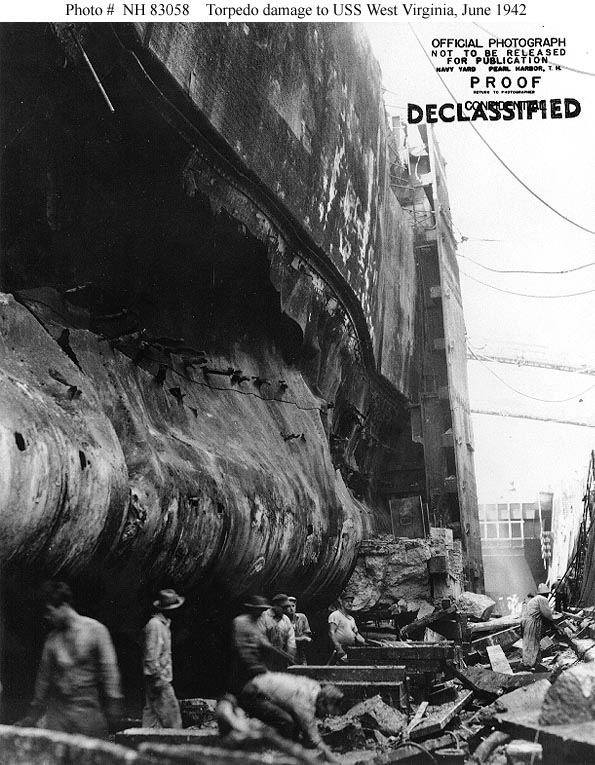
Damage to the West Virginia

I had a yearly physical health assessment last week and all of my numbers were those of a 30 year old so I guess fifty is the new thirty. Yesterday I weighed in and was found to be within the DOD body fat maximum which combined with a high score on my Physical Readiness Test (PRT) or what common is called a PT test.  It is funny, the numbers that I have to make on this at age 50 in the Navy are not much less than then what I was required to do as 21 year old in Army ROTC or 23 year old Army Second Lieutenant then was 68 push-ups, now 65, then 69 sit ups, now 85.  Then I needed a run time of about 12 minutes and 30 seconds for a two mile run to get the maximum points.  Now at age 50 I need slightly less than 10 minutes to get the maximum score on a mile and a half run.  Today I did 90 sit-ups, 61 push-ups and my run time was about 12:15 (converted from a Life Fitness bike.)  I did the bike because of the low number of people running the “early bird” session and because I still have occasional ankle and knee problems.  I need completion to do really well on the run as it motivates me better than running alone or with a small number of people. I came one push-up short of an overall outstanding on the test so I have something to shoot for next time.
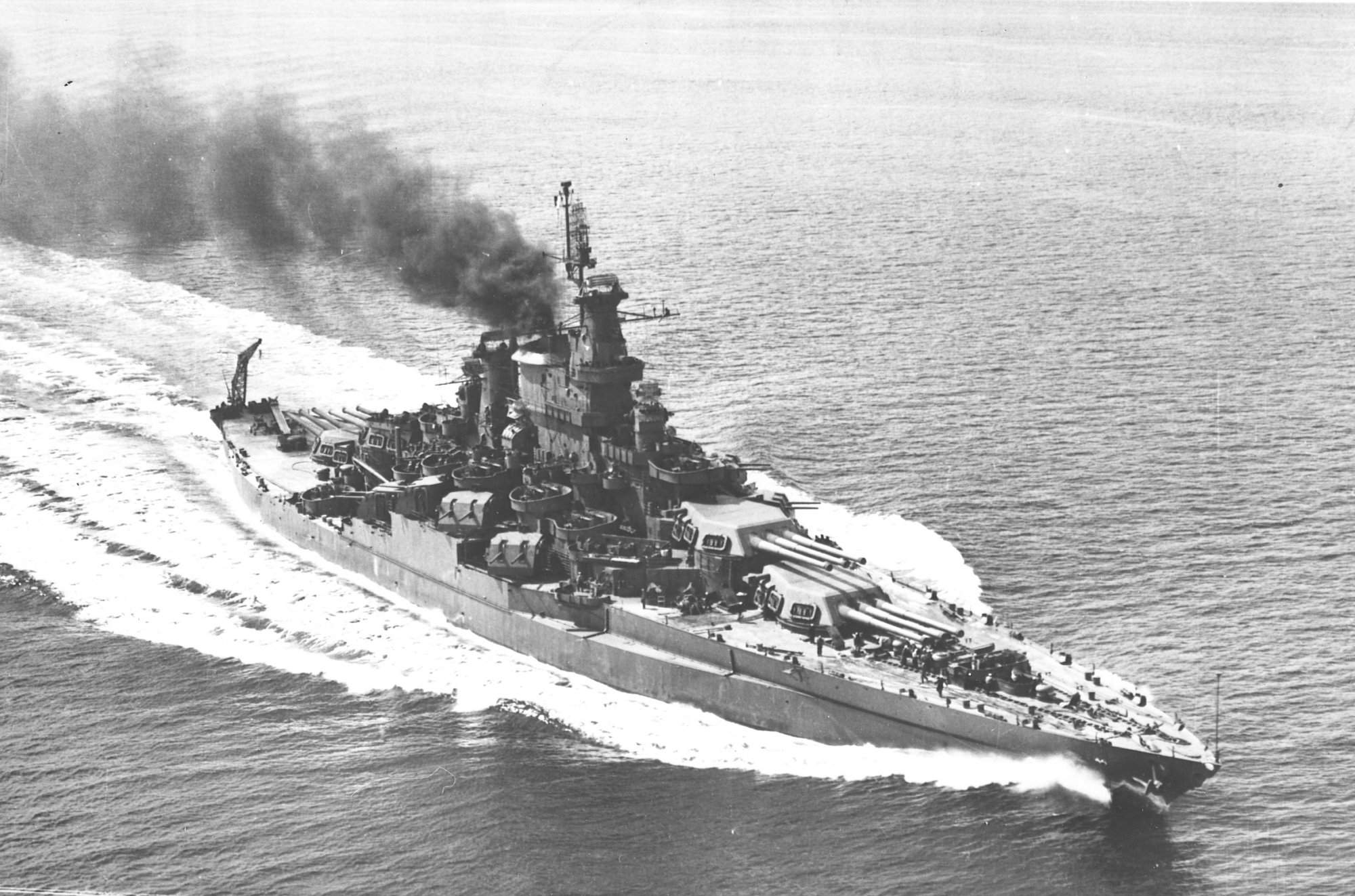
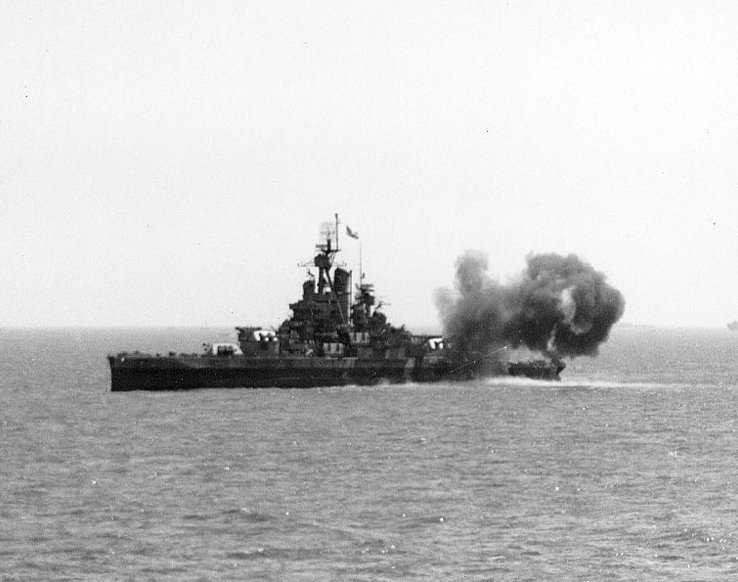
USS California 1945 after her rebuild

This will be enough to take me off of the “fat boy program” which I so ignobly entered last fall after my summer crash. Back then I was put on the “Fitness Enhancement Program” where I had weekly weigh ins and taping for body fat and a program called “Shipshape” which is about healthy living.  That was humbling and for me even humiliating because that has not happened to me in 28 years in the military and I pride myself in being in great shape, in fact the EOD techs that I was assigned with asked my assistant “what kind of steroids I was using” because of how I ran and how well that I did on the PRT.   Now I am not where I want to be on any of this yet, I think I have farther to go.  So I am working to keep my life in balance and take a lot better care of myself; especially in diet and exercise although I still have problems sleeping.  Part of what I learned over the past 5 months is that I have to be consistently consistent if I am to get the weigh off, lose body fat and both get back in shape and then keep it off.  I am not where I want to be yet but know that I am not going back to the way that I exercised self care prior to this as I never want to be in that situation ever again. My plan is to continue to lose about 2 to 3 pounds a month and take off about 4 inches from around my waist by late September or early October. I think this is totally doable doing what I am doing now and I plan on continuing to do it.
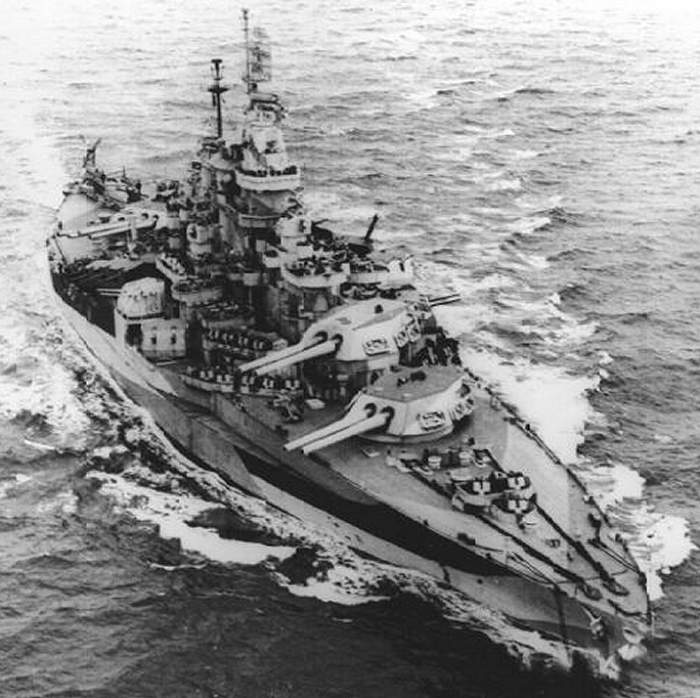
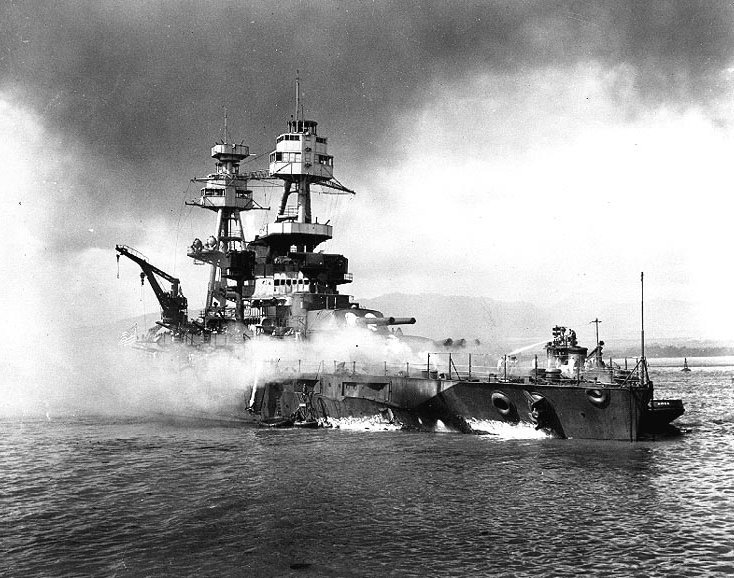
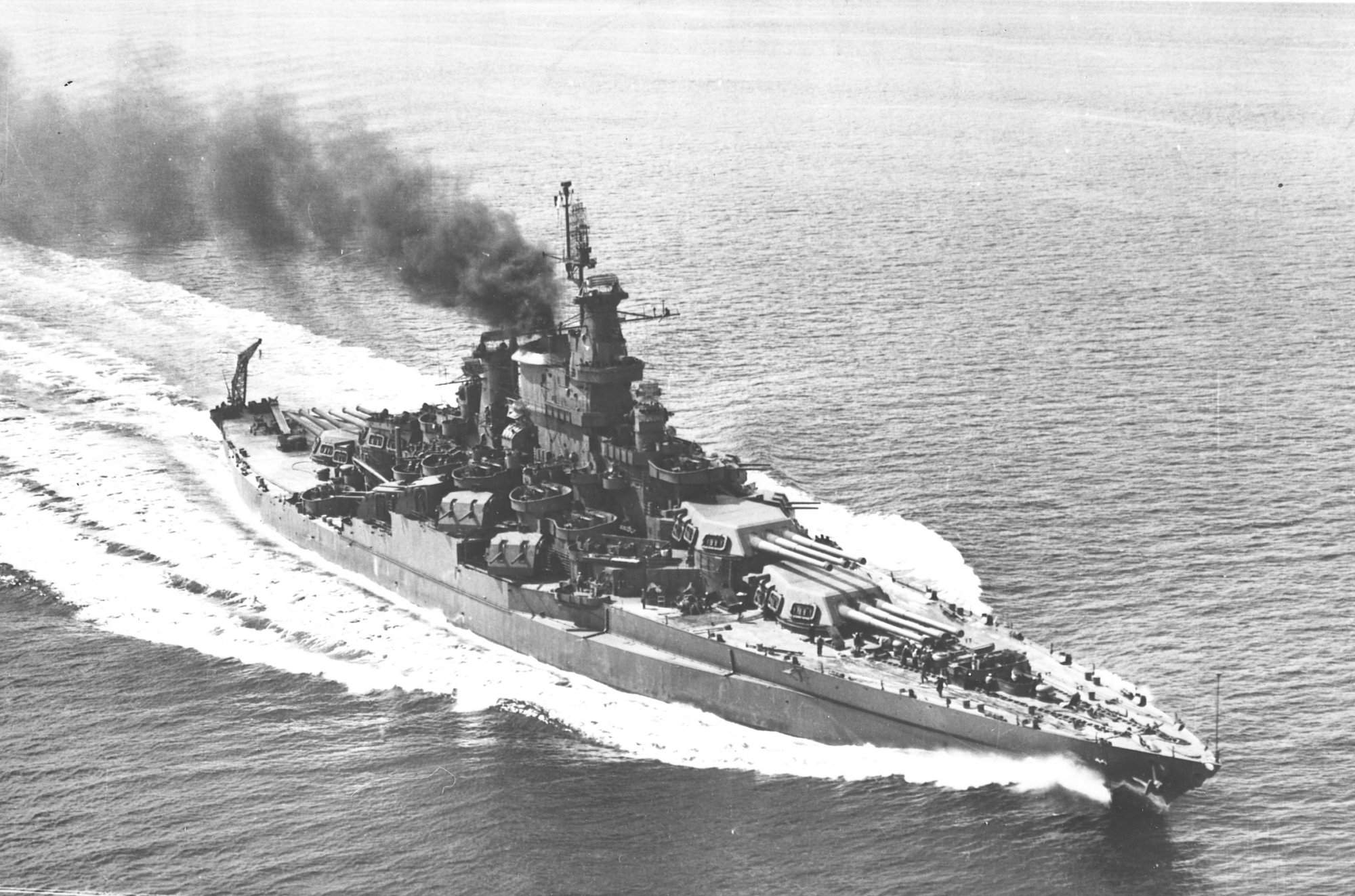
USS West Virginia 1944 after the rebuild

So anyway going back to the old battleship metaphor I have been thinking about that a lot. I wrote an article a while back titled “The Battleships of Pearl Harbor.”  Of course as almost anyone who has seen the movie “Tora! Tora! Tora!” knows that the attack on Pearl Harbor was pretty bad.  If you had the misfortune of watching “Pearl Harbor” sorry it does not do the story justice.  Anyway, I digress. The point is that there were two battleships in particular that were heavily damaged and sunk, The USS California and USS West Virginia. Both were salvaged, refloated and sailed to the West coast where they were not only repaired but modernized with the latest in air and surface search radar, fire control systems, formidable anti-aircraft batteries and large anti-torpedo bulges that increased their survivability.  When rebuilt they resembled the fast modern battleships of the South Dakota class. The two ships spent a long time in the yards but the price was worth it. At the Battle of Surigo Strait the West Virginia and California led the battleships of the US 7th Fleet in annihilating the Japanese Southern Force led by Admiral Nishimura and a follow up force of heavy cruisers. In the battle the two ships sank the Japanese Battleships Fuso and Yamashiro and most of their escorts with the exception of one destroyer the Shigure.  Later they participated in every major operation leading to the defeat of Imperial Japan.

Today I feel like the West Virginia or California. I am older than most of the people that I work with by a large margin, I came back damaged from Iraq and was not able to do half the things that I was capable of doing before Iraq.  Now I am out of the yards and have passed my builders trials and in action again and this my friends really makes me happy.

Peace,

Padre Steve+
2 Comments

Filed under faith, Military, philosophy, PTSD, US Navy

The Battle Fleet that Never Was: The USS Washington, the South Dakota Class and the Lexington Class Battle Cruisers

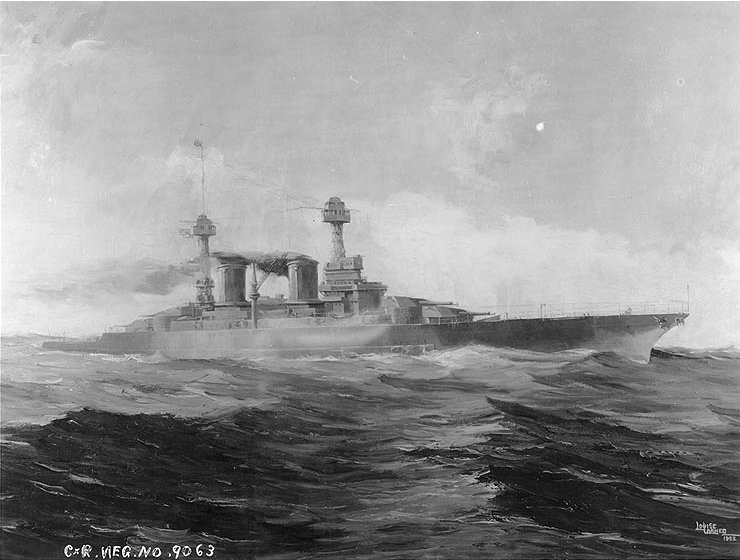
Artist depiction of the Lexington as Battle Cruiser

Note: This is the first of a series of articles on what might have happened if the Washington Naval Treaty had not been signed. This article is a look at the American fleet that never was, the following articles will be in the alternative history genre looking at a war breaking out in the Pacific in 1937.

Historians almost always muse on what might have been.  One of the most significant events of the years following the First World War was the Washington Naval Conference and Treaty. The treaty called by the President Harding and conducted under the auspices of the League of Nations was the first international disarmament conference and attended by none nations having interests in the Pacific. The major players in the conference from the naval power perspective were the British, Americans, Japanese, French and Italians.  Each nation had an agenda for the conference, for the United States it was to break the Anglo-Japanese naval accord and to limit the Japanese naval build up.  The British, exhausted and financially reeling from the effects of the First World War had a number of goals.  Though they had the largest navy and the most Dreadnaught type battleships and battle cruisers of any Navy many of its ships were obsolete or worn out from wartime service.  They had little capital to put into new ship construction, especially considering the vast resources of the United States which was already well into a vast naval buildup including ships that would be among the largest and most heavily armed in the world.  It was in the interest of Britain to limit the both the number, tonnage and armament of these ships.

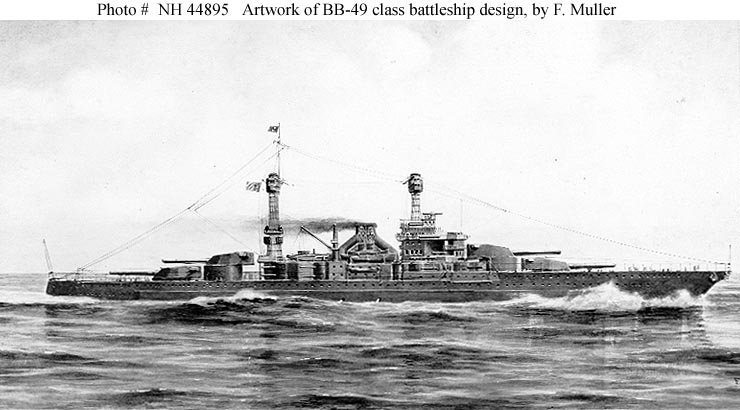
Artist impression of South Dakota Class

The treaty which was ratified in 1922 limited the United States and Great Britain to a maximum of 525,000 tons in their battle ship fleets and 125,000 tons in aircraft carriers.  The Japanese agreed to a limit of 315,000 tons and the French and Italians 175,000 tons each.  Tonnage for battleships was limited to a maximum of 35,000 tons with a limitation on guns size to 16 inches.  Since the bulk of the ships planned or being built by the US and Japan exceeded those limits they would be effected more than the British whose post war shipbuilding program had not begun in earnest. For the US this had a dramatic effect on its planned fleet, which if built would have become the dominant Navy of the 1920s and 1930s.  It is fascinating to think what might have happened if the treaty had not been signed and what the battle fleets of the various nations would have looked like in 1941 had war not come sooner.

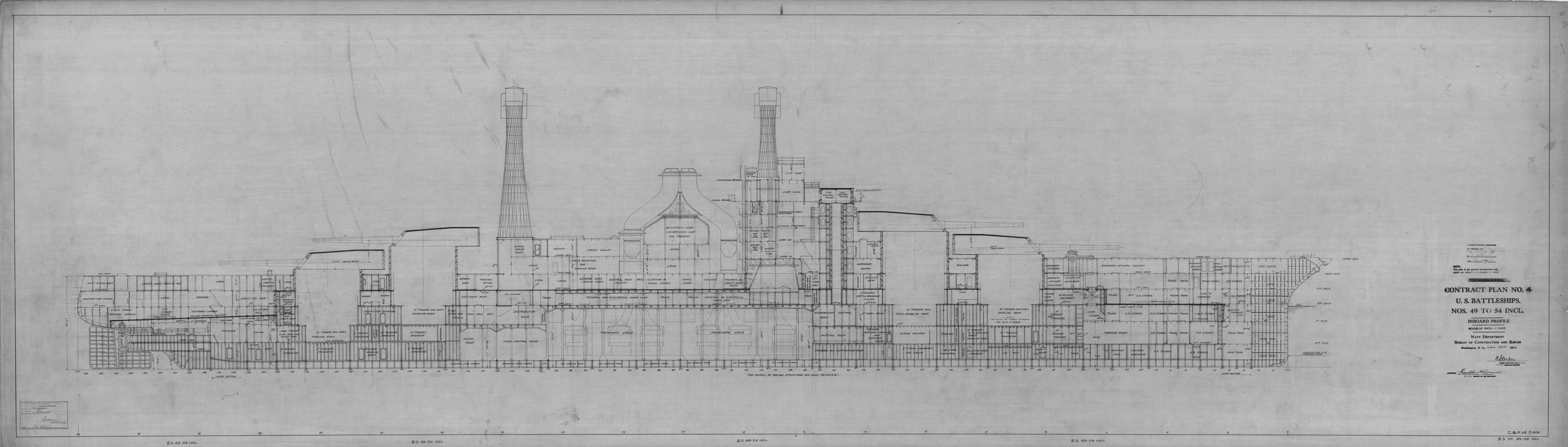
Plans for South Dakota Class

The American Navy went to war in 1941 with 18 battleships, the most modern of which were the new North Carolina and Washington and the rest averaging over 20 years old in 1941. The most modern of these ships were the Colorado class composed of the Colorado, Maryland and West Virginia each mounting eight 16”/50 guns.  The fourth ship of the class the Washington was sunk as a gunnery target when 75% complete under the terms of the Washington Naval Treaty.

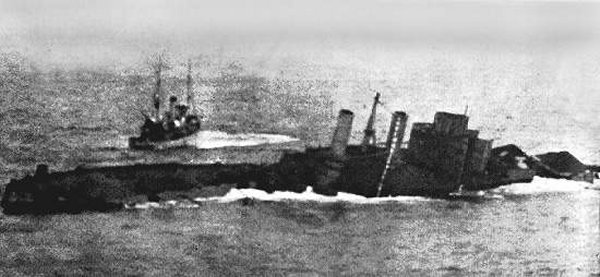
The incomplete USS Washington sinking

However it was a battle force that could have been much larger and far more capable, a force that may not been regulated to convoy escort duties and shore bombardment but instead may have taken on the Imperial Navy on the high seas in battleship combat not seen since Jutland.  Yet this was not to be, the great fleet of super-battleships was never built and only two hulls completed the Lexington and Saratoga which instead of being completed as battle cruisers were completed as aircraft carriers.

Artist impression of South Dakota Class

The Americans had set out to build the largest, most modern and powerful battleships and battle cruisers afloat.  The Navy had already produced the Colorado class super-dreadnaughts which were equal to or superior to any battleships of their era.  The Navy planned for a class of six battle cruisers which would be superior to any similar ship afloat, the Lexington class and a class of six battleships, the South Dakota class mounting twelve 16”/50 guns in triple turrets.

Artist impression of South Dakota Class as they might have appeared in 1938

The two classes were leviathans and to counter them the British made plans for a four ship 48,000 ton class of battleships, the N3 project mounting nine 18” guns and a class of battle cruisers mounting nine 16” guns.  The ships of both classes were designed with their main battery mounted forward in order to save weight on armor.  Both classes were canceled with the signing of the treaty and none were laid down.  It is suggested by some that the G3 battle cruiser design was a ploy to get the United States to agree to the cancellation of its capital ship projects. The guns planned for the G3 class were mounted on the Nelson class battleships which complied with treaty limits.  Although powerful ships they suffered from engineering problems which often reduced their speed from what was designed.  Along with the HMS Hood, the sole ship completed of the four ship Admiral class the Nelson and Rodney were the most modern battleships in the Royal Navy until the King George V class entered service in 1941.  The Japanese planned for eight battleships and eight battle cruisers centered on the two existing Nagato class battleships and 4 Kongo class battle cruisers to be joined by the two ship 40,000 ton Tosa class battleships, the Tosa and the Kaga, of which Kaga was completed as an aircraft carrier. They were to be joined by the 4 improved Tosa class or Kii class fast battleships of 42,000 which were ordered but never laid down.  These were to be joined by the four ship Amagi class battle cruiser class.  Amagi was destroyed during the Tokyo earthquake of 1922 and scrapped and Akagi completed as an aircraft carrier.  All of the planned Japanese ships were to mount ten 16” guns in five twin turrets.

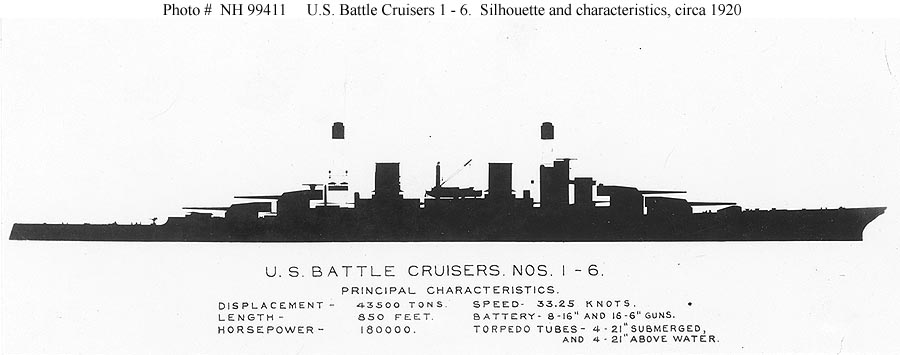
Lexington Class final design drawing

The American ships were to be powerful and based on main battery, protection and speed they would have acquitted themselves well had they been built.  The Japanese ships would have had a speed advantage over the South Dakota’s but this would have been offset by the gun power and protection of the latter.  The American Lexington class would have been faster than any of their competitors.

South Dakota Class Design Specifications
Displacement: 43,200 tons normal
Dimensions: 684 x 106 x 33 feet/208.5 x 32.3 x 10.1 meters
Propulsion: Turbo-electric, 12 285 boilers, 4 shafts, 50,000 shp, 23 knots
Crew: 1191
Armor: 8-13.5 inch belt, 3.5 inch deck, 4.5-13.5 inch barbettes, 5-18 inch turrets, 8-16 inch CT
Aviation: none
Armament: 4 triple 16″/50cal, 16 6″/53cal, 8 3″/50cal AA, 2 21 inch torpedo tubes (submerged)

The six ships in the Class, South Dakota, Indiana, Montana, North Carolina, Iowa and Massachusetts were all scrapped in accordance with the treaty when partially complete, the North Carolina being in the most advanced stage of construction, 37.8% when construction was halted.

Lexington class Battle Cruiser Design Specifications

Displacement 43,500 Tons, Dimensions, 874′ (oa) x 105′ 5″ x 31′ (max).
Armament 8 x 16″/50 16 x 6″/53 4 x 3″8 x 21″ torpedo tubes
Machinery, 180,000 SHP; G.E. Geared Turbines with Electric Drive, 4 screws
Speed, 35 Knots, Crew 1500

The ships with the exception of the Lexington and Saratoga were scrapped incomplete.  All were to be named after famous warships or battles, and the Constellation, Constitution, Ranger and the United States were to be named after some of the most illustrious ships ever to serve in the US Navy.

If all of the ships, including the Washington of the Colorado class been completed the US Navy would have had eight battleships and six battle cruisers mounting 16 inch guns to compliment the nine battleships of the Nevada, Pennsylvania, New Mexico and California classes which all mounted 14 inch batteries.  The fleet would have been superior to either the Royal Navy or the Imperial Japanese Navy even with the ships planned by those navies.  Economically the United States was the only nation in the world capable of sustaining a naval arms race of this magnitude, the British economy and political will would have been unable to sustain it and the limited industrial capacity and dependence on the United States for raw materials and machine tools needed to construct their ships would have limited their ability to produce such a fleet. Without the conversion of the Lexington, Saratoga and their Japanese counterparts the Akagi and Kaga into aircraft carriers the development of the carrier would likely have gone slower and that type of ship may not have risen to the prominence that they gained during the Second World War.

8 Comments

Filed under History, Military, Navy Ships

Groundhog Day, Tapping the Keller Heller and Padre Steve’s Top World War Two Articles

Well today is Groundhog Day and Punxatwany Phil has predicted another six weeks of old man winter. This is something that does not surprise me as I expect to be “chilling” at Harbor Park the night of April 8th when the Tides play the Bulls in their home opener.  Back in 2005 the temperature was 38 degrees at game time with winds gusting to 40 mph blowing in over the center field wall.  Since we have already had a massive snowstorm this last weekend and may get another bout of winter weather beginning Friday I know the cuddly furball is right.  Every day I wake up thanking God for global warming as I can’t imagine how cold it would be without it.  So winter is here to stay for a while and I guess my short cargo pants have to wait until opening day to come back out.  Anyway while at back after trudging back to the office after my 0715 meeting I ran into one of our other chaplains in the hallway near our small Navy Exchange.  I went into the exchange to pick up a bottle of water and some apples and after waiting in line left the exchange to head back to the officer where I ran into the same chaplain in almost the same location.  I asked “didn’t I just see you here?” Since I had just passed him and he was going the other way I thought it was déjà vu all over again.  I followed up my question with the comment “well it is Groundhog Day.”  So once again though not waking to the sound of I Got You Babe I was confronted with the reality of Groundhog Day in the flesh several hundred miles from Punxatwany Phil. C’est le guerre.

Not today’s picture but still fun

Tonight was the tapping of the new Gordon Biersch seasonal brew, a “Keller Heller.” The Abbess and I went there with our 80 plus friend Eileen who is here on her annual trip from Brooklyn back to North Carolina.  Eileen is a good Irish Catholic who remembers bar-hopping with her late husband. She had a blast and folks loved her. Some of the regulars were calling the Keller Heller a Heller Keller when we first tried a version of it at our Stein Club Christmas dinner and voted on the next seasonal. When I heard “Heller Keller” I automatically started calling it “Helen Keller” because if you drink too much of it you’ll go blind.  We tasted brew master Allen Young’s version at a Stein Club get-together last week and it is well worth it.   The hops are from Germany and have been used in the making of the Czech Pilsner Urquell for many years.  They are a bit pricy from what I understand and Allen got a metric ton to do the brew so this seasonal should be around for a while. According the Allen only one other American brewery has used them.  I can attest that the “Helen Keller” is great and well worth the effort to get it.  Of course if you don’t live in Hampton Roads or happen to travel here during the time that we have it you will miss a very good beer.  On a side note the Abbess was inducted into the Stein Club and Greg, a recently retired Navy Medical Service Corps Officer and I provided back-up to the back-up singers at the tapping party.  The good thing was that the music was ‘50s retro and “do-wops” and other such lyrics are not hard to do.  The best part was when we helped out with “Jailhouse Rock” and yes we were dancing to the jailhouse rock, actually kind of reminded me of the Blues Brothers. I guess that there is nothing like a couple of old Navy junior officers to have some fun at something like this. So anyway if you are in Hampton Roads and want a great beer come down to Gordon Biersch at Town Center.  Do I get extra Passport Points for the plug?

So anyway, since I am just kind of rambling right now here are links to my “Top 10 World War II Articles.” I have left off articles that are more composite and only included some Second World War material.

The Ideological War: How Hitler’s Racial Theories Influenced German Operations in Poland and Russia

D-Day- Courage, Sacrifice and Luck, the Costs of War and Reconciliation

Operation “Dachs” My First Foray into the Genre “Alternative History”

Mortain to Market-Garden: A Study in How Armies Improvise in Rapidly Changing Situations

“Revisionist” History and the Rape of Nanking 1937

Unequal Allies: Lessons from The German’s and Their Allies on the Eastern Front for Today

The Paradox of Conflicting Doctrine: The US Campaign in France and Germany 1944-1945

Can Anybody Spare a DIME: A Short Primer on Early Axis Success and How the Allies Won the Second World War

Ein Volk Steht Auf: The German Volksturm, Ideology and late war Nazi Strategy

The Battleships of Pearl Harbor

So as Groundhog Day 2010 ends and we live our own Groundhog Days over the coming year don’t fear, find the humor in it all and remember that somewhere and somehow in this primordial mess that we live in that the Deity Herself still loves you and that God will never leave you or forsake you, even if you seem to be stuck in some hellish place where one day seems just like the last and the last and the last before the last or even the one or one hundred day that was just like it before that. Did that make sense? If not I think what we have is a failure to misunderstand each other.

Peace

Padre Steve+

Leave a comment

Filed under beer, Just for fun, Loose thoughts and musings, Military, national security

The Battleships of Pearl Harbor

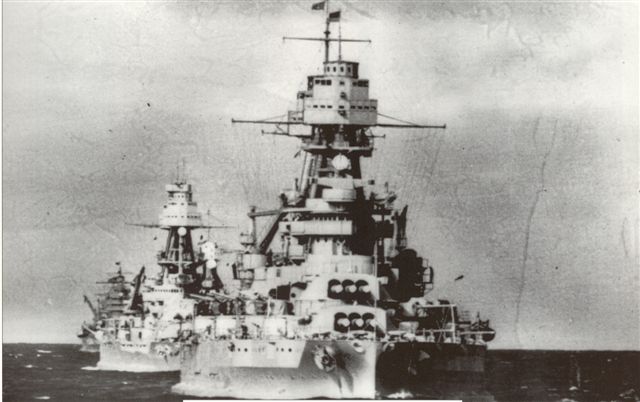
Arizona Leading the Battle Line

“Yesterday, Dec. 7, 1941 – a date which will live in infamy – the United States of America was suddenly and deliberately attacked by naval and air forces of the Empire of Japan…. The attack yesterday on the Hawaiian Islands has caused severe damage to American naval and military forces. Very many American lives have been lost.” Except of President Franklin D Roosevelt’s Pearl Harbor Speech December 8th 1941

Today is the 68th anniversary of the Japanese attack on Pearl Harbor and as we were then we are at war.

A Date that Will Live in Infamy: USS Arizona Burning

I remember reading Walter Lord’s “Day of Infamy” when I was a 7th grade student at Stockton Junior High School back in 1972.  At the time my dad was on his first deployment to Vietnam on the USS Hancock CVA-19.  As a Navy brat I was totally enthralled with all things Navy and there was little that could pull me out of the library.  Over the years I have always found the pre-World War Two battleships to be among the most interesting ships in US Navy history.  No they are not the sleek behemoths like the USS Wisconsin which I look at almost every day from Portsmouth Naval Medical Center as it lays moored across the Elizabeth River in Norfolk.  No these ships were the backbone of the Navy from the First World War until Pearl Harbor.  They were the US Navy answer to the great Dreadnaught race engaged in by the major Navies of the world in the years prior to, during and after World War One.

These ships were built over a period of 10 years and incorporated the advances in technology since the HMS Dreadnaught first came down the ways in 1906 to the experience gained in combat during the “Great War.”  While the United States Navy did not engage in battleship to battleship combat the ships built by the US Navy were the equal of many of the British and German ships of the era.

Oklahoma Before the War

The Battle Force of the Pacific Fleet in 1941 included 9 battleships of which 8 were at Pearl Harbor on the morning of December 7th.  In the event of war the US War Plans, called “Orange” called for the Pacific Fleet led by the Battle Force to cross the Pacific, fight a climactic Mahanian battle with the battleships of the Imperial Japanese Navy and after vanquishing the Japanese foe to relieve American Forces in the Philippines.  However this was not to be as by the end of December 7th all eight were out of action, with two, the Arizona and Oklahoma permanently lost to the Navy.

USS Oklahoma Being Raised from the Mud

These ships comprised 4 of the 6 classes of battleships in the US inventory at the outbreak of hostilities.  Each class was an improvement on the preceding class in speed, protection and firepower.  The last class of ships, the Maryland class composed of the Maryland, Colorado and West Virginia, was the pinnacle of US Battleship design until the North Carolina class was commissioned in 1941.  Since the Washington Naval Treaty limited navies to specific tonnage limits as well as the displacement of new classes of ships the United States like Britain and Japan was limited to the ships in the current inventory at the time of the treaty’s ratification.

USS Nevada Aground and Burning

The ships at Pearl Harbor included the two ships of the Nevada Class, the Nevada and Oklahoma. The Two ships of the Pennsylvania class, the Pennsylvania and her sister the Arizona, the two California class ships, the California and Tennessee and two of the three Maryland’s the Maryland and West Virginia.  The Colorado was undergoing a yard period at Bremerton and the three ships of the New Mexico class, New Mexico, Mississippi and Idaho had been transferred to the Atlantic before Pearl Harbor to bolster US strength in that area due to the German threat.  The three older ships of the New York and Wyoming Classes, the New York, Arkansas and Texas also were in the Atlantic. Two older battleships, the Utah and Wyoming had been stripped of their main armaments and armor belts and served as gunnery training ships for the fleet. The Utah was also at Pearl Harbor.

USS Nevada Firing on Utah Beach: D-Day

The ships that lay at anchor at 0755 that peaceful Sunday morning on “Battleship Row” and in the dry dock represented the naval power of a bygone era which was not recognized until two hours later. The age of the battleship had passed, but even the Japanese who launched the attack did not realize that the era had passed as they continued to build the massive super-battleships Yamato and Musashi mounting 9 18” guns and displacing 72,000 tons, near twice that of the battleships of the Pacific Fleet.

Arizona’s Main Battery

The Oklahoma and Nevada were the oldest ships in the Battle Force.  Launched in 1914 and commissioned in 1916 the Nevada and Oklahoma mounted ten 14” guns and displaced 27.500 tons and were capable of 20.5 knots. Serving in World War One alongside the British Home Fleet they were modernized in the late 1920s they were part of the US presence in both the Atlantic and Pacific in the inter-war years. Oklahoma would take part in the evacuation of American citizens from Spain in 1936 during the Spanish Civil War.  During the Pearl Harbor attack Oklahoma was struck by 5 aerial torpedoes capsized and sank at her mooring with the loss of 415 officers and crew. Recent analysis indicates that she may have been hit by at least on torpedo from a Japanese midget submarine. Her hulk would be raised but she would never again see service and sank on the way to the breakers in 1946.

USS Pennsylvania in Drydock with Wrecked USS Cassin and USS Downs

Nevada was the only Battleship to get underway during the attack.  As she attempted to escape the harbor she was heavily damaged and to prevent her sinking in the main channel she was beached off Hospital Point.  She would be raised and returned to service by the May 1943 assault on Attu.  She would then return to the Atlantic where she would take part in the Normandy landings off Utah Beach and the invasion of southern France in July 1944.  She then returned to the Pacific and took part in the operations against Iwo Jima and Okinawa where she again provided naval gunfire support.  Following the war she would be assigned as a target at the Bikini atoll atomic bomb tests, surviving these she would be sunk as a target on 31 July 1948.

USS Pennsylvania at Guam

The two ships of the Pennsylvania Class were improved from the Oklahoma’s.  Mounting twelve 14” guns and displacing 31,400 tons and capable of 21 knots they were commissioned in 1916 and also participated in operations in the Atlantic in the First World War.  Both being rebuilt and modernized in 1929-1931 they were mainstays of the fleet being present at Presidential reviews and making goodwill visits around the world.  Pennsylvania was the Pacific Fleet Flagship on December 7th 1941 and was in dry dock undergoing maintenance at the time of the attack. Struck by two bombs she received minor damage and would be in action in early 1942. She underwent minor refits and took part in many amphibious landings in the Pacific and was present at the Battle of Surigo Strait.  Heavily damaged by an aerial torpedo at Okinawa Pennsylvania would be repaired and following the war used as a target for the atomic bomb tests. She was sunk as a gunnery target in 1948.

USS Pennsylvania Passing Under Golden Gate Bridge Before the War

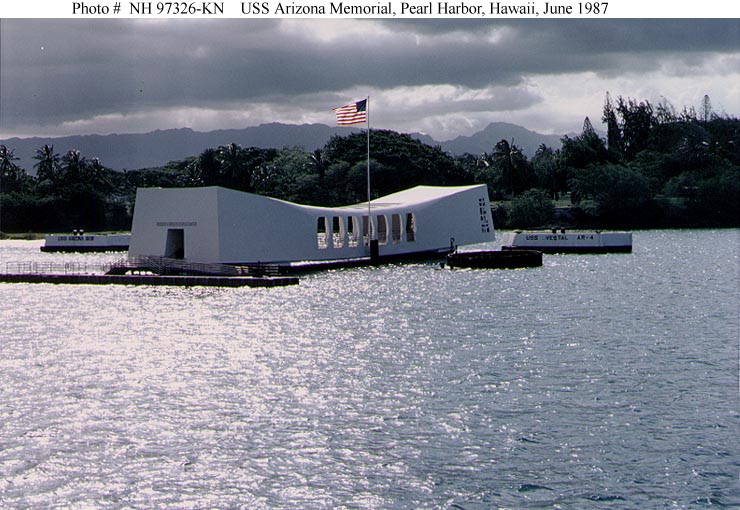
Arizona was destroyed during the attack.  Hit by 8 armor piercing bombs one of which penetrated her forward black powder magazine she was consumed in a cataclysmic explosion which killed 1103 of her 1400 member crew.  She was never officially decommissioned and the colors are raised and lowered every day over the Memorial which sits astride her broken hull.

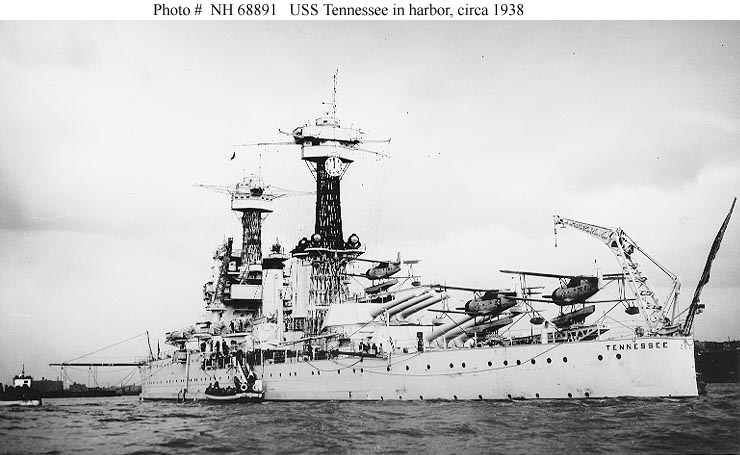
USS Tennessee 1938

The Tennessee and California were the class following the New Mexico’s which were not present at Pearl Harbor.  These ships were laid down in 1917 and commissioned in 1920.  They mounted twelve 14” guns, displaced 32.300 tons and were capable of 21 knots.  Tennessee was damaged by two bombs and was shield from torpedo hits by West VirginiaCalifornia was hit by two torpedoes but had the bad luck to have all of her major watertight hatches unhinged in preparation for an inspection.

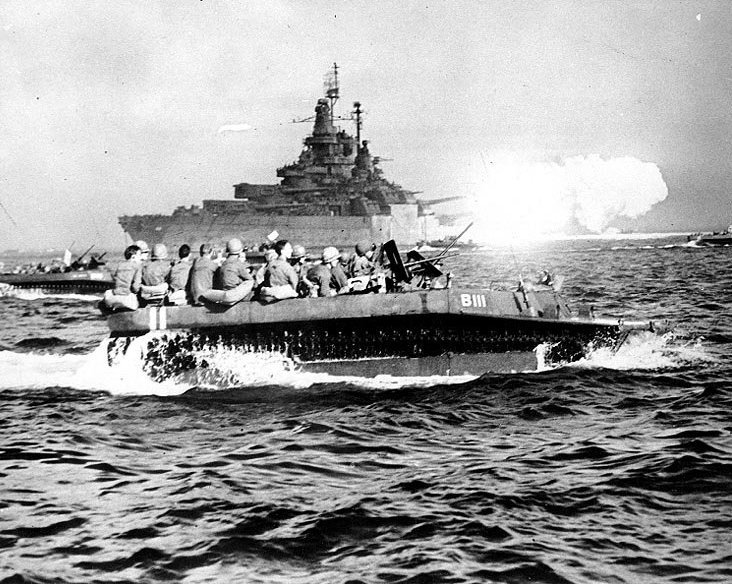
USS Tennessee at Okinawa

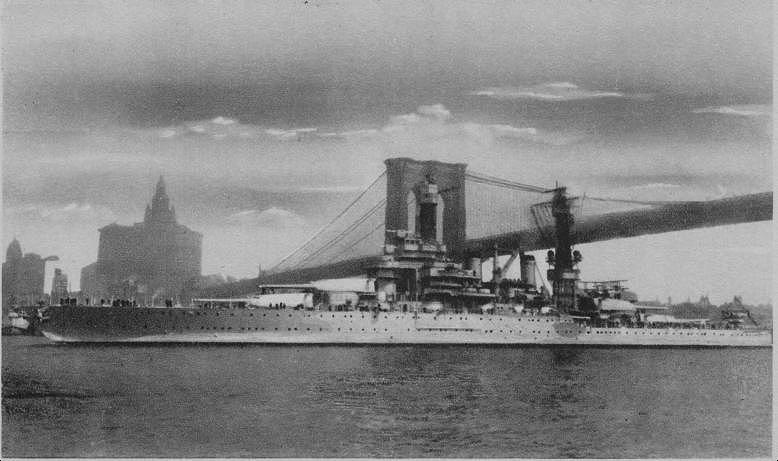
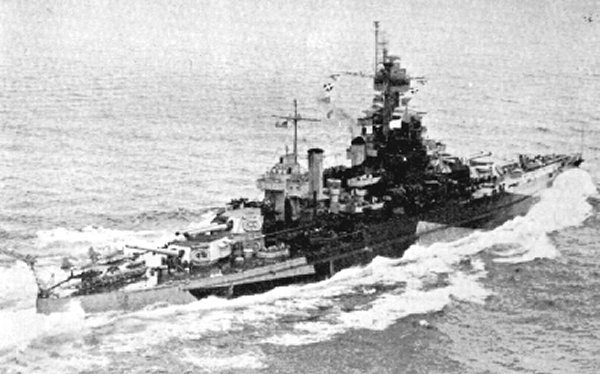
She sank at her moorings and would be refloated, rebuilt and along with Tennessee modernized with the latest in radar, fire control equipment and anti-aircraft armaments.  Both ships would be active in the Pacific campaign and be engaged at Surigo Strait where they inflicted heavy damage on the attacking Japanese squadron. Both would survive the war and be placed in reserve until 1959 when they were stricken from the Navy list and sold for scrap.

USS California Passing Under Brooklyn Bridge

The Maryland and West Virginia were near sisters of the Tennessee class.  They were the last battleships built by the United States before the Washington Naval Treaty.  Mounting eight 16” guns they had the largest main battery of any US ships until the North Carolina class.

USS Maryland 1944

The displaced 32,600 tons and could steam at 21 knots. Laid down in 1917 and commissioned in 1921 they would be modernized in the late 1920s they were the most modern of the “Super-Dreadnoughts” and included advances in protection and watertight integrity learned from British and German experience at Jutland.

USS California 1944

At Pearl Harbor Maryland  was moored inboard of Oklahoma was hit by 2 bombs.  She would be quickly repaired and returned to action.  She received minimal modernization during the war. She would participate in operations throughout the entirety of the Pacific Campaign mainly conducting Naval Gunfire Support to amphibious operations. 

USS West Virginia 1934

and in 1944


West Virginia suffered some of the worst damage in the attack. Hit by at least 5 torpedoes and two bombs she was saved from Oklahoma’s fate by the quick action of her damage control officer to counter flood so she would sink on an even keel.  She would be raised, refloated and taken back to the West Coast for an extensive modernization on the order of the Tennessee and California. 

Damage to West Virginia’s Hull

The last Pearl Harbor to re-enter service she made up for lost time as she lead the battle line at Surigo Strait firing 16 full salvos at the Japanese squadron helping sink the Japanese Battleship Yamashiro in the last battleship versus battleship action in history.  West Virginia, Maryland and their sister Colorado would survive the war and be placed in reserve until they were stricken from the Naval List and sold for scrap in 1959.

The battleships of Pearl Harbor are gone, save for the wreck of the Arizona and various relics such as masts, and ships bells located at various state capitals and Naval Stations.  Unfortunately no one had the forethought to preserve one of the survivors to remain at Pearl Harbor with the Arizona.  Likewise the sailors who manned these fine ships, who sailed in harm’s way are also passing away.  Every day their ranks grow thinner.  As December 7th  passes into history it is fitting to remember these men and the great ships that they manned.   If you know a Pearl Harbor survivor or a sailor who served on one of these ships take the time to thank them.

Peace,

Padre Steve+
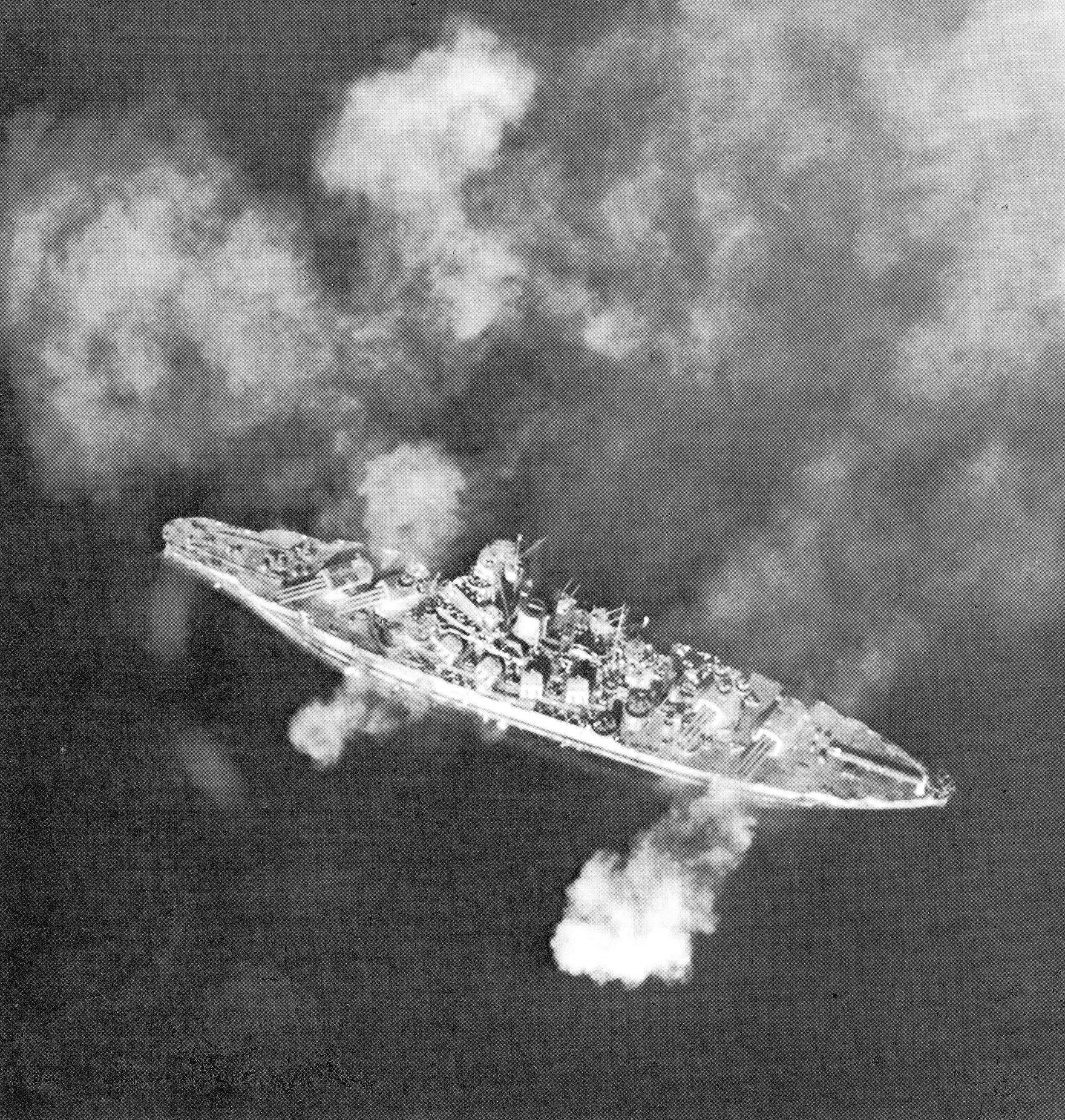
USS Arizona Memorial

21 Comments

Filed under History, Military, Navy Ships, world war two in the pacific