Author Archives: padresteve

padresteve's avatar

About padresteve

I'm a Navy Chaplain and Old Catholic Priest

Padre Steve Gets Adolf the Kidney Stone Removed: Musings on Laser Lithotripsy

Adolf Von Grosse Schmertzen will see his last sunrise in the morning, or whatever he can view from where he is at in the ureter.  Whatever, since he has stayed in his bunker and made my life miserable for the past two weeks he will not get to stay intact as a reward for leaving.  Instead he is going to get blasted to pieces by the latest and greatest in Kidney Stone breaker-upper technology, the Laser Lithotripsy using a holmium laser mounted in a endoscope.

This procedure is replacing the older method of extracorporeal shock wave lithotripsy as the standard of care in treating bastards like Adolf.  The older method was less invasive and used shock waves generated outside the body to break up the stone. The new method which according to the literature is “minimally invasive” involves passing the endoscope up the pee-pee thru the bladder and into the tunnel, the ureter, between the bladder and kidney where Adolf is dug into, sort of like his namesake who did the same in a Berlin Bunker back in 1945.  When the endoscope reaches Adolf the Urologist will direct a “laser” beam into Adolf “vaporizing the stone.”

Evidently there is no stone that has been able to withstand this high tech assault and the remnants of Adolf will be flushed into to sewer of history.  The success rate for this procedure is in the 90-95 percent rate according to the literature which means that for me there is a 50-50 chance of success though only a ten percent chance of that.  My assumption as to why this has replaced extracorporeal shock wave lithotripsy is that for the Urologist it is much more like imitating Luke Skywalker when he blasts the Death Star or playing the video game Asteroids.

Now I will go in tomorrow and be prepped for the procedure, I report at 815 and am told that it will be an hour or two until the procedure will begin.  Usually the preparation involves placing an IV, placing monitor equipment and asking lots of questions.  The one question I hope they ask if I have any special religious needs.  If they do I will ask if the have a live chicken, a sharp knife and an altar with candles and a shot of rum.  I am told that I will go under “General Anesthesia” which I imagine as being forced to watch a very boring Army General giving a briefing on power point to his subordinates.  Since I have slept through a few of those I image that this will be the case again.

Today I got a call from the Ambulatory Procedure Unit where I will be prepared for battle and then taken to the Operating Room, or the O.R. as medical professionals call it.  My Urologist says that the procedure could take up to three hours but that he expects that it will be done sooner than that. I do hope so because I need to wake up fast after the briefing of the boring General so that I can get home and then top off the day at Stein Club appreciation night at Gordon Biersch…yes, I know I’ve heard that you are not supposed to have alcohol after being under anesthesia but it won’t be like I will be having a beer in post-op, they don’t have any good beer there but I digress.

Today Adolf obviously sensing that his time is short has been giving me a lot of pain even with the Vicodin on board.  I cannot eat or drink anything after midnight so I’d better finish this so I can eat something to go with my last dose of Vicodin.  Providing nothing goes wrong I expect to be writing of my experiences tomorrow night, inshallah.

Of course my mind drifts to great medical films like Robin Cook’s Coma and certain episodes of House, M*A*S*H, Scrubs, the X-Files and the “Junior Mint” episode of Seinfeld which I find very comforting when facing surgery.

Pray for me a sinner,

Peace,

Padre Steve+

Leave a comment

Filed under healthcare

A War Crime Denier, an American Terrorist in Karachi, a Christian Bully and thoughts on Grace and Reconciliation on a Lenten Sunday

Molly Checking My Facts

Well sports fans I sit up with my little Papillion-Dachshund mix Molly musing tonight after watch a replay of a pre-season baseball game.  Today of course I have been dealing with the pain caused by Adolf my large and well dug in kidney stone who evidently will resist until the end and have to be blasted by a laser on Tuesday.  I didn’t sleep well last night and woke up in pain this morning and look to be doing the same tonight, hopefully the pain and sleep meds will kick in and I will get some sleep.  As I wait I shall write as Bucky Katt once said “you can wordify anything if you just verb it.” So tonight I shall spend some time with a war crime denier, an American traitor, an allegedly “Christian” political pundit and muse on grace and reconciliation, which are key themes in my Lenten journey this year.

So anyway….today was a weird day.  I had an irate Japanese “Rape of Nanking” denier comment on my article about that subject.  Sorry, the truth hurts war crimes and atrocities committed against civilians by any nation are immoral and to defend the indefensible or try to deflect criticism by referring to other nations that have done similar acts is simply being an accomplice to evil.  That goes for any nation including the United States and unfortunately our history is not always as pristine as some would make it out to be.

Moving on… there are conflicting reports that one of the great traitors in modern United States history, Adam Gadahn the chief spokesman for Al Qaeda was apprehended by Pakistani security forces in Karachi yesterday. A day after Gadahn urged Moslems in the US to emulate the Fort Hood terrorist Major Malik Hasan and attack high value targets in the United States Pakistani officials announced that he had been captured. However later reports that the Al Qaeda member captured may not be him after all.  This guy is a slime bag of the biggest order and I hope that if we didn’t get him this time that he will catch a Hellfire missile between his eyes so he can be the martyr that he urges others to be.  Lead by example Adam, its called leadership but then it is always easier to urge people that you don’t know or care about to do the dying for you.  Don’t worry someday you will get your 70 Virginians and they will kick your sorry ass for eternity.  If the Hellfire doesn’t get you Adam I hope that you get captured and sent to prison here in the US with the Trinity Broadcasting Network (TBN or the Terrible Blond Network) piped into your jail cell 24/7, an unending supply of Chick tracts and Gordon Klingenschmitt as your Chaplain, a fate worse than a fate worse than death.

While the aforementioned idiots are simply idiotic at least they don’t attempt to rationalize illegal or dishonorable activity by citing scripture and invoking Jesus like Townhall.com columnist Doug Giles did on Sunday.  Giles likes to fancy himself a defender of American and Christian values but is simply a bully whose imbecilic theological rants are about as Christian as those of Adam Gadahn, the American born Al Qaeda spokesman.  Giles prostitutes the Christian faith and wraps it around the flag so that the Gospel is indistinguishable from right wing politics.  The fact that he uses Jesus and says that Jesus would approve of such behavior is blasphemous and the fact that he has a degree from a seminary puts him on the same level as religious leaders of Al Qaeda, the Taliban, Hezbollah and the Iranian Revolutionary Guard clerics in camouflage.  I do believe that Christians should not divorce their faith from politics and that faith can inform and guide a Christian in life and even in politics but Giles and his radicalized followers are dangerous and will be the death of the Evangelical church.  His justification of the use of methods including deception and violence that in times past would have been denounced by the church are simply heretical and not a part of the Christian faith, even if he can “proof text” by citing disjointed and unrelated scriptural texts and by drawing false analogies to justify or prove his point.  While he as a conservative pundit may well oppose and even rightly criticize his political opponents it is wrong to use God or Scripture to justify unseemly and dirty politics even if one is tackling equally unseemly opponents.  I think this is why so many theologians, pastors and church leaders throughout history going back the Apostles and early Church Fathers distained politics and felt that Christians and their faith could only be corrupted by involvement in political movements.  The actions and words of Giles and his fellow travelers may make them feel better but only undermine their witness as Christians as they prostitute the faith for short term political advantage.

Though I did not get to Church today because of not sleeping and being in pain I was able to celebrate Eucharist at home with the Abbess.  If you have read my Lenten meditations you might notice the theme of reconciliation.  Such was the case in the lectionary readings for today, the Gospel being the parable of the Prodigal Son out of Luke Chapter 15 and the New Testament lesson being 2 Corinthians 5: 17-21, the latter which has been a major part of my theological journey since my return from Iraq.  I post the passage below because it speaks volumes about the ontological change that should be part of the Christian life imparted in the waters of Baptism and how that change should be a major part of how we relate to others in the world.  I think it stands in stark contrast to those of any political party who use Scripture and the faith for political gain and power.

“17So if anyone is in Christ, there is a new creation: everything old has passed away; see, everything has become new! 18All this is from God, who reconciled us to himself through Christ, and has given us the ministry of reconciliation; 19that is, in Christ God was reconciling the world to himself,* not counting their trespasses against them, and entrusting the message of reconciliation to us. 20So we are ambassadors for Christ, since God is making his appeal through us; we entreat you on behalf of Christ, be reconciled to God. 21For our sake he made him to be sin who knew no sin, so that in him we might become the righteousness of God.” (NRSV)

As Karl Barth said “Grace must find expression in life, otherwise it is not grace.” I dare say that Giles and other “Christian” radicals have forgotten the grace of God or somehow do not think that applies to their opponents.  In their zeal they misuse Scripture and justify hatred forgetting the great commandments to love God and love our neighbor and the witness of Christians who lived in truly evil times like Dietrich Bonhoeffer who said Our enemies are those who harbor hostility against us, not those against whom we cherish hostility… As a Christian I am called to treat my enemy as a brother and to meet hostility with love. My behavior is thus determined not by the way others treat me, but by the treatment I receive from Jesus.”

And so to you my friends I wish you a good night.

Peace,

Padre Steve+

Leave a comment

Filed under Loose thoughts and musings

The Beginning of the Nuclear Surface Navy: USS Enterprise CVAN-65, USS Long Beach CG-9, USS Bainbridge DLGN/CGN-25 and USS Truxton DLGN/CG-35

Iconic Photo of USS Enterprise CVAN-65,USS Long Beach CG-9 and USS Bainbridge DLGN-25 during Operation Sea Orbit 1964

Note: This is the first of four articles on the US Navy’s Nuclear Surface Force. Future articles will deal with Task Force One and Operation Sea Orbit, the Nuclear Cruisers and the Nuclear Carriers.

In the 1950s the US Navy recognized the Nuclear power could play a key role in the future Navy.  The operational flexibility of Nuclear powered ships which would not be dependent on underway replenishment provided by tankers or port calls to conduct high speed operations over vast expansions of the world’s oceans.  Orders were placed in the mid-1950s for an attack aircraft carrier, the USS Enterprise CVAN-65, cruiser the USS Long Beach CLGN-160 and later CGN-9 and the USS Bainbridge DLGN, later CLG-25.  These ships would become the prototypes of a Navy which early advocates of nuclear propulsion hoped would become the future of the surface Navy.  This would become the case in regard to Aircraft Carriers but not in regard to cruisers pr smaller surface ships.  While seven more Nuclear Cruisers would be built none would be retained after the post Cold War reduction in force with all of the ships decommissioned, their nuclear plants recycled and hulks scrapped.  However they represented the pinnacle of surface ship design in their time and had the budgetary constraints of the post Cold War world taken place the likelihood is that at least six nuclear cruisers would still be in commission possibly upgraded with the Aegis Air Defense system making them the most versatile of surface ships.

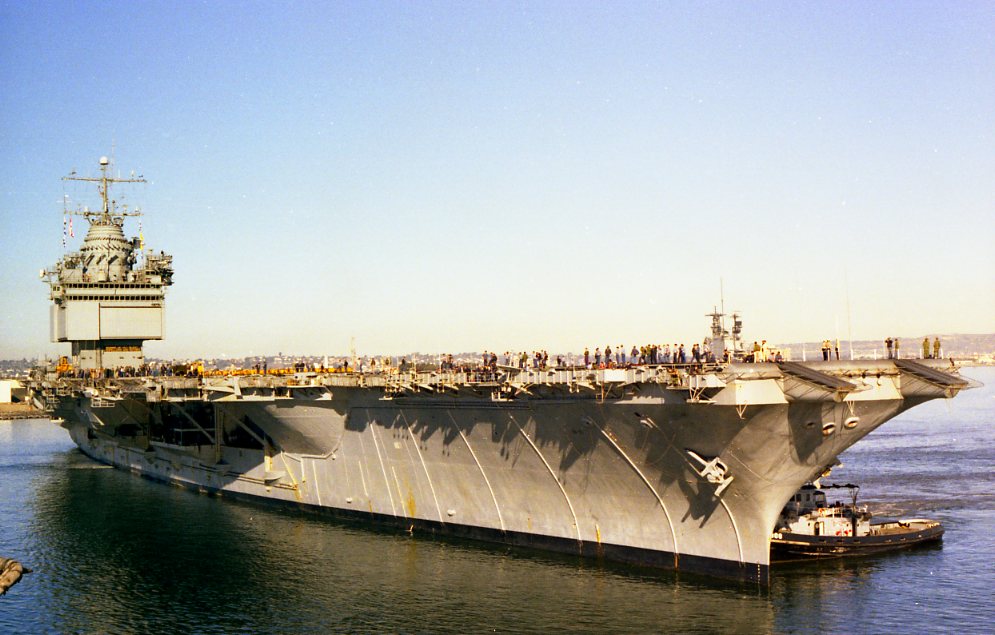
Enterprise in 1978

The first Aircraft Carrier designed and built as a nuclear ship was the USS Enterprise.  Named after the heroic USS Enterprise CV-6, she dwarfed even the Super-carriers of the Forrestal class which preceded her and the Kittyhawk class which followed her.  Laid down February 4th 1958 and launched September 24th 1960 the “Big “E”” was commissioned on November 25th 1961.  At 1,101 feet overall and displacing over 85,000 tons full load she was the largest carrier built until the Nimitz class.  Her power plan was both experimental and revolutionary.  Equipped with 8 Westinghouse A2W nuclear reactors generating 2800,000 SHP powering geared turbines the Enterprise was capable of 35+ knots.  With a air group of over 70 aircraft Enterprise would serve in the Cold War, Vietnam, Desert Storm, the Balkans and Middle East culminating in Operation Enduring Freedom and Operation Iraqi Freedom.  Coming into her 50th year Enterprise still serves on active duty as the oldest warship in the US Navy.  She is scheduled to be replaced in the next few years by CVN-78, the USS Gerald R Ford.

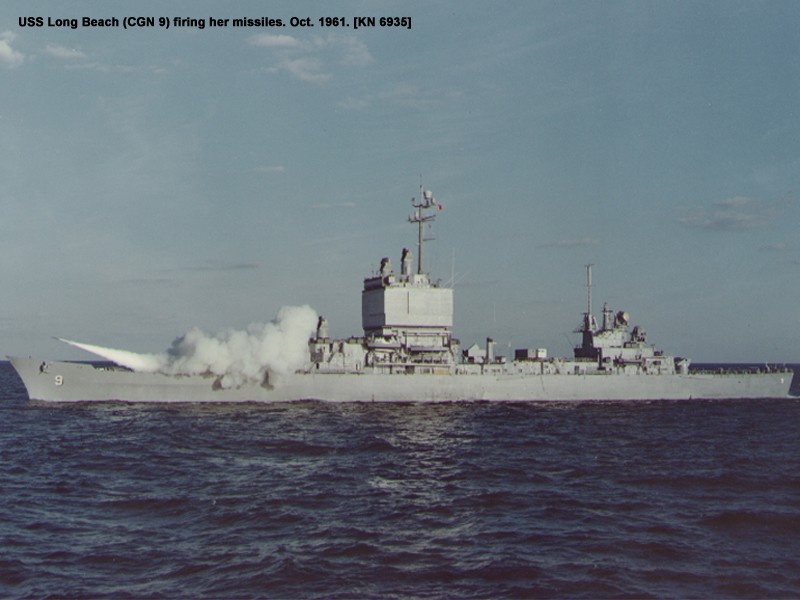
Long Beach firing Missiles 1961

The USS Long Beach was the first nuclear guided missile cruiser and the only cruiser built following ships designed during World War II built as a large cruiser, all others would be on large destroyer platforms.  Previous guided missile cruisers had been converted from World War Two Light Cruisers and Heavy Cruisers, some of which retained their forward gun turrets while mounting missiles aft.  The Albany class also converted World War II ships had their entire main battery exchanged for missiles.  The long beach represented an entirely new type of cruiser.  Laid down December 2nd 1957, launched July 14th 1959 and commissioned September 9th 1961 she displaced over 15,000 tons full load. Large and fast equipped with 2 Westinghouse C1W reactors powering GE turbines producing 80,000 SHP she was capable of 30+ knots.

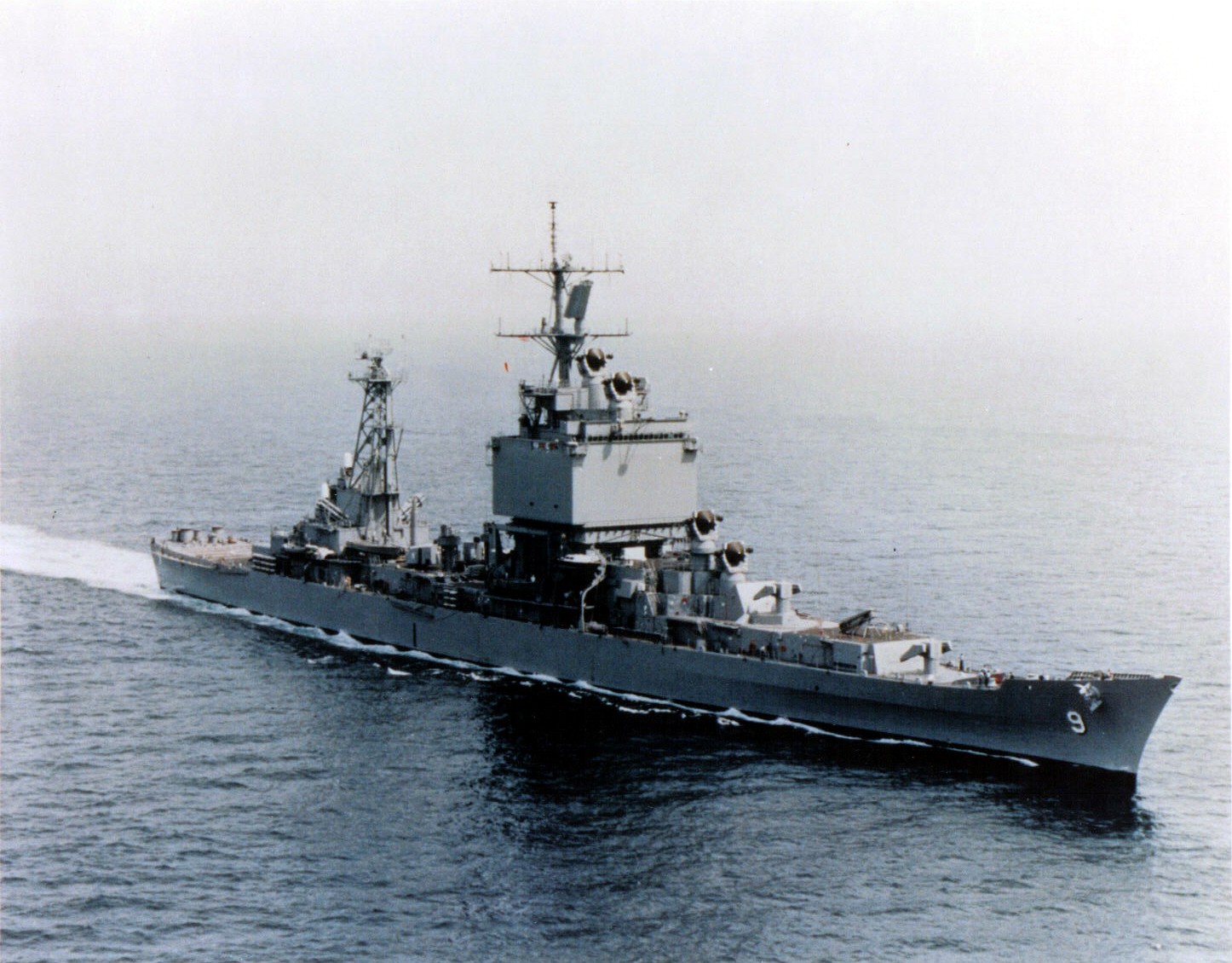
Long Beach after modernization in 1980s

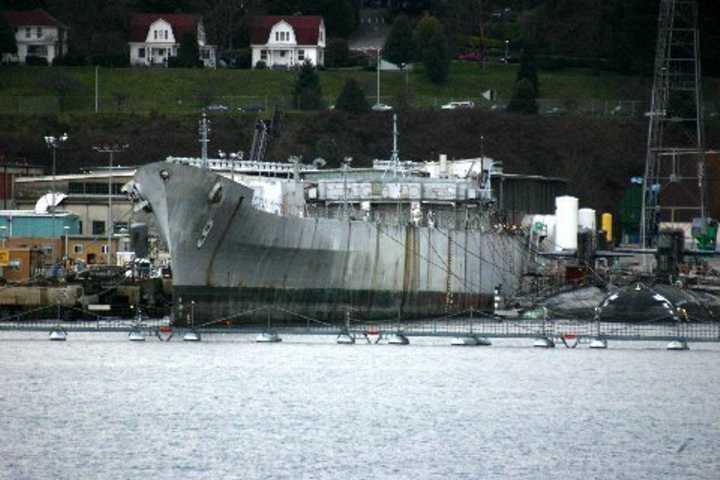
She was equipped with a twin Talos missile launcher, 2 twin Terrier launchers two 5”/51 dual purpose guns in single mounts, the ASROC anti-submarine rocket system and six 12.75” ASW torpedo tubes.  Long Beach would serve until 1995, taking place in every major operation except the Balkans when she was decommissioned.  Her unique superstructure was razed, her nuclear plant recycled and her hulk remains, the trim cruiser lines still in evidence awaiting the scrappers torch at Bremerton Washington.

The hulk of teh ex-Long Beach at Bremerton Naval Shipyard

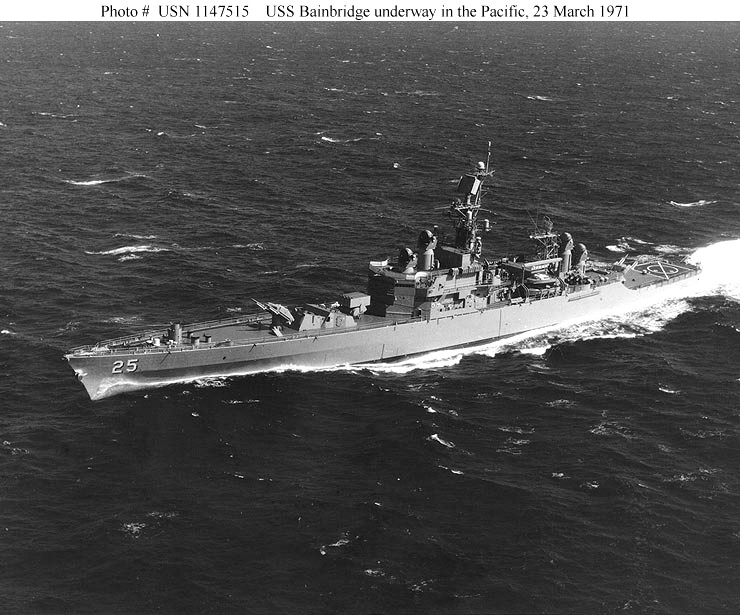
Bainbridge 1971

The USS Bainbridge originally classified as a Guided Missile Destroyer Leader and a nuclear powered ship of the Leahy class. Bainbridge displaced 8,500 tons and 565 feet long she mounted two twin launcher Terrier missile systems, ASROC, six 15.5 inch ASW torpedo tubes and four 3” dual purpose guns and crewed by 475 men she like Long Beach had the capability of managing the air defense of the battle group.  She was equipped with 2 GE 2DG nuclear reactors powering geared turbines capable of 60,000 SHP which drove her at 30+ knots.  She was laid down May 5th 1959 and launched April 15th 1961 and commissioned on October 6th 1962.

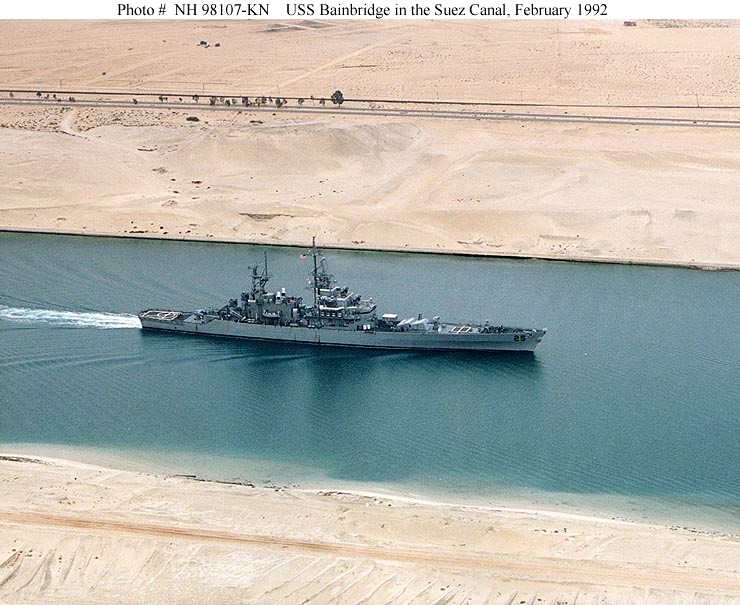
Bainbridge transiting the Suez Canal 1992

She like Long Beach and Enterprise would serve in most every major operation undertaken by the US Navy and during the post Cold War draw down would be decommissioned on September 13th 1996, her nuclear plant recycled and her hulk scrapped at Bremerton Washington.   She would be modernized throughout her career with upgraded radars, missiles and having her 3” guns replaced by Harpoon Surface to Surface Anti-Ship Missiles and given the facilities to operate LAMPS helicopters.

Truxton 1979

The USS Truxton DLGN/CG-35 was a nuclear powered variant of the Belknap class DLG/CGs and equipped with the same power plant but mounted a 5”/51 single mount gun forward and one twin dual purpose launcher for Terrier and ASROC aft. She would also be designed with helicopter facilities to operate a LAMPS helicopter and like Bainbridge be modernized throughout her career.  Laid down June 17th 1963 and launched December 13th 1964 she would not be commissioned until May 27th 1967.  She also would serve in most of the major operations conducted by the Navy until she was decommissioned on September 11th 1995, her nuclear reactor recycled and her hulk scrapped.

Truxton being “recycled”

Enterprise alone remains of these pioneering ships but each would contribute to the future of US Navy shipbuilding.  Next: Task Group 1 and Operation Sea Orbit.

17 Comments

Filed under Military, Navy Ships

Health Care Reform, Socialized Medicine and Adolf Von Grosse Schmertzen my Big Kidney Stone

I believe that the health care system in our country needs to be reformed.  A of my opinion comes from my days in seminary and after when the health insurance that I had was not worth the powder to blow it to hell for the most part.  My overriding concern is that people get the appropriate health care and treatment when needed and that a lot of this be preventive type care.  At the same time when the situation presents that is not a preventive medicine type situation but rather something that is dehabilitating to the point that an otherwise physically fit person cannot do their job because of pain or the effects of medication needed to keep the pain to manageable levels that treatment should be done expeditiously in order that the person would be able to resume their duties quickly.  This is especially true for those in the military who have a mission that must be done.

I am a moderate in most of life.  I understand the need for social responsibility as well as individual responsibility.  At the same time I know that even when you have a guarantee that you will have your health care taken care of that things do not always work out the way that you think that they should.

I was diagnosed with a 7mm kidney stone almost two weeks ago on a late night trip to the ER.  Despite the fact that there is almost no possibility of passing that big of stone I was given pain meds as well as medicines to help pass the stone.  I was referred to my family practice physician who was surprised that a Urology consult had not been scheduled during my late night ER visit.  He gave me a consult with Urology when I saw him and a couple of days later saw the Urologist who gave me more meds and scheduled me for a ureterorenoscopy to blast the stone and place a stint.  Since we have only so many surgery slots my surgery was scheduled for March 9th which is over 2 weeks after the initial diagnosis.  I had my pre-op appointment today and even though I am in pain even with a high dose of Vicodin my doctor is sending me back to work tomorrow with the instruction to take Extra-Strength Tylenol while I am at work only taking Vicodin if the pain gets too bad. Now with Vicodin the pain is reduced to an almost manageable level but not gone. Sleep is still problematic and just getting comfortable is difficult and between doses of Vicodin doses of 1-2 liters of beer does little to help.  I would venture to say that the pain is too bad already, but I am only a layman.

I have done everything that my doctors have told me and still there is no relief.  I have to wait until Tuesday for the surgery to blast and remove Adolf from his bunker when if the statistical probability of me being able to pass bloody Adolf would have been employed I would have had him removed within days of his discovery. Instead I have had to wait in pain unable to do the work that I need to do and all the while losing ground on my physical fitness program that I have been working so hard on getting back into optimal shape.  My Urologist has elected to send me back to work Friday and Monday with only extra strength Tylenol as a pain reliever because I cannot drive nor do much when taking Vicodin, the world goes around in a counter-clockwise direction.  So tomorrow I will go in to work and try to survive the day. However in reality I think that without my Vicodin I will be back in the doctor’s office in pain begging for relief, in fact based on the pain that I am feeling with the Vicodin I know that I will seeing my family practitioner as soon as I go in to try to get some help.  It is no fun spending two weeks in pain that does not even allow you to sleep that is only mitigated by medicine that makes your world go in a counter-clockwise direction that cannot be taken if you want to drive to work which of course means that the pain will become unbearable.  This is indeed what is in the old parlance called a dilemma and even though I like dill pickles I think that this dill-Emma will be a very sour pickle indeed.

So I shall go in to work and see what happens….

As much as I want to discuss heath care reform in general, I must say without sounding too self centered or look like I am whining that there must be health care reform and let it begin with me.  But I am whining and because I am in pain now this is somewhat self centered. For two weeks I have gone without a decent night’s sleep, been in pain and missed work and lost ground on my physical fitness program while watching my living room move in a counterclockwise direction.  This is not fun and now I’m told to not take the only thing that is keeping the pain at bay.

Now of course there are a lot of people with a lot more dire conditions than me who suffer worse than I do and I don’t dare to compare what I am going through to them, I am not so self centered to think that somehow what I am going through compares to people in long term chronic pain that cannot be mitigated especially those dying.  Thus my complaint may seem in bad form, but I am not a happy camper.  By the time the stone is out and I am done with the recovery period I will have lost three weeks of work and life in general.

Anyway, it is time for my last bit of Vicodin before I go to bed.  Pray for me a sinner and forgive me for whining.

Peace

Padre Steve+

1 Comment

Filed under healthcare

Faith, Hope and Identity a Mid-Lent Meditation

“If it is hope that maintains and upholds faith and keeps it moving on, if it is hope that draws the believer into the life of love, then it will also be hope that is the mobilizing and driving force of faith’s thinking, of its knowledge of, and reflections on, human nature, history and society. Faith hopes in order to know what it believes. Hence all its knowledge will be an anticipatory, fragmentary knowledge forming a prelude to the promised future, and as such is committed to hope.” Jürgen Moltmann- Theology of Hope

When someone goes through a spiritual crisis or loss of faith it is a chilling time.  Even when you are trying to believe there is always a time that you really take stock of exactly what you believe and why.  Without regurgitating the crisis in my life and faith that came after my return from Iraq and near physical, emotional and spiritual collapse that came with my PTSD I wanted to just take a few paragraphs to meditate on the grace, mercy and love of God that is a central theme of the Gospel.

I have talked about the miracle that embraced me during the season of Advent and Christmas.  I call it my “Christmas miracle” because the year prior I had spent Christmas Eve walking in the dark and cold wondering if God even existed even as most of the Christian world was celebrating the Incarnation of Christ the Lord.  Since that time my faith has continued to be renewed and restored and with the exception of battling Adolf Von Grosse Schmertzen my very painful and very big Kidney Stone have come to feel like my old self for the first time since Iraq.

As I have entered Lent it has been a time of renewal.  Part of that renewal has been being able to believe again and as the Psalmist says, “be still and know that I am God.” This has been a refreshing time as I have continued to experience God’s grace as well as grown in my faith which is founded on the Anglican Triad of Scripture, Tradition and Reason.  That actually has helped me as I have experienced some measure of healing and recovery from what I experienced.

My time in Iraq was meaningful and I loved my Marines, Soldiers and other advisers as well as our Iraqi allies.  When I came back I felt alone and a lot of that came as my church had endured a series of scandals and splits and even before Iraq I had been thrashed by some of the people at the center of the storm who have all since left the church for other places that they can afflict.  Coming home to that was disillusioning, as isolation that I felt from many in the chaplain community.  I have found that my experience is not uncommon and that others have had similar experiences upon their return from Iraq.

For me this meant a period of almost two years where it seemed that God himself had disappeared from my life.  I struggled to even pray.  That is no longer the case, I seem to be on the rebound and God is real again.  So things have changed, I think that my faith has matured in some ways, I don’t need to go argue points of doctrine that saints, theologians and philosophers much smarter than me have legitimate disagreements about for centuries.  Nor do I need to push my views on people in my church or anywhere else as if I had the latest and last word from the Almighty.  I used to seek approval and want to have input on denominational theological or liturgical committees and I would write in the hope that my “brilliance” would be recognized and that my opinion would be sought after. When I write something now it is because I believe it and to stimulate interest and discussion and occasionally to answer or critique those who use faith as a weapon to bludgeon or intimidate those that they are against.  I do not expect to change anyone’s mind and since I have no position where I can enforce my beliefs on anyone else (nor would I want to thank you) my thoughts are simply that.  I hope that they edify and encourage and if someone has a “wow I could have had a V-8 moment” reading something that I write I’m okay with that.

Hans Kung once said: “Time and again we see leaders and members of religions incite aggression, fanaticism, hate, and xenophobia – even inspire and legitimate violent and bloody conflicts.” I guess to some this will sound “liberal” but I came back different from Iraq and I have seen too many people suffer from those that would use religion as a weapon to control others. In Iraq I had Iraqi officers; including Generals tell me that they did not trust their Islamic clergy Sunni or Shi’a because they by their words and actions had caused so much suffering during the insurgency that followed the US invasion of Iraq.  Unfortunately I am seeing the same kind of attitude that the Iraqi officers describe grow exponentially in this country, especially among the farthest right of the religious right. The use faith and religion to enforce their particular understanding of the Bible on people who are not Christians is troubling and something that our often very secular and not very Christian “Enlightenment” thinker founders understood. Some now declare anyone who doesn’t agree with them 100% as enemies not only of them, but of God and often over things that are not even Biblical like economics, gun control, taxes and a host of other conservative political issues. Now there are those on the far left that do the same thing but most do not use the Christian faith as justification for their intolerance of opposing views.  Somehow while I don’t think God sees things that way that the extremes see them I know that the Al Qaida Iraq, the Taliban and other groups think much in the same way.   However, such speech is protected and even if disagree with it would not support attempting to silence those who hold beliefs that I disagree with be they religious or political. Debate, dialogue and even disagreement on issues are important in both the Church and society in order that we don’t become a tyranny of the right or left, religious or secular.

As such my faith has grown in that I have no agenda other than to care for the people that God allows me to have contact with.  I’m certainly not perfect at this and at times my default setting of being an ass can re-emerge but I know that Christ is working in my life again.  I have emerged from what Saint John of the Cross called “the dark night of the soul.”  My faith is in God and in Christ crucified who in the words of St Paul who said “in Christ God was reconciling the world to himself, not counting their trespasses against them, and entrusting the message of reconciliation to us.” (2 Cor 5:19 NRSV) I like what Chrysostom says about this passage: “For had it been His pleasure to require an account of the things we had transgressed in, we should all have perished….” The fact that God has condescended to reach out to his creation in this manner is evidenced also in 1 John 2:1-2 where the Apostle writes: “My dear children, I write this to you so that you will not sin. But if anybody does sin, we have one who speaks to the Father in our defense—Jesus Christ, the Righteous One. 2He is the atoning sacrifice for our sins, and not only for ours but also for[the sins of the whole world.” For me this Lent is about reconciliation and the forgiveness of sins in an age where so many are drawing lines in the sand and preparing for war, be it religious, social or ideological.

So anyway, it has become more important to me after having gone to war and seeing its effects on people as well as having looked into the abyss of hopelessness to be an advocate for reconciliation, peace and hope for the future especially in my own country where the anger, division and even hatred between the political and religious right and the political, religious and secular left seems to rise to new heights every day.

My identity is not in a political leader, party or ideology, it is in Christ crucified. My optimism is based on him and the creation that he reconciles unto himself and I cannot give up hope or be silent about God’s love and reconciliation .  As Dietrich Bonhoeffer said: “The essence of optimism is that it takes no account of the present, but it is a source of inspiration, of vitality and hope where others have resigned; it enables a man to hold his head high, to claim the future for himself and not to abandon it to his enemy.”

Peace,

Padre Steve+

2 Comments

Filed under faith, philosophy, Religion

Forerunners of the Next Generation: The New Mexico Class, USS New Mexico, USS Idaho and USS Mississippi

New Mexico BB-40 in 1930 before moderization

The Battleships of the Nevada and Pennsylvania classes had established American ship design as second to none in 1916.  At the same time the US Navy was planning advances in engineering systems that would change naval engineering forever.

Idaho  BB-42 in 1931 after modernization

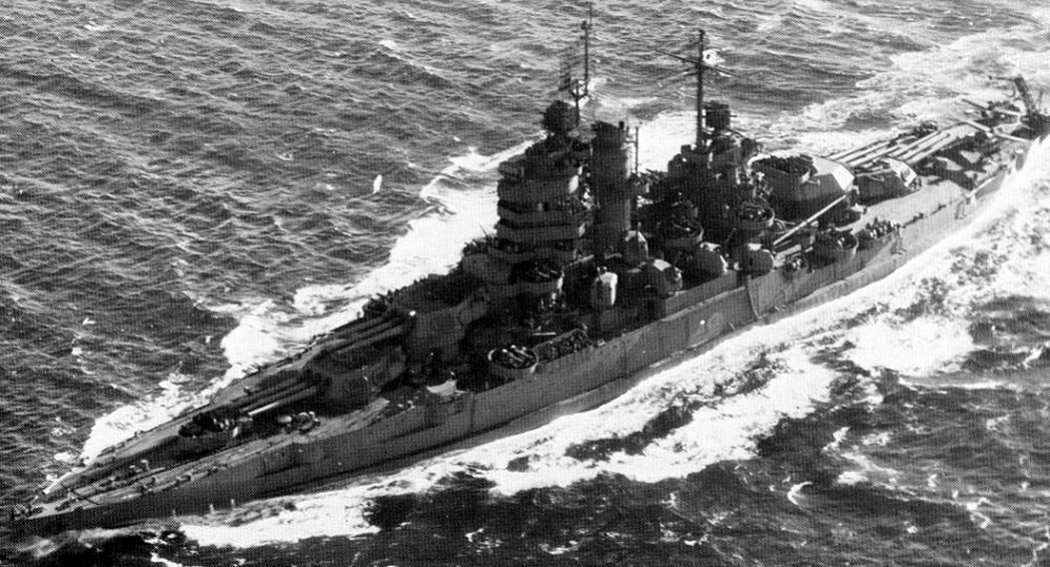
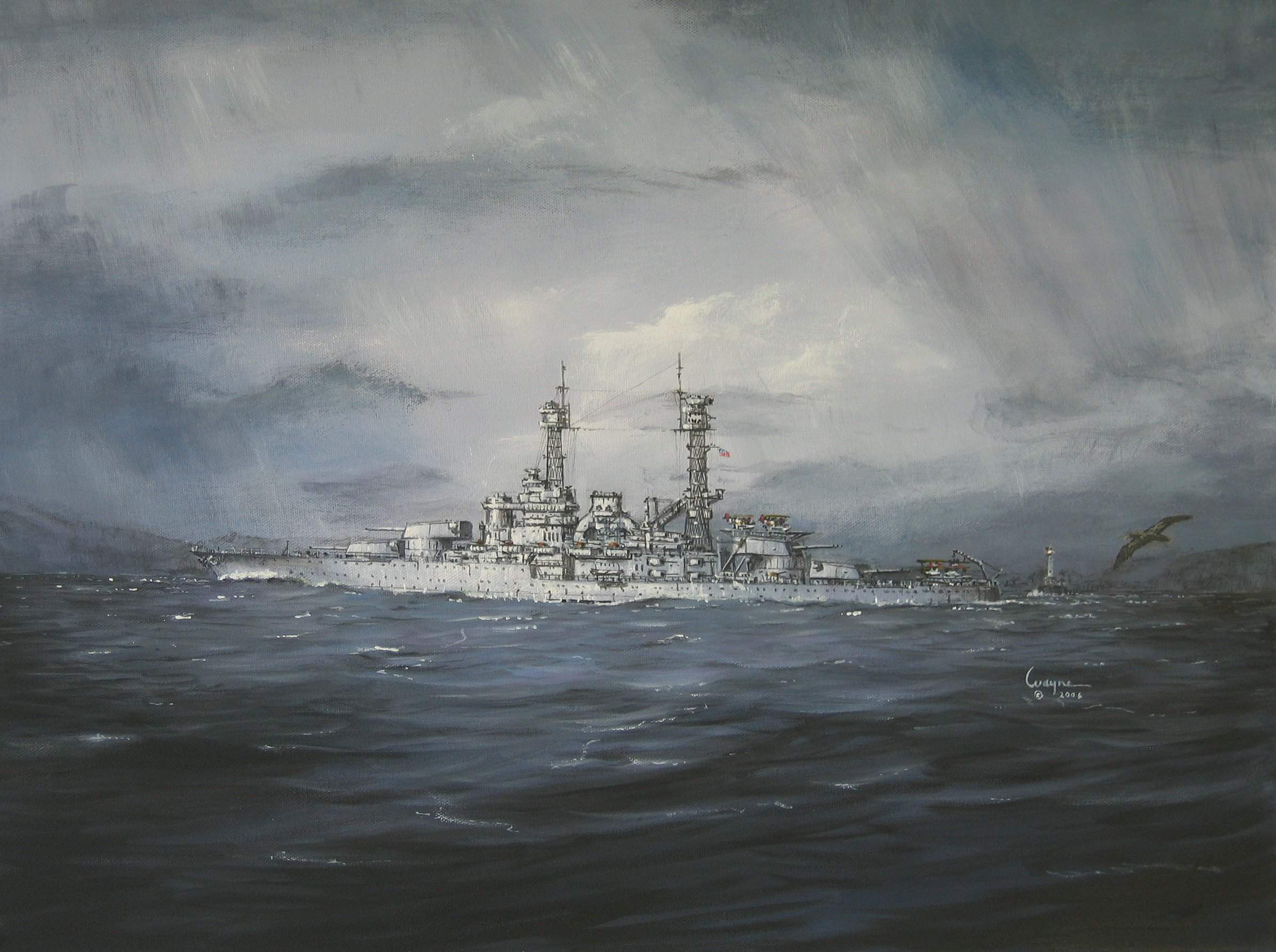
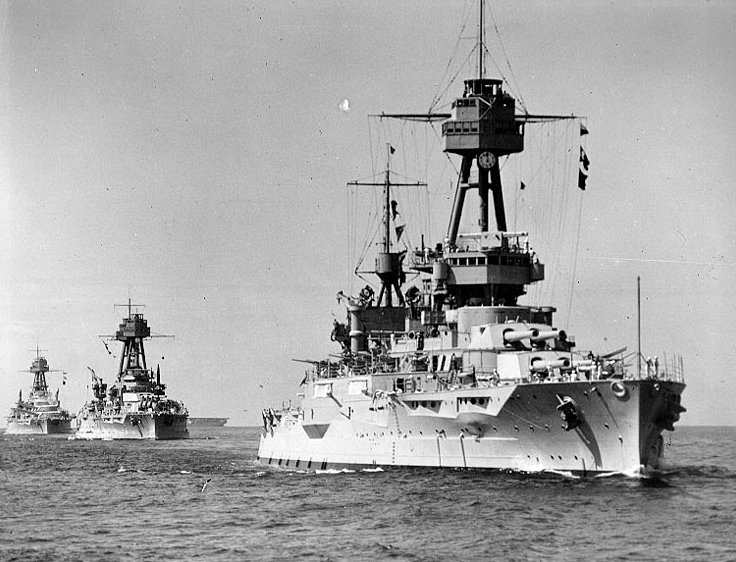
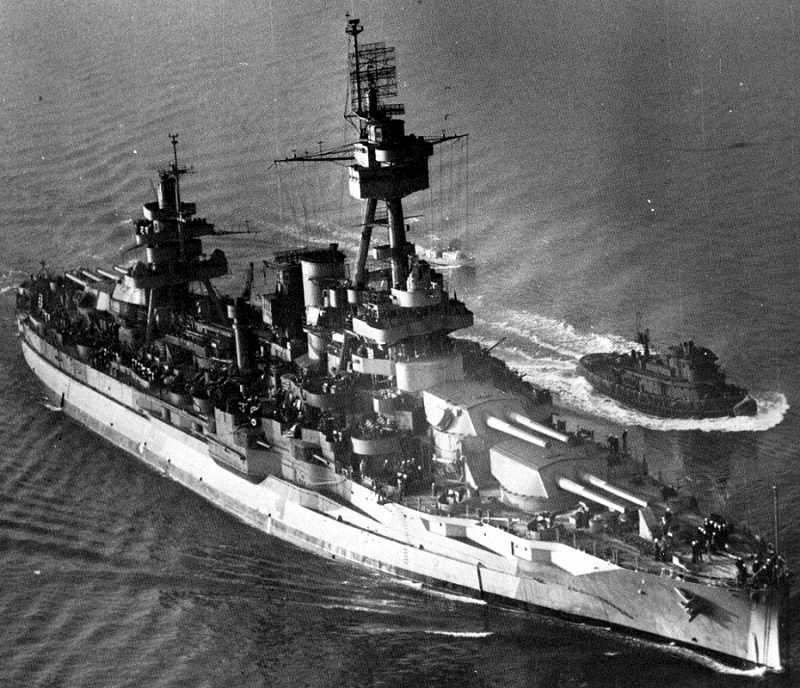
The ships of the New Mexico class were improvements on the preceding Nevada and Pennsylvania class half sisters.  Their hull was lengthened and beam increased. Additionally the new class was given a clipper bow to improve sea keeping capabilities.  While they maintained the same main battery layout of four turrets mounting three 14” guns each, however the guns were a higher caliber 14”/50 models that would also be mounted on the California class.  The New Mexico was also the test bed for a new power plant which featured General Electric geared turbines with electric drive which would be standard on succeeding classes of battleships as well as carriers, cruisers and destroyers.  The Mississippi and Idaho retained the older geared turbine design. The practical effect was that the New Mexico required less horsepower to attain the same speeds as the earlier design turbines.

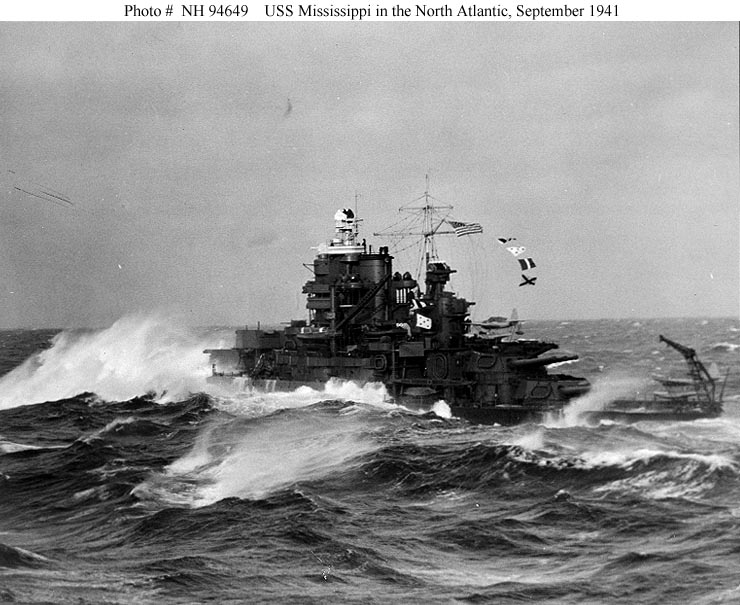
USS Mississippi BB-41 in the North Atlantic September 1941

Displacing 32,000 tons the ships were slightly larger than their predecessors.  New Mexico was launched on 23 April 1917 and commissioned on May 18th 1918.  Her sisters Mississippi and Idaho were actually launched and commissioned sooner being launched on January 25th 1917 and commissioned on December 18th 1917.  None of the ships saw action in the First World War and in 1919 the three would become the nucleus of the newly formed Pacific Fleet. They would serve in the Pacific but conduct exercises with the Atlantic Fleet in the Pacific as well as the Atlantic and Caribbean.  All three were modernized in the early 1930s receiving improvements in armor protection, anti-torpedo blisters, a modernized bridge structure to replace their cage masts, improvements to machinery and their secondary armament.

The Three Sister Moored Together, Late 1943

They would return to the Pacific but with the outbreak of war in Europe the three ships were transferred to the Atlantic Fleet where they took part in the Neutrality Patrol. When Pearl Harbor was attacked the three sisters went back to the Pacific where they spent much of 1942 escorting convoys and being prepared to repel any Japanese assault on the US Mainland.  In April 1943 they took part in the Aleutian campaign and the assaults on Attu and Kiska.  They would then sail to the Central Pacific where the provided support to the invasions of the Gilberts, Marshalls and Marianas islands by protecting the transports and providing naval gunfire support to Marines ashore.

Idaho in her final 1945 configuration. Note the 5″/38 DP Guns in single enclosed mounts used by US Fletcher Class DDs. The Idaho was the only Battleship to have this type of 5″ mount

The three would again operate together during the invasion of the Philippines where the Mississippi served with other battleships of the 7th Fleet’s battle line under Rear Admiral Jesse Oldenforf at the Battle of Surigo Strait where they annihilated a Japanese force including the battleships Fuso and Yamisharo.   Both Mississippi and New Mexico were damaged by Kamikaze hits in Philippine waters, the New Mexico taking a hit on her bridge which killed her Captain and 27 crewmembers.  Both would require repairs and both would miss the invasion of Iwo Jima which Idaho took part in.  The three joined forces again at Okinawa where they provided fire support to Marines and Soldiers ashore.  They would serve until the end of the war in the Pacific and take part in Operation Magic Carpet to return military personnel from the Pacific to the United States.

Idaho at Okinawa

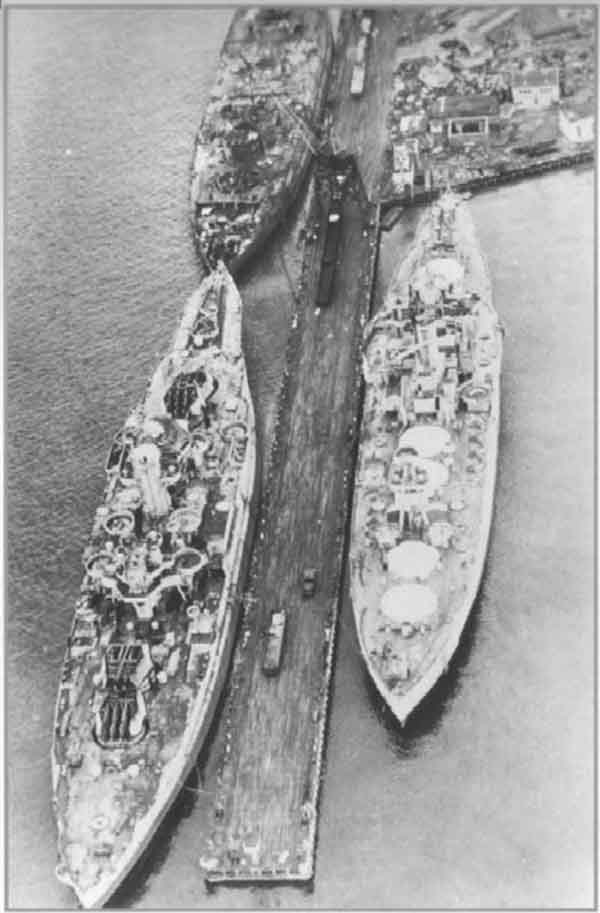
Following the war the New Mexico and Idaho were decommissioned and sold for scrap in 1948.  Mississippi however was converted into a gunnery training ship and reclassified as AG-128.

Idaho (lower left) New Mexico (top left) and Wyoming being scrapped at Newark NJ 1948

In this capacity she served as a test bed for new weapons including the Terrier guided missile systems which would be mounted on the first generation of US Navy Guided Missile Cruisers.   She was decommissioned in 1956 and sold for scrap after an abortive attempt by the state of Mississippi to acquire her as a memorial ship.

USS Mississippi AG-128 firing Terrier Missiles

The ships provided valuable service during the Second World War and the technical innovations in propulsion and protection would become standard in subsequent classes of US Navy battleships.  Additionally the post war service of the Mississippi helped propel the Navy into the missile era helping to build a foundation that is in evidence today in the Ticonderoga Class Guided Missile Cruisers and Arleigh Burke class Guided Missile Destroyers and their Aegis air defense and ballistic missile defense systems.  The ships of the New Mexico class and their stalwart crews should not be forgotten.

7 Comments

Filed under History, Military, Navy Ships, world war two in the pacific

The Battle Fleet that Never Was: The USS Washington, the South Dakota Class and the Lexington Class Battle Cruisers

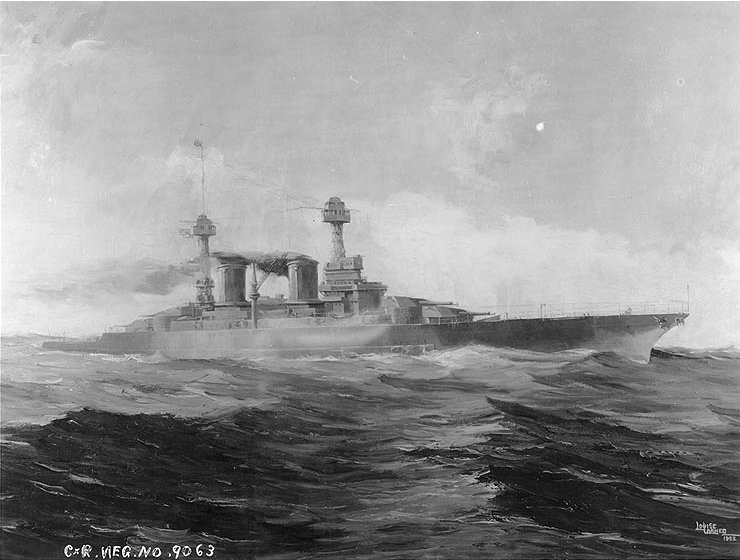
Artist depiction of the Lexington as Battle Cruiser

Note: This is the first of a series of articles on what might have happened if the Washington Naval Treaty had not been signed. This article is a look at the American fleet that never was, the following articles will be in the alternative history genre looking at a war breaking out in the Pacific in 1937.

Historians almost always muse on what might have been.  One of the most significant events of the years following the First World War was the Washington Naval Conference and Treaty. The treaty called by the President Harding and conducted under the auspices of the League of Nations was the first international disarmament conference and attended by none nations having interests in the Pacific. The major players in the conference from the naval power perspective were the British, Americans, Japanese, French and Italians.  Each nation had an agenda for the conference, for the United States it was to break the Anglo-Japanese naval accord and to limit the Japanese naval build up.  The British, exhausted and financially reeling from the effects of the First World War had a number of goals.  Though they had the largest navy and the most Dreadnaught type battleships and battle cruisers of any Navy many of its ships were obsolete or worn out from wartime service.  They had little capital to put into new ship construction, especially considering the vast resources of the United States which was already well into a vast naval buildup including ships that would be among the largest and most heavily armed in the world.  It was in the interest of Britain to limit the both the number, tonnage and armament of these ships.

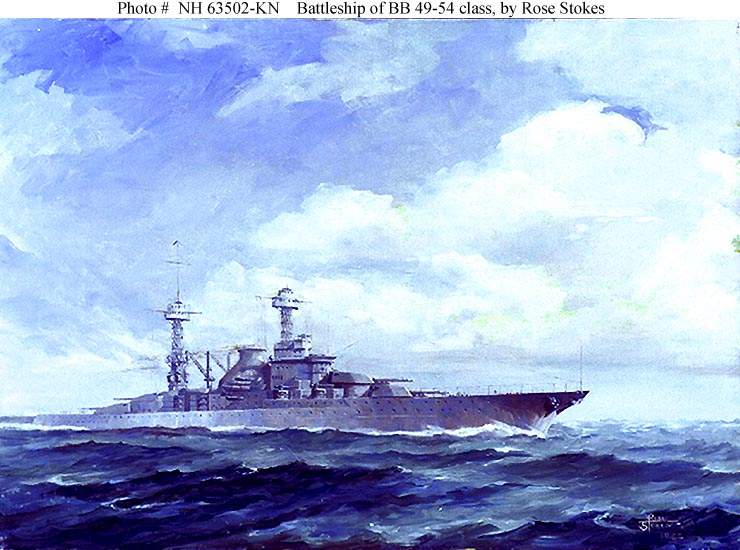
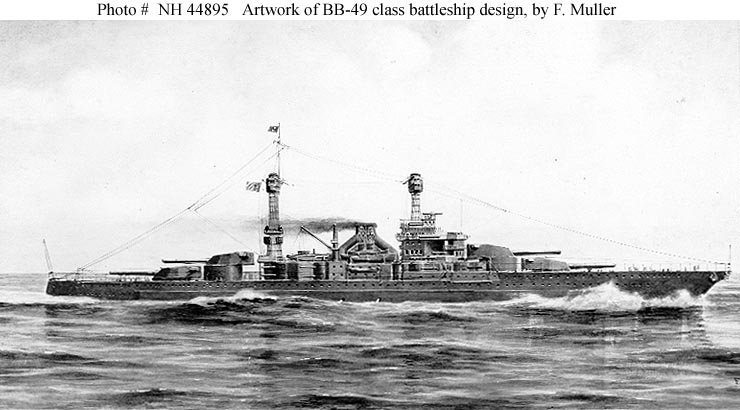
Artist impression of South Dakota Class

The treaty which was ratified in 1922 limited the United States and Great Britain to a maximum of 525,000 tons in their battle ship fleets and 125,000 tons in aircraft carriers.  The Japanese agreed to a limit of 315,000 tons and the French and Italians 175,000 tons each.  Tonnage for battleships was limited to a maximum of 35,000 tons with a limitation on guns size to 16 inches.  Since the bulk of the ships planned or being built by the US and Japan exceeded those limits they would be effected more than the British whose post war shipbuilding program had not begun in earnest. For the US this had a dramatic effect on its planned fleet, which if built would have become the dominant Navy of the 1920s and 1930s.  It is fascinating to think what might have happened if the treaty had not been signed and what the battle fleets of the various nations would have looked like in 1941 had war not come sooner.

Plans for South Dakota Class

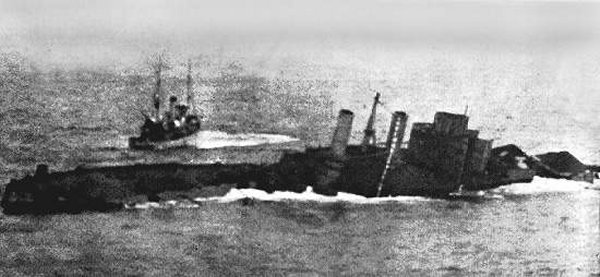
The American Navy went to war in 1941 with 18 battleships, the most modern of which were the new North Carolina and Washington and the rest averaging over 20 years old in 1941. The most modern of these ships were the Colorado class composed of the Colorado, Maryland and West Virginia each mounting eight 16”/50 guns.  The fourth ship of the class the Washington was sunk as a gunnery target when 75% complete under the terms of the Washington Naval Treaty.

The incomplete USS Washington sinking

However it was a battle force that could have been much larger and far more capable, a force that may not been regulated to convoy escort duties and shore bombardment but instead may have taken on the Imperial Navy on the high seas in battleship combat not seen since Jutland.  Yet this was not to be, the great fleet of super-battleships was never built and only two hulls completed the Lexington and Saratoga which instead of being completed as battle cruisers were completed as aircraft carriers.

Artist impression of South Dakota Class

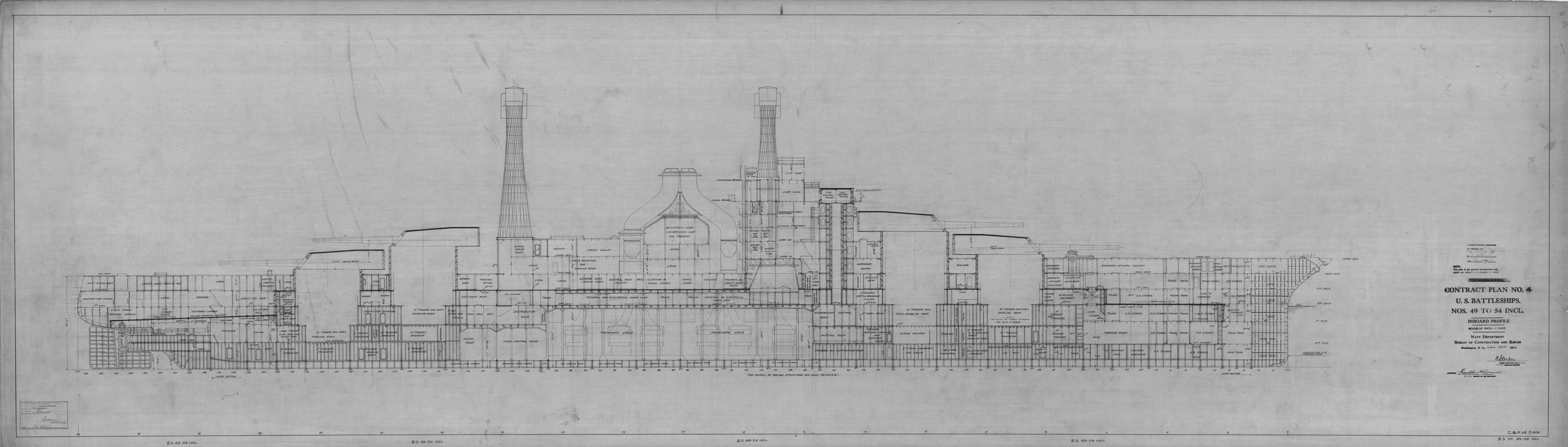
The Americans had set out to build the largest, most modern and powerful battleships and battle cruisers afloat.  The Navy had already produced the Colorado class super-dreadnaughts which were equal to or superior to any battleships of their era.  The Navy planned for a class of six battle cruisers which would be superior to any similar ship afloat, the Lexington class and a class of six battleships, the South Dakota class mounting twelve 16”/50 guns in triple turrets.

Artist impression of South Dakota Class as they might have appeared in 1938

The two classes were leviathans and to counter them the British made plans for a four ship 48,000 ton class of battleships, the N3 project mounting nine 18” guns and a class of battle cruisers mounting nine 16” guns.  The ships of both classes were designed with their main battery mounted forward in order to save weight on armor.  Both classes were canceled with the signing of the treaty and none were laid down.  It is suggested by some that the G3 battle cruiser design was a ploy to get the United States to agree to the cancellation of its capital ship projects. The guns planned for the G3 class were mounted on the Nelson class battleships which complied with treaty limits.  Although powerful ships they suffered from engineering problems which often reduced their speed from what was designed.  Along with the HMS Hood, the sole ship completed of the four ship Admiral class the Nelson and Rodney were the most modern battleships in the Royal Navy until the King George V class entered service in 1941.  The Japanese planned for eight battleships and eight battle cruisers centered on the two existing Nagato class battleships and 4 Kongo class battle cruisers to be joined by the two ship 40,000 ton Tosa class battleships, the Tosa and the Kaga, of which Kaga was completed as an aircraft carrier. They were to be joined by the 4 improved Tosa class or Kii class fast battleships of 42,000 which were ordered but never laid down.  These were to be joined by the four ship Amagi class battle cruiser class.  Amagi was destroyed during the Tokyo earthquake of 1922 and scrapped and Akagi completed as an aircraft carrier.  All of the planned Japanese ships were to mount ten 16” guns in five twin turrets.

Lexington Class final design drawing

The American ships were to be powerful and based on main battery, protection and speed they would have acquitted themselves well had they been built.  The Japanese ships would have had a speed advantage over the South Dakota’s but this would have been offset by the gun power and protection of the latter.  The American Lexington class would have been faster than any of their competitors.

South Dakota Class Design Specifications
Displacement: 43,200 tons normal
Dimensions: 684 x 106 x 33 feet/208.5 x 32.3 x 10.1 meters
Propulsion: Turbo-electric, 12 285 boilers, 4 shafts, 50,000 shp, 23 knots
Crew: 1191
Armor: 8-13.5 inch belt, 3.5 inch deck, 4.5-13.5 inch barbettes, 5-18 inch turrets, 8-16 inch CT
Aviation: none
Armament: 4 triple 16″/50cal, 16 6″/53cal, 8 3″/50cal AA, 2 21 inch torpedo tubes (submerged)

The six ships in the Class, South Dakota, Indiana, Montana, North Carolina, Iowa and Massachusetts were all scrapped in accordance with the treaty when partially complete, the North Carolina being in the most advanced stage of construction, 37.8% when construction was halted.

Lexington class Battle Cruiser Design Specifications

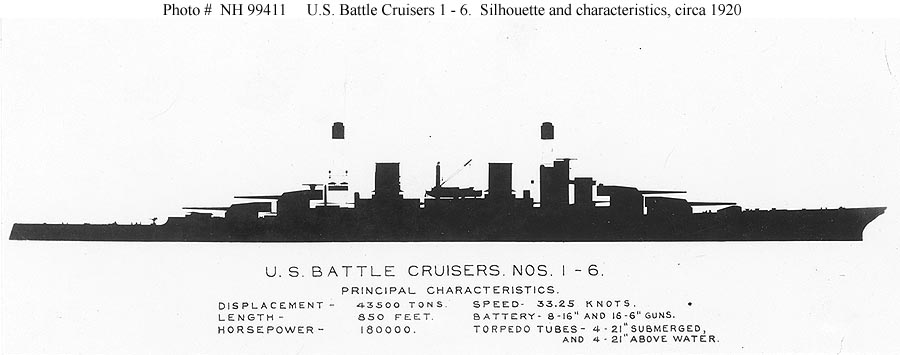
Displacement 43,500 Tons, Dimensions, 874′ (oa) x 105′ 5″ x 31′ (max).
Armament 8 x 16″/50 16 x 6″/53 4 x 3″8 x 21″ torpedo tubes
Machinery, 180,000 SHP; G.E. Geared Turbines with Electric Drive, 4 screws
Speed, 35 Knots, Crew 1500

The ships with the exception of the Lexington and Saratoga were scrapped incomplete.  All were to be named after famous warships or battles, and the Constellation, Constitution, Ranger and the United States were to be named after some of the most illustrious ships ever to serve in the US Navy.

If all of the ships, including the Washington of the Colorado class been completed the US Navy would have had eight battleships and six battle cruisers mounting 16 inch guns to compliment the nine battleships of the Nevada, Pennsylvania, New Mexico and California classes which all mounted 14 inch batteries.  The fleet would have been superior to either the Royal Navy or the Imperial Japanese Navy even with the ships planned by those navies.  Economically the United States was the only nation in the world capable of sustaining a naval arms race of this magnitude, the British economy and political will would have been unable to sustain it and the limited industrial capacity and dependence on the United States for raw materials and machine tools needed to construct their ships would have limited their ability to produce such a fleet. Without the conversion of the Lexington, Saratoga and their Japanese counterparts the Akagi and Kaga into aircraft carriers the development of the carrier would likely have gone slower and that type of ship may not have risen to the prominence that they gained during the Second World War.

8 Comments

Filed under History, Military, Navy Ships

The Oldest Ladies…Battleships USS Arkansas, New York and Texas

USS Arkansas 1919

Note: This is the second of my series on US Battleships of World War Two. The First was the essay The Battleships of Pearl Harbor and I will follow this with essays on the New Mexico class, the North Carolina class, the South Dakota class and the Iowa Class. I have published other series on US Aircraft Carriers, the Treaty Cruisers, the Alaska Class Battle Cruisers and the German Battle Bruisers Scharnhorst and Gneisenau.

Arkansas Passing through the Kiel Canal on Midshipman Training Cruise June 6th 1937

When the United States entered the Second World War the average age of its battleship fleet was over years, an age that if the new North Carolina and Washington were omitted would have been well over 23 years old.  Two former battleships, the Utah and Wyoming had been demilitarized and were serving as gunnery training ships. The oldest of these ships, the Arkansas, the second ship of the Wyoming class was commissioned well before the First World War and was typical of ships built in that era comparable to the Italian battleships Conti de Cavour, Giulio Caesar.  The Two ships of the New York Class were improved Wyoming’s with a heavier main battery and better protection and were comparable to the Japanese Fuso class and British Royal Sovereign class ships.

Arkansas 1944

The oldest and also the smallest battleship in service in 1941 was the USS Arkansas. Displacing 26,000 tons and sporting a main battery of twelve 12”/50 guns in twin turrets she was launched on 14 January 1911 and commissioned on 17 September 1912 she first saw service in the Mexican crisis of 1914 and served with the British Home Fleet following the entry of the United States into the war. Between the wars Arkansas severed in both the Atlantic and Pacific and was modernized in 1925 receiving oil fired boilers to replace her coal fired plant. During the inter-war years she was engaged as were most battleships of the era in training exercises, midshipman and Naval Reserve cruises, goodwill visits and in the case of Arkansas work with the Fleet Marine force as it began to develop its amphibious doctrine.

Operation Crossroad, Baker Test note Arkansas standing on end on right side of blast

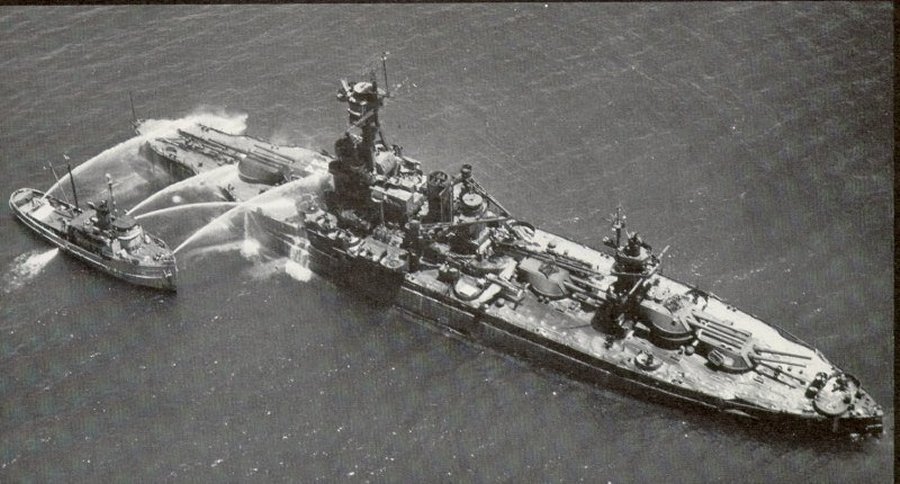
When war came to Europe in 1939 Arkansas was serving with the Atlantic Fleet and conducted training operations and neutrality patrols.  In April 1941 she escorted the first convoy of Marines to Iceland and following that sailed to Argentia Newfoundland where President Franklin D. Roosevelt was meeting with British Prime Minister Winston Churchill concluding the Atlantic Charter.  Following Pearl Harbor she would primarily serve as a convoy escort and midshipman training vessel until June 6th 1944 where she provided naval gunfire support at Omaha Beach and subsequent support to land operations in Normandy. In August she took part in the invasion of southern France, Operation Anvil before returning the US for repairs and modifications before sailing to the Pacific.  The elderly ship then took part in the battles for Iwo Jima and Okinawa again providing naval gunfire support to Marines and soldiers ashore. She also was introduced to the Kamikaze at Okinawa.   When the war ended she carried returning troops home in “Operation Magic Carpet” and in 1946 she was earmarked for her last mission, Operation Crossroads, the first of the Bikini atomic bomb tests where she was sunk during test Baker on July 25th 1946.   She was anchored very close to the underwater blast and was violently sucked up into the blast where she can be seen standing on end it the picture below.

New York 1932 leading the Battle Line

The New York and her sister Texas were the first US Navy battleships armed with 14” guns.  The ships displaced 27,000 tons and mounted ten 14”/45 guns in twin turrets. Launched 30 October 1912 and commissioned April 15th 1914 the New York deployed with the Atlantic battle ship squadrons to Mexico during the crisis at Vera Cruz.  Like Arkansas she joined the American battleship squadron serving with the British Home Fleet in 1917 and served in convoy escort and deterrence missions until the end of the war.  Between the wars New York undertook various training missions and modernizations and was the sole US ship at the 1937 Grand Naval Review for the coronation of King George VI of England.

New York in 1944 departing for the Pacific

As war drew near New York remained engaged in training missions and took part in neutrality patrols and convoy escort missions in the Atlantic.  Following the outbreak of hostilities she would continue these missions and take part in Operation Torch, the invasion of North Africa in November 1942. She continued the vital convoy escort mission until she was withdrawn for service as a gunnery training ship for sailors being assigned to battleships and destroyer escorts.  In November 1944 she was sent to the Pacific where in February 1945 she provided naval gunfire support to the Marines at Iwo Jima. During pre-invasion bombardment she fired more rounds that any of the ships present.

New York at Iwo Jima

Her next action came at Okinawa where she provided 76 straight days of support to Marines and soldiers ashore while fending off kamikaze attacks and taking one minor hit.  She had her guns replaced at Pearl Harbor in preparation for the planned invasion of Japan.  After the cessation of hostilities New York took part in Operation Magic Carpet and took part in Fleet Week in New York.

New York receiving anti-radiation wash down after Baker. She has survived the blast in good condition

New York was then assigned to be a target ship in Operation Crossroads where she survived both Test Able and Test Baker.  Towed back to Pearl Harbor for extensive study she was finally expended as a target on July 8th 1948 by the Navy 40 miles off Oahu taking the punishment of a number of ships before sinking after 8 hours under fire.

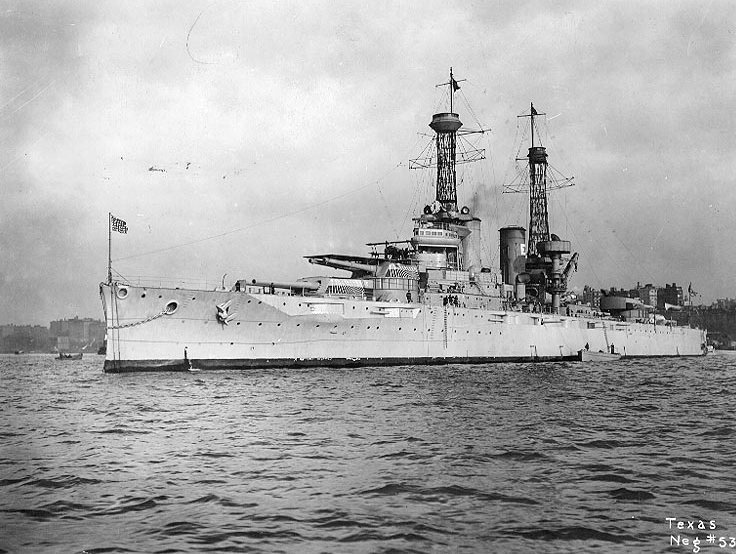
Texas in 1919 note the Battle “E” on her funnel

The Texas was launched on May 18th 1912 and commissioned on March 12th 1914 and within two months was in action with the Atlantic Fleet off Mexico without the benefit of the normal shakedown cruise.

During World War One Texas joined Battleship Division 9 serving alongside the British Home Fleet at Scapa Flow.  In this capacity she took part in convoy escort missions and operations in the North Sea including one where the Home Fleet nearly met the German High Seas Fleet in action.

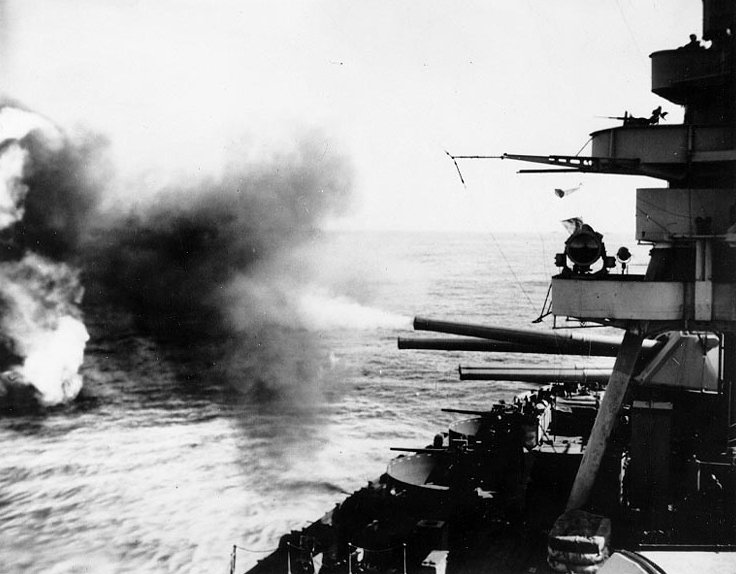
Texas firing her main battery 1927 after her modernization

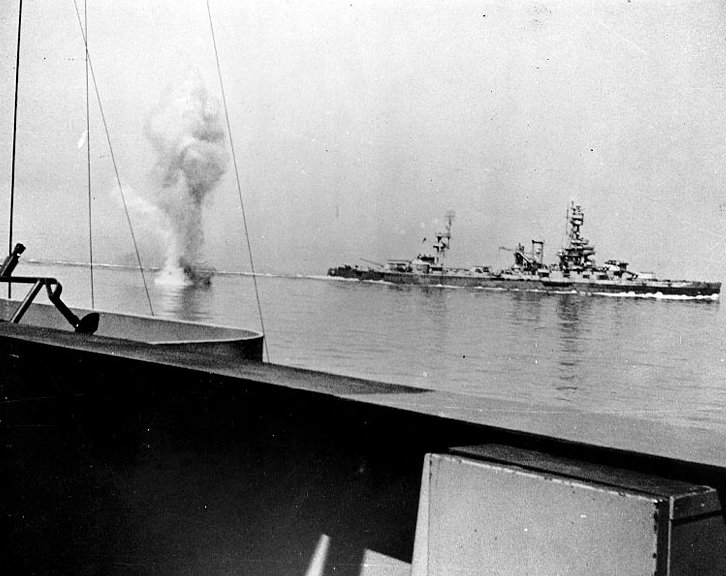
Between the wars Texas served on both the Atlantic and Pacific Fleets and received a major overhaul in 1925.  Like other ships she engaged in training exercises, midshipman and Naval Reserve training cruises and operations with the Fleet Marine Force.  With the outbreak of hostilities in Europe Texas joined the neutrality patrol.  When the US entered the war Texas served as a convoy escort and participated in Operation Torch.  Her convoy escort duties remained unchanged until she took part in Operation Overlord, the invasion of France and provided gunfire support to Rangers at Point du Hoc and soldiers on Omaha Beach. Closing to within 3000 yards of the beach Texas guns provided direct support to troops on the beach and interdiction fire on German troop concentrations further inland. She continued this following D-Day and while engaged in a duel with heavy German guns near Cherbourg was struck by two 280mm (11.2 inch) shells, one of which struck her on the navigation bridge killing the helmsman and wounding nearly everyone else.   She then sailed into the Mediterranean where she again supported troops ashore lending her weight to the invasion of south France. With that mission completed Texas returned to New York for repairs and to have her main battery guns replaced.

Texas under German Fire off Cherbourg

Reassigned to the Pacific Texas would support the invasion of Iwo Jima and Okinawa where she would remain in action for almost two months.  She finished the war in the Philippines and like so many other ships took part in Operation Magic Carpet. She arrived at Norfolk on February 13th 1946 to prepare for inactivation, but unlike so many other ships was spared the ignominious fate of the scrap yard or that of the New York and Arkansas. She was towed to Texas to serve as a permanent memorial at the San Jacinto battlefield and decommissioned there on April 21st 1948.  She was dry-docked and received a major overhaul in from 1988-90 which restored her to her 1945 appearance and in which major structural repairs were made. Continual restoration is conducted on the ship and there are plans for another major overhaul.  She is the last surviving “Dreadnaught” battleship in the world, a singular example of the great ships that once dominated the seas.

Texas at San Jacinto, the last of the Dreadnaughts

Though obsolete the Arkansas, New York and Texas rendered commendable service throughout the war and took part in some of the key invasions of the war. Their guns inflicted considerable damage on Vichy French, German and Japanese forces in Europe, North Africa and the Pacific.  New York and Arkansas trained thousands of sailors for service aboard other ships.  They performed admirably and their availability to do the less glamorous missions of naval gunfire support, convoy escort and training sailors for the fleet enabled other ships to be available for other missions.  They and the proud Sailors and Marines who served aboard them should never be forgotten.

19 Comments

Filed under History, Military, Navy Ships, US Navy, world war two in europe, world war two in the pacific

Finishing Second…Padre Steve Muses on Winning and Losing

“Without losers, where would the winners be?” Casey Stengel

Upset Win for Team USA

Charlie Brown once said “Winning isn’t everything, but losing isn’t anything.” I am one of the most competitive people that I know, I hate to lose and that attitude extends to almost everything I do. While I have a good attitude and don’t at least consciously try to gloat when I do well I also am never happy when I know that I could have done better.  As a kid I remember reading NHL Hockey great Stan Mikita’s book “I Play to Win” and while early on in life I took things less seriously than I should have I never forgotten that little book.

The Agony of Defeat Team USA Women “win” the Silver Medal

The most disappointing thing for me is to come close to winning it all and falling short due to my own mistakes or just simply having been beaten by someone better.  Since I am not the most gifted of athletes and had to learn the hard way about doing well academically I am one of those guys who have to work doubly hard to do well.  When I was in high school I played football for a year before moving on to be a trainer for the team.  I had never played organized tackle football before and probably should have stayed with baseball but I went out for the team anyway and through sheer determination and refusal to quit stayed on the team.  I didn’t get much playing time in, only a few plays in each of the last three games of the season but still finished the season.  At the team banquet after the season I was named most inspirational player. Now most inspirational is not about being the best or even good.  I really don’t know why I got it but evidently I must have inspired someone.  I realized after the season that I had no legitimate place on the football field and since I was the smallest and one of the slowest individuals in a sport where size, speed and power are paramount I took it all as a life lesson.

Canadian Celebration

In college I did not live up to my potential, I came out with a 2.8 something GPA.  However in the classes that I put the effort into I aced, those that I sluffed off because I thought they were boring I blew with a poor attitude and lazy performance.  There were also times that I overreached and had to sacrifice grades in order to get the credits I need for graduation, this happened my senior year when I took 21 hours at Cal State Northridge, 4 at UCLA had a job and was in the National Guard. Threatened with incompletes I negotiate to get out with low grades and not have to take the classes again.  Not a smart way to go, but once again a learning point taken.

No Medal for the Russians

In seminary I worked my ass off both in class, with more than one job and serving in the National Guard. That was the hardest I have ever worked. We had lost our house in the real estate meltdown of 1988-89 and Judy was sick through most of seminary.  When it looked like due to financial considerations that I would have to drop out for a semester I called a “prayer line” of a major TV ministry. Some “prayer partner” at the Terrible Blond Network (TBN) had the never to tell me that I must not be called to ministry because “otherwise God would be blessing you.” Somehow that angered and motivated me to get back in the game and finish, I just needed something to motivate me and despite many other challenges I finished and finished well, with a 3.5 GPA in a 92 semester hour program always working at least a full time job as well as being a National Guard officer.  Despite this I was not satisfied as I thought that I could have done better in several classes which would have probably had me finish with a 3.8 GPA. In classes that I scored less than an “A” I felt like I had let Judy as well as those helping me down, and we got a lot of help the last two years of school from people at work and church.  Since that time I have worked very hard in every academic endeavor as well as in physical conditioning.  Since I entered the Navy I have judged and score less than an “Outstanding” on the Navy RPT or Class One on the Marine PFT as personal failure.  I may be almost 50 years old competing against myself as well as trying to keep pace with young guys but I hate not to do my utmost to excel.  My biggest disappointment coming back from Iraq as that physically and emotionally I have not been at my best. That is changing and I hope that Adolph passes on his own so I don’t require surgery that could set me back in my physical conditioning program.   At least emotionally and spiritually I am getting things back together and academically I finished a Masters in Military History with honors passing my comprehensive exams with distinction and keeping a 4.0 through the entire program.

Glad to get the Bronze, Team Finland

The past few nights while laid up in pain from the damned Kidney stone which I have decided to name Adolf Von GrosseSchmertzen (Adolf of the Big Pain) I ended up watching a lot of the Olympics especially Hockey and Speed Skating.  I think this is because I played hockey for a couple of years in junior high school.  What impressed me was what used to be called on ABC’s Wide World of Sports “the thrill of victory and the agony of defeat.”

Redemption for Bodie Miller

While watching these events I again was impressed as just how close the margin is for world class athletes and teams between winning and losing.  I wonder how anyone could call any of these athletes’ losers or as in the case of some countries like South Korea have fans send hate mail to athletes who don’t win it all. I could feel for the Dutch speed skater who followed his coach’s directions and ended up disqualified even though he had won the event handily and would have done so without the misdirection. Likewise the angst of Lindsey Vonn and Julia Mancuso whose ill timed crash and stoppage caused Vonn to not finish and Mancuso to finish 8th in an event that they have dominated.  Then to see the winner’s who had never won before or failed to live up to expectations in previous games like Bodie Miller who came back from a personal worst at Torino where though heavily favored did not medal. In this Olympics it was great to see the joy on his face when he won his gold medal.  There were so many other individual performances that were memorable where athletes experienced triumph and tragedy often exhibiting tremendous grace and sportsmanship even in defeat.  From the treacherous Bobsled, Luge and Skeleton track where a young Georgian luger died before the completion and a heavily favored German sled flipped, the chaotic short track speed skating, to the grueling Nordic events and the individual pressure on the figure skaters and ice dancers it was something to watch.

Less than Gracious in Defeat Evgeni Plushenko

When American figure skater Evan Lysacek defeated favored Russian Evgeni Plushenko his joy as well as magnanimity in victory were in stark contrast to Plushenko who bad mouthed Lysacek and then claimed a “Platinum medal” on his website.  It is hard to lose, I guess Plushenko will have “the sorest loser who ever lived” placed on his tombstone.  Then there was the beautiful performance of Joannie Rochette of Canada in Women’s Figure Skating who took to the ice just days after the death of her mother and won the Bronze Medal.

Overcoming the Death of Her Mother Joannie Rochette takes Bronze

However for me the most memorable moments will be the Hockey tournament in both the mens and womens competition.  The shock of the Canadian men losing for the first time in Olympic completion to the United States has set up a possible rematch for the Gold medal; while the vaunted Russians were manhandled by the same Canadian team and eliminated from the completion not even reach the quarter-finals.  To see the dream of the Swedish women end in sudden death to the Finns was one of the most poignant examples of the thrill of victory for the underdog Finns who had not medaled since 1998 and the devastated faces of the Swedes some of whom sat on the ice in tears while a fear meters away the Finns were celebrating.  But the hardest was for the American women who lost to the Canadians 2-0 in the Gold medal game. Finishing second is always difficult because unlike others you always wonder and have in your mind the “what if” and “why” that make of the difference between victory and defeat.  That goes for the Olympics, the Super Bowl, World Series, World Cup, High School  or Little League championship.  Second is the hardest place to finish.  Watching the medal ceremony after the Gold Medal game it was a study in contrasting emotions.

Disqualified for Listening to Coach…Ouch

First were the Finns who had upset the Swedes in the Bronze medal game in sudden death overtime.  They showed elation even though they finished third.  Then there were the Canadians flush with victory on home ice, once again joy.  Finally there was the American team, the defending World Champion team still in shock and showing the disappointment of their loss while trying to be gracious in defeat.  As they received their medals you could see that this was not what they came to Vancouver for, they had come to win and finished second.

Evan Lysacek Wins the Men’s Gold

Now the Canadians are great people and great Allies.  They have stood with us for years and despite enduring a lot of ugliness by various American media types they are our friends.  We have two Canadian exchange officer chaplains in our Pastoral Care residency program and I wish I could get them into our Navy. The Canadian Hockey teams sent a letter to their troops deployed in harm’s way.  One of our Canadians sent a copy to me and it really stuck me as something very special.   I place it for you here:

February 5, 2010

To OUR Troops,

As we get ready to represent Canada at the 2010 Olympic and Paralympic Winter Games in Februaryand March, we wanted to take a minute to let each and every one of you know how much of an inspiration you will be in our quest for three gold medals in the coming months.

People throw out words like war and battle way too often when speaking about sports such as hockey.,,As athletes, we know that what we do for our country can never measure up to your contributions ‐ the sacrifice and dedication that our armed forces show on a daily basis.

When we take to the ice, rest assured that we will have you in our thoughts and prayers. We are so proud to be Canadians, and owe so much of what we have here to you, the Canadian military.

We will do our best to represent you well in competition, and look forward to a day in the very near future when you will return home safely in Canada, and all Canadians can thank you in person.

All the best,

Jean Labonté                      Scott Niedermayer                     Hayley Wickenheiser

Captain                                      Captain                                       Captain

Sledge hockey team             Men’s hockey team                  Women’s hockey team

I thought that the way the Canadian hockey teams did this for their soldiers was really great, they are a classy organization.

Anyone who has ever finished second, or lost in a playoff or championship game can understand. I’ve been on a number of teams that have finished second or lost a playoff game after winning a league or conference. That is far more emotionally difficult than being on a team that is terrible, in fact my best year hitting in either baseball or softball came when I played on the worst team that I ever played on.  That season ended when I was plowed over at home plate trying to put a tag on a charging runner and breaking my right wrist.

Over the years I have come to handle defeat better.  I still don’t like it but I refused to be a bad sport by either dissing my competition or gloating.  I am up for promotion this year, of course it is a competition as not everyone will get promoted. I think my record is solid but you never know until the results are released.  When officers are “passed over” or “non-selected” they are often shunted aside by the institution and sometimes even by their colleagues.  In the past I have always tried to care for friends who were not selected and help them prepare for a second look or their grief at the end of their career.  I am fortunate, even if I a not selected I will be able to retire and count it all as a great career between two services.  Hopefully regardless of the outcome I will be gracious, although as Bill “Spaceman” Lee said: “People are too hung up on winning. I can get off on a really good helmet throw.”

So to all those who competed with all their hearts thank you.  You may not have won but you are all the best in the world at what you do. Maybe your example will inspire others to greatness in sports and life.

And to the rest of us, me included may we all strive to do our best and treat others well in the process.

Peace,

Padre Steve+

Peace

Leave a comment

Filed under philosophy, sports and life

Thoughts on Ending Don’t Ask Don’t Tell…a Moderate View

No, we’re not homosexual, but we are willing to learn…Yeah, would they send us someplace special?

Note:  I’m not feeling well tonight with my Kidney stone keeping up a steady mid grade pain in my Kidney.  Thus I am modifying something that I wrote nearly a year ago concerning the subject of gays serving in the military. This is not a political or social screed, I have tried to remain dispassionate in this essay realizing that people of goodwill but with differing moral, ethical or religious values can have differing opinions.  Since ultimately the decision to repeal “Don’t Ask Don’t “ will be recommended by the military and will have to be passed into law by Congress. As an officer it will be my duty whatever decision is reached to support that decision.

I have written an essay agreeing with Admiral Mullen and Secretary Gates when they announced the decision to begin the process of repealing the Don’t Ask Don’t Tell law on homosexuals serving in the military. I followed that with piece which attacked the lies and distortions being marketed by former Chaplain, defrocked priest and convicted criminal Gordon “Chaps” Klingenschmitt in an unsolicited bulk e-mail sent through the Washington Times Media Group. In neither article did I advocate an immediate change in the law and stated that I believed that the Military should make the recommendations on how the change should be made, and not politicians or special interest groups of any variety.

This post is simply how I have seen military culture evolving over the 27 plus years of my career. These patently are simply my observations and have both a bit of seriousness as well as humor.  I am most definitely a dyed in the wool heterosexual, not that there’s anything wrong with that, but I think that someone without a political axe to grind on either the gay rights or anti-gay rights movement who is in the military have to have a say.  I know that I could be wading into Vietnam here but here I go….

When I enlisted in August of 1981, gays were not allowed to serve in the military.  It was even on the recruiting form. Applicants were asked under the penalty of making a false official statement “Are you a homosexual?”  Who can forget the scene in Stripes where Bill Murray and Harold Ramis are asked by the Army recruiter “Are either of you homosexual?” Their reply was a hoot.  They looked at each other and Bill Murray replied “you mean like flaming or…” The recruiter then said “It’s a standard question we have to ask.” Harold Ramis then quipped “We’re not homosexual, but we’re willing to learn” and Bill Murray adding “Would they send us to someplace special?”  The recruiter then ends the exchange “I guess that’s a no on both.”  It was a hilarious scene as we all had to answer the question back in those days.

Plain and simple if a person lied about being homosexual and was later discovered he was in deep dung, even an accusation of being gay could result in being charged under the UCMJ or at the very least investigated.  Soldiers could be taken to Article 15 proceedings (Captain’s Mast in the Navy, Office Hours in the Marines) or possibly even a court-martial. Depending on the charges one could receive a punitive discharge, such a Bad Conduct Discharge, or administrative discharge under a General, General under Other than Honorable, or Other than Honorable conditions.

Back in my days as a company XO and company commander in the 1980s I had a number of soldiers; male and female who I knew that were gay.  I had grown up in California, had gay friends and even when someone was hiding it I pretty much knew.  If I was homophobic I could have made accusations, began investigations and made these soldiers lives hell.  At that point in time there were a good amount of people in the military who would have done just that.  These soldiers were exemplary in the way that they conducted themselves at work.  They were professional, knowledgeable and I never once had to take any of them to article 15 proceedings for any reason. They never refused missions, they were exceptionally responsible, and good leaders.  As far as their personal lives they were discreet. I am sure that if they stayed in the military that they probably maintained that balance.  I don’t know what happened to them later on, but they were great.   I took over company command as a very junior 1st Lieutenant. The unit had the highest drug abuse rate in Europe with more disciplinary problems than you could shake a stick at. I wasn’t about to go after soldiers who were not giving me problems, I had far more pressing matters on my plate.  I guess you could say that I was exercising the “Don’t ask, don’t tell” policy 7-8 years before it became policy.  My philosophy then as is is now, is that if someone is willing to serve honorably and endure the hardships and dangers of the lives of military professionals then they should be able to regardless of the way that they are wired.  My issue then and now applies to both homosexuals and heterosexuals who are predatory or push themselves sexually on other soldiers causing problems with good order and discipline and unit cohesion. I have to say had far more problems with my heterosexual soldiers in this regard than my homosexual soldiers. My homosexual soldiers were discreet in their personal lives and very professional, some of my heterosexuals were neither discreet nor professional in thier sexual lives and relationships.

When I served as a personnel officer at the Academy of Health Sciences I became “CINC AIDS.”  I was the most junior of the Medical Personnel Officers, serving as the Training Brigade Adjutant.  It was at this time that we began having soldiers test positive for HIV and develop AIDS.  I worked with representatives of the Army Surgeon General’s Office to develop personnel procedures for HIV positive soldiers.  These policies gave them the opportunity to serve honorably and at the same time ensured that they did  not endanger others through their sexual conduct.  Since I was the junior guy I got to deal with all the cases of officers who had been diagnosed with HIV.  No one else wanted anything to do with them. While the world around me raged with apocalyptic screeds of those convinced that this was God’s judgment on homosexual; those who prophesied how this virus would become a pandemic infecting people willy-nilly through casual contact, I dealt with real people.  These officers wore the same uniform as me and had been pronounced with a death sentence.  Some I knew were gay, but some were straight.  When an officer came to my office that was not on our brigade staff and the door closed, there was a good chance that the visitor had just received the news that they had an infection that would cause a process that would kill them.  They had received a death sentence.  I was a Christian and knew that I was going to be going to seminary after this assignment.  I could not see how Jesus could reject these folks.  While assigned there we had the first trial of a soldier who was intentionally attempting to spread the HIV virus among his coworkers.  He was a heterosexual and was a sexual predator.  He was taken to courts-martial and convicted.  As he was now in the latter stages of the disease process and battling the opportunistic infections which actually kill you he was sentenced to 6 months in Leavenworth.  I doubt that he lived that long. The experience of dealing with these officers taught me the torment that many homosexuals go through.  Following my time in the Army while in seminary and after it I worked in a variety of social service organizations and hospitals and I knew worked alongside many gays without a problem.

When President Clinton enacted the “Don’t ask, don’t tell” policy I was in the Army National Guard.  When the policy was announced there was public outcry from Veteran’s organizations but even more so from conservative religious groups.  I had no problem with the policy as I think that everyone should be somewhat discreet in their sexual habits, especially in the military. Regardless of sexual orientation it is always important for military members to conduct themselves in professional manner, and not only in sexual matters.  It is always a matter of good order and discipline.   While the policy made no one happy, gay activists did not think it went far enough and anti-gay forces hated it, I think it was a wise policy.  The President may have erred in the way that he announced it, but I think it was still the right thing to do at the time.

Since then our society as a whole has changed in its view and treatment of homosexuals.  There is a lot more acceptance of them now and many more people are openly gay.  I think that those who hid that aspect of their lives in earlier times now feel safe enough to come out.  Yes there are those who vehemently oppose any form of equal treatment for homosexuals, but there is a lot more acceptance than in the past. Various polls show that a sizable majority of Americans support changing the policy while polls of military personnel have seen the opposition to ending the policy drop significantly since 2002 even though most of these polls indicate a fair amount of opposition to the policy but even those who oppose a change by and large have determined that they would make their peace with the decision. I believe that this is due to the change in societal views of homosexuals as well as the fact that military professionals, especially officers and career NCOs tend to tend to be more dispassionate and pragmatic than they are given credit.
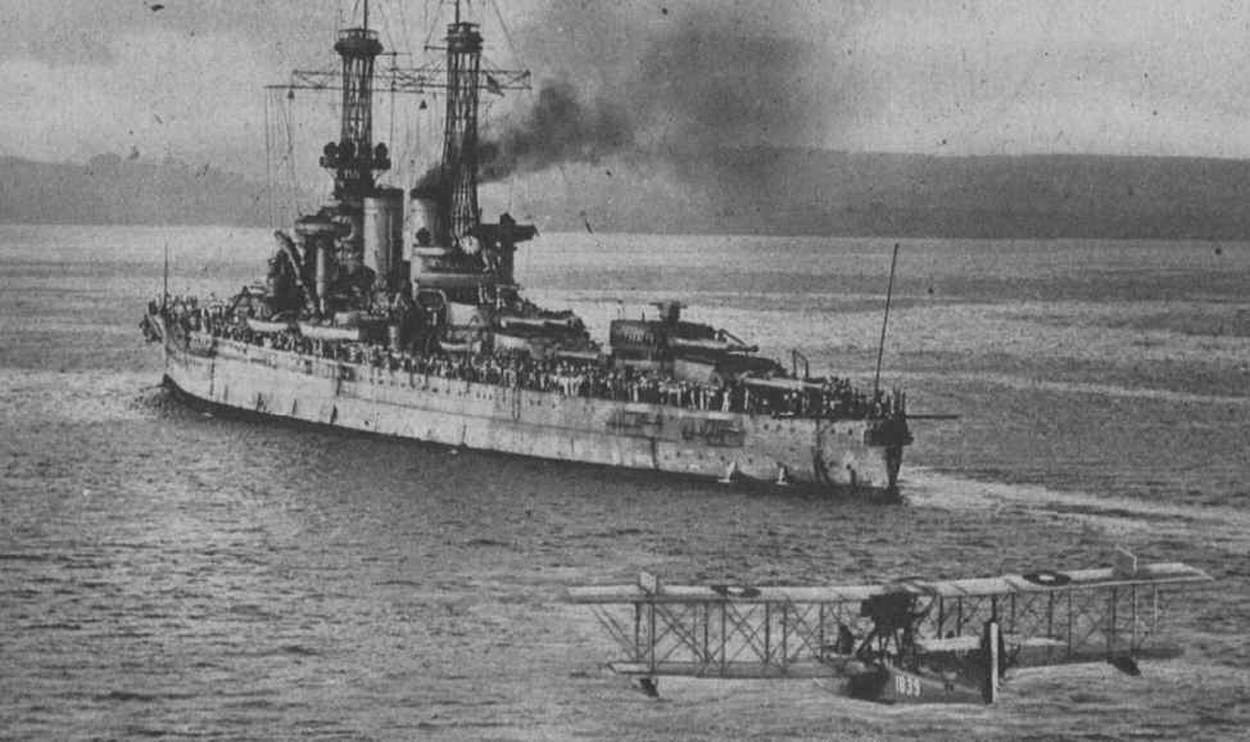
There have been famous military leaders who were gay including Frederick the Great who was forced to marry but kind of liked other guys better.  Lord Kitchner and Sir Hector Archibald MacDonald, both distinguished officers were homosexual, MacDonald committed suicide when notified that he would be courts-martialed for his homosexuality.   There were constant rumors when I was in the Army about senior leaders who were suspected of being gay.   While a majority of military members polled opposed the Clinton administration change of policy, it seems to have worked.  There still are objections by gay rights activists that the policy is too restrictive and opponents who desire for it to be repealed, but in large part there is no problem.  Other countries the British, Canadians and Israelis and a number of other European nations all allow homosexuals to serve in the military. Contrary to claims that the policy would destroy the military there is nothing to support that.  In fact the US Military has been more heavily engaged on multiple fronts since the policy went into place and done well despite being undermanned and often over-committed.
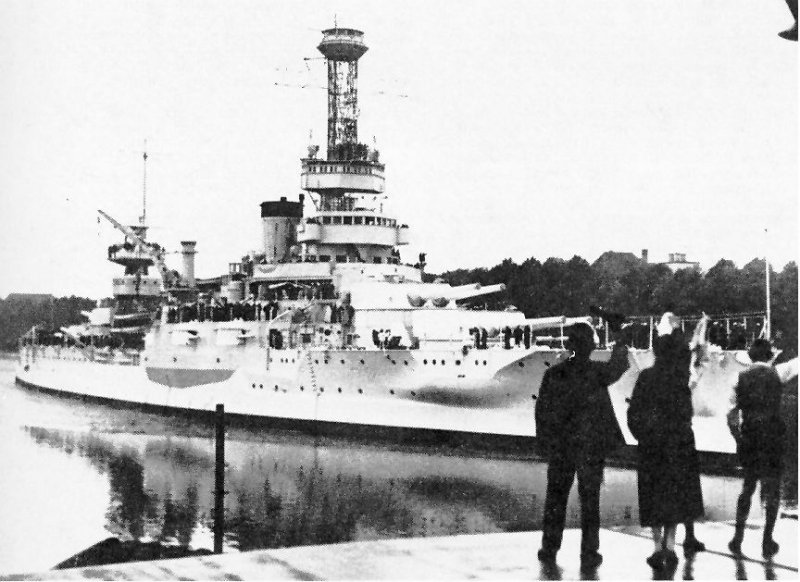
The Rand Corporation had a study of how allowing gays to serve would impact the military suggested the following was of ensuring that such a change would not endanger good order and discipline or unit cohesion, the two most critical aspects of any change.  They suggested:

  • A requirement that all members of the military services conduct themselves in ways that enhance good order and discipline. Such conduct includes showing respect and tolerance for others. While heterosexuals would be asked to tolerate the presence of known homosexuals, all personnel, including acknowledged homosexuals, must understand that the military environment is no place to advertise one’s sexual orientation.
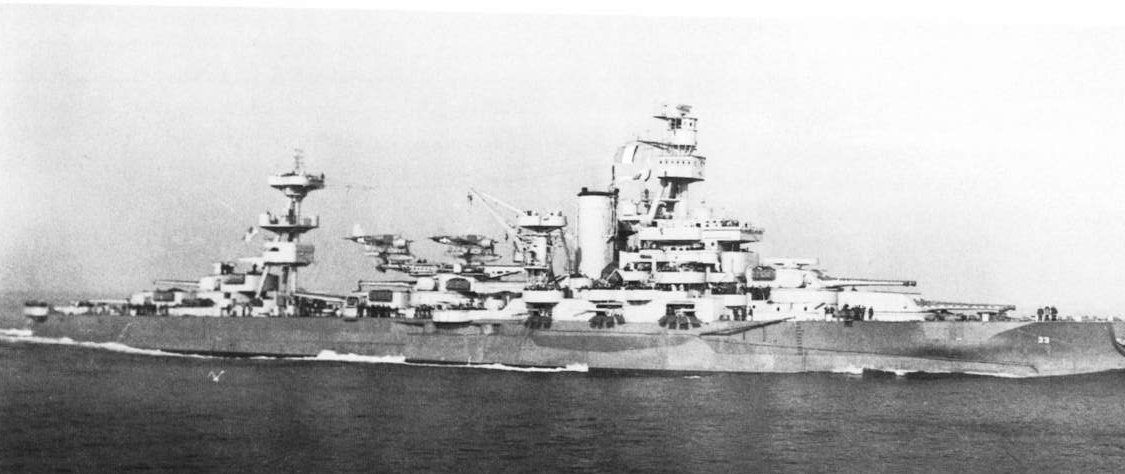
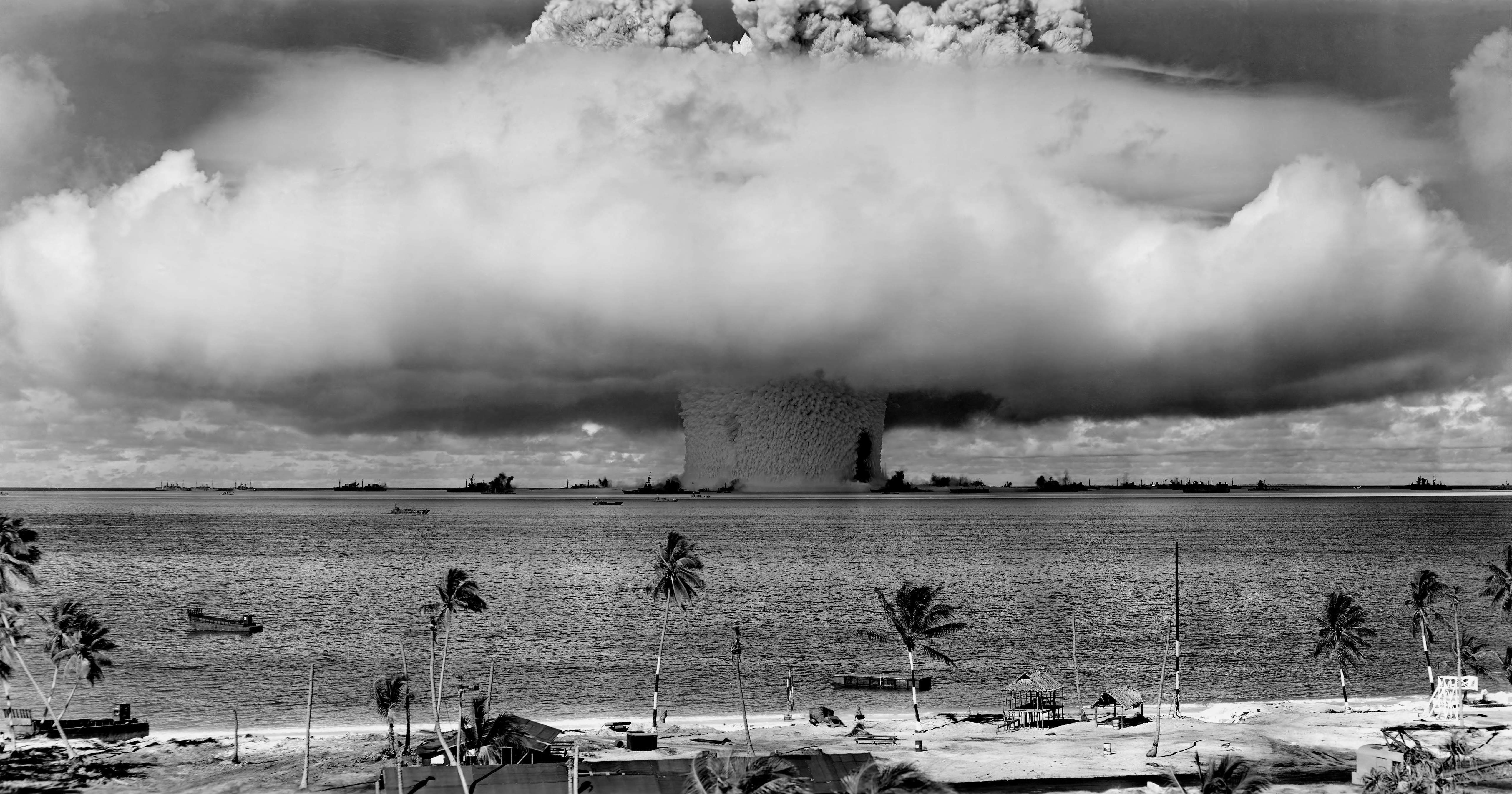
  • A clear statement that inappropriate conduct could destroy order and discipline, and that individuals should not engage in such conduct.
  • A list of categories of inappropriate conduct, including personal harassment (physical or verbal conduct toward others, based on race, gender, sexual orientation, or physical features), abuse of authority, displays of affection, and explicit discussions of sexual practices, experience, or desires.
  • Application of these standards by leaders at every level of the chain of command, in a way that ensures that unit performance is maintained.

It has been over 15 years since the “don’t ask, don’t tell” policy went into effect.  I have noted that while some military members still vehemently oppose gays serving in the military, that quite a few, officer and enlisted, especially those under the age of 30 are much more tolerant than were those of my era.  A while back I was talking with a couple of military doctors and a hospital corpsman, all of us committed heterosexuals, not that there’s anything wrong with that the other day and the subject came up in a humorous way when discussing ways to get out of the military.  The corpsman noted that saying you were gay was one way, and I said, at least for now it was.

As we talked we all agreed that anyone willing to serve in the military at this point of time should be able to so long as they meet the professional standards of the services.  This is no gravy train.  Soldiers, Sailors, Marines and Airmen are constantly deployed and putting themselves in harm’s way.  If a gay wants to commit his or her life to the service of this country, who am I to object?

From a practical and somewhat humorous standpoint we have to acknowledge a number of things about gays, especially gay men.  Many are very well educated successful professionals.  Most seem to have a far better sense of taste and style than most of us on the heterosexual team and quite a few are very physically fit and health conscious. Anyone who has ever served in the military knows that we are not known for the greatest living conditions, food or ascetics.  Military housing, both barracks and family quarters tend to be rather boring, and often substandard.  There is not a lot of imagination in most military dining facilities and the ascetics and design of many of our buildings and bases leaves a lot to be desired. Can you imagine if we let these guys serve?  Our bases would probably look a lot better and well kept.  Our living quarters would be nicer and more ascetically pleasing. The food would definitely go up in quality and we would get some highly qualified folks in the service, especially in some of the more scientific and medical specialties.  As a married heterosexual and “a uniter not a divider” I see all of this as a win-win situation.  Who could be against that? I would have loved to drive onto bases where buildings and landscaping were done well, where you didn’t feel like you were driving onto a prison.  I’d love to work in buildings where there was some sense of style and artistry, where when you walked in you didn’t think you had walked onto the set of a WWII movie.  I would love a nice selection of food that was both healthy and tasty.

Will this happen anytime soon? I don’t know.  At the present time DOD is studying how the change might be implemented including the possible ramifications of the decision on the force.  That study will take time and I suspect that at some point the President and Congress will address the issue and if it is changed I expect little practical change in the military.  We will keep deploying and doing our job, some people will be upset and some won’t, but I think there has been enough societal change over the last 27 years to allow this to happen relatively smoothly.  Will some people be unhappy? Most certainly. Will crusades be mounted against it by some?  Most definitely and one is already being waged by Gordon Klingenschmitt who went on record calling Admiral Mullen a liar and others will also oppose any change.  However I think that this opposition will come more from the outside and less so from the military which is busy fighting wars and protecting the country.  If “Don’t Ask, Don’t Tell” is repealed I expect that the military will survive and continue to do well.  I think that most will make their peace with any change and those who desire to serve their country, even those who oppose repealing the law will still elect to serve I the military.

Those are my thoughts and as I said at the beginning I remained as dispassionate as I can while still stating what I believe. After all, in the end this is all well above my pay grade.

Peace,

Padre Steve+

Leave a comment

Filed under History, laws and legislation, Military, philosophy