Category Archives: History

In Harm’s Way: The Ships that Got Underway at Pearl Harbor

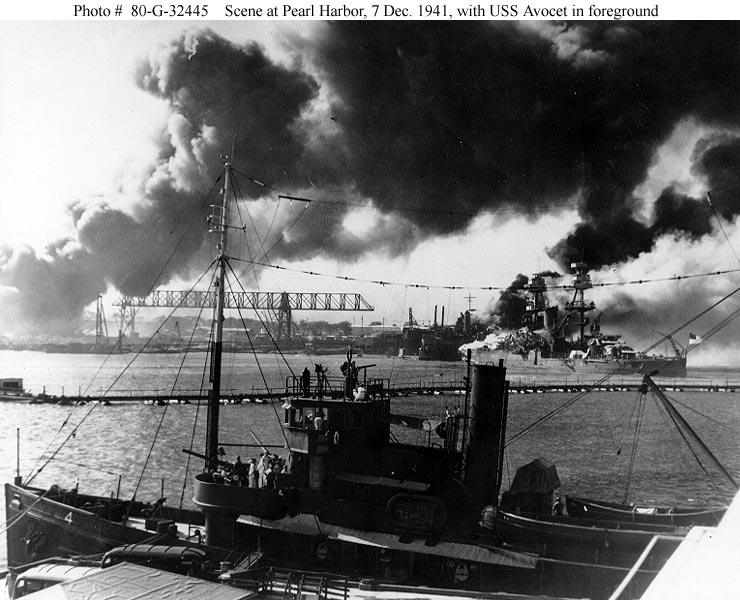
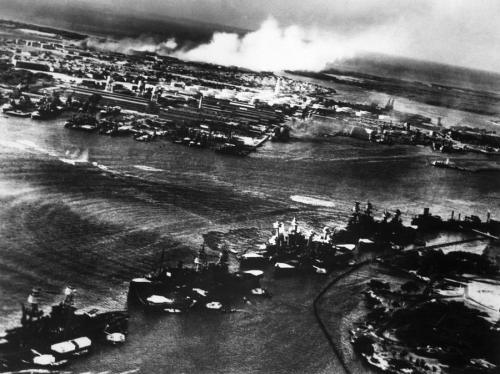
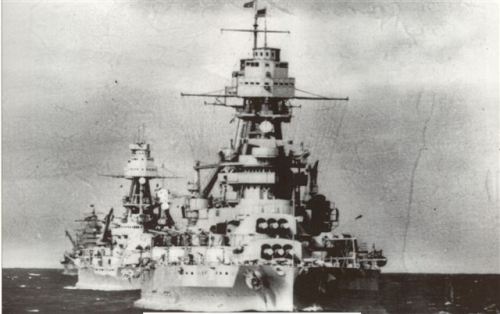
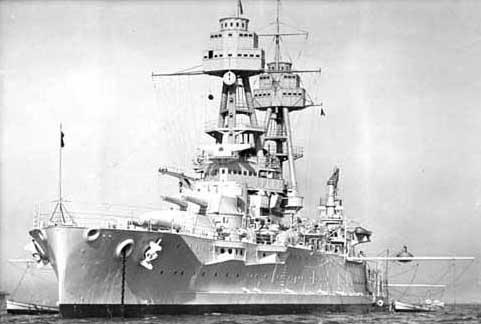
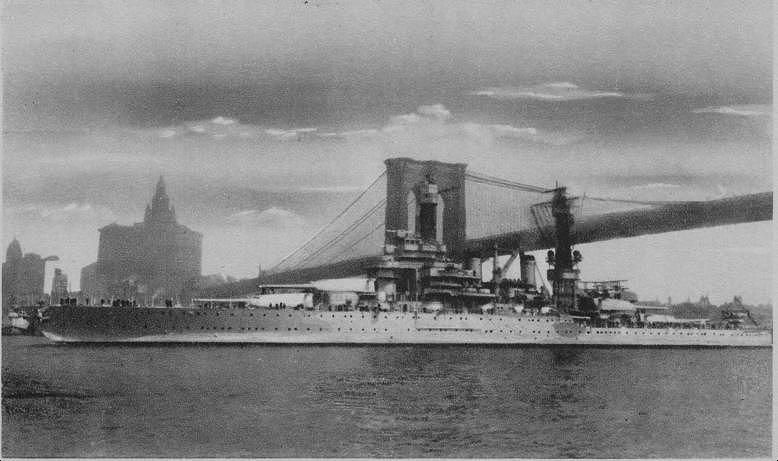
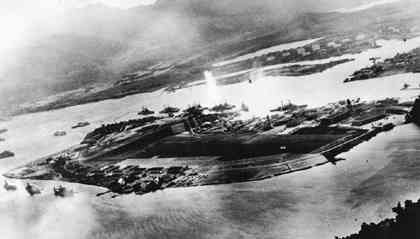
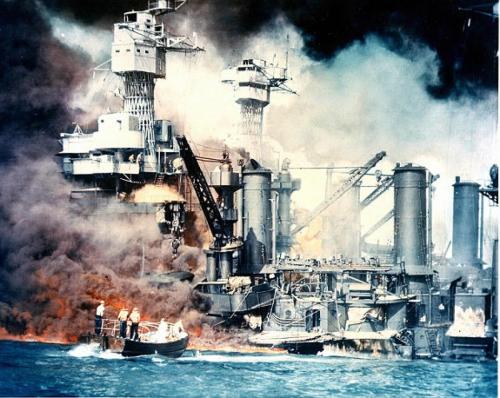
They were an odd collection of ships. A battleship, two modern light cruisers, an elderly light cruiser and a collection of destroyers, destroyer minesweepers and destroyer minelayers. Yet in the midst of the din and bloody chaos of the Japanese attack on Pearl Harbor these ships, sometimes with only the most junior of officers in charge got underway and took to sea in order to seek out and engage the Japanese.

Their sortie is dramatized in the Otto Preminger film In Harm’s Way. 

http://www.tcm.com/mediaroom/video/477483/In-Harm-s-Way-Movie-Clip-Twelve-Bat-Blind-Ships.html

For the first forty minutes of the attack only two ships were underway. The USS Ward which had sunk the Japanese midget submarine outside the harbor entrance an hour before the attack began. The USS Helm was in the main channel as the attack began. They were joined over the next two hours by other ships.

g32445

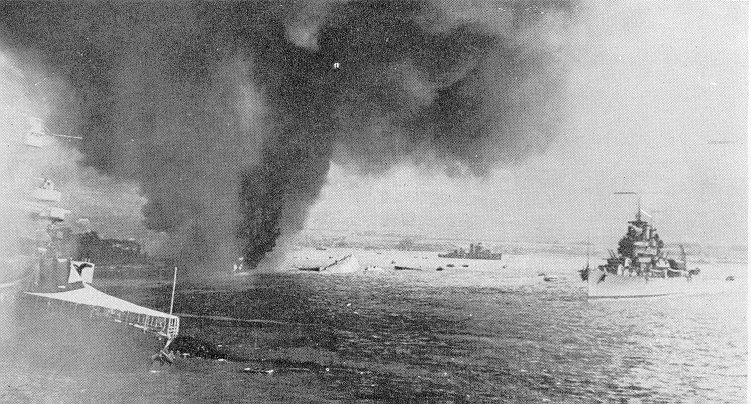
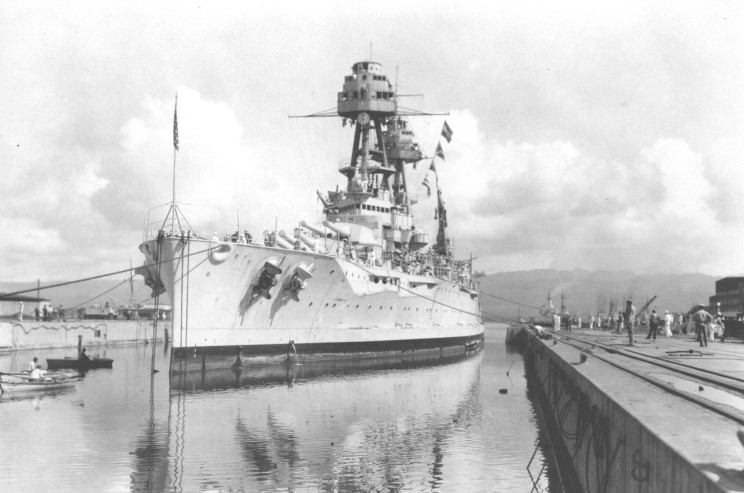
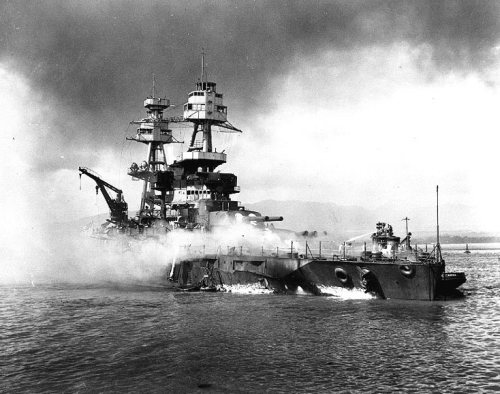
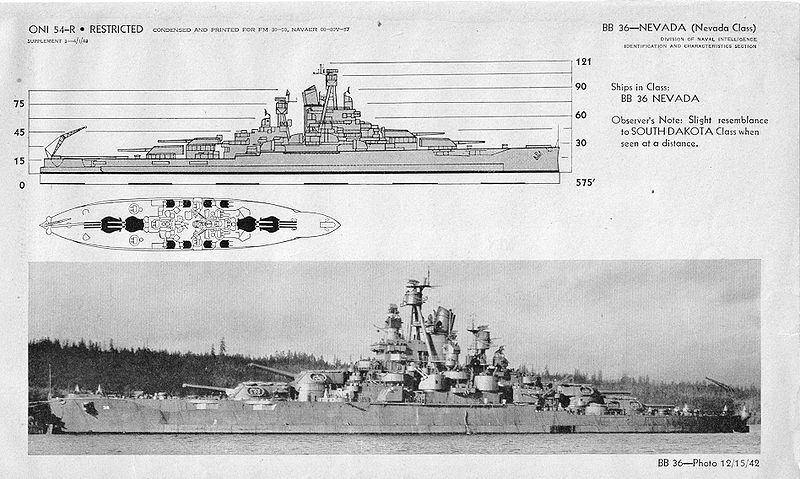
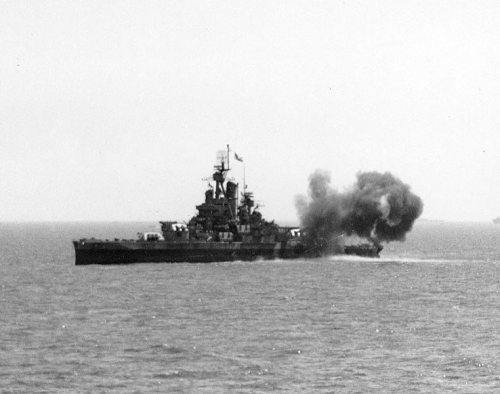
The USS Nevada was the only battleship to get underway that morning and though she did not get to sea her example served to inspire those on the battered ships in the harbor and ashore. Her commanding officer and executive officer were ashore, along with many other senior officers. However her Damage Control Officer, Lieutenant Commander Francis Thomas, a reservist took command and as the senior officer present on the the ship got her underway. Then as she was battered by the second wave of Japanese attackers he skillfully grounded her off Hospital Point to keep her from being sunk in the narrow main channel.

LL lv PHUSS St Louis passing Battleship Row

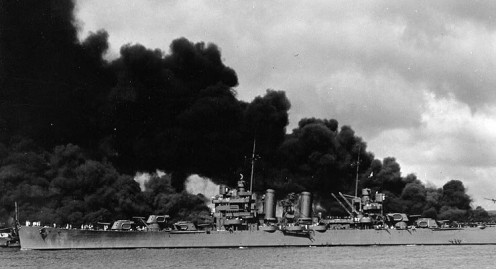
The USS St. Louis was moored outboard of her sister ship USS Honolulu at the Naval Station. Her sortie was enabled by members of her crew who chopped down the gangplank and cut water lines to the shore. Under command of Captain George Rood she got underway at 0931 and was the first cruiser to get underway.

6565601_f496

USS Phoenix sortie at Pearl Harbor

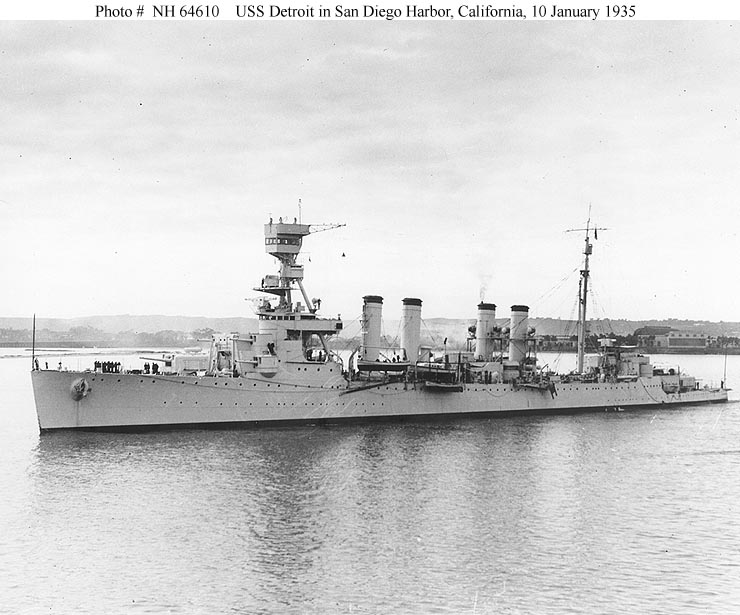
She was joined by her sister ship USS Phoenix and the elderly light cruiser USS Detroit which was moored on the far side of Ford Island.  Phoenix survived the war only to be sunk in the 1982 Falklands war as the Argentine ship General Belgrano.

0400808

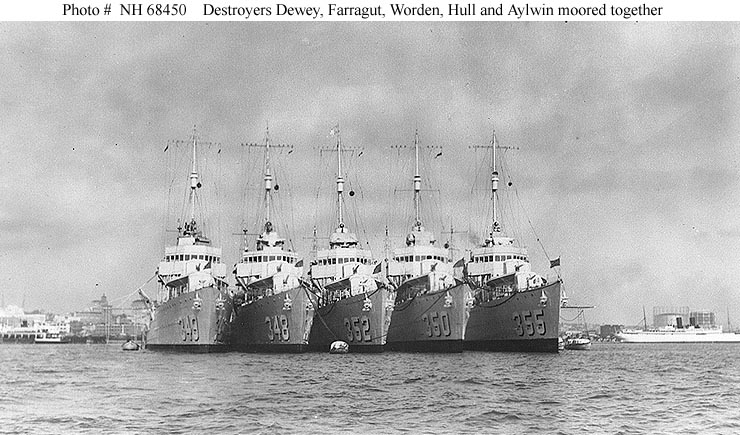
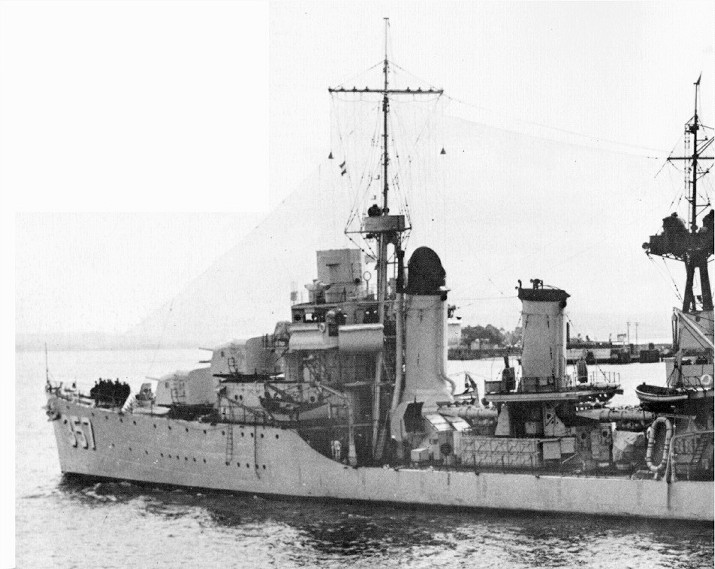
The destroyer USS Blue got underway under the command of Ensign Nathan Asher, who had just three other ensigns with him as that ship got underway. She was joined by Monaghan, Dale, Henley, Phelps, Farragut, MacDonough, Worden, Patterson, Jarvis and Aylwin also under command of an junior officer, Ensign Stanley Caplan. Henley left without her commander under the command of Lieutenant Francis Fleck Jr.

h68450

Others too got underway, The USS Mugford was the duty destroyer and got underway quickly, as did Cummings. The Ralph Talbot was underway by 0900. Conyngham got underway in the early afternoon. Perhaps the most interesting story was the USS Selfridge which got underway manned by a composite crew of 7 different ships.

0535702

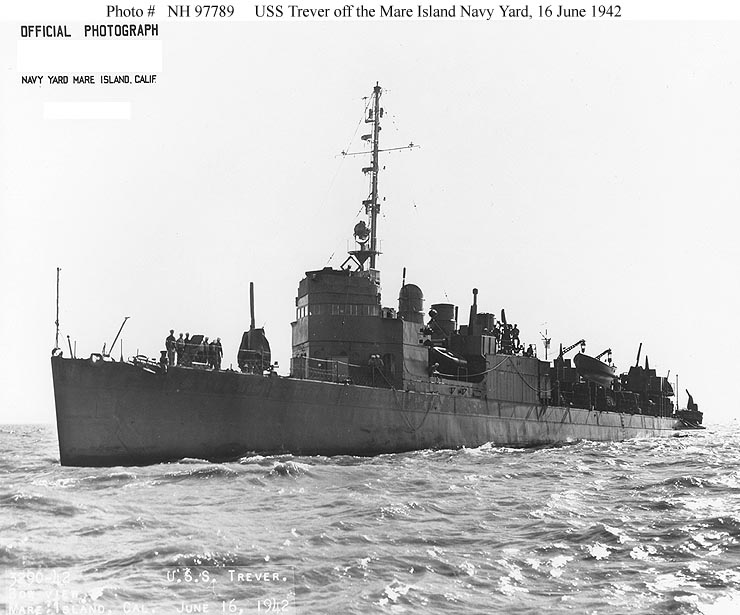
The cruisers and destroyers were joined by a number of elderly former destroyers which had been converted to Destroyer Minesweepers or Minelayers. The Ramsay, Breese, Trever and Perry all got underway, Trever also minus her commanding officer.

h97789

Some of the ships formed in a vain search for the Japanese strike force while others conducted defensive anti-submarine operations in the waters off Pearl Harbor.

The fact that all of these ships were able to get underway and navigate through the chaos of the attack, often under the command of junior officers and without key crew members was a testament to the courage and initiative of US Navy Officers and Sailors. It is a courage and initiative still in evidence today.

Peace

Padre Steve+

4 Comments

Filed under History, Loose thoughts and musings, movies, Navy Ships, US Navy, world war two in the pacific

Battleship Row: The Story of the Battleships of Pearl Harbor

the-japanese-attack-on-pearl-harbor-everett-2

“Yesterday, Dec. 7, 1941 – a date which will live in infamy – the United States of America was suddenly and deliberately attacked by naval and air forces of the Empire of Japan…. The attack yesterday on the Hawaiian Islands has caused severe damage to American naval and military forces. Very many American lives have been lost.” Except of President Franklin D Roosevelt’s Pearl Harbor Speech December 8th 1941

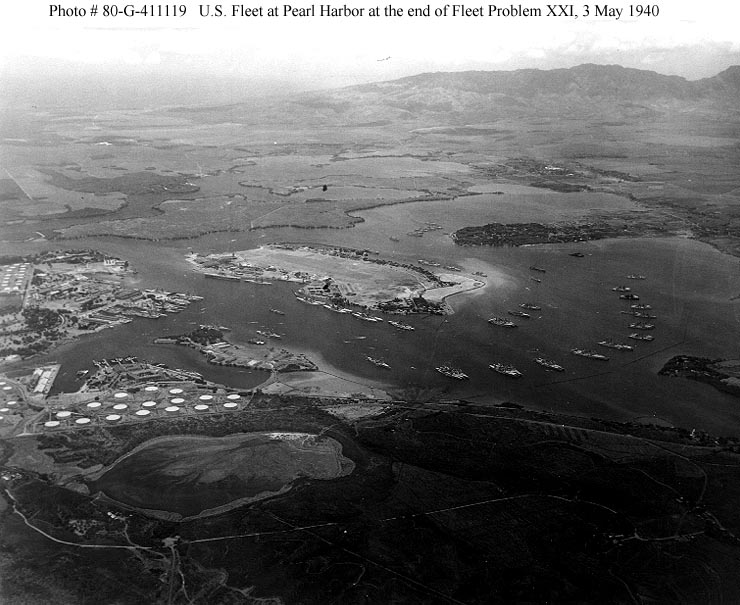
g411119

Today is the 72nd anniversary of the Japanese attack on Pearl Harbor and as we were then we are at war. Of course it is not the same kind of war and most Americans live in the illusion of peace which makes it even more important to remember that terribly day of infamy.

I remember reading Walter Lord’s classic and very readable book about Pearl Harbor “Day of Infamy” when I was a 7th grade student at Stockton Junior High School back in 1972.  At the time my dad was on his first deployment to Vietnam on the USS Hancock CVA-19.  As a Navy brat I was totally enthralled with all things Navy and there was little that could pull me out of the library.  In fact in my sophomore year of high school I cut over one half of the class meetings of the 4th quarter my geometry class to sit in the library and read history, especially naval and military history.

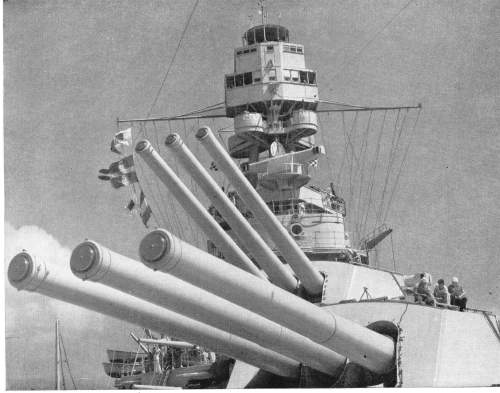
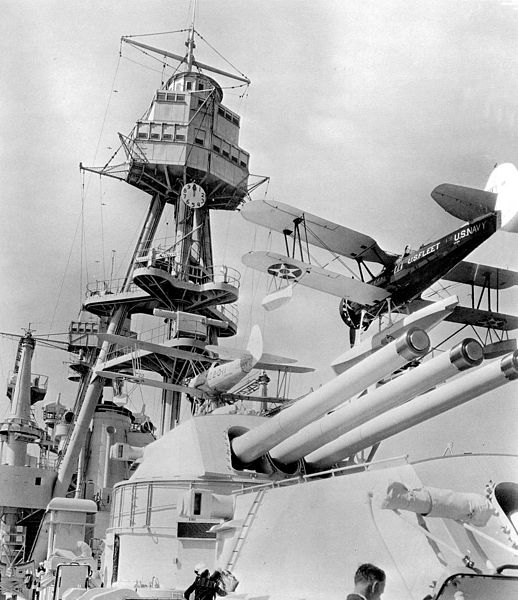
arizon-main-battery2-2

The main battery of either USS Arizona or Pennsylvania 

Over the years I have always found the pre-World War Two battleships to be among the most interesting ships in US Navy history.  No they are not the sleek behemoths like the USS Wisconsin which graces the Norfolk waterfront. They were not long and sleek, but rather squat yet exuded power. They were the backbone of the Navy from the First World War until Pearl Harbor.  They were the US Navy answer to the great Dreadnaught race engaged in by the major Navies of the world in the years prior to, during and after World War One.

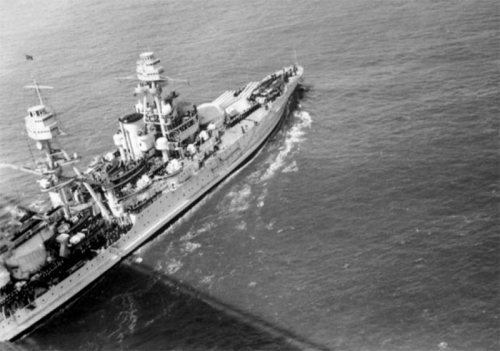
pennsylvania-under-golden-gate

USS Pennsylvania passing under the Golden Gate

Built over a period of 10 years each class incorporated the rapid advances in technology between the launching of the Dreadnaught and the end of the Great War.  While the United States Navy did not engage in battleship to battleship combat the ships built by the US Navy were equal to or superior to many of the British and German ships of the era.

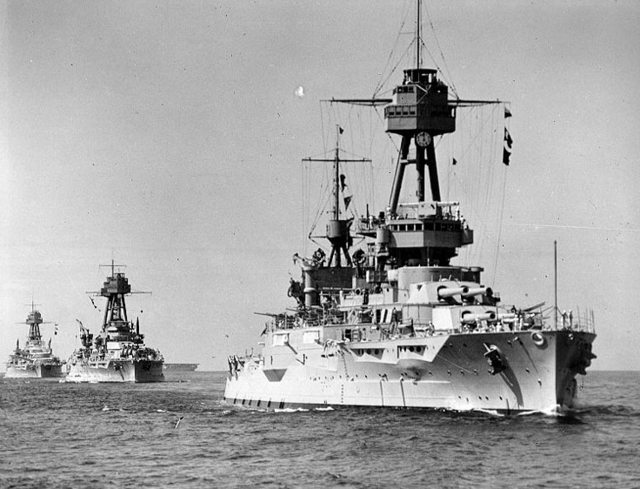
puyBfl

US Battleships at the Grand Fleet Review of 1937

Through the 1920s and 1930s they were the ambassadors of the nation, training and showing the flag. During those years the older ships underwent significant overhaul and modernization.

arizona-and-battleline

The Battle Force of the Pacific Fleet in 1941 included 9 battleships of which 8 were at Pearl Harbor on the morning of December 7th.  In the event of war the US War Plan, “Orange” called for the Pacific Fleet led by the Battle Force to cross the Pacific, fight a climactic Mahanian battle against the battleships of the Imperial Japanese Navy and after vanquishing the Japanese foe to relieve American Forces in the Philippines.  However this was not to be as by the end of December 7th all eight were out of action, with two, the Arizona and Oklahoma permanently lost to the Navy.

The ships comprised 4 of the 6 classes of battleships in the US inventory at the outbreak of hostilities.  Each class was an improvement on the preceding class in speed, protection and firepower.  The last class of ships, the Maryland class comprised of the Maryland, Colorado and West Virginia, was the pinnacle of US Battleship design until the North Carolina class was commissioned in 1941.  Since the Washington Naval Treaty limited navies to specific tonnage limits as well as the displacement of new classes of ships the United States like Britain and Japan was limited to the ships in the current inventory at the time of the treaty’s ratification.

uss_oklahoma

USS Oklahoma

The ships at Pearl Harbor included the two ships of the Nevada class, the Nevada and Oklahoma they were the oldest battleships at Pearl Harbor and the first of what were referred to as the “standard design” battleships. The two ships of the Pennsylvania class, the Pennsylvania and her sister the Arizona served as the flagships of the Pacific Fleet and First Battleship Division respectively and were improved Nevada’s. The California class ships, California and Tennessee and two of the three Maryland’s the Maryland and West Virginia made up the rest of the Battle Force.

california-1938

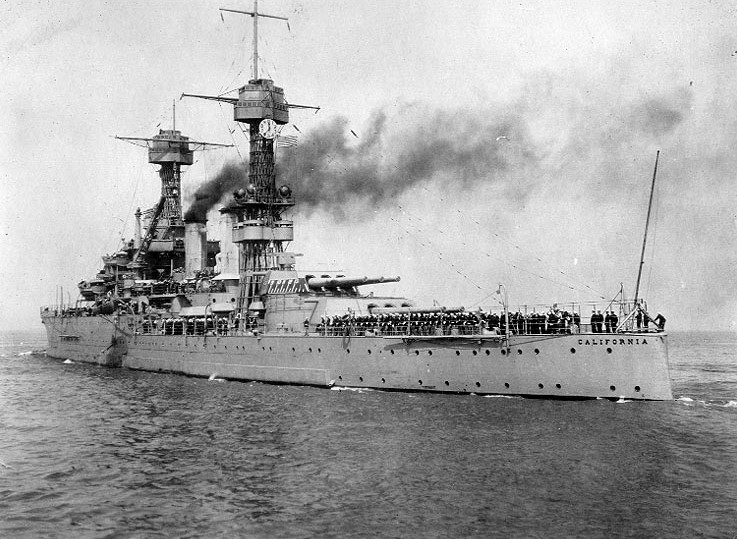
USS California passing under Brooklyn Bridge

The Colorado was undergoing a yard period at Bremerton and the three ships of the New Mexico class, New Mexico, Mississippi and Idaho had been transferred to the Atlantic before Pearl Harbor due to the German threat.  The three oldest battleships  ships of the New York and Wyoming Classes, the New York, Arkansas and Texas also were in the Atlantic. Two former battleships, the Utah and Wyoming had been stripped of their main armaments and armor belts and served as gunnery training ships for the fleet. The Utah was at Pearl Harbor moored on the far side of Ford Island.

9.athumb

The ships that lay at anchor at 0755 that peaceful Sunday morning on “Battleship Row” and in the dry dock represented the naval power of a bygone era, something that most did not realize until two hours later. The age of the battleship was passing away, but even the Japanese did not realize that the era had passed building the massive super-battleships Yamato and Musashi mounting nine 18” guns and displacing 72,000 tons, near twice that of the largest battleships on Battleship Row.

bb36_06

USS Nevada at Pearl Harbor

The Oklahoma and Nevada were the oldest ships in the Battle Force.  Launched in 1914 and commissioned in 1916 the Nevada and Oklahoma mounted ten 14” guns and displaced 27,500 tons and were capable of 20.5 knots. They served in World War One alongside the British Home Fleet and were modernized in the late 1920s. They were part of the US presence in both the Atlantic and Pacific in the inter-war years. Oklahoma took part in the evacuation of American citizens from Spain in 1936 during the Spanish Civil War.

013717


USS Oklahoma Capsized (above) and righted (below)


oklahoma-salvage

During the Pearl Harbor attack Oklahoma was struck by 5 aerial torpedoes capsized and sank at her mooring with the loss of 415 officers and crew. Recent analysis indicates that she may have been hit by at least on torpedo from a Japanese midget submarine. Her hulk would be raised but she would never again see service and sank on the way to the breakers in 1946.

nevada-1

USS Nevada aground off Hospital Point

Nevada was the only battleship to get underway during the attack.  Moored alone at the north end of Battleship Row her Officer of the Deck had lit off a second boiler an hour before the attack.  She was hit by an aerial torpedo in the first minutes of the attack but was not seriously damaged. She got underway between the attack waves and as she attempted to escape the harbor she was heavily damaged. To prevent her from sinking in the main channel she was beached off Hospital Point.

800px-USS_Nevada_(BB-36)_specs

nevada-utah-beach

USS Nevada at Normandy 

Nevada was raised and received a significant modernization before returning to service for the May 1943 assault on Attu.  Nevada returned to the Atlantic where she took part in the Normandy landings off Utah Beach and the invasion of southern France.  She returned to the Pacific and took part in the operations against Iwo Jima and Okinawa where she again provided naval gunfire support.  Following the war the great ship was assigned as a target at the Bikini atoll atomic bomb tests. The tough ship survived these tests and was sunk as a target on 31July 1948.

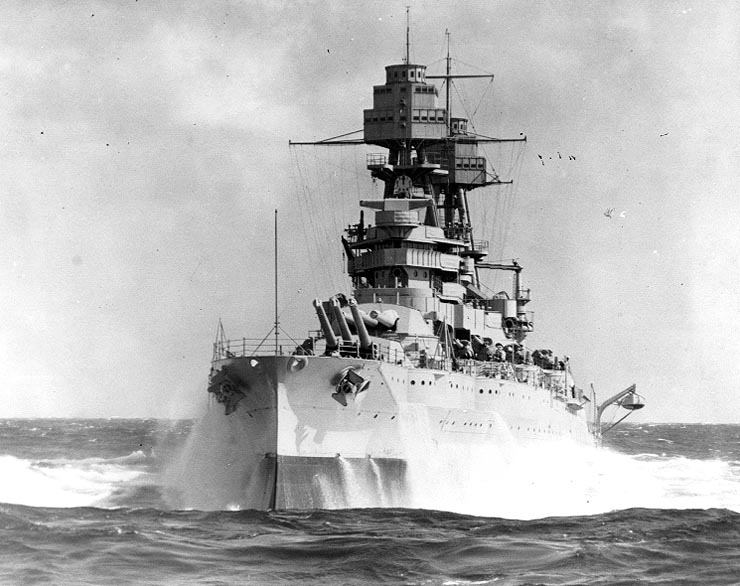
USS_Arizona_(BB-39)_-_1930s

USS Arizona

The two ships of the Pennsylvania Class were improved Oklahoma’s.  The Arizona and Pennsylvania mounted twelve 14” guns and displacing 31,400 tons and capable of 21 knots they were both commissioned in 1916. They participated in operations in the Atlantic in the First World War with the British Home Fleet. Both ships were rebuilt and modernized between 1929-1931.

518px-O3U-3s_on_USS_Pennsylvania_(BB-38)_in_1935

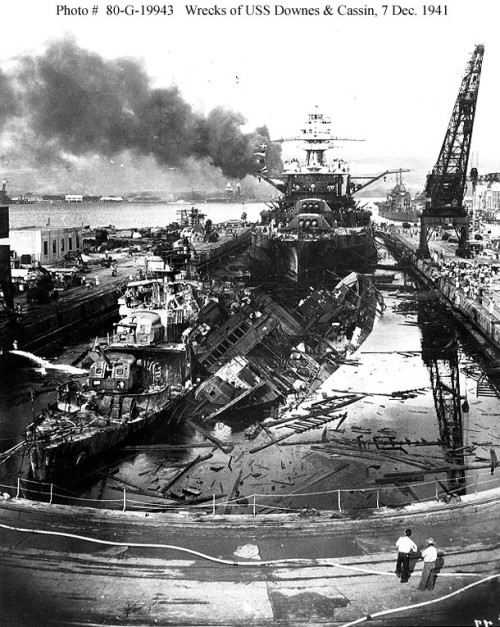
They were mainstays of the fleet being present at Presidential reviews, major fleet exercises and making goodwill visits around the world.  Pennsylvania was the Pacific Fleet Flagship on December 7th 1941 and was in dry dock undergoing maintenance at the time of the attack. She was struck by two bombs and received minor damage.

pennsylania-drydock

She was back in action in early 1942. She underwent minor refits and took part in many amphibious landings in the Pacific and was present at the Battle of Surigao Strait.  She was heavily damaged by an aerial torpedo at Okinawa Pennsylvania and was repaired. Following the war the elderly warrior was used as a target for the atomic bomb tests. She was sunk as a gunnery target in 1948.

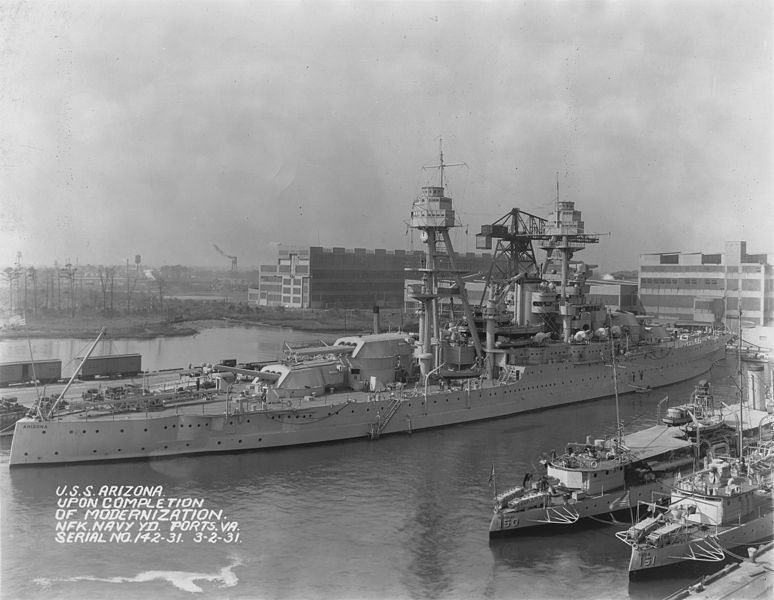
774px-USS_Arizona_after_1931_modernization_NARA_19-LC-19B-1

arizona-buring

Arizona was destroyed during the attack. As the flagship of Battleship Division One she was moored next to the repair ship USS Vestal.  She was hit by 8 armor piercing bombs one of which penetrated her forward black powder magazine. The ship was consumed by a cataclysmic explosion which killed 1103 of her 1400 member crew including her Captain and Rear Admiral Isaac Kidd, commander of Battleship Division One.  She was never officially decommissioned and the colors are raised and lowered every day over the Memorial which sits astride her broken hull.

tennessee-1938

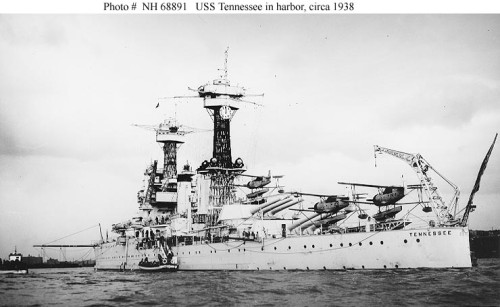
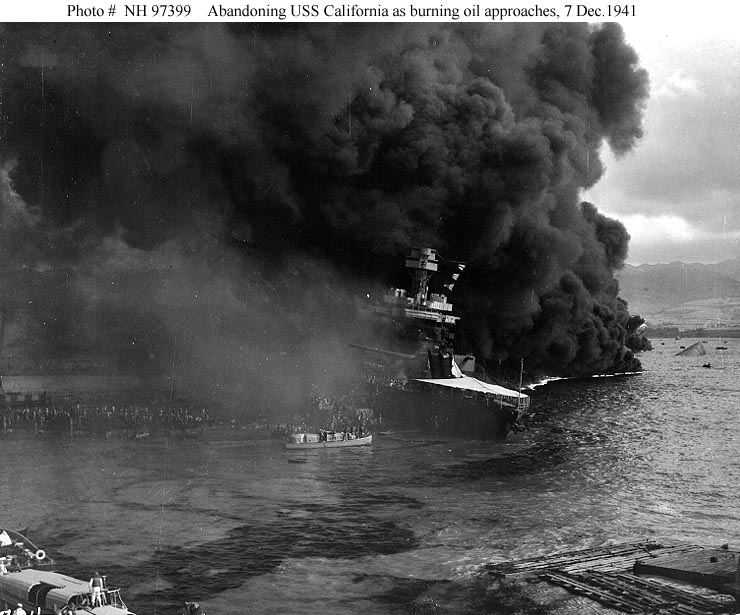
The Tennessee class ships the Tennessee and California were the class following the New Mexico class ships which were not present at Pearl Harbor. These ships were laid down in 1917 and commissioned in 1920. Their design incorporated lessons learned at the Battle Jutland. They mounted twelve 14” guns, displaced 32,300 tons and were capable of 21 knots. At Pearl Harbor Tennessee was moored inboard of West Virginia and protected from the aerial torpedoes which did so much damage to other battleships. She was damaged by two bombs. California the Flagship of Battleship Division Two was moored at the southern end of Battleship Row. She was hit by two torpedoes in the initial attack. However, she had the bad luck to have all of her major watertight hatches unhinged in preparation for an inspection.

uss_california_bb44_03

h64474

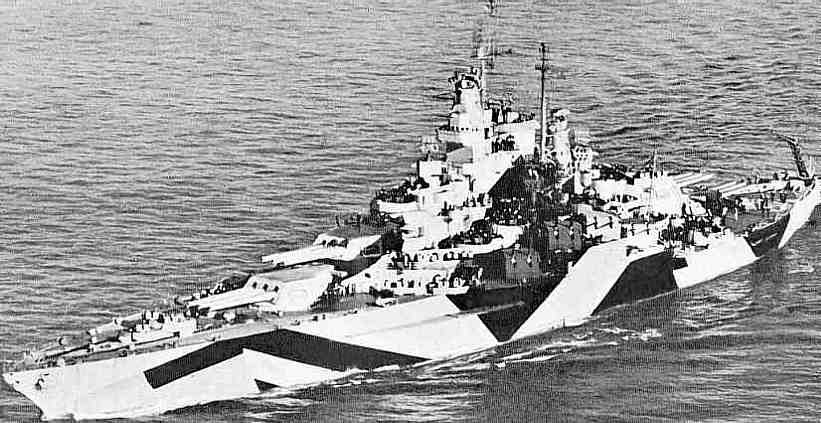
Despite the valiant efforts of her damage control teams she sank at her moorings. She was raised and rebuilt along with Tennessee were completely modernized with the latest in radar, fire control equipment and anti-aircraft armaments. They were widened with the addition of massive anti-torpedo bulges and their superstructure was razed and rebuilt along the lines of the South Dakota class.

USS California Late WWII

USS California following Modernization

014389o

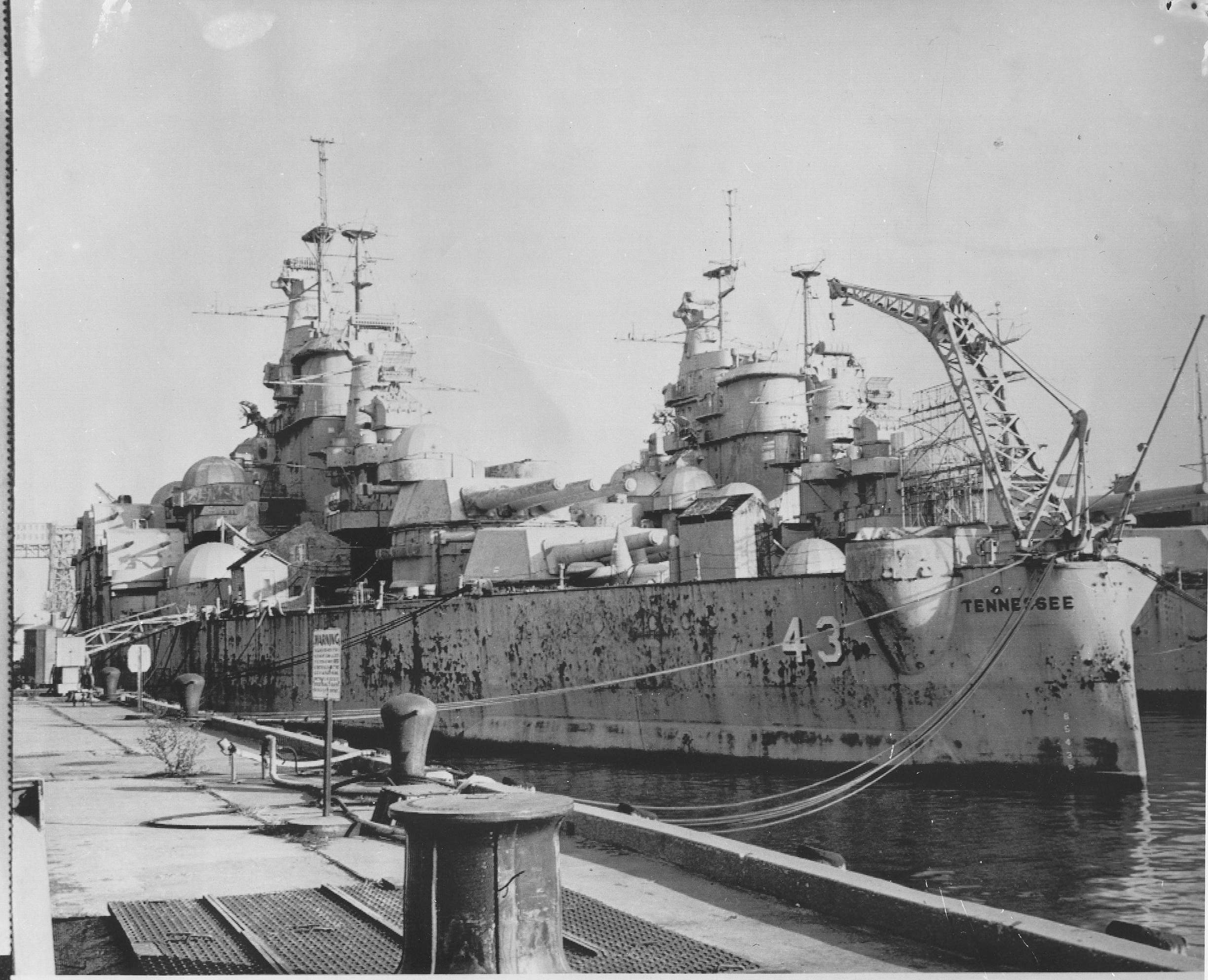
USS Tennessee with another ship, possibly California in reserve awaiting the breakers

When the repairs and modernization work was completed they looked nothing like they did on December 7th. Both ships were active in the Pacific campaign and be engaged at Surigao Strait where they inflicted heavy damage on the attacking Japanese squadron. Both survived the war and were placed in reserve until 1959 when they were stricken from the Navy list and sold for scrap.

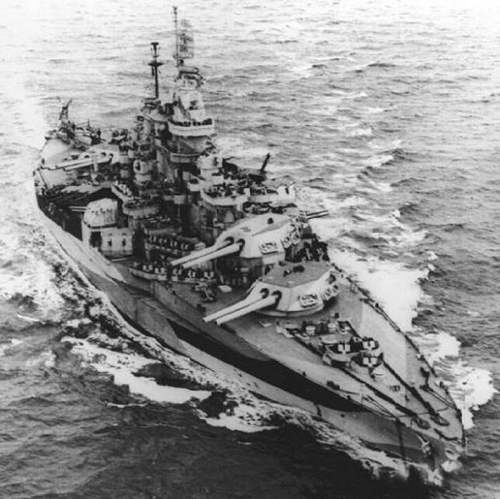
west-virginia-1934

USS West Virginia 

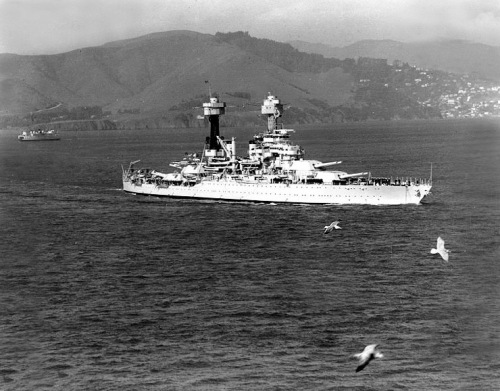
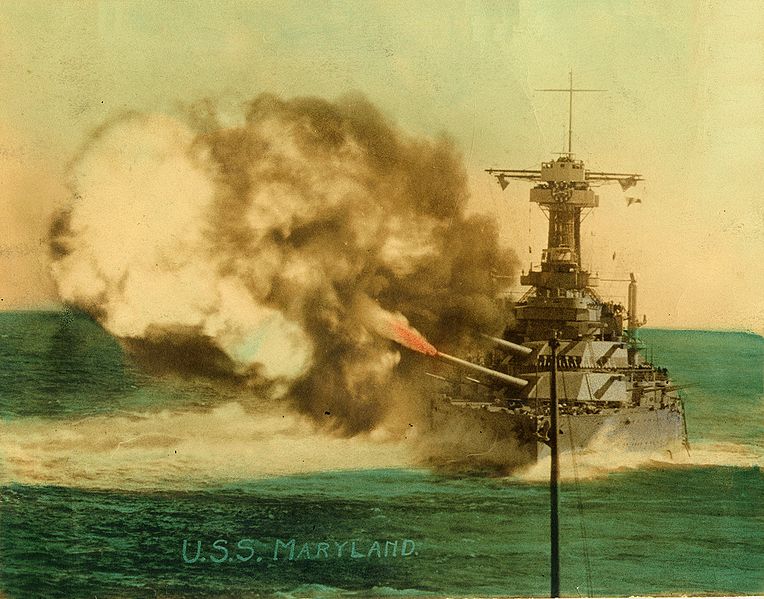
The Maryland and West Virginia were near sisters of the Tennessee class.  They were the last battleships built by the United States before the Washington Naval Treaty. and the first to mount 16” guns. With eight 16” guns they had the largest main battery of any US battleships until the North Carolina class.

764px-USS_Maryland_broadside_1920s

They displaced 32,600 tons and could steam at 21 knots. Laid down in 1917 and commissioned in 1921 they were modernized in the late 1920s. They were the most modern of the Super-Dreadnoughts built by the United States and included advances in protection and watertight integrity learned from both the British and German experience at Jutland.

09_maryland_oklahoma_pearl_harbor

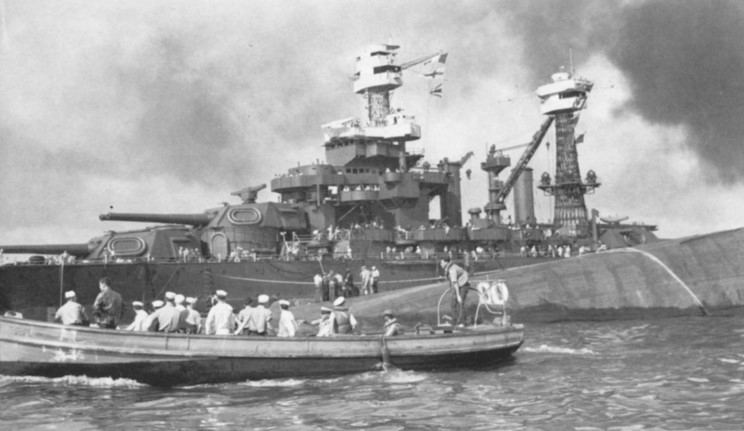
USS Maryland behind the capsized Oklahoma

At Pearl Harbor Maryland  was moored inboard of Oklahoma and was hit by 2 bombs and her crew helped rescue survivors of that unfortunate ship.  She was quickly repaired and returned to action.  She received minimal modernization during the war. She participated in operations throughout the entirety of the Pacific Campaign mainly conducting Naval Gunfire Support to numerous amphibious operations. She was present at Surigao Strait where despite not having the most modern fire control radars she unleashed six salvos at the Japanese Southern Force.

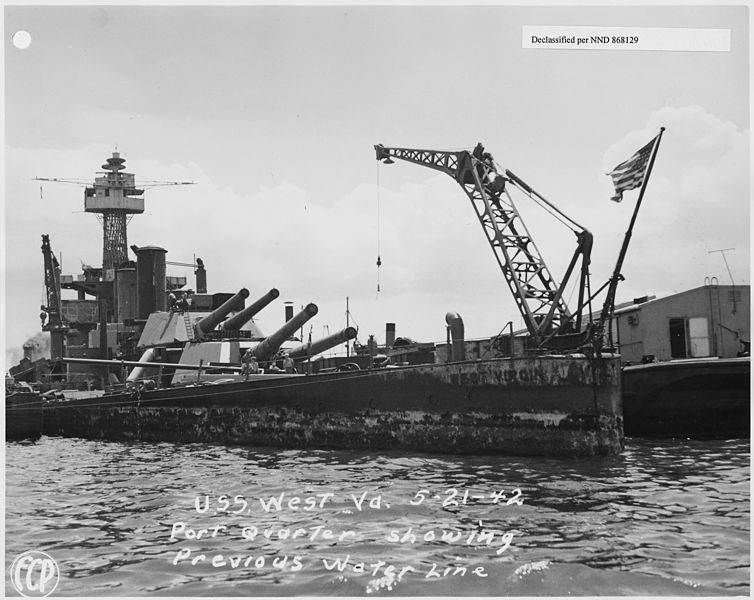
729px-Photograph_of_the_damage_done_to_the_USS_West_Virginia,_sunk_in_the_Japanese_raid_on_Pearl_Harbor_-_NARA_-_306536

754px-USS_West_Virginia_5-21-42,_Port_quarter_showing_previous_water_line_(FCP)_-_NARA_-_296915

west-virginia-damage

USS West Virginia, sunk, raised and in dry dock, note the massive damage to Port Side

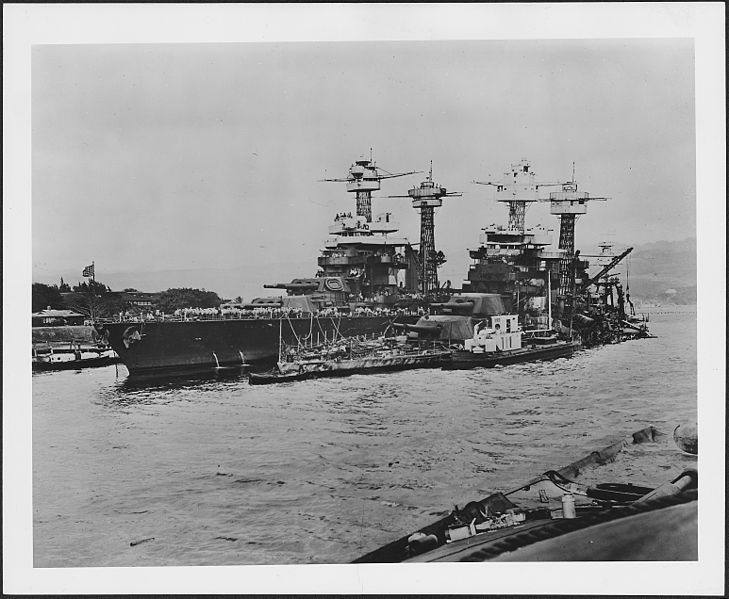
West Virginia suffered some of the worst damage in the attack. She was hit by at least 5 torpedoes and two bombs. She took a serious list and was threatening to capsize. However she was saved from Oklahoma’s fate by the quick action of her damage control officer who quickly ordered counter-flooding so she would sink on an even keel.  She was raised from the mud of Pearl Harbor and after temporary repairs and sailed to the West Coast for an extensive modernization on the order of the Tennessee and California.

west-virginia-final-config

USS West Virginia after salvage and modernization 

West Virginia was the last Pearl Harbor to re-enter service. However when she returned she made up for lost time.  She led the battle line at Surigao Strait and fired 16 full salvos at the Japanese squadron. Her highly accurate gunfire was instrumental in sinking the Japanese Battleship Yamashiro in the last battleship versus battleship action in history.  West Virginia, Maryland and their sister Colorado survived the war and were placed in reserve until they were stricken from the Naval List and sold for scrap in 1959.

The battleships of Pearl Harbor are gone, save for the wreck of the Arizona and various relics such as masts, and ships bells located at various state capitals and Naval Stations.  Unfortunately no one had the forethought to preserve one of the survivors to remain at Pearl Harbor with the Arizona.  Likewise the sailors who manned these fine ships, who sailed in harm’s way are also passing away.  Every day their ranks grow thinner, the youngest are all 89-90 years old.

As this anniversary of the Pearl Harbor attack passes into history it is fitting to remember these men and the great ships that they manned.

Peace,

Padre Steve+

4 Comments

Filed under History, Military, Navy Ships, News and current events, US Navy, world war two in the pacific

The Long Road to Freedom and Reconciliation: Rest in Peace Nelson Mandela

images-65

“As I walked out the door toward the gate that would lead to my freedom, I knew if I didn’t leave my bitterness and hatred behind, I’d still be in prison.”  Nelson Mandela

One of the greatest men of the last century passed away today at the age of 95. Nelson Mandela, the human and civil rights advocate in Apartheid South Africa who spent 27 years in prison before being released and overseeing the end of apartheid and the beginning of reconciliation in that country. As President he understood the importance of sport to the country and helped use the victory of the Springboks, a rugby team that during the Apartheid era embodied the spirit of that system as a way to unify the country. When the team played the New Zealand All Blacks in the World Cup of Rugby Mandela helped use it to unify the country.

world-cup

Nelson Mandela was one of the most influential men of our time. He was a rare man of grace, courage integrity and vision. He was a man who fought for the liberation of every South African, not just blacks; those imprisoned by walls and laws and those imprisoned by the attitudes of their hearts an minds.

ZZ628BFEC1

Unfortunately so many of us including me did not realize just what an amazing man he was until he had spent so many years in prison. It was only after his release that I began to appreciate and admire him. Up until that point I had only thought that he was another Marxist type revolutionary. Of course I had never read anything he had ever written and didn’t know anything about his life or story. All I knew is that South Africa was “democratic” and stood against the Soviets and their proxies.

apartheid_sign_1980

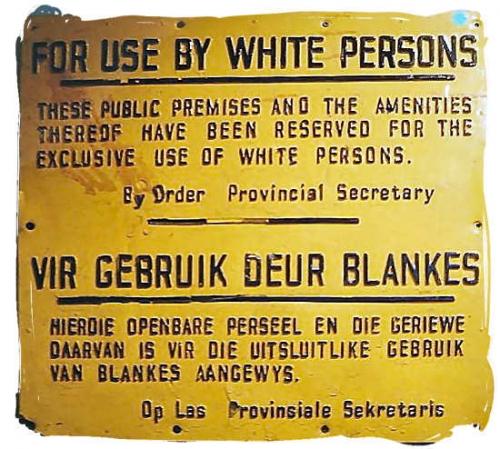
My knowledge of him until his release and later election as the President of South Africa was the product of Cold War anti-Communist propaganda coupled with a distaste for “revolutionaries” in general. However when I began to read his works, understand his life and causes and put them into actual historical context of racism, imperialism and colonialism in Africa I was ashamed of my former views.

PHOTOS Century Collection

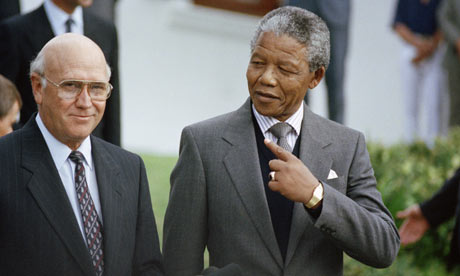
The sad thing was that in the United States I was anti-racism and discrimination and pro equal rights and integration for blacks and other minorities. I was a liberal here in regard to these issues even as I excused the vestiges of colonialism, imperialism and racism in South Africa simply because of the my Cold War “realism.” It is funny how a utilitarian ethic can lead people to positions that are diametrical opposites even in their own life and positions. The irony is that it was the fall of the Berlin Wall and collapse of Soviet Communism that brought the staunchly anti-Communist President F. W. De Klerk to release Mandela from captivity and eventually work with Mandela to end Apartheid.

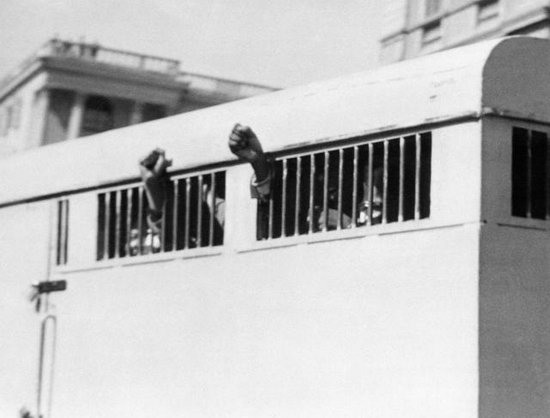
Nelson Mandela - Rivonia Trial - Life in Prison 16-6-1964

When Mandela became President of South Africa I finally began to understand the man who before had been a caricature painted by my supposed “foreign policy realism.” His actions upon his release from prison, his election and his life after leaving office were nothing more than amazing. He was a man of rare personal and pubic integrity, courage, grace and virtue.

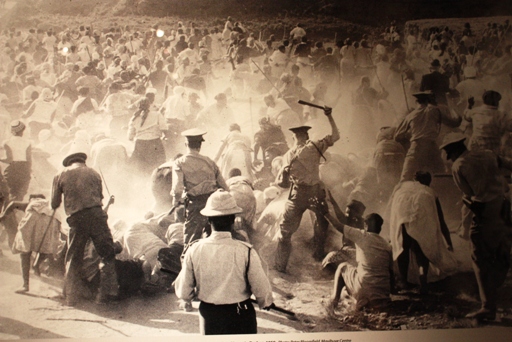
apartheid2

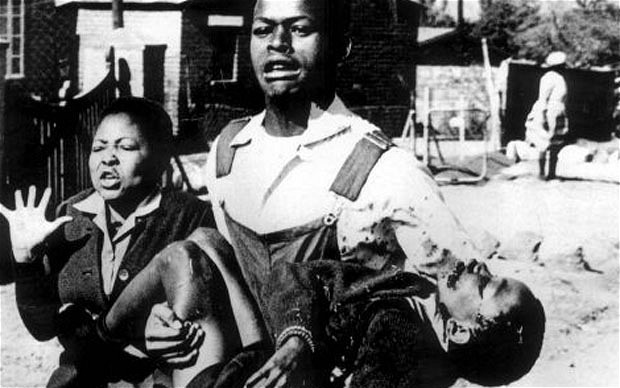
Unlike other victorious revolutionaries he did not seek vengeance or seek to settle old scores. His committee on reconciliation was just that. It was not a commission that sought to punish men and women who during the apartheid days persecuted him but all non-whites in South Africa. Mandela understood something that others across the political, racial and religious spectrum fail to understand. He understood that resentment  of the other is a poison. His comment that “Having resentment against someone is like drinking poison and thinking it will kill your enemy”  is among the most rue that an philosopher, politician or preacher has ever uttered.

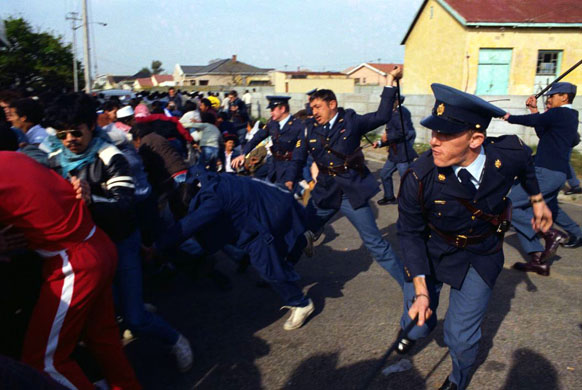
Police Officers Try to Control Protesters

Mandela’s personal leadership in South Africa’s transition from apartheid was perhaps on of his greatest triumphs. It would have been very easy for the country to collapse, for whites to be forced to flee or for civil war between the ANC, various tribal leaders and governments and the South Africa’s white population to tear the country apart and lead to great bloodshed. Instead Mandela modeled reconciliation. He understood something about freedom that many of us never really understand. He wrote: “For to be free is not merely to cast off one’s chains, but to live in a way that respects and enhances the freedom of others.”

Likewise Mandela understood the dynamic human tension that exists between hatred and love. He understood that both were learned behaviors. His words “for to be free is not merely to cast off one’s chains, but to live in a way that respects and enhances the freedom of others,” embody that dynamic. That goes back to Mandela’s many years of imprisonment, years that many in the same situation would become bitter, consumed by hatred and ready to seek revenge, a revenge that he knew would achieve nothing positive. He knew that unless he left hatred and bitterness behind that he would still be in prison, a prison that so many of us, including me at times find ourselves. A prison without physical walls and bars but a prison nonetheless.

He understood that that hatred and bitterness only served to fill a cup of resentment which in his words “resentment is like drinking poison then hoping it will kill your enemies.”

FW-de-Klerk-and-Nelson-Ma-001

He was not unrealistic. He understood that many people saw him as their enemy. He also understood that in a country where great differences existed that such was the case. That being said he understood something that is lacking in much political discourse in our country today. He noted “If you want to make peace with your enemy, you have to work with your enemy. Then he becomes your partner.” That is something that we need to learn again.

Nelson Mandela - South African Flag Face 01

I thank God for Nelson Mandela, his life and works. He was truly a man for the ages. He was a giant. May he rest in peace.

Peace

Padre Steve+

1 Comment

Filed under History, leadership, News and current events

Awarding the Heroes of Pearl Harbor

gal-pearl-harbor6-jpg

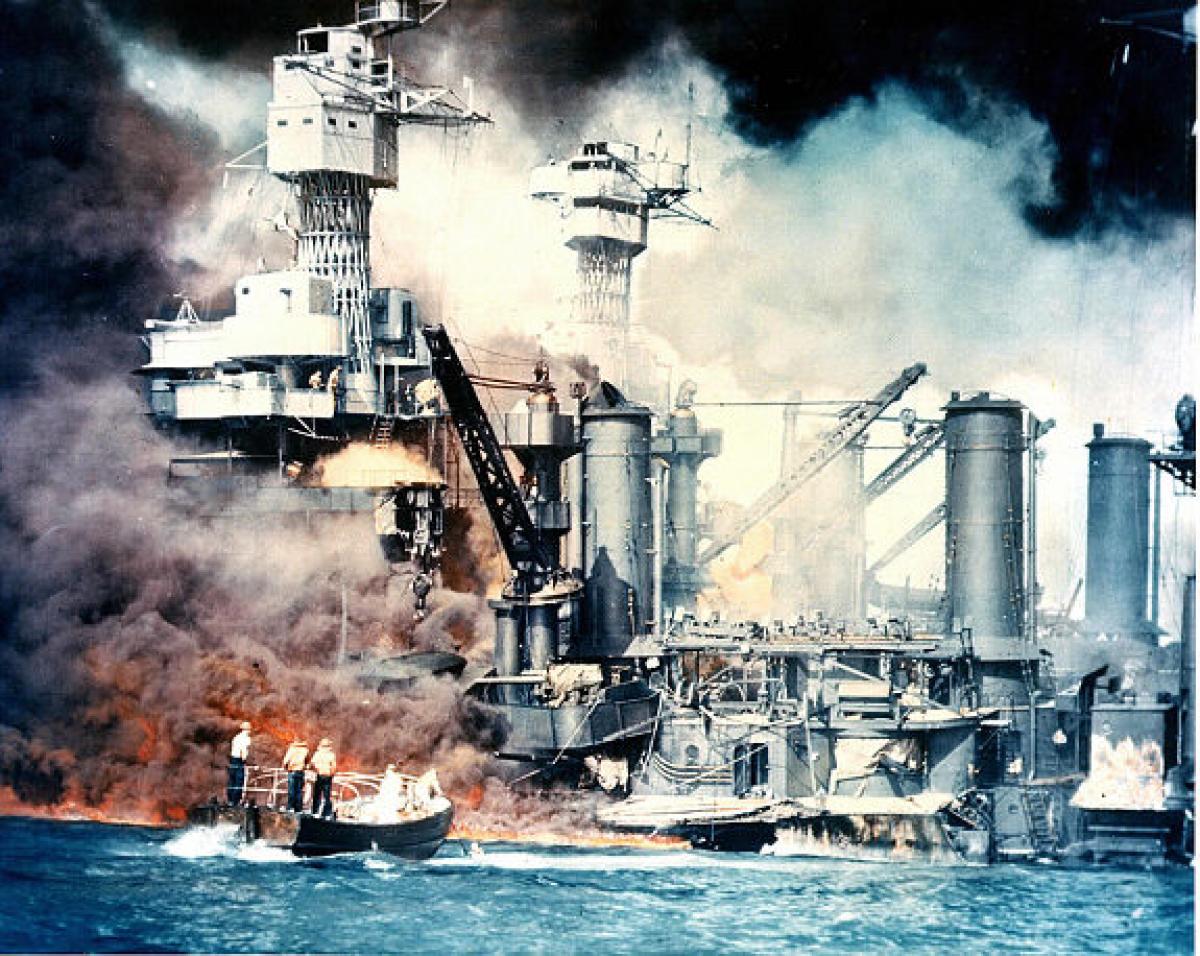
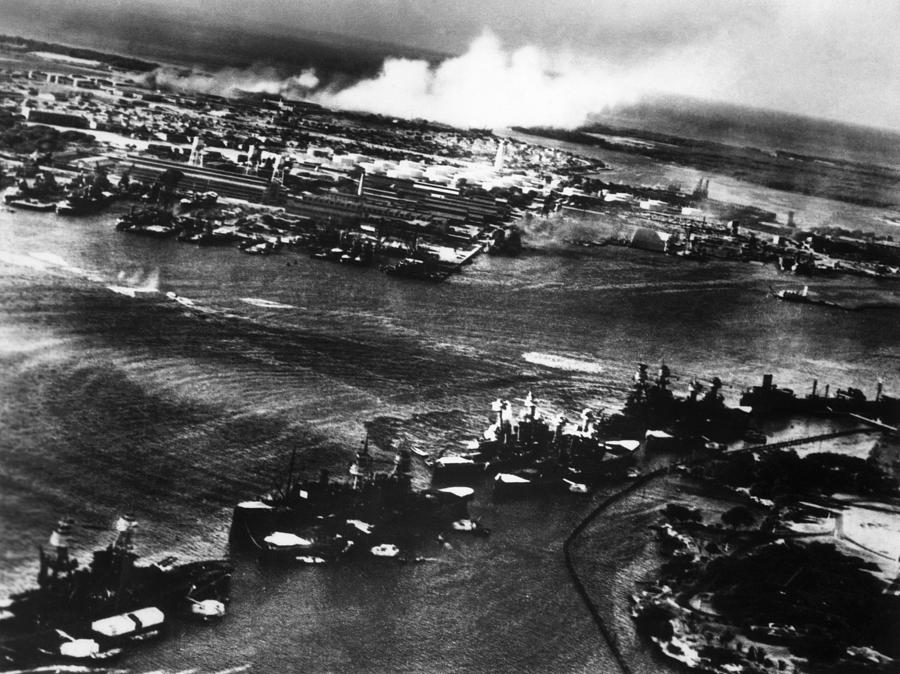
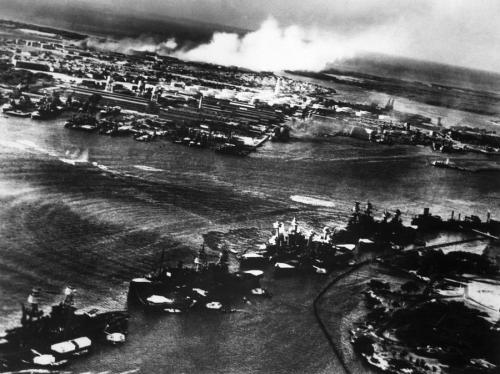
On the morning of December 7th 1941 aircraft from the Japanese First Air Fleet attacked the United States Pacific Fleet as it lay at anchor at Pearl Harbor.

The attack inflicted great damage and casualties on the Pacific Fleet as well as the Army Air Forces based on Oahu. On that fateful Sunday the US Navy had 19 ships sunk or damaged. The Navy, Marine Corps and Army Air Corps lost 188 aircraft destroyed and another 159 damaged. 2402 American Sailors, Marines and Soldiers, including members of the Army Air Corps lost their lives and another 1247 were wounded.
the-japanese-attack-on-pearl-harbor-everett

It was a day where men, suddenly shaken from their peacetime routine by bombs, bullets and torpedoes conducted themselves in in an extraordinary manner. When the last Japanese aircraft turned away the previously placid waters of Pearl Harbor were littered with wrecked and sunken ships, blazing fires and the bodies of sailors and Marines. Desperate rescue efforts were already underway even as undamaged ships sortied to attempt to find and engage the Japanese fleet.

The next day President Franklin Delano Roosevelt asked the Congress for a Declaration of War.His speech, immortalized in its opening words galvanized the nation.

“Yesterday, December 7, 1941 – a date which will live in infamy – the United States of America was suddenly and deliberately attacked by naval and air forces of the Empire of Japan….” 

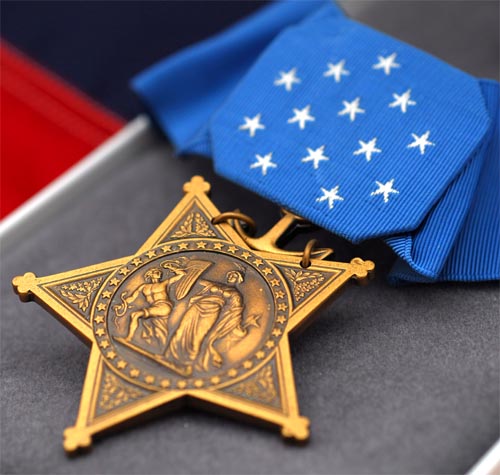
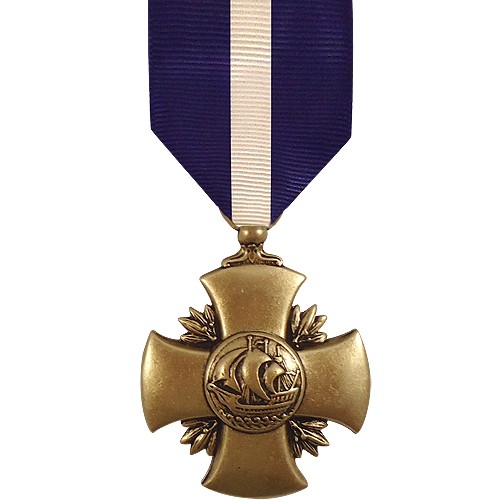
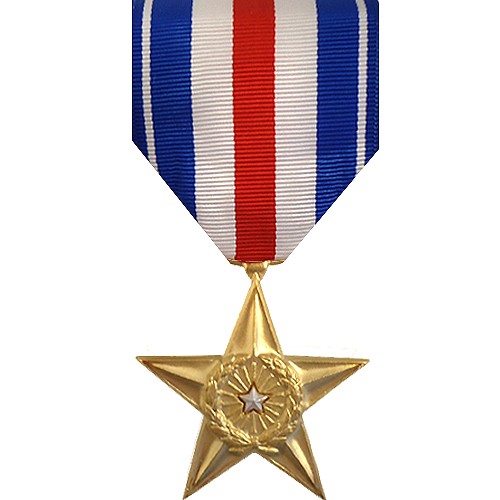
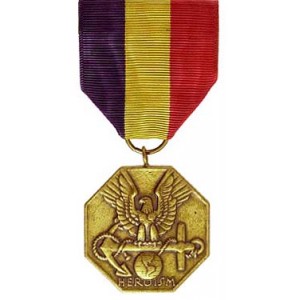
It was also a day where heroism was acknowledged. In the days and months following many Sailors, Soldiers and Marines ware awarded for their heroism, posthumously. 16 Congressional Medals of Honor were awarded, 15 at Pearl Harbor and one at Midway Island which was attacked the same day. Of those 10 were to men killed in action.  There were 51 awards of the Navy Cross, four Silver Stars and three wards of the Navy and Marine Corps Medal. One of the Navy Cross awards was upgraded to the Medal of Honor.

The ranks of the awardees ranged from the Commander of Battleship Division One Rear Admiral Isaac Kidd to killed on the bridge of his flagship the USS Arizona to Seaman First Class James Ward who died on the USS Oklahoma. Kidd’s body was never found, his Naval Academy ring was found fused to a bulkhead on the destroyed bridge of the Arizona.

Ward was a gunner in one of Oklahoma’s main gun turrets. His citation reads:

“For conspicuous devotion to duty, extraordinary courage and complete disregard of his own life, above and beyond the call of duty, during the attack on the Fleet in Pearl Harbor by Japanese forces on 7 December 1941. When it was seen that the U.S.S.Oklahoma was going to capsize and the order was given to abandon ship, Ward remained in a turret holding a flashlight so the remainder of the turret crew could see to escape, thereby sacrificing his own life.”
tumblr_lvtli9HXlM1qigaa4o1_1280

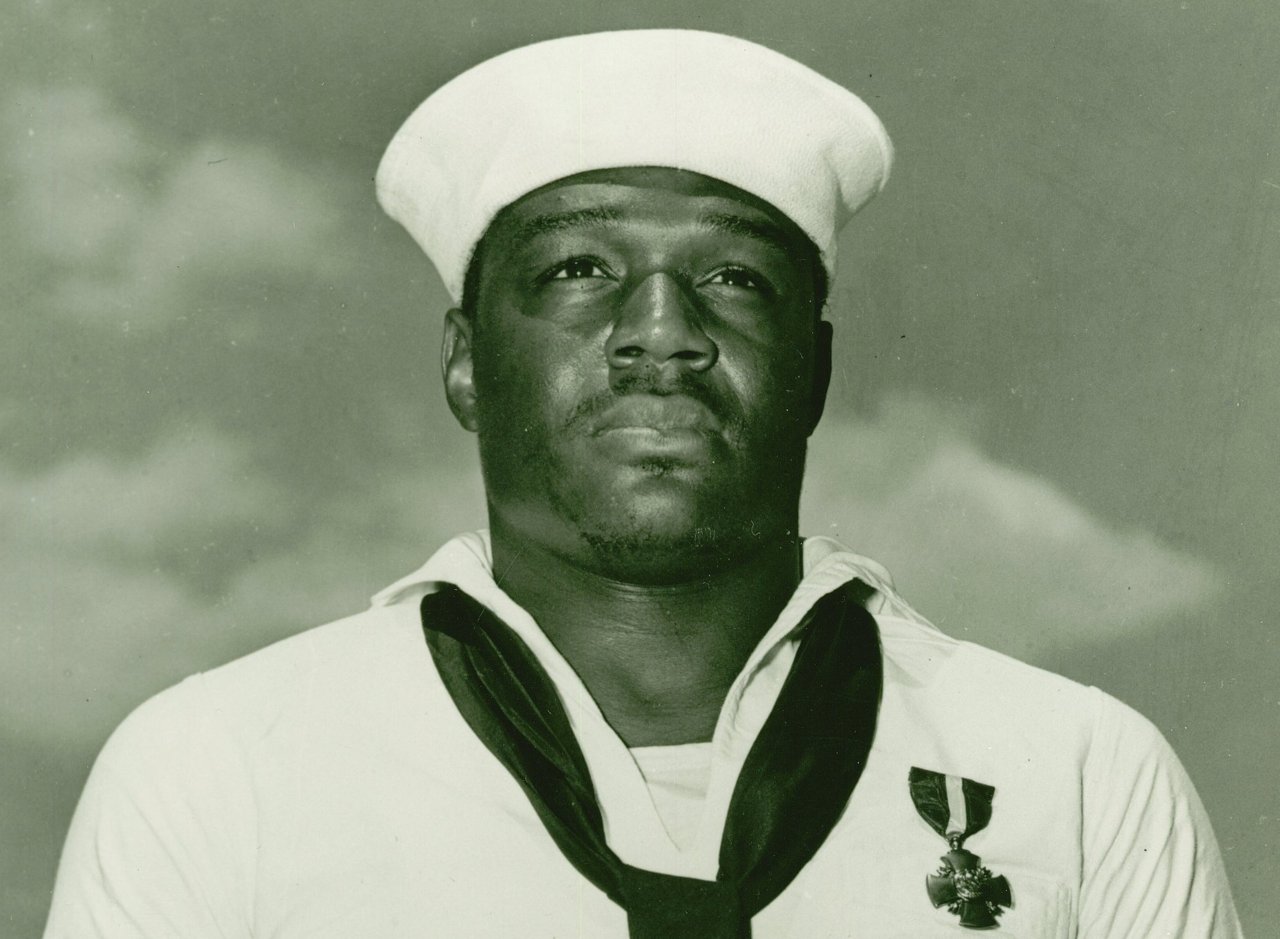
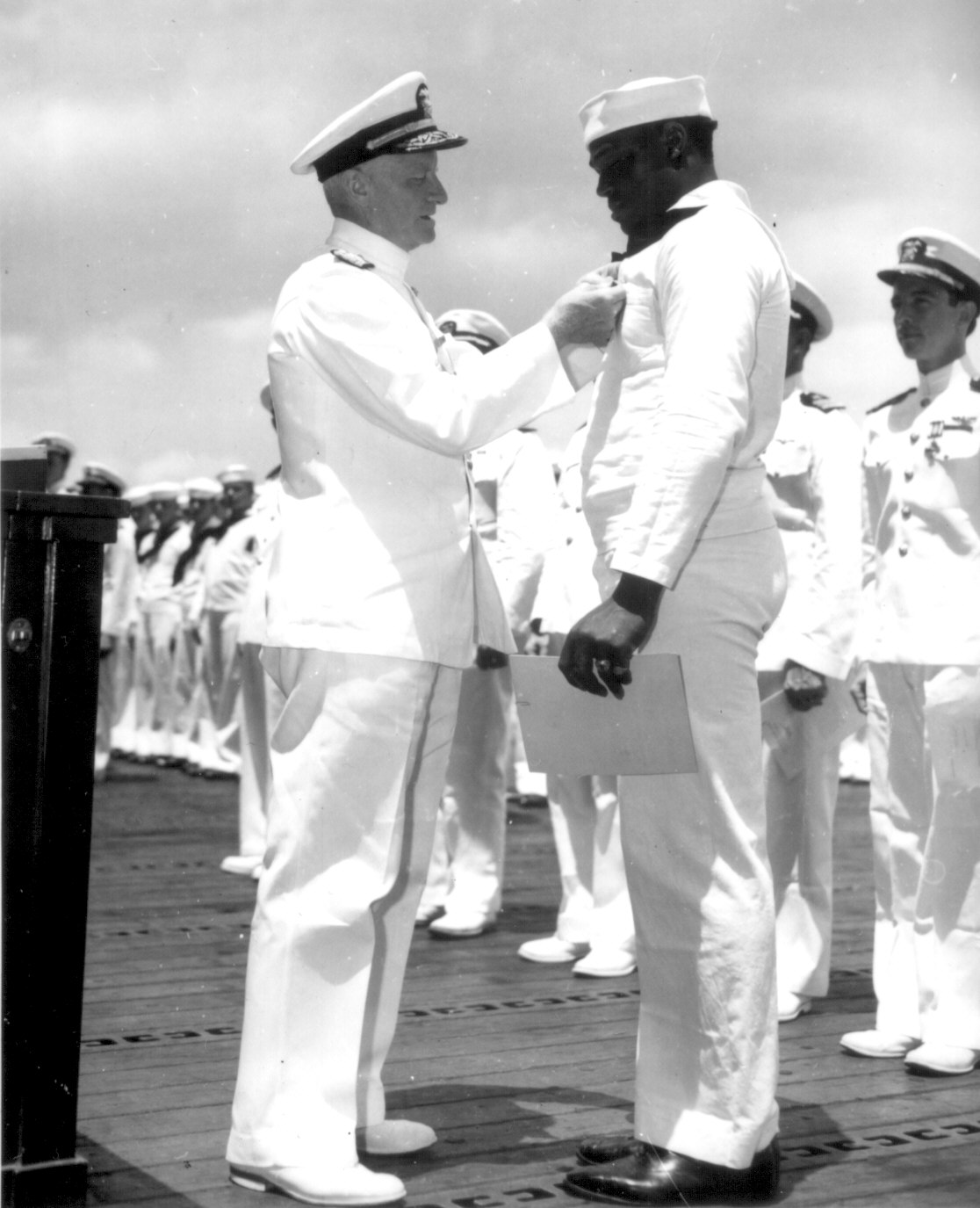
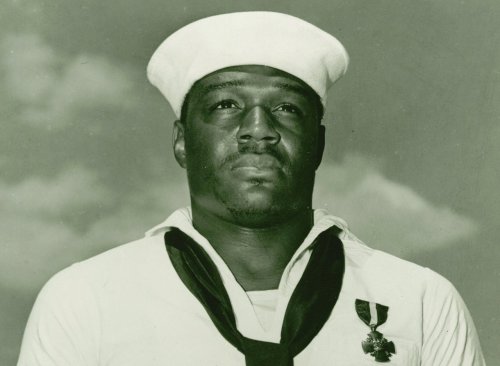
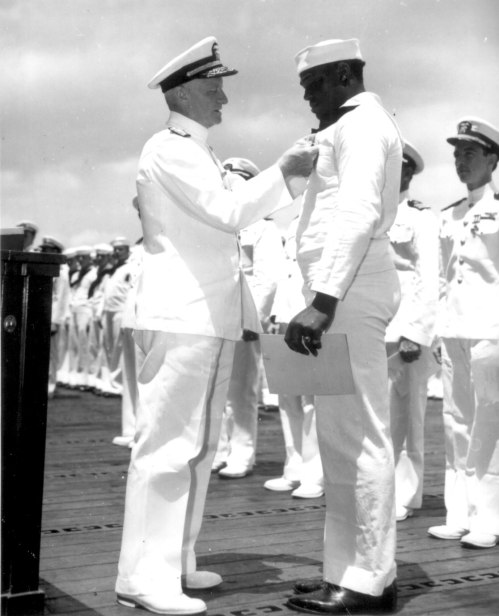
One of the Navy Crosses was awarded to Mess Attendant First Class Doris “Dorie” Miller. Miller was the only African American to win such an award that day. Miller who was assigned to the USS West Virginia received the award from Admiral Chester Nimitz for his efforts to assist his mortally wounded Commanding Officer, Captain Mervyn Bennion and manning a .50 caliber machine gun on his ship, possibly shooting down a Japanese aircraft.
Nimitz_and_miller

Nimitz remarked at the ceremony “This marks the first time in this conflict that such high tribute has been made in the Pacific Fleet to a member of his race and I’m sure that the future will see others similarly honored for brave acts.” Miller died less than two years later along with 645 other sailors when his ship the USS Liscombe Bay was torpedoed and sunk by a Japanese submarine near Tarawa. Miller’s Navy Cross citation reads:

“For distinguished devotion to duty, extraordinary courage and disregard for his own personal safety during the attack on the Fleet in Pearl Harbor, Territory of Hawaii, by Japanese forces on December 7, 1941. While at the side of his Captain on the bridge, Miller, despite enemy strafing and bombing and in the face of a serious fire, assisted in moving his Captain, who had been mortally wounded, to a place of greater safety, and later manned and operated a machine gun directed at enemy Japanese attacking aircraft until ordered to leave the bridge.”
CaptCassinYoung285

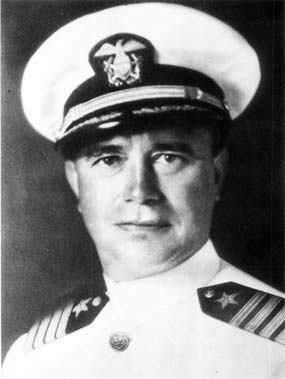
Others who survived the Pearl Harbor attack including Captain Cassin Young of the USS Vestal were later killed in action, Young while in command of the Heavy Cruiser USS San Francisco at the Naval Battle of Guadalcanal on November 13th 1942. Captain Young’s Medal of Honor citation reads:

For distinguished conduct in action, outstanding heroism and utter disregard of his own safety, above and beyond the call of duty, as commanding officer of the U.S.S. Vestal, during the attack on the Fleet in Pearl Harbor, Territory of Hawaii, by enemy Japanese forces on 7 December 1941. Comdr. Young proceeded to the bridge and later took personal command of the 3-inch antiaircraft gun. When blown overboard by the blast of the forward magazine explosion of the U.S.S. Arizona, to which the U.S.S. Vestal was moored, he swam back to his ship. The entire forward part of the U.S.S. Arizona was a blazing inferno with oil afire on the water between the 2 ships; as a result of several bomb hits, the U.S.S. Vestal was afire in several places, was settling and taking on a list. Despite severe enemy bombing and strafing at the time, and his shocking experience of having been blown overboard, Comdr. Young, with extreme coolness and calmness, moved his ship to an anchorage distant from the U.S.S. Arizona, and subsequently beached the U.S.S. Vestal upon determining that such action was required to save his ship.

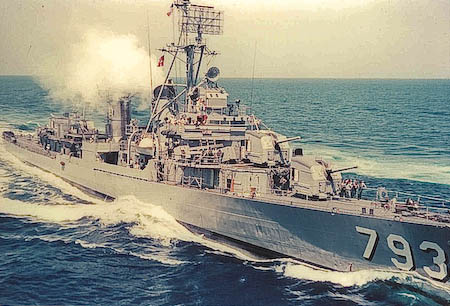
The Fletcher Class destroyer named after Captain Young, the USS Cassin Young DD-793 is now a museum ship in Boston Massachusetts.
In_action_courtesy_the_web

The individual bravery of these men was remarkable and many more did equally heroic things but for whatever reason were not recognized.
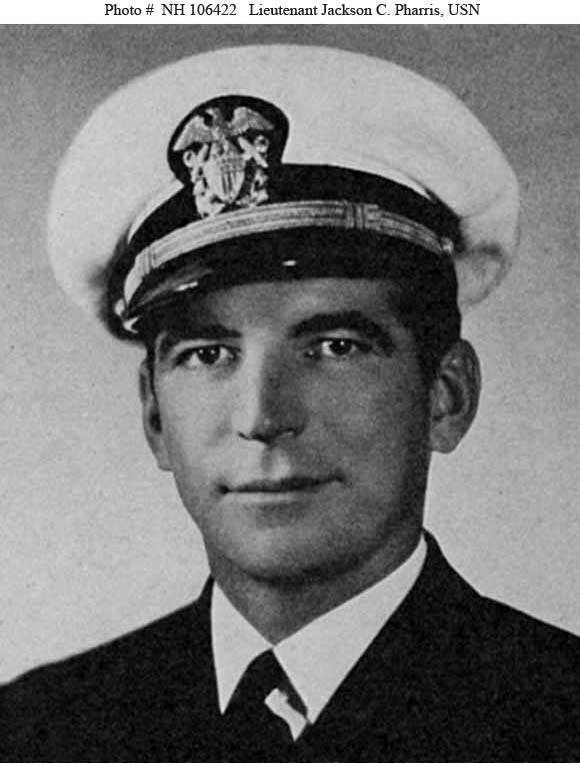
i06422

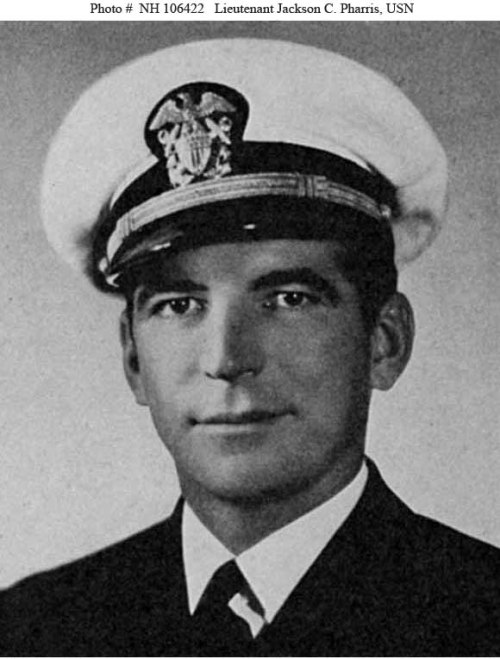
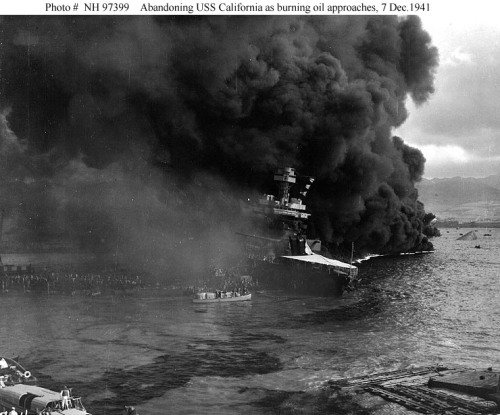
The citation of Lieutenant Jackson Pharris at the time of the attack a Gunners Mate on the USS California is typical of the actions of so many men on that desperate day. He was first awarded the Navy Cross but the award was upgraded to the Medal of Honor. That citation follows:

For conspicuous gallantry and intrepidity at the risk of his life above and beyond the call of duty while attached to the U.S.S. California during the surprise enemy Japanese aerial attack on Pearl Harbor, Territory of Hawaii, 7 December 1941. In charge of the ordnance repair party on the third deck when the first Japanese torpedo struck almost directly under his station, Lt. (then Gunner) Pharris was stunned and severely injured by the concussion which hurled him to the overhead and back to the deck. Quickly recovering, he acted on his own initiative to set up a hand-supply ammunition train for the antiaircraft guns. With water and oil rushing in where the port bulkhead had been torn up from the deck, with many of the remaining crewmembers overcome by oil fumes, and the ship without power and listing heavily to port as a result of a second torpedo hit, Lt. Pharris ordered the shipfitters to counterflood. Twice rendered unconscious by the nauseous fumes and handicapped by his painful injuries, he persisted in his desperate efforts to speed up the supply of ammunition and at the same time repeatedly risked his life to enter flooding compartments and drag to safety unconscious shipmates who were gradually being submerged in oil. By his inspiring leadership, his valiant efforts and his extreme loyalty to his ship and her crew, he saved many of his shipmates from death and was largely responsible for keeping the California in action during the attack. His heroic conduct throughout this first eventful engagement of World War 11 reflects the highest credit upon Lt. Pharris and enhances the finest traditions of the U.S. Naval Service.
h97399

2008-04-medal-of-honor-presented-to-navy-seal-monsoor1

Those awarded the Medal of Honor are listed here:

Bennion, Mervyn, Capt., USN, CO of USS West Virginia, casualty of USS West Virginia 

Cannon, George H., First Lt., USMC, casualty of Midway Island NAS

Finn, John W., Lt.(jg), USN, NAS Kaneohe Bay, from Los Angeles, CA (20 shrapnel wounds from firing at Japanese planes)

Flaherty, Francis C., Ens., USNR, casualty of USS Oklahoma

Fuqua, Samuel G. (Glenn), Capt., USN, USS Arizona, from Missouri

Hill, Edwin J. (Joseph), Boatswain CWO, USN, casualty of USS Nevada

Jones, Herbert C., Ens., USN, casualty of USS California

Kidd, Isaac C., R. Adm., USN, from Ohio, casualty of USS Arizona

Pharris, Jackson C., Gunner, USN, USS California, from Columbus, GA

Reeves, Thomas J., Chief Radioman WO(RAD), USN, casualty of USS California

Ross, Donald K., Lt.Cmdr, USN, USS Nevada

Scott, Robert R., Machinist’s Mate first class MM1c, USN, casualty of USS California

Tomich, Peter, Chief Watertender, USN, casualty of USS Utah

Van Valkenburgh, Franklin, Capt(CO), USN, CO USS Arizona, casualty of USS Arizona

Ward, James Richard, Seaman first class, USN, casualty of USS Oklahoma

Young, Cassin, Capt., USN, Washington DC, USS Vestal
navy_cross_medal_171

Those awarded the Navy Cross are listed here: 

Austin, John A., Chief Carpenter, USN, casualty of USS Oklahoma

Baker, Lionel H., Pharmacist’s Mate second class, USN

Bolser, Gordon E. Lt.(jg), USN

Bothne, Adoloph M., Boatswain, USN

Burford, William P., Lt. Comdr., USN

Christopher, Harald J., Ens., USNR, casualty of USS Nevada

Curtis, Ned B., Pharmacist’s Mate second class, USN

Daly, Edward Carlyle, Coxwain, USN, casualty of USS Downes

Darling, Willard D., Cpl., USMC

Davis, Frederick C., Ens., USNR, casualty of USS Nevada

Dickinson, Clarence E. Jr., Lt., USN

Douglas, C. E., Gunnery Sgt., USMC

Driskel, Joseph R., Corporal, USMC

Dunlap, Ernest H. Jr., Ens., USN

Edwards, John Perry, Ens., USNR

Etchell, George D., Shipfitter, USN

Fleming, W.D., Boatswain’s Mate first class, USN

Gombasy, L.G., Seaman second class, USN

Graham, Donald A., Aviation Machinist’s Mate first class, USN

Hailey, Thomas E., Sgt., USMC

Hansen, Alfred L., Chief Machinist’s Mate, USN

Huttenberg, Allen J., Ens., USNR

Isquith, Solomon S., Lt. Cmdr. USN

Jewel, Jesse D., Comdr.(MC), USN

Kauffman, Draper L., Lt., USNR

Larson, Nils R., Ens., USN

Ley, F. C. Jr., Fireman second class, USNR

McMurtry, Paul J., Boatswain’s Mate first class, USN

Mead, Harry R., Radioman second class, USN

Miller, Doris, Mess Attendant first class, USN 

Miller, Jim D., Lt.(jg), USN

Moore, Fred K., Seaman first class, USN, casualty of USS Arizona

Outerbridge, William W., Lt. Comdr., USN

Parker, William W., Seaman first class, USN

Peterson, Robert J., Radioman second class, USN

Pharris, Jackson C., Gunner, USN (upgraded to Medal of Honor)

Phillips, John S., Comdr. USN

Riggs, Cecil D., Lt. Comdr. (MC), USN

Robb, James W. Jr., Lt.(jg), USN

Roberts, William R., Radioman second class, USN

Ruth, Wesley H., Ens., USN

Singleton, Arnold, Ens., USN

Smith, Harold F., Boatswain’s Mate second class, USN

Snyder, J. L., Yeoman first class USN

Taussig, Joseph K. Jr., Ens., USN

Taylor, Thomas H., Ens., USN

Teaff, Perry L, Ens., USN

Thatcher, Albert C., Aviation Machinists Mate second class, USN

Thomas, Francis J., Lt. Comdr., USN

Thomas, Robert E. Jr., Ens., USN

Vaseen, John B., Fireman second class, USNR
silver_star_medal_205_web.jpeg_1

The Silver Star was awarded to:

Kiefer, Edwin H., Lt.(jg), USNR

Marshall, Theodore W., Lt., USNR

Owen, George T., Comdr., USN

Shapley, Alan, Maj., USMC
983-963-large

The Navy and Marine Corps Medal was awarded posthumously to: 

Day, Francis D., Chief Watertender, USN, casualty of USS Oklahoma

Schmitt, Aloysius H., Shipfitter first class, USN, casualty of USS Oklahoma

Wright, Paul R., Chief Watertender, USNR, casualty of USS Oklahoma

Note: The Awards listed are also complied at the website http://pearlharbor.org That site also has one of the most extensive searchable casualty listings available on the web. 

As we remember the attack on Pearl Harbor, or for that matter any battle we cannot reduce them to the number of ships, aircraft, tanks or equipment lost. Likewise when we talk the raw numbers of casualties the temptation is to treat them as impersonal statistics. However behind each of those numbers is a name, a man or woman with a life, family and friends who died in the service of their country.

The same is true today of men and women who will be unknown to most Americans.

Please do not forget them.

Peace

Padre Steve+

1 Comment

Filed under History, leadership, ministry, US Navy, world war two in the pacific

The Doomed Fleet: The Ships of the Kido Butai and Their Fates After Pearl Harbor

pearl-harbor

“We won a great tactical victory at Pearl Harbor and thereby lost the war.” Captain Tadaichi Hara 

Note: I have written this article as a compliment to The Ships of Pearl Harbor: A Comprehensive List with Short Histories of Each Ship

415px-Isoroku_Yamamoto

Isoruku Yamamoto 

The 22 surface warships of Japanese Task Force that struck Pearl Harbor on December 7th 1941 turned west after the last aircraft were recovered. No ships were lost or damaged in the attack. Only 29 aircraft and 55 aircrew were lost. Additionally 5 midget submarines and their 10 crew members were lost, one became the first Japanese Prisoner of War when his sub beached off Diamond Head.

Though the Japanese had heavily damaged the Pacific Fleet, sinking or damaging all 8 battleships that were in port at Pearl Harbor on December 7th the victory was incomplete. Pearl Harbor’s fleet support facilities, dry docks and fuel tank farms remained allowing the fleet to maintain it as a base. Likewise no carriers were in port and they as well as the submarine force were soon in action against the now vastly superior Imperial Navy which after Pearl Harbor wreaked havoc on US, British, Dutch and Australian forces in the Western Pacific and Indian Ocean.

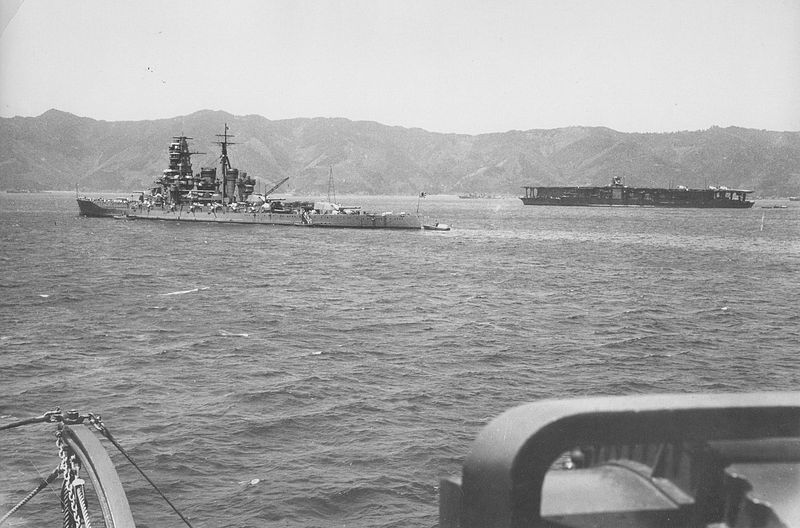
800px-Kirishima_and_Akagi_at_Tsukumowan_1939

Kirishima and Akagi 

Little did the heady Japanese expect that in less than six months that four of the six carriers that carried out the attack would be at the bottom of the Pacific and another heavily damaged. That was only the beginning. When the Japanese forces encountered the American carriers at Coral Sea and Midway the tide turned in the Pacific. Yamamoto’s remarks to Matsumoto and Konoe were more prophetic than even he might have imagined. Less than 18 months later Yamamoto himself would be dead, killed when a Betty bomber carrying him was ambushed and shot down near Buin New Guinea.

Of the 22 surface ships involved in the attack only one, the Fubuki Class Destroyer Ushio survived the war. What follows is what happened to the other ships in the order of their loss.

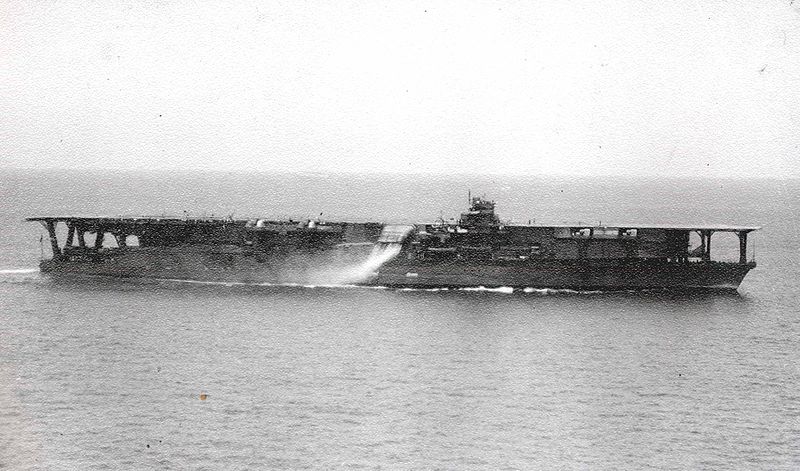
800px-Japanese_Navy_Aircraft_Carrier_Kaga

Kaga

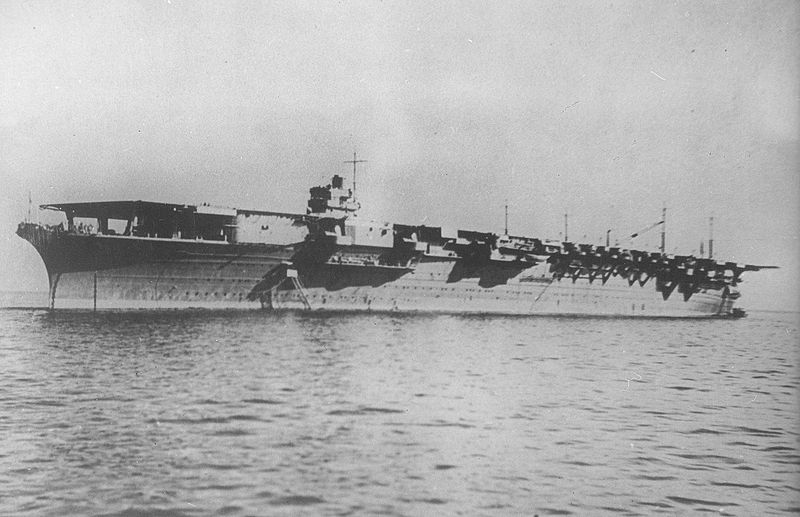
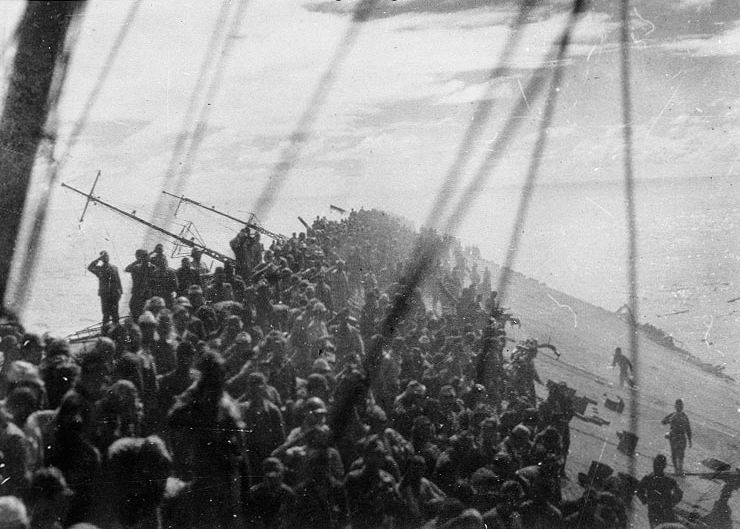
The aircraft carrier Kaga was designed as a battleship but converted to an aircraft carrier during construction as part of the 1922 Washington Naval Treaty. She was active throughout the 1930s in the war against China and participated in every major action of the 1st Air Fleet until she was sunk at Midway on June 4th 1942. Hit by at least 4 bombs  by dive bombers from the USS Enterprise while her flight deck was crowded with fueled and armed aircraft and decks strewn with bombs and torpedoes that in the rush of battle had not been returned to her magazines. That evening with the fires still burning her survivors were taken off and she was scuttled by torpedoes fired by destroyer Hagikaze. Over 800 of her crew of over 1700 including her Captain and most senior officers were lost.

soryu02

Soryu

The Aircraft carrier Soryu at 18,800 tons was roughly the same size as the American Yorktown Class. She was commissioned in 1937 and after Pearl Harbor fought as a unit of the First Air Fleet. She was present at Midway and sunk by dive bombers from the USS Yorktown. Hit by 3 bombs she was ordered abandoned within 15 minutes and sunk   on the evening of June 4th taking down 711 of over 1100 crew members.

Japanese_aircraft_carrier_Akagi_01-2

Akagi

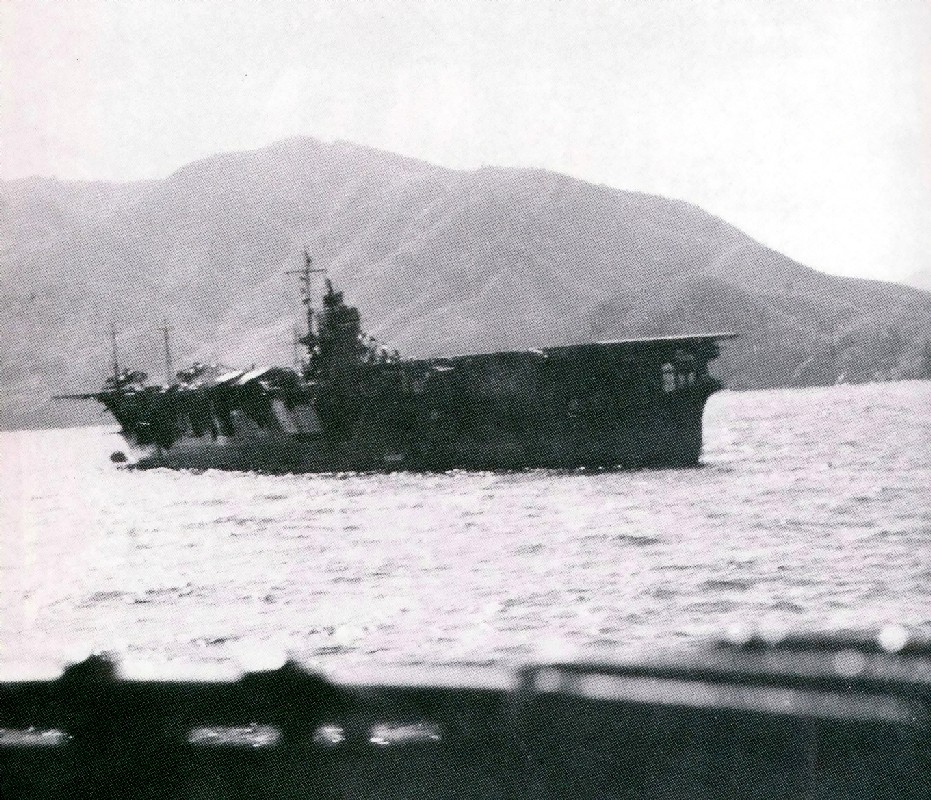
The aircraft carrier Akagi was the Flagship Vice Admiral Nagumo of the 1st Air Fleet at Pearl Harbor and during the operations against Allied forces in the Western Pacific. She retained that role at Midway when on the morning of June 4th 1942 she was hit by a 1000 pound bomb from one of three attacking aircraft from Scouting Six from the Enterprise. With her aircraft on deck fully armed and fueled for a strike against the American carriers she was highly vulnerable. The explosion triggered a chain reaction as fuel and ordnance turned the great ship into a blazing inferno. Admiral Nagumo transferred his flag to the light cruiser Nagara. Damage control teams fought a losing battle against the conflagration but the next morning Admiral Yamamoto ordered his former ship scuttled. 267 Japanese sailors died on Akagi.

800px-Hiryu_burning

Hiryu damaged at Midway

The carrier Hiryu, a close sister of Soryu also participated in the success of the First Air Fleet up to Midway. As flagship of of Carrier Division 2 avoided damage in the initial strike. Her aircraft heavily damaged Yorktown but she suffered the same fate as the other carriers that evening. Hit by four 1000 pound bombs from dive bombers from Enterprise she burned throughout the night and was scuttled on June 5th with the loss of 389 sailors and aviators.

800px-Asashio_II

Asashio Class

The 2000 ton Asashio class destroyer Arare was torpedoed and sunk by the submarine USS Growler on July 5th 1942 off Kiska Harbor Alaska with the loss of 104 of her crew. At the time of her loss she was escorting seaplane tender Chiyoda on a supply mission.

800px-Hiei_TsukugewanHiei

The Kongo Class battleship Hiei was sunk during the first Naval Battle of Guadalcanal. She was the first Japanese battleship sunk during the war. Heavily damaged during a close quarters surface engagement she was sunk by aircraft from Enterprise off Savo Island on November 13th 1942. 188 of her crew were lost with the ship.

03_kirishima

Kirishima

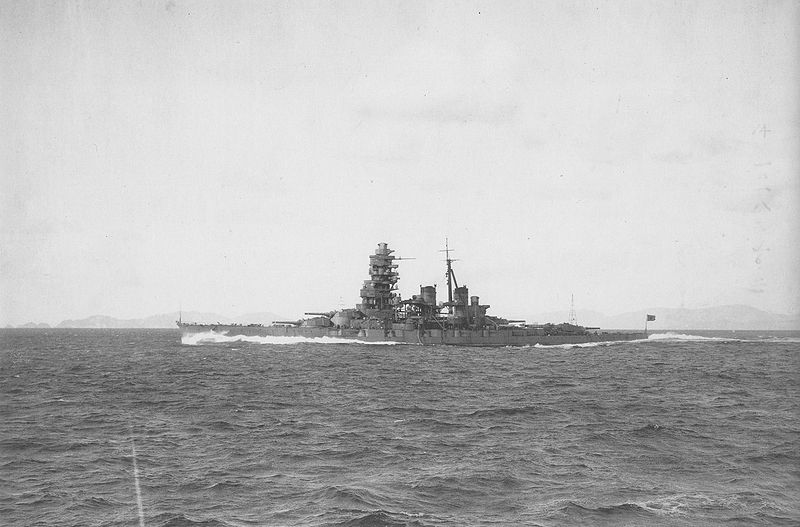
The Battleship Kirishima, a sister ship of Hiei was present with Hiei in the First Naval Battle of Guadalcanal. She survived that fight and was attached to another surface raiding group. The next night while engaging the USS South Dakota, Kirishima was targeted by the Battleship USS Washington and sunk by gunfire. 212 crewmen went down with the battleship.

Yukikaze_2

Kagero

The destroyer Kagero, the lead ship of her class was among the most deadly destroyer types produced in the war. Armed with six 5” guns and 8 24” Long Lance Torpedo tubes she and her sisters wrought fearful damage on allied surface forces in many of the vicious battles in the South Pacific. During a supply run Kagero stuck a mine and was disabled. Unable to maneuver she was sunk by US aircraft on May 7th 1943 off Rendova with the loss of 18 sailors.

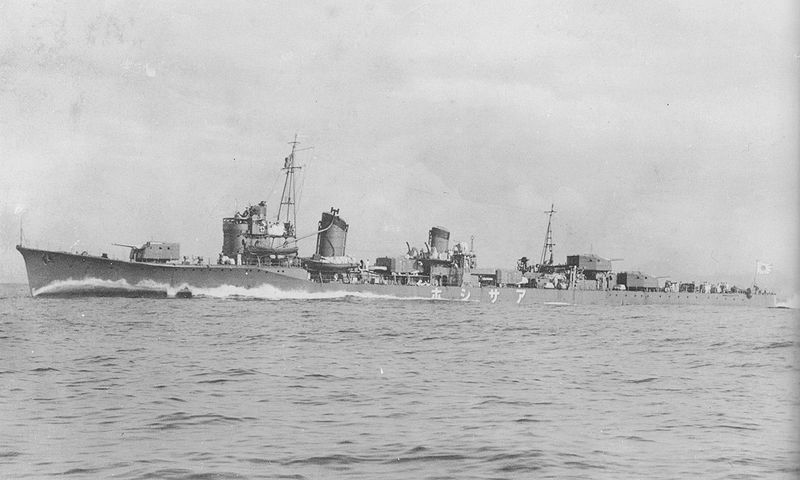
The Kagero’s sisters also suffered. Akigumo was torpedoes and sunk by the submarine USS Redfin on April 11th 1944 off Zamboanga the Philippines. Tanikaze was torpedoed and sunk by USS Harder on June 9th 1944 with the loss of 114 sailors.

800px-Japanese.aircraft.carrier.zuikaku

Shokaku

The 27,000 ton carrier Shokaku was one of the newest and most modern carriers in the fleet at Pearl Harbor. She was heavily damaged at Coral Sea and missed the Midway operation. At the Battle of Eastern Solomons her aircraft damaged the Enterprise. At the Battle of Santa Cruz she was again damaged but her aircraft mortally wounded the USS Hornet which was sunk by destroyers. She was part of a reconstituted carrier strike force at the Battle of the Philippine Sea. While sailing to the battle she was struck by 3 torpedoes from the USS Cavalla on June 19th 1944 with the loss of 1272 of over 1800 souls on board.

Lowering_the_flag_on_Zuikaku

Zuikaku’s crew saluting the colors before abandoning ship

The Battle of Leyte Gulf accounted for many of the surviving ships of the Kido Butai. Carrier Zuikaku, sister of Shokaku had fought at Coral Sea, as well as Eastern Solomons and Santa Cruz. She was damaged and lost most of her air group at Philippine Sea. Repaired she was assigned to Admiral Ozawa’s decoy group of four carriers with very few aircraft at Leyte Gulf. Hit by seven torpedoes and nine bombs the gallant ship sunk with the loss of 842 of her crew of over 1700.

745px-HIJMS_Chikuma-2

Chikuma

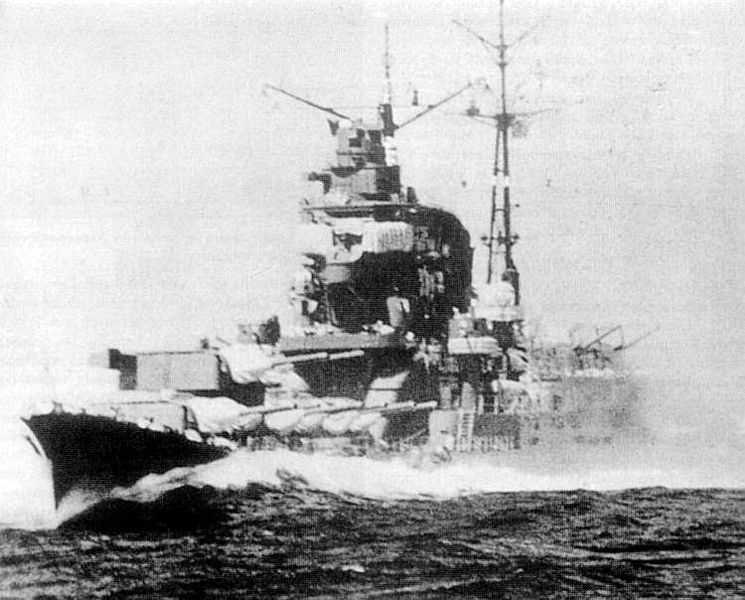
The Heavy Cruiser Chikuma was served mostly as an escort to the carrier forces and was at Midway as well as Eastern Solomons and Santa Cruz. On October 25th at Leyte Gulf she succumbed to multiple bomb and torpedo hits delivered by US carrier aircraft in the Battle off Samar. Nearly all of her survivors rescued by destroyer Nowaki were lost when that ship was sunk the next day.

Abukuma_cl1941

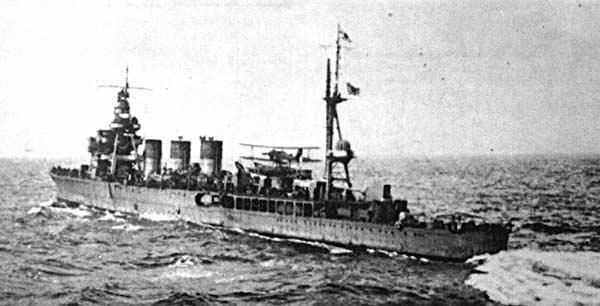
The elderly Nagara Class light cruiser Abukuma was torpedoed and heavily damaged by a torpedo fired by the US PT-137 at the Battle of Surigao Strait and disabled. She was bombed and sunk by US Army Air Force Aircraft off Negros on October 26th with the loss of 250 sailors.

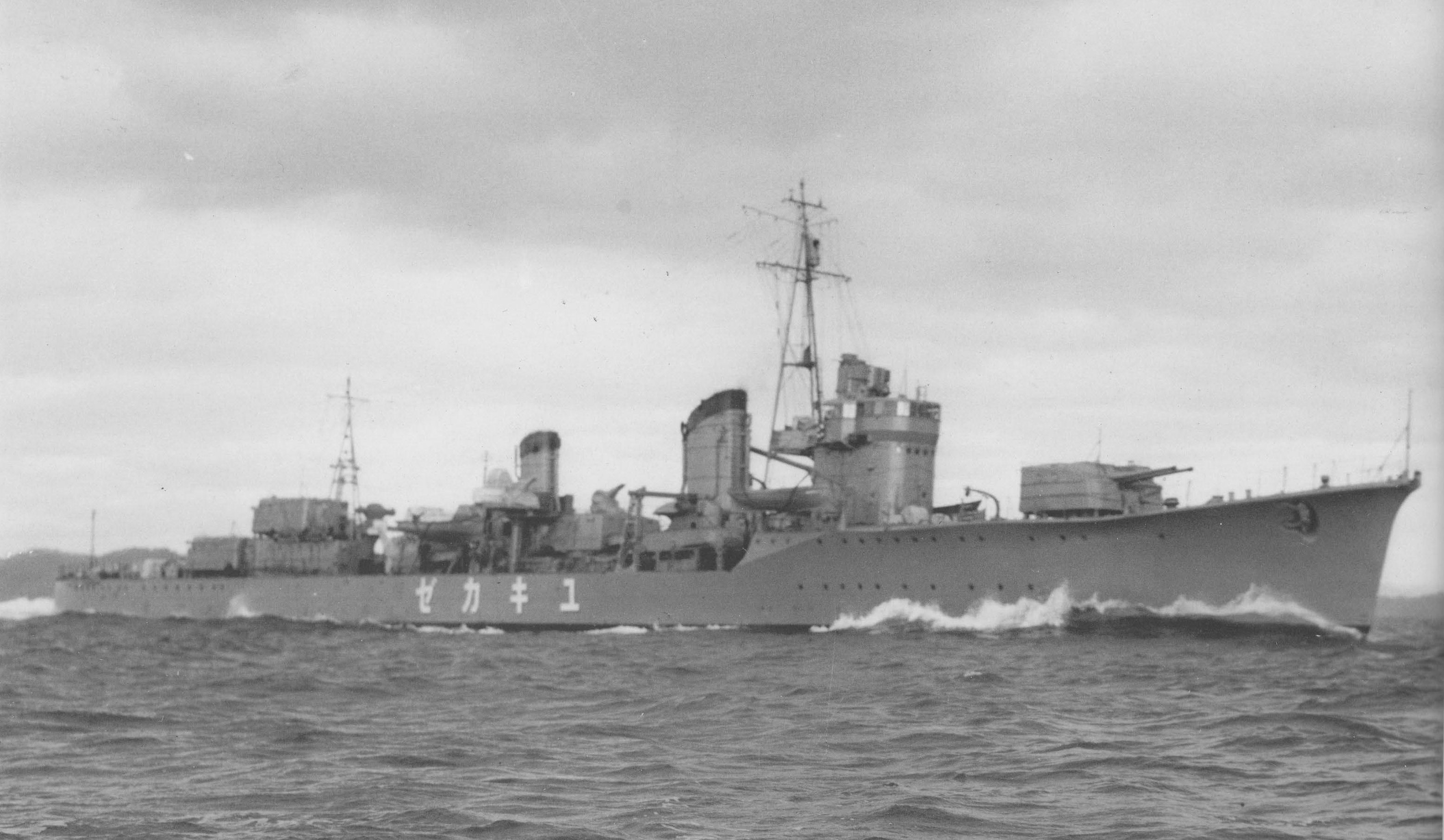
The Kagero Class destroyer Shiranui had a long and distinguished career and survived a torpedo hit from USS Growler in July 1942 which blew off her bow. She was bombed sunk with the loss of all hands on October 27th 1944 after surviving the Battle of Surigao Strait.

The Fubuki Class destroyer Akebono was sunk at pier side at Cavite Naval Yard, Manila Bay by US Army Air Corps bombers on November 27th 1944.

498px-Hamakaze_II_film

Hamakaze 1941 and Isokaze below
800px-Japanese_destroyer_Isokaze_II

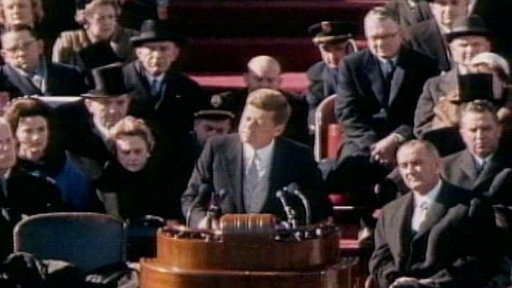
Three of the survivors were sunk during the last offensive sortie of Japanese warships. On April 7th the Kagero Class Isokaze and Hamikaze and Asashio Class Kasumi were sunk by US carrier aircraft while escorting the battleship Yamato on her suicide mission at Okinawa.

ToneWreckage1945

Wreck of Tone at Kure

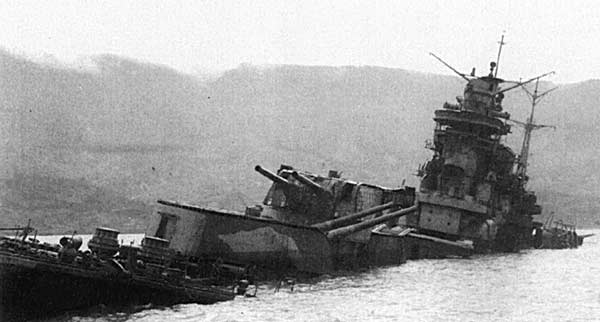
The Heavy Cruiser Tone, sister of Chikuma survived many battles and was sunk at anchor in Kure harbor by US carrier aircraft on July 24th 1945. Her hulk was scrapped between 1947 and 1948.

Japanese_destroyer_Ushio_1946

Ushio after the war

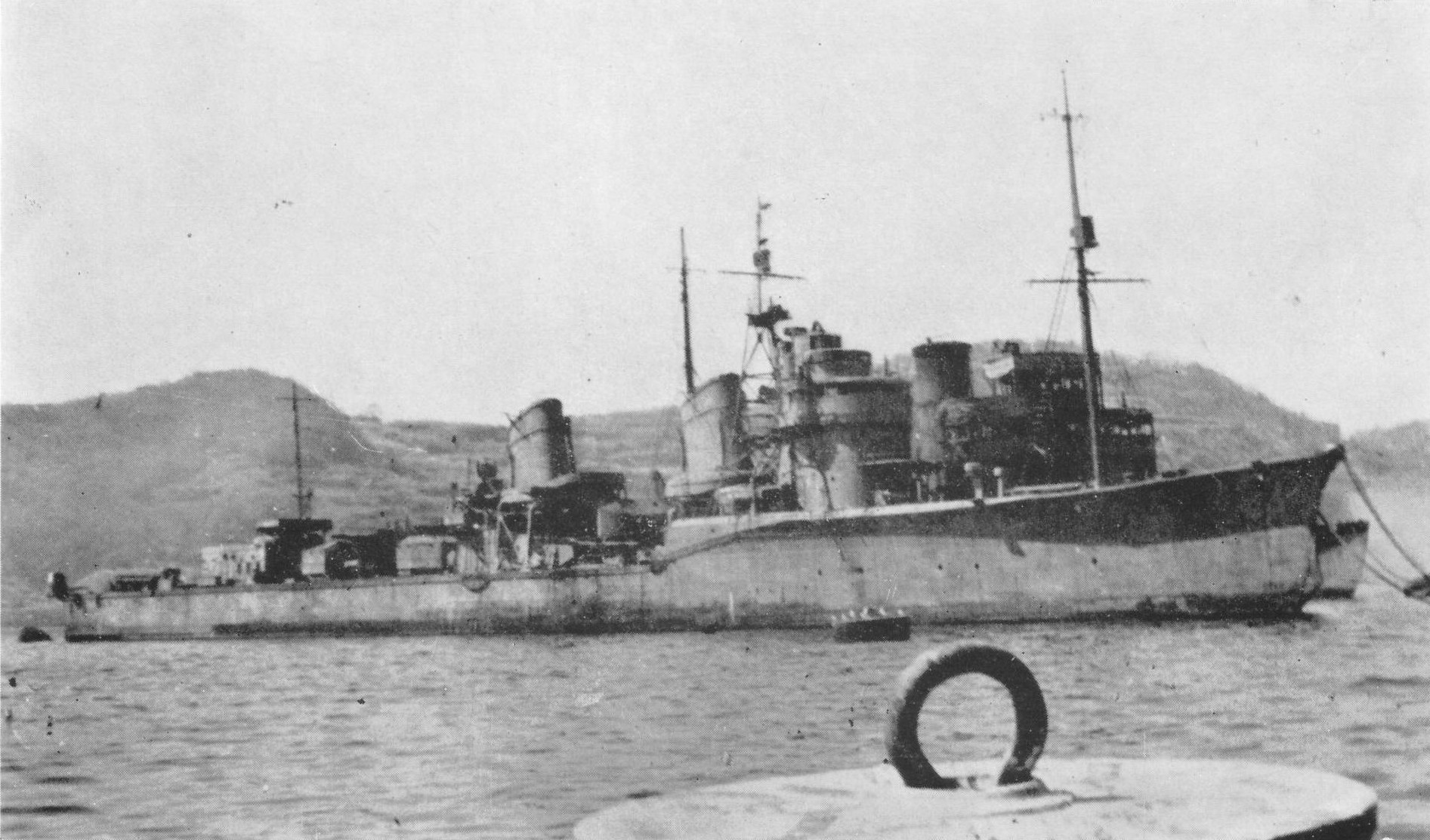
Only Fubuki Class destroyer Ushio survived the war. A survivor of many battles she helped sink the submarine USS Perch in 1942. Surrendered to the US Navy she was scrapped in 1948.

Admiral Yamamoto was right when he told cabinet minister Shigeharu Matsumo to and Japanese prime minister Fumimaro Konoe “In the first six to twelve months of a war with the United States and Great Britain I will run wild and win victory upon victory. But then, if the war continues after that, I have no expectation of success.” 

Peace

Padre Steve+

3 Comments

Filed under History, Military, Navy Ships, world war two in the pacific

Pearl Harbor, the Missing Carriers: USS Enterprise, USS Lexington and USS Saratoga

h50931

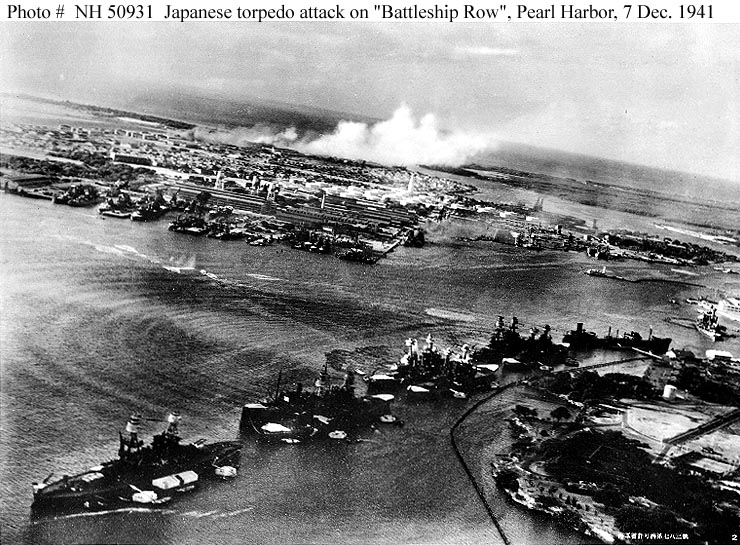
On the morning of December 7th 1941 8 of the 9 Battleships assigned to the US Pacific Fleet were in Pearl Harbor. Seven, the USS California, USS Maryland, USS Oklahoma, USS Tennessee, USS West Virginia, USS Arizona and USS Nevada were moored on Battleship Row. The USS Pennsylvania was in the massive dry dock which she shared with the destroyers USS Cassin and USS Downes. The USS Colorado, a sister ship of Maryland and West Virginia was at the Puget Sound Naval Yard being overhauled.

pearlharbor_wide-6febcbc3473e02a65f9b7b9e151905b7300c328f-s6-c30

USS West Virginia sinking at left and USS Tennessee burning at Pearl Harbor

At the time both the United States Navy and the Japanese Imperial Navy still viewed the Battleships as the heart of the fleet and the essence of naval power. Aircraft Carriers were still viewed as an adjunct and support to the traditional battle line.

Japanese-carriersJapanese Aircraft preparing to launch at Pearl Harbor

Thus as the Japanese Carrier Strike Group, the Kido Butai under the command of Vice Admiral Chūichi Nagumo approached Pearl Harbor and intelligence reports came in indicating that the carriers were not present the Japanese were not overly concerned. The lack of concern was in a sense ironic because the force they assigned to destroy the Battleships of the Pacific Fleet was the carrier strike group, not their battle line.

Kido-Butai-in-the-North-Pacific

The Kido Butai enroute to Pearl Harbor

Comprised of six carriers, the Akagi, Kaga, Hiryu, Soryu, Shokaku and Zuikaku the force embarked over 300 first line aircraft. The aviators of the air groups aboard the carriers had been training for months to attack Pearl Harbor. Their aircraft had been specially outfitted with Type 91 Model 2 aerial torpedoes designed to run in the shallow waters of Pearl Harbor and Type 99 Model 5 armor piecing bombs modified from battleship shells. These weapons would be employed with a devastating effect on the morning of December 7th 1941.
The three carriers assigned to the Pacific Fleet, the USS Saratoga, USS Lexington and USS Enterprise had been dispatched on missions that took them away from Pearl Harbor that fateful Sunday.

USS_Lexington

USS Lexington

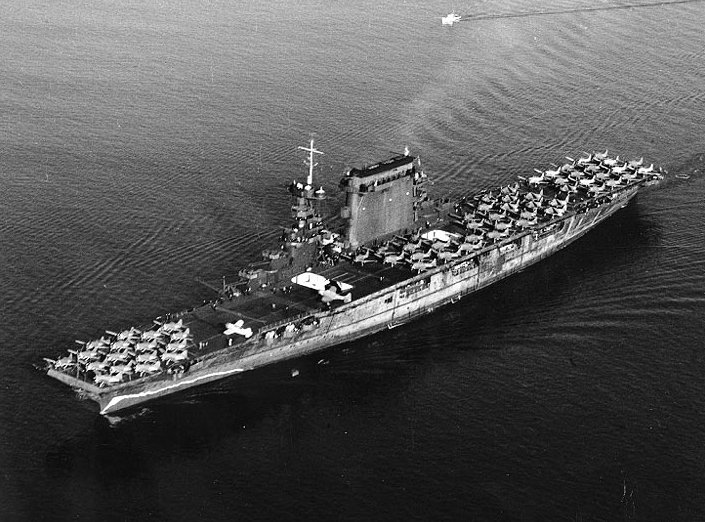
The Lexington and Task Force 12 had departed Pearl Harbor on December 5th to ferry 18 SB2U Vindicator Dive Bombers of VSMB-231 to Midway Island. Saratoga was entering San Diego to embark her air group and Enterprise which had left Pearl Harbor on November 28th to deliver VMF-211 to Wake Island was due to return to Pearl Harbor on the 7th of December. As such none of these ships were in Pearl Harbor at the time of the attack. Their absence helped save the United States and Allied cause in the Pacific.

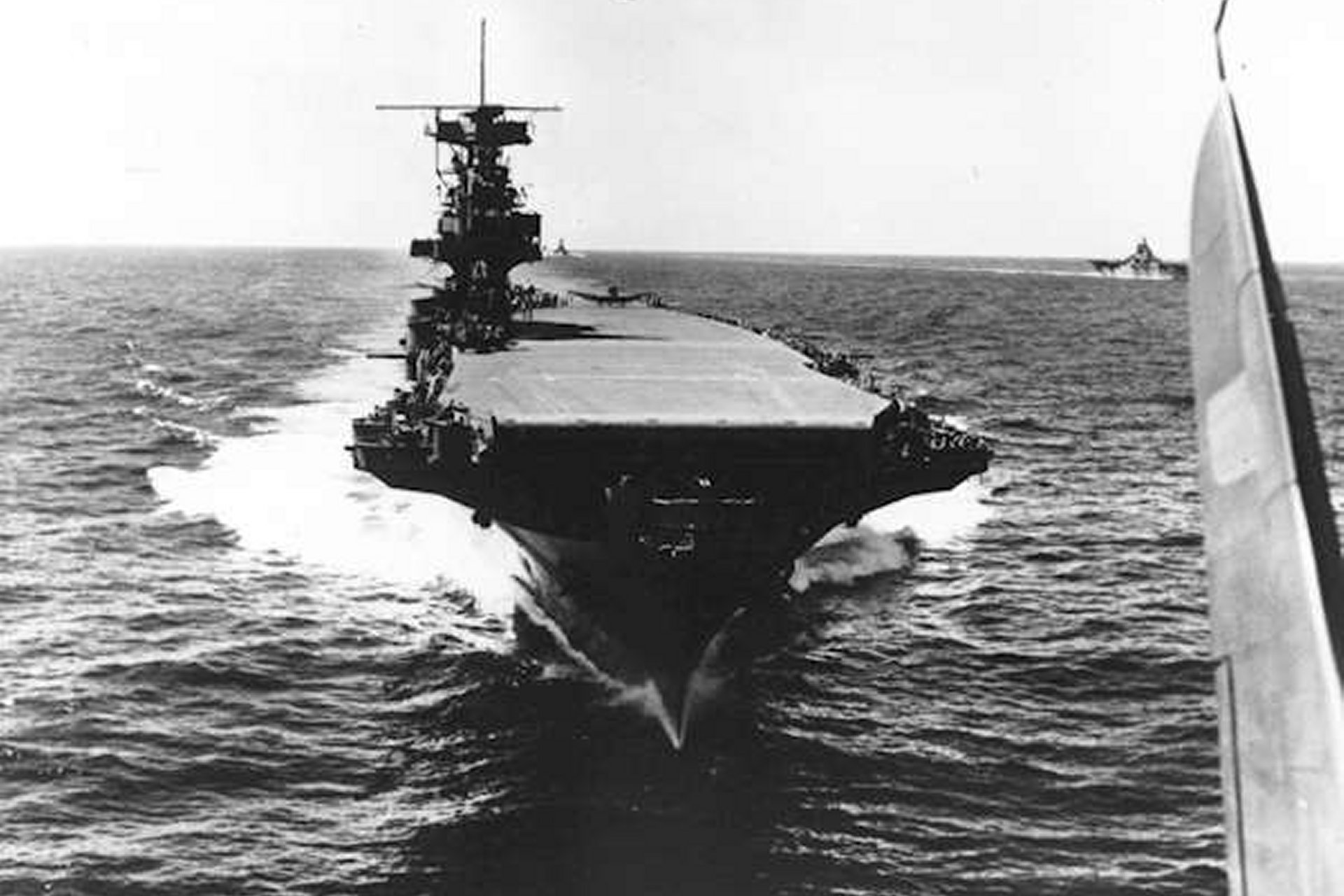
USS_Saratoga_CV-3_underway_1942

USS Saratoga

The United States had other carriers but all were assigned to the Atlantic Fleet due to the belief that Nazi Germany was a greater threat than Japan. The USS Yorktown was at Norfolk in between deployments in support of the Neutrality Patrol. USS Ranger was returning to Norfolk from a patrol, USS Wasp was at Grassy Bay Bermuda and the newly commissioned USS Hornet was training out of Norfolk. The USS Long Island, the first Escort carrier was undergoing operational tests and training out of Norfolk.

cv-6-01USS Enterprise at Midway

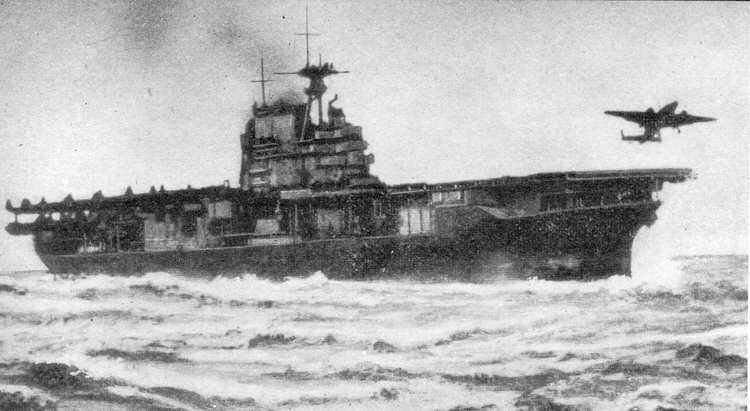
Had any of the three carriers assigned to the Pacific Fleet been in Pearl Harbor on the morning of the Japanese attack the results would have been even more disastrous for the United States. Instead the carriers began operations against the Japanese almost immediately. Carriers based on the East Coast including Hornet, Yorktown and Wasp were transferred to the Pacific. In the perilous months following the Pearl Harbor attack the US carriers took the fight to the Japanese conducting raids against Japanese held islands. In April 1942 the Enterprise and Hornet, the latter with 16 B-25 Mitchell bombers under the command of Colonel Jimmy Doolittle struck Tokyo.

gallery_30225_28868_12824874244ae0d6734af3b

USS Hornet launching the Doolittle Raiders

The result was that Admiral Isoruku Yamamoto decided to attack Midway Island to force the US fleet and its carriers into a decisive battle. Although the Japanese had lost a good number of aircrew from Shokaku and Zuikaku at the Battle of Coral Sea, while sinking the Lexington Yamamoto remained committed to the decisive battle. That battle was decisive, but not in the way Yamamoto had planned. Akagi, Kaga, Hiryu and Soryu were sunk by aircraft operating from Enterprise, Yorktown and Hornet. Yorktown was lost in the battle bat it was a decisive defeat for the Japanese.

Attack_of_the_Akagi

Sinking the Akagi at Midway

In the succeeding months in the vicious battles around the Solomon Islands the remaining US carriers proved decisive. Although Wasp and Hornet were sunk in those battles and both Saratoga and Enterprise often heavily damaged they held the line. The carriers that the Japanese missed proved decisive in turning the tide and winning the war.

22_bb48

Raised from the mud of Pearl Harbor the USS West Virginia in Tokyo Bay

Though Yamamoto did not realize it the attack on Pearl Harbor signaled the end of the supremacy of the Battleship and the ascendency of the Aircraft Carrier. By 1943 Battleships were regulated to escorting the fast carrier task forces or conducting shore bombardments. The ultimate irony was that the last battleship engagement in history was won by the survivors of the attack on Pearl Harbor. Raised from the mud the West Virginia, Tennessee, California, Maryland and Pennsylvania joined by the USS Mississippi rained destruction on two Japanese task forces attempting to penetrate Leyte Gulf and destroy the US invasion force transports at the Battle of Surigao Strait.

The ironies and intricacies of war. They are amazing.

Peace

Padre Steve+

24 Comments

Filed under History, Military, Navy Ships, US Navy, world war two in the pacific

The Absence of Empathy

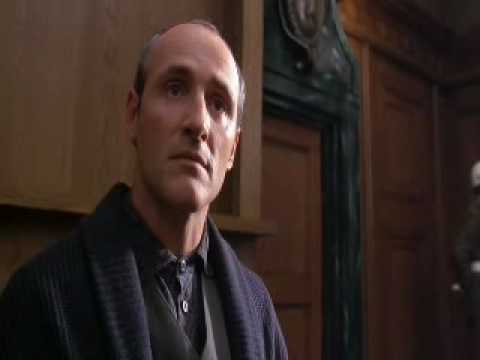
hqdefault-2Colm Feore as Rudolf Höss

http://www.youtube.com/watch?v=A0hJqNuRH1A

“Holocaust? Ninety million Indians? Only four million left? They all have casinos — what’s to complain about?” ~Rush Limbaugh 25 September 2009

One thing that I find amazing in our world, particularly among many pundits who profess themselves to abide by supposed “Christian Principles” who like Rush Limbaugh make comments that defy any sense of Christian morality. If Limbaugh was a lone person making such comments we could blow him off. However there are many like him, professional pundits and politicians but even more concerning are the preachers who make similar statements.

Some of these men and women are quite influential. Their ideas penetrate to many parts of our society, and not just religious people. They include pastors of some of the most politically influential churches and ministries in the country. Whether the comments are directed against Native Americans as was this particular quote from Limbaugh or African Americans, Mexican Americans, Moslems, Gays and Lesbians, Jews (especially liberals) or political liberals they demonstrate a profound and troubling lack of empathy.

In comments about the genocidal extermination of Native Americans by whites David Barton said: “You have to deal, a lot of it, with how the enemy responds. It’s got to be based on what the enemy responds [to,] you cannot reason with certain types of terrorists; and see that’s why we could not get the Indians to the table to negotiate with us on treaties until after we had thoroughly whipped so many tribes …”

If that was not enough he justified those comments and continued his diatribe in much the same manner as the Nazis did the Jews.

“People complain about the fact that the American military and buffalo hunters went out and wiped out all the buffalo in the western plains.  Doing that was what brought the Indians to their knees because the Indians lived on those wide western plains where there were very few towns; Indians didn’t go into town to buy supplies, they went to the buffalo herds, that’s where they got their meat, that’s where they got their coats, the hides provided coats, they provided covering for their teepees.

If you don’t have the buffalos, those Indians cannot live on the open western plains without those buffalo and so what happened was the military wiped out the supply line by wiping out the buffalo.  That’s what brought those wars to an end, that’s what brought the Indians to their knees and ended all the western conflict.”

Bryan Fischer of the American Family Association who is one of the primary preachers of hate against a wide range of groups said about the Native Americans: “Many of the tribal reservations today remain mired in poverty and alcoholism because many native [sic] Americans continue to cling to the darkness of indigenous superstition instead of coming into the light of Christianity and assimilating into Christian culture.”

It is the defense that the end justifies the means, a defense that was excoriated at the various Nuremberg trials. Barton’s defense of the extermination of the Native Americans is akin to what some of the Nuremberg defendants said in their own defense.

But it is not just the extermination of Native Americans that is a concern. Preachers of hate claiming to be speaking for God often show no compassion, empathy or feeling for victims of natural disasters, disease or mass murder. The examples are too numerous to quote from all of them and in the interest of brevity I will just mention a few.

Bryan Fischer who seems to have something to say about everything said after the school shootings in Newtown Connecticut last year:

“The question is going to come up, where was God? I though God cared about the little children. God protects the little children. Where was God when all this went down. Here’s the bottom line, God is not going to go where he is not wanted.” 

Likewise he said about the Moslem extremists who carried out the attacks of 9-11-2001: “The jihadist on 9/11 were the agents of God’s wrath in order to get our attention as a people.” I could go through speech after speech, column after column, diatribe after diatribe of men like Limbaugh, Fischer and so many others demonstrate any sense of empathy for those that they condemn. Some of the worst are from ministers like Fischer.  John Hagee who pastors Cornerstone Church, a mega-church in San Antonio with over 20,000 active members said last week on the Trinity Broadcasting Network that the 9-11 attacks were “God’s judgment on America.” In fact any time a natural disaster hits, especially areas with high percentages of poor people and minorities such as New Orleans during Hurricane Katrina these preachers almost line up gleefully to ascribe them to God’s judgment. Franklin Graham said at the time: “This is one wicked city, OK?  It’s known for Mardi Gras, for Satan worship.  It’s known for sex perversion.  It’s known for every type of drugs and alcohol and the orgies and all of these things that go on down there in New Orleans…There’s been a black spiritual cloud over New Orleans for years….” Later on CNN when confronted about the comments by Larry King Graham backtracked saying:  “I would never say that this is God’s judgment on New Orleans or any other place.”

There is no empathy among these people, no real care or concern, and that is of itself evil.

The comments have become all too pervasive and poisonous. The sad thing is that those make these kind of comments really do have no compassion or empathy for people that they have labeled “enemies of God” or “enemies of America.” They honestly believe that they are doing right. Philosopher Eric Hoffer noted:

“The impression somehow prevails that the true believer, particularly the religious individual, is a humble person. The truth is the surrendering and humbling of the self breed pride and arrogance. The true believer is apt to see himself as one of the chosen, the salt of the earth, the light of the world, a prince disguised in meekness, who is destined to inherit the earth and the kingdom of heaven too. He who is not of his faith is evil; he who will not listen will perish.”

Captain Gustave Gilbert an Army Psychologist at Nuremberg wondered about how people could commit the atrocities of the Holocaust.

“In my work with the defendants (at the Nuremberg Trails 1945-1949) I was searching for the nature of evil and I now think I have come close to defining it. A lack of empathy. It’s the one characteristic that connects all the defendants, a genuine incapacity to feel with their fellow men. Evil, I think, is the absence of empathy.” 

I think he is right the more that I read and listen to men like Limbaugh, Hagee, Fischer and their fellow travelers. That lack of empathy was demonstrated in the words of Rudolf Höss the Commandant of Auschwitz. In an interview with Army Psychiatrist Major Leon Goldensohn at Nuremberg Höss said in regard to his crimes and how he had no feeling or empathy for his victims:

“I thought I was doing the right thing,” said Höss. “I was obeying orders, and now, of course, I see that it was unnecessary and wrong. But I don’t know what you mean by being upset about these things because I didn’t personally murder anybody. I was just the director of the extermination program at Auschwitz. It was Hitler who ordered it through Himmler and it was Eichmann who gave me the orders regarding transports.”

The fact is that these pundits, preachers and politicians lay the groundwork by which people justify the persecution of others by demonizing and dehumanizing those that they detest. While the men doing the preaching today may never actually commit atrocities their words are laying the groundwork that others will use to justify their actions. The crimes committed by the Nazis had their genus in decades of fierce anti-Semitic campaigns conducted often by the same Unholy Trinity of Pundits, Preachers and Politicians.

In Nazi Germany one of the Chief media propagandists was Julius Streicher, publisher of the daily “Der Sturmer.” At Nuremberg the prosecution summed up its case against Streicher:

“The defendant Streicher is an accessory to the persecution of the Jews within Germany and in occupied territories which culminated in mass murder of an estimated six million men, women, and children. The propaganda in Der Stürmer and other Streicher publications, for which he had admitted responsibility, was of a character calculated to stir up fanatic fear and hatred of the Jewish people and to incite to murder…Through propaganda designed to incite hatred and fear, defendant Streicher devoted himself, over a period of twenty-five years, to creating the psychological basis essential to carrying through a program of mass murder. This alone would suffice to establish his guilt as an accessory to the criminal program of extermination.”

I have seen what the dehumanization of people does in Iraq. When I was there both Sunni and Shia military officers refused to have Imam’s in their units because they saw how Imams and Mullahs from both factions in the country fanned the flames of hatred against the other and led the country into civil war and threaten to again. The troubling thing is that I am seeing the same thing here from the religious propagandists of the American political right.

However this is not something that some of these “Christian Leaders” understand. Ideas do have consequences and the preachers of hate are responsible for the evil that they incite, they are accessories to any crimes committed by those who embrace their ideology.

One of the philosophical leaders of the Dominionist movement Gary North who is closely connected to the power structure of the Tea Party wrote: “The long-term goal of Christians in politics should be to gain exclusive control over the franchise. Those who refuse to submit publicly to the eternal sanctions of God by submitting to His Church’s public marks of the covenant–baptism and holy communion–must be denied citizenship, just as they were in ancient Israel.”

It is little different than the philosophy which drove the Nazi persecution of the Jews. It is interesting to compare North’s writings with the Nuremberg Laws: The Law on German Citizenship stated:  “A citizen of the Reich is that subject only who is of German or kindred blood and who, through his conduct, shows that he is both desirous and fit to serve the German people and Reich faithfully.” and that “A Jew cannot be a citizen of the Reich. He has no right to vote in political affairs and he cannot occupy public office.”

That poisonous message is something that allowed people like Höss do what they did and feel nothing for their victims. They were and are truly men without empathy.

Well, I am tired, so I will say goodnight.

Peace

Padre Steve+

1 Comment

Filed under ethics, History, Political Commentary, Religion

Thoughts on the Iranian “Deal”

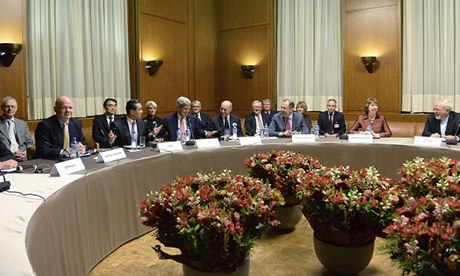
Iran nuclear talks

Yesterday negotiators from the United States, Britain, France, Germany, Russia and China finished hammering out a tentative deal with Iran regarding that nation’s nuclear program.

There are a lot of opinions about the deal, some positive, some definitely negative and quite a few like mine a wait and see attitude. Now I am hopeful that the deal is a positive first step in assuring that Iran does not build a nuclear weapon. In fact I pray that it does.

iran-nuclear-facilities

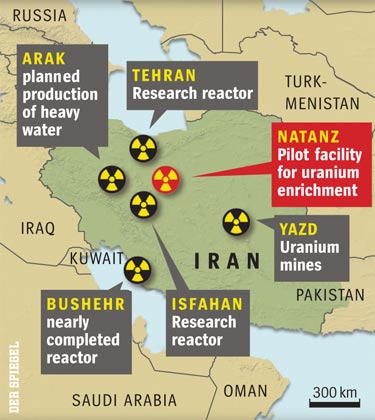
The fact is that we have to try, even if some allies for their own reasons disagree. The Israelis are understandably concerned, especially since the last President of Iran, most of the Mullahs that actually run that country and the Revolutionary Guard have expressed their belief that Israel should not exist. Thus for the Israelis this can be seen as an existential matter. If Iran were to get operational nuclear weapons and use them against Israel that state would suffer greatly. Likewise the Saudis are distrustful of the Iranians, but for different reasons. For the Saudis this is the great conflict between Sunni Islam and Shia Islam, a conflict that appears to be gaining steam in Syria, Iraq, Bahrain and Lebanon. It is  conflict that has the potential to be the Islamic equivalent of the Thirty Years war, that great bloodletting between Catholic and Protestant Europe. Iran and the Saudis are the leaders of the respective factions of Islam, they are mortal enemies.

iran_AP111222017357_620x350

We have to be cognizant of both the Israeli and Saudi concerns. They are legitimate and because they are allies we must take them into account. That being said the most important security needs to be addressed by the United States are those of the United States. Sometimes those are not always the same of allies, even allies like Israel and Saudi Arabia. That is something that has to be weighed in this case.

iran-nuclear-program

The cold fact of the matter is that for many years we in the United States have become accustomed to resorting to military force first and neglecting the other aspects of national and international power that could be brought to bear to in achieving our national security and foreign policy goals. Those other aspects include economic power, information and diplomacy which unfortunately have been neglected. Presidents and our Congress have, even in spite of the misgivings of military leaders pursued the military option first.

After the attacks of September 11th 2001 the Bush Administration with the authorization of Congress pursued an almost single minded military solution to those attacks. That response was not only against the Al Qaeda terrorists but against their Afghan Taliban hosts and Saddam Hussein’s Iraq.

07rdv-saddam-statue-iraq-anniversary-tmagArticle

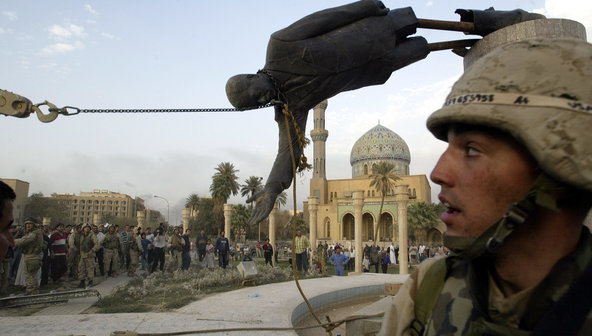
Those campaigns have worn our military down. The resources spent in those countries, the lives lost, the money spent and the wear and tear on equipment have harmed our national security. But even above that in terms of strategy we eliminated the one natural enemy of Iran which helped hold them in check. We invaded Iraq and left it in a condition that it could no longer be the western bulwark against Iran. We turned down Iranian offers of help after September 11th and in doing so lost opportunities which might have led us and Iran down a different path. Instead President Bush declared Iran and Iraq both parts of an “Axis of Evil.”

IRAN-DEFENCE-MISSILES

It was a declaration that the Iranians rightly understood as a declaration of war. Legally it may not have been, but the stated strategy enunciated by men like John Bolton and those we call the “Neocons” inside the Bush Administration and in associated think tanks could only be understood by the Iranians in that light. That end state envisioned by Bolton then and even now was regime change in not only Iraq, but also Iran. We have to ask ourselves this question: If another nation did this to us, how would we respond? I dare say that we, like the Iranians would dig in our heels and seek to develop military capacities that could defeat them, or if not defeat them make their “success” so costly that our enemies would not press us.

pirhayati20130312213337917

Now because of those choices we are faced with a situation where Iran is estimated to be reasonably close to developing a nuclear weapon capacity. It is something that if it happens will result in a nuclear arms race in the Middle East. The Israelis already have that capability and the Saudis are reportedly pursuing that capability. Thus it cannot be allowed to happen.

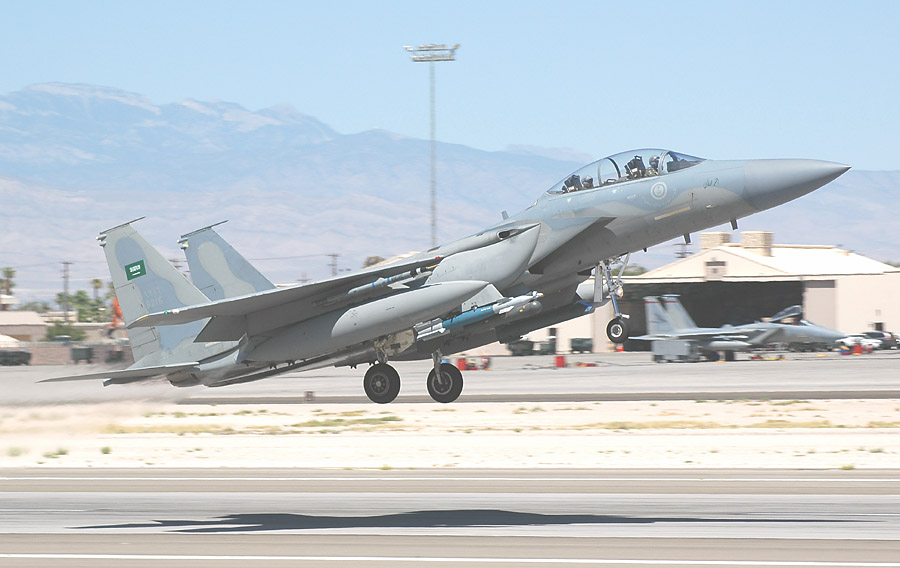
f15s-9216-92sqd-rsaf

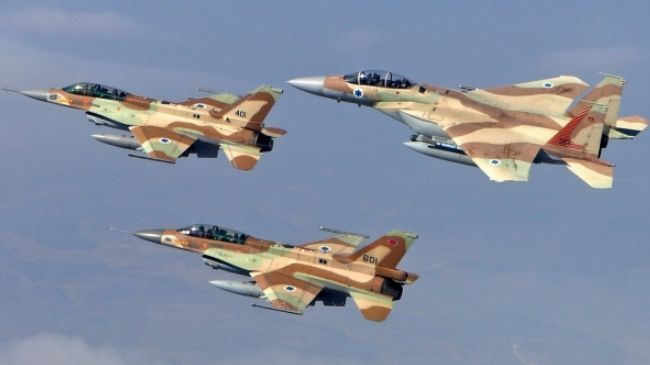
That being said there are ways to ensure that does not happen. One advocated by those opposed to the deal is a hard line approach including pre-emptive military strikes against Iran, which not only would bring about a regional war but at best delay Iran a few years in procuring nuclear weapons.

The other is the course that has been pursued by the Obama Administration over the course of the past few years. That is the use of economic sanctions and diplomacy. As I said at the beginning this has not been our default policy over the past 12 years. But it is necessary. We are not in a good position to add yet another war, a war with world wide security and economic implications to our plate.

The fact is that due to the wars of the past 12 years as well as budget cuts including the sequestration cuts we are not in a good position to wage another war. We are stretched thin. Readiness thanks to sequestration is declining. The Chief of Staff of the Army stated that only two combat brigades are immediately deployable for combat operations. Could we launch another military campaign? Yes we could. But war, if we believe Clausewitz war is an extension of politics and policy. But we have to ask if would it achieve our overall policy goals? That I am not sure.  Clausewitz wrote: “No one starts a war–or rather, no one in his sense ought to do so–without first being clear in his mind what he intends to achieve by the war and how he intends to conduct it.”

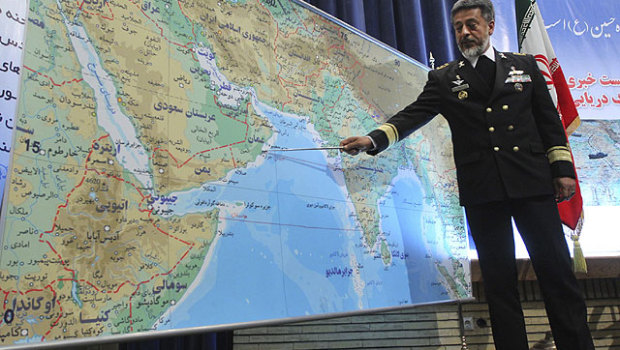
In fact even if we delivered punishing strikes to Iran the costs could be great, and not just the economic costs.  Our campaign would have to be an air campaign to destroy hardened targets many of which we do not know the exact locations. Our record in such air campaigns is mixed. We spent over 70 days pounding Serbia with little to show for it in actual damage to their military. Likewise Iran is not Iraq, our targets will not be exposed in the open desert. Additionally Iranian A2/D2 (Anti-Access/Area Denial) capabilities pose great risks for US and Allied Warships as well as bases in the Arabian Gulf. If an Iranian Kilo Class submarine were to sink an American Aircraft Carrier it would not be a tactical setback, it would be a major loss of American strategic capability not just in the Middle East but world wide.

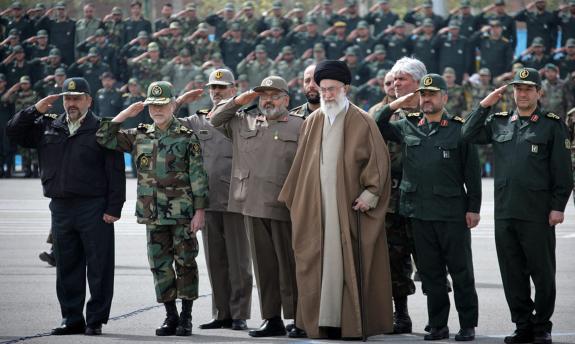
revolutionary-guards-and-khamenei

Likewise as I mentioned before we took out the one natural opponent of Iran when we overthrew Saddam Hussein. In doing so we destroyed every bit of infrastructure, military power and civil government structures that any new Iraqi government would need to maintain any sense of a balance of power in the Arabian Gulf.

All that being said do I trust the Iranians? I cannot say that I do. I am a realist. I enlisted in 1981 in large part because of the Iranian takeover of the American Embassy and the hostage crisis. They remain a dictatorial regime which persecutes religious minorities including Christians. They restrict their people from open access to the internet and persecute political opponents. The Revolutionary Guards Corps, the most powerful organization in Iran has actively worked to destabilize other countries in the region. Their influence is great especially in regards to Lebanon’s Hezbollah which has launched missile campaigns against Israel and been active on the side of Syria dictator Bashir Assad in that country’s brutal civil war.

However the path of diplomacy must be given a reasonable chance to succeed. In the early 1970s President Nixon started a process of detente with the Soviet Union and Communist China. It was not embraced by hawks. President Ford, Carter and Reagan continued those policies to one degree or another with the final result being the fall of the Berlin Wall, collapse of the Warsaw Pact and overthrow of Communism.

This deal is a start. It is not perfect at all. I see issues in it. but it is based on the politics and art of the possible. It has the potential to be a game changer in a region wracked by war and revolution, a region led for the most part by despots in which terrorists often operate freely. I don’t know if it will work, but I hope it does.

Peace

Padre Steve+

Leave a comment

Filed under Foreign Policy, History, iraq,afghanistan, middle east, Military, News and current events

Civility is Not a Sign of Weakness: The Hope of John F Kennedy and his Inaugural Address

13420500

“So let us begin a new remembering on both sides that civility is not a sign of weakness, and sincerity is always subject to proof. Let us never negotiate out of fear. But let us never fear to negotiate.” John F Kennedy

Fifty-three years ago a young, handsome Irish Catholic from Massachusetts took the oath of office of the President of the United States. President John F. Kennedy had won an exceptionally close Presidential Race against Republican Voce President Richard M. Nixon, a race that some believe was decided by votes of the dead in places like Chicago and West Virginia. Despite the contested nature of the election Nixon was gracious and conceded the race to avoid deeper division.

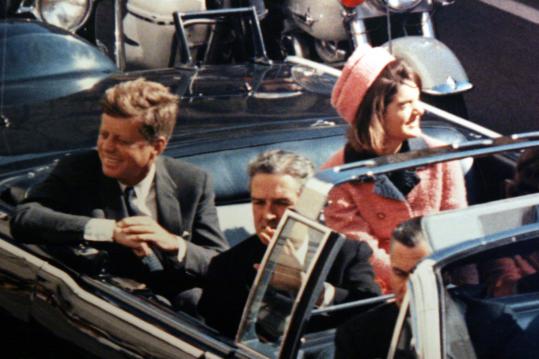
Fifty years ago today that young President was gunned down in Dealey Plaza in Dallas Texas by Lee Harvey Oswald. It was an event that shattered our nation which helped in many ways to foment the deep and abiding cynicism that is the hallmark of our recent political landscape.

The Kennedy administration had a wonderful vision but was not always successful. In fact there were time its policies and actions were in the case of the Bay of Pigs Invasion were mired in controversy. Decisions made by Kennedy to send more advisors to Vietnam would be followed by the Johnson Administration sending combat troops. Kennedy played a high stakes game of chess with Nikita Khrushchev during the Cuban Missile Crisis where the world came perilously close to nuclear war.

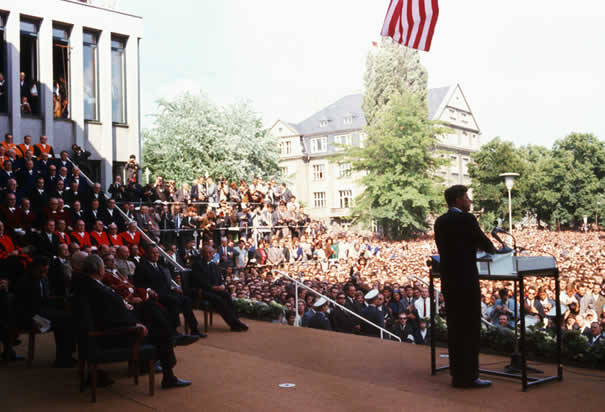
That being said he also inspired and energized Americans and our Allies to greatness. Kennedy’s speech at the Berlin Wall where he identified himself with the city saying “Ich bin Ein Berliner” inspired many in Germany who realized that in Kennedy they had a friend who would not abandon them.

Kennedy challenged us as Americans to put a man on the moon by 1970. He  supported NASA as they began to develop the Apollo program which did achieve that lofty goal when Apollo 11 landed on the Moon on July 11th 1969.

Kennedy was a visionary. He supported the establishment the Army Special Forces, or the Green Berets.  He helped to found and promote the Peace Corps.  His economic policies were fiscally conservative but did not ignore the poor. He pushed for equal rights for African Americans against a much divided nation.

jfkptfloat

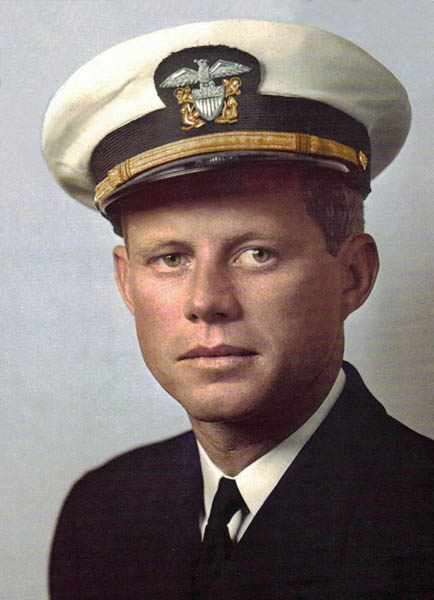
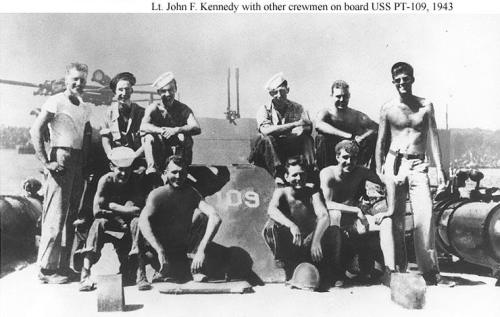
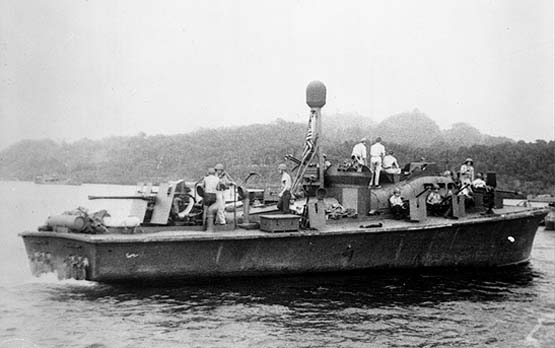
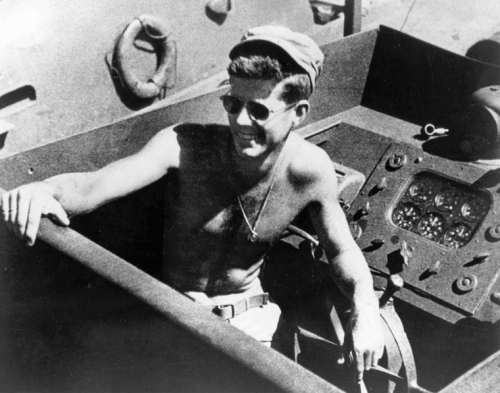
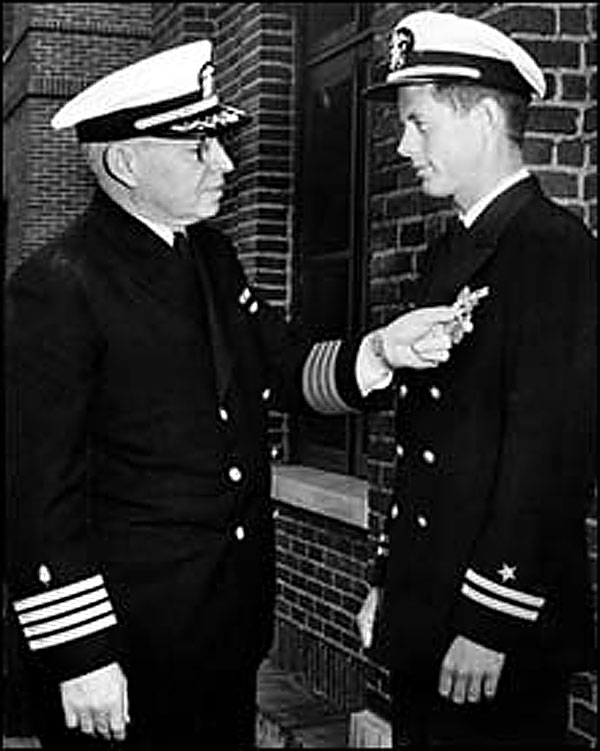
As I said, Kennedy was a flawed man. A deeply flawed man. I have written about that before. He was not known for his sexual morality and the stories of him with various mistresses including Marilyn Monroe abound. At the same time he was a hero. He volunteered to serve on PT Boats in the Second World War when his political connections would have ensured him a billet in a non-combat area and his physical condition would have exempted him from any military service.

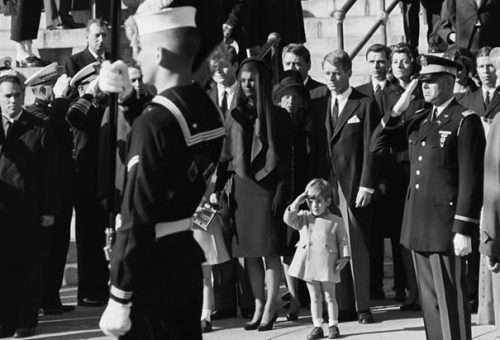
Kennedy died 50 years ago today. He was the victim of an assassin’s bullet in Dealey Plaza in Dallas Texas with his wife Jackie at his side. His death stunned the nation and in a sense ended our innocence.  Since that time American politics has been on a slow but steady descent into darkness which both parties have aided and abetted to the point that they view each other as mortal enemies and along with it have devastated our body politic.

JOHN F KENNEDY FUNERAL

In our divided state it seems that the nation has become nothing more than a collection of special interest groups. Each group is driven by their own wants and needs above that of others goaded into a frenzy by politicians who cater to those needs whether they be tax breaks, entitlements or “pork barrel” projects which only benefit the political benefactors of the politicians. I know that American politics has always had such elements but I don’t think that my parents or those other young people who heard and responded to this speech ever imagined that we would come to this.

While Kennedy still has critics and was a flawed man I find him still to be a great and compelling President. He is one of my favorite Presidents in large part because he understood that “civility is not a sign of weakness.” In our current poisonous political environment this is something that all of us need to take to heart, especially people of faith who so often seem to be the least civil and most hateful in our society.

Kennedy was one of those rare leaders who called us to better as individuals and as a nation. Today we remember his life and the tragedy of his death.

But today I think about his inaugural address. It is a speech that in my opinion calls us as Americans to higher and better ideals. It is a speech that if we actually listen to it can still help point us away from the abyss which we are staring into. I have posted the text of the speech as well as a link to the video of it here.

http://www.youtube.com/watch?v=BLmiOEk59n8

In the hope that we can learn at home and abroad from John F Kennedy.

Vice President Johnson, Mr. Speaker, Mr. Chief Justice, President Eisenhower, Vice President Nixon, President Truman, Reverend Clergy, fellow citizens:

We observe today not a victory of party but a celebration of freedom, symbolizing an end as well as a beginning, signifying renewal as well as change. For I have sworn before you and Almighty God the same solemn oath our forbears prescribed nearly a century and three-quarters ago.

The world is very different now. For man holds in his mortal hands the power to abolish all forms of human poverty and all forms of human life. And yet the same revolutionary beliefs for which our forebears fought are still at issue around the globe – the belief that the rights of man come not from the generosity of the state but from the hand of God.

We dare not forget today that we are the heirs of that first revolution. Let the word go forth from this time and place, to friend and foe alike, that the torch has been passed to a new generation of Americans, born in this century, tempered by war, disciplined by a hard and bitter peace, proud of our ancient heritage, and unwilling to witness or permit the slow undoing of those human rights to which this nation has always been committed, and to which we are committed today at home and around the world.

Let every nation know, whether it wishes us well or ill, that we shall pay any price, bear any burden, meet any hardship, support any friend, oppose any foe to assure the survival and the success of liberty.

This much we pledge – and more.

To those old allies whose cultural and spiritual origins we share, we pledge the loyalty of faithful friends. United there is little we cannot do in a host of cooperative ventures. Divided there is little we can do; for we dare not meet a powerful challenge at odds and split asunder.

To those new states whom we welcome to the ranks of the free, we pledge our word that one form of colonial control shall not have passed away merely to be replaced by a far more iron tyranny. We shall not always expect to find them supporting our view. But we shall always hope to find them strongly supporting their own freedom; and to remember that, in the past, those who foolishly sought power by riding the back of the tiger ended up inside.

To those people in the huts and villages of half the globe struggling to break the bonds of mass misery, we pledge our best efforts to help them help themselves, for whatever period is required – not because the communists may be doing it, not because we seek their votes, but because it is right. If a free society cannot help the many who are poor, it cannot save the few who are rich.

To our sister republics south of our border, we offer a special pledge: to convert our good words into good deeds in a new alliance for progress; to assist free men and free governments in casting off the chains of poverty. But this peaceful revolution of hope cannot become the prey of hostile powers. Let all our neighbors know that we shall join with them to oppose aggression or subversion anywhere in the Americas. And let every other power know that this Hemisphere intends to remain the master of its own house.

To that world assembly of sovereign states, the United Nations, our last best hope in an age where the instruments of war have far outpaced the instruments of peace, we renew our pledge of support, to prevent it from becoming merely a forum for invective, to strengthen its shield of the new and the weak, and to enlarge the area in which its writ may run.

Finally, to those nations who would make themselves our adversary, we offer not a pledge but a request: that both sides begin anew the quest for peace, before the dark powers of destruction unleashed by science engulf all humanity in planned or accidental self-destruction.

We dare not tempt them with weakness. For only when our arms are sufficient beyond doubt can we be certain beyond doubt that they will never be employed.

But neither can two great and powerful groups of nations take comfort from our present course – both sides overburdened by the cost of modern weapons, both rightly alarmed by the steady spread of the deadly atom, yet both racing to alter that uncertain balance of terror that stays the hand of mankind’s final war.

So let us begin a new remembering on both sides that civility is not a sign of weakness, and sincerity is always subject to proof. Let us never negotiate out of fear. But let us never fear to negotiate.

Let both sides explore what problems unite us instead of belaboring those problems which divide us.

Let both sides, for the first time, formulate serious and precise proposals for the inspection and control of arms – and bring the absolute power to destroy other nations under the absolute control of all nations.

Let both sides seek to invoke the wonders of science instead of its terrors. Together let us explore the stars, conquer the deserts, eradicate disease, tap the ocean depths and encourage the arts and commerce.

Let both sides unite to heed in all corners of the Earth the command of Isaiah to “undo the heavy burdens . . . (and) let the oppressed go free.”

And if a beachhead of cooperation may push back the jungle of suspicion, let both sides join in creating a new endeavor, not a new balance of power, but a new world of law, where the strong are just and the weak secure and the peace preserved.

All this will not be finished in the first one hundred days. Nor will it be finished in the first one thousand days, nor in the life of this Administration, nor even perhaps in our lifetime on this planet. But let us begin.

In your hands, my fellow citizens, more than mine, will rest the final success or failure of our course. Since this country was founded, each generation of Americans has been summoned to give testimony to its national loyalty. The graves of young Americans who answered the call to service surround the globe.

Now the trumpet summons us again; not as a call to bear arms, though arms we need; not as a call to battle, though embattled we are; but a call to bear the burden of a long twilight struggle, year in and year out, “rejoicing in hope, patient in tribulation” – a struggle against the common enemies of man: tyranny, poverty, disease and war itself.

Can we forge against these enemies a grand and global alliance, North and South, East and West, that can assure a more fruitful life for all mankind? Will you join in that historic effort?

In the long history of the world, only a few generations have been granted the role of defending freedom in its hour of maximum danger. I do not shrink from this responsibility; I welcome it. I do not believe that any of us would exchange places with any other people or any other generation. The energy, the faith, the devotion which we bring to this endeavor will light our country and all who serve it – and the glow from that fire can truly light the world.

And so, my fellow Americans: ask not what your country can do for you – ask what you can do for your country.

My fellow citizens of the world: ask not what America will do for you, but what together we can do for the freedom of man.

Finally, whether you are citizens of America or citizens of the world, ask of us here the same high standards of strength and sacrifice which we ask of you. With a good conscience our only sure reward, with history the final judge of our deeds, let us go forth to lead the land we love, asking His blessing and His help, but knowing that here on Earth God’s work must truly be our own.

Kennedy03290905

I do hope that we can after a half a century finally learn something from John F Kennedy.

Peace,

Padre Steve+

1 Comment

Filed under History, News and current events, Political Commentary

For the Future: The Assassination of John F Kennedy at 50 Years

kennedy-john-f-flag

President John F Kennedy was assassinated in Dallas Texas on a sunny November afternoon 50 years ago.  The images of the event and its aftermath in photos and film still haunt us and find themselves etched in our individual and collective memory. The two shots that killed the President were fired by Lee Harvey Oswald according to the Warren Commission and subsequent inquiries although there are a host of conspiracy theories regarding the assassination. My purpose is not to prove or disprove the official version or any alternative explanation. I personally believe that Oswald was the lone gunman, but I have to wonder if there were others involved in the plot and at times if there was a second shooter.

However today my purpose is to remember Kennedy’s assassination, a horrible event in the life of our nation and to reflect on how easily something similar could happen again.

kennedy-berlin-1

Kennedy in Berlin

Kennedy was not the first President killed by an assassin. Four Presidents of the United States have died by the hand of assassins. The first was Abraham Lincoln killed by John Wilkes Booth on Good Friday 1865.  That assassination carried out by a Southern sympathizer not even a week after Lee’s surrender to Grant at Appomattox stunned the nation and most likely altered the course of events after the war.

The second was the assassination of James A Garfield who was shot on July 2nd 1881 by Charles Guiteau.  Guiteau was a disgruntled supporter who claimed that he had been commanded by God to kill a the President who he believed to be ungrateful for his support. I find it interesting that one of our four Presidential assassins was motivated by what he believed God to be saying. During his trial he said that some important Europeans told him to do it. Garfield died on September 19th probably due to the incompetence of his doctors.  Guiteau died of a broken neck, expertly administered by a hangman after dancing to the gallows waving to the assembled crowd.

The third U.S. President to die at the hands of an assassin was President William McKinley who was shot by Leon Czolgosz on September 5th 1901. McKinley died on September 14th once again because of not so great medical care.

In all over 20 attempts have been made on incumbent or former Presidents. Theodore Roosevelt was wounded by an attempted assassin after his Presidency and John Hinckley Junior nearly killed President Ronald Reagan on March 30th 1981.  Gerald Ford had two close brushes with female assassins within 2 weeks of each other in September 1975. More recent attempts have been made on George H.W Bush, Bill Clinton and George W Bush.  A man was arrested for shooting at the White House last week but President Obama was away from Washington during the attack.

jfk-murdered28-1

However, Kennedy’s assassination tends to be the most talked about and studied. I believe that his assassination left a scar on the country that really hasn’t healed. I can remember the effect that his assassination as well as the subsequent killings of Martin Luther King Jr. and Robert F Kennedy had on my parents in the following years.  My mother recounted how she felt when she heard the news of Kennedy’s death on Armed Forces Radio while we were stationed in the Philippines.  It was an event that shattered the faith and idealism of many Americans.

JFK2

I remember the times around the anniversary of his assassination we would watch television shows about it and the movie PT-109. While I do not have direct memories of President Kennedy’s assassination I do remember those of Dr King and Senator Kennedy as well as the subsequent attempts on President Ford, Reagan, Bush, Clinton and Bush.

John F Kennedy is one of my favorite Presidents. I know that he was a deeply flawed man and I do not gloss over his failings either as a man or some of his decisions while President. He was certainly not perfect but I still I admire him.  I think one reason I admire him was his his ability to enunciate ideas that helped shape my more moderately liberal progressive pragmatism. One thing that he said is something that motivates me daily in our divided nation.

“Let us not seek the Republican answer or the Democratic answer, but the right answer. Let us not seek to fix the blame for the past. Let us accept our own responsibility for the future.”

Lieutenant-John-F.-Kennedy

Kennedy volunteered to serve in combat on PT Boats despite having chronic lower back problems that kept him out of the Army and necessitated a waiver to enter the Navy. His actions in saving his crew after his PT-109 was sunk were nothing short of heroic and his crew knew it. After he his crew was rescued Kennedy elected to remain in action and commanded PT-59 in combat rescuing Marines on Choisuel Island. Kennedy’s citation for the Navy and Marine Corps Medal read:

“For extremely heroic conduct as Commanding Officer of Motor Torpedo Boat 109 following the collision and sinking of that vessel in the Pacific War Theater on August 1–2, 1943. Unmindful of personal danger, Lieutenant (then Lieutenant, Junior Grade) Kennedy unhesitatingly braved the difficulties and hazards of darkness to direct rescue operations, swimming many hours to secure aid and food after he had succeeded in getting his crew ashore. His outstanding courage, endurance and leadership contributed to the saving of several lives and were in keeping with the highest traditions of the United States Naval Service.”

lieutenant-jg-john-f-kennedy-usnr-aboard-pt-109-with-other-crewmen-on-board-uss-pt-109-194-1

After his rescue Kennedy returned to action commanding PT-59 which though low on fuel was part of a two boat mission to evacuate Marines commanded by Lieutenant Colonel Victor Krulak from Choiseul. He remained in action conduction patrols and engaging Japanese forces until he was ordered to relinquish command for medical reasons on November 18th 1943 and evacuated to the United States.  He was mentally and physically exhausted from his ordeal and had lost over 25 pounds between the sinking of PT-109

blissful-pt-59-s

Kennedy’s PT-59

Kennedy’s speeches still inspire me. As a child a had a copy of his book Profiles in Courage. I grew up with his promise to put a man on the Moon by the end of the decade, the creation of the Peace Corps, his backing of Special Forces, his love of the Navy, the great “Ich bin ein Berliner” speech, his support of the Civil Rights movement and and his defusing of the Cuban Missile Crisis all inspire me.  His inauguration speech where he said “Ask not what your country can do for you but what you can do for your country” was and still is a lot of my motivation for serving my country as a Naval Officer.  When I was young John F Kennedy symbolized the hope of a country. I wonder so often what things might be like had he lived.

PC 101

I could be critical and point out all of John Kennedy’s flaws and contradictions. But then too easy to do, People make a living doing that. But in doing so they often ignore the fact that Kennedy was a hero, not a perfect man but a hero.

I wish a quarter of our current elected officials served their country in combat as Kennedy did and understood real danger and heroism. Instead with very few exceptions we have elected men as much or even more flawed and contradictory than John F Kennedy with none of his personal courage to every level of office in the country, mostly because they have the money to win.

johnfkennedyhero

Kennedy being awarded the Navy and Marine Corps Medal

Kennedy’s wartime service always earned my respect. I tremble when I think that someone would have such a deep hatred of him or for that matter any other President that they would kill or attempt to kill them. That kind of hatred goes beyond me whether it be the hatred and smallness of John Wilkes Booth, Charles Guiteau or Leon Czolgosz.

Kennedy’s assassin, Lee Harvey Oswald was a small and pathetic man who needed to be a revolutionary.  Oswald needed to be important failing everything else he killed the President. Unfortunately there are people like Oswald on all sides of the political, ideological and religious spectrum who will gladly trade the life of a President or any other public figure for their moment in the spotlight and need to demonstrate their importance to the world.

I fear for our country because of the intense hatred that has become part and parcel of our political landscape. The hatred toward directed toward President Obama and the many threats made against his life and person are chilling. As I looked for images for this article I found pictures of Kennedy’s body after the assassination and they shook me. I have seen far too much in the way of violent and senseless death. Thus I do pray for the safety of President Obama as well as all of our leaders and for God to protect us from ourselves and those so possessed by hatred and their own self righteousness that they would commit such an abominable act.

But I don’t believe that we should be governed by fear and to embrace the future. Kennedy said:

“The problems of the world cannot possibly be solved by skeptics or cynics whose horizons are limited by the obvious realities. We need men who can dream of things that never were and ask, why not?”

kennedy-johnjr-1

Likewise I still believe in the call to action spoken by Kennedy:

“Now the trumpet summons us again. Not as a call to bear arms, though arms we need; not as a call to battle, though embattled we are; but a call to bear the burden of a long twilight struggle, year in and year out, ‘rejoicing in hope, patient in tribulation’, a struggle against the common enemies of man: tyranny, poverty, disease, and war itself.” 

I also believe in an era where the country seems to be withdrawing from engagement with an ever more globalized, interconnected yet dangerous world that his call to “bear any burden, meet any hardship, support any friend, oppose any foe, in order to assure the survival and the success of liberty.”

While I do so I remember the President whose life was cut short by the bullets fired by Lee Harvey Oswald and pray that such an event will never happen again and even more importantly that American political leaders would begin to dream again, visions of hope for the country and world and instead of only seeing limitations, ask that one question in terms of ideas of hope and progress: “Why not?” As Kennedy said: “Ask not what your country can do for you but what you can do for your country.”

Peace

Padre Steve+

1 Comment

Filed under History, News and current events, Political Commentary, world war two in the pacific