Tag Archives: ijn yamashiro

Battleship Row: The Story of the Battleships of Pearl Harbor

the-japanese-attack-on-pearl-harbor-everett-2

“Yesterday, Dec. 7, 1941 – a date which will live in infamy – the United States of America was suddenly and deliberately attacked by naval and air forces of the Empire of Japan…. The attack yesterday on the Hawaiian Islands has caused severe damage to American naval and military forces. Very many American lives have been lost.” Except of President Franklin D Roosevelt’s Pearl Harbor Speech December 8th 1941
g411119

Today is the 72nd anniversary of the Japanese attack on Pearl Harbor and as we were then we are at war. Of course it is not the same kind of war and most Americans live in the illusion of peace which makes it even more important to remember that terribly day of infamy.

I remember reading Walter Lord’s classic and very readable book about Pearl Harbor “Day of Infamy” when I was a 7th grade student at Stockton Junior High School back in 1972.  At the time my dad was on his first deployment to Vietnam on the USS Hancock CVA-19.  As a Navy brat I was totally enthralled with all things Navy and there was little that could pull me out of the library.  In fact in my sophomore year of high school I cut over one half of the class meetings of the 4th quarter my geometry class to sit in the library and read history, especially naval and military history.
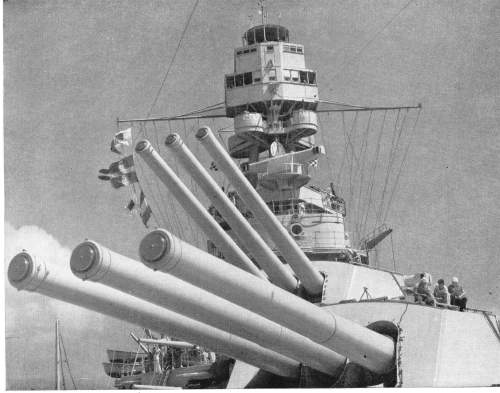
arizon-main-battery2-2

The main battery of either USS Arizona or Pennsylvania 

Over the years I have always found the pre-World War Two battleships to be among the most interesting ships in US Navy history.  No they are not the sleek behemoths like the USS Wisconsin which graces the Norfolk waterfront. They were not long and sleek, but rather squat yet exuded power. They were the backbone of the Navy from the First World War until Pearl Harbor.  They were the US Navy answer to the great Dreadnaught race engaged in by the major Navies of the world in the years prior to, during and after World War One.
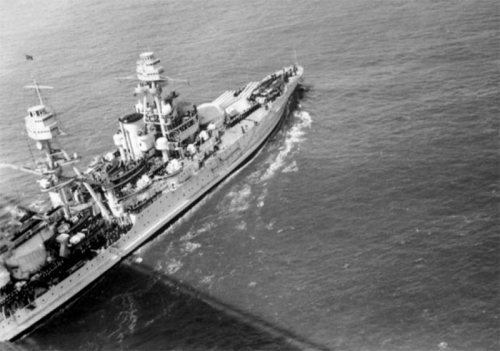
pennsylvania-under-golden-gate

USS Pennsylvania passing under the Golden Gate

Built over a period of 10 years each class incorporated the rapid advances in technology between the launching of the Dreadnaught and the end of the Great War.  While the United States Navy did not engage in battleship to battleship combat the ships built by the US Navy were equal to or superior to many of the British and German ships of the era.
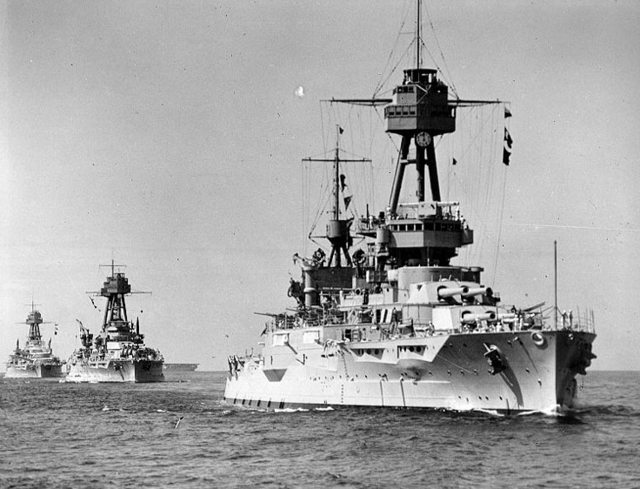
puyBfl

US Battleships at the Grand Fleet Review of 1937

Through the 1920s and 1930s they were the ambassadors of the nation, training and showing the flag. During those years the older ships underwent significant overhaul and modernization.
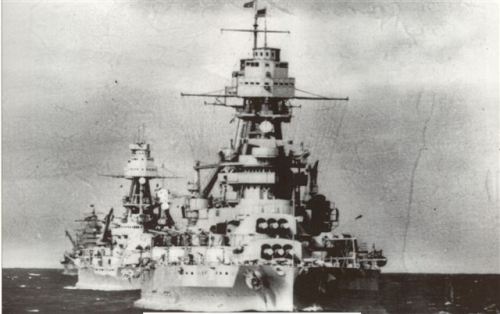
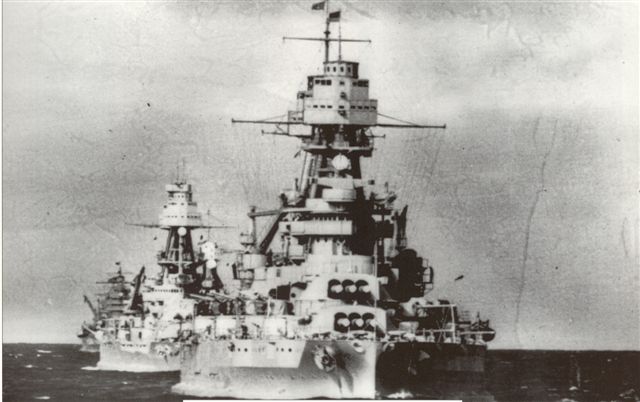
arizona-and-battleline

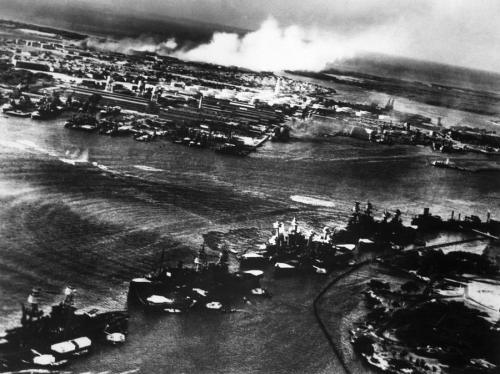
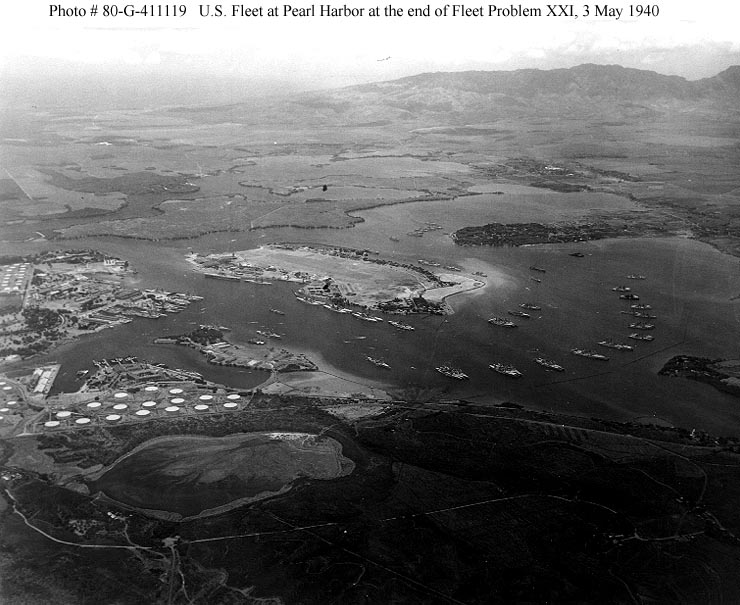
The Battle Force of the Pacific Fleet in 1941 included 9 battleships of which 8 were at Pearl Harbor on the morning of December 7th.  In the event of war the US War Plan, “Orange” called for the Pacific Fleet led by the Battle Force to cross the Pacific, fight a climactic Mahanian battle against the battleships of the Imperial Japanese Navy and after vanquishing the Japanese foe to relieve American Forces in the Philippines.  However this was not to be as by the end of December 7th all eight were out of action, with two, the Arizona and Oklahoma permanently lost to the Navy.

The ships comprised 4 of the 6 classes of battleships in the US inventory at the outbreak of hostilities.  Each class was an improvement on the preceding class in speed, protection and firepower.  The last class of ships, the Maryland class comprised of the Maryland, Colorado and West Virginia, was the pinnacle of US Battleship design until the North Carolina class was commissioned in 1941.  Since the Washington Naval Treaty limited navies to specific tonnage limits as well as the displacement of new classes of ships the United States like Britain and Japan was limited to the ships in the current inventory at the time of the treaty’s ratification.
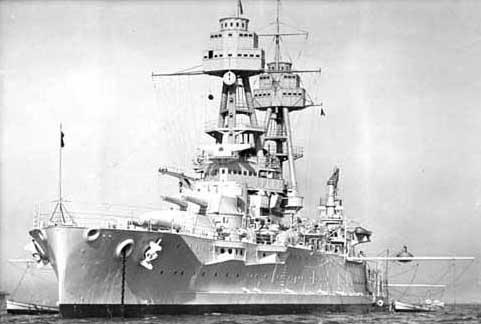
uss_oklahoma

USS Oklahoma

The ships at Pearl Harbor included the two ships of the Nevada class, the Nevada and Oklahoma they were the oldest battleships at Pearl Harbor and the first of what were referred to as the “standard design” battleships. The two ships of the Pennsylvania class, the Pennsylvania and her sister the Arizona served as the flagships of the Pacific Fleet and First Battleship Division respectively and were improved Nevada’s. The California class ships, California and Tennessee and two of the three Maryland’s the Maryland and West Virginia made up the rest of the Battle Force.
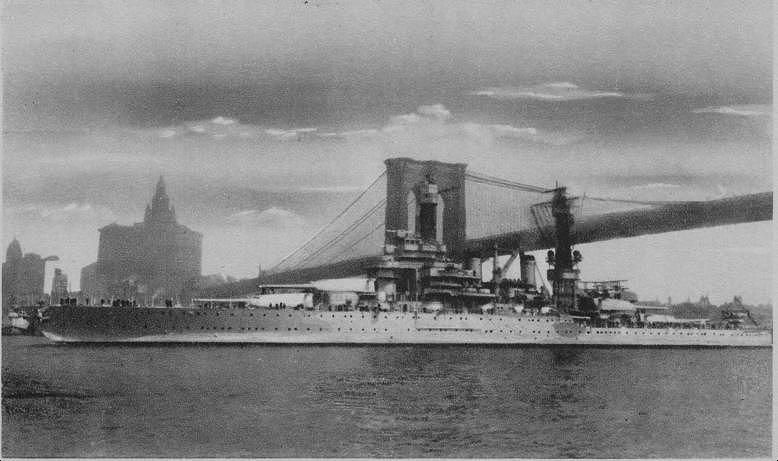
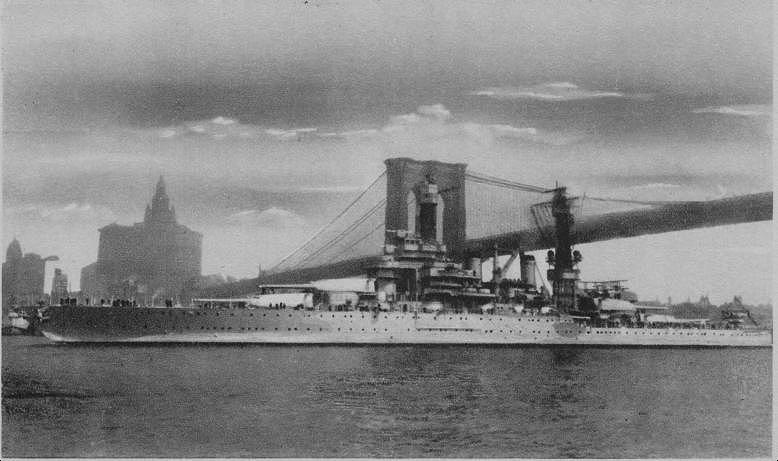
california-1938

USS California passing under Brooklyn Bridge

The Colorado was undergoing a yard period at Bremerton and the three ships of the New Mexico class, New Mexico, Mississippi and Idaho had been transferred to the Atlantic before Pearl Harbor due to the German threat.  The three oldest battleships  ships of the New York and Wyoming Classes, the New York, Arkansas and Texas also were in the Atlantic. Two former battleships, the Utah and Wyoming had been stripped of their main armaments and armor belts and served as gunnery training ships for the fleet. The Utah was at Pearl Harbor moored on the far side of Ford Island.
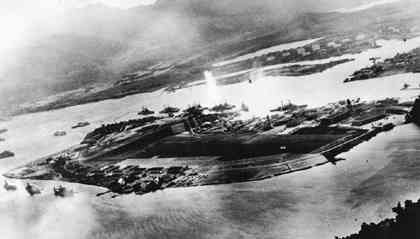
9.athumb

The ships that lay at anchor at 0755 that peaceful Sunday morning on “Battleship Row” and in the dry dock represented the naval power of a bygone era, something that most did not realize until two hours later. The age of the battleship was passing away, but even the Japanese did not realize that the era had passed building the massive super-battleships Yamato and Musashi mounting nine 18” guns and displacing 72,000 tons, near twice that of the largest battleships on Battleship Row.
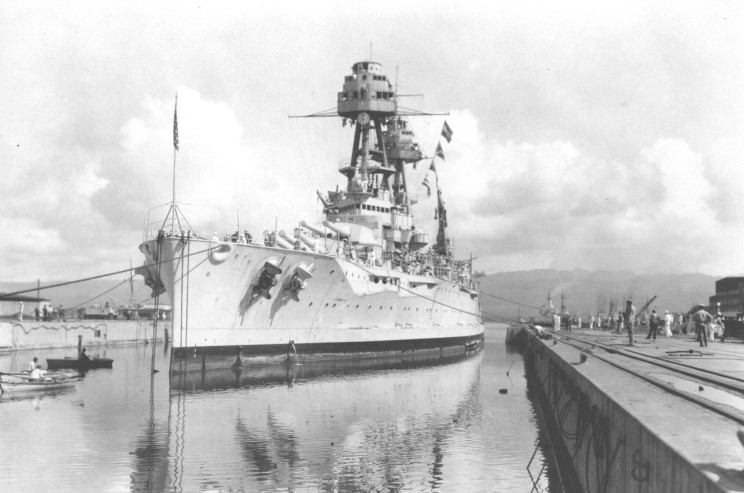
bb36_06

USS Nevada at Pearl Harbor

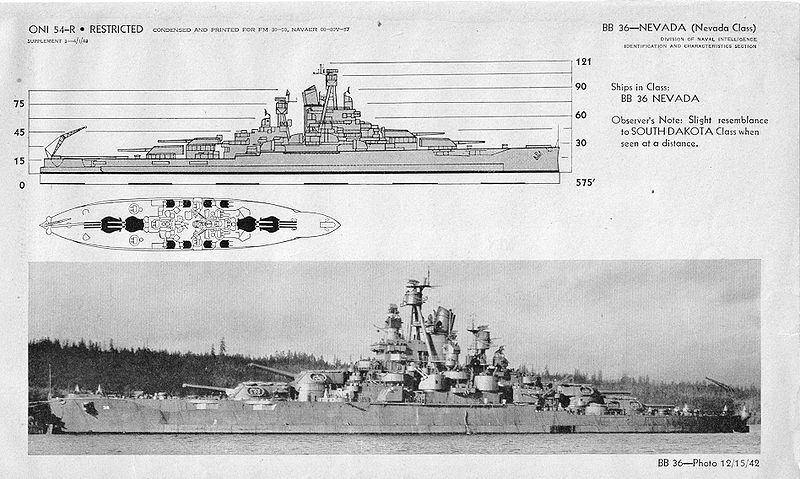
The Oklahoma and Nevada were the oldest ships in the Battle Force.  Launched in 1914 and commissioned in 1916 the Nevada and Oklahoma mounted ten 14” guns and displaced 27,500 tons and were capable of 20.5 knots. They served in World War One alongside the British Home Fleet and were modernized in the late 1920s. They were part of the US presence in both the Atlantic and Pacific in the inter-war years. Oklahoma took part in the evacuation of American citizens from Spain in 1936 during the Spanish Civil War.

013717


USS Oklahoma Capsized (above) and righted (below)


oklahoma-salvage

During the Pearl Harbor attack Oklahoma was struck by 5 aerial torpedoes capsized and sank at her mooring with the loss of 415 officers and crew. Recent analysis indicates that she may have been hit by at least on torpedo from a Japanese midget submarine. Her hulk would be raised but she would never again see service and sank on the way to the breakers in 1946.
nevada-1

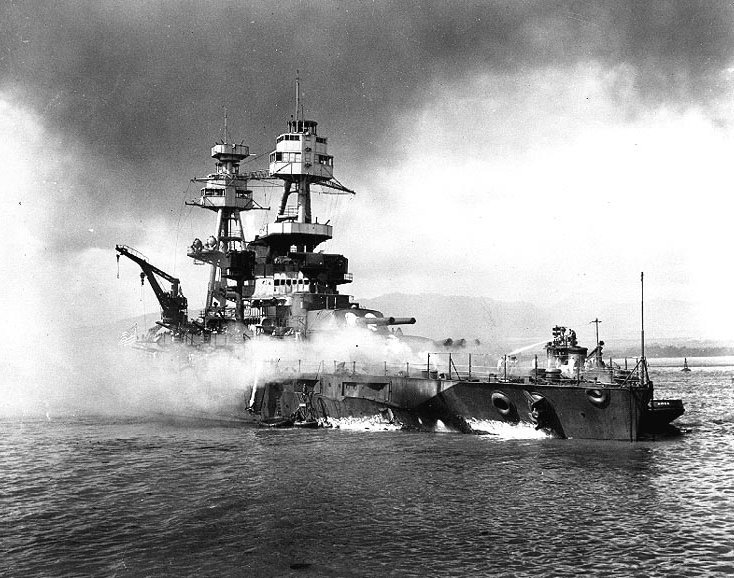
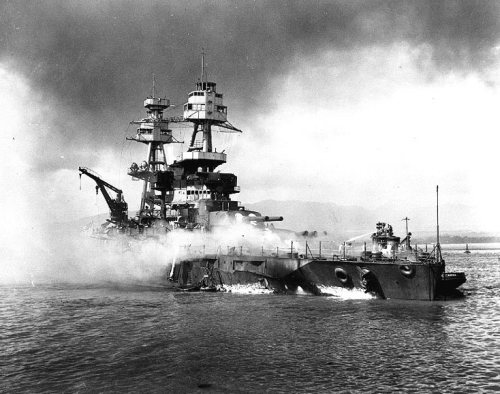
USS Nevada aground off Hospital Point

Nevada was the only battleship to get underway during the attack.  Moored alone at the north end of Battleship Row her Officer of the Deck had lit off a second boiler an hour before the attack.  She was hit by an aerial torpedo in the first minutes of the attack but was not seriously damaged. She got underway between the attack waves and as she attempted to escape the harbor she was heavily damaged. To prevent her from sinking in the main channel she was beached off Hospital Point.
800px-USS_Nevada_(BB-36)_specs

nevada-utah-beach

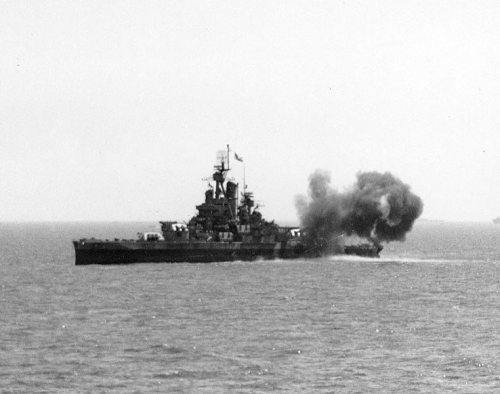
USS Nevada at Normandy 

Nevada was raised and received a significant modernization before returning to service for the May 1943 assault on Attu.  Nevada returned to the Atlantic where she took part in the Normandy landings off Utah Beach and the invasion of southern France.  She returned to the Pacific and took part in the operations against Iwo Jima and Okinawa where she again provided naval gunfire support.  Following the war the great ship was assigned as a target at the Bikini atoll atomic bomb tests. The tough ship survived these tests and was sunk as a target on 31July 1948.
USS_Arizona_(BB-39)_-_1930s

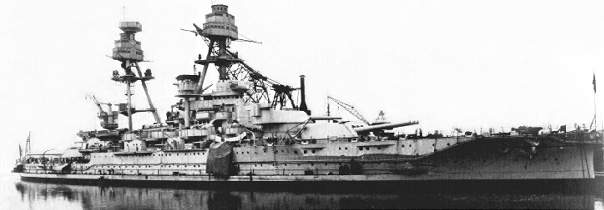
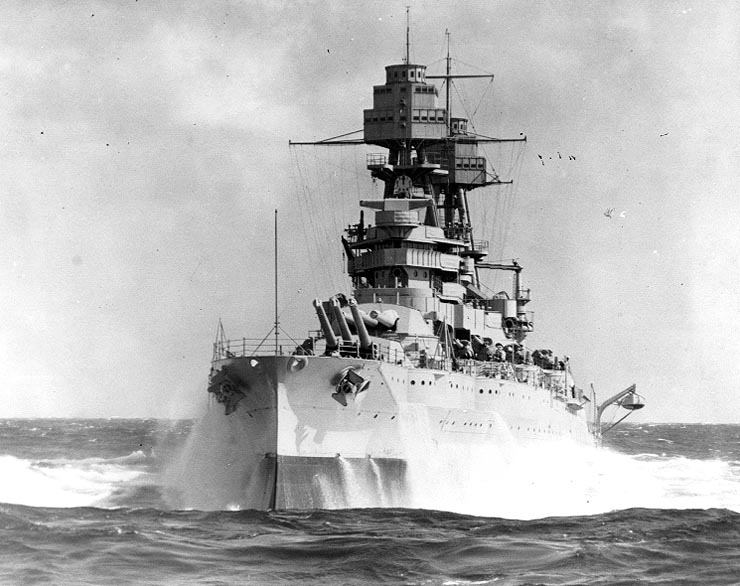
USS Arizona

The two ships of the Pennsylvania Class were improved Oklahoma’s.  The Arizona and Pennsylvania mounted twelve 14” guns and displacing 31,400 tons and capable of 21 knots they were both commissioned in 1916. They participated in operations in the Atlantic in the First World War with the British Home Fleet. Both ships were rebuilt and modernized between 1929-1931.
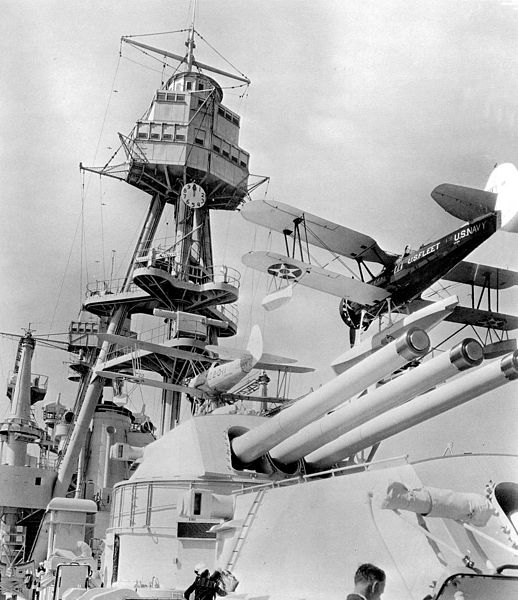
518px-O3U-3s_on_USS_Pennsylvania_(BB-38)_in_1935

They were mainstays of the fleet being present at Presidential reviews, major fleet exercises and making goodwill visits around the world.  Pennsylvania was the Pacific Fleet Flagship on December 7th 1941 and was in dry dock undergoing maintenance at the time of the attack. She was struck by two bombs and received minor damage.
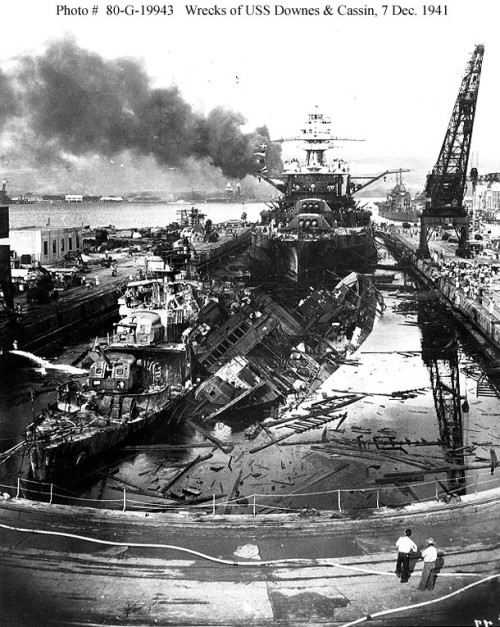
pennsylania-drydock

She was back in action in early 1942. She underwent minor refits and took part in many amphibious landings in the Pacific and was present at the Battle of Surigao Strait.  She was heavily damaged by an aerial torpedo at Okinawa Pennsylvania and was repaired. Following the war the elderly warrior was used as a target for the atomic bomb tests. She was sunk as a gunnery target in 1948.
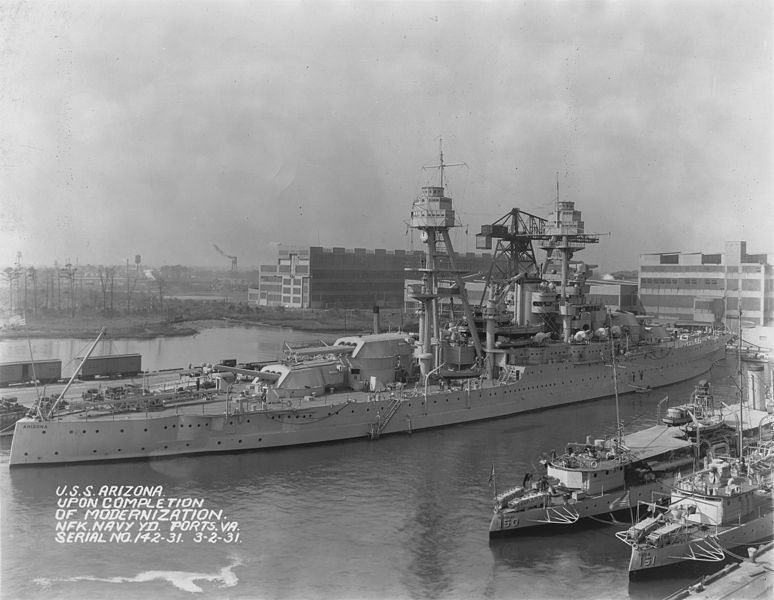
774px-USS_Arizona_after_1931_modernization_NARA_19-LC-19B-1

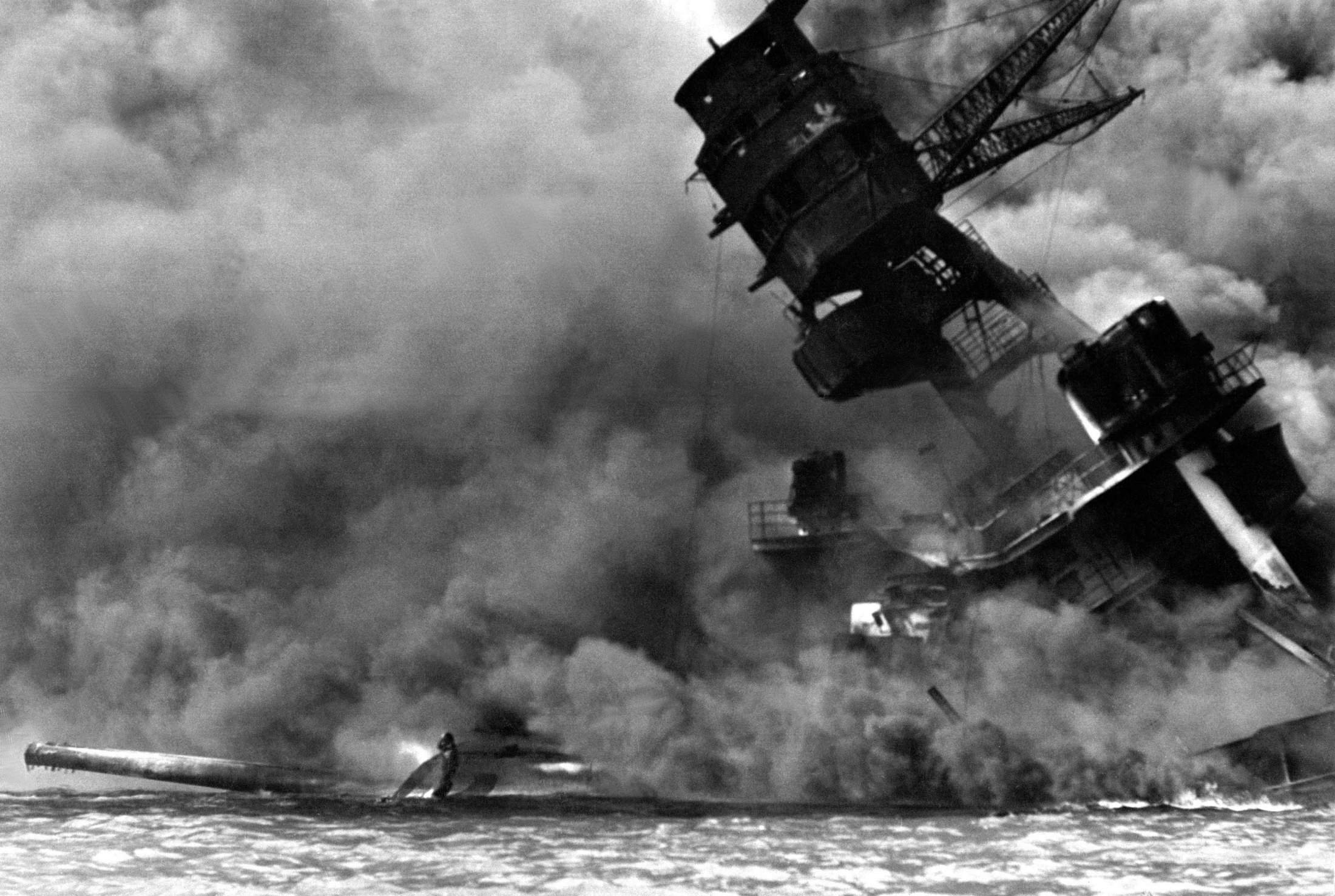
arizona-buring

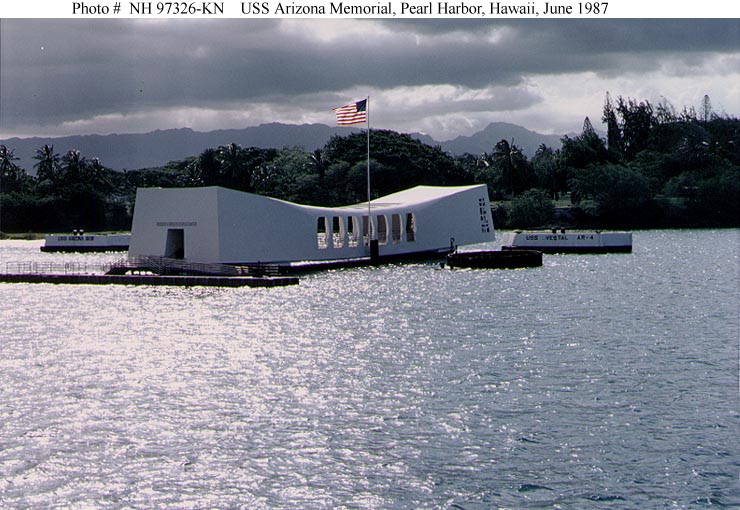
Arizona was destroyed during the attack. As the flagship of Battleship Division One she was moored next to the repair ship USS Vestal.  She was hit by 8 armor piercing bombs one of which penetrated her forward black powder magazine. The ship was consumed by a cataclysmic explosion which killed 1103 of her 1400 member crew including her Captain and Rear Admiral Isaac Kidd, commander of Battleship Division One.  She was never officially decommissioned and the colors are raised and lowered every day over the Memorial which sits astride her broken hull.
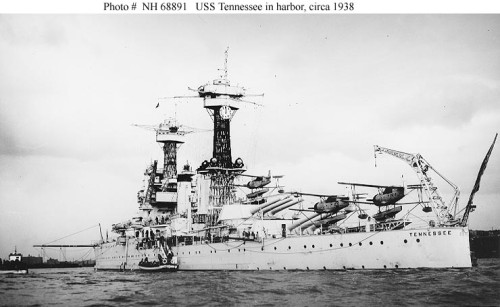
tennessee-1938

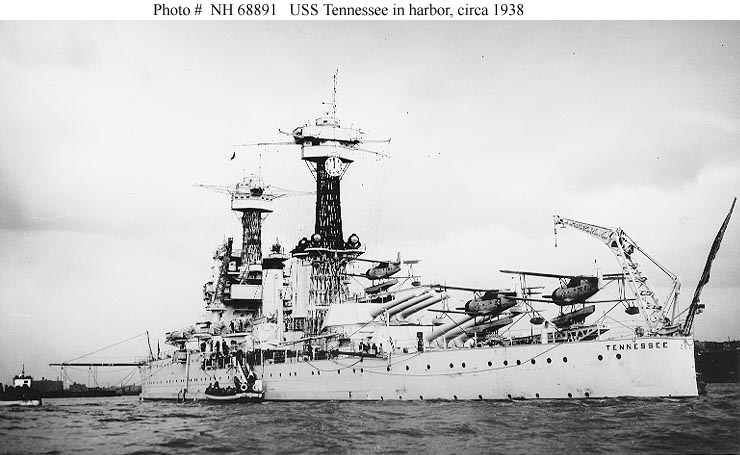
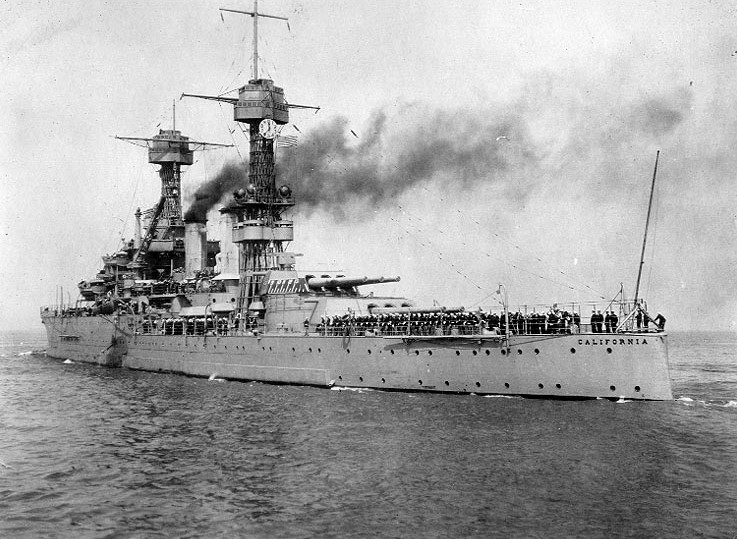
The Tennessee class ships the Tennessee and California were the class following the New Mexico class ships which were not present at Pearl Harbor. These ships were laid down in 1917 and commissioned in 1920. Their design incorporated lessons learned at the Battle Jutland. They mounted twelve 14” guns, displaced 32,300 tons and were capable of 21 knots. At Pearl Harbor Tennessee was moored inboard of West Virginia and protected from the aerial torpedoes which did so much damage to other battleships. She was damaged by two bombs. California the Flagship of Battleship Division Two was moored at the southern end of Battleship Row. She was hit by two torpedoes in the initial attack. However, she had the bad luck to have all of her major watertight hatches unhinged in preparation for an inspection.
uss_california_bb44_03

h64474

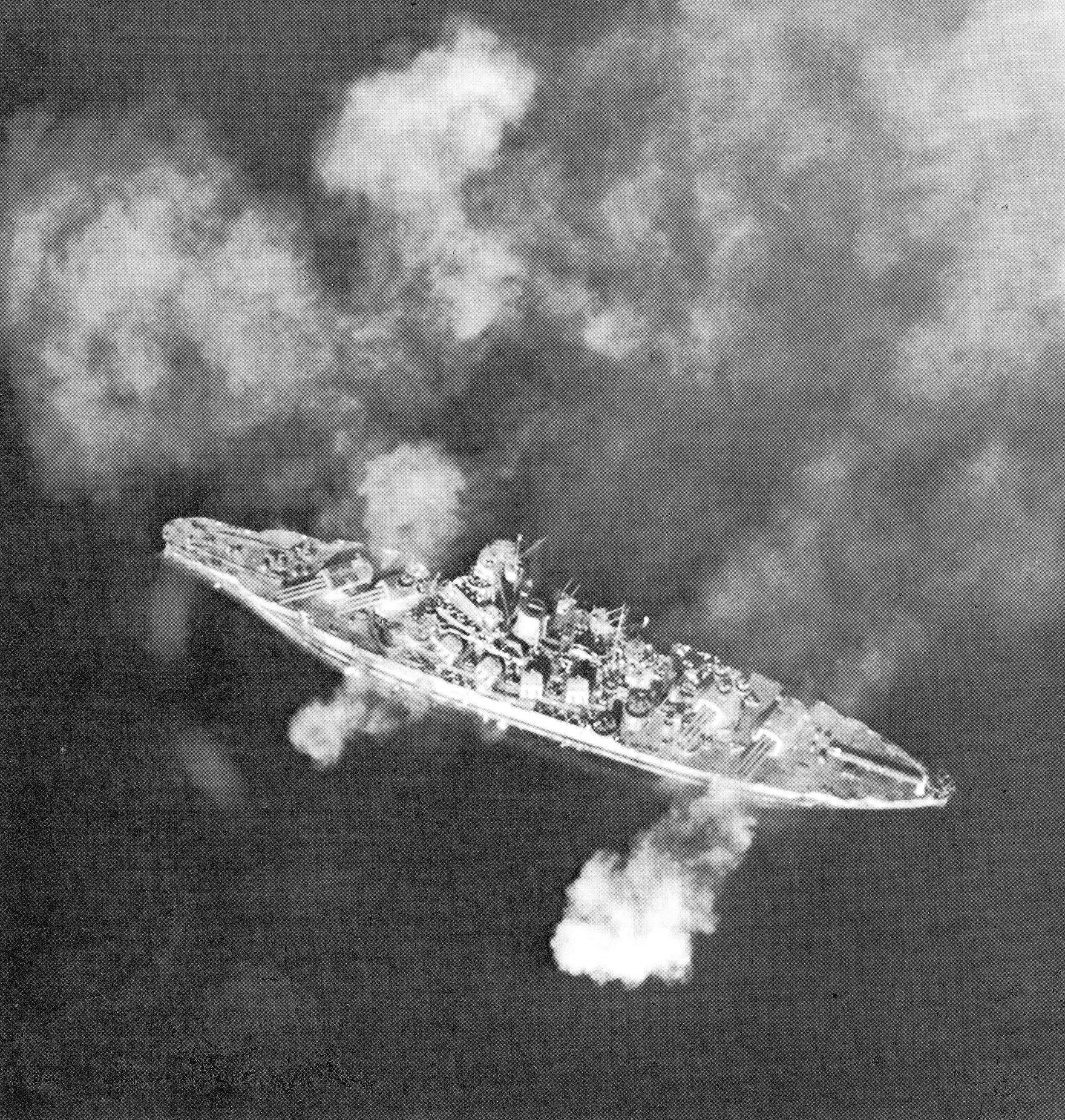
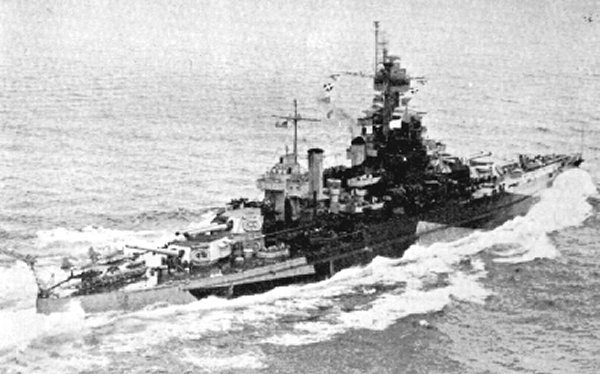
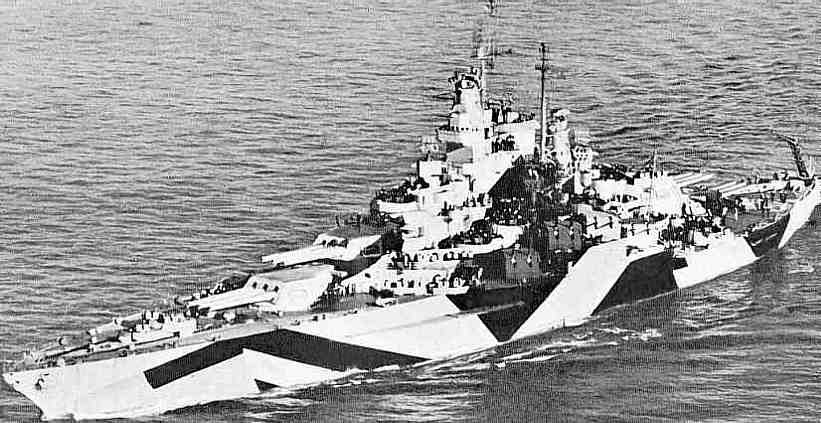
Despite the valiant efforts of her damage control teams she sank at her moorings. She was raised and rebuilt along with Tennessee were completely modernized with the latest in radar, fire control equipment and anti-aircraft armaments. They were widened with the addition of massive anti-torpedo bulges and their superstructure was razed and rebuilt along the lines of the South Dakota class.
USS California Late WWII

USS California following Modernization
014389o

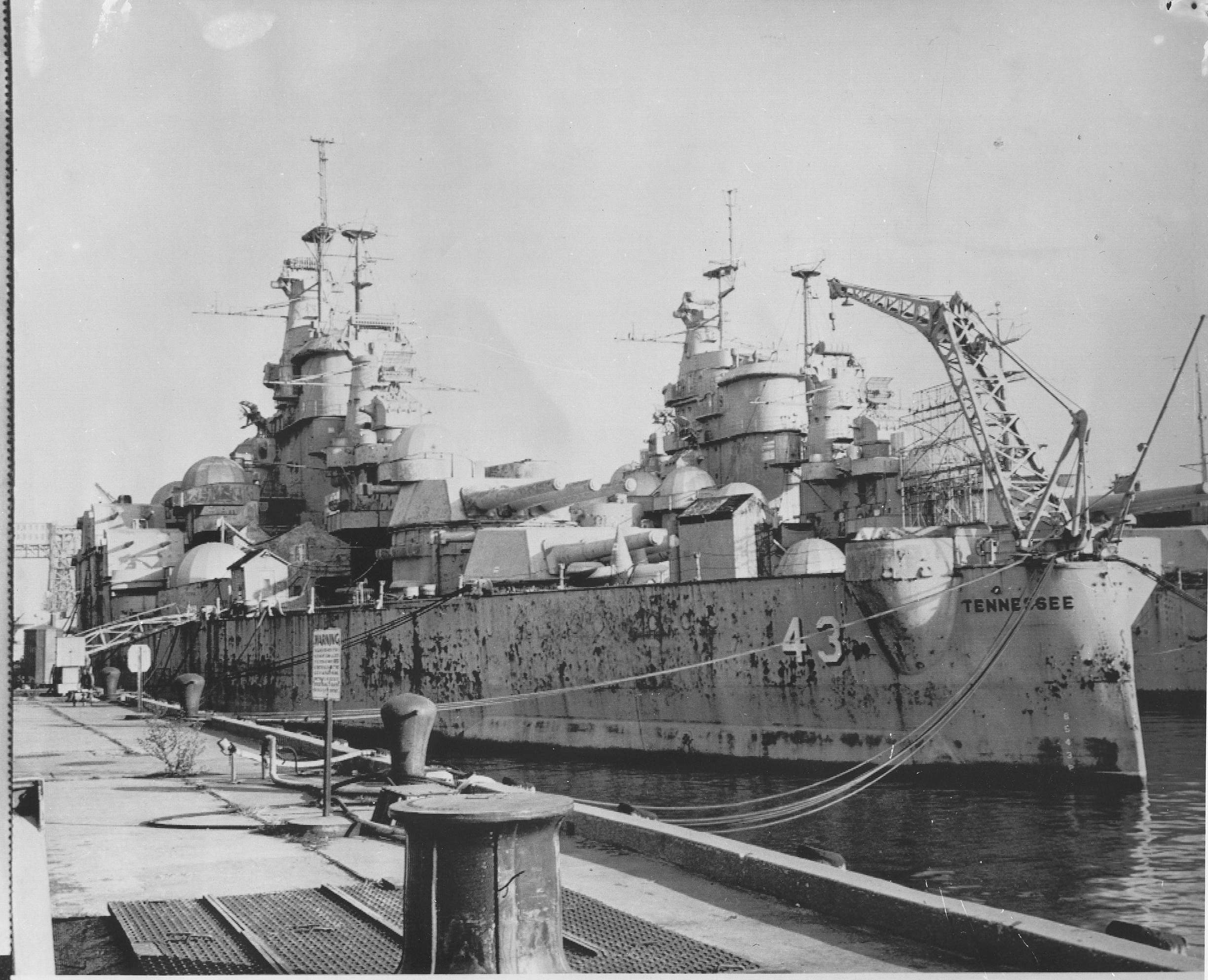
USS Tennessee with another ship, possibly California in reserve awaiting the breakers

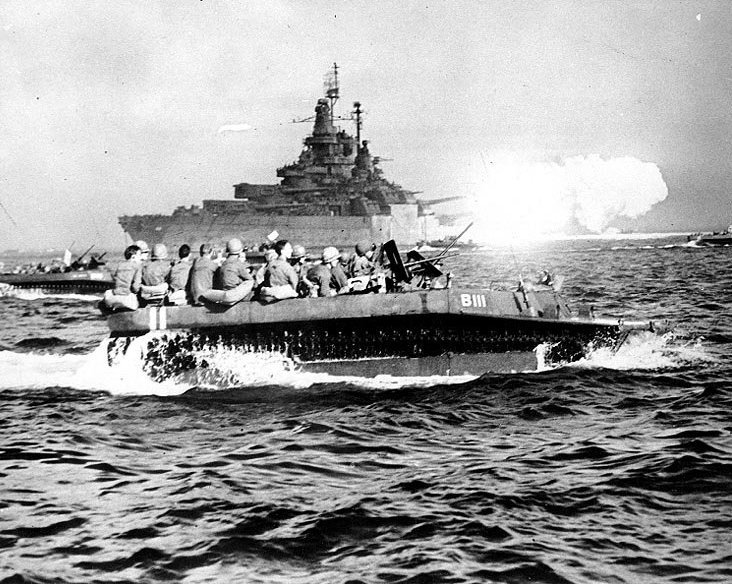
When the repairs and modernization work was completed they looked nothing like they did on December 7th. Both ships were active in the Pacific campaign and be engaged at Surigao Strait where they inflicted heavy damage on the attacking Japanese squadron. Both survived the war and were placed in reserve until 1959 when they were stricken from the Navy list and sold for scrap.
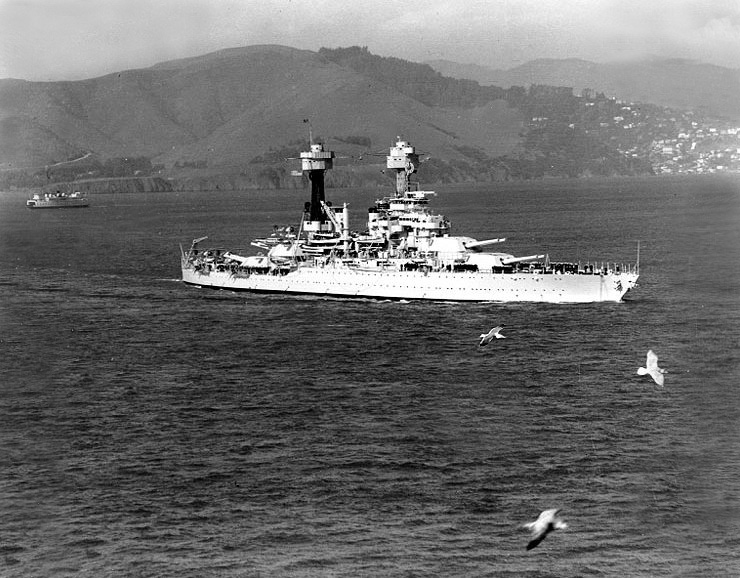
west-virginia-1934

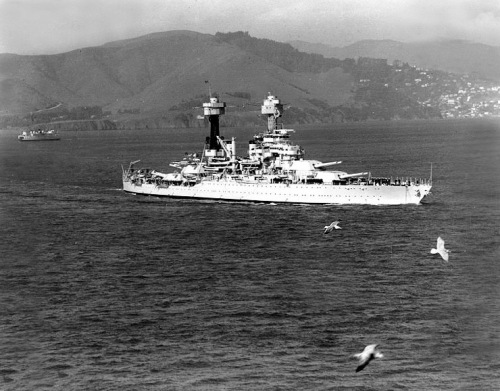
USS West Virginia 

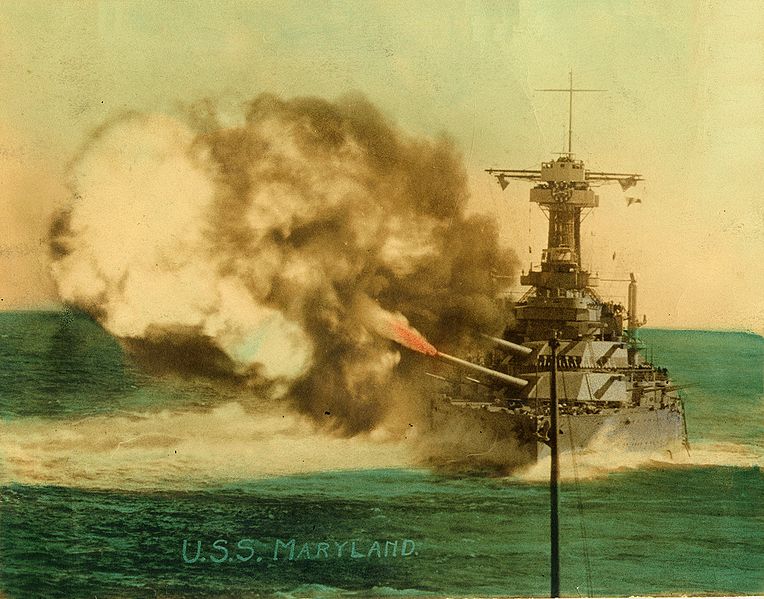
The Maryland and West Virginia were near sisters of the Tennessee class.  They were the last battleships built by the United States before the Washington Naval Treaty. and the first to mount 16” guns. With eight 16” guns they had the largest main battery of any US battleships until the North Carolina class.
764px-USS_Maryland_broadside_1920s

They displaced 32,600 tons and could steam at 21 knots. Laid down in 1917 and commissioned in 1921 they were modernized in the late 1920s. They were the most modern of the Super-Dreadnoughts built by the United States and included advances in protection and watertight integrity learned from both the British and German experience at Jutland.
09_maryland_oklahoma_pearl_harbor

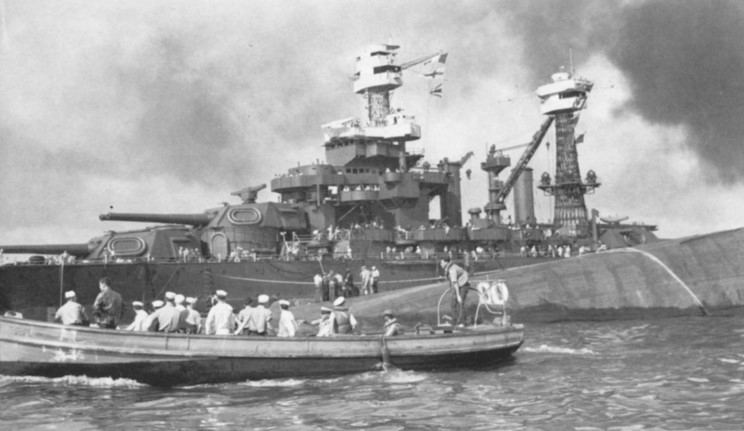
USS Maryland behind the capsized Oklahoma

At Pearl Harbor Maryland  was moored inboard of Oklahoma and was hit by 2 bombs and her crew helped rescue survivors of that unfortunate ship.  She was quickly repaired and returned to action.  She received minimal modernization during the war. She participated in operations throughout the entirety of the Pacific Campaign mainly conducting Naval Gunfire Support to numerous amphibious operations. She was present at Surigao Strait where despite not having the most modern fire control radars she unleashed six salvos at the Japanese Southern Force.
729px-Photograph_of_the_damage_done_to_the_USS_West_Virginia,_sunk_in_the_Japanese_raid_on_Pearl_Harbor_-_NARA_-_306536

754px-USS_West_Virginia_5-21-42,_Port_quarter_showing_previous_water_line_(FCP)_-_NARA_-_296915

west-virginia-damage

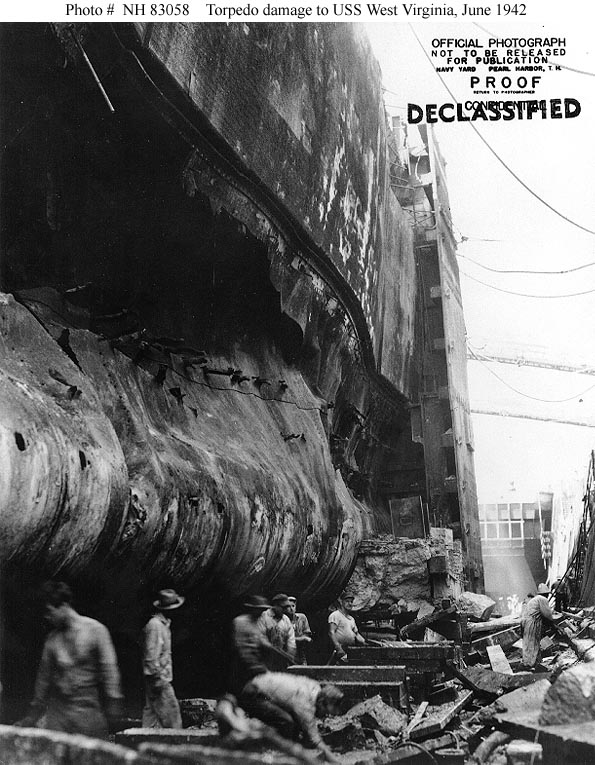
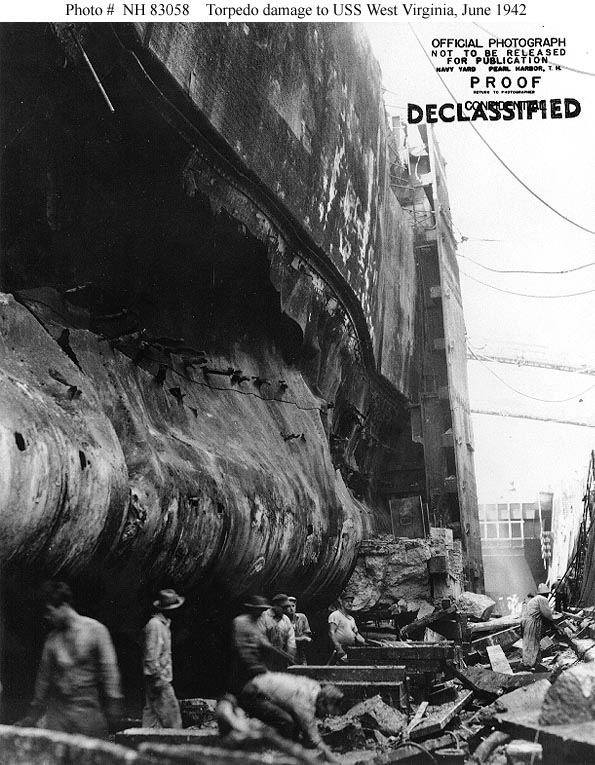
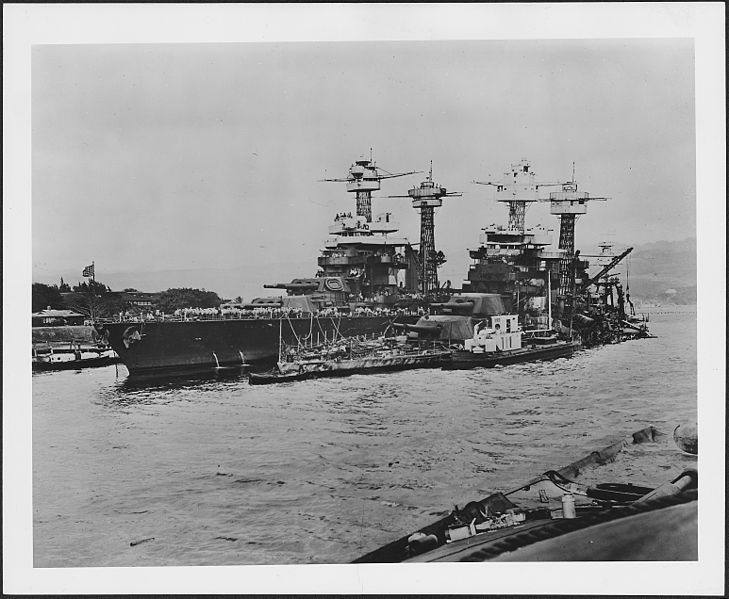
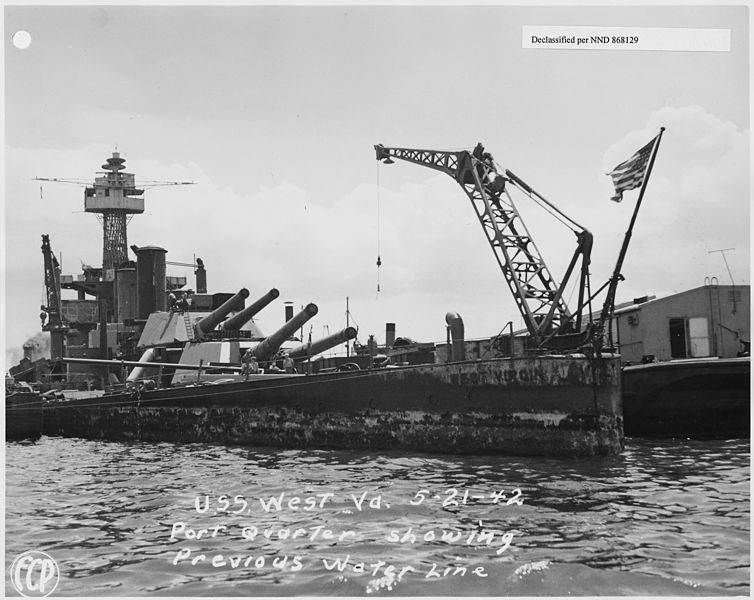
USS West Virginia, sunk, raised and in dry dock, note the massive damage to Port Side

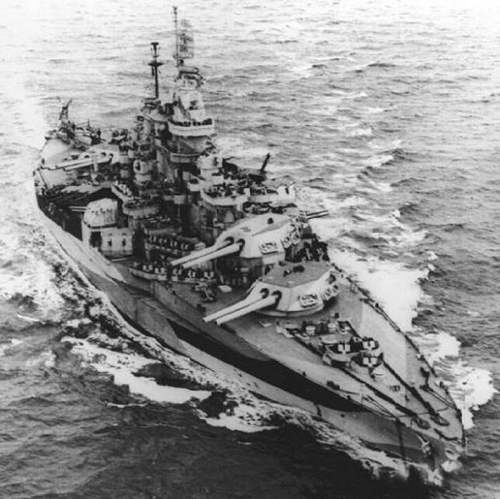
West Virginia suffered some of the worst damage in the attack. She was hit by at least 5 torpedoes and two bombs. She took a serious list and was threatening to capsize. However she was saved from Oklahoma’s fate by the quick action of her damage control officer who quickly ordered counter-flooding so she would sink on an even keel.  She was raised from the mud of Pearl Harbor and after temporary repairs and sailed to the West Coast for an extensive modernization on the order of the Tennessee and California.
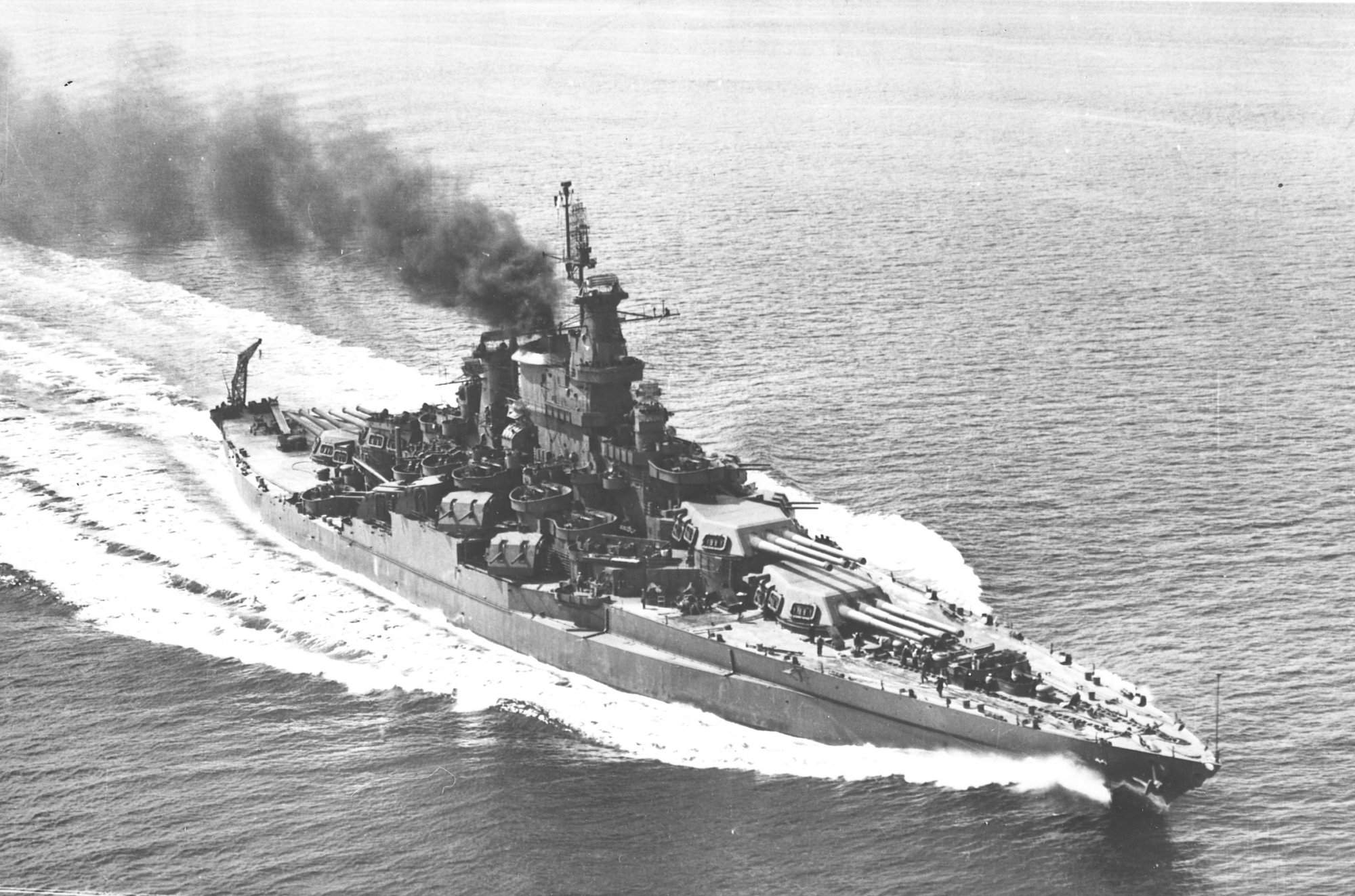
west-virginia-final-config

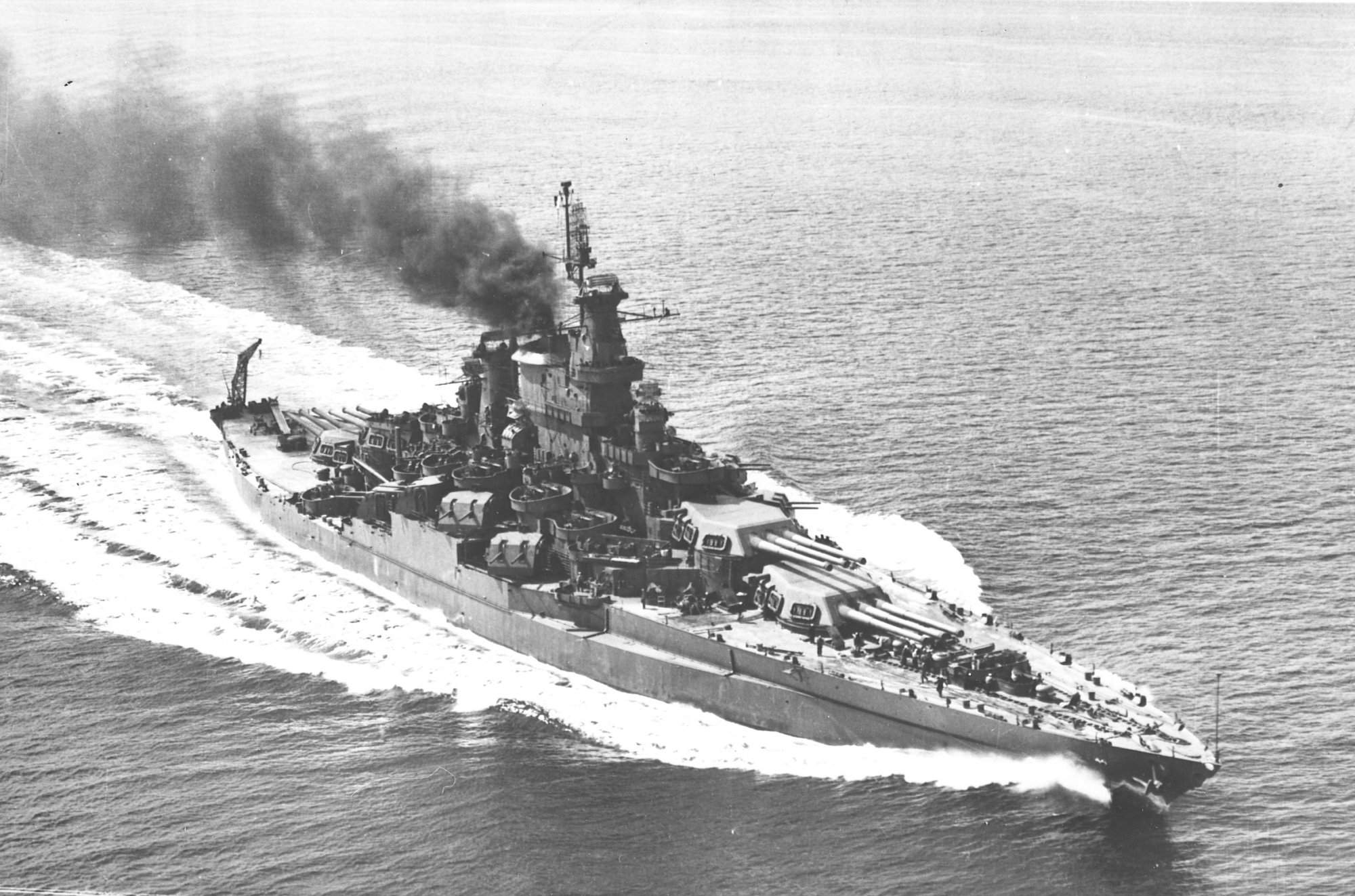
USS West Virginia after salvage and modernization 

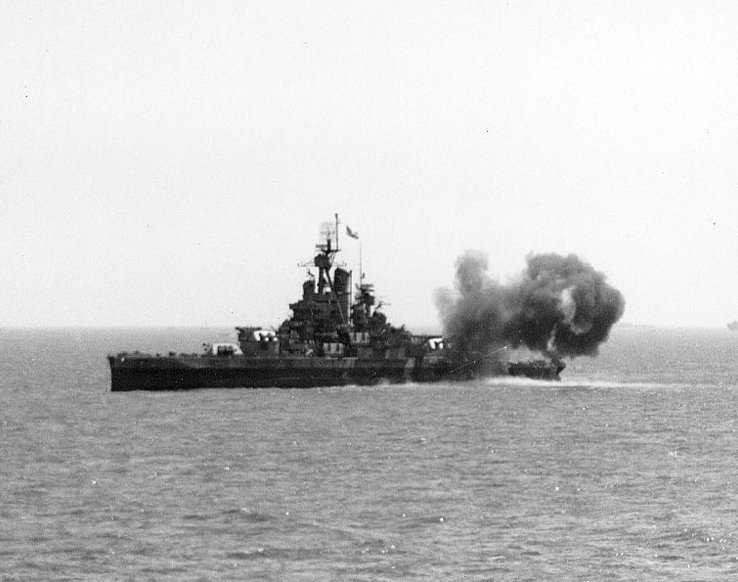
West Virginia was the last Pearl Harbor to re-enter service. However when she returned she made up for lost time.  She led the battle line at Surigao Strait and fired 16 full salvos at the Japanese squadron. Her highly accurate gunfire was instrumental in sinking the Japanese Battleship Yamashiro in the last battleship versus battleship action in history.  West Virginia, Maryland and their sister Colorado survived the war and were placed in reserve until they were stricken from the Naval List and sold for scrap in 1959.

The battleships of Pearl Harbor are gone, save for the wreck of the Arizona and various relics such as masts, and ships bells located at various state capitals and Naval Stations.  Unfortunately no one had the forethought to preserve one of the survivors to remain at Pearl Harbor with the Arizona.  Likewise the sailors who manned these fine ships, who sailed in harm’s way are also passing away.  Every day their ranks grow thinner, the youngest are all 89-90 years old.

As this anniversary of the Pearl Harbor attack passes into history it is fitting to remember these men and the great ships that they manned.

Peace,

Padre Steve+

4 Comments

Filed under History, Military, Navy Ships, News and current events, US Navy, world war two in the pacific

An older post of mine about Pearl Harbor as we approach the 71st anniversary of that “Day of Infamy.”

padresteve's avatarThe Inglorius Padre Steve's World

Arizona Leading the Battle Line

“Yesterday, Dec. 7, 1941 – a date which will live in infamy – the United States of America was suddenly and deliberately attacked by naval and air forces of the Empire of Japan…. The attack yesterday on the Hawaiian Islands has caused severe damage to American naval and military forces. Very many American lives have been lost.” Except of President Franklin D Roosevelt’s Pearl Harbor Speech December 8th 1941

Today is the 68th anniversary of the Japanese attack on Pearl Harbor and as we were then we are at war.

A Date that Will Live in Infamy: USS Arizona Burning

I remember reading Walter Lord’s “Day of Infamy” when I was a 7th grade student at Stockton Junior High School back in 1972.  At the time my dad was on his first deployment to Vietnam on the USS Hancock CVA-19.  As…

View original post 1,837 more words

1 Comment

Filed under History, Military, Navy Ships, traumatic national events, US Navy, world war two in the pacific

Slaughter at Surigao: The Old Ladies get their Revenge

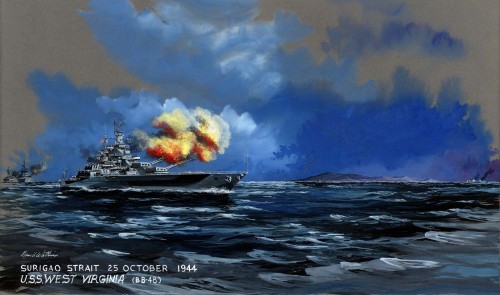
USS West Virginia at Surigao Strait

This is the third article of a series on the Battle of Leyte Gulf. The Battle of Surigao Strait was the third action of the Battle of Leyte Gulf which ended in the near annihilation of one of the two groups of the Japanese Southern Force. The battle was the last ever where battleships engaged each other in a surface action.  

The two task groups of the Japanese Southern Force passed the daylight hours of 24 October relatively unscathed despite an air attack that caused minor damage. The group commanded by Vice Admiral Shoji Nishimura comprised of the elderly Battleships Yamashiro and Fuso the Heavy Cruiser Mogami and four destroyers was leading the charge and was followed by that commanded by Vice Admiral Kiyohide Shima with the Heavy Cruisers Nachi and Ashigara, Light Cruiser Abukuma and four destroyers.

The mission of these two groups which were unable to coordinate their actions due to orders to maintain strict radio silence was to fight their way through the SurigaoStraitto assist the Central Force in destroying the USinvasion force in Leyte Gulf.  The mission was for all practical purposes a suicide mission, a naval “Charge of the Light Brigade” as they sailed into the Valley of Death against the Battle Line of the US 7th Fleet.

USS West Virginia  at Surigao

The Japanese Battleships had spent the majority of the war in home waters and had seen little action.  They had not been part of any of the great Japanese victories in 1941 and 1942 and they had not been blooded in the Solomons.  Instead the two elderly battlewagons passed the war conducting training in the inland sea.  They were no longer first line ships but the Japanese were desperate.  During the afternoon Admiral Nishimura received an accurate report from one of Mogami’s scout planes telling him exactly what he was up against yet he pushed on in the manner of a Samurai.

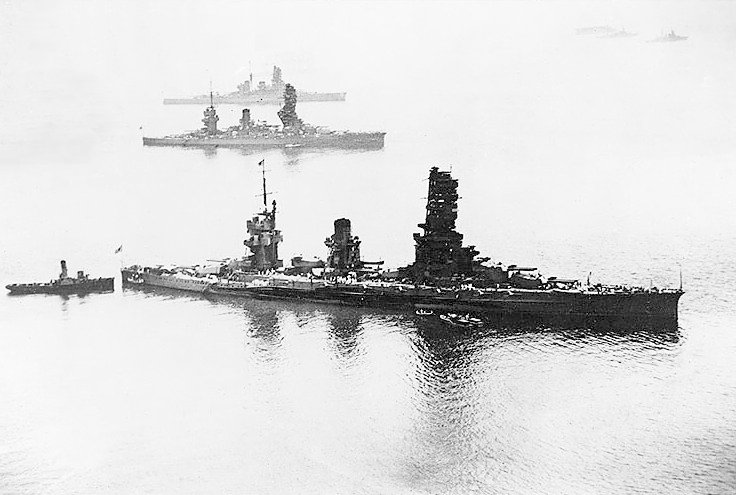
Yamashiro and Fuso

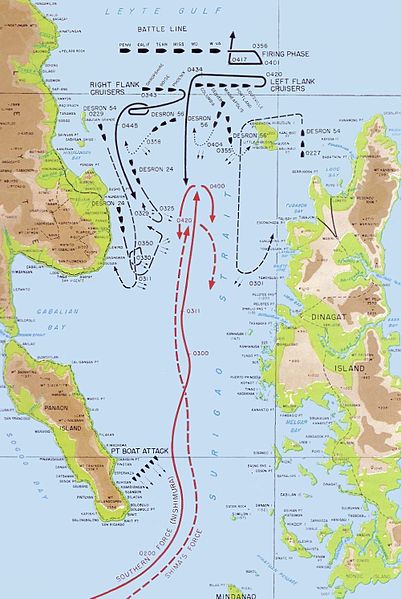
Facing him was a force built around the 6 old Battleships of Vice Admiral Jesse Oldendorf’s 7th Fleet Battle Line.  The Americans heavily outnumbered the Japanese, the Battleships West Virginia, California and Tennessee were the heart of the force. Fully modernized after Pearl Harbor they no longer resembled the ships that they were before the war. Equipped with the latest Mark 8 Fire Control radar they had the ability to put their 16” and 14” shells on target at ranges farther than anything that the Japanese could counter.  Joined by the less fully modernized Maryland, Mississippi and Pennsylvania, 4 Heavy Cruisers, 4 Light Cruisers, 28 Destroyers and 39 PT Boats the outnumbered the combined Japanese forces with sixteen 16” and forty eight 14” guns to twenty 14” guns on the antiquated Yamashiro and Fuso.  The disparity in lesser guns was just as stark, thirty five against twenty six 8” guns, and fifty one 6” guns against six 5.5 inch guns.  This massive imbalance didn’t count the nearly one hundred fifty 5” guns on theUS destroyers and as well as nearly 200 torpedo tubes.

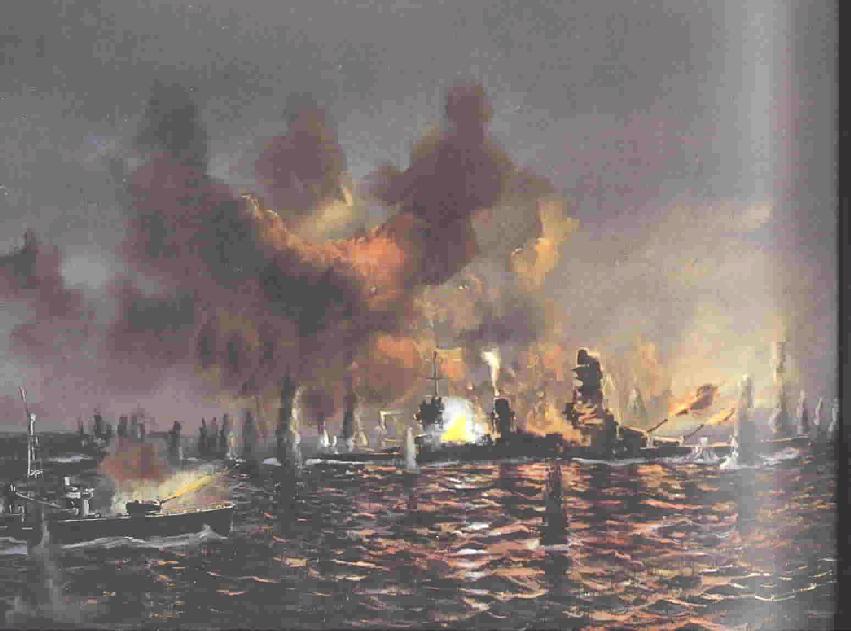
Yamashiro and Shigure ride into the Valley of death

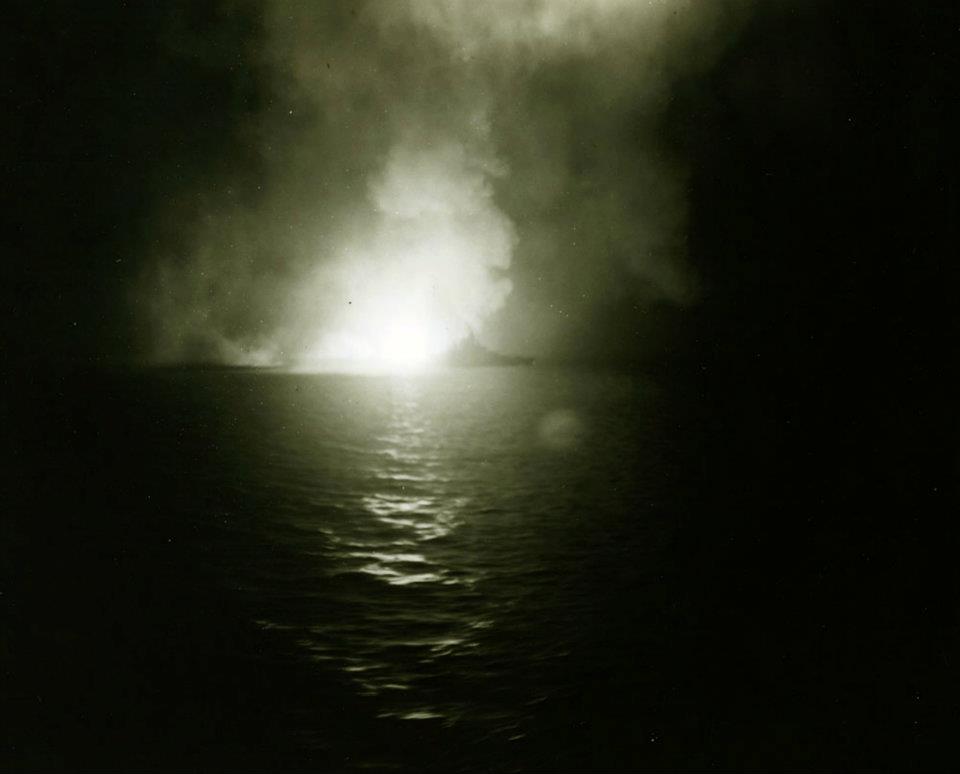
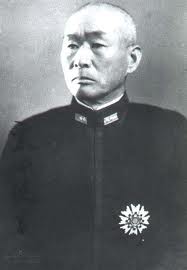
Nishimura’s force entered the southern entrance to Surigao Strait and was discovered by the American PT Boats at about 2236.  Though the PTs scored no hits they provided critical updates on the Japanese to Oldendorff.  At 0300 the American destroyers began a devastating series of attacks on the Japanese flanks.  They sank two destroyers and damaged another which had to turn back, but the real damage occurred when both Fuso and Yamashiro were hit. Fuso took two torpedoes fired by the destroyer USS Melvin.  She slowed and then blew up and broke in two sinking with all hands.  This account has been contested in recent years but many find the new version less believable than the first. Key in the evidence was the rescue and capture of Yamashiro’s Executive Officer in the north end of the strait and the surviving logs of the other Japanese ships which reported the sinking. Yamashiro though hit continued north with Mogami and the last destroyer Shigure.  At 0353 West Virginia opened fire and score hits on her first salvo. She was joined by California and Tennessee at 0355, the other battleships with their Mark 3 fire direction radars were slow to open up. Maryland got off six full salvoes by ranging in on the splashes of West Virginia, California and Tennessee.  Mississippi logged the final salvo of the battle and Pennsylvania got no shots off.  West Virginia fired 16 salvoes, 96 round of 16”armor piercing shells, Tennessee got off 69 rounds and California 63 of 14” armor piercing, Maryland added forty eight 16” rounds.

The Yamashiro and Mogami sailed into the maelstrom absorbing hit after hit and gamely fought back. Yamashiro hit the destroyer Albert W Grant which was also hit by friendly fire badly damaging her. Finally both ships ablaze they turned back down the strait with Yamashiro sinking with few survivors at 0420.  Shima’s force entered the fray and the Light Cruiser Abukuma was damaged by a torpedo fired by PT-137 and fell out of the formation. She was sunk on 26 October by Army Air Force B-24s. As Shima came up the strait his force entered the battered remnants of Nishimura’s force, the burning halves of Fuso and the retreating Mogami and Shigure. Assuming the halves of Fuso to be the wreckage of both battleships Shima beat a hasty retreat but in the process his flagship Nachi collided with Mogami flooding Mogami’s steering engine room and leaving her crippled.  She was attacked again by American cruisers and aircraft and as abandoned at 1047 and scuttled a torpedo from the destroyer Akebono sinking at 1307 on 25 October.

Nachi under air attack 5 November 1944

The battle was one of the most lopsided surface engagements of the war.  When it was over only one of Nishimura’s ships had survived the “lucky” Shigure.  Shima’s force survived the night but most of his ships were sunk in the following by war’s end. Nachi was sunk in Manila Bay on 5 November by aircraft from the USS Lexington with a loss of over 800 sailors while Shima was in a conference ashore.

With the exception of Albert W Grant and a PT Boat the American force was unscathed the old Battlewagons dredged from the mud of Peal Harbor had led the fleet to a decisive victory in the last duel between Dreadnaughts ever fought. The Japanese died as Samurai trying to complete a hopeless mission against a far superior force.

Next: Halsey’s fateful Decision….

Peace

Padre Steve+

2 Comments

Filed under Loose thoughts and musings

The Battle of Leyte Gulf: Introduction and the Battle of Palawan Passage

This is the first of a four article series on the Battle of Letye Gulf. The battle was the largest in history both in terms of the number of ships involved and the amount of area covered. The action was triggered by the American invasion of the Philippines causing the Japanese to initiate their Shō-Gō 1 (Victory Plan 1) to attempt to defeat the Americans.  The plan relied heavily on land based air power which most of unfortunately for the Japanese was destroyed during the American carrier air strikes on Formosa earlier in the month. 

The battle was necessitated by the absolute need for the Japanese to hold the Philippines and defeat the Americans at all costs. As Admiral Soemu Toyoda the Chief of the Combined Fleet explained under interrogation after the war

Should we lose in the Philippines operations, even though the fleet should be left, the shipping lane to the south would be completely cut off so that the fleet, if it should come back to Japanese waters, could not obtain its fuel supply. If it should remain in southern waters, it could not receive supplies of ammunition and arms. There would be no sense in saving the fleet at the expense of the loss of the Philippines.

The battle was comprised of 5 battles, the Battle of Palawan Passage, the Battle of the Sibuyan Sea, the Battle of Surigao Strait, the Battle of Cape Engaño and the Battle off Samar. All told about 70 Japanese warships and 210 American and Australian ships were engaged.  A further 300 Japanese aircraft, mostly land based and 1500 American carrier aircraft took part in the battle.  The Japanese order of battle included 1 Fleet and 3 Light Fleet Carriers with a minimal air group, 9 Battleships including the two largest ever built the Yamato and Musashi, 14 Heavy and 6 Light Cruisers and about 3 destroyers.  They were divided into four task forces, the Northern Force under the command of Vice-Admiral Jisaburō Ozawa which had all of the Carriers including the last surviving carrier of the Pearl Harbor attack the Fleet Carrier Zuikaku plus the converted hybrid Battleships Ise and Hyuga; the Southern Force which was two distinct and independent task forces under the command of Vice Admirals Shoji Nishimura and Kiyohide Shima and was built around the ancient battleships Fuso and Yamashiro and 3 Heavy Cruisers; and the Center Force under the command of Vice Admiral Takeo Kurita which had the Battleships Yamato, Musashi, Nagato, Kongo and Haruna, 10 Heavy and 2 Light Cruisers and 1 destroyers.  The Center force was to pass through the San Bernardino Strait and converge on the American landing forces off Samar with the Southern Force which as to come through the Surigo Strait.  The Japanese also planned for the first use of Kamikazes as part of the action. 

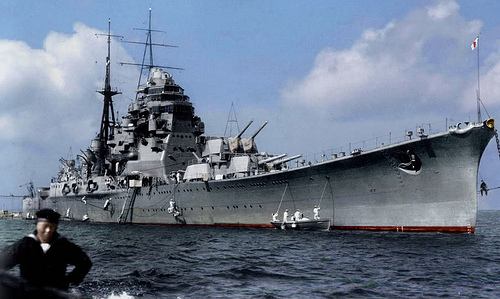
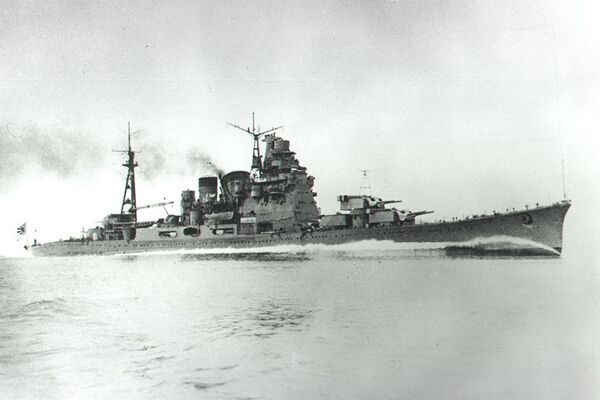
Takao Class Cruiser 1943

Atago

The American fleet was comprised of the 3rd Fleet under Admiral William Halsey which was built around the Fast Carrier Task Forces and Fast Battleships of Task Force 38 under the Command of Vice Admiral Marc Mitscher and the Battle Line Task Force 34 under the Command of Vice Admiral Willis Lee; and the 7th Fleet under Vice Admiral William Kinkaid which was the naval support for the landings.  It had under its control the old Battleships West Virginia, California, Tennessee, Maryland, Colorado and Pennsylvania and 18 Escort Carriers which provided the close air support for the Invasion.  All told the Americans had 8 Fleet and 8 Light Fleet Carriers, 18 Escort Carriers, 12 Battleships, 24 Cruisers and 141 Destroyers as well as submarines, PT Boats, Transports, Landing Ships and Auxiliaries.

Takao

This series will focus on a number of individual battles and decisions in the battle. Part one will focus on the action of the Submarines Darter and Dace against the Center force in the Palawan Passage. The next will be the sinking of the Musashi during the Battle of the Sibuyan Sea, it will be followed by the revenge of the Old Battleships at Surigo Strait. The next will be the great decision of Admiral Halsey to pursue the Northern Force and leave the San Bernardino Strait unguarded, followed by the Battle off Samar and last the death of the Japanese Naval Aviation at Cape Engaño.

Maya

The Battle of Palawan Passage

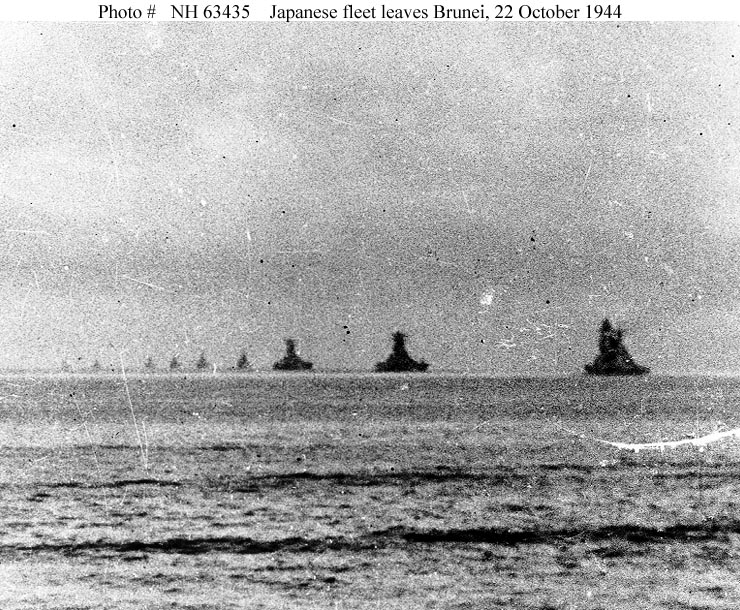
Admiral Takeo Kurita and the powerful Center Force departed their anchorage at Bruneion 20 October 1944.  The task force entered the Palawan Passage on the night of 22-23 October where they were sighted by the American Submarines Darter and Dace which had been posted at the strait for such a possibility.  Darter made radar contact at 30,000 yards at 0018 hours on the 23rd and sent out contact reports.   The two submarines shadowed the Center Force on the surface to gain an intercept position and submerged just before dawn.

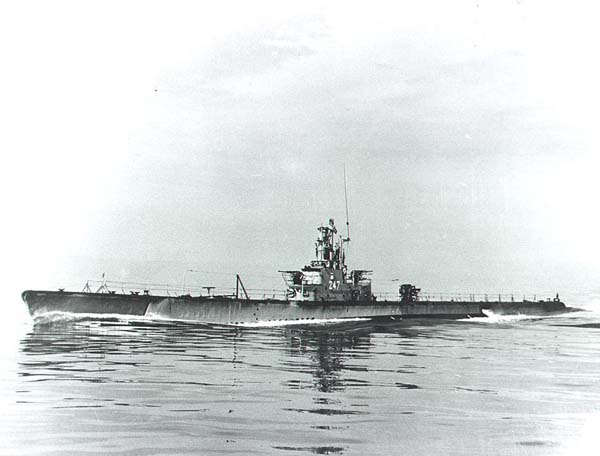
USS Darter

Darter struck first at 0524 firing a spread of 6 torpedoes scoring 4 hits on Admiral Kurita’s flagship the Heavy Cruiser Atago. She reloaded and stuck the Heavy Cruiser Takao with 2 torpedoes at 0634.  At 0554 Dace hit the Heavy Cruiser Maya with 4 torpedoes.

Vice Admiral Takeo Kurita

The blow was severe.  Atago was mortally wounded she capsized and sank at 0553 with the loss of 360 crew members. She sank so rapidly that Kurita had to swim and was rescued with his Chief of Staff by a destroyer, but many of his staff members were lost with the ship.  Though Kurita transferred his flag to Yamato he was now without the advice and counsel of officers that might have prevented later mistakes during the Battle off Samar.  Takao suffered heavy damage and though she did not sink she had to proceed crippled to Singapore under the guard of two destroyers. Though she survived the war she never saw action again.   Maya, struck at 0554 by 4 torpedoes suffered much damage and was wracked by powerful secondary explosions.  By 0600 she was dead in the water and sank five minutes later with the loss of 337 crew members.

USS Dace

The attack of the two submarines was significant; the Japanese lost 3 powerful Heavy Cruisers and had to send two of their destroyers away to guard Takao. Likewise the loss of Kurita’s experienced staff hindered his conduct of the battle on the 24th.  The cruisers were a big loss, at 13,000 tons and armed with ten 8”guns they could steam at 35 knots.

Darter and Dace conducted a pursuit of the crippled Takao which had to be broken off when Darter ran aground on Bombay Shoal. Despite the best efforts of her crew and that of the Dace to free her she was hopelessly stuck.  Her crew was unable to scuttle her and the Japanese were able to board her after she was abandoned and for the first time get a look at the details of a Gato class submarine.

Kurita’s force would continue on into theSibuyan Seawhere they would be attacked again.  But that is the subject of the next article.

5 Comments

Filed under Navy Ships, US Navy, world war two in the pacific

Back in Commission: Padre Steve’s Long Journey Back

Padre Steve is Back in Commission

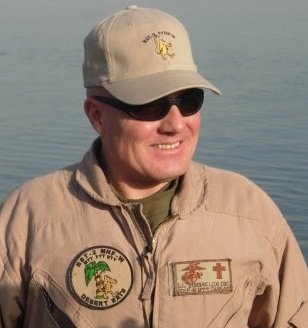
Today I know that I am back fully in commission.  I have been feeling this for a while and have seen some extraordinary progress since my “Christmas Miracle” and even since Lent began.  Like an old battleship worn out by service and damaged in battle was for the better part of two years doing my best to stay afloat and survive after my return from Iraq.  During that time if something could go wrong with me it seemed like it did, physical, psychological and spiritual…such is PTSD and all the other stuff that one can return home from war with.  For those that are new to this website or just happened to stumble by I have a lot of stuff on that ordeal posted here.

I have felt good since Christmas and with the exception of being knocked down by a kidney stone for almost a month have been doing pretty good for the most part.  I have been very careful to make sure that I am not just entering a manic period but have been really to be careful so I don’t build myself up to crash later.  Since I have crashed hard a number of times at points during the aforementioned ordeal when I thought that I was doing better I am really conservative about such comments.

USS West Virginia in the 1930s

Personally I am lucky and blessed that I have good people at work who have kind of protected me from myself over the past year as it when apparent to them that I was going down.  In a sense I was like a damaged ship pulled out of action in order not only to be patched up but fully overhauled.  I was damaged and not a lot of my systems were working right.

Now of course even a ship that has been fully overhauled and even modernized to make it equal to new ships is immune from problems, after all there is only so much you can do with an older platform.  I am living proof of that fact; there are things that while better than they were are not up to the original design specs.  At the same time despite everything I am in remarkable health and my physical, emotional and spiritual life is coming back together faster than I thought it would even after the Kidney stone ordeal.

Damage to the West Virginia

I had a yearly physical health assessment last week and all of my numbers were those of a 30 year old so I guess fifty is the new thirty. Yesterday I weighed in and was found to be within the DOD body fat maximum which combined with a high score on my Physical Readiness Test (PRT) or what common is called a PT test.  It is funny, the numbers that I have to make on this at age 50 in the Navy are not much less than then what I was required to do as 21 year old in Army ROTC or 23 year old Army Second Lieutenant then was 68 push-ups, now 65, then 69 sit ups, now 85.  Then I needed a run time of about 12 minutes and 30 seconds for a two mile run to get the maximum points.  Now at age 50 I need slightly less than 10 minutes to get the maximum score on a mile and a half run.  Today I did 90 sit-ups, 61 push-ups and my run time was about 12:15 (converted from a Life Fitness bike.)  I did the bike because of the low number of people running the “early bird” session and because I still have occasional ankle and knee problems.  I need completion to do really well on the run as it motivates me better than running alone or with a small number of people. I came one push-up short of an overall outstanding on the test so I have something to shoot for next time.

USS California 1945 after her rebuild

This will be enough to take me off of the “fat boy program” which I so ignobly entered last fall after my summer crash. Back then I was put on the “Fitness Enhancement Program” where I had weekly weigh ins and taping for body fat and a program called “Shipshape” which is about healthy living.  That was humbling and for me even humiliating because that has not happened to me in 28 years in the military and I pride myself in being in great shape, in fact the EOD techs that I was assigned with asked my assistant “what kind of steroids I was using” because of how I ran and how well that I did on the PRT.   Now I am not where I want to be on any of this yet, I think I have farther to go.  So I am working to keep my life in balance and take a lot better care of myself; especially in diet and exercise although I still have problems sleeping.  Part of what I learned over the past 5 months is that I have to be consistently consistent if I am to get the weigh off, lose body fat and both get back in shape and then keep it off.  I am not where I want to be yet but know that I am not going back to the way that I exercised self care prior to this as I never want to be in that situation ever again. My plan is to continue to lose about 2 to 3 pounds a month and take off about 4 inches from around my waist by late September or early October. I think this is totally doable doing what I am doing now and I plan on continuing to do it.

USS West Virginia 1944 after the rebuild

So anyway going back to the old battleship metaphor I have been thinking about that a lot. I wrote an article a while back titled “The Battleships of Pearl Harbor.”  Of course as almost anyone who has seen the movie “Tora! Tora! Tora!” knows that the attack on Pearl Harbor was pretty bad.  If you had the misfortune of watching “Pearl Harbor” sorry it does not do the story justice.  Anyway, I digress. The point is that there were two battleships in particular that were heavily damaged and sunk, The USS California and USS West Virginia. Both were salvaged, refloated and sailed to the West coast where they were not only repaired but modernized with the latest in air and surface search radar, fire control systems, formidable anti-aircraft batteries and large anti-torpedo bulges that increased their survivability.  When rebuilt they resembled the fast modern battleships of the South Dakota class. The two ships spent a long time in the yards but the price was worth it. At the Battle of Surigo Strait the West Virginia and California led the battleships of the US 7th Fleet in annihilating the Japanese Southern Force led by Admiral Nishimura and a follow up force of heavy cruisers. In the battle the two ships sank the Japanese Battleships Fuso and Yamashiro and most of their escorts with the exception of one destroyer the Shigure.  Later they participated in every major operation leading to the defeat of Imperial Japan.

Today I feel like the West Virginia or California. I am older than most of the people that I work with by a large margin, I came back damaged from Iraq and was not able to do half the things that I was capable of doing before Iraq.  Now I am out of the yards and have passed my builders trials and in action again and this my friends really makes me happy.

Peace,

Padre Steve+
2 Comments

Filed under faith, Military, philosophy, PTSD, US Navy

Forerunners of the Next Generation: The New Mexico Class, USS New Mexico, USS Idaho and USS Mississippi

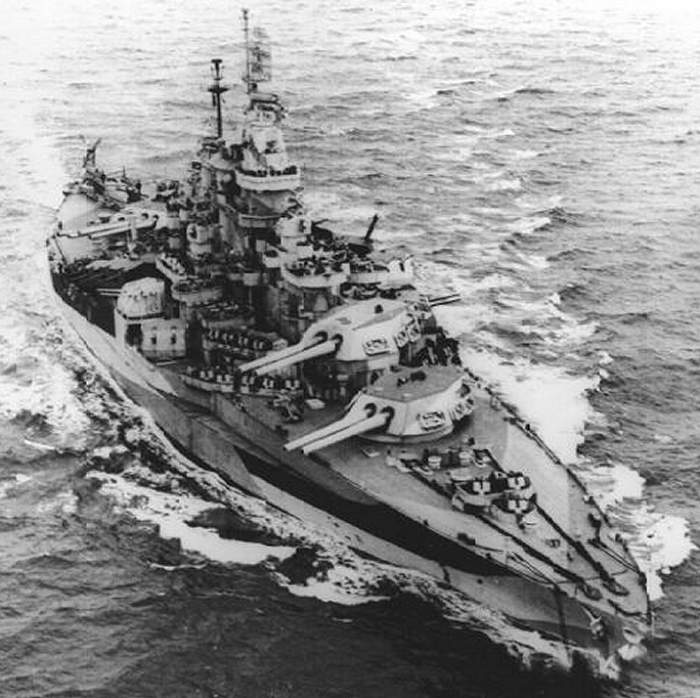
New Mexico BB-40 in 1930 before moderization

The Battleships of the Nevada and Pennsylvania classes had established American ship design as second to none in 1916.  At the same time the US Navy was planning advances in engineering systems that would change naval engineering forever.

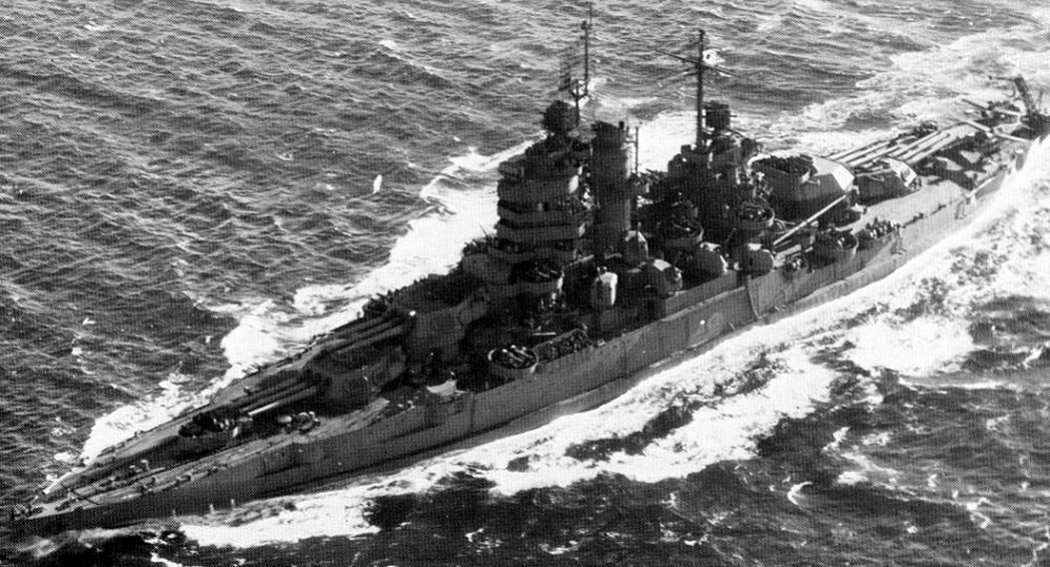
Idaho  BB-42 in 1931 after modernization

The ships of the New Mexico class were improvements on the preceding Nevada and Pennsylvania class half sisters.  Their hull was lengthened and beam increased. Additionally the new class was given a clipper bow to improve sea keeping capabilities.  While they maintained the same main battery layout of four turrets mounting three 14” guns each, however the guns were a higher caliber 14”/50 models that would also be mounted on the California class.  The New Mexico was also the test bed for a new power plant which featured General Electric geared turbines with electric drive which would be standard on succeeding classes of battleships as well as carriers, cruisers and destroyers.  The Mississippi and Idaho retained the older geared turbine design. The practical effect was that the New Mexico required less horsepower to attain the same speeds as the earlier design turbines.

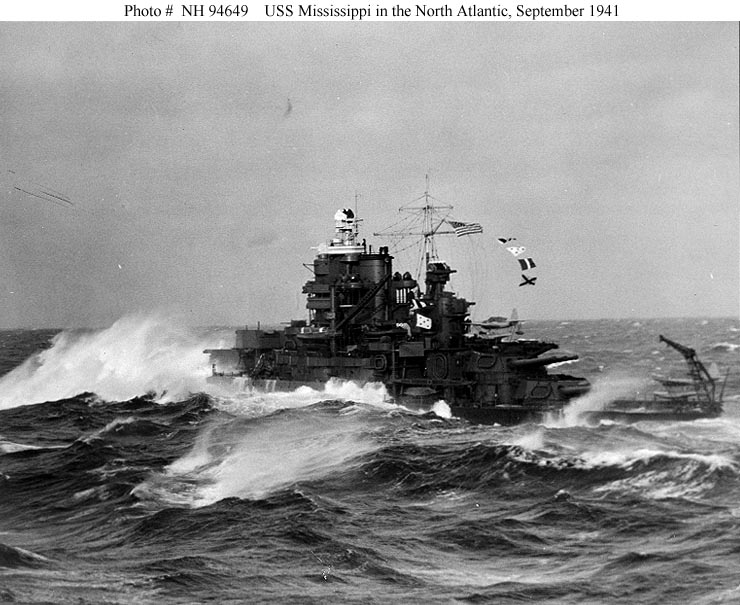
USS Mississippi BB-41 in the North Atlantic September 1941

Displacing 32,000 tons the ships were slightly larger than their predecessors.  New Mexico was launched on 23 April 1917 and commissioned on May 18th 1918.  Her sisters Mississippi and Idaho were actually launched and commissioned sooner being launched on January 25th 1917 and commissioned on December 18th 1917.  None of the ships saw action in the First World War and in 1919 the three would become the nucleus of the newly formed Pacific Fleet. They would serve in the Pacific but conduct exercises with the Atlantic Fleet in the Pacific as well as the Atlantic and Caribbean.  All three were modernized in the early 1930s receiving improvements in armor protection, anti-torpedo blisters, a modernized bridge structure to replace their cage masts, improvements to machinery and their secondary armament.

The Three Sister Moored Together, Late 1943

They would return to the Pacific but with the outbreak of war in Europe the three ships were transferred to the Atlantic Fleet where they took part in the Neutrality Patrol. When Pearl Harbor was attacked the three sisters went back to the Pacific where they spent much of 1942 escorting convoys and being prepared to repel any Japanese assault on the US Mainland.  In April 1943 they took part in the Aleutian campaign and the assaults on Attu and Kiska.  They would then sail to the Central Pacific where the provided support to the invasions of the Gilberts, Marshalls and Marianas islands by protecting the transports and providing naval gunfire support to Marines ashore.

Idaho in her final 1945 configuration. Note the 5″/38 DP Guns in single enclosed mounts used by US Fletcher Class DDs. The Idaho was the only Battleship to have this type of 5″ mount

The three would again operate together during the invasion of the Philippines where the Mississippi served with other battleships of the 7th Fleet’s battle line under Rear Admiral Jesse Oldenforf at the Battle of Surigo Strait where they annihilated a Japanese force including the battleships Fuso and Yamisharo.   Both Mississippi and New Mexico were damaged by Kamikaze hits in Philippine waters, the New Mexico taking a hit on her bridge which killed her Captain and 27 crewmembers.  Both would require repairs and both would miss the invasion of Iwo Jima which Idaho took part in.  The three joined forces again at Okinawa where they provided fire support to Marines and Soldiers ashore.  They would serve until the end of the war in the Pacific and take part in Operation Magic Carpet to return military personnel from the Pacific to the United States.

Idaho at Okinawa

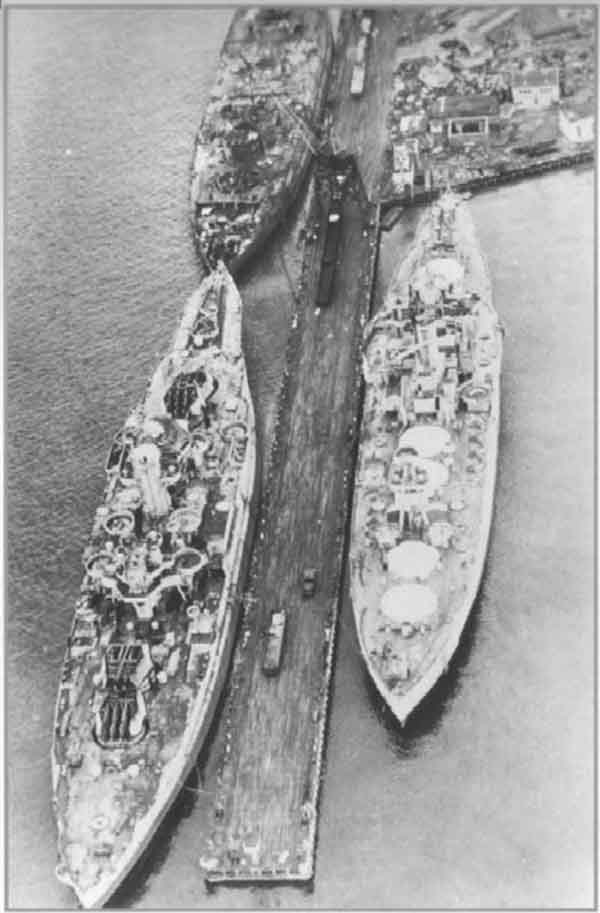
Following the war the New Mexico and Idaho were decommissioned and sold for scrap in 1948.  Mississippi however was converted into a gunnery training ship and reclassified as AG-128.

Idaho (lower left) New Mexico (top left) and Wyoming being scrapped at Newark NJ 1948

In this capacity she served as a test bed for new weapons including the Terrier guided missile systems which would be mounted on the first generation of US Navy Guided Missile Cruisers.   She was decommissioned in 1956 and sold for scrap after an abortive attempt by the state of Mississippi to acquire her as a memorial ship.

USS Mississippi AG-128 firing Terrier Missiles

The ships provided valuable service during the Second World War and the technical innovations in propulsion and protection would become standard in subsequent classes of US Navy battleships.  Additionally the post war service of the Mississippi helped propel the Navy into the missile era helping to build a foundation that is in evidence today in the Ticonderoga Class Guided Missile Cruisers and Arleigh Burke class Guided Missile Destroyers and their Aegis air defense and ballistic missile defense systems.  The ships of the New Mexico class and their stalwart crews should not be forgotten.

7 Comments

Filed under History, Military, Navy Ships, world war two in the pacific

The Battleships of Pearl Harbor

Arizona Leading the Battle Line

“Yesterday, Dec. 7, 1941 – a date which will live in infamy – the United States of America was suddenly and deliberately attacked by naval and air forces of the Empire of Japan…. The attack yesterday on the Hawaiian Islands has caused severe damage to American naval and military forces. Very many American lives have been lost.” Except of President Franklin D Roosevelt’s Pearl Harbor Speech December 8th 1941

Today is the 68th anniversary of the Japanese attack on Pearl Harbor and as we were then we are at war.

A Date that Will Live in Infamy: USS Arizona Burning

I remember reading Walter Lord’s “Day of Infamy” when I was a 7th grade student at Stockton Junior High School back in 1972.  At the time my dad was on his first deployment to Vietnam on the USS Hancock CVA-19.  As a Navy brat I was totally enthralled with all things Navy and there was little that could pull me out of the library.  Over the years I have always found the pre-World War Two battleships to be among the most interesting ships in US Navy history.  No they are not the sleek behemoths like the USS Wisconsin which I look at almost every day from Portsmouth Naval Medical Center as it lays moored across the Elizabeth River in Norfolk.  No these ships were the backbone of the Navy from the First World War until Pearl Harbor.  They were the US Navy answer to the great Dreadnaught race engaged in by the major Navies of the world in the years prior to, during and after World War One.

These ships were built over a period of 10 years and incorporated the advances in technology since the HMS Dreadnaught first came down the ways in 1906 to the experience gained in combat during the “Great War.”  While the United States Navy did not engage in battleship to battleship combat the ships built by the US Navy were the equal of many of the British and German ships of the era.

Oklahoma Before the War

The Battle Force of the Pacific Fleet in 1941 included 9 battleships of which 8 were at Pearl Harbor on the morning of December 7th.  In the event of war the US War Plans, called “Orange” called for the Pacific Fleet led by the Battle Force to cross the Pacific, fight a climactic Mahanian battle with the battleships of the Imperial Japanese Navy and after vanquishing the Japanese foe to relieve American Forces in the Philippines.  However this was not to be as by the end of December 7th all eight were out of action, with two, the Arizona and Oklahoma permanently lost to the Navy.

USS Oklahoma Being Raised from the Mud

These ships comprised 4 of the 6 classes of battleships in the US inventory at the outbreak of hostilities.  Each class was an improvement on the preceding class in speed, protection and firepower.  The last class of ships, the Maryland class composed of the Maryland, Colorado and West Virginia, was the pinnacle of US Battleship design until the North Carolina class was commissioned in 1941.  Since the Washington Naval Treaty limited navies to specific tonnage limits as well as the displacement of new classes of ships the United States like Britain and Japan was limited to the ships in the current inventory at the time of the treaty’s ratification.

USS Nevada Aground and Burning

The ships at Pearl Harbor included the two ships of the Nevada Class, the Nevada and Oklahoma. The Two ships of the Pennsylvania class, the Pennsylvania and her sister the Arizona, the two California class ships, the California and Tennessee and two of the three Maryland’s the Maryland and West Virginia.  The Colorado was undergoing a yard period at Bremerton and the three ships of the New Mexico class, New Mexico, Mississippi and Idaho had been transferred to the Atlantic before Pearl Harbor to bolster US strength in that area due to the German threat.  The three older ships of the New York and Wyoming Classes, the New York, Arkansas and Texas also were in the Atlantic. Two older battleships, the Utah and Wyoming had been stripped of their main armaments and armor belts and served as gunnery training ships for the fleet. The Utah was also at Pearl Harbor.

USS Nevada Firing on Utah Beach: D-Day

The ships that lay at anchor at 0755 that peaceful Sunday morning on “Battleship Row” and in the dry dock represented the naval power of a bygone era which was not recognized until two hours later. The age of the battleship had passed, but even the Japanese who launched the attack did not realize that the era had passed as they continued to build the massive super-battleships Yamato and Musashi mounting 9 18” guns and displacing 72,000 tons, near twice that of the battleships of the Pacific Fleet.

Arizona’s Main Battery

The Oklahoma and Nevada were the oldest ships in the Battle Force.  Launched in 1914 and commissioned in 1916 the Nevada and Oklahoma mounted ten 14” guns and displaced 27.500 tons and were capable of 20.5 knots. Serving in World War One alongside the British Home Fleet they were modernized in the late 1920s they were part of the US presence in both the Atlantic and Pacific in the inter-war years. Oklahoma would take part in the evacuation of American citizens from Spain in 1936 during the Spanish Civil War.  During the Pearl Harbor attack Oklahoma was struck by 5 aerial torpedoes capsized and sank at her mooring with the loss of 415 officers and crew. Recent analysis indicates that she may have been hit by at least on torpedo from a Japanese midget submarine. Her hulk would be raised but she would never again see service and sank on the way to the breakers in 1946.

USS Pennsylvania in Drydock with Wrecked USS Cassin and USS Downs

Nevada was the only Battleship to get underway during the attack.  As she attempted to escape the harbor she was heavily damaged and to prevent her sinking in the main channel she was beached off Hospital Point.  She would be raised and returned to service by the May 1943 assault on Attu.  She would then return to the Atlantic where she would take part in the Normandy landings off Utah Beach and the invasion of southern France in July 1944.  She then returned to the Pacific and took part in the operations against Iwo Jima and Okinawa where she again provided naval gunfire support.  Following the war she would be assigned as a target at the Bikini atoll atomic bomb tests, surviving these she would be sunk as a target on 31 July 1948.

USS Pennsylvania at Guam

The two ships of the Pennsylvania Class were improved from the Oklahoma’s.  Mounting twelve 14” guns and displacing 31,400 tons and capable of 21 knots they were commissioned in 1916 and also participated in operations in the Atlantic in the First World War.  Both being rebuilt and modernized in 1929-1931 they were mainstays of the fleet being present at Presidential reviews and making goodwill visits around the world.  Pennsylvania was the Pacific Fleet Flagship on December 7th 1941 and was in dry dock undergoing maintenance at the time of the attack. Struck by two bombs she received minor damage and would be in action in early 1942. She underwent minor refits and took part in many amphibious landings in the Pacific and was present at the Battle of Surigo Strait.  Heavily damaged by an aerial torpedo at Okinawa Pennsylvania would be repaired and following the war used as a target for the atomic bomb tests. She was sunk as a gunnery target in 1948.

USS Pennsylvania Passing Under Golden Gate Bridge Before the War

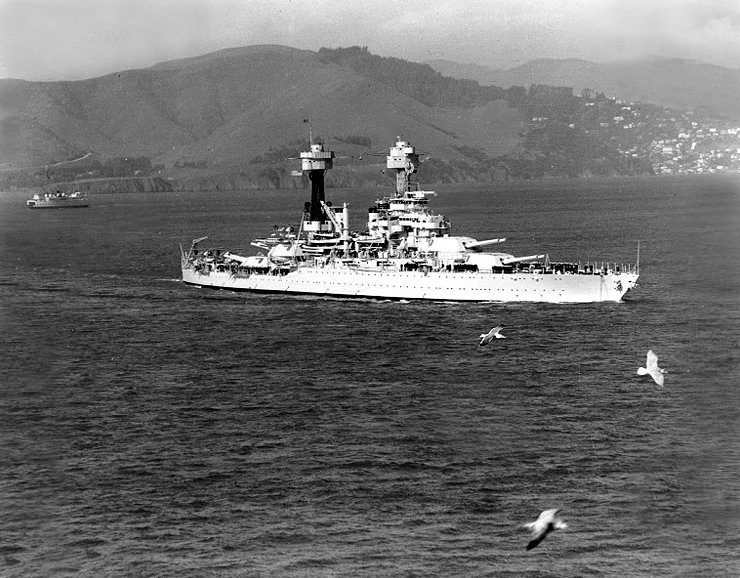
Arizona was destroyed during the attack.  Hit by 8 armor piercing bombs one of which penetrated her forward black powder magazine she was consumed in a cataclysmic explosion which killed 1103 of her 1400 member crew.  She was never officially decommissioned and the colors are raised and lowered every day over the Memorial which sits astride her broken hull.

USS Tennessee 1938

The Tennessee and California were the class following the New Mexico’s which were not present at Pearl Harbor.  These ships were laid down in 1917 and commissioned in 1920.  They mounted twelve 14” guns, displaced 32.300 tons and were capable of 21 knots.  Tennessee was damaged by two bombs and was shield from torpedo hits by West VirginiaCalifornia was hit by two torpedoes but had the bad luck to have all of her major watertight hatches unhinged in preparation for an inspection.

USS Tennessee at Okinawa

She sank at her moorings and would be refloated, rebuilt and along with Tennessee modernized with the latest in radar, fire control equipment and anti-aircraft armaments.  Both ships would be active in the Pacific campaign and be engaged at Surigo Strait where they inflicted heavy damage on the attacking Japanese squadron. Both would survive the war and be placed in reserve until 1959 when they were stricken from the Navy list and sold for scrap.

USS California Passing Under Brooklyn Bridge

The Maryland and West Virginia were near sisters of the Tennessee class.  They were the last battleships built by the United States before the Washington Naval Treaty.  Mounting eight 16” guns they had the largest main battery of any US ships until the North Carolina class.

USS Maryland 1944

The displaced 32,600 tons and could steam at 21 knots. Laid down in 1917 and commissioned in 1921 they would be modernized in the late 1920s they were the most modern of the “Super-Dreadnoughts” and included advances in protection and watertight integrity learned from British and German experience at Jutland.

USS California 1944

At Pearl Harbor Maryland  was moored inboard of Oklahoma was hit by 2 bombs.  She would be quickly repaired and returned to action.  She received minimal modernization during the war. She would participate in operations throughout the entirety of the Pacific Campaign mainly conducting Naval Gunfire Support to amphibious operations. 

USS West Virginia 1934

and in 1944


West Virginia suffered some of the worst damage in the attack. Hit by at least 5 torpedoes and two bombs she was saved from Oklahoma’s fate by the quick action of her damage control officer to counter flood so she would sink on an even keel.  She would be raised, refloated and taken back to the West Coast for an extensive modernization on the order of the Tennessee and California. 

Damage to West Virginia’s Hull

The last Pearl Harbor to re-enter service she made up for lost time as she lead the battle line at Surigo Strait firing 16 full salvos at the Japanese squadron helping sink the Japanese Battleship Yamashiro in the last battleship versus battleship action in history.  West Virginia, Maryland and their sister Colorado would survive the war and be placed in reserve until they were stricken from the Naval List and sold for scrap in 1959.

The battleships of Pearl Harbor are gone, save for the wreck of the Arizona and various relics such as masts, and ships bells located at various state capitals and Naval Stations.  Unfortunately no one had the forethought to preserve one of the survivors to remain at Pearl Harbor with the Arizona.  Likewise the sailors who manned these fine ships, who sailed in harm’s way are also passing away.  Every day their ranks grow thinner.  As December 7th  passes into history it is fitting to remember these men and the great ships that they manned.   If you know a Pearl Harbor survivor or a sailor who served on one of these ships take the time to thank them.

Peace,

Padre Steve+
USS Arizona Memorial

21 Comments

Filed under History, Military, Navy Ships, world war two in the pacific