Tag Archives: US Navy

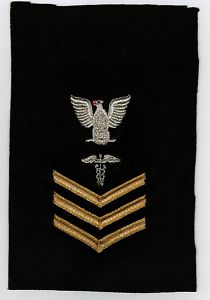
Corpsman Up! U.S. Navy Hospital Corps Turns 114 Years Old

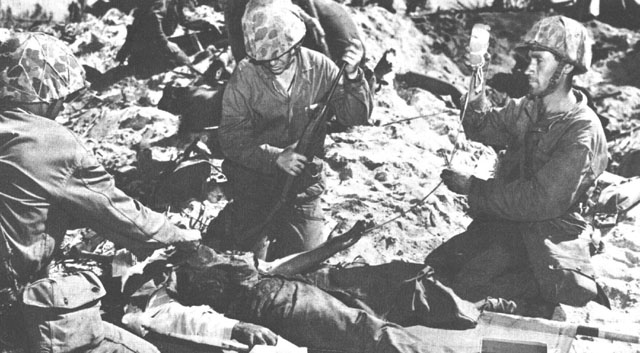
Corpsmen treating wounded Marine on Eniwetok Island 

“You guys are the Marine’s doctors; There’s no better in the business than a Navy Corpsman….”  Lieutenant General Lewis B. “Chesty” Puller, U.S.M.C

The numbers speak volumes: 22 Congressional Medals of Honor,174 Navy Crosses, 31 Distinguished Service Crosses (US Army Decoration), 946 Silver Stars1582 Bronze Stars, 22 Ships named after Corpsmen and 2012 Corpsmen killed in action since President William McKinley the establishment of the rating by by Congress which was into law on June 17th 1898.

Known by Marines and Sailors simply as “Doc” Corpsmen have served everywhere the Navy and Marine Corps have served or fought since the Spanish American War. The rating is quite remarkable because the Corpsmen are often the only medical support immediately available to sailors and Marines at “the tip of the spear.”

As medicine and surgery became more scientific and advanced during the industrial and scientific revolutions of the 1800s military physicians began to lobby for trained assistants.  Early in our nation’s history it was up to individual ships Captains to appoint assistants to the ship’s surgeons. Initially known by the British Royal Navy nickname “Lolly Boys” which referred to the ladle of porridge given to the sick, the men helped the surgeon prepare the operating area usually found deep in the hold of the ship on the Orlop Deck before battle and to help keep the surgeon supplied with hot irons to cauterize wounds and to sand the deck to keep the surgeon from slipping on the blood of the wounded.  The terminology would change throughout the years and in 1841 a senior rating of Surgeon’s Steward was introduced and later changed to Apothecary which required the completion of a course in basic pharmacy.

By the 1870s pressure was growing for reform of the rating but it was not until 1897, 10 years after the US Army established its enlisted Hospital Corps that the reformers were successful and the Surgeon General and his supporters were able to convince the Navy Department to push for the reforms in Congress.

The new Corpsmen served throughout the fleet and with the Marines and the rating was expanded to include two Apprentice ranks, three grades of Petty Officers and a Chief Petty Officer who were called Pharmacist Mates. Following World War Two the Navy changed the name of the rating to the generic term that Sailors and Marines had used for years, Hospital Corpsman or Hospitalman. The current rank structure was adopted in 1958.

Corpsmen with the Marines in every battle since their inception in 1898. They have  served aboard ships and often are the sole medical provider. Those serving in such capacity receive additional training as Independent Duty Corpsmen.  Those that serve with the Marines receive additional training at Field Medical Service School while many others receive specialized training in various technical fields within the Medical Department.  Many serve with the Marines, EOD, SEALS, Seabees and in Field Hospitals in Afghanistan caring for US and Allied wounded as well as local Afghan civilians. They can be found around the world wherever the Navy is in humanitarian and operations from Haiti to Indonesia. In every clime and place Corpsmen have accompanied Marines and Sailors to war. Today over 20,000 active duty and reserve Corpsmen serve aboard ships, in medical facilities, with EOD, Special Warfare, the Seabees and with the Fleet Marine Force. Many Navy Physicians, Nurses and Medical Service Corps Officers began their careers as Corpsmen.

As a Navy Brat a lot of my medical care as a child came from Corpsmen. One saved me from an overdose of baby Aspirin when I was about 3 years old when we were stationed in the Philippines, another set a cast on my arm when I broke it jumping my bike across a ditch in 6th grade. As an adult I have had the honor of serving with Corpsmen in the Fleet Marine Force, aboard the USS Hue City, in Iraq, with Navy EOD and for the past four years in Naval Medical Centers and Hospitals.

Corpsmen are amazing, especially when you need them.

Happy Birthday “Doc.”

Peace

Padre Steve+

Leave a comment

Filed under History, US Navy

Happy Birthday Chief’s: Navy Chief Petty Officers Celebrate 119 Years of Service

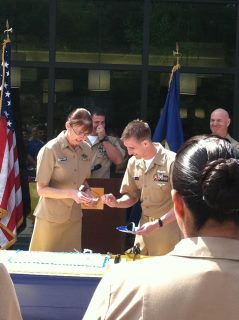
On Sunday April 1st the US Navy Chief Petty Officer Rank officially celebrated it’s 119th Anniversary. Today in most Navy commands as well as Marine Corps units that have Navy Chief’s assigned that anniversary was celebrated. I was in attendance today as our command celebrated the “birthday” of the Chief Petty Officer rank with the cutting of a cake.

The rank and pay grade of Chief Petty Officer was officially established on 1 April 1893 but the roots are deeper to the years prior to the Civil war as the rating structure of Petty Officers became more formalized and in 1864 with the pay manual listing Chief Boatswain’s Mate, Boatswain’s Mate in Charge, Boatswain’s Mate, Chief Gunner’s Mate, Gunner’s Mate in Charge, Gunner’s Mate, Chief Quartermaster and Quartermaster in the list of ratings.  The development continued in the 1880s with the formalization of Petty Officer ratings and Pay Grades as well as that of Seamen.

The 1893 regulations listed 9 Chief Petty Officer Ratings divided between three branches, the Seaman Branch which was composed of Chief Master at Arms, Chief Boatswain’s Mate, Chief Quartermaster and Chief Gunner’s Mate. The Artificer Branch had the Chief Machinist and Chief Carpenter’s Mate and the Special Branch had the Chief Yeoman, Apothecary (the future Pharmacist Mate and Hospital Corpsman) and Band Masters.  Pay for all Petty Officers and enlisted ranks was standardized in 1920 and in 1958 the Grades of Senior Chief Petty Officer and Master Chief Petty Officer were established.  Today Chiefs form the backbone of Navy commands around the world, from SEAL and EOD teams, surface ships, submarines, aviation squadrons, shore commands and medical units.

Above: Chief Aviation Ordnanceman John William Finn was awarded the Medal of Honor for extraordinary heroism and distinguished service during the December 7, 1941 Japanese air attack on Naval Air Station Kanoehe Bay, Oahu, T.H. He is wearing the medal in this photograph. 

Navy Chiefs wear a Khaki uniform similar to that of Commissioned Officers and on ships have their own berthing and Mess area in which only Chiefs or invited guests are allowed. The area is called the “Chief’s Mess” and nicknamed the “Goat Locker.”

While the three pay grades of Chiefs correspond to the pay grades of senior non-commissioned officers in the Army, Marine Corps and Air Force no other service sets its senior NCOs apart as does the Navy nor gives them the same measure of authority. Part of this goes back to the maritime tradition where a ship once it departs harbor has to depend on the skills and abilities of every member to the crew and that help should there be trouble will seldom be close at hand.

Cake cutting at Naval Hospital Camp LeJeune 

Navy Chiefs have been the linchpin of the Navy for 119 years. They are depended upon to help train new sailors as well as help train and advise Commissioned Officers. I have been fortunate to have served with some of the finest Chiefs in the Navy aboard the USS Hue City, EOD Group Two, 2nd Marine Division and the Naval Medical Center Portsmouth VA and now at Naval Hospital Camp LeJeune NC.

My Dad Aviation Storekeeper Chief Carl Dundas shortly after his promotion to Chief in 1967

Additionally I am blessed to be a “Chief’s kid.” My late father, Aviation Storekeeper Chief Carl Dundas retired from the Navy in 1974. I grew up in a Navy family and was blessed to have the Chiefs that my dad served alongside during his career and their families remain engaged with my parents. My dad died from complications associated with Alzheimer’s Disease in June of 2010 but to the end he was a Chief.

Blessings to all that wear or have worn the Khaki uniform and Fouled Anchor that symbolize this proud tradition.

Peace

Padre Steve+

2 Comments

Filed under Military, US Navy

A Memorial Service for HM1 David Graney and the End of a Long Week

This has been a busy week. It began with an unexpected emergency to baptize the grandchild of a dear friend injured in a terrible household accident.  I drove from North Carolina on Sunday to Virginia Beach and returned Monday evening. When I returned I was getting ready and preparing for the memorial service for a shipmate who died just two months from retirement, a service that we conducted today. After the service I was able to drive back to see my wife Judy and our nephew Adam, an Army Sergeant who is taking a course at Fort Lee and who is visiting for the weekend.

I am tired but blessed. Despite the hectic schedule I do love what I do and the people that I have the honor of serving.  Today was no exception as I had the honor of conducting the memorial service for Hospital Corpsman First Class David Graney, a Cardiovascular Technician at Naval Hospital Camp LeJeune.

David was preparing for retirement and was just two months away from when he would retire when he passed away. He was beloved among his fellow sailors, a mentor, friend, shipmate and leader. He was so knowledgable about his work that many people that he met in professional settings assumed that he was a fellow Cardiologist and not a technician who was attending conferences with the Cardiologists that he worked for and with. He was a leader who took care of his sailors teaching, caring and helping. He was a model Corpsmen. He was honest, forthright and did not hesitate to give his professional opinion and had a devastating sense of humor. I did not know him well, I had only met him a few times but from what his friends, shipmates and co-workers said I realized that David was a gem of a human being ad wonderful sailor.

His memorial service was attended by his family as well as former shipmates who travelled from across the country to attend. With our sailors drawn up in ranks in their dress blues David’s friends and shipmates recounted his impact on their lives.  I had the honor of conducting the service as well as preaching the homily.  I was really touched by the words of a young Corpsman who David led, as well as the words of our staff Cardiologist and a Petty Officer who had attended the Cardiovascular Technician course with David. What was consistent was that David was honest, forthright, knew his job, cared about those that were in his charge and was incredibly funny.  His death, sudden and unexpected reminded us all of our own mortality.

David will be missed by all those whose lives he touched. His death tore a hole in the fabric of the community that he served and in his family. I know that I wonder and ask the “why” question when someone like David dies seemingly before he should. Of course the “why” question cannot be answered except that for all of us death is a certainty, but not necessarily the end. Likewise that God will not fill the hole that is left in our lives when we lose someone dear to us. We can try to do it but that is ultimately self defeating because as long as that hole remains we remain connected to the one that we have lost. Dietrich Bonhoeffer said that:

“There is nothing that can replace the absence of someone dear to us, and one should not even attempt to do so. One must simply hold out and endure it. At first that sounds very hard, but at the same time it is also a great comfort. For to the extent the emptiness truly remains unfilled one remains connected to the other person through it. It is wrong to say that God fills the emptiness. God in no way fills it but much more leaves it precisely unfilled and thus helps us preserve — even in pain — the authentic relationship. Further more, the more beautiful and full the remembrances, the more difficult the separation. But gratitude transforms the torment of memory into silent joy. One bears what was lovely in the past not as a thorn but as a precious gift deep within, a hidden treasure of which one can always be certain.” 

I am tired right now, but have been privileged to be a part lives of the people that I have be able to serve this week. The are friends, they are shipmates, they are family.  They are part of the tapestry of my life.

Tonight I was able to celebrate the birthday of a friend at Gordon Biersch and I will check in on my friend whose grandson was injured while I am home. It should be a nice and hopefully relaxing weekend wit Judy, Molly and our nephew Adam before I return to North Carolina on Monday.

Have a blessed weekend.

Peace,

Padre Steve+

3 Comments

Filed under faith, Military, remembering friends, shipmates and veterans

Tension in the Gulf: Don’t Miscalculate; Speak Softly and Carry a Big Stick

“War is the unfolding of miscalculations.” Barbara Tuchman

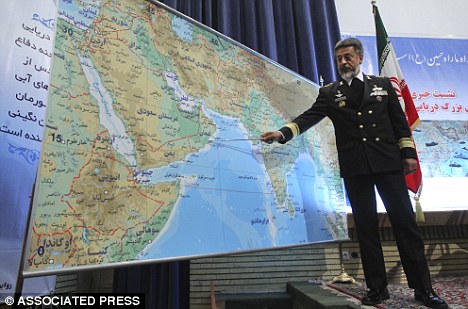
Iran’s navy chief Habibollah Sayyari briefs media on the naval exercise 

The greatest danger in the current war of words between Iran and the United States is the danger that the Iranians one side or the other will miscalculate the will, resolve and strength of the other.  Teddy Roosevelt made the comment “speak softly and carry a big stick.” The Iranians have been shouting loudly and brandishing a small stick and if they are not careful they will bluster their way into a naval war that they cannot win and that will cause significant economic and physical disruption in the region.

The Iranian Navy and Revolutionary Guards Naval Forces are about halfway into a 10 day series of exercises in the Gulf of Oman, the Strait of Hormuz and the Northern Arabian Gulf, or what they call the Persian Gulf. Iranian leaders have increased their rhetoric in regard to closing the Strait of Hormuz if more sanctions are leveled against them for their nuclear program.

The bellicosity of the Iranians comes at a time when they are feeling internal political pressure from Iranian young people, as well as external diplomatic and most likely espionage campaigns.  The latter are designed to slow down or halt their nuclear program which most analysts now believe to be designed to produce nuclear weapons.

For what it is the Iranian Navy can threaten the strait and maybe even close it for a limited time. It is possible if they ever launched a surprise attack on an isolated US or Western warship using their “swarm” tactics close inshore to Iran in the constricted waters of the strait or in a narrow part of the NAG that they could sink or cause severe damage to it.  They would probably mine the straits if they could do so before hostilities began or before sufficient forces could be deployed to stop them. Likewise their missile forces and special operations forces could cause some damage and chaos in the Gulf but the repercussions would isolate and devastate Iran.  However closing the strait or attacking a US or Western warship would be the end of Iran’s naval forces and cause more damage to the country than its leaders are willing to accept at least right now. The Iranians would find that they were fighting far more than the United States Navy should this happen and their Russian and Chinese supporters would more than likely do everything possible to dissuade them from trying this.  Since China imports the bulk of its oil from the Gulf it is unlikely that they would support the Iranians.

While such a direct attack is unlikely the possibility of an accidental war caused by miscalculation on the part of one side or the other is always real and should the Israelis strike Iran’s nuclear facilities Iran would certainly retaliate against Israel but also US Forces and installations in the Gulf and probably against the Gulf States and even Iraq.

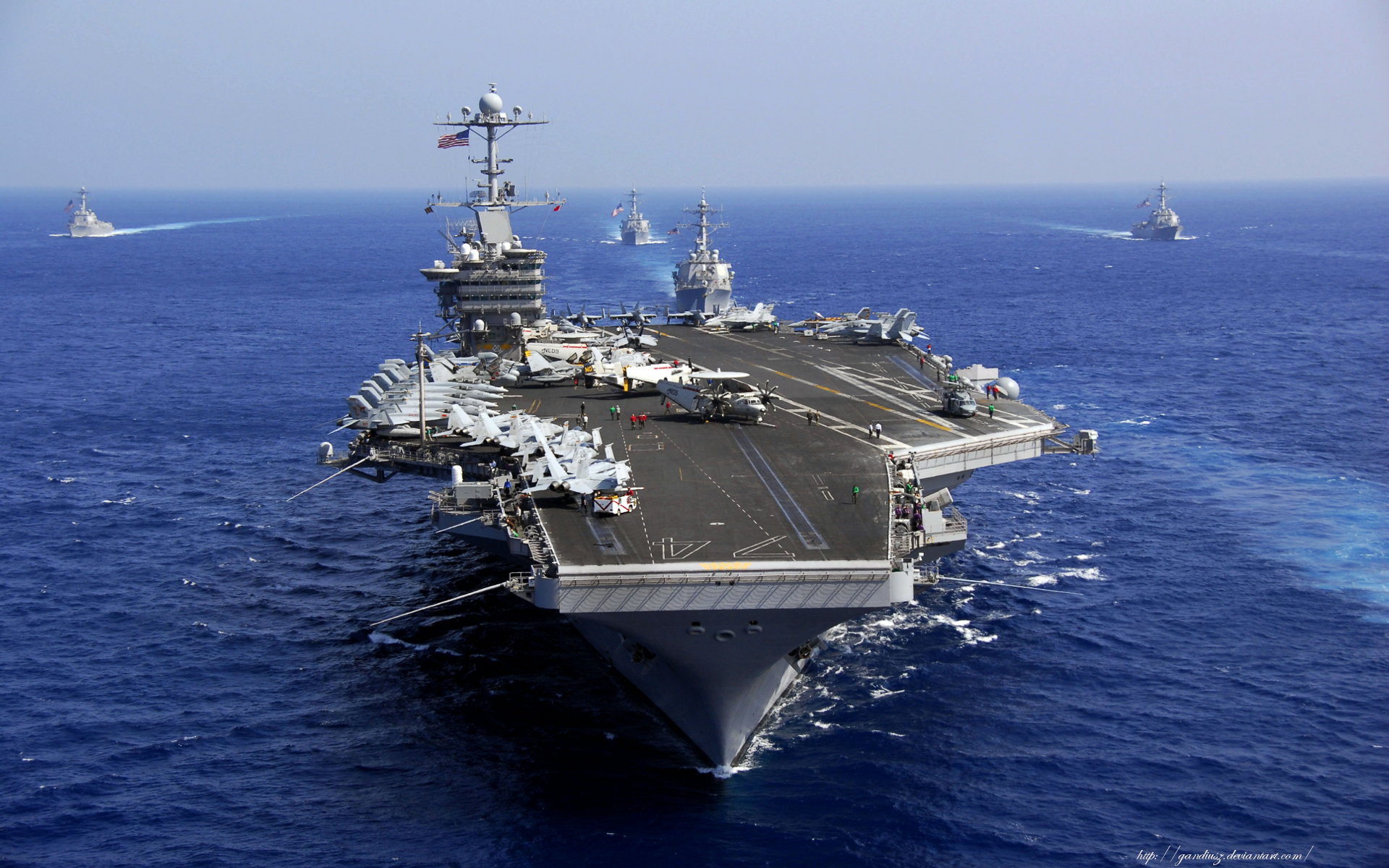
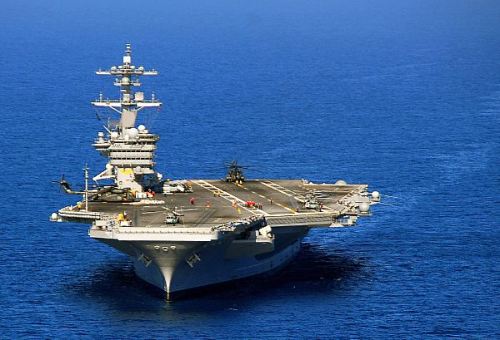
USS John C Stennis (US Navy Photo)

Regarding how such a campaign would be fought the United States would stand off a safe distance and pound Iranian naval, air and coastal defenses and not allow Iranian surface ships to get close enough to make a swarm attack.  This is a big reason that the USS John C. Stennis transited the straits and entered the Gulf of Oman (GOO).  Operating in the open seas gives the blue water US Navy the edge. The Iranian navy’s ships lack the range and endurance for sustained operations at sea and could not sustain a blockade. US attack submarines would hunt down the Iranian Kilo class subs before they could become a threat and US Naval Aviation assets would sweep the surface assets of the Iranian Navy and Revolutionary Guard Naval Forces from the sea while destroying Iranian coastal defenses on the islands in and the Iranian side of the strait.  Once the strait was cleared tanker traffic would resume and Iran would be the biggest loser.  History shows time and time again that light coastal naval forces are no match for a professional seagoing navy even if they score an occasional victory.

Much has been made about Iranian claims to have tracked the USS John C Stennis as she transited the straits.  That is nothing new, the Iranians have air, sea and land surveillance of the narrow straits. The fact is that US ships transit the strait and its approaches on high alert and have done so since the Tanker Wars of the 1980s.  Every Iranian move is watched by the US Navy.  Likewise while transiting the strait the ships of both sides communicate with each other regarding navigation.  It is standard practice.

Since I believe that the Iranians despite their rhetoric are far more prudent than some believe and that they will not launch an unprovoked attack. Even if they succeeded in temporarily closing the straits and even scoring some kind of naval victory by sinking a US ship the victory would be extremely short lived. US and other forces would stream to the region and devastate all that is Iran. The costs for the Iranians and their long term goal of regional hegemony would be too great for them to intentionally start a naval confrontation in the Gulf.  However the chances of either side miscalculating and stumbling into war should not be underestimated.

The biggest danger now is the potential for miscalculation but Iran’s long term goal of dominating the Gulf and acquiring nuclear weapons will probably keep them from attempting anything of this sort. That said there are factions in Iran that could try to use the threat of new sanctions to force a confrontation in the straits and for that we must be ready to meet the threat.  Iranian threats should not be disparaged nor their political and military will underestimated. To underestimate an Iran’s capabilities and will are extremely dangerous. At the same time we should not overestimate their capabilities and yield to their threats when they threaten to cut off the flow of oil from the Gulf.

The United States needs to follow Theodore Roosevelt’s advice and remember history as we follow the situation and ensure that whatever Iran does that we will not be surprised or unprepared.

Peace

Padre Steve+

Leave a comment

Filed under Foreign Policy, History, middle east, national security, US Navy

The Last Troops Leave as Sunnis Quit Iraqi Parliament

The final contingent of American Soldiers except those assigned to the US Embassy.  The last US military installation in Iraq, Camp Adder near Nasiriya during the cover of night to avoid traffic jams and for their security. As the 500 soldier 110 vehicle convoy of Special Troops Battalion 3rd Brigade 1st Cavalry Division from Fort Hood made its way to the Kuwait border the Sunni Block Iraqiya quit the Iraqi Parliament.  The Americans crossed the fortified border of Kuwait joining their comrades at Camp Virginia marking the end of our  war in Iraq today.

Iraqiya is one of the largest political parties in the country and had entered the government on a power sharing basis with the majority Shia coalition.  Iraqiya is protesting Prime Minister Nouri Al Maliki’s consolation of power in himself and Ma his failure to fill the key Defense Minister and Interior Minister vacancies.  One of the party’s leaders warned of a Maliki dictatorship and the possibility of civil war and the division of the country.

It will be a dangerous time for Iraq and the region. Should their be a civil war the possibility of the intervention of Iran, Saudi Arabia or even Turkey to secure their interests in the country. Such would be a disaster for Iraq and its people.  Somehow the Shia and Sunni will have to find a way to share power or face even more war and destruction.

I pray for my Iraqi friends and that they will find a way to rebuild and unify their country.  Too many American Soldiers, Marines, Sailors and Airmen as well as Iraqi security forces and civilians have died over the course of this war to do anything else.

Our war in Iraq is over and I hope that Iraq and its people will truly unite prosper and become a friend to the United States. Likewise I pray for all of us that served in Iraq and our families that time will also heal the wounds of war.  But only time will tell.  God willing, Inshallah.

Peace

Padre Steve+

1 Comment

Filed under History, iraq,afghanistan, middle east, Military

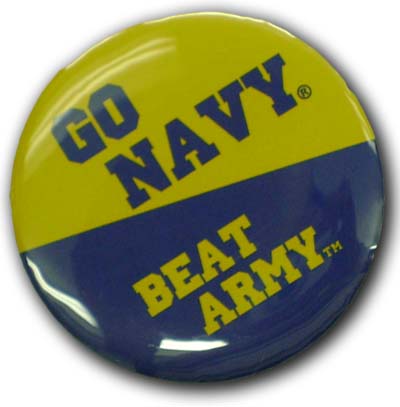
GO NAVY! BEAT ARMY! Padre Steve is Passionate About Navy

I have always been a fan of Navy. I was born in a Navy hospital and grew up as a Navy Brat.  My dad was a Navy Chief Petty Officer and retired from the Navy in 1974. However my dad for all of his virtues, love of the Navy, distain for the Army was not a fan of the Naval Academy during the Army Navy Game. I remember asking him about this and it turns out that as a kid he was a fan of the Military Academy sometimes known as “Army” at this time of year.  He was a man of of principle and never wavered in his support of Army football during the Army Navy Game.

As for me I have been a “flip flopper” in much of my life. I grew up as a Navy brat and entered the Army because Judy said that she wouldn’t marry me if I joined the Navy but that the Army was okay.  No to be truthful I did ask the Navy ROTC unit at UCLA about the possibilities of entering the Navy but to do so they wanted me to change my major in my senior year of college from History to something in the hard sciences, Mathematics or Engineering.  Since I had no desire to repeat several years of college I asked “who will take me?”  I was told to “see the people in green down the hall.”  Thus I ended up in the Army.

Now when I was in the Army I remained faithful to the Navy.  I had a “Go Navy” button that I would keep in my uniform pocket especially during the weeks leading up to the Army-Navy Game.  Well after 17 1/2 years of service in the Army, Army National Guard and Army Reserve I declared free agency and resigned my Army Reserve commission as a Major to enter the Navy, reducing in rank to do so. Judy was not pleased because I basically made the decision without consulting her, even though she probably would have agreed if I had asked her but what can I say? I am a man. A manly one at that. However Judy has remained with me for all of these years she has been a military wife for over 28 years now and probably has another 5-8 or more to go.  God bless her and the other military spouses that choose to endure the career choices of their husbands or wives.  But I digress…

The fact is that through thick and thin and despite the fact that I was a military service “flip-flopper” I have always been true to the Naval Academy in its rivalry against the Army and the Air Force.  The fact that I was in the Army for many years never took away from the fact that as a kid I loved the Navy and always was for Navy in the Army-Navy Game. The fact that my dad who was a career Navy man always cheered for the Army is inspirational to me. My dad was a man of character and never abandoned the team that he cheered as a child.  Like him I have not wavered in my support of the team that I cheered as a child. The irony is that I spent nearly a full career in the Army before going to the Navy.

As for the “Go Navy” button I gave it to my best friend in Germany a now retired German Army Officer who spent the first three years of his military career in the German Navy.  Gottfried never left his navy roots and I gave the button to him many years ago.  He may have spent most of his career in the German Army but still is a Navy man at heart.

On Saturday the Midshipmen of the Naval Academy will play the Cadets of Army. The Navy Goat will face the Army Mule yet again in this great American tradition. While we may be adversaries on the gridiron we are brothers on battlefield and in the defense of the United States and our friends.  I have served over 30 years in the Army and Navy. Though I admire and respect my friends in the Army I can only say one thing about the Army-Navy Game….


GO NAVY! BEAT ARMY!

Peace

Padre Steve+

2 Comments

Filed under Just for fun, Military, sports and life, US Navy

Veterans Day 2011: Giving Thanks for the Veterans in my Life

My Dad Aviation Storekeeper Chief Carl Dundas aboard USS Hancock CVA 19 around 1971 or 1972

I always become a bit more thoughtful around Veterans Day and Memorial Day.  I’ve been in the military for over 30 years now.  I enlisted in the National Guard while in college and entered Army ROTC back on August 25th 1981.  Since then it has been to quote Jerry Garcia “a long strange trip.”  During that trip I learned a lot from the veterans who I am blessed to have encountered on the way.

I come from a Navy family. My dad served twenty years in the Navy.  Growing up in a Navy family in the 1960s and 1970s was an adventure for me and that Navy family that surrounded us then remained part of my family’s life long after.  My mom and dad remained in contact with friends that they served with or were stationed with, and now many of them are elderly and a good number have passed away.  Even so my mom, now a widow stays in regular contact with a number of her Navy wife “sisters.”

My dad retired in 1974 as a Chief Petty Officer and did time surrounded in the South Vietnamese city of An Loc when it was surrounded by the North Vietnamese for 80 days in 1972.  He didn’t talk about it much when he came back; in fact he came back different from the war.  He probably suffered from PTSD.  All the markers were there but we had no idea about it back then, after all he was in the Navy not the Army.  I had friends whose dad’s did not return fromVietnamand saw howVietnamveterans were treated by the country as a whole including some members of the Greatest Generation.  They were not welcomed home and were treated with scorn.  Instead of being depicted a Americans doing their best in a war that few supported they were demonized in the media and in the entertainment industry for many years afterwards.

My dad never made a big deal out of his service but he inspired me to pursue a career in the military by being a man of honor and integrity.

It was the early Navy family experience that shaped much of how I see the world and is why I place such great value on the contributions of veterans to our country and to me.  That was also my introduction to war; the numbers shown in the nightly news “body count” segment were flesh and blood human beings.

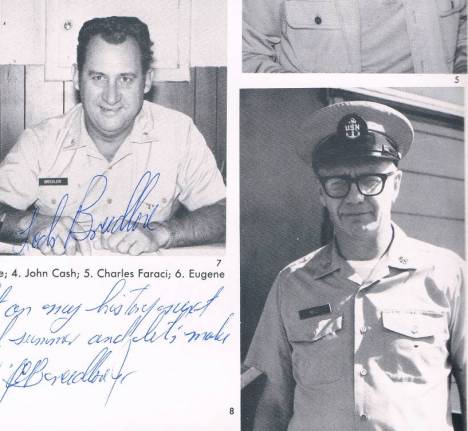
LCDR Jim Breedlove and Senior Chief John Ness

My second view of war came from the Veterans of Vietnam that I served with in the National Guard and the Army.  Some of these men served as teachers and mentors.  LCDR Jim Breedlove and Senior Chief John Ness at the Edison High School Naval Junior ROTC program were the first who helped me along.  Both have passed away but I will never forget them.  Commander Breedlove was someone that I would see every time that I went home as an adult. His sudden death the week before I returned from Iraqshook me.  I have a post dedicated to them at this link.  (In Memorium: Chief John Ness and LCDR Jim Breedlove USN )

Colonel Edgar Morrison was my first battalion commander.  He was the most highly decorated member of the California National Guard at that time and had served multiple tours inVietnam.  He encouraged me as a young specialist and officer cadet and showed a tremendous amount of care for his soldiers.  Staff Sergeant’s Buff Rambo and Mickey Yarro taught me the ropes as a forward observer and shared many of their Vietnam experiences. Buff had been a Marine dog handler on the DMZ and Mickey a Forward Observer.

The Senior NCOs that trained me while in the Army ROTC program at UCLA andFortLewishad a big impact. All were combat veterans that had served inVietnam.  Sergeant First Class Harry Zilkan was my training NCO at the UCLA Army ROTC program.  He was a Special Forces Medic with 7th Group inVietnam.  He still had part of a VC bayonet embedded in his foot.  He received my first salute as a newly commissioned Second Lieutenant as well as a Silver Dollar.  I understand that after the Army he became a fire fighter.  He had a massive heart attack on the scene of a fire and died a few years later from it.  Sergeant Major John Butler was our senior enlisted advisor at UCLA.  An infantryman he served with the 173rd Airborne inVietnam.  Sergeant First Class Harry Ball was my drill sergeant at the ROTC pre-commissioning camp at Fort Lewis Washington in 1982.  He was a veteran of the Special Forces and Rangers and served multiple tours inVietnam.  Though he only had me for a summer he was quite influential in my life, tearing me apart and then building me back up.  He was my version of Drill Sergeant Foley in An Officer and a Gentleman. Like Zack Mayo played by Richard Gere in the movie I can only say: Drill Sergeant “I will never forget you.”

As I progressed through my Army career I encountered others of this generation who also impacted my life. First among them was First Sergeant Jim Koenig who had been a Ranger in the Mekong Delta.  I was the First Sergeant that I would measure all others by.  Once during an ARTEP we were aggressed and all of a sudden he was back in the Delta. This man cared so much for his young soldiers in the 557th Medical Company.   He did so much for them and I’m sure that those who served with him can attest to this as well as me. Jim had a brick on his desk so that when he got pissed he could chew on it.   He was great.  He played guitar for the troops and had a song called “Jane Fonda, Jane Fonda You Communist Slut.” It was a classic.  He retired after he was selected to be a Command Sergeant Major because he valued his wife and family more than the promotion.  It hurt him to do this, but he put them first. Colonel Donald Johnson was the commander of the 68th Medical Group when I got to Germany in January 1984.  Colonel “J” as well all called him was one of the best leaders I have seen in 28 years in the military.  He knew everything about everything and his knowledge forced us all to learn and be better officers and NCOs.  On an inspection visit you could always find him dressed in coveralls and underneath a truck verifying the maintenance done on it.  He served a number ofVietnamtours.  He died of Multiple Myeloma and is buried at Arlington.  Chaplain (LTC) Rich Whaley who had served as a company commander in Vietnam on more than one occasion saved my young ass at the Army Chaplain School.  He remains a friend and is the Endorsing Agent for the Church of Jesus Christ of Latter Day Saints. As a Mormon he was one of the most “Christian” men that I have ever met.  I know some Christians who might have a hard time with that, but Rich demonstrated every trait of a Christian who loved God and his neighbor.

Me with Major General Frank Smoker USAF (ret) and Colonel Tom Allmon US Army at Colonel Allmon’s Change of Command at Ft Myer Virginia 2005 

When I was the Installation Chaplain at Fort Indiantown Gap PA I was blessed to have some great veterans in my Chapel Parish.  Major General Frank Smoker flew 25 missions as a B-17 pilot over Germany during the height of the air war in Europe. He brought his wonderful wife Kate back from England with him and long after his active service was over he remained a vital part of the military community until his death in 2010.  Sergeant Henry Boyd was one of the 101st Airborne soldiers epitomized in Band of Brothers. He had a piece of shrapnel lodged next to his heart from the Battle of the Bulge until the day he died and was honored to conduct his funeral while stationed at Indiantown Gap. Colonel Walt Swank also served in Normandy.  Major Scotty Jenkes was an Air Force pilot in Vietnam flying close air support while Colonel Ray Hawthorne served several tours both in artillery units and as an adviser in 1972 and was with General Smoker a wonderful help to me as I applied to enter the Navy while CWO4 Charlie Kosko flew helicopters in Vietnam.  All these men made a deep impact on me and several contributed to my career in very tangible ways.

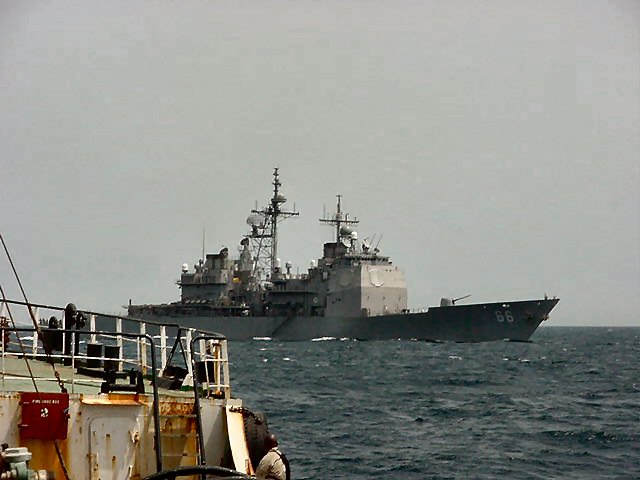
Me with my boarding team on USS HUE CITY CG-66 2002

My life more recently has been impacted by others. Since coming into the Navy I have been blessed to serve with the Marines and Sailors of the 2nd Combat Engineer Battalion and Lieutenant Colonel T D Anderson, 1st Battalion 8th Marines and Lieutenant Colonel Desroches, 3rd Battalion 8th Marines and Colonel Lou Rachal and Headquarters Battalion 2nd Marine Division and Colonel, now Major General Richard Lake.   My friends of the veterans of the Battle of Hue City including General Peter Pace, Barney Barnes, Tony “Limey” Cartilage, Sergeant Major Thomas and so many others have become close over the years, especially after I did my time inIraq. They and all theVietnam vets, including the guys from the Vietnam Veterans of America like Ray and John who manned the beer stand behind the plate at HarborPark all mean a lot to me.  My friends at Marine Security Forces Colonel Mike Paulovich and Sergeant Major Kim Davis mean more than almost any people in the world.  We traveled the globe together visiting our Marines.  Both of these men are heroes to me as well as friends, Colonel Paulovich was able to administer the oath of office to me when I was promoted to Commander.

With advisers to 1st Brigade 1st Iraq Army Division, Ramadi Iraq 2007

Finally there are my friends and brothers that I have served with at sea on USS HUE CITY during Operation Enduring Freedom and the advisers on the ground in Al Anbar mean more than anything to me. Perhaps the most important is my RP, RP2 Nelson Lebron who helped keep me safe and accompanied me all over the battlefield.  Nelson who has doneIraq3 times,Afghanistan,Lebanon and the Balkans is a hero.  The men and women of Navy EOD who I served with from 2006-2008 have paid dearly in combating IEDs and other explosive devices used against us in Iraq and Afghanistan are heroes too.  There is no routine mission for EOD technicians.  Then there are the friends that I serve with in Navy Medicine, medical professionals who care for our Sailors, Marines, Soldiers and Airmen, family members and veterans at home and in the thick of the fighting in Afghanistan.

I give thanks for all them men that I mention in this post, especially my dad. For the countless others that are not mentioned by name please know that I thank God for all of you too.

I do hope that people will remember the Veterans that impacted their lives this and every day.  Some may have been the men and women that we served with, perhaps a parent, sibling or other relative, maybe a childhood friend, a teacher, coach or neighbor. As we pause for a moment this Friday let us honor those who gave their lives in the defense of liberty in all of the wars of our nation. They have earned it.

Peace

Padre Steve+

1 Comment

Filed under Loose thoughts and musings

The Navy is the Future of National Security

USS HUE CITY CG 66 in the Arabian Gulf 2002.  “I wish to have no Connection with any Ship that does not Sail fast for I intend to go in harm’s way.” John Paul Jones 

“Without a decisive naval force we can do nothing definitive, and with it, everything honorable and glorious.”  President George Washington

“A good Navy is not a provocation to war. It is the surest guaranty of peace.” President Theodore Roosevelt

“A powerful Navy we have always regarded as our proper and natural means of defense; and it has always been of defense that we have thought, never of aggression or of conquest. But who shall tell us now what sort of Navy to build? We shall take leave to be strong upon the seas, in the future as in the past; and there will be no thought of offense or provocation in that. Our ships are our natural bulwarks.” President Woodrow Wilson

“Events of October 1962 indicated, as they had all through history, that control of the sea means security. Control of the seas can mean peace. Control of the seas can mean victory. The United States must control the seas if it is to protect your security….” President John F. Kennedy
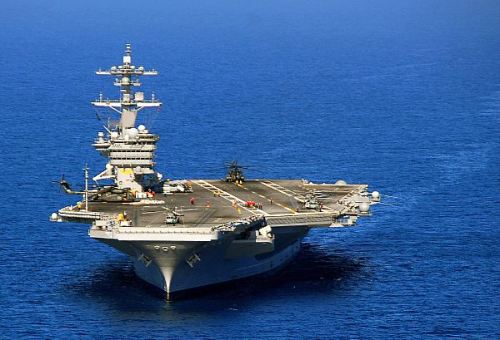
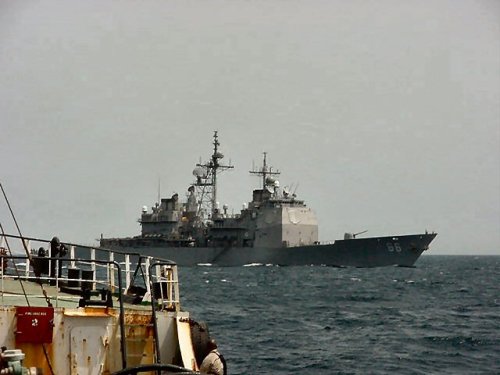
There are a great many debates in Congress and the Pentagon regarding the current and future military budgets in light of the massive budget deficits and economic crisis facing the nation.  Complicating the issue is our massive commitment to land campaigns that contribute little to the long term national security of the United States and its friends. These wars constrain our diplomatic military and economic ability to respond to other crises at home and around the world be they military threats, terrorism or natural or man made disasters.

Until the mid 20th Century theUnited States viewed the land forces when used abroad as expeditionary forces which were employed overseas for relatively short periods of times of combat.  The mission and strategy was to fight the war, bring all or most of the forces home, assist with security as needed and depend on a naval presence to show the flag without a continued large “boots on the ground” presence.   The two times that we have elected to fight protracted ground wars with no definable condition of victory we have come out weaker than we went in.  This was the case inVietnam a war which badly divided the nation and nearly destroyed the military as a viable force.  The present campaign in Afghanistan and the war in Iraq which is close to ending have the potential to do the same.

In the prosecuting the Global War on Terror which was launched in response to the attacks of September 11th 2001 we have for the most costly and historically flawed ways to use an American Army.  In doing so we have had to invest a huge amount of our expenditures simply to maintain a force to keep the status quo in a country that will turn on us as soon as it convenient to do so.

In the process of focusing on these aspects of this war we have forgotten the more crucial long term aspects of national security which can only be addressed by maritime power.  This power includes the military might of the Navy and Marine Corps team but also includes our Merchant Marine and Coast Guard.
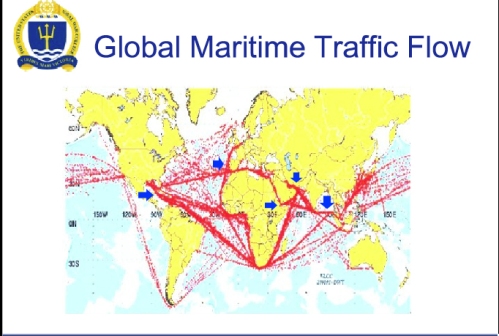
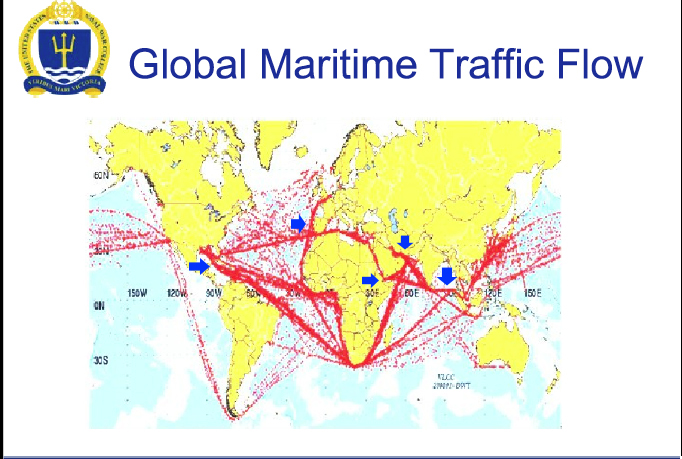
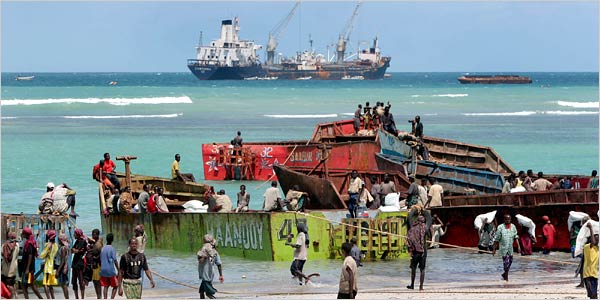
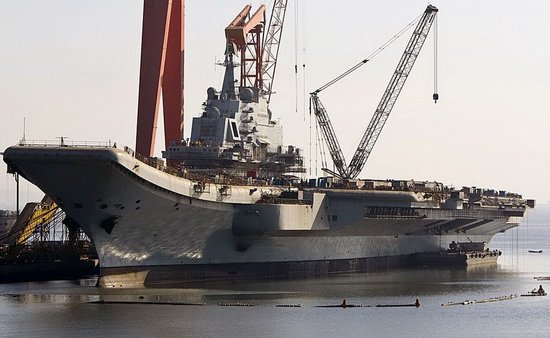
Ninety percent of world trade is transported by ship via sea lanes that have choke points such as the Strait of Hormuz,Strait of Malacca, the Bab El Mendeb and the Horn of Africa, and the Strait of Gibraltar.  Likewise other traffic must pass through the South China Sea, the Taiwan Straits or around Cape Horn.  Then there are the two major maritime canals the Panama and Suez Canals.  Terrorists, pirates, rogue nations and ascending Naval powers such asChinapose real threats in all of these critical maritime commerce choke points.
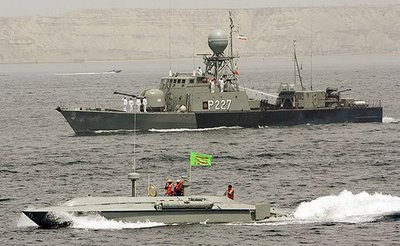
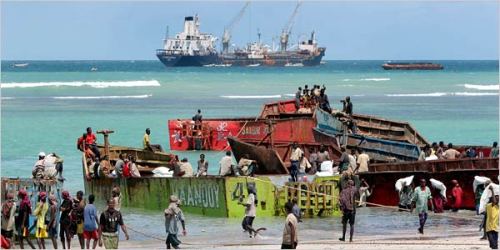
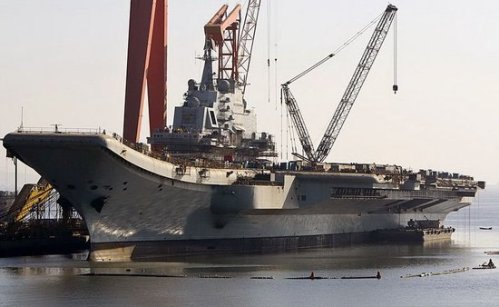
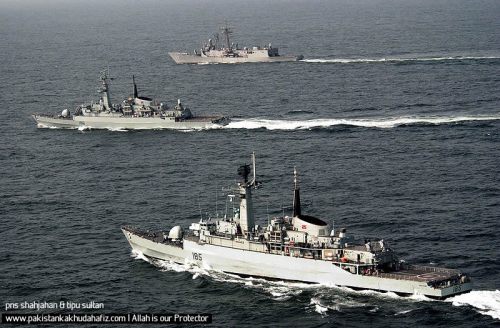
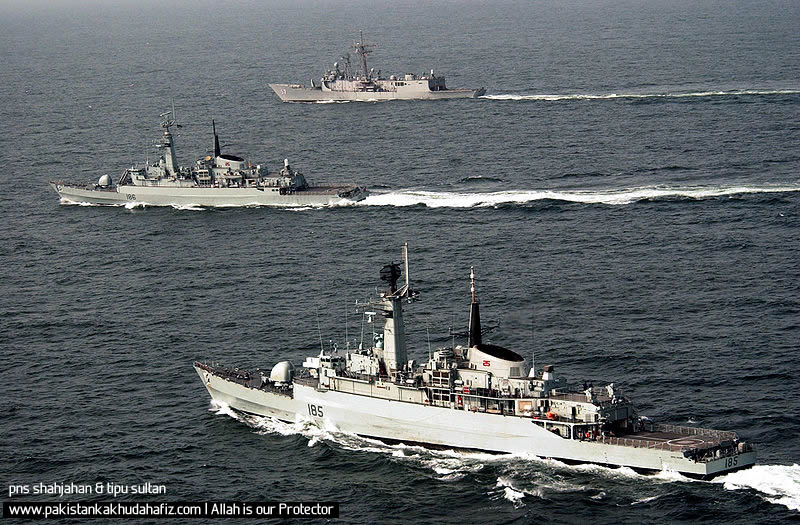
Real and potential threats to the choke points: Iranian Naval and Revolutionary Guard Naval forces, Somali pirates, the new Chinese aircraft carrier and a Pakistani Navy that may become an enemy overnight 

Most of the world’s population lives in what are called the littorals, the areas of land adjacent to oceans and major waterways.  Likewise most industry is located in these areas. Most of these populations and industries are also in areas under the same type of threats as the sea lanes and choke points.  Simply put the sea and the littorals are much more important to this country and the world than landlocked Afghanistan.  They also are much more easily influenced by naval power that is not bound to land bases in nations where governments and their policy to the United Statesand our friends can change overnight and which large land armies would have minimal impact.

The United States Navy has been and still is the world’s preeminent naval power. It will likely remain so for the foreseeable future but the navy is strained.  Since 2001 it has shrunk in size, shed some 52,000 sailors and seen its scope of responsibility and operational tempo increase putting greater strain on the ships, aircraft and personnel remaining.  Ships are aging, maintenance was deferred and the planned new construction has not materialized.  The Ticonderoga Class Guided Missile Cruisers are nearing an average age of 20 years, our carriers average 23 years old, many of our submarines are nearing the end of their projected service lives and some other ships are far older.

Ship classes like the Freedom and Independence class Littoral Combat Ships (LCS), San Antonio Class Landing Ships (LPD) and the DD-1000 Zumwalt Class are badly over budget, plagued with technical and workmanship issue and are behind in production.
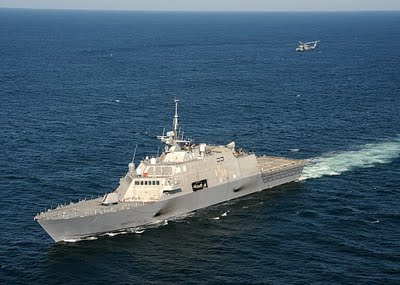
USS Freedom (above) and USS Independence Littoral Combat Ships
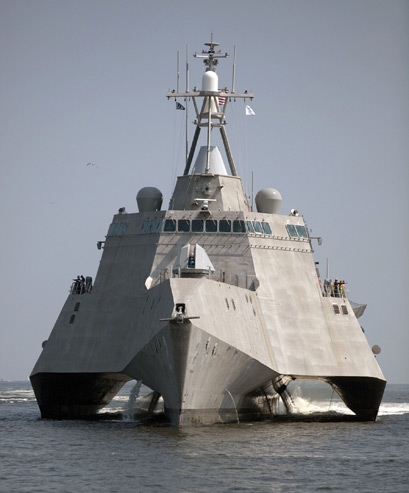
The LCS in particular seems like a bad investment, the ships are undermanned and under armed, planned weapons modules are not in production and they are not designed for survivability.  In effect they are large fast ships with almost no offensive or defensive capabilities that would be hard pressed to survive in a fight with any current or future Corvette or Frigate fielded by an opposing naval force. In order to be effective they need heavier armament and larger crews and need a redesign to improve their survivability. It makes no sense to spend more than half a billion dollars each on ships that are not survivable and cannot fulfill their intended missions.  A better choice would be something similar to the Dutch De Zeven Provincien  German Sachsen or the French Lafayette Class frigates which have a heavy armament and good endurance or the smaller and cheaper German Braunschweig class Corvettes.
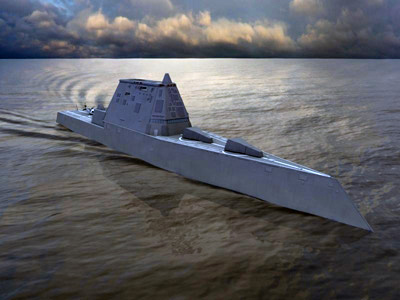
DD-1000 the Zumwalt Class

The Zumwalts are 14,000 ton “Destroyers” that were designed as a replacement for the battleship.  Originally 32 were planned but the high cost and multiple problems associated with the design. These issues have included such things as seaworthiness due to their hull form and other hull issues, its integrated advanced electro-magnetic propulsion system and its surface and air warfare capabilities.  Their armament has been an issue since the beginning as they cannot meet the standards of the Aegis equipped Cruisers and DDGs and cannot support the Ballistic Missile Defense capabilities of those ships.  Their naval gunfire support capability which was advertised as one of their main selling points is woeful. They are to be equipped with two 155mm long range naval guns designed to use a “smart” munitions. The ships will carry a limited supply of shells for these guns and because of the need for extended range and guidance capabilities the shells will have a smaller charge than their land based counterparts.   They will have only two-thirds of the VLS cells than Ticonderoga class ships meaning that they can carry few missiles of all types.  It is likely that the Tomahawk cruise missile will comprise the bulk of their missile armament but if one wants a ship that’s only significant capability is launching Tomahawks then there are many other ideas which are more economical and can carry far more missiles than the Zumwalts. One of these was the Arsenal ship which was designed to carry 500 Tomahawks on a stealthy platform that requires a small crew and had an estimated cost of 500-800 million dollars.  It was cancelled in favor of the project that eventually turned into the Zumwalt class. The DD-1000 program began with the DD-21 program in 1994 and the first ship may not enter service until 2015. The cost of just two of these ships has grown exponentially to 6.6 billion as of 2011.  The two ships under construction have little place in the current or future Navy and would likely serve as technology test beds.
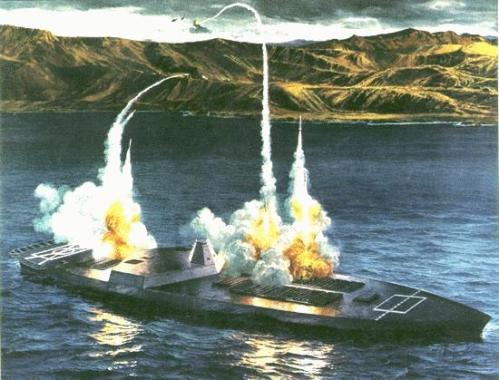
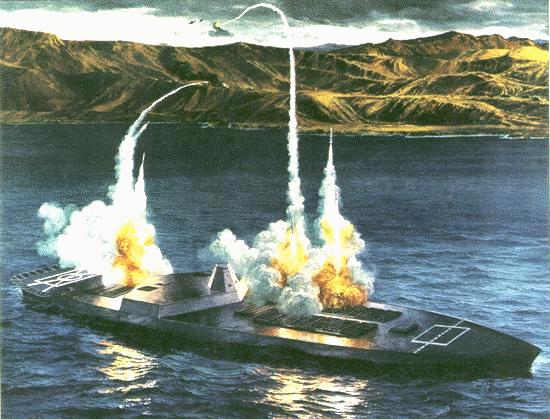
The Arsenal Ship

While we have increased the numbers and continued the production of the highly successful Arleigh Burke class guided missile destroyers (DDG) and Wasp class Amphibious Assault ships (LHD) it is not enough to compensate for the continued attrition.  If worst case budget projections occur the Navy could experience massive cuts without any decrease in maritime threats or operational commitments.  The Coast Guard is in even worse shape.
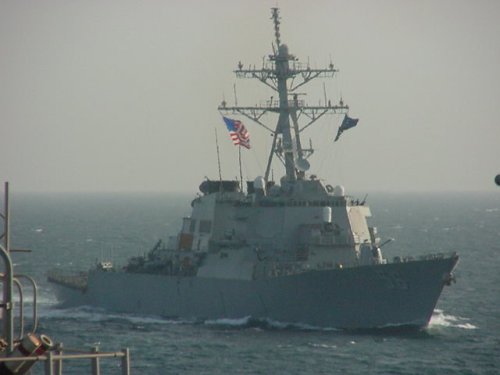
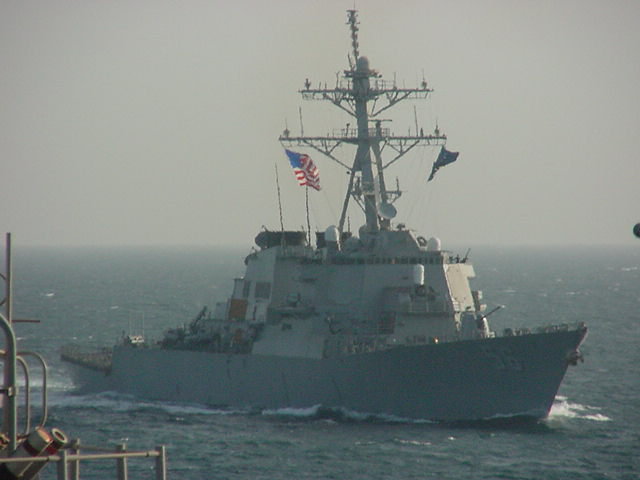
The USS John S McCain DDG 56

The most important aspect of national defense, free trade and humanitarian assistance in the coming years are America’s Navy, Marine Corps, Coast Guard and Merchant Marine.  Without a strong Navy and the other components of maritime power we are at the mercy of tin-horned dictators, pirates and terrorists who live and operate in the most vital areas of the world’s maritime transportation network.
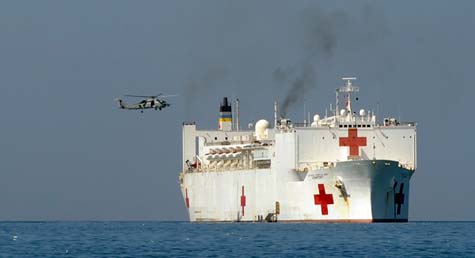
Humanitarian assistance: USNS Comfort off Haiti 

As our political leaders meet in the coming weeks and months decisions will be reached in matters of national security.  They will be based budget considerations alone as we have not operated on a clearly defined national security strategy since the end of the Cold War.  Force structure has to be decided based on the over arching national strategy and broad brushed and un-thought out cuts are a recipe for disaster.

History tells us this. Following our Revolution the nation was deep in debt and eliminated the Navy.  Since our merchant shipping was no longer protected by the Royal Navy and the treaty withFrancewas allowed to lapse American ships became easy prey for the Barbary Pirates.  Rather than build a navy to protect American citizens and shipping the nation paid “tribute” to dictators which amounted to tens of millions of dollars until Thomas Jefferson sent the new re-established Navy to counter the threat.   Our history and that of other maritime powers such asGreat Britainand theNetherlandsprovide many precedents for this use of power.

What needs to happen now is for the LCS ships and Zumwalt class production to end with the current ships building.  No carriers except the 50 year old USS Enterprise should be decommissioned until a full up national strategy review is completed and agreed to by both political parties.  That strategy needs to actually prioritize the most important areas of engagement that the military should focus its efforts.  The Middle East will remain important but will fade as Asia continues to gain importance.

Regarding other ship classes much needs to happen.  DDG production should be stepped up and an affordable yet fully capable replacement to the Ticonderoga class designed, to include the ability to conduct ballistic missile defense.  A diesel electric attack submarine needs to be fielded to complement the Virginia Class attack boats.  A Light Fleet Aircraft Carrier design should be designed and produced to compliment the Nimitz and Ford Class Carriers now in commission or building. The Navy should design or take an off the shelf Corvette or small Frigate type ship to fill the role envisioned by the LCS.  Such ships should be designed for specific tasks to avoid the massive cost overruns and simplify production.  When one remembers that it as the United States Navy that first developed the Destroyer Escort type ship to fill a specific role such an undertaking should be well within ship designer and capabilities so long as they do not try to “gold plate” the type and make it a jack of all trades and master of none ship.  Other types of ship should be studied to include smaller but still capable aircraft carriers and new amphibious ships to support the Marine Expeditionary forces.

Ships need to be designed with combat power, survivability as the first priorities and they need to be affordable and easy to mass produce.  Designs do not need to be over thought.  George Patton’s adage “a good plan violently executed now is better than a perfect plan next week” applies today for this nation and the Navy.  To adapt Patton’s adage I say that “a combat effective and survivable ship class that we can afford and mass produce now is better than a perfect ship that bankrupts us and cannot be produced in the numbers needed to secure the seas.” 

The Navy is the American Armed Force of the Future. Of all the Armed Services the Navy offers the United States the ability to protect its interests abroad and homeland security without the need to base large numbers of ground forces overseas.  Naval forces are flexible, are easily sustainable and conduct security, combat and humanitarian operations better and more affordably than any armed service in the world. When coupled with the expeditionary capability of the Marines offer a force that affordably provides national security.  George Washington, John Adams, Theodore Roosevelt and Franklin Delano Roosevelt all knew this.  I do hope that the current Administration, Congress and their successors will not allow the current superiority that we enjoy on the high seas to decay just as our greatest economic and military competitors build up their naval capabilities and the threat of terrorists, pirates and the small but dangerous navies of rogue states threaten the sea lanes that are absolutely vital to our economy and national security.

The Navy is also the least provocative armed service and history has repeatedly shown that naval forces are a deterrent to war and guarantee of peace.

On that last note…

Peace

Padre Steve+

3 Comments

Filed under History, Military, national security, Navy Ships, US Navy

1812: The Year of the Frigates

USS Constitution

This is the second of a series of articles I will write commemorating the 236th anniversary of the founding of the United States Navy. This article discusses the actions of the USS Constitution and USS United States at the outbreak of hostilities in which they defeated three British Frigates in battles that are legend in the annals of Naval History. I grew up reading the stories of naval actions during the War of 1812 with rapt fascination.  I could describe the battles, the ships and the brave Captains in detail even at a young age.  I can close my eyes and see the paintings, drawings and the diagrams of the ships, their sailors and the battles that they fought. I guess that I was destined to end up in the Navy. But then how could I not? My birthday falls on March 27th, the anniversary of the founding of the current United States Navy.  

On March 27th 1794 the Congress of the United States appropriated funds to establish a Navy built around six powerful Frigates, the 44 Gun USS Constitution, USS President and USS United States and the 38 Gun USS Congress, USS Constellation and USS Chesapeake.  The 44 gun ships were larger and had a heavier armament than the majority of their British, French or Spanish counterparts.  Although rated as 44 Guns they mounted 56 guns, 30 of which were the heavy 24 pound cannons and 22 were the short range but powerful 32 pound carronades. They were built of oaken timbers that were of the size used to build Ships of the Line in other navies.  In comparison the standard Royal Navy Frigate of the day was the 38 gun ship mounting 18 pound cannons.  The ships would serve during the Quasi-War withFrance from 1798-1800 and the First Barbary War from 1801-1805.

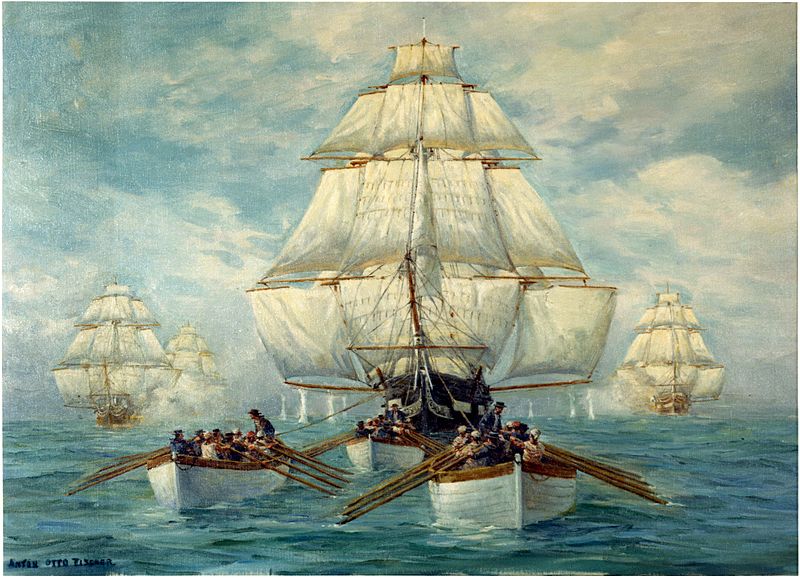
Chase of the Constitution

When the United Stateswent to war with Britainin 1812 neither side was well prepared. The British were deeply engaged in the Napoleonic Wars and the bulk of the Royal Navy was engaged in blockade operations against Franceand its allies on Europe’s Atlanticand Mediterranean coasts.  Deployed the Western Atlantic was a 64 Gun Ship of the Line HMS Africa 9 Frigates and assorted and about 75 smaller vessels.  The United States Navy was minuscule even compared with the forces deployed by the Royal Navy to the Western Atlantic.

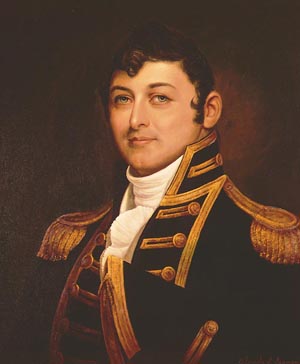
Captain Isaac Hull

When the Federalist administration of John Adams left office the Navy was on the ascendant.  Built around a nucleus of 13 Frigates with six 74 gun Ships of the Line under construction the Navy was reduced to just 8 Frigates, most of which were laid up in dry dock at any given time.  There was an anti-Navy sentiment in the Republican administrations of  Thomas Jefferson and James Madison.  The building program was ended and replaced with a program of gunboat construction.  About 174 of these were built between 1805 and 1812 but only 62 were in service at the time of the war.   They were particularly unsuited to engaging any substantial British ship as they were too lightly built and were poor sea boats with a light armament and it would take 40 gunboats to match the firepower of a single British Frigate.  Likewise instead of being cheap to build and maintain the cost per gunboat came out to $10,000 each instead of the budgeted cost of $5000 and their cost to maintain one gunboat per year was more than that of a Frigate.

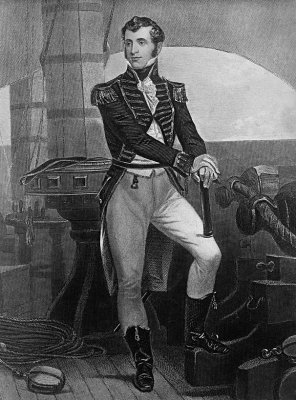
Captain Stephen Decatur

The reduction of the “blue water” Navy was a move of political ideology. Despite the obvious need to protect commerce as was displayed during the Quasi-War and the First Barbary War the Jefferson administrations was intent on a coastal defense strategy to which the gunboats were key.  However it was poor naval policy because there was no way to determine where any actual British strike would take place and the dispersion of the gunboats meant that there would never be enough at any port to repel the Royal Navy.

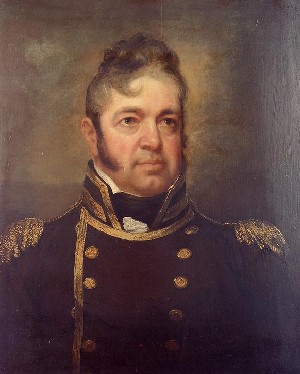
Captain William Bainbridge

When war was declared the United States Navy comprised of just 8 Frigates and 14 smaller Sloops and Brigs and the worthless gunboats.  Since the build program was stopped the Navy had no Ships of the Line.   The Secretary of the Navy was an incompetent named Paul Hamilton and the Jeffersonian strategy of coastal defense was embraced by Albert Gallatin who recommended that all the Navy’s large ships be turned into floating batteries for harbor defense.

USS Constitution vs. HMS Guerrière

The Navy was fortunate to have bold officers with the combat experience of the Quasi-War and the Barbary War under their belt.  The ships had fine crews of well trained professional sailors who excelled at seamanship and gunnery.  Taking advantage of the thinly stretched Royal Navy a squadron under Commodore John Rodgers was already at sea when the administration decided on the coastal defense strategy and forced the Royal Navy to divert many ships that could have decimated the merchant marine of the time allowing many American flagged ships to safely reach port with their cargo.

The USS Constitution under the command of Captain Isaac Hull sailed from Boston at the outbreak of hostilities and nearly met disaster when it ran into a Royal Navy squadron comprised of the HMS Africa and 5 Frigates.  Becalmed Hull and his crew used every device known to escape in an epic 57 hour close quarter chase.  He returned to Boston, replenished his stores and set sail again.  On August 19th some 600 miles out of Boston Constitution came across the 38 Gun Frigate HMS Guerrière. The Captain of Guerrière was James Dacres who had a low opinion of the United States Navy. Hull directed the fire of his powerful 24 pounders into Guerrière shredding her rigging and smashing her hull. Two hours after the fight began Dacres struck Guerrière’s colors.  Guerrière was so badly damaged that she was burned and sunk with her crew taken back to Boston as prisoners.  During the action a sailor aboard Constitution noted that Guerrière’s shot was bouncing harmlessly off of the thick oaken sides of the ship. He is quoted as shouting “Huzza, her sides are made of iron,” which provided the ship her nickname Old Ironsides. Constitution lost 7 men killed and 7 wounded in the battle while Guerrière lost 15 killed and 78 wounded of her 272 member crew.

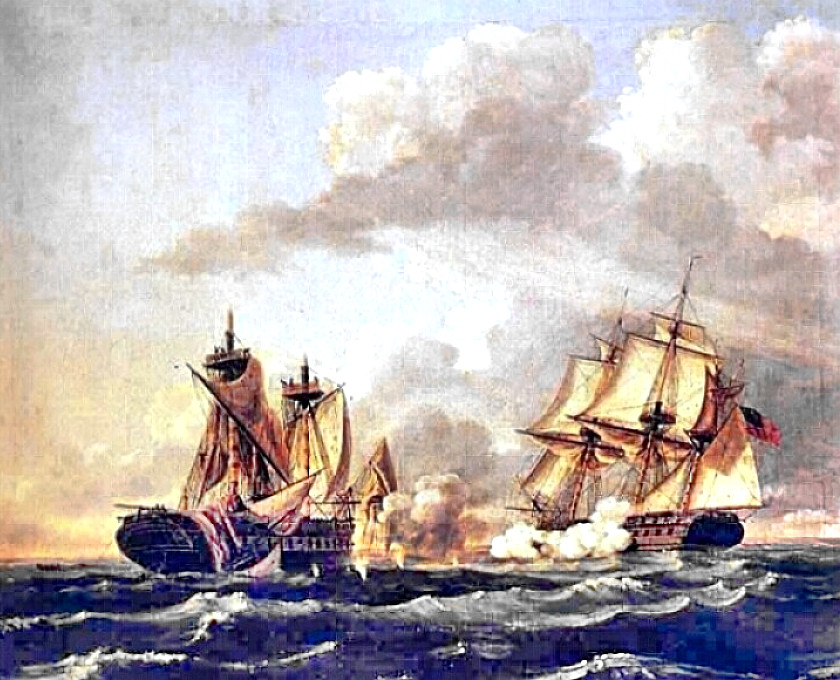
USS United States vs. HMS Macedonian

The USS United States under the command of Captain Stephen Decatur found the 38 Gun HMS Macedonian under the command of Captain John S. Carden 600 miles west of the Canary Islands.  The battle commenced at 0920 and firing from long range Decatur’s gunners partially dismasted Macedonian leaving her hard to maneuver. Decatur then positioned United States on the quarter of Macedonian and pounded the helpless British ship into submission.  Macedonian surrendered about 1200.  Damage to the United States was light and 7 sailors were killed and 5 wounded.  Macedonian lost over one-third of her 301 man crew killed or wounded.  The Americans took over the British vessel and after temporary repairs at sea the United States and the newly christened USS Macedonian sailed for New York arriving on December 4th 1812.  The ship would serve in the U.S. Navy until 1828 when she was broken up at Norfolk.

USS Constitution vs HMS Java

In late October 1812 the Constitution now under the command of Captain William Bainbridge sailed from Boston.  This time she encountered the 38 Gun Frigate HMS Java under the command of Captain Richard Lambert off the coast of Brazil on December 29th 1812.  Java was a fine ship with a well drilled crew and brave Captain and she was faster than Constitution.  Though she was rated as 38 Guns she had 49 mounted making her a far tougher opponent than Guerrière or Macedonian. In addition to her own crew she had on board 100 additional sailors to reinforce ships inIndia. She was carrying Lieutenant General Thomas Hislop who was to command British forces inIndia, officers from his staff and several other high ranking Royal Navy officers enroot to commands inIndia.

The action commenced about 1410 and Lambert was able to maneuver across Constitution’s stern 3 times shooting away her helm at 1430 and wounding Bainbridge. Constitution was able to close with Java and the ships became fouled which took away the advantage Java had temporarily acquired.  Java had her bowsprit and jib boom shot away at 1500 and in the next 55 minutes Constitution dismasted Java with the exception of part of her mainmast which went over the side at 1620.  The gallant Captain Lambert was mortally wounded at 1530 and command was assumed by Lieutenant Henry D. Chads.  At 1725 Constitution took up a raking position and Lieutenant Chads after consulting with his surviving officers struck the colors.  The battered Java was not salvageable and was burned and sunk the next day but not before Java’s helm was salvaged and installed on Constitution.  In an ironic twist Commodore Henry Chads in command of a British squadron at Singapore in 1845 provided medical assistance to Constitution when her crew suffered an outbreak of Dysentery and fevers during her around the world cruise.

Within the space of four months the Royal Navy lost three Frigates and forbade their Frigate Captains not to engage the American “Super-Frigates” one on one.  Only Ships of the Line or squadrons would be allowed to engage the American ships.

Over the next two years the British tightened their blockade of American ports bottling up most of the Navy.  The Navy lost two of the Super-Frigates to the British during the war, the 36 gun USS Chesapeake which was captured by HMS Shannon on June 1st 1813 and the USS President on January 15th 1815.

Neither was a fair fight, Chesapeake’s Captain James Lawrence was new to the ship which had a new and poorly trained crew and Shannon was one of the most combat effective ships in the Royal Navy whose Captain was Philip Broke had been her skipper for 7 years and trained the crew into a well drilled machine.  Lawrencewas mortally wounded but uttered the cry which immortalized him “Don’t give up the ship, fight her until she sinks.” Lawrence’s friend Commodore Oliver Hazard Perry would name his flagship on Lake Erie the USS Lawrence and fly a flag that read “Don’t give up the Ship.”  The USS President under the command of Stephen Decatur was lost after she was badly damaged in a winter gale and snowstorm when pilots navigated her onto a sand bar.  Although Decatur was able to move the ship off the bar she was badly damaged and caught by a superior British squadron and captured.

The exploits of the small force of Frigates and smaller ships on the high seas and Perry’s squadron onLake Erie proved to be the only real military successes of the war.  But even more it was the three engagements in the closing months of 1812 that defined the spirit of the United States Navy for generations.

Peace

Padre Steve+

8 Comments

Filed under History, Military, Navy Ships, US Navy

The United States Navy: 236 Years of a Global Force for Good

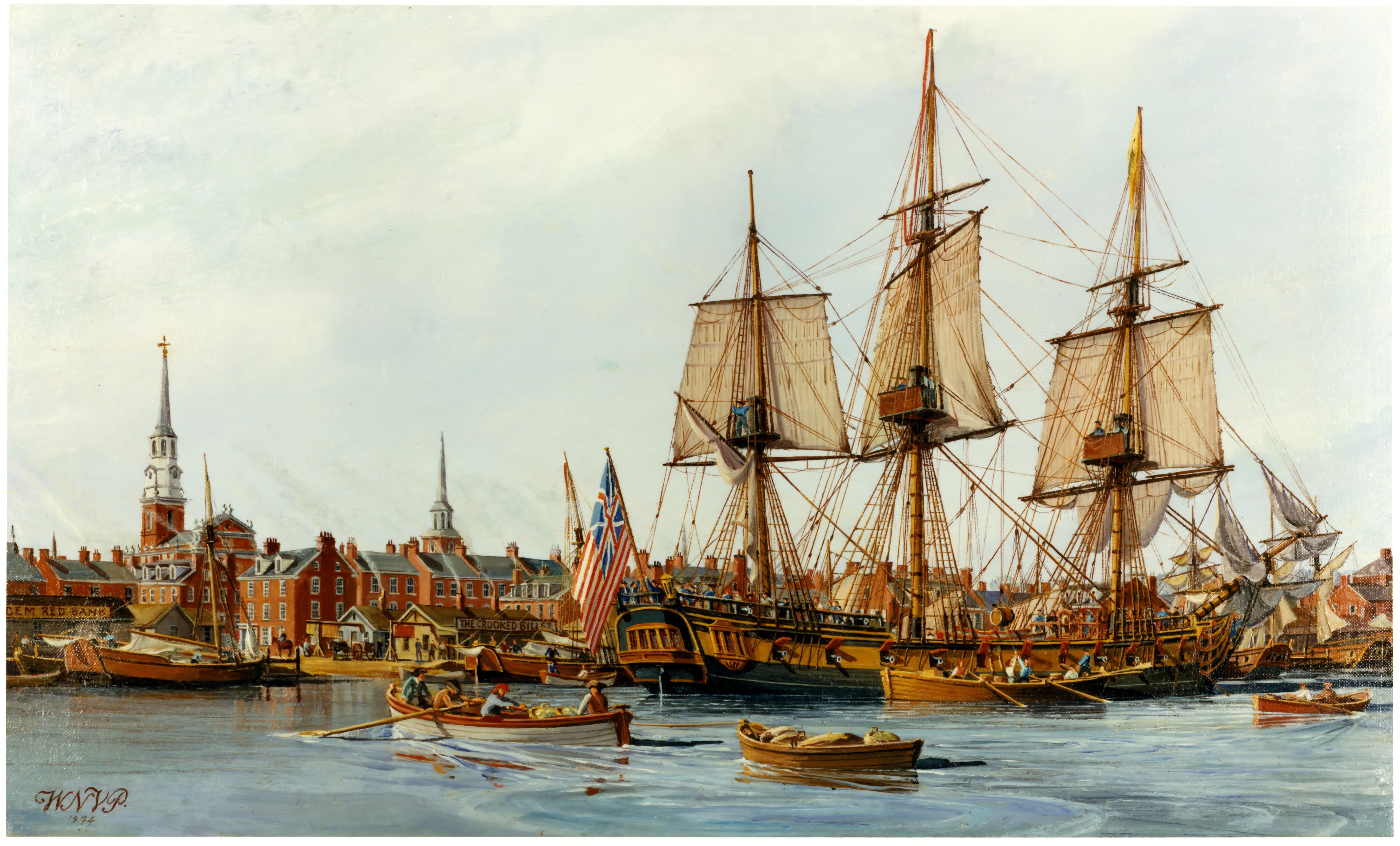
The Grand Union Flag being raised on the Frigate Alfred  

This is the first in a series of articles that I will post this month on significant events and personalities that make up the history of the Unite States Navy which celebrates its 236th anniversary on October 13th 2011. I have had the distinct honor of having grown up in a Navy family and after almost a full career in the U.S. Army to be able to serve in the Navy to the present day.  

First Blood: The Battle of Nassau

“It follows than as certain as that night succeeds the day, that without a decisive naval force we can do nothing definitive, and with it, everything honorable and glorious.” George Washington 15 November 1781 to the Marquis de Lafayette

On October 13th 1775 the Continental Congress passed legislation to establish a Navy for a country that did not yet exist.  It was the first was the first in a long line of legislative actions taken by it and subsequent Congresses that helped define the future of American sea power.

The legislation was the beginning of a proud service that the intrepid founders of our nation could have ever imagined.  Less than two months after it was signed on December 3rd1775 Lieutenant John Paul Jones raised the Grand Union Flag over the new fleet flagship the Alfred. The fleet set sail and raided the British colony at Nassau in the Bahamas capturing valuable cannon and other military stores.  It was the first amphibious operation ever conducted by the Navy and Marines.

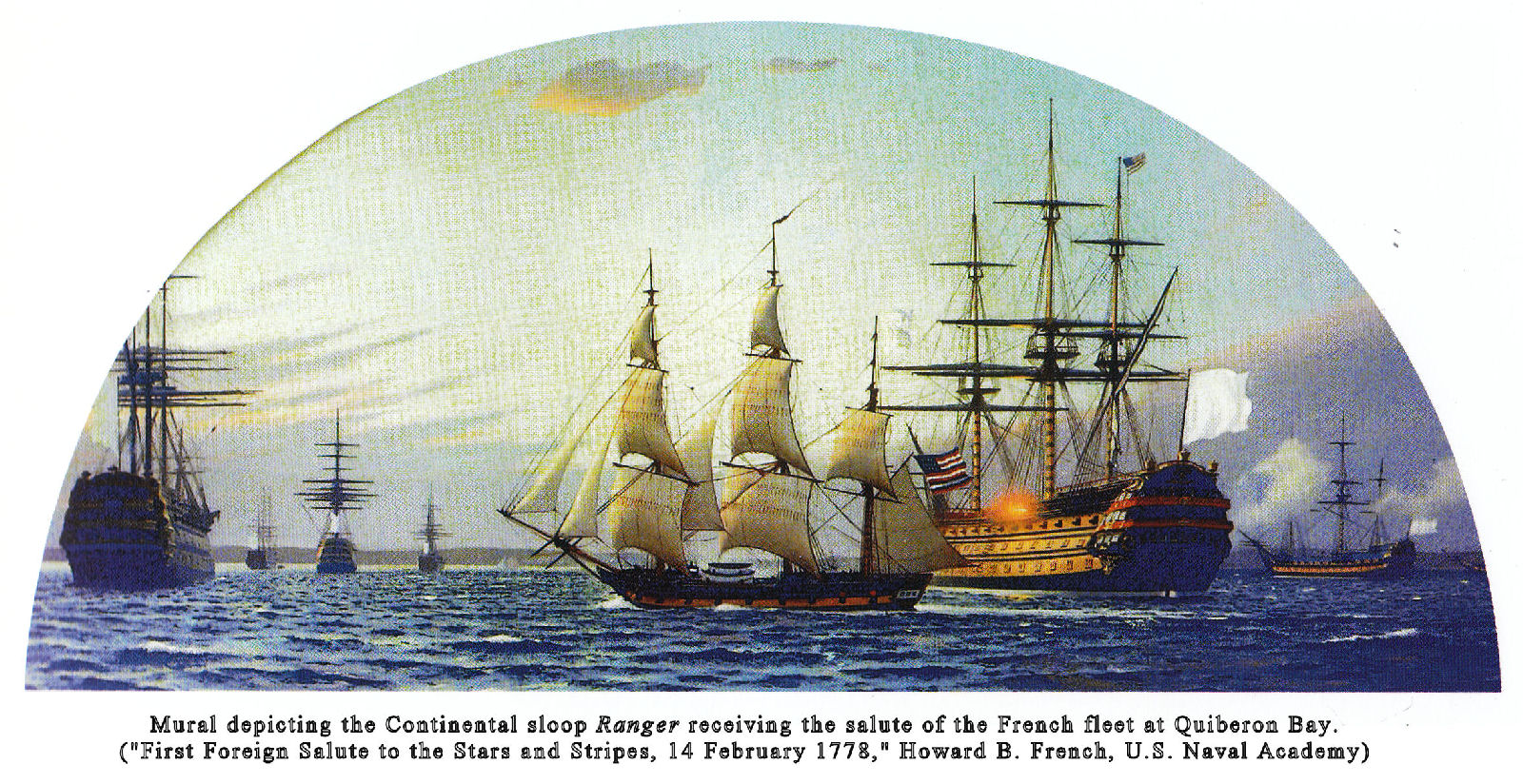
Jones received the first recognition of the American flag shortly afterFrancerecognized the newUnited States.  In command of the Sloop of War Ranger his ship received a nine-gun salute from the French flagship at Quiberon Bay.

“I have not ye begun to fight!” The Battle of Flamborough Head 

When the war ended very few of these ships remained most having been destroyed or captured during the war. But these few ships and the brave Sailors and Marines who manned them blazed a trail which generations of future sailors would build on.  The Navy has served the nation and the world as a “Global Force for Good” for 236 years.

Tonight as you go to bed and sleep soundly after eating well and spending time with family, friends or enjoying some form of entertainment remember those of our Navy who serve at sea, in the mountains and deserts of Afghanistan, the cities of Iraq, the desolation of the Horn of Africa and around the world defending our interests, caring for our military personnel and their families and deploying to serve in harm’s way and in areas of devastation.  They are America’s “Global Force for Good.”  They are my shipmates.  They are the United States Navy.

Peace

Padre Steve+
2 Comments

Filed under History, Military, US Navy