Tag Archives: USS Texas

Notes on a Trip to Houston

I have been travelling this week to a Chaplain and Clergy conference of my church, the Apostolic Catholic Orthodox Church in Houston Texas. It has been a really interesting trip. Just a few notes to make as I sit in the back of a cab on the way out to Houston Intercontinental Airport and in the terminal while awaiting my flight.

I am not a big fan of flying anymore and find commercial air in the United States to be a bit more nerve wracking than flying military air in Iraq. There I was treated well and not as a criminal when trying to get aboard an aircraft. I think that the Patriot Act and the TSA has determined that we are all guilty until proven innocent because we wither choose to fly or due to business, even on military orders have to fly. After my criticisms of both the TSA and the Patriot Act last year I was shocked that I have not been put on the no-fly list or selected to have my junk fondled.

In a surprise I found that the agents for U.S. Air were much more polite and helpful than in years past both at Norfolk and Houston. At Norfolk an agent figured out that I was military by my trusty desert tan Blackhawk backpack which has accompanied me almost everywhere since I went to Iraq back in 2007 and made sure that I or you being the taxpayer were not charged for my baggage. The flight crews were also friendly and the check-in personnel at Houston were also polite and helpful and did the same as Norfolk regarding my baggage.

While still having to go through the screening procedure the TSA personnel were better than many that I have encountered and I was not forced to have my junk fondled or go through the super high intensity x-ray machine. Unlike many TSA checkpoints that I have been through I had the agent that checked my ID and boarding pass was polite and called me by my military rank.  This may not seem like a big deal except that I have been accosted in uniform at some TSA checkpoints and forced to remove insignia qualification badges and ribbons despite having my ID and orders in hand while people that were obviously foreign and wearing Middle Eastern garb were permitted through without so much as batting an eyelash.  Thus when I am treated politely by TSA I do think that it is a big deal. That takes nothing away from my beliefs that the Patriot Act and the TSA act as though people are guilty until proven innocent and are egregious violations of the Constitution and the Civil Rights of Americans.

While on flight from Charlotte to Houston I sat next to a man about my age. I noticed that he had a Bible and throughout the flight seemed very engrossed in it and when he looked up appeared as if his gaze was far away. I noticed that he was reading 2nd Corinthians chapter 5 and I mentioned that my one of my favorite sections of the Bible was there. He ask which and I pointed out verses 17-21 about those in Christ being new creations and that God was reconciling the World through Christ counting people’s since not against them and that we were Christ’s ambassadors.  He struck up a bit of a conversation with me and mentioned that he was a minister on the staff of Thomas Road Baptist Church in Lynchburg Virginia and that he was on his way to Texas because his father had just died after a battle with Cancer and that he would be doing his funeral. I had been writing “A Ballgame with St. Pete” and remembering my own father’s death last summer so I gave him my condolences and shared just a bit about losing my dad and how I could not do the funeral because of the emotion involved.  It was nice to be there for someone going through this as the trip to bury a loved one can be one of the loneliest times of one’s life.

The conference was wonderful and in the time together we had many hours of productive discussion of church business, developments in the professional pastoral care world and care for each other. I found that I fit in well and felt an instant kinship with my fellow clergy which in my case for the first time in church included ordained women. My previous church had a male only clergy. I found how much I appreciate the Old Catholic ethos of being a refuge, a place of healing and a place of openness which upholds the teachings of the first seven councils of the Ancient Church and strives for thru ecumenical Catholicity.  Bishop Diana Dale our Presiding Bishop is a gem and I felt kinship with the people that I met. I miss the friends that I served with in the Charismatic Episcopal Church for over 14 years I know that I am in the right place.

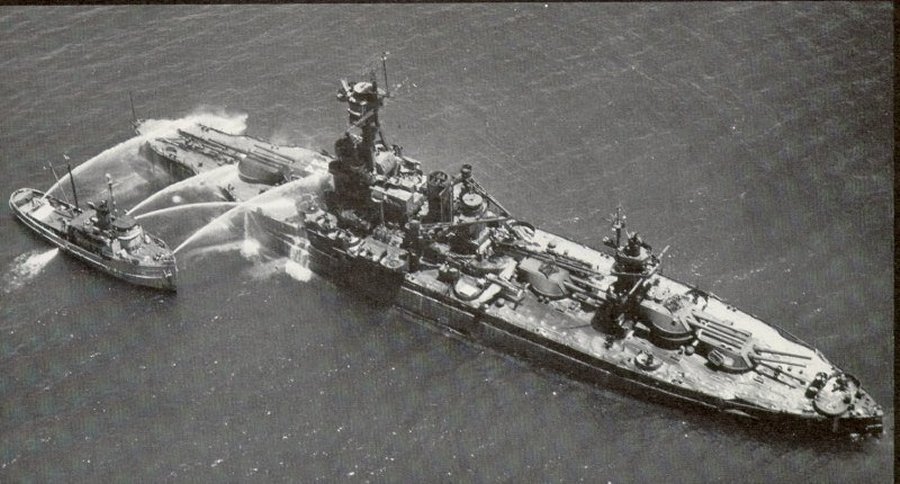
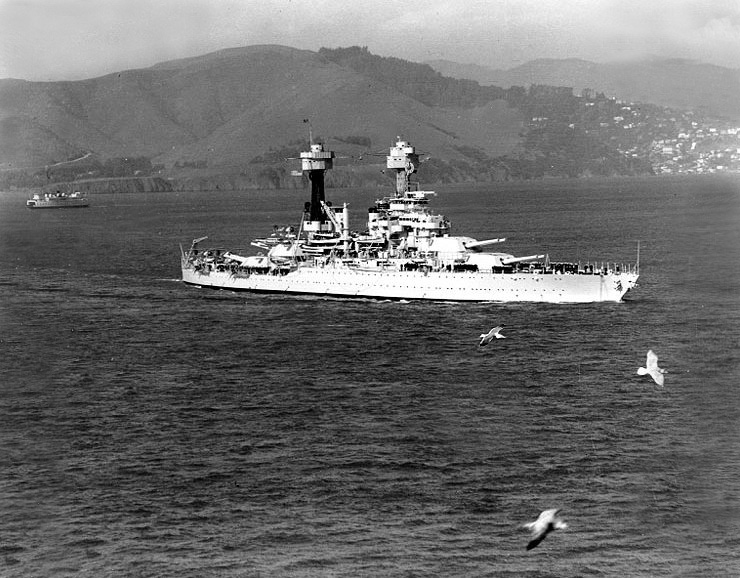
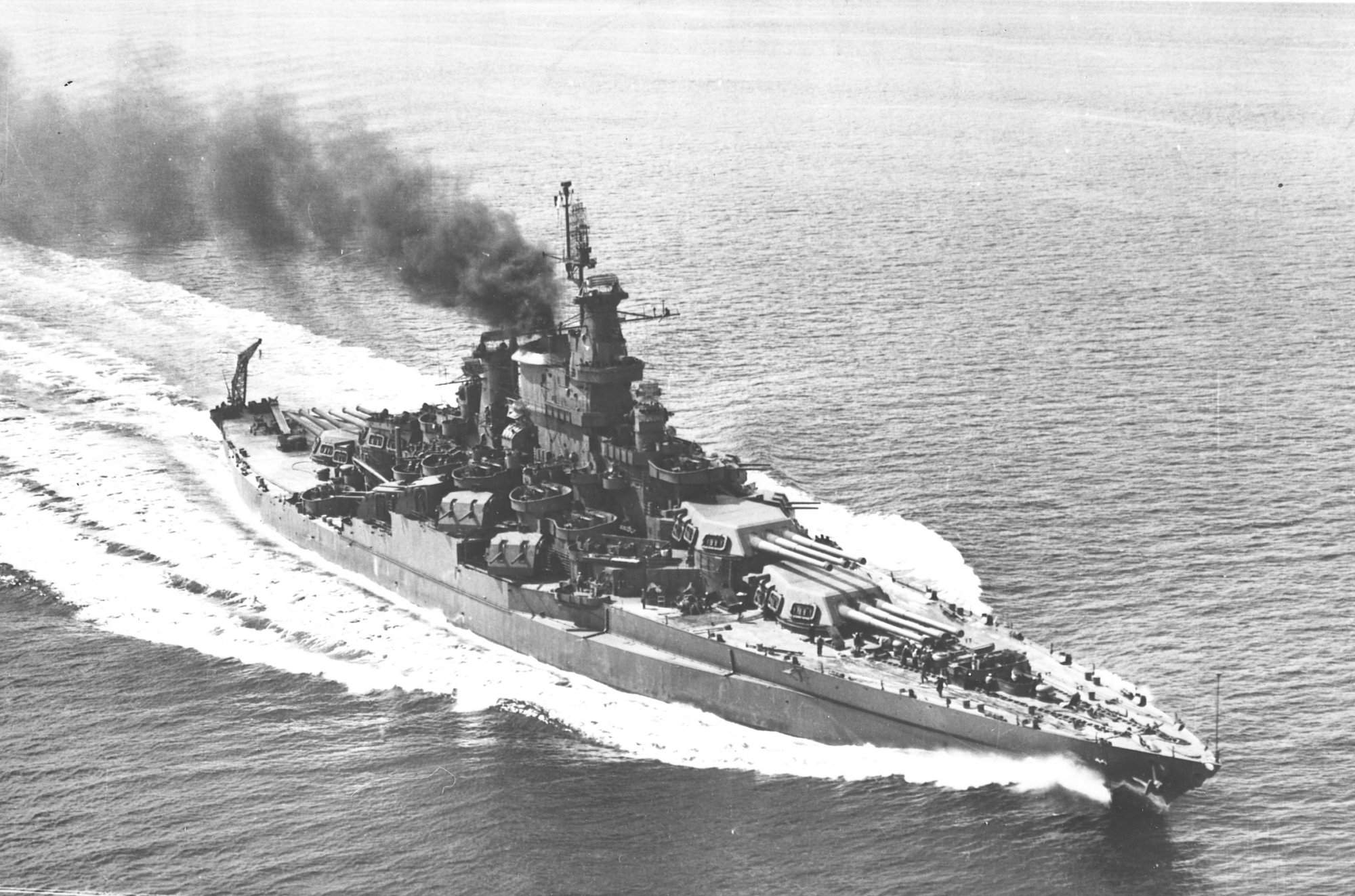
After our last formal business session on Saturday we went to get to the San Jacinto Battlefield and while some went to the Memorial to the Texas Independence Memorial some of us went over to the USS Texas to see this last example of the Dreadnought era battleships. I have wanted to see the Texas for many years and have written about her on this site. It was interesting to note despite the fact that she was commissioned 98 years ago that much is still the same in current Navy ships. Yes things were a lot more primitive but at the same time much was the same.  It was really a nice expedition with Robert one of my fellow Priests from Maryland and Gale our senior Deacon who comes from Iowa.

After the trip we went out to a Mexican restaurant named Ninfa’s where the Fajita was invented. One thing about that trip was when we were told that our table was ready. The restaurant was very busy and we waited in the bar. When we were called we were led in and on our right a man, obviously military was giving thanks for the meal with his family. They were holding hands and he had a very loud and clear voice and I heard this little bit. “Father I thank you for being home with my family and that I have returned safe from Afghanistan, please bring a swift end to this war….” That was all that I heard but it was enough to get me to pause and realize that it was my prayer too.  I think that some people wrongly believe that those that serve in the professional military are warmongers when in fact I know that many have no illusions about this war and after 10 years many, especially the regular career professionals in the officer and senior NCO ranks feel the same way.  It was a poignant moment.  We know that the current war will go on and most of us are convinced that the situation around the world is going to cause us to be embroiled in even more conflicts.

I think there was one other significant thing about this trip. I was able to control my anxiety and did not have any PTSD meltdowns in any of the terminals or crowded situations. Not to say that I was entirely comfortable or without anxiety but that unlike many of the trips that I have made since returning from Iraq I did not suffer any panic attacks.

This morning we had an ordination service for a new Deacon which was really nicely done with the traditional Ordination of a Deacon Liturgy and Mass. After that was done I had to make a quick change to catch a cab back to the airport.  I look forward to being home for a bit before Judy comes with me to help me settle in to my new island hermitage on Tuesday.

Peace

Padre Steve+
 

2 Comments

Filed under christian life, faith, PTSD

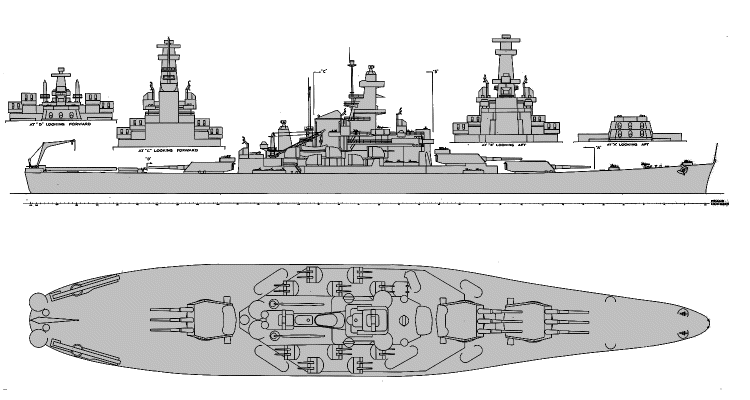
The South Dakota Class Battleships: The Best of the Treaty Battleships

USS South Dakota Class Line Drawing

This is the fifth in a series of six articles on the battleships built under the provision of the Washington and London Naval Treaty limitations in the 1930s. I am not including the ships which were completed in the immediate aftermath of the Washington Treaty limitations. This series looks at the modern battleships that the World War II combatants would produce in the 1930s which saw service in the war. Part one covered the Italian Vittorio Veneto class entitled The Pride of the Regina Marina: The Vittorio Veneto Class Battleships. Part two French Firepower Forward: The unrealized potential of the Dunkerque and Richelieu Class Battleships covered the French Dunkerque class and Richelieu class Battleships. Part three covered the British Royal Navy King George V Classbattleships entitled British Bulwarks: The King George V Class Battleships Part Four  which was about the North Carolina Class is entitled The Next Generation: The North Carolina Class Battleships. I have already published the final part which covers the German Scharnhorst Class entitled Power and Beauty the Battle Cruisers Scharnhorst and Gneisenau . The German Bismarck, Japanese Yamato, British Vanguard and American Iowa

Classes will be covered in a subsequent series.

As the world edged closer to war in the late 1930s the U.S. Navy followed up its decision to build the two ship North Carolina class battleships with additional fast battleships. Initially the General Board wanted two additional North Carolina’s but the Chief of Naval Operations William H. Standley wanted a different design.

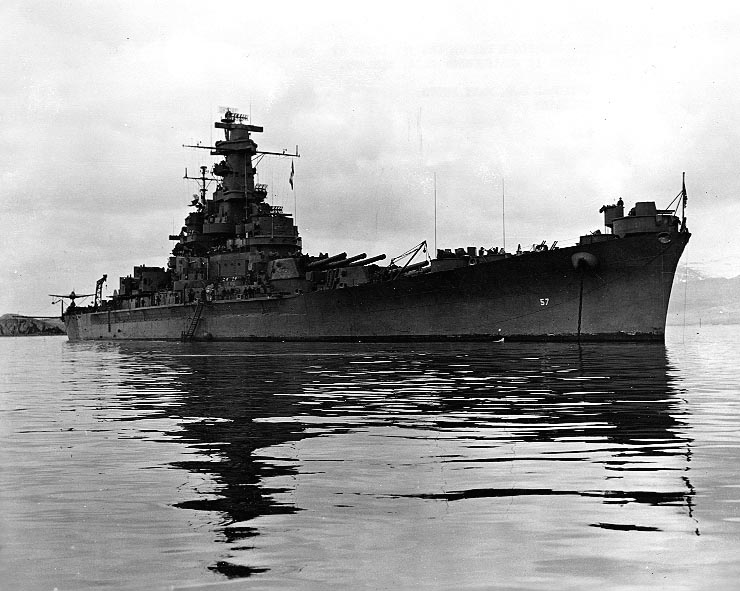
USS South Dakota BB-57 in 1943

Design work started in 1937 and several designs were proposed in order to correct known deficiencies in the preceding North Carolina class to include protection and the latest type of steam turbines.  As in the North Carolina’s the Navy struggled to find the optimal balance between armament, protection and speed. In the end the Navy decided on a shorter hull form with greater beam which necessitated greater power to maintain a high speed. The armor protection was maximized by using an interior sloped belt of 12.2 inch armor with 7/8” STS plates behind the main belt which made the protection the equivalent to 17.3 inches of vertical armor. The Belt continued to the bottom of the ship though it was tapered with the belt narrowing to 1 inch to provide addition protection against plunging fire which struck deeper than the main belt. As an added feature to protect against torpedo hits a multi-layered four anti-torpedo bulkhead system was included, designed to absorb the impact of a hit from a 700 pounds of TNT.

In order to accommodate the machinery necessary to provide the desired speed of 27 knots on the shorter hull the machinery spaces were rearranged.  The new design placed the boilers directly alongside the turbines with the ship’s auxiliaries and evaporators also placed in the machinery rooms. Additional design changes made to save space included making the crew berthing areas smaller. This included that of officers as well as the senior officers and shrinking the size of the galley’s and the wardroom from those on the North Carolina’s. The resultant changes allowed the ships to achieve the 27 knot speed, improved protection and the same armament of the North Carolina’s within the 35,000 treaty limit.

Two ships of the design were approved and with the escalator clause invoked by the Navy two more ships were ordered all with the nine 16” gun armament of the North Carolina’s.  The leading ship of the class the South Dakota was designed as a fleet flagship and in order to accommodate this role two of the 5” 38 twin mounts were not installed leaving the ship with 16 of these guns as opposed to the 20 carried by the rest of the ships of the class. The final design was a class of ships capable of 27.5 knots with a range of 17,000 miles at 15 knots mounting nine 16” guns with excellent protection on the 35,000 tons and full load displacement of 44,519 tons.

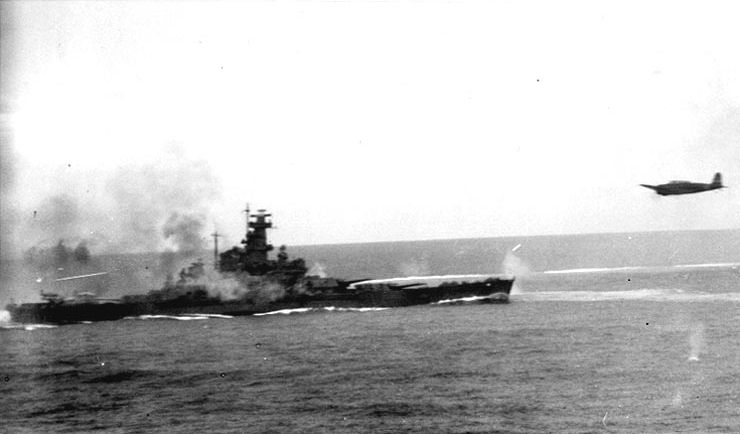
The lead ship of the class the USS South Dakota BB-57 was laid down 5 July 1939 at New York Shipbuilding in Camden New Jersey, launched on 7 June 1941 and commissioned on 20 March 1942.  Following her commissioning and her shakedown cruise South Dakota was dispatched to the South Pacific. Soon after her arrival she struck a coral reef at Tonga which necessitated a return to Pearl Harbor for repairs.  When repairs were complete she was attached to TF 16 escorting the USS Enterprise CV-6 during the Battle of the Santa Cruz Islands on 26 October 1942.  During the battle she was credited with shooting down 26 Japanese aircraft but was struck by a 500 lb bomb on her number one turret. She joined TF-64 paired with the battleship USS Washington during the Second Naval Battle of Guadalcanal on14-15 November 1942. During the action South Dakota suffered a power outage and was hit by over 40 shells from Japanese ships which knocked out 3 fire control radars, her radio and main radar set. 3 destroyers were also lost but the Washington mortally wounded the fast battleship Kirishima and destroyer Ayanami which were scuttled the next day and damaged the heavy cruisers Atago and Takao. She returned to New York for repairs which completed in February 1943 and joined the carrier USS Ranger CV-4 for operations in the Atlantic until April when she was attached to the British Home Fleet. She sailed for the Pacific in August 1943 and rejoined the Pacific Fleet in September and joined Battleship Divisions 8 and 9 and supported the invasion of Tarawa providing naval gunfire support to the Marines. The rest of the war was spent escorting carriers as well as conducting bombardment against Japanese shore installations. She was present at the Japanese surrender in Tokyo Bay and returned to the United States in 1945 and was decommissioned and placed in reserve on 31 January 1947. She was stricken from the Naval Register on 1 June 1962 and sold for scrap in October of that year. Various artifacts of this gallant ship to include a propeller, a 16” gun and the mainmast are part of the USS South Dakota Memorial Park in Sioux Falls South Dakota and 6,000 tons of armored plate were returned to the U.S. Atomic Energy Commission for use in civilian nuclear programs and a second screw is displaced outside the U.S. Naval Museum in Washington D.C.  She received 13 battle stars for World War II service.  South Dakota had the dubious distinction of having the youngest sailor of the war 12 year old Calvin Graham who confessed lying about his age to the Gunnery Officer Sergeant Schriver. Graham was court-martialed and given a dishonorable discharge spending 3 months in the ship’s brig before he was able to be returned to the United States where just after his 13th birthday he entered 7th grade.

USS Indiana BB-58 Bombarding Japan in 1945

The second ship of the class the USS Indiana BB-58 was laid down at Newport News Naval Shipyard on 20 November 1939 launched on 21 November 1941 and commissioned on 30 April 1942.  She served throughout the Pacific War by serving with the fast battleships of Vice Admiral Willis Lee’s TF-34, escorting carriers during major battles such that the Battle of the Philippine Sea or as it is better known the Marianas Turkey Shoot. She returned to the United States for overhaul and missed the Battle of Leyte Gulf but served at Iwo Jima, Okinawa and operations against the Japanese home islands.  Following the war she was decommissioned in 1947 and sold for scrap in September 1963.   A number of her relics are preserved at various locations in Indiana and her prow is located in Berkeley California.

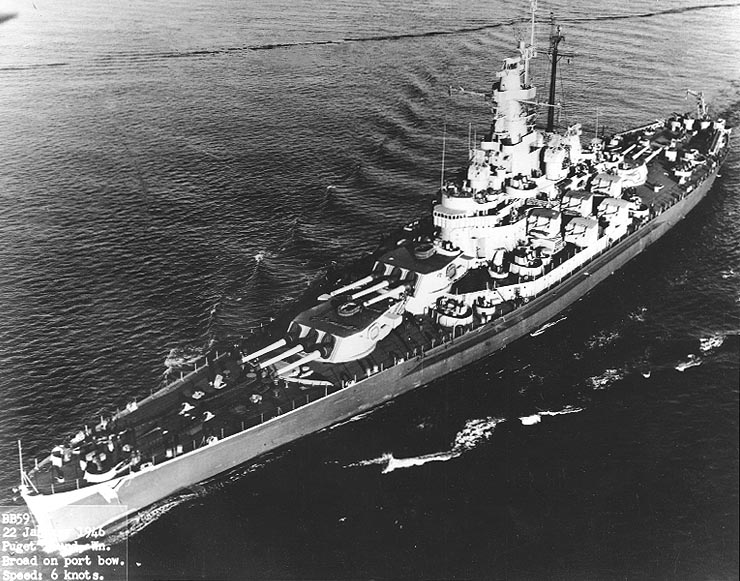
USS Massachusetts BB-59 in January 1946 in the Puget Sound

The third ship of the class the USS Massachusetts BB-59 was laid down on 20 July 1939 at Bethlehem Steel Corporation Fore River Yard in Salem Massachusetts and launched on 23 September 1941 and commissioned on 12 May 1942. After her shakedown cruise she was assigned to the Atlantic Fleet where she took part in Operation Torch, the Allied invasion of French North Africa. During the operation she engaged French shore batteries, damaged the battleship Jean Bart and sank 2 cargo ships and along with the heavy cruiser Tuscaloosa sank the destroyers Fougueux and Boulonnais and the light cruiser Primauguet. Following her assignment in the Atlantic she sailed for the Pacific where she began operations in January 1944. She took part in almost every major operation conducted by the Pacific Fleet escorting the Fast Carrier Task Forces and operating as a unit of TF-34 the Fast Battleship Task force including the Battle of Leyte Gulf.  She ended the war conducting operations against the Japanese home islands.  She was decommissioned in 1947 and stricken from the Naval Register on 1 June 1962. She was saved from the fate of Indiana and South Dakota as the people of Massachusetts with the assistance of schoolchildren who donated $50,000 for her renovation and preservation as a memorial. She became that in 1965 at Battleship Cove in Fall River Massachusetts and she remains there designated as a National Historic Landmark.  During the naval build up of the 1980s much equipment common to all modern battleships was removed for use in the recommissioned battleships of the Iowa class.

USS South Dakota at the Battle of the Santa Cruz Islands


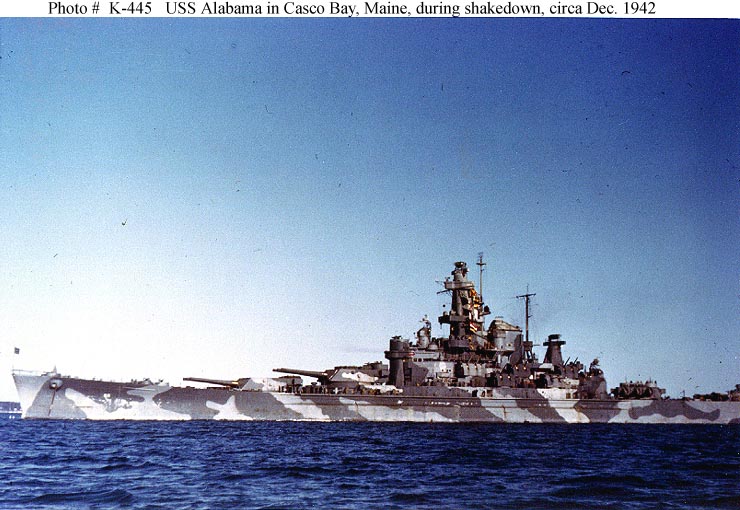
The final ship of the class the USS Alabama BB-60 was on 1 February 1940 at Norfolk Naval Shipyard. She was launched on 21 February 1942 and commissioned 16 August 1942. Following her shakedown cruise and initial training off the Atlantic coast she joined the repaired South Dakota and operated as part of TF 22 attached to the British Home Fleet. She conducted convoy escort operations, participated in the reinforcement of Spitsbergen and in an operation which attempted to coax the German battleship Tirpitz out of her haven in Norway. Tirpitz did not take the bait and Alabama and South Dakota returned to the United States in August 1943.  After training with the fast carriers she took part in the invasion of the Gilberts taking part in Operation Galvanic against Tarawa and the Army landings on Makin Island. As 1944 began Alabama continued her operations with the fast carriers and the fast battleships of TF-34.  She took part in operations against the Marshalls and took part in the invasion of the Marianas Islands and the Marianas Turkey Shoot. From there she supported the invasion of Palau and other islands in the Caroline Islands followed by operations against New Guinea and the invasion of the Philippine and the Battle of Leyte Gulf before returning to the United States for overhaul. She returned to action during the invasion of Okinawa and in shore bombardment operations against the Japanese Mainland. When the war ended the Alabama had suffered no combat deaths and only 5 wounded following the misfire of one of her own 5” guns earning her the nickname of “Lucky A.”  Hall of Fame pitcher Bob Feller served as a Chief Petty Officer and gun mount captain on Alabama during the war. She was decommissioned on 9 January 1947 and stricken from the Naval Register on 1 June 1962. The people of the State of Alabama formed the “Alabama Battleship Commission” and raised $1,000,000 including over $100,000 by schoolchildren to bring her to Alabama as a memorial.  She was turned over to the state in 1964 and opened as a museum on 9 January 1965. She was declared a National Historic Landmark in 1986.  She has been used as a set in several movies and continues to serve as a museum preserving the legacy of the men that served aboard her and all of the battleship sailors of World War II.

In the 1950s a number of proposals were considered to modernize the ships of the class to increase their speed to 31 knots using improved steam turbines or gas turbines. The Navy determined that to do this would require changes to the hull form of the ships making the cost too prohibitive.  The ships were certainly the best of the treaty type battleships produced by any nation in the Second World War. The damage sustained by South Dakota at the Second Naval Battle of Guadalcanal would have not only put most battleships of her era out of action but might have caused enough damage to sink them. Their armament was equal or superior to all that except the Japanese Yamato Class and their protection was superior to most ships of their era.

It is good that both the Massachusetts and the Alabama have been preserved as memorials to the ships of the class, their sailors and the United States Navy in the Second World War. Because of the efforts of the people of Massachusetts and Alabama millions of people have been able to see these magnificent ships and remember their fine crews. Both have hosted reunions of their ships companies since becoming museum ships and with the World War Two generation passing away in greater numbers every day soon these ships as well as the USS Texas, USS North Carolina, USS Missouri, USS New Jersey and USS Wisconsin will be all that is left to remember them unless a home can be found for the USS Iowa which stricken from the Naval Register awaits an uncertain fate as a resident of the “Ghost Fleet” in Suisun Bay California.  No other nation preserved any other dreadnought or treaty battleship thus only these ships remain from the era of the Dreadnought.

10 Comments

Filed under History, Military, Navy Ships, US Navy, world war two in europe, world war two in the pacific

The Oldest Ladies…Battleships USS Arkansas, New York and Texas

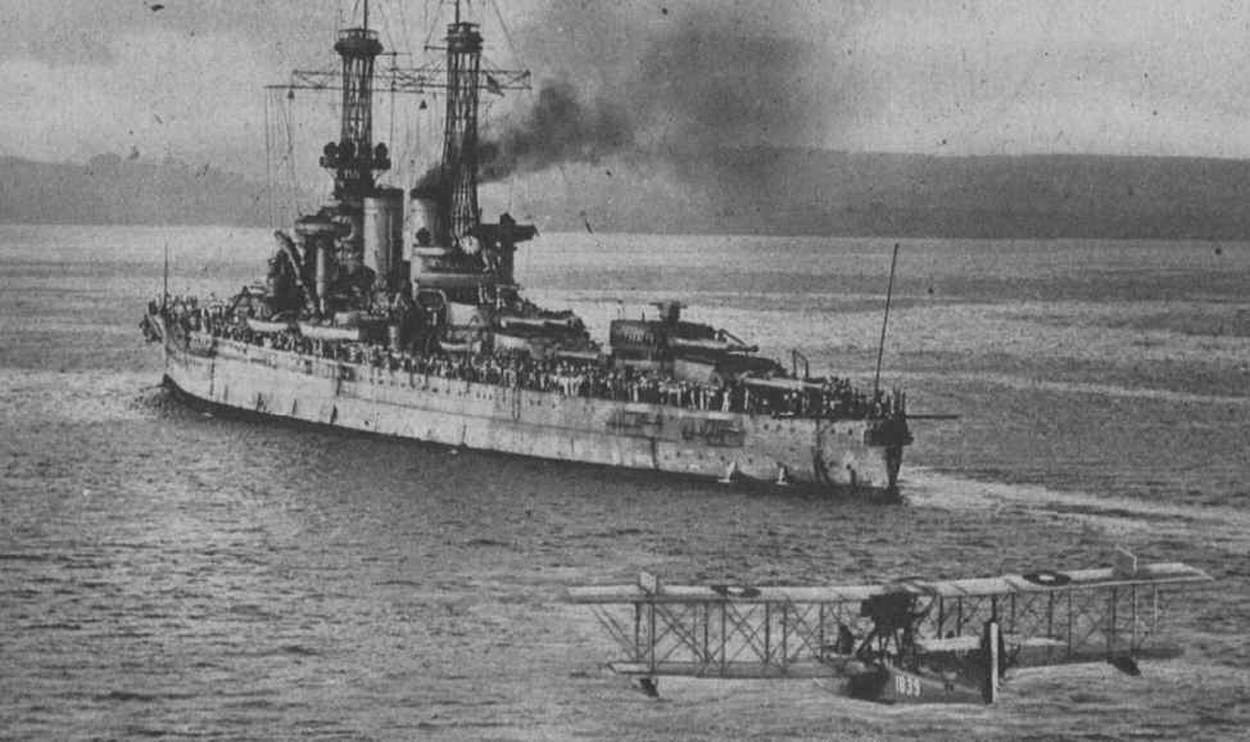
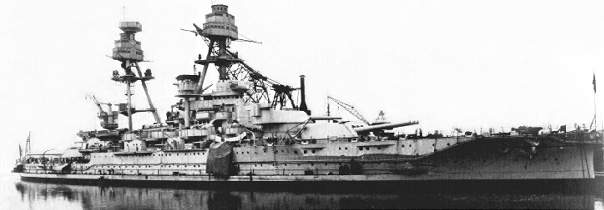
USS Arkansas 1919

Note: This is the second of my series on US Battleships of World War Two. The First was the essay The Battleships of Pearl Harbor and I will follow this with essays on the New Mexico class, the North Carolina class, the South Dakota class and the Iowa Class. I have published other series on US Aircraft Carriers, the Treaty Cruisers, the Alaska Class Battle Cruisers and the German Battle Bruisers Scharnhorst and Gneisenau.

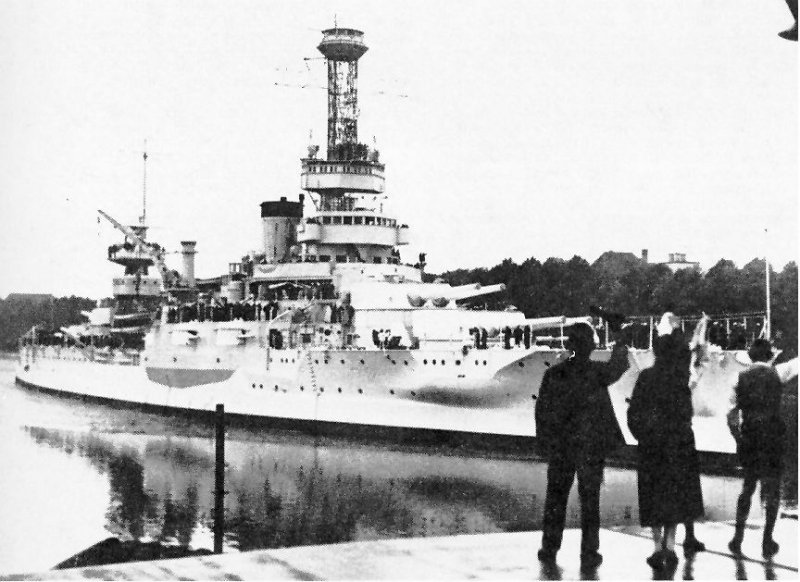
Arkansas Passing through the Kiel Canal on Midshipman Training Cruise June 6th 1937

When the United States entered the Second World War the average age of its battleship fleet was over years, an age that if the new North Carolina and Washington were omitted would have been well over 23 years old.  Two former battleships, the Utah and Wyoming had been demilitarized and were serving as gunnery training ships. The oldest of these ships, the Arkansas, the second ship of the Wyoming class was commissioned well before the First World War and was typical of ships built in that era comparable to the Italian battleships Conti de Cavour, Giulio Caesar.  The Two ships of the New York Class were improved Wyoming’s with a heavier main battery and better protection and were comparable to the Japanese Fuso class and British Royal Sovereign class ships.

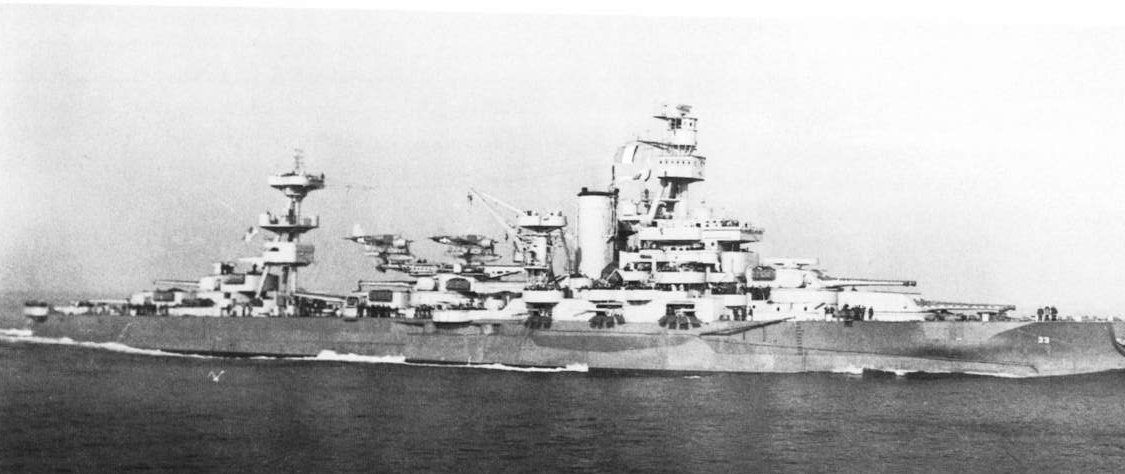
Arkansas 1944

The oldest and also the smallest battleship in service in 1941 was the USS Arkansas. Displacing 26,000 tons and sporting a main battery of twelve 12”/50 guns in twin turrets she was launched on 14 January 1911 and commissioned on 17 September 1912 she first saw service in the Mexican crisis of 1914 and served with the British Home Fleet following the entry of the United States into the war. Between the wars Arkansas severed in both the Atlantic and Pacific and was modernized in 1925 receiving oil fired boilers to replace her coal fired plant. During the inter-war years she was engaged as were most battleships of the era in training exercises, midshipman and Naval Reserve cruises, goodwill visits and in the case of Arkansas work with the Fleet Marine force as it began to develop its amphibious doctrine.

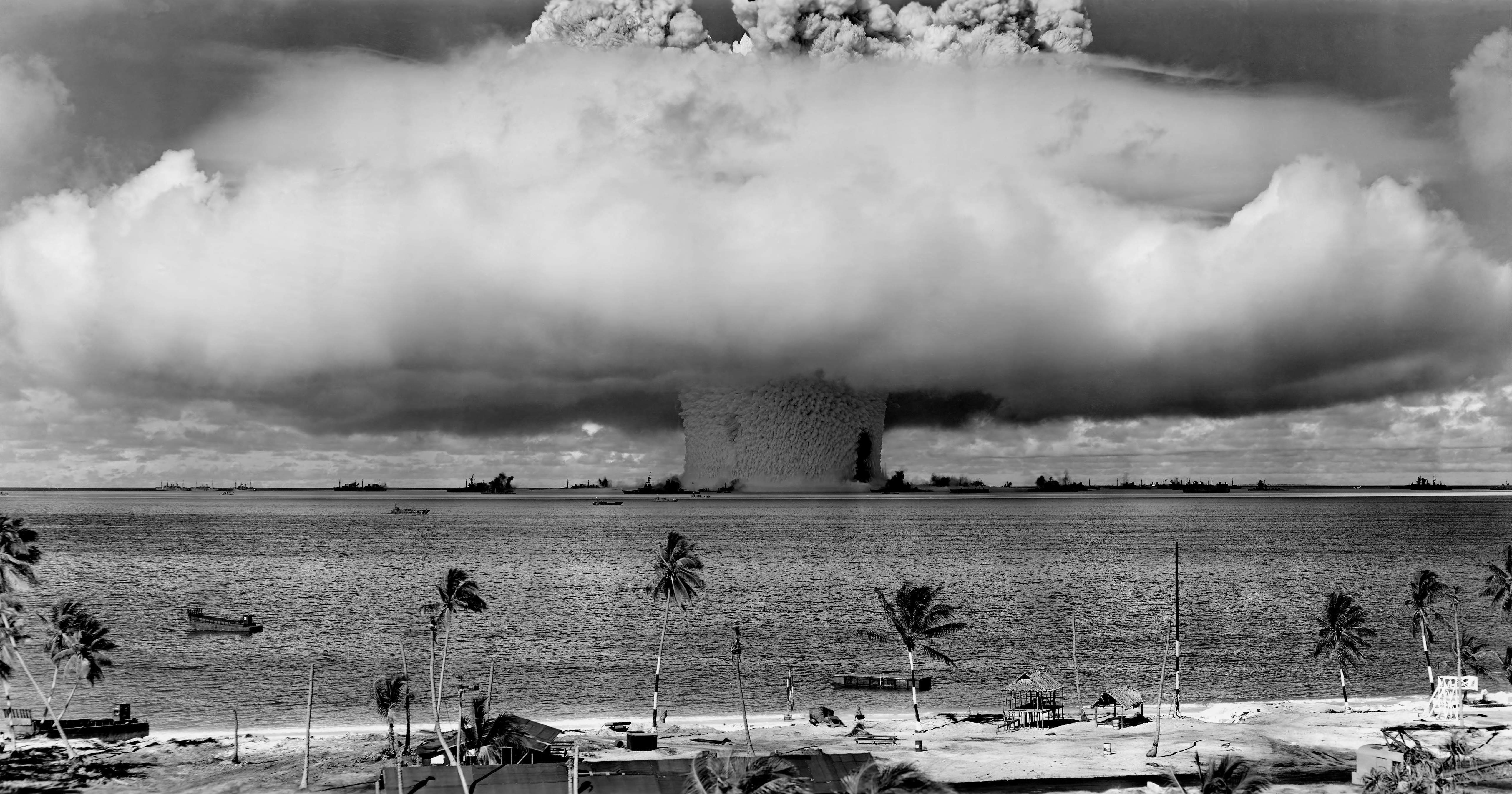
Operation Crossroad, Baker Test note Arkansas standing on end on right side of blast

When war came to Europe in 1939 Arkansas was serving with the Atlantic Fleet and conducted training operations and neutrality patrols.  In April 1941 she escorted the first convoy of Marines to Iceland and following that sailed to Argentia Newfoundland where President Franklin D. Roosevelt was meeting with British Prime Minister Winston Churchill concluding the Atlantic Charter.  Following Pearl Harbor she would primarily serve as a convoy escort and midshipman training vessel until June 6th 1944 where she provided naval gunfire support at Omaha Beach and subsequent support to land operations in Normandy. In August she took part in the invasion of southern France, Operation Anvil before returning the US for repairs and modifications before sailing to the Pacific.  The elderly ship then took part in the battles for Iwo Jima and Okinawa again providing naval gunfire support to Marines and soldiers ashore. She also was introduced to the Kamikaze at Okinawa.   When the war ended she carried returning troops home in “Operation Magic Carpet” and in 1946 she was earmarked for her last mission, Operation Crossroads, the first of the Bikini atomic bomb tests where she was sunk during test Baker on July 25th 1946.   She was anchored very close to the underwater blast and was violently sucked up into the blast where she can be seen standing on end it the picture below.

New York 1932 leading the Battle Line

The New York and her sister Texas were the first US Navy battleships armed with 14” guns.  The ships displaced 27,000 tons and mounted ten 14”/45 guns in twin turrets. Launched 30 October 1912 and commissioned April 15th 1914 the New York deployed with the Atlantic battle ship squadrons to Mexico during the crisis at Vera Cruz.  Like Arkansas she joined the American battleship squadron serving with the British Home Fleet in 1917 and served in convoy escort and deterrence missions until the end of the war.  Between the wars New York undertook various training missions and modernizations and was the sole US ship at the 1937 Grand Naval Review for the coronation of King George VI of England.

New York in 1944 departing for the Pacific

As war drew near New York remained engaged in training missions and took part in neutrality patrols and convoy escort missions in the Atlantic.  Following the outbreak of hostilities she would continue these missions and take part in Operation Torch, the invasion of North Africa in November 1942. She continued the vital convoy escort mission until she was withdrawn for service as a gunnery training ship for sailors being assigned to battleships and destroyer escorts.  In November 1944 she was sent to the Pacific where in February 1945 she provided naval gunfire support to the Marines at Iwo Jima. During pre-invasion bombardment she fired more rounds that any of the ships present.

New York at Iwo Jima

Her next action came at Okinawa where she provided 76 straight days of support to Marines and soldiers ashore while fending off kamikaze attacks and taking one minor hit.  She had her guns replaced at Pearl Harbor in preparation for the planned invasion of Japan.  After the cessation of hostilities New York took part in Operation Magic Carpet and took part in Fleet Week in New York.

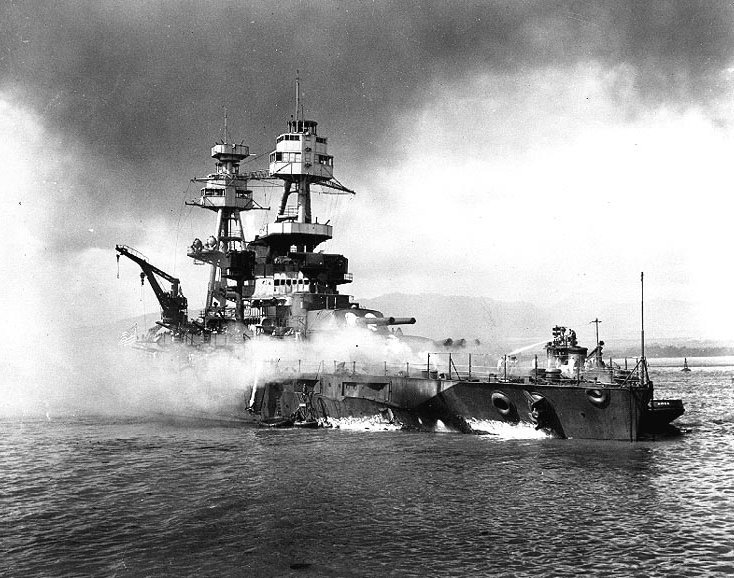
New York receiving anti-radiation wash down after Baker. She has survived the blast in good condition

New York was then assigned to be a target ship in Operation Crossroads where she survived both Test Able and Test Baker.  Towed back to Pearl Harbor for extensive study she was finally expended as a target on July 8th 1948 by the Navy 40 miles off Oahu taking the punishment of a number of ships before sinking after 8 hours under fire.

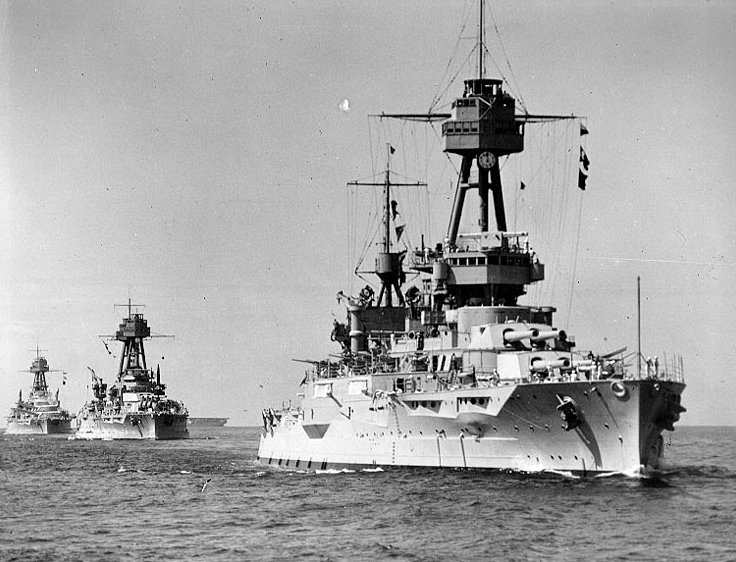
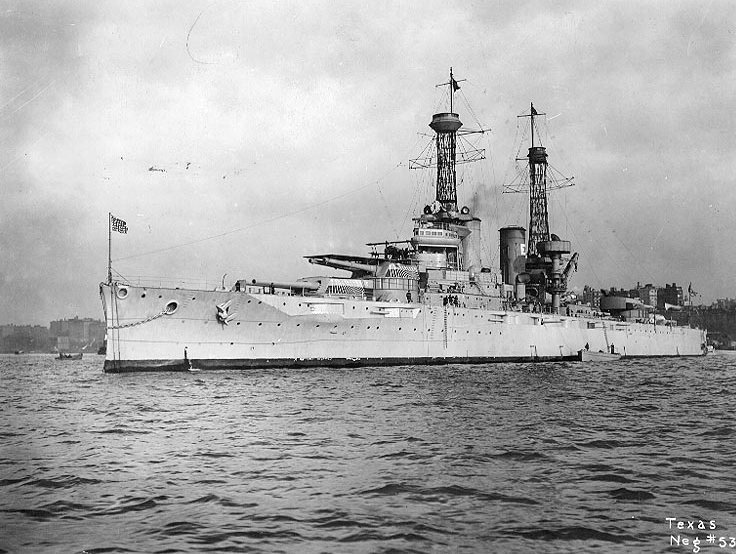
Texas in 1919 note the Battle “E” on her funnel

The Texas was launched on May 18th 1912 and commissioned on March 12th 1914 and within two months was in action with the Atlantic Fleet off Mexico without the benefit of the normal shakedown cruise.

During World War One Texas joined Battleship Division 9 serving alongside the British Home Fleet at Scapa Flow.  In this capacity she took part in convoy escort missions and operations in the North Sea including one where the Home Fleet nearly met the German High Seas Fleet in action.

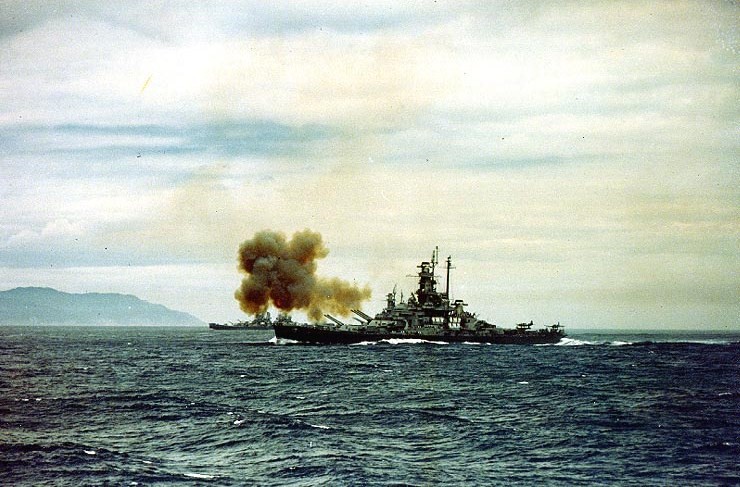
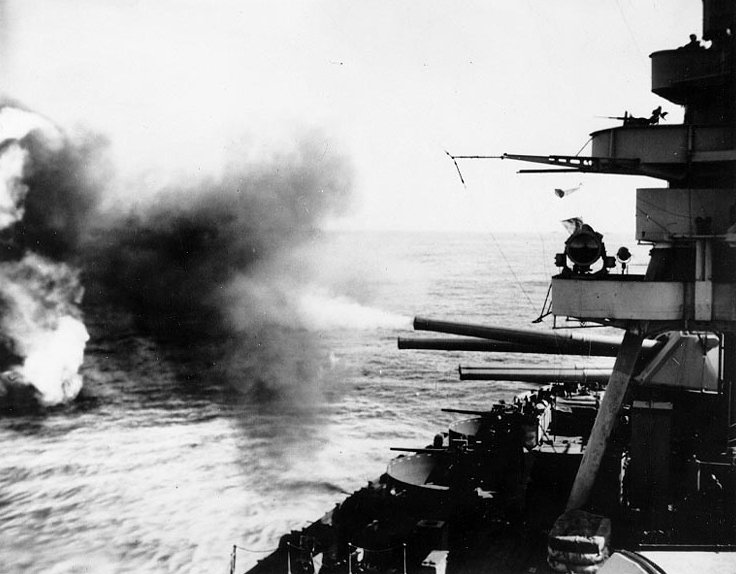
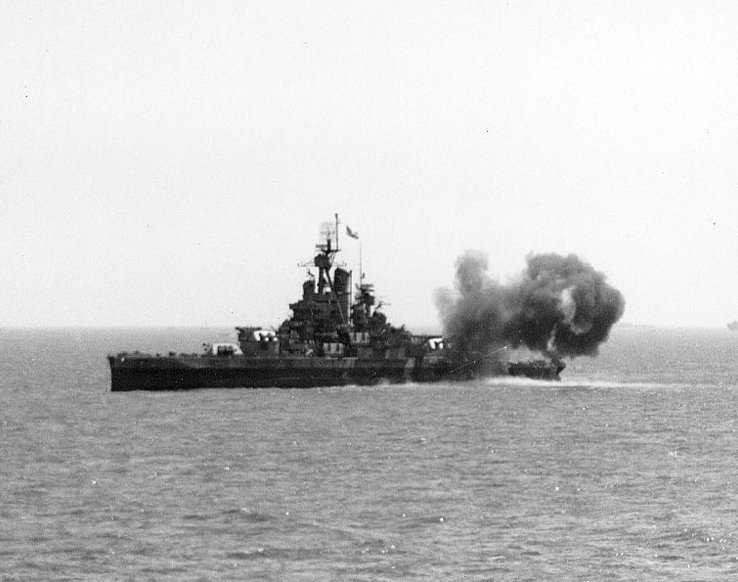
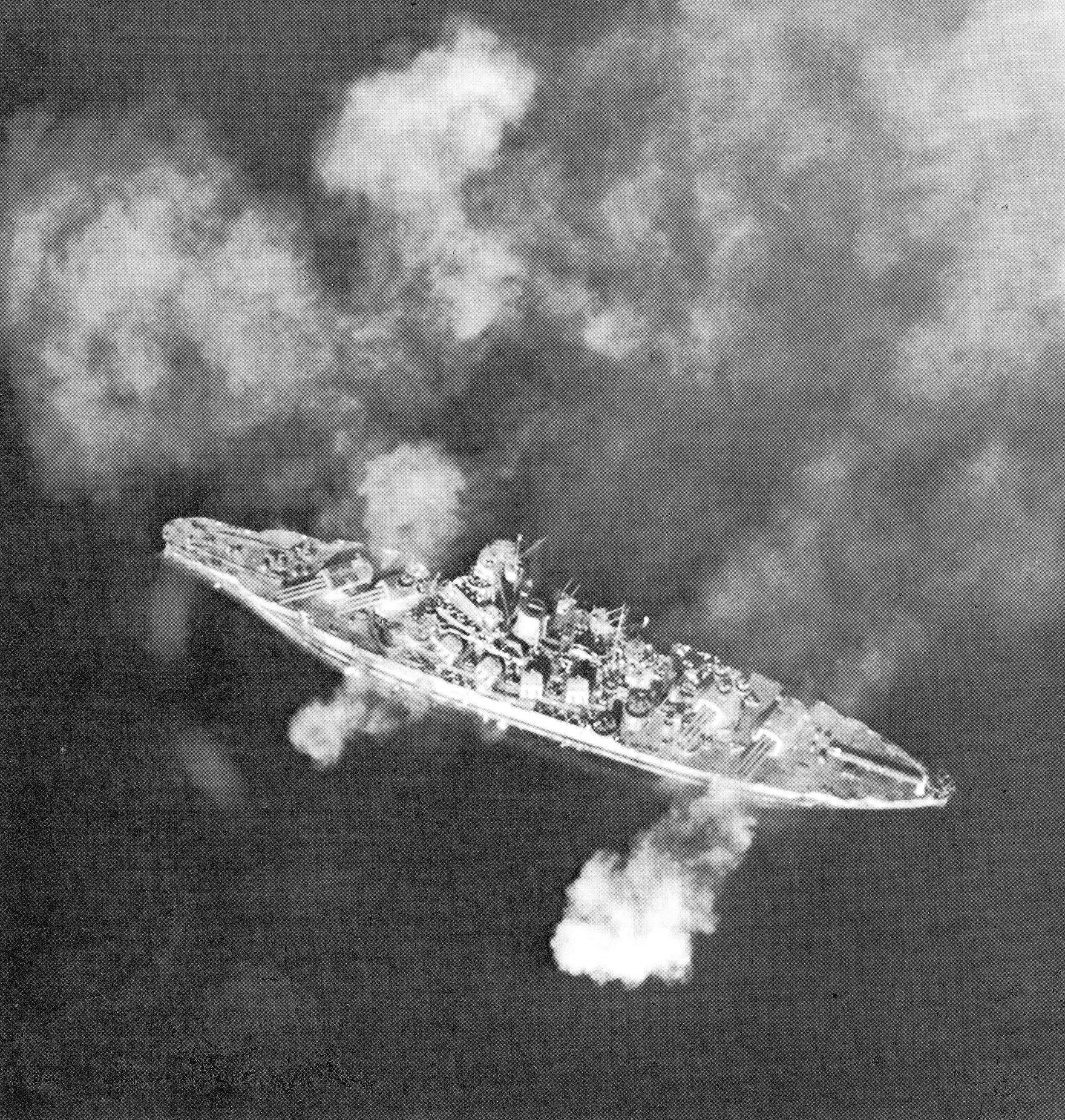
Texas firing her main battery 1927 after her modernization

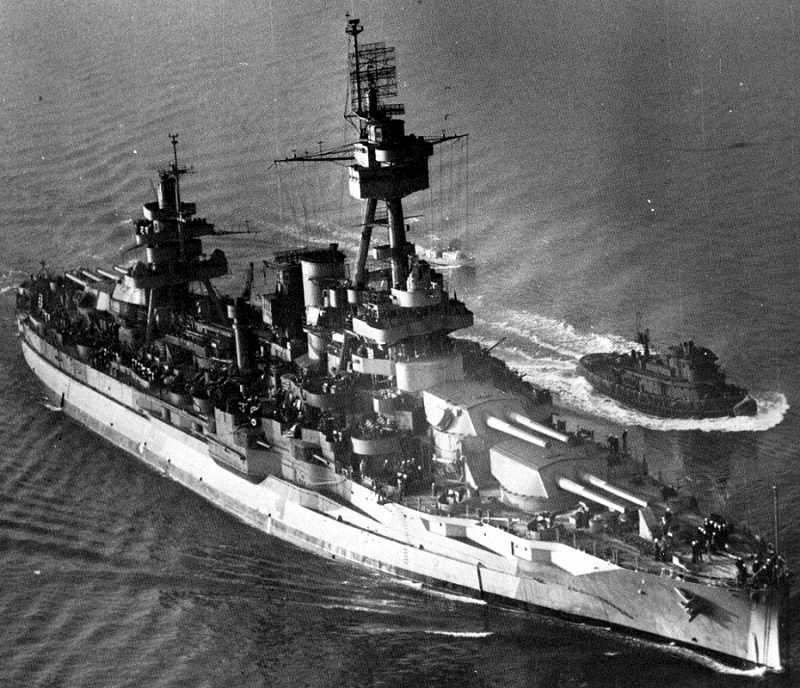
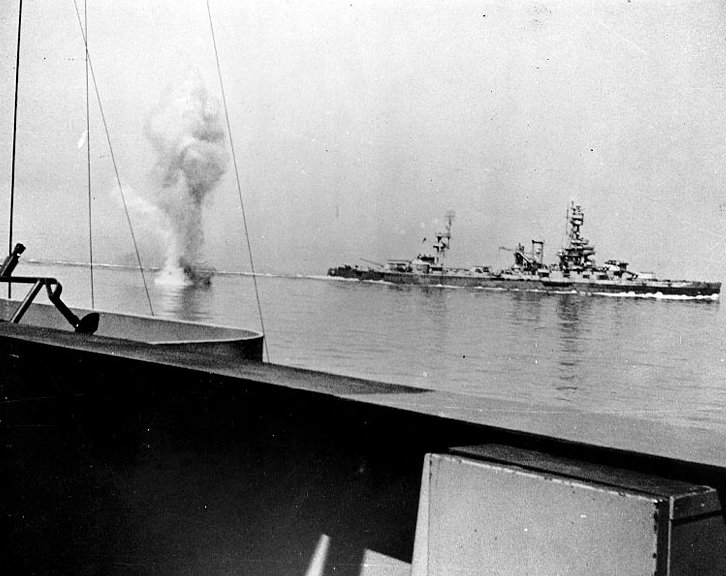
Between the wars Texas served on both the Atlantic and Pacific Fleets and received a major overhaul in 1925.  Like other ships she engaged in training exercises, midshipman and Naval Reserve training cruises and operations with the Fleet Marine Force.  With the outbreak of hostilities in Europe Texas joined the neutrality patrol.  When the US entered the war Texas served as a convoy escort and participated in Operation Torch.  Her convoy escort duties remained unchanged until she took part in Operation Overlord, the invasion of France and provided gunfire support to Rangers at Point du Hoc and soldiers on Omaha Beach. Closing to within 3000 yards of the beach Texas guns provided direct support to troops on the beach and interdiction fire on German troop concentrations further inland. She continued this following D-Day and while engaged in a duel with heavy German guns near Cherbourg was struck by two 280mm (11.2 inch) shells, one of which struck her on the navigation bridge killing the helmsman and wounding nearly everyone else.   She then sailed into the Mediterranean where she again supported troops ashore lending her weight to the invasion of south France. With that mission completed Texas returned to New York for repairs and to have her main battery guns replaced.

Texas under German Fire off Cherbourg

Reassigned to the Pacific Texas would support the invasion of Iwo Jima and Okinawa where she would remain in action for almost two months.  She finished the war in the Philippines and like so many other ships took part in Operation Magic Carpet. She arrived at Norfolk on February 13th 1946 to prepare for inactivation, but unlike so many other ships was spared the ignominious fate of the scrap yard or that of the New York and Arkansas. She was towed to Texas to serve as a permanent memorial at the San Jacinto battlefield and decommissioned there on April 21st 1948.  She was dry-docked and received a major overhaul in from 1988-90 which restored her to her 1945 appearance and in which major structural repairs were made. Continual restoration is conducted on the ship and there are plans for another major overhaul.  She is the last surviving “Dreadnaught” battleship in the world, a singular example of the great ships that once dominated the seas.

Texas at San Jacinto, the last of the Dreadnaughts

Though obsolete the Arkansas, New York and Texas rendered commendable service throughout the war and took part in some of the key invasions of the war. Their guns inflicted considerable damage on Vichy French, German and Japanese forces in Europe, North Africa and the Pacific.  New York and Arkansas trained thousands of sailors for service aboard other ships.  They performed admirably and their availability to do the less glamorous missions of naval gunfire support, convoy escort and training sailors for the fleet enabled other ships to be available for other missions.  They and the proud Sailors and Marines who served aboard them should never be forgotten.

19 Comments

Filed under History, Military, Navy Ships, US Navy, world war two in europe, world war two in the pacific

The Battleships of Pearl Harbor

Arizona Leading the Battle Line

“Yesterday, Dec. 7, 1941 – a date which will live in infamy – the United States of America was suddenly and deliberately attacked by naval and air forces of the Empire of Japan…. The attack yesterday on the Hawaiian Islands has caused severe damage to American naval and military forces. Very many American lives have been lost.” Except of President Franklin D Roosevelt’s Pearl Harbor Speech December 8th 1941

Today is the 68th anniversary of the Japanese attack on Pearl Harbor and as we were then we are at war.

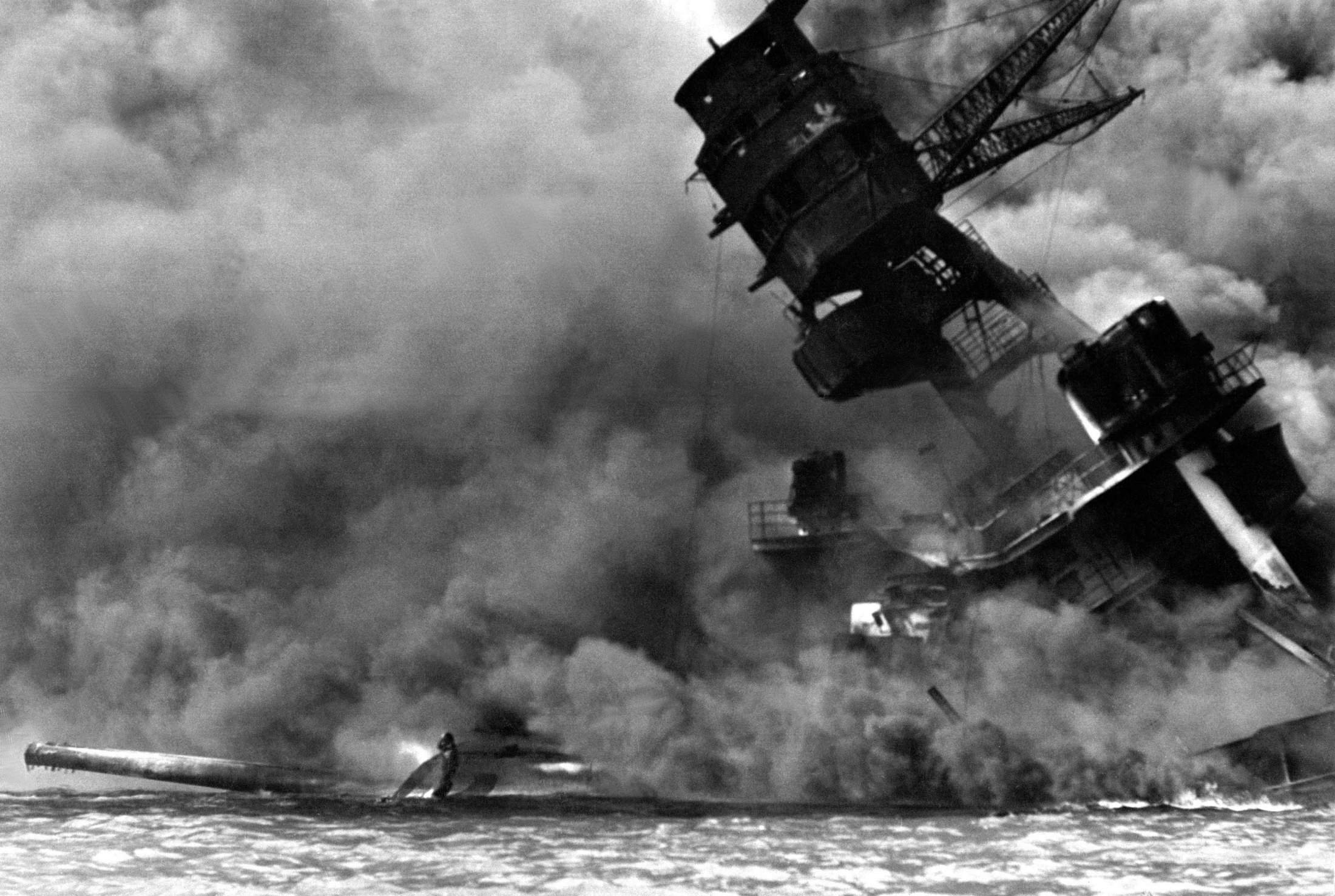
A Date that Will Live in Infamy: USS Arizona Burning

I remember reading Walter Lord’s “Day of Infamy” when I was a 7th grade student at Stockton Junior High School back in 1972.  At the time my dad was on his first deployment to Vietnam on the USS Hancock CVA-19.  As a Navy brat I was totally enthralled with all things Navy and there was little that could pull me out of the library.  Over the years I have always found the pre-World War Two battleships to be among the most interesting ships in US Navy history.  No they are not the sleek behemoths like the USS Wisconsin which I look at almost every day from Portsmouth Naval Medical Center as it lays moored across the Elizabeth River in Norfolk.  No these ships were the backbone of the Navy from the First World War until Pearl Harbor.  They were the US Navy answer to the great Dreadnaught race engaged in by the major Navies of the world in the years prior to, during and after World War One.

These ships were built over a period of 10 years and incorporated the advances in technology since the HMS Dreadnaught first came down the ways in 1906 to the experience gained in combat during the “Great War.”  While the United States Navy did not engage in battleship to battleship combat the ships built by the US Navy were the equal of many of the British and German ships of the era.

Oklahoma Before the War

The Battle Force of the Pacific Fleet in 1941 included 9 battleships of which 8 were at Pearl Harbor on the morning of December 7th.  In the event of war the US War Plans, called “Orange” called for the Pacific Fleet led by the Battle Force to cross the Pacific, fight a climactic Mahanian battle with the battleships of the Imperial Japanese Navy and after vanquishing the Japanese foe to relieve American Forces in the Philippines.  However this was not to be as by the end of December 7th all eight were out of action, with two, the Arizona and Oklahoma permanently lost to the Navy.

USS Oklahoma Being Raised from the Mud

These ships comprised 4 of the 6 classes of battleships in the US inventory at the outbreak of hostilities.  Each class was an improvement on the preceding class in speed, protection and firepower.  The last class of ships, the Maryland class composed of the Maryland, Colorado and West Virginia, was the pinnacle of US Battleship design until the North Carolina class was commissioned in 1941.  Since the Washington Naval Treaty limited navies to specific tonnage limits as well as the displacement of new classes of ships the United States like Britain and Japan was limited to the ships in the current inventory at the time of the treaty’s ratification.

USS Nevada Aground and Burning

The ships at Pearl Harbor included the two ships of the Nevada Class, the Nevada and Oklahoma. The Two ships of the Pennsylvania class, the Pennsylvania and her sister the Arizona, the two California class ships, the California and Tennessee and two of the three Maryland’s the Maryland and West Virginia.  The Colorado was undergoing a yard period at Bremerton and the three ships of the New Mexico class, New Mexico, Mississippi and Idaho had been transferred to the Atlantic before Pearl Harbor to bolster US strength in that area due to the German threat.  The three older ships of the New York and Wyoming Classes, the New York, Arkansas and Texas also were in the Atlantic. Two older battleships, the Utah and Wyoming had been stripped of their main armaments and armor belts and served as gunnery training ships for the fleet. The Utah was also at Pearl Harbor.

USS Nevada Firing on Utah Beach: D-Day

The ships that lay at anchor at 0755 that peaceful Sunday morning on “Battleship Row” and in the dry dock represented the naval power of a bygone era which was not recognized until two hours later. The age of the battleship had passed, but even the Japanese who launched the attack did not realize that the era had passed as they continued to build the massive super-battleships Yamato and Musashi mounting 9 18” guns and displacing 72,000 tons, near twice that of the battleships of the Pacific Fleet.

Arizona’s Main Battery

The Oklahoma and Nevada were the oldest ships in the Battle Force.  Launched in 1914 and commissioned in 1916 the Nevada and Oklahoma mounted ten 14” guns and displaced 27.500 tons and were capable of 20.5 knots. Serving in World War One alongside the British Home Fleet they were modernized in the late 1920s they were part of the US presence in both the Atlantic and Pacific in the inter-war years. Oklahoma would take part in the evacuation of American citizens from Spain in 1936 during the Spanish Civil War.  During the Pearl Harbor attack Oklahoma was struck by 5 aerial torpedoes capsized and sank at her mooring with the loss of 415 officers and crew. Recent analysis indicates that she may have been hit by at least on torpedo from a Japanese midget submarine. Her hulk would be raised but she would never again see service and sank on the way to the breakers in 1946.

USS Pennsylvania in Drydock with Wrecked USS Cassin and USS Downs

Nevada was the only Battleship to get underway during the attack.  As she attempted to escape the harbor she was heavily damaged and to prevent her sinking in the main channel she was beached off Hospital Point.  She would be raised and returned to service by the May 1943 assault on Attu.  She would then return to the Atlantic where she would take part in the Normandy landings off Utah Beach and the invasion of southern France in July 1944.  She then returned to the Pacific and took part in the operations against Iwo Jima and Okinawa where she again provided naval gunfire support.  Following the war she would be assigned as a target at the Bikini atoll atomic bomb tests, surviving these she would be sunk as a target on 31 July 1948.

USS Pennsylvania at Guam

The two ships of the Pennsylvania Class were improved from the Oklahoma’s.  Mounting twelve 14” guns and displacing 31,400 tons and capable of 21 knots they were commissioned in 1916 and also participated in operations in the Atlantic in the First World War.  Both being rebuilt and modernized in 1929-1931 they were mainstays of the fleet being present at Presidential reviews and making goodwill visits around the world.  Pennsylvania was the Pacific Fleet Flagship on December 7th 1941 and was in dry dock undergoing maintenance at the time of the attack. Struck by two bombs she received minor damage and would be in action in early 1942. She underwent minor refits and took part in many amphibious landings in the Pacific and was present at the Battle of Surigo Strait.  Heavily damaged by an aerial torpedo at Okinawa Pennsylvania would be repaired and following the war used as a target for the atomic bomb tests. She was sunk as a gunnery target in 1948.

USS Pennsylvania Passing Under Golden Gate Bridge Before the War

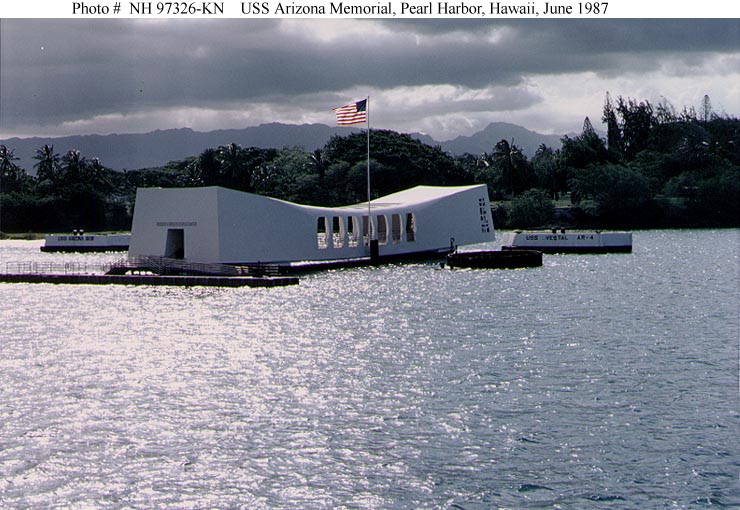
Arizona was destroyed during the attack.  Hit by 8 armor piercing bombs one of which penetrated her forward black powder magazine she was consumed in a cataclysmic explosion which killed 1103 of her 1400 member crew.  She was never officially decommissioned and the colors are raised and lowered every day over the Memorial which sits astride her broken hull.

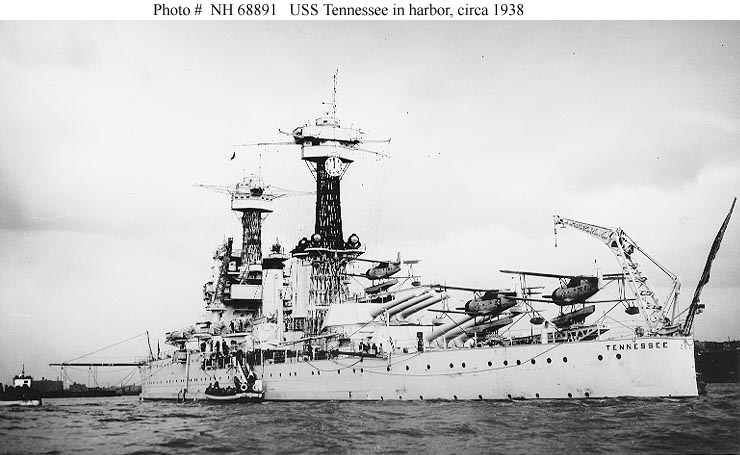
USS Tennessee 1938

The Tennessee and California were the class following the New Mexico’s which were not present at Pearl Harbor.  These ships were laid down in 1917 and commissioned in 1920.  They mounted twelve 14” guns, displaced 32.300 tons and were capable of 21 knots.  Tennessee was damaged by two bombs and was shield from torpedo hits by West VirginiaCalifornia was hit by two torpedoes but had the bad luck to have all of her major watertight hatches unhinged in preparation for an inspection.

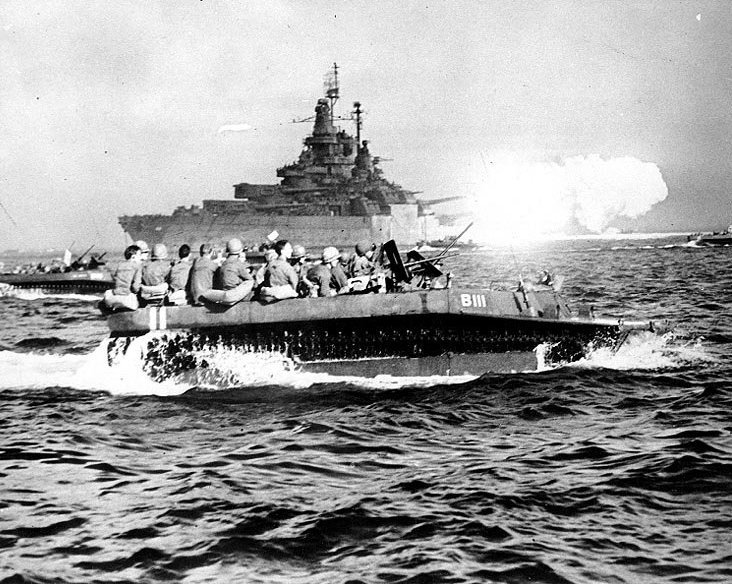
USS Tennessee at Okinawa

She sank at her moorings and would be refloated, rebuilt and along with Tennessee modernized with the latest in radar, fire control equipment and anti-aircraft armaments.  Both ships would be active in the Pacific campaign and be engaged at Surigo Strait where they inflicted heavy damage on the attacking Japanese squadron. Both would survive the war and be placed in reserve until 1959 when they were stricken from the Navy list and sold for scrap.

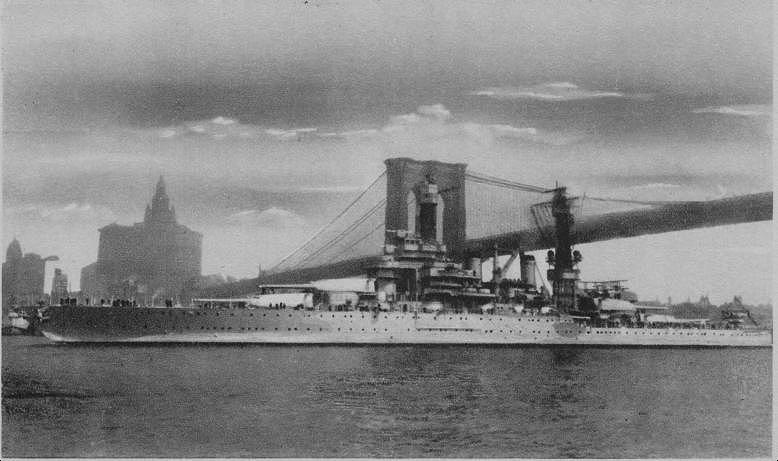
USS California Passing Under Brooklyn Bridge

The Maryland and West Virginia were near sisters of the Tennessee class.  They were the last battleships built by the United States before the Washington Naval Treaty.  Mounting eight 16” guns they had the largest main battery of any US ships until the North Carolina class.

USS Maryland 1944

The displaced 32,600 tons and could steam at 21 knots. Laid down in 1917 and commissioned in 1921 they would be modernized in the late 1920s they were the most modern of the “Super-Dreadnoughts” and included advances in protection and watertight integrity learned from British and German experience at Jutland.

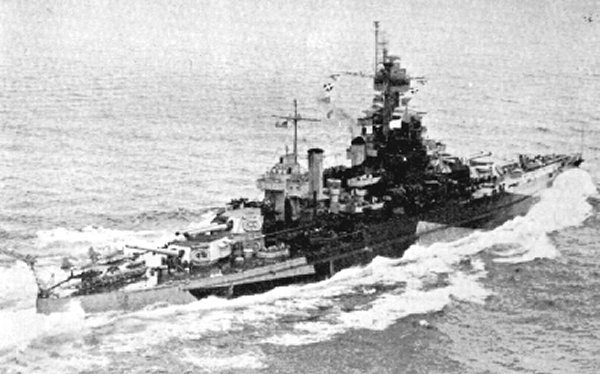
USS California 1944

At Pearl Harbor Maryland  was moored inboard of Oklahoma was hit by 2 bombs.  She would be quickly repaired and returned to action.  She received minimal modernization during the war. She would participate in operations throughout the entirety of the Pacific Campaign mainly conducting Naval Gunfire Support to amphibious operations. 

USS West Virginia 1934

and in 1944


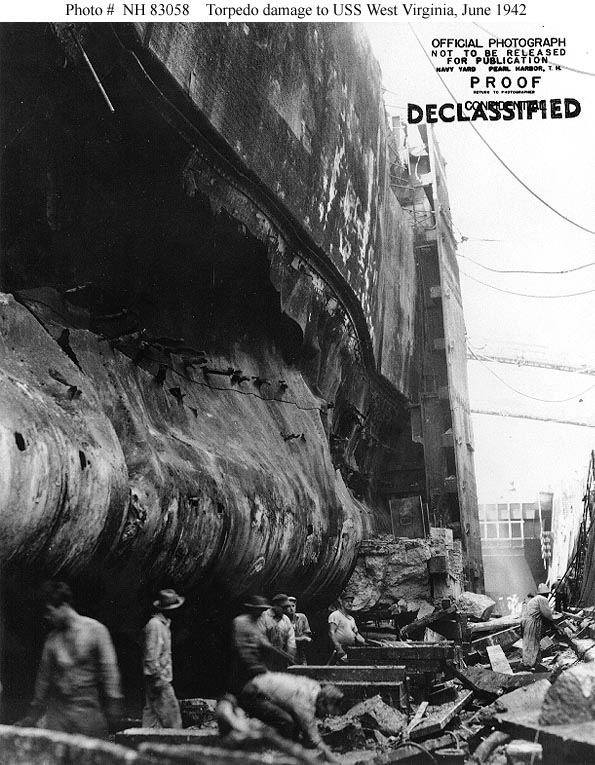
West Virginia suffered some of the worst damage in the attack. Hit by at least 5 torpedoes and two bombs she was saved from Oklahoma’s fate by the quick action of her damage control officer to counter flood so she would sink on an even keel.  She would be raised, refloated and taken back to the West Coast for an extensive modernization on the order of the Tennessee and California. 

Damage to West Virginia’s Hull

The last Pearl Harbor to re-enter service she made up for lost time as she lead the battle line at Surigo Strait firing 16 full salvos at the Japanese squadron helping sink the Japanese Battleship Yamashiro in the last battleship versus battleship action in history.  West Virginia, Maryland and their sister Colorado would survive the war and be placed in reserve until they were stricken from the Naval List and sold for scrap in 1959.

The battleships of Pearl Harbor are gone, save for the wreck of the Arizona and various relics such as masts, and ships bells located at various state capitals and Naval Stations.  Unfortunately no one had the forethought to preserve one of the survivors to remain at Pearl Harbor with the Arizona.  Likewise the sailors who manned these fine ships, who sailed in harm’s way are also passing away.  Every day their ranks grow thinner.  As December 7th  passes into history it is fitting to remember these men and the great ships that they manned.   If you know a Pearl Harbor survivor or a sailor who served on one of these ships take the time to thank them.

Peace,

Padre Steve+
USS Arizona Memorial

21 Comments

Filed under History, Military, Navy Ships, world war two in the pacific

D-1 Bobbing About, We Made Too Many Wrong Mistakes and Thank God for Good Managers

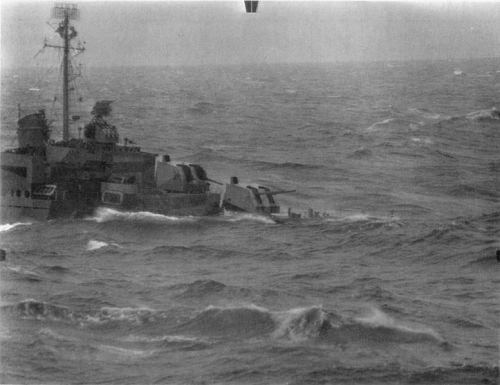
June 5th 1944 should have been D-Day.  Instead because of a ferocious storm that descended across the English Channel it was a day from hell on the seas for the assault troops embarked aboard troop transports, landing ships and landing craft.  Now those who have never ridden out a storm at sea on anything smaller than an Aircraft Carrier or modern Cruise Ship cannot understand what the thousands and thousands of land-lubber soldiers on those ships and craft went through.  In fact they cannot understand what the sailors on the very largest of the Operation Overlord armada the battleships USS Nevada, Texas, and Arkansas while the British battleships Rodney, Warspite and Ramillies also were on hand.  Most of the ships in the invasion were far smaller, cruisers averaged 9000-10,000 tons, destroyers about 1,500 tons.  I have served on a 9,600 ton Ticonderoga Class Aegis Guided Missile Cruiser, the USS HUE City.  I have also been embarked on the USS Agerholm DD-826, a WWII era Gearing Class destroyer, and a number of other ships including landing ships such as the USS Frederick, LST-1184 and USS Mount Vernon, LSD-39.  I have ridden all of these in somewhat sporty conditions.  I have never been seasick.  However, even seasoned sailors can be sick as a dog and hurl chunks in heavy seas.  I have also been a member of a boarding party and had seas come up on us while we were away from our ship.   In heavy seas things can get sporty.  When I was on Hue City we hit such heavy seas that we experienced a hull fracture that required emergency repairs and a short port call.  My Skipper had me go down and bless the repairs with Holy Water.  We also made a transit down the Arabian Peninsula with a Cyclone on our beam.  We took 15-18 foot seas on the beam for three days.  Believe me Aegis cruisers are top-heavy and do not ride well in high seas.  We had an epidemic of chunks during that period.  Likewise even a few injuries from crew members that were thrown around.  Likewise, the soldiers had to make transfers down nets and Jacob’s ladders in heavy seas.  This also can be a bit sporty.  It is just a tad bit exciting to jump from the deck of a ship onto a boat which is going up and down about 6-10 feet at a time.  Since I have jumped from a ship that was moving to a wildly bouncing boat; my hat goes off to the land lubber soldiers who jumped from ships to landing craft in heavy seas at D-Day.

vicksburgHue City’s Sister Ship the USS Vicksburg plowing through heavy seas. We were doing the same thing

Since the ships at D-Day were far less advanced, and the largest battleship, the Rodney was only 35,000 tons, or about half the displacement of the average modern cruise ship and one third that of a US CVN. Now imagine soldiers who have never been to sea except for the trip across the Atlantic to get to England, who were riding ships and landing craft of minuscule displacement.  These guys suffered, in fact many prayed to land because fighting the Germans on the beaches would be easier than what they experienced at sea.

777px-Unidentified_Allen_M_Sumner_class_destroyer_in_heavy_seas_during_Typhoon_CobraUnidentified WWII Sumner Class Destroyer Taking Heavy Seas

So when you remember the epic events of D-Day remember that the American, British, Canadian and French Soldiers who landed on those hallowed beaches named Utah, Omaha, Juno, Gold and Sword had eaten little, hurled more and endured a hellish ride just to get shot at when they landed on the beaches.  Having been shot at in Iraq I can say that it is not something that I want to do after being sick and puking my guts out. However, that might be better than puking.  I have never enjoyed that…what a bulimic sees in this I do not know.

Yogi Berra once said: “We made too many wrong mistakes.”  I absolutely hate making mistakes, I like to be right and I want my work to reflect excellence.  The past couple of days the Deity Herself has reminded me that even I am human.  The past two weeks I have worked about 132 hours, like who is counting, hours at our medical center.  Part of this was due to being on duty and the other because I had to remain because of mission requirements.  I had done pretty well until yesterday when at the end of the day I locked my keys in the office.  I never do this, how the hell I did it I will never know, except that I had a brain fart because I was tired and pushing myself to handle a multiplicity of administrative and clinical duties over the week.  Well, that was not all, my wrong mistakes continued.  This morning I woke up, however since I didn’t sleep well this was not a great thing, except for the fact that I did not read my name in the obituaries of either the Virginia Pilot or the Stockton Record.  I use my cell phone as my alarm clock.  I have a ritual to go to work.  I set what I am going to wear in one spot, pockets loaded, beat in the loops.  I set my cell as my alarm and as soon as I wake up I put the stupid phone in my pocket so I will not forget it.  Somehow today I didn’t do this last little bit.  My phone was at home.  I was so busy and tired that I didn’t notice this little omission.  As I drove out of the parking garage I searched for my phone.  What the hell it wasn’t there where I was sure that I had placed it.  I turned my silver 2001 Honda CR-V around and drove back into the parking garage.  I retraced my steps.  Going to my office I called my phone.  No answer. Crap. My next stop was Dr Maggard’s office.  Interrupting him while he was on the phone I found the phone was not there.  Damned again, double crap.  Next stop was the head where I had deposited my recently rented coffee. One can never buy coffee only take a short term rental. Of course it was not there and I was damned yet again, in my exhaustion I was thinking crazy thoughts.  So I went to the little Navy exchange where I had picked up a Diet Dr. Pepper for the trip home.  Maude the cashier said I didn’t leave it there either.  Damned, Damned, double damned and even triple damned I was pissed.  I went up to the Critical Care Department Head’s office, damned even more, no phone.  Crap, I was really getting upset, someone probably had it and was using.  So I went to Pediatric ICU to see if by some chance I had left it there. I asked my buddy Cinda and others if they had seen it.  The answer was no and I was yet again damned. So I called the phone one more time and Judy picked it up.  I said “have you seen my phone?” She then said “I’m talking to you on it.”  Damn, damn, damn, damn, damn and crap.  I could have had a freaking V-8.  I knew at this point that I was toast.

not a happy camperNot a Happy Camper: Too Many Wrong Mistakes

Between this comedy of errors I was working on Chief Branum’s memorial service bulletin with Commander Judy, one of our senior Nurse Corps Officers.  We had it set; all I had to do was finish the bio.  This I did as Commander Judy went up to work with Chief’s best friend.  One problem. I was tired and had multi-tasked my ass off.  Trying to answer two different phone calls, and two separate e-mails I started trying to close out the 95 different windows that I had open on my computer.  I was damned yet again, crap, crap, crap, crap, crap and crap.  In the process of closing all the windows I had not saved my document.  All the work was gone.  My brain was fried and I was pissed at myself for making so many far too many wrong mistakes.  Thankfully, Commander Judy had remembered what was on the program and with the template that I provided was able to put it back together.  She helped save my ass. I finally got home and was absolutely bushed.

The Deity Herself has made sure that I am taken care of even in times like this.  I was scheduled for duty this weakened. For me, since I live at the cusp of the 30 minute response time I remain on campus.  However, I got a call from our deputy command chaplain who told me that our Department Head, who had just returned from leave had told me to stay home that he would take my duty.  Thank God for managers who who know when a pitcher has reached his limit. My boss is like this.  He knows when to pull me out of the game before things get out of hand.  I was making far too many wrong mistakes of exceptionally simple nature.  I am really grateful for him. Once again the Deity herself looked out for this miscreant but very tired Priest.

Peace and blessings, Steve+
2 Comments

Filed under Baseball, History, Loose thoughts and musings, Military, Navy Ships, PTSD