A few nights ago I watched the final episode of the television series M*A*S*H “Goodbye, Farewell and Amen.” As I mentioned in my last blog both the series and the film have been important and long lasting parts of my life. It is interesting because when I was first commissioned as an Army Second Lieutenant on 19 June 1983 in the Medical Service Corps, and September 1992 became a Chaplain in the Texas Army National Guard, subsequently serving in the Virginia Army National Guard and Army Reserve as a Chaplain. I also served as a Armor Officer in Texas during seminary. On 9 February 1999 I turned in my Gold Oak Leaf as a Major in the Army for the two Silver Bars of a Navy Chaplain Corps Lieutenant.
Now, 21 years after that move I am a washed up Chaplain and Navy Commander mostly abandoned by fellow Chaplains for openly and honesty dealing with the ravages of PTSD, abandonment which created moral injury that I have never recovered from, no matter how hard I prayed the Daily Office, or studied scripture and theology. Without going into such detail that it would harm me even more in much current fragile emotional state, I can only say that I was abandoned, ghosted, and off revamped by the senior Chaplains who sent me to war, of course I was a very willing volunteer, and then ensured that every subsequent assignment would be harmful to my career, while certain senior chaplains treated me in the most malicious and evil manner knowing I needed a continuity of psychiatric, psychological, and spiritual care, ripped me away from it sending me on a three year geographic bachelor tour, away from home and those supports.
I also continue to suffer physical and neurological disorders related to combat. One is a combination of serene Tinnitus, and abnormal degraded speech comprehension without corresponding hearing loss. The neurologist thought it was due damage to my auditory nerves and auditory processing center related to PTSD. My speech comprehension was rated in the third percentile, meaning that 97% of people process speech better than me. In order to understand speech in individual conversations or in large groups I have to be completely focused and not have any cross talk or background noise. This makes it difficult to function. Basically, I am functionally deaf unless I am completely focused on whoever is talking and they are speaking clearly enough for me to understand. Judy is really deaf, and she understands speech better than me much of the time.
During Goodbye, Farewell, and Amen the 4077th’s Chaplain, Father Francis Mulcahy is exposed to a mortar blast and suffers Tinnitus and hearing loss, which continue to get worse despite his prayers.
In one of his prayers to God, one which resonates much with me, he cries out:
“Dear Lord, I know there must be a reason for this, but what is it? I answered the call to do your work. I’ve devoted my life to it, and now, how am I supposed to do it? What good am I now? What good is a deaf priest? I pray to you to help me, and every day I get worse. Are you deaf, too?“
My situation doesn’t simply involve my inability to understand speech but the residual effects of PTSD: hyper vigilance, anxiety, severe depression, sleep disorders, nightmare and night terror disorders that have resulted in injuries including a broken nose when battling the phantom like images of assailants in my dreams.And most recently under the stress I feel, horrible angry outbursts that are so unlike me. They make me feel horrible, but a decade of death threats, internet stalking, being called an “enemy of America”, and for supporting the rights of Blacks a “nigger lover” and “wigger,” and condemnation by Christians for caring about the rights, safety, and decent treatment of LGBTQ as enabling sin against God, but I never saw Jesus turn anyone away. The greatest hurt I experience is when Christian friends attack, condemn, and abandon me, especially over the past five years as so many became members of the Trump Dictatorship Cult. It took a while but I don’t take it anymore and after slicing and dicing their arguments leave things in their hands as where to they want to go with our relationship. Some cut me off and others make sure I know how rotten I am before they cut things off. Back in the early days after returning from Iraq while melting down and being thrown out of my former Church I culled a lot of them preemptively from my social contacts. A few have since renewed and reconciled but not all.
No amount of praying ever changed anything. I still believe in God, but I struggle every day. Sometimes I don’t feel that I am of any use, but too many people tell me that I do. Even so the fourth verse of the M*A*S*H them song, Suicide is Painless rings true for me now. I don’t have the answers. That verse says: A brave man once requested me to answer questions questions that are key, “Is it to be or not to be” and I replied “oh, why ask me?”
Something that Colonel Potter said to Father Mulcahy and Mulcahy’s reply seems a pretty good place to end this before I sign off from this post:
Col. Potter: Well, Francis, you’ve been a godsend.
Father Mulcahy: Look on the bright side: When they tell us to serve our time in Purgatory, we can say, “No thanks, I’ve done mine.”
So here I am, an old, broken, washed-up Chaplain and priest who is a better historian than many looking to the next phase of my life, with Judy and the puppies, but even so, without a Parish, without an institutional Chaplain position, or any formal place of ministry, I will still be a Priest, and serve whoever comes into my life, even when I struggle and doubt.
Since I am going to have to get a bit of work done house and do my damnedest to finish the illustration section of my book so I can send it to my agent and publisher tomorrow, which means whenever I wake up, I wish you all peace and safety.
Me as a young Medical Service Officer Second Lieutenant, Neubrucke Germany, 1984
Friends of Padre Steve’s World,
I started this article Tuesday night but couldn’t yesterday I was on emotional roller coaster, dealing with continued medical issues due to my jaw infection that began a month ago when a lower rear molar, cracked, the nerve abscessed, died, and infected the and more. I tried to finish it Wednesday night but couldn’t. I finally finished it dark and early after midnight Friday. Well, I thought I had, but for whatever reason what I wrote didn’t save correctly. So I just add this to let you know that as I revise it and put in the tags and topics represented in it. “That is All.”
I am finishing my last two weeks on active duty before taking 20 days of job hunting and house hunting leave. I honestly cannot believe the emotions that I am feeling.
The Original Opening to the Film M*A*S*H
Tuesday morning I went in to work still suffering some of the effects of my tooth extraction and jaw infection still persist. Migraine like headaches, swelling in the jaw, lymph nodes and Parotid gland still persisted. I went to the Endontist who extracted my tooth and prescribed more antibiotics after the tooth extraction and he recommended that I get an appointment with my primary care doctor. I was glad he dad that because he realized that he didn’t have an answer.
My regular primary care physician who I really like wasn’t available, and he is an outstanding physician who listens and cares. But the physician I was assigned in his place was incredible. Our initial appointment on Monday was over the telephone and after taking time to listen to all that happened to me she made sure I got an appointment to see her in person Tuesday.
Unlike so many physicians bound by the time limits of insurance, including the business model of Navy Medicine she and her nurse took the time to listen to me, to do a thorough examination, to explore the what antibiotics might treat all my different symptoms. The appointment took a long time but it was worth it. I received medicines to treat the lower jaw, upper jaw, sinus and ear infections caused by that damned tooth, as well as an order to get a CT scan to see what is actually going on.
That fact made a difference because even as that was going on I was experiencing problems with an Navy personnel site. That followed a NMCI Microsoft 10 update that will not allow me to access it in order to make sure that my DD-214 is correct. No matter what I do online and no matter how many times the Navy says my access is fixed I still cannot access the site, which mattes for all of my my retirement and veterans benefits.
Because I had a low grade fever due to the infection and needed needed lab tests and another medical appointment today so I won’t be able to go in to fix ot until Monday.
Truthful I am mad as hell and I am not going to take it anymore. I am too old for this shit I am going to vent my spleen. Before the update I never had an issue getting into the website. I really get frustrated and angry with the contractors whose programs don’t interface with the multiplicity of other hardware and software so that when one makes a change there is a cascade effect that fucks everything else up, like the simple fact of trying to access a site to check the one document everything in my post military career depends on. That pisses me off and I hate the damned Navy and military System for allowing this to happen.
I am really a fine with some of contractors, as I have noted, not all of them, not all of them, because there are quite a few who provide outstanding products and support, and have the integrity to back up their work. My friend David owns one of the highest ranked IT hardware firms that deals with DOD and many other government agencies. I have also encountered some very fine contractors for some of these IT firms who take the time to walk with you through the problem and fix it. There are also others who hire good people to provide services that the Navy can no longer due because those functions were added following wars our uniformed and GS systems were not prepared to deal with because of a never ending war. I might end up working as an educator for one using my experience to help personnel and their family members get the help they need and prepare to leave the service.
However, I get the feeling that I could be dying and it wouldn’t matter the damned corporate war and defense profiteers who the Navy hired to replace sailors that used to do these jobs. The thing is that a lot of these corporations have the backing of some of the leading politicians of both parties and are marketed and lobbied for by former high ranking military and DOD civilian officials. They are doing it for corporate profit but selling their services saying they will reduce cost and make things more efficient. But that is most often a lie, because we end up paying more for less, and harm readiness in the process.
Between them, and the former corporate defense and business executives who run much of DOD, they cut the active duty force in the name of “efficiency” and deprive Sailors (Also Soldiers, Marines and Airmen) from other active duty or DOD civilians who can fix their problems. I hate them, these corporations, with a passion. I miss the days when Yeomen and Personelmen, working with civilian GS personnel specialists, who we called the Little old ladies in tennis shoes would look at you in the face and fix what was wrong or what needed attention. Now that isn’t the case. All is handed online and you get an email response saying your problem has been resolved even when you still can not access their damned website. I want to say Duckmäuser them to hell, and I honestly doubt that the majority of senior Navy and military leadership cares.
The Navy decided long ago that regardless of its technical ineptness and reliance on for profit defense profiteers that sailors who have full time jobs have to also manage and perform tasks that used to be handed by people they knew who were trained to do them. I don’t want any part of such a bastardized impersonal “personnel” system that doesn’t value sailors and their families as people but “Human Resources” who can be expended without consequences because they really don’t matter. The same applies to training as well. These things take up so much of sailors time that they scarcely have time to do their real jobs. No wonder readiness rates are crap, ships can’t deploy, and aircraft cannot fly.
I read an article this week that a Navy official downplayed those rates and suggested the metrics showing how unready our Navy is for a major war were wrong and needed to be changed. That’s like lowering academic requirements to make sure students pass so their failure doesn’t harm the overall rating of Schools, school, districts, or universities. The only problem in the military are that such actions lead to defeat in in battle, massive losses of American lives and the inevitable after effects of losing a major war against a peer competitor. We have really never experienced that, but many others have, and we should learn from them before it happens to us.
Our humiliation will be greater than that of Imperial Germany, Imperial Russian, France in 1870 and 1940, Nazi Germany, Napoleonic France, Rome, Byzantium, the Holy Roman Empire, the Austro Hungarian Empire in the First World War, and so many others. Military defeat combined with economic collapse, loss of territory, and great political and social calamities that In many cases are still being felt even centuries later. If we don’t take decisive actions to protect our democracy from all enemies, foreign and domestic, including the profiteers the coming collapse will make the division of the Trump years feel like the good old days. I personally wouldn’t doubt if Trump is actually hoping for that since he doesn’t give a damn about his oath, the people of the United States, including those who support him, or what happens to this country so long as he can line his pockets with unearned riches.
Marine Corps Major General and two time Medal of Honor recipient Smedley Butler realized that at the end of his illustrious career as a Marine when he wrote his classic anti-war book War is a Racket. If you haven’t read it you better well need to before you ever mindlessly thank a veteran for his or her service in wars that only weaken our defense and diminish our standing as a bastion of Liberty in the world. Most of the corporations Butler condemns in his book are still profiting from the business of war and “defense” today. Mind you I am an old anti-Soviet and Chinese Communist Cold Warrior. I fucking hate their systems, and while the Chicoms combine a nationalist bastardization of Capitalism with a desire for world domination at the expense of freedom at home and abroad; and while the former KGB Officer Vladimir Putin leads Russian which is nothing more than a rebranded Soviet Union, President Trump looked the other way and weakened us in more ways than anyone cannot imagine until the hell he created destroys our country long after he leaves office.
Iraq near the Syrian Border with Advisors and Bedouin Family, Christmas Eve 2007
Don’t get me wrong. I am proud of my service in war and peace, but I cannot fathom treason or abandoning military personnel to IT systems run by for profit contractors that have so many problems that they cannot be successfully navigated even by experts much less than the people who have full time jobs who need that specialized support. And yes it is treason when one looks at the billions of dollars paid to big defense contractors for the chump change that it would cost to pay military personnel and civilians to do things the old fashioned way using pen and paper while looking people in the eye to make sure that it was done right. This is a scandal for the ages that harms veterans and their families, undercuts combat readiness, and enriches defenses profiteers.
A Montage of Characters from the Series with the Original Score
I hate to say this but those in various Presidential administrations, Senators and Representatives of both parties, and high ranking Military Officers and Senior Executive Leaders in the Defense Department are all guilty as charged when it comes to sacrificing the well being of the volunteers who serve this nation in uniform in unending wars to enrich war and defense profiteers are all traitors. If it was up to me I would have them tried and after a fair trial s tan ever them and have them hanged until dead.
If I have to take up the mantel of men like Smedley Butler, David Hackworth, and Hal Moore, and countless number of men and women who remain unknown because they were crushed by the system or died through its uncaring incompetence, especially in the area of mental and spiritual health. In retirement I will be a prophetic voice. Since while I was on active duty I had member of my congregation try to have by tried by Court Martial for preaching prophetically fro the pulpit and was exonerated after an investigation, I no loner give a damn who I offend.
With my Beloved Second Platoon, 557th Medical Company Ambulance, in the Taunus Mountains, Hessen, West Germany, 1985
By the latter I do not mean the fake spirituality of memorizing Bible verses or reciting The unbiblical and unchristian mantras of modern American Christianity. I don’t promote feel good Christian jibber-jabber but walking with people though The Valley of the shadow of Death, without abandoning them, or condemning them when they show weakness. Personally, I would rather have a caring Atheist or Agnostic at my side than a supposed Christian shoving a bastardized version of the Christian faith down my throat in my time of crisis.
We don’t need that. We authentic Christian ministers and Priests who admit that they don’t know the answers. We need ministers and Priests who are Un afraid to admit that they struggle with faith and yet still believe. Men and women who are transparent servants of a God that they only known through the Crucified God, not the opaque, impenetrable and unbiblical theology of Christian nationalism and Dominionism. Those are not theologies of faith in the Crucified God, but arbitrary, authoritarian systems to reconcile Christian beliefs to ungodly, nationalist, often racist, and exploitive systems of government which destroy the liberties of all, but even worse make Christians isolators of anti-Christian leaders and systems. It started with Constantine and has never stopped.
George Truett, the great Southern Baptist Pastor who served as President of Southwestern Baptist Theological Seminary wrote in his book Baptists and Religious Liberty in 1920 about the decidedly negative effect of when the Church became the State religion:
“Constantine, the Emperor, saw something in the religion of Christ’s people which awakened his interest, and now we see him uniting religion to the state and marching up the marble steps of the Emperor’s palace, with the church robed in purple. Thus and there was begun the most baneful misalliance that ever fettered and cursed a suffering world…. When … Constantine crowned the union of church and state, the church was stamped with the spirit of the Caesars…. The long blighting record of the medieval ages is simply the working out of that idea.”
The late Senator Mark Hatfield a strongly committed Evangelical Christian before it became popular in Washington made this comment concerning those that are now driving this spurious debate:
“As a Christian, there is no other part of the New Right ideology that concerns me more than its self-serving misuse of religious faith. What is at stake here is the very integrity of biblical truth. The New Right, in many cases, is doing nothing less than placing a heretical claim on Christian faith that distorts, confuses, and destroys the opportunity for a biblical understanding of Jesus Christ and of his gospel for millions of people.” quoted in the pamphlet “Christian Reconstruction: God’s Glorious Millennium?” by Paul Thibodeau
Barry Goldwater, the man who inspired Ronald Reagan to run for President and who was the conservative bulwark for many years in Washington DC warned what would happen when the Religious Right took over the Republican Party. Goldwater said of the types of people that currently dominate the conservative movement, if it can be still called that:
“Mark my word, if and when these preachers get control of the [Republican] party, and they’re sure trying to do so, it’s going to be a terrible damn problem. Frankly, these people frighten me. Politics and governing demand compromise. But these Christians believe they are acting in the name of God, so they can’t and won’t compromise. I know, I’ve tried to deal with them.” November, 1994, in John Dean, Conservatives Without Conscience.
Well those that Truett and Goldwater warmed us about got what they wanted. They got control of a political party by prostituting themselves to a man whose heart is evil, and could not care less about Christians so long as they vote for him and his amoral, unchristian, and anti-freedom ideas which rip up the ideals of the Declaration of Independence and shred the Sacred protections of our Constitution, the Bill of Rights, and the Amendments to the Constitution.
Contemporary Conservative Christian Teachings have become hollowed out, unbiblical, unchristian, and untenable politically driven apologetics of Unfreedom which spit on the face of God on the Cross, just as much as did his Roman executioners.
Anyway I couldn’t finish this Tuesday night because I was too busy crying my way the final episode of the television show M*A*S*H, “Goodbye, Farewell and Amen.” The sobbing, tears, and overwhelming emotions made me put down my iPad. I was using it as the basis for my final message to my Shipyard friends, family, and coworkers who mean so much to me now. They helped me recover my sense of faith, belief, calling, and belief in good people. As I watched the show I remembered all the men and women I have served with over the years, those still alive and those who passed away to natural causes, were killed in combat, or died by their own hand after coming home from war. People who like me suffered from the terrible effects of war; wounds to body, mind and spirit, which were so bad for some that they killed themselves. Believe me there were so many times that I could have done the same. I actually planned out how I would do it in a number of different ways, but some were so violent that just the image of me doing it in a public setting among other military personnel would have traumatized them in ways I could not bear, and the many nights I thought about driving into a tree while serving at Camp LeJeune Naval Hospital from 2010 to 2013 I could not imagine what my dog Molly who was with me would think when daddy never came home.
I am doing better now, I want to live and bear witness for those who no longer can. I certainly don’t have the answers. I can only be there for others. The words of the theme song to M*A*S*H are unknown to those who only watched the series and never saw the film. The song’s music was written by Johnny Mandel, the lyrics written by his teenage son. The song was performed by an uncredited group of musicians and simple called MASH. It was played on AM music stations after its release in 1970. It is haunting and I certainly do not agree with the message of the chorus “Suicide is painless, it brings on many changes, and I can take or leave it if I please…” I have found that life matters too much and I grieve for my friends and comrades who committed suicide, many far more brave, heroic, and selfless than me. Men and women who I wished I could have helped keep alive had I been there in their time of crisis.
But the lyrics of the verses all have an element of truth in them. The first said:
Through early morning fog I see, visions of the things to be, the pains that are withheld for me, I realize and I can see… (Chorus)
The game of life is hard to play, I’m going to lose it anyway, the losing card I’ll someday lay, so this is all I’ve got to say… (Chorus)
The sword of time will pierce our skin, it doesn’t hurt when it begins, but as it works its way within, the pain grows stronger watch it grin… (Chorus)
A brave man once requested me, to answer questions that are key, “Is it to be or not to be?” And I replied “oh, way ask me?” (Chorus)
The faked suicide and salvation of Dr. Walt “the Painless Pole” Waldoski In the Film M*A*S*H
The song was sung in the film during a fake suicide and funeral for the 4077th’s Dentist Dr. “Painless Pole Waldoski” (John Schuck) sung by Private Seidman (Ken Prymus) accompanied by Captain Bandini (Corey Fisher) on the guitar. Out of context the scene is one of the saddest in film history, with the doctors sitting at a table in a film rendition of Leonardo DaVinci’sThe Last Supper as “Painless” takes what he thinks is a cyanide capsule and lays down in a coffin. He wanted help to die because he thought he was impotent. Hawkeye, Trapper, and even Father Mulcahy decided to play into his fantasy but save the life of Painless. So they recruited a nurse, Lieutenant Dish, played by the beautiful actress Jo Ann Pflug, who was to return to the States the next morning to make love to painless. The next morning Painless is alive, and Dish flies away. They lied to a suicidal man to stage a fake death in order to save his life. Yes, the ethics are completely convoluted, but in the end life was affirmed, and suicide ruled out. One interesting thing about the song is the faked suicide is a different verse which said “The only way to win is cheat, and lay it down before I’m beat, and to another give my seat, for that’s the only painless feat…” (Chorus)
I thought I would finish this by midnight but so many things intruded. It is now officially Thanksgiving on the East Coast and I have much to be thankful for, even though we will celebrate the holiday in a very private and personal way, just us, our pups, and our friend Stephanie. We are making a fresh homemaker chicken pot pie with bone in chicken breast cooked for over 15 hours on low heat in our crock pot seasoned with fresh garlic, Black pepper corns, rubbed sage, bay leaves, poultry seasoning, garlic powder, and a dash of salt which will be baked minus the chicken bones with sliced carrots, sweet peas, whole kernel corn, and small broccoli florets and yellow onions. It will be the first time since Iraq that we have not had a large number of guests over for a traditional Thanksgiving dinner. That will be strange, but it is better to adjust and protect the lives of others than keep traditions that can be continued after the COVID-19 Pandemic has passed.
Suicide and willingly subjecting others to a deadly virus are little different. The first is the murder of yourself, which I like the German word better than our word suicide. The German word is Selbstmord, or the murder of yourself. However, ignoring all the science and clinical evidence that indoor social gatherings of people traveling across state lines is potentially deadly, is the participation in mass murder. The choice to do that is like playing Russian Roulette with more than one chamber loaded, and the virus being spread to many more people than it should be if we weren’t so damned selfish and narcissistic. By they way, most of the people I know to be doing this are Christians, but sorry, your Holy Spirit Lungs won’t protect you from COVID-19 anymore than they did the Great Influenza or the Plagues of the Middle Ages, Yellow or Dengue Fever, Ebola, AIDS, or any other infectious disease. If you think your spiritually will protect you and others, you are fools who are not to be pitied, though the people you infect should be.
I am tired of death. After being present at over 700 I stopped counting. Many of the faces, lives, and stories of those people are forever seared into my conscience.
So anyway, this post that began some 54 hours ago, or 76 hours if you count this update, is at an end. It has meandered from my medical problems, my frustration with the Navy’s fucked up computer systems, national security, religious liberty, and freedom from religious tyranny, the issue of suicide, veterans who commit suicide, and the film and television series M*A*S*H, including the behind the scenes lyrics to its theme song Suicide is Painless.
It is kind of ironic that I was commissioned as a Medical Service Corps Officer in the Army on 19 June 1983, and that when I graduated from the Medical Department Officer Basic Course the theme song of the Army Medical Department, minus the words was the Theme Song of M*A*S*H, “Suicide is Painless.”
So I hope you had a happy and safe Thanksgiving. Please do not put others at risk, and by all means please do your best to remain alive and healthy so we can properly celebrate Thanksgiving in 2021. Maybe I will be in a more celebratory mood by then.
Pray for me a miserable and useless has been Chaplain and sinner.
With Advisors and Bedouin Family, Iraq Syria Border, Christmas Eve 2007
Friends of Padre Steve’s World,
Today is the official observance of Veterans Day, which actually falls on The anniversary of Armistice Day.
It is a strange feeling. I don’t really advertise that I am a veteran out in public, even though I have quite a few ball caps, sweat shirts, Polo shirts, hoodies, and fleeces that I could wear. To do that. I certainly am not ashamed of my service, but much of it has been hard, and I spend the time thinking about those who I served alongside, or set an example for me, living and dead. Unless something really unusual happens it will be my last on active duty.
I understand men like the Alsatian German Guy Sajer who wrote after spending World War Two on the Russian Front:
“In the train, rolling through the sunny French countryside, my head knocked against the wooden back of the seat. Other people, who seemed to belong to a different world, were laughing. I couldn’t forget.”
As I said, I have been reflecting on the many friends, comrades, and shipmates, not all of whom are American, that I have served alongside, or have known in the course of my 38 plus year military career. I also am remembering my dad who served in Vietnam as a Navy Chief Petty Officer and the men who help to guide me in my military career going back to my high school NJROTC instructors, LCDR J. E. Breedlove, and Senior Chief Petty Officer John Ness.
My Dad, Aviation Storekeeper Chief Carl Dundas
LCDR Breedlove and Senior Chief Ness
2nd Platoon, 557th Medical Company (Ambulance), Germany 1985
As I think of all of these men and women, I am reminded of the words spoke by King Henry V in Shakespeare’s play Henry V:
This story shall the good man teach his son;
And Crispin Crispian shall ne’er go by,
From this day to the ending of the world,
But we in it shall be remembered-
We few, we happy few, we band of brothers;
For he to-day that sheds his blood with me
Shall be my brother; be he ne’er so vile,
This day shall gentle his condition;
And gentlemen in England now-a-bed
Shall think themselves accurs’d they were not here,
And hold their manhoods cheap whiles any speaks
That fought with us upon Saint Crispin’s day.
From the Speech of King Henry V at Agincourt in Shakespeare’s “Henry V” 1599
It is a peculiar bond that veterans share. On Veterans Day the United States choses to honor all of its veterans on a day that was originally dedicatedly Armistice Day, a day to remember the World War One, or the War to end all war; we saw how well that worked out, but I digress.
With My trusty Bodyguard and assistant RP1 Nelson LeBron, Habbinyah Iraq, January 2008.
I wrote about Armistice Day yesterday, but Veterans Day is for all veterans, even those who fought in unpopular and sometimes even unjust wars. This makes it an honorable, but sometimes an ethical problematic observance. So, in a broader and more universal sense, those of us who have served, especially in the wars that do not fit with our nation’s ideals, share the heartache of the war; the loss of friends, comrades, and parts of ourselves, with the veterans of other nations whose leaders sent their soldiers to fight and die in unjust wars.
With Advisors at Al Waleed Border Crossing
It is now over ten years since I served in Iraq and nine years since my PTSD crash. However, I still would do it again in a heartbeat. There is something about doing the job that you were both trained to do and called to do that makes it so. Likewise the bonds of friendship and brotherhood with those who you serve are greater than almost any known in the human experience. Shared danger, suffering and trauma bind soldiers together, even soldiers of different countries and sometimes with enemies. I am by no means a warmonger, in fact I am much more of a pacifist now; but there is something about having served in combat, especially with very small and isolated groups of men and women in places where if something went wrong there was no possibility of help.
With my boarding team from the USS Hue City, Persian Gulf 2002
I remember the conversation that I had with an Iraqi Merchant Marine Captain on a ship that we had apprehended for smuggling oil violating the United Nations sanctions. The man was a bit older than me, in his early 60s. He had been educated in Britain and traveled to the US in the 1960s and 1970s. He had the same concerns as any husband and father for his family and had lost his livelihood after Saddam invaded Kuwait in 1990. He was a gentleman who provided for his crew and went out of his way to cooperate with us. In our last meeting he said to me: “Someday I hope that like the American, British, and German soldiers at the end of the Second World War, that we can meet after the war is over, share a meal and a drink in a bar and be friends.”
That is still my hope.
In the final episode of the series Band of Brothers there is a scene where one of the American soldiers, Joseph Liebgott who came from a German Jewish family interprets the words of a German General to his men in the prisoner compound. The words sum up what the Americans had felt about themselves and likewise the bond that all soldiers who serve together in war have in common, if you have seen the episode you know how powerful it is, I ended up crying when I heard it the first time and cannot help but do so now that I have been to the badlands of Al Anbar Province.
“Men, it’s been a long war, it’s been a tough war. You’ve fought bravely, proudly for your country. You’re a special group. You’ve found in one another a bond that exists only in combat, among brothers. You’ve shared foxholes, held each other in dire moments. You’ve seen death and suffered together. I’m proud to have served with each and every one of you. You all deserve long and happy lives in peace.”
We live in a time where it is quite possible or even likely that the world will be shaken by wars that will dwarf all of those that have occurred since the Second World War. Since I am still serving, I prepare myself every day, and speak frankly with those who I serve alongside of this reality.
The World War One Memorial Arch in Huntington West Virginia
I had a few people out in town thank me for my service when they saw me in uniform, and many more on Facebook today when Judy posted a picture of me from five years ago. My brother Jeff posted a tribute to my dad, me, and my nephew Darren, now serving as a Marine. I am grateful for this as when my dad returned from Vietnam that didn’t happen. At the same time it is a bit embarrassing. I don’t really know what to say most of the time. I have always been a volunteer, I wasn’t drafted, and I even volunteered for my deployment to Iraq. But there are so many other men and women who have done much more than I ever did to deserve such expressions of thanks.
My Nephew Darren
But I am glad that my nephew Darren is a Marine. Some of my most wonderful memories of service are over seven years spent assigned to the Marines. I proudly wear my Fleet Marine Force Officer Qualification Pin, and display my diploma from the Marine Corps Command and Staff College.
With Marines of Marine Security Forces in Bahrain, 2004
More than a decade after I left Iraq, I quite often felt out of place in the United States, even among some veterans. That isolation has gotten worse for me in the Trump era, especially after a Navy retiree in my chapel congregation attempted to have me tried by Court Martial for a sermon in 2018.
I can’t understand that when the President that the man worships dodged the draft, mocks veterans and real heroes, and during all of his years in office has refused to visit any deployed troops until a year ago, and then it was a photo op which included handing out #MAGA hats. The President and those like him should think himself accursed that he has not only not served, but worked his entire life to avoid that service, and them for defending him. I pray the the spirits of the honored dead haunt him until the day that he dies, and I mean that from the depths of my being. That may sound harsh but he deserves a fate worse than a fate worse than death.
The past year I have served at Norfolk Naval Shipyard in Portsmouth, Virginia. That assignment helped restore my faith and calling as a Christian and a Priest. I am thankful for the people who I served there, military and civilian. You cannot imagine how much that means to me and how much I will miss them. It looks like in addition to writing books and hopefully teaching in local universities that I will also be working as a contractor with Navy Fleet and Family Services working with military personnel of all services in the area.
Today was a quiet remembrance. I am still dealing with the after effects of my tooth and am now having TMJ like symptoms. Yesterday we had a special ceremony at the shipyard during morning colors and I provided the invocation and benediction. It was a surreal feeling for it will be the last time I do that as a military Chaplain, and my last Veterans Day of over 39 years of service.
On 1 January 2021 I will finally be retired. It’s time. I am overwhelming grateful for having the chance to serve this country in uniform for so long, and I will never forget those who instilled in me the virtues of “Duty, Honor, Country,” “Courage, Honor and Commitment,” and “Semper Fidelis.”
I will take a momentary break from all things Trump and everything else to wish all United States Marines a Happy 245th Birthday.
Honestly, after all that we have been through as a country this year, today is one of these days where I just want to wish people well. Those men and women are those of the United States Marine Corps, with whom I have have spent almost ten years of my thirty-five year military career assigned to or in support of as a chaplain. Today is the 245th anniversary of the establishment of the Marine Corps and its founding at Tun Tavern, in Philadelphia. Tonight I wish all those who have served as Marines past, present and future, especially those who I have served alongside a happy birthday. That includes my Nephew Darren stationed with a squadron at Marine Corps Air Station Yuma Arizona.
On November 10th 1775 the Continental Congress passed a resolution that stated:
Resolved, that two Battalions of Marines be raised consisting of one Colonel, two Lieutenant Colonels, two Majors & Officers as usual in other regiments, that they consist of an equal number of privates with other battalions; that particular care be taken that no persons be appointed to office or enlisted into said Battalions, but such as are good seamen, or so acquainted with maritime affairs as to be able to serve to advantage by sea, when required. That they be enlisted and commissioned for and during the present war with Great Britain and the colonies, unless dismissed by Congress. That they be distinguished by the names of the first & second battalions of American Marines, and that they be considered a part of the number, which the continental Army before Boston is ordered to consist of.
The history of the Marine Corps is one of the most fascinating of any armed service in the world. Starting out as a tiny force attached to Navy ships and shipyards the Corps has gained prominence as one of the premier fighting forces ever assembled. Flexible and deployable anywhere in the world on short notice the Marine Corps has seen action in “every place and clime” and continues to serve around the world.
In 1775 a committee of the Continental Congress met at Philadelphia’s Tun Tavern to draft a resolution calling for two battalions of Marines able to fight for independence at sea and on shore. The resolution was approved on November 10, 1775, officially forming the Continental Marines. The first order of business was to appoint Samuel Nicholas as the Commandant of the newly formed Marines.
Robert Mullan the owner and proprietor of the said Tun Tavern became Nicholson’s first captain and recruiter. They began gathering support and were ready for action by early 1776. They served throughout the War for Independence and like the Navy they were disbanded in April 1783 and reconstituted as the Marine Corps in 1798.
The Marines served on the ships of the Navy in the Quasi-wa with France, against the Barbary Pirates where a small group of 8 Marines and 500 Arabs under Lieutenant Presley O’Bannon made a march of 500 miles across the Libyan Desert to lay siege Tripoli but only reached Derna. The action is immortalized in the Marine Hymn as well as the design of the Marine Officer’s “Mameluke” Sword. They served in the War of 1812, the Seminole Wars and in the Mexican-American War where in the storming of the on Chapultepec Palace they continued to build and enduring legacy. In the months leading up to the Civil War they played a key role at home and abroad. In October 1859 U.S. Army Lieutenant Colonel Robert E. Lee led Marines from the Marine Barracks Washington DC to capture John Brown and his followers who had seized the Federal Armory at Harper’s Ferry.
The Corps served on through the Civil War and on into the age of American Expansion serving in the Spanish American War in the Philippines, Puerto Rico and Cuba where they seized Guantanamo Bay at the battle of Cuzco Wells. The would serve in China and be a key component of the international force that defended foreign diplomats during the Boxer Revolt as well as the international force that would relieve the diplomatic compound in Peking (Beijing).
In World War One the Marines stopped the German advance at Chateau Thierry and cemented their reputation as an elite fighting force at Belleau Wood where legend and myth has it that the Germans nicknamed them Teufelhunden or Devil Dogs, a name that they Marines have appropriated with great aplomb.
During the inter-war years the Marines were quite active in the Caribbean and Asia and also developed amphibious tactics and doctrine that would be put to use in the Pacific Campaign. During the war the Marines served in all theaters but won enduring fame at Wake Island, Guadalcanal, Tarawa, Iwo Jima, Okinawa and numerous other battles in the Pacific war. Marine Aviators flew in some the most desperate actions in the war to support the Navy and amphibious operations ashore.
After the war the Truman Administration sought to eliminate the Marine Corps but the Corps was saved by the efforts of Americans across the country and Marine supporters in Congress. That was a good thing because the Marines were instrumental in keeping the North Koreans from overrunning the South during the Korean War on the Pusan Perimeter, turned the tide at Inchon and helped decimate Communist Chinese forces at the Chosin Reservoir. After Korea the Marines would serve around the World in the Caribbean and Lebanon and in Vietnam where at Da Nang Keh Sanh, Hue City, Con Thien fighting the North Vietnamese and their Viet Cong allies. The Marines took the initiative to implement innovative counter insurgency measures such as the Combined Action Platoons which enjoyed tremendous success until they were shut down by the Army high command. These lessons would serve the Marines well in the new millennium during the Anbar Awakening in Iraq which changed the course of that insurgency and war.
The Marines would again be involved around the World after Vietnam serving in the Cold War, in Lebanon and the First Gulf War which was followed by actions in Somalia, the Balkans and Haiti. After the attacks of September 11th 2001 the Marines were among the first into Afghanistan helping to drive the Taliban from power. In the Iraq Campaign the Marines had a leading role both in the invasion and in the campaign in Al Anbar Province. After their withdraw from Iraq the Marines became a central player in Afghanistan where they were engaged around Khandahar and in Helmand Province. In the wake of the ISIS gains in Syria and Iraq the Marines returned to Iraq serving to help train and advise Iraqi Army units in areas of Al Anbar Province and other areas of that country. Likewise they have participated in many humanitarian operations across the Globe where working alongside side the United States Navy, Host Countries, and countless international Humanitarian Relief agencies. If by some chance war breaks out on the Korean Peninsula, Marines will be among the first to respond.
The Marines are elite among world military organizations and continue to “fight our nations battles on the air and land and sea.” The Corps under General John LeJeune institutionalized the celebration of the Marine Corps Birthday and their establishment at Tun Tavern. General LeJeune issued this order which is still read at every Marine Corps Birthday Ball or observance:
MARINE CORPS ORDER No. 47 (Series 1921)
HEADQUARTERS
U.S. MARINE CORPS Washington, November 1, 1921
The following will be read to the command on the 10th of November, 1921, and hereafter on the 10th of November of every year. Should the order not be received by the 10th of November, 1921, it will be read upon receipt.
On November 10, 1775, a Corps of Marines was created by a resolution of Continental Congress. Since that date many thousand men have borne the name “Marine”. In memory of them it is fitting that we who are Marines should commemorate the birthday of our corps by calling to mind the glories of its long and illustrious history.
The record of our corps is one which will bear comparison with that of the most famous military organizations in the world’s history. During 90 of the 146 years of its existence the Marine Corps has been in action against the Nation’s foes. From the Battle of Trenton to the Argonne, Marines have won foremost honors in war, and in the long eras of tranquility at home, generation after generation of Marines have grown gray in war in both hemispheres and in every corner of the seven seas, that our country and its citizens might enjoy peace and security.
In every battle and skirmish since the birth of our corps, Marines have acquitted themselves with the greatest distinction, winning new honors on each occasion until the term “Marine” has come to signify all that is highest in military efficiency and soldierly virtue.
This high name of distinction and soldierly repute we who are Marines today have received from those who preceded us in the corps. With it we have also received from them the eternal spirit which has animated our corps from generation to generation and has been the distinguishing mark of the Marines in every age. So long as that spirit continues to flourish Marines will be found equal to every emergency in the future as they have been in the past, and the men of our Nation will regard us as worthy successors to the long line of illustrious men who have served as “Soldiers of the Sea” since the founding of the Corps.
JOHN A. LEJEUNE,
Major General
Commandant
I have had the privilege to have served with the Marines directly or indirectly for nearly ten of the thirty-seven years that I have served in the military. In addition to that I wear the Fleet Marine Force Officer Warfare Qualification device and I am a graduate of the Marine Corps Command and Staff College. I have been able to celebrate the Marine Corps Birthday with Marines in places like Ramadi and Guantanamo Bay. For me it is an honor to have served with so many great Americans.
So to all my Marine Corps friends, and any other Marines who read this piece, have a great night and Semper Fidelis.
I am finishing up a series of posts about the Battle of Leyte Gulf. This one is about the Battle of Samar and Battle of Cape Engano in which a force of Japanese carriers with very few aircraft were used to lure the main part of the American Third Fleet under Admiral William “Bull” Halsey away from the vulnerable troop transports and supply ships supporting the invasion while the Japanese Center Force under Vice Admiral Takeo Kurita’s still powerful Center Force reversed course following the drubbings it had taken during the Battle of Palawan Passage and the Battle of the Sibuyan Sea, was no longer considered a threat by Admiral William “Bull” Halsey commanding the Third Fleet. That was understandable because during those battles Kurita lost on of the two most powerful battleships in the world, the Musashi, four powerful heavy cruisers, and two destroyers. Other ships were damaged but not enough so to remain operational.
USS Heermann and USS Samuel B. Roberts laying a Smokescreen at the Battle off Samar
The Battle off Samar was momentous battle and study in the principle of unity of command,a principle which the Americans violated with nearly catastrophic results.
Eventually I will write a detailed account of the epic Battle off Samar to conclude the series properly but that will have to wait. Today has been a busy day with medical appointments, working around the house, coordinating more contracting work, and working on the index of my book. Wednesday will be a busy day at work, teaching classes for newly reported sailors, sitting in on meetings dealing with sexual or other abuse cases, and doing some counseling while catching up on administrative work, and coordinating additional counseling cases. Thursday and Friday will be busy because of more contract work in the house, and more work on the index and photos for my book. PrY for me a sinner.
Peace
Padre Steve+
The Battle of Leyte Gulf, the largest and most widespread naval battle in history is a fascinating for so many reasons at the strategic, operational, and tactical levels of naval warfare. It was an air, sea, and undersea battle on such a massive scale that had never been seen before, and probably never be seen again.
It was full unclear command structures, which violated the principle of Unity of Command; confusing, and mistaken communications; the fog of war, acts of valor from outnumbered forces who defeated superior, yet confused enemies, the perfectly conducted execution of a Japanese Task Force by Battleships raised from the mud of Pearl Harbor, and the intentional sacrifice of a Japanese Carrier Task Force as a decoy, so that Japan’s battleships might provide a victory. Despite the unclear communications, unclear command structures, and fog of war the United States Navy was victorious.
Admiral Kurita’s Center Force had doubled back and went through the San Bernardino Strait to surprise the Escort Carriers of Taffy-3, part of 7th Fleet which expected that Halsey’s Third Fleet was still guarding San Bernardino Strait with the Battleships of Vice Admiral Willis Lee’s Task Force 34.
Instead, Halsey took the bait of the Japanese carriers, and assuming that Kurita’s Force was no longer a threat left San Bernardino Strait undefended without informing 7th Fleet, part of Douglas MacArthur’s command, not Admiral Chester Nimitz’s command. The mistake was discovered when Kurita’s Force surprised Rear Admiral Clifton Sprague’s Taffy-3.
USS Gambier Bay Under Attack (above) IJN YamTo and Chokai (below)
The appearance of Kurita’s Force surprised the Americans leading to one of the most cryptic and mistaken messages to be sent in American military history. Due to the confusion of what was happening Admiral Nimitz sent a message to Halsey, which was decoded improperly, causing even more confusion and recriminations. When Halsey received the message his battleships were almost in range of Admiral Jisaburo Ozawa’s decoy Northern Force, of carriers without air groups. Since throughout the war in the Pacific the Japanese always considered their carriers, and used them as their primary striking force, Halsey was correct in assuming that they were still the primary Japanese’s striking force, but he was wrong.
But still, this message remains one of the most confusing and infuriating ever sent to the commander of a fleet in action with the enemy fleet nearly in sight:
“TURKEY TROTS TO WATER GG FROM CINCPAC ACTION COM THIRD FLEET INFO COMINCH CTF SEVENTY-SEVEN X WHERE IS RPT WHERE IS TASK FORCE THIRTY FOUR RR THE WORLD WONDERS.” Admiral Nimitz to Admiral Halsey
After Admiral William “Bull” Halsey felt that he had heavily damaged the Center Force during the Battle of the Sibuyan Sea he withdrew the Fast Battleships of Task Force 34 from the San Bernardino Strait in order to use them in a surface engagement against Ozawa’s Northern Force. Halsey assumed that Ozawa’s carriers were the main threat to the American invasion forces. However he did not know that Ozawa’s carriers had very few aircraft embarked and that the Northern force was in fact a decoy, designed to draw him away from Kurita’s Center Force and the two task forces of the Admiral Nishimura’s and Shima’s Southern force of Battleships, cruisers and destroyers.
The Zuikaku under attack at Cape Engano
When Halsey’s aircraft reported the Center Force withdrawing the previous day he believed that the threat had been removed. He wrote in his memoirs “I believed that the Center Force had been so heavily damaged in the Sibuyan Sea that it could no longer be considered a serious menace to Seventh Fleet.” Thus he moved with haste to intercept, engage and destroy Ozawa’s Northern force and its carriers and battleships. Halsey believed that his engagement against the Northern force would culminate when his fast battleships destroyed whatever Japanese surface forces remained.
It was not a bad assumption. Ever since the early days of the Pacific war the truly decisive engagements had been decided by carriers. Unfortunately for the American sailors of Taffy-3, the group of Escort Carriers, destroyers and destroyer escorts which encountered Kurita’s Center force which had doubled back overnight and passed through the San Bernardino Strait surprising Rear Admiral Thomas Kinkaid’s task group of “Jeep” Carriers.
The Battle off Samar
The unequal battle that ensued off Samar was a near run thing for the Americans. Had Kurita not been confused about what forces he was facing and pressed his attacks he may have inflicted painful damage on the actual invasion forces. However after a morning of battle, in which Taffy-3’s destroyers, destroyer escorts, aircraft and even the Jeep carriers themselves inflicted heavy damage on the Japanese force, Kurita withdrew, losing the heavy cruisers Chokai, Suzuya, Kumano, and Chikuma, and seriously damaged every Battleship except Yamato.
Admiral William “Bull” Halsey
However as Taffy-3 battled for its life against Kurita’s battleships, cruisers and destroyers Halsey’s carrier air groups were pounding Ozawa’s hapless carriers and their escorts. About 0800 on the 25th Kinkaid’s desperate messages began to reach Nimitz and Halsey. However since Halsey did not believe just how serious the situation was he continued to pursue Ozawa’s force. When he received Nimitz’s message he was incensed. The message “TURKEY TROTS TO WATER GG FROM CINCPAC ACTION COM THIRD FLEET INFO COMINCH CTF SEVENTY-SEVEN X WHERE IS RPT WHERE IS TASK FORCE THIRTY FOUR RR THE WORLD WONDERS was composed of three parts. The preface “Turkey trots to water” was padding, as was the last part “the world wonders.”
Light Carrier Zuiho under attack
However the communications officer on Halsey’s flagship only removed the first section leaving “Where is Third Fleet, the world wonders.” Halsey was flabbergasted and though the battleships of Task Force 34 were almost in range of the Japanese force he sent them south to relieve Kinkaid’s beleaguered force. However by the time Vice Admiral Willis Lee’s battle line arrived Kurita had withdrawn, losing 3 heavy cruisers sunk, three heavy cruisers and one destroyer heavily damaged.
Zuikaku being abandoned
Of the Northern Force, all of the Japanese carriers were sunk along with a light cruiser and a number of destroyers, but Kurita’s heavy forces escaped. Among the Japanese losses was the carrier Zuikaku the last surviving carrier of the Pearl Harbor attack. Naval historian Samuel Elliott Morrison wrote:
“If TF 34 had been detached a few hours earlier, after Kinkaid’s first urgent request for help, and had left the destroyers behind, since their fueling caused a delay of over two and a half hours, a powerful battle line of six modern battleships under the command of Admiral Lee, the most experienced battle squadron commander in the Navy, would have arrived off the San Bernardino Strait in time to have clashed with Kurita’s Center Force… Apart from the accidents common in naval warfare, there is every reason to suppose that Lee would have “crossed the T” and completed the destruction of Center Force.”
The Battle off Samar and Battle of Cape Engano closed the epic extended Battle of Leyte Gulf. The victory of the US Navy was decisive even without the final destruction of Kurita’s forces. The remnants of the Japanese forces would never mount a serious offensive threat again. The survivors would be hunted down over the next 9 months, some sunk by submarines, other in surface engagements, still more to air attacks at Okinawa and in Japanese ports.
Halsey received much criticism for his decision to withdraw TF 34 from San Bernardino Strait. However in his defense the action exposed one of the key problems in any kind of warfare, the problem of seams and divided lines of command. Kinkaid’s escort carriers belonged to 7th Fleet which came under the operational control of Douglas MacArthur’s Southwest Pacific Region while Halsey commanded 3rd Fleet under Admiral Nimitz’s Central Pacific region. This created a situation where two fleets belonging to two regions under two separate commanders were attempting to fight a single battle. The principle of unity of command and unity of effort was violated with nearly disastrous result.
Today, in the Pacific all US forces are under US Pacific Command, ensuring unity of command, although forces fro US Strategic Command, Special Forces Command or other units would come under its direction. In the Middle East it is a different situation, because the lines of command and authority of US European Command, African Command, and Central Command all intersect, which means that any operation must be carefully coordinated to ensure unity of command without compromising the effectiveness of our forces or our allies. Thus, some 66 years later we can still learn lessons from history that are still applicable to military operations today.
As I did last night I am taking a bit of a break by republishing parts of a series I did on the Battle of Leyte Gulf. I’m doing this because I am still too worm out to write anything new. Today I passed my retirement physical which means that I can retire unless something really happens. Then I went to work, caught up on email, conducted a couple of counseling sessions and later made some contact with some local universities and other organizations that might be interested in hiring me upon retirement. Once home I did some more work to get ready for the painters coming in tomorrow which will involve more work plus Zoom calls with a potential employer and my agent to figure out how to to do my book’s index in Microsoft Word. So anyway I will be getting up earlier to get the first Zoom interview before the contractors arrive.
So until the next time, please stay safe, wear a good quality face mask correctly, wash your hands, and socially distance. Oh, and by the way don’t listen to a damned bit of advice from the President about Coronavirus 19, because he doesn’t know his ass from a hole in the ground and doesn’t care how many people die, even his supporters. Just a bit of fatherly advice from someone who does know his ass from a hole in the ground and wants us all to live, including Trump supporters.
By the way, any bets on The third and final debate?
So until tomorrow and my installment on the Battle of Surigao Strait, I wish you all the best.
Peace,
Padre Steve+
Yesterday I reposted the introduction to this series dealing with the Japanese plan and the opening engagement where the U.S. Navy submarines USS Darter and USS Dace sank the Japanese Heavy Cruisers Atago and Maya, and heavily damaged their sister ship Takao.
Takao was escorted to Brunei by two destroyers, and later to Singapore where she was deemed unrepairable unless towed to Japan, an action considered too risky. So she was used as a floating anti-aircraft battery and was sunk as a target by the HMS Newfoundland.
But the loss of Atago was more problematic for she was Vice Admiral Takeo Kurita’s Flagship and sank so fast that Kurita had to swim for his life and lost many key staff members which would impact his conduct of the coming battles. Kurita was rescued by a destroyer and transferred his flag to the battleship Yamato. However Kurita had lost 5 vital ships that he would need to succeed in his mission. Between them the three cruisers mounted twenty-eight 8” Guns and forty-eight 24” torpedo tubes which fired the deadly Type 93 Long Lance torpedoes, the most advanced torpedoes produced during the war. He also lost the support of two large, fast, and powerful destroyers.
Following the loss of the three cruisers, the largest and most powerful in the Imperial Navy, Kurita’s Center Force had an uneventful rest of the day on the 23rd as his ships kept a watchful eye and ear for more US Navy submarines. At about 0800 on 24 October the Center Force was spotted by 3 U.S. Army Air Force B-24 Liberator bombers which promptly reported them.
TBF Avenger dropping its “fish” 19 would hit Musashi
One of the ships in the Center Force was the battleship Musashi, sister ship of the mighty Yamatowhich was also in the force. The two battlewagons were the largest battleships ever built. With a full load displacement of 72,800 tons and an armament of nine 18.1 inch guns, the largest battery ever mounted on a warship the two behemoths also had massive anti-aircraft batteries and the Japanese were counting on them leading the Center Force to a miraculous victory during the battle. Admiral Kurita addressed his commanders prior to the battle:
“I know that many of you are strongly opposed to this assignment. But the war situation is far more critical than any of you can possibly know. Would it not be shameful to have the fleet remain intact while our nation perishes? I believe that the Imperial General Headquarters is giving us a glorious opportunity. Because I realize how very serious the war situation actually is, I am willing to accept even this ultimate assignment to storm into Leyte Gulf. You must all remember that there are such things as miracles.”
Musashi or Yamato under attack October 24th 1944
At 1000 the Musashi’s radar picked up approaching aircraft. These were from the USS Intrepid and the USS Cabot which were assigned to Rear Admiral Gerard Bogan’s Task Group 38.4. The anti-aircraft crews and damage control teams prepared as the ship’s bugle sounded the alarm. As the aircraft came closer the main guns of the Musashi fired but ceased fire as the aircraft drew closer.
SB2C-3 Helldiver dive bombers, carrying 500 and 1000 pound armor piercing bombs plunged downward at the ships of the Center Force. F6F Hellcat fighters unopposed by enemy fighters conducted strafing runs as TBF Avenger torpedo bombers dropped their deadly Mark-13 torpedoes, loaded with 600 pounds of RDX or Torpex explosive, 50% more powerful than TNT whose design and use were perfected by wartime experience. at the Musashi. The big ship avoided two of the “fish” but a third struck causing little damage and the first wave few away. Musashi reported that she had sustained a hit and continued on. The Japanese sailors knew that this would not be the last attack. Though Musashi had weathered the first strike the American fliers hit the battleships Nagato, Yamatoand severely damaged the heavy cruiser Myōkō.
Musashi hit
At 1140 the Musashi’s radar picked up the next wave of attackers and at 1203. These were from the Intrepid, Essex and Lexington. Hitting the Center Force in two waves a half hour apart these aircraft delivered punishing blows on Musashi. She was hit by 3 torpedoes and 2 bombs. The torpedoes caused damage that caused a 5 degree list and was down six feet by the bow. The torpedo damage was concentrated midships and one torpedo flooded her number 4 engine room. One of the bombs hit an engine room and disabled her port inline propeller shaft. With her speed reduced she proceeded on.
Musashi under Attack
Thirty minutes following this attack at about 1330 Musashi was attacked again by Helldivers and Avengers. She is hit by 4 1000 pound bombs and 4 torpedoes. She was now so badly damage that she could no longer keep up with the fleet and dropped behind to fend for herself. At 1350 this attack ended and her speed reduced to 20 knots while she was now down 13 feet by the bow, with nearly all of her trim and void tanks full. With such damage the was now little room for any more damage in her forward compartments, but the hits would keep coming even as she dropped behind the rest of the fleet.
Separated from the fleet, the wounded giant was now attacked by aircraft from the Enterprise, Cabot, Franklin and Intrepidthat score hits with 11 bombs including the deadly 1000 pounders and 8 torpedoes. During the course of these attacks which ended shortly after 1530, the Musashi sustained 19 torpedo and 17 bomb hits and taken 18 near hits close aboard. The damage was fatal
At 1620 her skipper Rear Admiral Toshihira Inoguchi began desperate damage control measures to control the increasing list which had reached 10 degrees to port. Now dead in the water Musashi continued to list further and when the list reached 12 degrees at 1915 Inoguchi ordered preparations to abandon ship. The surviving crew assembled on the deck, the battle flag and the Emperor’s portrait were removed. Admiral Inoguchi gave his personal notebook to his Executive officer Captain Kenkichi Kato and directed then him to abandon ship. Admiral Inoguchi retired to his cabin and was not seen again. At 1930 with the list now 30 degrees Captain Kato gave the order to abandon ship and soon with the list increasing further men began to slide across the decks being crushed in the process. Panic broke out among the crew which had been assembled by divisions and Captain Kato ordered “every man for himself.” At 1936 the ship capsized and port and went down by the bow sinking in 4,430 feet of water in the Visayan Sea at 13-07N, 122-32E.
The destroyers Kiyoshimo, Isokaze and Hamakaze rescued 1,376 survivors including Captain Kato, but 1,023 of Musashi’s 2,399 man crew were lost including her skipper, Rear Admiral Inoguchi who was promoted Vice Admiral, posthumously.
The rest of the Center Force under Kurita turned around to get out of range of the aircraft, passing the crippled Musashi as his force retreated. Kurita’s retreat was temporary and Kurita waited until 17:15 before turning around again to head for the San Bernardino Strait hoping to find it empty of American ships. His force was still battle worthy because the majority of the 259 sorties were directed on Musashiand the Heavy Cruiser Myōkō which retired heavily damaged. The Southern Force which had also been hit by American carrier air strikes also continued its push toward Surigao Strait.
Kurita’s Center Force was now without one of the two most powerful battleships in the world, four heavy cruisers, and two destroyers going in to the fight of their lives.
The Battle of Surigao Strait, the revenge of the Pearl Harbor Battleships will be the next article in this series.
Every year it seems that I return to the Battle of Leyte Gulf. This time it is because I have too much to do to put anything new out. I will be working with my agent while I have contractors in my house on Thursday to find out how to use Microsoft Word to create the index for my book, and talk with a potential employer, both via Zoom while they are working. I have been working hard in the house making sure everything is ready for Thursday, and clearing out stuff to be kept, sold, or trashed. Later this morning after I go to bed and wake up I go to my retirement physical then in to work where I have a number of counseling cases scheduled. So until whenever I post the next part of this series or something new, have a good night and a better tomorrow, unless like for you tomorrow will be today with a break.
Peace,
Padre Steve+
Introduction to the Battle of Leyte Gulf
This was the largest and most expansive naval battle in history. Thousands and ships and aircraft, including the largest battleships ever constructed. Tens of thousands of sailors and Marines on both sides died in the battle. The Japanese first employed the Kamikazes aviators determined to sacrifice their lives in suicide attacks to save their country, as great storms, typhoons did against the Mongols in 1274 and 1281. It is a battle that should not be forgotten, and one which the lessons of should be remembered, even 75 years later.
This is the first of a five article series on the Battle of Letye Gulf. I may add a sixth this year. The battle was the largest in history both in terms of the number of ships involved and the amount of area covered. The action was triggered by the American invasion of the Philippines causing the Japanese to initiate their Shō-Gō 1 (Victory Plan 1) to attempt to defeat the Americans. The plan relied heavily on land based air power which most of unfortunately for the Japanese was destroyed during the American carrier air strikes on Formosa earlier in the month.
The battle was necessitated by the absolute need for the Japanese to hold the Philippines in order to maintain their supply lines with the oil resources in Southeast Asia, and in the process defeat the Americans at all costs. As Admiral Soemu Toyoda the Chief of the Combined Fleet explained under interrogation after the war
Should we lose in the Philippines operations, even though the fleet should be left, the shipping lane to the south would be completely cut off so that the fleet, if it should come back to Japanese waters, could not obtain its fuel supply. If it should remain in southern waters, it could not receive supplies of ammunition and arms. There would be no sense in saving the fleet at the expense of the loss of the Philippines.
Atago Class Cruiser
The battle was comprised of 5 battles, the Battle of Palawan Passage, the Battle of the Sibuyan Sea, the Battle of Surigao Strait, the Battle of Cape Engaño and the Battle off Samar. All told about 70 Japanese warships and 210 American and Australian ships were engaged. A further 300 Japanese aircraft, mostly land based and 1500 American carrier aircraft took part in the battle.
The Japanese order of battle included 1 Fleet and 3 Light Fleet Carriers with a minimal air group, 9 Battleships including the two largest ever built the Yamato and Musashi, 14 Heavy and 6 Light Cruisers and about 3 destroyers. They were divided into four task forces, the Northern Force under the command of Vice-Admiral Jisaburō Ozawa which had all of the Carriers including the last surviving carrier of the Pearl Harbor attack the Fleet Carrier Zuikaku plus the converted hybrid Battleships Ise and Hyuga; the Southern Force which was two distinct and independent task forces. One was under the command of Vice Admirals Shoji Nishimura and Vice Admiral Kiyohide Shima and was built around the ancient battleships Fuso and Yamashiro and 3 Heavy Cruisers; and the Center Force under the command of Vice Admiral Takeo Kuritawhich had the Battleships Yamato, Musashi, Nagato, Kongoand Haruna, 10 Heavy and 2 Light Cruisers and 1 destroyers. The Center force was to pass through the San Bernardino Strait and converge on the American landing forces off Samar with the Southern Force which as to come through the Surigo Strait. The Japanese also planned for the first use of Kamikazes as part of the action.
Heavy Cruiser Atago
The American fleet was comprised of the 3rd Fleet under Admiral William Halsey which was built around the Fast Carrier Task Forces and Fast Battleships of Task Force 38 under the Command of Vice Admiral Marc Mitscherand the Battle Line Task Force 34 under the Command of Vice Admiral Willis Lee; and the 7th Fleet under Vice Admiral William Kinkaidwhich was the naval support for the landings.
The 7th Fleet had under its control the old Battleships West Virginia, California, Tennessee, Maryland, Coloradoand Pennsylvaniaand 18 Escort Carriers which provided the close air support for the Invasion. All told the Americans had 8 Fleet and 8 Light Fleet Carriers, 18 Escort Carriers, 12 Battleships, 24 Cruisers and 141 Destroyers as well as submarines, PT Boats, Transports, Landing Ships and Auxiliaries. 7th Fleet was not the glamour Navy, its task was the protection and support of the amphibious landings by Douglas McArthur’s Army units.
Maya
This series will focus on a number of individual battles and decisions in the battle.
This section will focus on the action of the Submarines Darter and Dace against the Center force in the Palawan Passage.The next will be the sinking of the Musashi during the Battle of the Sibuyan Sea, it will be followed by the revenge of the Old Battleships at Surigo Strait. The next will be the great decision of Admiral Halsey to pursue the Northern Force and leave the San Bernardino Strait unguarded, followed by the Battle off Samar and last the death of the Japanese Naval Aviation at Cape Engaño.
Takao
The Battle of Palawan Passage
Admiral Takeo Kurita and the powerful Center Force departed their anchorage at Brunei on 20 October 1944. The task force entered the Palawan Passage on the night of 22-23 October where they were sighted by the American Submarines Darter and Dace which had been posted at the strait for such a possibility. Darter made radar contact at 30,000 yards at 0018 hours on the 23rd and sent out contact reports. The two submarines shadowed the Center Force on the surface to gain an intercept position and submerged just before dawn.
Darter struck first at 0524 firing a spread of 6 torpedoes scoring 4 hits on Admiral Kurita’s flagship the Heavy Cruiser Atago. She reloaded and stuck the Heavy Cruiser Takaowith 2 torpedoes at 0634. At 0554 Dace hit the Heavy Cruiser Maya with 4 torpedoes.
USS Darter
The blow was severe. Atago was mortally wounded she capsized and sank at 0553 with the loss of 360 crew members. She sank so rapidly that Kurita had to swim and was rescued with his Chief of Staff by a destroyer, but many of his staff members were lost with the ship. Though Kurita transferred his flag to Yamato, he was now without the advice and counsel of experienced and trusted staff officers that might have prevented his later mistakes during the Battle off Samar.
Takao suffered heavy damage and though she did not sink she had to proceed crippled to Singapore under the guard of two destroyers. Though she survived the war she never saw action again. Maya, struck at 0554 by 4 torpedoes suffered much damage and was wracked by powerful secondary explosions. By 0600 she was dead in the water and sank five minutes later with the loss of 337 crew members.
The attack of the two submarines was significant; the Japanese lost 3 powerful Heavy Cruisers and had to send two of their destroyers away to guard Takao as she limped away from the action. Likewise the loss of Kurita’s experienced staff hindered his conduct of the battle on the 24th. The cruisers were a big loss, at 13,000 tons and armed with ten 8”guns they could steam at 35 knots and would have been a significant help during the action off Samar.
The Wreck of USS Darter
Darter and Dace conducted a pursuit of the crippled Takao which had to be broken off when Darter ran aground on Bombay Shoal. Despite the best efforts of her crew and that of the Dace to free her she was hopelessly stuck. Her crew was unable to scuttle her and the Japanese were able to board her after she was abandoned and for the first time get a look at the details of a Gato class submarine.
Kurita’s force would continue on into the Sibuyan Sea where they would be attacked again, this time by the aircraft of Admiral Bull Halsey’s carriers. But that is the subject of the next article…
September 11th is a day that always makes me more introspective. It brings back so many memories, some that I wish I could forget; but I cannot get the images of that day out of my mind. The burning towers, the people jumping to their deaths to escape the flames, and the scenes of devastation. I have decided to take the time tonight to share that day and what followed in my life and with the people that I served, including those who died.
I knew one of the victims in the attack on the Pentagon, an Army Lieutenant Colonel, Karen Wagner who commanded a Medical training company at Fort Sam Houston where I was serving as the Brigade Adjutant in 1987 and 1988. She was a very nice person, very gracious and decent, admired by everyone who knew her; I was shocked to see her name on the casualty list after the attack.
Lieutenant Colonel Karen Wagner, Medical Service Corps, US Army
The emotions that I feel on the anniversary of these terrorist attacks which claimed the lives of so many innocent people, and which devastated so many families, still haunts me, and my subsequent service, especially in Iraq has changed me. Years after he returned from his time in the Middle East, T.E. Lawrence; the immortal Lawrence of Arabia wrote to a friend, “You wonder what I am doing? Well, so do I, in truth. Days seem to dawn, suns to shine, evenings to follow, and then I sleep. What I have done, what I am doing, what I am going to do, puzzle and bewilder me. Have you ever been a leaf and fallen from your tree in autumn and been really puzzled about it? That’s the feeling.” I often feel that way.
Nineteen years ago I was getting ready to go to the French Creek Gym at Camp Le Jeune North Carolina where I was serving as the Chaplain of Headquarters Battalion 2nd Marine Division. I had returned from a deployment to Okinawa, Mainland Japan and Korea just two months before with 3rd Battalion 8th Marines.
Staff Sergeant Ergin Osman, US Army, former US Marine, KIA, Afghanistan 26 May 2011
One of the Marines I got to know well at 3/8 was Corporal Ergin Osman. He eventually left the Marines enlisted in the Army and was serving with the 101st Airborne Division when he and 6 members of his platoon were killed on May 26th 2011 by an Improvised Explosive Device, while hunting down a Taliban leader.
Father (Chaplain) Tim Vakoc
Another man I knew was Father Timothy Vakoc, an Army Chaplain I knew when he was a seminarian going through the Army Chaplain Officer Basic Course with in 1990. He was horribly wounded by an IED when traveling in a HUMMV to say mass for his troops near Mosul, Iraq in 2004. At the time he was a Major in the Chaplain Corps. He never made a full recovery from his wounds but was inspirational to all he met and served until he died in 2009 after having eithe been dropped, or fallen in a nursing home.
On the morning of 9-11-2001 I was preparing to transfer to the USS Hue City, a guided missile cruiser stationed in Mayport, Florida, to deploy in January 2002 to support operations against the Taliban and take part in the UN Oil Embargo against Iraq.
At the time of the attack I had already been in the military for over 20 years and I had actually taken a reduction in rank to transfer from the Army, where I was a Major in the reserves, to the Navy to serve on active duty. In those previous 20 years I had served overseas during the Cold War along the Fulda Gap. I had been mobilized to support the Bosnia mission in 1996, and I had just missed being mobilized for Operation Desert Storm as my unit was awaiting its mobilization orders when the war ended. I had done other missions as well as the deployment to the Far East that returned from in July 2001; but nothing prepared me for that day. Like other career military officers I expected that we would be at war again and thought it might be back in the Middle East, and probably a result of some fool’s miscalculations; but like the American officers who were serving at the time of the Pearl Harbor attack, I never expected what happened that morning.
Tuesday, September 11th 2001 had started like so many days in my career. Routine office work, a couple of counseling cases and what I thought would be a good PT session. I was about to close out my computer browser when I saw a little headline on Yahoo News that a plane had crashed into the World Trade Center. I paid little attention and figured that a private plane, something like a Cessna piloted by an incompetent pilot had inadvertently flown into the building.
That delusion lasted about two minutes. I got in my car and the radio, tuned to an AM talk station had a host calling the play by play. He started screaming “oh my God another airliner flew into the other tower.” Seeking to see what was happening I went to the gym where there were many televisions. I got there and saw the towers burning, with stunned Marines and Sailors watching silently, some in tears. I went back out, drove to my office and got into uniform. After checking in with my colonel a made a quick trip to my house for my sea bags and some extra underwear, and personal hygiene items.
When I got back the headquarters we went into a meeting, and the base went on lock down mode. The gates were closed and additional checkpoints, and roadblocks established on base. Marines in full battle-rattle patrolled the perimeter and along the waterfront. I did not leave the base until the night of the 15th when things began to settle down and we all went into contingency planning mode for any military response to the attacks.
My wife, who as waiting for a doctor’s appointment with a friend saw the attacks on live television and knew when the first plane struck she told her friend that it was terrorism. Her friend responded “that damned Saddam Hussein.” Like so many of us who initially thought this, my wife’s friend was wrong.
Those were tumultuous days, so much fear; so much paranoia; and so much bad information as to who committed the attacks and what was going to happen next. One thing that I do remember that for a brief moment in time we were united as Americans. Say what you want about him now and some of his later decisions, but President George W. Bush was inspirational in the days after the attack. He provided both rallied us and led us in our grief in a way the current President, who lied about what he saw and did that day, never could.
A few months later I deployed aboard Hue City to the Middle East where we supported the air operations in Afghanistan, anti-terrorist operations off the Horn of Africa and in Operation Southern Watch and the U.N. Oil Embargo against Iraq.
I then did three years with Marine Security Forces, traveling around the world to support Marine Fleet Anti-Terrorism Security Team companies. For three years I was on the road one to three weeks a month traveling to the Middle East, Europe, the Pacific and many parts of the United States.
In 2008 I was promoted and transferred to Explosive Ordnance Disposal Group Two, from which I was deployed with my assistant to Iraq, where we served as members of the Iraq Assistance Group in all Al Anbar Province supporting small teams of Marine Corps, Army and Joint Force adviser teams to the Iraqi Army, Border troops, Port of Entry police, police and highway patrol.
When I returned from Iraq I was a changed man and while I am proud of my service I am haunted by my experiences. One cannot go to war, see its devastation, see the wounded and dead, as well as the innocents traumatized by it. One cannot get shot at, or be in enclosed rooms, meeting with people that might be friends, or might be enemies, and while everyone else is armed, you are not.
War changed me, and my homecoming was more difficult than I could have imagined. I never felt so cut off from my country, my society, my church, or even other chaplains. My experience is not uncommon among those who have served in Iraq or Afghanistan, or for that matter those who have served in almost any modern war. Erich Maria Remarque in his classic All Quite on the Western Front who wrote:
“I imagined leave would be different from this. Indeed, it was different a year ago. It is I of course that have changed in the interval. There lies a gulf between that time and today. At that time I still knew nothing about the war, we had been only in quiet sectors. But now I see that I have been crushed without knowing it. I find I do not belong here any more, it is a foreign world.”
That being said I would not trade my experience for anything. The experience of PTSD and other war related afflictions has been a blessing as well as a curse. They have changed my world view and made me much more emphatic to the suffering and afflictions of others, as well when they are abused, mistreated, terrorized and discriminated against. These experiences along with my training as a historian, theologian, and hospital chaplain clinician before and after my tour have given me a lot bigger perspective than I had before.
But I have to live with all of the memories. Guy Sajer wrote in his book The Forgotten Soldier, “Only happy people have nightmares, from overeating. For those who live a nightmare reality, sleep is a black hole, lost in time, like death.”General Gouverneur Warren, a hero of many Civil War battles including Gettysburg wrote to his wife after the war “I wish I did not dream so much. They make me sometimes to dread to go to sleep. Scenes from the war, are so constantly recalled, with bitter feelings I wish never to experience again. Lies, vanity, treachery, and carnage.”
As hard as this has been these are good things, and as I go on I wonder what will happen next. I do not think that the wars and conflicts which have followed in the wake of the 9-11 attacks will be over for years, maybe even decades. I pray for peace, but too many people, some even in this country seem to live for the bloodlust of war. One can only hope and as my Iraqi friends say, Inshallah, (إن شاء الله) God willing…
I wonder too, if the words of T.E. Lawrence reflecting on his service in the Arab Revolt are not as applicable to me and others who came back from Iraq, “We had been hopelessly labouring to plough waste lands; to make nationality grow in a place full of the certainty of God… Among the tribes our creed could be only like the desert grass – a beautiful swift seeming of spring; which, after a day’s heat, fell dusty.”I have lost too many friends in these wars, including men who could not readjust to home, many like me. I have seen the men and women, broken in body, mind and spirit and I wonder if any of it was worth it, and if in some of our response, especially the invasion of Iraq has not made a bad situation even worse, and turned the war into a generational conflict.
As for me, I am now an old guy by military standards. I recently celebrated 39 years of service, and unless something incredibly strange occurs I will retire on December 31st and this will be my last year, and last observance of 9-11 on active duty.
But that being said there are still U.S. Military personnel in harm’s way in many places around the world. I wish I could say that they will be safe and that there will be no more killed or wounded, but I know that will not be the case. Now we have young men and women serving in wars that began before they were born.
Yesterday and today there were and will be many ceremonies and services to remember the victims of the attacks. I think that is fitting. Today I provided the invocation at our Navy Shipyard’s ceremony marking that day. As I gave them I could feel the emotions, see the faces, and remember all the people I knew and served alongside who died that day or in the following wars.
So please, have a good day and whatever you do do not forget those whose lives were forever changed by those dastardly attacks and all that has transpired in the years since. I do hope that things will get better and that some semblance of peace will return to the world, and even more importantly that amidst the Coronavirus Pandemic and the damnable political division and violence in our country, much of it brought on by the President and some of his White Supremacist and Neo-Nazi followers, QAnon conspiracy theorists, and Christian theocrats whose message and goal is little different than the people who attacked us nineteen years ago.
On the good news side my wife Judy was pronounced cancer free and cured on her five year follow-exam today. Every exam, after her surgery was a anxiety laden exercise, now she doesn’t have to go back for a year.
Hopefully next year this time I will be teaching and writing, and we will have made the transition to civilian life with our three Papillon babies, Izzy, Pierre, and Maddy Lyn.
[Note: Updated 15 August 2020 in regard to the erroneous account of Rear Admiral Samuel Elliot Morrison regarding Australian Scout Planes which was repeated in every American history of the battle until it was refuted by the U.S. Navy’s Historical Branch in 2014.]
Friends of Padre Steve’s World,
Tonight I am going back to my World War II vault and reposting an older article about the Battle Of Savo Island off Guadalcanal. It was the most lopsided defeat in modern American Naval history. It happened a long time ago and in an age where the United States Navy has not lost a ship in combat, other to mines since August 6th 1945.
Since the latter part of the Cold War when the Soviets Red Navy under Admiral Sergey Gorshkov began to become true threat. In fact it became a threat to our plans to defend Western Europe through its submarine force, its growing surface force, and its integration with Soviet Naval Aviation Tu-16 Badger and Tu-22 Backfire bombers armed with conventional or nuclear air to ship cruise missiles, or Tu-16s equipped for EW, ASW, or Reconnaissance missions. One possible scenario was played out in Tom Clancy’s Cold War thriller, “Red Storm Rising.” In a successful attack by Badgers and Backfires the USS Nimitz was heavily damaged and knocked out of action by two missile hits, the French Carrier Foch was sunk by multiple hits, USS Saipan LHA-2 with over 2500 Marines and Sailors embarked was blown up and sank with only 200 survivors, in addition the USS Ticonderoga CG-47 heavily damaged and put out of action. The Soviets used deception and a saturation attack by anti-ship missiles that overwhelmed our defenses. I was an Army officer serving in Germany when the book was published and it was frightening, because even though the United States and our NATO allies prevailed, it was a great cost, and had it occurred my unit would have been likely chewed to pieces in the Battle for Germany.
However, since the end of the Cold War we got lazy, with the fall of the Soviet Union we reduced the size of our fleet by massive numbers and then got involved in a series of small wars which wore out ships, and aircraft faster than programmed, and resulted in the early decommissioning of 30 ships, and reduction of 30,000 sailors to fund the war in Iraq. These wars caused additional funding shortages, which were made much worse by the Republican shutdown of Congress which resulted in great sequester of spending that impacted every government agency.
This included a military that was still at war and a massive backlog of maintenance, and replacement of ships. This was compounded by the costly Zumwalt Class “destroyers” which became so that only three of twelve were built, and now the Navy is trying to figure out a mission for them. Likewise, the Littoral Combat Ship or LCS program was promoted as an inexpensive heavily armed and versatile “street fighter.” Unfortunately it came in massively over budget, under armed, incapable of operating with or protecting Carrier Strike Groups, or Expeditionary Strike Groups, and plagued by numerous and often embarrassing maintenance failures. Like the Zumwalt’s the Navy is trying to figure out what to due with them. The USS Gerald Ford Class carriers, the designed replacements for the Nimitz Class are so expensive and plagued with ongoing issues of their new and innovative systems are so bad that the Navy is openly questioning if enough can be built to replace the Nimitz Class Ships. The Ford, though commissioned in 2018, has not deployed and probably will not deploy until 2022.
It seems that we forgotten to remember that should a war break out with a near-peer competitor, like the Chinese Communists or the Russians in waterers where they can gain local superiority, or even regional powers such as Iran which could use asymmetric means of large numbers of small missile equipped ships and attack boats, costal submarines, and land based anti-ship missiles in “swarm attacks” to overwhelm technologically superior American ships in confined waters. We have come close to losing major ships, the cruiser USS Princeton and Helicopter Carrier USS Tripoli, to very primitive moored mines during the First Gulf War, the USS Ruben James to a mine during the tanker wars, and the USS Stark which was hit by Iraqi Exocet anti-ship missiles in 1987. Likewise we have come close to losing the Guided Missile destroyers USS Cole (Terrorist attack), USS John S. McCain and USS Fitzgerald (avoidable collisions with merchant ships), and finally, and perhaps the most disturbing, the fire aboard the USS Bonhomme Richard last month that was so catastrophic that it is quite likely the ship will ever be repaired to her former mission requirements, and her replacement costs will be more than we can afford.
I won’t go into the destruction of the relationships that the Trump administration has caused with the nation’s whose navies we depend on to help us sustain overseas operations in Europe and the Pacific, nor the dearth of shipbuilding, repair, and dry-docking facilities in the United States needed to produce and repair warships in peace, and even more importantly in war.
We have been lucky. We won’t be as lucky in a real live shootout today. Ships will be lost, damaged, and sailors will die. Compounding the problem for the United States is that years of focus on Iraq and Afghanistan, failed experiments with reducing crew size (smart-ship), reductions in numbers of ships and sailors to satisfy the budgets needs to the unnecessary invasion of Iraq, and the stress put on remaining ships and aircraft have worn us down. Readiness rates remain down, and we no longer have the shipbuilding and repair facilities to replace losses and repair damaged ships, especially in a war with China. There currently are no answers to this.
That is why instead of commenting on today’s news I write about the worst defeat suffered by the U.S. Navy in the modern era, which I label from World War II to the present, and hope, maybe beyond hope that it will not happen again, but my guess is that those chances are 50/50, but that there is only a ten percent chance of that.
After Savo Island the U.S. Navy continued to lose carriers, cruisers, and destroyers at an alarming rate, but the resources of the nation had been fully mobilized to replace the losses tenfold, and repair the damaged ships and return them to action. That could not happen today.
Sadly, I think that my introduction to this article may be longer than the article itself. But such are the dangers we face today.
Until tomorrow,
Peace,
Padre Steve+
On August 8th 1942 the U.S. Task Force supporting the invasion of Guadalcanal was tired. The crews of the ships had been in continuous combat operations conducting naval gunfire support missions, fending off numerous Japanese air attacks and guarding against submarine attacks for two days. The force commanded by Admiral Richmond K. Turner was still unloading materials, equipment and supplies needed by the men of the 1st Marine Division who they had put ashore on the morning of the seventh.
On the afternoon of the eighth Turner was informed by Admiral Frank “Jack” Fletcher that he was pulling his carrier task force out of action. Fletcher alleged that he did not have enough fighter aircraft (79 remaining of an original 98) and as low on fuel. The carriers had only been in action 36 hours and Fletcher’s reasons for withdraw were flimsy. Fletcher pulled out and left Turner and his subordinate commanders the responsibility of remaining in the area without air support with the transports still unloaded, and full of badly needed supplies and equipment.
Admiral Gunichi Mikawa
As the American drama played out, the Japanese moved forces into position to strike the Americans. Admiral Gunichi Mikawa commander of the 8th Fleet and Outer South Seas Force based at Rabaul New Britain quickly assembled a force of 6 heavy cruisers, the 14,000 ton Atago Class Chokai, and the four smaller ships of the Kako Class, the Aoba, Kako, Kinugasa and Furutaka, the light cruisers Yubariand Tenryu and the destroyer Yunagi. Mikawa raised his flag aboard Chokai and the force sped down “the slot” which ran the length of the of the Solomon’s chain mid day on the seventh.
The Americans had warning of their coming. The first sighting was by B-17s before the Japanese forces had reached Rabaul. The second was the elderly U.S. Navy submarine S-38 at 2000 on the 7th when they were 550 miles away not far from Rabaul. This report was discounted because it would not be unusual to find a number of fleet units steaming near a major naval base and fleet headquarters. The last which should have alerted the allies was a sighting by a Royal Australian Air Force patrol aircraft on the morning of the 8th. The crew made numerous attempts to report this, but the common story, which first began with Samuel Elliott Morrison’s account of the battle in his 15 volume History of U.S. Navy Operations in World War Two falsely said that the Australian flight crew made no effort to report the information and flew back to their base, and had tea. American Naval historians writing about the battle have reported this as fact ever since, including me in previous iterations of this article, which I corrected in this article today (8/15/2020). The crew attempted to report it, and their report was even intercepted and reported by the Japanese. Not knowing if their report had been received they made an early return to base and made their report in person to the intelligence officer. This was first reported in 2013, and in 2014, the Chief of the U.S. Navy History Department collaborated the account sole survivor of that aircrew. Hopefully future historians of the battle will do the same. That being said no information was passed to Admiral Turner at Guadalcanal.
The fact is that the allied forces had warning and chose to minimize the threat. Their actions in the following hours displayed an extreme amount of complacency and and failures to take a more active role in preventing any possible Japanese. The American and Australian cruisers all had floatplanes which could have deployed despite a lack of experience in night operations, as the Japanese did so well.
USS Astoria on August 8th off Guadalcanal and USS Chicago (below)
Turner deployed his support ships to cover the three entrances into what soon would be known as Iron Bottom Sound. He placed the Anti Aircraft Cruiser USS San Juan and Australian Light Cruiser HMAS Hobart to the east with two destroyers under the command of Rear Admiral Norman Scott. To protect the south west entrance into the sound south of Savo Island Turner placed the Heavy Cruisers USS Chicago, HMAS Australia and HMAS Canberra and two destroyers under the command of Rear Admiral R.A.C. Crutchley RN who in theory commanded the screening force. To the north of Savo he deployed the Heavy Cruisers USS Vincennes, USS Astoria and USS Quincy and two destroyers under the tactical direction of Captain Frederick Riefkohl aboard Vincennes. To the west of Savo he placed two destroyers to act as picket ships. Unfortunately these ships radar sets were insufficient and would fail to pick up the approaching enemy.
Allied Dispositions
During the early evening Turner recalled Crutchley to his flagship for consultations of what to do regarding Fletcher’s retreat. Crutchley came over in his flagship the Australia denuding the southern force of its commander as well as one of its three heavy cruisers. He left the commanding officer of Chicago Captain Howard D. Bode in tactical command but Bode did not have his ship take the lead position in the patrol assuming Crutchley would return bymidnight.
USS Vincennes (above) and USS Quincy (below)
HMAS Canberra
Mikawa launched float planes to scout the locations of the American ships and to provide illumination once the battle began. Some of these aircraft were spotted but no alert measures were taken as many assumed the Japanese to be friendly aircraft. Many commanding officers were asleep or resting away from the bridge of their ships, lookouts were tired and not expecting the Japanese and Condition Two was set in order to provide some of the tired crews a chance to rest.
Light Cruiser Yubari illuminating American cruisers at Savo Island
Admiral Mikawa now new the Allied disposition and ordered his ships to battle stations at 0045. At 004 he sighted and passed astern of USS Blue the southern picket which also failed to detect the Japanese force. Mikawa assumed that the destroyer might have reported his presence, briefly turned north but turned back to his original course when a lookout allegedly spotted a destroyer to his northeast. He gave the order to attack at 0132 and promptly spotted the American destroyer USS Jarvis which had been heavily damaged and without radio communications was making her way toAustralia for repair and passed her after some ships fired torpedoes and raced toward the southern force at 26 knots. With the southern force just a few miles away Mikawa ordered his ships to commence firing at 0136 and at 0138 torpedoes had been launched.
Mikawa’s lookouts spotted the northern group at 0144 and changed course. The maneuver was badly executed and left the Japanese in two columns as they swiftly closed on the Americans. Mikawa’s flagship Chokai launched torpedoes at 0148 and Astoria the cruiser closest to the Japanese set general quarters at 0145 and at 0150 the Japanese illuminated her with searchlights and opened fire. Astoria under the direction of her gunnery officer returned fire at 0152 ½ just before her Captain came to the bridge unaware of the situation. He ordered a cease fire until he could ascertain who he was firing at assuming the Japanese to be friendly ships. He delayed 2 minutes and ordered fires commenced at 0154 but the delay was fatal. Astoria had opened fire on the Chokai which then had time to get the range on the American cruiser and hit her with an 8” salvo which caused fires which provided the other Japanese ships an aiming point.
Japanese artist depiction of attack on US Navy Cruisers at Savo Island
Astoria was left burning and heavily damaged barely maintaining headway but attempted to fight on scoring a hit on Chokai’s forward turret even as the Japanese opened up on the next cruiser in line the USS Quincy. Quincy caught between the two Japanese columns. Aoba illuminated her with her searchlight and Japanese forces opened fire. The gunnery officer order Quincy to return fire getting two salvos off before her skipper Captain Samuel Moore came to the bridge, briefly ordered a cease fire assuming that he was firing on Americans and turned on his running lights. Quincy was ripped by salvo after salvo which killed Captain Moore and nearly everyone in the pilothouse just as a torpedo ripped into her engineering spaces turning them into a sealed death trap forcing the engineer to shut down the engines. Burning like a Roman candle Quincy was doomed she was ordered abandoned and capsized and sank at 0235. However Quincy did not die in vain, at 0205 two of her 8” shells hit Chokai causing enough damage the Admiral’s chart room that Mikawa would order a withdraw at 0220 which spared the now defenseless American transports.
Vincennes, the lead ship and flagship was next in the line of death. Captain Reifkohl order General Quarters sounded not long after the Japanese illuminated the southern group. At 0150 Vincennes was lit up by the searchlights of three Japanese ships which opened fire on her. Vincennes returned fire at 0153 hitting Kinugasa before she was hit starting fires on her scout planes mounted on their catapults. The Japanese mauled Vincennes, three possibly four torpedoes ripped into her as shells put ever gun out of action. At 0215 she was left burning and sinking by the Japanese who soon withdrew from the action. Ordered abandoned she sank at 0250.
HMAS Canberra being evacuated by the Patterson and Blue
Canberra struggled against the odds but was abandoned and was sent to the bottom by an American torpedo at 0800. Astoria also struggled for life but the damage was too great and she was abandoned sinking at 1215. Mikawa withdrew up the sound but on his return the Heavy Cruiser Kako 70 miles from home was sunk by torpedoes from the American submarine S-44 sinking in 5 minutes.
The Americans and Australians lost 4 Heavy Cruisers sunk and one heavily damaged. Two destroyers were also damaged. Casualties were heavy; Quincy lost 389 men killed, Vincennes, 342, Astoria, 235, Canberra, 85, Ralph Talbot, 14, Patterson, 10, and Chicago, 2.
It was an unmitigated disaster, an allied force destroyed in less than 30 minutes time. Boards of inquiry were held and Captain Bode hearing that he shouldered much blame killed himself in 1943.
Admiral Turner gave an honest assessment of the defeat:
“The Navy was still obsessed with a strong feeling of technical and mental superiority over the enemy. In spite of ample evidence as to enemy capabilities, most of our officers and men despised the enemy and felt themselves sure victors in all encounters under any circumstances. The net result of all this was a fatal lethargy of mind which induced a confidence without readiness, and a routine acceptance of outworn peacetime standards of conduct. I believe that this psychological factor, as a cause of our defeat, was even more important than the element of surprise”
Wrecks of the USS Quincy, Astoria, Vincennes, and HMAS Canberra
It was a rude awakening to a Navy which had believed that technical advances would give it victory and which in the words of Admiral Ernest King was not yet “sufficiently battle minded.”It was the first of many equally bloody battles in the waters around Guadalcanal which in the coming campaign became known as Ironbottom Sound.
Viktor Frankl Wrote: “Since Auschwitz we know what man is capable of. And since Hiroshima we know what is at stake.”
August 9th was the anniversary of the second and hopefully last nuclear weapon used in war, the bomb called the Fat Man which was dropped on the Japanese city of Nagasaki by a B-29 bomber nicknamed Bockscar. Three days before the city of Hiroshima had been destroyed by the first atomic bomb used in combat, nicknamed Little Boy. In Hiroshima an estimated 66,000 people died and 69,000 injured. In Nagasaki, 39,000 dead and 25,000 injured. Postwar estimates of casualties from the attack on Hiroshima range from 66,000 to 80,000 fatalities and 69,000 to 151,000 injured. Official Japanese figures issued in the late 1990s state the total number of people killed in the Nagasaki attack exceeded 100,000. Kurt Vonnegut who survived the allied terror bombing of Dresden as a POW in 1945 wrote:
“The most racist, nastiest act by America, after human slavery, was the bombing of Nagasaki. Not of Hiroshima, which might have had some military significance. But Nagasaki was purely blowing away yellow men, women, and children. I’m glad I’m not a scientist because I’d feel so guilty now.”
Both the cities were military targets, but the bombs were dropped in locations away from most military targets, or war production plants, they were dropped to kill the largest number of people possible. When we tried the Nazis at Nuremberg the targeted killing of civilians by their armed forces and the SS was labeled a Crime Against Humanity, yet we did, not just in the atomic bombings of Hiroshima and Nagasaki, but also in numerous other Japanese cities where hundreds of B-29s using thousands small incendiary bombs destroyed Japanese cities and incinerated hundreds of thousands of Japanese civilians. But while these raids were designed to destroy or industrial targets, which were often intermixed in civilian neighborhoods, they were also targeted to kill Japanese civilian workers in massive fire storms, or render them homeless and further decrease Japanese war production.
They did have a strategic purpose but any sense of proportionality had been lost. The Japanese in 1945 had no means of attacking the United States with any chance of winning the war, all they could do was to kill as many Americans, British, Australians, and Russians as possible before they were destroyed. Japan’s Defense was based on a national suicide pact driven by its leaders. However, many reasonable American military Commanders including Admiral William Leahy, General Dwight Eisenhower, Admiral Chester Nimitz, General Hap Arnold, and Dr. Leó Szilárd
The decision to drop these weapons, forever changed the consequences of waging total war. It was a decision that still haunts humanity and which policy makers and military strategists wrestle with in an age where at nine nations have deployable nuclear weapons and a number of other nations are developing or trying to obtain them. John Hersey, the first American reporter with free access to visit Hiroshima and write about Hiroshima would later write words that the leaders of nations possessing nuclear weapons and their military chiefs must truly ponder before deciding to go to war, especially if they plan to wage a total war:
“The crux of the matter is whether total war in its present form is justifiable, even when it serves a just purpose. Does it not have material and spiritual evil as its consequences which far exceed whatever good might result? When will our moralists give us an answer to this question?“
It is also the subject that is wrestled with by students of major military staff colleges and universities. I know, I taught the ethics elective at the Joint Forces Staff College. In each of our classes at least one brave officer did a presentation detailing the ethical issues involved the decision and the implications today. For those not familiar with the military the truth is that most officers are quite circumspect and much more grown up about the subject than the average citizen, politician, especially President Trump, his current National Security Advisor,Secretary of State, and National Intelligence Advisor. But then there are probably some in the military who would be like Colonel Paul Tibbets who flew the B-29 bomber Enola Gay which dropped said these words in an interview in 1989:
“I made up my mind then that the morality of dropping that bomb was not my business. I was instructed to perform a military mission to drop the bomb. That was the thing that I was going to do the best of my ability. Morality, there is no such thing in warfare. I don’t care whether you are dropping atom bombs, or 100-pound bombs, or shooting a rifle. You have got to leave the moral issue out of it.”
Tibbets, like Truman justified his position based on his view of the bestiality of the crimes committed by the Japanese during the war. It was quite a common point of view. Both views are troubling considering the power of the weapons being used. They almost sound the like excuses of German military officers and political officials on trial at Nuremberg between 1945 and 1948.
It was a decision made by President Truman one reason was purely pragmatic. For Truman, the “The buck stops here”was more than a motto, it was a way of life. He took responsibility for his action, but there is a certain banality in the way he wrote about them in his memoirs.
The atomic bomb was a wonder weapon that promised to end the war with a minimum of American casualties. Truman noted in 1952:
“I gave careful thought to what my advisors had counseled. I wanted to weigh all the possibilities and implications… General Marshall said in Potsdam that if the bomb worked we would save a quarter of a million American lives and probably save millions of Japanese… I did not like the weapon… but I had no qualms if in the long run millions of lives could be saved.”
But Truman’s decision was also based on the factor of revenge and viewing the Japanese as animals. There was a certain element of racism in his view of Asians which was little different than the Nazis views of they referred to as sub-human. This racial prejudice was common in the mid-twentieth century, and the Japanese attack on Pearl Harbor only increased the blood lust, not that the Japanese also didn’t consider Europeans or Americans as equal to them, because they too, were a Master Race. This resulted in the war in the Pacific being much more brutal and inhuman than the one the Americans and British fought against the Nazis.
In response to a telegram from the Reverend Samuel McCrea Cavert, the General Secretary of the Federal Council of The Churches of Christ in America, the predecessor of the National Council of Churches. Reverend Cavert was a Presbyterian minister. Cavert’s telegram stated:
“Many Christians deeply disturbed over use of atomic bombs against Japanese cities because of their necessarily indiscriminate destructive efforts and because their use sets extremely dangerous precedent for future of mankind. Bishop Oxnam, President of the Council, and John Foster Dules, Chairman of its Commission on a just and durable peace are preparing statement for probable release tomorrow urging that atomic bombs be regarded as trust for humanity and that Japanese nation be given genuine opportunity and time to verify facts about new bomb and to accept surrender terms. Respectfully urge that ample opportunity be given Japan to reconsider ultimatum before any further devastation by atomic bomb is visited upon her people.”
Truman’s response to the telegram revealed the darker side of his decision to use the bomb.
My dear Mr. Cavert:
I appreciated very much your telegram of August ninth.
Nobody is more disturbed over the use of Atomic bombs than I am but I was greatly disturbed over the unwarranted attack by the Japanese on Pearl Harbor and their murder of our prisoners of war. The only language they seem to understand is the one we have been using to bombard them.
When you have to deal with a beast you have to treat him as a beast. It is most regrettable but nevertheless true.
The President’s senior military advisors were certainly of a different point of view about the use of the weapons. Admiral William Leahy who served as Chief of Staff to the Commander in Chief and was the senior Naval Officer in service disagreed and told Stimson of his misgivings about using the atomic bomb at this particular point in the war. In his memoirs which were released in 1949 he wrote:
“It is my opinion that the use of this barbarous weapon at Hiroshima and Nagasaki was of no material assistance in our war against Japan. The Japanese were already defeated and ready to surrender because of the effective sea blockade and the successful bombing with conventional weapons… My own feeling was that in being the first to use it, we had adopted an ethical standard common to the barbarians of the Dark Ages. I was not taught to make wars in that fashion, and that wars cannot be won by destroying women and children.”
General Dwight D. Eisenhower disagreed with the use of the atomic bomb and recorded his interaction with Stimson:
“In 1945 Secretary of War Stimson, visiting my headquarters in Germany, informed me that our government was preparing to drop an atomic bomb on Japan. I was one of those who felt that there were a number of cogent reasons to question the wisdom of such an act. During his recitation of the relevant facts, I had been conscious of a feeling of depression and so I voiced to him my grave misgivings, first on the basis of my belief that Japan was already defeated and that dropping the bomb was completely unnecessary, and secondly because I thought that our country should avoid shocking world opinion by the use of a weapon whose employment was, I thought, no longer mandatory as a measure to save American lives.” He also wrote later words similar to Leahy:
“I was against it on two counts. First, the Japanese were ready to surrender, and it wasn’t necessary to hit them with that awful thing. Second, I hated to see our country be the first to use such a weapon.”
Stimson did not agree with the Eisenhower, he would later recall words that echoed those of Truman in 1952, not his words to Revered Cavert immediately after the event.
“My chief purpose was to end the war in victory with the least possible cost in the lives of the men in the armies which I had helped to raise. In the light of the alternatives which, on a fair estimate, were open to us I believe that no man, in our position and subject to our responsibilities, holding in his hands a weapon of such possibilities for accomplishing this purpose and saving those lives, could have failed to use it and afterwards looked his countrymen in the face.”
Admiral William Leahy wrote in his memoirs:
“Once it had been tested, President Truman faced the decision as to whether to use it. He did not like the idea, but he was persuaded that it would shorten the war against Japan and save American lives. It is my opinion that the use of this barbarous weapon at Hiroshima and Nagasaki was of no material assistance in our war against Japan. The Japanese were already defeated and ready to surrender because of the effective sea blockade and the successful bombing with conventional weapons… My own feeling was that in being the first to use it, we had adopted an ethical standard common to the barbarians of the Dark Ages. I was not taught to make wars in that fashion, and that wars cannot be won by destroying women and children.”
General Hap Arnold, the Commander of the Army Air Forces noted: “It always appeared to us that, atomic bomb or no atomic bomb, the Japanese were already on the verge of collapse.”
Those who questioned the decision would be vindicated by the U.S. Strategic Bombing Survey study published in 1946. That study laid out the facts in stark terms:
“Certainly prior to 31 December 1945, and in all probability prior to 1 November 1945, Japan would have surrendered even if the atomic bombs had not been dropped, even if Russia had not entered the war, and even if no invasion had been planned or contemplated.”
Later, Dr. J. Samuel Walker, the Chief Historian of the Nuclear Regulatory Commission wrote:
“Careful scholarly treatment of the records and manuscripts opened over the past few years has greatly enhanced our understanding of why Truman administration used atomic weapons against Japan. Experts continue to disagree on some issues, but critical questions have been answered. The consensus among scholars is the that the bomb was not needed to avoid an invasion of Japan. It is clear that alternatives to the bomb existed and that Truman and his advisers knew it.”
Thus the moral question remains and perhaps is best answered by the words of Dr. Leó Szilárd who first proposed building atomic weapons. In 1960 he noted to U.S. News and World Reports:
Suppose Germany had developed two bombs before we had any bombs. And suppose Germany had dropped one bomb, say, on Rochester and the other on Buffalo, and then having run out of bombs she would have lost the war. Can anyone doubt that we would then have defined the dropping of atomic bombs on cities as a war crime, and that we would have sentenced the Germans who were guilty of this crime to death at Nuremberg and hanged them?
But, again, don’t misunderstand me. The only conclusion we can draw is that governments acting in a crisis are guided by questions of expediency, and moral considerations are given very little weight, and that America is no different from any other nation in this respect.
I think now, three quarters of a century later we need to ponder that question before it can happen again. India and Pakistan are moving closer to nuclear war, Russia, China, North Korea, and yes even the United States are modernizing weapons and delivery systems. Admiral Leahy, General Eisenhower, and Dr. Szilard turned out to be right. As did General Omar Bradley who said:
“Ours is a world of nuclear giants and ethical infants. We know more about war than we know about peace, more about killing than we know about living. If we continue to develop our technology without wisdom or prudence, our servant may prove to be our executioner.”
Eisenhower, Leahy, Bradley, and Szilard were correct. The weapons have grown more deadly, the delivery systems, more accurate with greater range, speed, and maneuverability, and even their miniaturization, make their use more likely than not. If they are used it will be the beginning of the end.
Albert Einstein’s words which he penned after the bombing should serve as a warning to Americans for all time:
“America is a democracy and has no Hitler, but I am afraid for her future; there are hard times ahead for the American people, troubles will be coming from within and without. America cannot smile away their Negro problem nor Hiroshima and Nagasaki. There are cosmic laws.”
Friends of Padre Steve's World
I welcome comments, even those which disagree with my positions and articles. I have done this for years, but recently I have been worn out by some people.
I have just a couple of rules for comments. First, be respectful of me and other commentators. If you are polite and respectful' even if I disagree with you your comment will be posted and I will respond accordingly.
That being said I will not allow people to hijack the comment section to push their religious or ideological views. Unless the comment deals with the meat of the article, don't expect me to allow you to preach, especially if you are a racist, anti-Semetic, or are a homophobe.
Nor will I allow spam comments. Most of those are automatically blocked by Wordpress but some do get through, and deal with them accordingly.
Peace
Padre Steve+

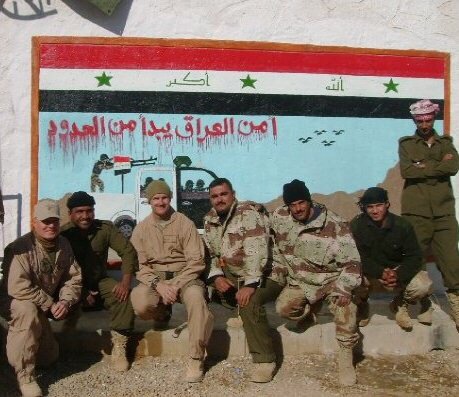


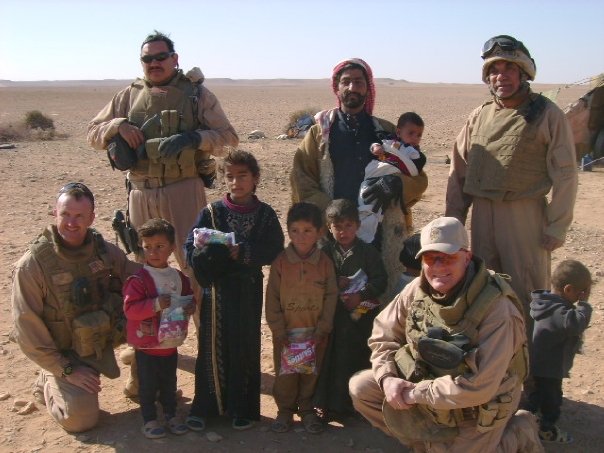


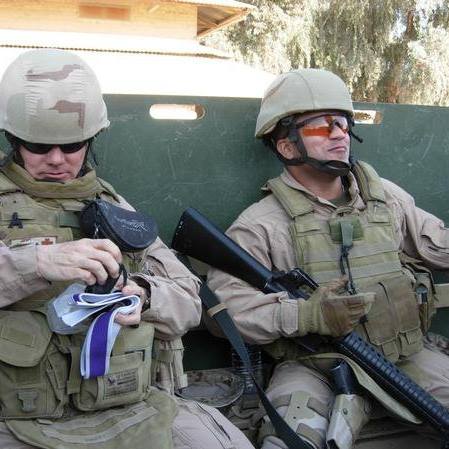
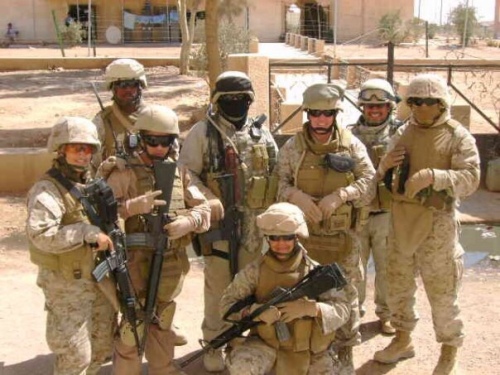
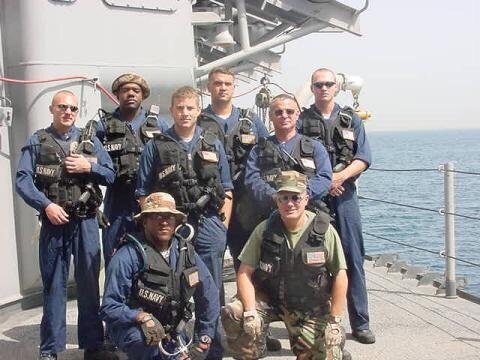


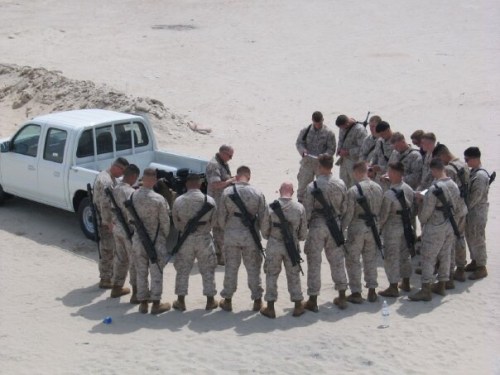
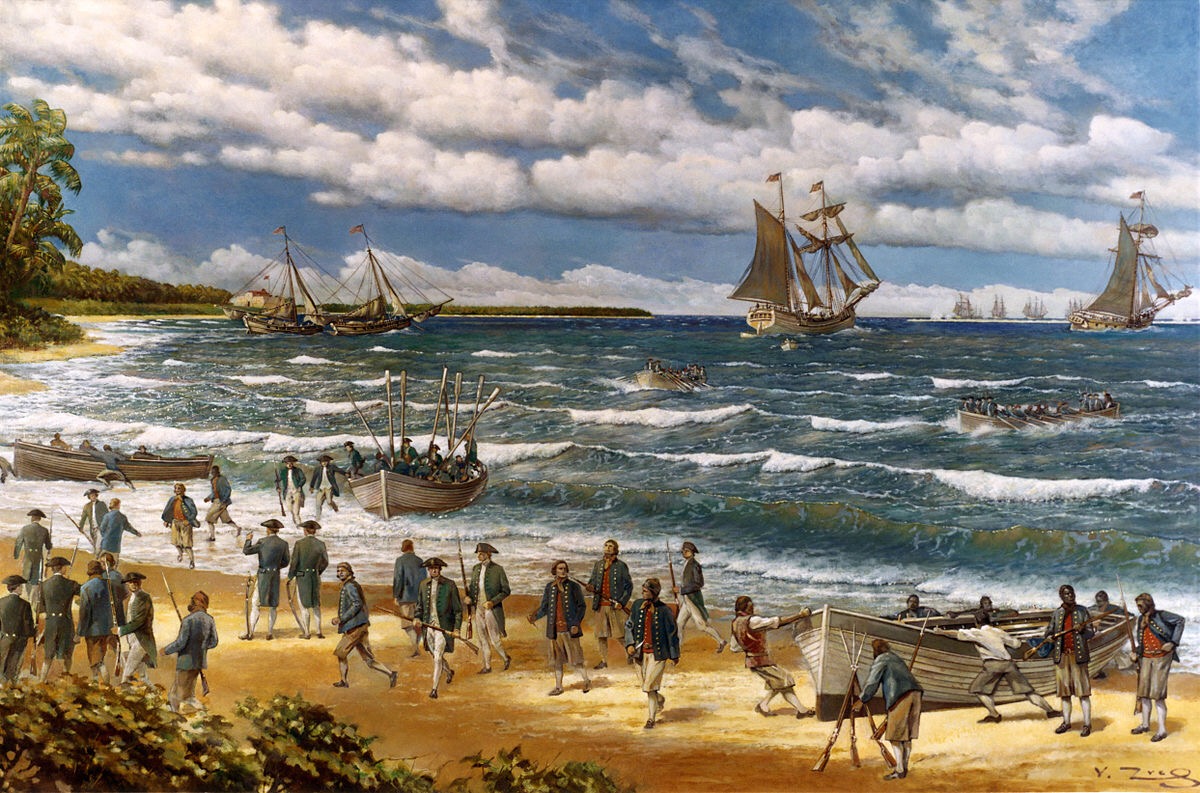
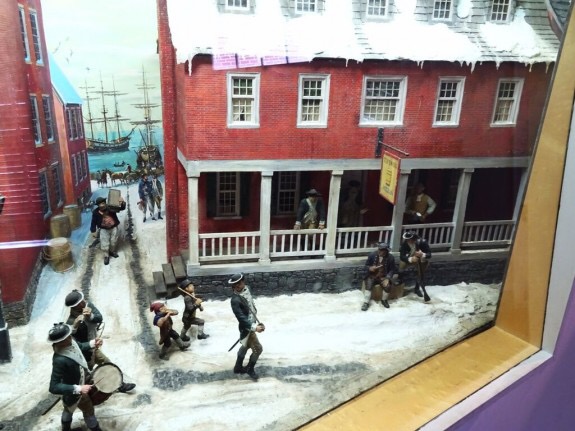
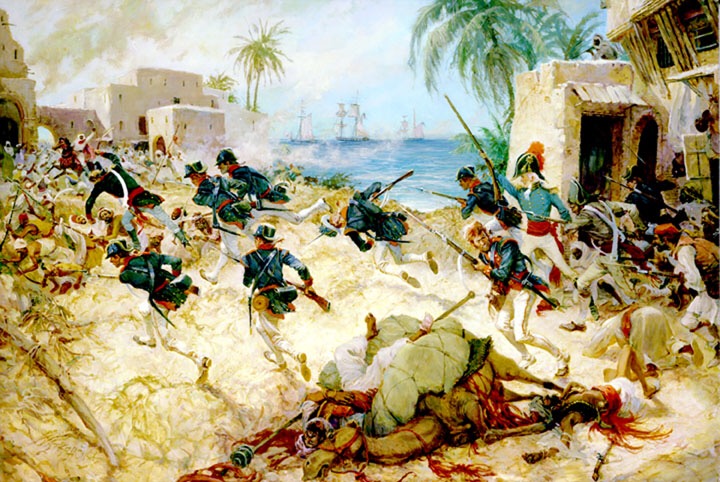
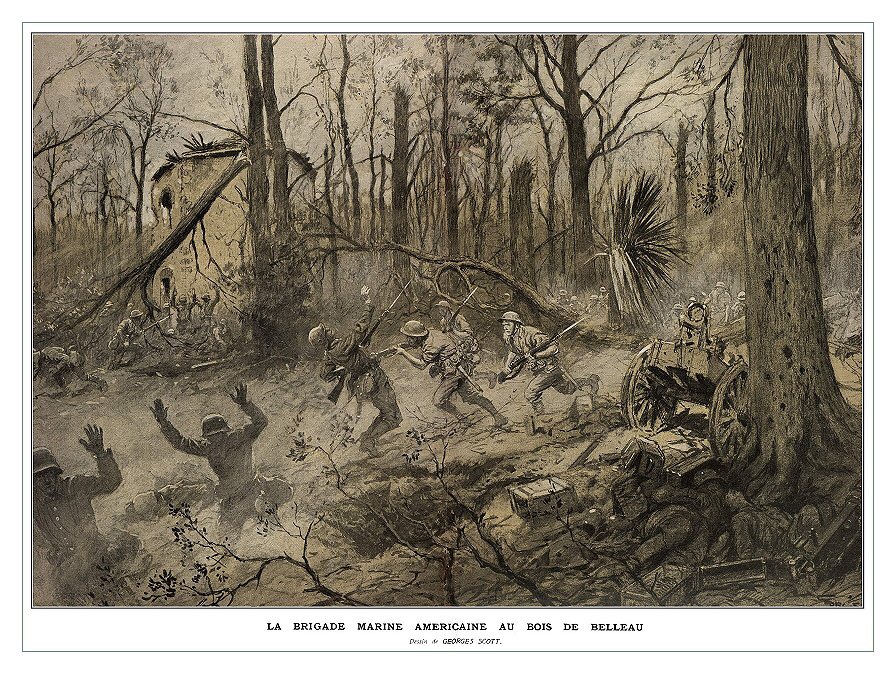
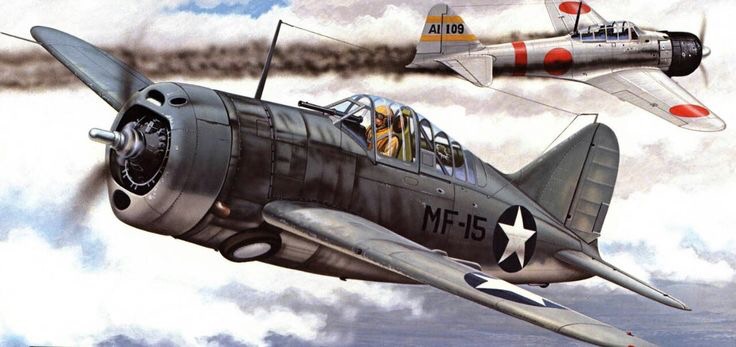


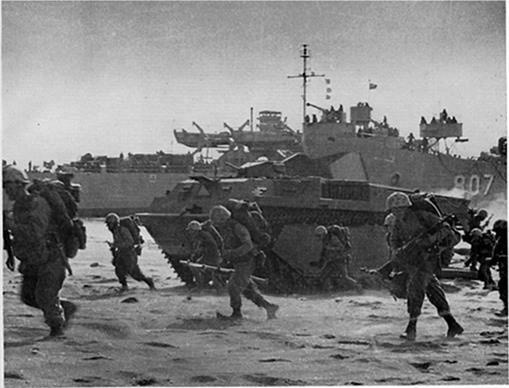
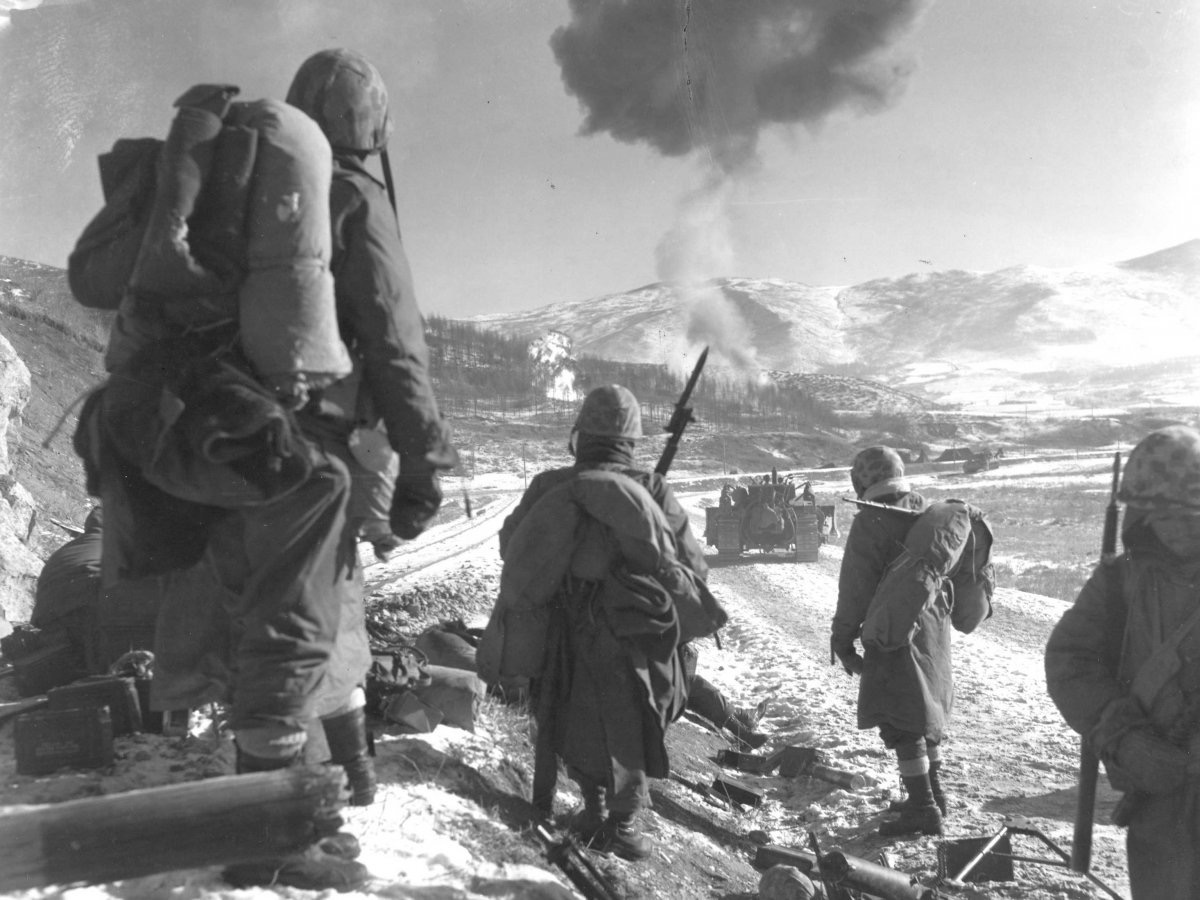
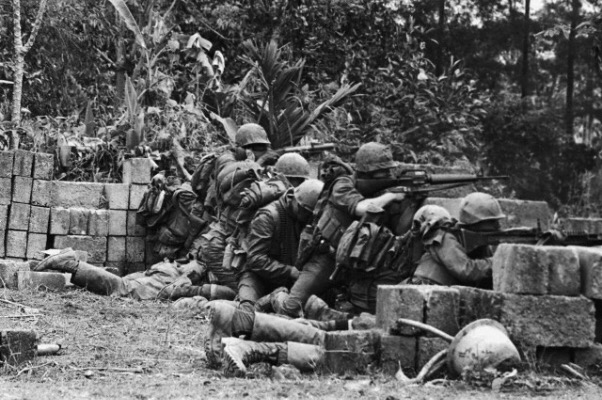


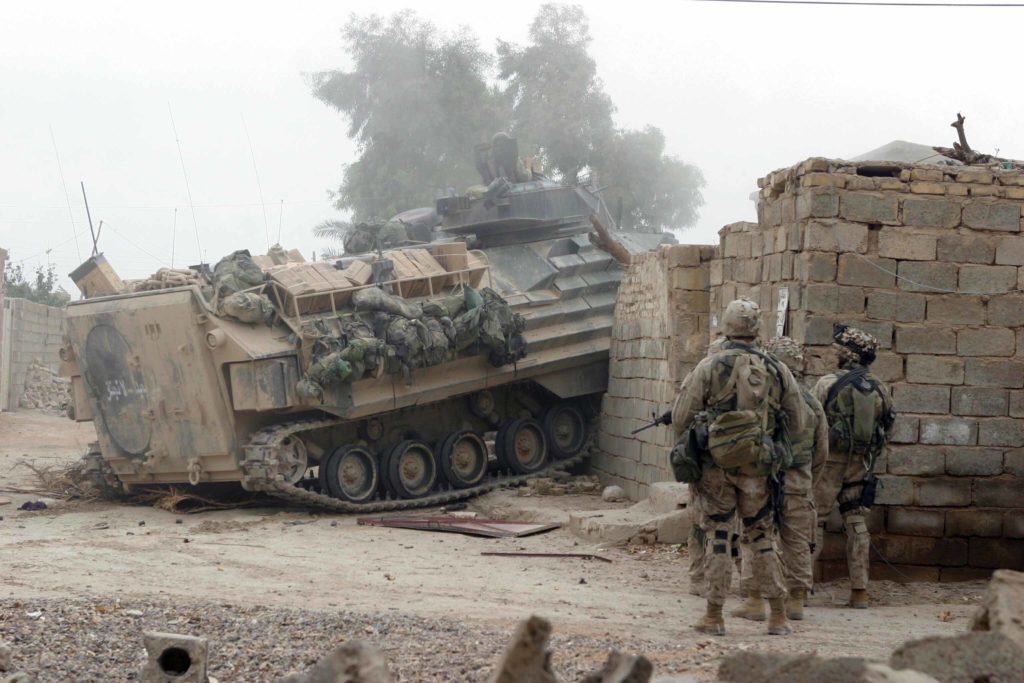
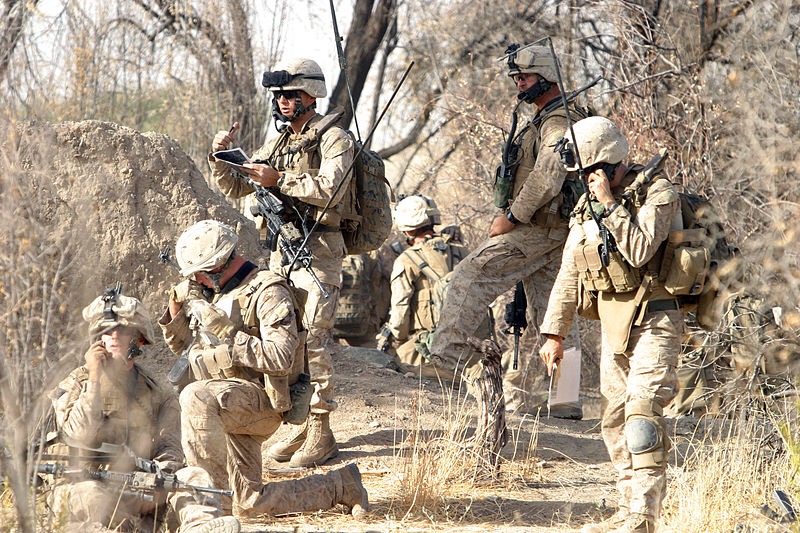

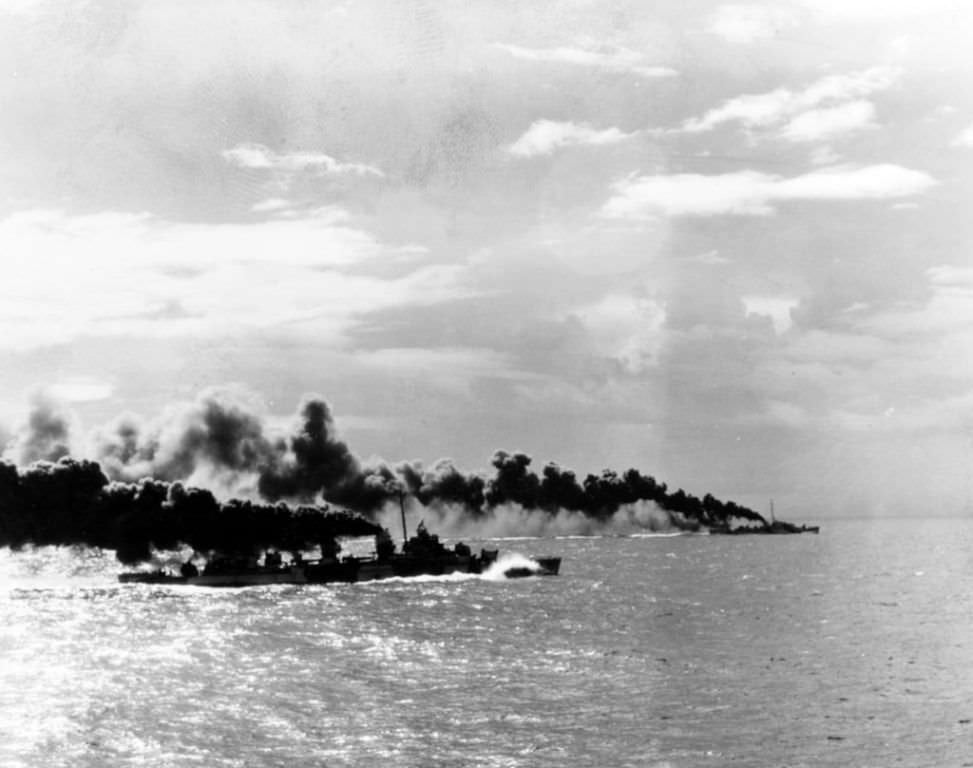
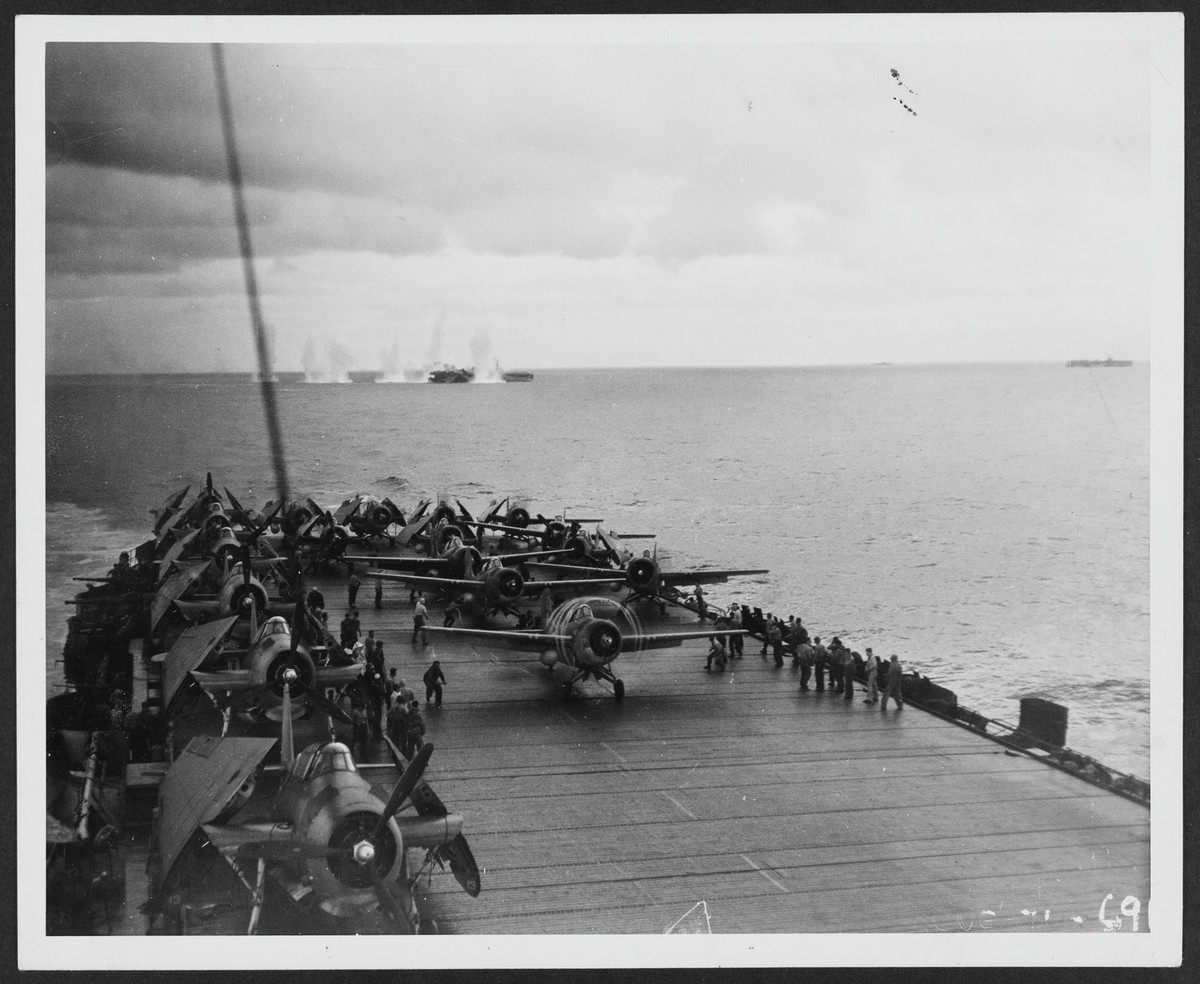
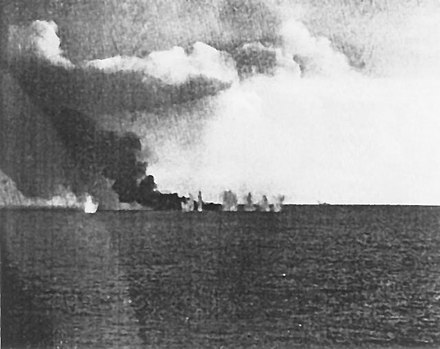
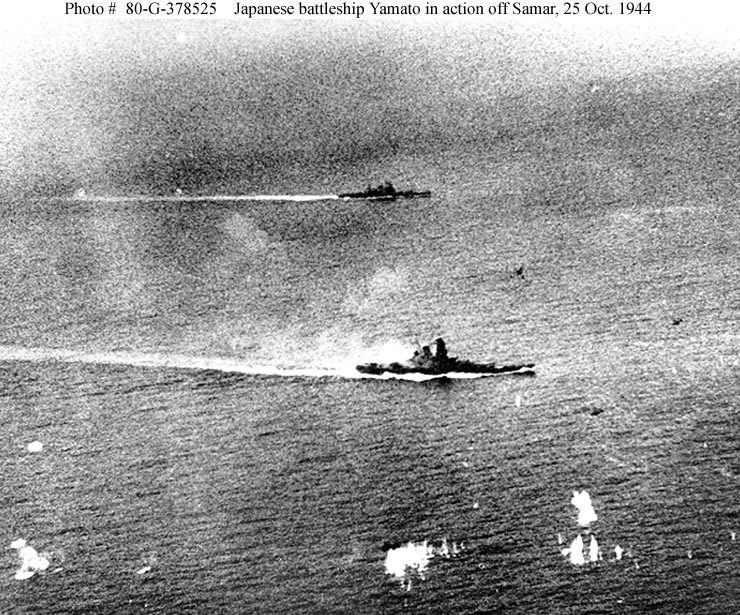
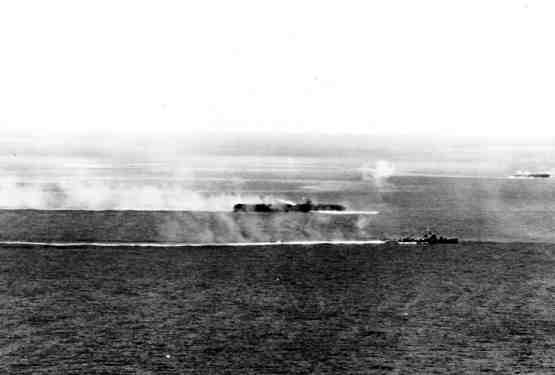
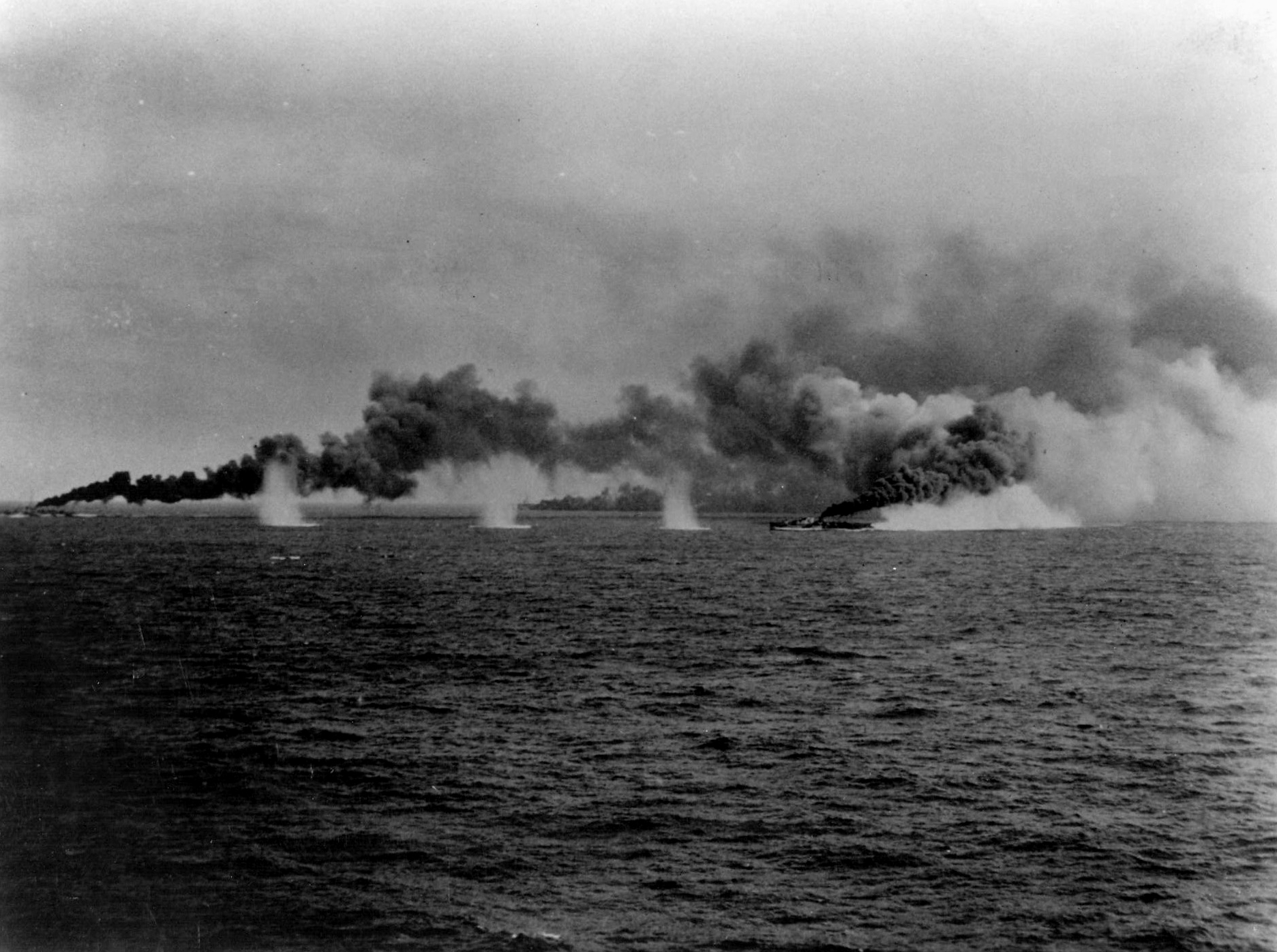
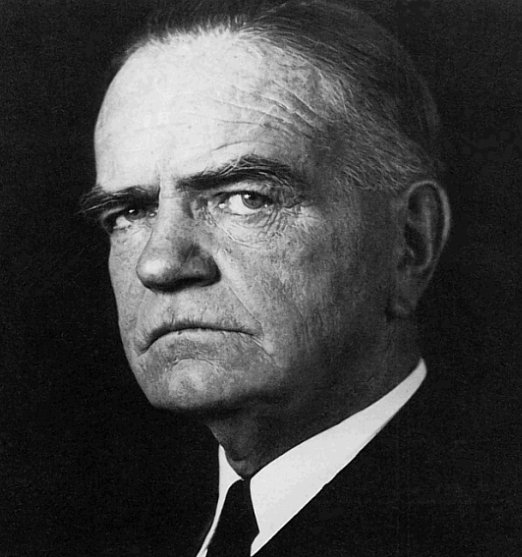


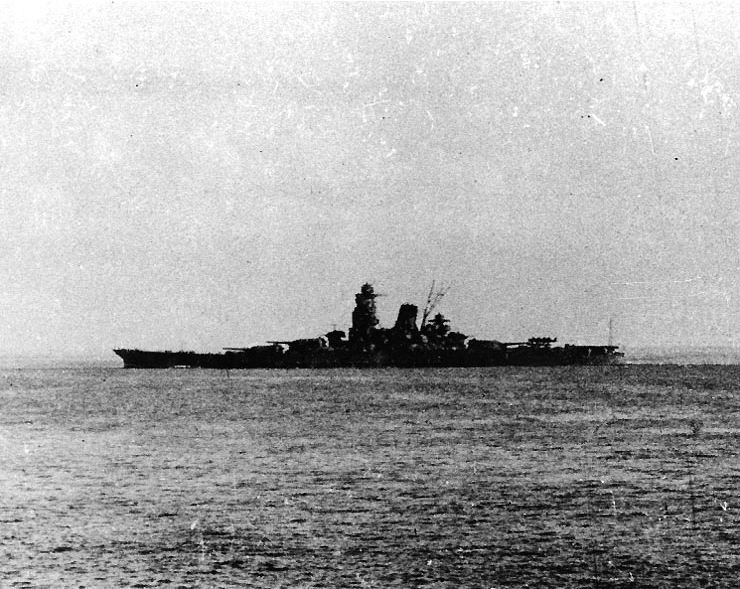
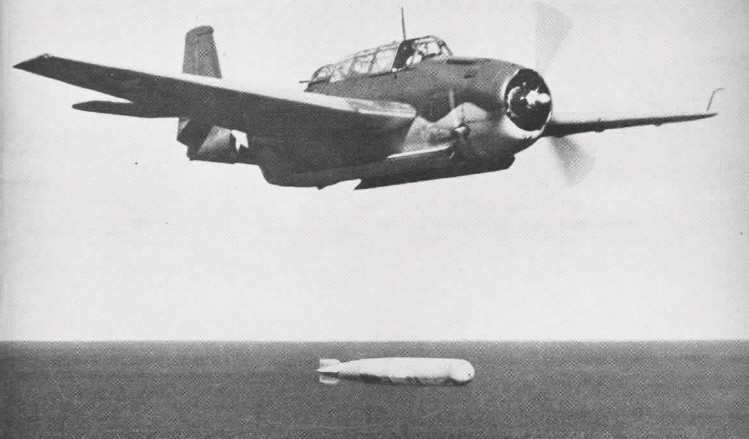

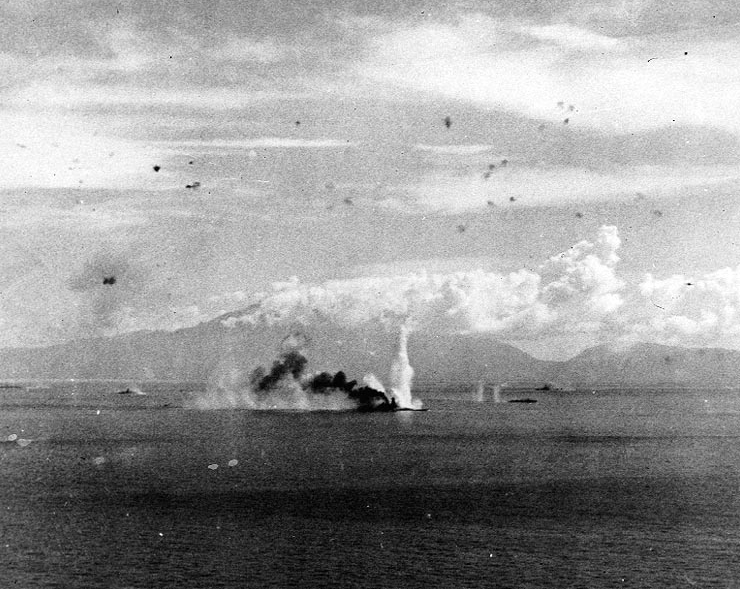
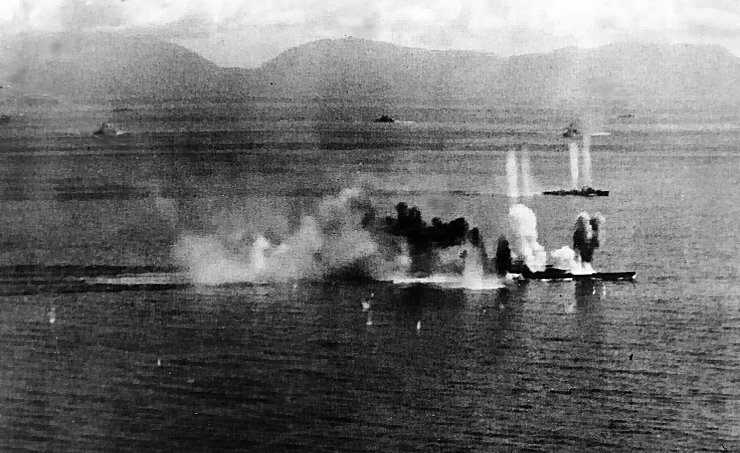
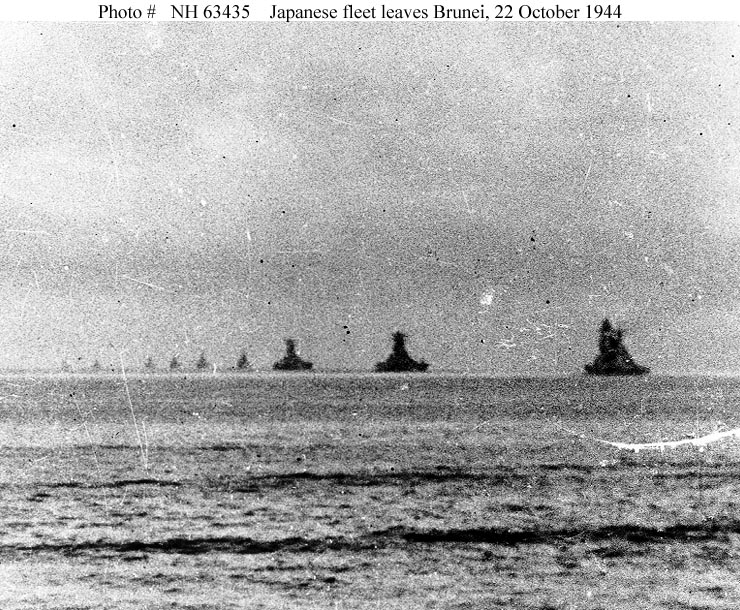


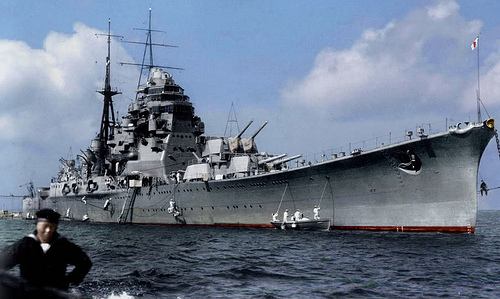
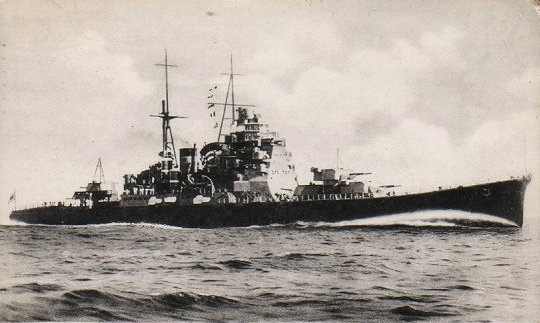
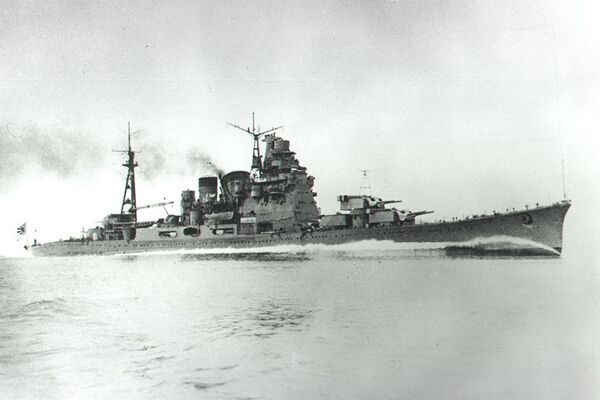

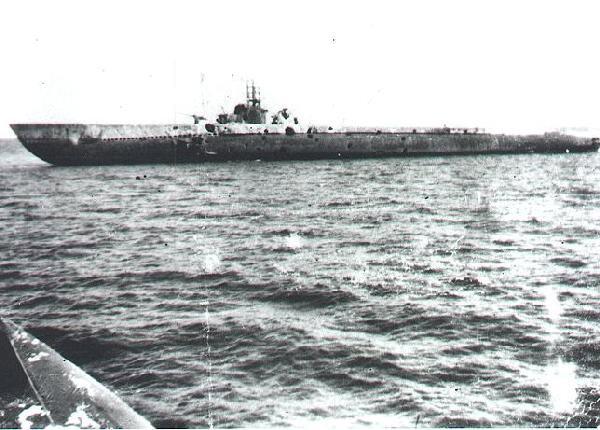

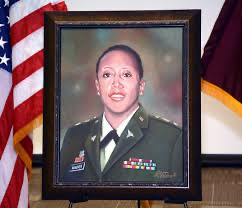


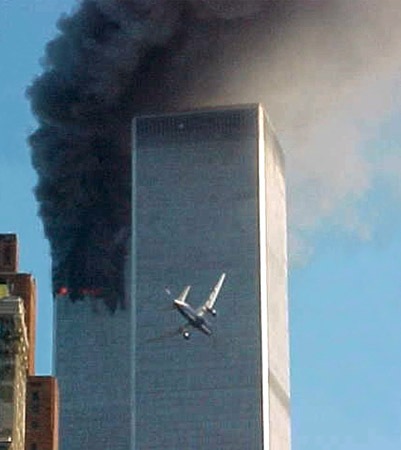
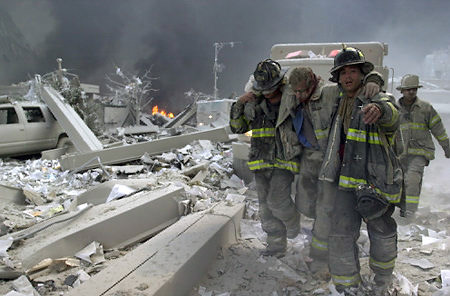

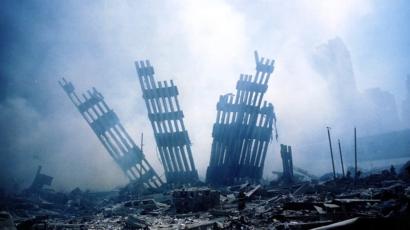

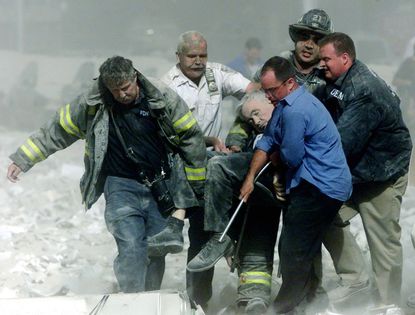


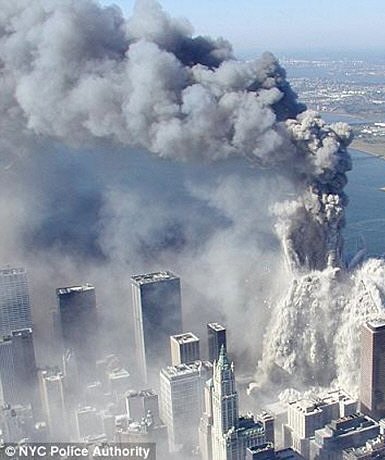

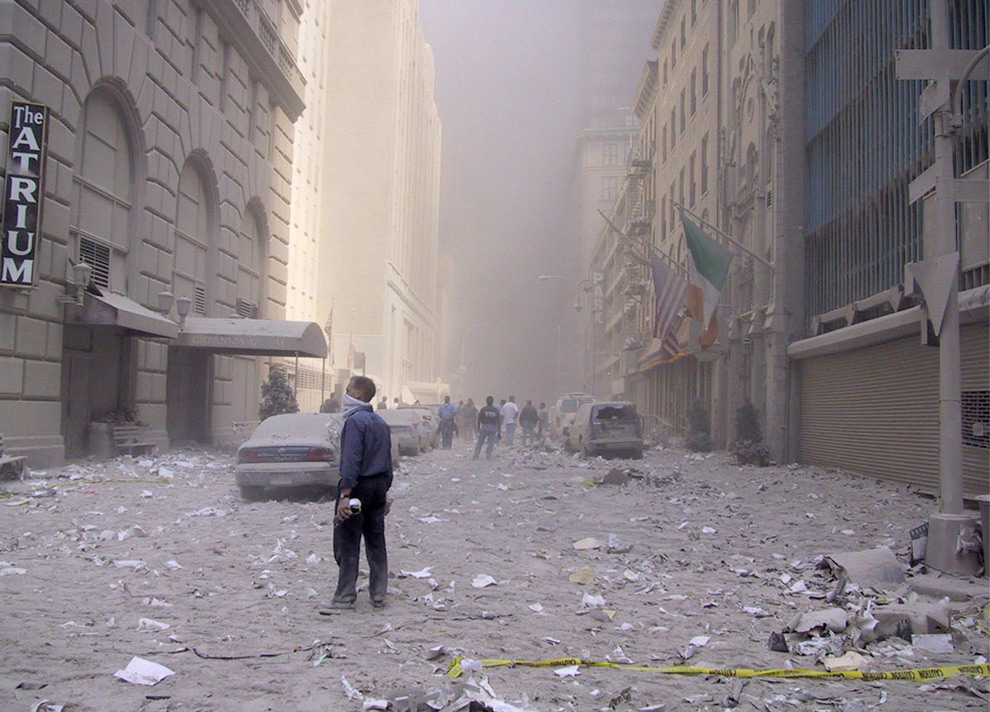
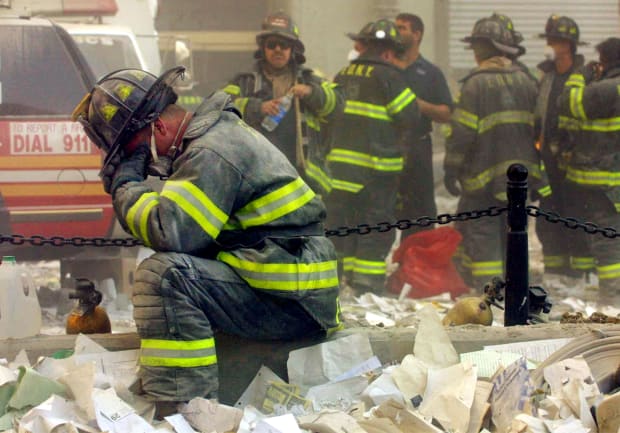


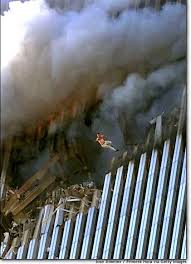

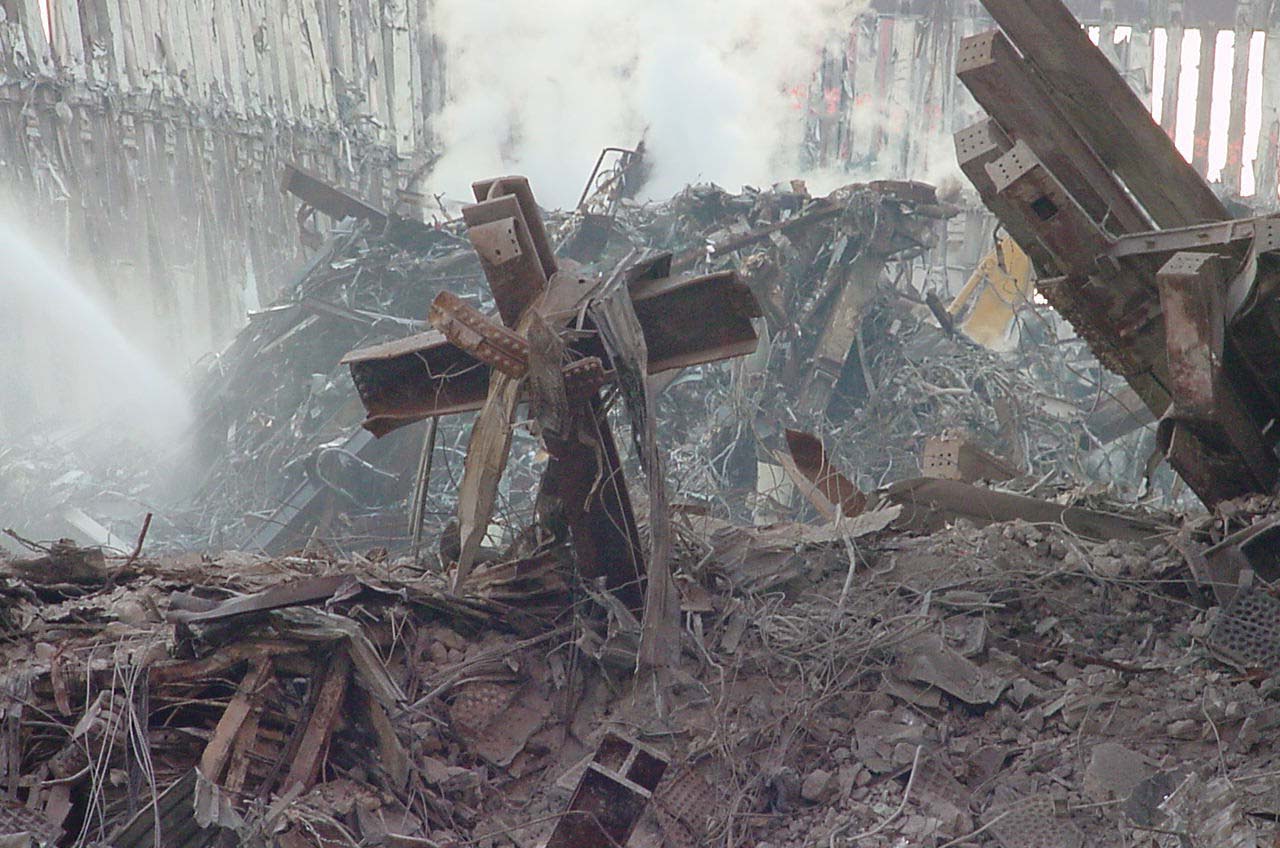
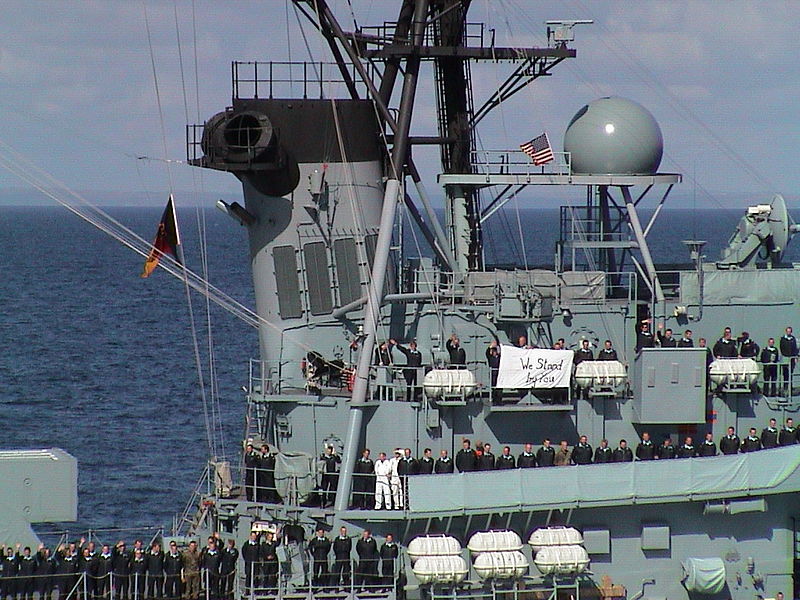

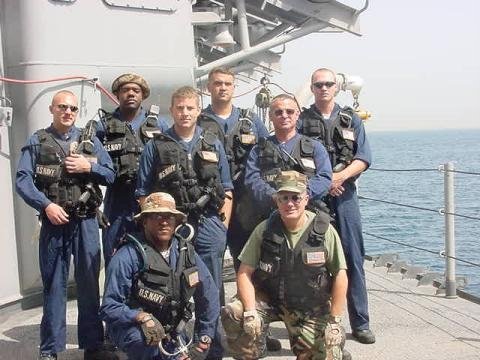

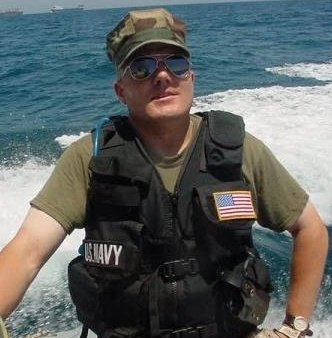
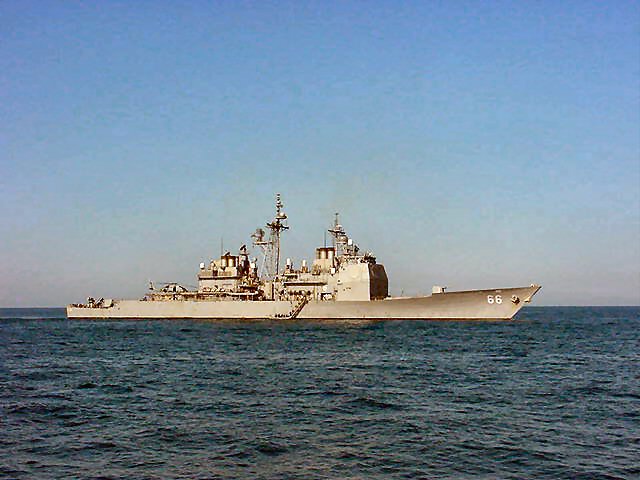

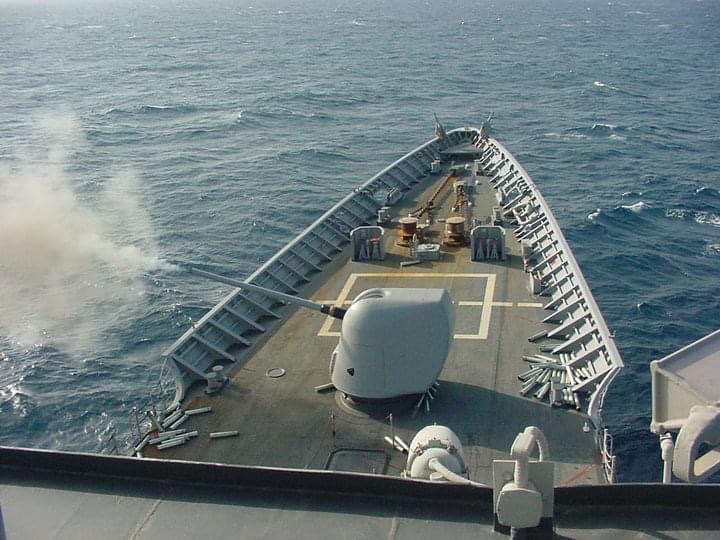


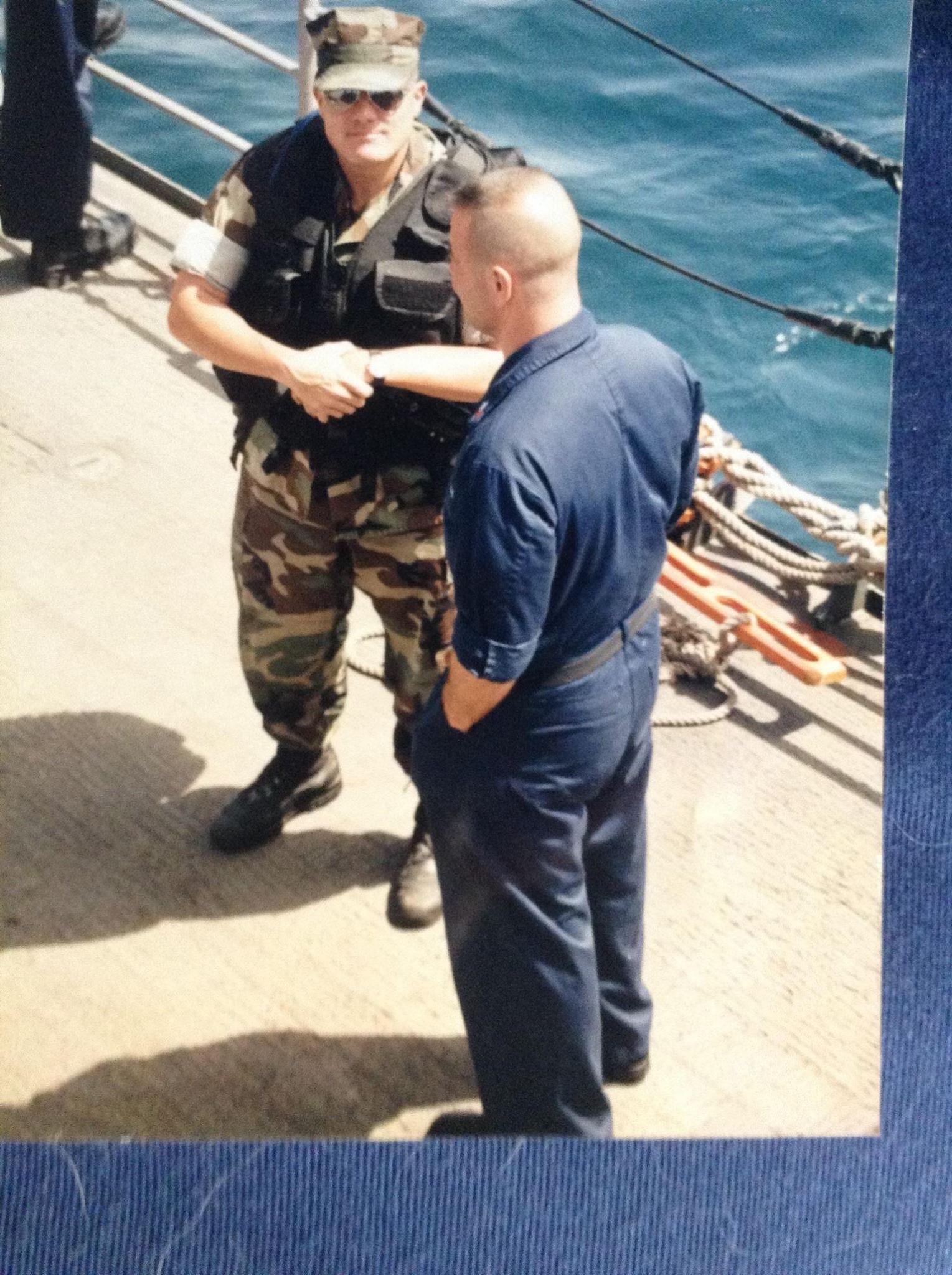

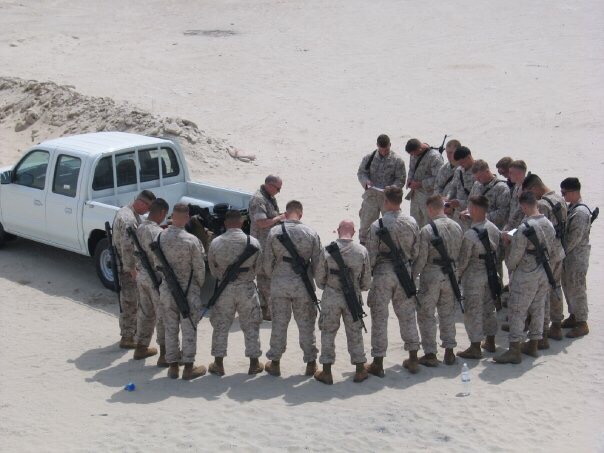
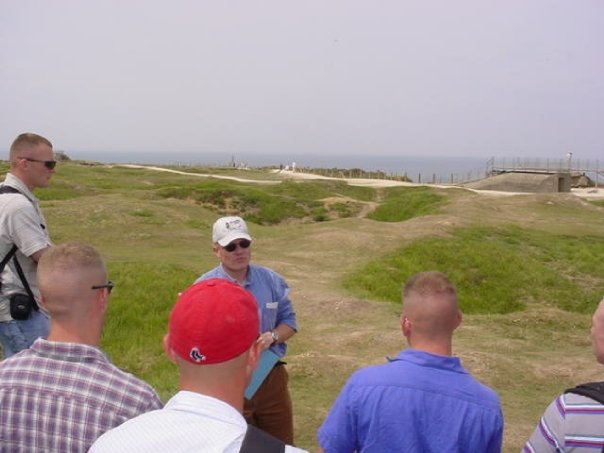
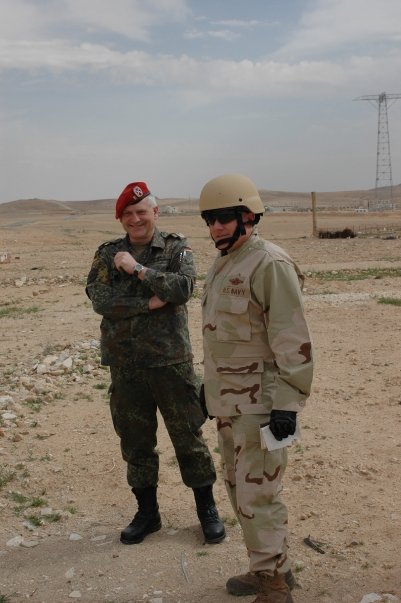

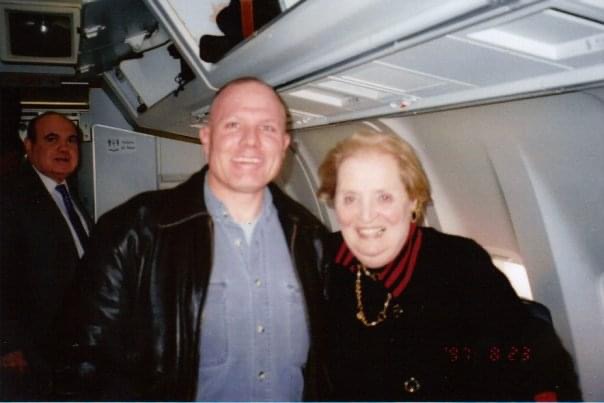

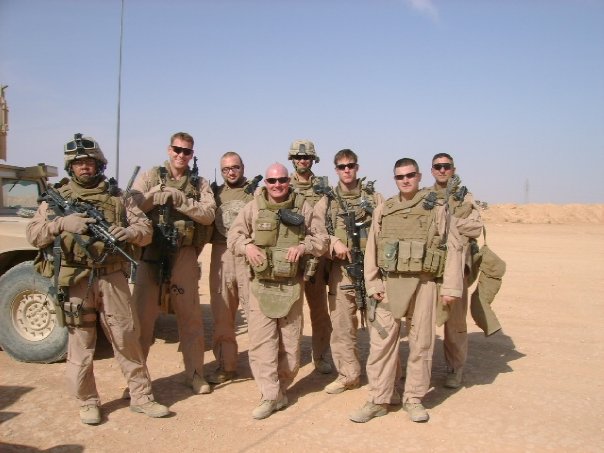
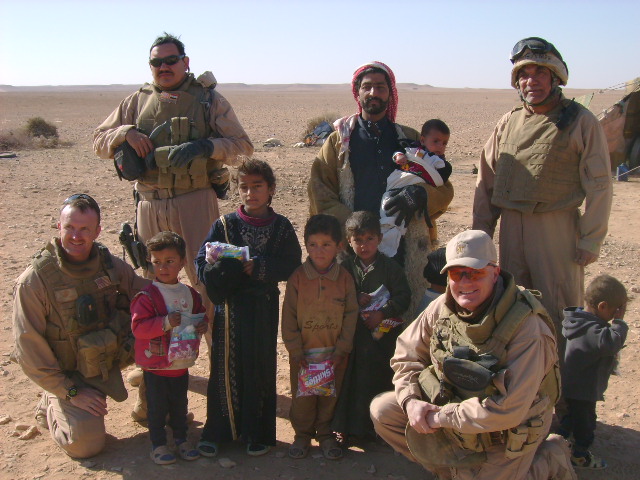


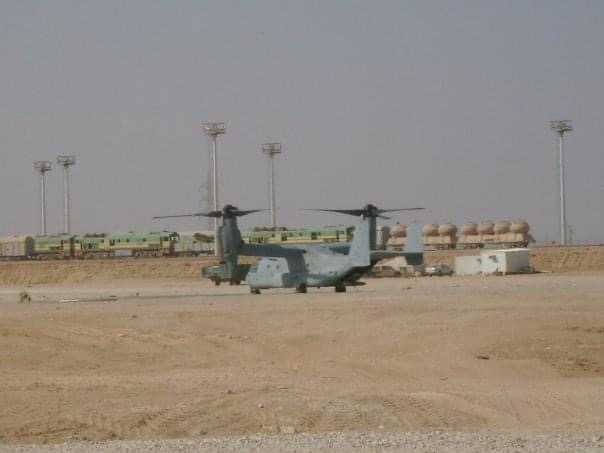


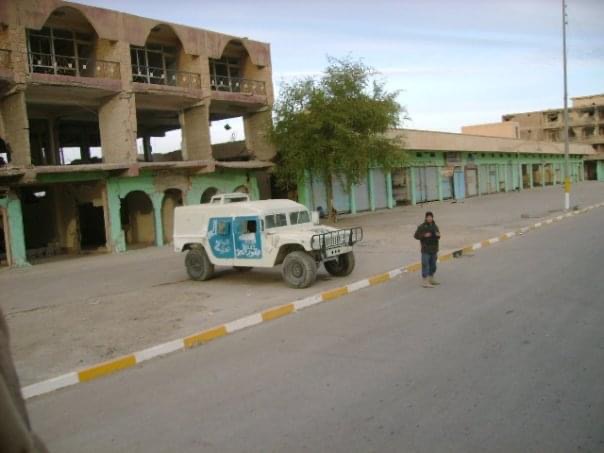

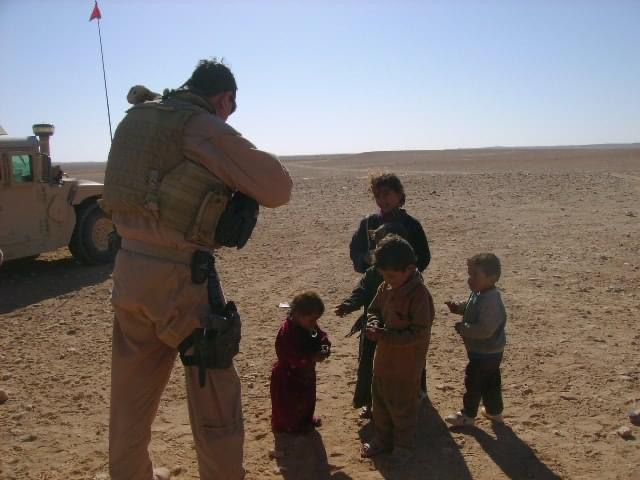

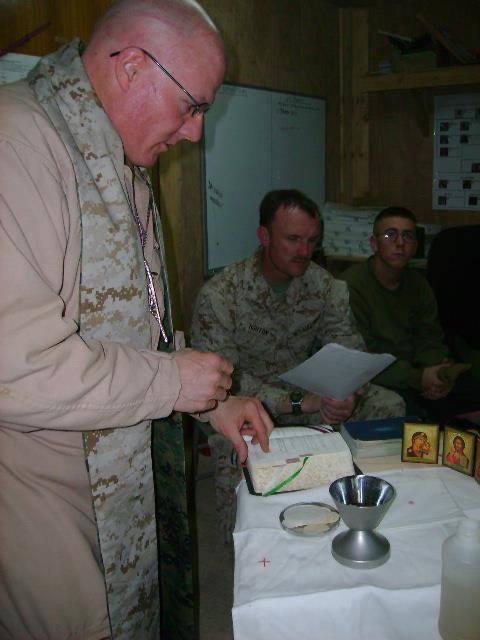
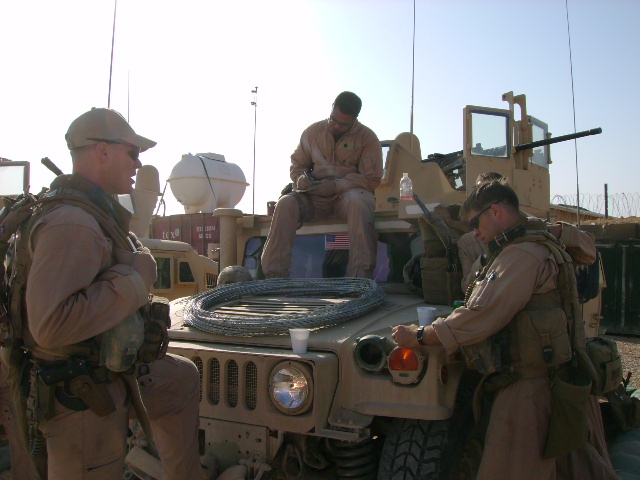
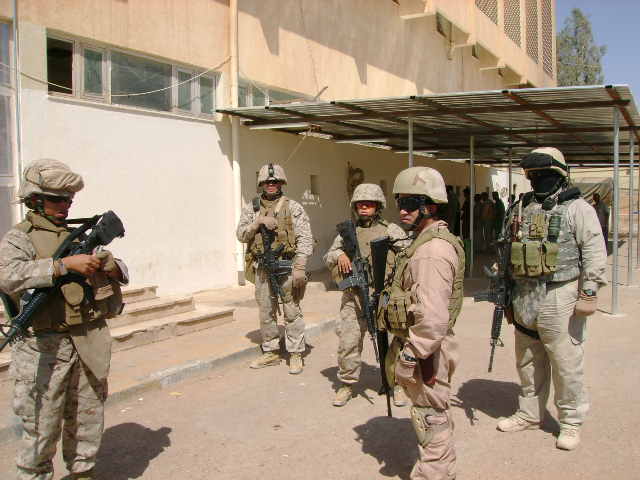
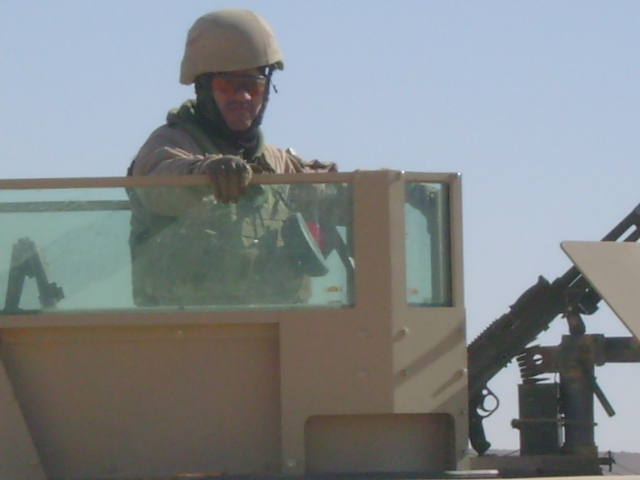

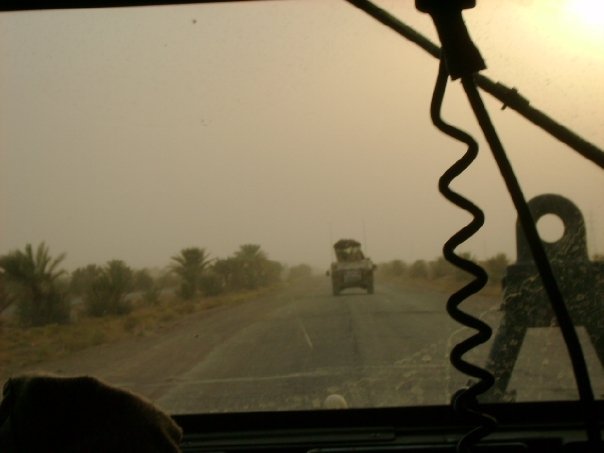

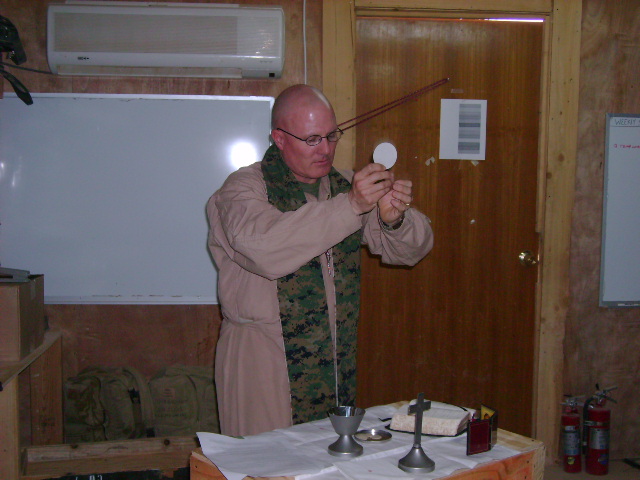
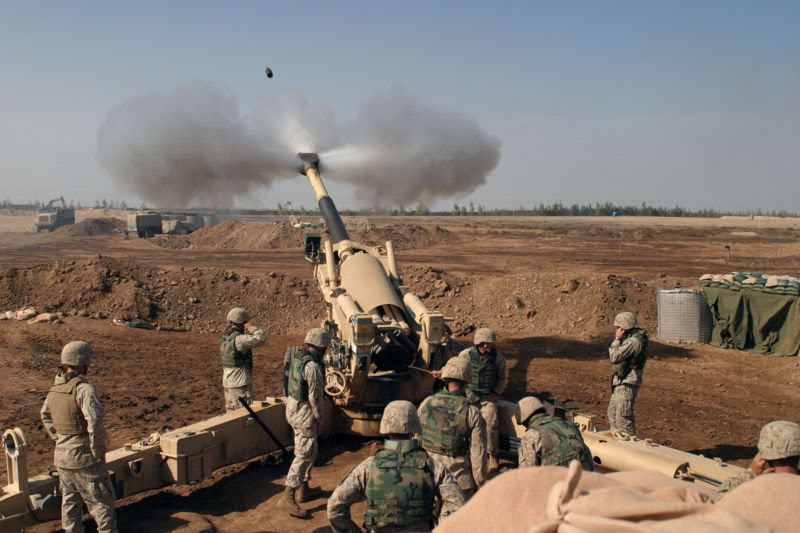
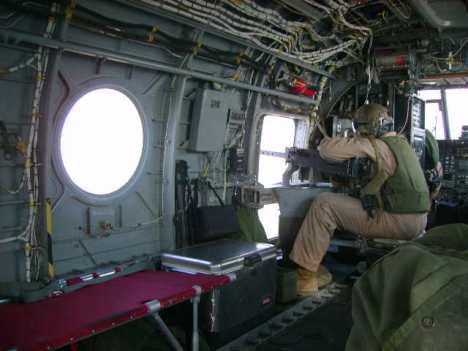
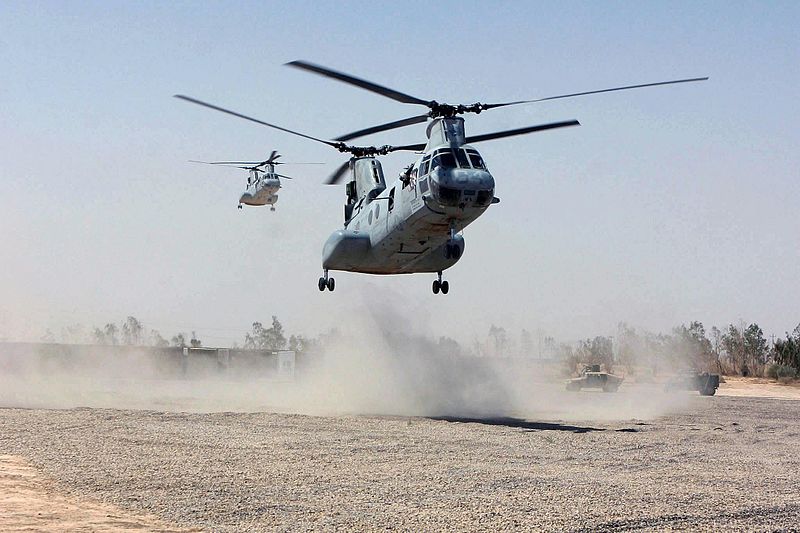

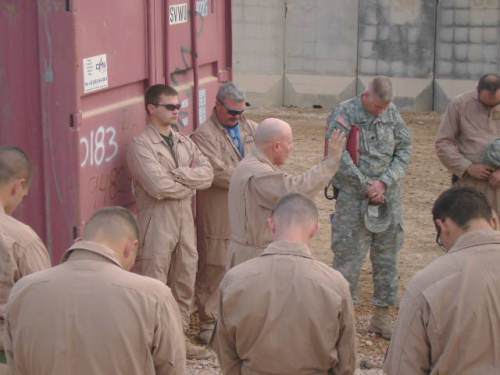
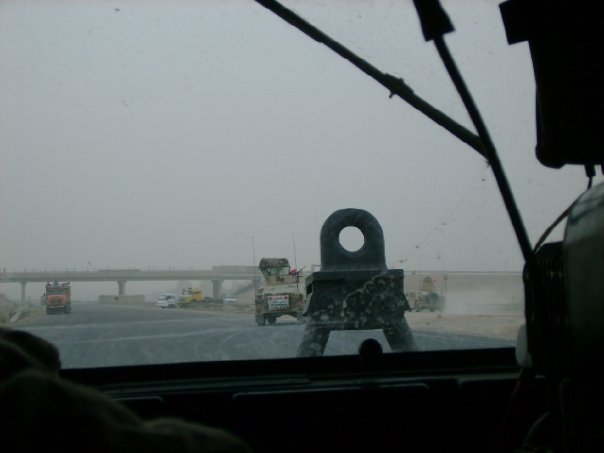

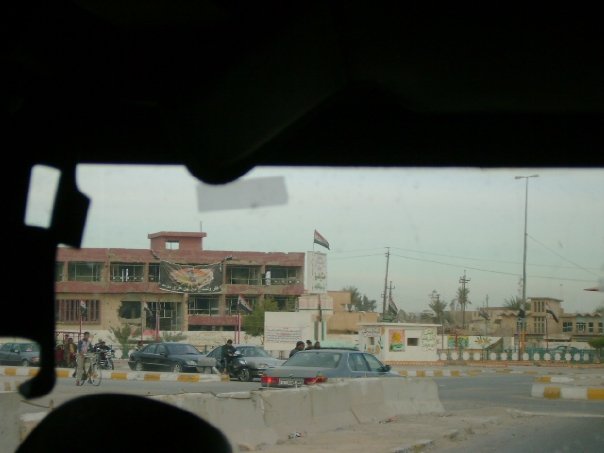
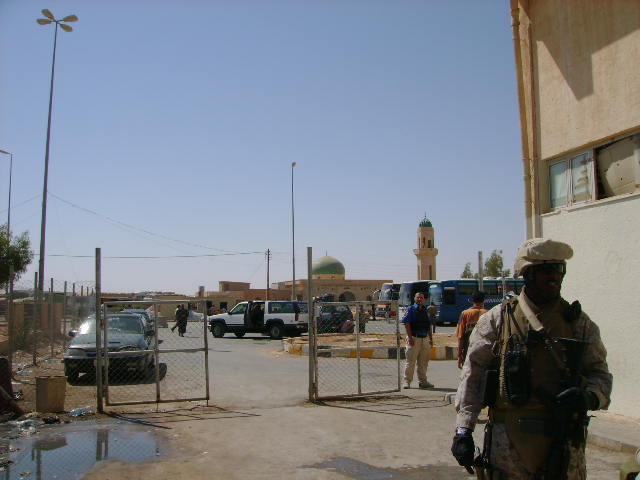

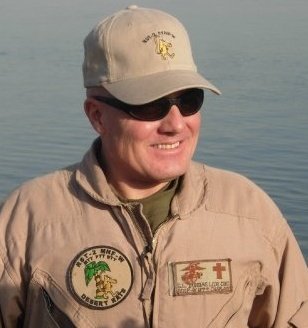

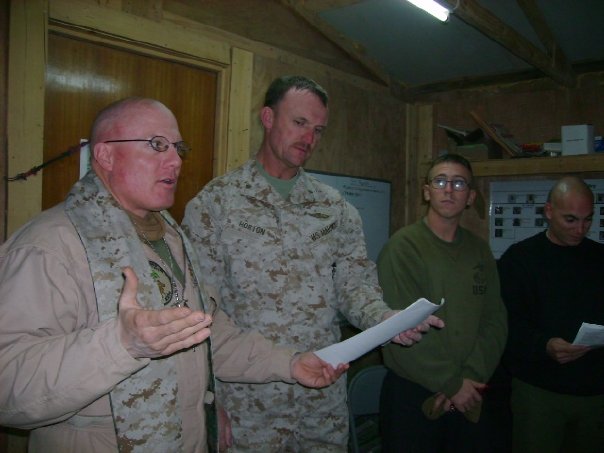
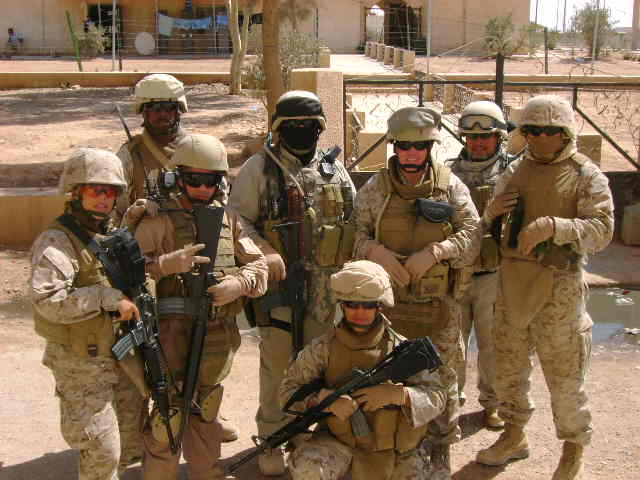
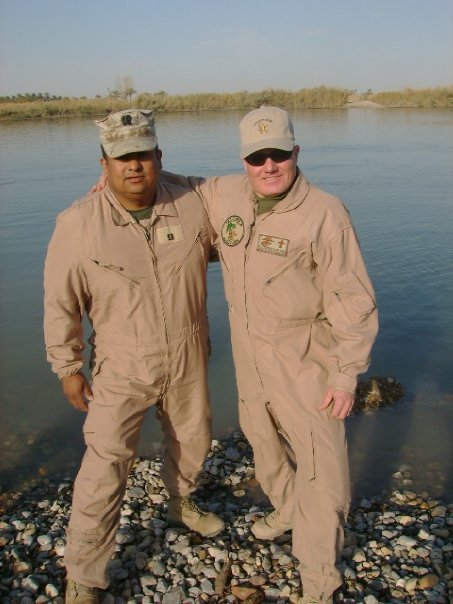
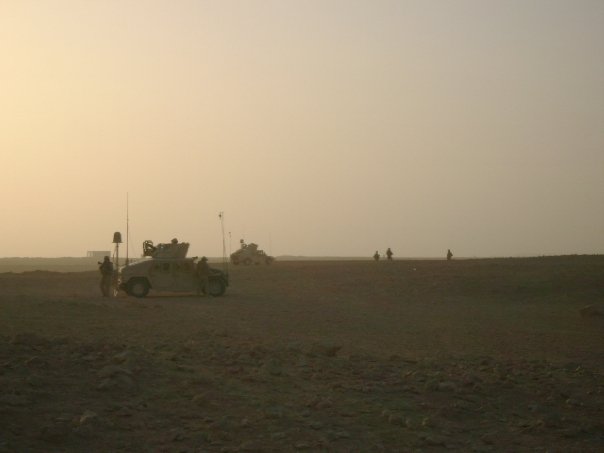
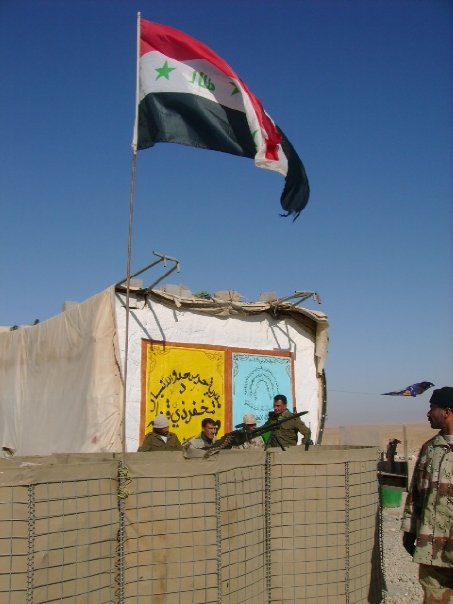
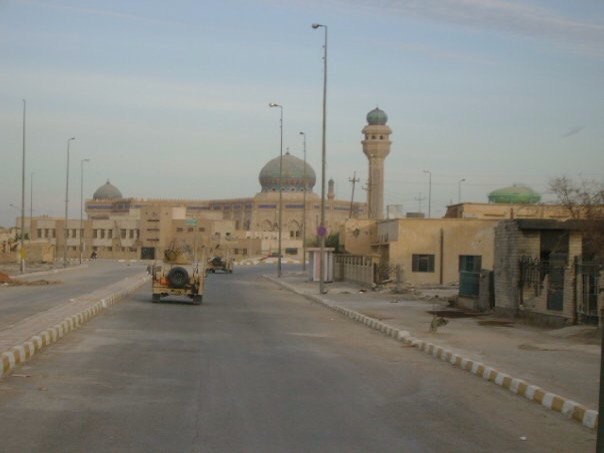

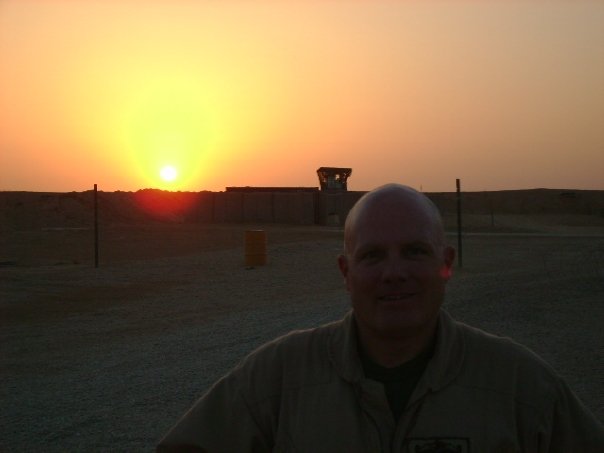
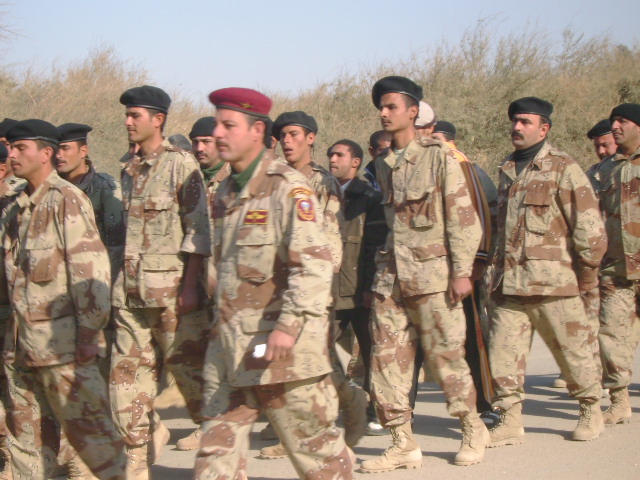
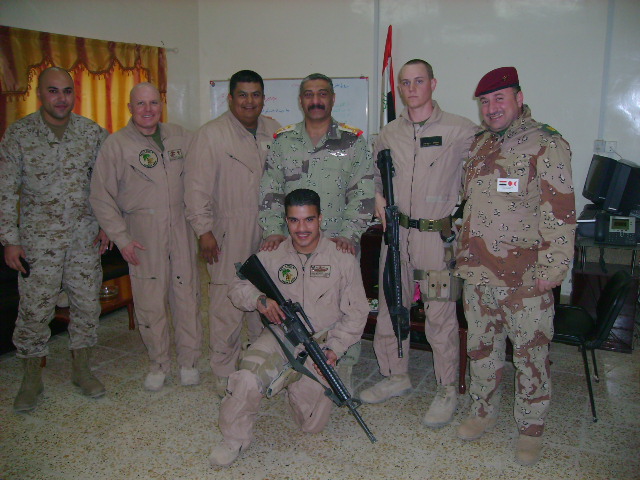
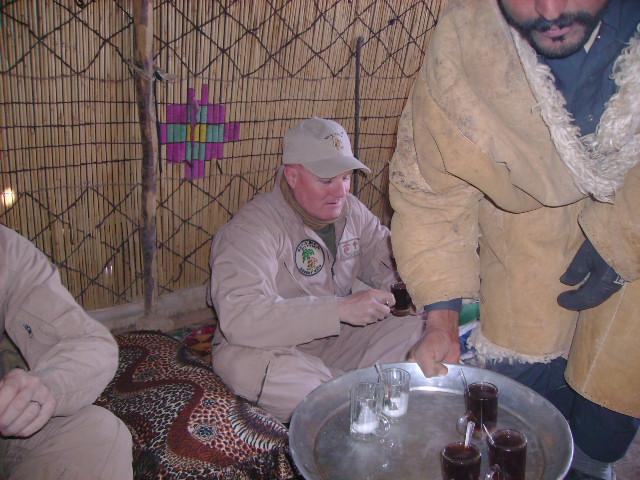
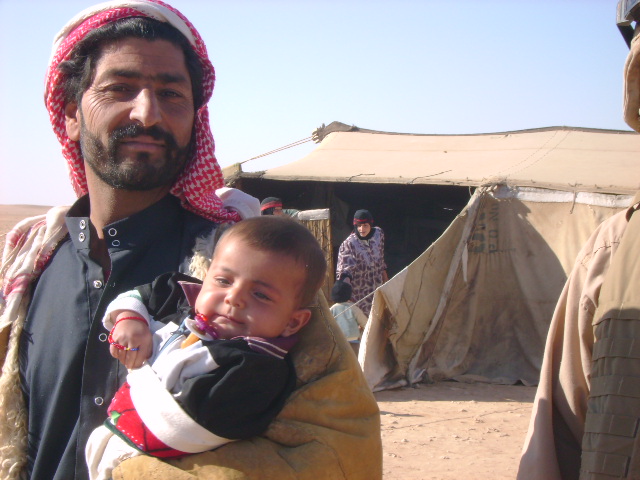

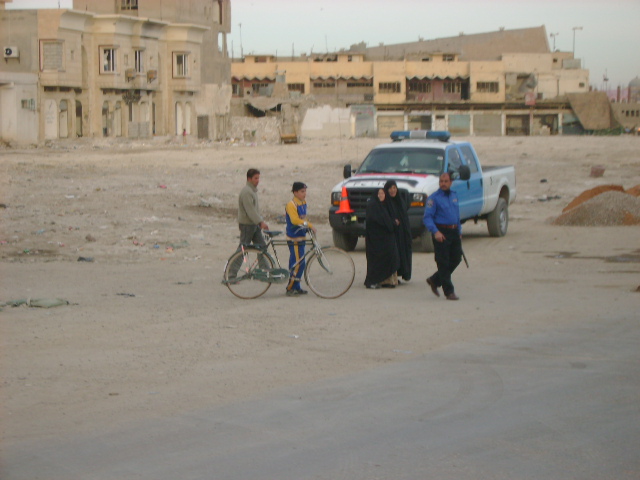
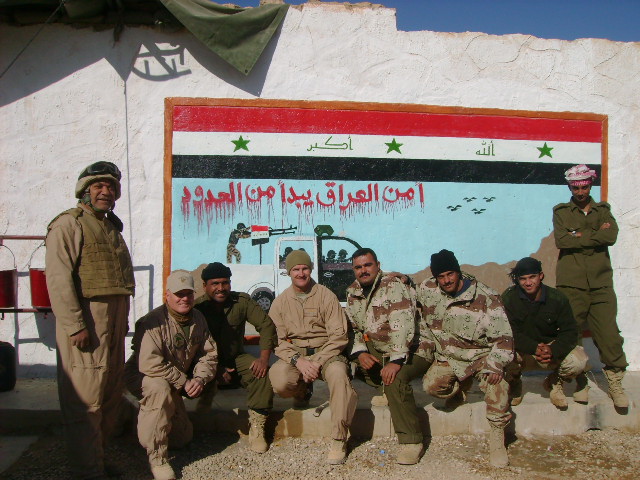
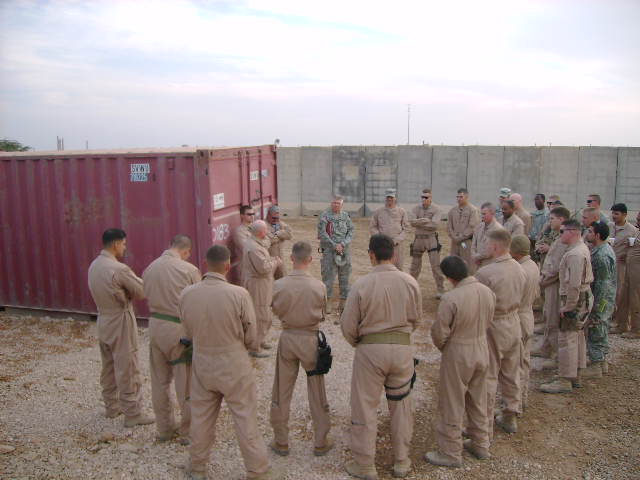
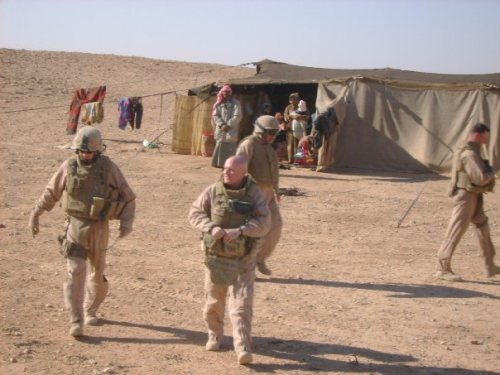

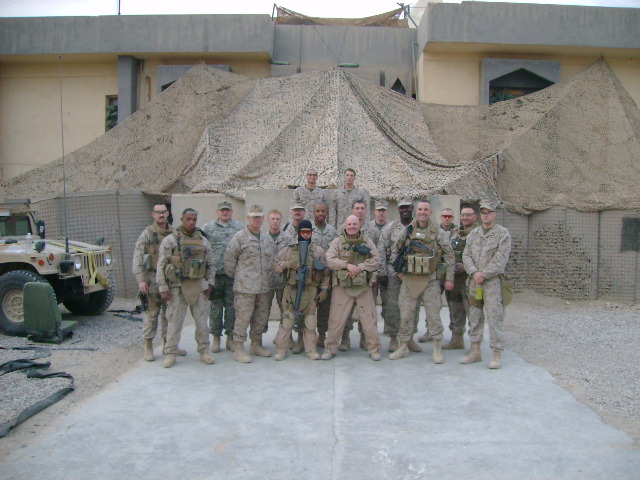
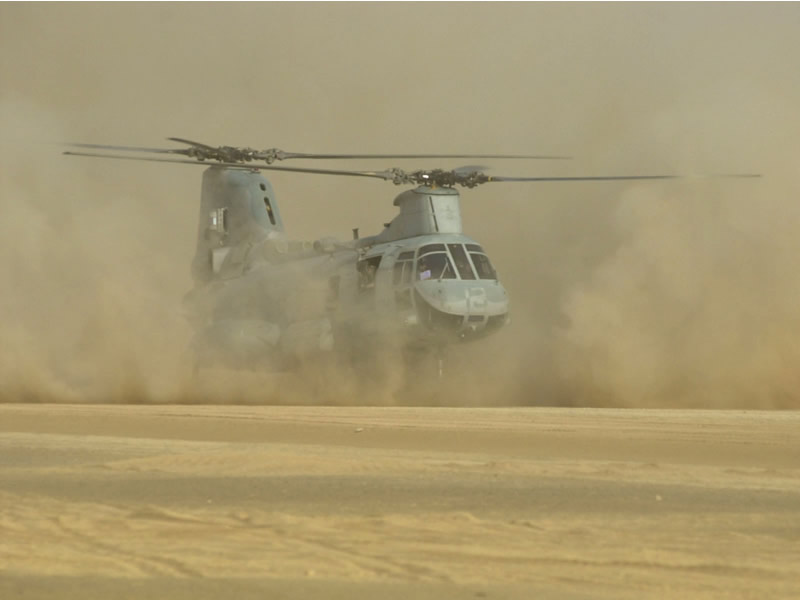
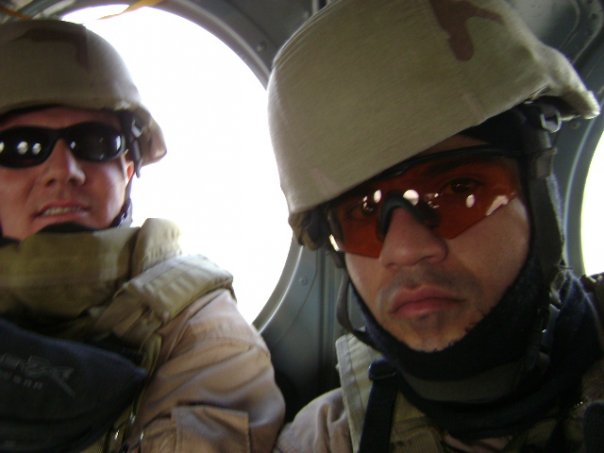
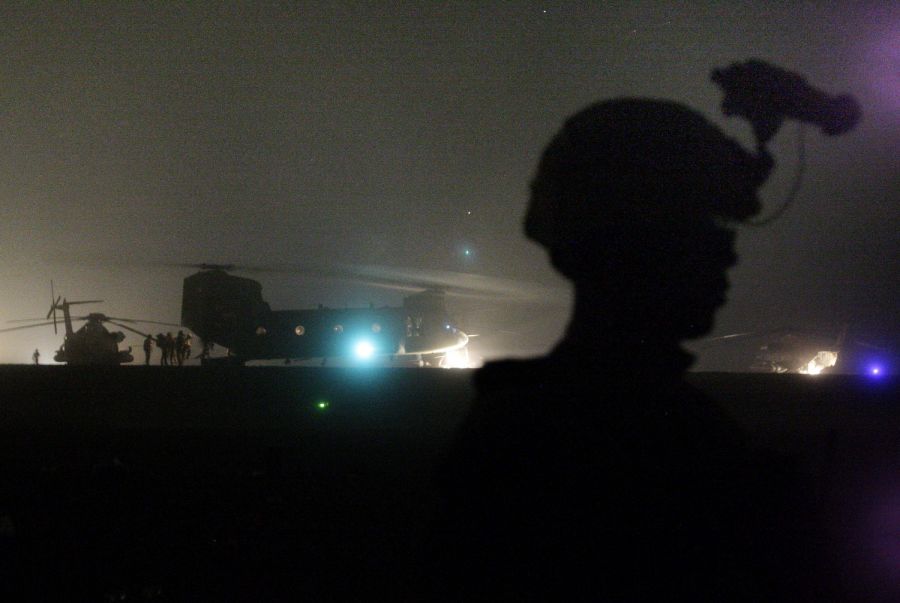
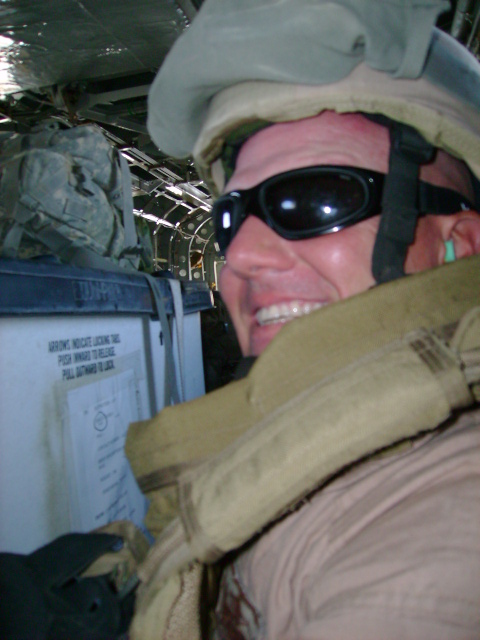
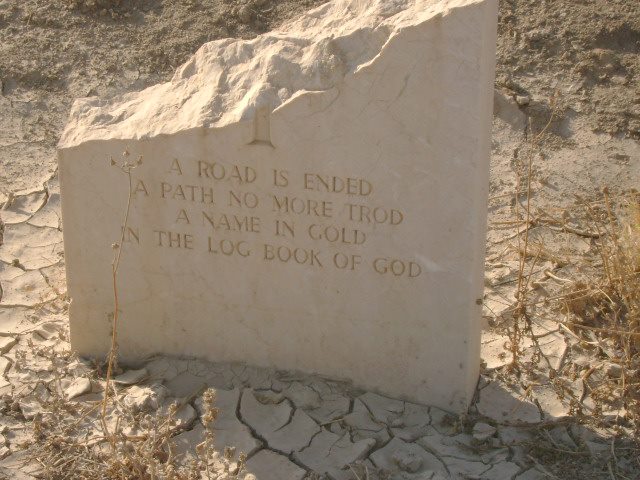


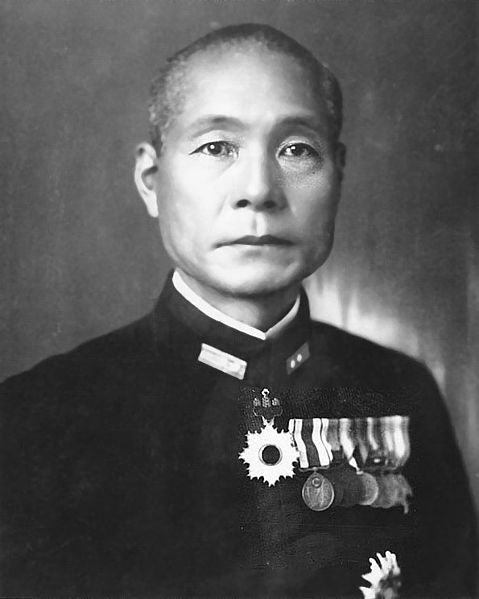
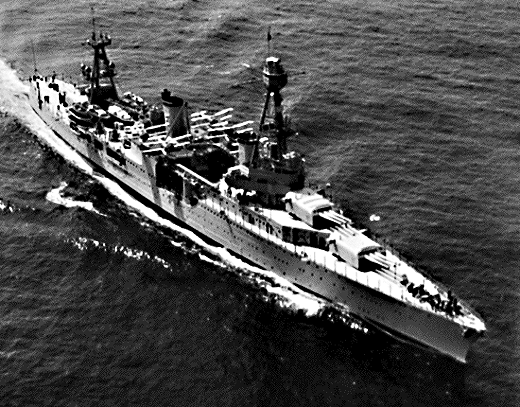
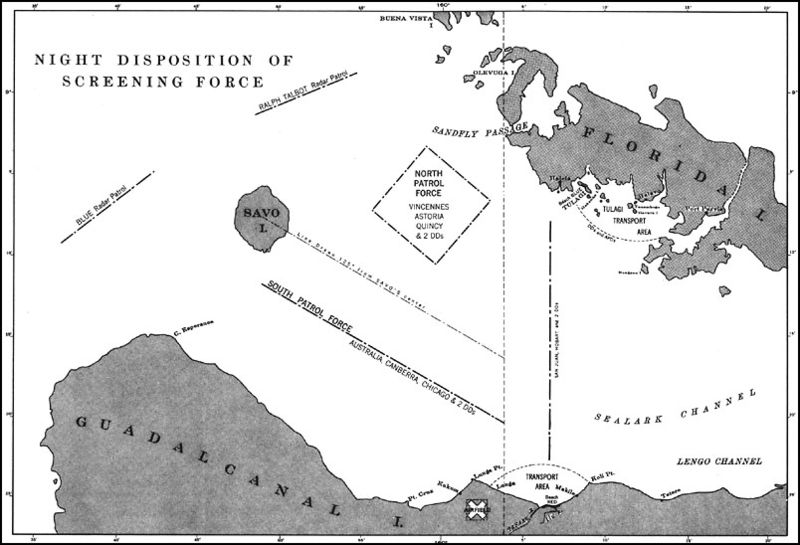
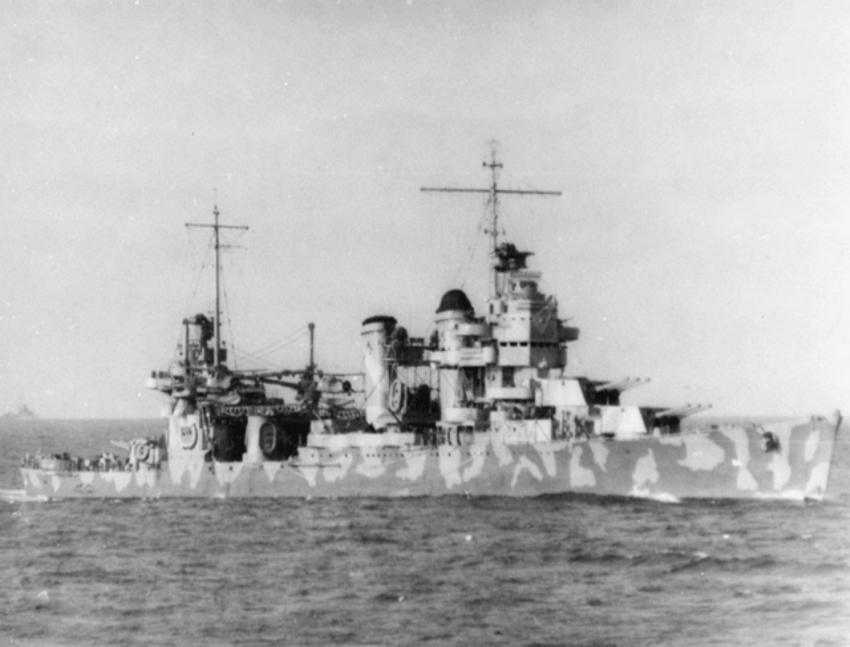
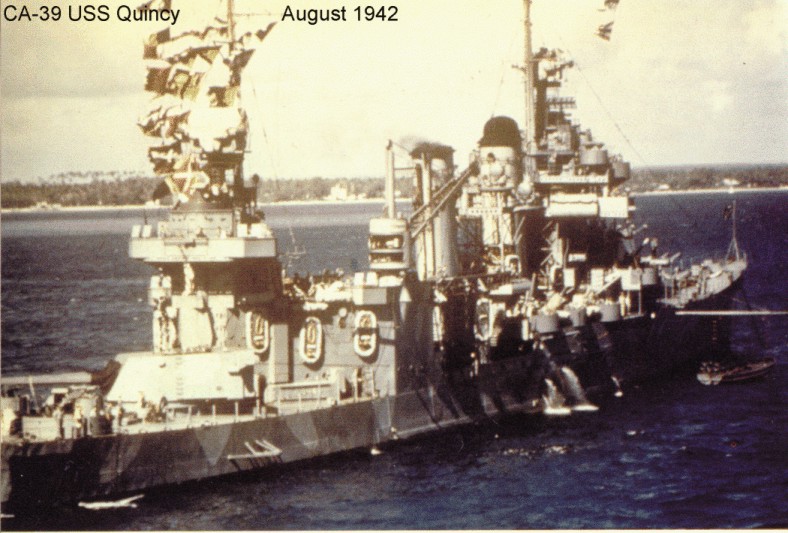
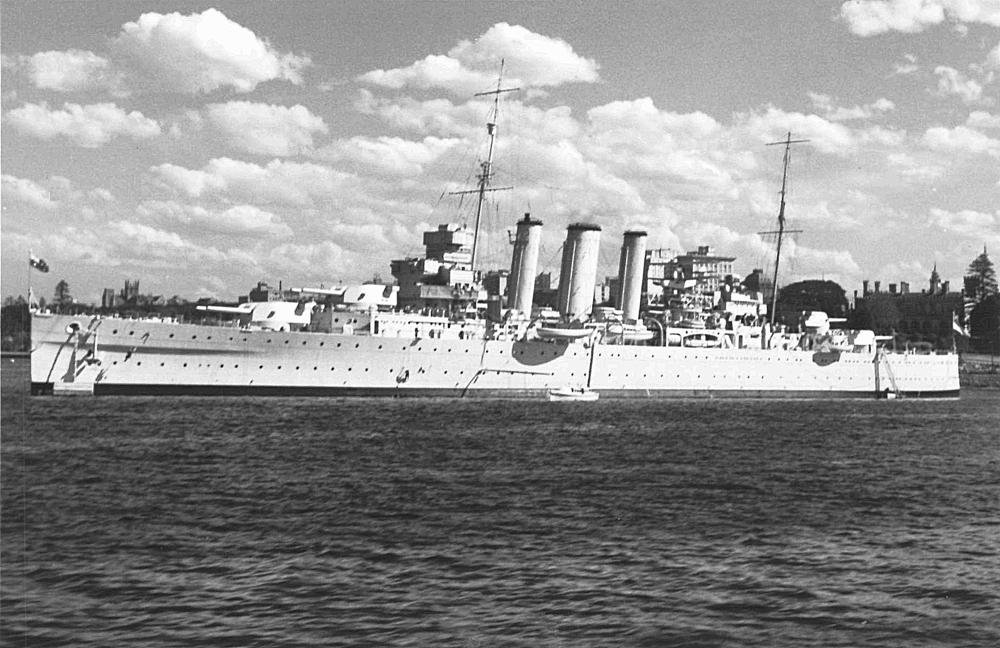
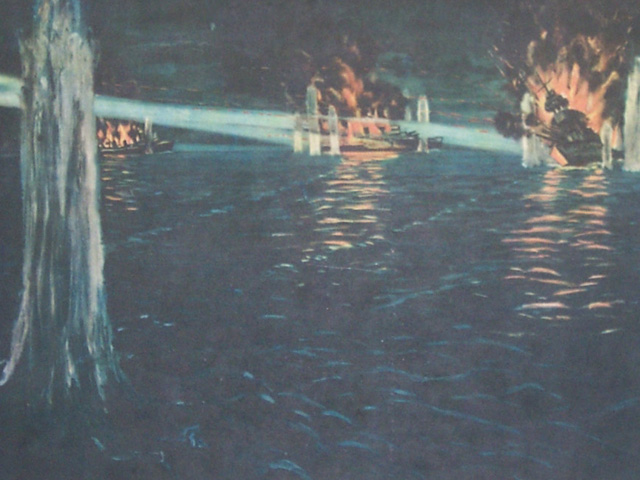
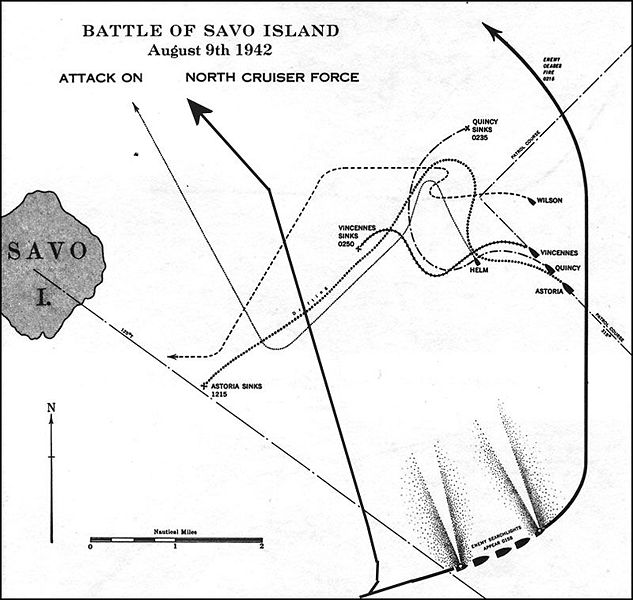
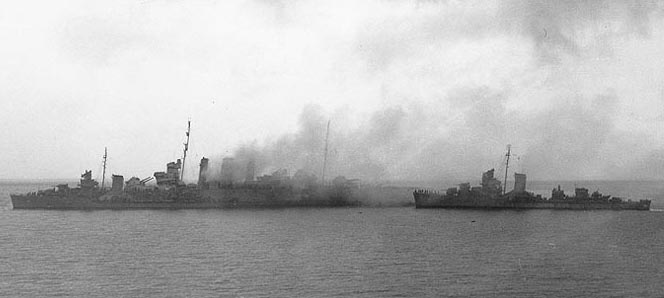
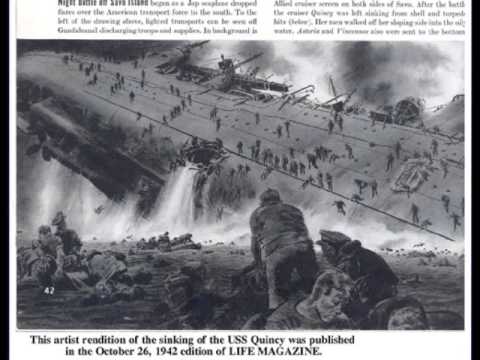
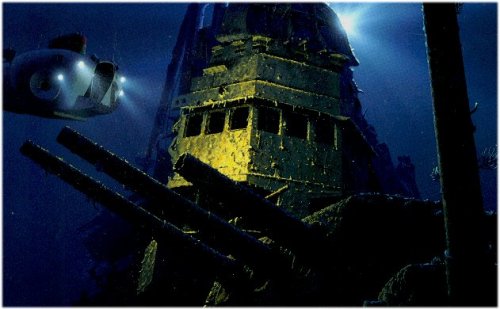
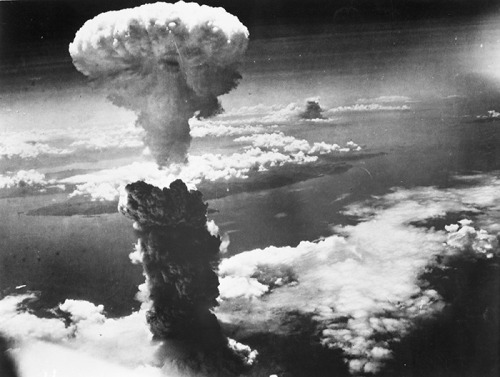

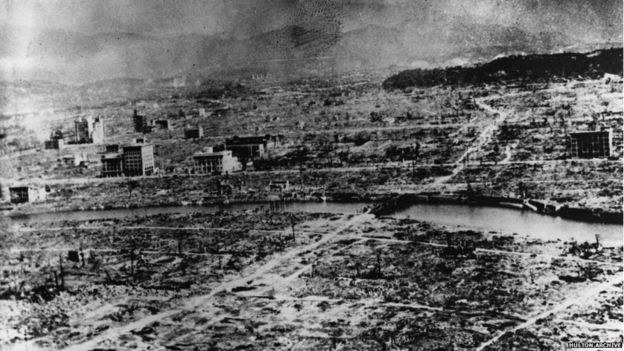

 The Inglorius Padre Steve's World