Monthly Archives: December 2013

Awarding the Heroes of Pearl Harbor

gal-pearl-harbor6-jpg

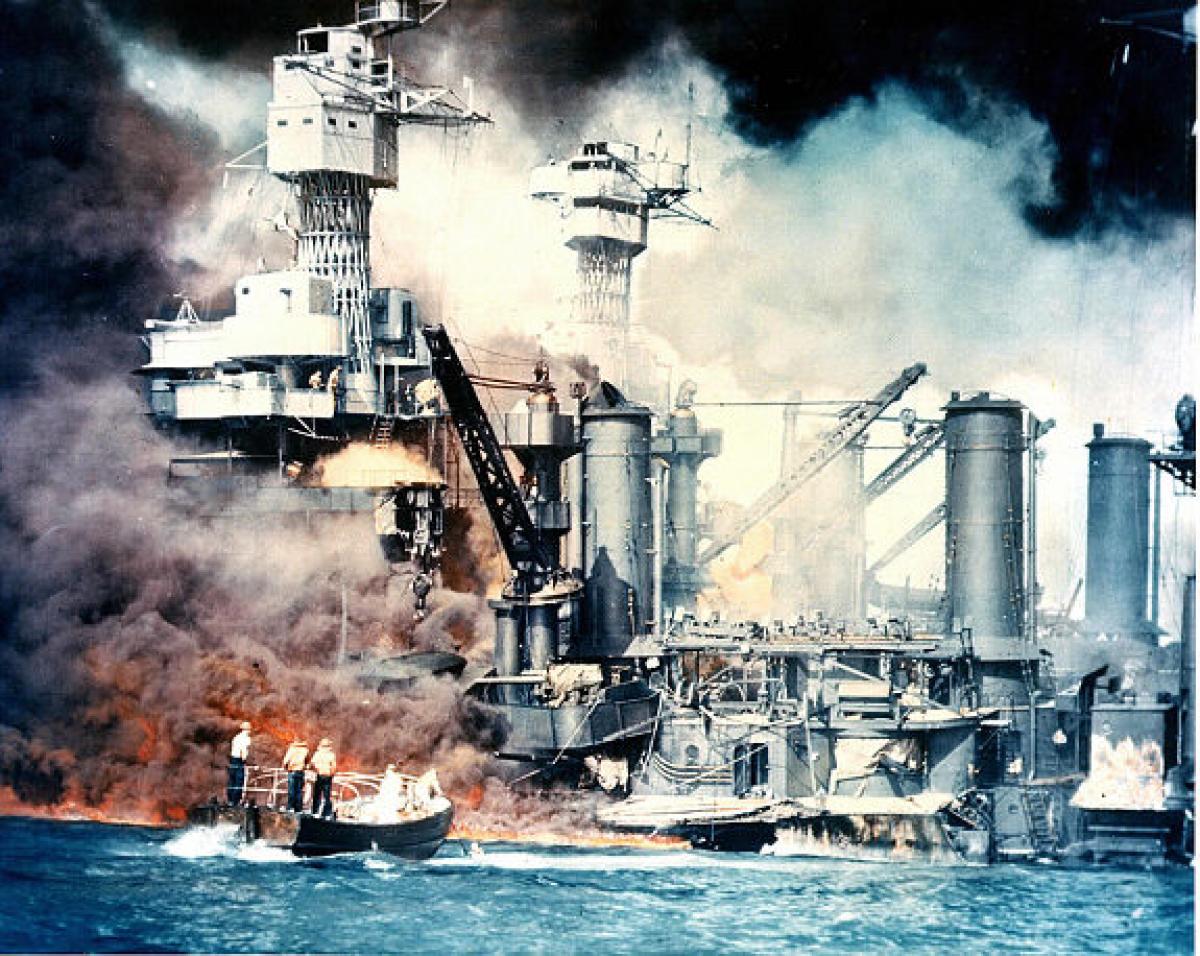
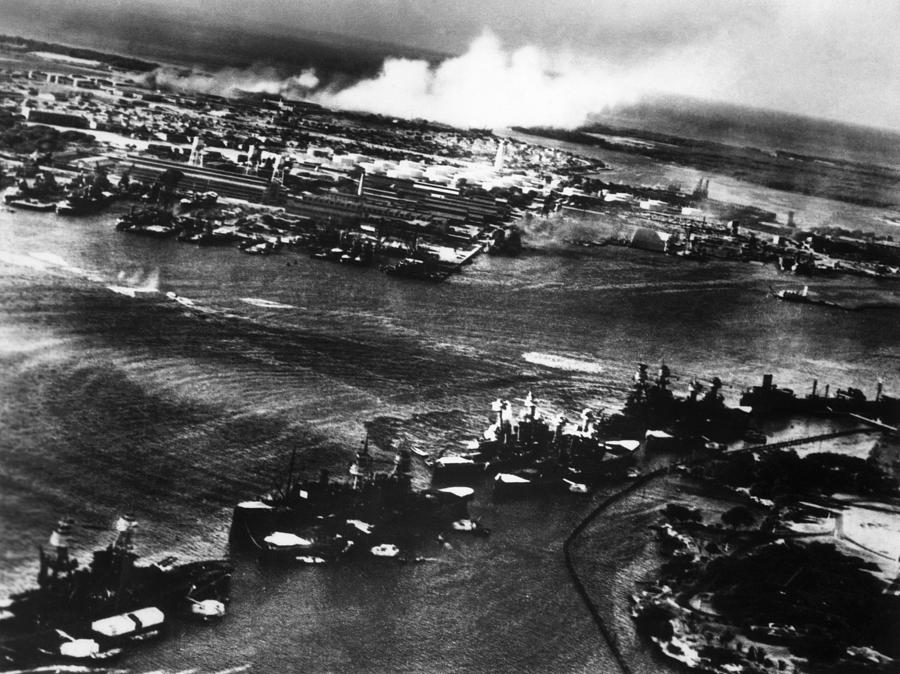
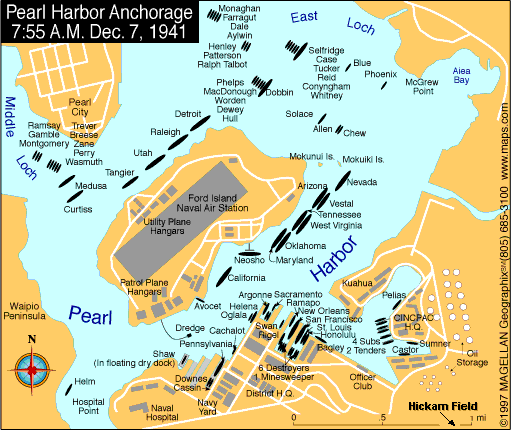
On the morning of December 7th 1941 aircraft from the Japanese First Air Fleet attacked the United States Pacific Fleet as it lay at anchor at Pearl Harbor.

The attack inflicted great damage and casualties on the Pacific Fleet as well as the Army Air Forces based on Oahu. On that fateful Sunday the US Navy had 19 ships sunk or damaged. The Navy, Marine Corps and Army Air Corps lost 188 aircraft destroyed and another 159 damaged. 2402 American Sailors, Marines and Soldiers, including members of the Army Air Corps lost their lives and another 1247 were wounded.
the-japanese-attack-on-pearl-harbor-everett

It was a day where men, suddenly shaken from their peacetime routine by bombs, bullets and torpedoes conducted themselves in in an extraordinary manner. When the last Japanese aircraft turned away the previously placid waters of Pearl Harbor were littered with wrecked and sunken ships, blazing fires and the bodies of sailors and Marines. Desperate rescue efforts were already underway even as undamaged ships sortied to attempt to find and engage the Japanese fleet.

The next day President Franklin Delano Roosevelt asked the Congress for a Declaration of War.His speech, immortalized in its opening words galvanized the nation.

“Yesterday, December 7, 1941 – a date which will live in infamy – the United States of America was suddenly and deliberately attacked by naval and air forces of the Empire of Japan….” 

It was also a day where heroism was acknowledged. In the days and months following many Sailors, Soldiers and Marines ware awarded for their heroism, posthumously. 16 Congressional Medals of Honor were awarded, 15 at Pearl Harbor and one at Midway Island which was attacked the same day. Of those 10 were to men killed in action.  There were 51 awards of the Navy Cross, four Silver Stars and three wards of the Navy and Marine Corps Medal. One of the Navy Cross awards was upgraded to the Medal of Honor.

The ranks of the awardees ranged from the Commander of Battleship Division One Rear Admiral Isaac Kidd to killed on the bridge of his flagship the USS Arizona to Seaman First Class James Ward who died on the USS Oklahoma. Kidd’s body was never found, his Naval Academy ring was found fused to a bulkhead on the destroyed bridge of the Arizona.

Ward was a gunner in one of Oklahoma’s main gun turrets. His citation reads:

“For conspicuous devotion to duty, extraordinary courage and complete disregard of his own life, above and beyond the call of duty, during the attack on the Fleet in Pearl Harbor by Japanese forces on 7 December 1941. When it was seen that the U.S.S.Oklahoma was going to capsize and the order was given to abandon ship, Ward remained in a turret holding a flashlight so the remainder of the turret crew could see to escape, thereby sacrificing his own life.”
tumblr_lvtli9HXlM1qigaa4o1_1280

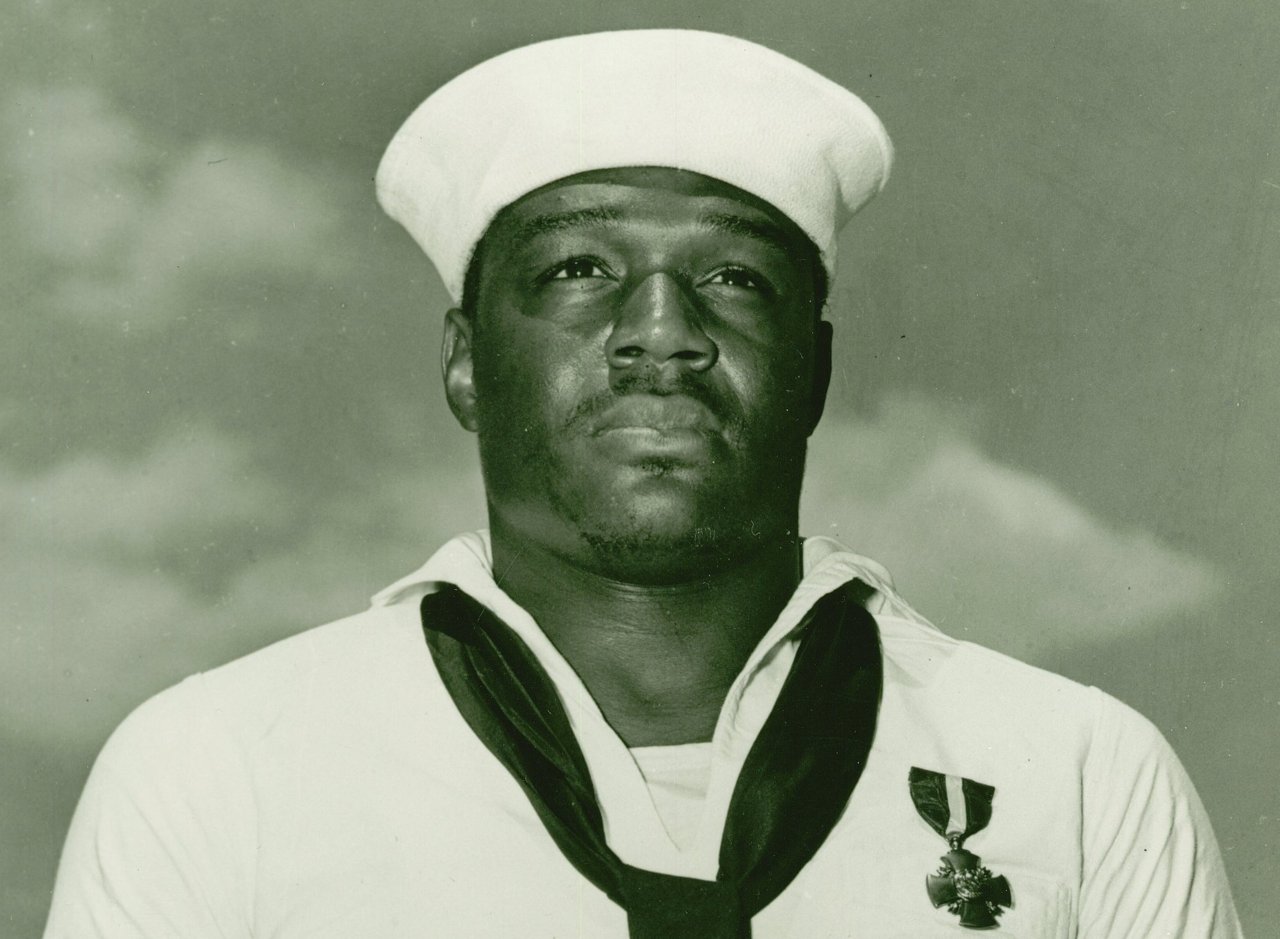
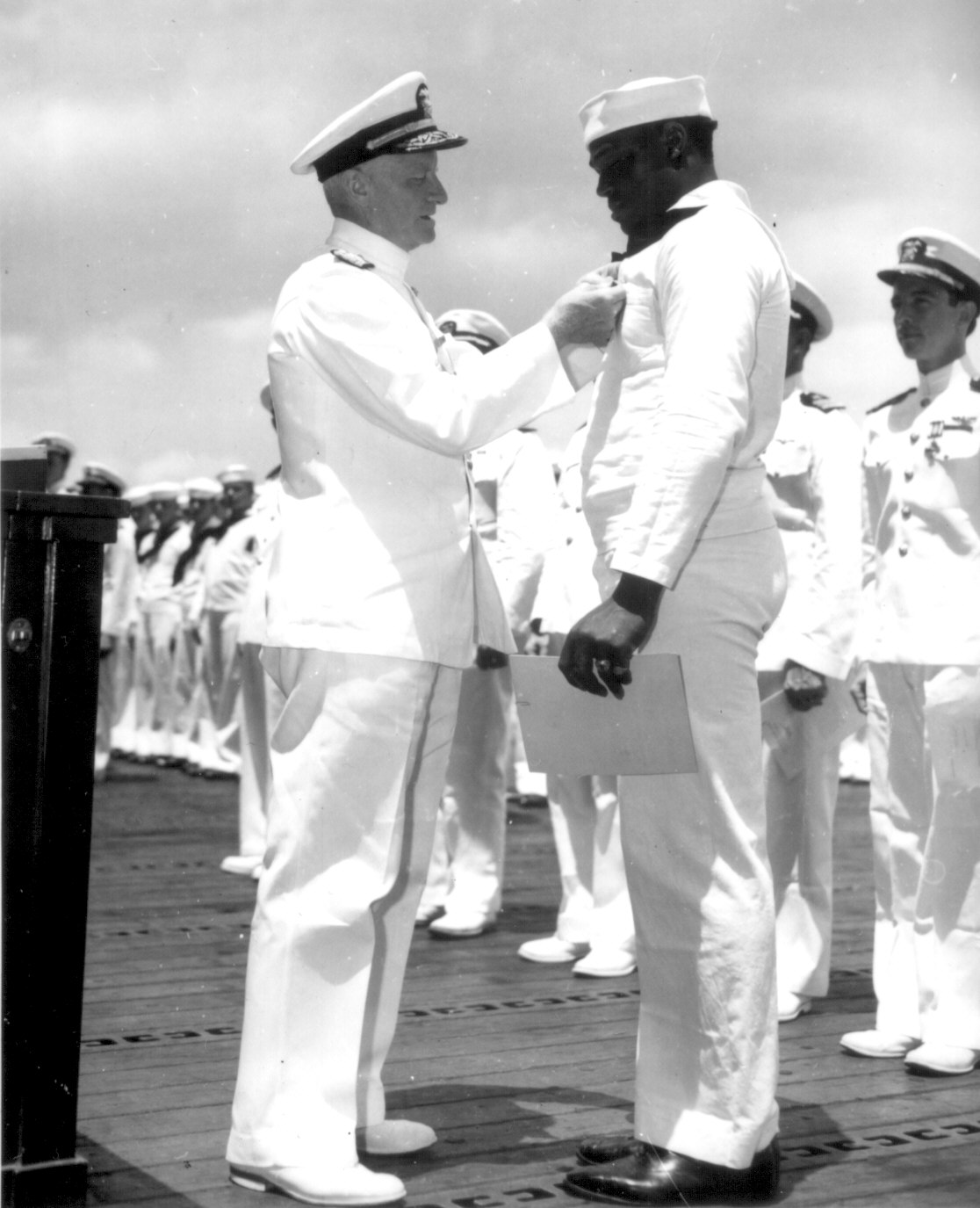
One of the Navy Crosses was awarded to Mess Attendant First Class Doris “Dorie” Miller. Miller was the only African American to win such an award that day. Miller who was assigned to the USS West Virginia received the award from Admiral Chester Nimitz for his efforts to assist his mortally wounded Commanding Officer, Captain Mervyn Bennion and manning a .50 caliber machine gun on his ship, possibly shooting down a Japanese aircraft.
Nimitz_and_miller

Nimitz remarked at the ceremony “This marks the first time in this conflict that such high tribute has been made in the Pacific Fleet to a member of his race and I’m sure that the future will see others similarly honored for brave acts.” Miller died less than two years later along with 645 other sailors when his ship the USS Liscombe Bay was torpedoed and sunk by a Japanese submarine near Tarawa. Miller’s Navy Cross citation reads:

“For distinguished devotion to duty, extraordinary courage and disregard for his own personal safety during the attack on the Fleet in Pearl Harbor, Territory of Hawaii, by Japanese forces on December 7, 1941. While at the side of his Captain on the bridge, Miller, despite enemy strafing and bombing and in the face of a serious fire, assisted in moving his Captain, who had been mortally wounded, to a place of greater safety, and later manned and operated a machine gun directed at enemy Japanese attacking aircraft until ordered to leave the bridge.”
CaptCassinYoung285

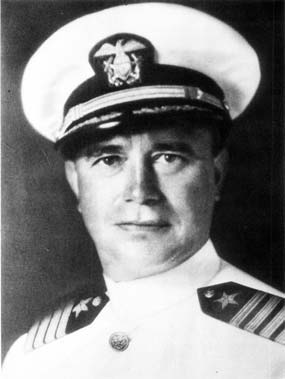
Others who survived the Pearl Harbor attack including Captain Cassin Young of the USS Vestal were later killed in action, Young while in command of the Heavy Cruiser USS San Francisco at the Naval Battle of Guadalcanal on November 13th 1942. Captain Young’s Medal of Honor citation reads:

For distinguished conduct in action, outstanding heroism and utter disregard of his own safety, above and beyond the call of duty, as commanding officer of the U.S.S. Vestal, during the attack on the Fleet in Pearl Harbor, Territory of Hawaii, by enemy Japanese forces on 7 December 1941. Comdr. Young proceeded to the bridge and later took personal command of the 3-inch antiaircraft gun. When blown overboard by the blast of the forward magazine explosion of the U.S.S. Arizona, to which the U.S.S. Vestal was moored, he swam back to his ship. The entire forward part of the U.S.S. Arizona was a blazing inferno with oil afire on the water between the 2 ships; as a result of several bomb hits, the U.S.S. Vestal was afire in several places, was settling and taking on a list. Despite severe enemy bombing and strafing at the time, and his shocking experience of having been blown overboard, Comdr. Young, with extreme coolness and calmness, moved his ship to an anchorage distant from the U.S.S. Arizona, and subsequently beached the U.S.S. Vestal upon determining that such action was required to save his ship.

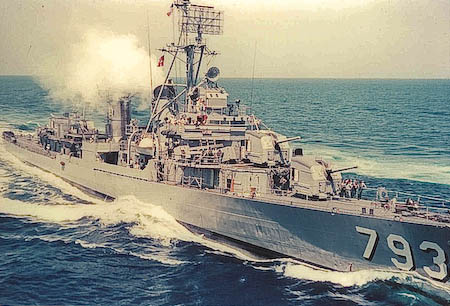
The Fletcher Class destroyer named after Captain Young, the USS Cassin Young DD-793 is now a museum ship in Boston Massachusetts.
In_action_courtesy_the_web

The individual bravery of these men was remarkable and many more did equally heroic things but for whatever reason were not recognized.
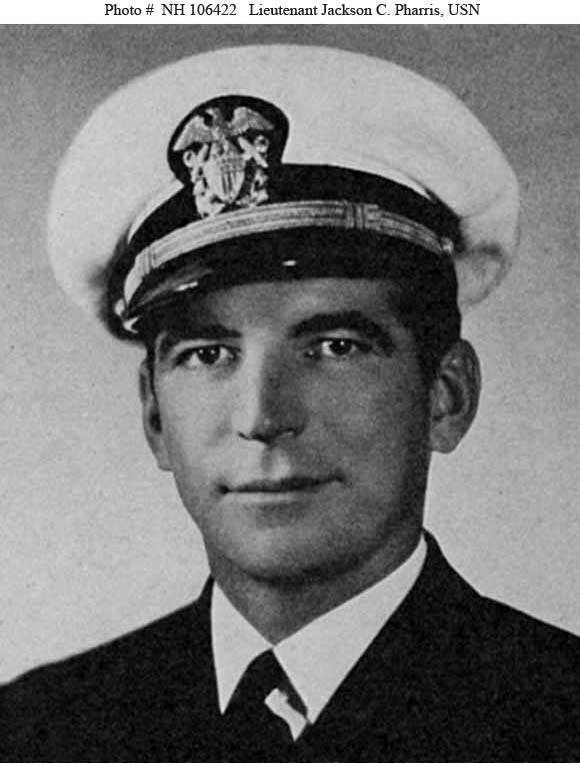
i06422

The citation of Lieutenant Jackson Pharris at the time of the attack a Gunners Mate on the USS California is typical of the actions of so many men on that desperate day. He was first awarded the Navy Cross but the award was upgraded to the Medal of Honor. That citation follows:

For conspicuous gallantry and intrepidity at the risk of his life above and beyond the call of duty while attached to the U.S.S. California during the surprise enemy Japanese aerial attack on Pearl Harbor, Territory of Hawaii, 7 December 1941. In charge of the ordnance repair party on the third deck when the first Japanese torpedo struck almost directly under his station, Lt. (then Gunner) Pharris was stunned and severely injured by the concussion which hurled him to the overhead and back to the deck. Quickly recovering, he acted on his own initiative to set up a hand-supply ammunition train for the antiaircraft guns. With water and oil rushing in where the port bulkhead had been torn up from the deck, with many of the remaining crewmembers overcome by oil fumes, and the ship without power and listing heavily to port as a result of a second torpedo hit, Lt. Pharris ordered the shipfitters to counterflood. Twice rendered unconscious by the nauseous fumes and handicapped by his painful injuries, he persisted in his desperate efforts to speed up the supply of ammunition and at the same time repeatedly risked his life to enter flooding compartments and drag to safety unconscious shipmates who were gradually being submerged in oil. By his inspiring leadership, his valiant efforts and his extreme loyalty to his ship and her crew, he saved many of his shipmates from death and was largely responsible for keeping the California in action during the attack. His heroic conduct throughout this first eventful engagement of World War 11 reflects the highest credit upon Lt. Pharris and enhances the finest traditions of the U.S. Naval Service.
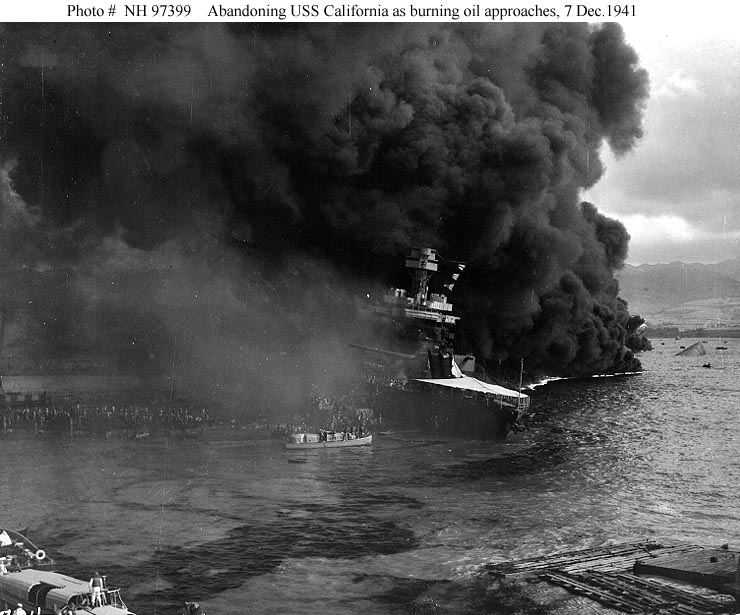
h97399

2008-04-medal-of-honor-presented-to-navy-seal-monsoor1

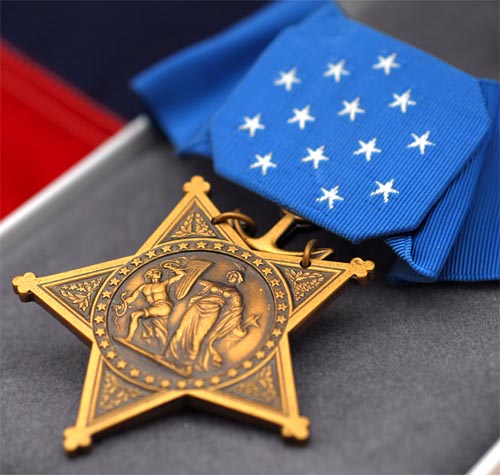
Those awarded the Medal of Honor are listed here:

Bennion, Mervyn, Capt., USN, CO of USS West Virginia, casualty of USS West Virginia 

Cannon, George H., First Lt., USMC, casualty of Midway Island NAS

Finn, John W., Lt.(jg), USN, NAS Kaneohe Bay, from Los Angeles, CA (20 shrapnel wounds from firing at Japanese planes)

Flaherty, Francis C., Ens., USNR, casualty of USS Oklahoma

Fuqua, Samuel G. (Glenn), Capt., USN, USS Arizona, from Missouri

Hill, Edwin J. (Joseph), Boatswain CWO, USN, casualty of USS Nevada

Jones, Herbert C., Ens., USN, casualty of USS California

Kidd, Isaac C., R. Adm., USN, from Ohio, casualty of USS Arizona

Pharris, Jackson C., Gunner, USN, USS California, from Columbus, GA

Reeves, Thomas J., Chief Radioman WO(RAD), USN, casualty of USS California

Ross, Donald K., Lt.Cmdr, USN, USS Nevada

Scott, Robert R., Machinist’s Mate first class MM1c, USN, casualty of USS California

Tomich, Peter, Chief Watertender, USN, casualty of USS Utah

Van Valkenburgh, Franklin, Capt(CO), USN, CO USS Arizona, casualty of USS Arizona

Ward, James Richard, Seaman first class, USN, casualty of USS Oklahoma

Young, Cassin, Capt., USN, Washington DC, USS Vestal
navy_cross_medal_171

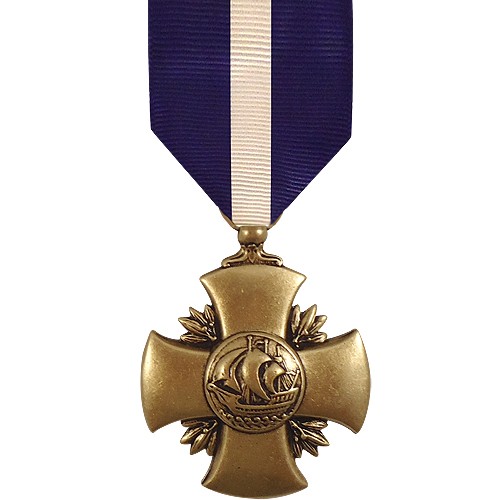
Those awarded the Navy Cross are listed here: 

Austin, John A., Chief Carpenter, USN, casualty of USS Oklahoma

Baker, Lionel H., Pharmacist’s Mate second class, USN

Bolser, Gordon E. Lt.(jg), USN

Bothne, Adoloph M., Boatswain, USN

Burford, William P., Lt. Comdr., USN

Christopher, Harald J., Ens., USNR, casualty of USS Nevada

Curtis, Ned B., Pharmacist’s Mate second class, USN

Daly, Edward Carlyle, Coxwain, USN, casualty of USS Downes

Darling, Willard D., Cpl., USMC

Davis, Frederick C., Ens., USNR, casualty of USS Nevada

Dickinson, Clarence E. Jr., Lt., USN

Douglas, C. E., Gunnery Sgt., USMC

Driskel, Joseph R., Corporal, USMC

Dunlap, Ernest H. Jr., Ens., USN

Edwards, John Perry, Ens., USNR

Etchell, George D., Shipfitter, USN

Fleming, W.D., Boatswain’s Mate first class, USN

Gombasy, L.G., Seaman second class, USN

Graham, Donald A., Aviation Machinist’s Mate first class, USN

Hailey, Thomas E., Sgt., USMC

Hansen, Alfred L., Chief Machinist’s Mate, USN

Huttenberg, Allen J., Ens., USNR

Isquith, Solomon S., Lt. Cmdr. USN

Jewel, Jesse D., Comdr.(MC), USN

Kauffman, Draper L., Lt., USNR

Larson, Nils R., Ens., USN

Ley, F. C. Jr., Fireman second class, USNR

McMurtry, Paul J., Boatswain’s Mate first class, USN

Mead, Harry R., Radioman second class, USN

Miller, Doris, Mess Attendant first class, USN 

Miller, Jim D., Lt.(jg), USN

Moore, Fred K., Seaman first class, USN, casualty of USS Arizona

Outerbridge, William W., Lt. Comdr., USN

Parker, William W., Seaman first class, USN

Peterson, Robert J., Radioman second class, USN

Pharris, Jackson C., Gunner, USN (upgraded to Medal of Honor)

Phillips, John S., Comdr. USN

Riggs, Cecil D., Lt. Comdr. (MC), USN

Robb, James W. Jr., Lt.(jg), USN

Roberts, William R., Radioman second class, USN

Ruth, Wesley H., Ens., USN

Singleton, Arnold, Ens., USN

Smith, Harold F., Boatswain’s Mate second class, USN

Snyder, J. L., Yeoman first class USN

Taussig, Joseph K. Jr., Ens., USN

Taylor, Thomas H., Ens., USN

Teaff, Perry L, Ens., USN

Thatcher, Albert C., Aviation Machinists Mate second class, USN

Thomas, Francis J., Lt. Comdr., USN

Thomas, Robert E. Jr., Ens., USN

Vaseen, John B., Fireman second class, USNR
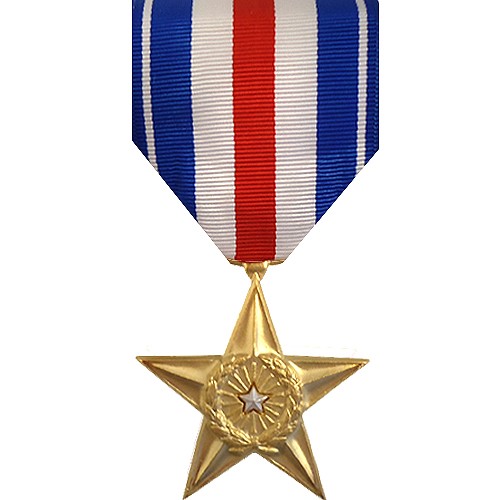
silver_star_medal_205_web.jpeg_1

The Silver Star was awarded to:

Kiefer, Edwin H., Lt.(jg), USNR

Marshall, Theodore W., Lt., USNR

Owen, George T., Comdr., USN

Shapley, Alan, Maj., USMC
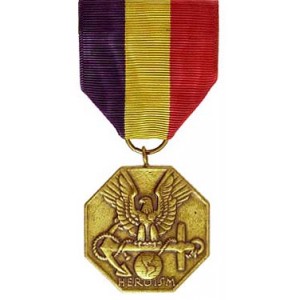
983-963-large

The Navy and Marine Corps Medal was awarded posthumously to: 

Day, Francis D., Chief Watertender, USN, casualty of USS Oklahoma

Schmitt, Aloysius H., Shipfitter first class, USN, casualty of USS Oklahoma

Wright, Paul R., Chief Watertender, USNR, casualty of USS Oklahoma

Note: The Awards listed are also complied at the website http://pearlharbor.org That site also has one of the most extensive searchable casualty listings available on the web. 

As we remember the attack on Pearl Harbor, or for that matter any battle we cannot reduce them to the number of ships, aircraft, tanks or equipment lost. Likewise when we talk the raw numbers of casualties the temptation is to treat them as impersonal statistics. However behind each of those numbers is a name, a man or woman with a life, family and friends who died in the service of their country.

The same is true today of men and women who will be unknown to most Americans.

Please do not forget them.

Peace

Padre Steve+

1 Comment

Filed under History, leadership, ministry, US Navy, world war two in the pacific

Forgotten on the Far Side of Ford Island: USS Utah, USS Detroit, USS Raleigh and USS Tangier

Friends of Padre Steve’s World
Since we are remembering the 72nd anniversary of the attack on Pearl Harbor this week here is an older post about some of the lesser known ships that were attacked on the far side of Ford Island during the attack. They were not the Battleships, they were a former Battleship converted to a gunnery training ship and target ship, a tender and an a pair of obsolete Light Cruisers. However, they too like their more famous sisters on Battleship Row endured the fury of the assault of the Japanese First Air Fleet on that Sunday that will live in infamy.
Peace
Padre Steve+

padresteve's avatarThe Inglorius Padre Steve's World

USS Utah BB-31 in 1920s

When you visit Pearl Harbor most eyes are drawn to the USS Missouri and the USS Arizona Memorial on Battleship Row.  On the mooring quays the names of the Battleships California, Oklahoma, Maryland, West Virginia, Tennessee and Arizona mark the places where the proud Battle Force of the U.S. Pacific fleet was moored on the fateful morning of December 7th 1941.  Movies such as Tora! Tora! Tora!, In Harm’s Way and Pearl Harbor have recorded the attack in varying degrees of accuracy for audiences worldwide in the 1960s, 1970s and 2000s. All record the attack on Battleship row and the attacks on the Army Air Corps at Hickam Field but all overlook the former battleship moored on the west side of Ford Island, the two elderly light cruisers and the Seaplane Tender moored nearby.

USS Utah AG-16 in 1935

Of course these ships hold…

View original post 857 more words

2 Comments

Filed under Loose thoughts and musings

The Doomed Fleet: The Ships of the Kido Butai and Their Fates After Pearl Harbor

pearl-harbor

“We won a great tactical victory at Pearl Harbor and thereby lost the war.” Captain Tadaichi Hara 

Note: I have written this article as a compliment to The Ships of Pearl Harbor: A Comprehensive List with Short Histories of Each Ship

415px-Isoroku_Yamamoto

Isoruku Yamamoto 

The 22 surface warships of Japanese Task Force that struck Pearl Harbor on December 7th 1941 turned west after the last aircraft were recovered. No ships were lost or damaged in the attack. Only 29 aircraft and 55 aircrew were lost. Additionally 5 midget submarines and their 10 crew members were lost, one became the first Japanese Prisoner of War when his sub beached off Diamond Head.

Though the Japanese had heavily damaged the Pacific Fleet, sinking or damaging all 8 battleships that were in port at Pearl Harbor on December 7th the victory was incomplete. Pearl Harbor’s fleet support facilities, dry docks and fuel tank farms remained allowing the fleet to maintain it as a base. Likewise no carriers were in port and they as well as the submarine force were soon in action against the now vastly superior Imperial Navy which after Pearl Harbor wreaked havoc on US, British, Dutch and Australian forces in the Western Pacific and Indian Ocean.

800px-Kirishima_and_Akagi_at_Tsukumowan_1939

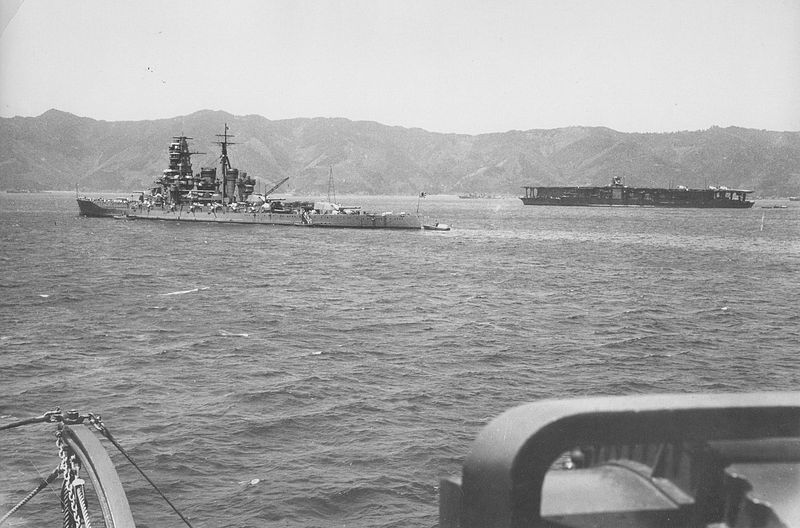
Kirishima and Akagi 

Little did the heady Japanese expect that in less than six months that four of the six carriers that carried out the attack would be at the bottom of the Pacific and another heavily damaged. That was only the beginning. When the Japanese forces encountered the American carriers at Coral Sea and Midway the tide turned in the Pacific. Yamamoto’s remarks to Matsumoto and Konoe were more prophetic than even he might have imagined. Less than 18 months later Yamamoto himself would be dead, killed when a Betty bomber carrying him was ambushed and shot down near Buin New Guinea.

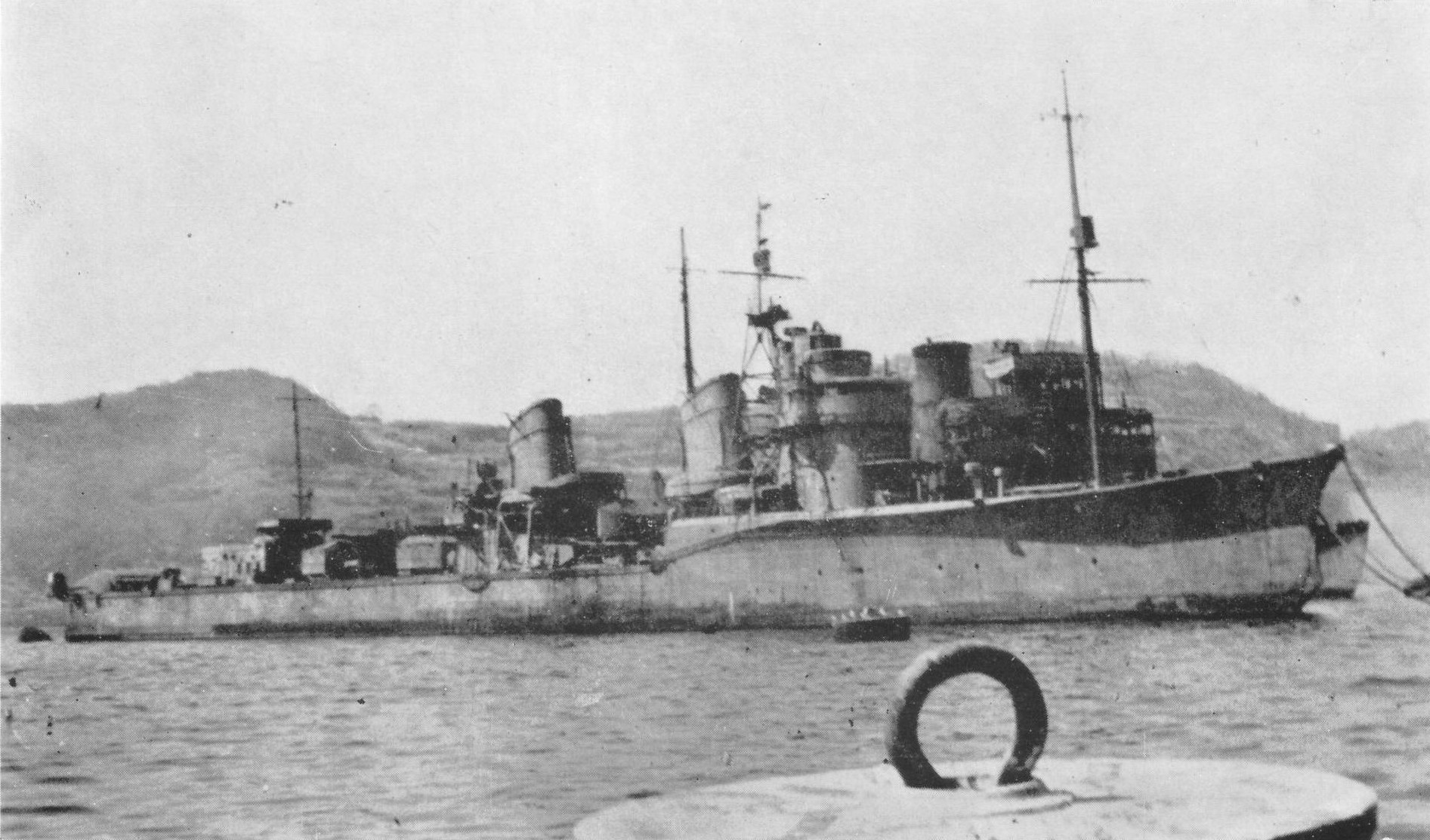
Of the 22 surface ships involved in the attack only one, the Fubuki Class Destroyer Ushio survived the war. What follows is what happened to the other ships in the order of their loss.

800px-Japanese_Navy_Aircraft_Carrier_Kaga

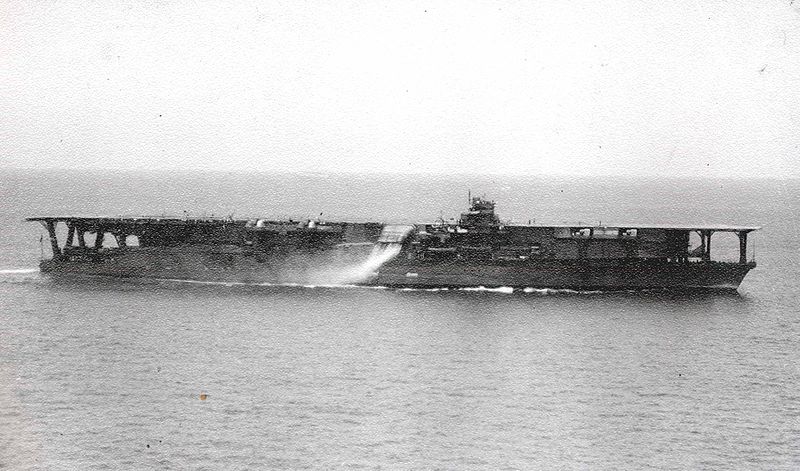
Kaga

The aircraft carrier Kaga was designed as a battleship but converted to an aircraft carrier during construction as part of the 1922 Washington Naval Treaty. She was active throughout the 1930s in the war against China and participated in every major action of the 1st Air Fleet until she was sunk at Midway on June 4th 1942. Hit by at least 4 bombs  by dive bombers from the USS Enterprise while her flight deck was crowded with fueled and armed aircraft and decks strewn with bombs and torpedoes that in the rush of battle had not been returned to her magazines. That evening with the fires still burning her survivors were taken off and she was scuttled by torpedoes fired by destroyer Hagikaze. Over 800 of her crew of over 1700 including her Captain and most senior officers were lost.

soryu02

Soryu

The Aircraft carrier Soryu at 18,800 tons was roughly the same size as the American Yorktown Class. She was commissioned in 1937 and after Pearl Harbor fought as a unit of the First Air Fleet. She was present at Midway and sunk by dive bombers from the USS Yorktown. Hit by 3 bombs she was ordered abandoned within 15 minutes and sunk   on the evening of June 4th taking down 711 of over 1100 crew members.

Japanese_aircraft_carrier_Akagi_01-2

Akagi

The aircraft carrier Akagi was the Flagship Vice Admiral Nagumo of the 1st Air Fleet at Pearl Harbor and during the operations against Allied forces in the Western Pacific. She retained that role at Midway when on the morning of June 4th 1942 she was hit by a 1000 pound bomb from one of three attacking aircraft from Scouting Six from the Enterprise. With her aircraft on deck fully armed and fueled for a strike against the American carriers she was highly vulnerable. The explosion triggered a chain reaction as fuel and ordnance turned the great ship into a blazing inferno. Admiral Nagumo transferred his flag to the light cruiser Nagara. Damage control teams fought a losing battle against the conflagration but the next morning Admiral Yamamoto ordered his former ship scuttled. 267 Japanese sailors died on Akagi.

800px-Hiryu_burning

Hiryu damaged at Midway

The carrier Hiryu, a close sister of Soryu also participated in the success of the First Air Fleet up to Midway. As flagship of of Carrier Division 2 avoided damage in the initial strike. Her aircraft heavily damaged Yorktown but she suffered the same fate as the other carriers that evening. Hit by four 1000 pound bombs from dive bombers from Enterprise she burned throughout the night and was scuttled on June 5th with the loss of 389 sailors and aviators.

800px-Asashio_II

Asashio Class

The 2000 ton Asashio class destroyer Arare was torpedoed and sunk by the submarine USS Growler on July 5th 1942 off Kiska Harbor Alaska with the loss of 104 of her crew. At the time of her loss she was escorting seaplane tender Chiyoda on a supply mission.

800px-Hiei_TsukugewanHiei

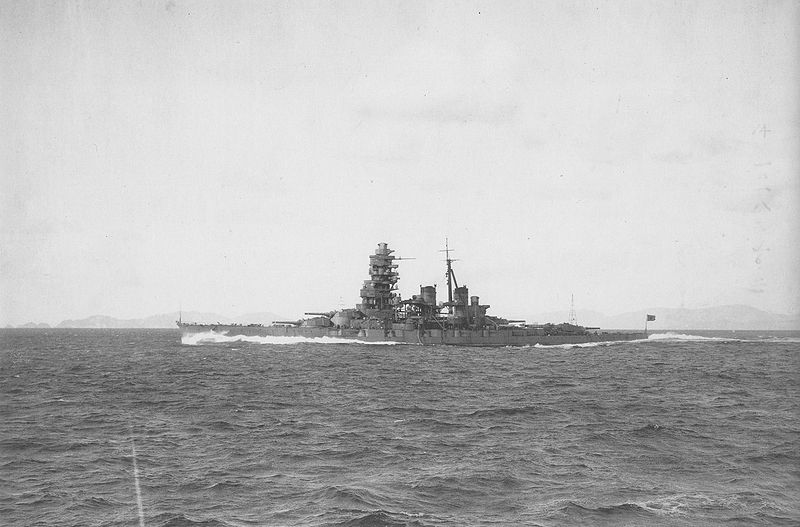
The Kongo Class battleship Hiei was sunk during the first Naval Battle of Guadalcanal. She was the first Japanese battleship sunk during the war. Heavily damaged during a close quarters surface engagement she was sunk by aircraft from Enterprise off Savo Island on November 13th 1942. 188 of her crew were lost with the ship.

03_kirishima

Kirishima

The Battleship Kirishima, a sister ship of Hiei was present with Hiei in the First Naval Battle of Guadalcanal. She survived that fight and was attached to another surface raiding group. The next night while engaging the USS South Dakota, Kirishima was targeted by the Battleship USS Washington and sunk by gunfire. 212 crewmen went down with the battleship.

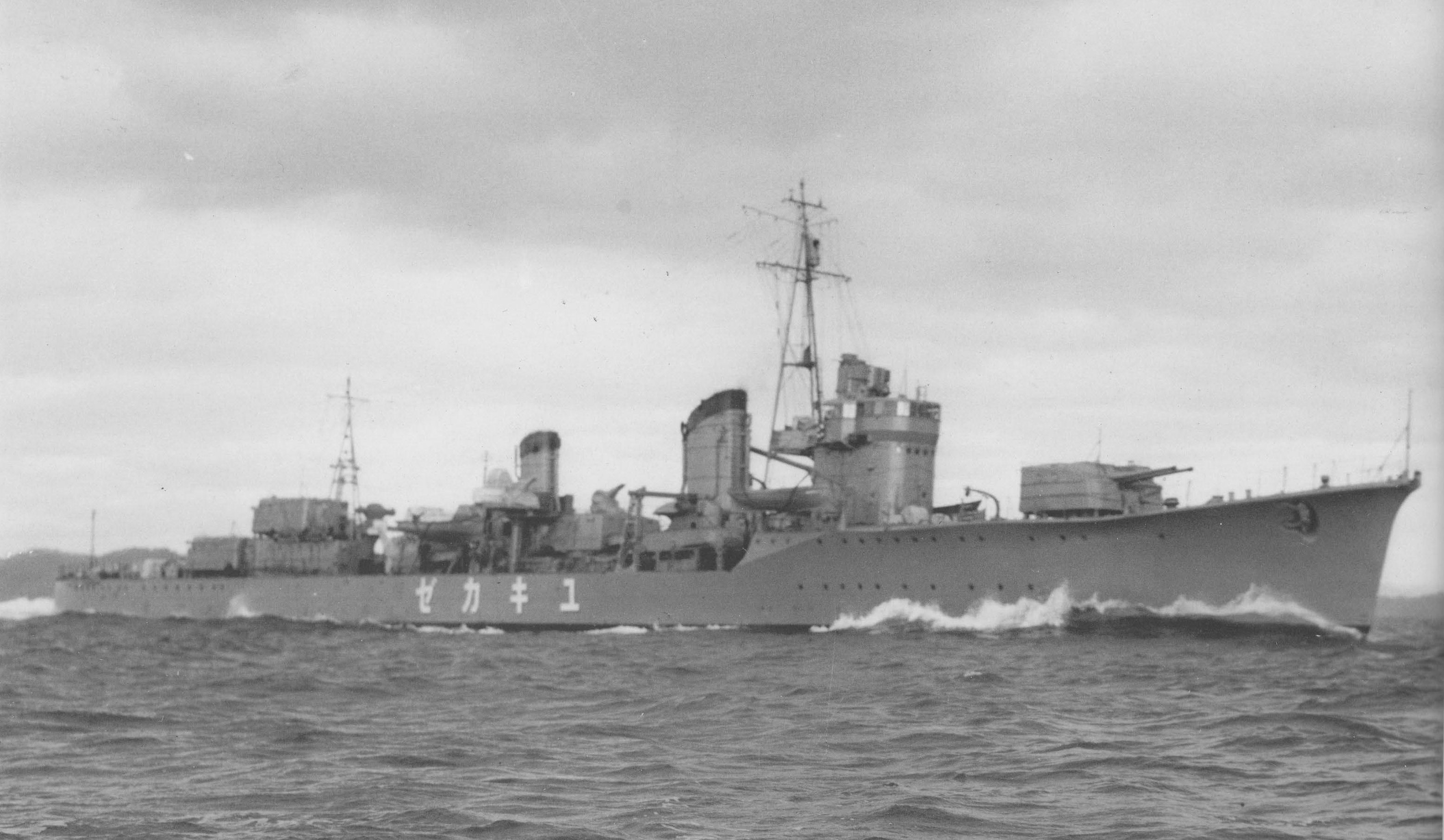
Yukikaze_2

Kagero

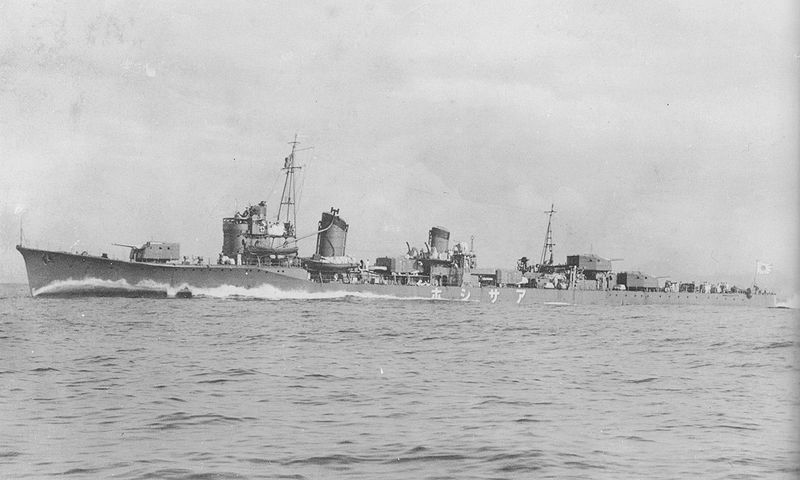
The destroyer Kagero, the lead ship of her class was among the most deadly destroyer types produced in the war. Armed with six 5” guns and 8 24” Long Lance Torpedo tubes she and her sisters wrought fearful damage on allied surface forces in many of the vicious battles in the South Pacific. During a supply run Kagero stuck a mine and was disabled. Unable to maneuver she was sunk by US aircraft on May 7th 1943 off Rendova with the loss of 18 sailors.

The Kagero’s sisters also suffered. Akigumo was torpedoes and sunk by the submarine USS Redfin on April 11th 1944 off Zamboanga the Philippines. Tanikaze was torpedoed and sunk by USS Harder on June 9th 1944 with the loss of 114 sailors.

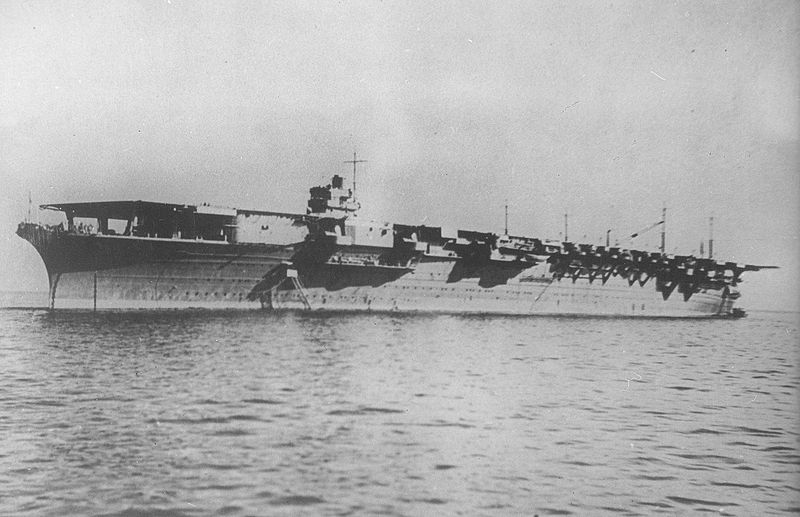
800px-Japanese.aircraft.carrier.zuikaku

Shokaku

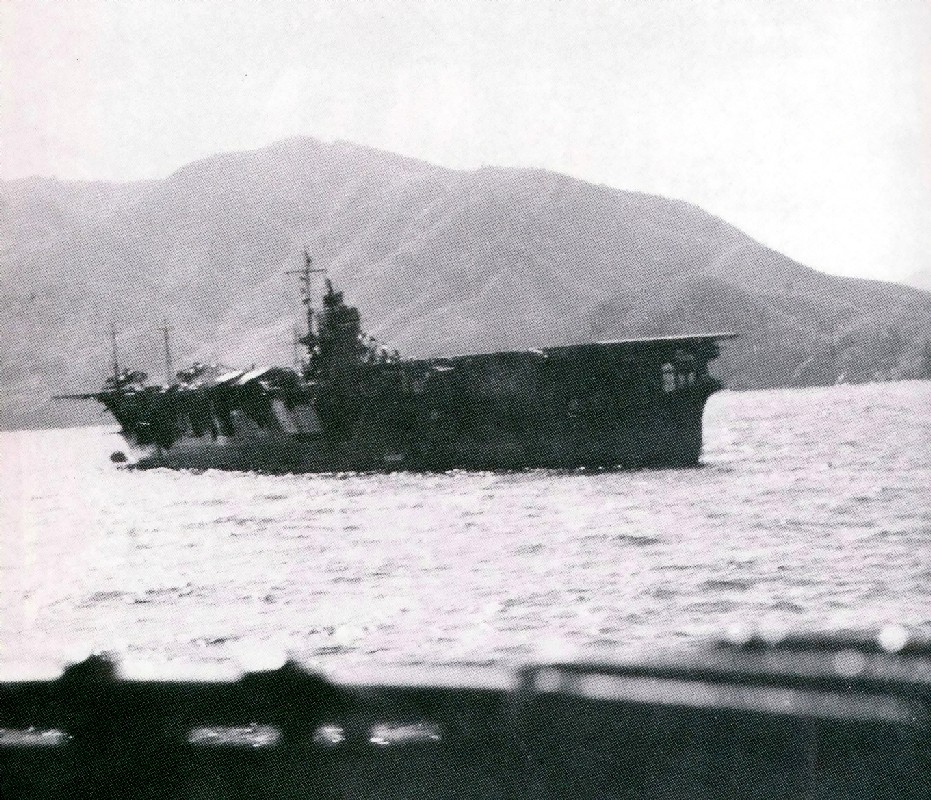
The 27,000 ton carrier Shokaku was one of the newest and most modern carriers in the fleet at Pearl Harbor. She was heavily damaged at Coral Sea and missed the Midway operation. At the Battle of Eastern Solomons her aircraft damaged the Enterprise. At the Battle of Santa Cruz she was again damaged but her aircraft mortally wounded the USS Hornet which was sunk by destroyers. She was part of a reconstituted carrier strike force at the Battle of the Philippine Sea. While sailing to the battle she was struck by 3 torpedoes from the USS Cavalla on June 19th 1944 with the loss of 1272 of over 1800 souls on board.

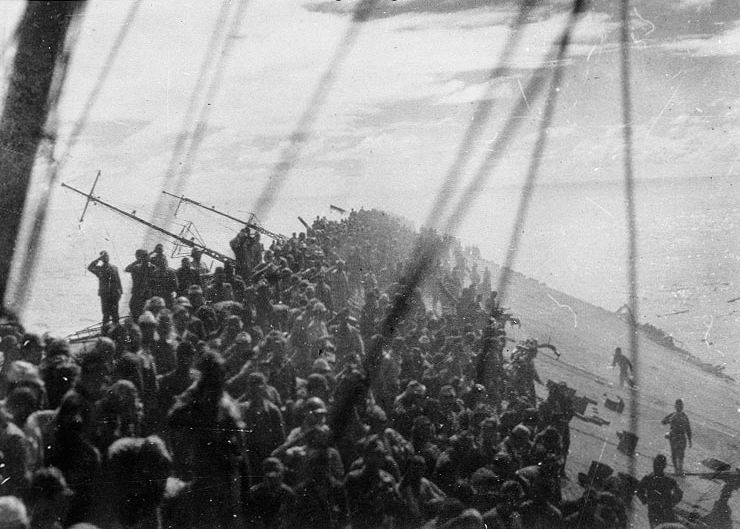
Lowering_the_flag_on_Zuikaku

Zuikaku’s crew saluting the colors before abandoning ship

The Battle of Leyte Gulf accounted for many of the surviving ships of the Kido Butai. Carrier Zuikaku, sister of Shokaku had fought at Coral Sea, as well as Eastern Solomons and Santa Cruz. She was damaged and lost most of her air group at Philippine Sea. Repaired she was assigned to Admiral Ozawa’s decoy group of four carriers with very few aircraft at Leyte Gulf. Hit by seven torpedoes and nine bombs the gallant ship sunk with the loss of 842 of her crew of over 1700.

745px-HIJMS_Chikuma-2

Chikuma

The Heavy Cruiser Chikuma was served mostly as an escort to the carrier forces and was at Midway as well as Eastern Solomons and Santa Cruz. On October 25th at Leyte Gulf she succumbed to multiple bomb and torpedo hits delivered by US carrier aircraft in the Battle off Samar. Nearly all of her survivors rescued by destroyer Nowaki were lost when that ship was sunk the next day.

Abukuma_cl1941

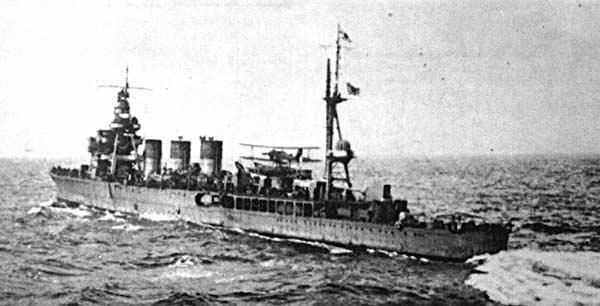
The elderly Nagara Class light cruiser Abukuma was torpedoed and heavily damaged by a torpedo fired by the US PT-137 at the Battle of Surigao Strait and disabled. She was bombed and sunk by US Army Air Force Aircraft off Negros on October 26th with the loss of 250 sailors.

The Kagero Class destroyer Shiranui had a long and distinguished career and survived a torpedo hit from USS Growler in July 1942 which blew off her bow. She was bombed sunk with the loss of all hands on October 27th 1944 after surviving the Battle of Surigao Strait.

The Fubuki Class destroyer Akebono was sunk at pier side at Cavite Naval Yard, Manila Bay by US Army Air Corps bombers on November 27th 1944.

498px-Hamakaze_II_film

Hamakaze 1941 and Isokaze below

800px-Japanese_destroyer_Isokaze_II

Three of the survivors were sunk during the last offensive sortie of Japanese warships. On April 7th the Kagero Class Isokaze and Hamikaze and Asashio Class Kasumi were sunk by US carrier aircraft while escorting the battleship Yamato on her suicide mission at Okinawa.

ToneWreckage1945

Wreck of Tone at Kure

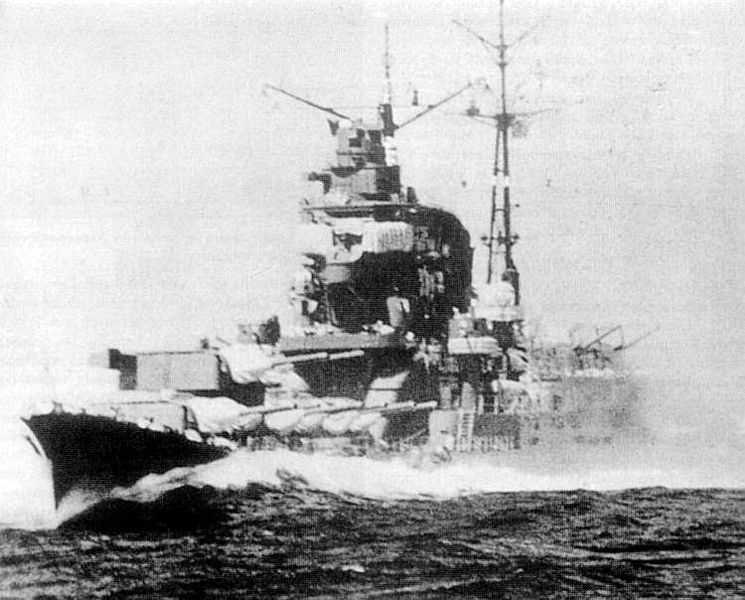
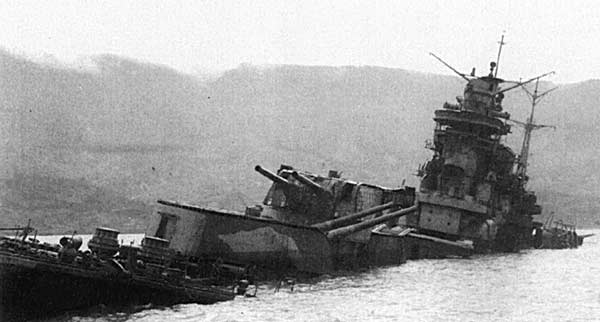
The Heavy Cruiser Tone, sister of Chikuma survived many battles and was sunk at anchor in Kure harbor by US carrier aircraft on July 24th 1945. Her hulk was scrapped between 1947 and 1948.

Japanese_destroyer_Ushio_1946

Ushio after the war

Only Fubuki Class destroyer Ushio survived the war. A survivor of many battles she helped sink the submarine USS Perch in 1942. Surrendered to the US Navy she was scrapped in 1948.

Admiral Yamamoto was right when he told cabinet minister Shigeharu Matsumo to and Japanese prime minister Fumimaro Konoe “In the first six to twelve months of a war with the United States and Great Britain I will run wild and win victory upon victory. But then, if the war continues after that, I have no expectation of success.” 

Peace

Padre Steve+
3 Comments

Filed under History, Military, Navy Ships, world war two in the pacific

The Ships of Pearl Harbor: A Comprehensive List with Short Histories of Each Ship

Since the anniversary of Pearl Harbor is approaching I am re-posting an article that is more of a reference for those seeking information on the US Navy that were at Pearl Harbor the morning of the Japanese attack. Admittedly this is something that is of interest to history junkies but still it is interesting in an era where many people have little to no knowledge of the events of that day which will live in infamy.
Peace
Padre Steve+
padresteve's avatarThe Inglorius Padre Steve's World

Last year I wrote a piece called The Battleships of Pearl Harbor. I followed that with an article this year entitled “Forgotten on the Far Side of Ford Island: The USS Utah, USS Raleigh, USS Detroit and USS Tangier. Of course most anyone that has see either Tora! Tora! Tora! Or Pearl Harbor is acquainted with the attack on “Battleship Row” and the airfields on Oahu.  What are often overlooked in many accounts are the stories of some of the lesser known ships that played key roles or were damaged in the attack.  Since none of the articles that I have seen have discussed all of the U.S. Navy ships at Pearl Harbor on that fateful morning I have taken the time to list all the ships with the exception of yard and patrol craft present at Pearl Harbor on December 7th 1941.  I have also excluded Coast…

View original post 7,627 more words

1 Comment

Filed under Loose thoughts and musings

Advent 2013: God Loves the Real World

2004weihnachtsbrief-2

O come, thou Dayspring, come and cheer
our spirits by thine advent here;
disperse the gloomy clouds of night,
and death’s dark shadows put to flight.

(From O Come O Come Emmanuel) 

Introduction: This is an article that I wrote last year. I have updated with this introduction and made a few edits for this year for a couple of reasons. One reason is that I think that it is worth the read for those unfamiliar with the season and what it means. Secondly I see the observance of Advent as a way to actually discover something spiritual and eternal that can help us in the real world today, not just in the by and by, but today, in how we treat our neighbors and care for others. 

In a sense this very traditional observance can be counter-cultural in amid the usual din of the shopping orgy that began on Thanksgiving and will end as retailers squeeze out the last profits on Christmas Eve. The observance of Advent is also an antidote to the politically charged “the war on Christmas” emanating from certain Christian “conservatives” and Rupert Murdoch’s Fox News and Newscorp empire. The sad thing is that for all of their alleged “defense” of Christmas most of these culture warriors and their media allies have reduced the mystery of God’s great love at Christmas to a religious holiday so covered in consumerism that it is hard to find that tiny babe in the manger of Bethlehem. Finally, I write this in the hopes that discover the joy as we wait in the anticipation of the the message of the angel who said “Behold I bring you tidings of great joy….”

I think that each Sunday of the Advent Season I will write a short reflection on the various aspects of hope, expectation and love that is the heart of the season.

Today is the fist Sunday of what we in the liturgical Christian world know as the season of Advent.

Advent is the beginning of the liturgical year, in a sense the opening day of a new season of faith, as much as the Opening Day is in Baseball. It is a season of new beginnings, of hope looking forward and looking back. It is a season of intense realism. It is a season where the people of God look forward to their deliverance even as they remember the time when God entered into humanity.  It was not simply entering the human condition as a divine and powerful being inflicting his will upon people but deciding to become subject to the same conditions know by humanity. As Paul the Apostle, wrote about him: “though he was in the form of God, did not regard equality with God as something to be exploited,  but emptied himself, taking the form of a slave, being born in human likeness. And being found in human form, he humbled himself and became obedient to the point of death– even death on a cross.” (Philippians 2:5b-8) 

In the incarnation Jesus Christ shows his love and solidarity with people, humanity, the creation, reality. Dietrich Bonhoeffer wrote:

“God loves human beings. God loves the world. Not an ideal human, but human beings as they are; not an ideal world, but the real world. What we find repulsive in their opposition to God, what we shrink back from with pain and hostility, namely, real human beings, the real world, this is for God the ground of unfathomable love.” 

That simple fact is why Christ came.

He didn’t come to found a government or even for that matter a religion. He did not come to exemplify “Christian” virtues or to condemn people that religious people condemned as sinners. He came simply to save and redeem the world and people like us from themselves.

The meaning of the incarnation, and the hope of the season of Advent is that God loves people. Yes, even the people that the Christian culture warriors despise.

In the next few week there will be much written and said about Jesus. Much of it will not actually deal with Jesus or the people that he came to save but instead about the worldly power and influence of those who seek the profits of being “prophets.” Some of them will talk fervently about the “War on Christmas” as if somehow God and Christ are so small that they need government sponsored displays in the public square in order to be real, relevant or or for that matter important. What a small God they must have.

Somehow the message of Advent, the coming of Jesus is contradictory to the message of the for profit prophets. Certainly the early Christians had no government backing of any kind. They simply lived the life and showed God’s love to their neighbors, often at the cost of their lives and paradoxically the message was not crushed, but spread and overcame an empire. It was only when they became co-executors of government power that the message of reconciliation became a bludgeon to be used against those who did not agree with the theology of the clerics beholden to the Empire.

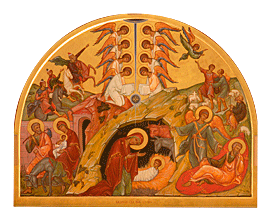
The Christ of the Season of Advent, the one who came and who promises to come again is not captive to the capricious message of the for profit prophets and their political and media allies. I would dare say that God is much bigger than them or those that they believe will somehow end the Christian faith as we know it. But then maybe the Christian faith “as we know it” is more a reflection of us and our culturally conditioned need for physical, economic and political power over others than it is of Jesus.Nativity-extr

All I know is that the simplicity of the message that “God so loved the world that he gave his only begotten Son” is more powerful than any political-religious alliance.

The time of waiting in expectation during advent also helps us to focus on Jesus’ words to  “Love God with all your heart and love our neighbors as ourselves.” It also calls to mid the words of the Old Testament prophet Micah, who asked “what does the Lord require of thee? To love show justice, to love mercy and to walk humbly with thy God.”

Advent stands in stark contrast to the politically charged consumerism of the War on Christmas.  I think that the message that God loves the real world is worth repeating in such an environment. In fact I think that because the message of God’s great love for those deemed “repulsive” by so many supposedly “conservative Christians” is so amazing that it must be proclaimed. As distasteful as it is to the “for profit prophets” of our time that it is not only worth repeating, but actually believing and acting upon.

It is a good reason for me to during this season of Advent to look forward to our celebration of the mystery of the Incarnation, the coming of the God who “emptied himself” and took “the form of a slave” in order to save his people.

Peace

Padre Steve+
2 Comments

Filed under christian life, faith, News and current events, Political Commentary, Religion

The Season of Hope: Advent and PTSD

2004weihnachtsbrief-2

“Totally without hope one cannot live. To live without hope is to cease to live. Hell is hopelessness. It is no accident that above the entrance to Dante’s hell is the inscription: “Leave behind all hope, you who enter here.” Jürgen Moltmann

Advent and Christmas are my favorite times of the Church year. But that being said I don’t see them in isolation from the rest of the Church year, especially Holy Week, Good Friday and Easter. In fact they cannot be divorced from them. However for me the mystery of the incarnation and the season of waiting in hope is incredibly important in a world that mystery is unappreciated and waiting is an annoyance.

The beginning of Advent stands in stark contrast to the false God of Black Friday. Black Friday is marked by a materialistic rush for all that satiates our desires. Waiting takes a back seat to the throngs of shoppers lined up for a mad rush at retail outlets.

Now before anyone gets the wrong idea I am not against business making profits or people saving money. However that being said the stark contrast between the crass materialism exhibited by our consumerist culture that is blessed by many Christian Conservatives and the message of Advent and Christmas.

n671902058_1153794_4301

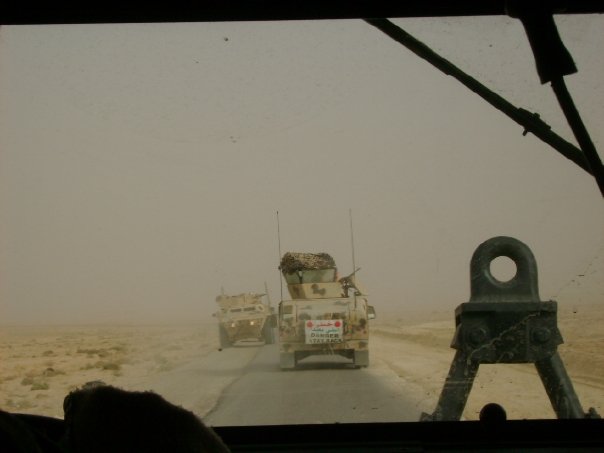
The starkness between the two really became apparent to me when I returned from Iraq in 2008 suffering from severe and chronic PTSD. It  something that still plagues me though not to the extent that it did for a long time. During that terrible time hope was hard to come by. In the midst of the madness I was for all intents and purposes an agnostic just praying that God still existed. Only my deep sense of calling as a Priest and Chaplain kept me going as I served in the ICUs of a major medical center working with people facing death and their families.

On Christmas Eve of 2008 I was doing so bad that I handed my wife the keys to our car at the Christmas Eve Mass where she was singing in the choir and walked home in the dark and cold. If there had been a bar within a few blocks I would have walked in and poured myself out. I understood the depth of hopelessness that Dante wrote about.

But a year later I experienced what I call my “Christmas miracle” while administering the last rites to a dying patient in our emergency room. It was a miracle and for the first time since Iraq I felt the mystery and wonder of Advent and the Incarnation.

Faith returned, albeit different. In place of the certitude that marked my previous faith I was now open to new possibilities as well as being okay with doubt. I rediscovered, or maybe better put discovered the importance of being human, something that the Gospel makes so clear when it comes to the humanity of Jesus. Jürgen Moltmann wrote of the incarnation:

“God became man that dehumanized men might become true men. We become true men in the community of the incarnate, the suffering and loving, the human God.” 

In a sense I was born again in that emergency room that Advent night. Dietrich Bonhoeffer wrote that “Advent creates people, new people.” That I agree with.

kcm_barton_judgement_131031c

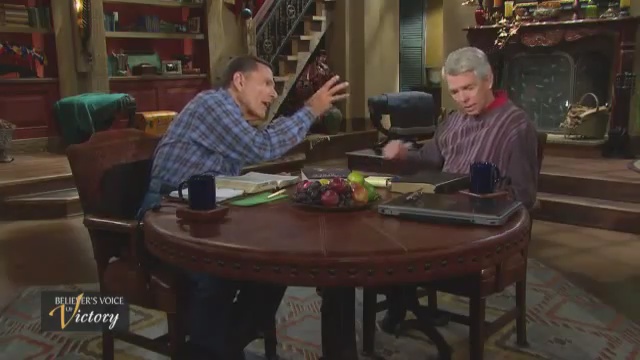
However there are some that profess to have a direct line to God who neither understand faith, life or humanity. On a Veteran’s day broadcast of The Believe’s Voice of Victory two of them made some incredibly ignorant comments about PTSD. Kenneth Copeland the host of the program a long time prosperity Gospel charlatan and huckster and the faux historian David Barton made the comments that real Bible believing Christians could not get PTSD. Copeland stated:

“Any of you suffering from PTSD right now, you listen to me. You get rid of that right now. You don’t take drugs to get rid of it, it doesn’t take psychology; that promise right there [in the Bible] will get rid of it.

But truthfully there is no promise in the Bible that says that you get rid of PTSD or any other neurological condition. The fact is that many Fundamentalist Christians believe that such conditions are a product of the sin of the individual. Something that they take from Douglas Adams’ “Nouthetic” or “biblical” counseling. Adams’ who believes that mental illness, including PTSD is not a “sickness” but due to the “sinfulness” of the afflicted person. This really is not much different than what Scientology preaches but it finds a home in many Evangelical and Fundamentalist Christian circles.

Barton added to Copeland’s ignorance showing that he is not only an ignorant pseudo historian but a danger to any person suffering from PTSD. Barton said:

“What we’re talking about, getting rid of the PTSD, guys who have been through battle, they need to understand that soldier’s promise, you come back guiltless before God and the nation…You’re on an elevated platform up here, you’re a hero, you’re put in the faith hall of fame if you take this [Bible],…We used to in the pulpit understand the difference between a just war and an unjust war. And there’s a biblical difference, and when you do it God’s way, not only are you guiltless for having done that, you’re esteemed.”

To cut to the chase these men believe that if you are a soldier suffering from PTSD it must be your sin causing it. Likewise if you are Barton you believe that if you kill in the name of Jesus it is not a sin, you are a hero of the faith. That sounds a lot like Al Qaeda’s understanding of killing in the name of Allah, and some people get mad at me when I call men like Barton “Christian Taliban.” But if the shoe fits they can eat it.

Barton, Copeland and their fellow travelers embody the worst of modern Evangelicalism and their type of Christianity is why young people in particular are leaving the church and not coming back. They are anti-science, anti-reason, anti-history and dare I say, Anti-Christ. Reducing the Bible to a technical manual they strip the mystery of faith and life out of the scriptures. Their certitude flows from a combination of arrogance and ignorance. Devoid of compassion, and love, consumed by the lust for power they are dangerous. Armed with money and air time they spread ignorance and hatred of others not like them and call it “the Gospel.”

Like Black Friday they too stand in stark contrast to the message of the Gospel proclaimed during Advent and Christmas as well as the week of the Passion.

For me, still suffering from PTSD I find great comfort and hope in the message of the season of Advent. It was during Advent that my faith and life returned.

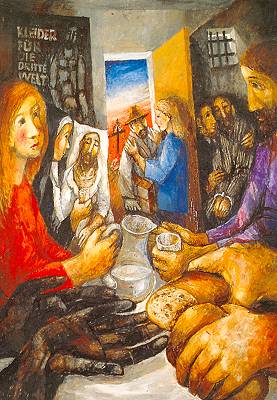
barmherzigkeit

Paul wrote in his letter to the Galatians:

“But when the fullness of time had come, God sent his Son, born of a woman, born under the law, in order to redeem those who were under the law, so that we might receive adoption as children.” Gal 4:4-5

Now I look forward to the coming of Jesus, but on a daily basis, in the life I live in the real world where people like me struggle. It is the world that Jesus

I look forward to this time of hope and patient expectation.

Peace

Padre Steve+

Leave a comment

Filed under christian life, faith, ministry, Pastoral Care, PTSD, Religion, Tour in Iraq