Tag Archives: a.p. hill

Gettysburg: The Order of Battle

battle-of-gettysburg-war-is-hell-store

Note: This is a resource for those following my Gettysburg series and for my students that go with me on the Gettysburg Staff Ride. When the armies met at Gettysburg Lee’s Army of Norther Virginia had about 75,000-80,000 effectives, Meade’s Army of the Potomac had about 80,000-85,000 depending on the sources. This meant that they were relatively evenly matched in terms of manpower and that the battle came down to leadership, tactical decisions and strategic factors that were already in play by the time that the armies met at Gettysburg.

As a note of explanation the Confederate forces at the division and brigade level were named after their commander’s, or in some cases previous commanders. Confederate units were allocated to the Army from the various states, thus there is no Confederate “Regulars” as are shown in the Union order of battle. Union Corps were numbered as were the divisions and brigades in each corps. In some cases the brigades or divisions were referred to by the names of their commanders, but this was not consistent. Federal forces consisted of both Regular Army units as well as units allocated by the states. The reader can note the composition of each brigade in both the Union and Confederate armies to see from where the soldiers were recruited from.

So apart from that there is no story to tell tonight. Nothing in the way of commentary. This is simply a resource.
Have a great night.

Peace

Padre Steve+
confeorg

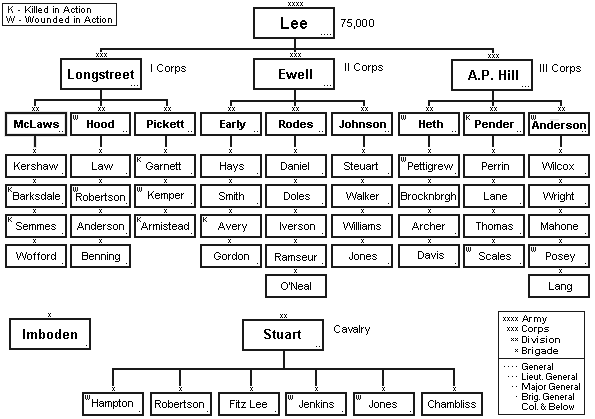
Army of Northern Virginia – General Robert Edward Lee, Commanding
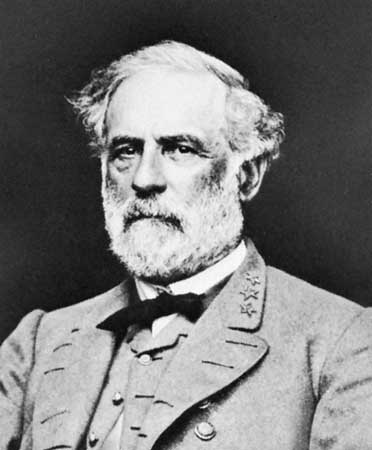


ileerob001p1

General Staff: Chief of Staff and Inspector General: Col Robert H. Chilton; Chief of Artillery: BG William N. Pendleton; Medical Director: Dr. Lafayette Guild; Aide de Camp and Asst. Adjutant General: Maj Walter H. Taylor; Aide de Camp and Asst. Military Secretary: Maj Charles Marshall; Aide de Camp and Asst. Inspector General: Maj Charles S. Venable; Aide de Camp: Maj Thomas M. R. Talcott

General Headquarters
Escort: 39th Virginia Cavalry Battalion (companies A & C)
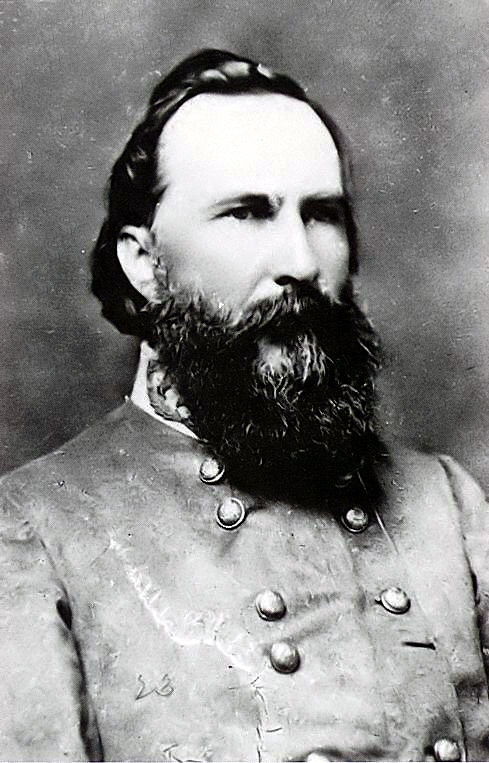
James_Longstreet

I Corps- Lt. Gen. James Longstreet, Commanding

Lafayette_McLaws

McLaws’ Division- MG Lafayette McLaws

Kershaw’s Brigade-BG Joseph B. Kershaw
2nd South Carolina, 3rd South Carolina, 7th South Carolina, 8th South Carolina,  15th South Carolina; 3rd South Carolina Battalion
Barksdale’s Brigade- BG William Barksdale (mw); Col Benjamin G. Humphreys
13th Mississippi, 17th Mississippi, 18th Mississippi, 21st Mississippi
Semmes’ Brigade- BG Paul J. Semmes (mw); Col Goode Bryan
10th Georgia, 50th Georgia, 51st Georgia, 53rd Georgia
Wofford’s Brigade- BG William T. Wofford
16th Georgia, 18th Georgia, 24th Georgia, Cobb’s (Georgia) Legion, Phillips’ (Georgia) Legion, 3rd Georgia Sharpshooter Battalion
Cabell’s Artillery Battalion- Col Henry C. Cabell; Maj Samuel P. Hamilton
1st North Carolina Artillery, Battery A, Pulaski (Georgia) Artillery, 1st Richmond Howitzers, Troup (Georgia) Artillery

GeorgePickett

Pickett’s Division- MG George E. Pickett

Garnett’s Brigade- BG Richard B. Garnett (k); Maj Charles S. Peyton
8th Virginia, 18th Virginia, 19th Virginia, 28th Virginia, 56th Virginia
Kemper’s Brigade- BG James L. Kemper (w&c); Col Joseph Mayo, Jr
1st Virginia, 3rd Virginia, 7th Virginia, 11th Virginia, 24th Virginia
Armistead’s Brigade- BG Lewis A. Armistead (mw&c); Ltc William White (w); Maj Joseph R. Cabell; Col William R. Aylett
9th Virginia, 14th Virginia, 38th Virginia, 53rd Virginia, 57th Virginia
Dearing’s Artillery Battalion- Maj James Dearing; Maj John P. W. Read (w)
Fauquier (Virginia) Artillery, Hampden (Virginia) Artillery, Richmond Fayette (Virginia) Artillery, Blount’s (Virginia) Battery
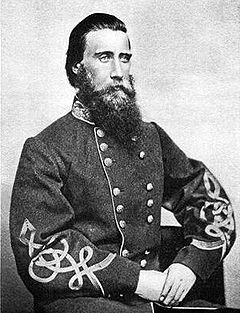
Lt._Gen._John_B._Hood

Hood’s Division- MG John Bell Hood (w); BG Evander M. Law

Law’s Brigade-BG Evander M. Law; Col James L. Sheffield
4th Alabama, 15th Alabama, 44th Alabama, 47th Alabama, 48th Alabama
Robertson’s Brigade- BG Jerome B. Robertson (w); Ltc Philip A. Work
3rd Arkansas, 1st Texas, 4th Texas, 5th Texas
Anderson’s Brigade- BG George T. Anderson (w); Ltc William Luffman (w)
7th Georgia, 8th Georgia, 9th Georgia,  11th Georgia,  59th Georgia
Benning’s Brigade- BG Henry L. Benning
2nd Georgia, 15th Georgia,  17th Georgia, 20th Georgia
Henry’s Artillery Battalion- Maj Mathias W. Henry; Maj John C. Haskell
Branch (North Carolina) Battery, Charleston German (South Carolina) Artillery, Palmetto (South Carolina) Light Artillery, Rowan North Carolina Artillery
Artillery Reserve- Col James B. Walton
Alexander’s Artillery Battalion- Col Edward P. Alexander (w)
Ashland (Virginia) Artillery, Bedford (Virginia) Artillery, Brooks (South Carolina) Artillery, Madison (Louisiana) Light Artillery, Richmond (Virginia) Battery, Bath (Virginia) Battery
Washington (Louisiana) Artillery Battalion- Maj Benjamin F. Eshleman
First Company, Second Company, Third Company, Fourth Company
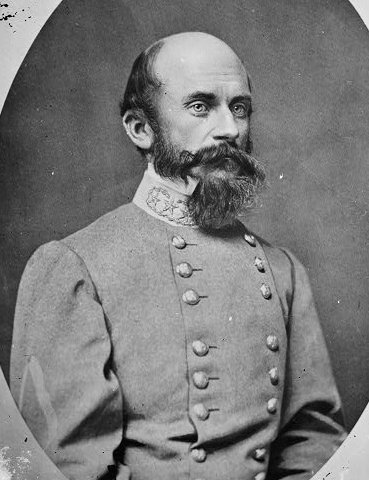
Richard-Ewell

II Corps- Lt. Gen. Richard S. Ewell Commanding
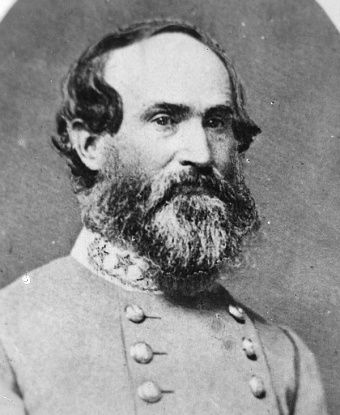
??????????????????????????????????????????????????????????????????????????????????????????????

Early’s Division- MG Jubal A. Early
Hays’ Brigade- BG Harry T. Hays
5th Louisiana, 6th Louisiana, 7th Louisiana, 8th Louisiana, 9th Louisiana
Smith’s Brigade-BG William Smith
31st Virginia, 49th Virginia, 52nd Virginia
Hoke’s Brigade- Col Isaac E. Avery (mw); Col Archibald C. Godwin
6th North Carolina: Maj Samuel McD. Tate, 21st North Carolina: Col William W. Kirkland, Maj James Beall, 57th North Carolina: Col Archibald C. Godwin, Ltc Hamilton C. Jones
Gordon’s Brigade- BG John Brown Gordon
13th Georgia, 26th Georgia, 31st Georgia, 38th Georgia, 60th Georgia, 61st Georgia
Jones’ Artillery Battalion- Ltc Hilary P. Jones
Charlottesville (Virginia) Artillery, Courtney (Virginia) Artillery, Louisiana Guard Artillery, Staunton (Virginia) Artillery
Cavalry 35th Virginia Battalion: Ltc Elijah V. White
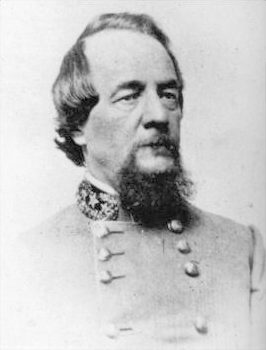
JohnsonE

Johnson’s Division- MG Edward Johnson

Steuart’s Brigade- BG George H. Steuart
1st Maryland Battalion, 1st North Carolina, 3rd North Carolina, 10th Virginia, 23rd Virginia, 37th Virginia
Stonewall Brigade- BG James A. Walker
2nd Virginia, 4th Virginia, 5th Virginia, 27th Virginia, 33rd Virginia
Nicholls’ Brigade-Col Jesse M. Williams
1st Louisiana, 2nd Louisiana, 10th Louisiana, 14th Louisiana, 15th Louisiana
Jones’ Brigade- BG John M. Jones (w); Ltc Robert H. Dungan
21st Virginia, 25th Virginia, 42nd Virginia, 44th Virginia, 48th Virginia, 50th Virginia
Andrews’ Artillery Battalion- Maj Joseph W. Latimer (mw); Cpt Charles I. Raine
1st Maryland Battery, Alleghany (Virginia) Artillery, Chesapeake (Maryland) Artillery, Lee (Virginia) Battery

robert-rodes

Rodes’ Division- MG Robert E. Rodes

Daniel’s Brigade-BG Junius Daniel
32nd North Carolina, 43rd North Carolina, 45th North Carolina, 53rd North Carolina, 2nd North Carolina Battalion
Doles’ Brigade-BG George P. Doles
4th Georgia, 12th Georgia, 21st Georgia, 44th Georgia
Iverson’s Brigade- BG Alfred Iverson, Jr.
5th North Carolina, 12th North Carolina, 20th North Carolina, 23rd North Carolina
Ramseur’s Brigade- BG Stephen D. Ramseur
2nd North Carolina, 4th North Carolina, 14th North Carolina, 30th North Carolina
Rodes’ (old) Brigade- Col Edward A. O’Neal
3rd Alabama, 5th Alabama, 6th Alabama, 12th Alabama, 26th Alabama
Carter’s Artillery Battalion-Ltc Thomas H. Carter
Jefferson Davis (Alabama) Artillery, King William (Virginia) Artillery, Morris (Virginia) Artillery, Orange (Virginia) Artillery

Artillery Reserve- Col J. Thompson Brown
First Virginia Artillery Battalion- Cpt Willis J. Dance
2nd Richmond (Virginia) Howitzers, 3rd Richmond (Virginia) Howitzers, Powhatan (Virginia) Artillery, Rockbridge (Virginia) Artillery, Salem (Virginia) Artillery
Nelson’s Artillery Battalion- Ltc William Nelson
Amherst (Virginia) Artillery, Fluvanna (Virginia) Artillery, Milledge’s Georgia Battery
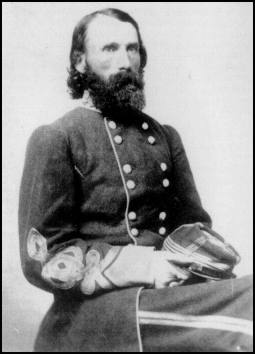
general_a_p_hill

III Corps- Lt. Gen. Ambrose Powell Hill Commanding

Richard_H._Anderson

Anderson’s Division- MG Richard H. Anderson
Wilcox’s Brigade- BG Cadmus M. Wilcox
8th Alabama, 9th Alabama, 10th Alabama, 11th Alabama, 14th Alabama
Mahone’s Brigade- BG William Mahone
6th Virginia, 12th Virginia, 16th Virginia, 41st Virginia, 61st Virginia
Wright’s Brigade-BG Ambrose R. Wright; Col William Gibson; BG Ambrose R. Wright
3rd Georgia, 22nd Georgia, 48th Georgia, 2nd Georgia Battalion
Perry’s Brigade- Col David Lang
2nd Florida, 5th Florida, 8th Florida
Posey’s Brigade- BG Carnot Posey (w); Col. Nathaniel Harris
12th Mississippi, 16th Mississippi, 19th Mississippi, 48th Mississippi
Cutt’s Artillery Battalion- Maj John Lane
Company A, Company B, Company C
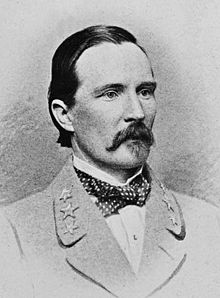
heth

Heth’s Division- MG Henry Heth (w); BG James J. Pettigrew (w)
Pettigrew’s Brigade-BG James J. Pettigrew; Col James K. Marshall (k); Maj John T. Jones (w)
11th North Carolina, 26th North Carolina, 47th North Carolina, 52nd North Carolina
Heth’s (old) Brigade- Col John M. Brockenbrough; Col Robert M. Mayo
40th Virginia, 47th Virginia, 55th Virginia, 22nd Virginia Battalion
Archer’s Brigade- BG James J. Archer (w&c); Col Birkett D. Fry (w&c); Ltc Samuel G. Shepard
13th Alabama, 5th Alabama Battalion, 1st Tennessee (Provisional Army), 7th Tennessee,  14th Tennessee
Davis’ Brigade- BG Joseph R. Davis (w)
2nd Mississippi, 11th Mississippi, 42nd Mississippi, 55th North Carolina
Garnett’s Artillery Battalion- Ltc John J. Garnett
Donaldsonville (Louisiana) Artillery, Huger (Virginia) Artillery, Lewis (Virginia) Artillery, Norfolk (Virginia) Blues Artillery

William_Dorsey_Pender

Pender’s Division-MG William D. Pender (mw); BG James H. Lane; MG Isaac R. Trimble (w&c); BG James H. Lane
McGowan’s Brigade-Col Abner M. Perrin
1st South Carolina (Provisional Army), 1st South Carolina Rifles, 12th South Carolina, 13th South Carolina, 14th South Carolina
Lane’s Brigade- BG James H. Lane; Col Clark M. Avery
7th North Carolina, 18th North Carolina, 28th North Carolina, 33rd North Carolina, 37th North Carolina
Thomas’ Brigade- BG Edward L. Thomas
14th Georgia, 35th Georgia, 45th Georgia, 49th Georgia
Scales’ Brigade- BG Alfred M. Scales (w); Ltc George T. Gordon; Col William L. J. Lowrance
13th North Carolina, 16th North Carolina, 22nd North Carolina, 34th North Carolina, 38th North Carolina
Poague’s Artillery Battalion- Maj William T. Poague
Albemarle (Virginia) Artillery, Charlotte (North Carolina) Artillery, Madison (Mississippi) Artillery, Brooke’s Virginia Battery
Artillery Reserve- Col Reuben L. Walker
McIntosh’s Artillery Battalion- Maj David G. McIntosh
Danville (Virginia) Artillery, Hardaway (Alabama) Artillery, 2nd Rockbridge (Virginia) Artillery, Johnson’s Virginia Battery
Pegram’s Artillery Battalion- Maj William R. J. Pegram; Cpt Ervin B. Brunson
Crenshaw (Virginia) Battery, Fredericksburg (Virginia) Artillery, Letcher (Virginia) Artillery, Pee Dee (South Carolina) Artillery, Purcell (Virginia) Artillery
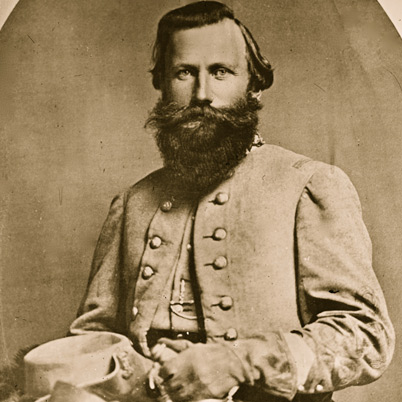
CWP015

Cavalry Division- Maj. Gen. James Ewell Brown Stuart
Hampton’s Brigade- BG Wade Hampton (w)
1st North Carolina, 1st South Carolina, 2nd South Carolina, Cobb’s (Georgia) Legion, Jeff Davis (Mississippi) Legion, Phillips (Georgia) Legion
Robertson’s Brigade (not present at Gettysburg) BG Beverly H. Robertson
4th North Carolina, 5th North Carolina
Fitzhugh Lee’s Brigade- BG Fitzhugh Lee
1st Maryland Battalion, 1st Virginia, 2nd Virginia, 3rd Virginia, 4th Virginia, 5th Virginia
Jenkins’ Brigade- BG Albert G. Jenkins (w); Col Milton J. Ferguson
14th Virginia, 16th Virginia, 17th Virginia, 34th Virginia Battn., 36th Virginia Battn., Jackson’s (Virginia) Battery
William H. F. (Rooney) Lee’s Brigade- Col John R. Chambliss, Jr.
2nd North Carolina Cavalry, 9th Virginia, 10th Virginia, 13th Virginia
Jones’ Brigade- BG William E. Jones
6th Virginia, 7th Virginia, 11th Virginia
Stuart’s Horse Artillery- Maj Robert F. Beckham
Breathed’s (Virginia) Battery, Chew’s (Virginia) Battery, Griffin’s (Maryland) Battery Hart’s (South Carolina) Battery, McGregor’s (Virginia) Battery, Moorman’s (Virginia) Battery
Imboden’s Command- BG John D. Imboden
18th Virginia, 62nd Virginia, McNeill’s Company (Virginia), Staunton (Virginia) Battery

Union Order of Battle
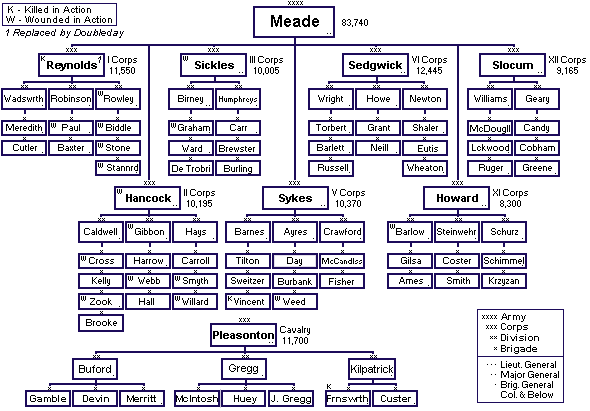
unionorg

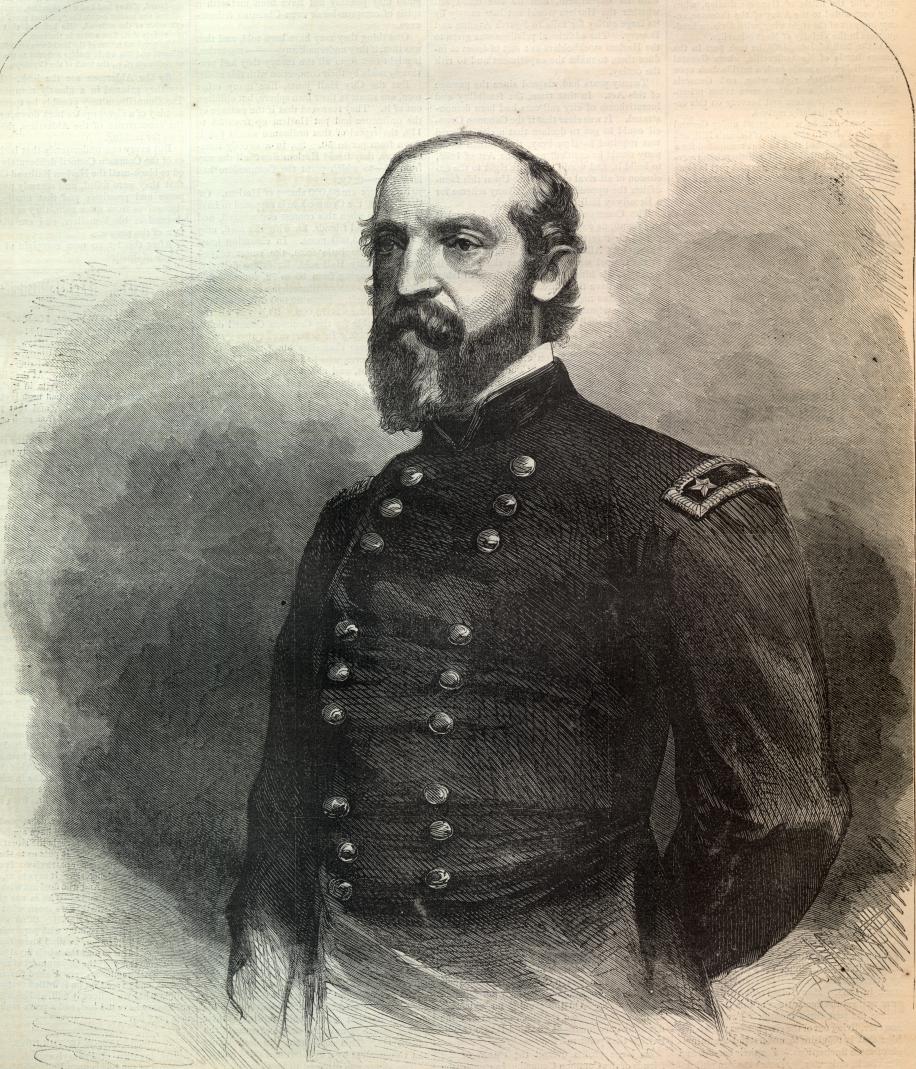
general-george-meade

Army of the Potomac – Major General George Gordon Meade, Commanding


General Staff: Chief of Staff: Maj. Gen. Daniel Butterfield, Chief of Artillery: Brig. Gen. Henry J. Hunt, Medical Director: Maj Jonathan Letterman, Chief of Engineers: Brig. Gen. Gouverneur K. Warren, Bureau of Military Information: Col. George H. Sharpe
Command of the Provost Marshal General: Brig. Gen. Marsena R. Patrick
93rd New York: Col. John S. Crocker, 8th United States (8 companies): Capt. Edwin W. H. Read, 2nd Pennsylvania Cavalry: Col. R. Butler Price, 6th Pennsylvania Cavalry (Companies E&I): Capt. James Starr, Regular cavalry
Engineer Brigade: Brig. Gen. Henry W. Benham
15th New York (3 companies): Maj Walter L. Cassin, 50th New York: Col. William H. Pettes, U.S. Battalion: Capt. George H. Mendell
GenJFRenyolds

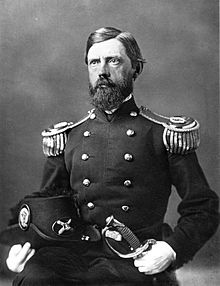
I Corps- Maj. Gen. John F. Reynolds (k)
JSWadsworthBGenleft

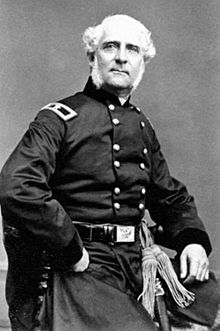
First Division- Brig. Gen. James S. Wadsworth
1st  Brigade (The Iron Brigade)-Brig. Gen. Solomon Meredith (w); Col.. William W. Robinson
19th Indiana, 24th Michigan, 2nd Wisconsin, 6th Wisconsin, 7th Wisconsin
2nd Brigade- Brig. Gen. Lysander Cutler
7th Indiana, 76th New York, 84th New York (14th Militia), 95th New York, 147th New York, 56th Pennsylvania (9 companies)
john_Cleveland_Robinson

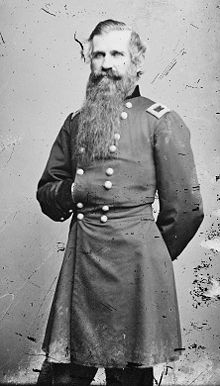
Second Division- Brig. Gen. John C. Robinson
1st Brigade- Brig. Gen. Gabriel R. Paul (w); Col. Samuel H. Leonard (w); Col. Adrian R. Root (w&c); Col. Richard Coulter (w); Col. Peter Lyle; Col. Richard Coulter
16th Maine, 13th Massachusetts, 94th New York, 104th New York, 107th Pennsylvania
2nd Brigade-Brig. Gen. Henry Baxter
12th Massachusetts, 83rd New York (9th Militia), 97th New York, 11th Pennsylvania, 88th Pennsylvania, 90th Pennsylvania

abner-doubleday

Third Division- Maj. Gen. Abner Doubleday; Brig. Gen. Thomas A. Rowley; Maj. Gen. Abner Doubleday
1st Brigade- Col. Chapman Biddle; Brig. Gen. Thomas A. Rowley; Col. Chapman Biddle
80th New York (20th Militia), 121st Pennsylvania, 142nd Pennsylvania, 151st Pennsylvania
2nd Brigade-Col. Roy Stone (w); Col. Langhorne Wister (w); Col. Edmund L. Dana
143rd Pennsylvania, 149th Pennsylvania, 150th Pennsylvania
3rd Brigade- Brig. Gen. George J. Stannard (w); Col. Francis V. Randall
13th Vermont, 14th Vermont, 16th Vermont
Artillery Brigade- Col. Charles S. Wainwright
Maine Light, 2nd Battery (B), Maine Light, 5th Battery (E), 1st New York Light, Batteries E&L, 1st Pennsylvania Light, Battery B, 4th United States, Battery B
HancockWinfield_teaser

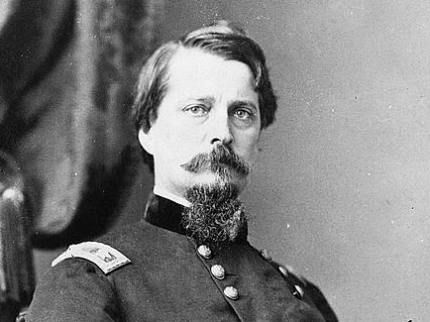
II Corps- Maj. Gen. Winfield S. Hancock (w); Brig. Gen. John Gibbon; Brig. Gen. William Hays
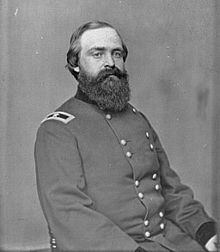
John_C._Caldwell

First Division- Brig. Gen.  John C. Caldwell
1st Brigade- Col. Edward E. Cross (mw); Col. H. Boyd McKeen
5th New Hampshire, 61st New York, 81st Pennsylvania , 148th Pennsylvania
2nd Brigade (The Irish Brigade) – Col. Patrick Kelly
28th Massachusetts, 63rd New York (2 companies),69th New York (2 companies), 88th New York (2 companies), 116th Pennsylvania (4 companies)
3rd Brigade-Brig. Gen. Samuel K. Zook (mw); Lt. Col.. Charles G. Freudenberg (w); Col. Richard P. Roberts (k); Lt. Col.. John Fraser
52nd New York, 57th New York, 66th New York, 140th Pennsylvania
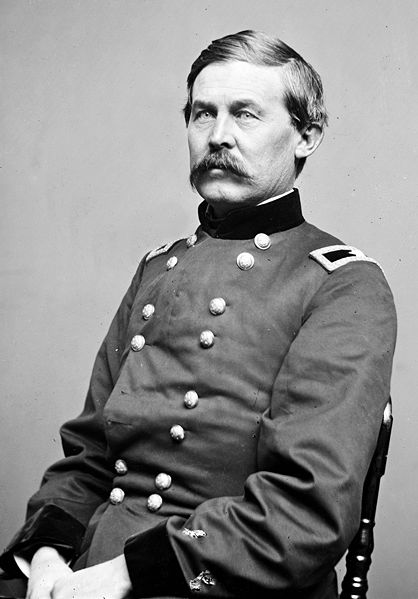
4th Brigade- Col. John R. Brooke (w)
27th Connecticut (2 companies), 2nd Delaware, 64th New York, 53rd Pennsylvania, 145th Pennsylvania (7 companies)
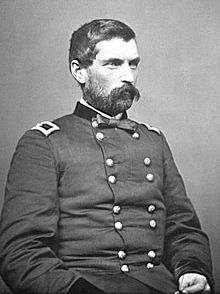
john_Gibbon

Second Division- Brig. Gen. John Gibbon (w); Brig. Gen. William Harrow
1st Brigade- Brig. Gen. William Harrow; Col. Francis E. Heath
19th Maine, 15th Massachusetts, 1st Minnesota, 82nd New York (2nd Militia)
2nd Brigade- Brig. Gen. Alexander S. Webb (w)
69th Pennsylvania, 71st Pennsylvania, 72nd Pennsylvania, 106th Pennsylvania
3rd Brigade- Col. Norman J. Hall
19th Massachusetts, 20th Massachusetts, 7th Michigan, 42nd New York, 59th New York (4 companies)
Unattached: Massachusetts Sharpshooters, 1st Company

Daniel_Edgar_Sickles

III Corps- Maj. Gen. Daniel E. Sickles (w); Maj. Gen. David B. Birney
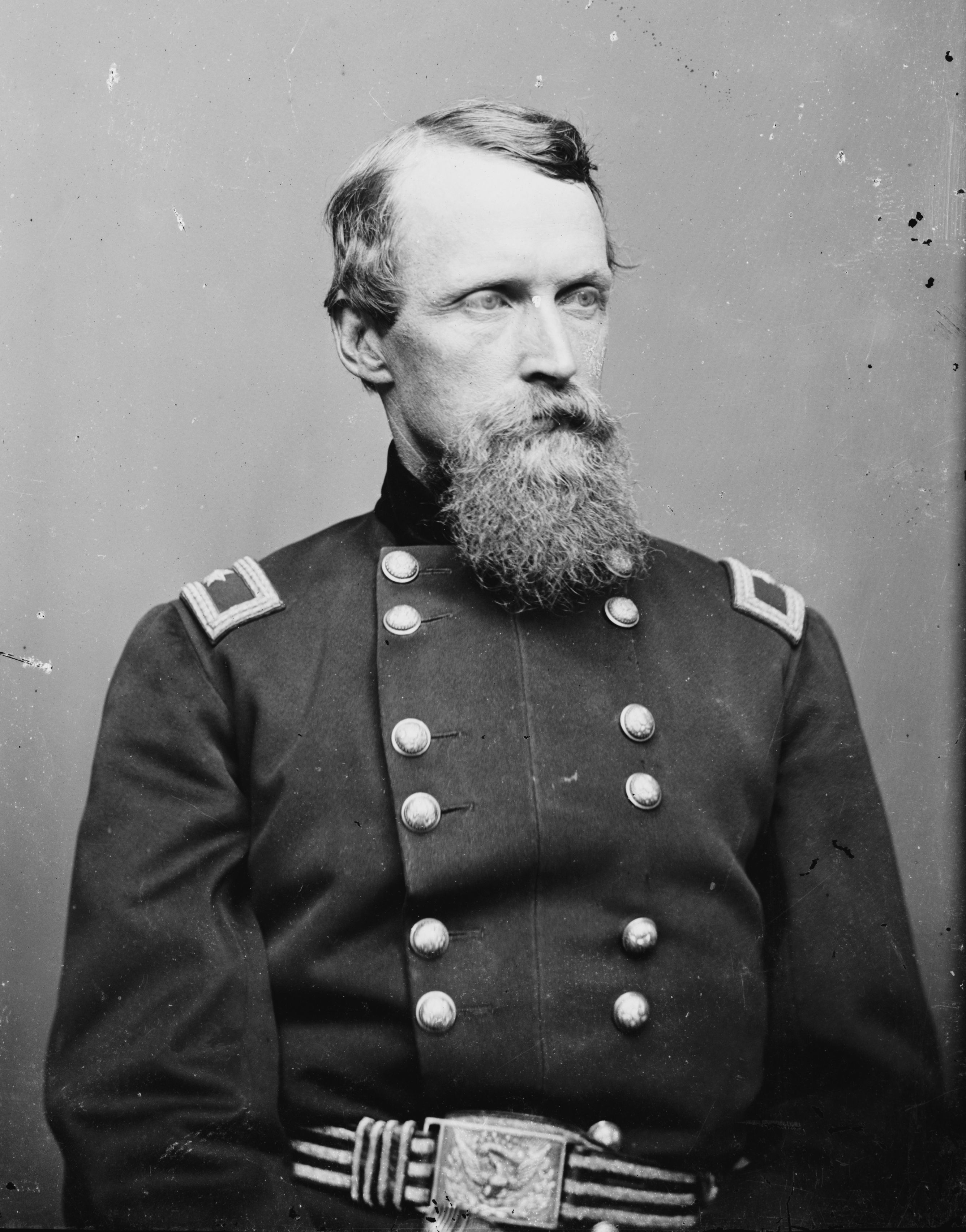
David_B._Birney_-_Brady-Handy

First Division- Maj. Gen. David B. Birney; Brig. Gen. J. H. Hobart Ward (w)
1st Brigade- Brig. Gen. Charles K. Graham (w&c); Col. Andrew H. Tippin; Col. Henry J. Madill
57th Pennsylvania (8 companies), 63rd Pennsylvania, 68th Pennsylvania, 105th Pennsylvania, 114th Pennsylvania, 141st Pennsylvania
2nd Brigade- Brig. Gen. J. H. Hobart Ward; Col. Hiram Berdan
20th Indiana, 3rd Maine, 4th Maine, 86th New York, 124th New York, 99th Pennsylvania, 1st United States Sharpshooters, 2nd United States Sharpshooters (8 companies)
3rd Brigade- Col. P. Régis de Trobriand
17th Maine, 3rd Michigan, 5th Michigan, 40th New York, 110th Pennsylvania (6 companies)
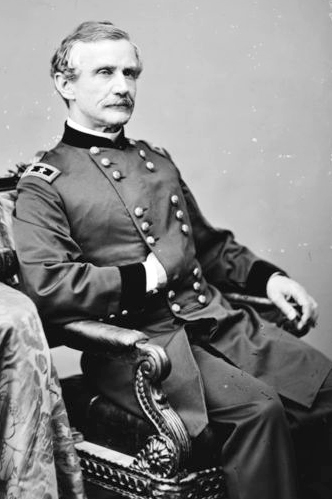
HumphreysA

Second Division- Brig. Gen. Andrew A. Humphreys
1st Brigade- Brig. Gen. Joseph B. Carr (w)
1st Massachusetts, 11th Massachusetts, 16th Massachusetts, 12th New Hampshire, 11th New Jersey,26th Pennsylvania
2nd Brigade-Col. William R. Brewster
70th New York, 71st New York, 72nd New York, 73rd New York, 74th New York, 120th New York
3rd Brigade-Col. George C. Burling
2nd New Hampshire, 5th New Jersey, 6th New Jersey, 7th New Jersey, 8th New Jersey,115th Pennsylvania
Artillery Brigade-Capt. George E. Randolph (w); Capt. A. Judson Clark
1st New Jersey Light, Battery B, 1st New York Light, Battery D, New York Light, 4th Battery, 1st Rhode Island Light, Battery E, 4th United States, Battery K
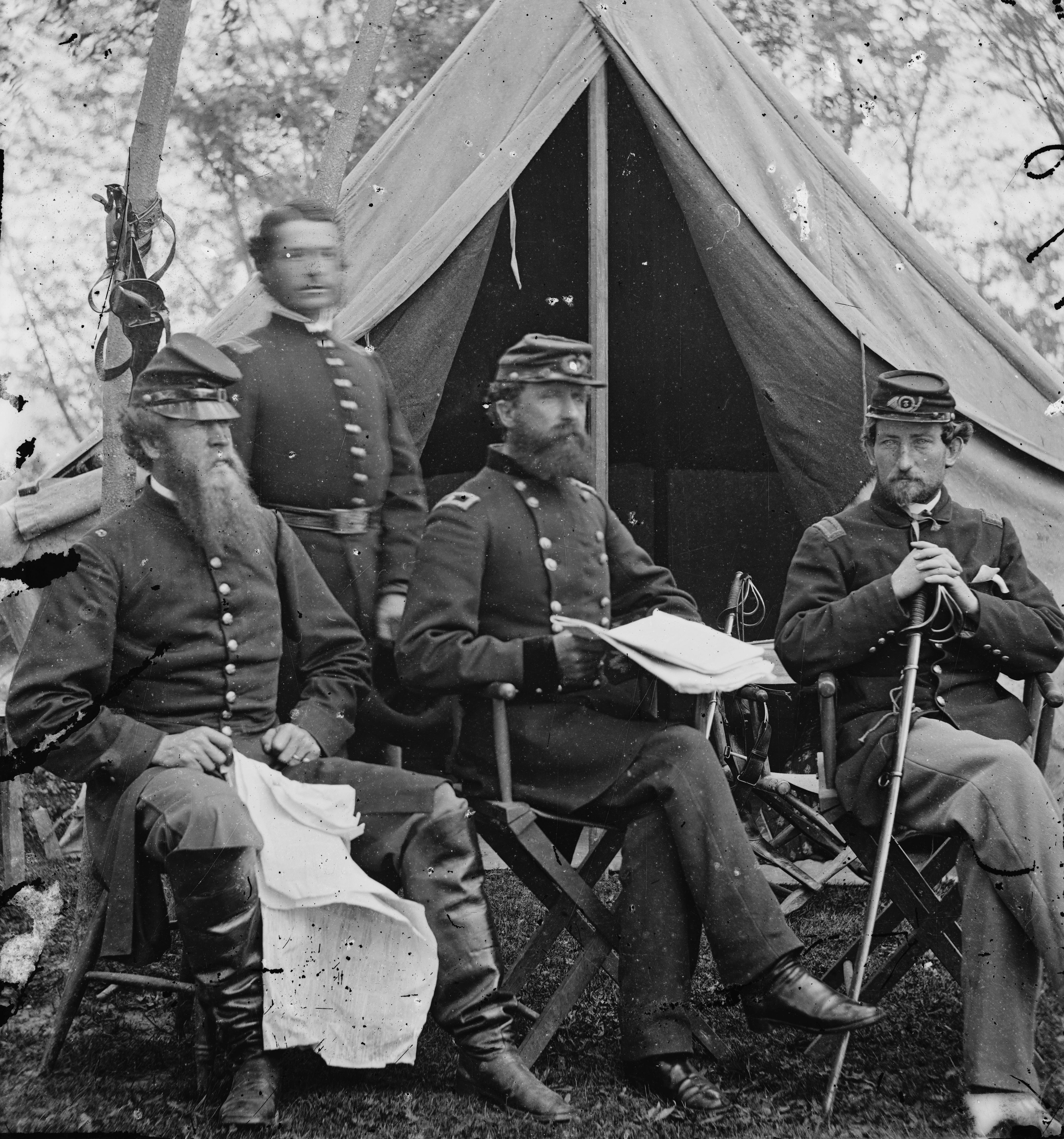
George_Sykes_and_staff_-_Brady-Handy

V Corps-Maj. Gen. George Sykes

James_Barnes

First Division- Brig. Gen. James Barnes (w)
1st Brigade-Col. William S. Tilton
18th Massachusetts, 22nd Massachusetts, 1st Michigan, 118th Pennsylvania
2nd Brigade-Col. Jacob B. Sweitzer
9th Massachusetts, 32nd Massachusetts, 4th Michigan, 62nd Pennsylvania
3rd Brigade-Col. Strong Vincent (mw); Col. James C. Rice
20th Maine, 16th Michigan, 44th New York, 83rd Pennsylvania
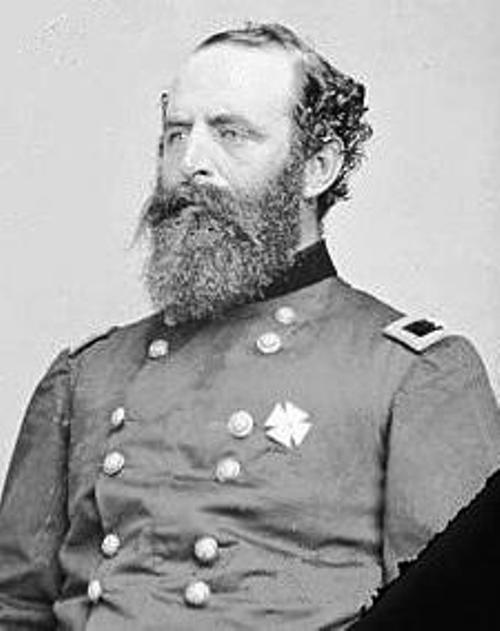
2.-Brig.-Gen.-Romeyn-B.-Ayres

Second Division-Brig. Gen. Romeyn B. Ayres
1st Brigade- Col. Hannibal Day
3rd United States (Cos. B, C, E, G, I and K), 4th United States (Cos. C, F, H and K), 6th United States (Cos. D, F, G, H and I), 12th United States (Cos. A, B, C, D and G, 1st Bn. and Cos. A, C and D, 2nd Bn.), 14th United States (Cos. A, B, D, E, F and G, 1st Bn. and Cos. F and G, 2nd Bn.)
2nd Brigade-Col. Sidney Burbank
2nd United States (Cos. B, C, F, H, I and K), 7th United States (Cos. A, B, E and I), 10th United States (Cos. D, G and H), 11th United States (Cos. B, C, D, E, F and G),17th United States (Cos. A, C, D, G and H, 1st Bn. and Cos. A and B, 2nd Bn.)
3rd Brigade-Brig. Gen. Stephen H. Weed (k); Col. Kenner Garrard
140th New York, 146th New York, 91st Pennsylvania, 155th Pennsylvania
Third Division-Brig. Gen. Samuel W. Crawford
1st Brigade-Col. William McCandless
1st Pennsylvania Reserves (9 companies), 2nd Pennsylvania Reserves, 6th Pennsylvania Reserves,13th Pennsylvania Reserves
2nd Brigade (not present—assigned to Washington defenses)
3rd Brigade-Col. Joseph W. Fisher
5th Pennsylvania Reserves, 9th Pennsylvania Reserves, 10th Pennsylvania Reserves, 11th Pennsylvania Reserves, 12th Pennsylvania Reserves (9 companies)
Artillery Brigade-Capt. Augustus P. Martin
Massachusetts Light, 3rd Battery, 1st New York Light, Battery C, 1st Ohio Light, Battery L, 5th United States, Battery D, 5th United States, Battery I
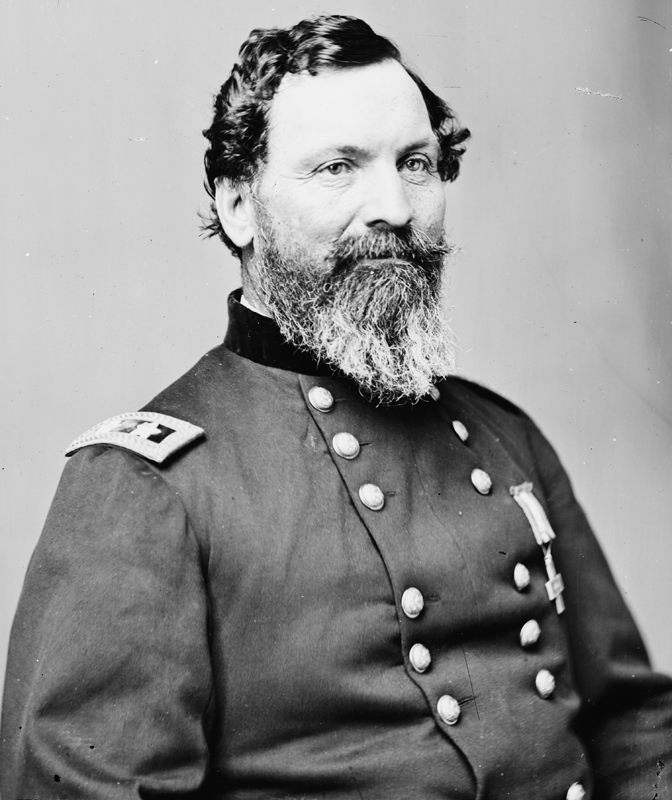
John_Sedgwick

VI Corps-Maj. Gen. John Sedgwick

HGWright

First Division-Brig. Gen. Horatio G. Wright
1st Brigade-Brig. Gen. Alfred T. A. Torbert
1st New Jersey, 2nd New Jersey, 3rd New Jersey, 15th New Jersey
2nd Brigade-Brig. Gen. Joseph J. Bartlett; Col. Emory Upton
5th Maine, 121st New York, 95th Pennsylvania, 96th Pennsylvania
3rd Brigade-Brig. Gen. David A. Russell
6th Maine, 49th Pennsylvania (4 companies), 119th Pennsylvania, 5th Wisconsin

Provost Guard: 4th New Jersey (3 companies): Capt. William R. Maxwell
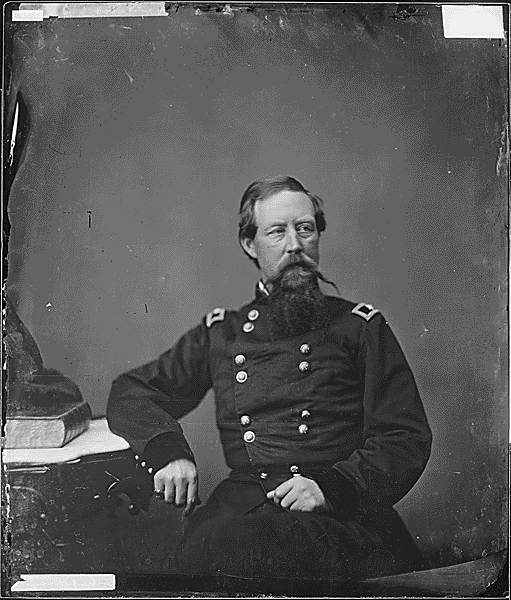
albion-howe-111-b-4713

Second Division- Brig. Gen. Albion P. Howe
2nd Brigade-Col. Lewis A. Grant
2nd Vermont, 3rd Vermont, 4th Vermont, 5th Vermont, 6th Vermont
3rd Brigade-Brig. Gen. Thomas H. Neill
7th Maine (6 companies), 33rd New York (detachment), 43rd New York, 49th New York, 77th New York, 61st Pennsylvania
NewtonJohn

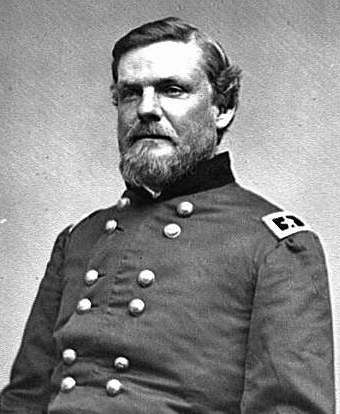
Third Division-Maj. Gen. John Newton; Brig. Gen. Frank Wheaton
1st Brigade-Brig. Gen. Alexander Shaler
65th New York, 67th New York, 122nd New York, 23rd Pennsylvania, 82nd Pennsylvania
2nd Brigade-Col. Henry L. Eustis
7th Massachusetts, 10th Massachusetts, 37th Massachusetts, 2nd Rhode Island.
3rd Brigade-Brig. Gen. Frank Wheaton; Col. David J. Nevin
62nd New York, 93rd Pennsylvania, 98th Pennsylvania,139th Pennsylvania
Artillery Brigade-Col. Charles H. Tompkins
Massachusetts Light, 1st Battery, New York Light, 1st Battery, New York Light, 3rd Battery, 1st Rhode Island Light, Battery C, 1st Rhode Island Light, Battery G, 2nd United States, Battery D, 2nd United States, Battery G, 5th United States, Battery F

Oliver-Otis-Howard-9345101-1-402

XI Corps-Maj. Gen. Oliver O. Howard; Maj. Gen. Carl Schurz
Francis_C._Barlow

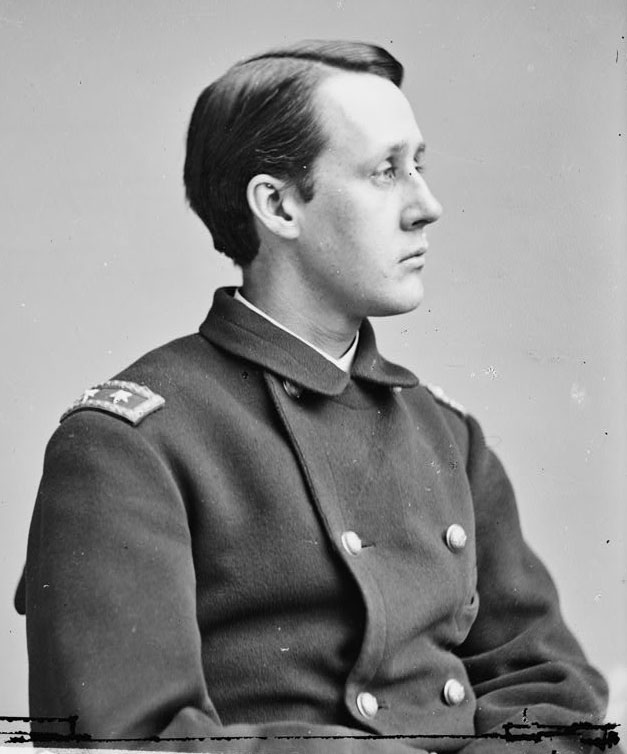
First Division-Brig. Gen. Francis C. Barlow (w); Brig. Gen. Adelbert Ames
1st Brigade-Col. Leopold von Gilsa
1st New York (9 companies), 54th New York, 68th New York, 153rd Pennsylvania
2nd Brigade-Brig. Gen. Adelbert Ames; Col. Andrew L. Harris
17th Connecticut, 25th Ohio, 75th Ohio, 107th Ohio
Adolph_von_Steinwehr

Second Division-Brig. Gen. Adolph von Steinwehr
1st Brigade-Col. Charles R. Coster
134th New York, 154th New York, 27th Pennsylvania, 73rd Pennsylvania
2nd Brigade  Col. Orland Smith
33rd Massachusetts, 136th New York, 55th Ohio, 73rd Ohio
schurz

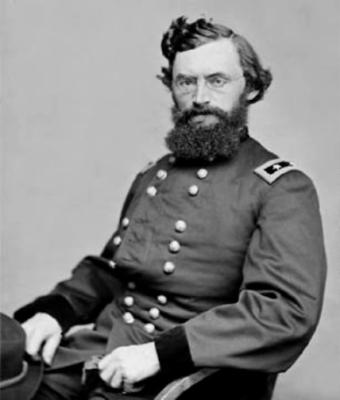
Third Division-Maj. Gen. Carl Schurz; Brig. Gen. Alexander Schimmelfennig; Maj. Gen. Carl Schurz
1st Brigade-Brig. Gen. Alexander Schimmelfennig; Col. George von Amsberg
82nd Illinois, 45th New York, 157th New York, 61st Ohio, 74th Pennsylvania
2nd Brigade-Col. Wladimir Krzyzanowski
58th New York, 19th New York, 82nd Ohio, 75th Pennsylvania, 26th Wisconsin
Artillery Brigade-Maj Thomas W. Osborn
1st New York Light, Battery I, New York Light, 13th Battery, 1st Ohio Light, Battery I, 1st Ohio Light, Battery K, 4th United States, Battery G
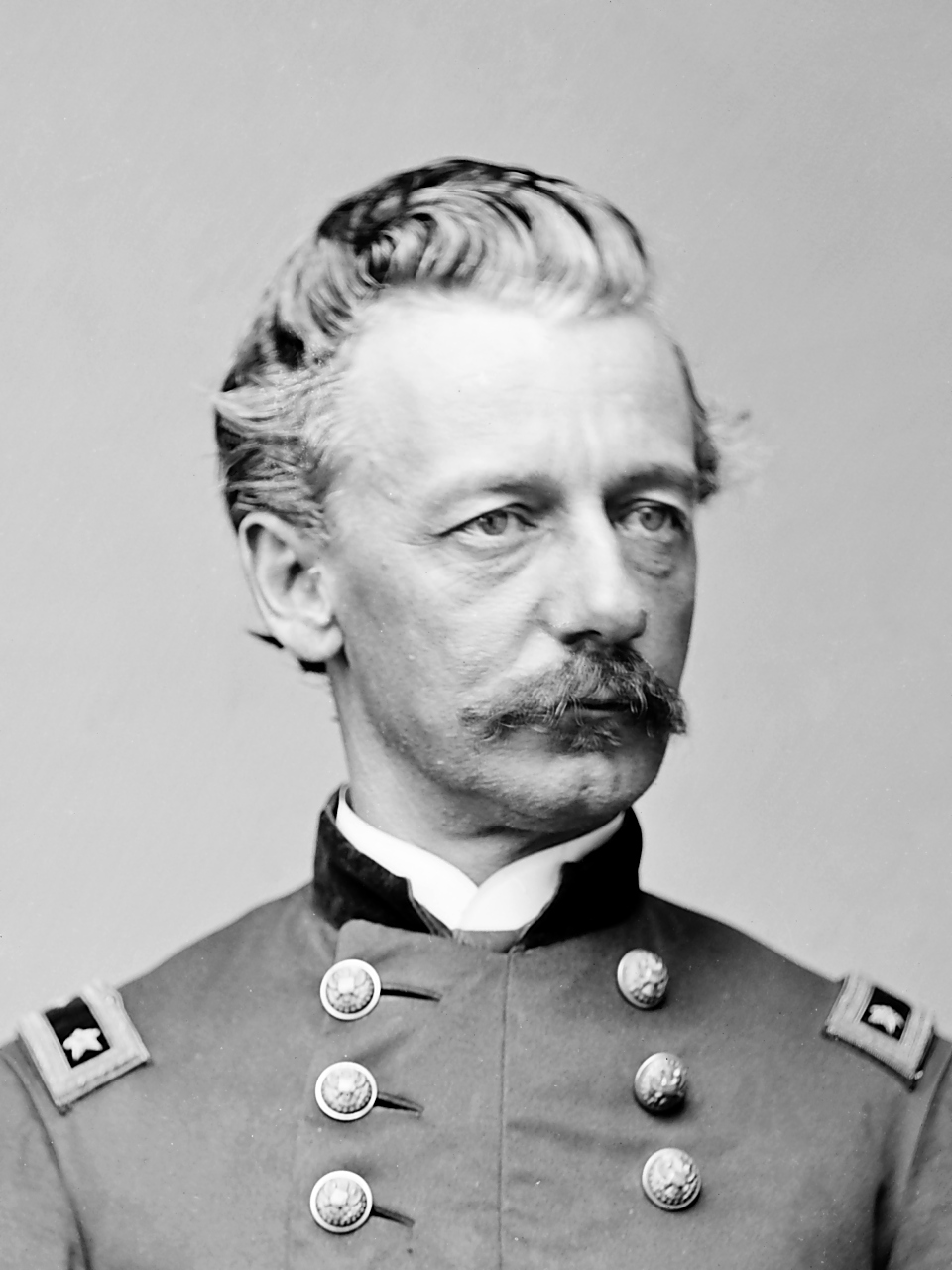
Henry_Warner_Slocum

XII Corps-Maj. Gen. Henry W. Slocum; Brig. Gen. Alpheus S. Williams
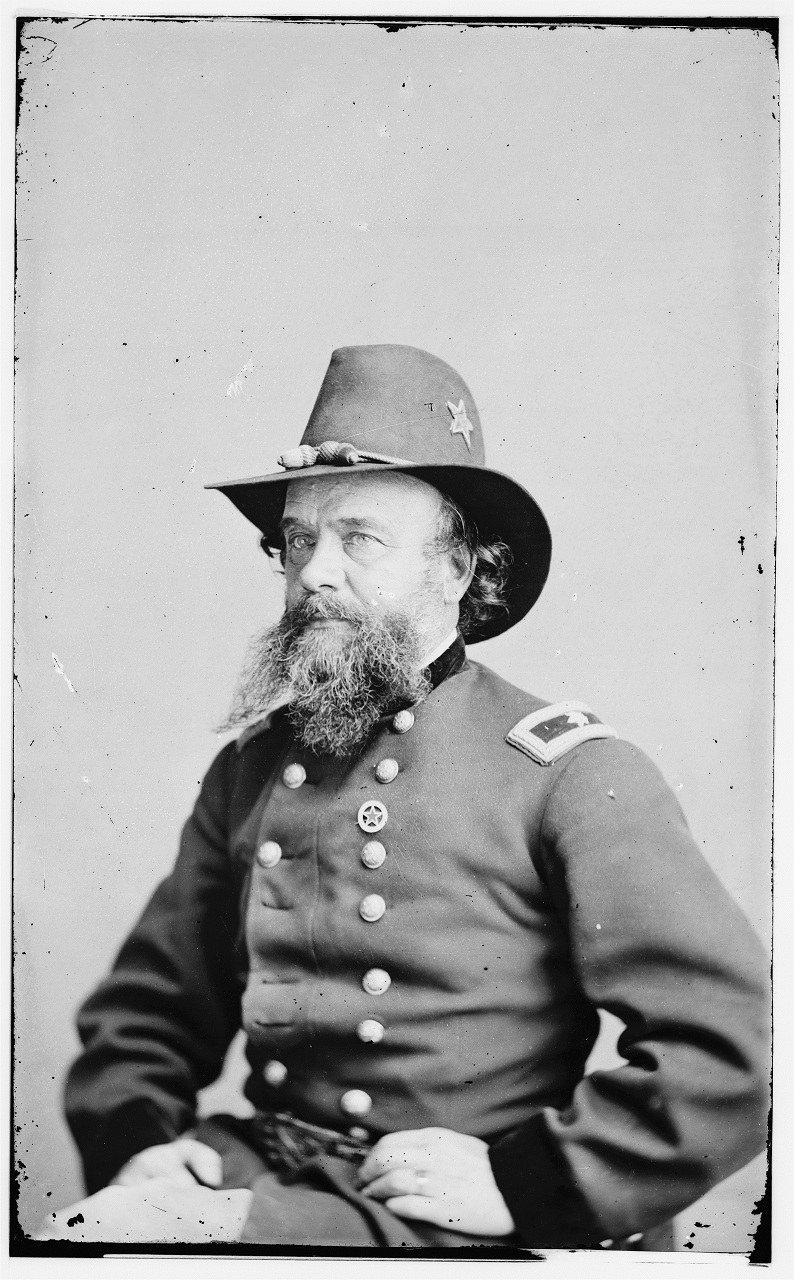
alpheus-williams1

First Division-Brig. Gen. Alpheus S. Williams; Brig. Gen. Thomas H. Ruger
1st Brigade-Col. Archibald L. McDougall
5th Connecticut, 20th Connecticut, 3rd Maryland, 123rd New York, 145th New York, 46th Pennsylvania
3rd Brigade-Brig. Gen. Thomas H. Ruger; Col. Silas Colgrove
27th Indiana, 2nd Massachusetts, 13th New Jersey, 107th New York, 3rd Wisconsin
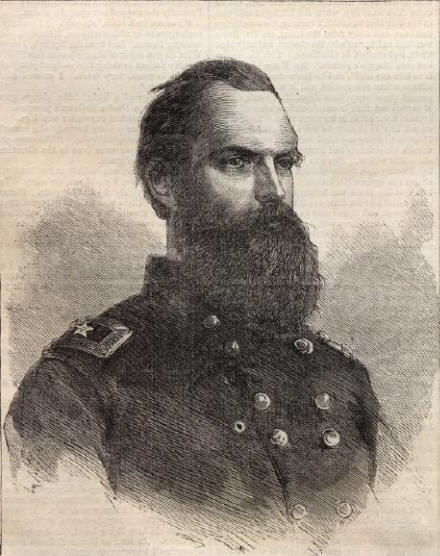
General-John-Geary

Second Division-Brig. Gen. John W. Geary
1st Brigade-Col. Charles Candy
5th Ohio, 7th Ohio, 29th Ohio, 66th Ohio, 28th Pennsylvania, 147th Pennsylvania (8 companies)
2nd Brigade-Col. George A. Cobham, Jr.; Brig. Gen. Thomas L. Kane
29th Pennsylvania, 109th Pennsylvania, 111th Pennsylvania
3rd Brigade-Brig. Gen. George S. Greene (w)
60th New York, 78th New York, 102nd New York, 137th New York, 149th New York
Lockwood’s Brigade-Brig. Gen. Henry H. Lockwood
1st Maryland, Potomac Home Brigade, 1st Maryland, Eastern Shore,150th New York
Artillery Brigade-Lt Edward D. Muhlenberg
1st New York Light, Battery M, Pennsylvania Light, Battery E,4th United States, Battery F  5th United States, Battery K
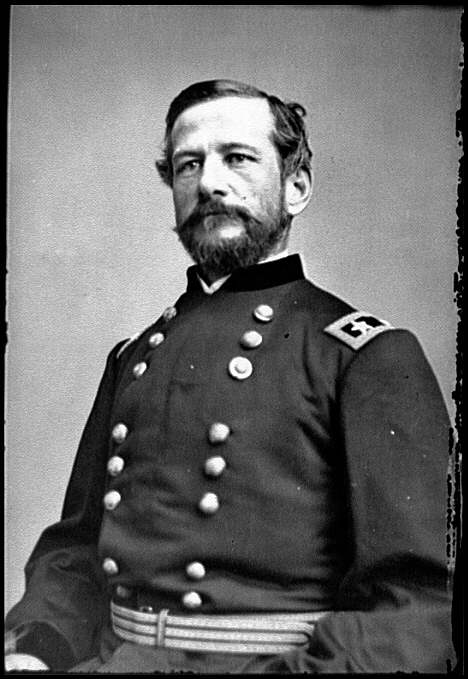
pleasonton

Cavalry Corps -Maj. Gen. Alfred Pleasonton
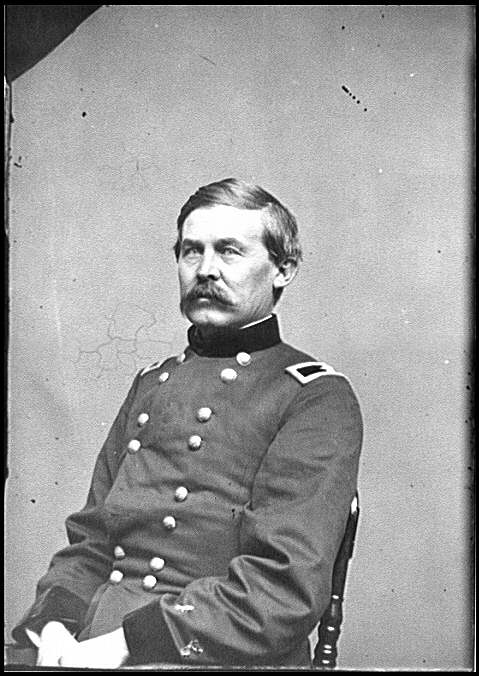
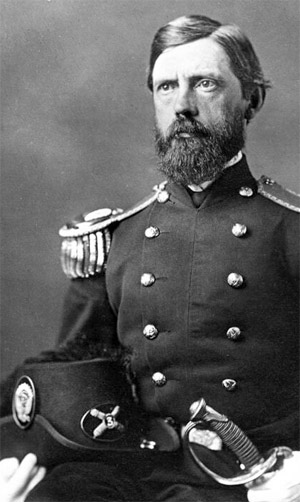
buford

First Division-Brig. Gen. John Buford
1st Brigade-Col. William Gamble
8th Illinois, 12th Illinois (4 cos.) & 3rd Indiana (6 cos.), 8th New York
2nd Brigade-Col. Thomas Devin
6th New York (6 companies), 9th New York, 17th Pennsylvania, 3rd West Virginia, Companies A and C
Reserve Brigade-Brig. Gen. Wesley Merritt
6th Pennsylvania, 1st United States, 2nd United States, 5th United States, 6th United States
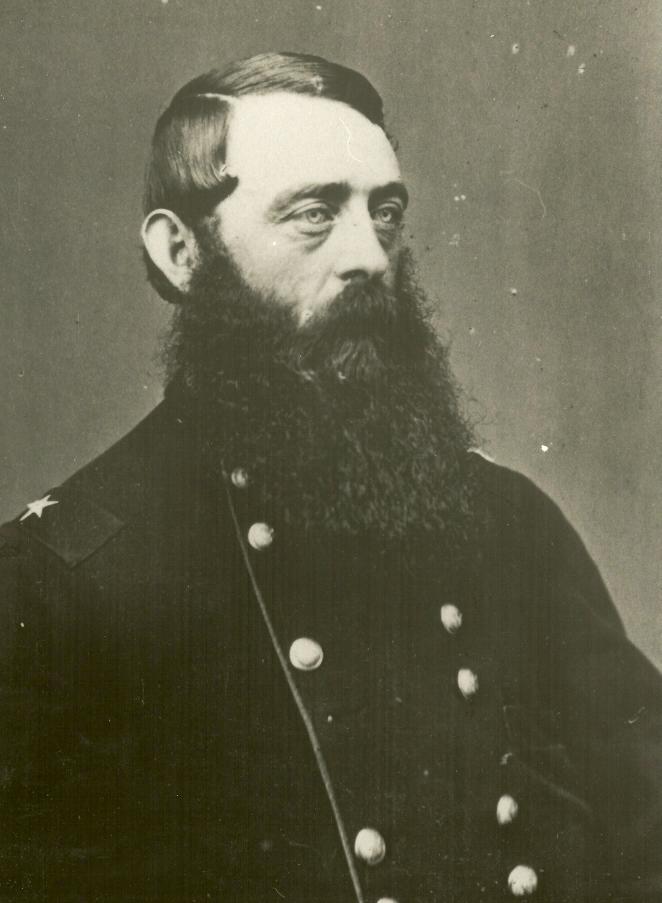
dmgregg

Second Division-Brig. Gen. David Gregg
1st Brigade-Col. John B. McIntosh
1st Maryland (11 companies), Purnell (Maryland) Legion, Company A, 1st Massachusetts, 1st New Jersey, 1st Pennsylvania, 3rd Pennsylvania, 3rd Pennsylvania Heavy Artillery, Section, Battery H
3rd Brigade-Col. John I. Gregg
1st Maine (10 companies), 10th New York, 4th Pennsylvania, 16th Pennsylvania
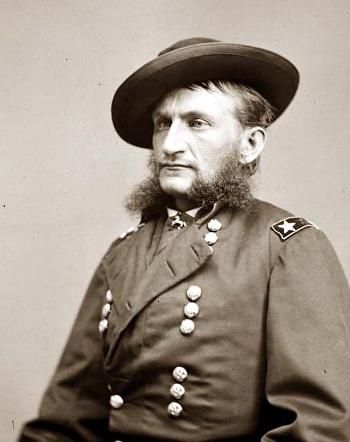
Kilpatrick-Judson(1)

Third Division-Brig. Gen. Judson Kilpatrick
1st Brigade-Brig. Gen. Elon J. Farnsworth (k); Col. Nathaniel P. Richmond
5th New York, 18th Pennsylvania, 1st Vermont, 1st West Virginia (10 companies)
2nd Brigade-Brig. Gen. George A. Custer
1st Michigan, 5th Michigan, 6th Michigan, 7th Michigan: (10 companies)
Horse Artillery
1st Brigade-Capt. James M. Robertson
9th Michigan Battery, 6th New York Battery,2nd United States, Batteries B and L, 2nd United States, Battery M, 4th United States, Battery E
2nd Brigade-Capt. John C. Tidball
1st United States, Batteries E and G, 1st United States, Battery K, 2nd United States, Battery A
Robert_O_Tyler

Artillery Reserve-Brig. Gen. Robert O. Tyler, Capt. James M. Robertson

1st Regular Brigade-Capt. Dunbar R. Ransom
1st United States, Battery H, 3rd United States, Batteries F and K, 4th United States, Battery C, 5th United States, Battery C
1st Volunteer Brigade-Lt. Col.. Freeman McGilvery
Massachusetts Light, 5th Battery (E), Massachusetts Light, 9th Battery, New York Light, 15th Battery, Pennsylvania Light, Batteries C and F
2nd Volunteer Brigade-Capt. Elijah D. Taft
1st Connecticut Heavy, Battery B, 1st Connecticut Heavy, Battery M, Connecticut Light, 2nd Battery. New York Light, 5th Battery
3rd Volunteer Brigade-Capt. James F. Huntington
New Hampshire Light, 1st Battery, 1st Ohio Light, Battery H, 1st Pennsylvania Light, Batteries F and G, West Virginia Light, Battery C
4th Volunteer Brigade-Capt. Robert H. Fitzhugh
Maine Light, 6th Battery, Maryland Light, Battery A, New Jersey Light, 1st Battery, 1st New York Light, Battery G, 1st New York Light, Battery K
Train Guard: 4th New Jersey Infantry (7 companies)

Leave a comment

Filed under civil war, History, Military

Gettysburg at 150 Day One: “For God’s Sake Forward!” John Reynolds at Herr’s or McPherson’s Ridge July 1st 1863

z_maritato_ironbrigadeforward

Iron Brigade Forward! Battle of Gettysburg, PA – July 1, 1863 by Mark Maritato

“…by his promptitude and gallantry he had determined the decisive field of the war, and he opened brilliantly a battle which required three days of hard fighting to close with a victory.” Major General Harry Hunt, Chief of Artillery, Army of the Potomac on the actions of Major General John F Reynolds at Gettysburg

Major General John Reynolds was on his home soil. A native of Lancaster Pennsylvania  Reynolds was the senior Corps commander in the Army of the Potomac. Considered by his peers and superiors to be the best commander in the Army he had been given command of a wing of the Army, his own I Corps, Oliver Howard’s XI Corps and John Sedgewick’s III Corps. He also had John Buford’s 1st Cavalry Division under his command.

Early in June Abraham Lincoln had offered command of the Army of the Potomac to Reynolds, however Reynolds’ set a condition which Lincoln in the political climate of the time could not grant, that he would be free from the political interference which had beset previous Army commanders. Both Reynolds’ request and Lincoln’s response are understandable. Lincoln respected Reynolds and when Major General Joseph Hooker was relieved of command of the Army by Lincoln Major General George Meade, commander of V Corps another Pennsylvanian took his place with Reynolds keeping his position.

As the Army of the Potomac reacted to the advance of Robert E  Lee’s Confederate Army of Northern Virginia Hooker pursued and Meade continued the pursuit into Pennsylvania once he took command.

Reynolds’ wing of three Infantry corps and Buford’s Cavalry division acted as the advance elements of the Army. Late in the afternoon of June 30th Buford’s troops observed Johnston Pettigrew’s brigade of Harry Heth’s division near Gettysburg. Pettigrew on detecting Buford’s cavalry refused to engage and Buford made the choice to take the good high ground west of Gettysburg and hold it in order to give Reynolds followed by the rest of the Army time to arrive.

WaudSketch

The Death of Reynolds (Waud)

Reynolds sent messages late in the evening to both Reynolds and the Union Calvary Corps commander, Major General Alfred Pleasanton describing the situation. Reynolds’ units were south of Emmitsburg moving north and on the morning of the 1st of July he brought his troops up as Buford and his cavalry troopers engaged Heth’s division in a delaying action in order to give Reynolds’ units time to get to the good high ground around Gettysburg.

Reynolds rode ahead and briefly met Buford at the Lutheran Seminary where Buford ensured Reynolds that his troopers could hold. With that Reynolds ordered his leading corps, the lead division under the command of Abner Doubleday to advance to the action at the double-quick. He then sent a message to Meade through a staff officer stating “Tell the General that we will hold the heights to the south of the town, and that I will barricade the streets of the town if necessary.”

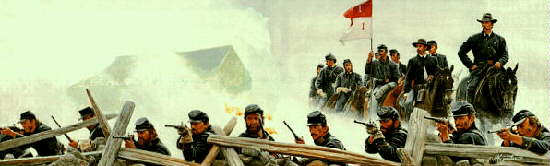
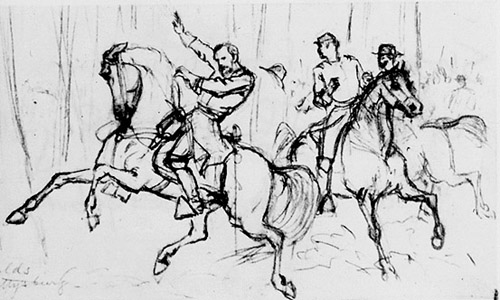
As his units arrived into an already raging battle Reynolds directed them to key areas of the battlefield. As he directed the “Iron Brigade” into position in Herr’s (McPherson’s) Woods Reynolds exhorted the men forward.“Forward! men, forward! for God’s sake, and drive those fellows out of the woods!” As he said these words he was struck by a bullet in the head and died instantly.

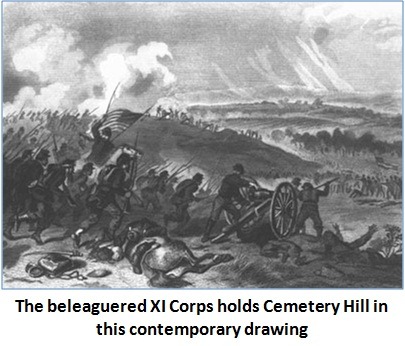
In the immediate confusion following Reynolds’ death the I and XI Corps confusion reigned. It seemed that the Union corps now fighting two Confederate Corps, Hill’s 3rd Corps which they had been fighting since the morning and Ewell’s 2nd Corps which arrived in a flanking position to their north during the afternoon might be routed. The Federal troops, I Corps now under the command of Doubleday and XI under Major General Oliver Howard withdrew through Gettysburg to Cemetery Hill where they were rallied by Reynolds’ old friend Major General Winfield Scott Hancock of II Corps.

Hill’s troops entered the town but did not attempt to take the hill while Ewell passed on an opportunity to take nearby Culp’s Hill which would have dislodged the Federal right flank.

The first day ended with the Army of the Potomac holding the high ground in an easily defensible position on interior lines. Lee’s Army was spread out and the defense mounted by Buford and Reynolds had disrupted Hill’s Corps, causing significant casualties.

Buford is to be given much of the credit for choosing the ground of the battle and fighting a stellar delaying action against superior forces. But had Reynolds not brought his units up in the expeditious manner in which he did and then all of Buford’s efforts might have been in vain. The two men, bound by their professionalism and commitment to duty and their oath helped save the Union on that first day of July 1863.

reynolds

Charles Veil who served as a staff officer under Reynolds wrote the following epitaph stating that Reynolds “was a man who knew not fear or danger was, in a word (he was) one of our very best Generals. Wherever the fight raged the fiercest, there the General was sure to be found, his undaunted courage always inspired men with energy & courage.” 

Peace

Padre Steve+

Leave a comment

Filed under civil war, History, leadership, Military

Gettysburg at 150 Day One: Lee Blunders into Battle

800px-First_day_at_gettysburg

Pender’s Brigade on Day One

The Army of Northern Virginia commanded by Robert E Lee was now deep in Union territory and nearly blind to the location of the Federal Army of the Potomac. On the 30th advanced units of Dick Ewell’s Second Corps had gone nearly as far as Harrisburg while most of the Army was on the road around Chambersburg and Cashtown. Lee’s Cavalry Division under the command of J.E.B. Stuart was far away engaging Union Cavalry around Hanover and not in position to report on Union troop movements. General A.P. Hill sent Johnston Pettigrew’s Brigade of Harry Heth’s Division to Gettysburg on the 30th but Pettigrew observing the Federal cavalry of Buford’s 1st Cavalry Division take up positions on Seminary Ridge declined to engage and reported the Federal concentration to Hill.

As reports from the spy Harrison came to Lee and Longstreet Lee began to concentrate the Army around Cashtown. However the morning of July Hill ordered Harry Heth’s division to move on Gettysburg without the benefit of cavalry support or reconnaissance believing that the troops reported by Pettigrew could be nothing more than local militia. His leading brigades under Brigadier General James Archer and Joseph Davis took heavy casualties and soon Heth became embroiled in a fight with Buford’s cavalry and lead elements of the Federal 1st Corps under the command of Major General John Reynolds.

Gettysburg_Battle_Map_Day1

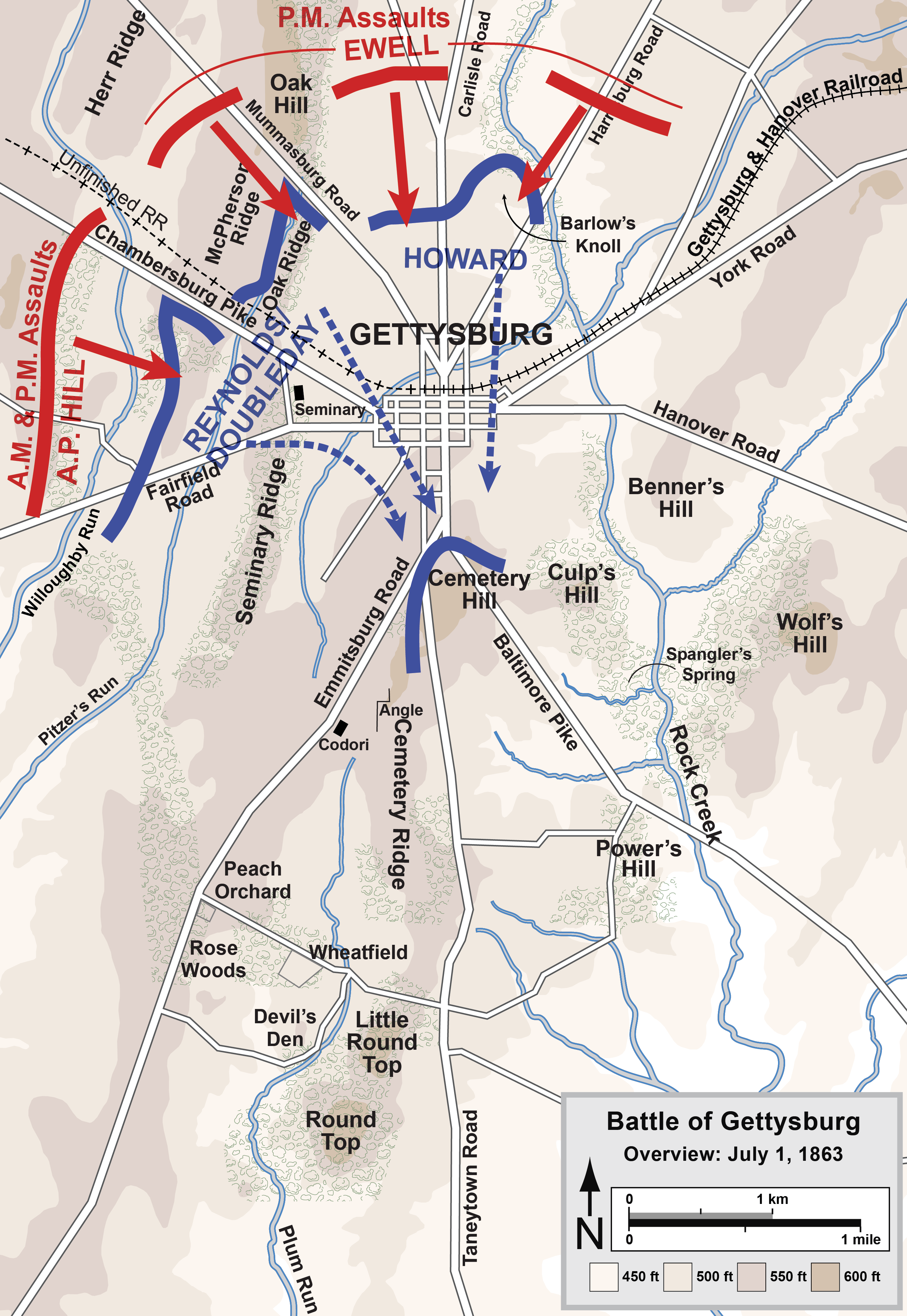
Gettysburg Day One (Map by Hal Jespersen, http://www.posix.com/Com)

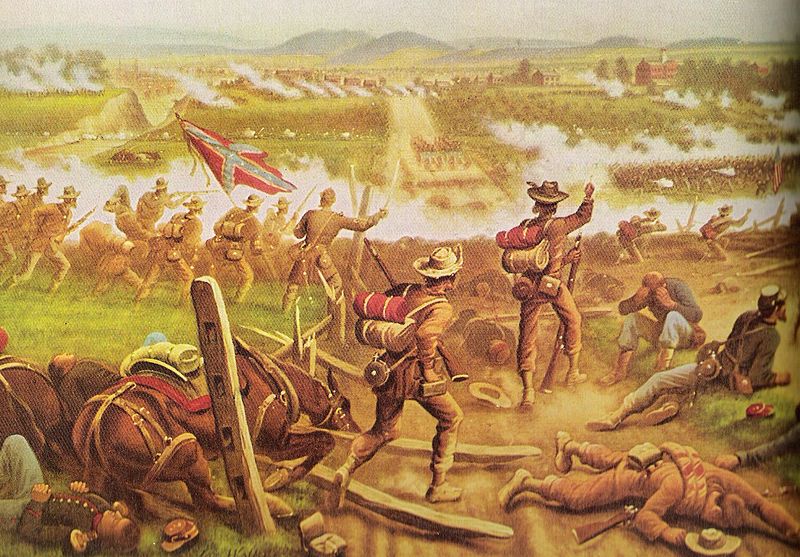
Lee was surprised by the engagement and though he chastised Heth for getting involved committed his army to the attack. Reynolds was killed early in the engagement but the fight was bitter, the Iron Brigade exacted a fearful toll on Archer and Davis’s brigades. The attack by Hill’s 3rd Corps was helped immensely when elements of Ewell’s 2nd Corps arrived on the right flank of the Federal XI Corps, forcing the Federal troops to withdraw through Gettysburg and up to Cemetery Ridge. Ewell’s arrival was fortuitous because it tilted the balance to Lee, but the advantage was short lived.

z_schmehl_leedeliberates

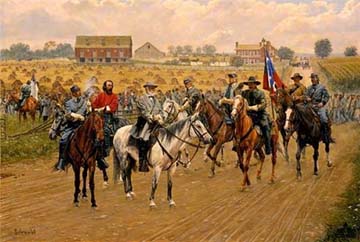
Lee Deliberates Heth’s Advance – Gettysburg by Bradley Schmehl

 Ewell failed to press the attack on Cemetery Ridge or Culp’s Hill while Federal forces were still disorganized, despite the repeated entreaties of Major General Isaac Trimble who was with him. The delay would be fatal to Lee’s intentions as Lee decided to give battle at Gettysburg, ignoring General Longstreet’s plea to disengage take up a favorable position between Gettysburg and Washington DC and force the Army of the Potomac to attack.

doncemeteryhilljuly1_zps512a40fa

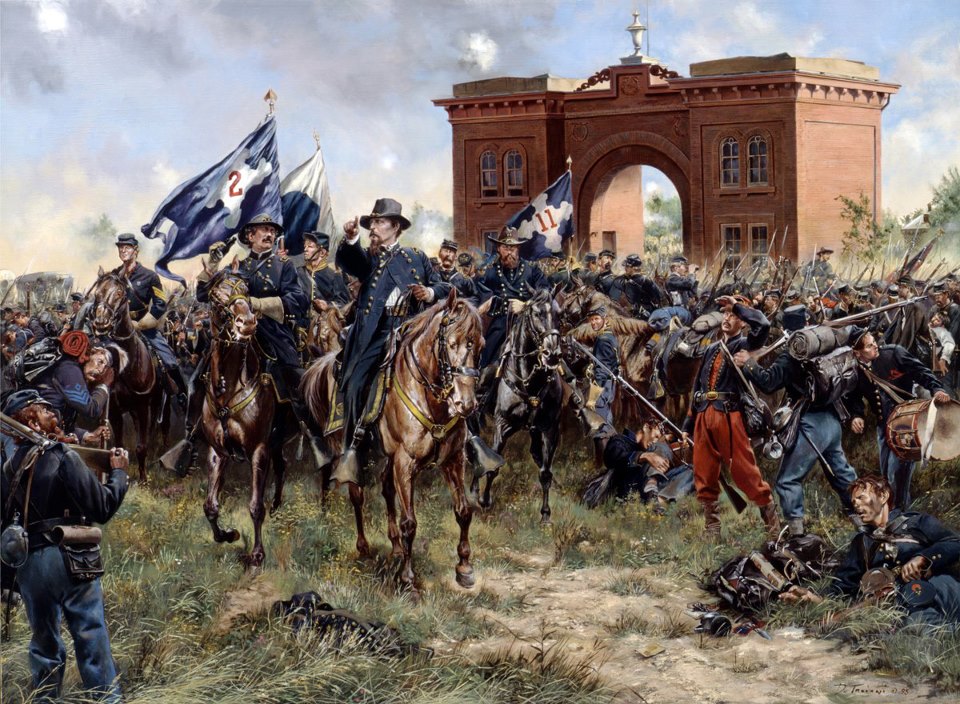
Don Troiani’s Painting of Hancock taking Command on Cemetery Hill on Day One

The Army of Northern Virginia came very close to sweeping Federal forces from the field on July 1st in spite of Lee’s lack of planning and clear commanders intent. That much is clear. His orders to Ewell, to take the high ground “if practicable” we interpreted by Ewell in a manner that he determined not to be practicable, so the advanced Federal corps under the command of Major General Winfield Scott Hancock were able to regroup, dig in and be reinforced by the rest of the Army.

Whether Lee intended to engage the Army of the Potomac at Gettysburg so early in a campaign where his multiple and contradictory strategic aims and lack of clear commander’s intent to his subordinate commanders created confusion is debated. Much of the controversy comes from Lee’s own correspondence which indicates that he might have not fully understood his own intentions. Some correspondence indicates that Lee desired to avoid a general engagement as long as possible while other accounts indicate that he wanted an early and decisive engagement. The controversy was stoked after the war by Lee’s supporters, particular his aides Taylor and Marshal, and Longstreet’s supporters.

Isaac Trimble, traveling with Lee at the beginning of the invasion of Pennsylvania recored that Lee told him:

“We have again outmaneuvered the enemy, who even now does not know where we are or what our designs are. Our whole army will be in Pennsylvania day after tomorrow, leaving the enemy far behind and obliged to follow by forced marches. I hope with these advantages to accomplish some single result and to end the war, if Providence favors us.” (Glenn Tucker, High Tide at Gettysburg (Indianapolis: The Bobbs-Merrill Co.: 1958), p. 24.)

The vagueness of Lee’s instructions to his commanders, many of whom were occupying command positions under him for the first time and were unfamiliar with his command style led to confusion. Where Stonewall Jackson might have understood Lee’s intent, even where Lee issued vague or contradictory orders, many others including Hill and Ewell did not. Lee did not change his command style to accommodate his new commanders and that lack of flexibility on Lee’s part proved fatal to his aims in the campaign.

xi-corps-holds-cemetery-hill

The vagueness of Lee’s intent was demonstrated throughout the campaign and was made worse by the fog of war. Day one ended with a significant tactical victory for Lee’s army but without a decisive result which would be compounded into a strategic defeat by Lee’s subsequent decisions on the 2nd and 3rd of July.

Until tomorrow,

Peace

Padre Steve+

Leave a comment

Filed under civil war, History, Military

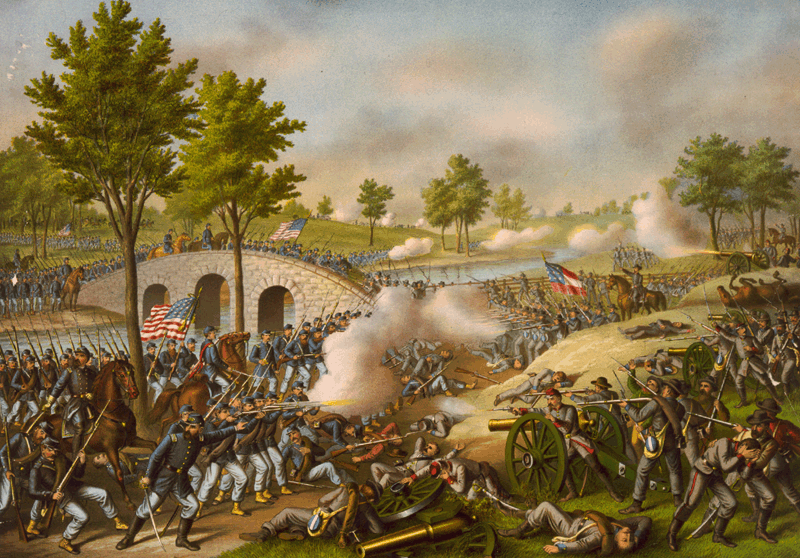
The Bloodiest Day: The Battle of Antietam 17 September 1863

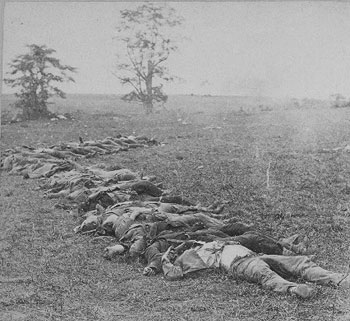
“Of all the days on all the fields where American soldiers have fought, the most terrible by almost any measure was September 17, 1862. The battle waged on that date, close by Antietam Creek at Sharpsburg in western Maryland, took a human toll never exceeded on any other single day in the nation’s history. So intense and sustained was the violence, a man recalled, that for a moment in his mind’s eye the very landscape around him turned red.” Stephen W Sears

“I have heard of ‘the dead lying in heaps’, but never saw it till this battle. Whole ranks fell together.” Captain Emory Upton, 2nd U.S. Artillery, at Antietam

“We were in the very maelstrom of the battle. Men were falling every moment. The horrible noise was incessant and almost deafening. Except that my mind was absorbed in my duties, I do not know how I could have endured the strain.” Lt. Frederick L. Hitchcock, 132nd Pennsylvania, at Bloody Lane, Sept. 17, 1862

To the west of Frederick Maryland a small town named Sharpsburg sits on the west side of a creek. Named Antietam the creek’s headwaters are in Franklin County Pennsylvania and it meanders south where just to the south of Sharpsburg it empties into the Potomac River.

It is a peaceful place, rolling hills and agricultural country with some well preserved stone arch bridges, including one just outside of Sharpsburg. It is hard to believe that 150 years ago the town and the creek were the scene of the bloodiest single day of battle in American history.

On that indian summer day of 1862 the Confederate Army of Northern Virginia, General Robert E Lee, commanding made a stand against the much larger Union Army of the Potomac, Major General George B. McClellan, commanding.

Lee had invaded Maryland following a string of successes in Northern Virginia during that summer of 1862, defeating McClellan outside of Richmond in the Seven Days, and in a campaign of maneuver bested a newly formed Army, the Union Army of Virginia commanded by Major General John Pope defeating it at the Second Battle of Bull Run between 28-30 August 1862. With Northern Virginia’s crops and livestock depleted and his opponents in crisis Lee moved his army north into Maryland. The decision was driven partly by the need to provision his army, but also had the hope of drawing Maryland away from the Union mistakenly believing that public sentiment in that state was pro-Confederate. If the people of Maryland rose up to support Lee it would be disastrous to the Union and endanger the capital itself. A final consideration was the hope that a Confederate victory on Northern soil would bring about the foreign recognition and possibly the intervention of Great Britain on the side of the Confederacy.

The Lost Order

Lee crossed the Potomac on September 3rd and sent his Second Corps west with some elements seizing the Union armory in Harper’s Ferry, others to secure the Baltimore and Ohio Railroad at Martinsburg the rest of the Army was in the area of Frederick. He was pursued by the very cautious McClellan at the head of the Army of the Potomac.

On September 9th Lee issued General Order 191, the infamous “lost order” which a copy of which was found by Union soldiers wrapped around three cigars at a campground recently occupied by Lee’s rear guard element, the division of D.H. Hill on September 13th. The order detailed the disposition of Lee’s army and McClellan seized the opportunity. On the 14th the Army of the Potomac attacked part of Lee’s army at the Battle of South Mountain. The Union won that battle forcing the outnumbered Confederate forces to withdraw, though the delay allowed Lee to concentrate more of his army at Sharpsburg on the 15th.

Although he outnumbered Lee McClellan believed the reports of the Pinkerton Detective Agency which provided intelligence to the army. Those estimates which credited Lee with more than 100,000 troops. He delayed his attack until he had drawn up his full army on the on the 17th.

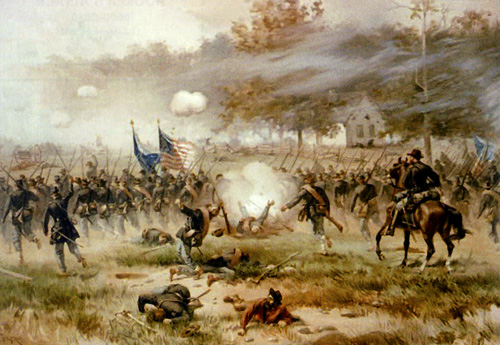
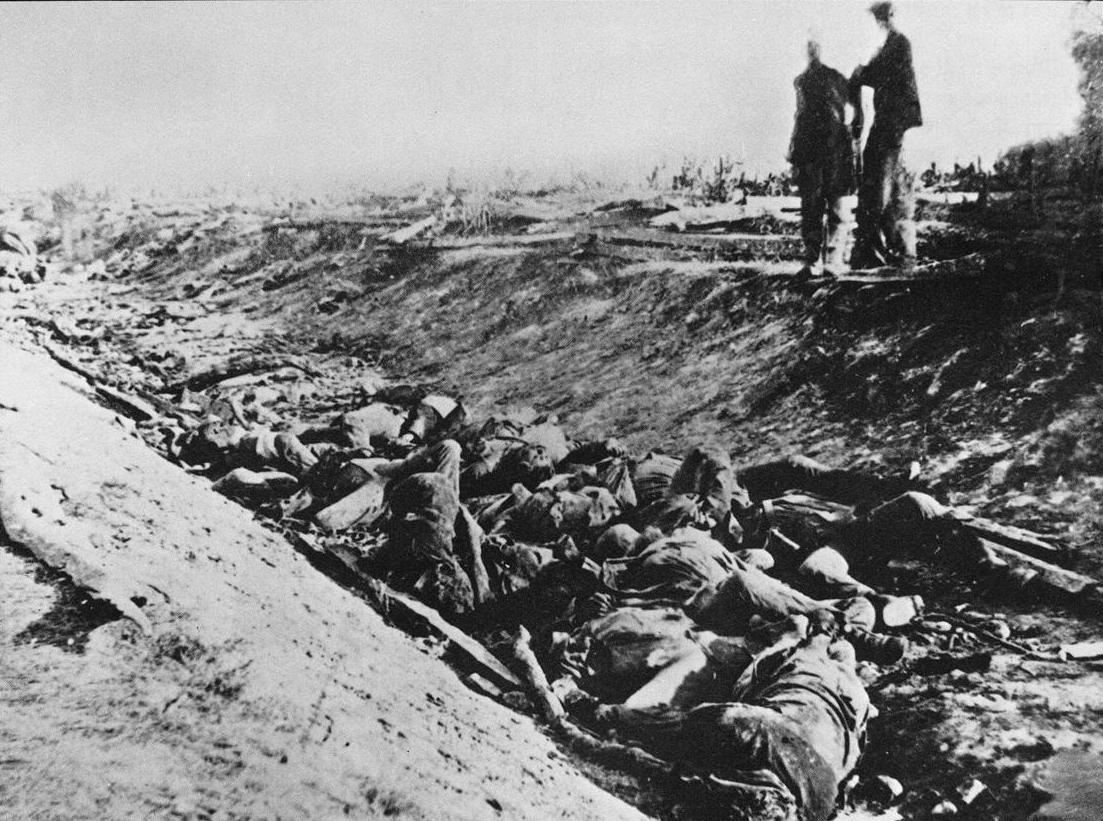
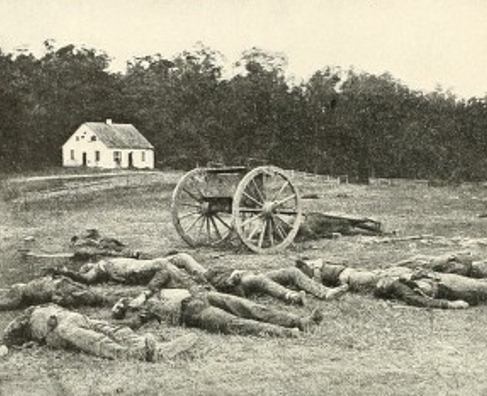
When he did attack on the 17th his attacks were uncoordinated and though he came close to decisive breakthrough Lee’s army desperately clung to its positions. The action began to the north of the town in the morning and both sides showed incredible ferocity at the Cornfield, where in the space of about three hours nearly 8000 soldiers were killed or wounded. The fighting shifted to the center of the line opposite the town by mid-day. Amid the destructive storm of artillery the armies fought around the Dunker Church and a sunken lane now known as “Bloody Lane.” In the confines of that 800 yard stretch of road over 5000 soldiers were killed or wounded in the course of about four hours. The Union forces broke the Confederate line but reinforcements were not sent and when the the division commander, Major General Israel Richardson was mortally wounded the attack lost its verve and the Confederates under Lieutenant General James Longstreet were able to restore the line.

The south remained quiet as McClellan ordered Major General Ambrose Burnside’s IX Corps to hold off on attacking. Burnside did not receive his orders to attack until 1000. He finally attacked across the south bridge, now known as Burnside’s Bridge in the afternoon. It was another tough fight and Burnside, after several attempts move to the south to flank Confederate forces in the late afternoon with the intention of cutting Lee from off his only escape route.  The Confederates were in a desperate condition. It was at this point, about 3 PM when the division of Major General A.P. Hill arrived and immediately counterattacked breaking up Burnside’s attack. Burnside requested reinforcements from McClellan who refused saying that he had none available. This was not the case, McClellan had two full corps of infantry uncommitted to the battle but still believing that he was outnumbered and that Lee was attempting to trap him.

The actioned ended by 530 PM with both sides rested and reorganized for action the next day. Lee prepared to defend but no Union attack was offered on the 18th. An informal truce was observed to allow the evacuation of the wounded and Lee began his withdraw across the Potomac into Virginia that night. Despite being goaded by Lincoln to pursue McClellan did not and the Union lost the opportunity to destroy Lee’s army n Union territory.

Casualty estimates vary but according to Stephen W Sears in his book Landscape Turned Red that the Army of the Potomac lost 2108 dead, 9540 wounded and 753 missing. He states the best estimate of Confederate casualties are 1546 dead, 7752 wounded and 1018 missing. Most of the missing were likely killed and buried in mass graves or discovered and buried by civilians after the battle. In the space of 12 hours 22719 Americans were killed or wounded. It was the bloodiest single day in American military history.

Though the battle was inconclusive in that Lee’s army survived but had to break off its offensive it had more influence than expected. President Lincoln issued the Emancipation Proclamation on September 22nd and though it did not take effect until January 1st 1863 it marked a turning point in the war.

McClellan failed to take up the offensive in the next tow months and Lincoln relieved him of command giving the Army of the Potomac to Burnside who goaded by Lincoln took the army into battle at Fredericksburg where it met with defeat.

I have been to the battlefield a number of times, once as part of a “staff ride” with the Marine battalion that I was assigned in May of 2000. Each time I go I take the time to ponder the great losses endured by both armies and the individual courage of the soldiers involved. Some of the units that I served with in the Army National Guard in Texas and Virginia trace their lineage and honors to regiments that fought at Antietam and I have felt a connection to the battle because of that. It is hard to imagine the amount of death and carnage taking place in such a placid location in such a short amount of time.

It is something to ponder when some Americans openly suggest another civil war if their party does not win the election.

Peace

Padre Steve+

1 Comment

Filed under civil war, History, Military

Gettysburg Day One Accident and Intent: How the Actions of Harry Heth and John Buford Helped Decide the Battle

On June 30th 1863 the Confederate Army of Northern Virginia under the Command of General Robert E Lee was deep in enemy territory. His mission was to draw the Federal Army of the Potomac now under the command of Major General George Gordon Meade into battle and destroy it.  His Army composed of three Corps, the First Corps under Lieutenant General James Longstreet, the Second under Lieutenant General Richard Ewell and the Third Corps under the command of Lieutenant General A.P. Hill.  Lieutenant General J.E.B. Stuart commanded his cavalry but was operating independently of Lee conducting a movement around the Army of the Potomac and unable to provide Lee information on the deployment or movement of the Union forces.

Lee’s army was spread out. Early’s Second Corps was spread out near the Susquehanna River near Harrisburg while his other two corps were concentrated in the area around Cashtown about 8 miles west of Gettysburg. On the 30th a brigade of Major General Harry Heth’s division of Hill’s Corps made a reconnaissance in the direction of Gettysburg. The brigade commander Brigadier General James Pettigrew observed Federal cavalry entering the town and chose not to engage reporting the matter to General Heth.

Major General Henry (Harry) Heth

Heth was a graduate of West Point who had served as an Infantry Officer in the United States Army until he resigned to enter the Confederate Army. He had commanded a company in battle against the Lakota Sioux in 1855 and wrote the first marksmanship manual for use in the U.S. Army. Unlike many of his fellow officers he had not taken part in the Mexican-American War.

Heth spent the early part of the war as Lee’s Quartermaster where he became one of Lee’s favorite officers and began a relationship where Lee looked after his career.  He then served as regimental commander in the actions in the Kanawha Valley of Western Virginia being assigned to Kirby Smith’s Department of Tennessee where he commanded a division but took part no no major actions. Lee brought him back to the Army of Northern Virginia in 1863 to command a brigade in Hill’s Division. He took commanded that brigade at Chancellorsville in which he made an ill advised unsupported attack against Union forces with heavy casualties. He was promted to command of the Division when Hill assumed command of Third Corps when it was created following the death of Lieutenant General Thomas “Stonewall” Jackson.

Lee had given his commanders orders not to provoke a major engagement until the Army was fully concentrated to meet Meade’s troops which had crossed the Potomac and was moving north. However neither Heth nor Hill believed that the troops that Pettigrew observed were a threat, believing them to be nothing more than local militia. Heth ordered half of his division to make a reconnaissance in force on the morning of July 1st. It was not what Lee wanted and Heth’s conduct of it and the resultant action led to the largest battle of the Civil War, the costliest battle.

Lee’s intent was clear. He desired to have a tired and weary Union force under a new commander under political pressure attack him on ground of his choosing. He hoped to defeat the Union forces piecemeal as they came into the battle. By initiating the action Heth caused Lee to have to improvise an attack contrary to his initial plan.  It was an accidental encounter which was compounded by Heth’s action to commit his entire division into battle in spite of his orders.

Brigadier General John Buford

The Federal Cavalry was the First Cavalry Division under the Command of Brigadier General John Buford. Buford’s division arrived in Gettysburg ahead of the Army of the Potomac on the 30th. Buford and his brigade commanders immediately recognized the importance of the ground when they saw Pettigrew’s troops. Buford order his troops to deploy on the ridges west of Gettysburg, Herr Ridge, McPherson Ridge and Seminary Ridge. It was the perfect place for a delaying action against superior forces.

Buford was also a graduate of West Point and served as a Cavalry officer in the Army before the war. He was from Kentucky and though his father was a Democrat who had opposed Abraham Lincoln and had family that chose to fight for the Confederacy he remained loyal to his oath and remained in the Army. He served against the Sioux and on peacekeeping duty in the bitterly divided State if Kansas before serving in the Utah War in 1858. He was a modern soldier who recognized that the tactics of the Army had to change due to improvements in weapons and technology.  He was promoted to Brigadier General in 1862 and served in numerous engagements as a Cavalry Brigade commander before being given command of the 1st Cavalry Division after Chancellorsville.

The Delaying Action, July 1st 1863 Map by Hal Jespersen, http://www.posix.com/CW

Buford was a keen student of war and a commander who was able to control his forces. When Heth engaged his division he fought a masterful action which allowed the Infantry Corps of the Army of the Potomac to arrive on the field of battle. His action to select the ground upon which the battle was fought led to the Union victory because even though Federal forces were pushed back on the first day they were able to maintain control of the high ground east of the city with interior lines of communication which they fortified.

Lee decided that he had to force the battle and continue the attack despite the objections of General Longstreet and the fact that he did not fully know the numbers and disposition of the troops arrayed against him. It would be a fateful decision born of a ill conceived action of Heth and correspondingly excellent command decisions of Buford. I am sure that part of the reason for this was Heth’s lack of experience in the East against the Army of the Potomac and limited battle experience as a senior commander. Buford had spent the war in action against Lee’s Army. He knew the capabilities of his enemies and what had to be done to give his side a chance to win.

Like many battles success is often due to such factors.  Had Heth held up and had Lee followed Longstreet’s advice the battle and war might have turned out quite differently. Had Buford not seen the importance of the ground that he selected and deployed himself accordingly the rest of the Army may not have gotten to Gettysburg before Lee had gained the critical ground east and south of the town.

On such decisions battles are decided and wars won.  Heth’s relative inexperience and inability to control his command was a decisive factor in the battle while Buford’s experience and poise under pressure probably saved the Army of the Potomac from a decisive defeat.

Peace

Padre Steve+

3 Comments

Filed under civil war, History, leadership, Military