Yearly Archives: 2011

Stunned Silence and Tears: The Death of a Marine, Soldier and Comrade

Staff Sergeant Ergin Osman, US Army, former USMC Rest in Peace

I am stunned right now as the cost of war and sacrifices made by our Soldiers, Sailors, Marines and Airmen became personal yet again. I was writing something rather cheeky when I saw a Facebook message that Staff Sergeant Ergin Osman who I served with when he was a Marine. I met him when he was in the S-1 section of 3rd Battalion 8th Marines in my relief pitcher tour with the Second Marine Division. The Chaplain section fell under the S-1 for administrative purposes so I got to know him fairly well. Since I had served in the Army he would come to me to talk about his father who served as a Green Beret in Vietnam. His family was Turkish immigrants to the United States and he was thoroughly an American, and a hero. He was funny, witty, friendly and always helpful. My assistant was a criminal and without the help of Ergin as well as Marines like 2nd Lieutenant, now Major Jodie Moser and Lance Corporal, now Gunnery Sergeant Bory Chan and others in that section and our Logistics section my job would have been even more difficult as we deployed to 29 Palms, Okinawa, Japan and Korea in 2000 and 2001.

I don’t know what to say. I have trouble compartmentalizing the deaths of young Americans, especially those that I have served with in wars that most people don’t seem to give a damn about.  I really can’t say more right now except to ask prayer for his family and friends. I am holding back the tears right now so I will sign off.

Peace

Padre Steve+

2 Comments

Filed under iraq,afghanistan, Military, remembering friends

Remembering the Men of D-Day

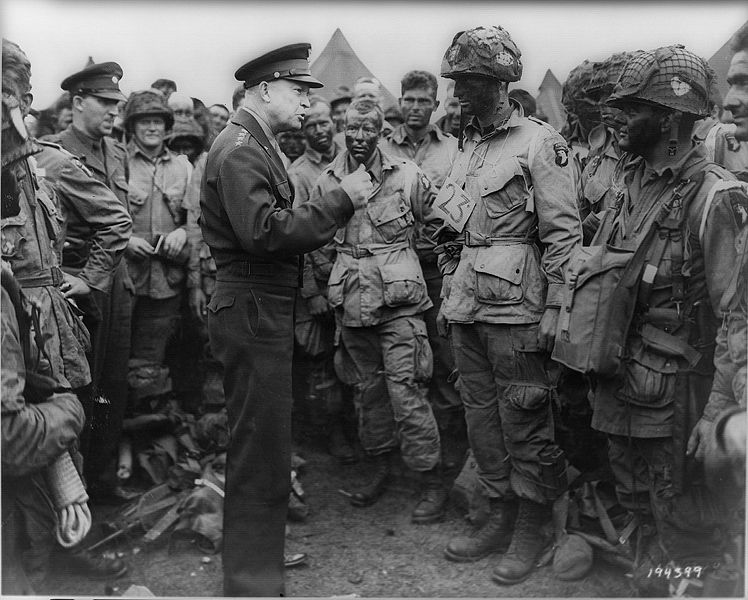
Eisenhower with Paratroopers of the 101st Airborne Division

Soldiers, Sailors and Airmen of the Allied Expeditionary Force!

You are about to embark upon the Great Crusade, toward which we have striven these many months. The eyes of the world are upon you. The hopes and prayers of liberty-loving people everywhere march with you.  In company with our brave Allies and brothers-in-arms on other Fronts, you will bring about the destruction of the German war machine, the elimination of Nazi tyranny over the oppressed peoples of Europe, and security for ourselves in a free world.

Your task will not be an easy one. Your enemy is well trained, well equipped and battle hardened. He will fight savagely.

 But this is the year 1944! Much has happened since the Nazi triumphs of 1940-41. The United Nations have inflicted upon the Germans great defeats, in open battle, man-to-man. Our air offensive has seriously reduced their strength in the air and their capacity to wage war on the ground. Our Home

Fronts have given us an overwhelming superiority in weapons and munitions of war, and placed at our disposal great reserves of trained fighting men. The tide has turned! The free men of the world are marching together to Victory!

 I have full confidence in your courage and devotion to duty and skill in battle. We will accept nothing less than full Victory!

 Good luck! And let us beseech the blessing of Almighty God upon this great and noble undertaking.

                                            SIGNED: Dwight D. Eisenhower

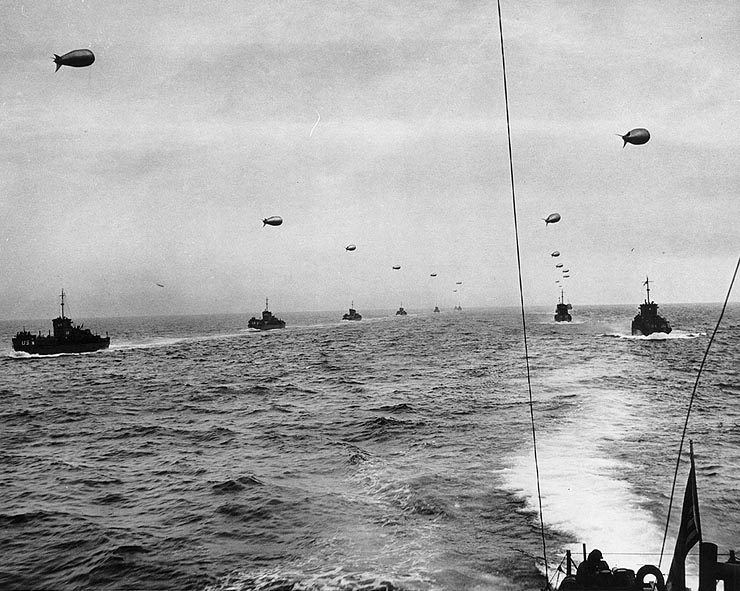
Convoy of Landing Craft Infantry (LCI) steaming toward Normandy

On June 6th 1944 the Allies invaded German controlled France on the beaches of Normandy. By that evening the Allied Expeditionary Force had landed six infantry divisions on five invasion beaches and the bulk of three airborne divisions on the approaches to those beaches. Near 175,000 Allied Soldiers, Sailors, Airmen and Marine Commandos were involved in the attack and nearly 10,000 would listed be as killed, wounded or missing by the end of the day, over half on Omaha Beach.

British Commandos landing on Sword Beach. Their Commander Lord Lovat is to the right of the column in the surf

The names of the invasion beaches and the units involved have been immortalized in history, in film and literature. The American 101st Airborne “Screaming Eagles,” the “All American” 82nd Airborne Division and British 6th Airborne Division “Red Devils” made the largest night airborne drop and battled Germans, the elements as the struggled to reorganize on the heels of widely scattered drops.  The Americans battled the German 91st Airlanding Division and the crack 6th Parachute Regiment, while the British faced men of the 716th “Static” Infantry Division and battle groups of the nearby 21st Panzer Division.

British Commandos landing at Gold Beach

On Sword Beach men of the 3rd British Division and 27th Armoured Brigade teamed with the 1st Special Services Brigade composed of Army and Royal Marine Commandos made the assault, to their right on Juno Beach the Canadians of the 3rd Canadian Division, 2nd Canadian Armoured Brigade and two Royal Marine Commandos (battalions) while to their right on the middle invasion beach, God Beach the British 50th (Northumbrian) Infantry Division and 8th Armoured Brigade went ashore with elements of the British 79th Armoured Division and the 47th Royal Marine Commando.

Omaha Beach

To the right of the British landed the American V Corps on Omaha Beach, the 1st Infantry Division, the famous “Big Red One” and the 29th “Blue and Gray” Infantry Division of the Virginia and Maryland National Guard. They would fight the most seasoned Germans on the beaches that day, the hardened combat veterans of the 352nd Infantry Division.  The battle of Omaha was nearly a disaster and a one point General Omar Bradley contemplated withdraw from the beach.  The American troops, including the men of the 2nd Ranger Battalion who scaled the cliffs of Point du Hoc to protect the beach from enfilade fire from German artillery mounted on the point, yet the German guns had not yet been emplaced and the Rangers fought a bitter battle against strong German resistance on that rugged mount.  On the far right the American VII Corps led by the 4th Infantry Division assaulted Utah Beach; fortunately the Americans landed away from their planned point of assault and faced little resistance. Had they landed in the correct location they might fared as their neighbors on Omaha Beach.

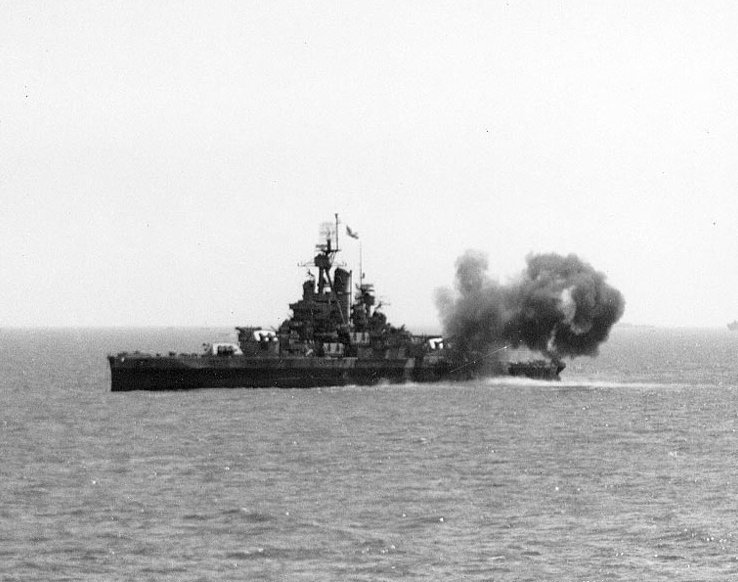
USS Nevada bombarding Normandy beaches

Offshore the venerable battleships HMS Warspite and HMS Ramillies and the USS Texas, USS Nevada and USS Arkansas provided fire support to the beaches aided by the Free Naval Forces of France, the Netherlands, Poland and Norway.  The French forces included the cruisers Montcalm and Georges Leygues.

Names such has St Mere-Eglise and Pegasus Bridge, the Merville Battery, Point du Hoc and Bloody Omaha remain etched in the minds of the dwindling number of surviving veterans as well as historians, military personnel and others that take the time to remember the sacrifices of these men.

The Men came from all parts of the United States and the British Commonwealth. Additionally personnel from France and other countries occupied by Nazi Germany were represented in the land, air and naval forces involved.  For the French, humiliated by their defeat in 1940 and divided by the Vichy and Free French divide were determined, despite their small numbers to liberate their homeland.

The forgotten Soldiers, Panzer Grenadiers in Normandy

They were opposed by four German Divisions, a Luftwaffe Fallschirmjaeger regiment and elements of the 21st Panzer Division.  The Germans with nothing in the way of air support and no significant naval forces were on their own. Hitler had refused Rommel’s request to deploy Panzer divisions near the beaches and was not awakened when word came of the invasion.  German soldiers fought with considerable valor and would do so throughout the Normandy campaign, even if they fought for a regime that was evil at its core.

On the night of June 6th President Franklin Roosevelt addressed the American people, offering a prayer for the nation, the troops and the success of the invasion:

My Fellow Americans:

Last night, when I spoke with you about the fall of Rome, I knew at that moment that troops of the United States and our Allies were crossing the Channel in another and greater operation. It has come to pass with success thus far.

And so, in this poignant hour, I ask you to join with me in prayer:

Almighty God: Our sons, pride of our nation, this day have set upon a mighty endeavor, a struggle to preserve our Republic, our religion, and our civilization, and to set free a suffering humanity.

Lead them straight and true; give strength to their arms, stoutness to their hearts, steadfastness in their faith.

They will need Thy blessings. Their road will be long and hard. For the enemy is strong. He may hurl back our forces. Success may not come with rushing speed, but we shall return again and again; and we know that by Thy grace, and by the righteousness of our cause, our sons will triumph.

They will be sore tried, by night and by day, without rest — until the victory is won. The darkness will be rent by noise and flame. Men’s souls will be shaken with the violences of war.

For these men are lately drawn from the ways of peace. They fight not for the lust of conquest. They fight to end conquest. They fight to liberate. They fight to let justice arise, and tolerance and goodwill among all Thy people. They yearn but for the end of battle, for their return to the haven of home.

Some will never return. Embrace these, Father, and receive them, Thy heroic servants, into Thy kingdom.

And for us at home — fathers, mothers, children, wives, sisters, and brothers of brave men overseas, whose thoughts and prayers are ever with them — help us, Almighty God, to rededicate ourselves in renewed faith in Thee in this hour of great sacrifice.

Many people have urged that I call the nation into a single day of special prayer. But because the road is long and the desire is great, I ask that our people devote themselves in a continuance of prayer. As we rise to each new day, and again when each day is spent, let words of prayer be on our lips, invoking Thy help to our efforts.

Give us strength, too — strength in our daily tasks, to redouble the contributions we make in the physical and the material support of our armed forces.

And let our hearts be stout, to wait out the long travail, to bear sorrows that may come, to impart our courage unto our sons wheresoever they may be.

And, O Lord, give us faith. Give us faith in Thee; faith in our sons; faith in each other; faith in our united crusade. Let not the keeness of our spirit ever be dulled. Let not the impacts of temporary events, of temporal matters of but fleeting moment — let not these deter us in our unconquerable purpose.

With Thy blessing, we shall prevail over the unholy forces of our enemy. Help us to conquer the apostles of greed and racial arrogances. Lead us to the saving of our country, and with our sister nations into a world unity that will spell a sure peace — a peace invulnerable to the schemings of unworthy men. And a peace that will let all of men live in freedom, reaping the just rewards of their honest toil.

Thy will be done, Almighty God.

Amen.

President Franklin D. Roosevelt – June 6, 1944

Forty years later President Ronald Reagan made one of the most memorable speeches about the landings when he spoke at Omaha Beach.

We stand today at a place of battle, one that 40 years ago saw and felt the worst of war.  Men bled and died here for a few feet of – or inches of sand, as bullets and shellfire cut through their ranks.  About them, General Omar Bradley later said, “Every man who set foot on Omaha Beach that day was a hero.”

Some who survived the battle of June 6, 1944, are here today.  Others who hoped to return never did.

“Someday, Lis, I’ll go back,” said Private First Class Peter Robert Zannata, of the 37th Engineer Combat Battalion, and first assault wave to hit Omaha Beach.  “I’ll go back, and I’ll see it all again.  I’ll see the beach, the barricades, and the graves.”

Those words of Private Zanatta come to us from his daughter, Lisa Zannata Henn, in a heart-rending story about the event her father spoke of so often.  “In his words, the Normandy invasion would change his life forever,” she said.  She tells some of his stories of World War II but says of her father, “the story to end all stories was D-Day.”

“He made me feel the fear of being on the boat waiting to land.  I can smell the ocean and feel the sea sickness.  I can see the looks on his fellow soldiers’ faces-the fear, the anguish, the uncertainty of what lay ahead.  And when they landed, I can feel the strength and courage of the men who took those first steps through the tide to what must have surely looked like instant death.”

Private Zannata’s daughter wrote to me, “I don’t know how or why I can feel this emptiness, this fear, or this determination, but I do.  Maybe it’s the bond I had with my father.  All I know is that it brings tears to my eyes to think about my father as a 20-year old boy having to face that beach.”

The anniversary of D-Day was always special to her family.  And like all the families of those who went to war, she describes how she came to realize her own father’s survival was a miracle:  “So many men died.  I know that my father watched many of his friends be killed.  I know that he must have died inside a little each time.  But his explanation to me was, “You did what you had to do, and you kept on going.”

When men like Private Zannata and all our Allied forces stormed the beaches of Normandy 40 years ago they came not as conquerors, but as liberators.  When these troops swept across the French countryside and into the forests of Belgium and Luxembourg they came not to take, but to return what had been wrongfully seized.  When our forces marched into Germany they came not to prey on a brave and defeated people, but to nurture the seeds of democracy among those who yearned to be free again.

We salute them today.  But, Mr. President (Francois Mitterand of France), we also salute those who, like yourself, were already engaging the enemy inside your beloved country, the French Resistance.  Your valiant struggle for France did so much to cripple the enemy and spur the advance of the armies of liberation.  The French Forces of the Interior will forever personify courage and national spirit.  They will be a timeless inspiration to all who are free and to all who would be free.

Today, in their memory, and for all who fought here, we celebrate the triumph of democracy.  We reaffirm the unity of democratic people who fought a war and then joined with the vanquished in a firm resolve to keep the peace.

From a terrible war we learned that unity made us invincible; now, in peace, that same unity makes us secure.  We sought to bring all freedom-loving nations together in a community dedicated to the defense and preservation of our sacred values.  Our alliance, forged in the crucible of war, tempered and shaped by the realities of the post-war world, has succeeded.  In Europe, the threat has been contained, the peace has been kept.

Today, the living here assembled:  officials, veterans, area citizens, pay tribute to what was achieved here 40 years ago.  This land is secure.  We are free.  These things are worth fighting and dying for.

Lisa Zannata Henn began her story by quoting her father, who promised that he would return to Normandy.  She ended with a promise to her father, who died 8 years ago of cancer:  “I’m going there, Dad, and I’ll see the beaches and the barricades and the monuments.  I’ll see the graves, and I’ll put flowers there just like you wanted to do.  I’ll never forget what you went through, Dad, nor will I let any one else forget.  And, Dad, I’ll always be proud.”

Through the words of his loving daughter, who is here with us today, a D-Day veteran has shown us the meaning of this day far better than any President can.  It is enough to say about Private Zannata and all the men of honor and courage who fought beside him four decades ago:

We will always remember.
We will always be proud.
We will always be prepared,
So we may always be free.

Thank you.

Let us remember those brave men who fought at Normandy as we go to bed having been the benefactors of their sacrifice for the last 67 years.

Peace

Padre Steve+

3 Comments

Filed under History, Military, world war two in europe

An Introduction to D-Day and the Normandy Campaign

The author with Marines at Point du Hoc, Normandy in 2004

Every year about this time I try to write about D-Day. Last year I posted several articles as I had in 2009 as well.  This year I spent more time on the Battle of Midway writing three articles. Today I have been on the road much of the day and as I drove back to my Island Hermitage I began to think about what I wanted to do this year. When I have decided to do is to re-post a short research paper that I did for one of my Master’s degree courses tonight and follow it with some articles over the week on specific aspects and personalities of the campaign.  What I hope is that people that are not familiar with the campaign as well as those that are can use this as a portal to other resources on the web and in print.

I have visited Normandy once in 2004 on a trip with the Marines of the Marine Security Force Company Europe that took me to Belleau Wood as well as Normandy.  In both places I had the good fortune to be able to explain aspects of both battles, at Normandy discussing the invasion from the German side of the fence.  The Normandy battlefields are well worth visiting.  Hopefully in the next few years I will get a chance to go back and do some serious exploring.

Introduction

General Dwight D Eisenhower Commander in Chief Allied Forces Europe

The American landings on Omaha Beach were critical to the success of the Allied invasion northwestern Europe in the overall Overlord plan.  Without success at Omaha there would have been a strong chance that the German 7th Army and Panzer Group West could have isolated the remaining beachheads, and even if unsuccessful at throwing the Allies into the sea could have produced a stalemate that would have bled the Allies white.  This quite possibly could have led to a political and military debacle for the western allies which would have certainly changed the course of World War II and maybe the course of history.[i] This is not to say the Germans would have won the war, but merely to state that a defeat on Omaha could have changed the outcomes of the war significantly.   Subsequent to the successful landing there were opportunities both for the Allies and the Germans to change the way that the campaign unfolded, thus the battles leading up to the breakout at Avranches are critical to its development and the subsequent campaign in France.

OVERLORD: The Preparations

Eisenhower’s Key Lieutenants: Patton, Bradley and Montgomery

The planning for the Normandy invasion began in earnest after the QUADRANT conference in Quebec in August 1943.  The timetable for the operation was established at the Tehran conference where Stalin sided with the Americans on the need for an invasion of France in the spring of 1944.[ii] Prior to this there had been some planning by both the British and Americans for the eventual invasion initially named ROUNDUP.  These preparations and plans included a large scale raid at Dieppe in 1942 which ended in disaster but which provided needed experience in what not to do in an amphibious assault on a heavily defended beach.        The failure at Dieppe also darkened the mood of the Allies, the British in particular to the success of such operations, bringing to mind the failed Gallipoli campaign of 1915 as well as the opposed landings at Salerno and the USMC experience at Tarawa.[iii] Despite this the Americans led by General Marshall pushed for an early invasion of northwest Europe. Churchill and the British due to their weakness in land power pushed for land operations in the Mediterranean, and even in Norway as an option to the assault in France. The conflicted mindset of the Allies left them in the position of planning almost exclusively for the success of the initial landings and build up to the near exclusion of planning for the subsequent campaign once they landed. This especially included what one writer described as “the maze of troubles awaiting behind the French shore.”[iv]

Field Marshal Erwin Rommel, Commander of Army Group B

Despite conflicts between the Americans and British political and military leadership the planning for the Normandy landings detailed in NEPTUNE and OVERLORD moved ahead.  General Dwight Eisenhower was appointed as the commander of SHAEF with his major subordinates for Land, Air and Sea which caused consternation on both sides of the Atlantic.[v] [vi] The planned operation was expanded from the initial 3 division assault on a narrow front to a minimum 5 division assault on a broad front across Normandy[vii]supplemented by a strong airborne force.[viii] Overall the plan as it developed reflected a distinctly “American willingness to confront the enemy head-on in a collision which Britain’s leaders had sought for so long to defer.”[ix] It is ironic in a sense that the British avoidance of the head on attack was based on their known lack of manpower.  Britain had few infantry reserves to sustain the war effort and the Americans only late recognized their own deficiency in both quantity and quality of infantry forces on which their strategy depended.  That the western allies, so rich in material and natural resources would be so deficient in infantry manpower was a key constraint on the subsequent campaign in France and Germany.  The shortage of infantry forces would cause great consternation among the Allies as the campaign in France wore on.

German Beach Obstacles

The Germans too faced manpower shortages due to the immense losses sustained on the Eastern front, those lost in Africa and those tied down in Italy, the Balkans and Norway as well as the drain caused by Luftwaffe Field Divisions and troops diverted into the Waffen-SS.   The German Army resorted to smaller divisions and the created many “static” divisions manned by elderly or invalid Germans to plug the gaps along the Atlantic wall. The Germans were also forced to recruit “Volksdeutsch” and foreign “volunteers” to fill out both Wehrmacht and Waffen-SS formations.

German fortifications at the Pas de Calais

Prior to the final decision to mount an invasion the Allied planners had contended with the location of the assault in northwestern France.  The Pas de Calais provided a direct route was rejected because it was where the Germans would expect the strike to occur and because it was where the German defenses were strongest.  The fiasco at Dieppe had provided ample proof of what could happen when making an assault into a heavily fortified port.  Likewise the mouth of the Seine near Le Harve was rejected because of the few beaches suitable for landing and because the forces would be split on both sides of the river.  Brittany was excluded due to its distance from the campaigns objectives in Germany.[x]This left Normandy which offered access to a sufficient number of ports and offered some protection from the weather. Normandy offered options to advance the campaign toward the “Breton ports or Le Harve as might be convenient.”[xi] Omaha beach, situated on the center right of the strike would be crucial to the success of the assault situated to the left of UTAH and the right of the British beaches.

Rommel inspecting beach obstacles

Once Normandy was selected as the location for the strike by the Allies, the planning sessions remained contentious.  This was especially true when the Allies debated the amount and type of amphibious lift that could be provided for the landings, particularly the larger types of landing ships and craft to support the Normandy invasion and the planned invasion of southern France, Operation ANVIL.  The increase in OVERLORD requirements for landing craft had an impact in the Mediterranean and resulted in ANVIL being postponed until later in the summer.

“Dummy” Sherman Tank: The Allies created a fictional Army Group to deceive German planners

As part of their preparations the Allies launched a massive deception campaign, Operation FORTITUDE.  This operation utilized the fictitious First Army Group under the “command” of General George Patton. Patton was still smarting from his relief of command of 7th Army following slapping commanded an “Army Group” which incorporated the use of dummy camp sites, dummy tanks, aircraft and vehicles, falsified orders of battle and communications to deceive German intelligence.[xii] The success of this effort was heightened by the fact that all German intelligence agents in the U.K. had been neutralized or turned by the British secret service.  Additionally the Luftwaffe’s limited air reconnaissance could only confirm the pre-invasion build ups throughout England without determining the target of the invasion.[xiii] The German intelligence chief in the west, Colonel Baron von Roenne “was deceived by FORTITUDE’s fantasy invasion force for the Pas de Calais.”[xiv] Despite this Commander of the 7thArmy recognized by 1943 that Normandy was a likely Allied target and efforts were made to shift 7th Army’s center of gravity from Brittany to Normandy.  The one potential German success in getting wind of when the Allied landings would occur was lost when German intelligence discovered two lines of Verlaine’s “Chason d’ Automme” in June 1944 which were to alert the French Resistance of the invasion.  The security section of 15th Army heard them transmitted on the afternoon of 5 June and notified General Jodl at OKW, but no action was taken to alert forces on the coast.[xv] Allied intelligence was aided by ULTRA intercepts of coded German wireless transmissions. However this was less of a factor than during the African and Italian campaigns as more German communications were sent via secure telephone and telegraph lines vice wireless.[xvi] Allied deception efforts were for the most part successful in identifying German forces deployed in Normandy. However they were uncertain about the location of the 352nd Infantry Division which had been deployed along OMAHA and taken units of the 709th Infantry Division under its command when it moved to the coast.[xvii]


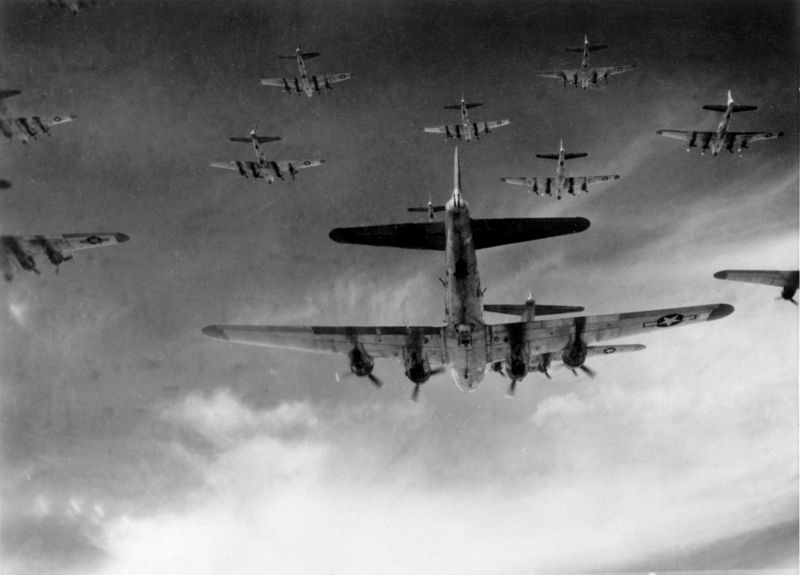
US Army Air Corps B-17s were part of the strategic air campaign to isolate the German beach defenses

The Allied air campaign leading up to the invasion was based on attempting to isolate the invasion site from German reinforcements. Leigh-Mallory the Air Chief developed the “TRANSPORTATION PLAN” which focused efforts on destroying the French railroad infrastructure.[xviii] A more effective effort was led by General Brereton and his Ninth Air Force which was composed of medium bombers and fighters.  Brereton’s aircraft attacked bridges and rapidly achieved success in crippling German efforts to reinforce Normandy.[xix] Max Hastings gives more credit to the American bombing campaign in Germany to crippling the German defense in the west. General Spaatz and the 8th Air Force destroyed German production capacity in oil and petroleum as well as the degraded the German fighter force.  The American daylight raids so seriously degraded the German fighter force that it could not mount effective resistance to the invasion.[xx] Russell Weigley also notes that Albert Speer the Reich Armaments Minister said that “it was the oil raids of 1944 that decided the war.”[xxi]


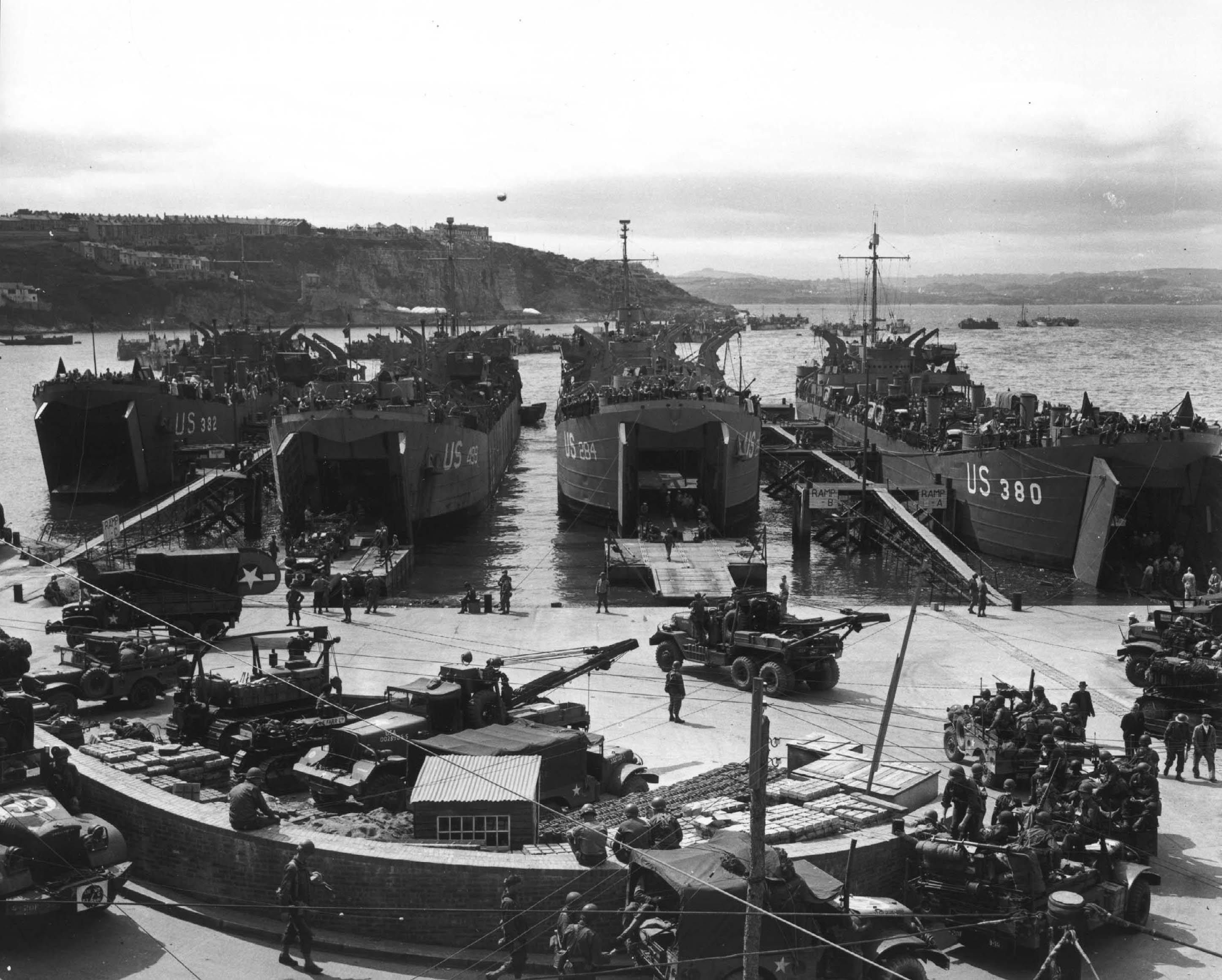
US Navy LST’s being loaded for the invasion

Planning and preparations for OMAHA were based around getting the 1st and 29th Infantry Divisions ashore and them securing a beachhead “twenty-five kilometers wide and eight or nine kilometers deep.”[xxii] American preparations were thorough and ambitious, but the American assault would go through the most heavily defended sector of German defenses in Normandy.  The landing beaches were wide and bordered by dunes which were nearly impassable to vehicles and “scrub covered bluffs thirty to fifty meters high…rough and impassable to vehicles even to tracked vehicles except at a few places.  The exits were unimproved roads running through four or five draws that cut the bluffs.”[xxiii] Dug in along those bluffs was the better part of the 352nd Division. The Americans compounded their selection of a difficult and heavily defended landing zone the Americans failed to take advantage of many of the “gadgets” that were offered by the British which in hindsight could have aided the Americans greatly.  The Americans made use of two battalions of DD (Dual Drive) tanks but turned down the offer of flail tanks, flamethrower tanks, and engineer tanks, the “funnies” developed by General Hobart and the British 79th Armored Division.[xxiv]

Dual Drive amphibious tanks were included as part of the US invasion package

Weigley believes that the American view of “tanks as instruments of mobility rather than of breakthrough power.” Likewise the Americans victories in the First World War were won by infantry with little tank support.[xxv] In this aspect the Americans were less receptive to utilizing all available technology to support their landings, something that when considering the fact that Americans were great lovers of gadgets and technology. The British use of the Armor, including the “Funnies” on the beaches to provide direct fire into German strong points lessened their infantry casualties on D-Day. Due to this lack of armor support on the beach American forces on OMAHA had little opportunity to exercise true combined arms operations during the initial landings.[xxvi]


Rommel with Artillerymen of the 21st Panzer Division in Normandy

German preparations for an Allied landing in Normandy were less advanced than the Pas de Calais.  However they had made great strides since late 1943. Field Marshal Rommel greatly increased defensive preparations along the front, including the Normandy beaches.  One of Rommel’s initiatives was to deploy Panzer Divisions near the coast where they could rapidly respond to an invasion.  However Rommel did not get everything that he wanted.  The OKW only allotted him two Panzer Divisions to be deployed near the Normandy beaches.  Only one of these the 21st Panzer Division was deployed near Caen in the British sector.  One wonders the result had the 12th SS Panzer Division been deployed behind OMAHA. [xxvii]

OMAHA: The Landings

The venerable USS Nevada, resurrected from the mud of Pearl Harbor bombarding German positions at Utah Beach

Like the rest of the Allied invasion forces the 1st and 29th U.S. Infantry Divisions set sail from their embarkation ports with the intent of landing on June 5th.  General Bradley, commanding the First Army until the American XII Army Group would be activated accompanied the invasion force.  The OMAHA landing was under the command of General Gerow and his V Corps while VII Corps led by the 4th Infantry Division landed at Utah supported by airdrops of the 82nd and 101st Airborne Divisions inland.  American command and control during the invasion was exercised from sea as in the Pacific, although General Officers were to go ashore with each of the American divisions.  A severe channel storm disrupted the plan to land on the 5th and Eisenhower delayed the invasion one day catching a break in the weather and electing to go on the 6th.[xxviii] This delay while uncomfortable for the embarked troops caused the Germans to believe that no invasion would take place until the next favorable tide and moon cycle later in the month.[xxix] The assumption that no invasion was possible ensured that a number of key senior German leaders, including Rommel were absent from the invasion front when the Allies landed.[xxx]

US Troops ride a LCVP toward Omaha 

The landing beaches at OMAHA stretched about 6500 meters from Colleville-Sur-Mer to Vierville-Sur-Mere in the west.  The beaches are wide with bluffs overlooking them and a seawall between the beaches and the bluffs.  Additionally several small towns dot the beach. To the west of the town of Vierville, a prominent height overlooked the entire beachhead.  Named Pont du Hoc, it was believed to house a 150mm battery sighted where it could enfilade the OMAHA landing zones.  The Americans assigned to the 2nd Ranger Battalion to make a seaborne assault to land, scale the cliffs and take the battery.  Companies from this battalion made a heroic landing and scaled the cliffs to capture the strongpoint only to discover that the guns had not been emplaced.  The Rangers took heavy casualties and held their isolated beachhead against German counterattacks until relieved by the 29th Division on the morning of June 8th.[xxxi]
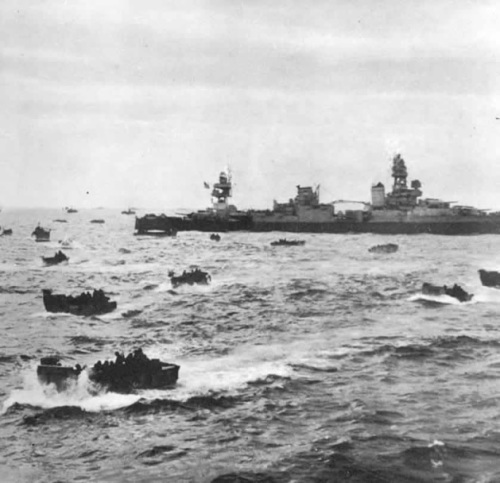
Landing craft passing the USS Augusta in heavy seas heading toward Omaha Beach

H-Hour for OMAHA was 0630.  Unfortunately the assault troops were transferred to their LCVP landing craft 16-20 kilometers from the beach.  The result was a long and dangerous ride in the small craft for the infantry.  Most of the infantry were completely soaked in sea spay and seasick before going ashore and they carried loads far above what they normally would carry into battle.[xxxii] The Armor support was one battalion of DD tanks, the 741stArmored Battalion, supporting the 16th Infantry Regiment of 1st Infantry Division. These were also launched too far out and nearly all of the tanks were swamped and lost before firing a shot in anger.[xxxiii] Other American support units needed to provide firepower on the beach were equally unfortunate. Weigley notes that at OMAHA “at least 10 of the LCVPs sank” as did “the craft carrying almost all of the 105mm howitzers that were to be the first artillery ashore after the tanks.”[xxxiv] The losses would cripple the assault on OMAHA and nearly cause its abandonment.

Bloody Omaha

As the soldiers of the American divisions on OMAHA came ashore they faced German defenders of the 352nd, 716th and a regiment of the 709th Infantry Division, the latter under the tactical command of the 352nd.   Without the bulk of their tanks artillery and lacking close air support the Americans struggled across the beaches and were cut down in large numbers before being pinned down behind the sea wall.[xxxv] With the Americans pinned down on the beach unable to advance, the time tables for the reinforcing waves became snarled amid the German beach obstacles which had not been cleared.  This was in large part due to 40% casualties among the Combat Engineers and the loss of all but five bulldozers.[xxxvi] Naval officers were frustrated in their attempts to provide naval gunfire support by the lack of identifiable targets on the beaches.  Yet German strongpoint’s were “knocked out by either by superbly directed vigorous gunfire from destroyers steaming as close as 800 yards offshore, or by determined action from Rangers or infantry.[xxxvii]


US Infantry struggles ashore at Omaha

Soldiers ashore discovered that they were not facing the static 716th Division but the veteran 352nd Division as well.[xxxviii] Only the leadership and actions of Brigadier General Norman Cota the 29th Division’s Deputy Commander and Colonel Charles Canham of the 116th Infantry kept the situation from complete collapse.  They were able to rally their troops. Under their leadership small units from the 116th which had its linage back to the “Stonewall Brigade” as well as elements of the 16th and 18th Infantry Regiments began to move forward.  Surviving junior leaders began to lead survivors through the dunes and up the bluffs to attack German defenders of the roads leading up from the beach from the flank and rear.  A mid-day break in the weather allowed some close tactical air support giving the troops badly needed support.

US 1st Infantry Division Troops at the Omaha sea wall

With the situation desperate General Bradley considered the evacuation of OMAHA.  At sea events were as confused as Bradley and his staff attempted to make sense of what was going on.  Even later in the evening there was discussion of diverting all further reinforcements from OMAHA to the British beaches.[xxxix]At 1330 hours “Gerow signaled Bradley: “Troops formerly pinned down on beaches…advancing up heights behind beaches.”[xl] By the end of the day Bradley’s aid Major Hansen noted Bradley’s comments to Collins: “They are digging in on Omaha beach with their fingernails. I hope they can push in and get some stuff ashore.”  And Montgomery: “Someday I’ll tell Gen[eral] Eisenhower just how close it was for a few hours.”[xli]

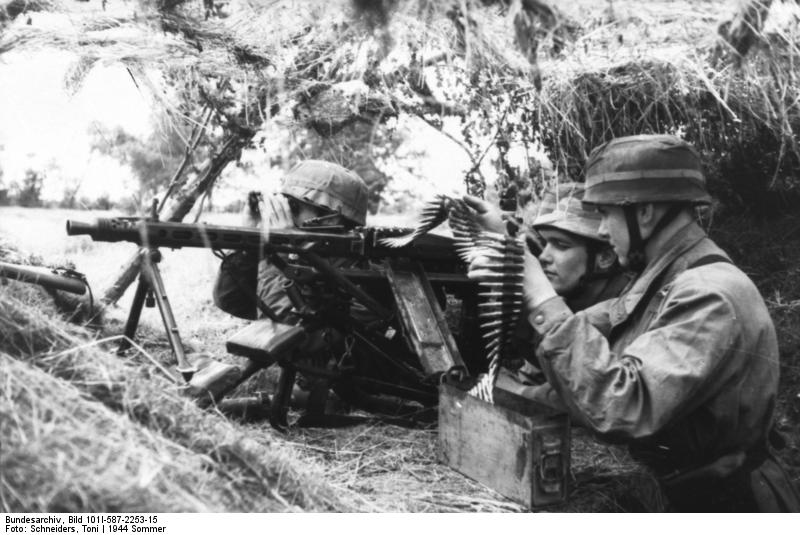
German Fallschirmjaeger Trüppen in Normandy, the German Parachute forces fighting in an infantry role were very effective in the Normandy campaign

The landings at OMAHA succeeded at a cost of over 2000 casualties.  Critical to the success of the landings were the German inability to reinforce their defending troops on the beach.  Likewise the weakness of the units available to mount the standard counterattack that was critical to German defensive plans on D-Day itself kept the Germans from driving the Americans back into the Channel. The 352nd Division fought superbly under the full weight of V Corps and the British XXX Corps on its right suffering heavy casualties as they contested every inch of ground.  The 716th Division composed of second rate troops melted under the onslaught.  Allied air supremacy played a key role as sorties by the 8th and 9th Air Forces helped keep German reinforcements from arriving and interdicted counter attacks inland.  Weigley credits the Allied air superiority with the success of the landings and with limiting casualties.[xlii]Von Rundstedt and other German commanders in France were limited by the delay and refusal of Hitler and OKW to release Panzer reserves when needed most early on June 6th.  By the close of D-Day allied forces had secured the five invasion beaches but not achieved their objectives of taking Caen and Bayuex.  Since the forces on the various beachheads had not linked up the beaches would have been extremely vulnerable had the Germans been able to mount a rapid counterattack by Panzers and strong infantry formations as they had at Salerno.

Major Battles to the Breakout at Avranches

Securing the Beachheads
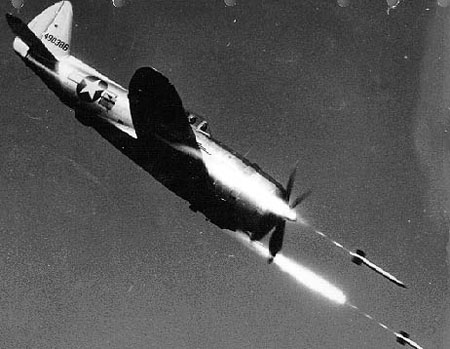
P-47 firing rockets at a ground target. Close air support was vital to Allied forces in Normandy

It took the V and VII Corps nearly a week to secure the beachheads. German forces including the stalwart 352nd Division resisted stubbornly and mounted sharp local counterattacks which kept the Americans off balance.  Elements of the 29th Division and the 90th Division began to push inland and to expand the beachhead toward UTAH. Opposed by the 352nd Division and elements of the 91st Airlanding Division and other non-divisional units the fighting revealed the inexperience of the American infantry formations and the uneven quality of their leadership.  As the Americans tackled the Germans in the labyrinth of the Bocage country the defensive skill of the Germans cost many American lives and delayed the joining of the beachheads. On the 13th the link up was solid enough to enabling the Americans to conduct the follow up operations needed to expand the beachhead, secure Cherbourg and clear the Cotentin.

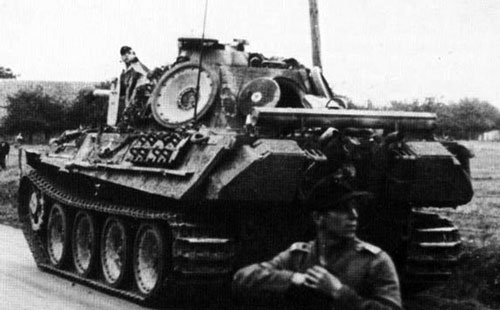
A Panther tank of the Panzer Lehr Division in Normandy

In some American divisions the hard fighting triggered a leadership crisis.  The lack of success of the 90th Division led General “Lightening Joe” Collins of VII Corps relieve the division commander and two regimental commanders of command, a portent of things to come with other American units.[xliii] As the V and VII corps pushed into the “Bocage” they were followed by a massive build up of troops and equipment delivered to the beaches and to the artificial “Mulberry” harbors.  Despite their numeric superiority, air supremacy and massive Naval gunfire support and facing the weakened 352nd, 91st and the 6thParachute Regiment and other less than quality formations, survivors of the static divisions, the Americans made painfully slow progress as they moved off the beachhead and into the Bocage.[xliv]

The Capture of Cherbourg
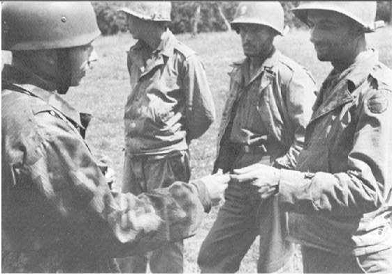
US Soldiers of the 29th Division surrender to German Fallschirmjaeger in Normandy

Once the beachheads had been consolidated the Americans turned their attention toward Cherbourg. Cherbourg was the major naval port at the far northwest tip of the Cotentin.  D-Day planners counted on its swift capture and rehabilitation to serve as a supply port for the Allied forces. The 9th Division drove south to the coast near Barneville on the 18th of June cutting off the German forces covering the approaches to Cherbourg.[xlv] This put the Germans in a bind as the 7th Army “had to split its forces in the peninsula in order to hold the fortress a little longer and thus to gain time for the establishment of the southern front on the Cotentin peninsula.[xlvi] The German forces arrayed before Cherbourg waged a desperate defense centered around the 243rd Infantry Division and other assorted battle groups of LXXXIV Corps, whose commander General Marcks one of the best German Generals was killed in action on 12 June.[xlvii] The U.S. VII Corps under Collins with the 9th, 4th and 79th Divisions pushed up the peninsula capturing Cherbourg on June 29th.  Bradley pushed hard for the capture of the port as the Mulberries had been ravaged by a severe Channel storm the week prior. The port of Cherbourg was thoroughly demolished by German engineers and would not be fully operational for months. The loss of the Mulberries and delay in Cherbourg’s availability meant that few supplies were landed on the beaches would “hinder the escape from the constricting land of the hedgerows into which the Americans had come in search of a port.[xlviii]

The Battle of Caumont Gap

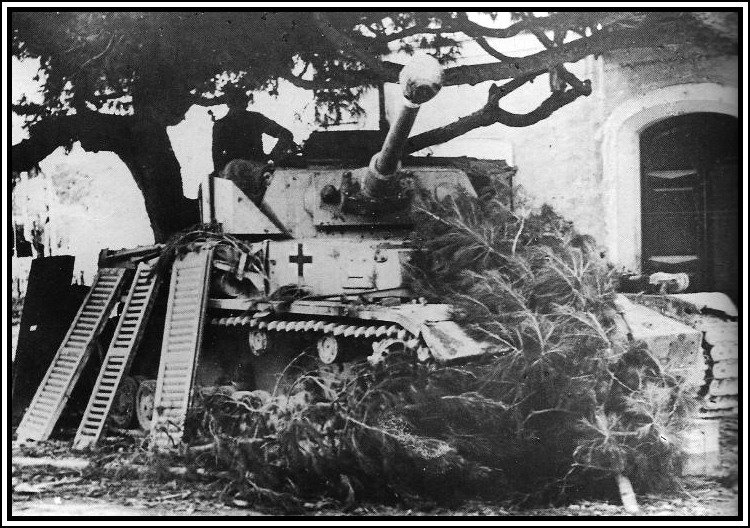
Panzer IV Tank in Normandy

V Corps under Gerow made a cautious advance by phase lines toward Caumont, St Lo and Carentan.  The deliberate advance by the Corps toward a line weakly held by the Reconnaissance battalion of the 17th SS Panzer Grenadier Division was directed by Bradley who did not want to divert attention from the effort against Cherbourg.   After capturing Caumont V Corps halted and continued aggressive patrolling to deceive the Germans while digging in.[xlix] The possibility existed that a strong push against the weak German line could have led to an opportunity to envelope the German line west of Caen. This was a missed opportunity that in part led to the bloody and controversial campaign to capture Caen.[l]

British efforts around Caen

German Panzer Ace Waffen SS Captain Michale Wittman single handedly destroyed a British Battalion at Villers Bocage in his Tiger Tank

Montgomery had ambitious plans to break out of Normandy by capturing Caen on D-Day and driving toward Falaise and Argentan.  The British plans for this were frustrated by the rapid reinforcement of the sector by the Germans and the activities of 21st Panzer, Panzer Lehr, and the 12th SS Panzer Divisions.  A flanking maneuver at Villers-Bocage was frustrated by a few Tiger tanks led by the legendary Waffen SS Panzer commander Captain Michael Wittman whose tanks devastated a British Armored battalion.[li]

Wreckage of a British Battalion at Villers Bocage

A series of disastrous attacks toward Caen (EPSOM, CHARNWOOD and GOODWOOD) strongly supported by air strikes and Naval gunfire finally succeeded in taking that unfortunate city on July 18th but failed to take the heights beyond the town.[lii]

British operations like Operation Epsom met setback after setback against dug in German forces outside of Caen

Against crack well dug in German forces the British took heavy casualties in tanks and infantry seriously straining their ability to conduct high intensity combat operations in the future.[liii] The one benefit, which Montgomery would claim after the war as his original plan was that German forces were fixed before Caen and ground down so they could not be used against Bradley’s breakout in the west at St Lo.[liv]


Clearing the Bocage: The Battle of the Cotentin Plain

US M-5 Light Tank in Normandy

Other German forces arrived, and reinforced the Caumont gap which no longer “yawned invitingly in front of V Corps.” [lv] Bradley wished to push forward rapidly to achieve a breakthrough in the American sector.[lvi] Facing the most difficult terrain in France amid the Bocage and swamps that limited avenues of approach to the American divisions committed to the offensive.  The Americans now faced their old foe the 352nd division as well various elements of II Parachute Corps, the 17th SS Panzer Grenadier and Panzer Lehr Divisions.  American tanks and infantry made slow progress and incurred high losses as they dueled the Germans at close range.  In the VIII Corps sector alone the attack “consumed twelve days and 10,000 casualties to cross eleven kilometers of the Bocage…the achievements of the VII and XIX Corps were no better than comparable.[lvii]

St. Lo

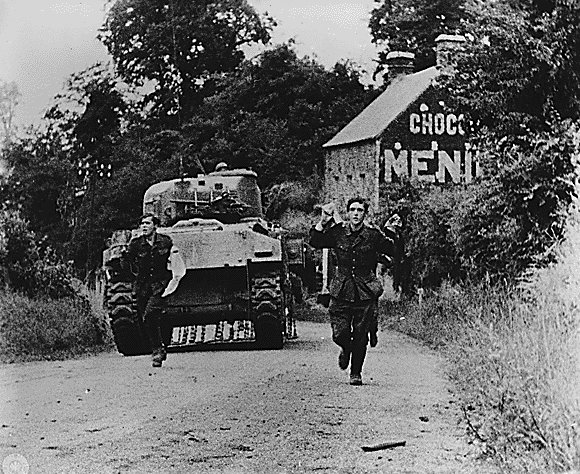
US Tanks advancing with German prisoners moving back to US lines at St Lo

St. Lo was a key to Bradley’s breakout efforts.  His Army had to capture it and the roads leading out of it to launch Operation COBRA along the coast.  The task of capturing St. Lo was assigned to GEROW’S V Corps and Corlett’s XIX Corps.  They faced opposition from the tough paratroops of the German 3rd Parachute Division of II Parachute Corps.  The 2nd, 29th, 30th and 83rd Divisions fought a tough battle advancing eleven kilometers again with high numbers of casualties especially among the infantry to secure St. Lo on 18 July.[lviii] They finally had cleared the hedgerows.  St Lo epitomized the struggle that the American Army had to overcome in the Bocage.  Hard fighting but outnumbered German troops in excellent defensive country exacted a terrible price in American blood despite the Allied control of the skies.[lix]

Operation COBRA

US 155mm Howitzers in Normandy, the Germans had profound respect for American Artillery, a respect that they did not share for American Infantry or Armor forces

With the Bocage behind him Bradley desired to push the Germans hard.  COBRA was his plan to break out of Normandy.  Bradley ably assisted by Collins they realized that the better terrain, road networks favored a breakout.  American preparations included a technical advance that allowed tanks to plow through hedgerows. This was the “Rhino” device fashioned by American troops which was installed on 3 of every 5 First Army Tanks for the operation.[lx] VII Corps was to lead the attack which was to begin on July 24th. American planning was more advanced than in past operations.  Collins and Bradley planned for exploitation operations once the breakthrough had been made. A massive air bombardment would precede the attack along with an artillery barrage by Collins corps artillery which was reinforced by additional battalions.   A mistake by the heavy bombers in the 24th resulted in the American troops being hit with heavy casualties and a postponement of the attack until the 25th.[lxi] The following day the attack commenced.  Another mistake by the bombers led to more American casualties[lxii] but VII Corps units pressed forward against the determined resistance of the survivors of Panzer Lehr and the remnants of units that had fought the Americans since the invasion began.  Although it was a “slow go” on the 25th Bradley and his commanders were already planning for and beginning to execute the breakout before the Germans could move up reinforcements.  The 26th of June brought renewed attacks accompanied by massive air strikes.
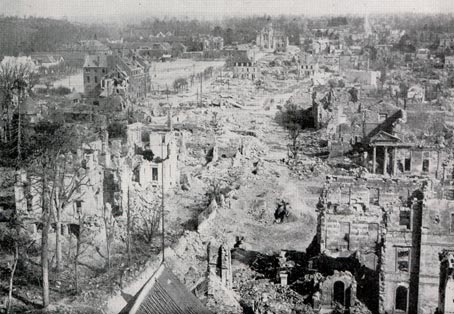
St Lo 

While not much progress was made on the 26th, the Americans discovered on the 27th that the German forces were retreating.  The capture of Marigny allowed VIII Corps to begin exploitation down the coastal highway to Coutances.  On the 27th General Patton was authorized to take immediate command of VIII Corps a precursor to the activation of his 3rdArmy.  COBRA ripped a hole in the German line and inflicted such heavy casualties on the German 7th Army that it could do little to stop the American push.[lxiii] As the American forces pushed forward they reinforced their left flank absorbing the local German counterattacks which were hampered by the Allied close air support.

Avranches and Beyond

US Forces advance through the ruins of St Lo

As the breakthrough was exploited the command of the forces leading it shifted to Patton and the newly activated 3rd Army. By the 28th VIII Corps led by the 4th and 6th Armored Divisions had reached Avranches and established bridgeheads over the See River with additional bridges being captured intact on the 30th.[lxiv] The capture of Avranches allowed the Americans to begin exploitation operations into Brittany and east toward the Seine. Weigley notes that for the first time in the campaign that in Patton the Americans finally had a commander who understood strategic maneuver and would use it to great effect.[lxv]

Conclusion

The American campaign in Normandy cost the U.S. Army a great deal. It revealed weaknesses in the infantry, the inferiority of the M4 Sherman tank to most German types, problems in tank-infantry cooperation and also deficiencies in leadership at senior, mid-grade and junior levels. Heavy casualties among infantry formations would lead to problems later in the campaign. Numerous officers were relieved including Division and Regimental commanders.  Nonetheless during the campaign the Americans grew in their ability to coordinate air and ground forces and adapt to the conditions imposed on them by their placement in the Cotentin.  The deficiencies would show up in later battles but the American Army learned its trade even impressing some German commanders on the ground in Normandy.[lxvi]

[i] See the alternative history of by Peter Tsouras Disaster at D-Day: The Germans Defeat the Allies, June 1944, Greenhill Books, London 1994. Tsouras describes the defeat of the Omaha landings and the effect on the course of the campaign leading to the overthrow of Hitler and a negotiated armistice in the west.  While this outcome could be rigorously debated other outcomes could have led to the fall of the Roosevelt and Churchill governments and their replacement by those not committed to unconditional surrender or a continuation of the war that brought about more German missile attacks on the U.K. and the introduction of other advanced German weapons that could have forced such a settlement. Another option could have led to the dropping of the Atomic Bomb on a German city vice Hiroshima.

[ii] Weigley, Russell F. Eisenhower’s Lieutenants: The Campaign of France and Germany, 1944-1945, Indiana University Press, Bloomington IN, 1981 p.33

[iii] Ibid pp. 34-35

[iv] Ibid p.35

[v] General Montgomery 21st Army group and Land Forces, Admiral Sir Bertram Ramsey as Allied Naval Expeditionary Force and Air Marshall Sir Trafford Leigh-Mallory as Commander in Chief Allied Expeditionary Air Force. Weigley p.43

[vi] Max Hastings in Overlord: D-Day and the Battle for Normandy Vintage Books, New York, 1984, comments that many in Britain wondered if Eisenhower with the lack of actual battle experience could be a effective commander and that Eisenhower was disappointed in the appointment of Leigh-Mallory and Ramsey, and had preferred Alexander over Montgomery, pp. 28-29.

[vii] Ibid. Weigley p.40.  Montgomery was the first to object to the 3 division narrow front invasion rightly recognizing that seizing Caen with its road junctions could provide a springboard for the campaign into open country.

[viii] Ibid. p.37

[ix] Hastings, Max. Overlord: D-Day and the Battle for Normandy Vintage Books, New York, 1984 p.29  Hastings finds the irony in the selection of the British officers to execute the plan that reflected the American way of thinking.

[x] The Germans agreed with this in their planning leaving Brittany very lightly defended.  See  Isby, David C. Ed. “The German Army at D-Day: Fighting the Invasion.” p.27 The report of General Blumentritt, Chief of Staff OB West noted that only 3 divisions were assigned to Brittany.

[xi] Ibid. Weigley, pp. 39-40

[xii] Ibid. p.73

[xiii] See Isby p. 69.  General Max Pemsel of 7th Army noted that “During  the spring of 1944, Seventh Army received only tow good photographs of British southern ports, which showed large concentrations of landing craft.”

[xiv] Ibid. Hastings p.63.  Hastings comments also about the success of using the turned Abwehr agents.

[xv] Warlimont, Walter. “Inside Hitler’s Headquarters: 1939-1945.” Translated from theGerman by R.H. Barry. Presidio Press, Novao CA, English Edition Copyright 1964 Wiedenfeld and Nicholson Ltd. Pp.422-423

[xvi] Ibid. Weigley pp. 53-54

[xvii] Ibid. p. 67

[xviii] Ibid. pp.57-64  Weigley spends a great deal of time on the wrangling between Eisenhower, Leigh Mallory and Spaatz on the nature of the plan, the allocation of forces both strategic and tactical assigned to carry it out and its success, or in the light of postwar analysis the lack of effect that it had on German operations.

[xix] Ibid. p.67-68.

[xx] Ibid. Hastings pp. 43-44 In large part due to the long range P-51 Mustang which accompanied the American bombing raids beginning in 1943.  Another comment is that the campaign drew the German fighters home to defend Germany proper and prevented their use in any appreciable numbers over the invasion beaches.

[xxi] Ibid. Weigley p.69

[xxii] Ibid. p.89

[xxiii] Ibid. pp. 88-89

[xxiv] Ibid. p.87

[xxv] Ibid. Weigley also talks about the rejection of General Corlett’s ideas to use Amtracks used by the Marines in the Pacific to land on less desirable, but less defended beaches to lessen casualties on the beaches and the need for additional support equipment even on smooth beaches.  One of Corlett’s criticisms was that too little ammunition was allotted to supporting the landings and not enough supporting equipment was provided. pp. 46-47

[xxvi] Hastings notes that with the strength and firepower of the German forces on OMAHA that many of these vehicles had they been employed would like have ended up destroyed further cluttering the beachhead. “Overlord” p.102

[xxvii] The battle over the deployment of the Panzer Divisions is covered by numerous historians.  The source of the conflict was between Rommel who desired to place the Panzer Divisions on the Coast under his command due to the fear that Allied air superiority would prevent the traditional Panzer counterthrust, General Gyer von Schweppenburg commander of Panzer Group West (Later the 5th Panzer Army) and Field Marshal Von Rundstedt who desired to deploy the divisions order the command of Rundstedt for a counter attack once the invasion had been launched, a strategy which was standard on the Eastern Front, and Hitler who held most of the Panzer reserve including the SS Panzer Divisions under his control at OKW.  Hitler would negotiate a compromise that gave Rommel the satisfaction of having three Panzer Divisions deployed behind coast areas in the Army Group B area of responsibility.  21stPanzer had those duties in Normandy.

[xxviii] Ibid. p.74-75

[xxix] Von Luck, Hans.  “Panzer Commander“ Dell Publishing, New York, 1989 pp. 169-170.  Von Luck a regiment commander in 21st Panzer noted that General Marcks of 84th Corps had predicted a 5 June invasion at a conference May 30th.

[xxx] Almost every D-Day historian talks about the weather factor and its effect on the German high command’s reaction to the invasion.  Rommel was visiting his wife for her birthday and planned to make a call on Hitler. Others including commanders of key divisions such as the 91st Airlanding Division were off to a war game in Rennes and the 21st Panzer Division to Paris.

[xxxi] Ibid. Weigley p. 96

[xxxii] See Cornelius Ryan, “The Longest Day” Popular Library Edition, New York 1959. pp. 189-193 for a vivid description of the challenges faced by soldiers going from ship to landing craft and their ride in to the beaches.

[xxxiii] Ibid. Weigley. p.78 Weigley talks about the order for the tanks to be carried ashore on their LCTs that did not get transmitted to the 741st.

[xxxiv] Ibid.

[xxxv] Ibid. Weigley  p. 87 The weather prevented the aerial bombardment from being effective. Because the bombers could not see their targets they dropped their bomb loads further inland, depriving the infantry of support that they were expecting.  Naval gunfire support had some effect but had to be lifted as the troops hit the beach leaving much of that support to come from Destroyers and specially equipped landing craft which mounted rockets and guns.

[xxxvi] Ibid. Hastings. pp. 90-91.

[xxxvii] Ibid. p.99

[xxxviii] Ibid. Weigley p.80

[xxxix] Ibid. p.101  Also see Weigley p.80

[xl] Ibid. p.99

[xli] Ibid. Weigleyp.95

[xlii] Ibid. p.94

[xliii] Ibid. p.99 Both Weigley and Hastings make note of the failure of both the Americans and British to train their troops to fight in the bocage once they had left the beaches.

[xliv] Ibid. Hastings. pp.152-153

[xlv] Ibid. Weigley p.101

[xlvi] Isby, David C., Ed. “Fighting in Normandy: The German Army from D-Day to Villers-Bocage.” Greenhill Books, London,  2001.  p.143

[xlvii] Ibid. Hastings p.173 Allied fighter bombers exacted a fearful toll among German commanders. The Commanders of the 243rd and 77th Divisions fighting in the Cotentin were also killed by air attacks on the 17th and 18th.   Further east facing the British the commander of the 12th SS Panzer Division, Fritz Witt on the 17th.

[xlviii] Ibid. Weigley. p.108

[xlix] Ibid. p.111-112.

[l] Ibid.

[li] The efforts of the 51st Highland Division and 7th Armored Division were turned aside by the Germans in the area and were dramatized by the destruction of  a British armored battalion by SS Captain Michael Wittman and his platoon of Tiger tanks.  See Hastings pp.131-135.

[lii] The British 8th Corps under General O’Connor lost 270 tanks and 1,500 men on 18 July attempting to crack the German gun line on the ridge beyond Caen. Weigley, pp.145-146.

[liii] Hastings comments about the critical British manpower shortage and the pressures on Montgomery to not take heavy casualties that could not be replaced. Overlord. pp.241-242.

[liv] Ibid. Weigley pp.116-120

[lv] Ibid. p.122

[lvi] Ibid. p121 Bradley told Eisenhower “when we hit the enemy this time we will hit him with such power that we can keep going and cause a major disaster.”

[lvii] Ibid. 134

[lviii] Ibid. Weigley. pp. 138-143.  Weigley notes of 40,000 U.S. casualties in Normandy up to the capture of St. Lo that 90% were concentrated among the infantry.

[lix] Weigley quotes the 329th Regiment, 83rd Division historian “We won the battle of Normandy, [but] considering the high price in American lives we lost. P.143. This is actually a provocative statement that reflects America’s aversion to massive casualties in any war.

[lx] Ibid. p.149

[lxi] Ibid. p. 152

[lxii] Ibid. pp. 152-153.  Among the casualties were the command group of the 9th Division’s 3rd Battalion 47th Infantry and General Leslie McNair who had come to observe the assault.

[lxiii] Ibid. pp.161-169. Weigley notes the advances in U.S. tactical air support, the employment of massive numbers of U.S. divisions against the depleted German LXXXIV Corps, and the advantage that the “Rhino” device gave to American tanks by giving them the ability to maneuver off the roads for the first time.

[lxiv] Ibid. pp.172-173.

[lxv] Ibid. p.172

[lxvi] Ibid. Isby, David C. “Fighting in Normandy,” p.184, an officer of the 352nd Division referred to the American soldier “was to prove himself a in this terrain an agile and superior fighter.”

Bibliography

Carell, Paul. “Invasion: They’re Coming!” Translated from the German by E. Osers, Bantam, New York 1964.

Hastings, Max. Overlord: D-Day and the Battle for Normandy Vintage Books, New York, 1984

Isby, David C. Ed. “The German Army at D-Day: Fighting the Invasion.” Greenhill Books, London 2004

Isby, David C., Ed. “Fighting in Normandy: The German Army from D-Day to Villers-Bocage.” Greenhill Books, London, 2001.

Ryan, Cornelius, “The Longest Day” Popular Library Edition, New York 1959

Tsouras, Peter. “Disaster at D-Day: The Germans Defeat the Allies, June 1944,”Greenhill Books, London 1994.

Von Luck, Hans.  “Panzer Commander“ Dell Publishing, New York, 1989

Warlimont, Walter. “Inside Hitler’s Headquarters: 1939-1945.” Translated from theGerman by R.H. Barry. Presidio Press, Novao CA, English Edition Copyright 1964 Wiedenfeld and Nicholson Ltd. Warlimont, Walter. “Inside Hitler’s Headquarters: 1939-1945.” Translated from theGerman by R.H. Barry. Presidio Press, Novao CA, English Edition Copyright 1964 Wiedenfeld and Nicholson Ltd.

Weigley, Russell F. Eisenhower’s Lieutenants: The Campaign of France and Germany, 1944-1945, Indiana University Press, Bloomington IN, 1981

5 Comments

Filed under History, Military, world war two in europe

Hawks at Angels 12: The Sacrifice of VMF 221 and VSMB 241 at Midway

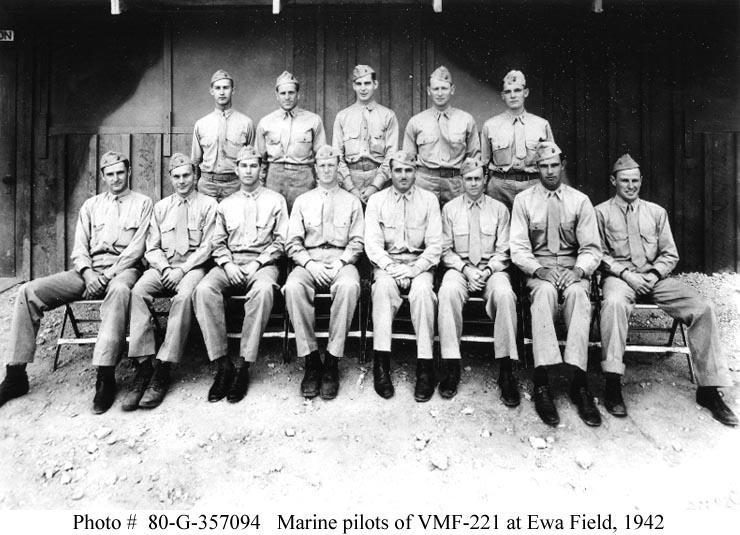
One of the more overlooked aspects of the Battle of Midway is the sacrifice of Marine Fighter Squadron 221 on the morning of June 4th 1942.   The Marine aviators flying a mix of 21 obsolescent Brewster F2A-3 Buffalos and 7 Grumman F4F-3 Wildcats engaged a vastly superior force of Japanese Navy aircraft as they vectored toward the atoll to begin softening it up for the planned invasion.

Led by Major Floyd Parks the squadron had arrived at Midway on Christmas day 1941 being delivered by the USS Saratoga after the aborted attempt to relieve Wake Island.  The squadron along with Marine Scout Bombing Squadron 241 (VMSB 241) formed Marine Air Group 22.  They fighter pilots of VMF-221 scored their first victory shooting down a Japanese Kawanishi H8K2 “Emily” flying boat. The squadron which initially was composed of just 14 aircraft, all F2A-3’s was augmented by 7 more F2A-3s and 7 of the more advanced F4F-3s before the battle.

When the Japanese First Carrier Striking Group was spotted in the wee hours of June 4th the Marines and other aircrew aboard Midway scrambled to meet them.  The 18 SBD-2 Dauntless’ and 12 Vought SB2-U3 Vindicator dive bombers of VMSB-241, the 6 TBF Avengers of the Navy Torpedo Eight detachment, 4 Army Air Corps B-26 Marauders and 15 B-17 Flying Fortresses flew out to attack the Japanese carriers while the fighters rose to intercept the 108 aircraft heading toward Midway. The 72 strike aircraft, 36 Aichi 99 Val Dive Bombers and 36 Nakajima B5N Torpedo/ High Level Bombers were protected by 36 AM6-2 Zeros which thoroughly outclassed the Marine opponents in speed, maneuverability and in the combat experience of their pilots.

The Marines audaciously attacked the far superior Japanese force, throwing themselves against the Japanese phalanx with unmatched courage.  Despite their courage the Marine fighters were decimated by the Japanese Zeros.  The Marines shot down 4 Val dive bombers and at least three Zeros but lost 13 Buffalos and 3 Wildcats during the battle.  Of the surviving aircraft only three Buffalos and three Wildcats were in commission at the end of the day. Among the casualties killed was Major Parks.  Of the surviving pilots of VMF-221, two became “Aces” during the war. Lieutenant Charles M. Kunz would later fly in VMF-224, adding six victories to end the war with 8 victories. Capt. Marion E. Carl would later fly in VMF-223 raising his score to 18.5 Japanese aircraft shot down.  Other pilots like 2nd Lieutenant Clayton M. Canfield shot down two additional aircraft while flying with VMF-223. 2nd Lieutenant Walter W. Swansberger won the Medal of Honor at Guadalcanal.

The last remaining Marine fighter pilot of VMF-221 from the battle of Midway, Williams Brooks died in January 2010 and was buried with full military honors, in Bellview , Nebraska.  Brooks in his after action report described his part in the battle:

I was pilot of F2A-3, Bureau number 01523, Our division under Capt. Armistead was on standby duty at he end of the runway on the morning of June 4, 1942, from 0415 until 0615. At about 0600, the alarm sounded and we took off. My division climbed rapidly, and I was having a hard time keeping up. I discovered afterwards that although my wheels indicator and hydraulic pressure indicator both registered “wheels up”, they were in reality about 1/3 of the way down. We sighted the enemy at about 14,000 feet, I would say that there were 40 to 50 planes. At this time Lt. Sandoval was also dropping back. My radio was at this time putting out no volume, so I could not get the message from Zed. At 17,000 feet, Capt. Armistead led the attack followed closely by Capt. Humberd. They went down the left of the Vee , leaving two planes burning. Lt. Sandoval went down the right side of the formation and I followed. One of us got a plane from the right side of the Vee. At this time, I had completely lost sight of my division. As I started to pull up for another run on the bombers, I was attacked by two fighters. Because my wheels being jammed 1/3 way down, I could not out dive these planes, but managed to dodge them and fire a burst or so into them as they went past me and as I headed for the water. As I circled the island, the anti-aircraft fire drove them away. My tabs, instruments and cockpit were shot up to quite an extent at this time and I was intending to come in for a landing. 

It was at this time that I noticed that a important feature in their fighting. I saw two planes dog-fighting over in the east, and decided to go help my friend if at all possible. My plane was working very poorly, and my climb was slow. As I neared the fight both planes turned on me. It was then that I realized I had been tricked in a sham battle put on by two Japs and I failed to recognize this because of the sun in my eyes. Then I say I was out-numbered, I turned and made a fast retreat for the island, collecting a goodly number of bullets on the way. After one of these planes had been shaken, I managed to get a good burst into another as we passed head-on when I turned into him. I don’t believe this ship could have gotten back to his carrier, because he immediately turned away and started north and down. I again decided to land, but as I circled the island I saw two Japs on a Brewster. Three of my guns were jammed, but I cut across the island, firing as I went with one gun. But I could not get there in time to help the American flier and as soon as the Brewster had gone into the water I came in for a landing at approximately 0715 (estimated). 

VMF-221 was composed of the following aircraft and pilots.

FIRST DIVISION (F2A-3)

Plane # Bu.No.  Pilot                                                               Status

MF-1     01518    Maj. Floyd B. Parks USMC                          MIA

MF-2     01548    2nd Lt. Eugene P. Madole USMCR            MIA

MF-3     01525    Capt. John R. Alvord USMC                        MIA

MF-4     01537    2nd Lt. John M. Butler USMCR                   MIA

MF-5     01569    2nd Lt. David W. Pinkerton Jr. USMCR      MIA

MF-6     01552    2nd Lt. Charles S. Hughes USMCR, Did not engage, turned back due to Engine problems


SECOND DIVISION (F2A-3)

Plane # Bu.No.  Pilot                                                                 Status

MF-7     01552    Capt. Daniel J. Hennessey USMC              MIA

MF-8     01541    2nd Lt. Ellwood Q. Lindsay USMCR                 MIA

MF-9     01524    Capt. Herbert T. Merrill USMC                   Bailed out WIA

MF-10   01528    Capt. Herbert T. Merrill USMC            MIA

MF-11   01568    Capt. Phillip R. White USMC                       Survived

MF-12   01542    2nd Lt. John D. Lucas USMCR                      MIA


THIRD DIVISION (F2A-3)

Plane#  Bu.No.  Pilot                                                               Status

MF-13   01562    Capt. Kirk Armistead USMC                      Survived

MF-14   01563    2nd Lt. William B. Sandoval USMCR         MIA

MF-15   01553    Capt. William C. Humberd USMC            Survived

MF-16   01523    2nd Lt. Williams V. Brooks USMCR           WIA

MF-17   01521    2nd Lt. Charles M .Kunz USMCR               WIA

MF-18   01559    2nd Lt. Martin E. Mahannah USMC           KIA (his body washed up later)

23 (F4F-3) 3989  2nd Lt. Walter W. Swansberger USMCR   Survived


FOURTH DIVISION (F2A-3)

Plane # Bu.No.  Pilot                                                                Status

MF-19   01520    Capt. Robert E. Curtin USMC                     MIA

MF-20   01550    2nd Lt. Darrell D. Irwin USMCR                       Survived


FIFTH DIVISION (F4F-3)


Plane # Bu.No.  Pilot                                                                Status

22           4008       Capt. John F. Carey USMC                          WIA

24           4000       Capt. Marion E. Carl USMC                         Survived

25           3997       2Lt. Clayton M. Canfield USMCR                Survived

26           4006       Capt. Francis P. McCarthy USMC               MIA

27           2532       2nd Lt. Roy A. Corry USMC                              Survived

28           1864       2nd Lt.Hyde Phillips USMCR                            Did not engage, mechanical problems

As for VMF-221 it was re-equipped with the F4F-4 and later with the F4U Corsair during the course of two more deployments overseas.  VMF-221 finished the war with a score of 155 victories, 21 damaged and 16 probable kills, the second highest total of any Marine Corps Squadron during the war.

SB2-U2 Vindicator of VMSB 241 at Midway

Their bomber counterparts of VMSB 241 attacked the Japanese task force on the morning of June 4th and scored no hits while losing 8 aircraft. The survivors were again in action later in the day as well as the following day where they helped sink the Japanese Heavy Cruiser Mikuma with their squadron leader Major Henderson diving his mortally wounded aircraft into the cruiser’s number 4 8” gun turret.While the Marines’ actions are not as well known or as successful as those of their Navy counterparts they were brave.  Fighter pilots had to engage some of the most experienced pilots flying superior machines while the bomber crews had little to no experience before being thrown into combat. As we remember the sacrifices made by the men of Midway let us not forget the gallant men of VMF-221 and VSMB-241.

Peace
Padre Steve+

27 Comments

Filed under History, Military, Navy Ships, world war two in the pacific

Into the Valley of the Shadow of Death: The Death of the Torpedo Bombers at Midway

Half a league half a league,
Half a league onward,
All in the valley of Death
Rode the six hundred:
‘Forward, the Light Brigade!
Charge for the guns’ he said:
Into the valley of Death
Rode the six hundred.

Alfred, Lord Tennyson: The Charge of the Light Brigade

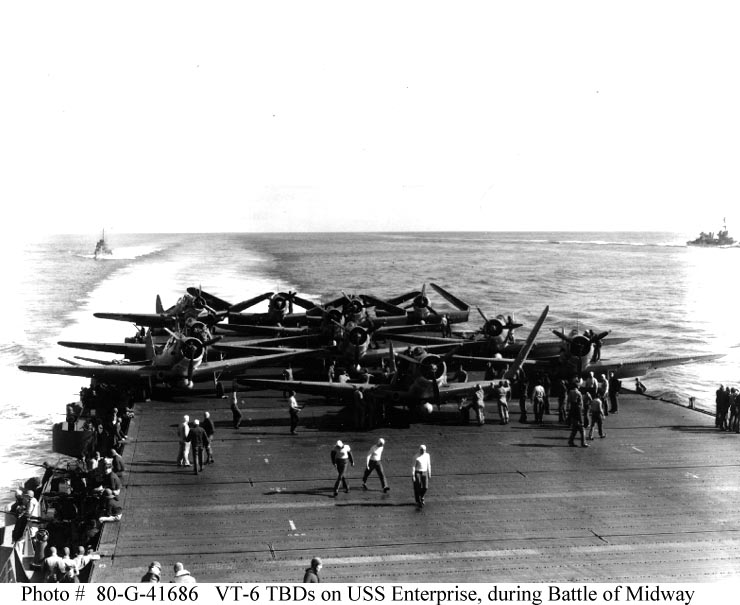
They were not six hundred and they were not mounted on horses but the Naval Aviators of Torpedo Squadrons 3, 6 and 8 and their aerial steeds 42 Douglas TBD Devastators and 6 TBF Avengers wrote a chapter of courage and sacrifice seldom equaled in the history of Naval Aviation. Commanded by veteran Naval Aviators, LCDR Lance “Lem” Massey, LCDR Eugene Lindsey and LCDR John Waldron the squadrons embarked aboard the carriers flew the obsolete TBD Devastators and the young pilots of the Midway based Torpedo 8 detachment under the command of LT Langdon Fieberling flew in the new TBF Avengers.

The TBD which first flew in 1935 entered service in 1937 and was possibly the most modern naval aircraft in the world when it entered service.  It was a revolutionary aircraft. It was the first monoplane widely used on carriers and was first all-metal naval aircraft.  It was the first naval aircraft with a totally enclosed cockpit, the first with hydraulic powered folding wings.  The TBD had crew of three and had a maximum speed of 206 miles an hour and carried a torpedo or up to 1500 pounds of bombs (3 x 500) or a 1000 pound bomb.  129 were built and served in all pre-war torpedo bombing squadrons based aboard the Lexington, Saratoga, Ranger, Yorktown, Enterprise and Hornet with a limited number embarked aboard Wasp.  The Devastator saw extensive service prior to the war which pushed many airframes to the end of their useful service life and by 1940 only about 100 were operational by the beginning of the war.  They were still in service in 1942 as their replacement the TBF Avenger was not available for service in large enough numbers to replace them before Midway.  The TBDs performed adequately against minor opposition at Coral Sea and in strikes against the Marshalls but the squadrons embarked on Yorktown (VT3), Enterprise (VT-6) and Hornet (VT-8) were annihilated at Midway with only 6 of 41 aircraft surviving their uncoordinated attacks against the Japanese Carrier Strike Force.  They were too slow, had poor maneuverability, insufficient armor and defensive armament.

The Torpedo squadrons attacked independently of each other between 0920 and 1030 on June 4th 1942. Only

The Japanese Combat Air Patrol ripped into the slow, cumbersome and under armed TBD Devastators as they came in low to launch their torpedoes.  Torpedo Eight from Hornet under the command of LCDR John C Waldron pressed the attack hard but all 15 of the Devastators were shot down.  Only Ensign George Gay’s aircraft was able to launch its torpedo before being shot down and Gay would be the sole survivor of the squadron to be picked up later by a PBY Catalina patrol plane.

Torpedo Six from the Enterprise under the command of LCDR Eugene Lindsey suffered heavy casualties losing 10 of 14 aircraft with Lindsey being one of the casualties.  The last group of Devastators to attack was Torpedo Three from the Yorktown under the command of LCDR Lem Massey losing 11 of 13 aircraft with Massey a casualty last being seen standing on the wing of his burning aircraft as it went down.  These aircraft were also decimated and Massey killed but they had drawn the Japanese Combat Air Patrol down to the deck leaving the task force exposed to the Dive Bombers of the Enterprise and Yorktown.  The six aircraft of the Torpedo Eight detachment from Midway under the command of LT Fieberling lost 5 of their 6 aircraft while pressing their attacks.  Only Ensign Bert Earnest and his aircraft survived the battle landing in a badly damaged state on Midway.  Four U.S. Army B-26 Marauder Medium Bombers were pressed into service as torpedo bombers of which 2 were lost.  No torpedo bomber scored a hit on the Japanese Task force even those torpedoes launched at close range failed to score and it is believe that this was in large part due to the poor performance of the Mark 13 aircraft torpedoes.

Despite the enormous losses of the torpedo squadrons their sacrifice was not in vain. Their attacks served to confuse the Japanese command and delay the rearmament of aircraft following the Japanese strikes on Midway. They also took the Japanese Combat Air Patrol down to sea level and opened the way for American Dive Bombers to strike the Japanese with impunity fatally damaging the Akagi, Kaga and Soryu in the space of 5 minutes.

After Midway the remaining TBDs were withdrawn from active service and no example survives today. The TBF became the most effective torpedo bomber of the war.

As we remember the brave men that fought at Midway it is imperative that we remember the brave aircrews of the torpedo squadrons that like the Light Brigade rode into the Valley of the Shadow of Death against the First Carrier Strike Force and Midway.

Peace

Padre Steve+

10 Comments

Filed under aircraft, History, Military, world war two in the pacific

An Invincible Fleet and a Flawed Plan: The Japanese at Midway

Note: This is the first of a series of articles coming over the next few days about the Battle of Midway, a major turning point of the Second World War.

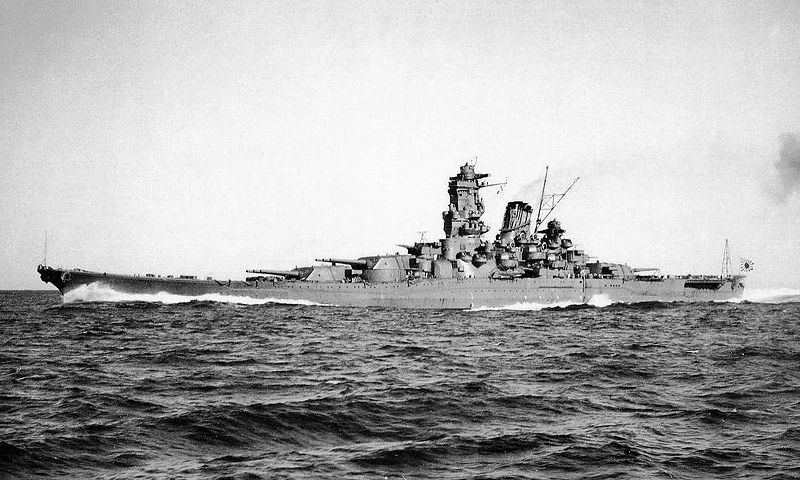
The Battleship Yamato, Flagship of the Combined Fleet and symbol of Japanese Naval Power

The Imperial Japanese Navy under the command of Admiral Isoruku Yamamoto had been humiliated. On April 18th 1942 16 B-25 bombers under the command of Colonel Jimmy Doolittle were launched from the deck of the USS Hornet and bombed Tokyo.  Though the physical damage was insignificant the psychological impact was massive on the Japanese military establishment. Yamamoto and his deputy Rear Admiral Matome Ugaki had explored the possibility of attacking Midway in the early months of 1942 as the Japanese armed forces competed with each other to determine an overall strategy for the war effort. The Army was insistent on a China strategy while the Navy preferred expansion in the Western, South and Central Pacific.  Yamamoto’s idea envisioned seizing Midway and using it as a forward base from which an invasion of Hawaii could be mounted as well as the bait to draw the carrier task forces of the U.S. Navy into battle and destroy them.

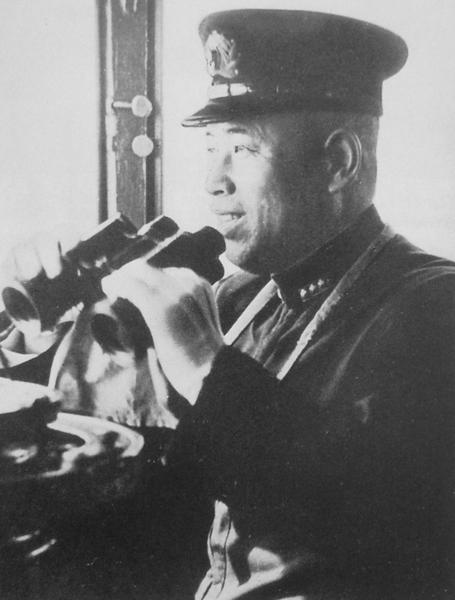
Admiral Isoruku Yamamoto, CinC Combined Fleet

The Japanese certainly had the forces to accomplish the mission outnumbering the U.S. Navy which had taken heavy losses at Pearl Harbor and in the Far East.  Following the Doolittle raid Yamamoto went ahead with the plan to invade Midway. The operation, named MI was coupled with an invasion of the islands of Attu and Kiska in the Aleutians which would form a picket line to prevent future attacks on the Japanese mainland. Fuchida

Yamamoto’s plan was not without its critics, the majority of the Staf of the First Air Fleet embarked on the First Carrier Striking Force was not in favor including the leader of the Pearl Harbor attack Commander Mitsuo Fuchida who considered it “grammar school strategy.”   Despite objections from them as well as his Fleet Operations Officer Yamamoto directed that the plan be implemented.  The plan was to have the First Carrier Striking Force attack Midway and reduce its defenses so that the Invasion Force could undertake the task of invading and occupying Midway.  Supporting these forces was the Main Body built around Battleship Division One included Yamamoto’s flagship the 72,000 ton behemoth Yamato.  Another strong force was assigned to the Aleutian operation. The task forces were spread out across the North Pacific and would not able to provide mutual support to each other in a timely manner.

Japanese Forces were organized in the following manner.

Main Body, Admiral Yamamoto

BatDiv 1, Admiral Yamamoto

BB Yamato (flagship, Yamato), Captain

BB Nagato (Nagato), Captain Hideo Yano

BB Mutsu (Nagato), Captain Teijiro Yamazumi

Carrier Group, Captain Kaoru Umetani

CVL Hosho (Hosho), Captain Umetani

Air Unit (8 bombers), Lieutenant Yoshiaki Irikiin

DD Yukaze (Minekaze), Lieutenant Commander Shizuka Kajimoto

Special Force, Captain Kaku Harada

Chiyoda (seaplane carrier, Chitose), Captain Harada

Nisshin (seaplane carrier, Nisshin), Captain Katsumi Komazawa

Screen (DesRon 3), RADM Shintaro Hashimoto

CL Sendai (flagship, Jintsu), Captain Nobue Morishita

DesDiv 11, Captain Kiichiro Shoji

DD Fubuki (Fubuki), Captain Shizuo Yamashita

DD Shirayuki (Fubuki), Captain Taro Sugahara

DD Hatsuyuki (Fubuki), Captain Lieutenant Commander Junnari Kamiura

DD Murakumo (Fubuki), Captain Commander Hideo Higashi

DesDiv 19, Captain Ranji Oe

DD Isonami (Fubuki), Commander Ryokichi Sugama

DD Uranami (Fubuki), Commander Tsutomu Hagio

DD Shikinami (Fubuki), Commander Akifumi Kawahashi

DD Ayanami (Fubuki), Commander Eiji Sakuma

1st Supply Unit, Captain Shigeyasu Nishioka

Naruto (Oiler), Captain Nishioka

Toei Maru (Oiler)

It was Yamamoto’s plan to use this force to polish off U.S. Forces that would only enter the fight after he had taken Midway. Despite the success of his carrier task forces at his heart Yamamoto was still a Battleship Sailor and believed that his battleships would be the deciding factor in the final destruction of the U.S. Navy forces in the Pacific.  This force could be augmented by the Aleutian Guard Force, detached from the Main Body under the command of Vice Admiral Shiru Takasu and was composed of the following fleet units:

GUARD (Aleutians Screening) FORCE, VADM Shiro Takasu in Hyuga

Chief of Staff, Rear Admiral Kengo Kobayashi

BatDiv 2

BB Hyuga (flagship, Hyuga), Captain Chiaki Matsuda

BB Ise (Hyuga), Captain Isamu Takeda

BB Fuso (Fuso), Captain Mitsuo Kinoshita

BB Yamashiro (Fuso), Captain Gunji Kogure

Screen, RADM Fukuji Kishi

CruDiv 9, Rear Admiral Kishi

CL Kitakami ( flagship, Kuma), Captain Saiji Norimitsu

CL Oi (Kuma), Captain Shigeru Narita

DesDiv 20, Captain Yuji Yamada

DD Asagiri (Fubuki), Commander Nisaburo Maekawa

DD Yugiri (Fubuki), Captain Masayoshi Motokura

DD Shirakumo (Fubuki), Commander Toyoji Hitomi

DD Amagiri (Fubuki), Captain Buichi Ashida

DesDiv 24, Captain Yasuji Hirai

DD Umikaze (Shiratsuyu), Commander Nagahide Sugitani

DD Yamakaze (Shiratsuyu), Commander Shuichi Hamanaka

DD Kawakaze (Shiratsuyu), Commander Kazuo Wakabayashi

DD Suzukaze (Shiratsuyu), Commander Kazuo Shibayama

DesDiv 27, Captain Matake Yoshimura

DD Ariake (Hatsuharu), Commander Shoichi Yoshida

DD Yugure (Hatsuharu), Commander Kiyoshi Kamo

DD Shigure (Shiratsuyu), Commander Noboru Seo

DD Shiratsuyu (Shiratsuyu), Lieutenant Commander Kimmatsu Hashimoto

2nd Supply Unit, Captain Matsuo Eguchi

San Clemente Maru (oiler), Captain Eguchi

Toa Maru (oiler)

The force that was the true heart of the Japanese Navy in early 1942 was the First Carrier Striking Force which at Pearl Harbor and in the months following had run roughshod over all Allied opposition.  Initially composed of 6 flattops the force was reduced to four when the Shokaku was heavily damaged and Zuikaku’s air group decimated at the Battle of the Coral Sea on 8 May 1942.  Nevertheless it was still a formidable and experienced force in its own right.  Commanded by Vice Admiral Chuichi Nagumo it was composed of the following units:

FIRST CARRIER STRIKING FORCE (1st Air Fleet), VADM Chuichi Nagumo

Carrier Group, VADM Nagumo

CarDiv 1

CV Akagi  (flagship, Akagi) 21 Zero fighters, 21 dive bombers, 21 torpedo bombers

CV Kaga (Kaga) 21 Zero fighters, 21 dive bombers, 30 torpedo bombers

CarDiv 2 — RADM Tamon Yamaguchi

CV Hiryu (flagship, Hiryu) 21 Zero fighters, 21 dive bombers, 21 torpedo bombers

CV Soryu (Hiryu) 21 Zero fighters, 21 dive bombers, 21 torpedo bombers

Support Group — RADM Hiroaki Abe CruDiv 8

CA Tone (flagship, Tone)

CA Chikuma (Tone)

2nd Section, BatDiv 3 —

BB Haruna (Kongo)

BB Kirishima (Kongo)

Screen (DesRon 10) — RADM Susumu Kimura

CL Nagara (flagship, Nagara)

DesDiv 4 — 4 DDs

DesDiv 10 — 3 DDs

DesDiv 17 — 4 DDs

Supply Group — 5 oilers, 1 DD

The Invasion Force under the command of Vice Admiral Nobutake Kondo was a formidable surface strike group in its own right and was built around 2 Fast Battleships, 9 Heavy Cruisers and a light carrier.

MIDWAY INVASION FORCE, (2nd Fleet), VADM Nobutake Kondo

Invasion Force Main Body

CruDiv 4 (less 2nd section)

CA Atago (flagship, Takao),

CA Chokai (Takao)

CruDiv 5 (less 2nd section)

CA Myoko (Myoko)

CA Haguro (Myoko)

BatDiv 3 (less 2nd section) —

BB Kongo (Kongo)

BB Hiei (Kongo)

Screen (DesRon 4) — RADM Shoji Nishimura

CL Yura (flagship, Nagara)

DesDiv 2 — 4 DDs

DesDiv 9 — 3 DDs

Carrier Group Zuiho (CVL) — 12 Zero fighters, 12 torpedo bombers; 1 DD

Supply Group — 4 oilers, 1 repair ship

Close Support Group — VADM Takeo Kurita

CruDiv 7

CA Kumano (flagship, Mogami)

CA Suzuya (Mogami)

CA Mikuma (Mogami)

CA Mogami (Mogami)

DesDiv 8 — 2 DDs 1 oiler

Transport Group — RADM Raizo Tanaka

12 transports carrying troops

3 patrol boats carrying troops

1 oiler

Escort (DesRon 2) — RADM Tanaka

CL Jintsu (flagship, Jintsu)

DesDiv 15 — 2 DDs

DesDiv 16 — 4 DDs

DesDiv 18 — 4 DDs

Seaplane Tender Group — RADM Riutaro Fujita

Seaplane Tender Div 11

Chitose (CVS) — 16 fighter seaplanes, 4 scout planes

Kamikawa Maru (AV) — 8 fighter seaplanes, 4 scout planes

1 DD;

1 patrol boat carrying troops

Minesweeper Group

4 minesweepers

3 submarine chasers

1 supply ship

2 cargo ships

The Northern Force which was assigned to the invasion and occupation of Attu and Kiska was commanded by Vice Admiral Moshiru Hosogaya included the carriers Ryujo and Junyo which had they accompanied the First Carrier Striking Force might have given the Japanese the edge that they would have needed to recover when that force was destroyed on June 4th.  This force was composed of the following units:

NORTHERN (Aleutians) FORCE (5th Fleet) — VADM Moshiro Hosogaya

Northern Force Main Body

CA Nachi (flagship, Myoko)

Screen —

2 DDs

Supply Group —

2 oilers, 3 cargo ships

Second Carrier Striking Force — RADM Kakuji Kakuta

Carrier Group (CarDiv 4)

CVL Ryujo (flagship, Ryujo) — 16 Zero fighters, 21 torpedo bombers

CV Junyo (Junyo) — 24 Zero fighters, 21 torpedo bombers

Support Group (2nd section, CruDiv 4) —

CA Maya (Takao)

CA Takao (Takao)

Screen (DesDiv 7) —

3 DDs

1 oiler

Attu Invasion Force — RADM Sentaro Omori

CL Abukuma (flagship, Nagara)

DesDiv 21 —

4 DDs

1 minelayer

1 transport carrying troops

Kiska Invasion Force — Capt. Takeji Ono

CruDiv 21 —

CL Kiso

CL Tama 

AMC Asaka Maru (auxiliary cruiser)

Screen (DesDiv 6) —

3 DDs

2 transports carrying troops

Minesweeper Div. 13 —

3 minesweepers

Submarine Detachment — RADM Shigeaki Yamazaki

SubRon 1 — I-9 (flagship)

SubDiv 2 — 3 submarines

SubDiv 4 — 2 submarines

Note all Japanese Fleet information obtained online at http://www.microworks.net/pacific/orders_of_battle/midway_japan.htm

These forces were augmented by a submarine screening force and land based naval air forces stationed at Wake and Kwajalein.

The plan was complicated and depended on the Americans reacting exactly as the plan anticipated them doing.  Yamamoto never expected that the Americans would be waiting for his forces and had knowledge of his plans due to the efforts of U.S. Navy code breakers under the direction of Commander Joseph Rochefort and the Fleet Intelligence Officer Captain Edwin Layton had broken the top secret Japanese Navy JN-25 Code.  Thus despite the massive amount of forces involved the plan was seriously flawed and left the advanced forces vulnerable to unexpected American moves.

Next: Calculated Risk: The American Forces and Strategy at Midway

6 Comments

Filed under History, Navy Ships, US Navy, world war two in the pacific

The Naming of a New Aircraft Carrier and the Centrality of the Navy in Future National Security Strategy

USS HUE CITY CG-66 Enforcing the UN Oil Embargo against Iraq in April 2002

“Control of the seas means security. Control of the seas means peace. Control of the seas can mean victory. The United States must control the sea if it is to protect our security.” —John F. Kennedy

“For in this modern world, the instruments of warfare are not solely for waging war. Far more importantly, they are the means for controlling peace. Naval officers must therefore understand not only how to fight a war, but how to use the tremendous power which they operate to sustain a world of liberty and justice, without unleashing the powerful instruments of destruction and chaos that they have at their command.” Admiral Arleigh Burke

Over the Memorial Day weekend Secretary of the Navy Ray Mabus announced the naming of the second ship in the Gerald R. Ford class aircraft carrier.  The name selected was significant as the ship will be named the USS John F. Kennedy CVN-79, her namesake being President John F. Kennedy who served as a junior officer in the Second World War commanding a Patrol Torpedo Boat, PT-109 in the Solomon Islands. Kennedy’s boat was rammed and split in two by the Japanese Fubuki class destroyer Amagiri in the early hours of August 2nd 1943.  Over a period of six days he made herculean efforts to save his crew and was awarded the Navy Marine Corps Medal and the Purple Heart.

The United States has always been a seafaring nation and today the vast majority of our commerce is borne by ships from the world over. The United States learned during the Revolution and the War of 1812 the importance of sea power when the Royal Navy for all intents and purposes rules the waves. Even the land victory of Washington at Yorktown was sealed by the intervention of the French Fleet which prevented the British from evacuating the garrison.  During the Civil War the Union Navy was the deciding factor as it blockaded Southern ports and forced the Mississippi River cutting the Confederacy in two and sealing its fate even as Confederate armies battled Union forces in the bloodiest battles ever seen on this continent. The Navy was the deciding factor in the Spanish American War sweeping the Spanish Navy from the seas and dooming its garrisons around the world.  The U.S. Navy began the First World War late but by the end was the ascendant naval power in the world and was one of the major reasons that the British in spite of the superiority that they had at the time agreed to the Washington and later London Naval accords.  When the Second World War erupted the United States was in the beginning stages of a Naval build up to reinforce and replace the fleet that was still dominated by the ships built prior to the Naval treaties.   In the Pacific the Japanese Navy steamrolled its scattered and ill equipped opposition while in the Atlantic German U-Boats decimated convoys very nearly breaking the back of Great Britain and the Soviet Union. However it was the Navy initially stretched to its limits by the Two Ocean War which regained the initiative which in an unprecedented build up of Naval Power defeated its adversaries and safeguarded the vast convoys of merchant ships carrying American troops and equipment into battle and bringing American Lend Lease aid to reach Britain and the Soviet Union. During the Cold War, Korea and Vietnam the Navy was a flexible and mobile response force to crises around the globe military, diplomatic and humanitarian, often diffusing situations without a shot having to be fired in anger and eliminating the need for large numbers of ground forces. In the 1980s the Navy secured the Gulf of Sirte against the threats of Libya’s Colonel Gaddafi and kept the Persian Gulf open during the Tanker Wars initiated by Iran on merchant ships transiting the Gulf. American naval power was again on display during the Gulf War and subsequent United Nations sanctions on Iraq.  After 9-11 the Navy has been a response force around the globe in the War on Terrorism as well as numerous natural disasters and humanitarian crises. When a crisis develops which might require a military response the first questions on the mind of every Presidential administration has been where is the nearest Carrier Strike Group and Marine Expeditionary unit.  Today the Navy supports military operations in Afghanistan, Iraq, and the Horn of Africa and against piracy.

The vast majority of the world’s populations now live on the littorals, or the land areas adjacent to the ocean.  The bulk of world commerce is maritime commerce; the United States depends on secure sea lanes to support our economy.

While sea power is essential to American national power, diplomatic, economic and military large standing armies are not. Yes our land forces must be strong and in quality the best in the world. At the same time whenever we have committed large numbers of land forces to ill defined campaigns we have squandered national power and prestige in wars that have been at best stalemates and at worst strategic defeats. This of course excemts the two World Wars where those large land forces were engaged they had a specific mission that was directly tied to national strategy.

We have come to a place in our national life where our strategic thinking still largely influenced by the World Wars and the Cold War has to be modified.  The major land wars launched by the Bush administration in Iraq and Afghanistan have proven incredibly costly in terms of manpower and economics and it is clear that the Obama administration and bipartisan Congress will seek to disengage sooner rather than later from those wars.  One knows that once those wars are over that land forces will shrink as plans are already on the table with cuts already beginning in some services.

Of course one has to ask what the military should be composed of in light of a coherent national security strategy that takes into account the full spectrum of threats to our nation many of which are not military in a traditional sense. To sustain large numbers of land forces on foreign territory is expensive and often fraught with peril when there are changes in the leadership of allied nations on which we depend for the basing of such forces. Even forward deployed Air Force assets are subject to these constraints.  Such basing was necessitated by the Soviet threat during the Cold War.  All previous overseas conflicts were viewed by American leaders as expeditionary in nature, land forces would go in with a specific goal for a limited time. If forces were left in place they were generally small and of a constabulary nature.

Only the Navy-Marine Corps team provides the flexibility to provide a rapid military or humanitarian response to overseas contingencies.  Critics call it “gunboat diplomacy” but then we have found what we are doing is not sustainable and we need an alternative.  That alternative is the Sea Services, which also include the Coast Guard and Merchant Marine.  The Bush administration reduced the Navy in terms of ships and personnel in order to support land wars of questionable strategic value, even turning thousands of Sailors into soldiers to support Army missions in Iraq and Afghanistan without reducing and even expanding the requirements of Naval forces.  This was a mistake of unmitigated proportions, no strategic goal that we have accomplished in either Iraq or Afghanistan could not have been accomplished by the Navy and Marine Corps and contingents of Special Forces, military and civilian advisors and the CIA.

Theodore Roosevelt had a saying, “speak softly and carry a big stick.” He was not an isolationist by any means; he advocated engagement with the world but also protections, military, economic and ecological for Americans.   A strong Navy was central to his thinking as were good relations with other nations.  He understood the importance of the Navy in supporting American interests. In his annual address to Congress on December 6th 1904 he stated:

“In treating of our foreign policy and of the attitude that this great Nation should assume in the world at large, it is absolutely necessary to consider the Army and the Navy, and the Congress, through which the thought of the Nation finds its expression, should keep ever vividly in mind the fundamental fact that it is impossible to treat our foreign policy, whether this policy takes shape in the effort to secure justice for others or justice for ourselves, save as conditioned upon the attitude we are willing to take toward our Army, and especially toward our Navy. It is not merely unwise, it is contemptible, for a nation, as for an individual, to use high-sounding language to proclaim its purposes, or to take positions which are ridiculous if unsupported by potential force, and then to refuse to provide this force. If there is no intention of providing and keeping the force necessary to back up a strong attitude, then it is far better not to assume such an attitude.”

Roosevelt understood better than most of his peers around the world of the necessity of worldwide engagement and the protection of American interests.  As interdependent as the United States and our allies are on international cooperation in anti-terrorism, humanitarian response and the free flow of commerce the Sea Services have to be the primary means of response.  Land forces are important but it is clear that they will need to be reorganized and rebuilt after the long and arduous conflicts that they have shouldered and ultimately they are dependent on the Navy for the bulk of their support when deployed overseas.

Any new national security strategy must prioritize our nation’s goals with diplomatic, intelligence, military and economic assets. We must leverage power and not squander it.  Naval forces are among the most flexible and economic means of exercising the military aspects of such strategy and are not hostage to unstable governments as are forward deployed land forces.   Naval power leverages national power in ways that forward deployed land forces cannot and are far more connected to goodwill than are ground forces which are seen by many around the world as occupying forces.

British Maritime strategist Julian Corbett in his book Some Principles of Maritime Strategyprovides a clear understanding of how sea power is best suited to the principle of a true national strategy for a maritime nation which emphasized limited and asymmetrical warfare.  Such strategy sustained the British Empire until it allowed itself to become mired in the trenches of Flanders and the shores of Gallipoli during the First World War killing off the flower of the nation’s youth and nearly bankrupting the nation and alienating much of the empire.

Corbett maintained that naval forces were best suited to controlling lines of communications, focus on the enemy, and maneuver for tactical advantage.  He also believed that naval forces best suited the political, economic and financial dimensions of waging war as well as war’s technological and material aspects.  One key aspect of this was the Corbett believed that continental war where large land armies are deployed inherently act against opponents limiting their political aims and increase the chance of total war with all of its destructive effects.  Corbett understood, as Clausewitz did before him the primacy of politics in war and necessity to devise appropriate strategies to protect the national interests while emphasizing efficiency in battle while preserving costly assets.

Ultimately the United States is a maritime power. When we try to become a continental power by engaging in protected land wars overseas we lose our strategic and economic advantage.  One can argue that we would not be in Iraq or Afghanistan today had it not been for the deployment of land and air forces on the Arabian Peninsula following the Gulf War.

The new USS John F. Kennedy when completed will be one of the key platforms of American power projection in the middle part of this century and it is important that we strengthen and modernize the Navy so that it might meet the tasks required of it by our nation and our friends around the world.  It is imperative that we as a nation remember our heritage and return to it as we develop a strategy that is at last freed from the World War and Cold War model.  The time for that is now.

Peace

Padre Steve+

2 Comments

Filed under History, Military, national security, Navy Ships, US Navy

The Unfinished Work of Memorial Day

“It is for us the living, rather, to be dedicated here to the unfinished work which they who fought here have thus far so nobly advanced…” Abraham Lincoln, from the Gettysburg Address

“Heroism is latent in every human soul – However humble or unknown, they (the veterans) have renounced what are accounted pleasures and cheerfully undertaken all the self-denials – privations, toils, dangers, sufferings, sicknesses, mutilations, life-” Major General Joshua Lawrence Chamberlain

Sometimes it is best to remember that people that lived long before us have profound things to say about subjects that we often address in rather cheap and banal ways.  It is easy to do this; in fact many people, especially ideologues and pundits simply quote the great men and women of history simply to buttress what they want to say in much the same manner that preachers from all sides of the theological spectrum will comb the Bible or the Church Fathers to find support for often decidedly un-Christian ideas.  Of course unscrupulous preachers of other religions do the same with their sacred texts so it tends be a universal problem.

Of course we should know better than to do this but all of us do it to one degree or another.  Even worse are those that will misquote people either to bolster their arguments or to tear down the person that they quote.  It should not be that way on Memorial Day. The sacrifices of those that gave “the last full measure” in defense of their homeland, principles and those that they loved are too great to trivialize by using the sacrifices of the fallen to promote themselves as they prepare to launch political campaigns as was recently done by a prominent politician at an annual event which honors veterans in Washington DC.

I think that Abraham Lincoln eulogized the fallen better than almost anyone in the history of our nation when he traveled to Gettysburg and gave a refreshingly short speech for a politician.  Lincoln considered the speech a failure but history shows it to be one of the most remarkable ever made by any American public figure.

“Four score and seven years ago our fathers brought forth on this continent, a new nation, conceived in Liberty, and dedicated to the proposition that all men are created equal.

Now we are engaged in a great civil war, testing whether that nation, or any nation so conceived and so dedicated, can long endure. We are met on a great battlefield of that war. We have come to dedicate a portion of that field, as a final resting place for those who here gave their lives that that nation might live. It is altogether fitting and proper that we should do this.

But, in a larger sense, we cannot dedicate—we cannot consecrate—we cannot hallow—this ground. The brave men, living and dead, who struggled here, have consecrated it, far above our poor power to add or detract. The world will little note, nor long remember what we say here, but it can never forget what they did here. It is for us the living, rather, to be dedicated here to the unfinished work which they who fought here have thus far so nobly advanced. It is rather for us to be here dedicated to the great task remaining before us—that from these honored dead we take increased devotion to that cause for which they gave the last full measure of devotion—that we here highly resolve that these dead shall not have died in vain—that this nation, under God, shall have a new birth of freedom— and that government of the people, by the people, for the people, shall not perish from the earth.”

Supreme Court Justice Oliver Wendell Holmes gave a speech in 1884 twenty years after his service in the 20th Massachusetts Regiment in the Civil War. A veteran of Antietam and other major engagements he made these remarks in a speech so powerful that it was a key factor in Theodore Roosevelt’s decision to nominate him for the Court.
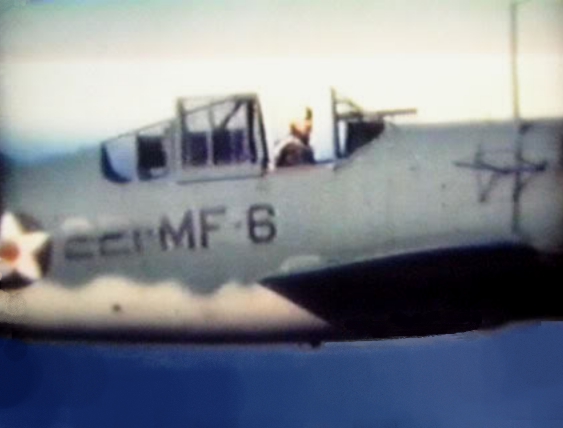
“Every year–in the full tide of spring, at the height of the symphony of flowers and love and life–there comes a pause, and through the silence we hear the lonely pipe of death. Year after year lovers wandering under the apple trees and through the clover and deep grass are surprised with sudden tears as they see black veiled figures stealing through the morning to a soldier’s grave. Year after year the comrades of the dead follow, with public honor, procession and commemorative flags and funeral march–honor and grief from us who stand almost alone, and have seen the best and noblest of our generation pass away…

But grief is not the end of all. I seem to hear the funeral march become a paean. I see beyond the forest the moving banners of a hidden column. Our dead brothers still live for us, and bid us think of life, not death–of life to which in their youth they lent the passion and joy of the spring. As I listen, the great chorus of life and joy begins again, and amid the awful orchestra of seen and unseen powers and destinies of good and evil our trumpets sound once more a note of daring, hope, and will.”   

In his inaugural address President John F. Kennedy a combat veteran of the Solomons Campaign provided a message which though not directly related to Memorial Day certain echoed the themes of the sacrifices of our fallen but also call us to the highest ideals of our nation. As a Naval Officer in command of PT 109 his boat was rammed and sunk by a Japanese destroyer after which his leadership and courage was a deciding factor in the survival of most of his crew. Kennedy was a child of privilege but he volunteered for the arduous duty of service on the tiny PT Boats.  The speech is considered one of the premier speeches by an American President.

“In your hands, my fellow citizens, more than mine, will rest the final success or failure of our course. Since this country was founded, each generation of Americans has been summoned to give testimony to its national loyalty. The graves of young Americans who answered the call to service surround the globe.

Now the trumpet summons us again — not as a call to bear arms, though arms we need — not as a call to battle, though embattled we are — but a call to bear the burden of a long twilight struggle, year in and year out, “rejoicing in hope; patient in tribulation,”² a struggle against the common enemies of man: tyranny, poverty, disease, and war itself….

In the long history of the world, only a few generations have been granted the role of defending freedom in its hour of maximum danger. I do not shrink from this responsibility — I welcome it. I do not believe that any of us would exchange places with any other people or any other generation. The energy, the faith, the devotion which we bring to this endeavor will light our country and all who serve it. And the glow from that fire can truly light the world.

And so, my fellow Americans, ask not what your country can do for you; ask what you can do for your country.

My fellow citizens of the world, ask not what America will do for you, but what together we can do for the freedom of man.

Finally, whether you are citizens of America or citizens of the world, ask of us here the same high standards of strength and sacrifice which we ask of you. With a good conscience our only sure reward, with history the final judge of our deeds, let us go forth to lead the land we love, asking His blessing and His help, but knowing that here on earth God’s work must truly be our own.”   

In 1984 President Ronald Reagan visited Omaha Beach in Normandy, the site of the bloodiest of the D-Day landings on June 6th 1944.  Reagan was a master of rhetoric and understood the importance of his visit to this hallowed site at the apex of the Cold War.  At that time it was unimaginable to most people that the Soviet Union would be no more barely 5 years hence and Reagan used the speech to link the sacrifices of those who fought and died at Normandy to those that served in his day. While his focus was on the sacrifice of America and its British, Canadian and French allies that landed on the beaches of Normandy he recognized the sacrifices of the Soviet Union which lost 20 million soldiers and civilians in the war against the Nazis. Reagan said of those who went ashore in Normandy:

“The men of Normandy had faith that what they were doing was right, faith that they fought for all humanity, faith that a just God would grant them mercy on this beachhead or on the next. It was the deep knowledge — and pray God we have not lost it — that there is a profound, moral difference between the use of force for liberation and the use of force for conquest. You were here to liberate, not to conquer, and so you and those others did not doubt your cause. And you were right not to doubt.

You all knew that some things are worth dying for. One’s country is worth dying for, and democracy is worth dying for, because it’s the most deeply honorable form of government ever devised by man. All of you loved liberty. All of you were willing to fight tyranny, and you knew the people of your countries were behind you….The men of Normandy had faith that what they were doing was right, faith that they fought for all humanity, faith that a just God would grant them mercy on this beachhead or on the next. It was the deep knowledge — and pray God we have not lost it — that there is a profound, moral difference between the use of force for liberation and the use of force for conquest. You were here to liberate, not to conquer, and so you and those others did not doubt your cause. And you were right not to doubt.

You all knew that some things are worth dying for. One’s country is worth dying for, and democracy is worth dying for, because it’s the most deeply honorable form of government ever devised by man. All of you loved liberty. All of you were willing to fight tyranny, and you knew the people of your countries were behind you.”   

Today President Barak Obama made these remarks to conclude his speech following the solemn duty that all Presidents have in laying a wreath at the Tomb of the Unknowns at Arlington National Cemetery.  Obama who is vilified by his most extreme opponents, as was Reagan for that matter ended his speech with these comments in which he eloquently expressed what the nation must do for its military, veterans and those killed in action or missing as well as the highest example of the brotherhood that those of us who have served in harm’s way feel for our fellow Soldiers, Marines, Sailors, Airmen and Coast Guardsmen:

“Our nation owes a debt to its fallen heroes that we can never fully repay. But we can honor their sacrifice, and we must. We must honor it in our own lives by holding their memories close to our hearts, and heeding the example they set. And we must honor it as a nation by keeping our sacred trust with all who wear America’s uniform, and the families who love them; by never giving up the search for those who’ve gone missing under our country’s flag or are held as prisoners of war; by serving our patriots as well as they serve us — from the moment they enter the military, to the moment they leave it, to the moment they are laid to rest.

That is how we can honor the sacrifice of those we’ve lost. That is our obligation to America’s guardians — guardians like Travis Manion. The son of a Marine, Travis aspired to follow in his father’s footsteps and was accepted by the USS [sic] Naval Academy. His roommate at the Academy was Brendan Looney, a star athlete and born leader from a military family, just like Travis. The two quickly became best friends — like brothers, Brendan said.

After graduation, they deployed — Travis to Iraq, and Brendan to Korea. On April 29, 2007, while fighting to rescue his fellow Marines from danger, Travis was killed by a sniper. Brendan did what he had to do — he kept going. He poured himself into his SEAL training, and dedicated it to the friend that he missed. He married the woman he loved. And, his tour in Korea behind him, he deployed to Afghanistan. On September 21st of last year, Brendan gave his own life, along with eight others, in a helicopter crash.

Heartbroken, yet filled with pride, the Manions and the Looneys knew only one way to honor their sons’ friendship — they moved Travis from his cemetery in Pennsylvania and buried them side by side here at Arlington. “Warriors for freedom,” reads the epitaph written by Travis’s father, “brothers forever.”

The friendship between 1st Lieutenant Travis Manion and Lieutenant Brendan Looney reflects the meaning of Memorial Day. Brotherhood. Sacrifice. Love of country. And it is my fervent prayer that we may honor the memory of the fallen by living out those ideals every day of our lives, in the military and beyond. May God bless the souls of the venerable warriors we’ve lost, and the country for which they died.”

Sometimes our fallen are eulogized by the less notable and sometimes oft vilified people. One of these men was Robert Ingersoll, a politician, orator and lecturer as well as an agnostic in a time when that was not a popular belief.  Ingersoll was the son of a Congregationalist minister who often preached for revivalist Charles Finney.  Ingersoll was also a veteran of the Civil War where he raised and commanded the 11th Illinois Cavalry Regiment which fought at Shiloh.  remarked:

“These heroes are dead. They died for liberty – they died for us. They are at rest. They sleep in the land they made free, under the flag they rendered stainless, under the solemn pines, the sad hemlocks, the tearful willows, and the embracing vines. They sleep beneath the shadows of the clouds, careless alike of sunshine or of storm, each in the windowless Place of Rest. Earth may run red with other wars – they are at peace. In the midst of battle, in the roar of conflict, they found the serenity of death. I have one sentiment for soldiers living and dead: cheers for the living; tears for the dead.”  

As we conclude this Memorial Day weekend let us remember those who have given the last full measure of duty for our nation, those who have served those that continue to serve and the friends and loved ones who cherish the lives and memories of each one.  Let us remember as a nation, as fellow citizens and never let our own agendas, ambitions or even our baser instincts sully their memory. May we choose the higher calling of service to our country and each other as Americans, the ideals of which are woven in the lives and sacrifices of those that we honor today and as Lincoln said to finish “the great task remaining before us—that from these honored dead we take increased devotion to that cause for which they gave the last full measure of devotion—that we here highly resolve that these dead shall not have died in vain—that this nation, under God, shall have a new birth of freedom— and that government of the people, by the people, for the people, shall not perish from the earth.”

Peace

Padre Steve+

2 Comments

Filed under faith, History, Military, Political Commentary

No Time to Be Bitter: Padre Steve takes a Lesson from Buck O’Neil

Where does bitterness take you?

To a broken heart?

To an early grave?

When I die

I want to die from natural causes

Not from hate

Eating me up from the inside

Buck O’Neil


I was browsing the internet the other day searching for information on  the life of a person that I am interested in and came across a number of internet sites which indirectly referenced the man but were filled with more bitterness, anger and hatred than I could ever imagine being harbored in the heart of a single person.  They came from the far right and far left but the far right crowd seemed more angry bitter and then I had remembered them being, admittedly this website was extreme even by the standards of Der Stürmer  especially in the overtly racist overtones of the site and that the woman that runs it claims to be Jewish and “mad.” I presume that the site owner was referring to mental illness because only a deranged person could be so bitter, hateful and vengeful and all in the name of righteousness.   I was amazed just how far this woman went but instead of being put off I was morbidly drawn into her site reading article after article as if I had come upon a horrible accident involving Lady Gaga and Sarah Palin.  I finally got away, put down my laptop computer and resumed reading Buck O’Neil’s America on my Kindle.

The sites that I had visited when looking for a totally unrelated subject were filled with such hatred and bitterness that I was stunned. Anyone who reads this site knows that I am certainly not naïve and fully aware of the evil that lurks in the hearts of men, and I include women in that somewhat exclusivist comment.  I began to realize that although I get angry at injustice I don’t have time to be bitter even at things that have been said about me or done to me.

I have seen the cost of bitterness in lives of people around me and in lives of people dying horrible deaths eaten up by the bitterness in their hearts.  I realized a long time ago that even if I was angry and even right in what I knew I could not remain bitter. When I came home from Iraq and was emotionally torn by things that were happening to me as well as the terribly bitter invective of the 2008 elections I knew that I could not live that way.  I had allowed such anger and bitterness to be part of me for a number of years after 9-11 that it consumed me at times, some directed toward those that directed those attacks but an even more vengeful attitude toward political liberals in the United States and Europe.  For a time I lost my sense of moderation and ability to see people as people that God loved and cared about.

Iraq changed that and since I have written about that time and time again I will simply say that when I came back from Iraq I could no longer bear the anger and bitterness of those that hated their fellow Americans as much or worse than those that attacked us.  It made no sense and I knew that I had changed.  I no longer had the time or energy to be so angry that I was bitter.  I was done. I stopped reading and listening to those that promoted such attitudes from the left or the right. Even then I had my moments especially as I battled all the components of PTSD, depression and a loss of faith that left me for all practical reasons an agnostic.  As faith, hope and stability began to return to my life those moments have become far less frequent and for that I am most grateful.

I am now inspired by those that overcame great obstacles of hatred, racial, gender, economic or religious prejudice and many of those stories come from baseball. One of those is the story of Buck O’Neil the great player and manager of the Negro leagues who never played in the Majors and was denied the chance to manage at the Major League level, instead serving as a coach and scout for various Major League teams.  In spite of having endured prejudice, discrimination and all that went with being an African American man, even a talented and successful one.

Yet O’Neil was one of those people that found good in everything and everyone.  He was one of those unique individuals that rises above hatred and does not become infected by it.  Such people seem to be a rarity but thankfully there are others like him and they reside in all corners of our land, they are of every race, religion, ethnic group, gender, sexual orientation and even political affiliation.  They would give the shirt off their back to help others and somehow in spite of things that they have experienced and the painfully nasty tone set by so many politicians, pundits, media types and terribly nasty and bitter people like the lady I referenced above, they still see the good in others and refuse to live lives infected by hatred, prejudice and discrimination regardless of the source.

However I ran into a number of people in the past couple of days that I could not believe. A few years back I started a Facebook page for those in my graduating class at Edison High School in Stockton California.  The title was Edison High School 1975-1978 and its description plainly said that it was for Edison High School in Stockton California.  I thought that was pretty straight forward I set up the page and forgot about it, which I often do because of my Mad Cow symptoms which is what I call my continuing PTSD symptoms, mild cognitive and speech cognition deficits that have affected me since Iraq.

So I forgot about the page, I don’t know how many people are even on it and I start getting nasty and condescending messages on Facebook from a bunch of people from New Jersey for God sakes.  These people were all over me like stink on shit and for what reason?  That I didn’t specify in the title that it was California and not New Jersey. It was in the description for goodness sake; all these people had to do was read. Instead they were all telling me that I needed to change things, tell all of the New Jersey people that this was a California page and remove them from the page. I’m sorry I don’t have time for that and if people can’t bother to read details or even see that the mascot logo was a Viking and not their school’s mascot.  According to the most vocal of these people there were like 29 people that can’t bother to read. So I changed the title to say it was Edison High School Stockton California and put a blurb to the New Jersey people that it was California and not New Jersey. Even that wasn’t good enough and so I passed it by, made a comment that people should read something before signing up for it and left the conversation. If I had stayed I would have started losing any sense of peace.

The I realized that people that do this are probably mad at the world in general, they feel cheated or lied to, they are bitter and need to take it out on someone.  So I took a deep breath, re-read some of Buck O’Neil’s story and thanked God for him. I knew at that moment that I was on the right track. As much as an irritant these people were I could not be angry at them or let it fester.  They must have things going on in their lives that I cannot understand which contribute to them needing to come after me when the obvious solution was simply to remove themselves from the site and tell their friends that they made a mistake.

Whatever, it doesn’t matter because I haven’t got time to be bitter and I don’t want anger and bitterness to eat me from the inside out and take me to an early grave. Maybe someday those that thrive on hatred, division and the promotion of enmity will figure out life and let go.  But as Master Yoda said to Luke “Strong is the power of the dark side” and “Fear is the path to the dark side. Fear leads to anger. Anger leads to hate. Hate leads to suffering.”  I have seen enough of suffering and don’t want to contribute to the climate of hate and discontent that pervades our country.  I think Jesus even talked about not living in anger and bitterness and preached forgiveness even from the Cross. Funny how we have such a hard time living that way.

I have too many friends who have experienced the hatred of others and been wounded deeply by the words and actions perpetrated against them. Some have endured these patiently and others have turned to the same tactics and attitudes that they have been the victims of, perpetuating the cycle. Some things never change; the victims often in time become the persecutors.

Does this make this moderate a liberal and will the label stick?

It most probably does, but what the hell?

Peace

Padre Steve+

7 Comments

Filed under Baseball, christian life, faith, History, philosophy, Political Commentary, PTSD, Religion

Memorial Day 2011: Counting the Cost of War and Remembering its Brotherhood

“We few, we happy few, we band of brothers; for he to-day that sheds his blood with me shall be my brother…” William Shakespeare “Henry V”

“Heroism is latent in every human soul – However humble or unknown, they (the veterans) have renounced what are accounted pleasures and cheerfully undertaken all the self-denials – privations, toils, dangers, sufferings, sicknesses, mutilations, life-” Joshua Lawrence Chamberlain

Monday is Memorial Day, the ninth that we have observed during our current series of wars which officially began on September 11th 2001.  One could argue that they had begun sooner with attacks on U.S. Forces and installations overseas and even the attempted truck bombing of the World Trade Center in 1993.  But we really did not go to war until that fateful Tuesday in September 2001.  As we come to Memorial Day I am a bit melancholy as the war continues, force reductions loom, threats abound and I observe my first Memorial Day without my father, a retired Navy Chief Petty Officer who served in Vietnam who died of complications of Alzheimer’s Disease in June 2010.

Iraq Military Training Team in West Al Anbar

We did go to war but it was not like wars past where we relied on a true national effort to win the wars. The wars have been fought by a force profession force of Active and Reserve Component Soldiers, Sailors, Marines, Airmen and Coastguardsmen that hovers a bit above a half a percent of the total population. Of those eligible for service most do not meet the entrance requirements for military service meaning that the prosecution of the war has been the task of a miniscule portion of the population.  Shortly after the 9-11 attacks President George Bush urged Americans to do their civic duty “go shopping” to get the economy moving.  As a career military officer I was aghast at his words. While he praised the military at every turn and increased military budgets, much of which went to defense contactors the actual heavy lifting was and continues to be done by men and women who volunteer to keep going back.  While the military fights the war Wall Street does business in a manner that is good for it and the vast majority of Americans are totally immersed in self-entertainment, the latest video gaming system or imbibing on a constant diet of “reality TV.”  Others on both sides of the political spectrum elect to shred their political opponents to itty bitty sheds and maneuver to gain political advantage and power without really caring what is happing to the country despite their proclamations of doing what is right for America.  In regard to the troops most of the political classes only seem to care when it affects their state, district or party.

Advisors in Afghanistan 

This Thursday 9 more Americans were killed in Afghanistan, eight in an IED blast while on a mission to root the Taliban out of a suspected strongpoint and another in a helicopter crash.  In Afghanistan we have lost 1514 military personnel killed in action or died of wounds. Another 11191 have been wounded. Additionally or NATO Allies have lost 889 military personnel listed as killed or died of wounds. In Iraq 4454 U.S troops have been killed and another 32227 troops have been wounded.  Additionally 318 Coalition troops have been killed in Iraq.  None of these figures include the high number of personnel with PTSD, mild to moderate TBI or other psychological and spiritual wounds.  5968 Americans have been listed as killed or died of wounds in Iraq and Afghanistan while another 43,418 have been officially listed as wounded.

Memorial Day is a day to remember the fallen.  It is a day to reflect on the sacrifice of those that have died in the service of our country.  Originally established as Decoration Day and its roots stretch back to the Civil War.  Other nations have similar remembrances for their war dead.  Unfortunately because our military is such a small part of our population and now concentrated into a few major bases often out of sight and out of mind of most Americans the observance has become a kick off to the summer for most Americans who are blissfully unaware of the real costs of war.  In a way I can’t really fault them because when the war began with an attack on our shores our President did not call the nation to make sacrifices to win the war he told people to go shopping while “the few” would take the war to the enemy and avenge the devastation of September 11th 2001.  It turned the vast majority of the country into cheerleaders or bystanders.  History shows time after time that nations that wage war this way seldom achieve their goals.

As Clausewitz so aptly observed that war the nature or the “remarkable trinity of war” violent emotion, chance and rational policy which are balanced with the social trinity of the people, the commander and the army and the government (or in the case of non-nation state actors tribal, social or revolutionary leaders) necessitates that the people have to be part of the equation if one is to successfully conduct a war.  While it is possible to win short wars without much support of the people any long conflict necessitates that the people be engaged as much as the military and the government policy makers, especially in a democracy. Vietnam was a classic example of the social trinity gone bad. Policy makers failed to set goals for the prosecution of the war, military leaders attempted to fight the war with operational theories and forces that were not adapted to the type of war being fought and ignored the lessons of history regarding the type of war and eventually the people turned on the policy makers and the military as the war ground on with no apparent victory in sight.  The same can be seen in the current conflict in Afghanistan with the government pushing a policy that seems to have little strategic benefit or chance of success.  A military that can inflict punishing losses on the Taliban without destroying them or due to limited resources hold onto areas that they drove the enemy and a public that is divided between cheerleaders, critics and bystanders.  Few of the latter have any personal stake in the war other than bearing some of the financial cost and having to it occasionally referred to in the news cycle.  Our “trinity” is dysfunctional and will be our undoing despite the heroic efforts of those who give their “last full measure” on the battlefields of Afghanistan, Iraq and now Libya.

While we can discuss ways bring functionality back to our social trinity and the “remarkable trinity” or essence of war we must understand that our enemies, even non state actors often have a much more congruent view of war than we do and how to connect their strategic goals, military strategy and leverage the energy of the people against the United States and our Western allies.  They do not have our military power and wherever we meet them on the battlefield where we can employ our tactical superiority in weapons and training we have success but we have been unable to translate battlefield success into victory because we do not understand the nature of the conflict, the heart and will of our enemy and are dysfunctional in our own social, military, policy and political understanding of this war and how to win it.

What does this mean to those that have given their “last full measure” and those “happy few” that bear the burden of prosecuting the war? It means that their sacrifices may not be enough and will like the veterans of Vietnam come home without victory despite never losing a battle.  After Vietnam the force was cut back, military personnel who gave all they had on the battlefield were turned out of the service and even officers reverted to enlisted status to remain in the Army and Marine Corps.  Today even as the war rages cuts are being made to the force and those cuts will only get bigger as time goes on. Like Vietnam we already have a substantial number of veterans suffering from wounds physical, psychological and spiritual unable to get adequate care or assistance from an overburdened, underfunded, under staffed and often dysfunctional or even worse uncaring Department of Veterans Affairs facilities. Others that have served most of their careers at war and are approaching retirement are seeing the benefits that they earned with their flesh and blood and the long sacrifice of themselves and their families being termed “a rich entitlement program” targeted for reductions in pensions and medical care.  People that make these decisions if they served in the military at all often served only in peacetime or in times of short military conflicts and thus really do not understand the terrible cost and burdens placed on those that serve and continue to serve in this “war without end.”

Since Monday is Memorial Day and I simply ask that people take a few minutes and reflect on sacrifices of those that served in this war, wars past or those that continue to volunteer and serve in harm’s way far from home in a cause that the government does not understand and the public no longer supports.  Yes people treat military personnel better than in times past, there is little hostility to the military but at the same time has little social connection to or understanding of, thus we are a small brotherhood forged by a war that most of our fellow citizens can comprehend.

One of my Brothers: RP2 Nelson Lebron in Iraq

As for all who served we are part of a Band of Brothers.  As William Shakespeare so well wrote in Henry V:

WESTMORELAND. O that we now had here
But one ten thousand of those men in England
That do no work to-day!

KING. What’s he that wishes so?
My cousin Westmoreland? No, my fair cousin;
If we are mark’d to die, we are enow
To do our country loss; and if to live,
The fewer men, the greater share of honour.
God’s will! I pray thee, wish not one man more.
By Jove, I am not covetous for gold,
Nor care I who doth feed upon my cost;
It yearns me not if men my garments wear;
Such outward things dwell not in my desires.
But if it be a sin to covet honour,
I am the most offending soul alive.
No, faith, my coz, wish not a man from England.
God’s peace! I would not lose so great an honour
As one man more methinks would share from me
For the best hope I have. O, do not wish one more!
Rather proclaim it, Westmoreland, through my host,
That he which hath no stomach to this fight,
Let him depart; his passport shall be made,
And crowns for convoy put into his purse;
We would not die in that man’s company
That fears his fellowship to die with us.
This day is call’d the feast of Crispian.
He that outlives this day, and comes safe home,
Will stand a tip-toe when this day is nam’d,
And rouse him at the name of Crispian.
He that shall live this day, and see old age,
Will yearly on the vigil feast his neighbours,
And say ‘To-morrow is Saint Crispian.’
Then will he strip his sleeve and show his scars,
And say ‘These wounds I had on Crispian’s day.’
Old men forget; yet all shall be forgot,
But he’ll remember, with advantages,
What feats he did that day. Then shall our names,
Familiar in his mouth as household words-
Harry the King, Bedford and Exeter,
Warwick and Talbot, Salisbury and Gloucester-
Be in their flowing cups freshly rememb’red.
This story shall the good man teach his son;
And Crispin Crispian shall ne’er go by,
From this day to the ending of the world,
But we in it shall be remembered-
We few, we happy few, we band of brothers;
For he to-day that sheds his blood with me
Shall be my brother; be he ne’er so vile,
This day shall gentle his condition;
And gentlemen in England now-a-bed
Shall think themselves accurs’d they were not here,
And hold their manhoods cheap whiles any speaks
That fought with us upon Saint Crispin’s day.

Kenneth Branagh Henry V: http://www.youtube.com/watch?v=A-yZNMWFqvM

At the same time I cannot count the number of men and women that have come to me and expressed their regret at never having served when they had the chance. By and large they are wonderful people that live with this regret. In a sense they know well the last part of the Henry V speech “And gentlemen in England now-a-bed shall think themselves accurs’d they were not here, and hold their manhoods cheap whiles any speaks that fought with us upon Saint Crispin’s day.” For such men and women I can bear no hostility because the regrets that they live with are more than I would want to live with. When spending time with people living in regret I simply to do what they do in an honorable manner, take care of their families and support the troops in any way that they can.

One of my Band of Brothers MTT with 3rd Battalion 3rd Brigade 7th Iraqi Division

As for me I continue to serve affected by war in ways that I never imagined when I enlisted nearly 30 years ago. All those who have served, past present and future are my brothers and sisters and it matters not their social status, race, religion or politics as Shakespeare noted  “For he to-day that sheds his blood with me Shall be my brother; be he ne’er so vile, this day shall gentle his condition….”

Guy Sager wrote in his book The Forgotten Soldier” about his return home from war, society and that brotherhood, something that many who have served in Vietnam, Iraq and Afghanistan can share:

“In the train, rolling through the sunny French countryside, my head knocked against the wooden back of the seat. Other people, who seemed to belong to a different world, were laughing. I couldn’t laugh and couldn’t forget.

I had looked everywhere for Hals, but hadn’t been able to find him. He filled my thoughts, and only my acquired ability to hide my feelings kept me from weeping. He was attached to me by all the terrible memories of the war, which still rang in my ears. He was my only friend in this hostile world, the man who had so often carried my load when my strength was failing, I would never be able to forget him, or the experiences we had shared, or our fellow soldiers, whose lives would always be linked to mine.”

Most of us that have served in combat zones have memories like that and like the people in the train most people don’t understand.  One thing that I do know is that I am part of a brotherhood that extends from time in memoriam to the consummation of time when war will be no more, death will be swallowed up in victory and every tear will be wiped from our eyes.

Peace

Padre Steve+

3 Comments

Filed under History, iraq,afghanistan, Loose thoughts and musings, Military, national security, PTSD, shipmates and veterans