Category Archives: History

The Excommunication of Martin Luther and the Journey of Padre Steve

BullExurgeDomine

Leo X’s Papal Bull Exsurge Domine

“We are not yet what we shall be, but we are growing toward it, the process is not yet finished, but it is going on…” Martin Luther

On the 3rd of January 1521 Pope Leo X issued his Papal Bull of Excommunication Decet Romanum Pontificem against Martin Luther. The excommunication followed Luther’s publication of his three masterful works published in 1520 To the Christian Nobility of the German Nation, On the Babylonian Captivity of the Church and On the Freedom of a Christian.

The excommunication was the second act of a three part drama. The first part began with Luther’s publication of the 95 Theses on October 31st 1517. That launched a series of actions by the Papacy in which various representatives were sent to bring Luther back into line. Failing this the last of the inquisitors, Johann Eck became Luther’s and other Reformer’s constant nemesis for the next 25 years.

In the summer of 1520 Eck brought back to Germany Leo X’s Papal Bull Exsurge Domine which attacked and condemned Luther’s writings, a prequel to the formal excommunication. Eck was not well received and Luther’s movement began to gain more traction especially among much of the nobility and among other theologians.

The message of the Bull was clear, Luther, his works and those who supported him or published his works were condemned. In part it read:

“…we likewise condemn, reprobate, and reject completely the books and all the writings and sermons of the said Martin, whether in Latin or any other language, containing the said errors or any one of them; and we wish them to be regarded as utterly condemned, reprobated, and rejected. We forbid each and every one of the faithful of either sex, in virtue of holy obedience and under the above penalties to be incurred automatically, to read, assert, preach, praise, print, publish, or defend them. … Indeed immediately after the publication of this letter these works, wherever they may be, shall be sought out carefully by the ordinaries and others [ecclesiastics and regulars], and under each and every one of the above penalties shall be burned publicly and solemnly in the presence of the clerics and people.” 

???????????????????????????????

Luther burning the Bull

Luther who received a copy in October of 1520 reacted in kind noting: “Since they have burned my books, I burn theirs. The canon law was included because it makes the pope a god on earth. So far I have merely fooled with this business of the pope.”

Neither the Bull dealt with the substance of Luther’s teachings, instead they were both heavy handed missives of Papal primacy and punishment on those that disobeyed. The Bull of excommunication read in part:

Nevertheless Martin himself—and it gives us grievous sorrow and perplexity to say this—the slave of a depraved mind, has scorned to revoke his errors within the prescribed interval and to send us word of such revocation, or to come to us himself; nay, like a stone of stumbling, he has feared not to write and preach worse things than before against us and this Holy See and the Catholic faith, and to lead others on to do the same.

He has now been declared a heretic; and so also others, whatever their authority and rank, who have cared nought of their own salvation but publicly and in all men’s eyes become followers of Martin’s pernicious and heretical sect, and given him openly and publicly their help, counsel and favour, encouraging him in their midst in his disobedience and obstinacy, or hindering the publication of our said missive: such men have incurred the punishments set out in that missive, and are to be treated rightfully as heretics and avoided by all faithful Christians, as the Apostle says (Titus iii. 10-11).

III. Our purpose is that such men should rightfully be ranked with Martin and other accursed heretics and excommunicates, and that even as they have ranged themselves with the obstinacy in sinning of the said Martin, they shall likewise share his punishments and his name, by bearing with them everywhere the title “Lutheran” and the punishments it incurs.

Our previous instructions were so clear and so effectively publicised and we shall adhere so strictly to our present decrees and declarations, that they will lack no proof, warning or citation.

Our decrees which follow are passed against Martin and others who follow him in the obstinacy of his depraved and damnable purpose, as also against those who defend and protect him with a military bodyguard, and do not fear to support him with their own resources or in any other way, and have and do presume to offer and afford help, counsel and favour toward him. All their names, surnames and rank—however lofty and dazzling their dignity may be—we wish to be taken as included in these decrees with the same effect as if they were individually listed and could be so listed in their publication, which must be furthered with an energy to match their contents.

On all these we decree the sentences of excommunication, of anathema, of our perpetual condemnation and interdict; of privation of dignities, honours and property on them and their descendants, and of declared unfitness for such possessions; of the confiscation of their goods and of the crime of treason; and these and the other sentences, censures and punishments which are inflicted by canon law on heretics and are set out in our aforesaid missive, we decree to have fallen on all these men to their damnation.”

It was an extraordinary and misguided document which failed to understand the significance of what was happening in the Church and in Europe. It was a document that echoes what every authoritarian structure does when challenged, it ignored the causes, it ignored the issues and simply condemned those involved. Instead of dialogue it chose retribution and destroyed the unity of the Western Church. Phillip Schaff, one of the great Church historians wrote about the Bull: “The bull of excommunication is the papal counter-manifesto to Luther’s Theses, and condemns in him the whole cause of the Protestant Reformation. Therein lies its historical significance. It was the last bull addressed to Latin Christendom as an undivided whole, and the first which was disobeyed by a large part of it.”

After his excommunication Luther appealed to Emperor Charles V who initially rejected it outright but reconsidered in light of the danger that the Empire faced if German states revolted. Charles invited Luther to the Diet promising him safe passage. The fact that Luther was able to appear at the council safely was in large part because of Elector Friedrich the Wise, his protector insisting that Luther not be imprisoned or outlawed without a hearing. Along the way Luther was greeted as a hero by townspeople, it was something like a victory parade.

20080102-luther

When the hearings began the Archbishop of Trier asked Luther if he would recant his writings. Luther asked for time to consider and at 4 PM the following day was called back to the Diet, where before the Emperor and the Princes of Germany he stood alone.

The Archbishop demanded: “Explain yourself now. Will you defend all your writings, or disavow some of them?” 

Luther provided a rather long answer regarding his writings, categorizing them and explaining them. Eventually the exasperated Archbishop asked: “Martin–answer candidly and without horns–do you or do you not repudiate your books and the errors which they contain?”

Luther then gave the answer in German rather than Latin, which has reverberated nearly half a millennium:

“Since then your sere Majesty and your Lordships seek a simple answer, I will give it in this manner, neither horned nor toothed. Unless I am convinced by the testimony of the Scriptures or by clear reason (for I do not trust either in the pope or in councils alone, since it is well known that they have often erred and contradicted themselves), I am bound by the Scriptures I have quoted and my conscience is captive to the Word of God. I cannot and I will not recant anything, since it is neither safe nor right to go against conscience. May God help me. Amen.”

Friedrich the Wise spirited Luther away in a staged “kidnapping” to the Wartburg Castle, allowing him to evade those that sought his life and to stabilize the Reformation in Germany.

I have always felt a closeness to Luther. He is one of my heroes. I recognize that he was neither perfect, nor do I agree with everything that he wrote or some of the things that he did. That being said, this very imperfect and often impetuous Monk, Priest and Professor is close to me. His “Theology of the Cross” makes more sense than others I have read, and his defense of the Eucharist was instrumental in my faith journey.

Luther, despite many in the Catholic Church who fight for him has not been “rehabilitated” nor the bans of excommunication removed. He has been called by some a “reluctant revolutionary.” I hope that Pope Francis will lift the excommunication despite the Roman tradition of not lifting such bans on those who have passed away.

Luther, like me was somewhat blunt, earthy and liked beer. In fact after Worms he wrote:

“I simply taught, preached, and wrote God’s Word; otherwise I did nothing.  And then, while I slept, or drank Wittenberg beer with my Philip [Melanchthon] and my Amsdorf [Nicholaus von], the Word so greatly weakened the papacy that never a prince or emperor did such damage to it.  I did nothing.  The Word did it all.” 

In seminary Luther, his writings and theology were instrumental in coming to a catholic understanding of the the Christian faith. Now that understanding was much more interpreted in light of the Second Vatican Council and more progressive theologians such as Hans Kung, Bernard Haring and Yves Congar, but it was still catholic and a clean break from my Evangelical Protestant background and education.

Likewise, when I was ordained as a Priest in a more conservative Anglo-Catholic denomination in the mid 1990s I never dreamed that I would face a time where my writings would mark me as a “heretic” in the eyes of some in that church. Nor did I think that I would be told that I was “too liberal” and needed to leave that church. Before that I had been censured and forbidden from writing because I was “too Catholic” by another bishop. Like Luther I assumed that what I wrote and said were readily apparent. Since I have written extensively about that situation and don’t feel the need to go into detail here.

1470237_10152110186432059_1784204366_n

In 1996 I led a series of tours of Luther’s reformation sites in Germany, including Wittenberg, Heidelberg and Worms. I posed for pictures outside the door of the Castle Church as well as at the site where Luther gave his “Here I stand” speech. I was so familiar with the locations in Wittenberg that I was asked if I had ever been to them before. I could only say that I had never been there in person, but had been there many times in my mind. When at each location I felt a tremendous closeness to a man who had influenced so much of my spiritual journey.

As Luther wrote:

“This life therefore is not righteousness, but growth in righteousness, not health, but healing, not being but becoming, not rest but exercise. We are not yet what we shall be, but we are growing toward it, the process is not yet finished, but it is going on, this is not the end, but it is the road. All does not yet gleam in glory, but all is being purified.” 

Peace

Padre Steve+
1 Comment

Filed under christian life, faith, History, Religion

Happy New Year: Welcome to 1984, 30 Years Late; But Our Thoughts are Free

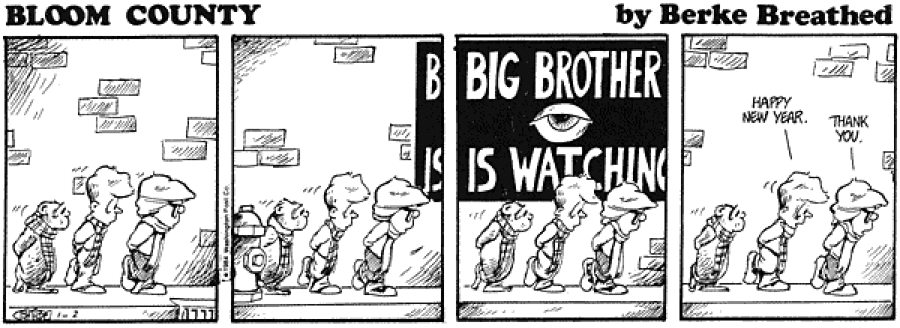
bloom-county-big-brother-is-watching-you-2

Thoughts are free, who can guess them?
They fly by like nocturnal shadows.
No man can know them, no hunter can shoot them
with powder and lead: Thoughts are free! 

Die Gedanken Sind Frei (The Thoughts are Free) 

Welcome to 1984.

Okay, I know it’s 2014 but bear with me, I figured that the first post of the New Year should be about the reality that has been with us for years but most people didn’t recognize until 2013. The NSA revelations though shocking to many shouldn’t have been because almost every countries intelligence services are attempting to do similar things. Likewise the private sector both aids and abets the government intelligence and security services and do similar things themselves to their customers.

Technology is a great thing and we love it. We depend on it. Smart phones, internet, text messaging, blogs, electronic banking, finance and commerce, e-books, and even gaming technology has revolutionized the way that we live.

Technology itself is neutral, it can be used for good or evil and every point on the morality spectrum in between. Thus it can be used for good, for convenience and holds much promise for most people, even as a minority uses it to commit acts of terrorism as well as all sorts of criminal activity against otherwise honest and law abiding people.

The tension that exists between the good and evil uses of technology, especially after the attacks of September 11th 2001 has prompted different reactions from both civil libertarians and people trusted with security of nations, businesses and infrastructure networks.

The fact is I can understand and argue for a strong civil libertarian response as well as the security response. Honesty I wrestle with the tension between civil liberty, including the right to privacy and the need for security. I want both but the reality is that the world has changed since I grew up.  It is not that people, governments and businesses didn’t seek to impinge on personal freedom or privacy and that others did not seek to kill or disrupt the lives of others in times past. The difference is the vast advances in technology which enable all of them to have ever more influence over our lives.

Technology has made possible what George Orwell only imagined when he wrote 1984. Governments, business, the banking industry, private security firms, internet service providers and search engines, as well as criminals gather information for good and for bad purposes. For our security we use Passwords and Pins which others seek to crack, while those delicious Cookies that are planted on our computers when we visit different websites contribute to our convenience while enabling others to collect incredibly detailed information about us.

It really is amazing and unfortunately I don’t have any answers because I am a realist. I am not a fan of the National Security State, nor am I a fan of the way business and other organizations collect information. That being said I also know that there are those in the world who desire to use the technology that we are so dependent on to kill or harm people or disrupt society.

Back in the day when terrorism was simply a matter of relatively small bombs, assassinations, hijackings, kidnappings and postal or wire fraud it was a nuisance. It was bad if you were in the path of it but for most people it was not a real threat. I lived with it in the 1980s in Germany with the Red Army Faction, the Baader-Meinhoff gang  and Libyan agents blowing up American and West German facilities and kidnapping and killing soldiers. We lived with it, daily searches of our vehicles at the front gate and extra guard duties, my wife and I almost were at the Frankfurt PX when it was bombed in 1985.

But with the advent of technology even small and seemingly insignificant groups have unprecedented power to kill and destroy. The attacks on the Twin  Towers, the Tokyo subway system, the Madrid commuter trains, London transit system, the Moscow Subway system and theaters, hotels, restaurants and train stations in Mumbai India and the recent attacks on the Russian city of Volgagrad show our vulnerability to groups that use technology, old and new.  Likewise the ability of criminal organizations or individual criminals to use technology to gain access to massive amounts of financial data as was demonstrated in the breaking of Target’s retail system demonstrates our vulnerability.

We want absolute freedom, privacy and security. However absolutes are no longer possible. Absolute freedom has never been possible, though we like to imagine it, yet absolute security can only be achieved by sacrificing all freedom. Now days security usually trumps freedom especially when the potential losses in lives, property and treasure are so great.

My inclination is toward civil liberties and privacy but such in the modern world may be on way to extinction and not all because of technology. Yes the technological part is big, and as a realist I do not think as long as the capabilities that technology provides us exist and advance that we can go back to a point that they cannot be used against individual liberty, life or property. Again, they technology itself is neutral, but how it is used makes all the difference.

The more worrisome issue for me is the way that the freedom of thought is being extinguished not in the name of security or freedom but for efficiency. Various parties including government, political, religious, scientific and business interests all seek to control thought for their own purposes.

Thus even history is twisted, as Orwell wrote: “He who controls the past controls the future. He who controls the present controls the past.” It used to be that conservatives complained about liberals doing revisionist history, but as a historian I find what I see coming out of some conservative circles much more frightening as history is twisted for the most gross political, religious and social ends. We allow half witted poorly educated loudmouths like Rush Limbaugh, Sean Hannity and Glenn Beck to think for us, promote fake history and conspiracy theories while giving credence to fake historians like David Barton. If there is a danger to any real freedom of thought it is because we as a people have allowed ourselves to taken in by such charlatans. Likewise the corporate state uses academics and intellectuals to prop itself up but once it has them it refuses to let them function independently.

Chris Hedges wrote of the corporate state:

“It is one of the great ironies of corporate control that the corporate state needs the abilities of intellectuals to maintain power, yet outside of this role it refuses to permit intellectuals to think or function independently.”

While Ray Bradbury wrote in Fahrenheit 451:

“Cram them full of non-combustible data, chock them so damned full of ‘facts’ they feel stuffed, but absolutely ‘brilliant’ with information. Then they’ll feel they’re thinking, they’ll get a sense of motion without moving. And they’ll be happy, because facts of that sort don’t change. Don’t give them any slippery stuff like philosophy or sociology to tie things up with. That way lies melancholy.”

I believe that in such an age that freedom of thought is the most important thing, even more than freedom of speech. Soren Kierkegaard wrote: “People demand freedom of speech as a compensation for the freedom of thought which they seldom use.”

In college I learned the words of the old German song Die Gedanken Sind Frei (The Thoughts are Free). It is an ancient song that during the days of Metternich was popular among student fraternities in Austria and the various German states. After the 1848 revolutions it was banned by many governments in their crackdown against democratic movements. It was a song close to many of the anti-Nazi resistance groups including the White Rose movement led in part by Sophie Scholl. In light of the terrifying possibilities of repression that exist with the technology of today and what will certainly come into being in the coming years it is important to realize that our liberty must always come from within. The third verse of the song goes like this:

And if I am thrown into the darkest dungeon,
all these are futile works,
because my thoughts tear all gates
and walls apart: Thoughts are free!

Bertram Russell wrote of the freedom of thought:

“Men fear thought as they fear nothing else on earth — more than ruin, more even than death. Thought is subversive and revolutionary, destructive and terrible, thought is merciless to privilege, established institutions, and comfortable habits; thought is anarchic and lawless, indifferent to authority, careless of the well-tried wisdom of the ages. Thought looks into the pit of hell and is not afraid … Thought is great and swift and free, the light of the world, and the chief glory of man.”

It took some time but 1984 is finally really here. That is the new reality, but do not lose hope so long as your thoughts remain free.

Happy New Year!

Peace

Padre Steve+

1 Comment

Filed under History, News and current events, philosophy

The Never Built Battlecruisers of 1921: The G3, Amagi and Lexington Classes

artist

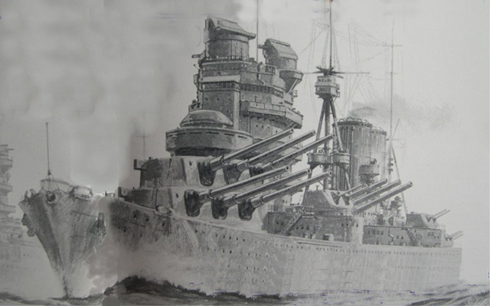
Artists Depiction of G3 Battlecruiser 

As the First World War ended a new Naval Race was heating up. The United States had announced its intention during the war to build a navy second to none while Imperial Japan was making plans for a fleet that would give it superiority in the Western Pacific. The British, though still be far the largest naval power in the world were burdened by the massive costs of war and empire, but also seeking to maintain their naval dominance.

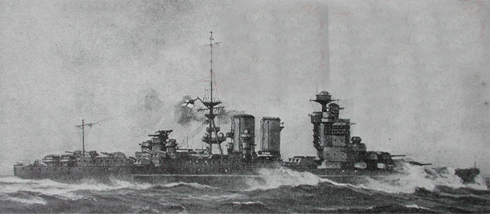
The ships known as battle cruisers were first built by the British Royal Navy as a compliment to the all big gun Dreadnought battleships. The Battle Cruiser concept was a ship of roughly the same size and firepower as a Battleship but sacrificing protection for greater speed, endurance and range.  and Japan joined in the Battle Cruiser race before and during the war. The United States had concentrated on Battleships.

800px-InvincibleBlowingUpJutland1916

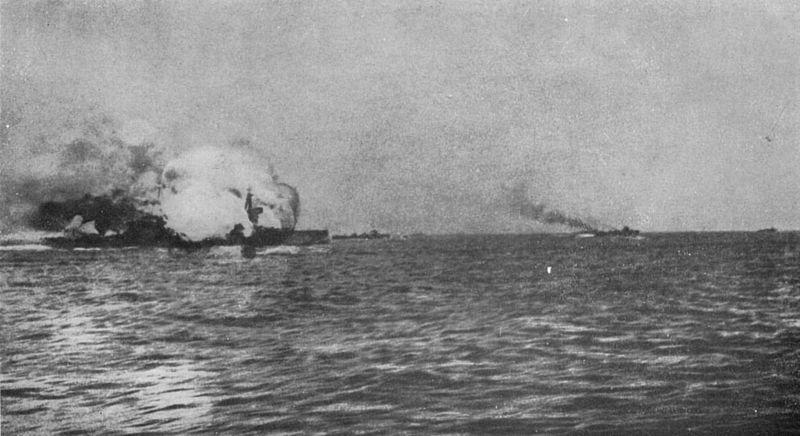
HMS Invincible Blowing Up at Jutland 

During the war the weaknesses of the type were exposed during the Battle of Jutland where three British Battle Cruisers, the HMS Invincible, HMS Indefatigable and HMS Queen Mary blew up with the loss of most of their crews of the  3311 officers and sailors on the ships only 26 survived. The HMS Lion was almost lost in a similar manner but for the heroic actions of her crew. The British ships had glaring deficiencies in armor protection and the arrangement of their ammunition magazines and hoists which certainly contributed to their loss. Their German counterparts on the other hand proved much tougher and though all sustained heavy damage while engaging British Battleships and Battle Cruisers, only one the Lützow was lost. She absorbed over 30 hits from large caliber shells and only lost 128 crew members.

h60404

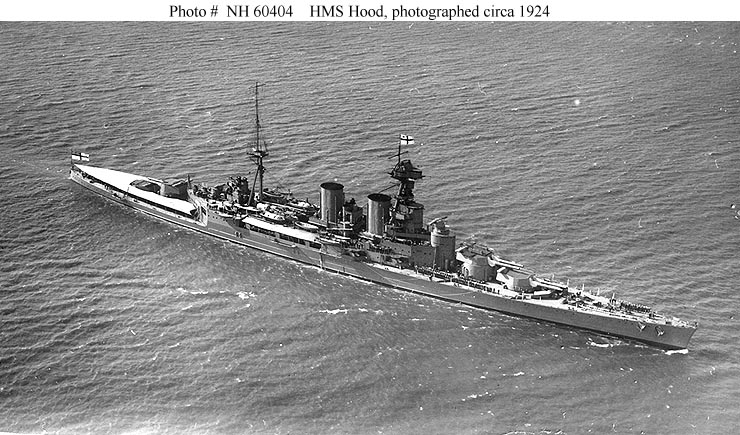
As the war progressed other Battle Cruisers were built, the British launched the HMS Repulse and HMS Renown and completed the HMS Hood shortly after the war was over. The Japanese built the four ship Kongo class from a British design. As the powers embarked on the next Naval Race planners and naval architects designed ships of massive firepower, better protection and higher range and speed. All would have been better classed as Fast Battleships.

The British designed and began construction on the G3 class in 1921, the Japanese the Amagi Class, and the United States the Lexington Class. However the construction and completion of these ships as Battle Cruisers was prevented by the Washington Naval Treaty.

invincible 490

The treaty was ratified in 1922 limited the United States and Great Britain to a maximum of 525,000 tons in their battle ship fleets and 125,000 tons in aircraft carriers.  The Japanese agreed to a limit of 315,000 tons and the French and Italians 175,000 tons each. Tonnage for battleships was limited to a maximum of 35,000 tons with a limitation on guns size to 16 inches.  Since the bulk of the ships planned or being built by the US and Japan exceeded those limits they would be effected more than the British whose post war shipbuilding program had not begun in earnest, in fact the G3 Class had just been approved for construction.

The G3 class would have comprised four ships and been similar to the N3 Class Battleships. They were very well balanced ships and would have mounted nine 16” guns in three turrets on a displacement of 49,200 tons and deep load of 54,774 tons. They had an all or nothing protection plan meaning that the armored belt was concentrated in vital areas around the armored citadel, conning tower, turrets and magazines and engineering spaces. Their armor belt would have ranged from 12-14 inches, deck armor from 3-8 inches, conning tower 8 inches, barbettes 11-14 inches, turrets 13-17 inches and bulkheads 10-12 inches. Their propulsion system of 20 small tube boilers powering 4 geared steam turbines connected to 4 propeller shafts would have produced 160,000 shp with a designed speed of 32 knots.

The four ships, none of which were named were ordered between October and November of 1921. Their construction was suspended on November 18th 1921 and they and the N3 Battleships were cancelled in February 1922 due to the limitations of the Washington Naval Treaty. Many concepts of their design were incorporated in the Nelson Class Battleships.

rys-amagi

Amagi Class as Designed, Akagi as Completed (below) 

JapaneseAircraftCarrierAkagi3Deck_cropped

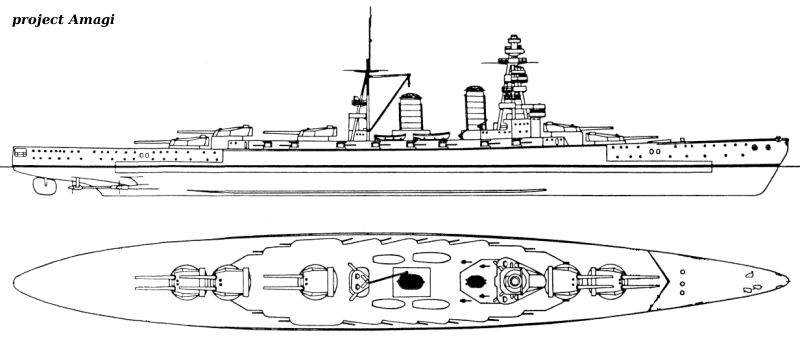
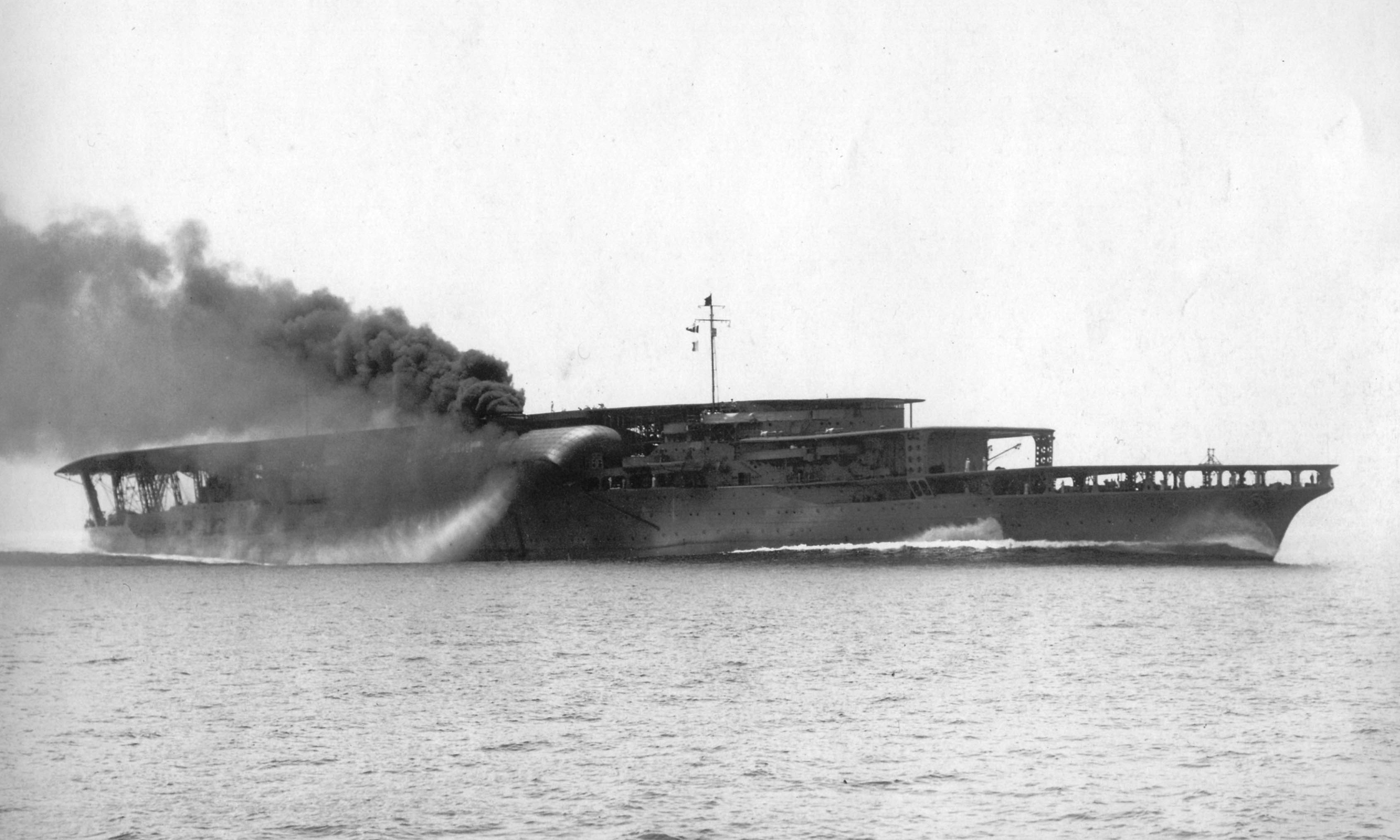
The four planned Japanese Amagi Class ships would have mounted ten 16” guns on a displacement of 47,000 tons at full load. Their propulsion system 19 Kampon boilers powering four Gihon turbines would have given them a maximum speed of 30 knots, They would have had less protection than the G3 ships being more of a traditional Battle Cruiser design. As a result of the Washington Naval Treaty the Japanese elected to convert two of the ships, the Amagi and Akagi to aircraft carriers. Amagi was destroyed on the ways during the great Tokyo earthquake and Akagi was completed as a carrier. The other two vessels were scrapped on the ways.

lexington-class-battle-cruisern11978

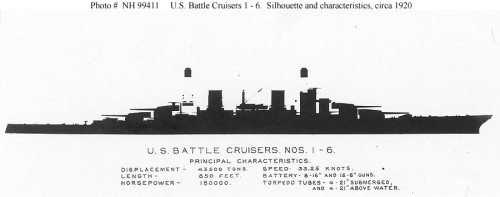
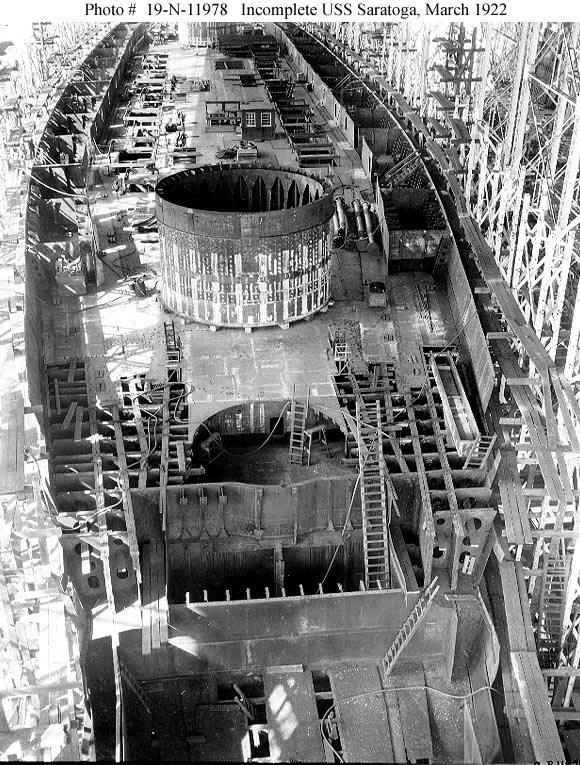
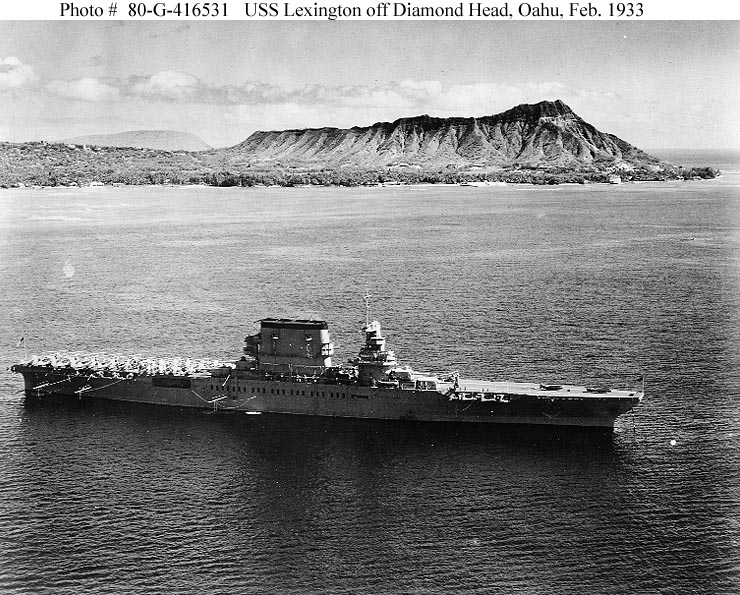
The United States Navy planned the six ship Lexington Class. These ships would have mounted eight 16” guns on a ship displacing 43,254 tons at full load. They would have had a maximum speed of 33 knots being powered by 16 boilers which drove 4 GE electric turbines producing 180,000 shp. It was a massive engineering plant and the class did not have as heavy armor protection as either the G3 or Amagi classes but were superior in speed as well as endurance. Upon ratification of the Washington Naval Treaty four of the six ships were cancelled and the remaining two, the Lexington and Saratoga competed as aircraft carriers.  Had any of the ships been completed as Battle Cruisers it is likely due to their speed that they would have operated primarily with the the carriers that the US Navy built during the 1930s.

g416531

One can only speculate what the navies of World War II would have looked like had the Washington and the subsequent London Naval Treaties not been ratified. One can also only imagine how the war at sea would have been different had the ships completed as carriers been completed as Battle Cruisers.

However that was not to be, of the planned 14 ships of these three classes only three were completed, all as aircraft carriers. Thus they are an interesting footnote in the annals of naval ship design and not much more.

Until tomorrow,

Peace

Padre Steve+
4 Comments

Filed under History, Military, Navy Ships, US Navy

Inherit the Wind: A Film for Today

inherit-the-wind

“As long as the prerequisite for that shining paradise is ignorance, bigotry and hate, I say the hell with it.” Henry Drummond (Spencer Tracy) Inherit the Wind

It is fascinating that a play and film set about an incident that actually occurred in the 1920s remains so timeless. It is hard to believe that 90 years after the trial and over 50 years after the movie that our society would still be debating the issue in the movie and that legislatures and school boards are still attempting to pass religious doctrine off as science.

itw2

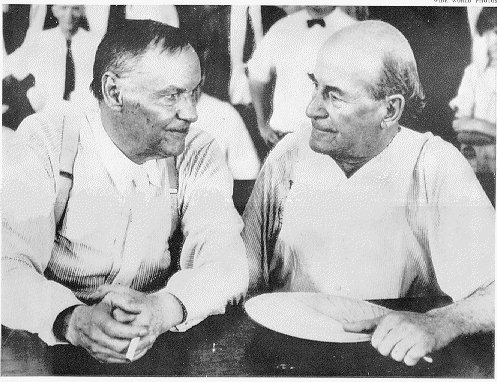
It is a film about what is commonly called the “Scopes Monkey Trial” which was litigated in July of 1925 and featured an epic battle between populist three time Presidential Candidate and former Secretary of State William Jennings Bryan and famed defense attorney Clarence Darrow.

The trial was brought about after the passage of the Butler Act in Tennessee. It was an act that made it a criminal offense to teach evolution in any publicly funded school. The act stipulated:

“That it shall be unlawful for any teacher in any of the Universities, Normals and all other public schools of the State which are supported in whole or in part by the public school funds of the State, to teach any theory that denies the story of the Divine Creation of man as taught in the Bible, and to teach instead that man has descended from a lower order of animals.”

The author of the act was Tennessee State Representative John W. Butler, a farmer and   the head of the World Christian Fundamentals Association an interdenominational organization dedicated to a “New Protestantism” based on the Pre-Millennial interpretation of Bible prophecy.

SCOPE23

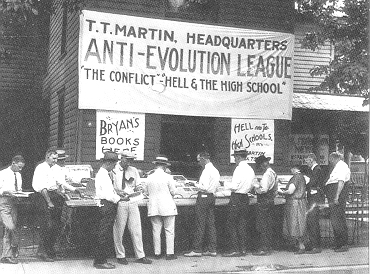
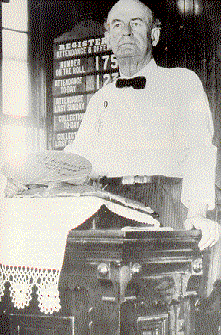
Butler was heavily influenced by William Jennings Bryant who with his followers had gotten legislation banning evolution in 15 states. H.L. Mencken commented that over the years of his public life that Bryan had “transformed himself” into some “sort of Fundamentalist Pope.”

Butler was opposed to the teaching of evolution and the  act passed the house by a vote of 75-1. No public hearings had been held on it and no debate proffered.

Butler’s legislation did face some opposition in the State Senate. However it passed there on a vote of 24-6 after the famous Fundamentalist evangelist Billy Sunday preached as series of revival meetings to incite public opinion in favor of the bill. Sunday’s message was clear, he preached that “Education today is chained to the Devil’s throne” and praised Butler and the House for their “action against that God forsaken gang of evolutionary cutthroats.” The bill was signed into law by Governor Austin Peay, but Peay expected little to come of it.

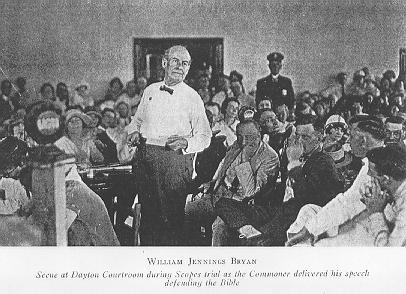
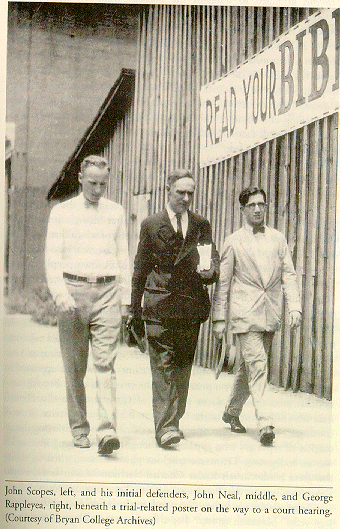
The American Civil Liberties Union put the law to the test using high school biology teacher John Scopes who was charged with breaking the law. The trial ended up becoming less about the guilt or innocence of Scopes or even the constitutionality of the law, but rather as the field where the conflict between religious and social issues and faith versus intellectualism was fought. Butler, the man who legislated the law on religious grounds covered it as a correspondent.

daytonscene

Mencken wrote of the trial:

“The Scopes trial, from the start, has been carried on in a manner exactly fitted to the anti- evolution law and the simian imbecility under it. There hasn’t been the slightest pretense to decorum. The rustic judge, a candidate for re-election, has postured the yokels like a clown in a ten-cent side show, and almost every word he has uttered has been an undisguised appeal to their prejudices and superstitions. The chief prosecuting attorney, beginning like a competent lawyer and a man of self-respect, ended like a convert at a Billy Sunday revival. It fell to him, finally, to make a clear and astounding statement of theory of justice prevailing under fundamentalism. What he said, in brief, was that a man accused of infidelity had no rights whatever under Tennessee law…”

http://www.tcm.com/mediaroom/video/580245/Inherit-The-Wind-Movie-Clip-We-Are-Simple-Folk.html 

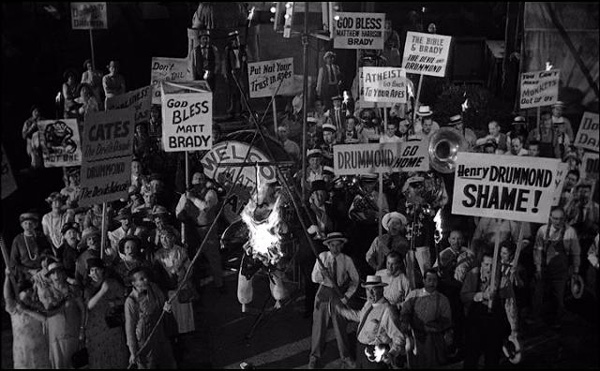
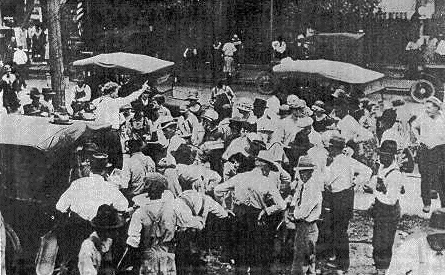
It was an epic event covered by news outlets across the nation and the atmosphere in the town outside the courthouse was circus like, something that the movie depicts very well. The defense was not allowed to produce Scientists as witnesses, even to the chagrin of Butler who despite his opposition to evolutionary theory felt that it was not fair. When all was said and done Scopes had been convicted and a fine of $100 assessed, which was overturned on appeal. Bryan died a week after the trial and of the 15 states with similar legislation to Butler passed them into law.

SCO_EVOL

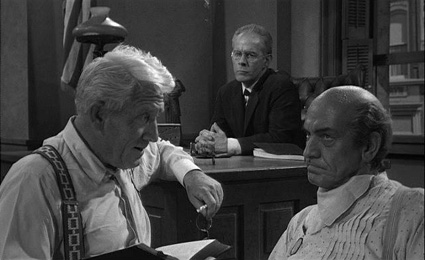
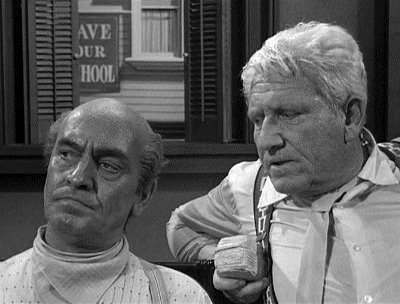
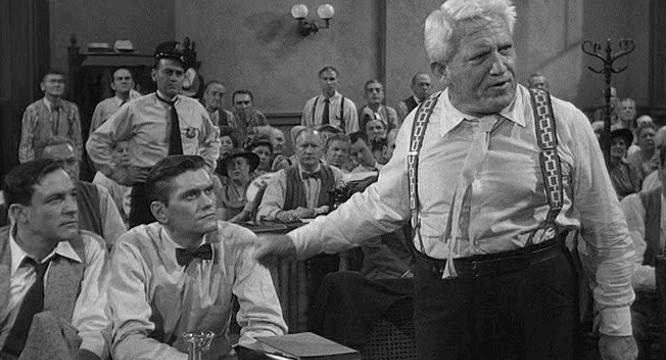
The film is based on the play of the same name written in 1950 by Jerome Lawrence and Robert E. Lee. It was written during the height of the McCarthy Era and opened in 1955. The first film version starring Spencer Tracy as Henry Drummond (Clarence Darrow), Frederic March as Matthew Harrison Brady (William Jennings Bryan), Gene Kelly as E.K. Hornbeck (H.L. Mencken) while Dick York played Bertram Cates (John Scopes). Lawrence and Lee invented some fictional characters including Reverend Brown played by Claude Akins.

The film directed by Stanley Kramer captures the raw emotions of the trial, the participants and the spectators who came from near and far. The depiction of the angry mob of Christians is terrifying to watch. In the film they sing:

“We’ll hang Bertram Cates to a sour apple tree, we’ll hang Bertram Cates to a sour apple tree, we’ll hang Bertram Cates to a sour apple tree. Our God is marching on! Glory Glory Hallelujah! Glory Glory Hallelujah! Glory Gory Hallelujah! His truth is marching on. We’ll hang Henry Drummond to a sour apple tree, we’ll hang Henry Drummond to a sour apple tree, we’ll hang Henry Drummond to a sour apple tree, our God is marching on.”

inheritwind

March’s depiction of Matthew Harrison Brady is riveting. The Brady of the film does not do justice to other parts of Bryan’s life. Bryan, outside his fight against evolution was ahead of his time in many ways. Earlier in his career he had pressed for Universal Suffrage, fought against war and labored against the social Darwinism of the banks, business and the Robber Barons. However the loss of three Presidential elections left him bitter and it is believed that he saw the trial as an opportunity to regain the limelight and perhaps build a base to again run for President. This speech by Brady is a fair characterization of Bryan’s beliefs:

“I have been to their cities and I have seen the altars upon which they sacrifice the futures of their children to the gods of science. And what are their rewards? Confusion and self-destruction. New ways to kill each other in wars. I tell you gentlemen the way of science is the way of darkness.”

The problem with the Bryan of the Scopes Trial was that he was a caricature of his former self, he played to the crowds. The trial played to the worst parts of his character and that shows in the movie depiction. Some Christians find this an unfair portrayal and even call it a lie, however even though March’s portrayal is fictional it does fit the spirit of the trial which is captured in the writings of many of the contemporary commentators of the trial. Mencken wrote of the real Bryan: It is a tragedy, indeed, to begin life as a hero and to end it as a buffoon.

http://www.tcm.com/mediaroom/video/179726/Inherit-the-Wind-Movie-Clip-Time.html 

wjb_pulpit

Another of those commentators, Marcet Haldeman-Julius wrote of the real Bryan:

“As he sat there in the court room, day after day, silent, fanning, fanning, his face set I was appalled by the hardness, the malice in it.  No one who has watched the fanatical light in those hard, glittering black eyes of Bryan’s can doubt but that he believes both in a heaven and in a hell.  At the same time the cruel lines of his thin, tight-pressed mouth proclaim, it seems to me, that he would stop at nothing to attain his own ends.  It is anything but a weak face–Bryan’s.  But it is a face from which one could expect neither understanding nor pity.  My own opinion is that he is sincere enough in his religion.  Also that in it is included the doctrine Paul so frankly taught–that a lie told for the glory of God is justified…”

scope2

But I think that the real drama and tension in the film comes from Spencer Tracy in his portrayal of Drummond. This speech is taken almost verbatim from the trial:

http://www.youtube.com/watch?v=S_DQUAuNUvw 

“Can’t you understand? That if you take a law like evolution and you make it a crime to teach it in the public schools, tomorrow you can make it a crime to teach it in the private schools? And tomorrow you may make it a crime to read about it. And soon you may ban books and newspapers. And then you may turn Catholic against Protestant, and Protestant against Protestant, and try to foist your own religion upon the mind of man. If you can do one, you can do the other. Because fanaticism and ignorance is forever busy, and needs feeding. And soon, your Honor, with banners flying and with drums beating we’ll be marching backward, BACKWARD, through the glorious ages of that Sixteenth Century when bigots burned the man who dared bring enlightenment and intelligence to the human mind!”

0237318_11378_MC_Tx360

I think that this speech is the real crux of the tension that we face even now. Legislators in a number of States have enacted laws of much the same kind of spirit as Butler and defended them with the same kind of fire as Bryan. Civil libertarians, especially secular ones bring up the same issues as Darrow did. I am a Christian and a Priest and my thinking about this is much like that espoused by Drummond in the movie.

So the film may be a fictional depiction of the Scopes Trial, but it is a film that I think that people would do well to watch. I don’t expect everyone to agree with me or the issues that I agree with brought up by the character of Henry Drummond. However, I think that everyone should watch the film and come to their own conclusions as well as to ask themselves how their particular ethic, whether secular or religious informs them in how they deal with this issue and so many others that divide us today.

http://www.youtube.com/watch?v=ECITwTYSIs 

I just know when I watched it again this week that it could have been in the news this week, only with a different cast of characters. My concern is that there is a very loud minority that wants to inflict its particular religious view on everyone and use the public treasure to do it. The attitude of many of these people is much like the characters from the actual Scopes Trial including their view that pushes both demonizes those they oppose and their desire to regulate the secular opposition to the sidelines.

SCOPES1

I know that the same accusation is made by religious people of secularists, however I have seen the results of religious wars in Iraq and the Balkans, and from history. Those conflicts and the brutality of religious people in them give me great pause when I see religious and political leaders here suggest curtailing the civil liberties and even using the law against those that they oppose. As Drummond asked in the movie: “Must men go to jail because they find themselves at odds with a self-appointed prophet?”

That is why this film is so important.

Peace

Padre Steve+
4 Comments

Filed under faith, film, History, laws and legislation, movies, Religion

Christmas at the Front 2013: A Look at Christmas Now and in Military History

German Bundeswehr army soldiers decorate a fir tree imported from Germany for Christmas eve in the army camp in Kunduz

German Bundeswehr Soldiers decorating for Christmas in Afghanistan 

Today as on so many Christmas Days in days gone by military personnel serve on the front lines in wars far away from home. Today American and NATO troops engage a resourceful and determined enemy in Afghanistan. American Marines are working to safeguard the lives of Americans in South Sudan while French troops are intervening in Mali and the Central African Republic to attempt to prevent genocide. In many corners of the globe others stand watch on land, at sea and in the air. Unfortunately on this Christmas wars continue and most likely will until the end of time as we know it.

adopt_a_platoon

It is easy to understand the verse penned by Henry Wadsworth Longfellow in his song I Heard the Bells on Christmas Day after the death of his wife and wounding of his son in the US Civil War:

And in despair I bowed my head

“There is no peace on earth,” I said,

“For hate is strong and mocks the song

Of peace on earth, good will to men.

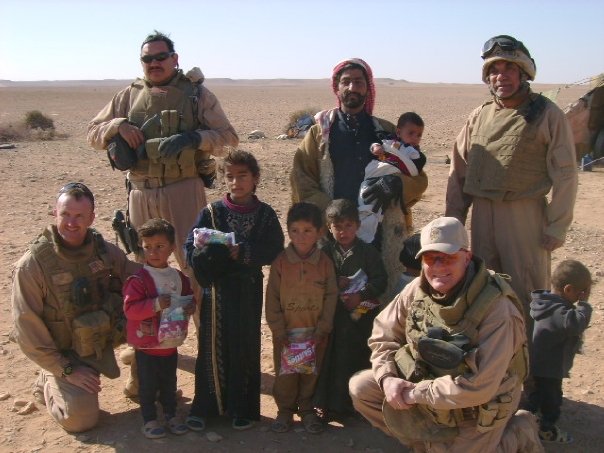
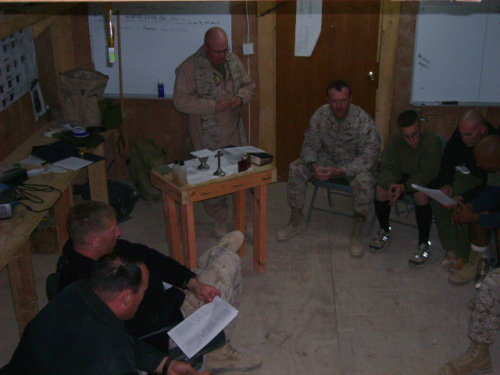
I have done my time in Iraq at Christmas on the Syrian-Iraqi Border in 2007 with our Marine advisors and their Iraqis.  That was the most memorable Christmas and the most important Christmas Masses that I ever celebrated. Since returning home have thought often of those that remain in harm’s way as well as those soldiers, sailors, Marines and airmen, American and from other nations that have spent Christmas on the front lines. Some of these events are absolutely serious while others display some of the “light” moments that occur even in the most terrible of manmade tragedies.

streets-trenton

Christmas 1776 at Trenton

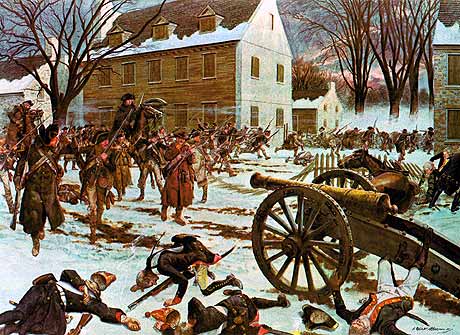
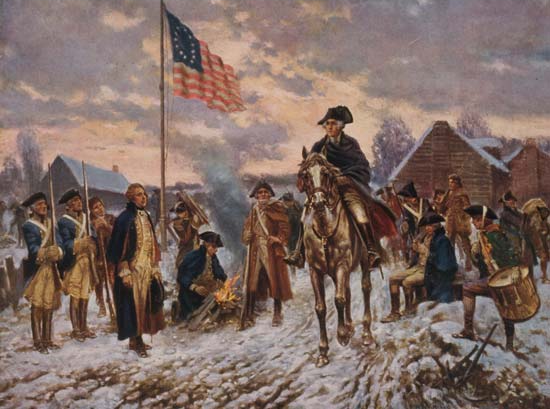
In American history we can look back to 1776, of course we could go back further but 1776 just sounds better. On Christmas of 1776 George Washington took his Continental Army across the Delaware to attack the British garrison at Trenton. Actually it was a bunch of hung over Hessians who after Christmas dinner on the 24th failed to post a guard which enabled them to be surprised,  but it was an American victory.

washington2

In 1777 Washington and his Army had a rather miserable Christmas at Valley Forge where they spent the winter freezing their asses off and getting drilled into a proper military force by Baron Von Steuben.

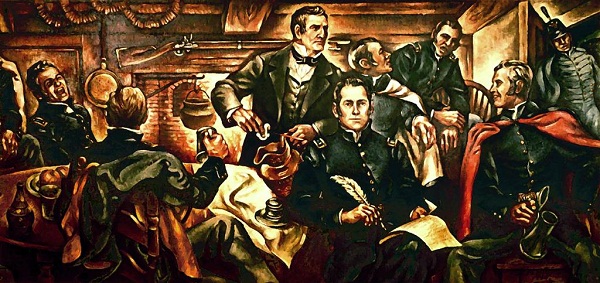
The-Eggnog-Riot

The Eggnog Riot

While not a battle in the true sense of the word the Cadets at West Point wrote their own Christmas legend in the Eggnog Riot of 1826 when the Cadets in a bit of holiday revelry had a bit too much Eggnog and a fair amount of Whiskey and behaved in a manner frowned upon by the Academy administration. Needless to say that many of the Cadets spent the Christmas chapel services in a hung over state with a fair number eventually being tossed from the Academy for their trouble.

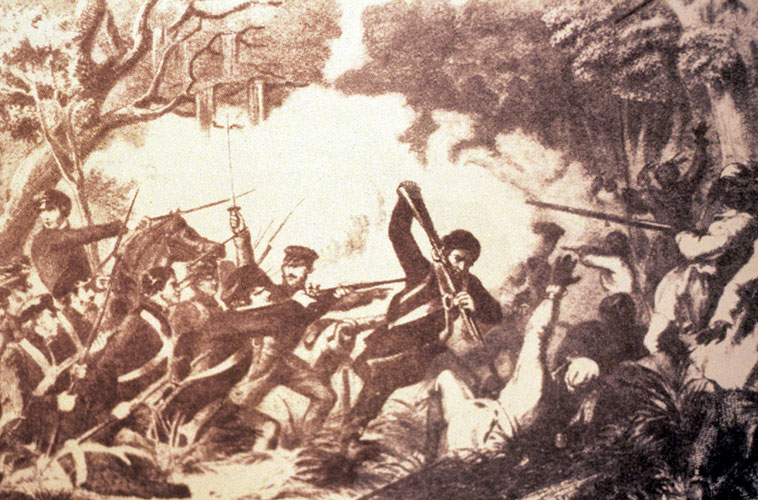
battlezz

The Battle of Lake Okeechobee

In 1837 the U.S. Army was defeated at the Battle of Lake Okeechobee by the Seminole Nation, not a Merry Christmas at all.  In 1862 the Army of the Potomac and Army of Northern Virginia faced each other across the Rappahannock River after the Battle of Fredericksburg while to the south in Hilton Head South Carolina 40,000 people watched Union troops play baseball some uttering the cry of many later baseball fans “Damn Yankees.”

civil_war_baseball

Blue and Grey Christmas Baseball

In 1864 the Army of the Potomac and Army of Northern Virginia faced each other again in the miserable trenches of Petersburg while General William Tecumseh Sherman enjoyed Christmas in Savannah Georgia after cutting a swath of destruction from Atlanta to the sea. He presented the city to Lincoln who simply said “nice, but I really wanted Richmond.”

general-sherman-at-savannah-war-is-hell-store

Napoleon had something to celebrate on December 25th 1801 after surviving an assassination attempt on Christmas Eve and 1809 he was celebrating his divorce from Empress Josephine which had occurred on the 21st of December.

football-truce

The Christmas Truce 

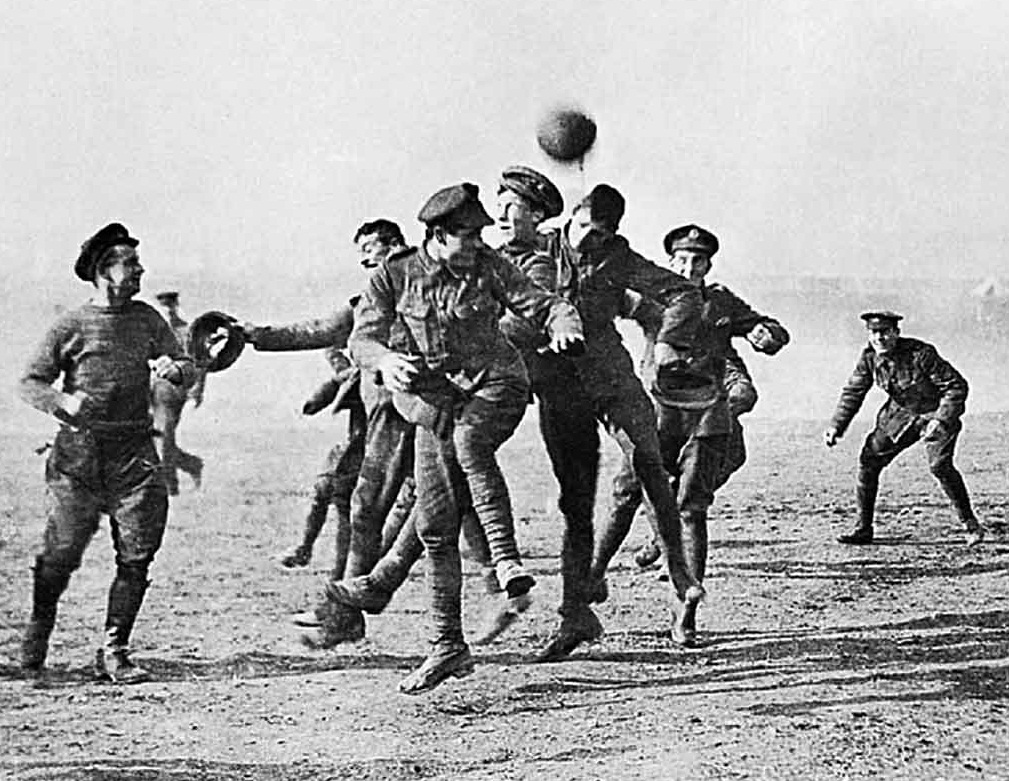
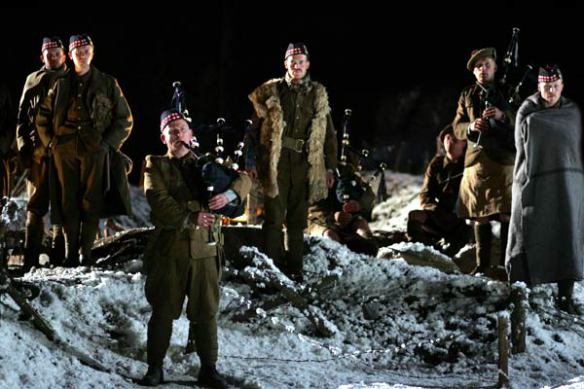
In 1914 “Christmas Truce” began between British and German troops and threatened to undo all the hard work of those that made the First World War possible.  Thereafter the High Commands of both sides ensured that such frivolity never happened again. The movie Joyeux Noel (Merry Christmas) does a wonderful job in bringing home the miraculous truce.

article-2106230-0003FB2000000258-130_634x578

General and Montgomery and his Staff, winter 1942

World War II brought much suffering. In 1941 after Pearl Harbor the Japanese forced the surrender of Hong Kong and its British garrison while two days later the Soviets launched their counterattack at Moscow against Hitler’s Wehrmacht. In Libya the British were retaking Benghazi from the Afrika Corps after a brutal series of tank battles in Operation Crusader.  A year later the Americans were clearing Guadalcanal of the Japanese. General Montgomery’s 8th Army was pursuing Rommel’s Afrika Korps into Tunisia as American and British forces under General Dwight D. Eisenhower were slogging their way into Tunisia against tough German resistant.  In Russia the Red Army was engaged in a climactic battle against the encircled German 6th Army at Stalingrad. At Stalingrad a German Physician named Kurt Reuber painted the famed Madonna of Stalingrad.

Bundeswehr zeigt "Stalingrad"-Ausstellung

Kurt Reuber’s Madona of Stalingrad

The drawing which was taken out of Stalingrad by one of the last German officers to be evacuated now hangs in the Kaiser Wilhelm Memorial Church in Berlin. Reuber drew another in 1943 while in a Soviet POW campbefore his death from Typhus in early 1944. Reuber wrote to his wife of painting in Stalingrad:

“I wondered for a long while what I should paint, and in the end I decided on a Madonna, or mother and child. I have turned my hole in the frozen mud into a studio. The space is too small for me to be able to see the picture properly, so I climb on to a stool and look down at it from above, to get the perspective right. Everything is repeatedly knocked over, and my pencils vanish into the mud. There is nothing to lean my big picture of the Madonna against, except a sloping, home-made table past which I can just manage to squeeze. There are no proper materials and I have used a Russian map for paper. But I wish I could tell you how absorbed I have been painting my Madonna, and how much it means to me.”

“The picture looks like this: the mother’s head and the child’s lean toward each other, and a large cloak enfolds them both. It is intended to symbolize ‘security’ and ‘mother love.’ I remembered the words of St.John: light, life, and love. What more can I add? I wanted to suggest these three things in the homely and common vision of a mother with her child and the security that they represent.”

34_116111820

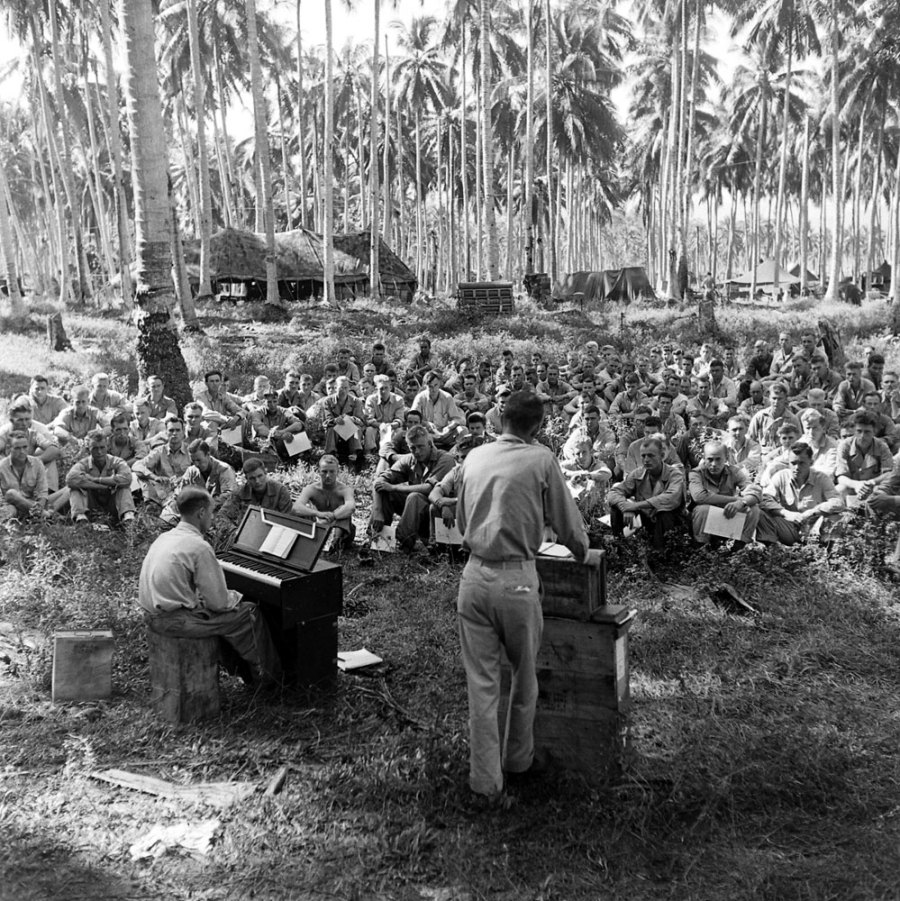
Christmas Concert at Guadalcanal 

In 1943 the Marines were battling the Japanese at New Britain while the Red Army was involved in another major winter offensive against the Wehrmacht. In 1944 Christmas found the Russians advancing in Hungary.

christmas-celebration-before-battle-of-the-bulge


Bastogne Christmas 

In December 1944 the Americans were engaged in a desperate battle with the Germans in the Ardennes now known as The Battle of the Bulge. On Christmas day the leading German unit, the 2nd Panzer Division ran out of gas 4 miles from the Meuse River and was destroyed by the American 2nd Armored Division.

0001photo

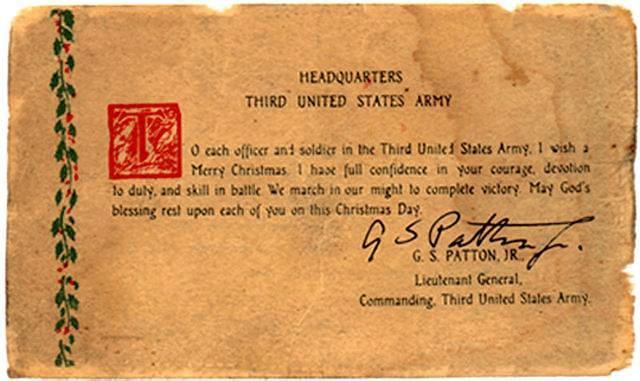
As that was occurring the embattled 101st Airborne Division at Bastogne was relieved by General George Patton’s 3rd Army. Patton had his Chaplain pen this Christmas prayer:

“Almighty and most merciful Father, we humbly beseech Thee, of Thy great goodness, to restrain these immoderate rains with which we have had to contend. Grant us fair weather for Battle. Graciously hearken to us as soldiers who call upon Thee that, armed with Thy power, we may advance from victory to victory, and crush the oppression and wickedness of our enemies and establish Thy justice among men and nations.”

In the Philippines Douglas MacArthur’s forces were fighting hard to liberate Leyte, Samar and Luzon from the Japanese. At sea US and Allied naval forces fought off determined attacks by Kamikazes.

USO2

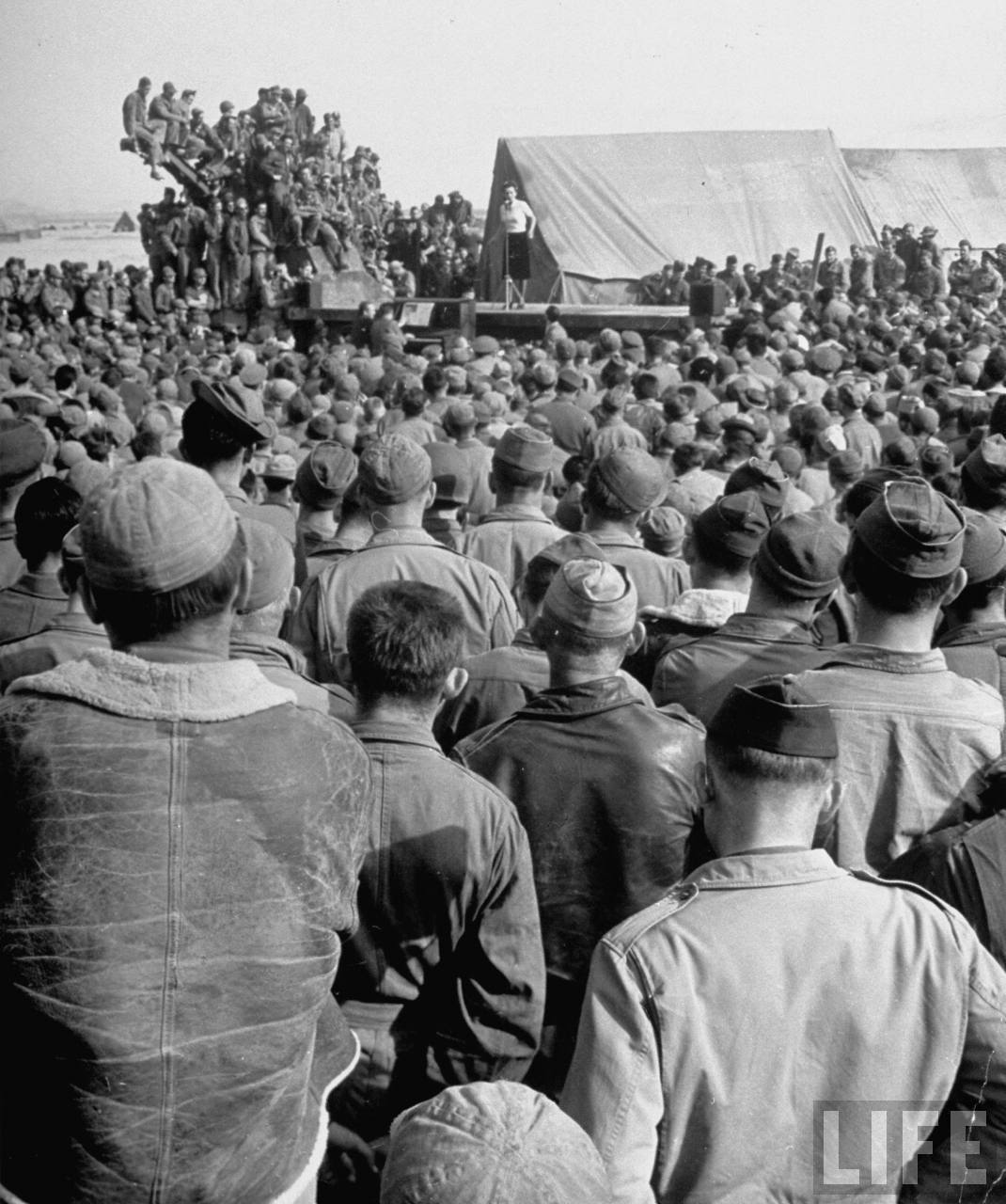
USO Christmas Show in WWII

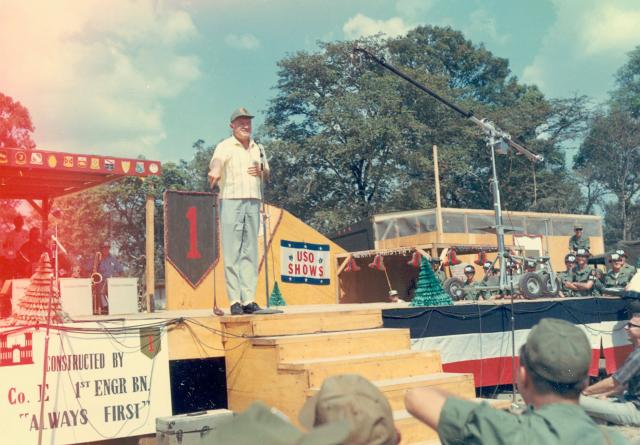
During the war the USO sponsored many entertainers who went to combat zones to perform Christmas shows, among them was Bob Hope.

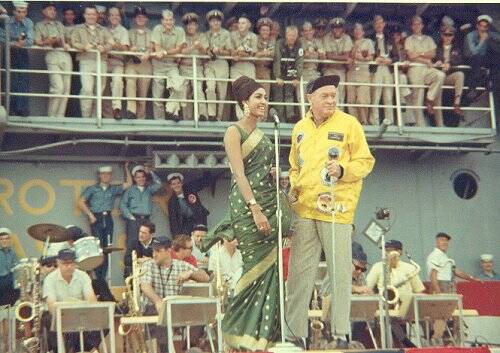
onship

Bob Hope Christmas Show on USS Ticonderoga CVA-14 off Vietnam 

In the years following the Second World War Christmas was celebrated while armies continued to engage in combat to the death. Christmas of 1950 was celebrated in Korea as the last American forces were withdrawn from the North following the Chinese intervention which the 1st Marine Division chewed up numerous Red Chinese divisions while fighting its way out of the Chosin Reservoir.

size0-army.mil-28691-2009-02-09-110252

Bob Hope with 1st Infantry Division in Vietnam

In 1953 the French garrison of Dien Bien Phu celebrated Christmas in primitive fashion unaware that Vietnamese General Giap was already marshaling his forces to cut them off and then destroy them shortly after Easter of 1954.   In 1964 the U.S. committed itself to the war in Vietnam and for the next 9 years American Soldiers, Marines, Sailors and Airmen battled the North Vietnamese and Viet Cong with Marines fighting the North at Khe Sanh during Christmas of 1967. A hallmark of that war would be Bob Hope whose televised Christmas specials from that country helped bring the emotion of Christmas at the front back to those at home.

DSChristmasmenu

In the years after Vietnam American troops would spend Christmas in the Desert of Saudi Arabia preparing for Operation Desert Storm in 1990, in Somalia the following year and in the Balkans. After September 11th 2001 U.S. Forces spent their first of at least 12 Christmas’s in Afghanistan. From 2003 thru 2011 US and coalition partner troops spent 8 years in Iraq, that was my war.

295_26912097058_4309_n-2

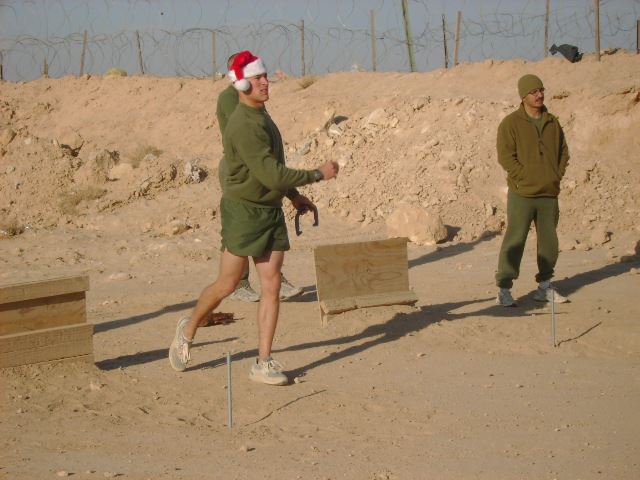
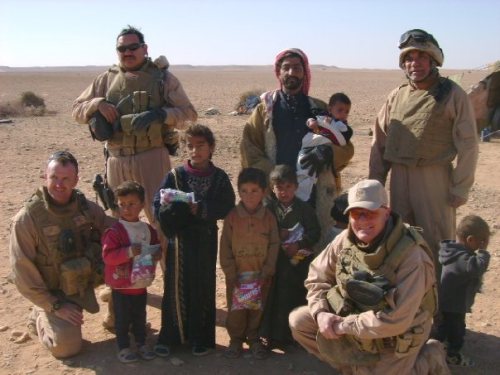
Christmas with Bedouin on Christmas Eve (above) and Christmas games at COP North Al Anbar Province Iraq 2007 (Below)

483430_10151366974467059_2085986953_n

533506_10151366982452059_1397805608_n

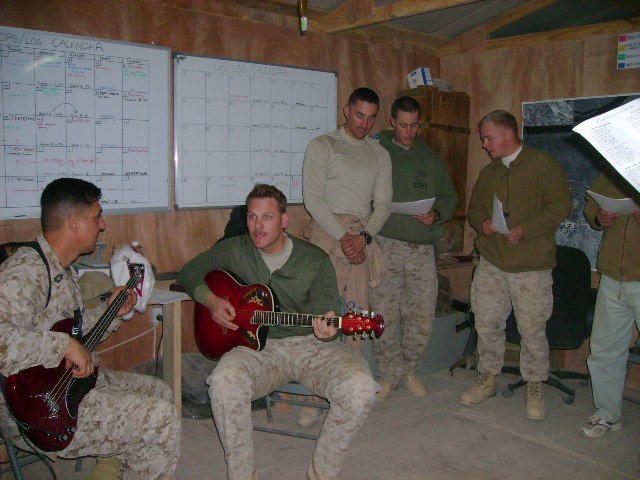
Christmas Services at COP South Al Anbar Province, Iraq 2007

Today Americans and our Allies serve around the world far away from home fighting the war against Al Qaeda and its confederates and some may die on this most Holy of Days while for others it will be their last Christmas.

Please keep them and all who serve now as well as those that served in the past, those that remain and those that have died in your prayers.

Peace

Padre Steve+
3 Comments

Filed under civil war, faith, History, iraq,afghanistan, Loose thoughts and musings, Military, Religion, world war two in europe, world war two in the pacific

Where I Belong: Padre Steve and the Christmas Truce

889

Christmas 2007 COP South, Al Anbar Province Iraq

“I belong with those who are in pain, and who have lost their faith, I belong here.” Father Palmer, the Chaplain in Joyeux Noel (Merry Christmas)

Last night I again watched the film classic Joyeux Noel (Merry Christmas) which is the story of the amazing and exceptional Christmas Truce of 1914. It is a film that each time I see it that I discover something new, more powerful than the last time I viewed it.

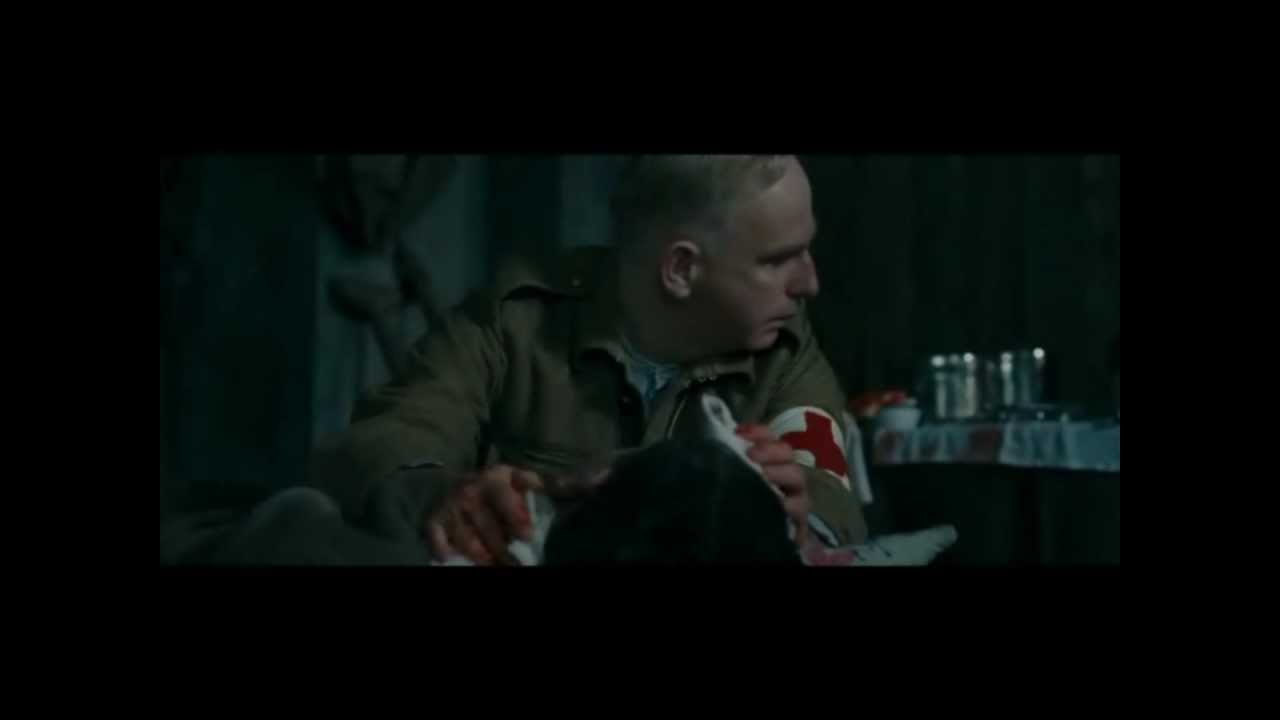
As a Chaplain I am drawn to the actions of the British Padre who during the truce conducts a Mass for all the soldiers, British, French and German in no-man’s land, who goes about caring for the soldiers both the living and the dead.  His actions are contrasted with his Bishop who comes to relieve him of his duties and to urge on the replacement soldiers to better kill the Germans.

palmer

Father Palmer Tending the Wounded

As the Chaplain begins to provide the last Rites to a dying soldier the Bishop walks in, in full purple cassock frock coat and hat and the chaplain looks up and kisses his ring.

As the chaplain looks at his clerical superior there is a silence and the Bishop looks sternly at the priest and addresses him:

“You’re being sent back to your parish in Scotland. I’ve brought you your marching orders.”

Stunned the Priest replies: “I belong with those who are in pain, and who have lost their faith, I belong here.”

The Bishop then sternly lectures the Priest: “I am very disappointed you know. When you requested permission to accompany the recruits from your parish I personally vouched for you. But then when I heard what happened I prayed for you.”

The Priest humbly and respectfully yet with conviction responds to his superior: “I sincerely believe that our Lord Jesus Christ guided me in what was the most important Mass of my life. I tried to be true to his trust and carry his message to all, whoever they may be.”

The Bishop seems a bit taken aback but then blames the Chaplain for what will next happen to the Soldiers that he has served with in the trenches: “Those men who listened to you on Christmas Eve will very soon bitterly regret it; because in a few days time their regiment is to be disbanded by the order of His Majesty the King. Where will those poor boys end up on the front line now? And what will their families think?”

They are interrupted when a soldier walks in to let the Bishop know that the new soldiers are ready for his sermon. After acknowledging the messenger the Bishop continues: “They’re waiting for me to preach a sermon to those who are replacing those who went astray with you.” He gets ready to depart and continues: “May our Lord Jesus Christ guide your steps back to the straight and narrow path.”

The Priest looks at him and asks: “Is that truly the path of our Lord?”

The Bishop looks at the Priest and asks what I think is the most troubling question: “You’re not asking the right question. Think on this: are you really suitable to remain with us in the house of Our Lord?”

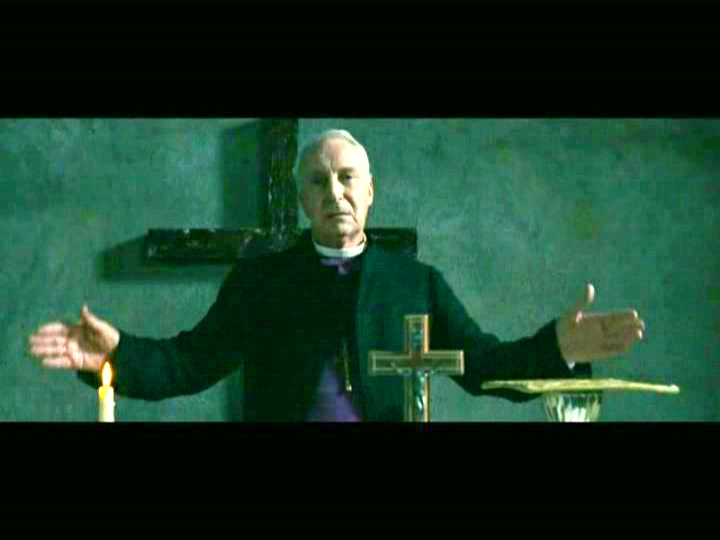
With that the Bishop leaves and goes on to preach. The words of the sermon are from a 1915 sermon preached by an Anglican Bishop in Westminster Abbey. They reflect the poisonous aspects of many religious leaders on all sides of the Great War, but also many religious leaders of various faiths even today, sadly I have to say Christian leaders are among the worst when it comes to inciting violence against those that they perceive as enemies of the Church, their nation or in some cases their political faction within a country.

bishop

The Bishop Leads His “Service” 

http://www.youtube.com/watch?v=fMPxjUE40iw

“Christ our Lord said, “Think not that I come to bring peace on earth. I come not to bring peace, but a sword.” The Gospel according to St. Matthew. Well, my brethren, the sword of the Lord is in your hands. You are the very defenders of civilization itself. The forces of good against the forces of evil. For this war is indeed a crusade! A holy war to save the freedom of the world. In truth I tell you: the Germans do not act like us, neither do they think like us, for they are not, like us, children of God. Are those who shell cities populated only by civilians the children of God? Are those who advanced armed hiding behind women and children the children of God? With God’s help, you must kill the Germans, good or bad, young or old. Kill every one of them so that it won’t have to be done again.”

The sermon is chilling and had it not been edited by the director would have contained the remark actually said by the real Bishop that the Germans “crucified babies on Christmas.”  Of course that was typical of the propaganda of the time and similar to things that religious leaders of all faiths use to demonize their opponents and stir up violence in the name of their God.

When the Bishop leaves the Priest finishes his ministration to the wounded while listening to the words of the Bishop who is preaching not far away in the trenches. He meditates upon his simple cross, takes it off, kisses it hand hangs it upon a tripod where a container of water hangs.

The scene is chilling for a number of reasons. First is the obvious, the actions of a religious leader to denigrate the efforts of some to bring the Gospel of Peace into the abyss of Hell of earth and then to incite others to violence dehumanizing the enemy forces. The second and possibly even more troubling is to suggest that those who do not support dehumanizing and exterminating the enemy are not suitable to remain in the house of the Lord. Since I have had people, some in person and others on social media say similar things to what the Bishop asks Palmer the scene hits close to home.

iraq bedouin

Christmas Eve 2007 with the Bedouin 

When I left Iraq in February 2008 I felt that I was abandoning those committed to my spiritual care, but my time was up. Because of it I missed going with some of my advisors to Basra with the 1st Iraqi Division to retake that city from insurgents. It was only a bit over a month after I had celebrated what I consider to be my most important Masses of my life at COP South and COP North on December 23rd as well as Christmas Eve and Christmas Day. When I left the new incoming senior Chaplain refused to take my replacement leaving our advisors without dedicated support. He then slandered me behind my back because what I was doing was not how he would do things and because I and my relief were under someone else’s operational control. It is funny how word gets back to you when people talk behind your back. Thankfully he is now retired from the Navy and I feel for any ministers of his denomination under his “spiritual” care.  So I cannot forget those days and every time I think about them, especially around Christmas I am somewhat melancholy and why I can relate so much to Father Palmer in the movie.

It has been six years since those Christmas Masses and they still feel like yesterday. In the intervening years my life has been different. Severe and Chronic PTSD, depression, anxiety and insomnia were coupled with a two year period where due to my struggles I lost faith, was for all practical purposes an agnostic. I felt abandoned by God, my former church and most other Chaplains. It was like being radioactive, there was and is a stigma for Chaplains that admits to PTSD and go through a faith crisis, especially from other Chaplains and Clergy.  It was just before Christmas in late 2009 that faith began to return in what I call my Christmas Miracle. But be sure, let no one tell you differently, no Soldier, Sailor, Marine or Airman who has suffered the trauma of war and admitted to PTSD does not feel the stigma that goes with it, and sadly, despite the best efforts of many there is a stigma.

Now that faith is different and I have become much more skeptical of the motivations of religious leaders, especially those that demonize and dehumanize those that do not believe like them or fully support their cause or agenda. Unfortunately there are far too many men and women who will use religion to do that, far too many.  

As for me I am in a better place now. I still suffer some of the effects of the PTSD, especially the insomnia, nightmares and anxiety in crowded places and bad traffic, but I do believe again. Like the Priest in the movie I know that my place is with those who are “in pain, and who have lost their faith.” Like Paul Tillich I have come to believe that “Sometimes I think it is my mission to bring faith to the faithless, and doubt to the faithful.” 

Praying for Peace this Christmas,

Padre Steve+

6 Comments

Filed under faith, film, History, Military, ministry, Pastoral Care, PTSD, Religion, Tour in Iraq

Silent Night: The Hymn that Transcends Language Culture and Ideology

800px-Stille_nacht

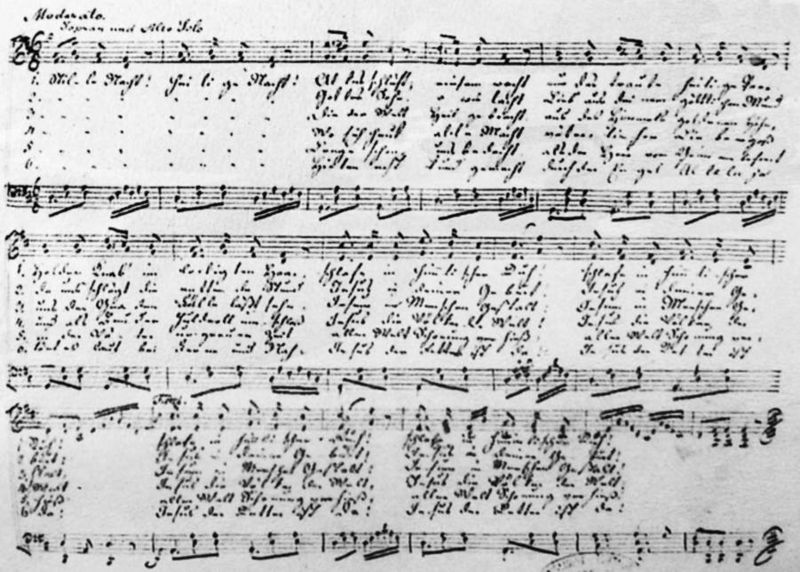
Stille Nacht Autograph in the Hand of Joseph Mohr

In 1816 a young Austrian Catholic Priest in a small parish near Salzburg penned the lyrics to a hymn that even in the midst of war can bind people together. Father Joseph Mohr after moving to another parish in Oberndorf took those lyrics to Franz Gruber a nearby schoolmaster and organist. Mohr asked Gruber to put the words to music, specifically with a guitar accompaniment. Together the performed the song at Oberndorf’s parish church’s Vigil Mass on December 24th 1818.

malamkudus_11

There are a number of fanciful apocryphal stories about why the song was written and performed on the guitar, including one about the bellows of the church organ having been eaten by mice, but these are akin to sensationalist tabloid journalism. The simple truth is that Mohr sought out Gruber to arrange the song for guitar to be sung by two people accompanied by a choir for that Christmas Vigil Mass.

Stille Nacht, Heilige Nacht 

Stille Nacht, heilige Nacht,
Alles schläft; einsam wacht
Nur das traute hochheilige Paar.
Holder Knabe im lockigen Haar,
Schlaf in himmlischer Ruh!

Stille Nacht, heilige Nacht,
Hirten erst kundgemacht
Durch der Engel Halleluja,
Tönt es laut von fern und nah:
Christ, der Retter ist da!

Stille Nacht, heilige Nacht,
Gottes Sohn, o wie lacht
Lieb’ aus deinem göttlichen Mund
, Da uns schlägt die rettende Stund’.
Christ, in deiner Geburt!

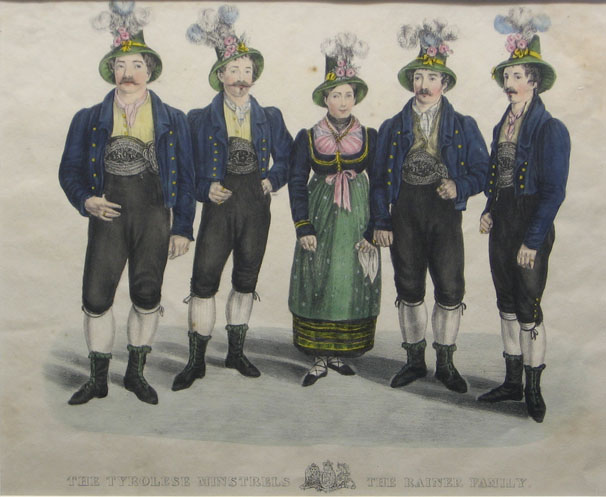
 The song rapidly grew in popularity and spread quickly in Europe. A traveling Austrian singing group, the Rainer family performed it in front of Austrian Emperor Franz I and Tsar Alexander I.

7998

They also gave its first American performance in New York outside the famed Trinity Church in 1839. I continued to grow in popularity and was translated into many languages, now numbering about 140.

21760570

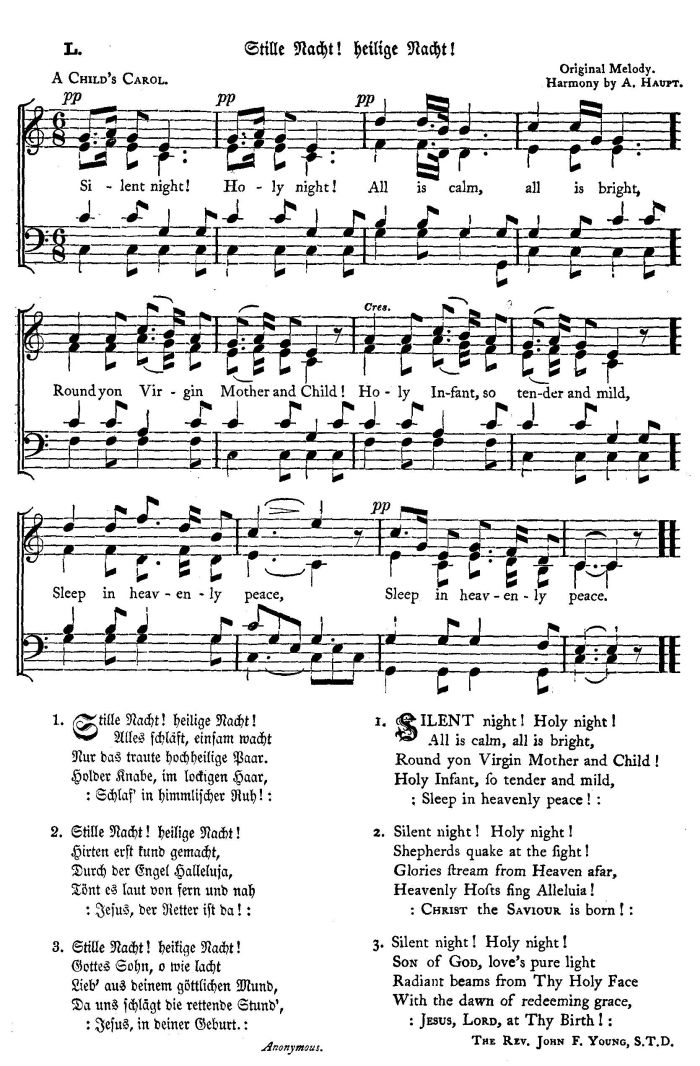
The American Episcopalian Bishop John Freeman Young translated it into English in 1863. It is his version that is most used today in English speaking lands today. A website called the Silent Night Web http://silentnight.web.za has 227 versions of the song in 142 languages on its site.

50-Silent_Night

Silent Night 

Silent night, Holy night

 All is calm, all is bright

‘Round yon virgin , mother and child

Holy infant so, tender and mild
Sleep in heavenly peace,
Sleep in heavenly peace.

Silent night, Holy night
Shepherds quake, at the sight
Glories stream from heaven afar
Heavenly, hosts sing Hallelujah.
Christ the Savior is born,
Christ the Savior is born.

Silent night, Holy night
Son of God, love’s pure light
Radiant beams from thy holy face
With the dawn of redeeming grace,
Jesus, Lord at thy birth,
Jesus, Lord at thy birth.

Father Mohr refused to profit from his song and donated his proceeds to care for the elderly and educate children in the parishes and towns he served. He died in 1848.

889

I find that the song will bring me to tears fast than almost any song. It is one that I have sung in English, German and French. In my travels as a military Chaplain have used on every Christmas Eucharist celebration that I have done, including at two lonely COPS in Iraq, COP South and COP North on the Syrian Border in Al Anbar Province. Likewise I have celebrated joint ecumenical Christmas services with German military chaplains and civilian clergy.

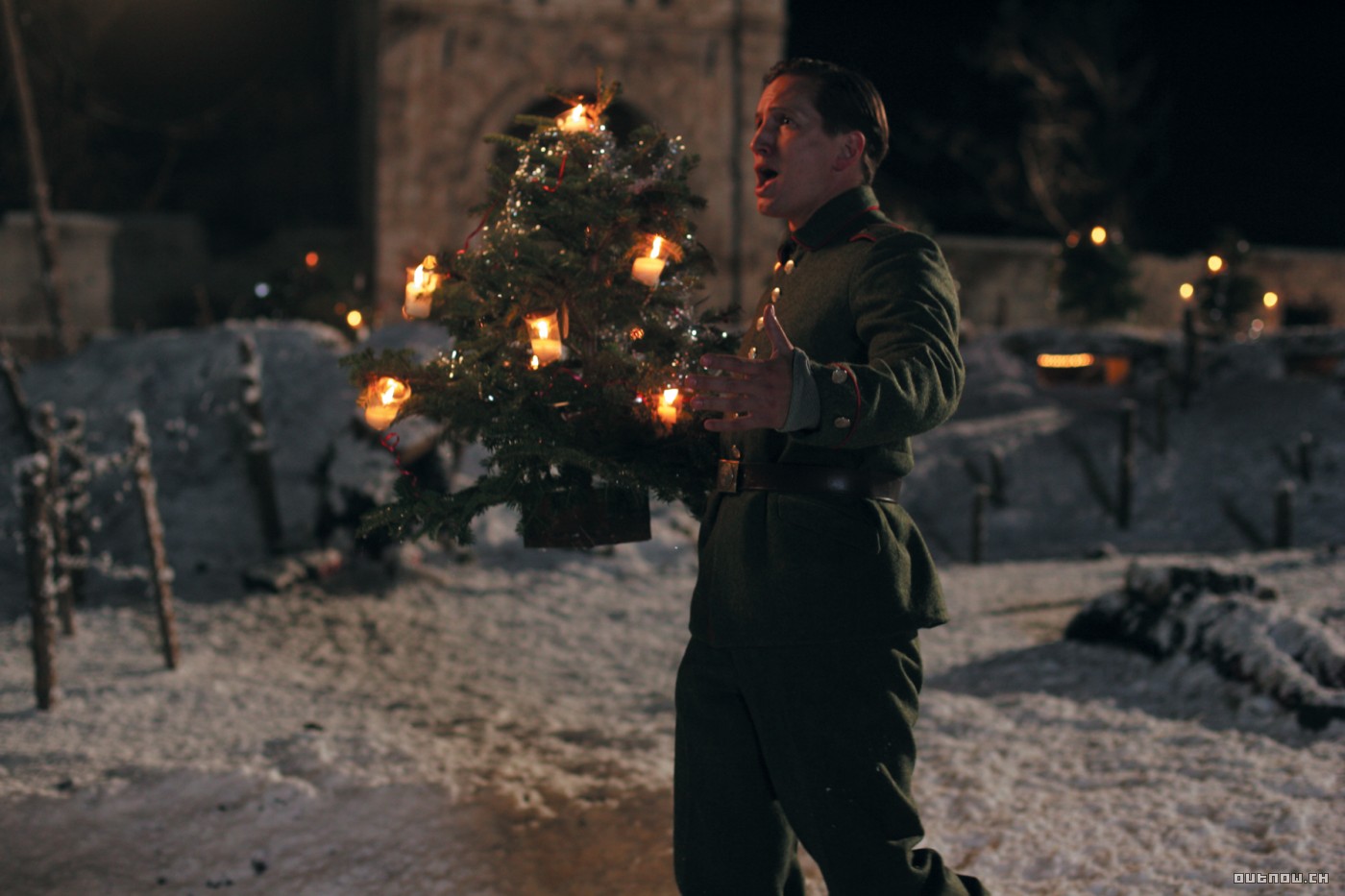
It is a simple and humble song. It is performed the world over by the great and small, the famous and the unknown. It is a song that in two world wars has stopped the violence as opposing soldiers paused to sing it together each in their own language. This happened during the Christmas Truce truce of 1914 as well as in 1944 along the Western Front during the Battle of the Bulge.

13-1

http://www.youtube.com/watch?v=EbGZ7T5EHpQ

 joyeux-noel-4

On Tuesday as people gather for Christmas Eve and Wednesday when they gather for Christmas Day services the song will be sung around the world. In lands where war rages the song will be sung. It is my hope that someday that war will be no more and the tiny child spoken of in this humble hymn will understand the incredible grace of the message spoken by the Angels as recorded in Luke’s Gospel:  “Glory to God in the highest, And on earth peace among men in whom he is well pleased.” (American Standard Version)

Peace

Padre Steve+
1 Comment

Filed under faith, film, History, music

Christmas in the Cauldron: Kurt Reuber and the The Madonna of Stalingrad

Bundeswehr zeigt "Stalingrad"-Ausstellung

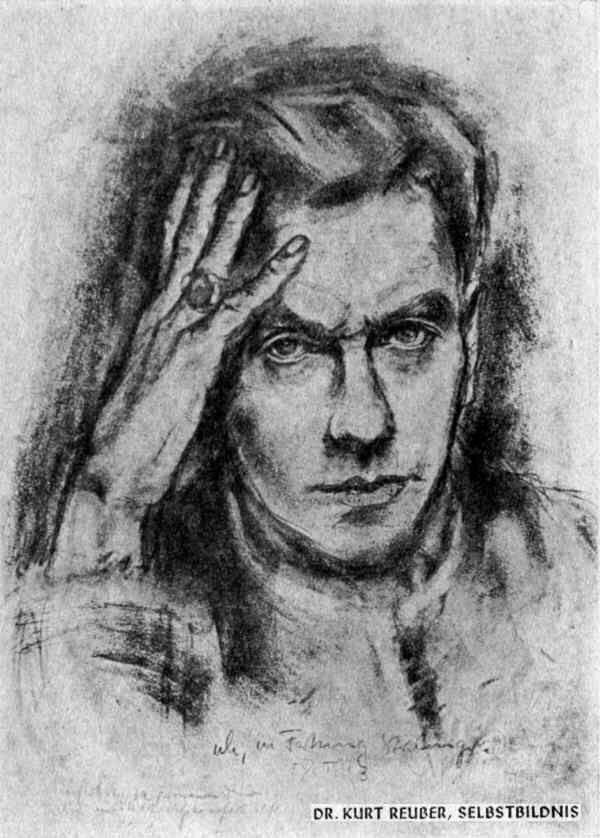
Kurt Rueber was a theologian, pastor and medical doctor. A friend of Albert Schweitzer he was conscripted to serve as a physician in the Germany Army at the beginning of the war. By November 1942 he was a seasoned military physician serving with the 16th Panzer Division, part of the German 6th Army, which had been fighting in the hell of Stlaingrad. When that division along with most of 6th Army was surrounded by the Soviets, cut of from most supply and without real hope of relief he continued to serve the soldiers committed to his care.

k_reuberl

A Self Portrait 

However that care also included spiritual matters. Rueber was also an artist and pastor and as such he reflected on the desparation of the German soldiers in the Stalingrad pocket. He wrote to his family.

“I wondered for a long while what I should paint, and in the end I decided on a Madonna, or mother and child. I have turned my hole in the frozen mud into a studio. The space is too small for me to be able to see the picture properly, so I climb on to a stool and look down at it from above, to get the perspective right. Everything is repeatedly knocked over, and my pencils vanish into the mud. There is nothing to lean my big picture of the Madonna against, except a sloping, home-made table past which I can just manage to squeeze. There are no proper materials and I have used a Russian map for paper. But I wish I could tell you how absorbed I have been painting my Madonna, and how much it means to me.”

“The picture looks like this: the mother’s head and the child’s lean toward each other, and a large cloak enfolds them both. It is intended to symbolize ‘security’ and ‘mother love.’ I remembered the words of St. John: light, life, and love. What more can I add? I wanted to suggest these three things in the homely and common vision of a mother with her child and the security that they represent.”

The picture was drawn on the back of a captured Soviet map and when he finished it he displayed it in his bunker, which became something of a shrine. Reuber wrote:

“When according to ancient custom I opened the Christmas door, the slatted door of our bunker, and the comrades went in, they stood as if entranced, devout and too moved to speak in front of the picture on the clay wall…The entire celebration took place under the influence of the picture, and they thoughtfully read the words: light, life, love…Whether commander or simple soldier, the Madonna was always an object of outward and inward contemplation.”

As the seige continued men came to the bunker for both medical care and spiritual solace.  On Christmas Eve Reuber found himself treating a number of men wounded by bombs outside the bunker. Another soldier lay dying, just minutes before the soldier had been in the bunker singing the Christmas hymn O Du Froeliche.  Reuber wrote:

“I spent Christmas evening with the other doctors and the sick. The Commanding Officer had presented the letter with his last bottle of Champagne. We raised our mugs and drank to those we love, but before we had had a chance to taste the wine we had to throw ourselves flat on the ground as a stick of bombs fell outside. I seized my doctor’s bag and ran to the scene of the explosions, where there were dead and wounded. My shelter with its lovely Christmas decorations became a dressing station. One of the dying men had been hit in the head and there was nothing more I could do for him. He had been with us at our celebration, and had only that moment left to go on duty, but before he went he had said: ‘I’ll finish the carol with first. O du Frohliche!” A few moments later he was dead. There was plenty of hard and sad work to do in our Christmas shelter. It is late now, but it is Christmas night still. And so much sadness everywhere.”

On January 9th 1943 with all hope of escape or reinforcement gone Reuber gave the picture to the battlaion commander.  The officer was too ill to carry on and was one of the last soldiers to be evacuated from the pocket.

stalingrad-german-pow-595x351stalingrad-dogs-do-you-want-to-live-forever

German POWs walking out of Stalingrad

Reuber was taken prisoner and survived the harrowing winter march to the Yelabuga prison camp. In late 1943 Reuber wrote his  Christmas Letter to a German Wife and Mother – Advent 1943. It was a spiritual reflection but also a reflection on the hope for life after the war, when the Nazi regime would be defeated, and Germany given a new birth.

drkrop

drkrdr

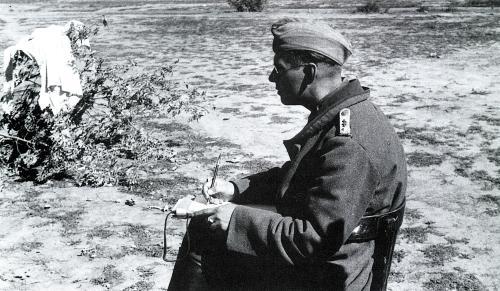
Reuber operating on a wounded soldier above and drawing below

Reuber wrote:

“The concatenation of guilt and fate has opened our eyes wide to the guilt. You know, perhaps we will be grateful at the end of our present difficult path yet once again that we will be granted true salvation and liberation of the individual and the nation by apparent disappointment of our “anticipation of Advent”, by all of the suffering of last year’s as well as this year’s Christmas. According to ancient tradition, the Advent season is simultaneously the season of self-reflection. So at the very end, facing ruin, in death’s grip – what a revaluation of values has taken place in us! We thus want to use this period of waiting as inner preparation for a meaningful new existence and enterprise in our family, in our vocation, in the nation. The Christmas light of joy is already shining in the midst of our Advent path of death as a celebration of the birth of a new age in which – as hard as it may also be – we want to prove ourselves worthy of the newly given life.”  (Erich Wiegand in Kurt Reuber, Pastor, Physician, Painter, Evangelischer Medienverb. Kassel 2004. )

Reuber did not live to see that day. He died of Typhus on January 20th 1944, not long after writing this and just a few weeks after painting another portrait of the Madonna, this one entitled The Prisoner’s Madonna. He was not alone, of the approximately 95,000 German POWs taken at Stalingrad only about 6,000 returned home. 

prisoner's madonna

His paintings survived the war and his family gave The Madonna of Stalingrad  to the Kaiser Wilhelm Memorial Church in Berlin when its ruins were restored as a symbol of hope and reconcilliation. Copies are also displayed in Coventry Cathedral and the Russian Orthodox Cathedral in Volgagrad, the former Stalingrad. A copy of The Prisoner’s Madonna is now displayed at the Church of the Resurrection in Kassel. 

pg-34-stalingrad-2-getty

I have a print of the Madonna of Stalingrad in my office. It has become one of the most meaningful pictures I have since I returned from Iraq in 2008. To me they are symbols of God’s presence when God seems entirely absent.

Praying for an end to war.

Peace

Padre Steve+
13 Comments

Filed under faith, History, Loose thoughts and musings, Military, Religion, world war two in europe

The Historic “Christian” War on Christmas

450full-how-the-grinch-stole-christmas-screenshot

“The Grinch hated Christmas! The whole Christmas season!
Now, please don’t ask why. No one quite knows the reason.
It could be his head wasn’t screwed on just right.
It could be, perhaps, that his shoes were too tight.
But I think that the most likely reason of all
May have been that his heart was two sizes too small…” Dr Seuss How the Grinch Stole Christmas

Yes my friends I hate to admit it there is a war on Christmas. However unlike those that want to blame it on all of those Godless types I have to say that the real war on Christmas has been waged by Christians for centuries.

Now I do have to be fair. There are some people in the secularist camp who file lawsuits against municipalities that have Christmas displays on public property and even some who will push those lawsuits to exhibits on private property.  However, despite the media attention these are nothing in comparison to what Christian Grinches have done over the years.

So despite the efforts of some I do not fear for Christmas because the celebration of Christ’s Incarnation and Nativity has survived far worse even from those within the faith.

Now let me be fair here. Some of the things that the Christian Grinches have protested are frivolous and at their heart not very spiritual. But that tends not to be the case today. As Christians we seem perfectly at home in the crass materialism and consumerism of our modern Christmas celebrations even within the walls of our churches. It seems that as long as we are willing to put a nativity scene made by Third World slave laborers in the middle of an otherwise completely capitalistic consumer orgy we don’t care. But God forbid an Atheist object or a member of a minority religion demand equal time and space for their display in the otherwise crassly materialistic celebration. But I digress….

Let us go back and look at some history. Not that fake David Barton and Glenn Beck history but real history. You know, stuff that actually happened and that we have documentary evidence to support, not stuff that we pull out of thin air.

puritans

Back in the the 1600s a religious group influential in our nation’s early development hated the celebration of Christmas. I am not kidding. These were the Puritans, who by their name we must assume were pretty pure.

Since the Puritans already believed that they were the “elect” based on the Calvinist doctrine of double predestination they knew they were right. For those that don’t know what this doctrine means let me explain. The idea was that the Puritans and other strict Calvinists believed that they were the elect. In other words they believed that they were pre-ordained by God before the foundation of the world to go to heaven. Now that isn’t uncommon in religion but they also believed based on the same doctrine that all other people were destined to go to Hell because God decided they would before the creation of the world.

But there was another interesting part of this doctrine that wasn’t about heaven. They also believed that they had the “Biblical Mandate” to rule for God on earth. Their successors in the modern Christian Dominion or 7 Mountains Theology movement believe the same thing. They believed that sine it was God’s will that they rule that whatever they they said that others needed to obey, after all God put them in charge.

The Puritans came out of the Protestant Reformation in England. Unlike today the English took religion pretty seriously.  Now despite the cultured accent that we hear on the BBC or CNN World the English of that day were actually more like unruly football fans only worse. When it came to matters of religious tolerance and loving their neighbors they were pretty un-Christian.

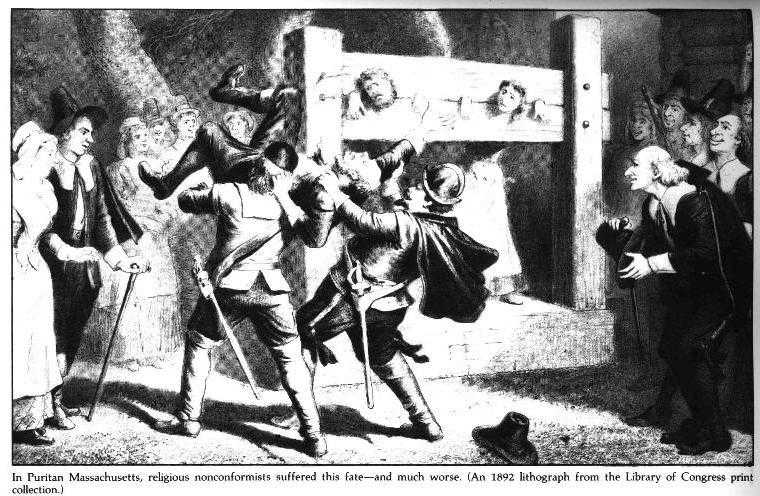
English Protestants of the non-monarchical Reformation type like the Puritans did their best to rid the Church of England of anything that appeared to even look Catholic, especially Christmas. Of course this cleansing of the church often included real people including the few remaining stick in the mud Roman Catholics and Anglicans who still liked Catholic stuff.

But to be fair to the Puritans back then the English of all Christian denominations tended to be a bit intolerant. They would lop off the heads of, burn at the stake or crush with heavy stones anyone that deviated from their beliefs first and ask questions later. It was kind of like the fans of the Premier League only not as well behaved.

Oliver Cromwell by Samuel Cooper

Oliver Cromwell

Early in their history the Puritans were a persecuted group. Militant, intolerant, exclusive  who could not find reasons not to like them? But when the Puritans took power when Oliver Cromwell overthrew the monarchy they took their revenge and they enjoyed it. They didn’t just decide to lop, crush and burn their opponents of all denominations, but they also decided to outlaw the celebration of Christmas.

Christmas law 1658

Of course they did so for noble reasons such as ridding the country of anything that smelled Catholic or did not fit within their rather harsh and purist views of the faith. Thus when they took power they did their best to ensure that everyone was as miserable as them. This included banning the celebration of Christmas. They were kind of like the Taliban in a sense, except they were not Moslems.  But that being said they ruled in a similar manner and made most other people miserable.

article-1332096124019-12390FC5000005DC-933373_304x425

In 1652 it was declared that no Observation shall be had of the Five and twentieth day of December, commonly called Christmas-Day; nor any Solemnity used or exercised in Churches upon that Day in respect thereof’.

In 1647 the Puritan dominated Parliament backed up by the brute force of the Army and Police led by Oliver Cromwell simply abolished the Christmas feast and all that went with it, including the Roast Beast. Gone were such nasty pagan ideas such as Christmas Trees, feasting, caroling, and decorations. And let’s not forget the favorite target of Grinch’s everywhere, Nativity scenes. Of course the Puritans had a different reason than modern secular Grinches for banning them. Nativity scenes were banned because they were “idols.” Not content with banning the outward festivities the Puritans even frowned on the use of the word Christmas because they believed that it was akin to taking the Lord’s name in vain.

Wassail   03

Wassailing 

Likewise the Puritans were not content with inflicting their beliefs on church going people, they inflicted them on the majority of the people who simply wanted some relief for the drudgery of daily life in 17th Century England. The Puritans even banned the poor from the tradition of Wassailing. Wassailing was a custom in which the rather pungent poor would go from house to house, begging for treats in exchange for drinking a toast to the family.  The drink called wassail, was a hot spiced wine.  Now this was not a vintage Napa Valley or French wine but a pungent English wine, thus the need for spices and heat. Wassailing sometimes ended up in an out of control scene of drunken revelry, much like current English Football match celebrations, which is why the Puritans objected so strenuously. They didn’t like football either. No kidding, back then it was known as Mob Football and didn’t have very many rules. It was particularly popular at Christmas which meant that it must be of the Devil.

SPSC1115-Mob-Football-14t

Mob Football

Be it known that the Puritans did had no sense of fun as we know it. They viewed any religious practice that might include something fun harmful and as such religious practices such as these needed to be removed from public life altogether.

Well this situation lasted until 1660 a year after the Lord Protector and head of the Army and Police Oliver Cromwell kicked the bucket. The anti-Christmas laws were quickly overturned and the populace went back to simply lopping, burning and crushing and everyone, save those being lopped, crushed or burned was happy because Christmas was back.  People were so happy to bring Christmas back that the new rulers in England exhumed Cromwell’s body from Westminster Abbey and executed him posthumously. Since they had a flair for decorating they lopped off Cromwell’s head and displayed it outside Westminster Hall for about four years.

A popular verse of the time said:

Now thanks to God for Charles’ return,
Whose absence made old Christmas mourn;
For then we scarcely did it know,
Whether it Christmas were or no.

PURITAN-BAN-ON-CHRISTMAS-WAS-TO-PREVENT-DEMONIZATIONS-OF-CITIZENS-IN-COMMUNITY

Not to be outdone the Puritan colonists in the Massachusetts Bay Colony enacted similar laws to their brethren in England. In 1659 through the newly appointed Governor Sir Edmund Andros. The laws remained on the books until 1681. During the time that the laws were in force everyone had a grand time. Like others in places like Cromwell’s England, Stalin’s Soviet Union, the Ayatollah’s Iran and the Taliban’s Afghanistan the General Court of the Massachusetts Bay Colony banned the celebration of Christmas and other such holidays at the same time it banned gambling and other lawless behavior.

frowning-puritan-300x226

Grumpy Puritan and Revelers 

Grouping all such behaviors together the court placed a fine of five shillings on anyone caught feasting or celebrating the holiday in a manner that might be construed as fun. Things like taking time off from work, feasting, partying, wassailing, playing Mob Football or anything else. The law read like this:

“For preventing disorders, arising in several places within this jurisdiction by reason of some still observing such festivals as were superstitiously kept in other communities, to the great dishonor of God and offense of others: it is therefore ordered by this court and the authority thereof that whosoever shall be found observing any such day as Christmas or the like, either by forbearing of labor, feasting, or any other way, upon any such account as aforesaid, every such person so offending shall pay for every such offence five shilling as a fine to the county.”

That sounds lovely doesn’t it? At least they didn’t go lopping, burning or crushing with heavy stones unless you were proven to be a Christmas celebrating witch. Unlike England where the lifting of the ban was celebrated with the aplomb given to a World Cup championship the Colonists up in the Massachusetts Bay Colony and their descendants frowned upon the celebration of Christmas until the 1820s. That was  when enough Irish showed up in Boston to turn the place around and make it the fun town that it is now.  Coincidently the last “State Church” in the United States was the Congregational Church in Massachusetts. It wasn’t disestablished until 1833.

So the next time you hear about those that want to impose their beliefs to quash Christmas regardless of their religious or non-religious reasons please realize that this isn’t a new thing at all. Christians have been doing it for centuries.

Let us also remember that some of the un-fun Fundamentalists screaming about the “war on Christmas” actually want to re-establish the Puritan view of faith which would in effect eliminate any celebration of Christmas if they could only convince the corporations that profit off of Christmas but otherwise support their political causes to go along with it.

But for now we only have to suffer those fun and sentimentality deprived army of Grinch’s that without the religious flair of the Puritans attempt to crush the spirit of Christmas. Thankfully, more people like all the tinsel and bells as well as the presents and time off regardless of their religion or lack thereof and so the Christmas celebration as we know it will survive.

Maybe in doing so a few people will discover the humble, less than pretentious babe laying in the manger. One can always hope.

Peace

Padre Steve+
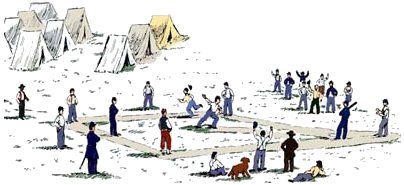
1 Comment

Filed under christian life, faith, History, News and current events, Religion

Salvaging the Fleet: Salvage Efforts after the Attack on Pearl Harbor

h55061

One of the more interesting aspects of the Pearl Harbor attack were the efforts of the US Navy to salvage and return to duty the ships sunk or so heavily damaged that they were thought to be irreparable after the attack. 21 ships were sunk or damaged during the attack, roughly 20% of the fleet present.

BB-37_Oklahoma052org

Of these were battleships, the USS Arizona sunk by a cataclysmic explosion, her broken hulk with her collapsed foremast the iconic symbol of the attack. USS Oklahoma was capsized on Battleship Row.  USS Nevada was grounded and sunk off Hospital Point after an abortive attempt to sortie during the attack. USS California and USS West Virginia lay upright on the bottom of Pearl Harbor, their superstructure, distinctive cage masts and gun turrets visible above the oily water.

nh83059

The former battleship USS Utah lay capsized on the far side of Ford Island while the light cruiser USS Raleigh was fighting for her life barely afloat near Utah.  The ancient Minelayer USS Oglala was laying on her side next to the light cruiser USS Helena at the 1010 Dock. She was not hit by a bomb or torpedo but was said to have “died of fright” when Helena was hit by a torpedo, the blast which opened the seams of her hull. The destroyers USS Cassin and USS Downes were wrecks in the main dry dock. USS Shaw was minus her bow in the floating dry dock after exploding in what was one of the more iconic images of the attack. Other ships received varying amounts of damage.

BB-37_Oklahoma105c

As the engineers, damage control and salvage experts looked at the damage they realized that every ship would be needed for the long term fight. The building program of the US Navy was just beginning to pick up steam and it would be some time before new construction could not only make up for the losses but also be ready to fight a Two Ocean War. The decision was made to salvage and return to duty any ship deemed salvageable.

salvage10

Even the seemingly less important ships needed to be rapidly salvaged. Some which initially appeared to be unsalvageable needed at the minimum to be cleared from dry docks and docks needed by operational or less damaged ships. Likewise equipment, machinery and armaments from these ships needed to be salvaged for use in other ships.

h63917

Even by modern standards the efforts of the Navy divers and salvage experts and the civilians who worked alongside them were amazing. In the end only three of the 19 ships never returned to service. The work began quickly and on December 14th Commander James Steele began to direct the salvage operations on the sunken hulks. Captain Wallin relieved Steele on January 9th 1942. Wallin formed a salvage organization of Navy officers and civilian contractors.The civilian contractors were instrumental in the operation. Many had experience in salvage operations that exceeded the military personnel.

h64493

Wallin prioritized the tasks of his organization working to recover items that could be of immediate use to the fleet such as anti-aircraft guns and to salvage less damaged ships in order to return them to service. They worked at the task through 1944. The divers faced extraordinary dangers, poisonous gas, unexploded ordnance, treacherous tides and the uncertainty of the destruction of the ships below the surface that could not be ascertained apart from diving on the wrecks.

salvage09

The divers recovered bodies whenever possible, salvaged equipment, removed weapons and ammunition, made temporary repairs and help rig the ships for righting or re-floating. In each case the salvage experts, divers and engineers faced different challenges.

h84002

Arizona was never raised. Her superstructure was cut down, main battery and some anti-aircraft guns removed. The main batter guns were delivered to the Army Coastal Artillery for use as shore batteries but none reached an operational status before the end of the war. The dives aboard were so dangerous that eventually the attempts to recover bodies ceased as several divers lost their lives in the wreck.  Over the years the National Parks Service has continued to dive on the wreck to assess it as a war grave and memorial.

h63921

Utah too was not raised. She was righted in 1942 but efforts to do more were halted because the elderly wreck had no remaining military value. Her wreck along with that of Arizona are war graves, many of their crew members, including over 1000 of Arizona’s men forever remain entombed in their ships. When I visited Pearl Harbor in 1978 as a Navy Junior ROTC Cadet and visited both memorials I was humbled at what  saw. They are haunting reminders of the cost paid by sailors during wartime.

h64496

The salvage of the Oklahoma was one of the more challenging endeavors faced by Wallin’s men. Hit by at least five torpedoes during the attack the great ship capsized, her tripod masts digging deep into the mud of the harbor as she settled. Over 400 over her crew lay dead inside the ship. Since it was apparent that the ship was a total loss the salvage operations did not commence until the middle of 1942. The primary goal of the operation was to clear needed space for berthing large ships along Battleship Row. The operation involved making the ship as watertight as possible, solidifying the bottom of the harbor around her to enable her to roll and emplacing a massive system of righting frames, anchor chains and shore mounted winches and cables. The process involved cutting away wrecked superstructure, removing ammunition, weapons and the bodies of those entombed in their former home. She was completely righted in July 1943, and floated again in November. Moved to a dry dock in December she was made watertight and moored in another part of the harbor. Following the war she was being towed to a scrap yard but sank in a storm in May 1947.

h83056

Nevada was the first major ship salvaged. She was re-floated in February 1942 and after temporary repairs sailed to the West Coast on her own power. After repairs and a significant modernization of her anti-aircraft systems was complete she returned to action in 1943 in the invasion of Attu Alaska. She participated in many amphibious operations including Normandy, Southern France, Iwo Jim and Okinawa. She survived the Atomic Bomb tests in 1946 but wrecked and radioactive she was sunk as a target off Hawaii in 1948.

g13154

h55038

California was raised in March and after temporary repairs sailed under her own power to the West Coast. Her repairs and modernization were a major undertaking. Fully reconditioned and modernized to standards of most modern battleships she returned to service in January 1944. She served in retaking Saipan, Guam, Tinian as well as Leyte Gulf were she had a significant part in the Battle of Surigao Strait. Hit by a Kamikaze she was repaired and returned to action at Okinawa and support the occupation operations of the Japanese Home Islands. She was decommissioned in 1947 and sold for scrapping in 1959.

h64474

West Virginia suffered the most severe damage of the battleships returned to duty. She was raised in July 1942 and after repairs sailed to Puget Sound Naval Shipyard. Like California she was completely rebuilt and returned to action in October 1944 in time to take the lead role in destroying the Japanese Battleship Yamashiro. She served throughout the remainder of the war in the Pacific at Iwo Jima, Okinawa and the occupation of Japan.

h54564

The Mahan Class destroyers Cassin and Downes were so badly damaged sitting in the Dry Dock Number One with Pennsylvania that initially they were believed beyond salvage. However after closer inspection it was determined that the hull fittings, main weapons systems and propulsion machinery on both ships were worth salvaging. These items were removed, shipped to Mare Island Naval Shipyard and installed on new hulls being constructed. The hulks of the old ships were scrapped at Pearl Harbor. Those ships were commissioned as the Cassin and Downes and served throughout the war.

h55063

Both were decommissioned in 1945 and scrapped in 1947. Their sister ship Shaw which had blown up in the floating dry dock was wrecked from her bridge forward. However the rest of the ship including her engineering spaces were intact. A temporary bow was fashioned and the ship sailed to Mare Island under her own power. Completely overhauled she was back in service by July 1942. She was decommissioned in 1945 and scrapped in 1946.

h50005

The ancient minelayer Oglala was raised in July and sent back to the West Coast where she was repaired and recommissioned as an internal combustion engine repair ship. She survived the war was decommissioned and transferred to Maritime Commission custody. She was a depot ship at the Suisun Bay Reserve Fleet until 1965 when she was sold for scrap.

h64492

The salvage feat to return these ships to duty was one of the most remarkable operations of its type ever conducted. Not only were most of the ships salvaged but most returned to duty. While none survive today many played key roles during the war. Artifacts of some of the ships are on display at various Naval Bases, Museums and State Capitals. They, their brave crews and the Navy Divers and civilian diving and salvage experts who conducted this task exhibited the finest traditions of the US Navy. The successors of the Navy divers at Mobile Diving Salvage Units One and Two still carry on that tradition today.

Peace

Padre Steve+
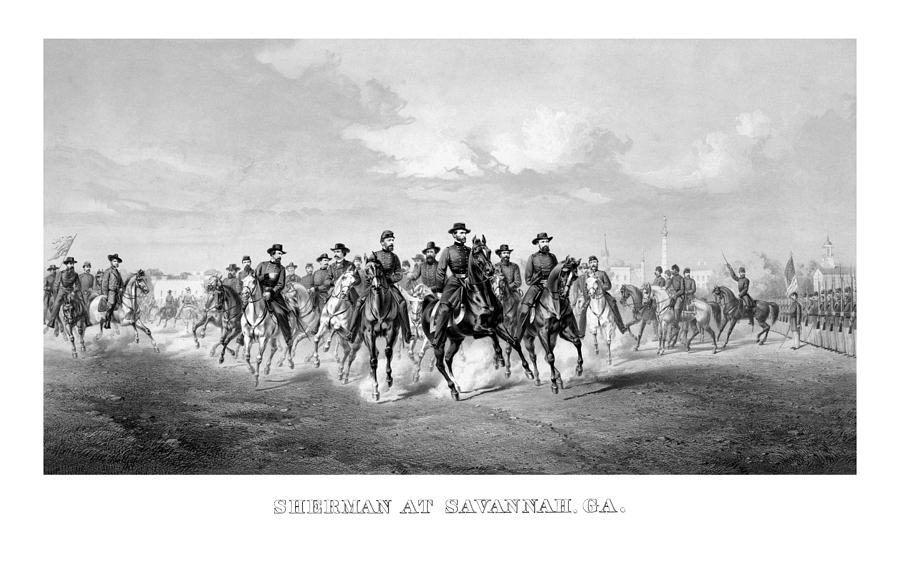
11 Comments

Filed under History, Military, Navy Ships, US Navy, world war two in the pacific