Monthly Archives: November 2019

Armistice Day at 101 Years

Friends of Padre Steve’s World,

Forty years after the guns went silent in on November 11th 1918, General Omar Bradley, spoke these words on the eve of Armistice Day, 1948:

Tomorrow is our day of conscience. For although it is a monument to victory, it is also a symbol of failure. Just as it honors the dead, so must it humble the living. Armistice Day is a constant reminder that we won a war and lost a peace…”

It was supposed to be the “War to end all war,” or so thought President Woodrow Wilson and other American idealists. However, the war to end all war birthed a series of wars which far exceeded the losses of the First World War as ideological wars, exponentially more powerful weapons, and systematized mass murder and genocide birthed new horrors.

Winston Churchill wrote:

“The Great War differed from all ancient wars in the immense power of the combatants and their fearful agencies of destruction, and from all modern wars in the utter ruthlessness with which it was fought. … Europe and large parts of Asia and Africa became one vast battlefield on which after years of struggle not armies but nations broke and ran. When all was over, Torture and Cannibalism were the only two expedients that the civilized, scientific, Christian States had been able to deny themselves: and they were of doubtful utility.”

In the First World War there were over 22 million military casualties including over 8 million dead of which over 126,000 were Americans. Close to 20 million civilians also were casualties of the war.

President Woodrow Wilson established what we know now as Veteran’s Day as Armistice Day in November 1919, a year after the guns went silent.

Wilson wrote:

To us in America, the reflections of Armistice Day will be filled with solemn pride in the heroism of those who died in the country’s service and with gratitude for the victory, both because of the thing from which it has freed us and because of the opportunity it has given America to show her sympathy with peace and justice in the councils of the nations…

That initial proclamation was followed 45 years later by one of President Dwight D. Eisenhower. Eisenhower signed into law what we now know as Veteran’s Day in 1954.

In a sense I wish we had two holidays, one for Veterans from all wars in general and this one which we should never forget. It seems that in combining them we have lost some of the sacredness of the original. As Kurt Vonnegut wrote: “I don’t want to throw away any sacred things.” 

Because of that, I will remember all who served tomorrow as we observe Veterans Day, but I will not forget Armistice Day.

It is important not to forget the horrors and results of the First World War because both it and the Second World War, have faded from memory. Most people today cannot fathom killing on such a large scale, the overthrow of powerful nations and dynasties, the creation of new nations built from diverse, and often rival ethnic and religious groups such as Czechoslovakia and Yugoslavia, or the re-establishment of ancient nations such as Poland.

Yet to those of us who have gone to war and studied past wars the end result is not so distant. It is a part of our lives even today. Edmond Taylor accurately noted in his book, The Fall of the Dynasties: The Collapse of the Old Order, 1905-1922:

“The First World War killed fewer victims than the Second World War, destroyed fewer buildings, and uprooted millions instead of tens of millions – but in many ways it left even deeper scars both on the mind and on the map of Europe. The old world never recovered from the shock.”

The cost in human lives alone is incomprehensible. In the short time that United States forces went into action in late 1917 on the western front and the armistice, 126,000 Americans were killed, 234,000 wounded, and 4,500 missing; 8.2% of the force of 4,355,000 the nation mobilized for war. More Americans were killed in the First World War than Korea, Vietnam, the Gulf War, Iraq, and Afghanistan combined.

But American losses were small in comparison with the European nations who had for over four years bled themselves dry.  If one wonders why Europeans seem to have so little desire for involvement in war, one only needs to see how the concentrated killing of the First World War decimated the best and brightest of that generation. Out of the nearly 8.5 million Frenchmen mobilized lost 1,357,000 killed, 4,266,000 wounded and 537,000 missing, 6,160,000 casualties or 73.3% of its forces. The Russians also lost over 73% of 12 million, Romania 71% of 750,000, Germany 65% of 11 million, Serbia 47% of 707,000, tiny Montenegro 40% of 50,000, Italy 39.9% of 5.6 million, Great Britain 36% of almost 9 million, the Ottoman Empire 34% of 8.5 million. But the dual monarchy of Austria-Hungary which began the war in response to the assassination of Archduke Franz Ferdinand lost 90% of the 7.8 million men that it sent to war.

The human costs were horrifying. In all over over 65 million men served under arms in the war. Over 8.5 million were killed, over 21 million wounded, 7.75 million missing or prisoners or almost 37.5 million military casualties alone. That total would be roughly equivalent to every citizen of the 30 largest American cities being killed, wounded or missing.

Much of Europe was devastated and in the following months and years, mass numbers of refugees the dissolution of previously stable empires were displaced. A Civil War in Russia killed many more people and led to the establishment of the Soviet Union. Germany too was torn apart by civil war that left it bitterly divided and planted the seeds of Hitler’s Nazi regime. Border conflicts between new states with deep seated ethnic hatreds broke out. A flu pandemic spread around the world killing millions more. Economic disasters culminating in the Great Depression and social instability led to the rise of totalitarian regimes which spawned another, even more costly World War and a 40 year Cold War. The bitter results of the First World War are still felt today as conflicts in the Middle East in part fueled by the decisions of Britain and France at the end of the war rage on.

T. E. Lawrence, Lawrence of Arabia, who gained fame during the Arab revolt looked at the results of the war with a great deal of melancholy. He wrote:

“We were fond together because of the sweep of open places, the taste of wide winds, the sunlight, and the hopes in which we worked. The morning freshness of the world-to-be intoxicated us. We were wrought up with ideas inexpressible and vaporous, but to be fought for. We lived many lives in those whirling campaigns, never sparing ourselves: yet when we achieved and the new world dawned, the old men came out again and took our victory to remake in the likeness of the former world they knew. Youth could win, but had not learned to keep, and was pitiably weak against age. We stammered that we had worked for a new heaven and a new earth, and they thanked us kindly and made their peace.”

The his epic war poem, In Flanders Fields, Canadian Lieutenant Colonel John McCrea symbolized the cost of that war and the feelings of the warriors who endured its hell.

In Flanders fields the poppies blow
Between the crosses, row on row,
That mark our place; and in the sky
The larks, still bravely singing, fly
Scarce heard amid the guns below.

We are the Dead. Short days ago
We lived, felt dawn, saw sunset glow,
Loved and were loved, and now we lie
In Flanders fields.

Take up our quarrel with the foe:
To you from failing hands we throw
The torch; be yours to hold it high.
If ye break faith with us who die
We shall not sleep, though poppies grow
In Flanders fields.

Yes there are always consequences to actions. This weekend as we remember what we Americans now call Veteran’s Day, and the British refer to as Remembrance Day let us blood shed by so on the battlefields of Verdun, Gallipoli, Caporetto, Passchendaele, the Marne, the Argonne, Tannenberg, the Somme, Galicia, the Balkans, Flanders Fields, at sea and in the air.
President John F. Kennedy said: “As we express our gratitude, we must never forget that the highest appreciation is not to utter words, but to live by them.”

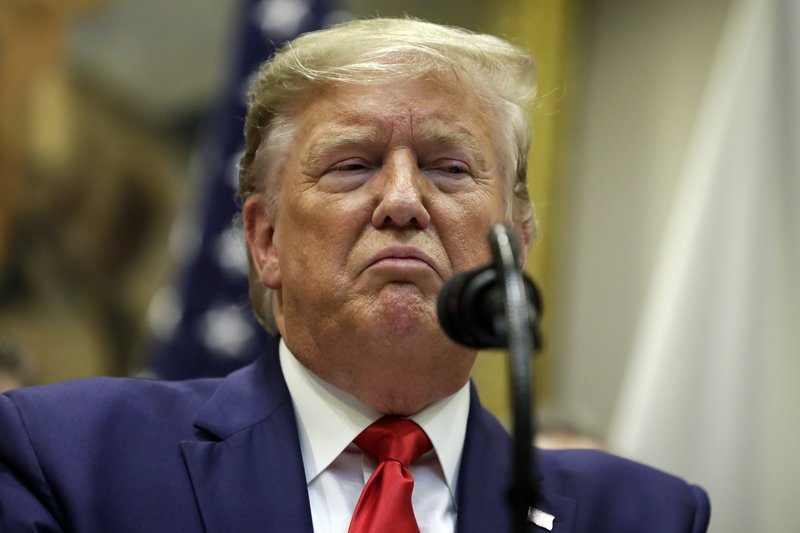
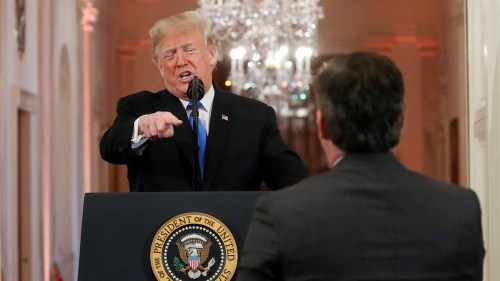
Kennedy was right, that our appreciation is not just to utter words, but to live by them. Sadly, the current American President has no understanding of such nuances. He continued thump his chest and spit in the face of allies while, courting nations hostile to the very ideals of the United States. Likewise, the President, a man who never served in the military, and spent the Vietnam War avoiding service and dodging the draft while later comparing avoiding sexuality transmitted diseases to combat again dishonored the men who spilt their blood in the First World War. Donald Trump does not understand anything about history, war, courage, or honor. Sadly, he is all too representative of a generation that neither knows or cares about those things. He and others like him will be the ones that lead the world into another disaster.

“Strong prejudices in an ill-formed mind are hazardous to government, and when combined with a position of power even more so.”

I write in the hope of peace and an end to war. I will write about Veteran’s Day later today.

Peace,

Padre Steve+
1 Comment

Filed under History, middle east, Military, Political Commentary, us army, US Marine Corps, world war one

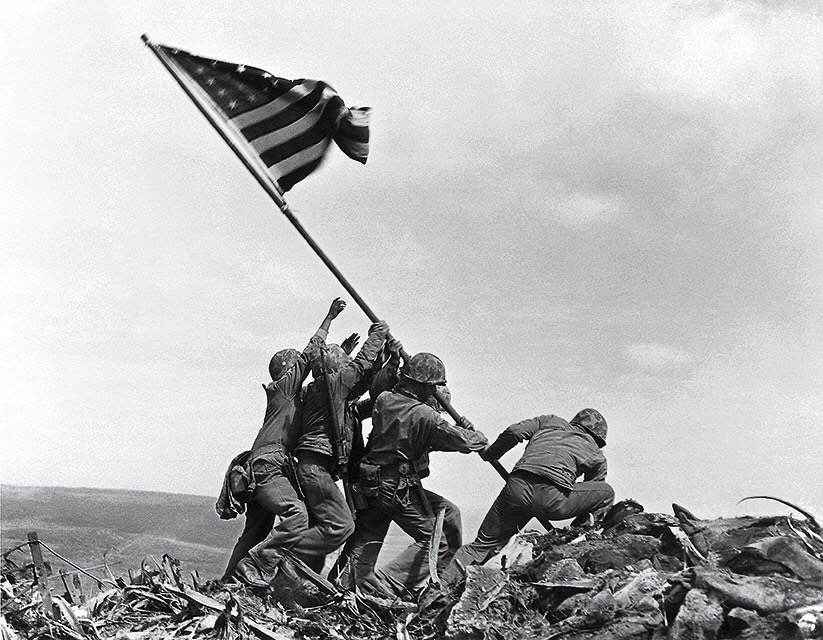
Happy 244th Birthday Marines


Friends of Padre Steve’s World,

i will take a momentary break from politics and everything else to wish all United States Marines a Happy 244th Birthday. This one is more special than many others because my nephew Darren is now a Marine.

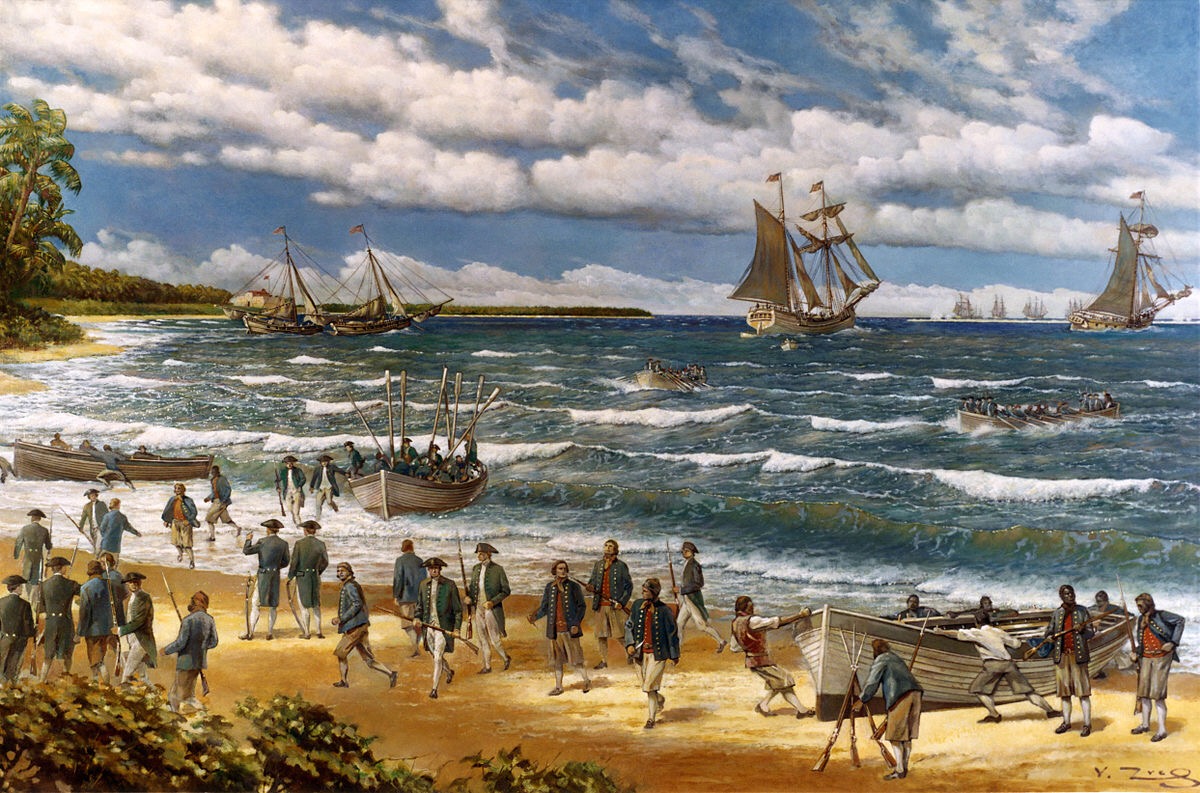
Honestly, after all that we have been through as a country this year, today is one of these days where I just want to wish people well. Those men and women are those of the United States Marine Corps, with whom I have have spent almost ten years of my thirty-five year military career assigned to or in support of as a chaplain. Today is the 244th anniversary of the establishment of the Marine Corps and its founding at Tun Tavern, in Philadelphia. Today I wish all those who have served past, present and future, especially those who I have served alongside a happy birthday.

On November 10th 1775 the Continental Congress passed a resolution that stated:

Resolved, that two Battalions of Marines be raised consisting of one Colonel, two Lieutenant Colonels, two Majors & Officers as usual in other regiments, that they consist of an equal number of privates with other battalions; that particular care be taken that no persons be appointed to office or enlisted into said Battalions, but such as are good seamen, or so acquainted with maritime affairs as to be able to serve to advantage by sea, when required. That they be enlisted and commissioned for and during the present war with Great Britain and the colonies, unless dismissed by Congress. That they be distinguished by the names of the first & second battalions of American Marines, and that they be considered a part of the number, which the continental Army before Boston is ordered to consist of.

The history of the Marine Corps is one of the most fascinating of any armed service in the world. Starting out as a tiny force attached to Navy ships and shipyards the Corps has gained prominence as one of the premier fighting forces ever assembled. Flexible and deployable anywhere in the world on short notice the Marine Corps has seen action in “every place and clime” and continues to serve around the world.

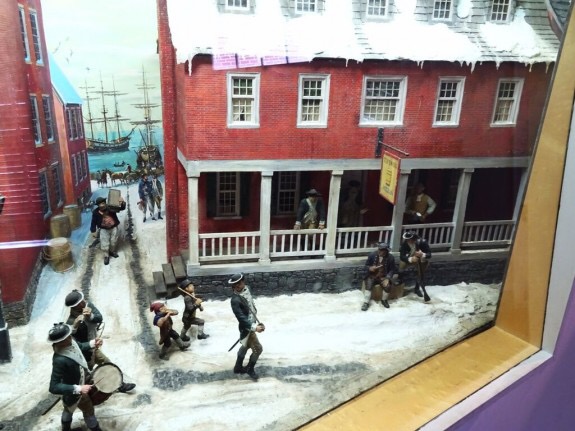
In 1775 a committee of the Continental Congress met at Philadelphia’s Tun Tavern to draft a resolution calling for two battalions of Marines able to fight for independence at sea and on shore.  The resolution was approved on November 10, 1775, officially forming the Continental Marines. The first order of business was to appoint Samuel Nicholas as the Commandant of the newly formed Marines.

Robert Mullan the owner and proprietor of the said Tun Tavern became Nicholson’s first captain and recruiter. They began gathering support and were ready for action by early 1776.  They served throughout the War for Independence and like the Navy they were disbanded in April 1783 and reconstituted as the Marine Corps in 1798.

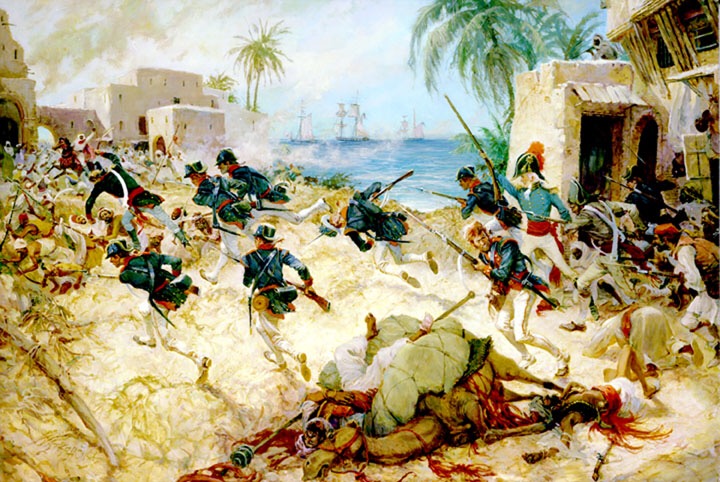
The Marines served on the ships of the Navy in the Quasi-war with France, against the Barbary Pirates where a small group of 8 Marines and 500 Arabs under Lieutenant Presley O’Bannon made a march of 500 miles across the Libyan Desert to lay siege Tripoli but only reached Derna. The action is immortalized in the Marine Hymn as well as the design of the Marine Officer’s “Mameluke” Sword. They served in the War of 1812, the Seminole Wars and in the Mexican-American War where in the storming of the on Chapultepec Palace they continued to build and enduring legacy. In the months leading up to the Civil War they played a key role at home and abroad.  In October 1859 Colonel Robert E. Lee led Marines from the Marine Barracks Washington DC to capture John Brown and his followers who had captured the Federal Armory at Harper’s Ferry.

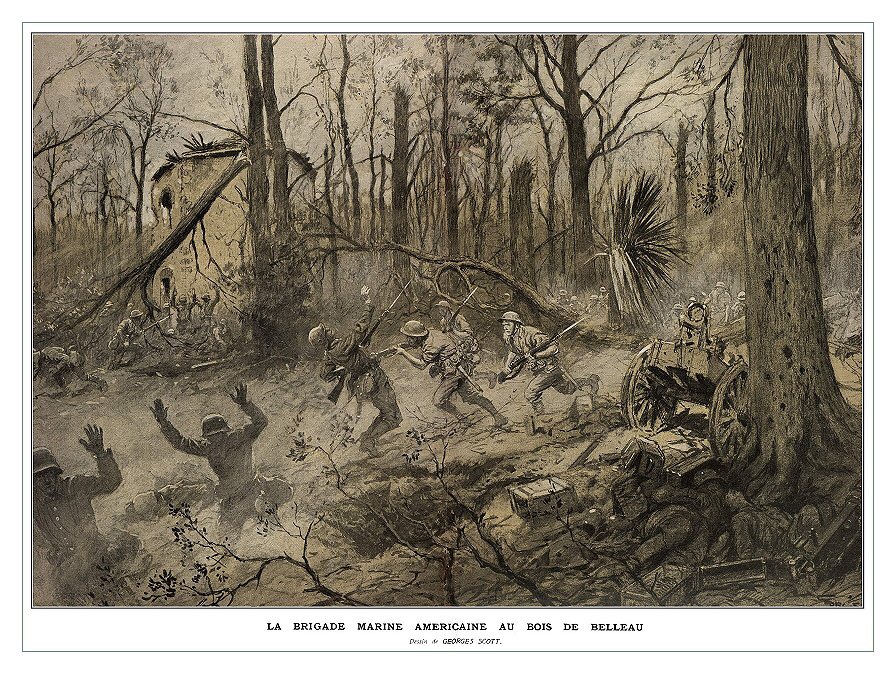
The Corps would serve through the Civil War and on into the age of American Expansion serving in the Spanish American War in the Philippines, Puerto Rico and Cuba where they seized Guantanamo Bay at the battle of Cuzco Wells.  The would serve in China and be a key component of the international force that defended foreign diplomats during the Boxer Revolt as well as the international force that would relieve the diplomatic compound in Peking (Beijing).  In World War One the Marines stopped the German advance at Chateau Thierry and cemented their reputation as an elite fighting force at Belleau Wood where legend has it that the Germans nicknamed them Teufelhunden or Devil Dogs, a name that they Marines have appropriated with great aplomb.

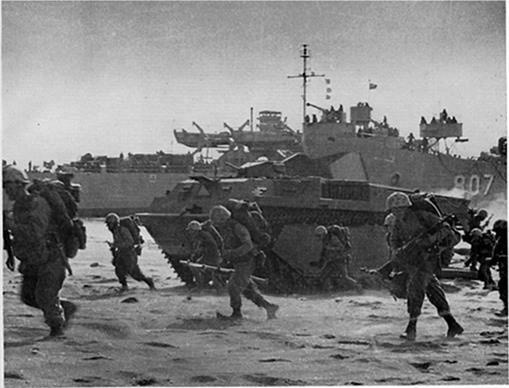
During the inter-war years the Marines were quite active in the Caribbean and Asia and also developed amphibious tactics and doctrine that would be put to use in the Pacific Campaign.  During the war the Marines served in all theaters but won enduring fame at Wake Island, Guadalcanal, Tarawa, Iwo Jima, Okinawa and numerous other battles in the Pacific war. Marine Aviators flew in some the most desperate actions in the war to support the Navy and amphibious operations ashore.

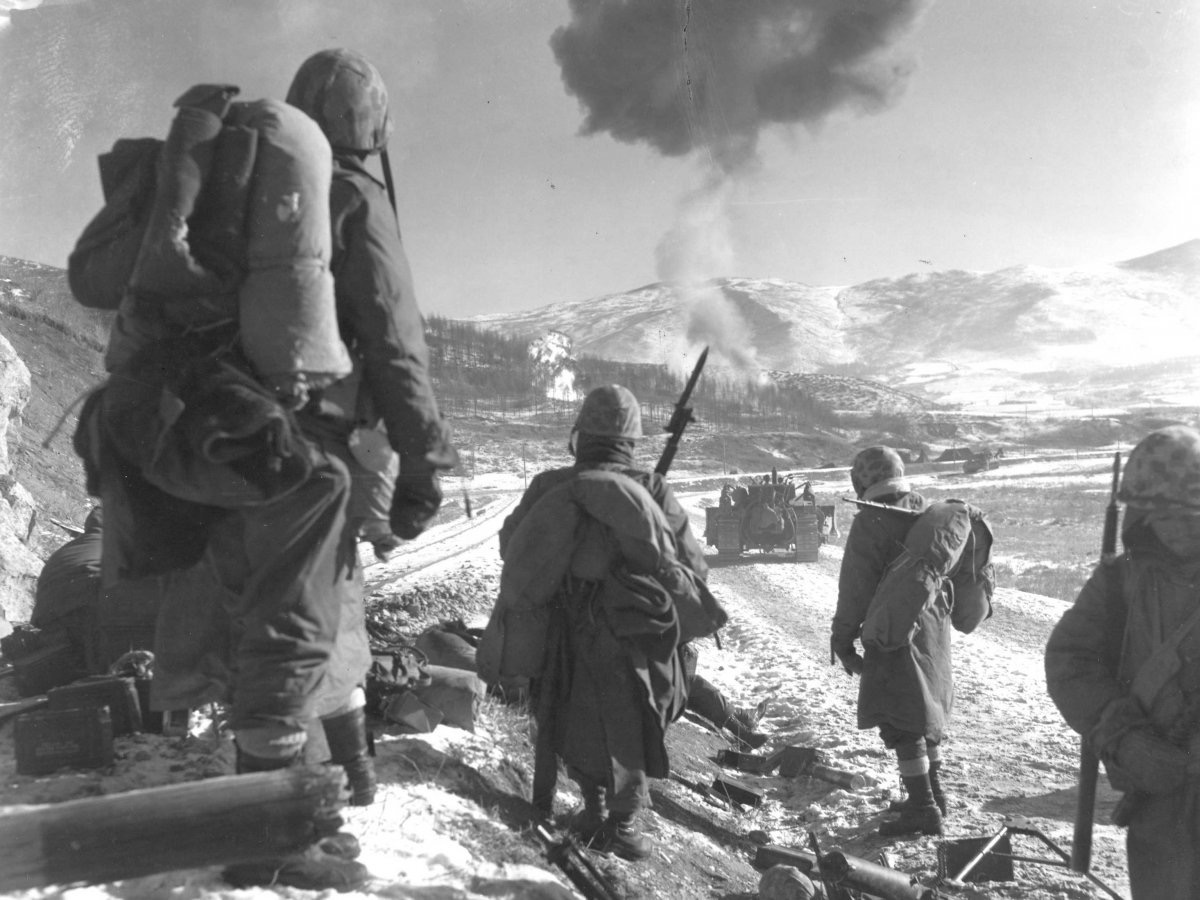
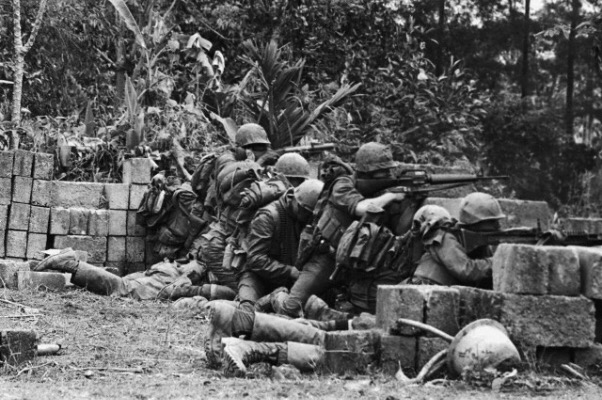
After the war the Truman Administration sought to eliminate the Marine Corps but the Corps was saved by the efforts of Americans across the country and Marine supporters in Congress.  That was a good thing because the Marines were instrumental in keeping the North Koreans from overrunning the South during the Korean War on the Pusan Perimeter, turned the tide at Inchon and helped decimate Communist Chinese forces at the Chosin Reservoir.  After Korea the Marines would serve around the World in the Caribbean and Lebanon and in Vietnam where at Da Nang Keh Sanh, Hue City, Con Thien fighting the North Vietnamese and their Viet Cong allies.  The Marines took the initiative to implement innovative counter insurgency measures such as the Combined Action Platoons which enjoyed tremendous success until they were shut down by the Army high command.  These lessons would serve the Marines well in the new millennium during the Anbar Awakening in Iraq which changed the course of that insurgency and war.

The Marines would again be involved around the World after Vietnam serving in the Cold War, in Lebanon and the First Gulf War which was followed by actions in Somalia, the Balkans and Haiti. After the attacks of September 11th 2001 the Marines were among the first into Afghanistan helping to drive the Taliban from power. In the Iraq Campaign the Marines had a leading role both in the invasion and in the campaign in Al Anbar Province.  After their withdraw from Iraq the Marines became a central player in Afghanistan where they were engaged around Khandahar and in Helmand Province. In the wake of the ISIS gains in Syria and Iraq the Marines returned to Iraq serving to help train and advise Iraqi Army units in areas of Al Anbar Province and other areas of that country, while others have been involved in relief efforts in Puerto Rico following Hurricane Maria. If by some chance war breaks out on the Korean Peninsula, Marines will be among the first to respond.

The Marines are elite among world military organizations and continue to “fight our nations battles on the air and land and sea.” The Corps under General John LeJeune institutionalized the celebration of the Marine Corps Birthday and their establishment at Tun Tavern. General LeJeune issued this order which is still read at every Marine Corps Birthday Ball or observance:

MARINE CORPS ORDER No. 47 (Series 1921)
HEADQUARTERS
U.S. MARINE CORPS Washington, November 1, 1921

The following will be read to the command on the 10th of November, 1921, and hereafter on the 10th of November of every year. Should the order not be received by the 10th of November, 1921, it will be read upon receipt.

On November 10, 1775, a Corps of Marines was created by a resolution of Continental Congress. Since that date many thousand men have borne the name “Marine”. In memory of them it is fitting that we who are Marines should commemorate the birthday of our corps by calling to mind the glories of its long and illustrious history.

The record of our corps is one which will bear comparison with that of the most famous military organizations in the world’s history. During 90 of the 146 years of its existence the Marine Corps has been in action against the Nation’s foes. From the Battle of Trenton to the Argonne, Marines have won foremost honors in war, and in the long eras of tranquility at home, generation after generation of Marines have grown gray in war in both hemispheres and in every corner of the seven seas, that our country and its citizens might enjoy peace and security.

In every battle and skirmish since the birth of our corps, Marines have acquitted themselves with the greatest distinction, winning new honors on each occasion until the term “Marine” has come to signify all that is highest in military efficiency and soldierly virtue.

This high name of distinction and soldierly repute we who are Marines today have received from those who preceded us in the corps. With it we have also received from them the eternal spirit which has animated our corps from generation to generation and has been the distinguishing mark of the Marines in every age. So long as that spirit continues to flourish Marines will be found equal to every emergency in the future as they have been in the past, and the men of our Nation will regard us as worthy successors to the long line of illustrious men who have served as “Soldiers of the Sea” since the founding of the Corps.

JOHN A. LEJEUNE,
Major General
Commandant

I have had the privilege to have served with the Marines directly or indirectly for nearly ten of the thirty-seven years that I have served in the military. In addition to that I wear the Fleet Marine Force Officer Warfare Qualification device and I am a graduate of the Marine Corps Command and Staff College. I have been able to celebrate the Marine Corps Birthday with Marines in places like Ramadi and Guantanamo Bay. For me it is an honor to have served with so many great Americans.

So to all my Marine Corps friends, and any other Marines who read this piece, have a great night and Semper Fidelis.

Peace

Padre Steve+

Leave a comment

Filed under History, iraq,afghanistan, Military, shipmates and veterans, Tour in Iraq, US Marine Corps, US Navy, War on Terrorism, world war one, world war two in the pacific

The Banality of the Trump Administration: Reflecting on the Fall of the Berlin Wall, 30 Years Later


Friends of Padre Steve’s World,

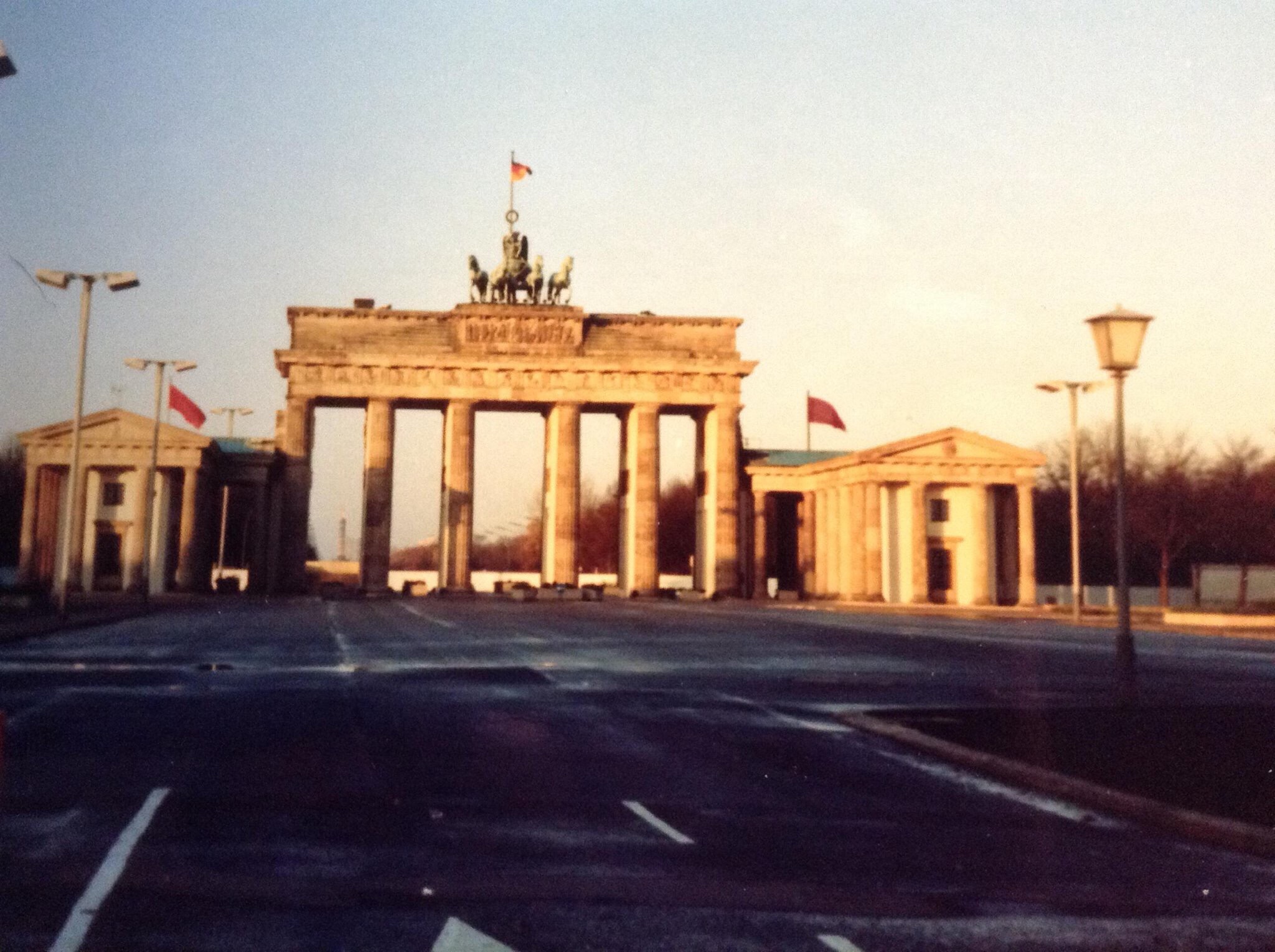
Thirty years ago the Berlin Wall came down. It was something that I never saw coming until the popular uprisings against the Warsaw Pact allies of the Soviet Union began in the fall of 1989. Just three years before we had made the trip via the Helmstedt corridor Autobahn to Berlin in November 1986. We made two trips into East Berlin while there, traveling through Checkpoint Charlie.

On January 19th 1989, East Germany’s leader, Erich Honecker proclaimed:

“The Wall will be standing in 50 and even in 100 years” 

He could not have been more wrong, just like most of us who served on the west side of the inter-German border during the Cold War. But despite the fall of the Wall, there are still many things that divide the old East from the West. Berlin itself is much more like the West, cosmopolitan, liberal, and open. Drive through other parts of the former East and it is still like a different country. Walls in people’s minds are often harder to breach than physical walls.

i was reminded of that when I saw a video of Trump’s Assistant Secretary of the Treasury, Monica Crowley standing next to a preserved portion of the Wall last week saying that “Walls are good.” She obviously didn’t care about the enslaved populations that the Berlin Wall was supposed to keep in the county or the hundreds if not thousands who did trying to escape, killed by the East German Volkspolizei or the STASI after being tortured. For an American official to be standing at such a site praising its merits is incomprehensible to me and show the depth of the Trump Administration’s moral depravity. But then, the President would have probably loved Honecker, like he does Putin, Kim Jun Un and Rodrigo Duterte.


Last year we got to go back to Berlin and most of our time was spent in the former East. It was a far different experience. I think that Berlin is now one of my favorite cities in the world. The change is remarkable. It’s such a different world, and I look forward to going back again.

Until tomorrow,

Peace,

Padre Steve+


1 Comment

Filed under germany, Loose thoughts and musings, Political Commentary, Travel

A Day of Fate: November 9th “Der Schicksaltag” in Germany


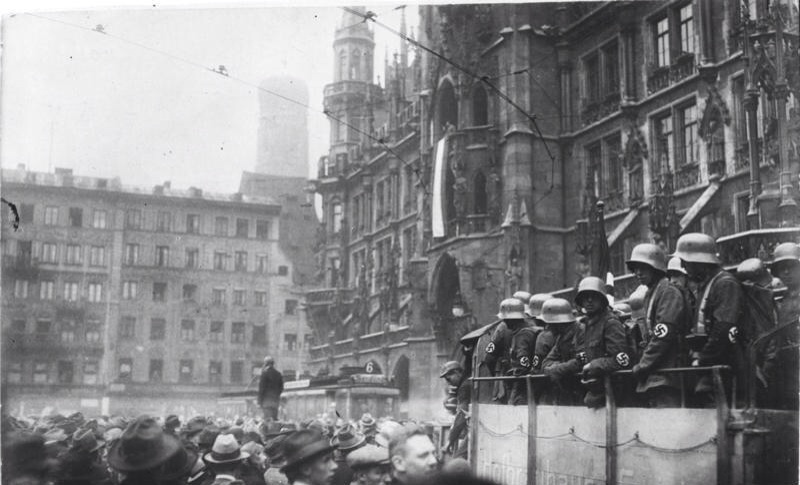
Hitler-Putsch, M¸nchen, Marienplatz

                                   Schicksalstag: The Fateful Day

Friends of Padre Steve’s World,

There are some days in history that are crammed full world changing events, and sometimes those events occur, for good or bad and sometimes good and bad in different countries. In the United States July 4th is not only Independence Day, but eighty-seven years later marked the surrender of Vicksburg and the retreat of Robert E. Lee’s army from Gettysburg. Likewise it was the day that the Louisiana Purchase was announced in 1803 and that in 1826 the Thomas Jefferson and John Adams died.

Since 1918 November 9th has been a day in German history that has impacted both Germany and the world in many ways. In a sense it is almost hard to believe that so much occurred on that day. It is known by many in Germany as Der Schicksalstag (the fateful day).

robert-blum-03

                                                        Robert Blum

In 1848 a member of the Frankfurt Parliament, Robert Blum was arrested and executed executed for traveling to Vienna to support the 1848 democracy uprising there. A liberal, humanist and democrat Blum advocated German unification without Prussian dominance, protested Prussian oppression of Poles, stood against anti-Semitism and for the rights of Catholics in heavily Protestant German kingdoms. Blum’s dream remained unfulfilled for over a century after his death. Many of the men and women who took part in the failed revolution of 1848 would come to the United States where during the American Civil War they would fight for the emancipation of slaves and later the Civil rights of freed blacks. Among them was Carl Schurz.


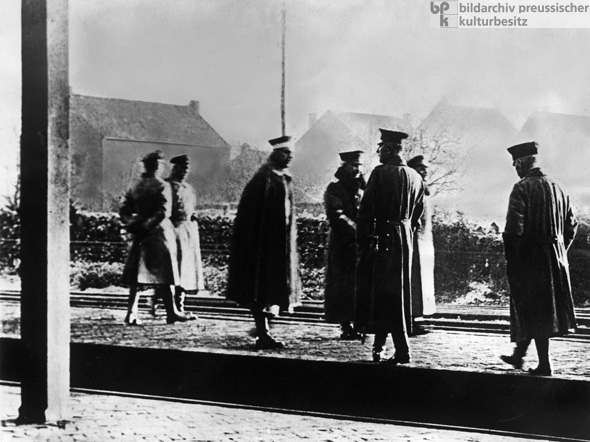
Kaiser Wilhelm II Cross
es the Dutch Border Following his Abdication

November 9th, 1918 was gloomy day at the military headquarters of Kaiser Wilhelm II. General Wilhelm Groener, Quartermaster General of the Army looked his sovereign in the eye and told Kaiser Wilhelm that the war was lost, and that he no longer had the support of the Army. The Kaiser, reeling from battlefield defeats and the mutiny of his precious High Seas Fleet, was stunned. Field Marshal Paul von Hindenburg, who had for all practical intents had headed a military dictatorship with General Erich Ludendorff since 1916, meekly nodded his concurrence with Groener. The Kaiser abdicated the throne and departed in his private train to the Netherlands the next day.

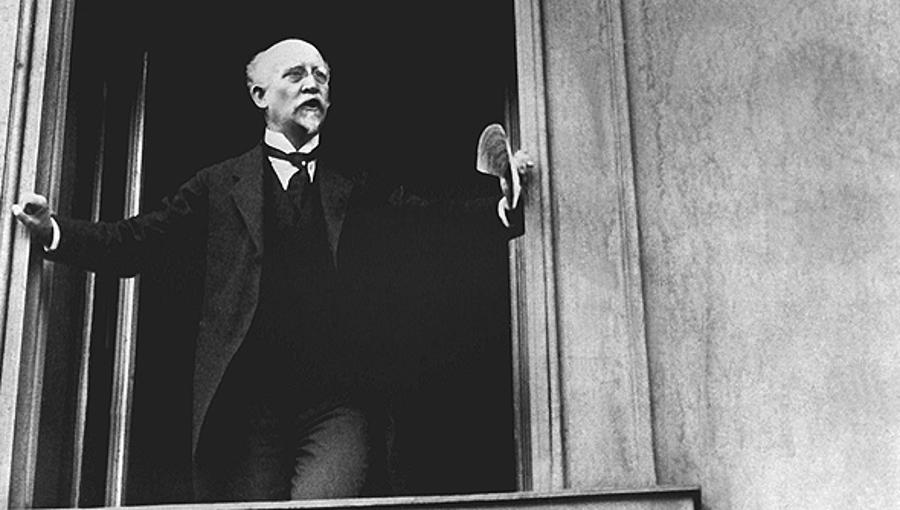
ausrufung-der-republik-in-berlin-preview-image_900x510

                         Phillip Scheidemann Proclaims the Republic 

Meanwhile in Berlin, Majority Socialist parliament member Philip Scheidemann proclaimed the Republic to prevent a Soviet takeover. Unfortunately, Scheidemann’s bold move upset a plan for a smooth transition of power between Friedrich Ebert and the outgoing Chancellor Theobald von Bethmann-Hollweg. Chaos ensued and the Republic, known as the Weimar Republic struggled for its existence in the face of a Soviet Revolution and Conservative reaction.

However, the promise of democracy was soured by events that the leaders of the Republic were blamed: a continued allied blockade, a humiliating peace treaty, the loss of territory, the occupation of the industrial areas of the Ruhr and Saar by France and Belgium, heavy war reparations, and the war guilt clause of the Treaty of Versailles. This was compounded by civil war between various right and left wing factions and major economic problems including massive hyper-inflation of 1920-21 and the Great Depression doomed the young Republic.

                                                Beer Hall Putsch

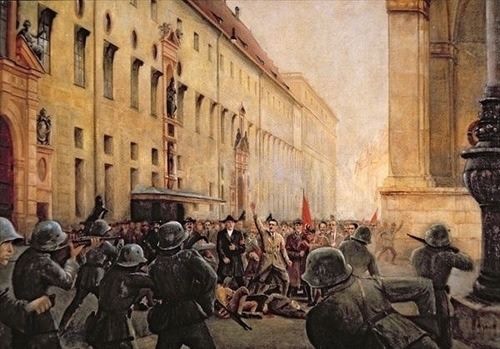
Five years to the day following Scheidemann’s proclamation a charismatic Austrian in Munich who had fought and been wounded fighting for Germany in the First World War gathered with his political sympathizes and para-military street thugs to attempt a putsch. The man was Adolf Hitler, the head of the small and radical National Socialist Deutches Arbeiter Partei, or National Socialist German Workers Party. Hitler hoped that his putsch would result in a popular uprising against the German government in Berlin. The putsch was a failure and ended in bloodshed at the Feldherrnhalle monument on Munich’s Odeonsplatz.

Hitler fled the scene but arrested and put on trial. The case was tried in Munich rather than Berlin and convicted of treason. He was given a light sentence and jailed for nine months at the Landesberg prison where he wrote his book Mein Kampf. In prison he continued to recruit others to his cause. Less than ten years later Hitler was appointed Chancellor by President Hindenburg. Hitler quickly banned political opposition and began his persecution of Jews and others that he believed to be sub-human and upon Hindenburg’s death in 1934 merged the office of Chancellor and President become the leader of Nazi Germany.

In November 1938 Hitler and his henchmen were looking for a reason to openly begin persecuting the Jews. They had been doing so since the seizure of power, but 1938 marked a turning point. Instead of unofficial pogroms launched by his undisciplined Stormtroopers, this was orchestrated by the top men in the Nazi regime.

One of the chief reasons for this was to seize the property and financial resources of German Jews. This coincided with the expulsion of Polish Jews from Germany. A reason for the action was furnished when a young Polish man, Herschel Grynszpan, whose parents were expelled from Germany on November 3rd went to the German embassy in Paris and shot and mortally wounded Ernst von Rath, a young diplomat, who reportedly had some anti-Nazi sentiments. When Von Rath died the the Nazis unleashed their fury.

kristallnacht1

Kristallnacht 

Joseph Goebbels unleashed the storm troopers and others in civilian clothes on the night of November 9th. They were supposedly spontaneous demonstrations, but the Police and Fire Departments were ordered not to intervene except to save German property. Stormtroopers ransacked Jewish businesses, homes and synagogues causing hundreds of millions of Reichsmarks in damage, destroying over 200 synagogues and 7000 businesses. About 100 Jews were killed during the rampage, which went unchecked by police. Another 2000-3000 subsequently died either by suicide or in concentration camps in which 30,000 Jewish men were incarcerated.

To add to the insult to injury Jews were charged for the damage done to their property and insurance payments that should have gone to them were collected by the state. The night became known as Kristallnacht, the night of broken glass and marked a major turn in the open Nazi persecution of Jews in Germany, which would extend throughout Europe and end in the Final Solution and the systematic murder of nearly six million Jews. World War Two ended with the total defeat of Germany and the Nazi regime.

berlin_wall_02

Building the Berlin Wall

Following Germany’s defeat in the Second World War, it was occupied by the Allied powers. Germany was split in two, the East under the domination of the Soviet Union which became the German Democratic Republic, and the West which supported by the United States and Britain became the Federal Republic of Germany.

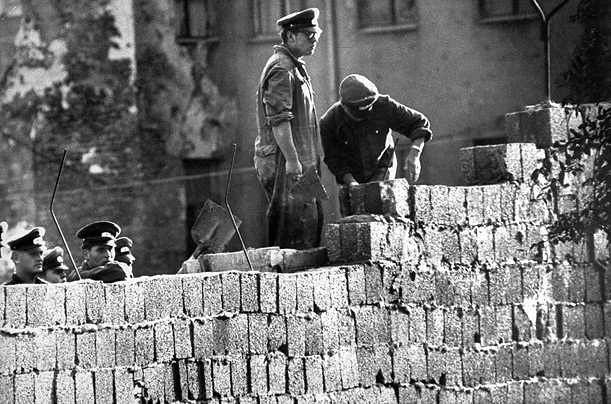
The divided country became the focal point of what became the Cold War, the fortified border became infamous as the Iron Curtain. The Berlin was blockaded by the Soviets in 1948 and the subsequent airlift kept West Berlin Free. However in August 1961 as the Cold War escalated the leaders of East Germany erected a fence which became the Berlin Wall, a wall which was effectively a means to imprison the population. It seemed to be a fixture that would never come down.

berlin-wall_1412605c

                                              The Wall Comes Down 

But in the late 1980s the Cold War began to thaw. Mikhail Gorbachev took power in the economically strapped Soviet Union which was bogged down in a costly war in Afghanistan, and a struggle against a Polish democratic movement. Premier Gorbachev sought to relieve the situation with a policy of openness. It backfired, and throughout Eastern Europe, pro-democracy and pro-freedom groups began to protest the status quo.

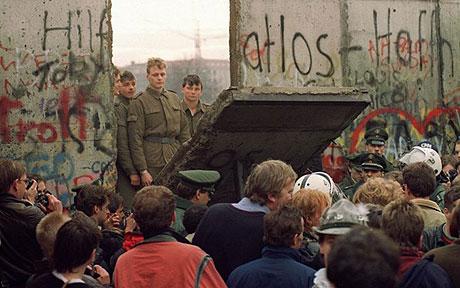
The once feared Warsaw Pact began to disintegrate. As borders were opened hundreds of thousands of Eastern Europeans including thousands of East Germans went west through Hungary and Czechoslovakia. East Germans began to gather at the Berlin Wall and on November 9th 1989 the tottering East German government decided to open border crossing points with restrictions. On hearing the news hundreds of thousands of people gathered at the six crossings demanding to be let through, and finally, ignoring orders, Stasi Lieutenant Colonel Harald Jäger who commanded the Bornholmer Strasse crossing opened the gates. The Berlin Wall had fallen and 339 days later East Germany was dissolved. On October 3rd 1990, Germany was reunited.

The new Germany is the economic heart of the European Union and has become a champion of human rights and social progress. But that could be in danger with the splintering of the major political parties that guided Germany to its position and the rise of a new nationalistic, racist, and anti-Semitic movement built around the AfD, or Alternative for Germany Party. Some leaders and members of this party express admiration for the Third Reich.

It has now been twenty-nine years since the Berlin Wall fell, eighty years since Kristallnacht, ninety-five years since the Beer Hall Putsch, and one hundred years since the abdication of Kaiser Wilhelm II.

These are all important events, and our challenge as citizens of the world is never to forget just how important and fateful each was, and why November 9th is indeed the “fateful day.” One wonders if a future November 9th will become another Schicksalstag that will again shake Germany to its foundations. The reunited Germany is still struggling with its identity thirty years after the Wall came down. Apart from Berlin, much of the former East seems like a different country than the west. It will be a full generation or more before that identity is settled, especially in the former East.

But then, maybe what is going on in the United States today is much more threatening than anything going on in Germany. We have a President who admires the former KGB dictator of Russia and who constantly tries to undermine Germany, NATO, and the European Union and is suggesting that he attend the Soviet/Russian May Day Parade next year, a parade that mixes a celebration of Soviet Communism and Russian Nationalism, with a profound hatred of the United States, NATO, and the European Union. One has to question the loyalties of the American President this Schicksalstag

It is truly a bizarro world. Harry Truman, Dwight Eisenhower, John F Kennedy and Ronald Reagan, not to mention Barry Goldwater must be spinning in their graves.

Peace,

Padre Steve+
3 Comments

Filed under germany, History, nazi germany, Political Commentary

Books The Window to My Soul and the Guard of my Conscience

Friends of Padre Steve’s World,

George R.R. Martin wrote in his book A Dance With Dragons:  “A reader lives a thousand lives before he dies, said Jojen. The man who never reads lives only one.”

I constantly read and because I try to imagine what I am reading so that in a way I live it. I have been to places that have never traveled to before and on entering them I know exactly where everything is and what happened there. I remember leading a group from my Army chapel in Wurzburg Germany to Wittenberg, where Martin Luther began the Protestant Reformation. As I led the group through the town a couple of people asked me how many times I had been there. I told them, “physically, never until today, but I have been here a thousand times before because of books. I saw Wittenberg in my minds eye before I ever saw the city.” They were surprised and both said that it seemed like I had been there many times.

I have had the same thing happen other places that I have visited, and again, it is because I read, and as I read, I imagine and occasionally dream.

I have a huge number of my books in my office most dealing with the history, especially the American Civil War and Reconstruction, the World Wars, and the insurgencies and counter-insurgency wars of the past seventy or so years. I have a lot of biographies, books on American history, military theory, sociology, philosophy, psychology related to war and PTSD, and a few theological works, though most of my theology books are at home because I don’t have room for them in the office.

Coupled with mementos of my military career, other militaria, artwork, and baseball memorabilia the sight and smell can be both overwhelming and comforting at the same time. I hear that a lot from my visitors, including those who come in for counseling, consolation, or just to know someone cares. They tell my visitors volumes about me without them ever asking a question or me telling them, and occasionally someone will ask to borrow a book, and most of the time I will lend them the book, or if I have multiple copies even give it to them.

In a sense my books are kind of a window to my soul, the topics, and even how I have them organized, and they are not for decoration. Many times while I am reflecting on a topic, a conversation, or something that I read in the news I peruse my books and pull one or more out to help me better understand it, or relate it to history. sometimes when in conversation something will come up and I can pull out a book. One of my Chaplains said that he should “apply for graduate credit” for what he learns in our often off the cuff talks. But, for me that is because I read so much and absorb it.

Likewise my memorabilia is there to remind me of all the people in my past who I have served with. I don’t have all my medals, honors, and diplomas up for everyone to see, instead I have pictures and collages, many signed by people who made a difference in my life. When I see the signatures and often all too kind words on them I am humbled, and in some cases a tear will come to my eye, but I digress…

I always try to read a decent amount everyday. I in the past couple of weeks I have finished reading a number of very good books dealing with different historical dramas. I have mentioned a number of my recent reads. Today I finished reading a very good book called Hidden Horrors: Japanese War Crimes In World War II, by Yuki Tanaka. The book is primarily focused on Japanese War Crimes In the Southwest Pacific against Allied POWs, civilians, including German missionaries, and indigenous peoples. I will be referring to it in future articles as I deal with Japanese War Crimes In the Second World War. I am well versed in the Nazi War crimes and only somewhat familiar with Japanese war crimes, but the the takeaway from the book was that both the German War Crimes and Japanese War Crimes committed during the Second World War were committed by men who placed unconditional loyalty to a supreme leader, in the case of the Germans, Hitler’s Fuhrer cult, and in the case of the Japanese, Emperor worship, much like the present day Trump Cult. But I digress, I will go into that in a future article.

I love reading and writing about complex characters, people who may be heroes and at the same time scoundrels. I like the contradictions and the feet of clay of people, because I am filled with my own, and truthfully saints are pretty boring. Unfortunately I haven’t read any biographies of late, although most of my reading deals a lot with biography as the characters weave their way through history.

Last year we observed the Centenary of the end of World War One. As a result I re-read Edmond Taylor’s The Fall of the Dynasties: The Collapse of the Old Order, 1905-1922 and Richard Watt’s The Kings Depart: The Tragedy of Germany: Versailles and the German Revolution. Both of these are very important reads which should help us to reflect reflect on what is happening in our world today. There are many similarities and reading them causes me to wonder if world leaders will allow hubris, arrogance, greed, and pride to drag the world into another catastrophic war. Sadly President Trump, doesn’t read, and doesn’t learn from history. Unfortunately, his ignorance is very much a reflection of our twenty-first century media culture.

But to me, books are important, far more important than anything that is shouted at me on television. Unfortunately, the latter is how most people get information today. I often sit at the bar and on quiet days simply listen to those near me repeat ad-nauseam the bullshit echoed by badly educated and historically ignorant conservative pundits, usually from Fox News. Historian Timothy Snyder wrote in his little but profound book, On Tyranny:

“Staring at screens is perhaps unavoidable, but the two-dimensional world makes little sense unless we can draw upon a mental armory that we have developed somewhere else. When we repeat the same words and phrases that appear in the daily media, we accept the absence of a larger framework. To have such a framework requires more concepts, and having more concepts requires reading. So get the screens out of your room and surround yourself with books. The characters in Orwell’s and Bradbury’s books could not do this—but we still can.”

Likewise, Barbara Tuchman wrote:

“Books are the carriers of civilization. Without books, history is silent, literature dumb, science crippled, thought and speculation at a standstill. Without books, the development of civilization would have been impossible. They are engines of change (as the poet said), windows on the world and lighthouses erected in the sea of time. They are companions, teachers, magicians, bankers of the treasures of the mind. Books are humanity in print.”

But anyway, I signed in to my final duty station today where not only my Chaplain skills, but my historical knowledge will be appreciated. I immediately felt at home, far more than I did in my last assignment.

So have a great day and a better tomorrow, so pick up a book and read.

Peace

Padre Steve+

6 Comments

Filed under ethics, faith, History, imperial japan, life, Military, national security, nazi germany, Political Commentary, world war two in the pacific

“To Abandon Facts is to Abandon Freedom” The Trump Effect

Friends of Padre Steve’s World,

After a long day yesterday we went out and hung out with friends for quite a while at Gordon Biersch. Then we came home and just watched television and read. I waited until this morning to check the election results and was quite pleased for the State that I will officially be a citizen of once I retire from the Navy, the Commonwealth of Virginia. So I didn’t write anything.

Tonight is kind of a reflection on the words and actions of President Trump, his family, and his cult like followers have been conducting themselves as public impeachment hearings loom in the wake of very unfavorable results for Trump and the GOP. I began to think of Historian Timothy Snyder’s words from his book On Tyranny which was published not long after President Trump’s election in 2016. Snyder wrote:

”The mistake is to assume that rulers who came to power through institutions cannot change or destroy those very institutions—even when that is exactly what they have announced that they will do.”

Dissent is not disloyalty, opposing the President’s policies, obeying one’s oath of office when seeing criminal or potential criminal actions being undertaken is not being a communist or enemy of the state. Asking such questions is not treason. Our founders wrestle with this. Thomas Jefferson wrote: “Experience hath shewn, that even under the best forms of government those entrusted with power have, in time, and by slow operations, perverted it into tyranny.“

In spite of the Democrat victories in 2018 and 2019 and the upcoming impeachment hearings, neither the President, nor his supporters in Congress, nor his propaganda department or his cult led by charlatan preachers like Paula White, the new spiritual advisor at the White House will stop the lies and will stoop to no low in order to retain power. For them neither the law or the Constitution have any meaning. Trump is the law, and what he says is coming directly from God according to Reichsbishofin Paula White.

Between White’s outright heresy and Trump’s lies, supported by those of his family, his partners in the GOP and the blind faith and belief of his propaganda network and cult the truth does not matter. Oaths of office don’t matter, only loyalty to Trump. Snyder wrote:

“To abandon facts is to abandon freedom. If nothing is true, then no one can criticize power, because there is no basis to do so. If nothing is truth, then all is spectacle. The biggest wallet pays for the most blinding lights.”

I figure that even if Trump is legally removed from office through impeachment or loses the 2020 election that the damage is done and that it will take a generation for the country, it’s laws, and institutions to recover. Thirty years ago when the Berlin Wall came down and the Soviet system fell apart it would bring forth universal democracy and freedom. I figured that the dictators were on their last legs, but I was wrong, even the United States is not immune to the lure of authoritarian rule. I believe that the next year will be very dangerous. Some of Trump’s preachers have promised that she he be turned out of office that they will kill those who opposed him.

So, until tomorrow,

Peace,

Padre Steve+

1 Comment

Filed under ethics, History, laws and legislation, leadership, nazi germany, News and current events, Political Commentary

“Functionaries Ready to Believe and Act Without Asking Questions” Trump’s Orwellian Administration


Friends of Padre Steve’s World,

As I have thought about the actions of President Trump of the last week or so that I remembered the words of historian Timothy Snyder. He wrote in his book The Road to Unfreedom: Russia, Europe, America:

“Authoritarianism begins when we can no longer tell the difference between the true and the appealing. At the same time, the cynic who decides that there is no truth at all is the citizen who welcomes the tyrant.”

Sadly it seems that there are many Americans, a vocal minority who can no longer tell the difference between truth and what they find appealing. Much of this cannot be ascribed to any other motive than racism, admitted or not. Likewise, there is probably a larger number of Americans who have become so cynical that they have made the decision that there is no truth. They are the people who really make authoritarian regimes possible.

Hannah Arendt wrote:

The ideal subject of totalitarian rule is not the convinced Nazi or the convinced Communist, but people for whom the distinction between fact and fiction ( i.e., the reality of experience) and the distinction between true and false ( i.e ., the standards of thought) no longer exist.

That is a big part of the danger that we face today. Such people become the willing functionaries who drive the machine of the criminal state.

The late and great Auschwitz survivor, Primo Levi wrote:

 “Monsters exist, but they are too few in number to be truly dangerous. More dangerous are the common men, the functionaries ready to believe and to act without asking questions.” 

Last night I quoted from the book The Participants: the Men of the Wannsee Conference in the chapter dealing with Friedrich Kritzinger, State Secretary for the Reich Chancellery, whose job it was to make the bureaucracy of the Third Reich run as smoothly as possible. The writers of that chapter noted:

“Justice being taken away, then, what are kingdoms but great robberies?” (St. Augustine). This might not be a quote from Kritzinger, but it serves as a reminder that, by working as a lawyer for a regime, which he has known from the start to be criminal, he made himself a stooge.” (The Participants p.217”) 

I wonder how many like Kritzinger are currently serving in the Trump Administration, or in Congress defending his every misdeed. From my perspective I could name more than a dozen without blinking an eyelash, men an women who purposely subvert the law and Constitution in the name of Trump, as if loyalty to him is more important than their oath, or if his word “trumps” the law and Constitution. In the Third Reich it was said by many leading Nazis that Hitler’s word was above the law and that it was the law.

Be it whether they are true believers of lies, or cynics who have stopped believing in truth, they make possible the existence and functionality of the criminal authoritarian state. Both the true believers and the cynics refuse any personal responsibility and commit themselves to a system that knows no bounds of cruelty or lawlessness. Hoffer wrote:

“There is also this: when we renounce the self and become part of a compact whole, we not only renounce personal advantage but are also rid of personal responsibility. There is no telling to what extremes of cruelty and ruthlessness a man will go when he is freed from the fears, hesitations, doubts and the vague stirrings of decency that go with individual judgment. When we lose our individual independence in the corporateness of a mass movement, we find a new freedom—freedom to hate, bully, lie, torture, murder and betray without shame and remorse.”

So anyway, I am tired. It has been a long day.

Until tomorrow,

Peace,

Padre Steve+

3 Comments

Filed under History, holocaust, laws and legislation, leadership, Military, nazi germany, News and current events, Political Commentary

History, Biography, and Organizing my Library at Home


Friends of Padre Steve’s World,

Today has been a very difficult day where I worked in the house, the storage space, and. helped Judy and some of her friends break down their wares at the end of a craft show. This evening I did some more work organizing books in my library here at home. This week while doing my transfer I also caught up with some reading since my orders didn’t actually show up until late Wednesday. I read Mark Rosen’s “The Wannsee Conference and the Final Solution: a Reconsideration”; “The Participants: the Men of the Wannsee Conference” edited by Hans Christian Jasch and Christopher Kreutzmuller; finished reading “Our Declaration: a Reading of the Declaration of Independence in Defense of Equality” by Danielle Allen; and began reading Stefan Kühls “The Nazi Connection: Eugenics, American Racism, and German National Socialism.” While browsing my books I pulled out “Hidden Horrors: Japanese War Crimes in World War II” by Yuki Tanaka.

In like of what I have been doing I am reposting an edited and expanded version of an older article emphasizing the connection between history and biography. This is something I try to do when I write. Tomorrow, I start my check-in process after having signed in to my new command, before they send me to Norfolk Naval Shipyard in Portsmouth.

So until tomorrow, 

Peace,

Padre Steve+

English historian and military theorist Colin Gray noted that “people matter most” when we deal with history, policy, or politics, but especially in the matter of war.

I think one of the sad things about history is that many authors, especially in military history, but other areas as well, seem to treat the participants as bit players in a series of events, rather than a prism from which to understand and view history.

I cannot tell you how many times I have had students, and even colleagues tell me that history is dry, boring and uninteresting to them. I will not condemn them, for certainly if it is that is case, it is not their fault, but rather those who write and teach history. If all history is, is arbitrary dates, lists of disconnected events and names of people, without any context to their lives, why should they care about it?

When I first began to study history I was much more concerned about events than people. However, over the past couple of years I have began to develop what I call my philosophy of history. That has come about through my study of the events leading to the American Civil War and in particular my study of the Battle of Gettysburg, but also in other historical events such as the Arab Revolt of 1917,  the French adventures in Indochina and Algeria, and the Holocaust.

In doing all of my research I have read a large number of books, articles and primary sources on these subjects and my personal library appears to be growing at an exponential rate. I have noticed that much of what I have read deals very little with the people involved, unless I am reading a biography, and even some of the biographies seem to be event heavy, and person light and sometimes it seems that the subjects of the biography are often one dimensional, and almost caricatures of who they really were. Some of the alleged biographies that I read would be better described as hagiography, to make the subjects appear saintlike, the type of writing used by religious writers to make saints a lot less human. There are others who go to the opposite extreme and do all they can to demonize their subject. In either case the method is less than honest, but for many people, profit and propaganda value mean more than truth. Of course either type of writing appeals to the masses who do not care about nuance, or for that matter truth.

But such is not history. Neither are “histories” which are designed to support a particular ideology, be it political, religious, or economic. Such works are not history, but propaganda. When I see people, in this country forbidding the teaching of history because it is not patriotic enough I want to scream. It is like I am watching the propagandists of Stalin’s Soviet Union, Hitler’s Third Reich, or any of many other nations that used ideology or religion to supress history that didn’t meet their definition of “patriotic.” But then I digress…

My gut feeling says that such artificial divisions between history and biography do a disservice to the reader. I take a tremendous pleasure in writing, and I like to try to communicate and interpret facts, which is indeed the vocation of the historian, in a manner that makes them interesting. What I am finding is that when telling the stories of events we must also tell the stories of the people who make these events.

Without such a connection there is little to interest most readers. People tend to be interested in people because there is a connection. The human being is still the human being, no matter what age, country, culture, religion that they belong to. I learned a lot of this from reading the works of Barbara Tuchman who in her writings about events, never forgot importance of people, and refused to turn them in to one dimensional caricatures.

In my writing now I attempt to bring the prism of the biography into the events that I write about.

I had a fellow faculty member note that he liked what I wrote about Gettysburg because it was more than just the events, it was the personal connection he felt to the people.

People matter because they have so many layers. I guess one of the things that makes my writing approach a bit different is that while I am a historian, I am also trained in philosophy, pastoral care and psychology, all of which deal with existential matters.In the next few days you will be seeing some of my Gettysburg work, and hopefully as you read it you will notice that I attempt to find that nuance in the various men, on both sides of the conflict, who are part of the story.

I found that the complexities and contradictions of the subjects of history, the people help me understand the events more than anything. I think my epiphanies came in reading about the lives, as well at writings of men like T.E. Lawrence and Gouvereur Warren whose triumphs, struggles, weaknesses and injuries mirror my own. In learning about these men as people, in the context of what they accomplished helps me to understand their history and the era that they lived far more than simply recounting how they influenced a battle.

Likewise, I find that the lives, beliefs, motivations, relationships, and experiences of people to be paramount to understanding events. People are complex, multi-layers and often contradictory. All of my heroes all have feet of clay, which in a sense makes their stories even richer, and the events that they helped bring about more fascinating, because then I gain a holistic perspective and develop an empathy for them. Even good and honorable people who find themselves due to race, religion, or nationality fighting for an evil cause, or evil people fighting for a good cause. Both are troubling, I think that good and honorable men who submit themselves to criminal and evil causes are more troubling.

We are seeing much of that today in regard to various members of the Trump Administration. When I was reading the article on Friedrich Kritzinger, the State Secretary for the Reich Chancellery, a conservative Prussian Civil Servant who served under the Kaiser, the Weimar Republic and Nazi Germany. In his position he made sure that the bureaucracy of the Reich ran efficiently, and also wrote legal justifications for the absorption of the rump of Czechoslovakia, and western Poland into the Reich. He also took part in the Wannsee Conference, for which he was the only participant to express remorse. Stefan Paul-Jacobs and Lore Kleiber, wrote about him in The Participants:

“Justice being taken away, then, what are kingdoms but great robberies?” (St. Augustine). This might not be a quote from Kritzinger, but it serves as a reminder that, by working as a lawyer for a regime, which he has known from the start to be criminal, he made himself a stooge.” (The Participants p.217”) 

The story of Kritzinger, is very pertinent for anyone trapped by ideological or religious constraints, or commitment to a leader that they know is corrupt, acting criminally, or undermining the law and Constitution. That may confuse or even offend you, but it is a part of the human condition. That my friends is history.

Barbara Tuchman noted “that if the historian needs to submit himself to his or her material instead of trying to impose himself on his material, then the material will ultimately speak to him and supply the answers.”

This is very important, because when we do this we discover the answers to the why questions, especially the why questions that are so very uncomfortable, are necessary if we want to discover truth.

I know that I can find connections in the strengths as well as their weaknesses of people that I admire. Thus when I see ordinary people taking part in events, for good or for evil,I can say that given the same set of circumstances that that could be me. Context matters, nuance matters, people matter. If we do not understand that, history becomes nothing more than a set of manipulated facts, devoid of context that can be used to buttress the most evil intentions.

I do plan on developing these thoughts over the coming weeks and months, but for now it will suffice to say that when I write about history, that people matter. That is why I write.

6 Comments

Filed under books and literature, civil war, History, life, Military, philosophy, racism

War Crimes: Revisiting the Rape of Nanking and Japanese War Crimes

Japanese Soldiers at Work in Nanking

Friends of Padre Steve’s World,

I am starting to catch up a bit about other non-German and non-American atrocities committed in the name of war and in the name of race hatred and the need for supposedly “superior races” to commit war crimes in the name of their ideology. My specialties in history are modern German history, World War Two, and the American Civil War beginning with the antebellum era, the war, reconstruction, Jim Crow, and the Civil Rights Movement.

I have done some study of the Turkish Armenian Genocide, and the war crimes committed by the Japanese before and during the Second World War. I have written some about the Japanese Rape of Nanking but have only lightly touched on their other crimes against humanity and the lack of thoroughness of the war crimes trials held against Japanese leaders as compared the various war crimes trials involving German leaders. Over the coming weeks and months I will be writing about at least some of the Japanese War crimes.

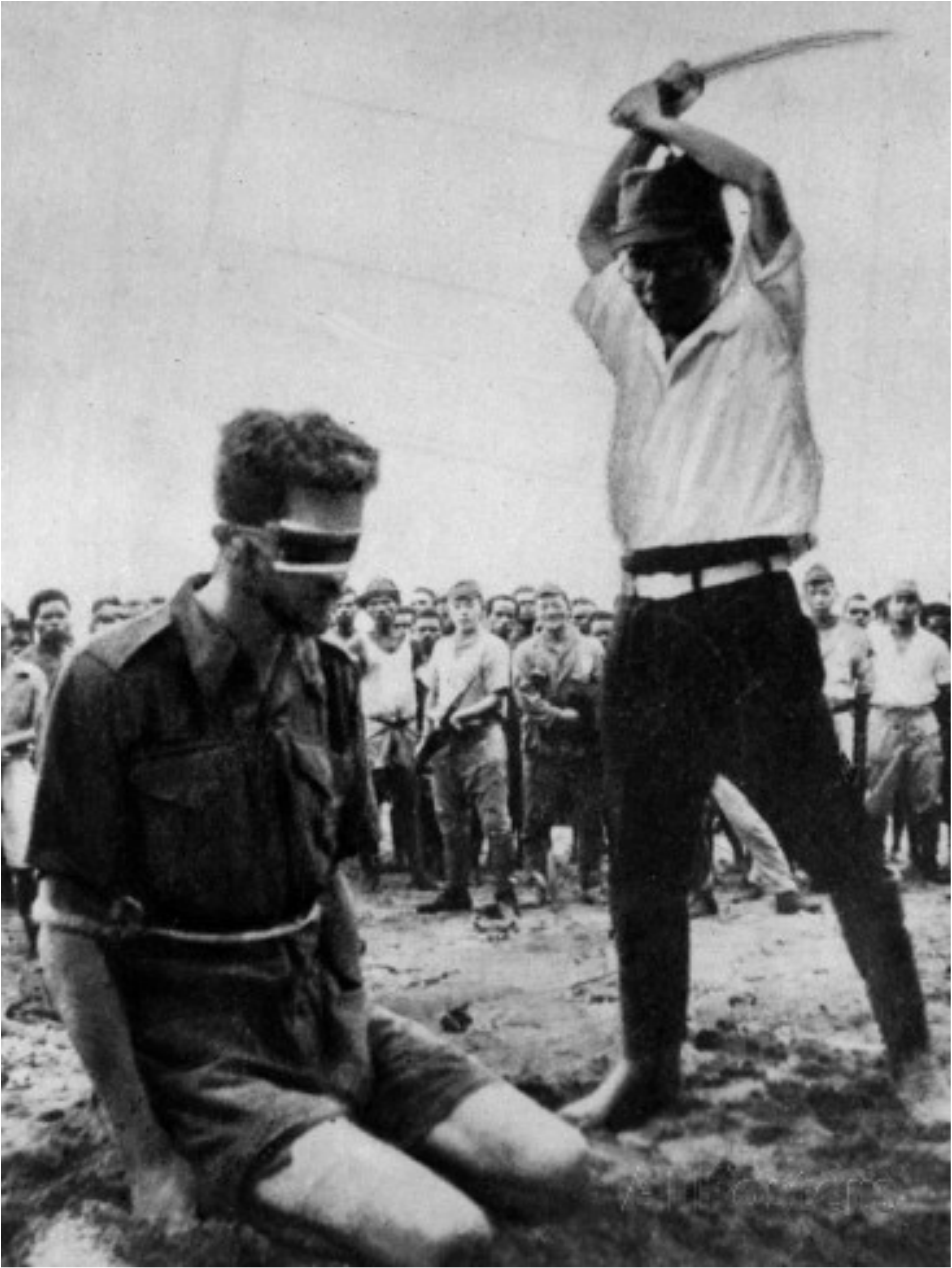
I am going to restart than process by reposting an article regarding the Rape of Nanking, one of many brutal Japanese atrocities against the Chines and other Asian peoples that the Japanese committed, not to mention the atrocities that they committed against Allied POWs who they believed had given up their honor by surrendering. Now the Japanese war crimes were different from those of the Nazis, but they were just as brutal and evil as those committed by the Nazis, the Soviets, the American Slave culture, and the extermination of the Native American nations, or so many other mass slaughters or genocides. The complicity of the Japanese Royal family, military, and industrial elites is highly documented, but few were ever prosecuted, much less convicted of their crimes. To this day a culture of denial and silence rules in Japan, while the Germans, especially since the 1970s have become leaders in facing the guilt of their ancestors. In fact, often more than any nation, the Germans do more to remember the genocides committed by Americans. Historical memory can be a bitch to face, and especially with the ascendancy of President Trump, there are many Americans not only willing to ignore, but to exalt in them and to back actions by the Trump Administration that can only end in death and criminal actions that Justice Robert Jackson, who organized the Nuremberg Trials and served as the chief American prosecutor in the Major War Crimes Trials:

“If certain acts of violation of treaties are crimes, they are crimes whether the United States does them or whether Germany does them, and we are not prepared to lay down a rule of criminal conduct against others which we would not be willing to have invoked against us.” 

What I find interesting is the amount of hate mail I get from Japanese Nationalists and revisionists. I get far more from them than from neo-Nazis or neo-Confederates.

So here we go again.

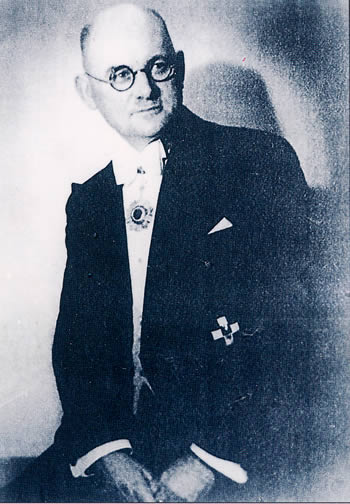
The historical controversy regarding the “rape” of Nanking in 1937 by the Japanese Army is hotly debated.[1] The massacres occurred in the initial occupation of the city and the two months following in mid December 1937.  The initial reaction to the actions of the Japanese was reported by western journalists and even a German Nazi Party member by the name of John Rabe who assisted in protecting Chinese during the massacre and reported it on his return to Germany.The action shocked many in the west and helped cement the image of the Japanese being a brutal race in the west.

Massacre Victims at Nanking

The controversy’s visibility has been raised since the 1997 publication of Iris Chang’s The Rape of Nanking. However, with few exceptions the incident had received little attention by Western historians until Chang’s book was published. The reason for this was  that  China was a sideshow for for the United States and Britain throughout much of the war. When Chiang Kai Shek’s Nationalists were overthrown by the Communists in 1948 the incident disappeared from view in the United States.   The  United States government  reacted to the overthrow of Chaing by helping to rebuild Japan and rehabilitate the Japanese while opposing the Chinese Communists.  In fact it was only “after the Cold War was the Rape of Nanking Openly discussed.”[2]

Bodies of Children Killed by the Japanese at Nanking

Chang’s book was instrumental as it brought new attention to the actions of the Japanese Army in the slaughter of Prisoners of War and civilians following the occupation of the city.  Even as Chang’s work was published “revisionist” works began to appear in the 1980s which have either denied the atrocities, sought to minimize numbers killed by Japanese Forces or rationalized the them began to appear in Japan.  The revisionists were led by Masaaki Tanaka who had served as an aide to General Matsui Iwane the commander of Japanese forces at Nanking.  Tanaka denied the atrocities outright calling them “fabrications” casting doubt upon numbers in the trial as “propaganda.” He eventually joined in a lawsuit against the Japanese Ministry of Education to remove the words “aggression” and “Nanjing massacre” from textbooks, a lawsuit which was dismissed but was influential to other revisionists and Japanese nationalist politicians and publishers.[3]

             Japanese Officer Preparing to Execute Man in Hospital

Most early accounts of the occupation and war crimes have used a number of 200,000 to 300,000 victims based upon the numbers provided during the War Crimes Trials of 1946.[4] Unlike the numbers of victims of the Nazi Holocaust the numbers are less accurate.  Authors who maintain the massacres such as Chang and others such as Japanese military historian Mashario Yamamoto who admits Japanese wrongdoing and excess but challenges the numbers use the same statistical sources to make their arguments.  Chang not only affirms the original numbers but extrapolates that even more may have been killed as a result of the disposal of bodies in the Yangtze River rather than in mass graves away from the city as well as the failure of survivors to report family member deaths to the Chinese authorities.[5] She also notes contemporary Chinese scholars who suggest even higher numbers.

Prince Asaka, Granduncle of Emperor Hirohito Commanded Troops at Nanking

Herbert Bix discusses Japanese knowledge of the atrocities in detail up and down the chain of command including Prince Asaka, granduncle of Emperor Hirohito who commanded troops in Nanking, the military and Foreign Office, and likely even Hirohito himself.[6]

German National and Nazi Party Member John Rabe Protected Chinese at Nanking and Reported His Experience to the German Government.  He is known as “The Good Man of Nanking”

The publication of German citizen and witness to the massacres John Rabe’s diaries in 2000, The Good Man of Nanking, provided an additional first hand account by a westerner who had the unique perspective of being from Japan’s ally Nazi Germany.  His accounts buttress the arguments of those like Chang who seek to inform the world about the size and scope of Japanese atrocities in Nanking.

A Field of Skulls at Nanking

Yamamoto who is a military historian by trade and is viewed as a “centrist” in the debate, places the massacres in the context of Japanese military operations beginning with the fall of Shanghai up to the capture of Nanking. Yamamoto criticizes those who deny the massacres but settles on a far lower number of deaths, questioning the numbers used at the War Crimes Trials. He blames some on the Chinese Army[7] and explains many others away in the context of operations to eliminate resistance by Chinese soldiers and police who had remained in the city in civilian clothes. He  claims that  “the Japanese military leadership decided to launch the campaign to hunt down Chinese soldiers in the suburban areas because a substantial number of Chinese soldiers were still hiding in such areas and posing a constant threat to the Japanese.”[8] David Barrett in his review of the Yamamoto’s work notes that Yamamoto believes that “there were numerous atrocities, but no massacre….”[9] Yoshihisa Tak Mastusaka notes that while a centrist Yamamoto’s work’s “emphasis on precedents in the history of warfare reflects an underlying apologist tone that informs much of the book.”[10] Revisionist work also criticizes the trials surrounding Nanking and other Japanese atrocities.  An example of such a work is Tim Maga’s Judgment at Tokyo: The Japanese War Crimes Trials which is critiqued by historian Richard Minear as “having a weak grasp of legal issues” and “factual errors too numerous to list.”[11] Such is a recurrent theme in revisionist scholarship, the attempt to mitigate or minimize the scale of the atrocities, to cast doubt upon sources and motivations of their proponents or sources, to use questionable sources themselves or to attribute them to out of control soldiers, the fog of war and minimize command knowledge as does Yamamoto. Politics is often a key motivating factor behind revisionist work.

Iris Chang Would Later Commit Suicide

Chang would never be the same after researching and writing the Rape of Nanking. Traumatized by what she had learned and burdened by the weight of what she had taken on she killed herself on November 9th 2004.

Iconic Photo of Japanese Acts in China: A Wounded Child at Shanghai Station

“Revisionist” history will almost certainly remain with us, so long as people study the past.  However one has to be careful in labeling a divergent view of a historical subject as necessarily revisionist.  There are occasions when new evidence arises and a “new” or “revisionist” work may actually disprove previous conclusions regarding historic events or persons.  This might occur when what we know about a subject comes from a single or limited number of sources who themselves were limited in what they had available for research and new evidence comes to light. At the same time where numerous sources from diverse points of view attest to the genuineness of an event, the revisionist’s theses should be themselves scrutinized based on evidence presented as well as their political, ideological or racial motivations.  While one does not want to silence voices of opposition to prevailing beliefs one has to be careful in examining their claims, especially when they arise in the context of political or ideological conflicts.

Notes 


[1] Bix, Herbert P. Hirohito and the Making of Modern Japan, Harper Collins Publishers, New York, NY 2000. pp.333-334. Bix does a good job explaining the number of victims of the incident drawing on Chinese and Japanese sources.

[2] Kreuter, Gretchen. The Forgotten Holocaust in The Bulletin of Atomic Scientists, March-April 1998 p.66

[3] Fogel, Joshua A. The Nanjing Massacre in History and Historiography, University of California Press, Berkley CA 2000, pp.87-89

[4] Toland, John. The Rising Sun: The Rise and Fall of the Japanese Empire 1936-45. Random House, New York, NY 1970 pp. 50-51. Toland in his brief discussion of the massacres notes both the civilian casualty figures and figures for male citizens of military age who were slaughtered.  Toland also notes the large numbers of women raped by Japanese soldiers.

[5] Chang, Iris. The Rape of Nanking: The Forgotten Holocaust of World War II Penguin Books, New York, NY 1997 pp.102-103. Chang has been criticized by some historians in a number of ways including that she was not a historian, that she compares the atrocities to the Nazi Holocaust and her emotional attachment to the subject which may have been a contributing factor in her 2004 suicide.

[6] Bix. p.336

[7] Yamamoto, Masahiro. The Rape of Nanking: Anatomy of an Atrocity. Praeger Publishers an imprint of the Greenwood Group, Westport, CT 2000. http://site.ebrary.com/lib/apus/docDetail.action?docID=10018001&p00=nanking  p.83

[8] Ibid. p.92.

[9] Barrett, David P.  Review of The Rape of Nanking: Anatomy of an Atrocity by Masashiro Yamamoto Canadian Journal of History/Annales canadiennes d’Histoire XXXVIII, April/Avril 2003 p.170

[10] Mastusaka, Yoshihisa Tak.  Review of The Rape of Nanking: Anatomy of an Atrocity by Masashiro Yamamoto American Historical Review, April 2002 p.525

[11] Minear, Richard. Review of Judgment at Tokyo: The Japanese War Crimes Trials by Tim Mata  American Historical Review. April 2002 p.526

6 Comments

Filed under crime, History, Military, nazi germany, Political Commentary, war crimes, White nationalism, world war two in the pacific

An End and A Beginning at the Twilight of a Career

Friends of Padre Steve’s World,

Toady was the turning of another page in my military career, probably the last one before I retire. I left my old command, reported in to my new command and will begin checking in to the Naval Region before reporting to Norfolk Naval Shipyard, in Portsmouth where Lord willing and the creek don’t rise next summer. The shipyard hasn’t had it’s own chaplain in years and my mission, with no resources other than me is to try to help justify the re-establishment of a chaplain billet there. I will give it my best, but with the continuing cuts to religious ministries in Naval Installations Command I think the best I can do is to care for the sailors and civilian employees to the best of my ability and let the chips fall where they may.

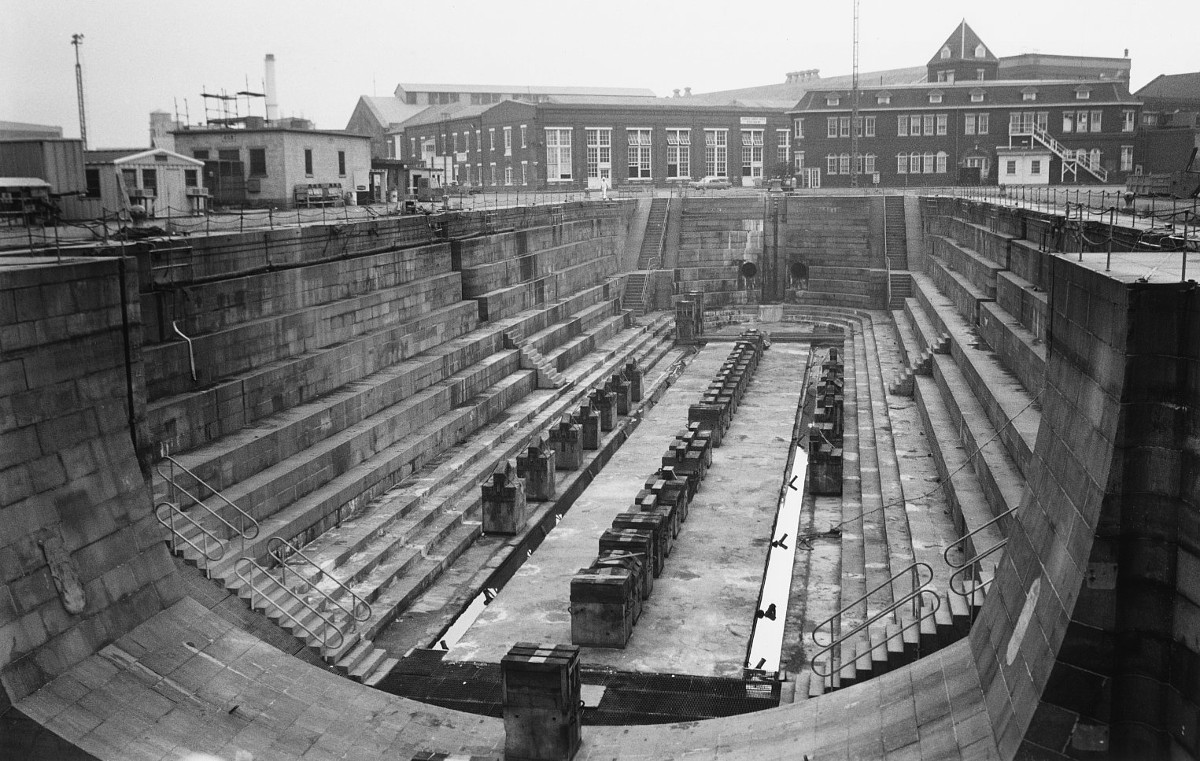
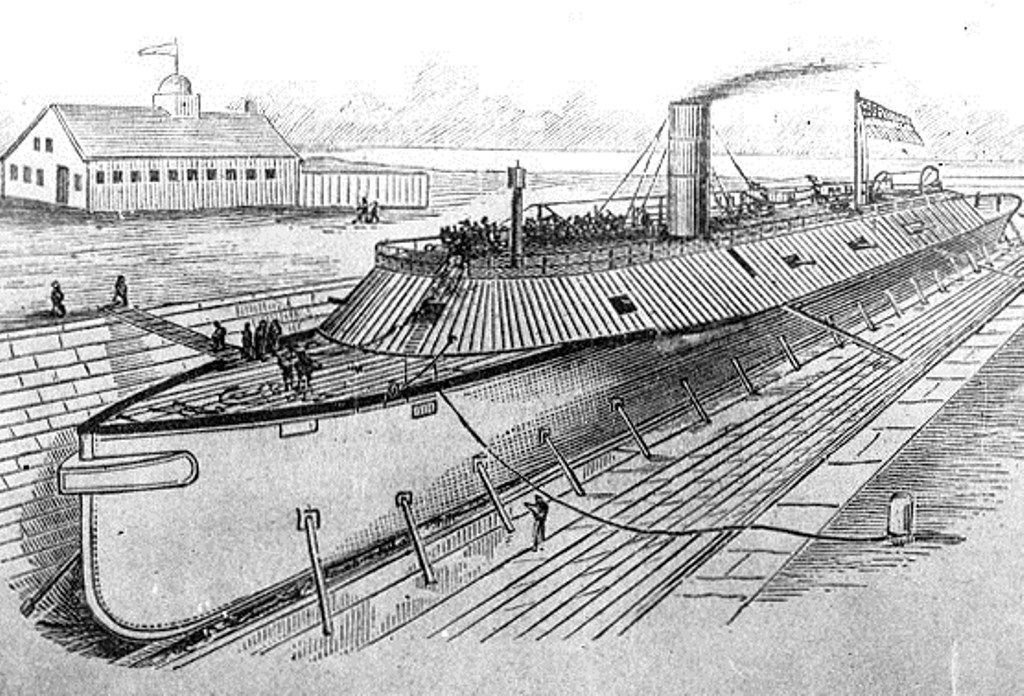
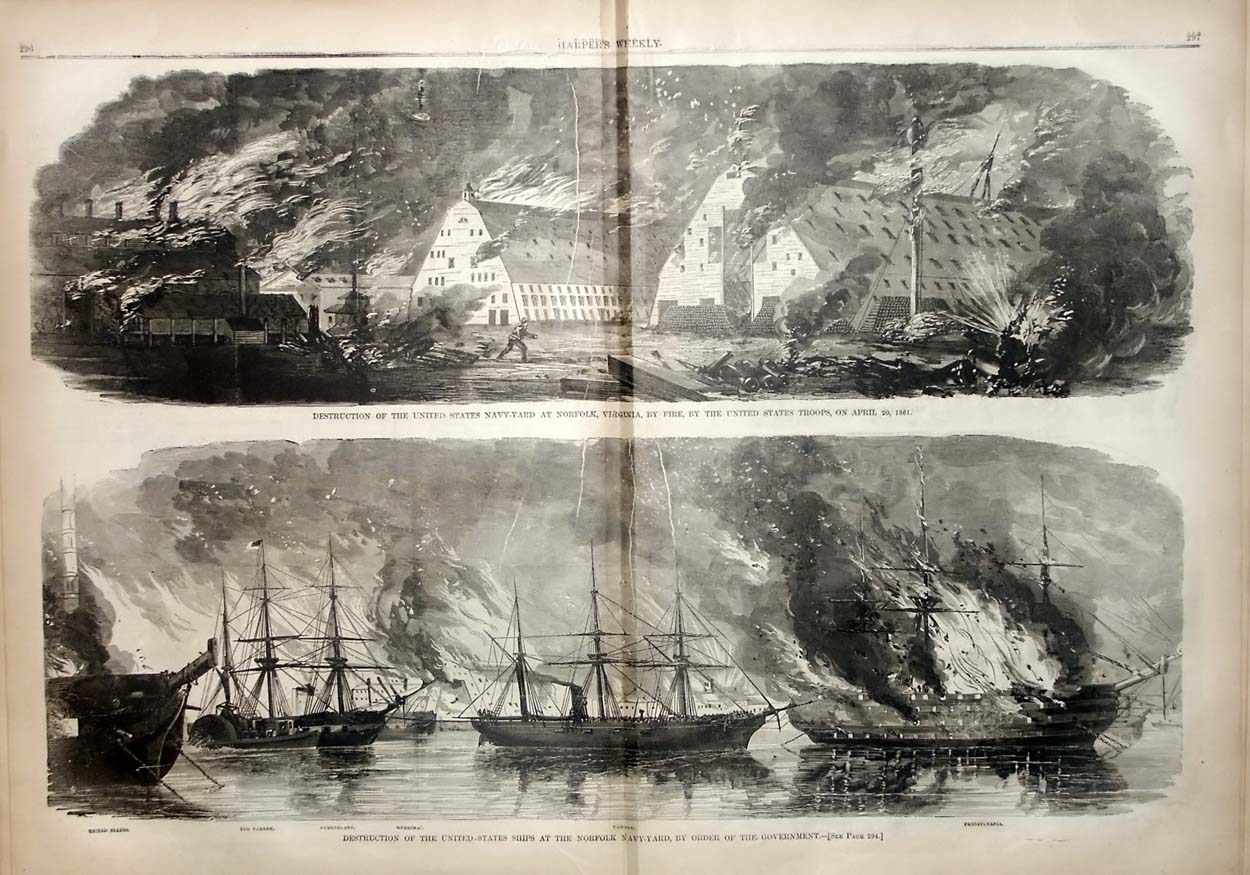
I suppose that it is fitting that someone like me, a Priest who is a historian at heart finish his career trying to make a go of it. The shipyard is the oldest in the Navy, Drydock Number One is the oldest in the Western Hemisphere. The Frigate USS Chesapeake, one of the first six frigates built for the re-established U.S. Navy was the first major warship constructed at it. The USS Merrimac was raised and rebuilt in the Drydock One by the Confederate States Navy as the Ironclad CSS Virginia.

The Naval Yard was recaptured by the Union later in 1862 and following reconstruction it became one of the major construction and repair yards for the Navy, and our allies in the Second World War.

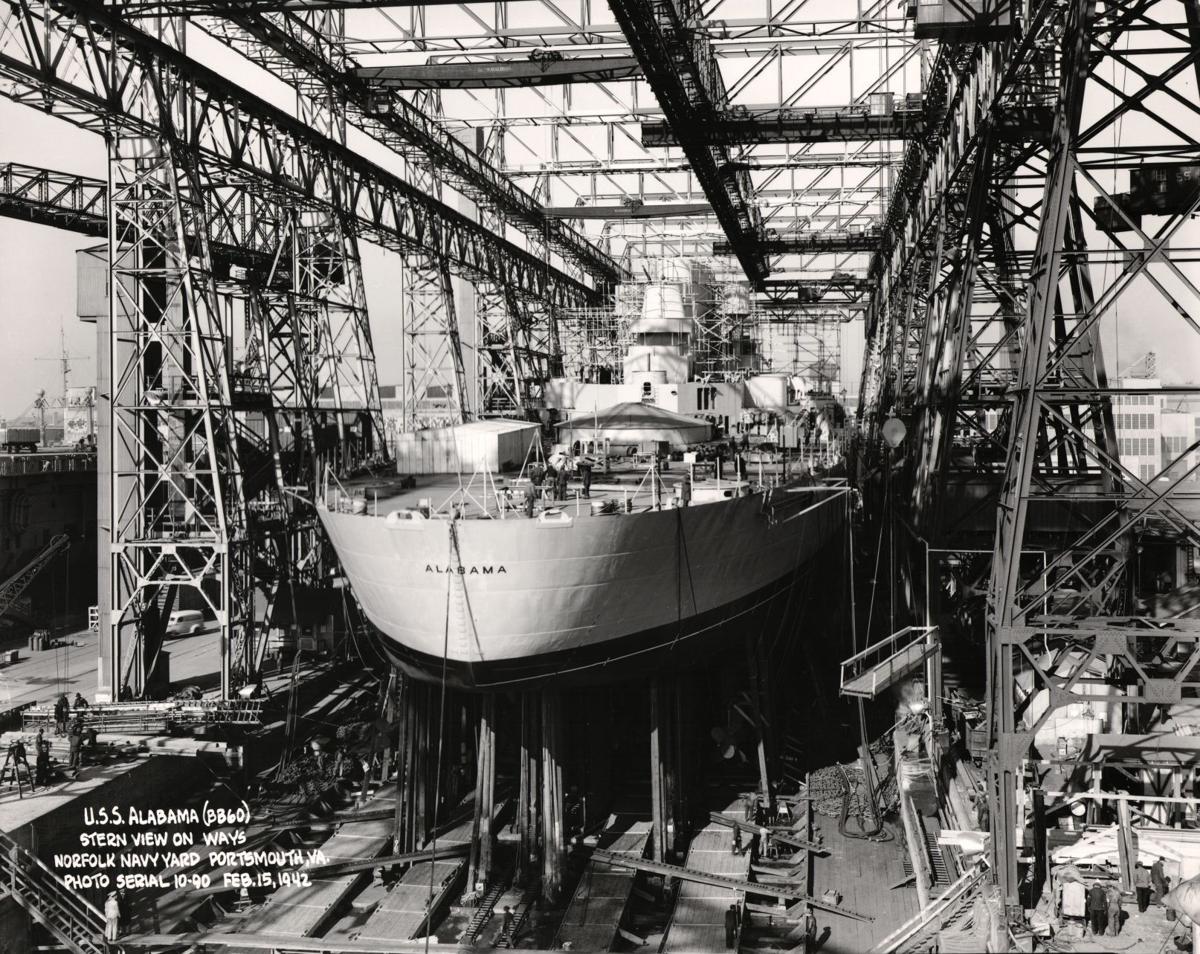
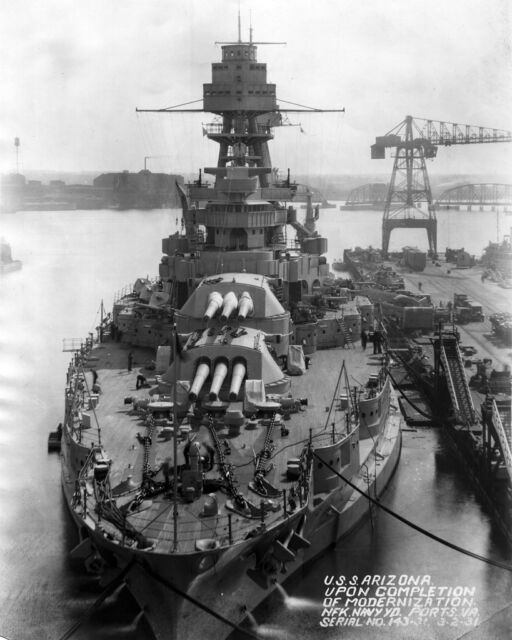
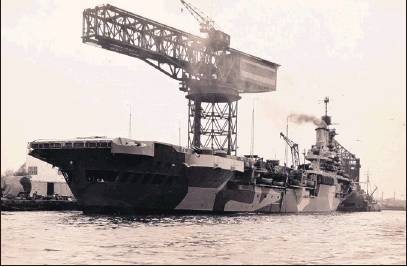
The battleship USS Alabama was constructed there and thousands of ships were repaired or overhauled at it, including Famous ships like the USS Arizona and HMS Illustrious, as well the largest modern Super carriers of the U.S. Navy.

I look forward to learning more of the history as I work there.

So until tomorrow, all the best.

Peace,

Padre Steve+
 

3 Comments

Filed under civil war, History, Military, national security, Navy Ships, US Navy